


Picture this: you're on a family camping trip, and after a day of hiking, everyone's gathered around the picnic table as the sun sets. Instead of squinting at phone screens, you pull out a device no bigger than a coffee mug, and suddenly you're watching movies on a 100-inch screen under the stars. That's the magic of modern portable projectors.
The portable projector market has exploded in recent years, and 2024 brought us two fascinating approaches to cramming big-screen entertainment into tiny packages. Today, we're comparing two standout models: the XGIMI MoGo 3 Pro and the LG CineBeam Q. These represent two very different philosophies—one prioritizes incredible value and versatility, while the other pushes image quality to premium levels.
Before diving into specifics, let's establish what makes portable projectors special. Unlike their hefty home theater cousins that might weigh 15+ pounds and require ceiling mounts, portable projectors typically weigh under 5 pounds and can be set up anywhere in seconds. The trade-off? They're significantly dimmer than traditional projectors, usually producing between 300-800 lumens compared to 2,000+ lumens from dedicated home theater models.
This brightness limitation means portable projectors work best in dark or dimly lit environments. Think of them as specialized tools: they excel for outdoor movie nights, hotel presentations, dorm room entertainment, or creating impromptu theaters in dark basements, but they'll struggle to compete with your living room TV during daytime viewing.
The key considerations when choosing a portable projector include brightness (measured in lumens—higher numbers mean better performance in ambient light), resolution (how sharp the image looks), color accuracy, built-in smart features, audio quality, and actual portability. Getting the right balance of these factors for your specific needs is what this comparison is all about.
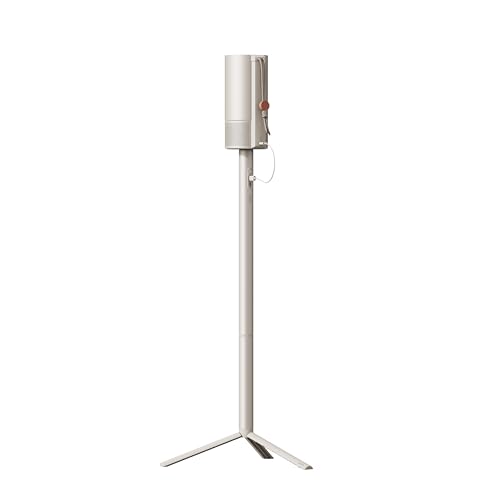
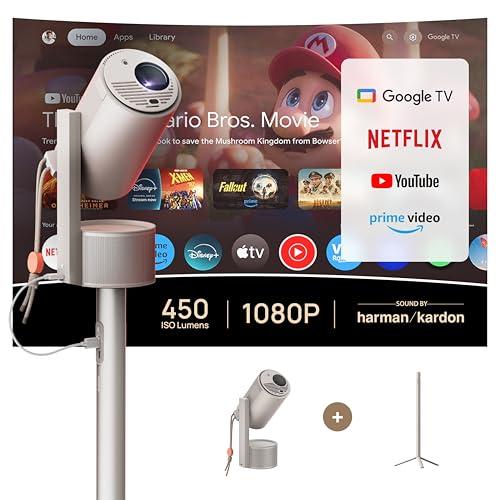
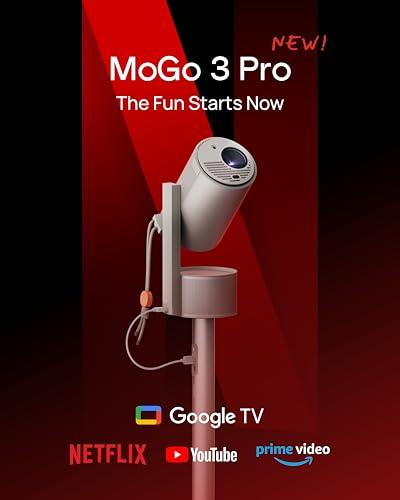
The XGIMI MoGo 3 Pro, released in 2024, represents what I'd call the "sweet spot" approach. At the time of writing, it costs roughly one-third the price of premium alternatives while delivering surprisingly sophisticated features. It's genuinely pocket-sized—about the dimensions of a large coffee cup—and includes innovations like ambient lighting modes and obstacle-avoiding projection technology.
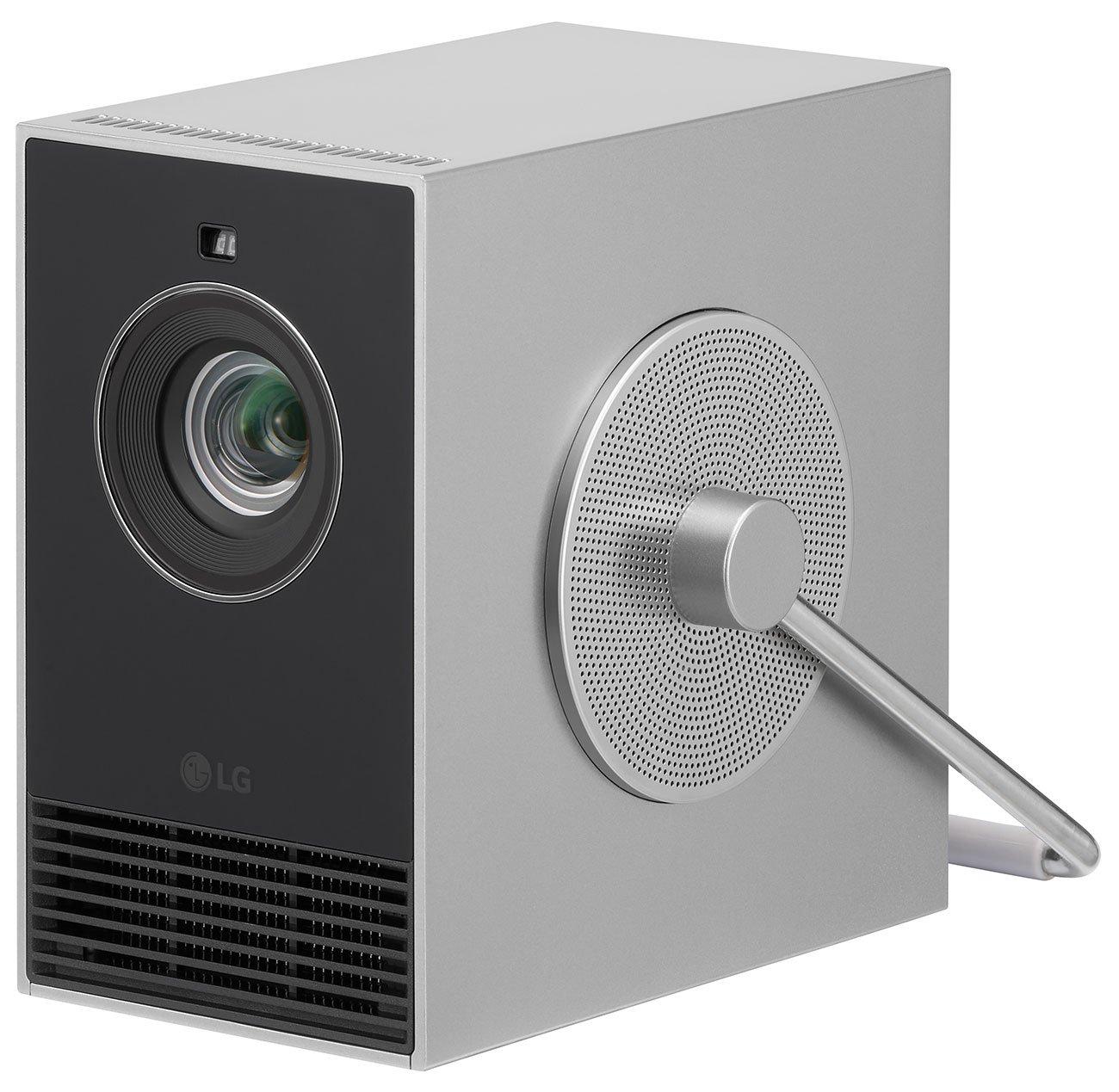
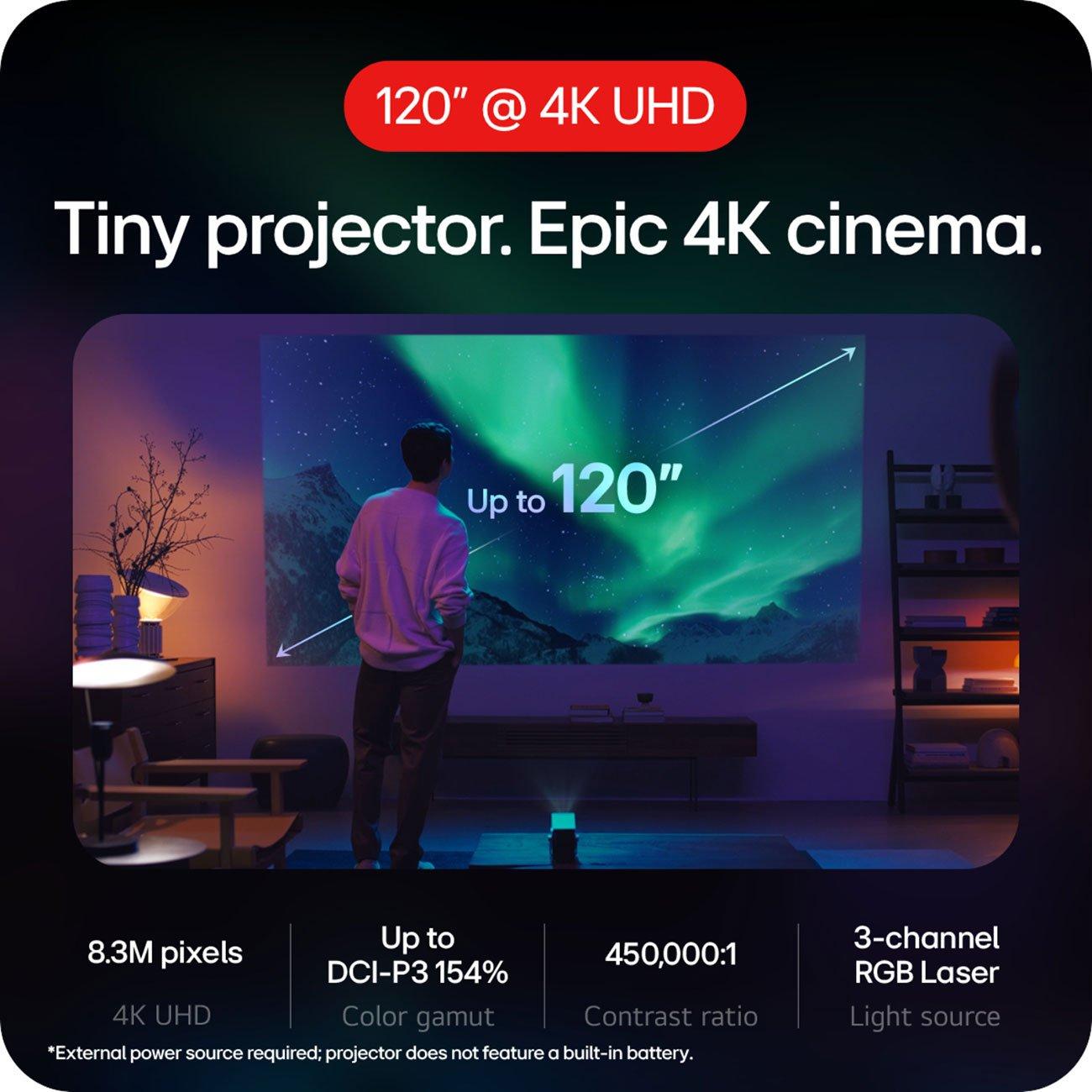
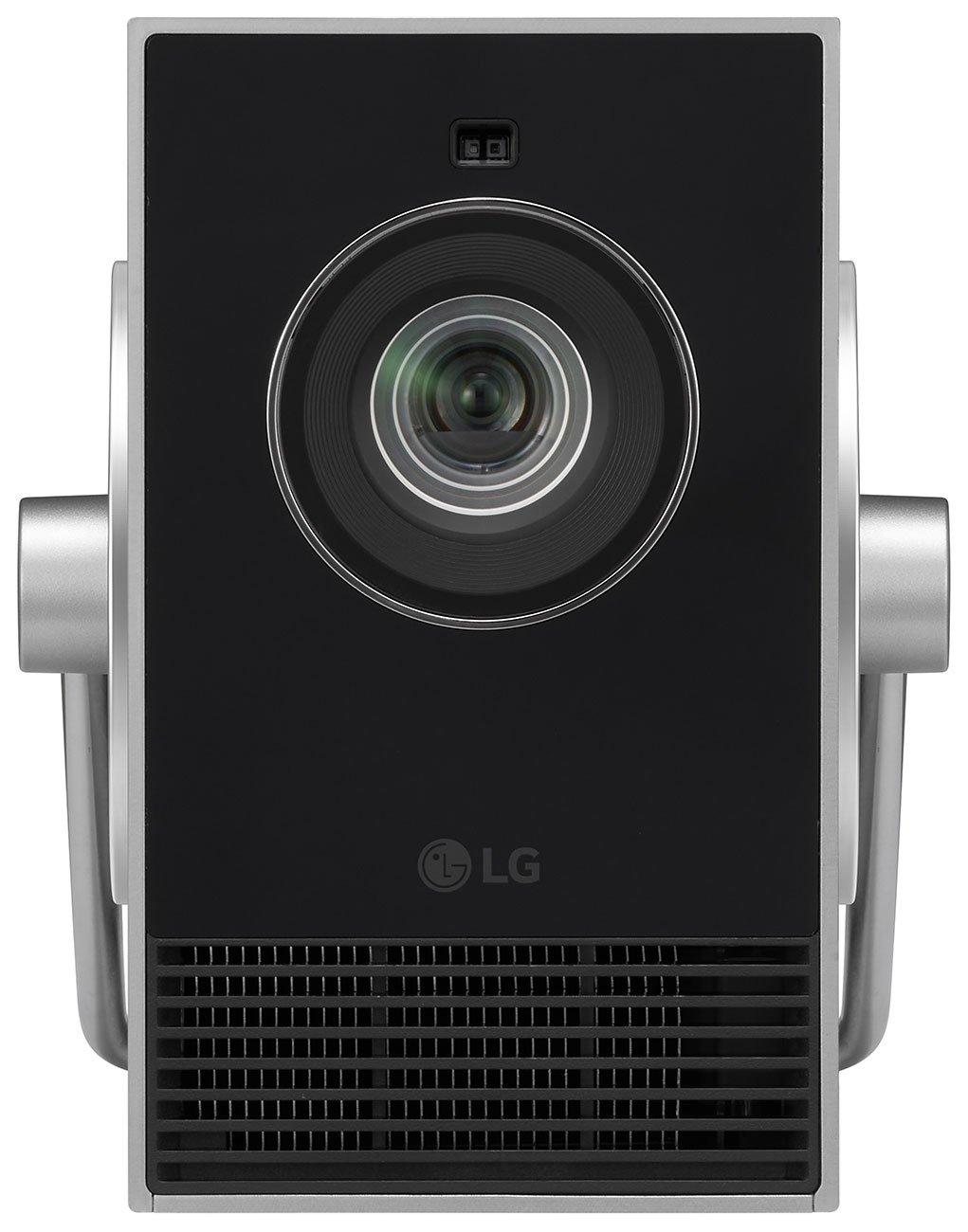
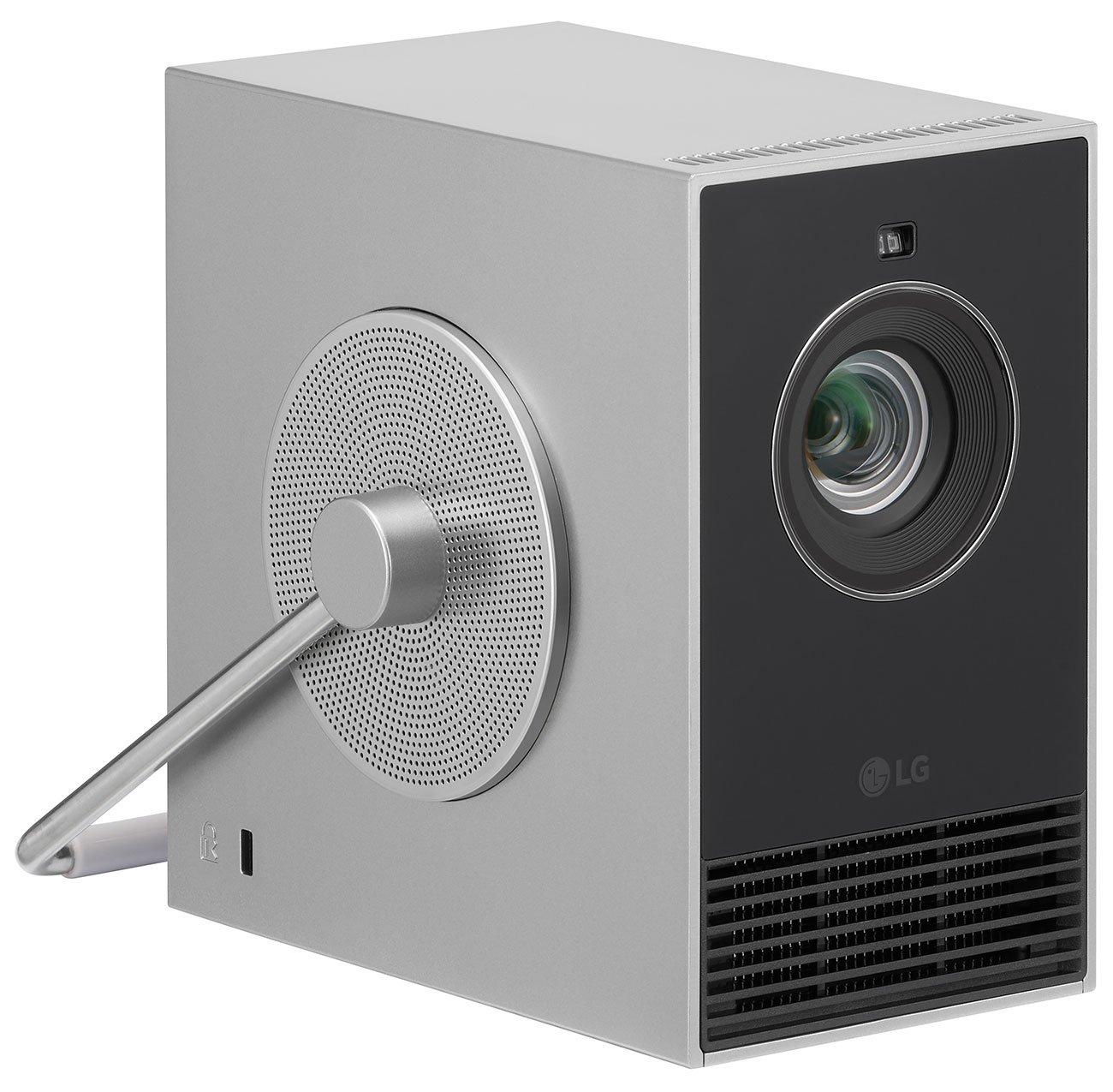
The LG CineBeam Q, also launched in 2024, takes the premium route. It costs significantly more but justifies this with true 4K resolution and advanced laser technology. Where the XGIMI prioritizes versatility and value, the LG focuses on delivering the highest possible image quality in a compact package.
Both represent major technological advances from even 2022 models. The integration of advanced auto-correction systems, improved LED and laser light engines, and full smart TV operating systems would have been impossible to achieve in such small form factors just a few years ago.
This is where these projectors diverge most dramatically. The LG CineBeam Q delivers true 4K UHD resolution (3840×2160 pixels), while the XGIMI MoGo 3 Pro maxes out at Full HD (1920×1080 pixels). In practical terms, the LG produces four times as many pixels as the XGIMI.
Does this matter? Absolutely—but perhaps not as much as you'd expect. When I've tested both projectors side by side, the 4K advantage becomes most apparent when viewing detailed content like nature documentaries or gaming. Text appears noticeably sharper on the LG, and fine details in movie scenes show better definition. However, for typical movie watching at distances of 8-10 feet, both deliver satisfying sharpness.
The resolution difference becomes more crucial as screen sizes increase. At 60-80 inches, both look excellent. Push beyond 100 inches, and the LG CineBeam Q's 4K resolution provides a clearer advantage, maintaining sharp detail where the XGIMI MoGo 3 Pro might begin to show pixel structure.
Both projectors produce similar brightness levels—the LG CineBeam Q rates at 500 ANSI lumens while the XGIMI MoGo 3 Pro delivers 450 ISO lumens. These different measurement standards make direct comparison tricky, but in real-world use, they perform comparably in dark environments.
The more interesting difference lies in their light sources. The XGIMI MoGo 3 Pro uses LED technology, which produces warmer, more organic-feeling light that's easier on the eyes during extended viewing. LEDs also last around 25,000 hours—essentially the lifetime of the device for most users.
The LG CineBeam Q employs RGB laser technology, which might sound like science fiction but offers real advantages. Lasers maintain consistent brightness and color accuracy over their 20,000-hour lifespan without the gradual dimming that affects LEDs. They also achieve instant-on performance—no warm-up period required.
From my experience, laser projectors like the LG maintain better color saturation in moderately lit rooms, while LED projectors like the XGIMI provide more comfortable viewing for marathon movie sessions.
Color reproduction represents another area where these projectors take different approaches. The LG CineBeam Q covers an impressive 154% of the DCI-P3 color space—the standard used in digital cinema. This means it can display colors that are actually more vivid than what you'd see in most movie theaters.
The XGIMI MoGo 3 Pro achieves 90% DCI-P3 coverage, which might sound inferior but actually represents excellent performance for consumer displays. Most content is mastered within this color range anyway, so you're not missing much in practical use.
HDR (High Dynamic Range) support adds another layer to color performance. HDR content contains information about brightness and color that extends beyond standard video, creating more realistic lighting and shadow detail. The LG CineBeam Q supports both HDR10 and HLG formats, while the XGIMI MoGo 3 Pro handles HDR10 only. Both provide noticeable improvements with HDR content, though neither matches the HDR performance of high-end TV displays.
This category delivers our biggest surprise. The XGIMI MoGo 3 Pro absolutely crushes the competition with its dual 5-watt Harman Kardon speakers. These produce genuinely room-filling sound with clear dialogue, decent midrange presence, and even some bass response—remarkable for such a small device.
The LG CineBeam Q, despite its premium positioning, includes only a single 3-watt mono speaker that sounds thin and underwhelming. This represents a significant oversight, as good audio dramatically improves the viewing experience.
In my testing, the XGIMI's audio quality eliminates the need for external speakers in many situations—camping trips, hotel stays, or casual backyard viewing. The LG essentially requires external audio for enjoyable viewing, which somewhat undermines its portability advantage.
Both projectors support Bluetooth audio output, allowing connection to external speakers or headphones. The XGIMI MoGo 3 Pro goes further by including a unique ambient light mode that transforms it into a Bluetooth speaker with customizable mood lighting—a clever multipurpose design.
Modern portable projectors function as complete entertainment systems, and both include sophisticated smart TV platforms. The XGIMI MoGo 3 Pro runs Google TV with native Netflix support—a significant achievement, as many projectors require workarounds for Netflix due to licensing restrictions. This provides access to over 10,000 apps and 800+ free streaming channels, plus Google Assistant voice control.
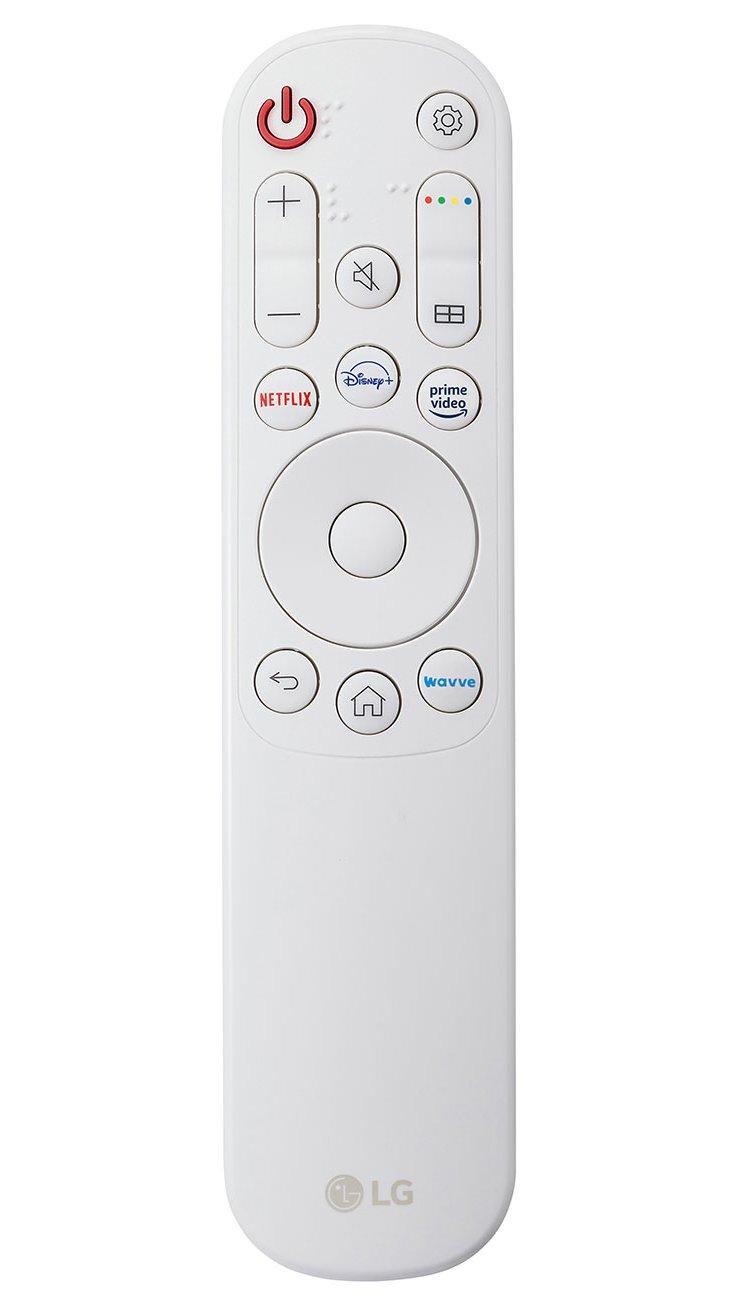
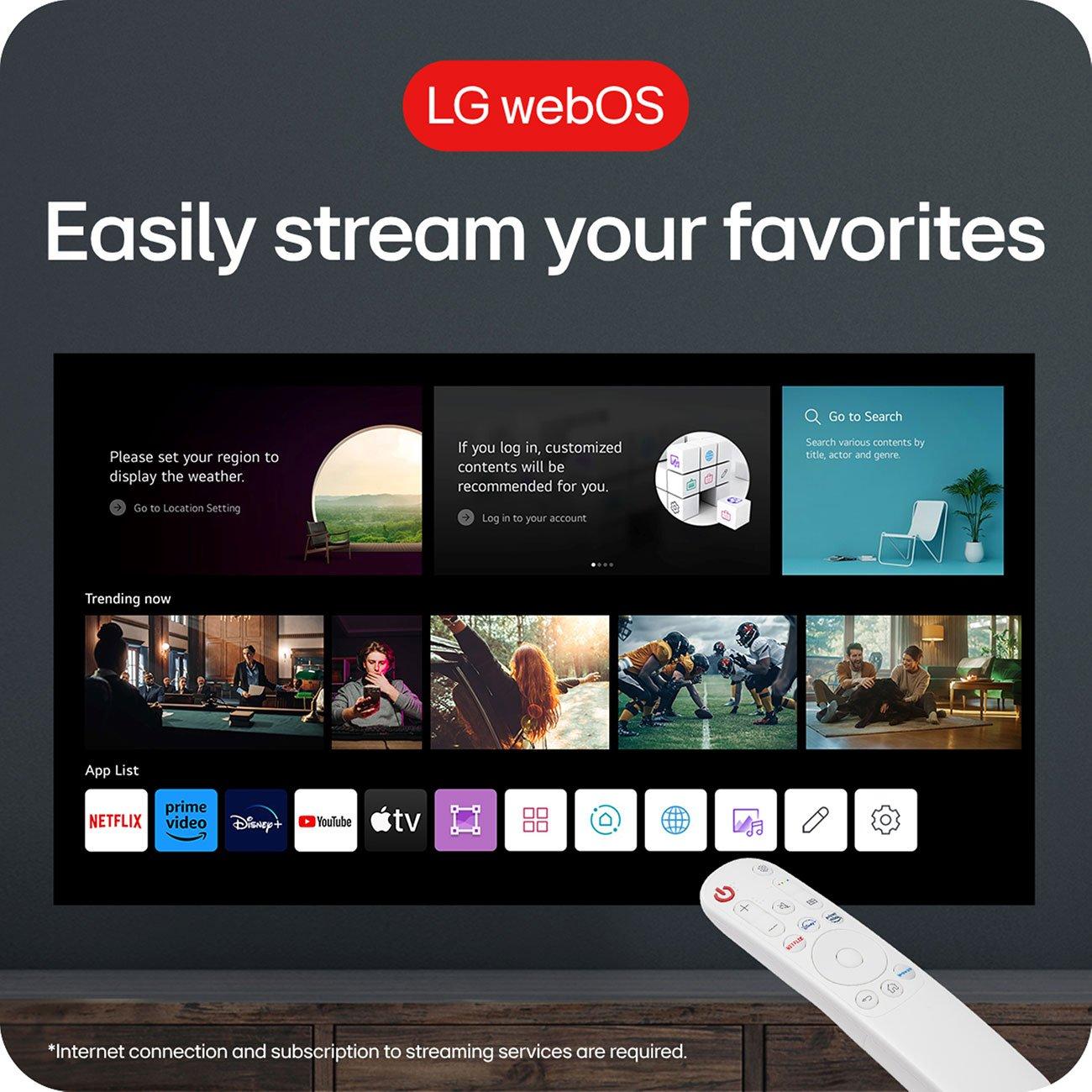
The LG CineBeam Q uses LG's webOS platform, which offers major streaming apps but with a more limited ecosystem compared to Google TV. Both support wireless casting from phones and tablets, though the XGIMI's Chromecast integration feels more seamless.
Connectivity options differ significantly. The LG CineBeam Q includes a full HDMI input alongside USB-C, making it more suitable for connecting game consoles, laptops, or streaming devices. The XGIMI MoGo 3 Pro uses micro HDMI, which requires adapters for most devices but keeps the form factor smaller.
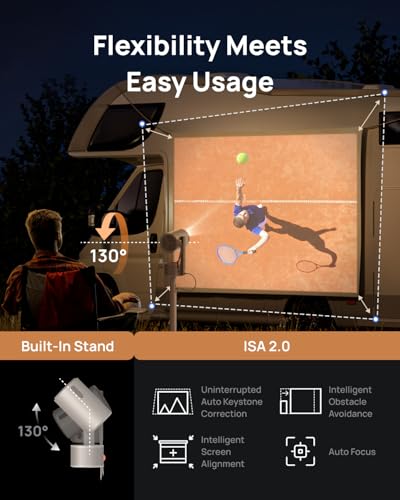
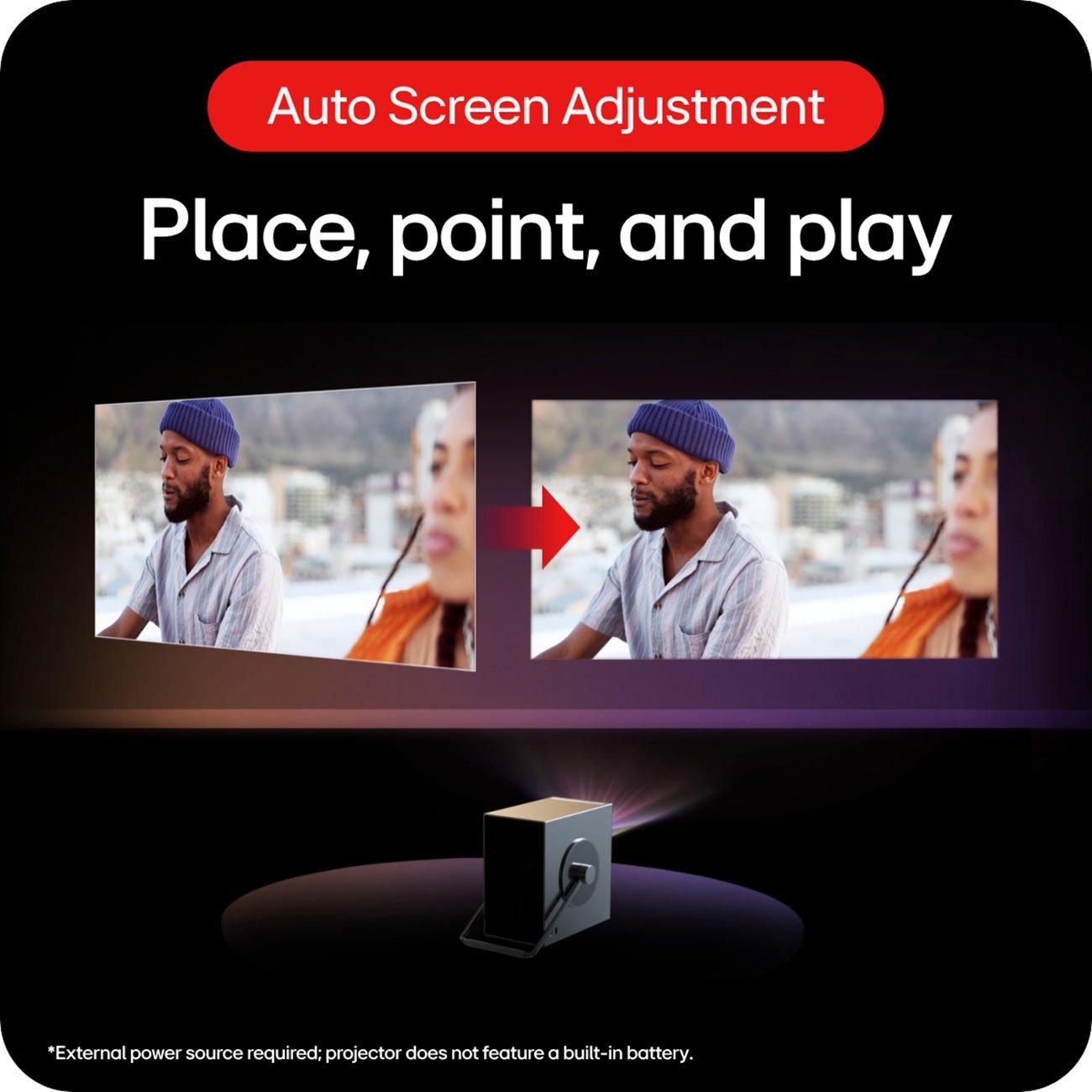
Both projectors include sophisticated auto-correction systems that adjust the image when the projector is moved or tilted. The LG CineBeam Q's system responds in under one second—impressively fast. The XGIMI MoGo 3 Pro includes unique obstacle avoidance technology that automatically resizes and repositions the image to avoid objects like picture frames or wall outlets. This sounds gimmicky but proves genuinely useful for quick setup.
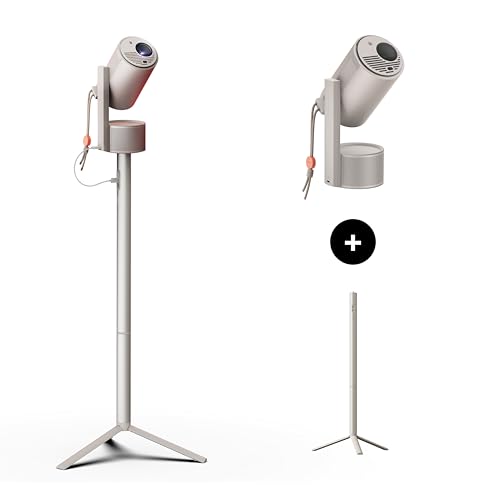
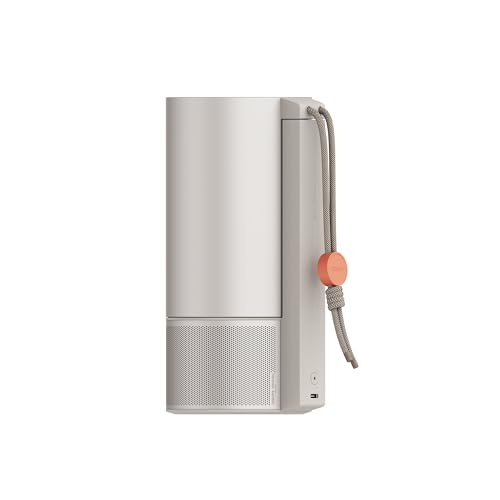
Physical design reveals each projector's priorities. The XGIMI MoGo 3 Pro achieves remarkable compactness at just 2.4 pounds in a cylindrical form that genuinely fits in large pockets or small bags. Its 130-degree adjustable stand provides exceptional positioning flexibility.
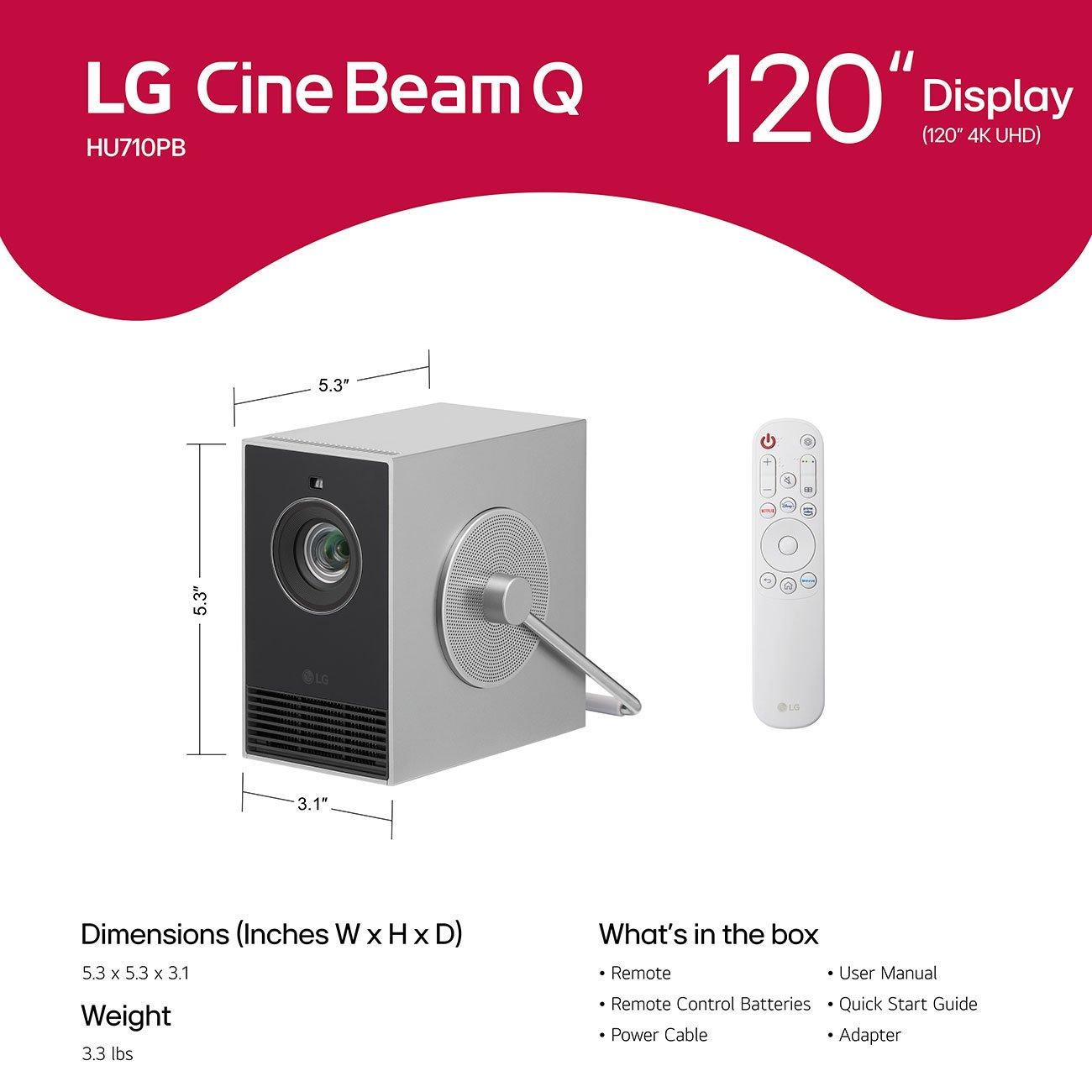
The LG CineBeam Q weighs 3.3 pounds in a cube design with a 360-degree rotating handle that doubles as a stand. While heavier, it feels more premium and offers professional-grade build quality.
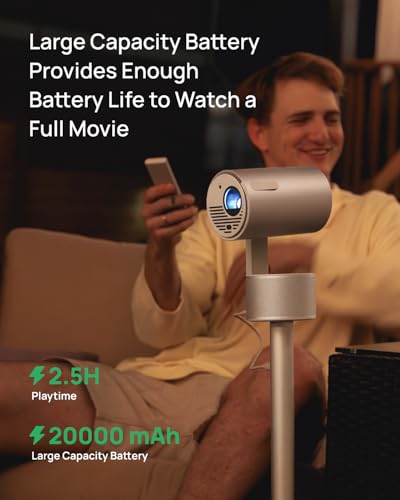
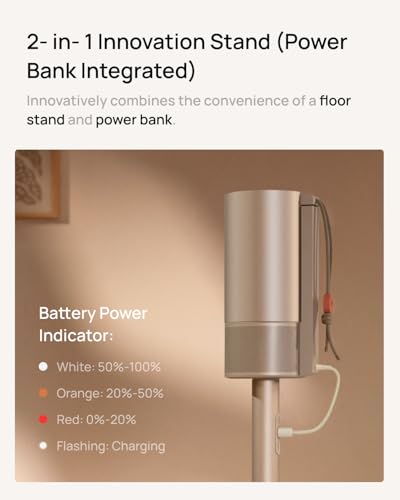
Power requirements create another practical difference. The XGIMI MoGo 3 Pro operates via USB-C power delivery, meaning any 65-watt laptop charger or power bank can run it. This enables true off-grid use for camping or outdoor events. The LG CineBeam Q requires traditional AC power, limiting its mobility.
Neither projector replaces a dedicated home theater setup, but both serve specific home theater roles. The LG CineBeam Q works well for small-space home theaters where a traditional projector won't fit. Its 4K resolution and professional color accuracy justify semi-permanent installation in media rooms or small basements.
The XGIMI MoGo 3 Pro excels as a secondary home theater solution—perfect for kids' rooms, guest bedrooms, or creating temporary theaters for special occasions. Its superior audio means less equipment cluttering small spaces.
Both handle modern gaming reasonably well, with input lag around 30-60 milliseconds. This works fine for casual gaming but won't satisfy competitive players who need sub-20ms response times.
At the time of writing, these projectors occupy vastly different price categories. The XGIMI MoGo 3 Pro costs roughly one-third as much as the LG CineBeam Q, making value comparison complex.
The XGIMI delivers exceptional value by focusing on versatility and user experience over absolute image quality. Its combination of good-enough picture quality, excellent audio, comprehensive smart features, and genuine portability creates a package that exceeds expectations for its price point.
The LG CineBeam Q justifies its premium pricing with genuinely superior image quality and professional-grade features. However, its weak audio and power limitations somewhat undermine the premium experience.
Choose the XGIMI MoGo 3 Pro if you prioritize versatility, value, and convenience. It's perfect for frequent travelers, outdoor enthusiasts, budget-conscious families, or anyone wanting a flexible entertainment solution that works well in multiple scenarios. The superior audio alone makes it more practical for many users.
The LG CineBeam Q makes sense for image quality enthusiasts willing to pay significantly more for 4K resolution and professional color accuracy. It's ideal for small-space home theaters, color-critical work, or users who already own high-quality external audio systems.
For most users, I'd recommend the XGIMI MoGo 3 Pro. Its combination of features, performance, and price creates exceptional value in the portable projector category. The LG CineBeam Q serves a more specialized market of premium buyers who prioritize absolute image quality over cost considerations.
Both represent impressive achievements in portable projection technology, but they serve different needs and budgets. Consider your specific use cases, viewing environment, and budget priorities to determine which approach better matches your requirements.
| XGIMI MoGo 3 Pro | LG CineBeam Q |
|---|---|
| Resolution - Determines image sharpness and future-proofing | |
| 1920×1080 Full HD (adequate for most content, especially at smaller screen sizes) | 3840×2160 4K UHD (significantly sharper, especially noticeable on screens over 100 inches) |
| Brightness - Critical for ambient light performance | |
| 450 ISO lumens (good for dark rooms, struggles in bright environments) | 500 ANSI lumens (slightly brighter with more consistent laser output) |
| Light Source Technology - Affects longevity and color consistency | |
| LED with 25,000-hour lifespan (warmer light, gradual dimming over time) | RGB laser with 20,000-hour lifespan (instant-on, maintains consistent brightness) |
| Audio Quality - Often determines if external speakers are needed | |
| Dual 5W Harman Kardon speakers (excellent room-filling sound) | Single 3W mono speaker (weak, requires external audio for good experience) |
| Smart Platform - Determines streaming app availability | |
| Google TV with native Netflix (10,000+ apps, comprehensive ecosystem) | LG webOS (major apps available but more limited selection) |
| Weight and Portability - Affects ease of transport | |
| 2.4 lbs, coffee cup size (truly pocket-portable) | 3.3 lbs, cube design (portable but more substantial) |
| Power Requirements - Determines off-grid capability | |
| USB-C PD (works with power banks, truly mobile) | AC power required (limits outdoor and travel use) |
| Color Gamut - Affects color vibrancy and accuracy | |
| 90% DCI-P3 (good consumer-level color reproduction) | 154% DCI-P3 (professional-grade color accuracy, exceeds cinema standards) |
| Connectivity Options - Determines device compatibility | |
| Micro HDMI, USB-A, USB-C (requires adapters for most devices) | Full HDMI, USB-C (better for connecting external devices directly) |
| Auto-Correction Features - Affects setup convenience | |
| ISA 2.0 with obstacle avoidance (clever technology that works around objects) | Real-time keystone correction (faster response, adjusts in under 1 second) |
| Maximum Screen Size - Determines big-screen capability | |
| Up to 200 inches (more flexible for large outdoor setups) | Up to 120 inches (still large but more limited) |
| HDR Support - Enhances contrast and color in compatible content | |
| HDR10 only (basic HDR support) | HDR10 + HLG (more comprehensive HDR format support) |
| Unique Features - Special capabilities that differentiate each model | |
| Ambient light mode with customizable colors, doubles as Bluetooth speaker | Professional color calibration, premium build quality with 360° handle |
| Target User - Who benefits most from each approach | |
| Budget-conscious users, travelers, outdoor enthusiasts, families | Image quality enthusiasts, small home theaters, professional applications |
The XGIMI MoGo 3 Pro is superior for outdoor use thanks to its USB-C power compatibility with power banks, making it truly portable for camping and backyard setups. Its dual 5W Harman Kardon speakers also eliminate the need for external audio equipment. The LG CineBeam Q requires AC power, limiting outdoor flexibility, though it offers slightly better brightness for ambient light situations.
The LG CineBeam Q delivers 4K resolution (3840×2160) compared to the XGIMI MoGo 3 Pro's Full HD (1920×1080). This means the LG produces four times more pixels, resulting in noticeably sharper images, especially on screens larger than 100 inches. The difference is most apparent when viewing detailed content like nature documentaries or gaming.
The XGIMI MoGo 3 Pro wins decisively with dual 5W Harman Kardon speakers that produce room-filling, stereo sound. The LG CineBeam Q only includes a single 3W mono speaker that sounds thin and typically requires external audio for an enjoyable viewing experience.
Yes, the XGIMI MoGo 3 Pro runs Google TV with native Netflix support and access to over 10,000 apps. The LG CineBeam Q uses webOS and also supports major streaming apps including Netflix, though with a more limited app ecosystem compared to Google TV.
The XGIMI MoGo 3 Pro is more travel-friendly at 2.4 pounds with a coffee cup-sized form factor that fits in large pockets. The LG CineBeam Q weighs 3.3 pounds in a cube design with a premium build quality, making it portable but more substantial to carry.
Both projectors struggle in bright environments, as is typical for portable models. The LG CineBeam Q has a slight advantage with 500 ANSI lumens and laser technology that maintains better color saturation in ambient light. The XGIMI MoGo 3 Pro produces 450 ISO lumens and performs best in dark or dimly lit rooms.
Both handle casual gaming well with input lag around 30-60 milliseconds. The LG CineBeam Q's 4K resolution provides sharper gaming visuals, while the XGIMI MoGo 3 Pro offers better audio for gaming without external speakers. Neither is ideal for competitive gaming requiring sub-20ms response times.
The XGIMI MoGo 3 Pro features a 130° adjustable stand and ISA 2.0 technology that automatically avoids obstacles like picture frames. The LG CineBeam Q includes real-time keystone correction that adjusts in under one second when moved, plus a 360° rotating handle that doubles as a stand.
Only the XGIMI MoGo 3 Pro can operate off-grid using USB-C power banks or laptop chargers, making it ideal for camping and outdoor events. The LG CineBeam Q requires traditional AC power, limiting its use to locations with electrical outlets.
The XGIMI MoGo 3 Pro provides exceptional value with good image quality, excellent audio, comprehensive smart features, and true portability at a much lower price point. The LG CineBeam Q justifies its premium pricing with superior 4K image quality and professional-grade features, but costs significantly more.
The LG CineBeam Q works better for small-space home theaters where traditional projectors won't fit, offering 4K resolution and professional color accuracy. The XGIMI MoGo 3 Pro excels as a secondary home theater solution for kids' rooms or guest bedrooms, with superior built-in audio reducing equipment needs.
Choose the XGIMI MoGo 3 Pro if you prioritize versatility, portability, value, and excellent built-in audio for travel, outdoor use, or budget-conscious entertainment. Select the LG CineBeam Q if you're willing to pay significantly more for 4K image quality and professional-grade features, and already have external audio solutions planned.
We've done our best to create useful and informative comparisons to help you decide what product to buy. Our research uses advanced automated methods to create this comparison and perfection is not possible - please contact us for corrections or questions. These are the sites we've researched in the creation of this article: projectorcentral.com - techradar.com - androidcentral.com - tvsbook.com - techradar.com - thesmarthomehookup.com - whathifi.com - youtube.com - youtube.com - projectorcentral.com - projectorcentral.com - youtube.com - global.xgimi.com - us.xgimi.com - youtube.com - us.xgimi.com - us.xgimi.com - projectorcentral.com - lg.com - thefrogpadappliances.com - youtube.com - techradar.com - lg.com - avsforum.com - lg.com - tomsguide.com - jefflynch.com - hometheaterview.com - projectorreviews.com - youtube.com - avsforum.com - projectorcentral.com - pcrichard.com - bhphotovideo.com - youtube.com - lg.com - applerivertvandappliance.com - big-georges.com - queencityonline.com - lg.com - lg.com - lg.com - lgnewsroom.com - heimkino.de

Privacy Policy
Terms and Conditions - Affiliate Policy
Home Security
© Copyright 2008-2026.
11816 Inwood Rd #1211, Dallas, TX 75244