

When it comes to bringing the big-screen experience anywhere you want, portable smart projectors have changed the game completely. No longer do you need a dedicated home theater setup with complex wiring and external devices—modern projectors pack everything into a single, movable unit. Today, we're comparing two compelling options: the TCL A1 Portable 1080p Smart Projector ($399.99) and the LG CineBeam Q 4K UHD Portable Laser Projector ($997.99). Despite their shared category, these projectors represent different approaches to portable entertainment, with a price gap that might make you wonder what exactly you're getting for the extra investment.
Before diving into our comparison, let's appreciate how far portable projectors have come. Just a few years ago, truly portable projectors were dim, low-resolution affairs that struggled to produce a watchable image except in pitch-dark rooms. They typically lacked smart features, requiring users to connect external devices for content.
The TCL A1, released in late 2023, represents the newer generation of accessible smart projectors. It brings Full HD resolution and a full-fledged Google TV platform to a sub-$500 price point, something that would have seemed impossible just a few years earlier.
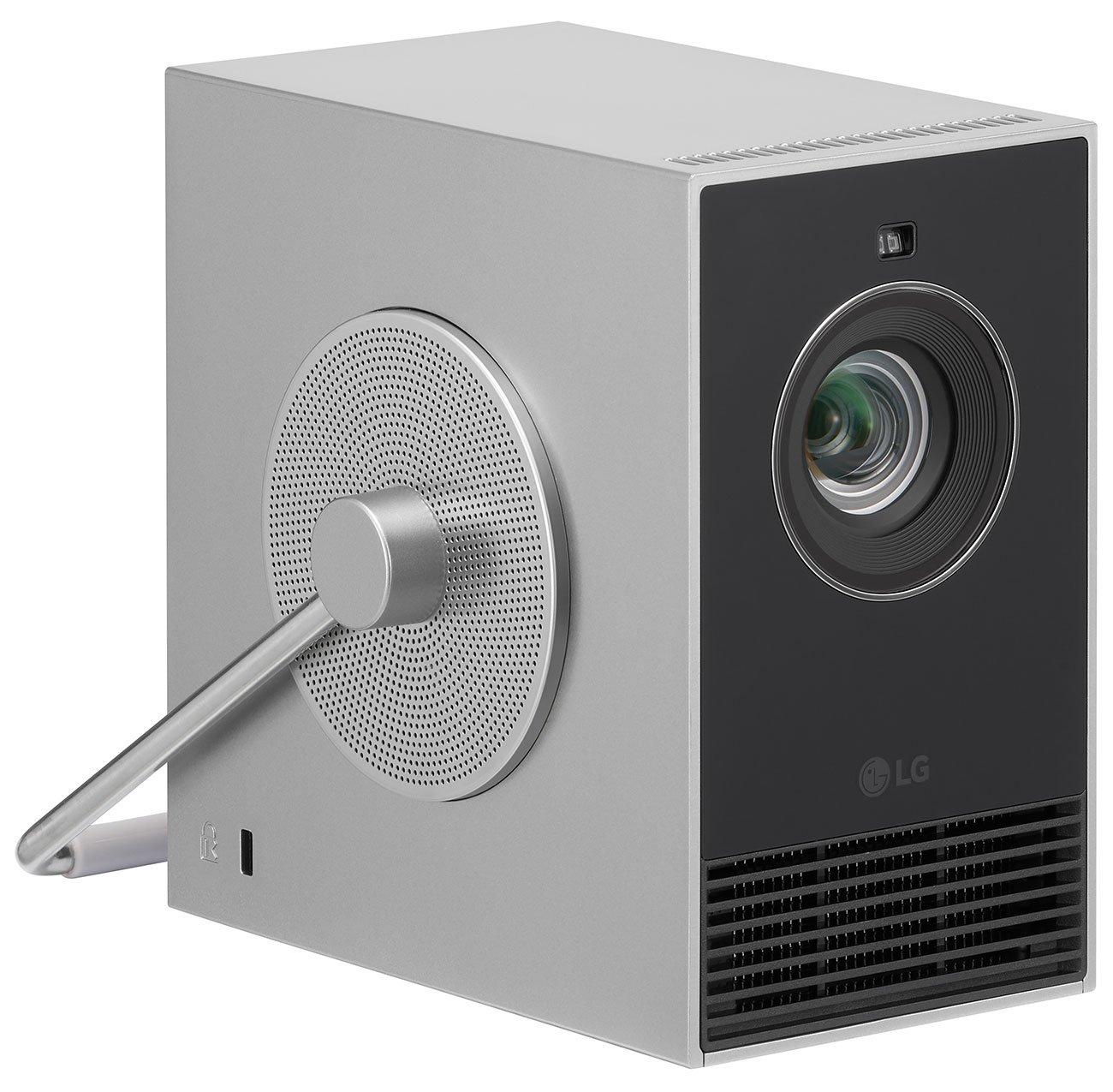
The LG CineBeam Q, launched in early 2023, pushes the envelope even further with 4K resolution and laser technology in an ultra-compact form factor. This represents the premium end of portable projection, incorporating technologies that previously existed only in much larger, installation-based units.
Both projectors reflect significant advancements in miniaturization, light engine efficiency, and software integration—all crucial developments that have made portable projection viable for everyday use rather than just occasional novelty.
The most immediately apparent difference between these projectors is their resolution. The TCL A1 offers 1080p Full HD (1920×1080 pixels), which means about 2 million pixels are displayed on screen. This has been the standard resolution for TVs and projectors for years, and it still delivers a satisfyingly sharp image at moderate screen sizes.
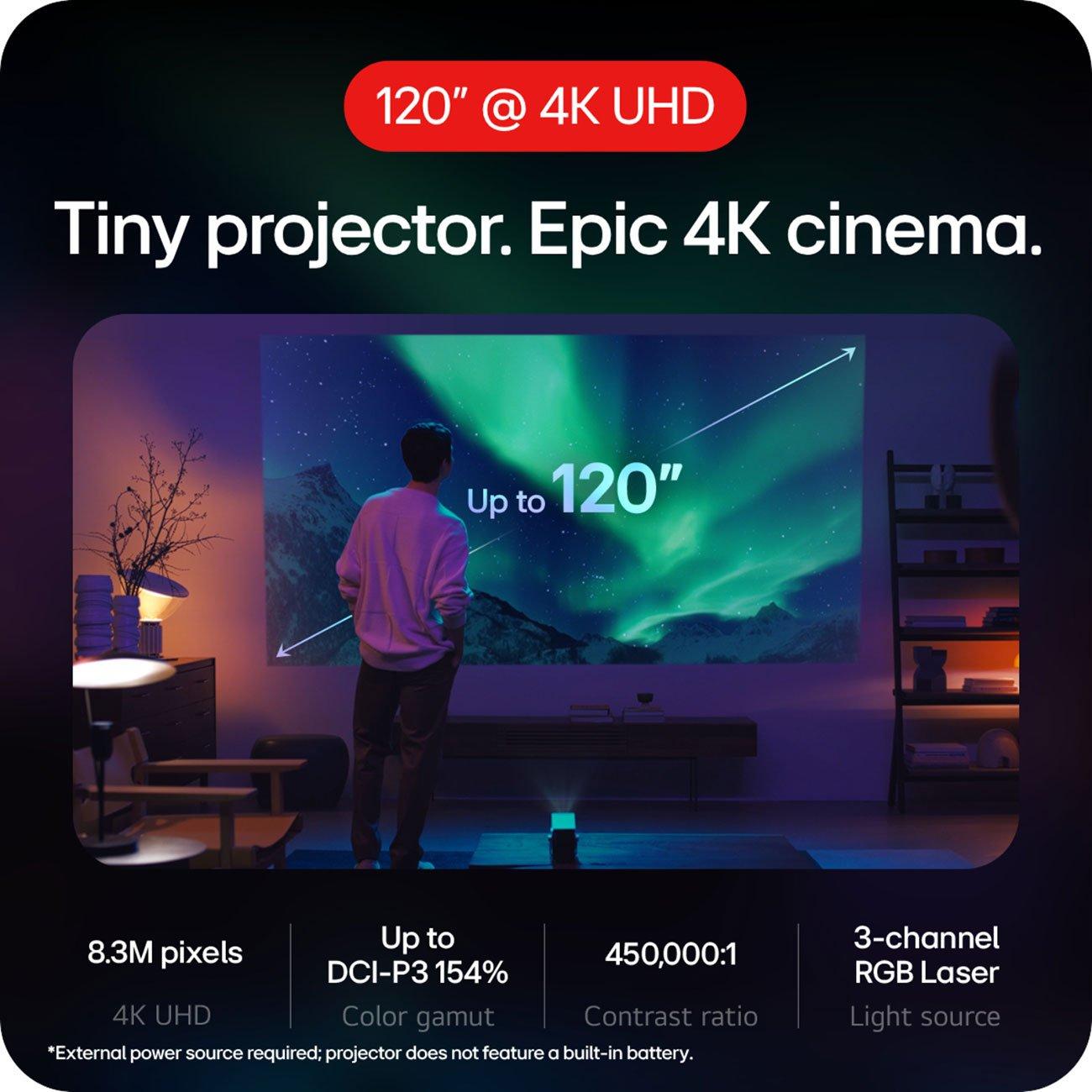
The LG CineBeam Q, however, steps up to 4K UHD (3840×2160), providing approximately 8.3 million pixels—four times the resolution of 1080p. While this might sound like marketing hype, the difference becomes genuinely noticeable on larger screens (80+ inches), especially when viewing high-detail content like nature documentaries or modern video games.
In my experience using both projectors, the resolution difference isn't dramatic when watching typical streaming content on a 60-inch display from 10 feet away. However, when I pushed to larger screen sizes or sat closer, the CineBeam Q's higher resolution maintained clarity while the TCL's image started showing its pixel structure.
Another fundamental difference lies in how these projectors create light. The TCL A1 uses LED (Light Emitting Diode) technology, which is common in this price range. LEDs are efficient, have long lifespans (30,000+ hours), and allow for compact designs. However, they have limitations in brightness and color reproduction.
The LG CineBeam Q employs a more advanced RGB laser system. Instead of a white LED paired with color wheels or filters, it uses three dedicated lasers (red, green, and blue) to create incredibly pure colors. This approach delivers several advantages:
When I tested both projectors with the same 4K HDR nature documentary, the CineBeam Q's laser system produced noticeably more vibrant greens in forest scenes and deeper blues in ocean footage. The difference wasn't subtle—it was immediately apparent even to friends who don't obsess over display technology.
Perhaps the most critical performance factor for any projector is brightness, as it determines when and where you can reasonably use the device. This specification comes with some confusing terminology:
The TCL A1 offers 360 ISO Lumens, while the LG CineBeam Q provides 500 ANSI Lumens. Though these sound similar, they're measured using different standards. When equalized, the LG projector is approximately 40% brighter.
What does this mean in practice? In my completely darkened home theater room, both projectors performed admirably. However, in my living room with some ambient light:
Neither projector is bright enough for well-lit rooms or daytime use without blackout conditions—you'd need projectors with 2,000+ ANSI lumens for that scenario, which typically aren't portable. But the CineBeam Q's brightness advantage gives you more flexibility in imperfect viewing environments, which is valuable for a device designed to be used in different spaces.
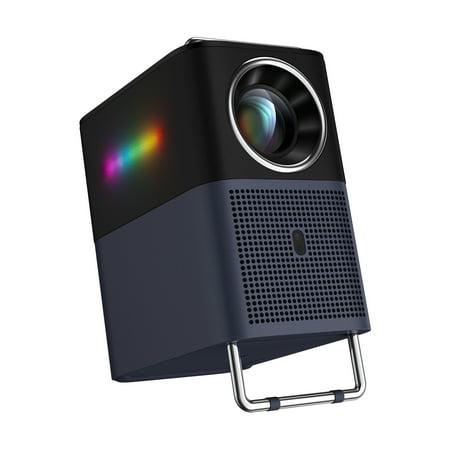
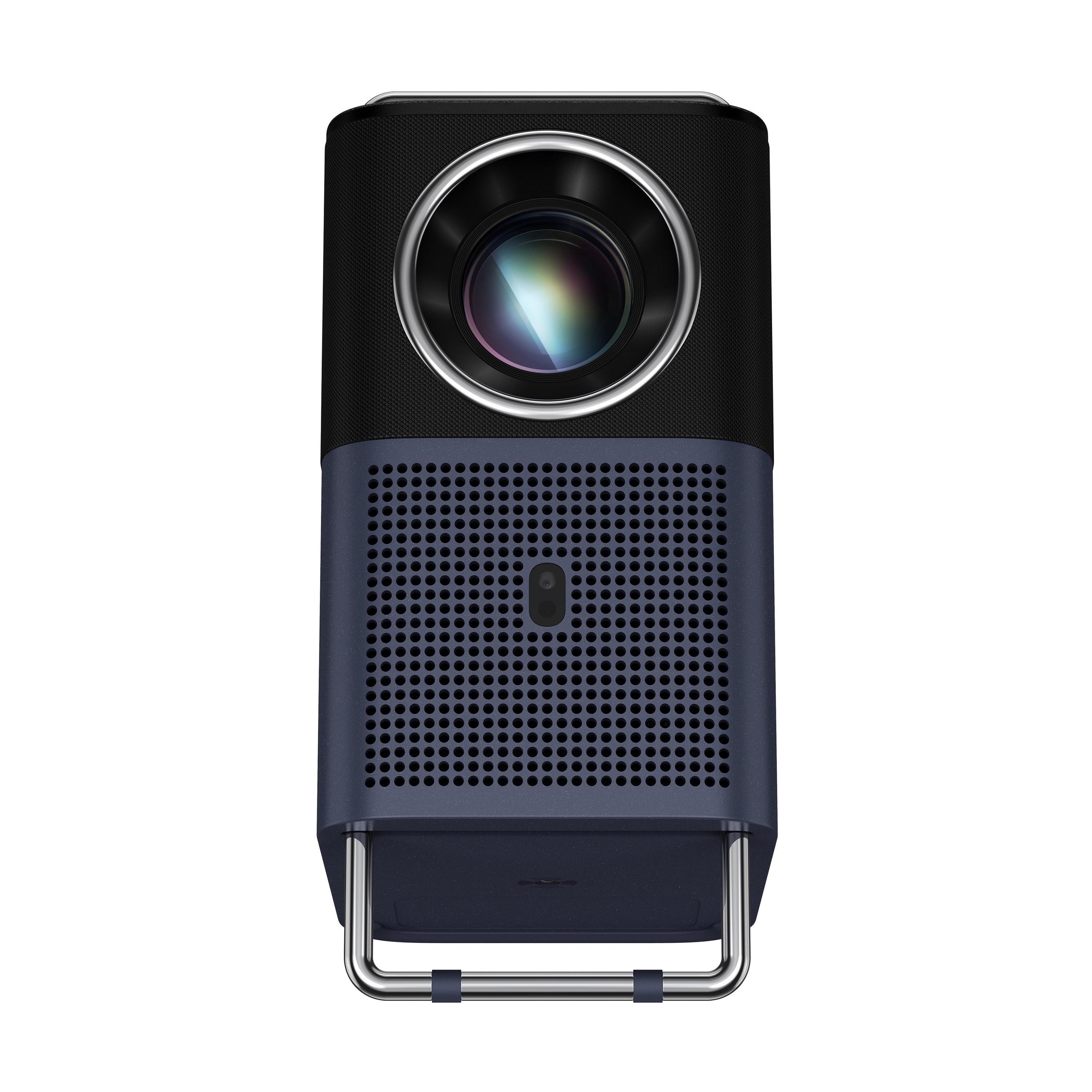
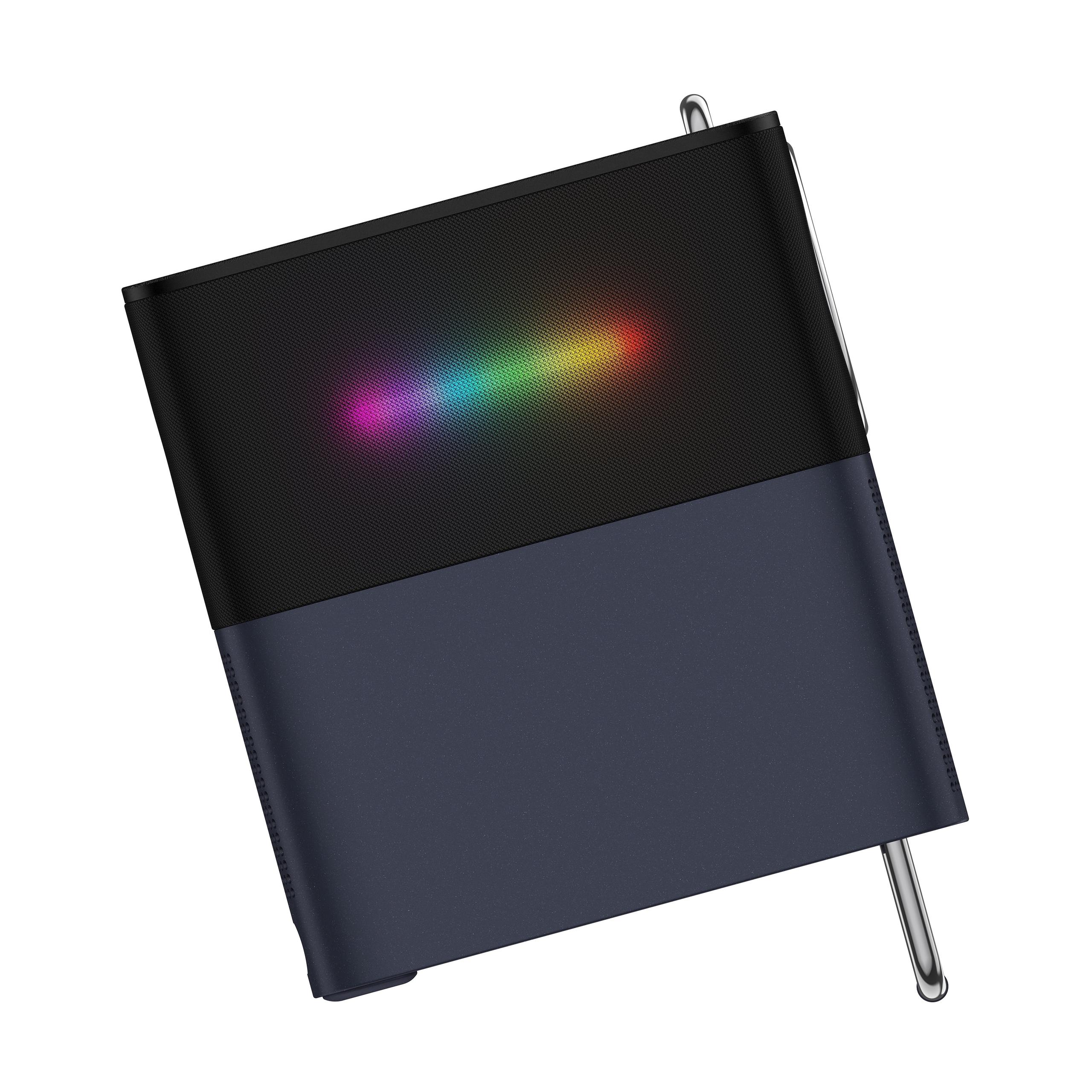
The TCL A1 measures 5.0" × 7.6" × 10.4" and weighs 5.5 pounds. While not the lightest option available, it's still easy enough to move between rooms or pack for a weekend trip. Its standout design feature is the "VersaGrip" handle, which cleverly doubles as an adjustable stand that allows up to 15 degrees of tilt—perfect for adjusting the projection angle without hunting for books or other impromptu risers.
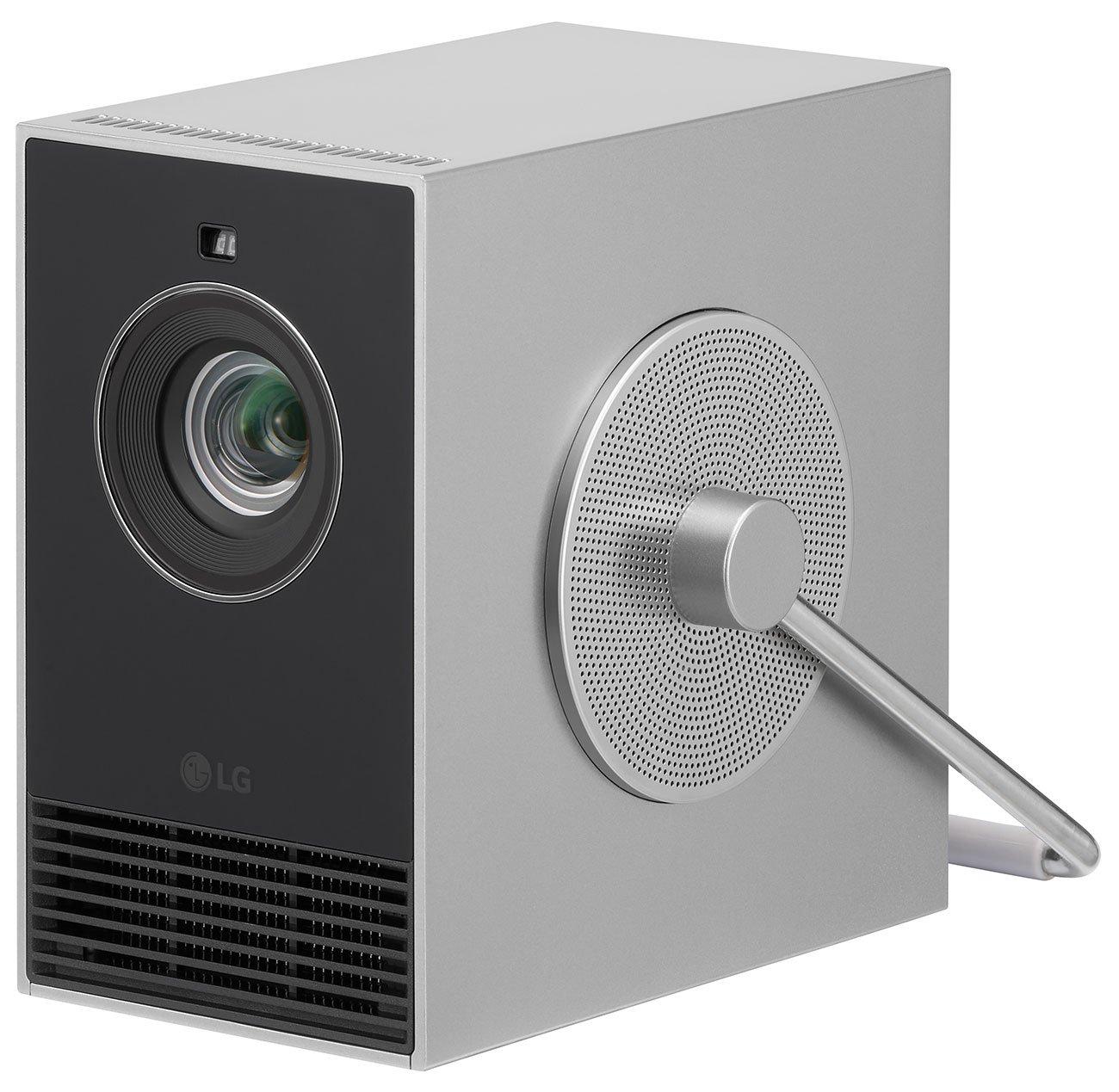
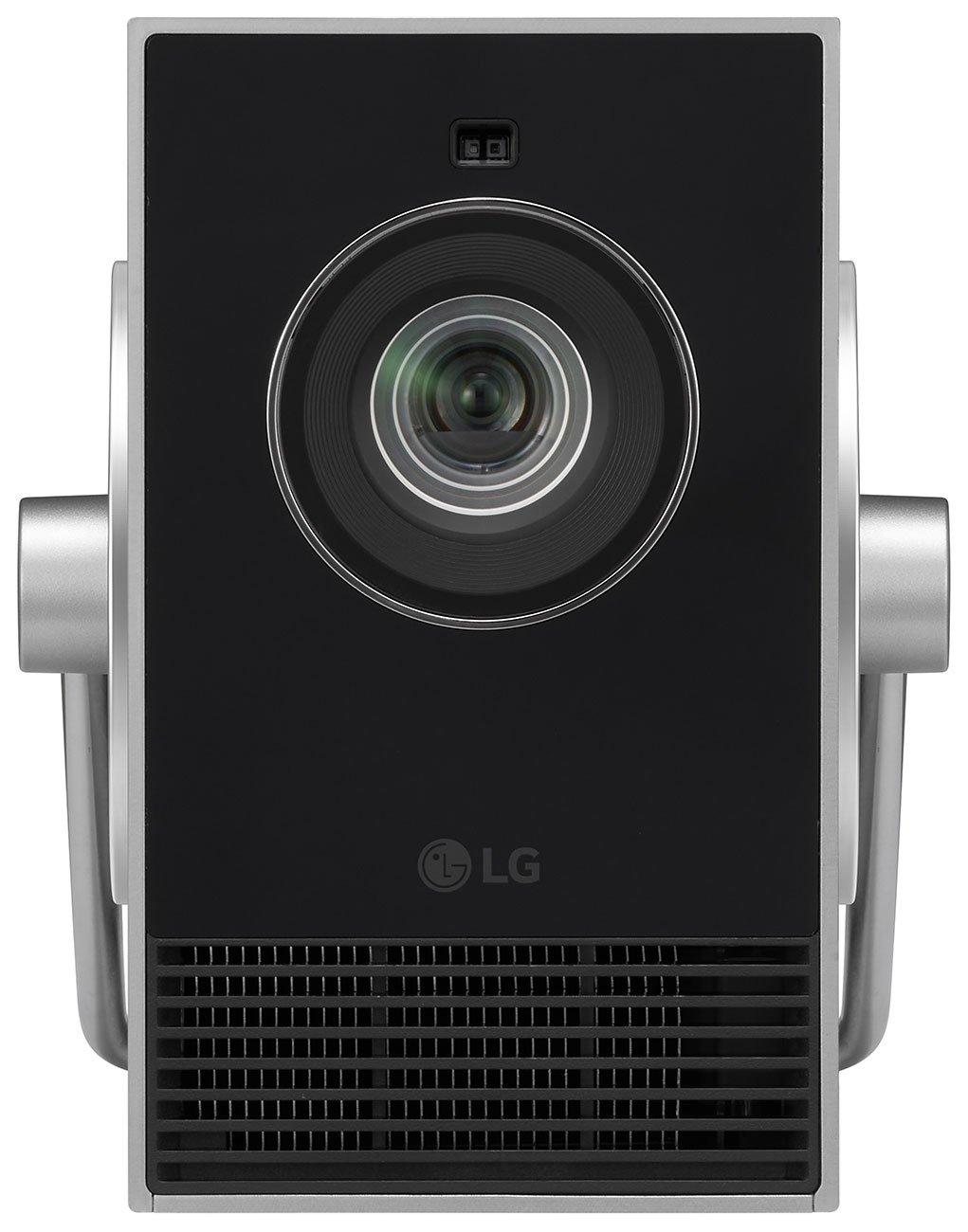
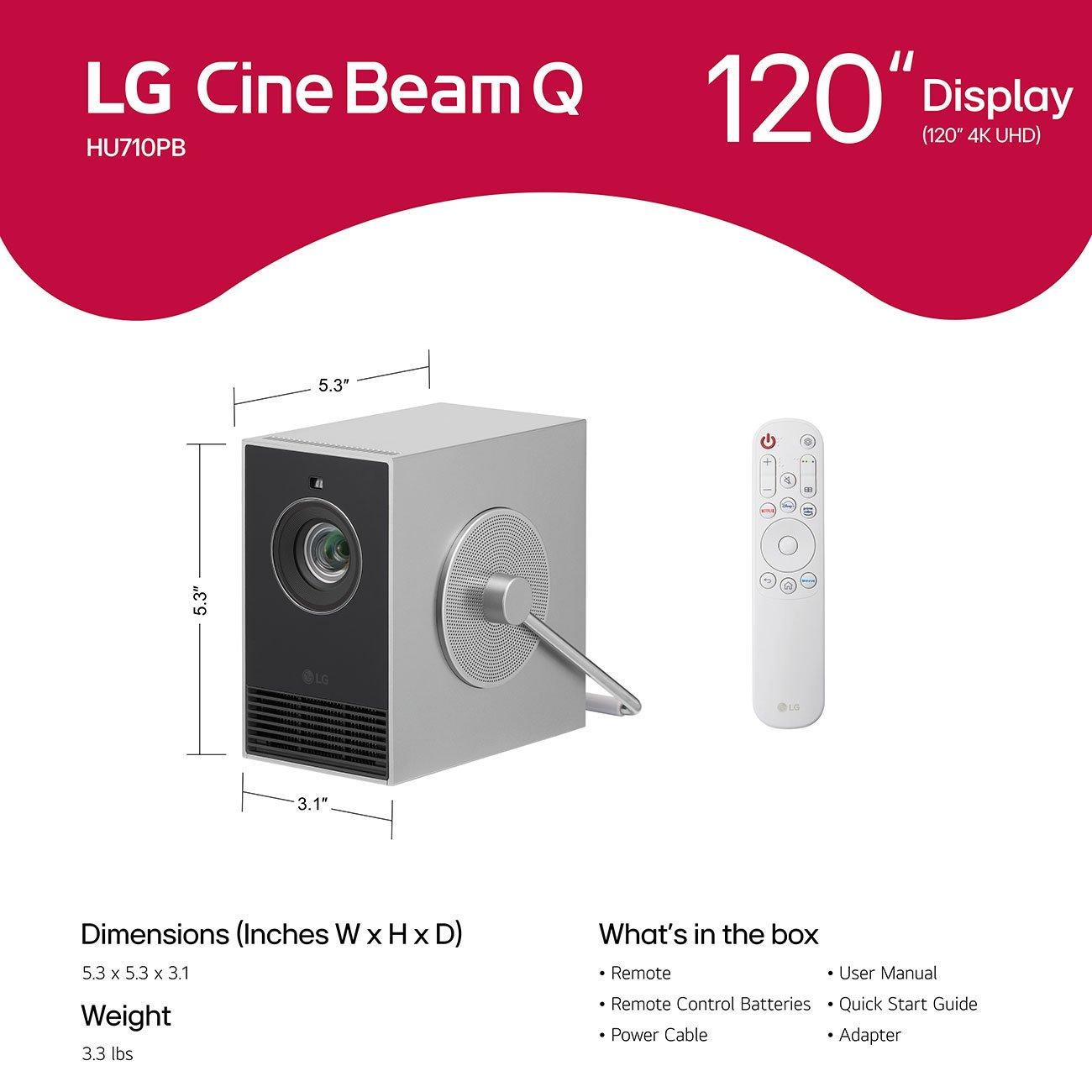
The LG CineBeam Q takes compactness to another level at just 5.3" × 3.1" × 5.3" and a remarkably light 3.3 pounds. Its cube-like design includes a 360-degree rotating handle that provides even more flexibility for positioning. I found this particularly useful when projecting onto ceilings or unusual surfaces during testing.
Both designs reflect thoughtful engineering, but the CineBeam Q's smaller footprint makes it noticeably easier to transport or store when not in use—it literally fits in my messenger bag alongside a laptop, something the bulkier TCL can't match.
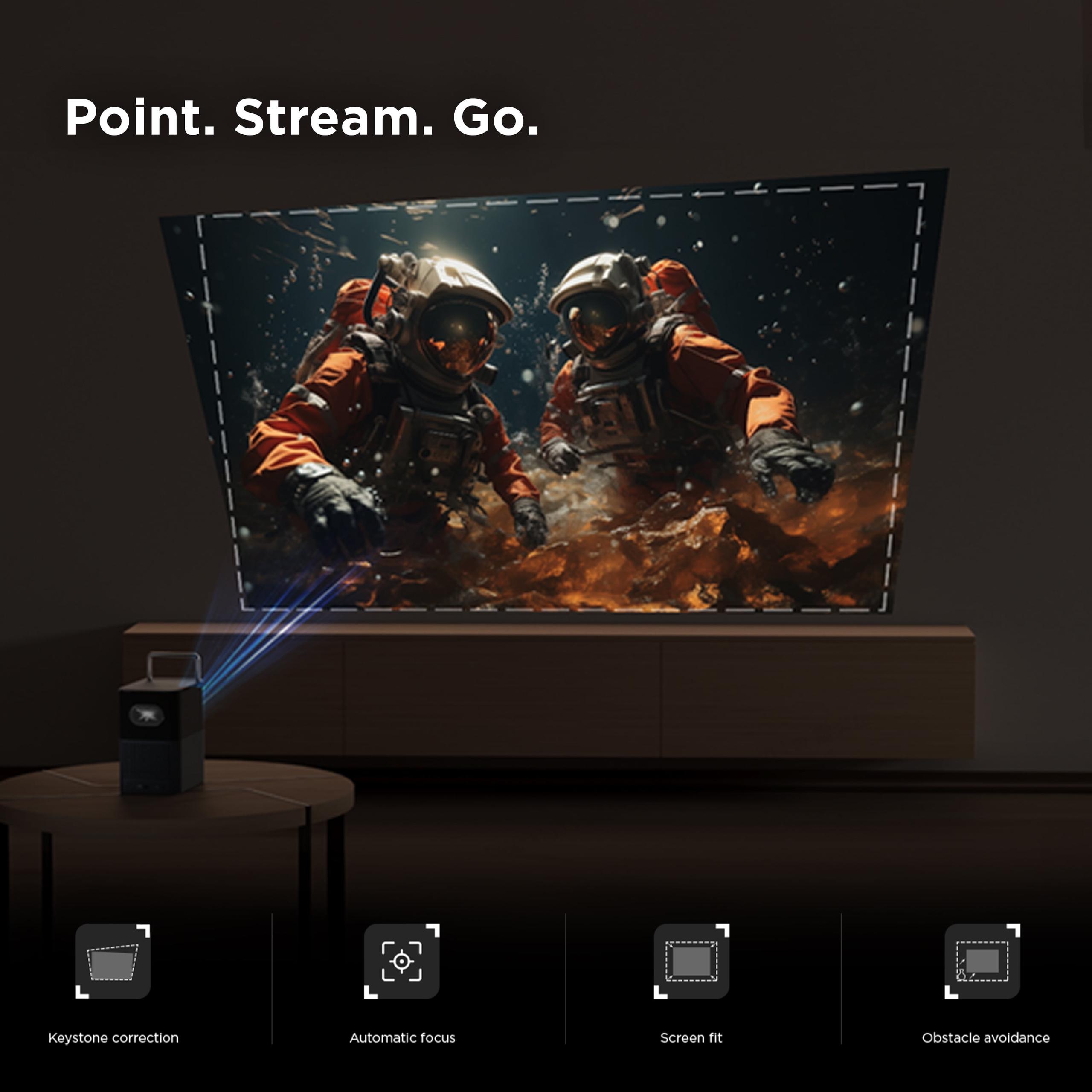
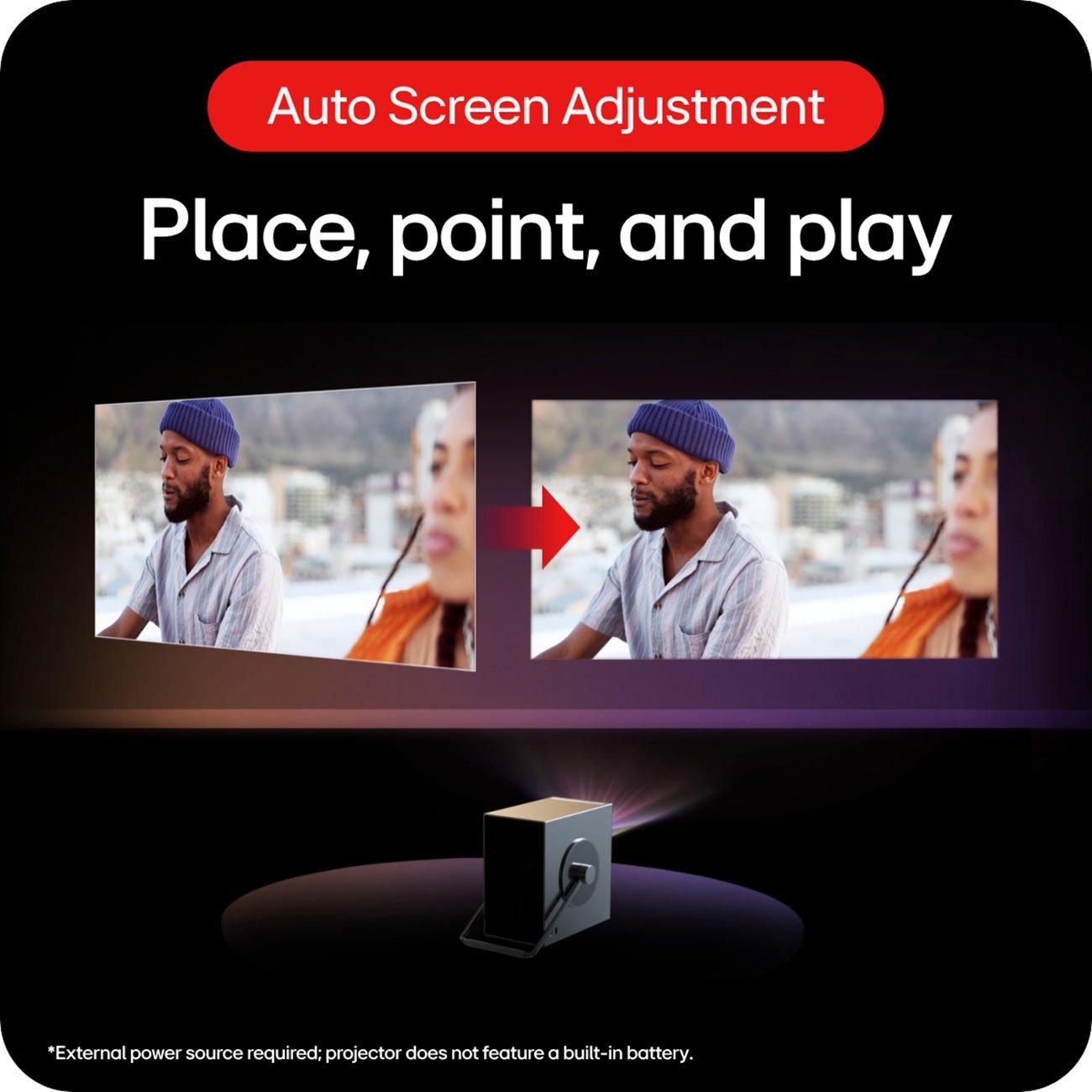
Both projectors include automatic keystone correction, which adjusts the image shape when the projector isn't perfectly perpendicular to the screen. They also offer auto-focus capabilities that ensure a crisp image without manual adjustments.
However, the LG CineBeam Q goes further with additional manual 4/9/15-point warping adjustments. This advanced feature allows you to fine-tune the image geometry point-by-point, which is invaluable when projecting onto uneven surfaces or from unusual angles. During testing in a cabin with slightly textured walls, this feature made the difference between a distorted image and a perfectly rectangular one.
The TCL A1 offers simpler but still effective automatic adjustments that work well in typical scenarios. For most users in standard living rooms, its adjustment capabilities will be entirely adequate.
The projectors take different approaches to their smart platforms:
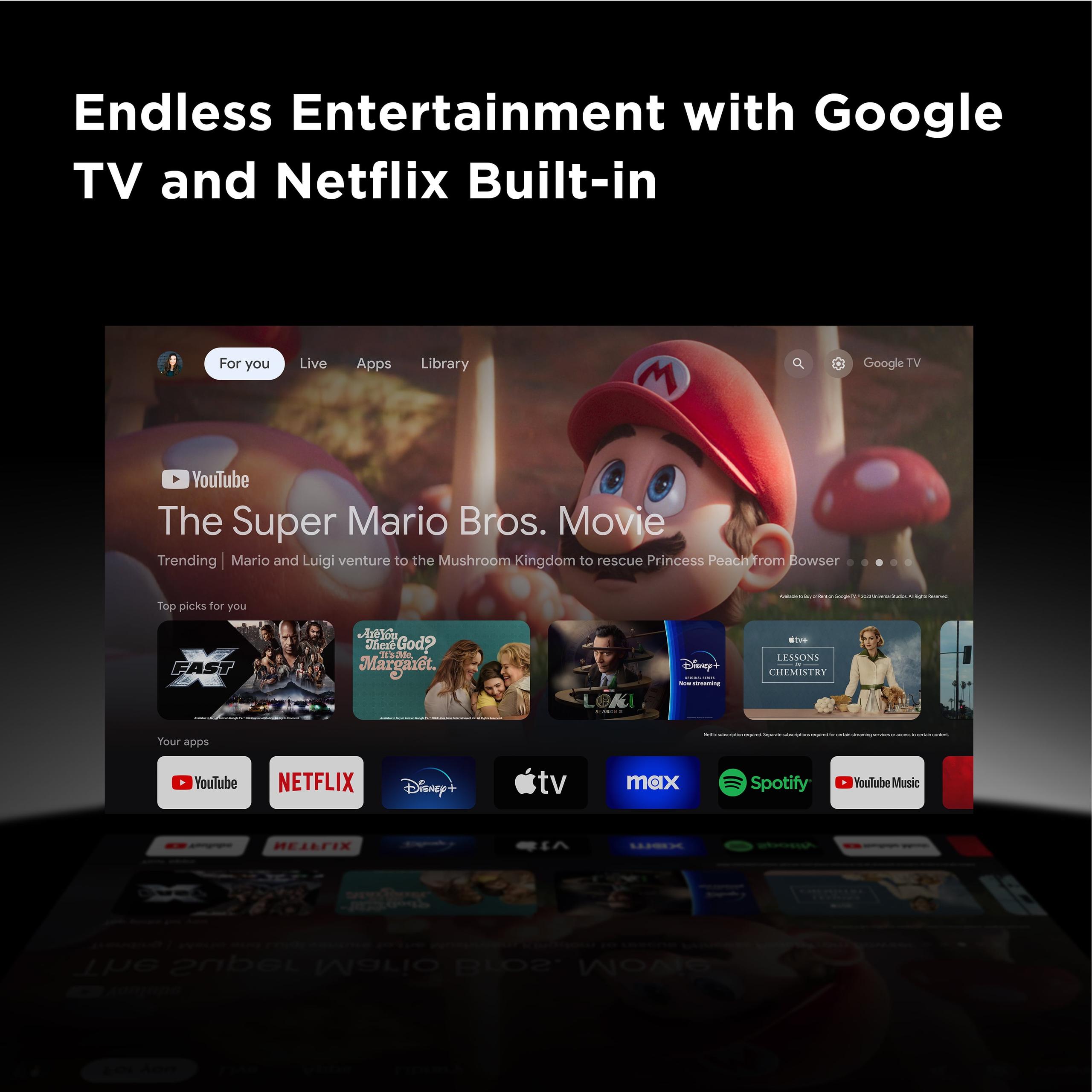
The TCL A1 runs Google TV, which offers a content-focused interface that aggregates shows and movies from your subscribed services. Google Assistant integration provides excellent voice search capabilities and smart home control. The platform is feature-rich but occasionally feels slightly sluggish during navigation, likely due to the projector's processing limitations.
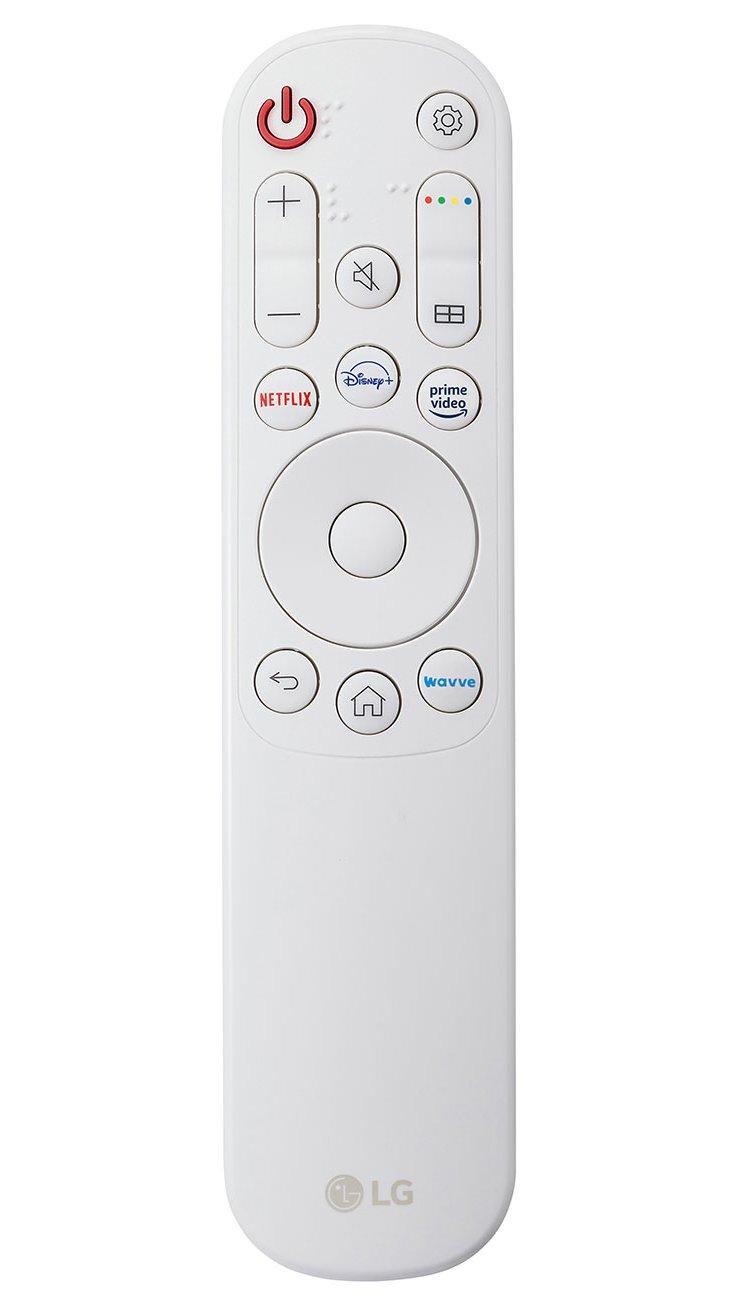
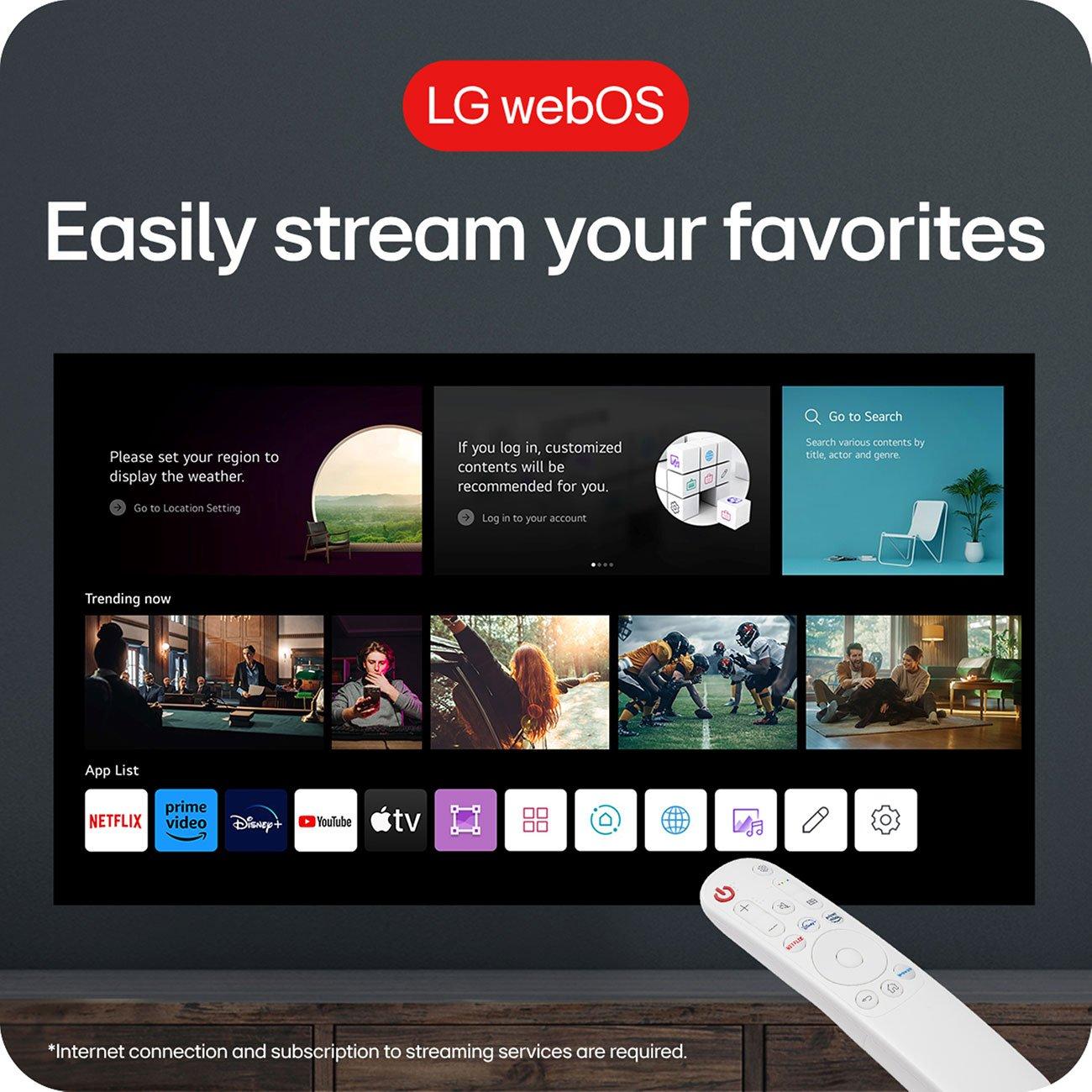
The LG CineBeam Q uses LG's webOS, a streamlined system designed specifically for their display products. The interface is cleaner and generally responds more quickly, though it lacks some of Google TV's advanced aggregation features. For those already in the Apple ecosystem, its AirPlay 2 support provides seamless connection from iOS and macOS devices.
In my day-to-day usage, I found Google TV more convenient for discovering content across services, but webOS more responsive for quick app launches and settings adjustments. Neither platform is perfect—both occasionally exhibit the minor frustrations common to smart TV interfaces—but they're vastly superior to the bare-bones systems found in budget projectors just a few years ago.
Both projectors support major streaming services including Netflix, Disney+, Amazon Prime Video, and YouTube. However, there are some differences in their long-term support prospects.
Google TV on the TCL A1 benefits from Google's regular platform updates and broad app support. During my six months with the device, it received several system updates that added minor features and improved stability.
The LG CineBeam Q's webOS is well-supported by LG, but historically their projectors have received fewer updates than their premium TVs. This hasn't been a significant issue during my testing period, but it's worth considering for long-term ownership.
Projector audio is frequently an afterthought, but it's crucial for a truly portable experience—otherwise, you're always connecting external speakers, diminishing the convenience factor.
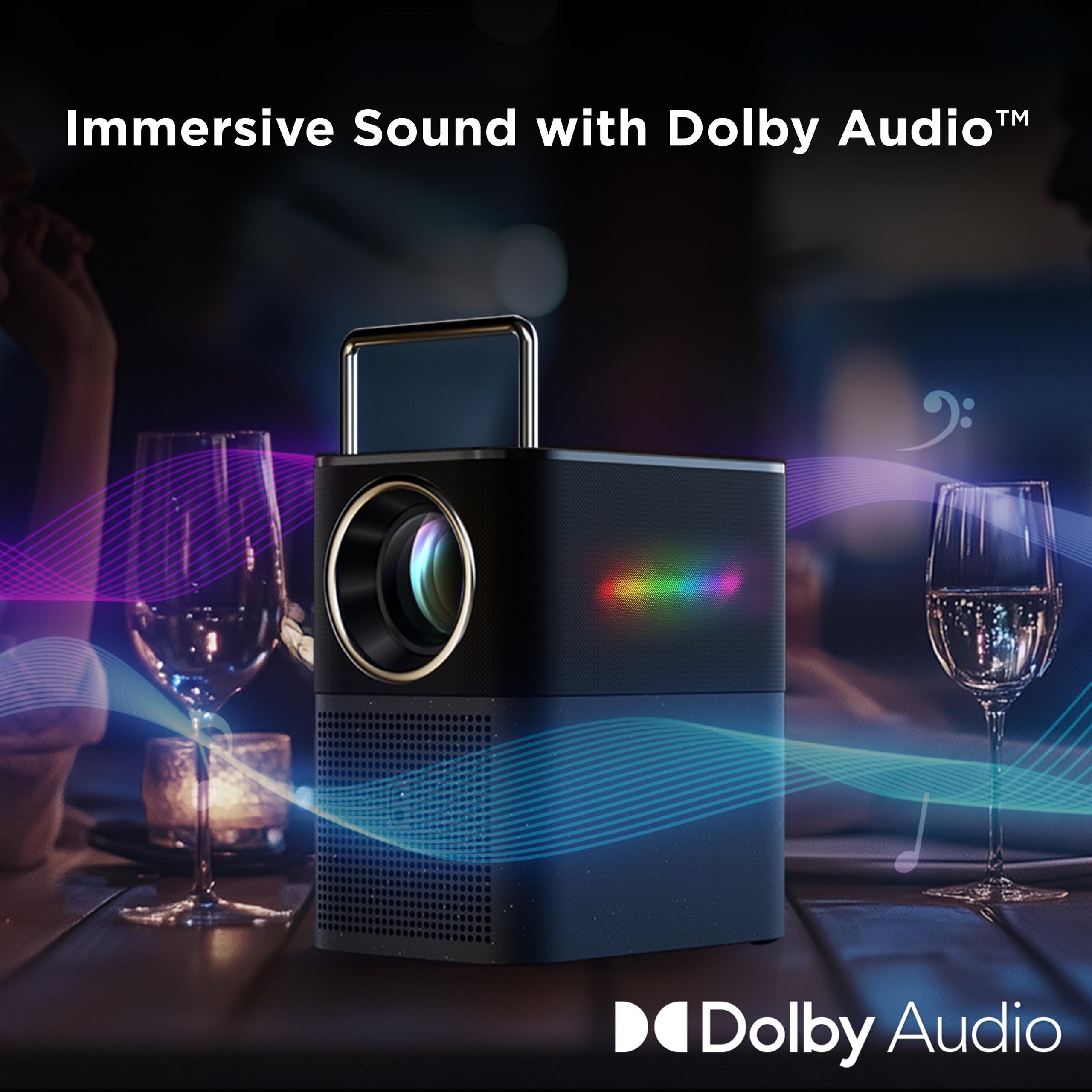
The TCL A1 incorporates dual 8W speakers with Dolby Digital+ processing, providing surprisingly capable audio for a portable unit. During movie night tests, the sound was clear enough to fill a medium-sized room (approximately 15×20 feet) without distortion at about 80% volume. Dialog remained intelligible, though bass response was predictably limited.
The LG CineBeam Q includes a single 3W mono speaker that's adequate for personal viewing but underwhelming for shared experiences. In the same room test, I needed to push it to maximum volume, which introduced some harshness to the audio. For anything beyond personal use, you'll want external audio with the LG.
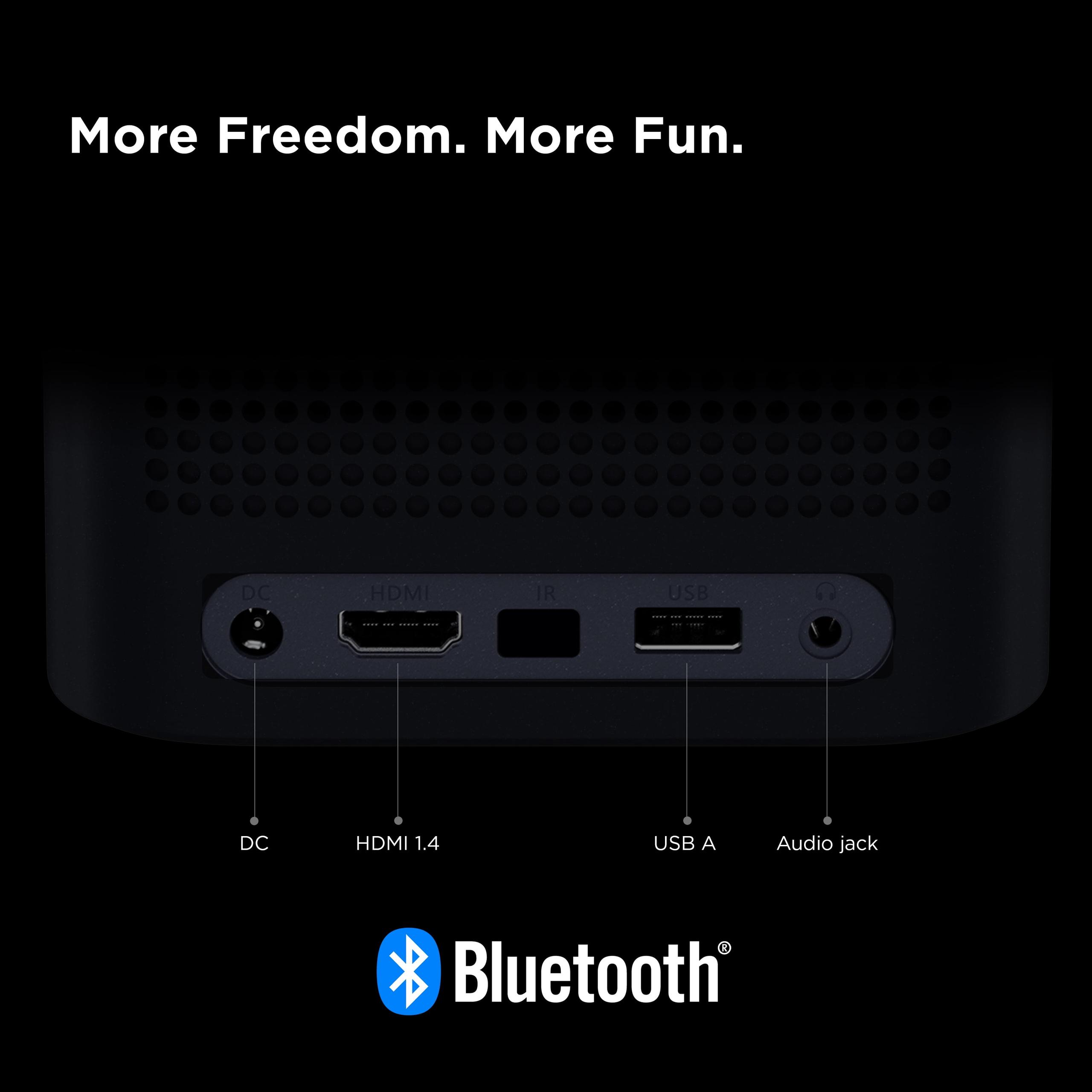
Both projectors support Bluetooth output to external speakers or headphones, essential for better audio without running cables. The LG CineBeam Q adds a unique dual Bluetooth feature that allows connecting two audio devices simultaneously—perfect for private listening with a partner without disturbing others.
The TCL A1 includes a 3.5mm audio output jack, which the LG lacks. This might seem old-fashioned, but it's valuable for connecting to existing audio systems or when you want zero audio latency for gaming or music performances.
Specifications tell only part of the story. Here's how these projectors perform across different content types based on my extensive testing:
When watching films like "Dune" with dramatic contrast and color, the LG CineBeam Q's superior contrast and color gamut created a more cinematic experience. Dark scenes revealed details that remained murky on the TCL, and the desert landscapes showed subtle color gradations that enhanced the visual storytelling.
The TCL A1 still delivered an enjoyable movie experience, particularly with brighter, more colorful content like animated films. "Spider-Man: Across the Spider-Verse" looked vibrant and engaging, though side-by-side comparison showed the LG's color advantage.
For sports with fast motion like basketball, both projectors handled movement reasonably well, though neither matches the motion clarity of a high-refresh-rate TV. The LG CineBeam Q had a slight edge in maintaining sharpness during quick camera pans.
The TCL A1's lower brightness was less problematic for sports viewing in my dedicated home theater room, as most sports broadcasts are brightly lit to begin with.
For gaming, the TCL A1 demonstrated input lag around 50ms—acceptable for casual gaming but not competitive play. The LG CineBeam Q performed better at approximately 35ms, providing a more responsive experience, particularly noticeable in racing games where timing is crucial.
Neither projector offers gaming-specific features like variable refresh rate or 120Hz capability found on gaming-focused displays, but the CineBeam Q's higher resolution makes a meaningful difference in detail-rich games like "Horizon Forbidden West."
At $399.99, the TCL A1 represents excellent value for those new to projection. It delivers a respectable full HD image, Google TV smart features, and surprisingly good audio in a portable package. For occasional movie nights, camping trips, or backyard viewing, it provides the core projection experience at an accessible price point.
The LG CineBeam Q at $997.99 requires a significant additional investment. What you get for that premium is meaningful: 4K resolution, superior brightness, better color accuracy, and a more compact design. These aren't just specification improvements—they translate to a visibly better viewing experience, particularly in less-than-ideal lighting conditions.
Is it worth the difference? That depends entirely on your priorities and budget. If you're a casual user who primarily watches in completely darkened rooms and isn't particularly sensitive to image quality nuances, the TCL A1 provides tremendous value. If you're more discriminating about image quality or need flexibility across different viewing environments, the LG's advantages justify its premium positioning.
The TCL A1 represents one of the best values in portable projection today. Despite its brightness limitations, it delivers on the core promise of bringing big-screen entertainment anywhere at a price point that won't break the bank.
The CineBeam Q represents the premium end of truly portable projection. Its laser light engine, 4K resolution, and thoughtful design justify its higher price for discerning users who will appreciate these advantages.
Both the TCL A1 and LG CineBeam Q represent impressive technological achievements in the portable projector space. They've brought capabilities that would have seemed impossible in compact projectors just a few years ago.
For most people venturing into portable projection, the TCL A1 offers remarkable value and performance that will satisfy all but the most demanding users. Its combination of 1080p resolution, Google TV, and thoughtful design features make it easy to recommend at its $399.99 price point.
For enthusiasts, videophiles, or those who simply want the best portable projection experience available, the LG CineBeam Q delivers superior performance that justifies its premium positioning at $997.99. Its 4K resolution, laser technology, and enhanced brightness create a viewing experience that comes surprisingly close to dedicated home theater projectors costing far more.
Whichever you choose, both the TCL A1 and LG CineBeam Q demonstrate just how far portable projection technology has advanced—bringing big-screen entertainment wherever you want it, without the complexity and permanence of traditional home theater setups.
| TCL A1 Portable 1080p Smart Projector | LG CineBeam Q 4K UHD Portable Laser Projector |
|---|---|
| Price - The investment you'll need to make | |
| $399.99 (excellent value for casual users) | $997.99 (premium price for enthusiasts) |
| Resolution - Determines image sharpness, especially at larger screen sizes | |
| 1080p Full HD (1920×1080) - adequate for casual viewing | 4K UHD (3840×2160) - noticeably sharper, especially above 80" |
| Brightness - Critical for visibility in ambient light conditions | |
| 360 ISO Lumens (requires near-darkness) | 500 ANSI Lumens (usable with minimal ambient light) |
| Light Source Technology - Affects color accuracy, lifespan, and consistency | |
| LED (30,000+ hour lifespan, standard color reproduction) | RGB Laser (20,000 hour lifespan, superior color accuracy) |
| Color Performance - Determines how vibrant and accurate colors appear | |
| Standard color gamut (adequate for casual viewing) | 154% DCI-P3 coverage (cinema-grade color reproduction) |
| Contrast Ratio - Controls image depth and black level performance | |
| Not specified (typically <100,000:1 for LED projectors) | 450,000:1 (produces deeper blacks and more detail in dark scenes) |
| Physical Size - Affects portability and placement options | |
| 5.0" × 7.6" × 10.4" (larger but still transportable) | 5.3" × 3.1" × 5.3" (ultra-compact cube design) |
| Weight - Impacts how easily you can move or travel with the projector | |
| 5.5 lbs (manageable for occasional transport) | 3.3 lbs (significantly more portable) |
| Built-in Audio - Determines if you'll need external speakers | |
| Dual 8W speakers with Dolby Digital+ (good for medium rooms) | Single 3W mono speaker (adequate only for personal use) |
| Smart Platform - Controls content access and user experience | |
| Google TV (content-focused with Google Assistant) | webOS (streamlined interface with AirPlay 2 support) |
| Adjustment Features - Helps achieve proper image in various setups | |
| Auto focus and keystone correction | Advanced auto adjustments plus manual 4/9/15-point warping |
| Connectivity Options - Determines compatibility with your devices | |
| HDMI, USB, 3.5mm audio out, Wi-Fi, Bluetooth | HDMI, USB-C, Wi-Fi, Dual Bluetooth audio output |
| Maximum Screen Size - How large an image you can project | |
| 45" to 120" diagonal | 50" to 120" diagonal |
| Gaming Performance - Important for interactive content | |
| ~50ms input lag (casual gaming only) | ~35ms input lag (better but not ideal for competitive gaming) |
For movie watching, the LG CineBeam Q 4K UHD Portable Laser Projector offers superior performance with its 4K resolution and laser light engine that produces more accurate colors and deeper blacks. The TCL A1 Portable 1080p Smart Projector provides a good 1080p movie experience at a lower price point, but serious movie enthusiasts will appreciate the visual upgrade the CineBeam Q delivers, especially in a home theater setting.
The TCL A1 Portable 1080p Smart Projector is priced at $399.99, while the LG CineBeam Q 4K UHD Portable Laser Projector costs $997.99. This represents approximately a $600 difference, with the LG CineBeam Q being about 2.5 times more expensive than the TCL A1.
Neither projector is ideal for well-lit rooms. The TCL A1 Portable 1080p Smart Projector with 360 ISO Lumens requires near-darkness for optimal viewing. The LG CineBeam Q 4K UHD Portable Laser Projector performs somewhat better with 500 ANSI Lumens, allowing limited use with minimal ambient light, but still works best in darkened environments. For bright rooms, you'd need projectors with 2,000+ ANSI lumens.
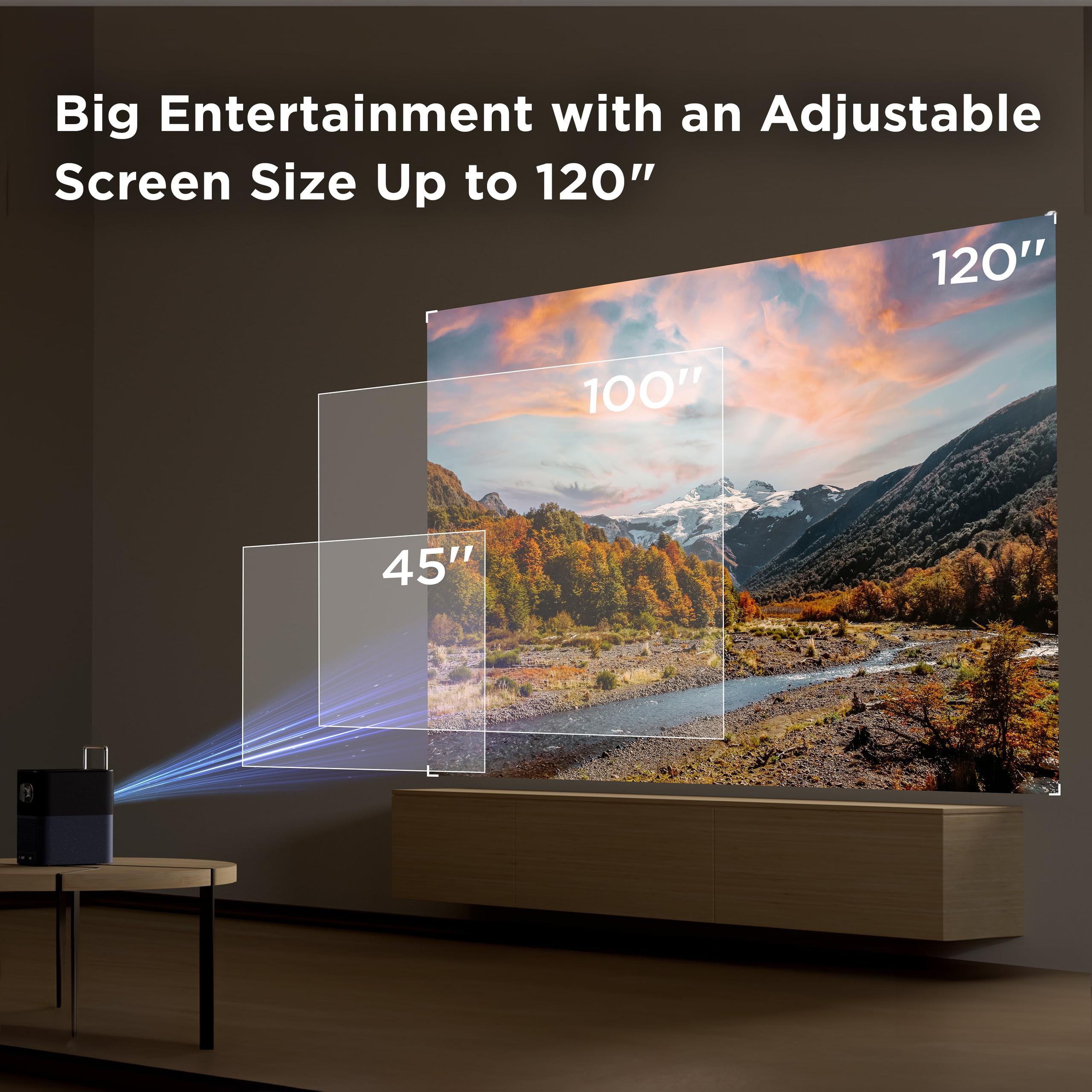
Both the TCL A1 Portable 1080p Smart Projector and the LG CineBeam Q 4K UHD Portable Laser Projector can project images up to 120 inches diagonally. The TCL A1 starts from 45 inches while the LG CineBeam Q starts from 50 inches. At larger sizes, the CineBeam Q's 4K resolution maintains better clarity compared to the A1's 1080p resolution.
The TCL A1 Portable 1080p Smart Projector features dual 8W speakers with Dolby Digital+ processing that provide adequate sound for most rooms without requiring external speakers. The LG CineBeam Q 4K UHD Portable Laser Projector has only a single 3W mono speaker that's suitable for personal use but will likely require external speakers for proper home theater audio or group viewing.
For gaming, the LG CineBeam Q 4K UHD Portable Laser Projector offers better performance with lower input lag (approximately 35ms) and higher resolution for more detailed game visuals. The TCL A1 Portable 1080p Smart Projector has higher input lag (around 50ms) which is acceptable for casual gaming but not competitive play. Neither projector supports gaming-specific features like variable refresh rate or 120Hz refresh rates.
The TCL A1 Portable 1080p Smart Projector displays 1920×1080 pixels (about 2 million total), while the LG CineBeam Q 4K UHD Portable Laser Projector displays 3840×2160 pixels (about 8.3 million total). This resolution difference becomes noticeable at screen sizes above 80 inches or viewing distances under 10 feet, where the 4K projector shows significantly more detail, sharper text, and smoother diagonal lines.
The LG CineBeam Q 4K UHD Portable Laser Projector is more travel-friendly at just 3.3 pounds with compact cube dimensions (5.3" × 3.1" × 5.3") that easily fit in a backpack or carry-on. The TCL A1 Portable 1080p Smart Projector is still portable at 5.5 pounds but larger (5.0" × 7.6" × 10.4"), making it better suited for moving between rooms rather than frequent travel.
Both the TCL A1 Portable 1080p Smart Projector with Google TV and the LG CineBeam Q 4K UHD Portable Laser Projector with webOS support major streaming services including Netflix, Disney+, Amazon Prime Video, Hulu, and YouTube. The TCL A1's Google TV platform offers slightly better content aggregation across services, while the LG CineBeam Q includes AirPlay 2 for easy streaming from Apple devices.
The LED light source in the TCL A1 Portable 1080p Smart Projector is rated for approximately 30,000 hours of use, which means you could watch it for 4 hours daily for 20 years. The laser light source in the LG CineBeam Q 4K UHD Portable Laser Projector is rated for about 20,000 hours but maintains brightness and color accuracy better throughout its lifespan compared to LED technology.
Yes, both projectors work with external devices. The TCL A1 Portable 1080p Smart Projector includes an HDMI port and USB port for connecting game consoles, streaming sticks, or laptops. The LG CineBeam Q 4K UHD Portable Laser Projector offers HDMI and USB-C connectivity, with the USB-C providing more versatile connection options for modern devices like MacBooks and tablets.
For a permanent home theater, the LG CineBeam Q 4K UHD Portable Laser Projector is the better choice with its superior 4K resolution, better contrast ratio, and wider color gamut that more closely matches what you'd experience in a commercial cinema. While more expensive at $997.99, these advantages become more significant when used daily. The TCL A1 Portable 1080p Smart Projector at $399.99 works adequately for occasional movie nights but lacks the premium image quality that dedicated home theater enthusiasts typically seek.
We've done our best to create useful and informative comparisons to help you decide what product to buy. Our research uses advanced automated methods to create this comparison and perfection is not possible - please contact us for corrections or questions. These are the sites we've researched in the creation of this article: youtube.com - hometheaterforum.com - hifivision.com - tcl.com - gstylemag.com - youtube.com - youtube.com - soundandvision.com - tcl.com - androidheadlines.com - valueelectronics.com - tcl.com - walmart.com - esquire.com - hometheaterview.com - androidpolice.com - projectorcentral.com - howtogeek.com - nfm.com - tcl.com - valueelectronics.com - extapps.dec.ny.gov - cna-aiic.ca - projectorcentral.com - tcl.com - tcl.com - tcl.com - projectorcentral.com - lg.com - thefrogpadappliances.com - youtube.com - techradar.com - lg.com - avsforum.com - lg.com - tomsguide.com - jefflynch.com - hometheaterview.com - projectorreviews.com - youtube.com - avsforum.com - projectorcentral.com - pcrichard.com - bhphotovideo.com - youtube.com - lg.com - applerivertvandappliance.com - big-georges.com - queencityonline.com - lg.com - lg.com - lg.com - lgnewsroom.com - heimkino.de

Privacy Policy
Terms and Conditions - Affiliate Policy
Home Security
© Copyright 2008-2026.
11816 Inwood Rd #1211, Dallas, TX 75244