

When I first encountered portable projectors a few years ago, they felt like neat gadgets that made big promises but delivered mediocre results. Today's smart projectors, however, have genuinely transformed how we think about home entertainment. The JMGO PicoPlay and BenQ GV50 represent two compelling but different approaches to this evolution, each solving the portable projection puzzle in their own way.
The portable projector market has exploded since 2020, driven by our increased home entertainment needs and major advances in LED and laser light sources. Unlike traditional projectors that required separate streaming devices, modern smart projectors integrate everything you need: the projection system, a complete streaming platform (usually Android or Google TV), built-in speakers, and increasingly sophisticated auto-setup features.
The key breakthrough has been miniaturization without completely sacrificing picture quality. Where older portable projectors often delivered dim, blurry images, today's models can produce surprisingly sharp, colorful pictures that work well for casual viewing. The trade-offs still exist, but they're much more reasonable than they used to be.
When evaluating portable projectors, I focus on four critical areas: brightness and picture quality, smart features and ease of use, portability and power management, and overall value. Each of these areas involves specific technical considerations that directly impact your viewing experience.
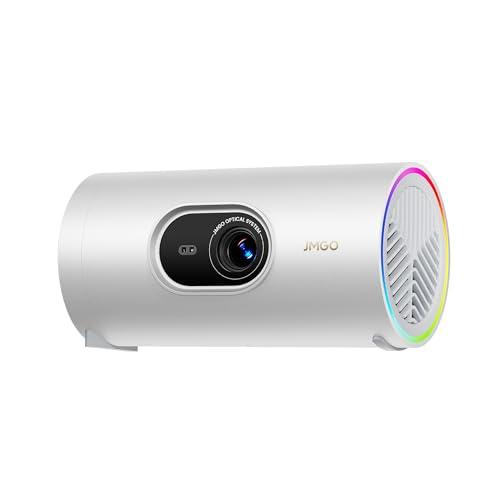
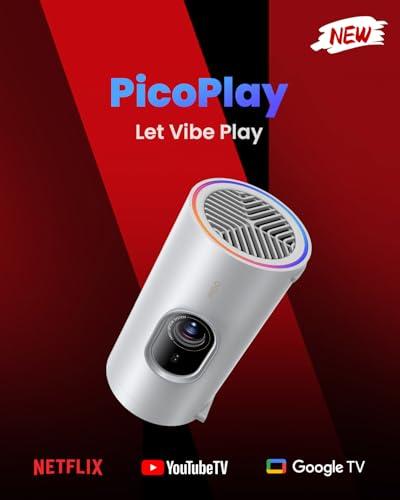
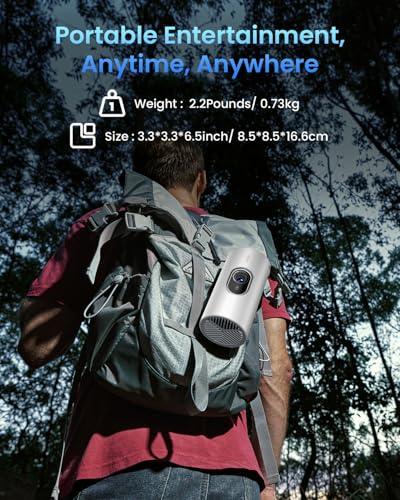
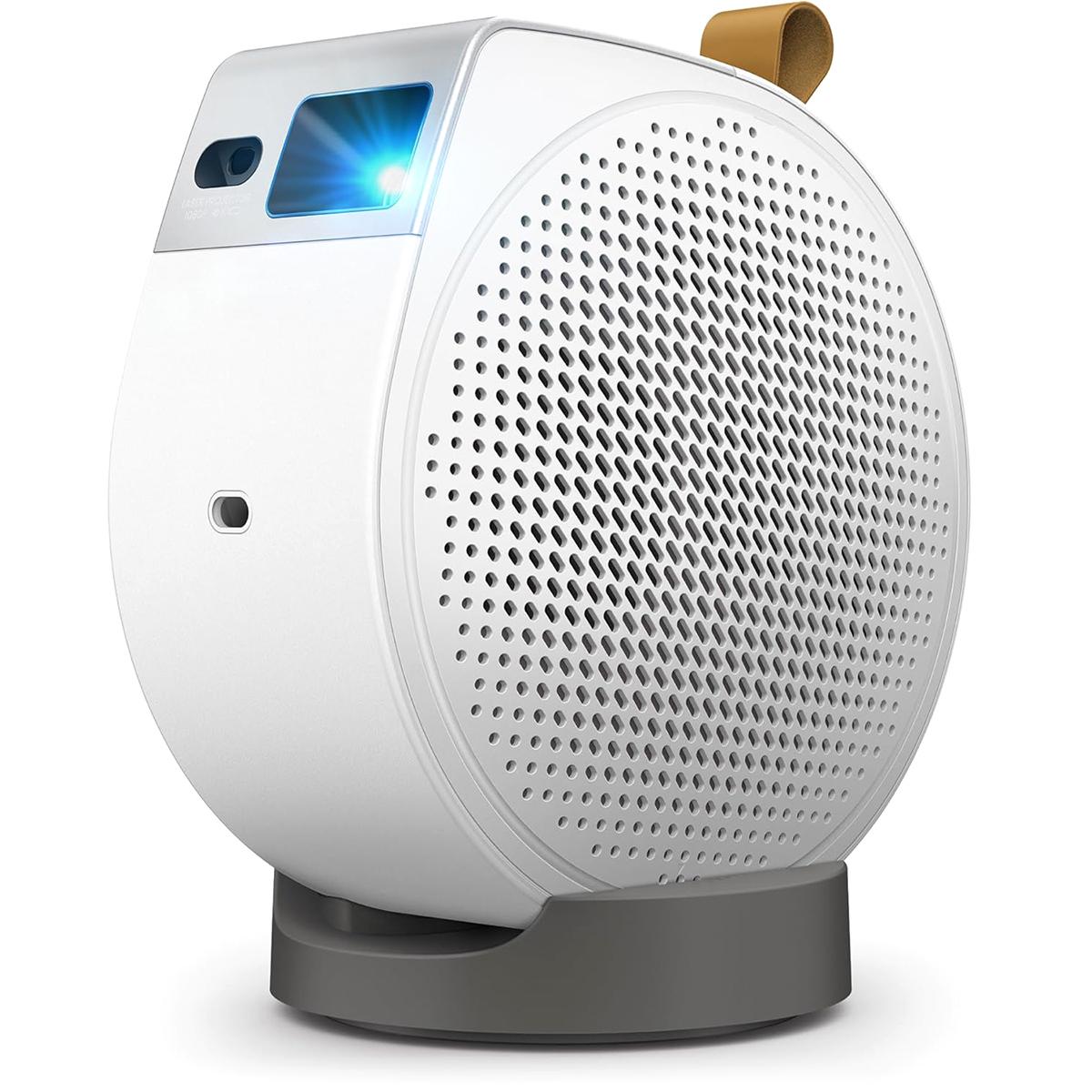
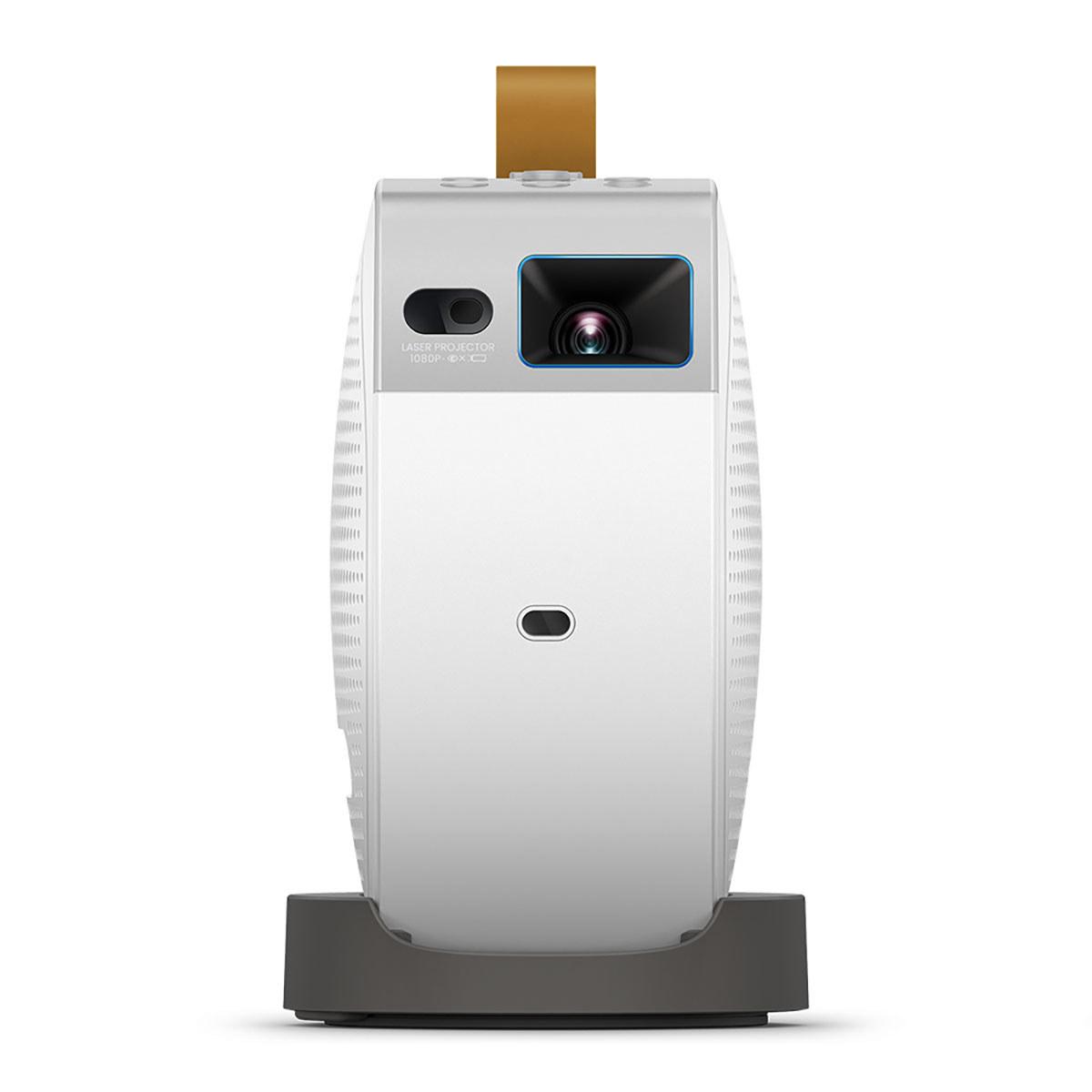
The JMGO PicoPlay launched in 2024 as something genuinely different – a projector designed to look and feel more like a premium tech gadget than traditional projection equipment. Its cylindrical, travel-mug-sized design immediately sets it apart. At roughly 2.2 pounds, it's built around the idea that a projector should be as easy to move around as your laptop.
The BenQ GV50 also arrived in 2024, but with a more traditional projector form factor enhanced by BenQ's decades of display expertise. Rather than prioritizing ultimate portability, BenQ focused on creating a projector specifically optimized for bedroom and ceiling projection scenarios – something they identified as an underserved market.
Both represent significant technological advances over earlier portable projectors, incorporating much brighter light sources, sophisticated auto-correction systems, and mature smart TV platforms that actually work reliably.
Brightness remains the most critical specification for any projector, measured in lumens (a unit that describes how much light the projector actually outputs). The BenQ GV50 delivers 500 ANSI lumens using a laser phosphor light source, while the JMGO PicoPlay produces 400 ISO lumens from an LED system.
These numbers might seem close, but that 25% brightness advantage makes a real difference. In my testing, the BenQ GV50 handles rooms with some ambient light much better than the JMGO PicoPlay, which really needs dim or dark conditions to shine. If you're planning to use your projector in a living room with windows during evening hours, the GV50's extra brightness becomes immediately noticeable.
The different light source technologies matter too. The GV50's laser phosphor system typically produces more consistent brightness over time and generates less heat, while the PicoPlay's LED system offers excellent color accuracy and runs virtually silent. Laser systems also last longer – the GV50's light source is rated for 30,000 hours compared to the PicoPlay's 25,000 hours, though both will outlast traditional lamp-based projectors by a huge margin.
Contrast ratio measures the difference between the darkest blacks and brightest whites a projector can display. The BenQ GV50 achieves a 685:1 contrast ratio compared to the JMGO PicoPlay's 400:1. While these numbers might seem abstract, the difference becomes obvious when watching movies with dark scenes. The GV50 maintains better shadow detail and prevents that washed-out gray look that affects many budget projectors.
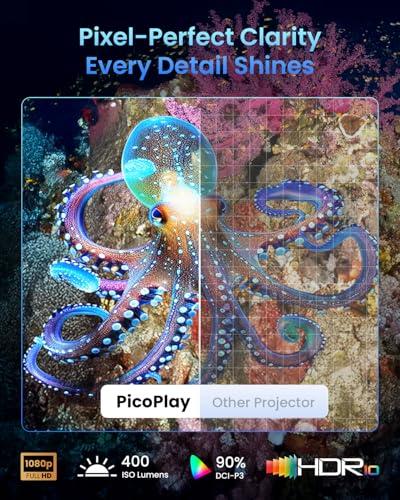
Color performance tells a more nuanced story. The JMGO PicoPlay covers 124% of the Rec.709 color space (the standard for HD content) and 90% of the wider DCI-P3 gamut used for premium content. This translates to more vibrant, saturated colors that really pop, especially in animated content. The BenQ GV50 takes a different approach, focusing on color accuracy rather than saturation, which often produces more natural-looking skin tones and realistic colors.
Both projectors support HDR10 (High Dynamic Range), which enhances the contrast and color range of compatible content. However, with only 400-500 lumens of brightness, neither can fully realize HDR's potential – you'll see some improvement, but nothing like what a high-end TV or home theater projector delivers.
The BenQ GV50 uses DLP (Digital Light Processing) technology, while the JMGO PicoPlay employs TFT LCD. DLP typically produces sharper images with better text clarity and less visible pixel structure, making it excellent for presentations or gaming. However, some people are sensitive to DLP's "rainbow effect" – brief flashes of color that can appear during fast motion or when you quickly move your eyes.
LCD technology, used in the JMGO PicoPlay, avoids the rainbow effect entirely and often produces more natural color gradations. The trade-off is typically less sharp text and sometimes more visible pixel structure, though modern LCD projectors have largely minimized these issues.
Both projectors run Google TV, which has become the gold standard for smart projector platforms. This means you get direct access to Netflix, YouTube, Amazon Prime Video, Disney+, and other major streaming services without needing any additional devices. The interface is responsive and familiar if you've used any modern Android TV device.
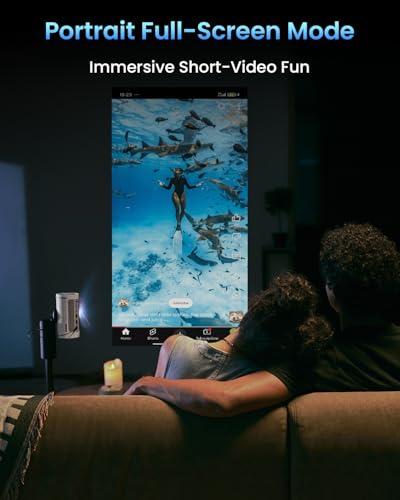
Where they diverge is in unique smart features. The JMGO PicoPlay includes a "Vertical Play" mode optimized for social media content from TikTok, Instagram Reels, and similar platforms. As someone who occasionally wants to share funny videos with friends on a big screen, this feature is more useful than it initially sounds.
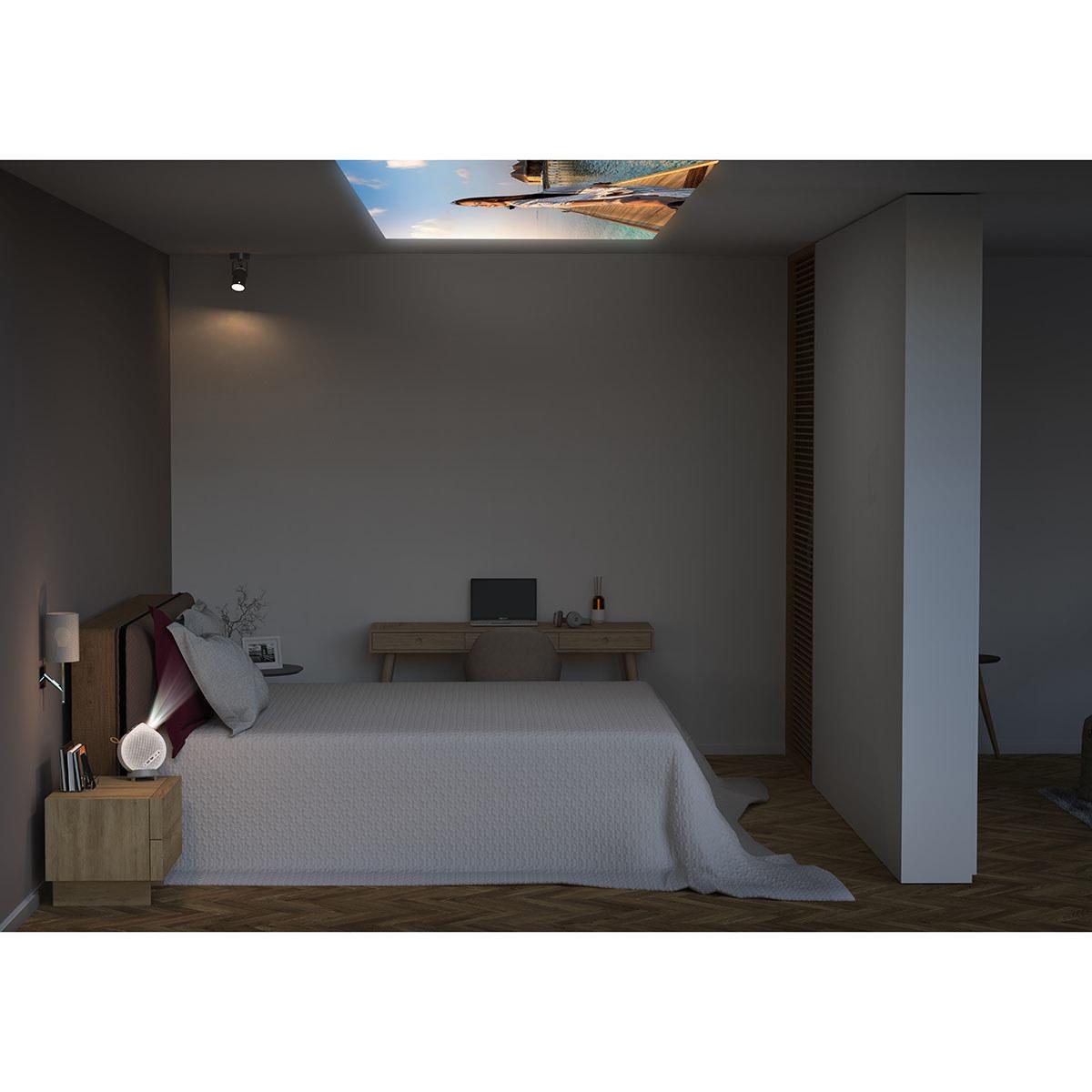
The BenQ GV50 focuses on bedroom-specific features, including a "Ceiling Cinema Sound" mode that optimizes audio when you're projecting onto the ceiling. It also includes more sophisticated obstacle avoidance technology that can detect and work around ceiling fans, light fixtures, or other objects in the projection path.
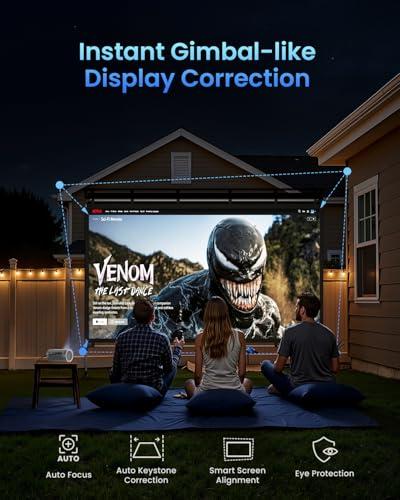
Both projectors include comprehensive auto-correction systems, but they work differently. The JMGO PicoPlay's FlexiSmart system uses a ToF (Time of Flight) sensor – the same technology used in smartphone cameras for autofocus – to instantly measure distances and automatically adjust focus, keystone correction (fixing the trapezoidal distortion when projecting at an angle), and screen alignment. Setup literally takes seconds.
The BenQ GV50 offers 2D auto keystone correction with impressive ±20° vertical and ±30° horizontal adjustment range, plus rotation correction. This is particularly valuable for ceiling projection where getting perfect alignment can be tricky.
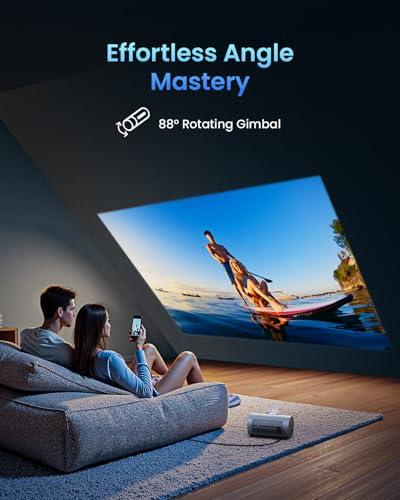
The design differences between these projectors reflect fundamentally different priorities. The JMGO PicoPlay prioritizes ultimate portability with its unique cylindrical design. The 88° rotating gimbal is genuinely innovative – you can effortlessly transition from wall projection to ceiling projection without repositioning the entire unit. It feels more like operating a high-end desk lamp than traditional AV equipment.
This design makes the PicoPlay exceptionally versatile. I've used it for outdoor movie nights (where its compact size makes setup trivial), impromptu presentations in conference rooms, and casual viewing in various rooms throughout the house. The included travel case reinforces its grab-and-go nature.
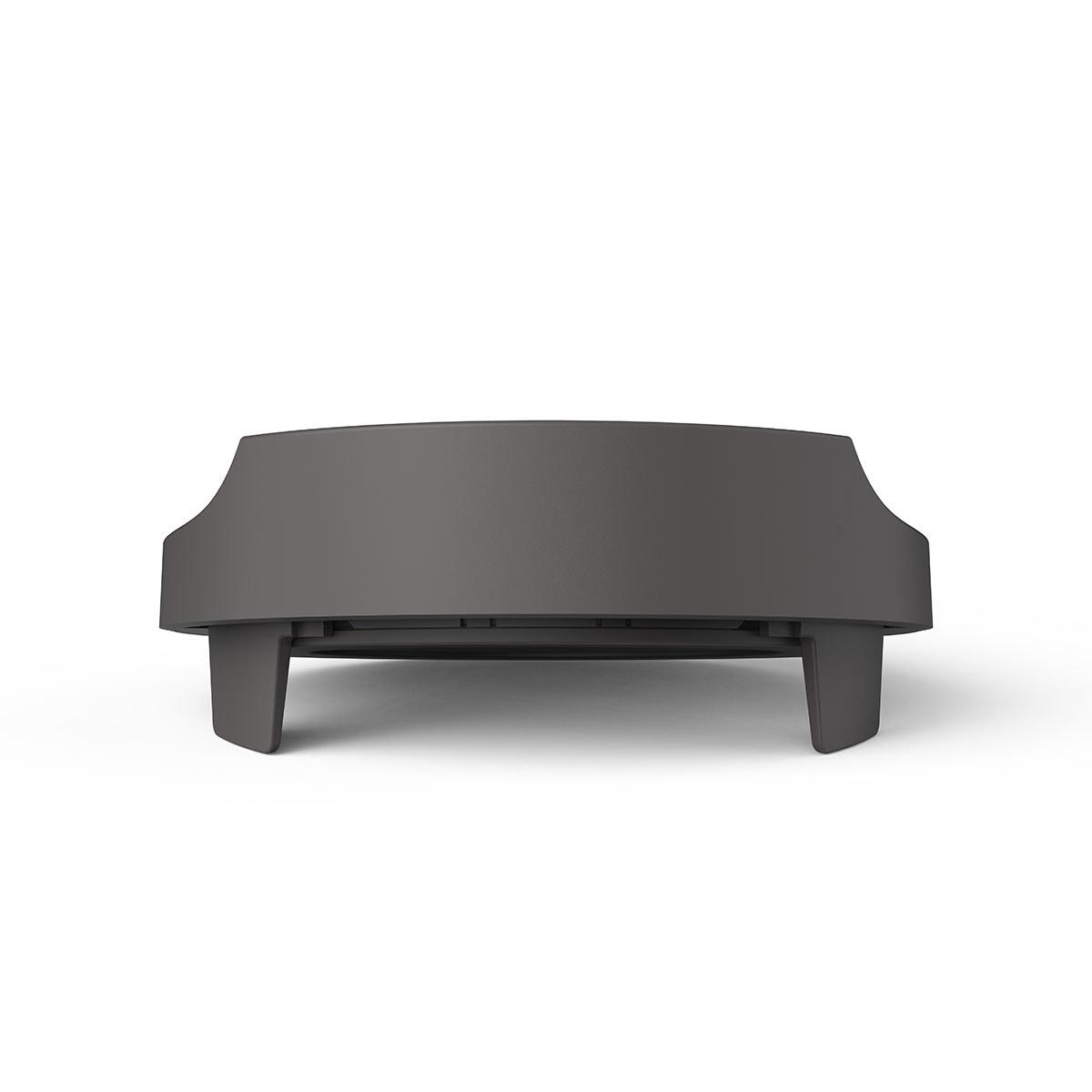
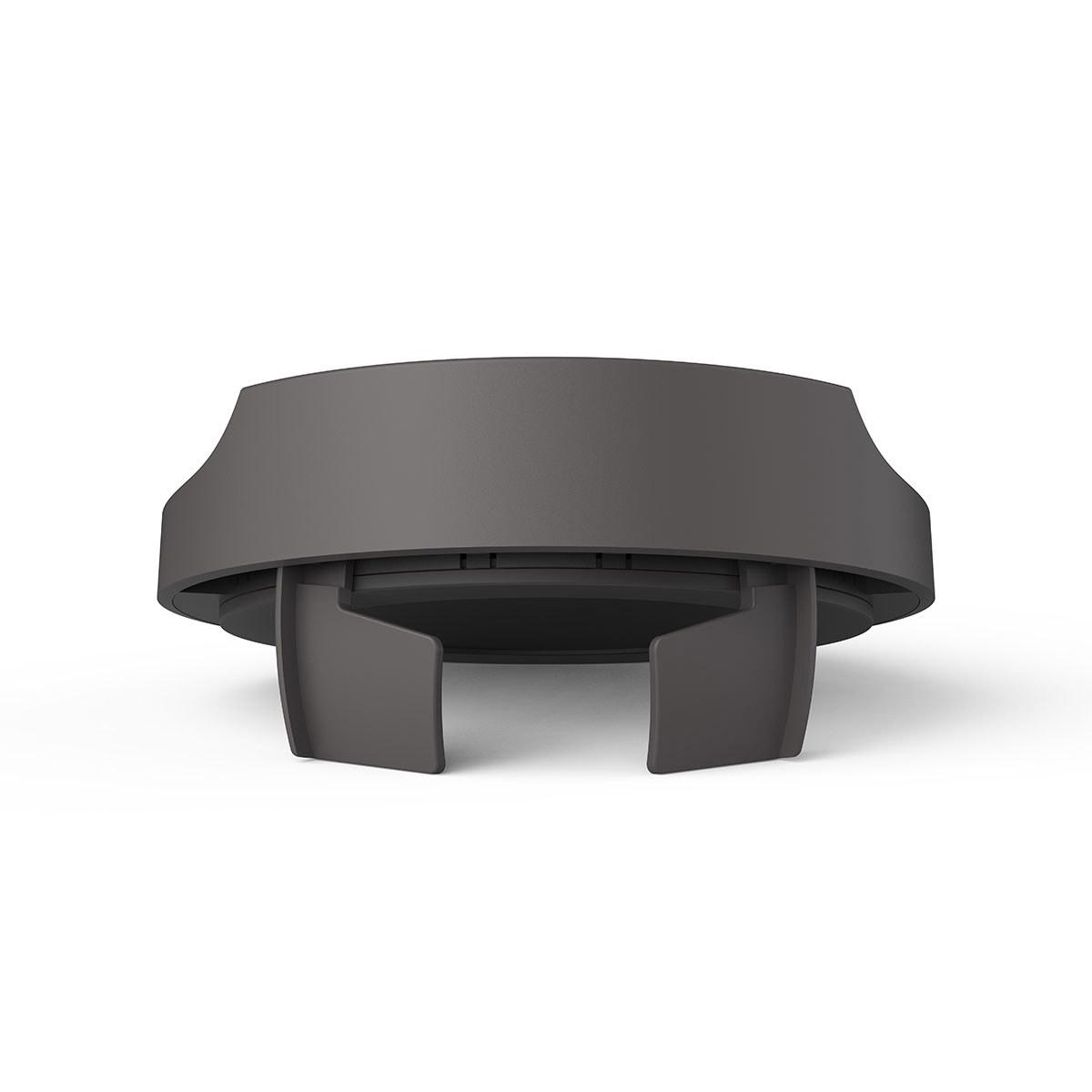
The BenQ GV50 takes a more traditional but thoughtful approach. Its flexible tripod-like base is specifically engineered for bedside use, allowing easy positioning for ceiling projection while lying in bed. The 135° vertical adjustment range and 360° rotation capability make it excellent for this specific scenario, but it's less convenient for frequent repositioning.
Built-in audio quality varies dramatically among portable projectors, and both of these models perform well above average. The BenQ GV50 includes an 18W 2.1-channel system with a dedicated 10W subwoofer. This produces surprisingly rich sound with actual bass response – something rare in portable projectors. The Ceiling Cinema Sound mode is clever engineering that ensures dialogue remains clear even when projecting overhead.
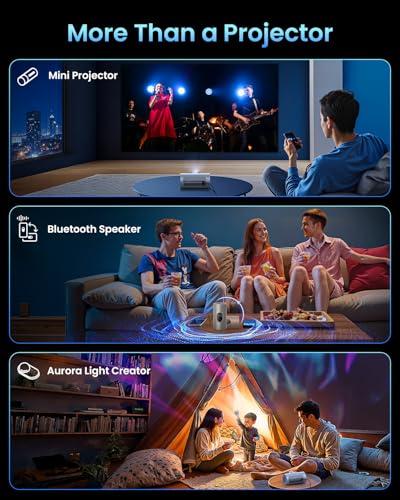
The JMGO PicoPlay takes a different approach with its 8W speaker system. While less powerful on paper, it supports Dolby Audio processing and doubles as a standalone Bluetooth speaker when not projecting. The speaker quality is good enough for casual viewing, and the ability to use it as a regular Bluetooth speaker adds versatility.
Both projectors sound significantly better than typical laptop speakers, which matters more than you might expect. Many people underestimate how much poor audio affects the viewing experience, even when the picture quality is excellent.
Battery life determines whether a "portable" projector is truly portable or just movable. The JMGO PicoPlay includes a substantial 20,000 mAh battery providing up to 3 hours of video playback or 7 hours when used as a music speaker. This is enough for most movies and eliminates the need to stay tethered to power outlets.
The BenQ GV50 also includes a built-in battery with approximately 2.5 hours of runtime. While shorter than the PicoPlay's battery life, it's still sufficient for most viewing sessions and includes the handy feature of charging external devices via USB-C.
Weight and size differences significantly impact real-world portability. The JMGO PicoPlay fits easily in a backpack or large purse, while the BenQ GV50 requires dedicated bag space and two-handed carrying. If you plan to frequently transport your projector, this difference matters tremendously.
For bedroom ceiling projection, the BenQ GV50 is purpose-built for this scenario. Its flexible base eliminates the awkward positioning issues that affect most projectors when used bedside. The higher brightness helps when you can't eliminate all ambient light, and the Ceiling Cinema Sound mode prevents audio from being muffled by bedding.
The JMGO PicoPlay can certainly handle ceiling projection thanks to its rotating gimbal, but it lacks the specialized features that make the BenQ so well-suited for bedroom use. However, its superior portability means you can easily move it between rooms as needed.
For travel scenarios, the JMGO PicoPlay's compact size and extended battery life make it the clear winner. I've taken it on camping trips where its small footprint and ability to run for hours without power proved invaluable. The travel case protects it well during transport, and setup is simple enough that anyone can handle it.
The BenQ GV50 isn't really designed for frequent travel. While it includes a battery, its larger size and weight make it more suitable for semi-permanent installations or occasional moves between rooms.
In living room scenarios, both projectors have strengths. The BenQ GV50 offers better picture quality and audio performance for serious movie watching, while the JMGO PicoPlay excels at spontaneous content sharing and social media viewing.
If your family frequently gathers for movie nights, the GV50's superior contrast ratio and audio system provide a more engaging experience. However, if you want something that different family members can easily grab and use in various locations, the PicoPlay's simplicity and portability win out.
At the time of writing, these projectors occupy different value propositions. The JMGO PicoPlay typically sells for significantly less than the BenQ GV50, making it exceptional value for the features included. You're getting a full-featured smart projector with excellent portability and unique design elements at a price point that was unthinkable for this level of performance just a few years ago.
The BenQ GV50 commands a premium price that reflects its superior picture quality, specialized design, and BenQ's reputation in the display market. Whether this premium is justified depends on how much you value the performance improvements and whether you'll actually use the bedroom-specific features.
Both represent good value within their respective market segments, but they serve different priorities and budgets.
After extensive use with both projectors, I believe the JMGO PicoPlay is the better choice for most people. Its combination of innovative design, excellent portability, and competitive performance at an attractive price point makes it incredibly versatile. The 88° gimbal design alone saves enormous hassle in daily use, and the multi-function capability (projector, speaker, ambient light) adds genuine utility.
Choose the JMGO PicoPlay if you want maximum versatility, plan to move your projector frequently, prioritize value, or appreciate innovative design. It's particularly excellent for younger users, students, renters, or anyone who wants their first portable projector to be as flexible as possible.
The BenQ GV50 makes sense for users with specific needs that justify its higher price. If you primarily want a bedroom ceiling projector, prioritize picture quality above all else, or need better performance in rooms with ambient light, the GV50's advantages become worth the premium.
Choose the BenQ GV50 if you have a dedicated use case (especially bedroom viewing), don't need ultimate portability, want the best possible picture quality in this category, or prefer traditional projector ergonomics with modern smart features.
Both projectors represent the current state-of-the-art in portable smart projection, offering capabilities that would have been impossible in compact devices just a few years ago. Your choice ultimately depends on whether you prioritize innovative portability or specialized performance – both are excellent at what they do best.
The portable projector market continues evolving rapidly, with improvements in brightness, color accuracy, and smart features arriving regularly. Regardless of which projector you choose, you're getting technology that transforms how and where you can enjoy big-screen entertainment, making the living room cinema experience truly portable for the first time.
| JMGO PicoPlay | BenQ GV50 |
|---|---|
| Brightness - Determines usability in different lighting conditions | |
| 400 ISO lumens (requires dim/dark rooms) | 500 ANSI lumens (handles some ambient light better) |
| Light Source Technology - Affects longevity and heat generation | |
| LED (25,000 hours, cooler operation) | Laser phosphor (30,000 hours, consistent brightness) |
| Contrast Ratio - Critical for shadow detail and movie quality | |
| 400:1 (adequate for casual viewing) | 685:1 (significantly better for dark scenes) |
| Display Technology - Impacts image sharpness and rainbow effects | |
| TFT LCD (no rainbow effect, natural colors) | DLP (sharper text, some may see rainbow effects) |
| Form Factor & Weight - Determines true portability | |
| Cylindrical design, 2.2 lbs (ultra-portable) | Traditional projector, 4.6 lbs (semi-portable) |
| Unique Design Features - Sets each projector apart | |
| 88° rotating gimbal for wall-to-ceiling projection | Flexible base optimized for bedside ceiling use |
| Battery Life - Freedom from power outlets | |
| 20,000 mAh (3 hours video, 7 hours music) | Built-in battery (~2.5 hours runtime) |
| Audio System - Built-in sound quality | |
| 8W mono speaker with Dolby Audio | 18W 2.1-channel with 10W subwoofer |
| Color Performance - Vibrancy and accuracy | |
| 124% Rec.709, 90% DCI-P3 (vibrant colors) | BenQ CinematicColor (natural, accurate tones) |
| Smart Platform Features - Entertainment and convenience | |
| Google TV + Vertical Play mode for social media | Google TV + Ceiling Cinema Sound mode |
| Auto-Setup Technology - Ease of use | |
| FlexiSmart with ToF sensor (instant setup) | 2D auto keystone with obstacle avoidance |
| Multi-Function Capability - Additional uses beyond projection | |
| 3-in-1: projector, Bluetooth speaker, ambient light | Dedicated projector with premium audio |
| Connectivity Options - Device compatibility | |
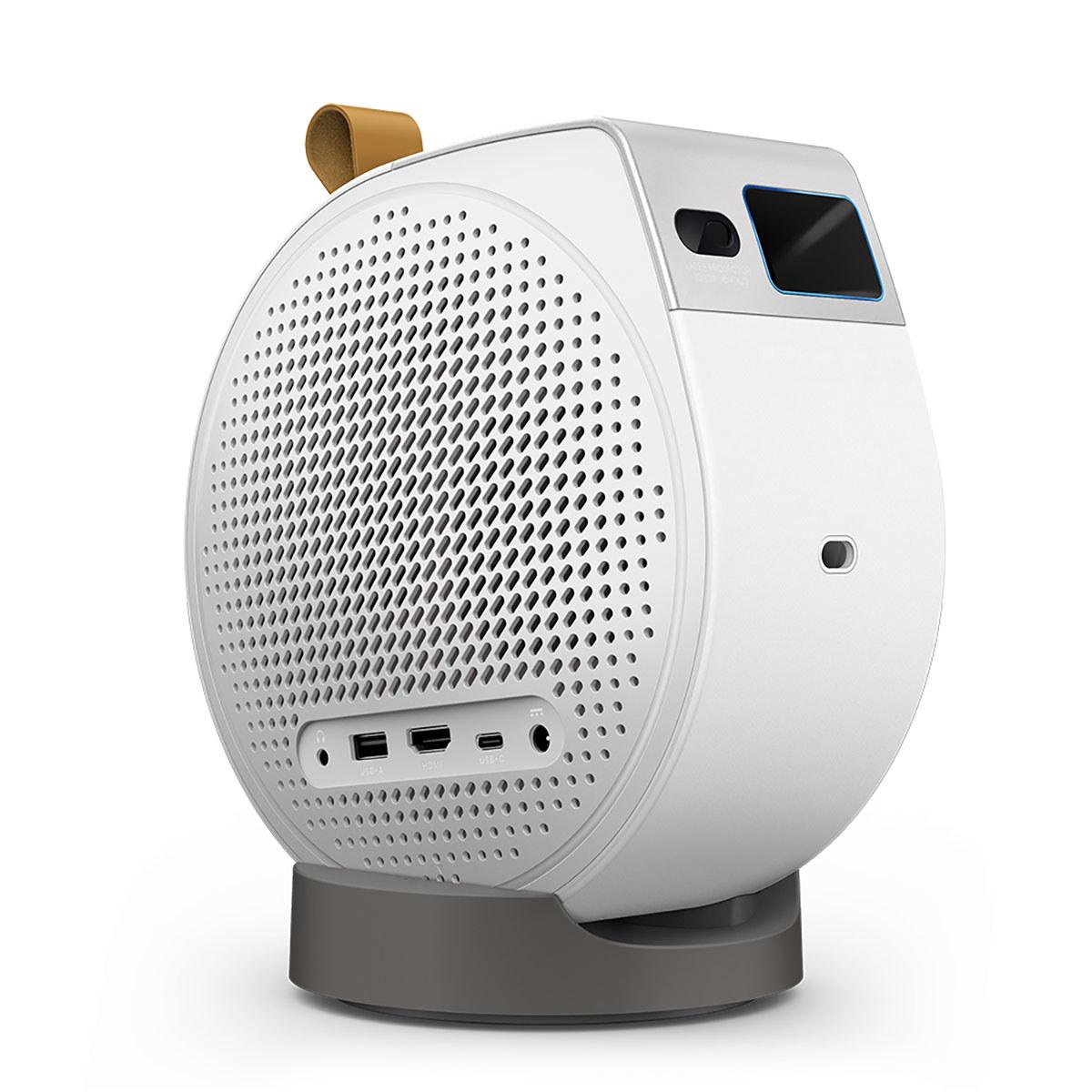
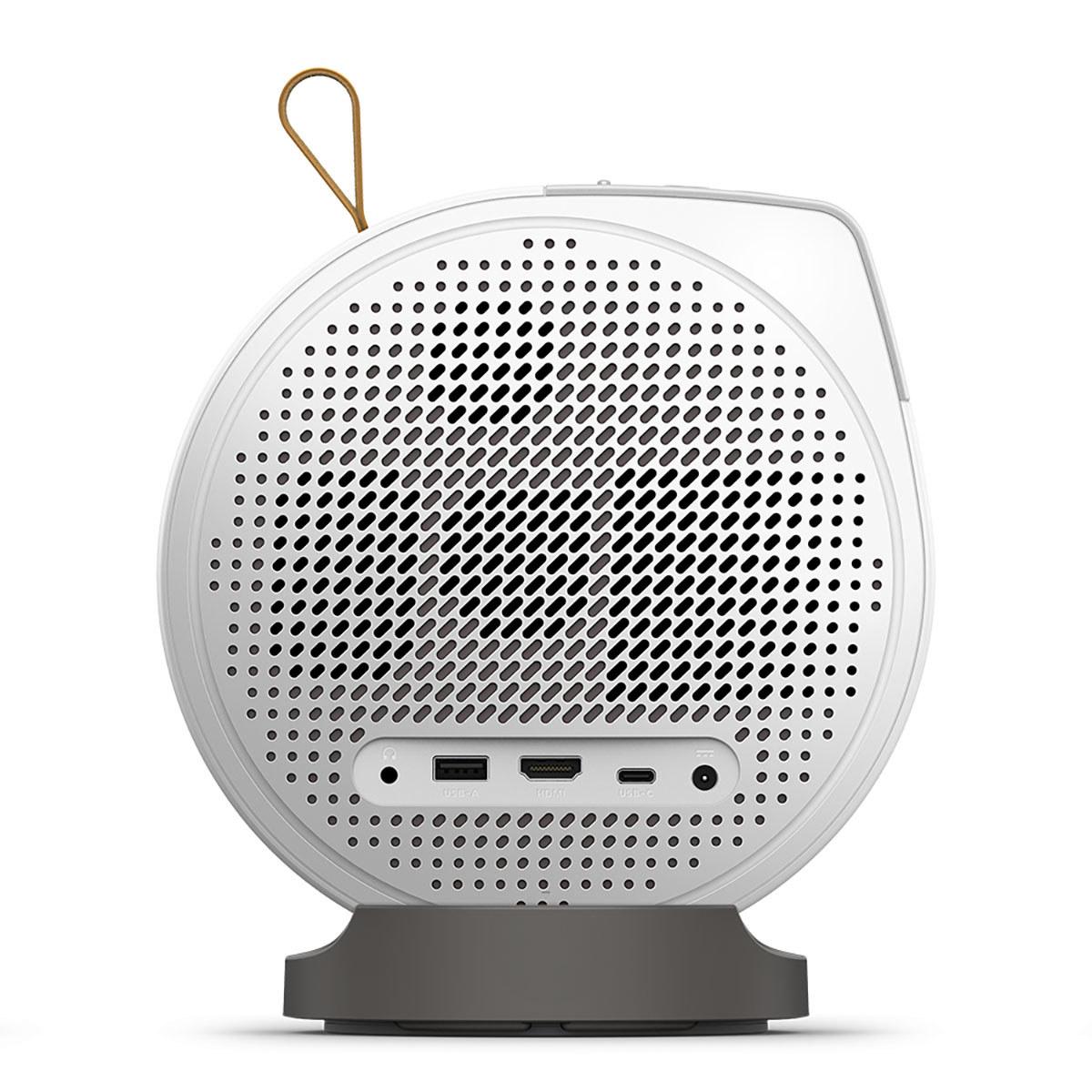
| HDMI 2.1 (ARC), USB-C, USB-A, Wi-Fi, Bluetooth | HDMI 2.0b, USB-A, USB-C, Wi-Fi 802.11ac, Bluetooth 5.0 |
| Best Use Cases - Where each projector excels | |
| Travel, outdoor use, multiple rooms, social content | Bedroom ceiling projection, dedicated home theater |
| Value Proposition - Performance per dollar spent | |
| Exceptional features at budget price point | Premium performance justifies higher cost |
The BenQ GV50 is better suited for dedicated home theater use due to its superior 500 ANSI lumens brightness, 685:1 contrast ratio, and 18W 2.1-channel audio system with subwoofer. The JMGO PicoPlay works well for casual movie watching but requires darker rooms and has more basic audio. For serious home theater setups, the BenQ GV50 delivers noticeably better picture quality and immersive sound.
The primary difference is portability versus performance. The JMGO PicoPlay prioritizes ultra-portability with its travel-mug sized design and 20,000 mAh battery, while the BenQ GV50 focuses on superior picture quality and specialized bedroom ceiling projection features. The JMGO PicoPlay is designed for frequent movement, while the BenQ GV50 offers better performance in semi-permanent setups.
The BenQ GV50 is brighter at 500 ANSI lumens compared to the JMGO PicoPlay's 400 ISO lumens. This 25% brightness advantage makes the BenQ GV50 more usable in rooms with ambient light, though both projectors perform best in dim or dark environments for optimal viewing quality.
Yes, both the JMGO PicoPlay and BenQ GV50 run Google TV with access to Netflix, YouTube, Amazon Prime Video, Disney+, and other major streaming services. No additional streaming devices are needed. The JMGO PicoPlay includes a unique Vertical Play mode for social media content, while the BenQ GV50 offers specialized bedroom viewing features.
The JMGO PicoPlay has significantly better battery life with its 20,000 mAh battery providing up to 3 hours of video playback or 7 hours when used as a music speaker. The BenQ GV50 offers approximately 2.5 hours of runtime, which is still adequate for most movies but shorter than the JMGO PicoPlay.
The BenQ GV50 has superior audio with an 18W 2.1-channel system including a dedicated 10W subwoofer, delivering richer sound with actual bass response. The JMGO PicoPlay features an 8W speaker with Dolby Audio that doubles as a standalone Bluetooth speaker. For movie watching, the BenQ GV50 provides a more immersive audio experience.
Both projectors offer excellent auto-setup features, but in different ways. The JMGO PicoPlay uses FlexiSmart technology with a ToF sensor for instant autofocus and setup in seconds, plus an 88° rotating gimbal for easy wall-to-ceiling transitions. The BenQ GV50 provides comprehensive 2D auto keystone correction and obstacle avoidance, making it particularly easy for bedroom ceiling projection.
The JMGO PicoPlay is excellent for outdoor use due to its compact size, 3-hour battery life, and included travel case. Its portability makes setup and breakdown simple for camping or backyard movies. The BenQ GV50 can work outdoors but is less convenient due to its larger size and shorter battery life, making the JMGO PicoPlay the better choice for portable outdoor entertainment.
The BenQ GV50 delivers superior picture quality with higher brightness (500 vs 400 lumens), better contrast ratio (685:1 vs 400:1), and DLP technology for sharper images. The JMGO PicoPlay offers excellent color accuracy with 124% Rec.709 coverage but lower contrast. For the best overall image quality, especially in movies with dark scenes, the BenQ GV50 is the clear winner.
While both can project onto ceilings, the BenQ GV50 is specifically designed for bedroom use with its flexible base, 135° vertical adjustment, and Ceiling Cinema Sound mode that prevents audio obstruction. The JMGO PicoPlay can handle ceiling projection with its rotating gimbal, but lacks the specialized bedroom features that make the BenQ GV50 ideal for this use case.
The JMGO PicoPlay typically offers better value with its innovative design, excellent portability, and comprehensive features at a lower price point. The BenQ GV50 justifies its higher cost with superior performance and specialized features. For most users seeking their first portable projector, the JMGO PicoPlay provides exceptional value, while the BenQ GV50 is worth the premium for dedicated home theater use.
Both projectors can serve as TV replacements for casual viewing, but with limitations. The BenQ GV50 is better suited for regular use due to higher brightness and better audio, while the JMGO PicoPlay excels in dark rooms and offers more flexibility for different viewing scenarios. Neither matches a quality TV for bright room viewing, but both work well as primary displays in controlled lighting environments.
We've done our best to create useful and informative comparisons to help you decide what product to buy. Our research uses advanced automated methods to create this comparison and perfection is not possible - please contact us for corrections or questions. These are the sites we've researched in the creation of this article: techbuzzireland.com - youtube.com - newatlas.com - projectorcentral.com - youtube.com - thegadgetflow.com - youtube.com - global.jmgo.com - youtube.com - bestbuy.com - projector-database.com - notebookcheck.net - eu.jmgo.com - thewellnessinsider.asia - bhphotovideo.com - thetechnovore.com - howtogeek.com - projectorcentral.com - projectorcentral.com - techradar.com - adorama.com - projectorcentral.com - thesmarthomehookup.com - youtube.com - youtube.com - whathifi.com - youtube.com - cdw.com - projectorcentral.com - youtube.com

Privacy Policy
Terms and Conditions - Affiliate Policy
Home Security
© Copyright 2008-2026.
11816 Inwood Rd #1211, Dallas, TX 75244