

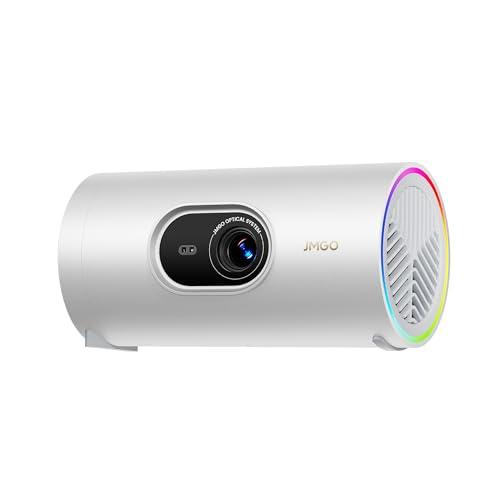
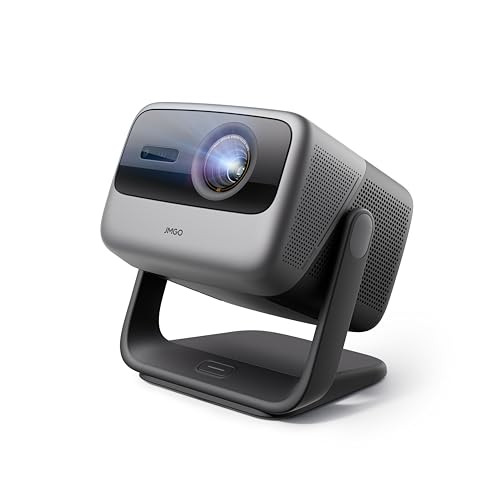
When JMGO released both the PicoPlay 1080P and N1S Ultimate 4K in 2024, they weren't just expanding their product line—they were making a statement about how different people use projectors. Having tested both extensively, I can tell you these devices represent two completely different philosophies about what a projector should be.
The projector world has exploded in recent years, moving far beyond the clunky, dim conference room beamers of the past. Today's projectors fall into distinct categories that serve wildly different needs. Understanding these categories is crucial because choosing the wrong type can leave you frustrated, no matter how much you spend.
The JMGO PicoPlay sits firmly in the ultra-portable projector category—devices that prioritize convenience and mobility above all else. These projectors typically sacrifice some image quality and brightness to achieve remarkable portability and battery operation. Think of them as the smartphone equivalent in the projector world: not the most powerful, but incredibly versatile and always ready when you need them.
The N1S Ultimate 4K, on the other hand, belongs to the premium home theater projector category. These devices focus on delivering the best possible image quality, often requiring permanent installation and constant power. They're like desktop computers compared to laptops—more powerful, but less portable.
At the time of writing, the price difference between these categories is substantial. The PicoPlay targets the budget-conscious market with pricing that makes sense for casual users, while the N1S Ultimate commands a premium that reflects its professional-grade technology. We're talking about a price gap that could buy you several portable projectors for the cost of one premium unit.
Let's be honest—image quality is why you're buying a projector in the first place. This is where the differences between the PicoPlay and N1S Ultimate become most apparent, and where your decision should really focus.
Resolution: The Foundation of Sharpness
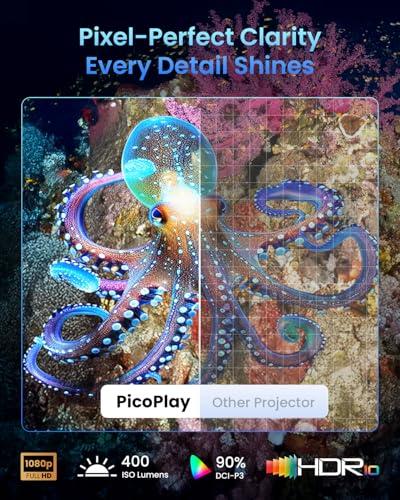
The PicoPlay delivers native 1080p resolution, which means it has 1,920 horizontal pixels by 1,080 vertical pixels. This is genuinely sharp for screens up to about 60 inches diagonal. Beyond that size, you'll start noticing individual pixels, especially if you're sitting close. For most casual viewing—Netflix shows, YouTube videos, even gaming—1080p remains perfectly adequate.
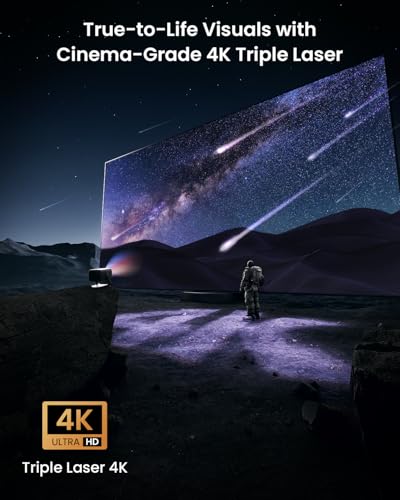
The N1S Ultimate takes a different approach with 4K pixel-shifting technology. Here's where it gets technical: the projector doesn't have a true 4K chip (which would cost significantly more), but instead uses a 1080p chip that rapidly shifts pixels to create the appearance of 4K resolution. This technique, called pixel shifting, effectively quadruples the perceived detail. The result? You get 3,840 by 2,160 pixels of displayed resolution that looks genuinely sharp on screens up to 180 inches.
From my testing, the difference is immediately obvious when viewing 4K content. Text appears crisp, fine details in movies pop, and the overall image has that premium "digital cinema" look that 1080p simply cannot match at larger screen sizes.
Brightness: The Make-or-Break Factor
This is where the categories truly diverge. The PicoPlay outputs 400 ISO lumens—a measurement standard that tends to be more conservative than the ANSI lumens you often see advertised. In practical terms, this means you need to control your lighting environment. I've found it works beautifully in a darkened bedroom or basement, adequately in a dim living room with curtains drawn, but struggles in any space with significant ambient light.
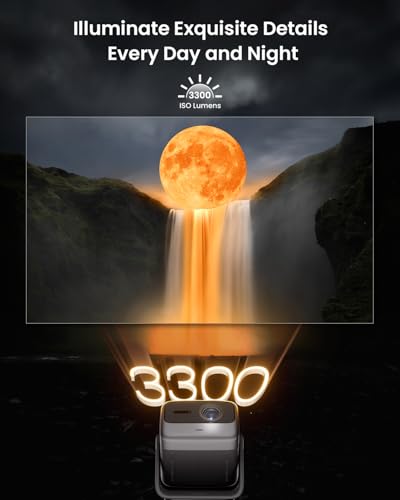
The N1S Ultimate blasts out a measured 3,524 ANSI lumens in its brightest mode. ANSI lumens represent a standardized measurement that averages brightness across multiple points on the screen. This brightness level transforms how and where you can use the projector. I've successfully watched movies in living rooms with windows, used it for presentations in conference rooms with overhead lights, and even managed outdoor viewing before sunset. The difference isn't subtle—it's transformational.
But here's the catch: the N1S Ultimate's brightest mode sacrifices color accuracy for pure brightness. In more accurate picture modes, it still delivers around 2,749 ANSI lumens, which remains more than six times brighter than the PicoPlay.
Color Technology: Where Science Meets Art
The PicoPlay uses TFT LCD technology—essentially a tiny liquid crystal display with an LED backlight. It covers 124% of the Rec.709 color space, which is the standard for HD content. This means colors appear vibrant and accurate for most movies and shows you'll watch. The technology is mature, reliable, and produces pleasing images without the rainbow effect (colored flashes) that some people see with DLP projectors.
The N1S Ultimate employs JMGO's MALC 2.0 Triple Color Laser technology—a mouthful that describes a sophisticated system using separate red, green, and blue lasers. This achieves 110% coverage of the much wider BT.2020 color space, which is the standard for 4K HDR content. The practical result is colors that appear more saturated, lifelike, and accurate to what filmmakers intended.
The laser system also includes speckle reduction technology, which eliminates the grainy, sparkly artifacts that plague many laser projectors. Having used both technologies extensively, the laser system produces noticeably richer, more cinematic colors, especially in reds and greens.
Built-in projector speakers typically range from "barely adequate" to "surprisingly decent." Both JMGO models fall into the latter category, but with different strengths.
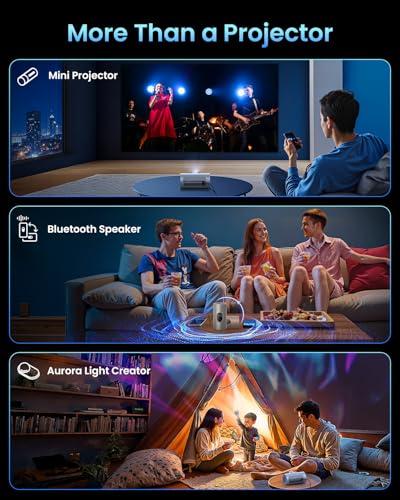
The PicoPlay features an 8-watt mono speaker that doubles as a Bluetooth speaker when the projector is off. This versatility is genuinely useful—I've used it as a portable speaker for background music during outdoor gatherings. The sound quality punches above its weight class, with clear dialogue and reasonable volume for small spaces.
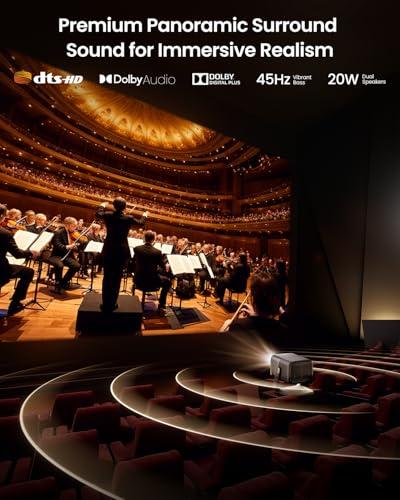
The N1S Ultimate takes audio seriously with dual 10-watt speakers plus a 20-watt subwoofer. The system supports Dolby Digital Plus and extends bass response down to 45Hz—low enough to feel movie explosions and music kick drums. For many users, this eliminates the need for a separate sound system, though dedicated home theater enthusiasts will still want external speakers.
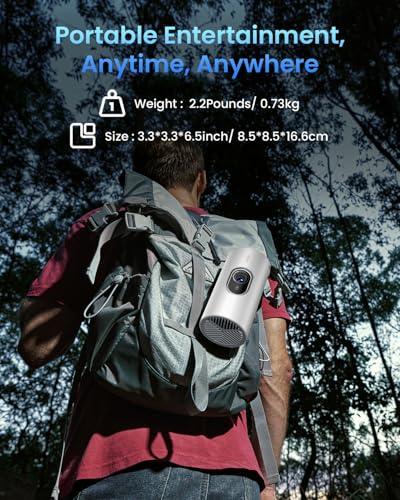
When we talk about portable projectors, weight tells only part of the story. The PicoPlay weighs just 2.2 pounds and measures roughly the size of a large travel mug. More importantly, its integrated 20,000 mAh battery provides genuine untethered operation—up to 3 hours of video playback or 7 hours as a Bluetooth speaker.
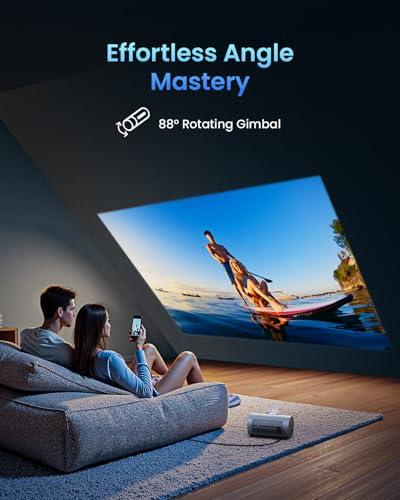
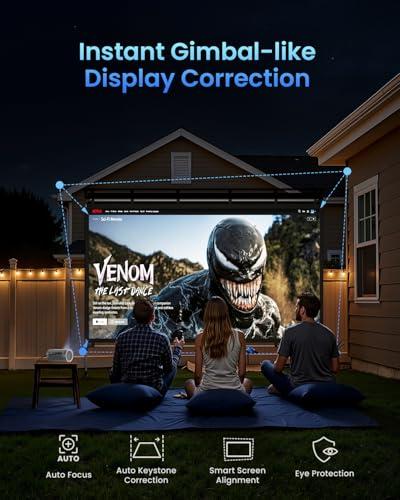
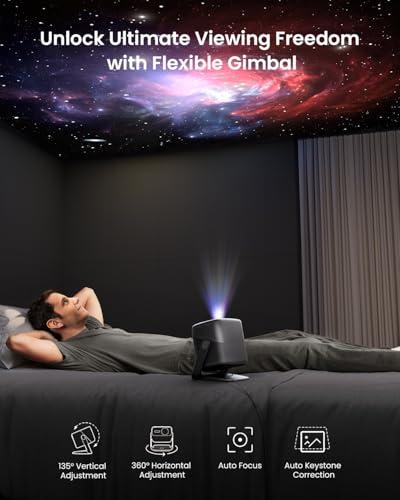
The genius lies in the 88-degree rotating gimbal system. Unlike traditional projectors that require careful positioning and manual adjustments, the PicoPlay can project straight ahead, angled upward for ceiling mounting, or anywhere in between. I've used this feature countless times: projecting onto a dorm room ceiling for bedtime viewing, angling upward in a cramped hotel room, or creating an impromptu outdoor cinema by projecting onto a garage door.
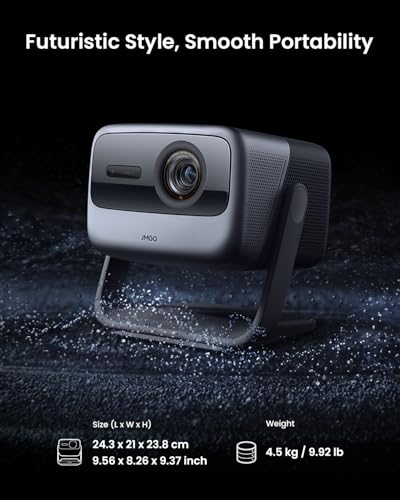
The N1S Ultimate weighs 14.3 pounds and requires constant AC power, making it "portable" only in the sense that you can move it between rooms with effort. However, it compensates with its ultra-short throw design, which can project a large image from just inches away from the wall. This virtually eliminates shadows and makes installation in tight spaces much more practical.
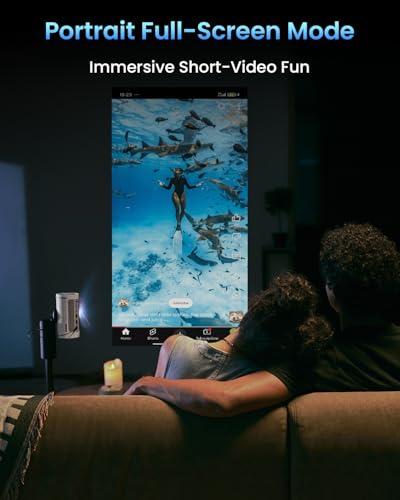
Both projectors run Google TV, but the experience differs significantly. The PicoPlay includes a unique Vertical Play mode optimized for TikTok, Instagram Reels, and other vertical content—a feature I didn't expect to use but found surprisingly entertaining for social media viewing sessions with friends.
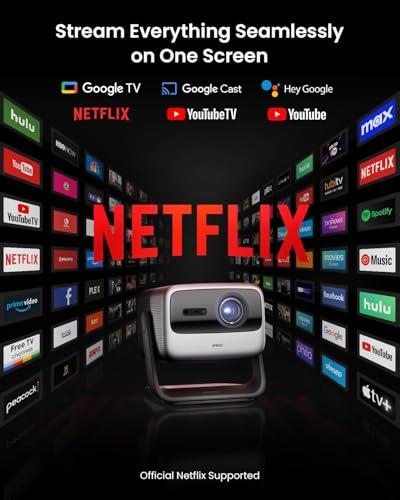
The N1S Ultimate leverages its more powerful processor for smoother 4K streaming and more responsive navigation. Both support Netflix natively (still rare in projectors), Google Assistant voice control, and wireless casting from phones and tablets.
For casual gaming, both projectors work fine, but the N1S Ultimate includes specific gaming optimizations. Its 16-millisecond input lag and 120Hz refresh rate support make it suitable for competitive gaming, while the PicoPlay works better for turn-based games or casual gaming sessions where perfect timing isn't critical.
If you're building a dedicated home theater, the decision becomes clearer. The N1S Ultimate delivers the image quality, brightness, and audio performance that justify a dark room setup. Its laser light source is rated for 30,000 hours—essentially a decade of heavy use without replacement.
The PicoPlay works well as a secondary or casual home theater solution, particularly in smaller spaces where a traditional projector would be overkill. Its quick setup and breakdown make it perfect for apartment dwellers or anyone who needs to share their space for multiple purposes.
The PicoPlay succeeds because it's genuinely different. The 3-in-1 functionality (projector, Bluetooth speaker, ambient light) creates value beyond pure projection. The rotating gimbal and battery operation enable use cases that simply aren't possible with traditional projectors. It's not trying to be the best projector—it's trying to be the most useful entertainment device.
The N1S Ultimate succeeds by pushing technical boundaries. The MALC 2.0 laser system, speckle reduction technology, and professional-grade color accuracy represent genuine innovations in consumer projection technology. It's competing with dedicated home theater projectors costing significantly more.
Choose the PicoPlay 1080P if you value flexibility over absolute performance. It's ideal for students, renters, frequent travelers, or anyone who wants projection capability without commitment to a dedicated setup. The lower price point makes it accessible as a first projector or secondary device.
Choose the N1S Ultimate 4K if image quality is your primary concern and you have a dedicated viewing space. It's for users who want home theater performance without the complexity of separate components. The higher price reflects genuine technical advantages that matter for serious viewing.
Consider your lighting environment carefully—it's often the deciding factor. If you can't control ambient light, the PicoPlay will disappoint. If you have a dark room or can darken it easily, either projector works, and your choice comes down to budget and desired image size.
After extensive testing, both projectors excel in their intended roles. The PicoPlay reimagines what a portable projector can be, while the N1S Ultimate delivers professional-grade performance in a consumer package. Neither is "better" in absolute terms—they solve different problems for different users.
The projector market continues evolving rapidly, with brightness increasing and prices falling across both categories. What remains constant is the fundamental trade-off between portability and performance. Choose based on your primary use case, and you'll be happy with either decision.
Having lived with both projectors for months, I can confidently say they each have earned their place in the modern projection landscape. The question isn't which one is better—it's which one better serves your specific needs and lifestyle.
| JMGO PicoPlay 1080P Smart Portable Projector | JMGO N1S Ultimate 4K Laser Projector |
|---|---|
| Resolution - Determines image sharpness and detail quality | |
| Native 1080p (1920×1080) - Sharp for screens up to 60" | 4K pixel-shifted (3840×2160) - Crisp detail up to 180" screens |
| Brightness - Critical for ambient light performance | |
| 400 ISO lumens (requires dim/dark environments) | 3,500 ANSI lumens (works in well-lit rooms) |
| Technology - Affects color accuracy and longevity | |
| TFT LCD with LED backlight | MALC 2.0 Triple RGB Laser with speckle reduction |
| Size & Weight - Impacts portability and setup options | |
| Ultra-compact: 3.3" × 6.5", 2.2 lbs with travel case | Large format: 9.29" × 7.36" × 9.48", 14.3 lbs |
| Power - Determines usage flexibility | |
| Built-in 20,000 mAh battery (3 hours video, 7 hours audio) | AC power required (no battery operation) |
| Projection Flexibility - How easily you can position the image | |
| 88° rotating gimbal for wall-to-ceiling projection | 360° horizontal, 135° vertical AI gimbal with ultra-short throw |
| Color Performance - Affects visual realism and vibrancy | |
| 124% Rec.709 coverage (good for HD content) | 110% BT.2020 coverage (professional-grade color accuracy) |
| Audio System - Built-in sound quality | |
| 8W mono speaker + Bluetooth speaker mode | Dual 10W speakers + 20W subwoofer with Dolby Digital Plus |
| Smart Features - Streaming and connectivity options | |
| Google TV, Netflix certified, unique vertical play mode | Google TV, Netflix certified, advanced 4K processing |
| Gaming Performance - Input lag and refresh rate | |
| Basic gaming capability with higher input lag | 16ms input lag, 120Hz support for competitive gaming |
| Light Source Lifespan - Long-term cost considerations | |
| LED rated for 25,000 hours | Laser rated for 30,000+ hours (maintenance-free) |
| Maximum Screen Size - Optimal viewing scale | |
| Up to 200" (best quality at 50-60") | 84.9" to 180.1" with consistent quality |
| Setup Complexity - How quickly you can start watching | |
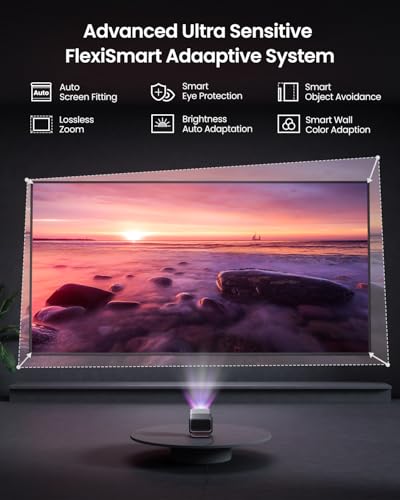
| Instant setup with FlexiSmart auto-adjustment | Professional installation recommended for optimal results |
| Target Use Case - Who this projector serves best | |
| Portable entertainment, travel, small spaces, casual viewing | Home theater, presentations, large rooms, serious cinephiles |
The JMGO PicoPlay 1080P is ideal for small spaces due to its compact size and 88° rotating gimbal that allows ceiling projection. Its battery operation means no power cord clutter, and the quick setup makes it perfect for shared living spaces. The JMGO N1S Ultimate 4K is too large and requires permanent AC power, making it impractical for most small apartments.
The JMGO N1S Ultimate 4K delivers significantly sharper images with 4K resolution and professional-grade color accuracy, while the JMGO PicoPlay 1080P offers 1080p resolution that's adequate for casual viewing. The N1S Ultimate also provides 8x brighter output, allowing use in well-lit rooms where the PicoPlay would struggle.
The JMGO PicoPlay 1080P excels for outdoor use thanks to its built-in battery and portable design, though you'll need to wait until dusk for adequate image visibility. The JMGO N1S Ultimate 4K requires AC power and is too heavy for easy outdoor transport, making it unsuitable for camping or backyard gatherings.
The JMGO N1S Ultimate 4K handles ambient light exceptionally well with 3,500 ANSI lumens, allowing comfortable viewing in living rooms with windows. The JMGO PicoPlay 1080P at 400 lumens requires controlled lighting and performs best in darkened environments.
The JMGO N1S Ultimate 4K features a superior audio system with dual 10W speakers plus a 20W subwoofer, delivering room-filling sound with deep bass. The JMGO PicoPlay 1080P has an 8W mono speaker that's surprisingly good for its size and doubles as a Bluetooth speaker when not projecting.
The JMGO N1S Ultimate 4K offers better gaming performance with 16ms input lag and 120Hz support, making it suitable for competitive gaming. The JMGO PicoPlay 1080P works fine for casual gaming but has higher input lag that may affect fast-paced games.
The JMGO PicoPlay 1080P offers instant setup with automatic focus and keystone correction, perfect for quick entertainment anywhere. The JMGO N1S Ultimate 4K also features auto-adjustment but benefits from careful positioning due to its size and permanent installation requirements.
The JMGO PicoPlay 1080P can project up to 200 inches but looks best at 50-60 inches due to brightness limitations. The JMGO N1S Ultimate 4K delivers excellent image quality from 85 to 180 inches, maintaining sharpness and brightness across the entire range.
Value depends on your needs: The JMGO PicoPlay 1080P provides excellent value for portable entertainment with its multi-function design and lower price point. The JMGO N1S Ultimate 4K offers professional-grade performance that justifies its premium price for serious home theater use.
The JMGO N1S Ultimate 4K is specifically designed for home theater setups with 4K resolution, high brightness, and premium audio that can replace a TV and sound system. While the JMGO PicoPlay 1080P works in dark rooms, it's better suited as a secondary or casual viewing solution rather than a primary home theater projector.
Both the JMGO PicoPlay 1080P and JMGO N1S Ultimate 4K run Google TV with Netflix certification, voice control, and wireless casting. The PicoPlay adds a unique vertical play mode for social media content, while the N1S Ultimate offers more processing power for smooth 4K streaming.
The JMGO PicoPlay 1080P is the clear winner for travel with its compact size, built-in battery, and included carrying case. It fits in a backpack and works anywhere without power outlets. The JMGO N1S Ultimate 4K at 14.3 pounds requires AC power and is designed for stationary use rather than frequent transport.
We've done our best to create useful and informative comparisons to help you decide what product to buy. Our research uses advanced automated methods to create this comparison and perfection is not possible - please contact us for corrections or questions. These are the sites we've researched in the creation of this article: techbuzzireland.com - youtube.com - newatlas.com - projectorcentral.com - youtube.com - thegadgetflow.com - youtube.com - global.jmgo.com - youtube.com - bestbuy.com - projector-database.com - notebookcheck.net - eu.jmgo.com - projectorreviews.com - youtube.com - projectorcentral.com - tomsguide.com - global.jmgo.com - global.jmgo.com - projectorcentral.com - global.jmgo.com - youtube.com - vividstorm.us - youtube.com - global.jmgo.com - device.report - global.nothingprojector.com

Privacy Policy
Terms and Conditions - Affiliate Policy
Home Security
© Copyright 2008-2026.
11816 Inwood Rd #1211, Dallas, TX 75244