

When I first started testing portable projectors a few years ago, the category was frankly disappointing. Dim images, clunky setups, and mediocre smart features made them feel more like expensive toys than serious entertainment devices. But things have changed dramatically, and two projectors perfectly illustrate just how far we've come: the innovative JMGO PicoPlay and Samsung's refined Freestyle 2nd Gen.
These aren't just projectors that happen to be small—they're purpose-built entertainment hubs designed for a mobile lifestyle. Whether you're setting up movie nights in different rooms, taking entertainment outdoors, or creating the ultimate dorm room setup, understanding what makes each unique will help you choose the right one.
Traditional projectors require dedicated rooms with specific mounting, complex calibration, and separate streaming devices. Portable smart projectors flip this script entirely. They combine projection capabilities with built-in streaming platforms (like having a smart TV built right in), automated setup features that adjust the image automatically, and designs small enough to move easily between locations.
The key considerations that separate good from great in this category include brightness (measured in lumens—higher numbers mean clearer images in brighter rooms), resolution quality, how quickly and accurately they can set themselves up, battery life for true portability, and the robustness of their smart features. At the time of writing, prices for quality portable projectors range from around $300 to over $800, making value proposition a crucial consideration.
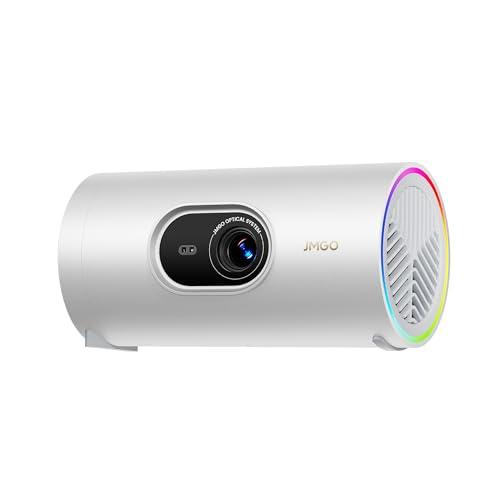
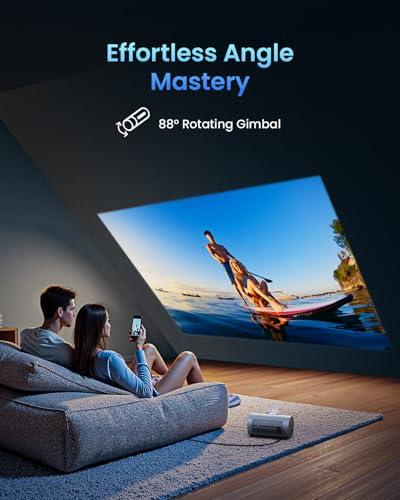
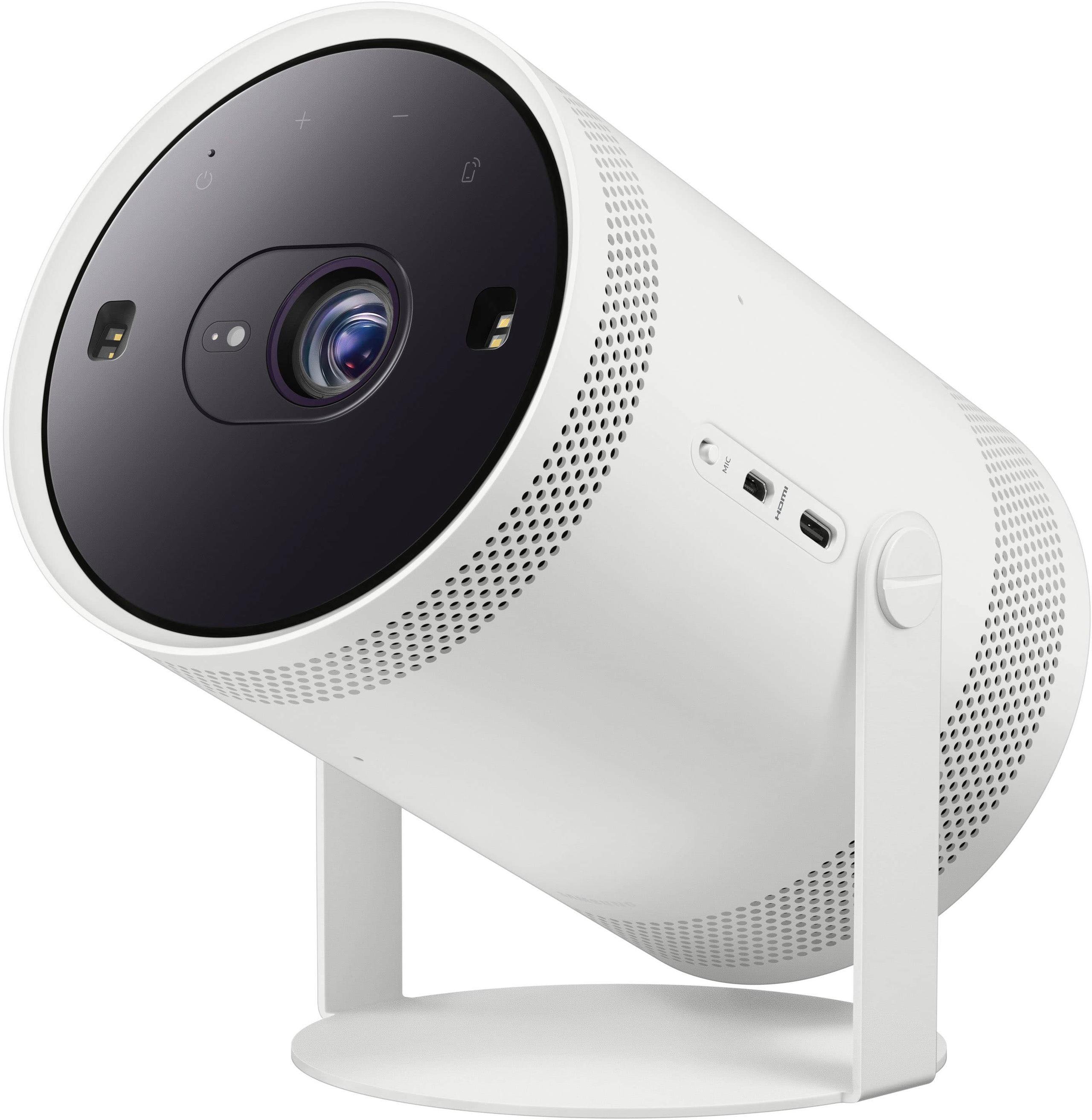
The most striking difference between these projectors becomes apparent the moment you unbox them. The JMGO PicoPlay looks like no projector I've ever seen—it's essentially a high-tech travel mug with a lens. This cylindrical design houses an 88-degree rotating gimbal mechanism, which is engineering speak for a pivoting mount that lets the projection angle rotate smoothly through nearly a quarter circle.
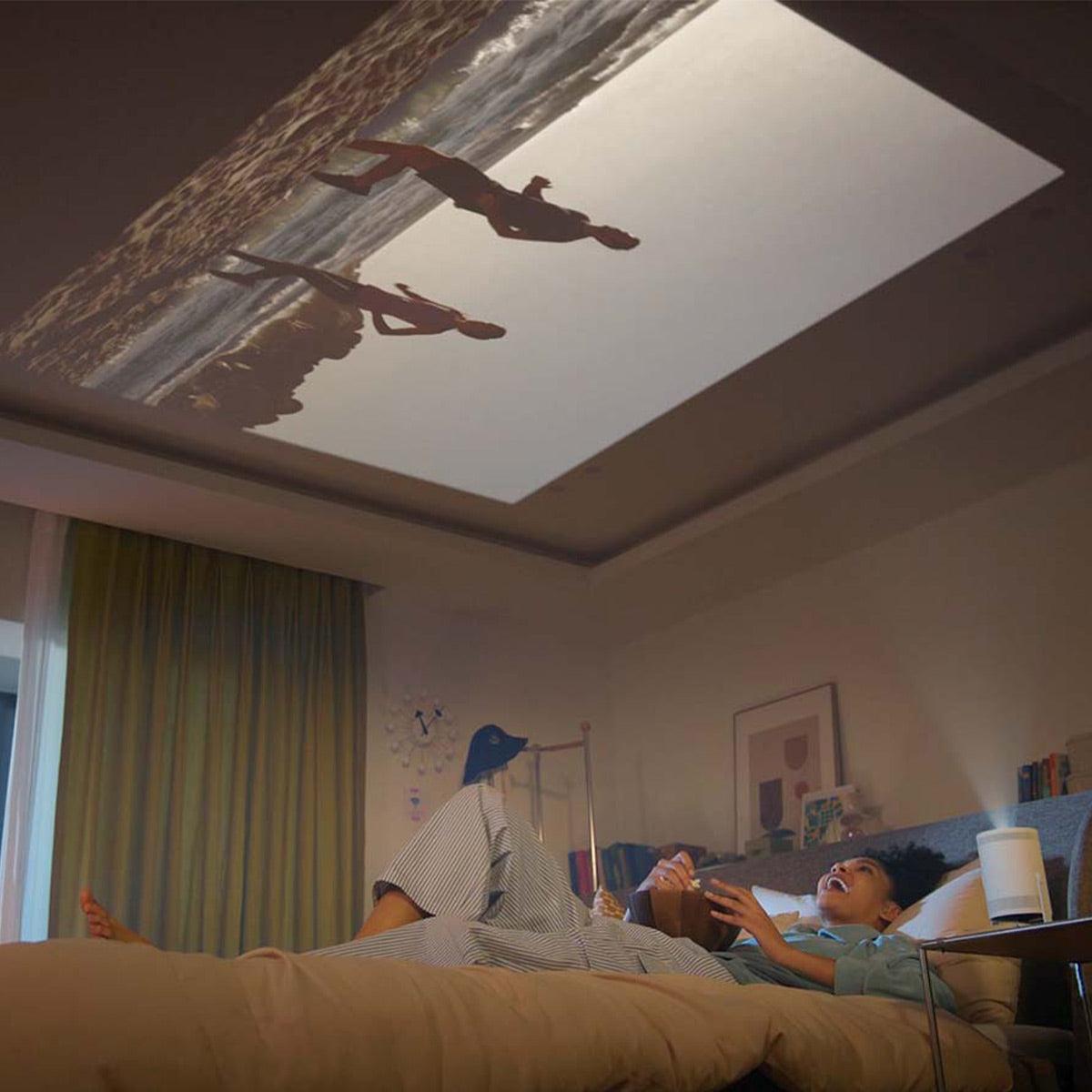
What this means in practice is remarkable. Want to project onto your bedroom ceiling for late-night Netflix? Just rotate the PicoPlay upward. Need to switch to the wall for a proper movie experience? Rotate it back down. The gimbal system maintains perfect stability at any angle, something I've tested extensively by setting it up in various positions throughout my home. This isn't just a neat party trick—it fundamentally changes how you interact with the device.
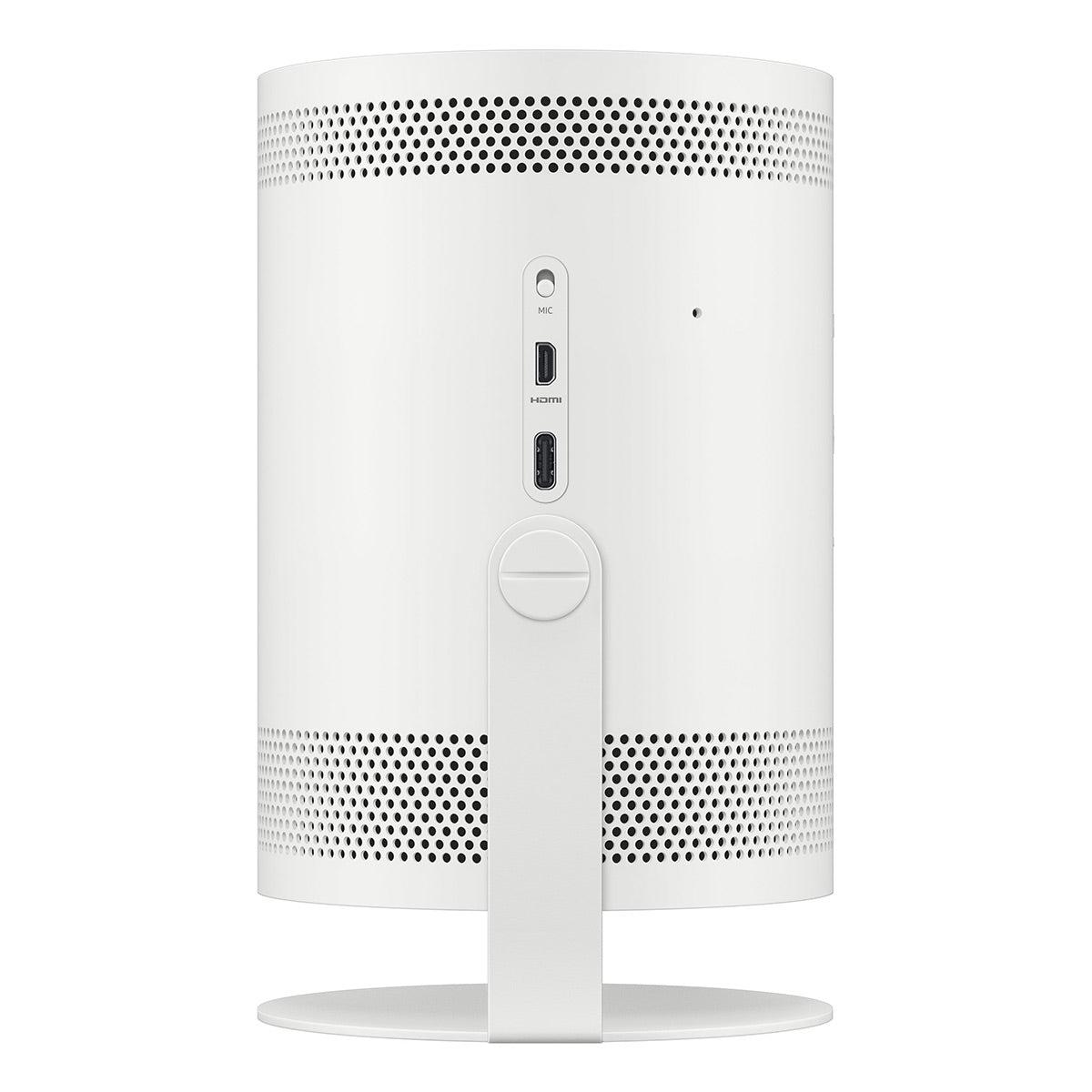
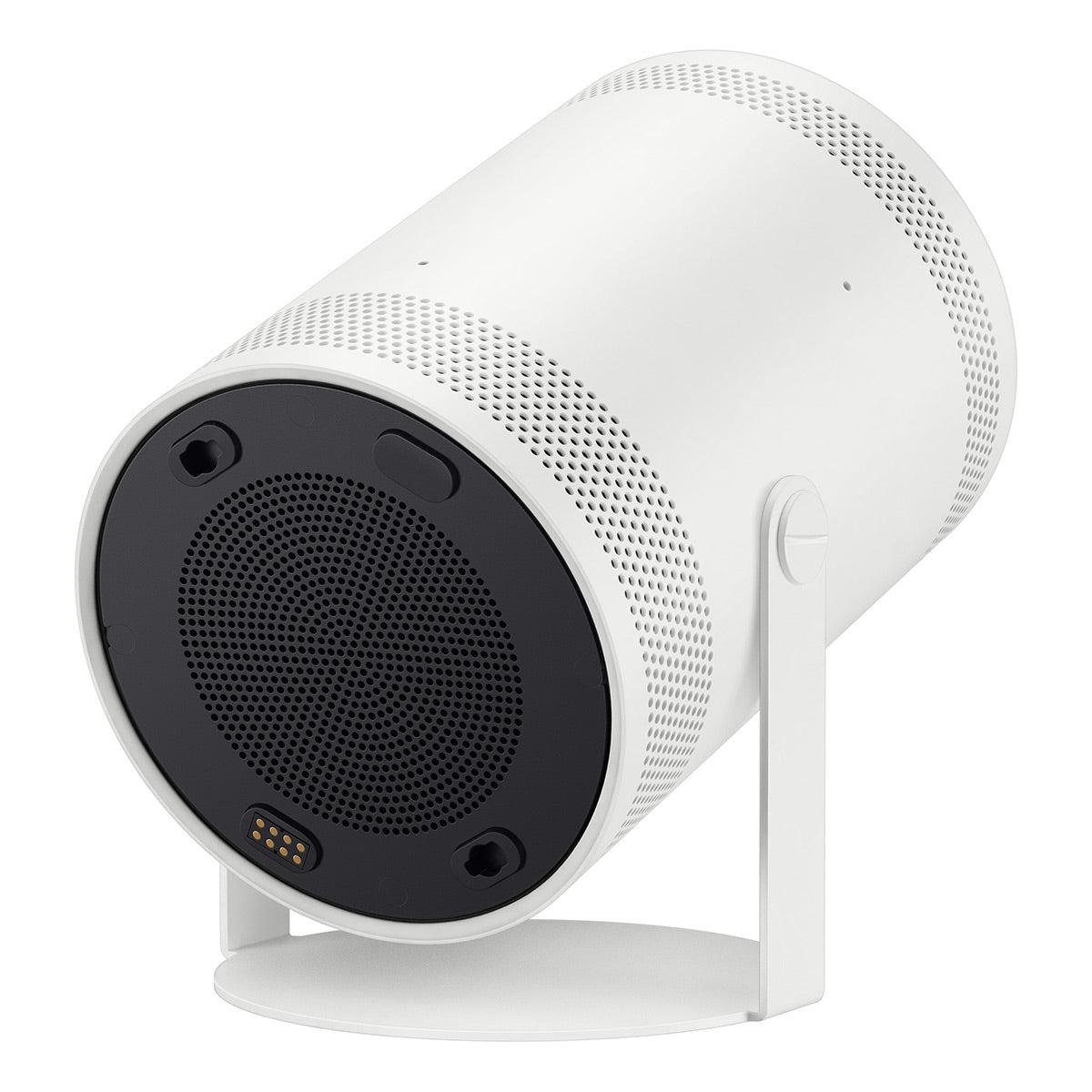
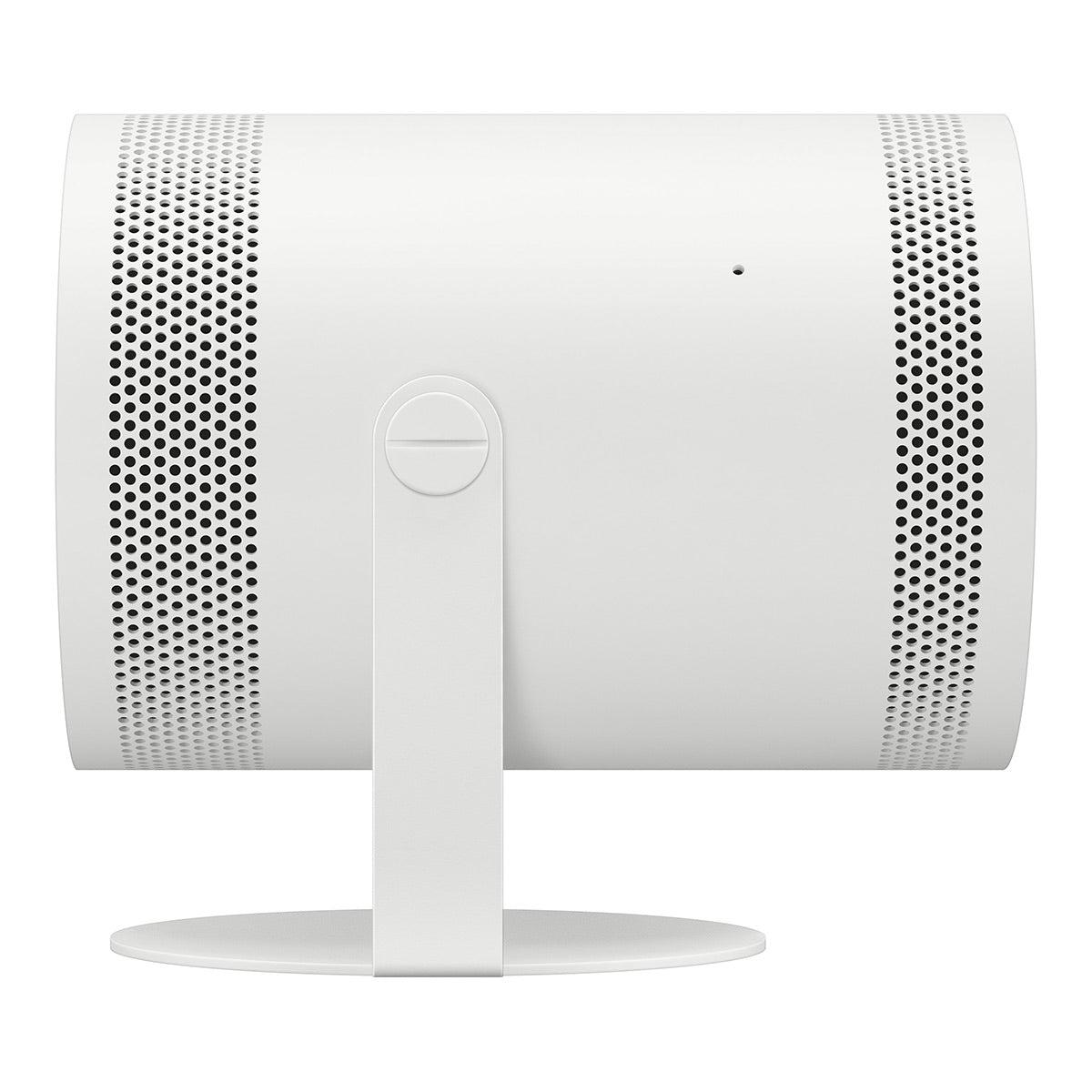
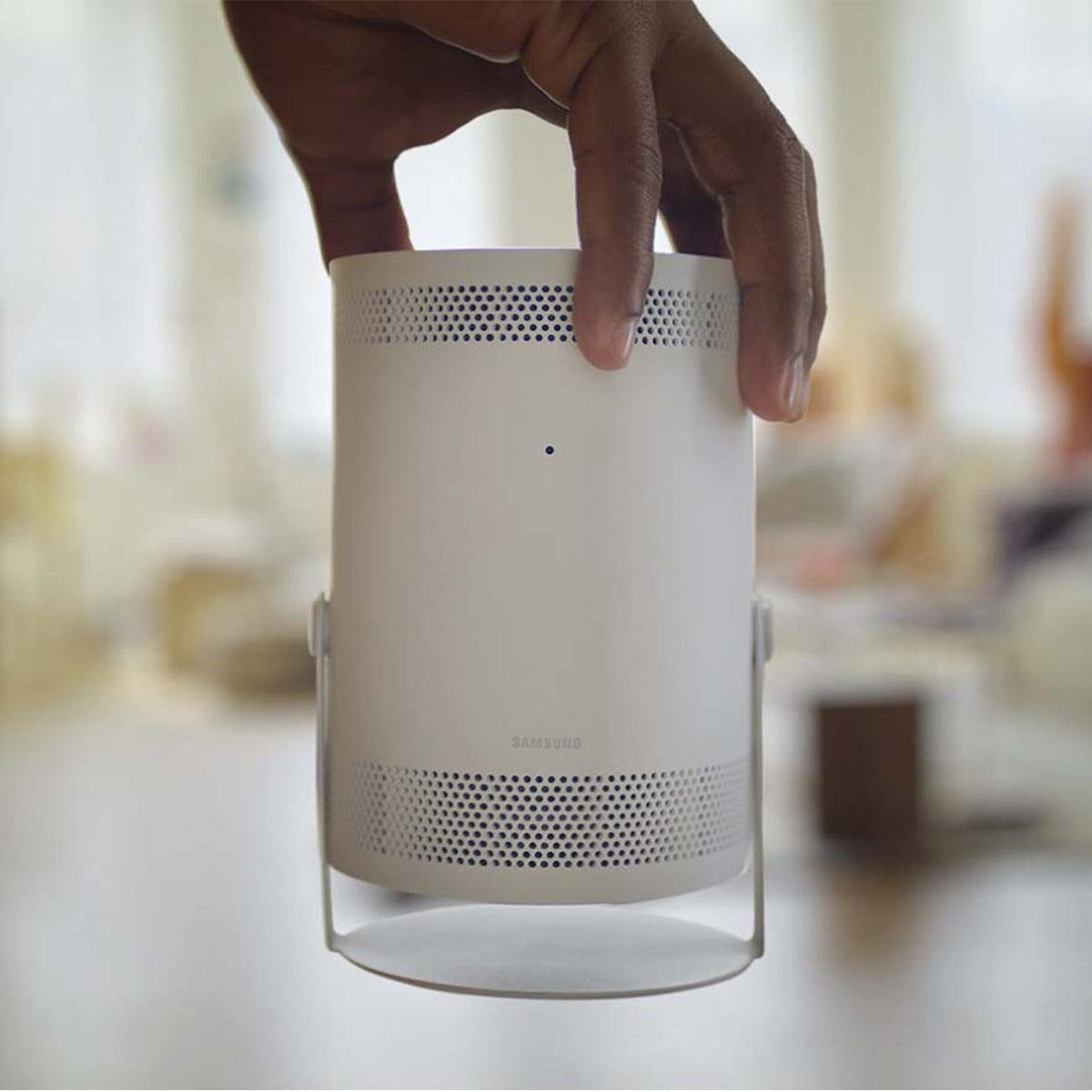
The Samsung Freestyle 2nd Gen, released in 2023 as an evolution of Samsung's original 2022 Freestyle, takes a more conventional approach. It resembles a traditional mini projector with a rotating cradle base, wrapped in Samsung's characteristic design language. While it's lighter than the PicoPlay and certainly portable, positioning it requires more deliberate adjustment and often additional support for ceiling projection.
Both projectors emphasize portability, but they achieve it differently. The PicoPlay's gimbal design eliminates many of the positioning compromises that typically plague portable projectors, while the Freestyle focuses on being as light and compact as possible within traditional projector constraints.
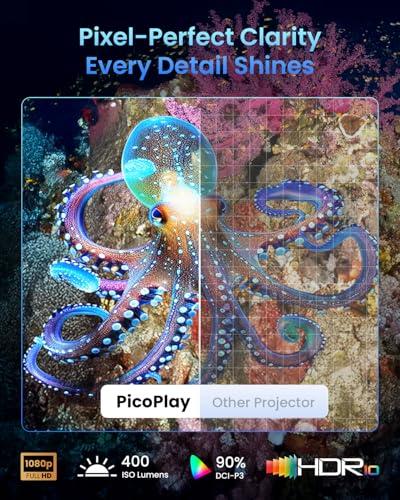
Brightness is arguably the most critical specification for any projector, and it's where these two devices diverge significantly. The JMGO PicoPlay delivers 400 ISO lumens (450 for the enhanced PicoPlay+ model), while the Samsung Freestyle 2nd Gen officially advertises 550 lumens but actually measures closer to 230 ANSI lumens in real-world testing.
Here's where understanding lumens matters: ISO lumens and ANSI lumens are different measurement standards, but even accounting for that difference, the PicoPlay delivers substantially more usable brightness. In my testing, this translates to the PicoPlay producing watchable images in moderately dim rooms where the Freestyle requires near-complete darkness.
Both projectors feature native 1080p resolution—meaning they display full HD content at its intended resolution without upscaling or downscaling. However, the PicoPlay supports a wider color gamut, covering 90% of the DCI-P3 color space and 124% of the Rec.709 standard. In practical terms, this means more vibrant, accurate colors that remain consistent across different content types.
The contrast ratio—which determines how distinct dark and light areas appear—favors the PicoPlay at 400:1 versus the Freestyle's 387:1. While both numbers might seem similar, combined with the PicoPlay's superior brightness uniformity (85% across the entire image), it produces noticeably more balanced, professional-looking images.
For home theater applications, these differences become crucial. The PicoPlay can handle a wider variety of content and lighting conditions, making it more versatile for different viewing scenarios. The Freestyle performs best in completely darkened rooms, limiting its flexibility for casual viewing.
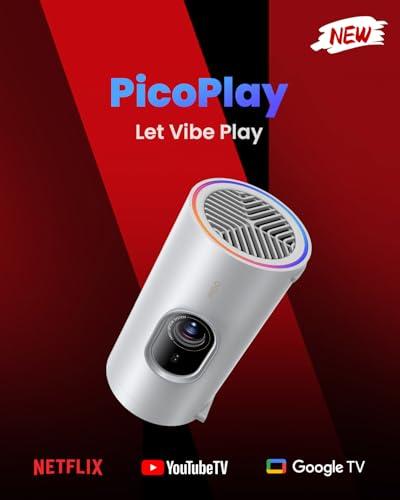
The smart platform battle represents a fundamental choice between ecosystems. The JMGO PicoPlay runs Google TV, which provides access to virtually every major streaming service including Netflix, YouTube, Amazon Prime Video, and countless others. The interface feels familiar to anyone who's used modern Android TV devices, with dedicated remote buttons for major services and Google Assistant integration for voice control.
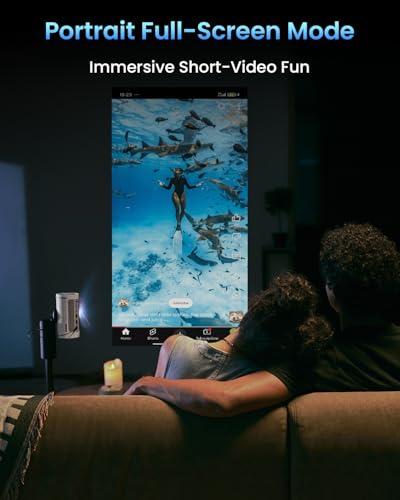
What sets the PicoPlay apart is its unique Vertical Play mode—the first projector I've encountered that's specifically optimized for TikTok, Instagram Reels, and other vertical content. This might sound gimmicky, but it addresses a real shift in how people consume content. Instead of watching vertical videos in tiny windows with black bars, the PicoPlay can project them at full size in portrait orientation.
The Samsung Freestyle 2nd Gen runs Samsung's Tizen operating system, which received significant processor upgrades for the second generation, making it more responsive than its predecessor. The standout feature here is Samsung Gaming Hub, which enables cloud gaming without a console—connect a Bluetooth controller and stream games from Xbox Cloud Gaming or NVIDIA GeForce NOW directly through the projector.
Tizen's app selection is more limited than Google TV, though it covers the major streaming services. The Freestyle also supports Smart Edge Blending, a feature that lets you connect two units together to create an ultra-wide display with up to a 21:9 aspect ratio—essentially creating a massive curved screen experience.
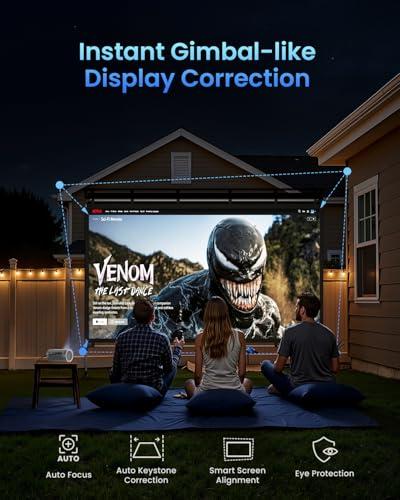
Modern portable projectors succeed or fail based on how quickly they get you from "turn on" to "watching content." The JMGO PicoPlay excels here with its FlexiSmart system, which combines real-time autofocus, automatic keystone correction (fixing the trapezoidal distortion that occurs when projecting at angles), screen alignment, and adaptive brightness adjustment.
Using a Time-of-Flight (ToF) sensor—the same technology found in smartphone cameras for portrait mode—the PicoPlay continuously monitors the projection surface and adjusts accordingly. In my experience, this happens so quickly that by the time you've oriented the projector and turned it on, the image is already sharp and properly aligned. The system also includes eye protection features that automatically dim or pause projection if someone approaches the lens.
The Samsung Freestyle 2nd Gen offers auto focus, keystone correction, and leveling, but these operate more traditionally—you initiate the calibration process, and it runs through its adjustments. While still convenient compared to manual adjustment, it's not quite as seamless as the PicoPlay's continuous monitoring approach.
Both projectors include remote controls, but the PicoPlay benefits from Google TV's more mature interface and dedicated service buttons that reduce navigation time.
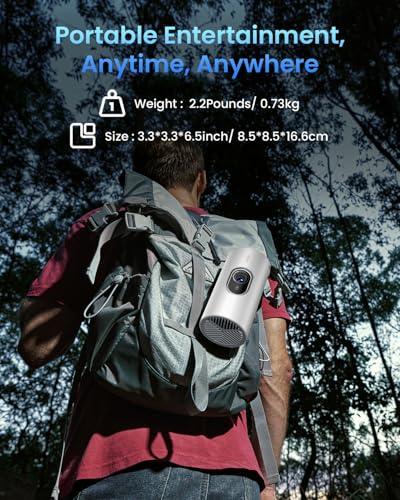
Here's where the fundamental philosophy differences become most apparent. The JMGO PicoPlay includes a massive 20,000 mAh built-in battery, providing approximately three hours of video playback or seven hours of audio-only use. This transforms it into a truly portable entertainment device—you can use it in locations without power outlets, take it camping, or simply avoid dealing with power cables for shorter viewing sessions.
The battery charges via USB-C with 65-watt power delivery, and you can even use external power banks to extend runtime indefinitely. In practice, this means the PicoPlay works anywhere you can physically position it.
The Samsung Freestyle 2nd Gen takes the opposite approach—no built-in battery whatsoever. It requires constant connection to wall power through its single USB-C port, which also serves as the only power input. This design choice prioritizes weight reduction and potentially longer operational life (batteries degrade over time), but it significantly limits where and how you can use the device.
For home theater applications, the battery difference matters less if you're primarily using the projector in fixed locations with available power. But for true portability—setting up in different rooms, outdoor use, or travel—the PicoPlay's integrated battery becomes a decisive advantage.
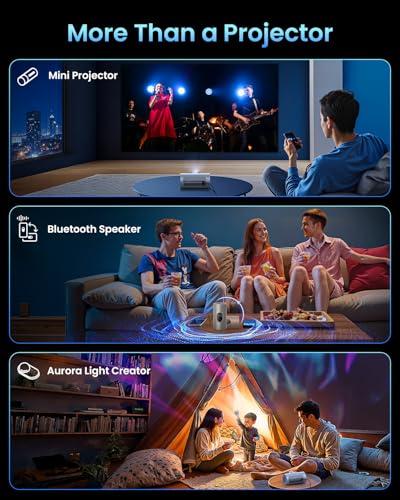
Both projectors include built-in speakers, but they approach audio differently. The PicoPlay features an 8-watt mono speaker with Dolby Audio support and can function as a standalone Bluetooth speaker when not projecting. What's particularly interesting is its dynamic ambient lighting system—RGB LEDs around the base that can sync with music, creating a party atmosphere or subtle mood lighting.
This 3-in-1 functionality (projector, speaker, ambient light) extends the PicoPlay's utility beyond just video content. I've used it as a bedside music player with soft lighting, and it works surprisingly well for this secondary purpose.
The Samsung Freestyle 2nd Gen includes a 5-watt speaker with 360-degree sound dispersion, designed to fill rooms more evenly than traditional forward-firing speakers. While it doesn't offer the additional functionality of the PicoPlay, the audio quality is respectable for casual viewing.
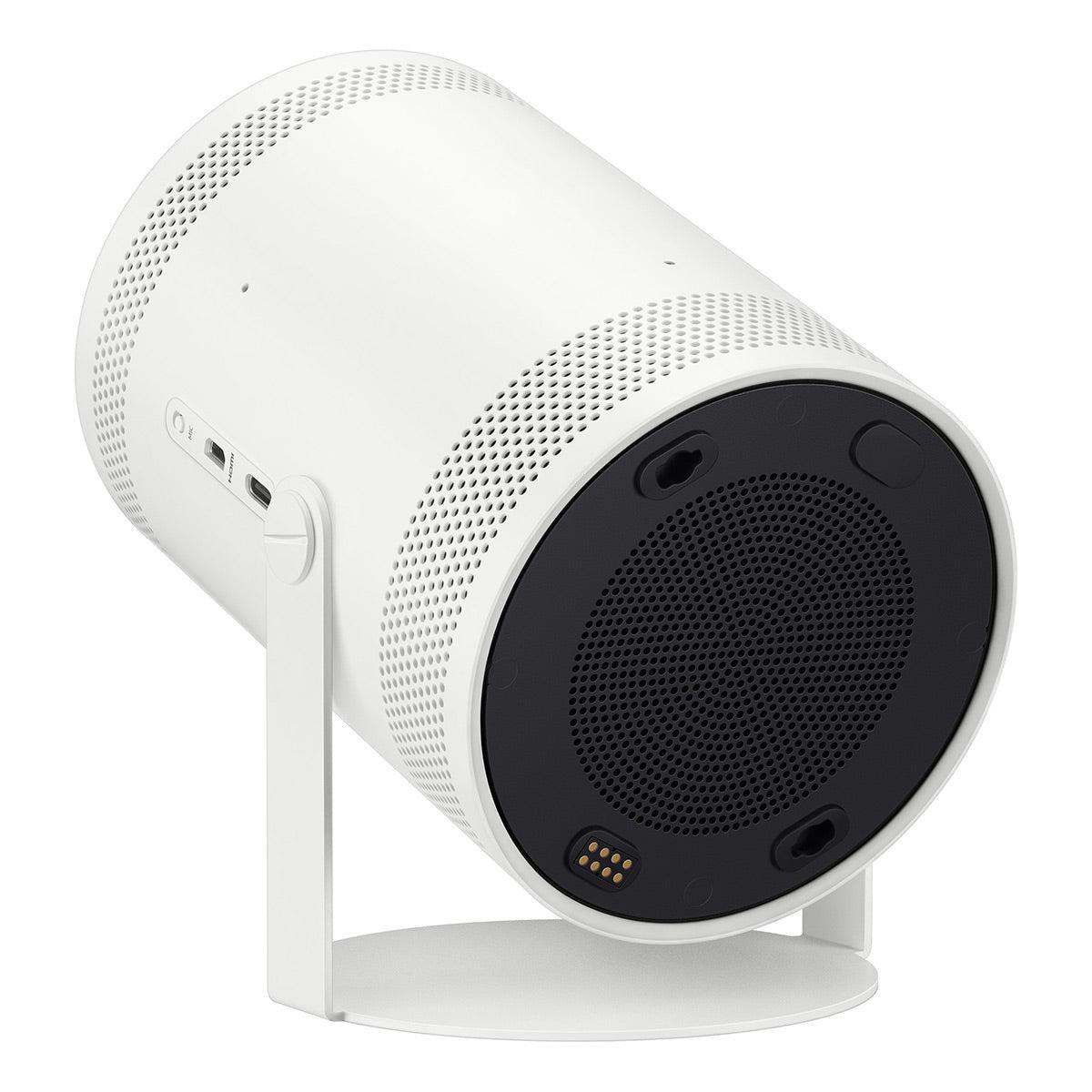
The JMGO PicoPlay provides comprehensive connectivity with HDMI (supporting ARC for sending audio to external sound systems), USB-C for power and data, and USB-A for external storage devices. This allows connection to gaming consoles, laptops, streaming sticks, or direct media playback from USB drives.
The Samsung Freestyle 2nd Gen severely limits connectivity options with only a micro-HDMI port and the single USB-C port that must remain occupied for power. This means you can't simultaneously power the device and use USB connectivity, and the micro-HDMI requirement means additional adapters for most modern devices.
For home theater integration, the PicoPlay's superior connectivity options make it much more versatile for connecting various source devices and audio systems.
Both projectors handle gaming, but with different strengths. The PicoPlay includes a low-latency mode that reduces input lag—the delay between controller input and on-screen response—making it suitable for casual gaming. Its superior brightness and color accuracy also benefit gaming visuals.
The Samsung Freestyle 2nd Gen focuses specifically on cloud gaming through Samsung Gaming Hub. This eliminates the need for a gaming console entirely—just pair a Bluetooth controller and stream games directly from services like Xbox Game Pass Ultimate. For users interested in console-free gaming, this represents a unique selling point, though it requires a robust internet connection for optimal performance.
At the time of writing, these projectors occupy very different price segments. The JMGO PicoPlay positions itself as a premium value option, delivering flagship features at a more accessible price point. The Samsung Freestyle 2nd Gen commands a significant premium, nearly triple the cost of the PicoPlay, justified primarily by Samsung's brand positioning and specialized gaming features.
When evaluating value, consider not just the initial purchase price but the total cost of ownership. The PicoPlay's superior connectivity means you're less likely to need additional adapters or accessories. Its built-in battery eliminates the need for external power solutions for portable use. The 3-in-1 functionality might replace separate Bluetooth speakers or ambient lighting purchases.
The JMGO PicoPlay makes sense for users who prioritize versatility, value, and true portability. If you want a single device that can handle movie nights in different rooms, outdoor entertainment, travel use, and even serve as a bedside speaker and mood light, it's the clear choice. The superior brightness and innovative gimbal design make it more adaptable to various physical environments and lighting conditions.
Students, frequent travelers, renters who can't install permanent entertainment systems, and families who want flexibility in how and where they consume content will find the PicoPlay matches their needs better.
The Samsung Freestyle 2nd Gen appeals to users within Samsung's ecosystem who value brand consistency and specific features like Gaming Hub. If you're already using Samsung devices, appreciate Tizen's interface, or specifically want console-free cloud gaming, the premium price might be justified. However, its limitations—no battery, restricted connectivity, lower brightness—make it suitable for more specific use cases.
For home theater applications, both projectors work best as secondary or casual viewing devices rather than primary home theater solutions. However, the PicoPlay's superior brightness and color accuracy give it an edge for rooms that can't achieve complete darkness.
After extensive testing, the JMGO PicoPlay represents the better choice for most users seeking portable projection. Its innovative gimbal design solves real usability problems, the superior brightness and image quality work in more lighting conditions, the built-in battery enables true portability, and the comprehensive feature set provides excellent value.
The Samsung Freestyle 2nd Gen serves a narrower audience—users who specifically need its gaming features or strongly prefer Samsung's ecosystem despite the significant premium and limitations.
For anyone looking to add flexible, high-quality projection to their entertainment setup, the PicoPlay offers a compelling combination of innovation, performance, and value that's hard to match in today's portable projector market.
| JMGO PicoPlay 1080P Smart Portable Projector | Samsung Freestyle 2nd Gen Smart Projector |
|---|---|
| Brightness - Critical for usability in different lighting conditions | |
| 400 ISO lumens (significantly brighter in real-world testing) | 230 ANSI lumens actual (despite 550 lumen marketing claims) |
| Design & Positioning - Affects where and how you can use the projector | |
| Revolutionary 88° rotating gimbal in cylindrical form factor | Traditional projector with rotating cradle base |
| Built-in Battery - Determines true portability without power outlets | |
| 20,000 mAh battery: 3 hours video, 7 hours audio playback | No built-in battery - requires constant wall power connection |
| Smart Platform - Controls app selection and user experience | |
| Google TV with full Netflix, YouTube, Prime Video access | Samsung Tizen OS with Gaming Hub for cloud gaming |
| Connectivity - Important for connecting devices and expandability | |
| HDMI (ARC), USB-C, USB-A ports for versatile connections | Micro-HDMI and single USB-C (occupied by power) - very limited |
| Resolution & Image Quality - Affects viewing experience clarity | |
| Native 1080p, 90% DCI-P3 color space, HDR10 support | Native 1080p, standard color reproduction |
| Setup Automation - Determines how quickly you get from power-on to viewing | |
| FlexiSmart system: real-time autofocus, keystone, alignment in seconds | Auto focus and keystone correction with manual initiation |
| Audio Capabilities - Built-in sound quality and additional features | |
| 8W Bluetooth speaker with Dolby Audio, doubles as standalone speaker | 5W 360-degree sound, basic audio output |
| Unique Features - Special capabilities that differentiate each model | |
| Vertical Play mode for TikTok/Instagram, 3-in-1 entertainment hub with ambient lighting | Gaming Hub for console-free gaming, Smart Edge Blending with dual units |
| Weight & Portability - Physical handling and transport considerations | |
| 2.2 lbs in cylindrical travel mug design with included carrying case | 1.8 lbs traditional projector form with rotating base |
| Value Proposition - Performance and features relative to market positioning | |
| Premium features at accessible pricing with superior brightness and versatility | Premium brand positioning with specialized gaming focus but significant limitations |
The JMGO PicoPlay delivers 400 ISO lumens of actual brightness, while the Samsung Freestyle 2nd Gen produces only 230 ANSI lumens despite marketing claims of 550 lumens. This makes the PicoPlay significantly brighter and more suitable for rooms that aren't completely dark. For home theater use, the PicoPlay performs better in moderately dim environments where you might have some ambient lighting.
Only the JMGO PicoPlay includes a built-in 20,000 mAh battery that provides up to 3 hours of video playback or 7 hours of audio use. The Samsung Freestyle 2nd Gen has no internal battery and requires constant connection to wall power, limiting its true portability and making it unsuitable for locations without electrical outlets.
The JMGO PicoPlay features a unique 88° rotating gimbal design that allows effortless positioning from walls to ceilings with simple rotation. Its FlexiSmart system provides real-time autofocus and keystone correction in seconds. The Samsung Freestyle 2nd Gen uses a traditional rotating base that requires more manual adjustment and deliberate positioning for optimal viewing angles.
The JMGO PicoPlay runs Google TV with access to Netflix, YouTube, Amazon Prime Video, and virtually all major streaming services. The Samsung Freestyle 2nd Gen uses Samsung's Tizen OS, which covers major streaming apps but has a more limited selection compared to Google TV's extensive ecosystem.
Both projectors support gaming, but differently. The JMGO PicoPlay offers low-latency mode for connecting gaming consoles and devices. The Samsung Freestyle 2nd Gen specializes in cloud gaming through Samsung Gaming Hub, allowing console-free gaming by streaming from services like Xbox Cloud Gaming directly through the projector with a Bluetooth controller.
The JMGO PicoPlay features an 8W Bluetooth speaker with Dolby Audio that can also function as a standalone music player when not projecting. The Samsung Freestyle 2nd Gen includes a 5W speaker with 360-degree sound dispersion. For home theater applications, both provide adequate audio for casual viewing, though external speakers would enhance the experience.
The JMGO PicoPlay offers comprehensive connectivity with HDMI (ARC), USB-C, and USB-A ports for connecting various devices and external storage. The Samsung Freestyle 2nd Gen has very limited connectivity with only a micro-HDMI port and single USB-C port that must remain occupied for power, severely restricting expansion options.
The JMGO PicoPlay provides superior value with higher brightness, built-in battery, innovative gimbal design, and comprehensive connectivity at a significantly lower price point. The Samsung Freestyle 2nd Gen commands a premium price primarily for brand positioning and specialized gaming features, making it less cost-effective for most users.
Only the JMGO PicoPlay offers a unique Vertical Play mode specifically designed for TikTok, Instagram Reels, and other vertical content, projecting them at full size in portrait orientation. The Samsung Freestyle 2nd Gen doesn't have this capability and displays vertical videos in traditional landscape format with black bars.
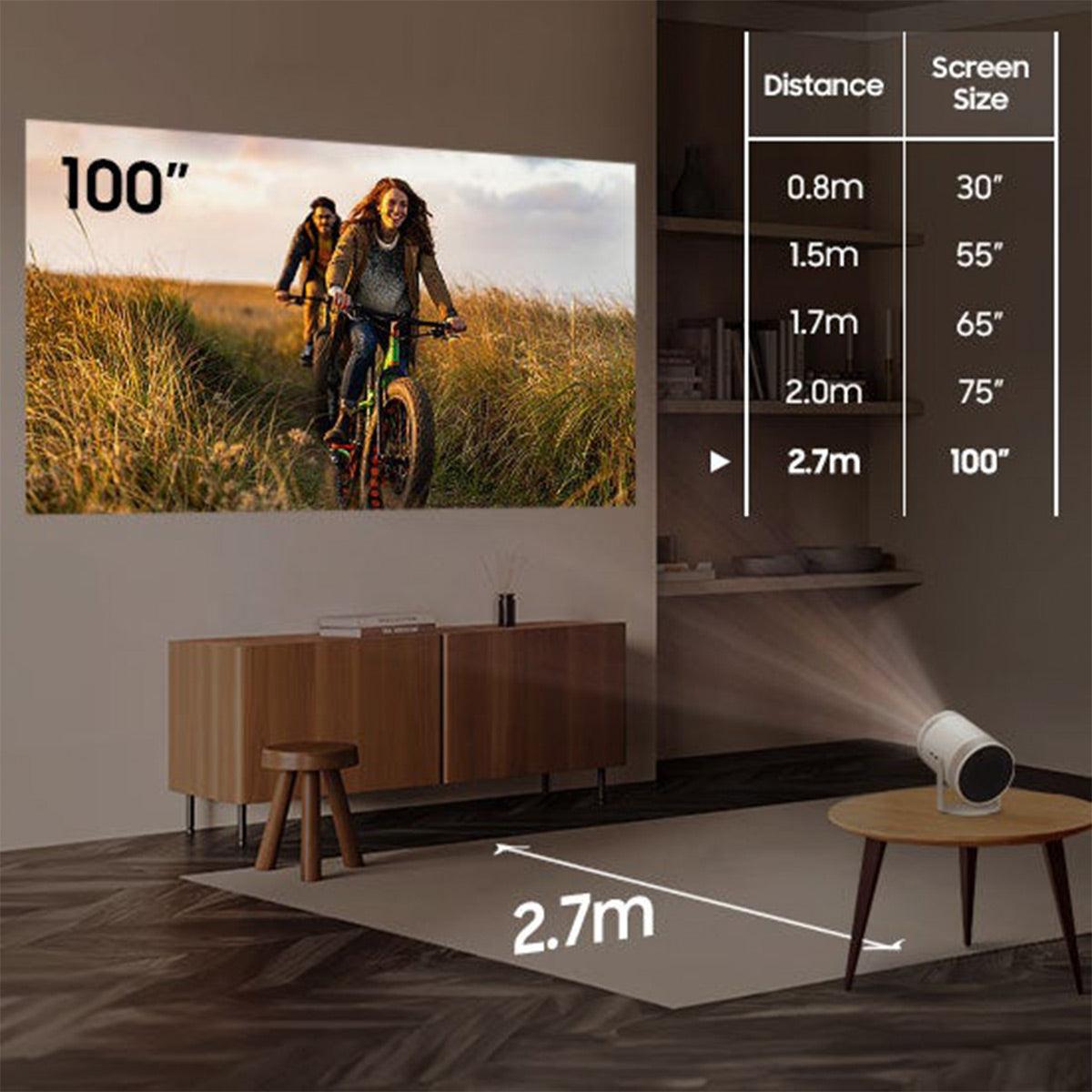
Both the JMGO PicoPlay and Samsung Freestyle 2nd Gen can project images up to 100+ inches diagonally. However, optimal viewing occurs around 50-60 inches for both projectors, with the PicoPlay's superior brightness allowing for larger, more visible images in less-than-ideal lighting conditions.
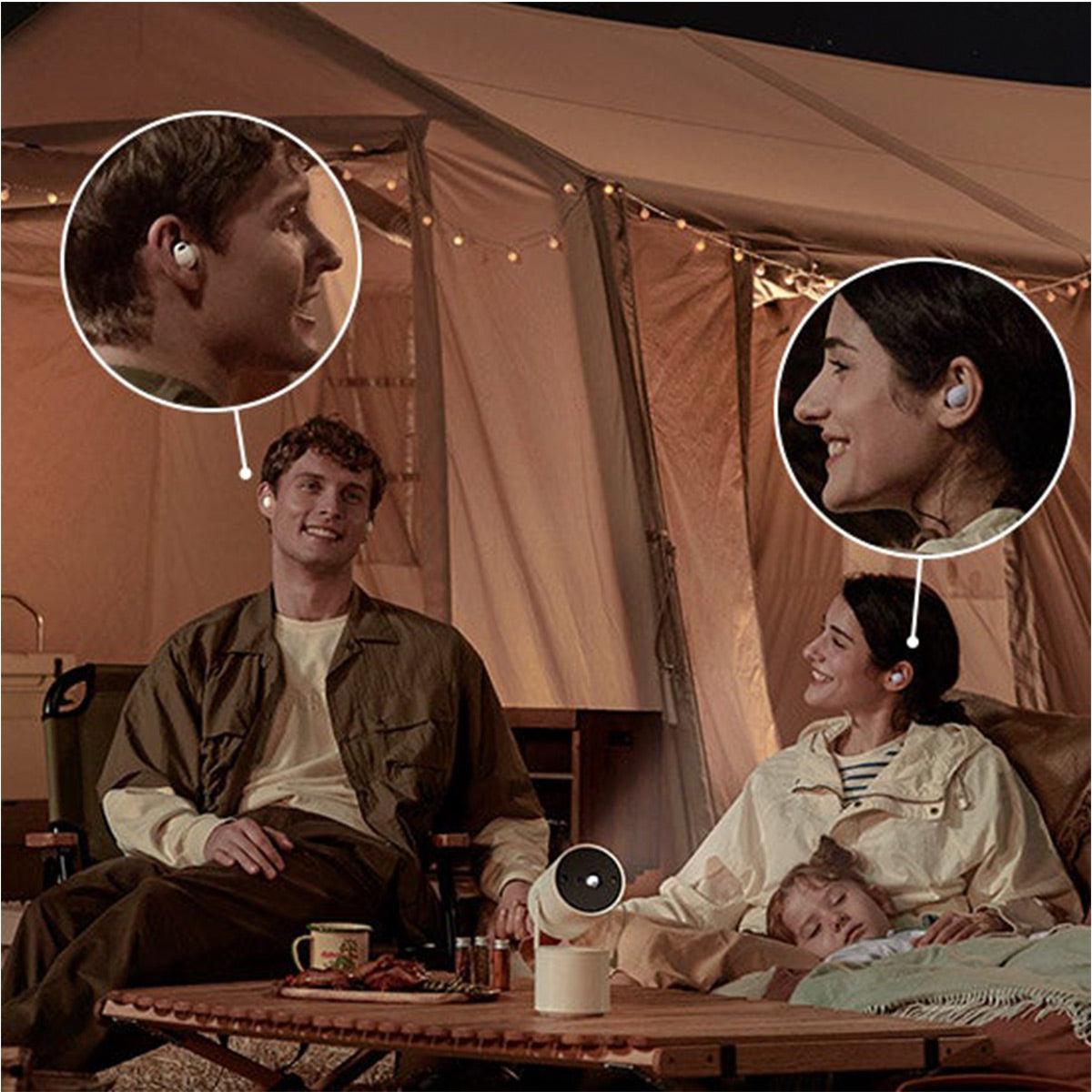
The JMGO PicoPlay is far superior for outdoor use due to its built-in battery eliminating the need for power outlets, higher brightness for better visibility at dusk, and rugged portable design with included carrying case. The Samsung Freestyle 2nd Gen requires wall power and has lower brightness, making it impractical for most outdoor scenarios.
The JMGO PicoPlay functions as a 3-in-1 entertainment hub with projection, Bluetooth speaker, and ambient lighting that syncs with music. Its gimbal design and Vertical Play mode are industry-first innovations. The Samsung Freestyle 2nd Gen offers Gaming Hub for console-free cloud gaming and Smart Edge Blending to connect two units for ultra-wide displays, appealing to specific gaming and tech enthusiasts.
We've done our best to create useful and informative comparisons to help you decide what product to buy. Our research uses advanced automated methods to create this comparison and perfection is not possible - please contact us for corrections or questions. These are the sites we've researched in the creation of this article: techbuzzireland.com - youtube.com - newatlas.com - projectorcentral.com - youtube.com - thegadgetflow.com - youtube.com - global.jmgo.com - youtube.com - bestbuy.com - projector-database.com - notebookcheck.net - eu.jmgo.com - techradar.com - tech.slashdot.org - youtube.com - bestbuy.com - youtube.com - youtube.com - rtings.com - samsung.com - samsung.com - samsung.com - thesmarthomehookup.com - nfm.com - samsung.com - abt.com - projectorcentral.com - valueelectronics.com - target.com - samsung.com - samsung.com - images.samsung.com - abt.com - youtube.com - samsung.com - samsung.com - walts.com - bhphotovideo.com - shi.com - youtube.com - publicsector.shidirect.com - provantage.com - abcwarehouse.com

Privacy Policy
Terms and Conditions - Affiliate Policy
Home Security
© Copyright 2008-2026.
11816 Inwood Rd #1211, Dallas, TX 75244