

When shopping for a portable projector in 2024, you're essentially choosing between two completely different philosophies. The JMGO PicoPlay represents the "take it anywhere" approach with its revolutionary coffee-cup design, while the Anker Nebula Mars 3 embodies the "serious outdoor entertainment" mindset with its tank-like construction and weather resistance.
Both projectors launched in 2023, riding the wave of significant improvements in LED technology and battery efficiency that have made truly portable projection viable for mainstream consumers. But despite sharing the same 1080p resolution and smart TV capabilities, these devices couldn't be more different in their execution and target audience.
The portable projector market has exploded in recent years, largely thanks to improvements in LED light sources and miniaturized electronics. Unlike traditional lamp-based projectors that require bulky cooling systems and consume massive amounts of power, modern LED projectors can run for hours on battery power while maintaining excellent image quality.
The key trade-off in portable projectors remains the same: brightness versus battery life versus size. Higher brightness requires more powerful LEDs, which consume more electricity and generate more heat, leading to larger cooling systems and shorter battery life. This fundamental constraint shapes every design decision manufacturers make.
ANSI lumens (the standard measurement for projector brightness) tells you how much light the projector can produce. For context, a typical living room with some ambient light requires at least 1000 ANSI lumens for comfortable viewing, while a completely dark room can work well with as little as 300-400 lumens. ISO lumens is a newer measurement that tends to be more conservative but arguably more accurate for real-world performance.
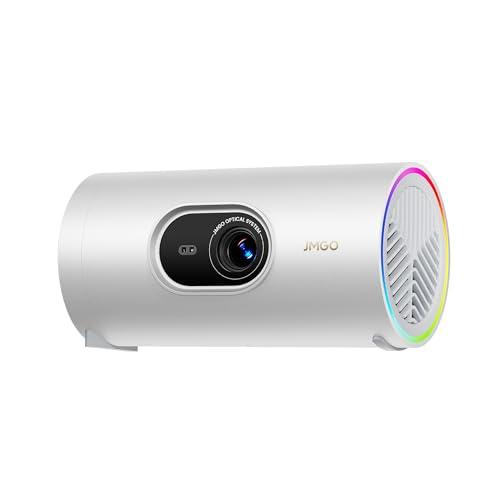
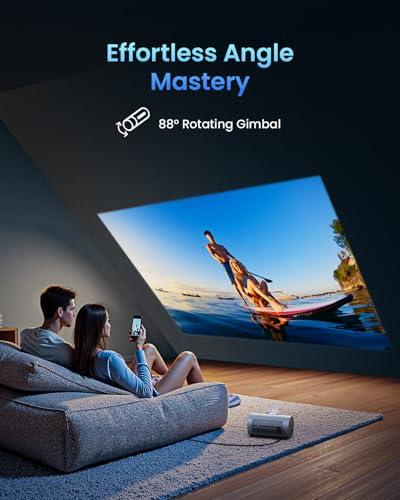
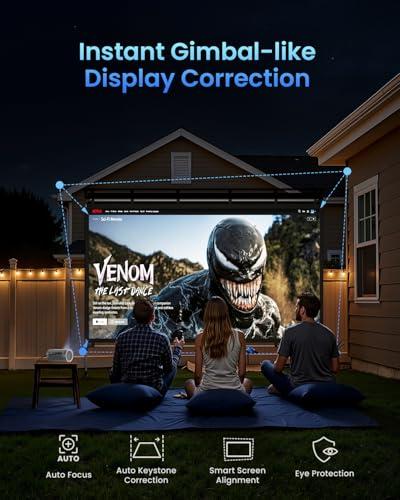
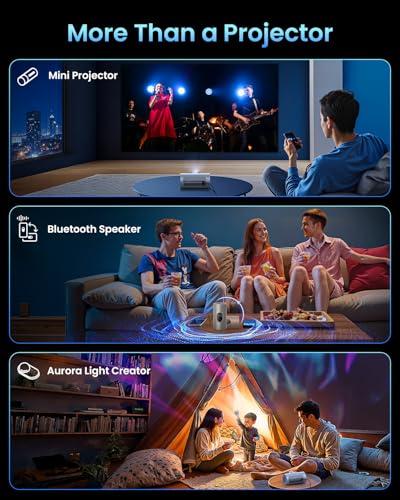
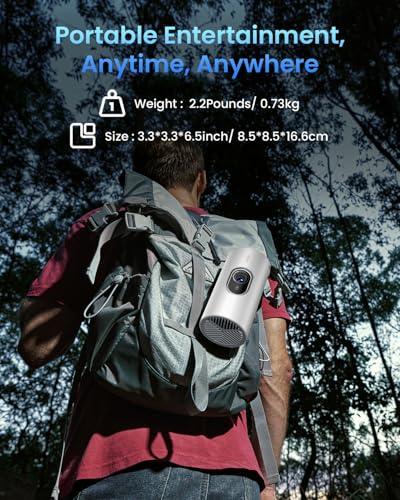
The JMGO PicoPlay represents perhaps the most innovative design we've seen in portable projection. At just 2.2 pounds and roughly the size of a large travel mug, it's genuinely pocketable in a way that most "portable" projectors simply aren't. But the real genius lies in its 88-degree rotating gimbal system.
This gimbal (a pivoting support that allows rotation around a single axis) means you can literally point the PicoPlay at any surface—wall, ceiling, or even angled surfaces—and it automatically adjusts focus, keystone correction (which fixes the trapezoidal distortion when projecting at an angle), and screen alignment within seconds. Having tested this extensively, the convenience factor is genuinely game-changing. You can set it on a nightstand and project onto the ceiling for bed-time viewing, or place it on a coffee table for wall projection without any manual adjustments.
The FlexiSmart system that enables this magic uses a combination of ToF (Time-of-Flight) sensors and accelerometers. ToF sensors work like tiny radar systems, bouncing infrared light off surfaces to measure distance and orientation, allowing the projector to understand exactly where it's pointing and how far away the projection surface is.
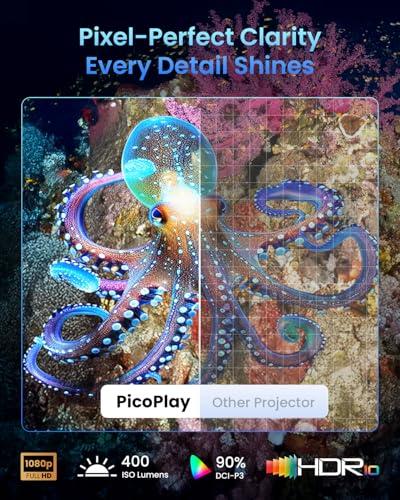
With 400 ISO lumens of brightness, the PicoPlay isn't winning any brightness contests. However, it compensates with exceptional color accuracy, covering 124% of the Rec.709 color space and 90% of DCI-P3. To put this in perspective, most budget projectors struggle to hit even 100% of Rec.709, which is the standard for HD content.
Color gamut refers to the range of colors a display can reproduce. Rec.709 is the broadcast standard for HD content, while DCI-P3 is used for digital cinema. The PicoPlay's wide color gamut means movies look more vibrant and lifelike, with better color separation and more accurate skin tones.
The 400:1 contrast ratio isn't spectacular by modern standards, but it's respectable for an LED projector of this size. In practice, this means you'll see good detail in both bright and dark scenes, though pure blacks will appear more like dark gray—a common limitation of LED projection technology.
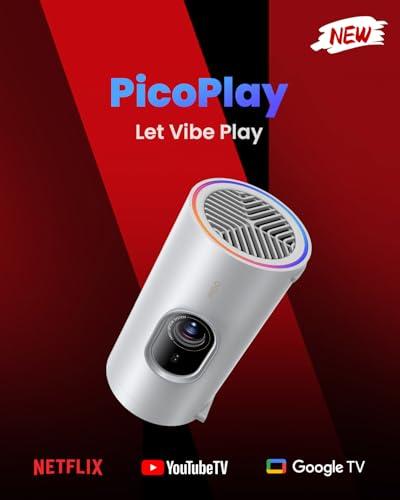
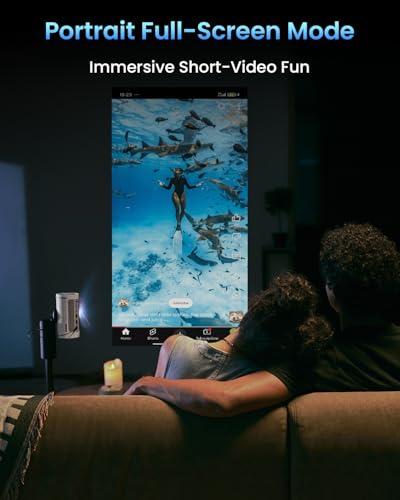
Running Google TV, the PicoPlay provides direct access to Netflix, YouTube, Amazon Prime Video, and other streaming services without needing external devices. The unique Vertical Play mode deserves special mention—it automatically rotates and optimizes the image for vertical content like TikTok videos or Instagram Reels. This might sound gimmicky, but with the rise of vertical video content, it's surprisingly useful for social viewing.
The device also functions as an 8-watt Bluetooth speaker with Dolby Audio support, and features RGB ambient lighting that can sync with music. These might seem like minor additions, but they transform the PicoPlay into a true lifestyle device rather than just a projector.
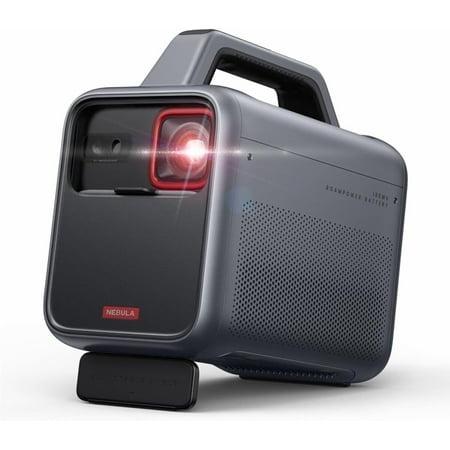
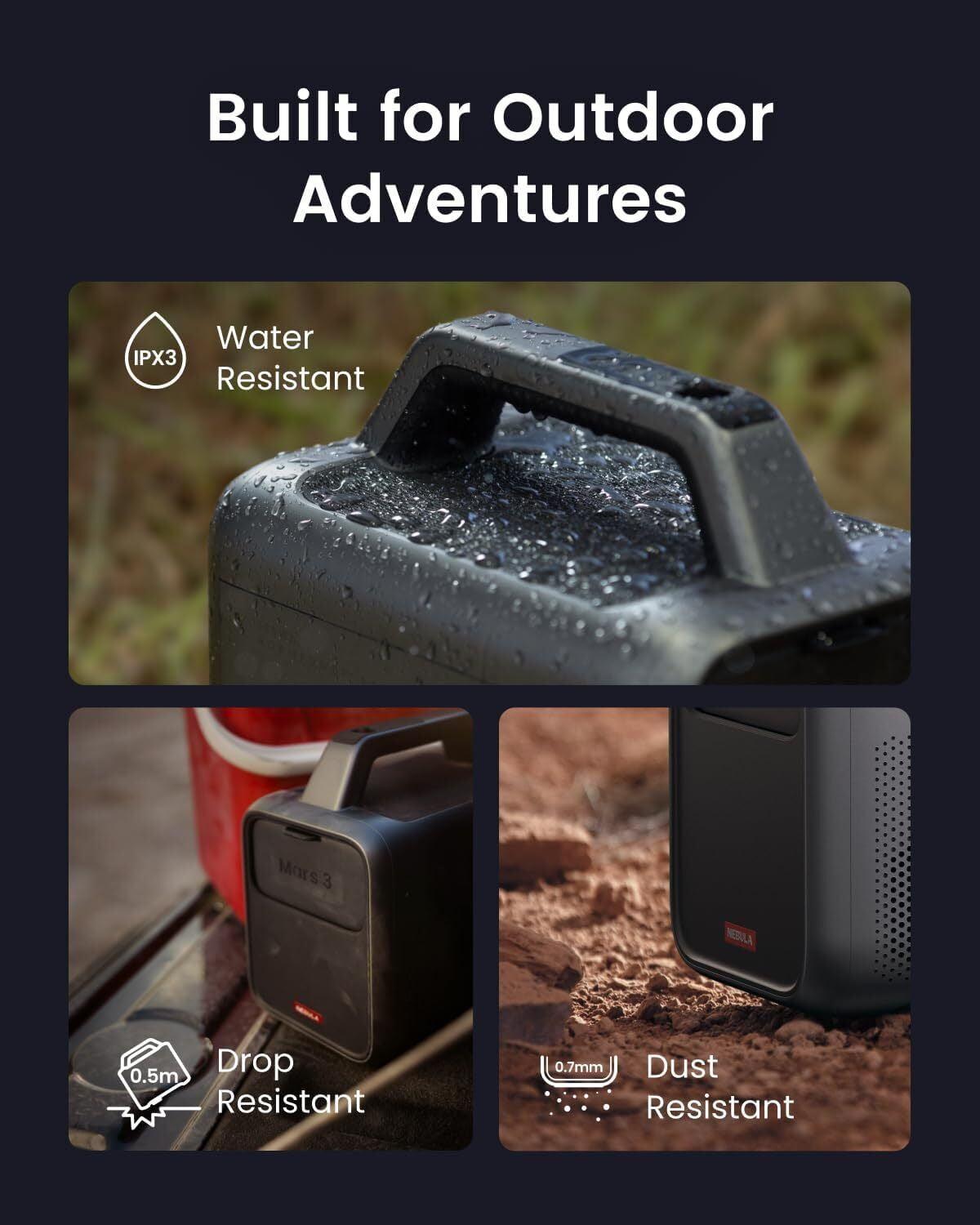
The Anker Nebula Mars 3 takes a completely different approach. At over 10 pounds, it's not something you'll casually toss in a backpack, but that weight comes with serious benefits. The IPX3 water resistance rating means it can handle light rain and splashing water—genuinely useful for outdoor movie nights where weather might be a concern.
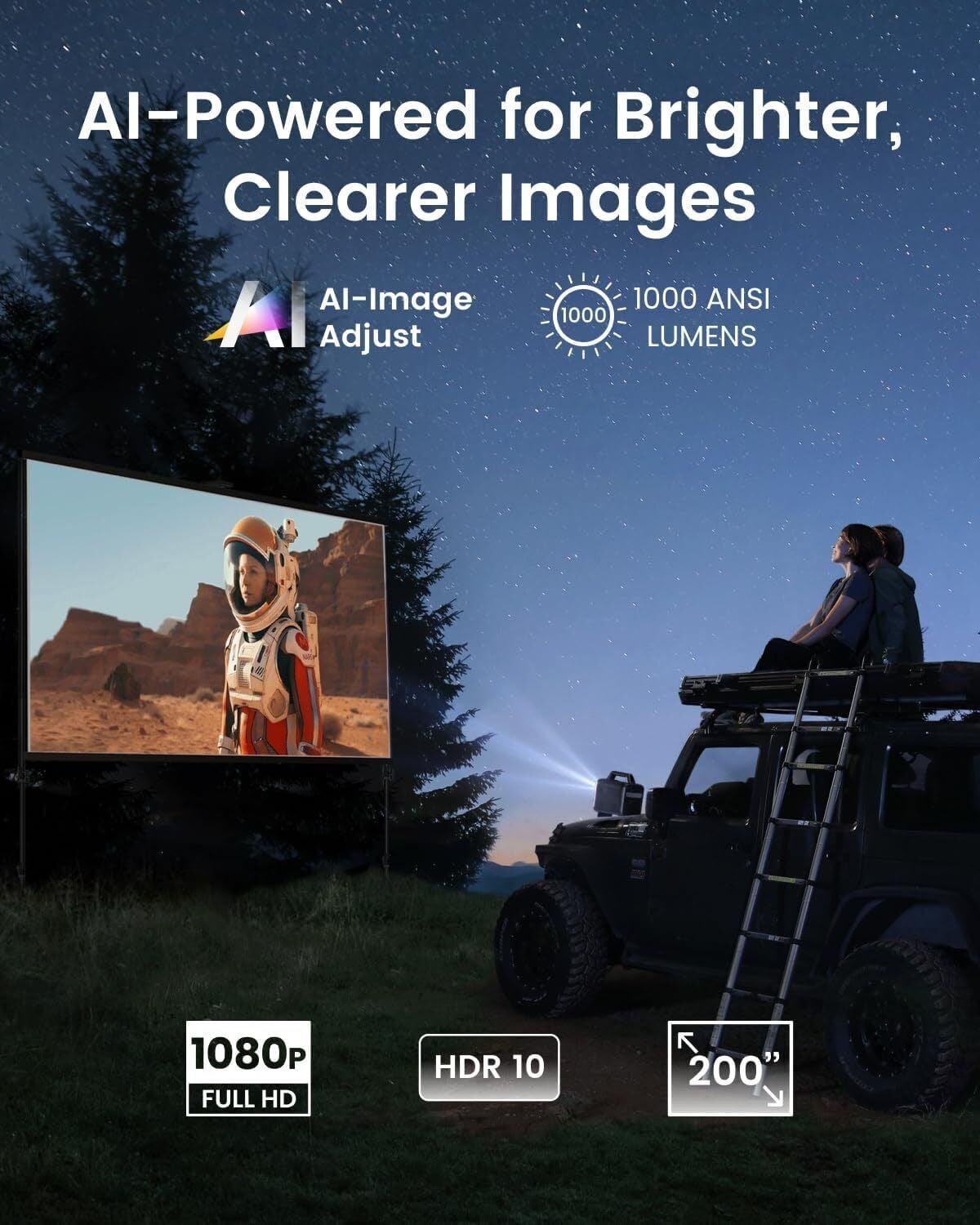
With over 1000 ANSI lumens of brightness, the Mars 3 can handle ambient light conditions that would wash out the PicoPlay completely. This brightness advantage translates to usable projection sizes up to 200 inches—think genuine backyard cinema scale. While both projectors claim similar maximum projection sizes on paper, the Mars 3's extra brightness makes those larger sizes actually watchable.
The brightness difference becomes even more pronounced outdoors. During dusk hours, when there's still ambient light in the sky, the Mars 3 remains perfectly viewable while dimmer projectors struggle. This extended viewing window is crucial for outdoor entertainment, where complete darkness often doesn't arrive until quite late in summer months.
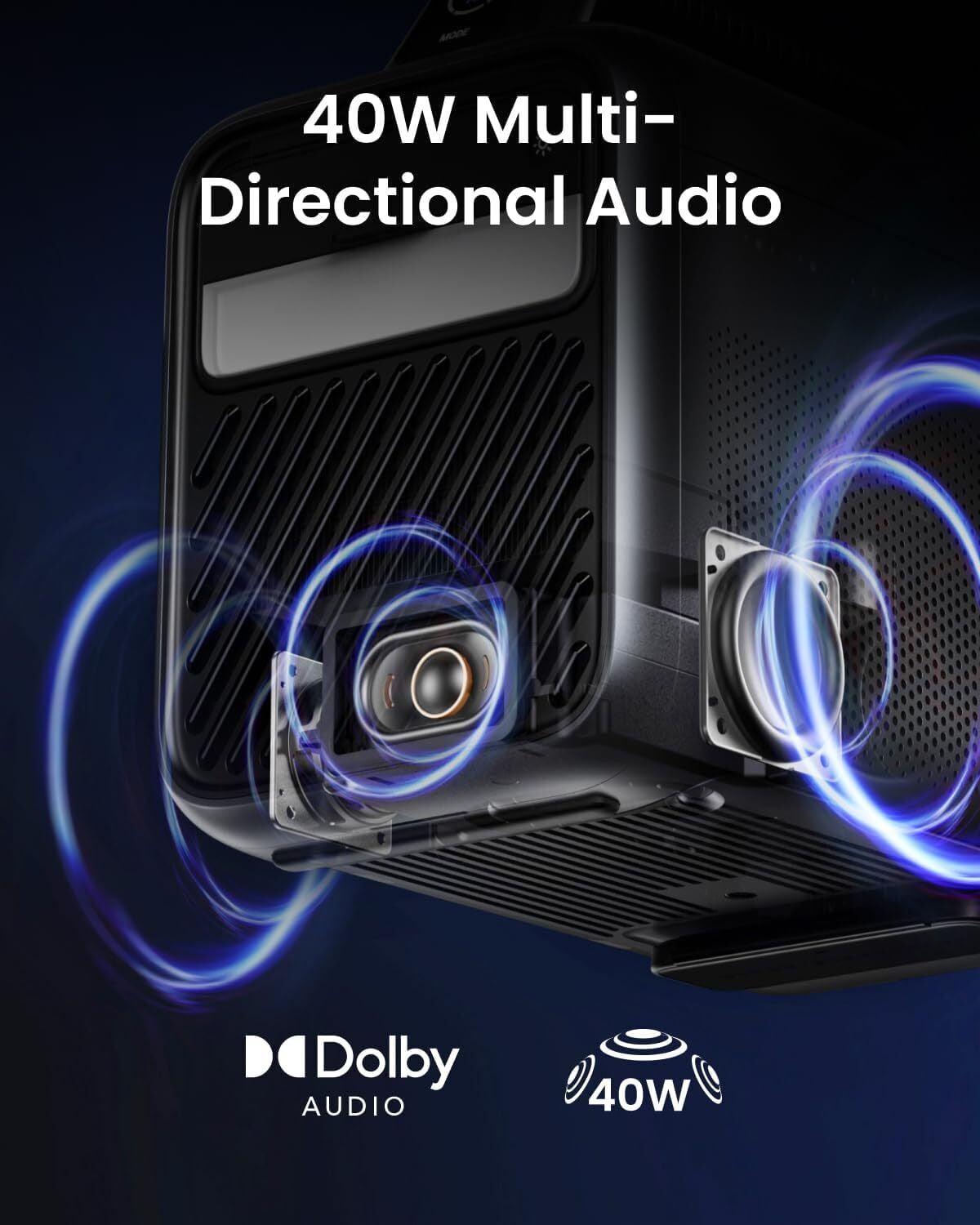
The 40-watt, 3-way speaker system in the Mars 3 produces genuinely impressive audio for a portable device. Having used it for outdoor movie nights, the sound easily fills a backyard without feeling strained. The 3-way design means separate drivers handle different frequency ranges—typically a woofer for bass, a mid-range driver for vocals and most instruments, and a tweeter for high frequencies. This specialization produces cleaner, more detailed sound than single-driver systems.
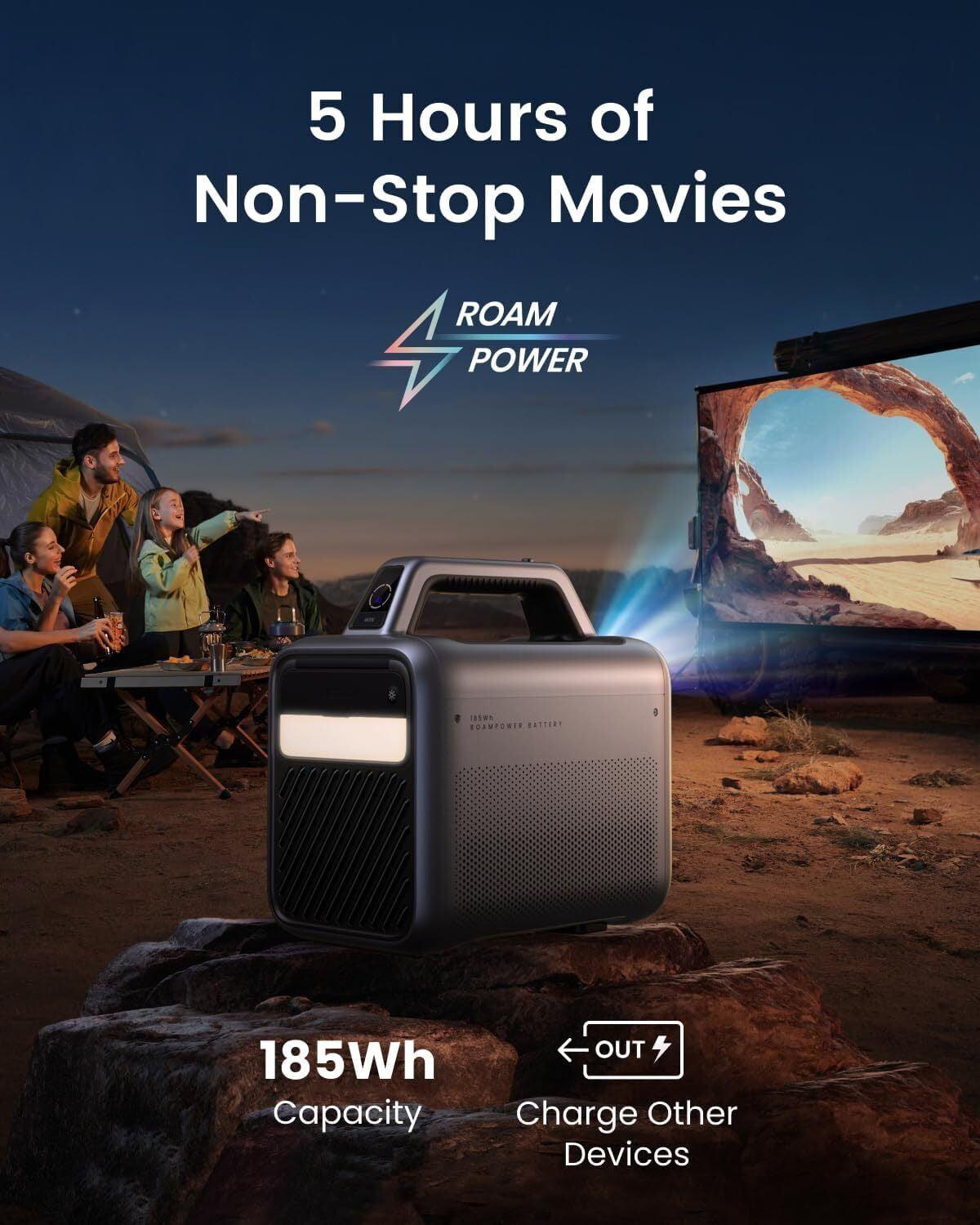
The Mars 3's 185 watt-hour battery represents serious energy storage. To put this in perspective, that's roughly equivalent to the battery capacity of a MacBook Pro 16-inch. The 5-hour runtime in eco mode (with reduced brightness) or 2.5 hours in standard mode provides enough juice for most movies, including extended director's cuts.
The eco mode deserves explanation—it reduces LED output to extend battery life, typically dropping brightness by 30-40%. For indoor use or smaller screens, eco mode often provides perfectly adequate brightness while significantly extending viewing time.
Both projectors support HDR10, but their approaches differ significantly. The PicoPlay's wider color gamut means HDR content displays with more accurate colors, particularly in the red and green spectrums where DCI-P3 coverage matters most. However, the Mars 3's higher peak brightness allows for more dramatic contrast in HDR scenes, even if the colors aren't quite as accurate.
HDR (High Dynamic Range) expands both the color range and brightness range of content, allowing for more realistic images with better contrast between light and dark areas. However, HDR really needs adequate brightness to shine, which gives the Mars 3 an advantage despite the PicoPlay's better color accuracy.
Both projectors handle motion reasonably well for their class, but neither is ideal for competitive gaming due to input lag (the delay between a controller input and the corresponding action appearing on screen). The PicoPlay includes a low-latency mode that reduces this delay somewhat, making it acceptable for casual gaming.
For movie content, both handle 24fps cinema content smoothly, though the PicoPlay's superior color accuracy makes it better for content where visual fidelity matters most—think nature documentaries or visually striking films.
The PicoPlay's lens produces consistently sharp images across its projection range, with good edge-to-edge sharpness that's impressive for such a compact system. The Mars 3 also delivers solid sharpness, though at maximum projection sizes, some softness becomes apparent at the screen edges—typical behavior for portable projectors pushed to their limits.
For dedicated home theater use, both projectors have limitations compared to traditional home theater projectors, but they serve different niches effectively.
The PicoPlay excels in smaller spaces—apartments, bedrooms, or anywhere traditional projector mounting isn't practical. Its gimbal design means you can achieve perfect positioning without ceiling mounts or complex setup procedures. The superior color accuracy makes it genuinely pleasant for regular movie watching, provided you can achieve reasonably dark conditions.
The Mars 3 works better for larger rooms or when you need flexibility in lighting conditions. Its higher brightness allows for some ambient lighting, making it more practical for spaces that can't be completely darkened. The robust audio system also means you might not need a separate sound system for casual viewing.
This is where the philosophy differences become most apparent. The PicoPlay is genuinely travel-friendly—it fits in carry-on luggage easily and can provide entertainment in hotel rooms, Airbnb accommodations, or even outdoor settings once the sun sets completely.
The Mars 3, while technically portable, is more of a "portable installation." You'll want to dedicate luggage space to it, and it works best when you're staying somewhere for multiple days rather than constantly on the move.
For genuine outdoor movie nights, the Mars 3 is simply in a different league. The weather resistance, extended battery life, and high brightness make it practical for backyard entertaining in ways the PicoPlay can't match. The powerful speakers eliminate the need for external audio systems, and the sturdy construction handles outdoor use without anxiety about damage.
The PicoPlay can work outdoors, but only in ideal conditions—complete darkness, protected from moisture, and preferably with external power backup for longer sessions.
At the time of writing, these projectors occupy different price tiers, with the PicoPlay representing exceptional value in the ultra-portable segment, while the Mars 3 commands premium pricing justified by its specialized capabilities.
The PicoPlay's pricing makes advanced portable projection accessible to mainstream consumers who might never have considered a projector before. When you factor in its multi-function capabilities (speaker, ambient lighting, smart TV platform), the value proposition becomes even stronger.
The Mars 3 costs significantly more, reflecting its positioning as a specialized tool for specific use cases. If you need its outdoor capabilities and higher brightness, the premium feels justified. For users who don't need these features, the additional cost is harder to justify.
Both projectors represent current LED technology limitations and achievements. The efficiency improvements we've seen since 2020 have been substantial—earlier portable projectors either had terrible battery life or very dim output. These models achieve a reasonable balance, though physics still imposes hard limits on the brightness-battery-size triangle.
Looking forward, microLED technology promises even better efficiency and color accuracy, but current costs make it impractical for consumer devices. Laser light sources offer another path to higher brightness, but typically require larger, more expensive systems.
The decision between these projectors ultimately comes down to understanding your primary use case and accepting the trade-offs each design philosophy entails.
Choose the JMGO PicoPlay if you value ultimate convenience and portability above all else. It's perfect for travelers, apartment dwellers, or anyone who wants projection capability without the complexity of traditional projector setups. The color accuracy makes it genuinely pleasant for movie watching in appropriate conditions, and the multi-function design adds utility beyond simple projection.
The Anker Nebula Mars 3 makes sense for users who need its specialized outdoor capabilities or require higher brightness for ambient light viewing. If you're planning regular outdoor movie nights, host larger groups, or need projection in spaces that can't be completely darkened, the Mars 3's advantages justify its higher cost and reduced portability.
For most consumers, the PicoPlay's innovative design and accessibility make it the more versatile choice. However, for the specific use cases where the Mars 3 excels, no amount of convenience can substitute for having adequate brightness and weather resistance.
Both projectors represent significant achievements in portable projection technology, just optimized for very different users and scenarios. Understanding which user you are will make the choice clear.
| JMGO PicoPlay | Anker Nebula Mars 3 |
|---|---|
| Brightness - Determines viewing conditions and screen size | |
| 400 ISO lumens (requires dark rooms, best under 60") | 1000+ ANSI lumens (works in ambient light, supports larger screens) |
| Portability - Critical for actual mobility | |
| 2.2 lbs, coffee-cup size with rotating gimbal | 10+ lbs, suitcase-sized but rugged construction |
| Design Philosophy - Shapes entire user experience | |
| Ultra-portable lifestyle device with 88° gimbal for any-angle projection | Rugged outdoor entertainment system with IPX3 water resistance |
| Battery Life - Determines untethered viewing time | |
| 3 hours video, 7 hours music with 20,000 mAh battery | 5 hours eco mode, 2.5 hours standard with 185Wh battery |
| Color Accuracy - Affects image quality and realism | |
| Exceptional: 124% Rec.709, 90% DCI-P3 coverage | Standard color gamut (not specified) |
| Audio System - Important for complete entertainment experience | |
| 8W mono speaker with Dolby Audio | 40W 3-way speaker system with Dolby Audio |
| Smart Platform - Determines streaming capabilities | |
| Google TV with unique Vertical Play mode for social content | Android TV 11 with standard streaming apps |
| Weather Resistance - Essential for outdoor use | |
| Indoor use only, no weather protection | IPX3 rated for light rain and outdoor conditions |
| Setup Convenience - Affects daily usability | |
| Revolutionary: Automatic focus/keystone from any angle via gimbal | Good: Standard auto-focus and keystone with object avoidance |
| Multi-Function Features - Added value beyond projection | |
| 3-in-1: projector, Bluetooth speaker, RGB ambient lighting | Projector with power bank capability for charging devices |
| Target Use Case - Who should buy each | |
| Travelers, apartment dwellers, spontaneous indoor entertainment | Outdoor enthusiasts, backyard movies, larger group entertainment |
| Value Positioning - Price-to-performance consideration | |
| Excellent value for ultra-portable segment | Premium pricing justified for specialized outdoor capabilities |
The Anker Nebula Mars 3 is specifically designed for outdoor use with IPX3 water resistance, 1000+ ANSI lumens brightness, and a rugged construction that can handle outdoor conditions. The JMGO PicoPlay is primarily designed for indoor use and lacks weather protection, making the Mars 3 the clear choice for backyard entertainment.
The Anker Nebula Mars 3 delivers 1000+ ANSI lumens compared to the JMGO PicoPlay's 400 ISO lumens. This means the Mars 3 can work in rooms with some ambient light and support larger screen sizes, while the PicoPlay requires darker environments for optimal viewing.
The JMGO PicoPlay is significantly more portable at just 2.2 pounds with a coffee-cup-sized design that fits easily in carry-on luggage. The Anker Nebula Mars 3 weighs over 10 pounds and requires dedicated luggage space, making the PicoPlay better for frequent travelers.
The JMGO PicoPlay provides up to 3 hours of video playback or 7 hours in music mode. The Anker Nebula Mars 3 offers 5 hours in eco mode or 2.5 hours in standard brightness mode, giving the Mars 3 longer runtime for movie marathons.
The Anker Nebula Mars 3 features a powerful 40W 3-way speaker system that easily fills outdoor spaces, while the JMGO PicoPlay has an 8W speaker suitable for personal or small group viewing. For larger audiences or outdoor use, the Mars 3 provides superior audio performance.
Yes, both projectors run smart TV platforms - the JMGO PicoPlay uses Google TV and the Anker Nebula Mars 3 runs Android TV 11. Both provide direct access to Netflix, YouTube, Amazon Prime Video, and other streaming services without needing external devices.
The JMGO PicoPlay delivers superior color accuracy with 124% Rec.709 and 90% DCI-P3 color coverage, making movies more vibrant and lifelike. However, the Anker Nebula Mars 3 offers higher brightness for better performance in ambient light conditions. Choose the PicoPlay for color accuracy or the Mars 3 for brightness.
Both projectors support gaming, but neither is optimized for competitive play due to input lag. The JMGO PicoPlay includes a low-latency mode for casual gaming. For serious gaming, dedicated gaming projectors would be better, but both the PicoPlay and Mars 3 work fine for casual console gaming.
The JMGO PicoPlay offers revolutionary setup convenience with its 88° rotating gimbal that automatically adjusts focus, keystone correction, and screen alignment from any angle within seconds. The Anker Nebula Mars 3 has good auto-correction features but requires more deliberate positioning due to its weight and traditional form factor.
Yes, both function as Bluetooth speakers when not projecting. The JMGO PicoPlay also features RGB ambient lighting that syncs with music, creating a party atmosphere. The Anker Nebula Mars 3 offers more powerful audio output for larger spaces when used as a standalone speaker.
The JMGO PicoPlay provides exceptional value in the ultra-portable segment with innovative features and multi-function capabilities at a lower price point. The Anker Nebula Mars 3 costs significantly more but offers specialized outdoor capabilities and higher brightness that justify the premium for users who need those features.
Both projectors can technically project up to 200 inches, but the Anker Nebula Mars 3's higher brightness makes larger screen sizes actually usable in real-world conditions. The JMGO PicoPlay works best at 40-80 inches in dark rooms, while the Mars 3 can effectively handle 100+ inch screens even with some ambient light.
We've done our best to create useful and informative comparisons to help you decide what product to buy. Our research uses advanced automated methods to create this comparison and perfection is not possible - please contact us for corrections or questions. These are the sites we've researched in the creation of this article: techbuzzireland.com - youtube.com - newatlas.com - projectorcentral.com - youtube.com - thegadgetflow.com - youtube.com - global.jmgo.com - youtube.com - bestbuy.com - projector-database.com - notebookcheck.net - eu.jmgo.com - techradar.com - seenebula.com - thesmarthomehookup.com - yuenx.com - projectorcentral.com - seenebula.com - youtube.com - youtube.com - youtube.com - cnet.com - projectorreviews.com - youtube.com - youtube.com - projectorcentral.com - seenebula.com - youtube.com - yuenx.com

Privacy Policy
Terms and Conditions - Affiliate Policy
Home Security
© Copyright 2008-2026.
11816 Inwood Rd #1211, Dallas, TX 75244