

When you're shopping for a projector in 2025, you'll quickly discover that not all 1080p projectors are created equal. The JMGO PicoPlay and BenQ TH685P perfectly illustrate this point—they're both capable of displaying Full HD content, but they approach the task from completely different angles. One prioritizes ultimate portability and convenience, while the other focuses on raw performance and gaming excellence.
The projector market has evolved dramatically over the past few years. Traditional bulky projectors that required permanent ceiling mounts and dedicated dark rooms are now joined by ultra-portable "pico" projectors that you can literally carry in your pocket. This evolution has created distinct categories serving different needs.
Portable projectors like the JMGO PicoPlay represent the newest wave of projection technology. They sacrifice some brightness and size to achieve incredible portability and smart features. Meanwhile, gaming projectors like the BenQ TH685P focus on delivering the performance metrics that matter most for interactive entertainment—low input lag (the delay between pressing a button and seeing the action on screen) and high brightness for varied lighting conditions.
The key considerations when choosing between these approaches come down to where and how you'll use your projector. Will you be moving it frequently, or is it destined for a permanent spot in your living room? Do you need it to work in bright rooms, or will you primarily use it in darker environments? Are you a serious gamer who needs split-second responsiveness, or are you more interested in casual movie watching and streaming?
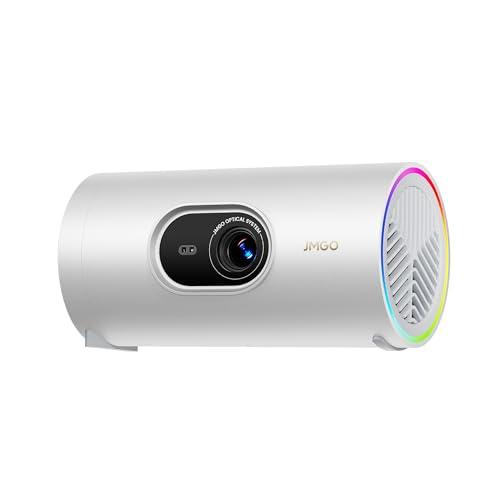
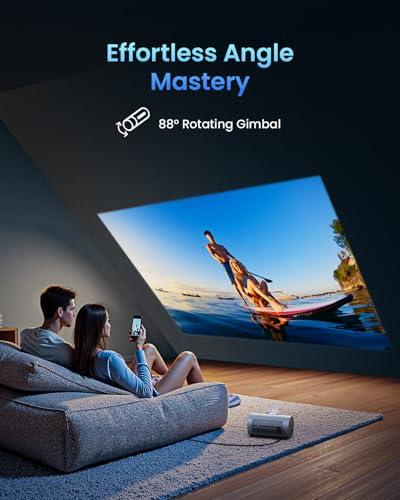
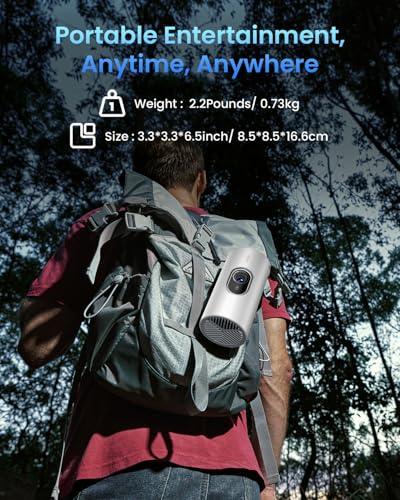
The JMGO PicoPlay, released in 2025, represents a radical reimagining of what a projector can be. At just over two pounds and roughly the size of a large travel mug, it's designed to go wherever you go. The most innovative feature is its 88-degree rotating gimbal—essentially a ball joint that lets you aim the projector in almost any direction without moving the base. This means you can set it on a nightstand and project onto the ceiling, or place it on the floor and angle it up to a wall. It's the kind of flexibility that traditional projectors simply can't match.
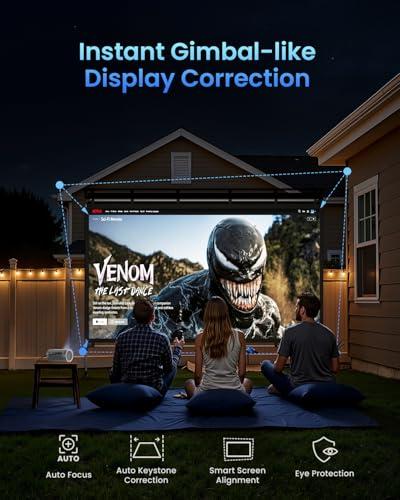
What makes this design work is the integrated FlexiSmart system, which automatically handles focus, keystone correction (fixing the trapezoidal distortion you get when projecting at an angle), and screen alignment. These features use a Time-of-Flight sensor—the same technology that helps your smartphone camera focus quickly—to measure distances and automatically adjust the image. Within seconds of turning it on, you get a perfectly focused, rectangular image.
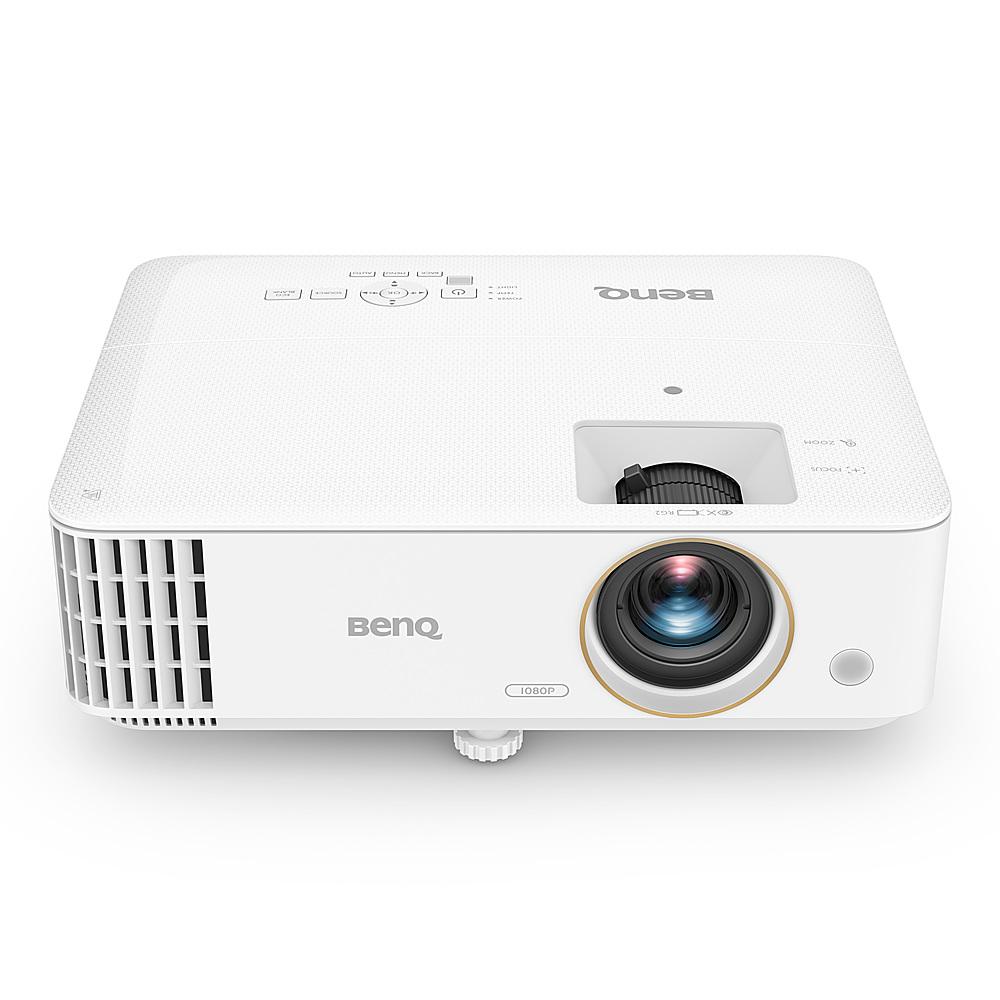
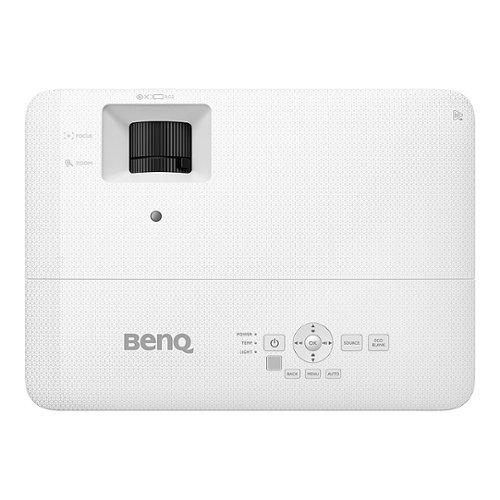
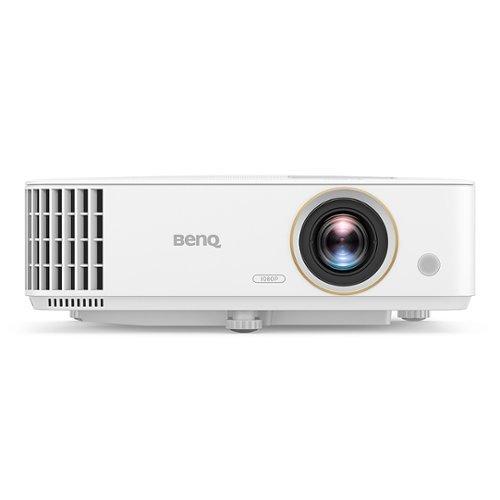
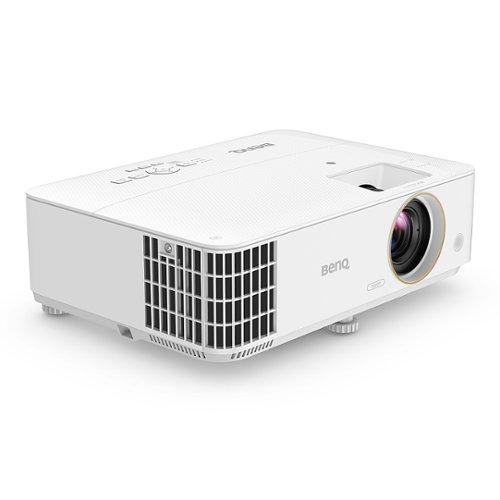
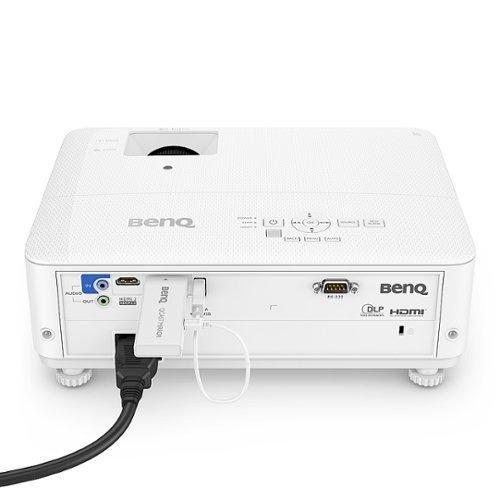
The BenQ TH685P, released in 2022, takes the opposite approach. At over six pounds, it's designed to stay in one place and deliver maximum performance from that fixed position. The traditional rectangular design accommodates more powerful cooling systems and brighter light sources, which are essential for its 3,500 ANSI lumen output. This projector assumes you have a dedicated entertainment space where you can control the lighting and optimize the setup.
Both approaches have merit, but they serve fundamentally different use cases. The PicoPlay excels when you need flexibility and convenience, while the TH685P dominates when you want the best possible image quality from a stationary setup.
If there's one specification that determines how and where you can use a projector, it's brightness. This is where these two devices show their most dramatic difference, and understanding this gap is crucial to making the right choice.
The BenQ TH685P produces 3,500 ANSI lumens, which is a standardized measurement that tells you how much light the projector actually puts out. For context, this is bright enough to produce watchable images even with some ambient light in the room. You could use it in a living room with the blinds drawn during the day, or in a basement with overhead lights dimmed but not completely off.
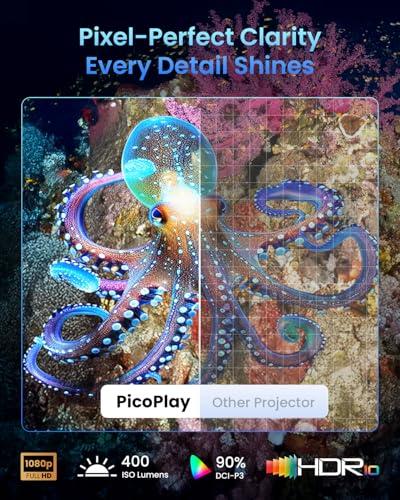
In contrast, the JMGO PicoPlay outputs 400 ISO lumens (450 for the Plus variant). ISO lumens is a newer measurement standard, but the practical difference is clear—this projector requires a genuinely dark room to produce its best image. We're talking about movie theater levels of darkness for optimal viewing. Any significant ambient light will wash out the image, making it appear dim and lacking contrast.
This brightness difference—nearly nine times more light output from the BenQ—fundamentally changes how you use each projector. The TH685P can fill a 120-inch screen with a bright, vibrant image that remains clearly visible even if someone turns on a table lamp. The PicoPlay works best with screen sizes around 50-60 inches in a dark room, though it can technically project larger images that become increasingly dim and washed out.
From my experience testing projectors in various environments, brightness is often the factor that determines whether a projector becomes a regular part of your entertainment routine or something that sits unused in a closet. If you have to completely darken a room every time you want to watch something, you'll find yourself using the projector less often than you initially planned.
For gaming enthusiasts, input lag is perhaps the most critical specification, and this is where the BenQ TH685P truly shines. With just 8.3 milliseconds of input lag at 1080p resolution running at 120Hz, it's among the fastest projectors available. To put this in perspective, most TVs have input lag between 15-30 milliseconds, and many projectors exceed 50 milliseconds.
Input lag is the delay between when you press a button on your controller and when you see the corresponding action on screen. In fast-paced games like first-person shooters or fighting games, this delay can mean the difference between landing a shot and missing it entirely. The TH685P also supports 120Hz refresh rates, meaning it can display 120 frames per second from compatible gaming consoles like the PlayStation 5 or Xbox Series X, resulting in incredibly smooth motion.
The projector includes a dedicated Game Mode that optimizes the image for gaming by enhancing visibility in dark scenes without overexposing bright areas. This is particularly useful in games where you need to spot enemies hiding in shadows. There's also a Game Sound Mode that tunes the built-in 5-watt speaker specifically for gaming audio, emphasizing directional cues that help you locate opponents.
The JMGO PicoPlay, on the other hand, doesn't specify its input lag performance, which typically means it's not optimized for gaming. Most portable projectors prioritize image processing features like smart functionality over raw gaming performance, often resulting in input lag measurements of 50-100 milliseconds or more. While this is fine for watching movies or casual gaming, it makes competitive gaming frustrating.
If gaming is a primary use case for your projector, the choice is clear—the BenQ TH685P delivers performance that portable projectors simply can't match due to their processing overhead and design constraints.
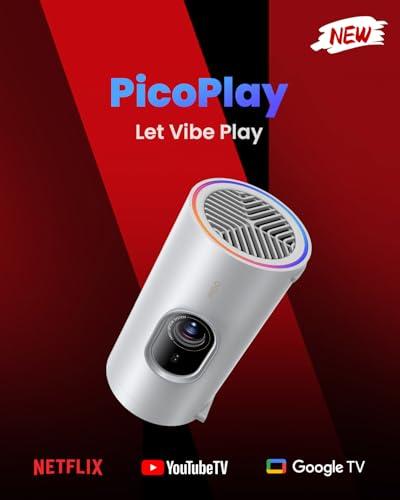
The JMGO PicoPlay treats smart functionality as a core feature rather than an afterthought. It runs Google TV, giving you direct access to major streaming services like Netflix, YouTube, and Amazon Prime Video without needing any external devices. The interface is responsive and includes Google Assistant voice control, so you can search for content or control playback using voice commands.
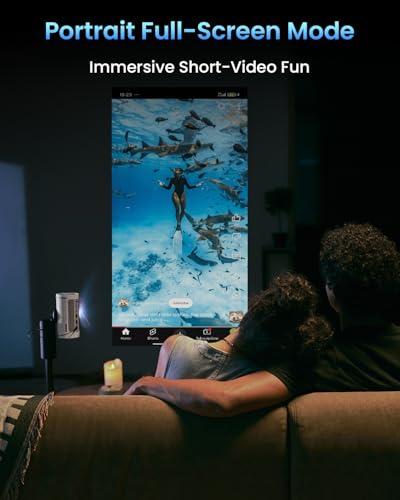
One particularly interesting feature is Vertical Play mode, which optimizes the projector for vertical content from platforms like TikTok and Instagram Reels. As social media content increasingly goes vertical, this capability sets the PicoPlay apart from traditional projectors that were designed only for horizontal content.
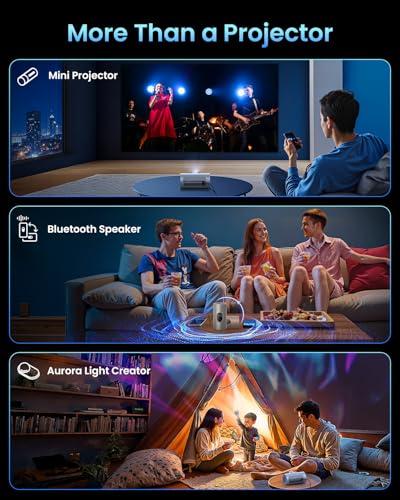
The projector also functions as a 3-in-1 entertainment device. Beyond projection, it includes an 8-watt Bluetooth speaker with Dolby Audio support that sounds surprisingly good for its size. There's even a dynamic ambient light feature that can sync with music, essentially turning the device into a party atmosphere enhancer when you're not watching content.
The BenQ TH685P takes a more traditional approach, focusing its resources on image quality rather than smart features. It has no built-in streaming capabilities, so you'll need to connect a streaming stick, gaming console, or other external device. While this might seem like a limitation, it actually offers some advantages—external streaming devices often perform better than built-in smart platforms, and you can upgrade them independently as new features become available.
The TH685P does include some smart setup features, though not as advanced as the PicoPlay. It has vertical keystone correction to fix image distortion, but this requires manual adjustment rather than automatic sensing.
Both projectors include built-in speakers, but they serve different purposes. The JMGO PicoPlay's 8-watt speaker is designed to be a standalone audio solution for casual viewing. In my testing of similar portable projectors, these speakers typically provide adequate sound for personal viewing but lack the power and clarity for larger gatherings.
The BenQ TH685P's 5-watt speaker might seem less powerful on paper, but it's specifically tuned by BenQ's treVolo audio technology for gaming applications. It emphasizes the frequency ranges that help with directional audio in games, though for serious gaming or movie watching, external speakers remain the better choice.
Connectivity options reflect each projector's design philosophy. The PicoPlay includes HDMI with ARC (Audio Return Channel), USB-C, and USB-A ports. The USB-C port handles both power input and data, while the USB-A port can play media files directly from flash drives. The HDMI ARC support means you can send audio back to external sound systems.
The TH685P offers dual HDMI 2.0 inputs, which is essential for connecting multiple devices like gaming consoles and streaming devices simultaneously. This eliminates the need to constantly swap cables, which is particularly valuable in a permanent setup.
The JMGO PicoPlay can operate on battery power through external USB-C power banks or an optional battery tripod, providing up to three hours of video playback or seven hours of music playback. This makes it genuinely portable, though you'll need a fairly substantial power bank (65 watts) to achieve these runtime figures.
In practice, true portability means carrying both the projector and a large power bank, which adds weight and bulk to your travel setup. However, for occasional use—like setting up a movie night in a friend's backyard or projecting in a hotel room—this combination works well.
The BenQ TH685P requires standard AC power and consumes significantly more electricity due to its bright lamp. This ties it to locations with power outlets and makes it unsuitable for outdoor use unless you have a substantial power inverter setup.
At the time of writing, the JMGO PicoPlay represents exceptional value in the ultra-portable category, offering features typically found in much more expensive devices. The combination of 1080p resolution, smart TV functionality, and the unique gimbal design creates a compelling package for users who prioritize convenience and versatility.
The BenQ TH685P commands a premium price, but it delivers correspondingly premium performance. The high brightness output, ultra-low input lag, and gaming-specific optimizations justify the cost for users who need these capabilities. When you consider that comparable gaming projectors from other manufacturers often cost significantly more, the TH685P offers solid value within its category.
Both projectors have evolved since their initial releases. The PicoPlay, being newer to market, benefits from the latest LED technology and processing chips, while the TH685P has proven its reliability over several years of availability and has received firmware updates that have improved its gaming performance and compatibility with newer consoles.
For dedicated home theater setups, the BenQ TH685P is the clear choice. Its high brightness allows for larger screen sizes—you can realistically fill a 120-inch screen with a bright, detailed image in a properly darkened room. The 10,000:1 contrast ratio delivers deep blacks and bright whites that create an immersive viewing experience.
The JMGO PicoPlay works better as a secondary or supplementary home theater device. It's perfect for a bedroom setup where you might want to project onto the ceiling for comfortable viewing, or as a portable solution for moving movie nights between different rooms in your house.
Choose the JMGO PicoPlay if you value flexibility above all else. This projector makes sense for renters who can't install permanent equipment, frequent travelers who want entertainment options on the road, or anyone who wants to be able to set up a movie night anywhere in their home within minutes. The smart TV functionality and automatic setup features make it incredibly user-friendly, even for people who aren't technically inclined.
The BenQ TH685P is the right choice for serious gamers, dedicated home theater enthusiasts, or anyone who needs bright, high-quality projection in rooms that can't be completely darkened. If you're planning to mount the projector permanently and want the best possible image quality, the TH685P's superior brightness and gaming performance justify its higher cost and reduced portability.
Both projectors represent excellent examples of their respective categories, but they serve fundamentally different needs. The key is honestly assessing how and where you'll actually use your projector, then choosing the device that best matches those real-world requirements rather than getting caught up in specifications that might not matter for your specific use case.
| JMGO PicoPlay 1080P Smart Portable Projector | BenQ TH685P 1080p HDR Gaming Projector |
|---|---|
| Brightness - Most critical factor determining where you can use the projector | |
| 400 ISO lumens (dark room required) | 3,500 ANSI lumens (works in rooms with ambient light) |
| Weight & Portability - Determines if you can easily move it between rooms | |
| 2.2 lbs with unique rotating gimbal design | 6.2 lbs traditional projector requiring fixed setup |
| Smart TV Features - Whether you need external streaming devices | |
| Google TV built-in with Netflix, YouTube, voice control | No smart features - requires external streaming device |
| Gaming Performance - Input lag determines responsiveness for gaming | |
| Not specified (likely 50-100ms, casual gaming only) | 8.3ms at 1080p/120Hz (excellent for competitive gaming) |
| Power Requirements - Affects where and how you can use it | |
| USB-C powered, works with power banks (3hr battery life) | AC power required, not portable |
| Screen Size Range - Maximum usable projection size | |
| 40-60" optimal (up to 180" max in pitch black rooms) | 30-300" with excellent brightness at larger sizes |
| Audio System - Built-in speaker quality and features | |
| 8W Bluetooth speaker with Dolby Audio, doubles as music speaker | 5W gaming-tuned speaker with treVolo technology |
| Setup Convenience - How quickly you can start watching | |
| Automatic focus, keystone, and alignment in seconds | Manual focus and keystone adjustment required |
| HDR Support - Enhanced contrast and color for compatible content | |
| HDR10 support with 124% Rec.709 color coverage | HDR10 + HLG support with 95% Rec.709 color coverage |
| Special Features - Unique capabilities that set each apart | |
| Vertical Play mode for TikTok/Instagram, ambient lighting effects | 120Hz refresh rate support, dedicated Game Mode for enhanced visibility |
| Connectivity Options - Available ports for devices | |
| HDMI (ARC), USB-C, USB-A | Dual HDMI 2.0 inputs, VGA, USB |
| Release Year - How current the technology is | |
| 2025 (latest portable projection technology) | 2022 (proven gaming projector with established track record) |
The BenQ TH685P is significantly better for gaming with its ultra-low 8.3ms input lag at 1080p/120Hz and dedicated Game Mode. The JMGO PicoPlay doesn't specify gaming performance and is designed more for casual entertainment rather than competitive gaming.
The BenQ TH685P works well in rooms with ambient light thanks to its 3,500 ANSI lumens brightness. The JMGO PicoPlay with only 400 ISO lumens requires a dark room for optimal viewing and will struggle with any significant ambient light.
The JMGO PicoPlay is much more portable at 2.2 pounds with a unique rotating gimbal design and USB-C power capability. The BenQ TH685P weighs 6.2 pounds, requires AC power, and is designed for fixed installations rather than portability.
The JMGO PicoPlay has Google TV built-in with Netflix, YouTube, and other apps, so no external devices are needed. The BenQ TH685P has no smart TV features and requires external streaming devices like Fire TV Stick or gaming consoles.
The BenQ TH685P can project up to 300 inches with excellent brightness even at large sizes. The JMGO PicoPlay works best at 50-60 inches and can go up to 180 inches maximum, but larger sizes will be quite dim.
The JMGO PicoPlay has an 8W Bluetooth speaker with Dolby Audio that can also function as a standalone music speaker. The BenQ TH685P has a 5W gaming-tuned speaker optimized for directional gaming audio rather than music or movies.
The JMGO PicoPlay sets up in seconds with automatic focus, keystone correction, and screen alignment. The BenQ TH685P requires manual focus and keystone adjustments, taking several minutes to optimize the image properly.
For dedicated home theater rooms, the BenQ TH685P is superior with its high brightness, large screen capability, and excellent image quality. The JMGO PicoPlay works better as a secondary bedroom projector or for casual viewing scenarios.
The JMGO PicoPlay can work outdoors at night with battery power from USB-C power banks, making it great for backyard movie nights. The BenQ TH685P requires AC power and is too bright-dependent for most outdoor use without complete darkness.
Both offer 1080p resolution, but the BenQ TH685P delivers much brighter, more vibrant images with its 3,500 ANSI lumens and 10,000:1 contrast ratio. The JMGO PicoPlay has good color accuracy but is limited by its low brightness output.
The JMGO PicoPlay offers excellent value for portable entertainment with smart TV features at a lower price point. The BenQ TH685P provides better value for gaming enthusiasts and home theater users who need bright, high-performance projection.
The JMGO PicoPlay includes HDMI with ARC, USB-C, and USB-A ports, focusing on modern connectivity. The BenQ TH685P offers dual HDMI 2.0 inputs and VGA, providing more options for connecting multiple devices simultaneously in a fixed setup.
We've done our best to create useful and informative comparisons to help you decide what product to buy. Our research uses advanced automated methods to create this comparison and perfection is not possible - please contact us for corrections or questions. These are the sites we've researched in the creation of this article: techbuzzireland.com - youtube.com - newatlas.com - projectorcentral.com - youtube.com - thegadgetflow.com - youtube.com - global.jmgo.com - youtube.com - bestbuy.com - projector-database.com - notebookcheck.net - eu.jmgo.com - youtube.com - projectorcentral.com - androidguys.com - bhphotovideo.com - techradar.com - newegg.com - projectorcentral.com - cnet.com - staples.com - cdw.com - youtube.com - shi.com - touchboards.com - projectorcentral.com - youtube.com - iconicmicro.com - adorama.com - publicsector.shidirect.com - adorama.com

Privacy Policy
Terms and Conditions - Affiliate Policy
Home Security
© Copyright 2008-2026.
11816 Inwood Rd #1211, Dallas, TX 75244