

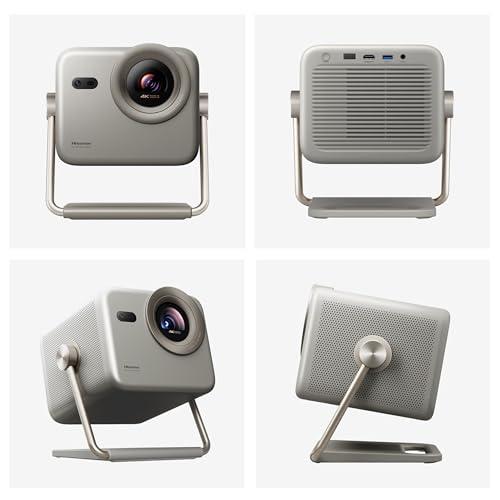
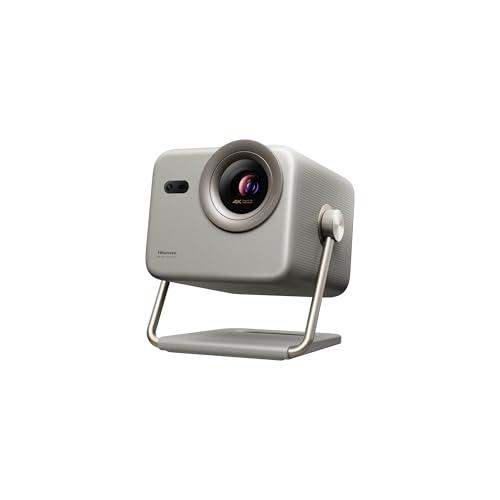
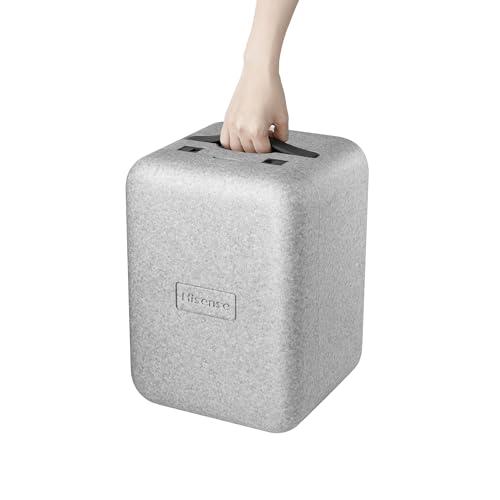
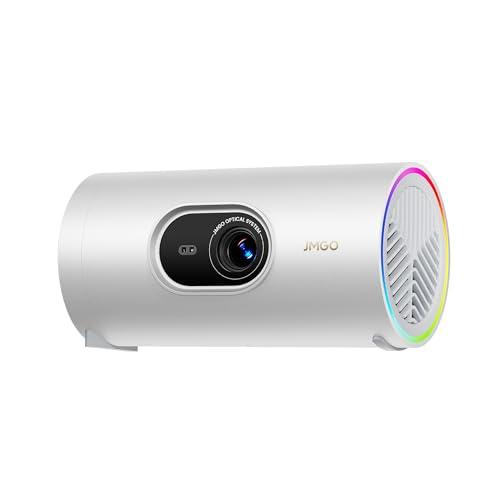
When I first started following the portable projector market, the choices were pretty dismal. You either got a dim, blurry LED projector that barely worked in pitch-black rooms, or you hauled around a massive "portable" unit that required a wheeled case. That's changed dramatically in recent years, and two projectors perfectly illustrate how different manufacturers are solving the portability puzzle: the Hisense M2 Pro 4K Triple Laser Portable Projector and the JMGO PicoPlay 1080P Smart Portable Projector.
These devices represent two completely different philosophies. The Hisense M2 Pro asks: "How much professional-grade performance can we pack into a relatively portable package?" The JMGO PicoPlay asks: "How small and versatile can we make a projector while keeping it useful?" Both launched in 2024, and based on our research into user reviews and professional evaluations, they each succeed brilliantly at their respective goals.
The portable projector category has exploded because people want big-screen entertainment without being tied to a specific room or mounting hardware on walls. But "portable" means different things to different people. Some want a device they can easily move between rooms in their house. Others want something that fits in a carry-on bag for hotel room entertainment.
The fundamental challenge is physics: making a projector smaller usually means sacrificing brightness, resolution, or features. Light sources are particularly tricky. Traditional lamp-based projectors are too hot and power-hungry for truly portable designs. LED projectors can be tiny but struggle with brightness. Laser projectors offer the best combination of brightness, color accuracy, and longevity, but the hardware is typically larger and more expensive.
Modern portable projectors also need to be smart. Nobody wants to carry a separate streaming device, so built-in Android TV or similar platforms have become essential. The best ones include automatic focus and keystone correction—features that adjust the image shape and sharpness without manual tweaking, because setting up a projector in a new location every time would be a nightmare otherwise.
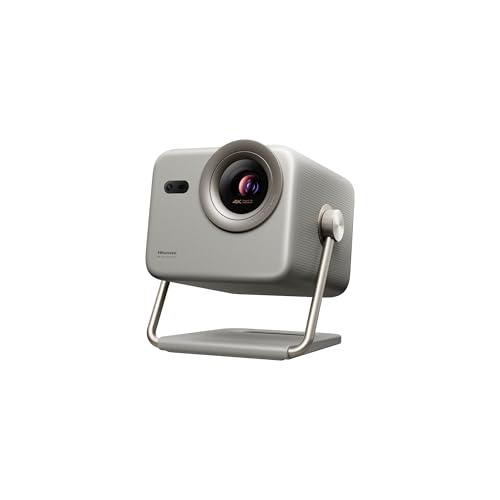
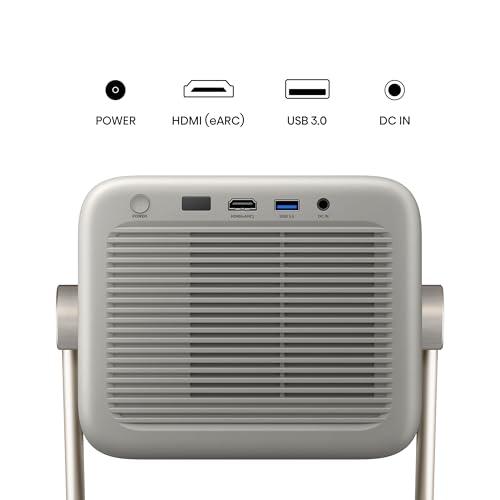
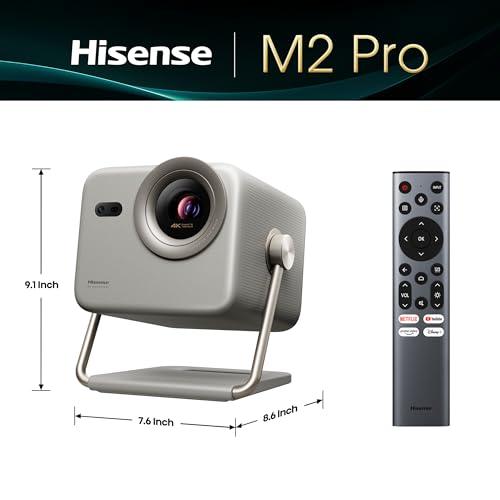
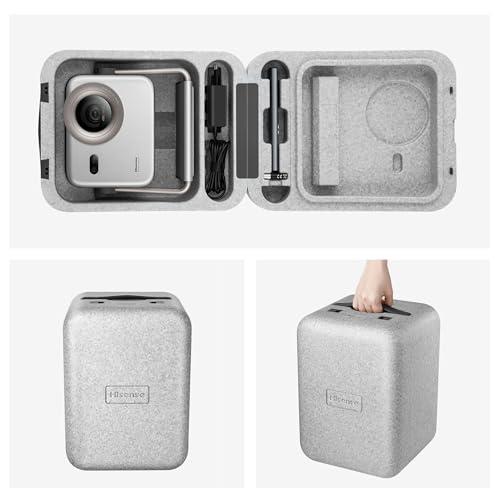
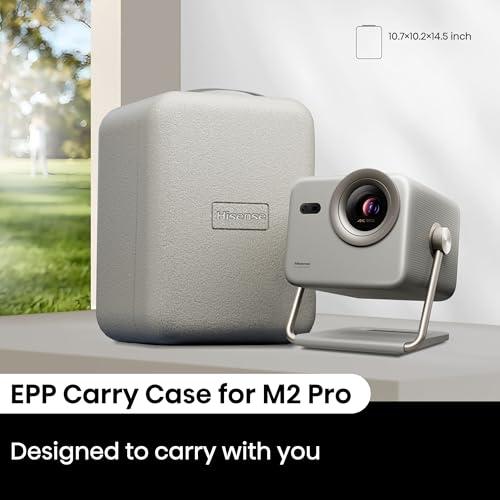
Released in late 2024, the Hisense M2 Pro represents what happens when a major TV manufacturer applies serious engineering to the portable projector problem. At roughly the size of a large toaster and weighing about 8.6 pounds, it's not exactly pocket-sized, but it's remarkably compact for what it delivers.
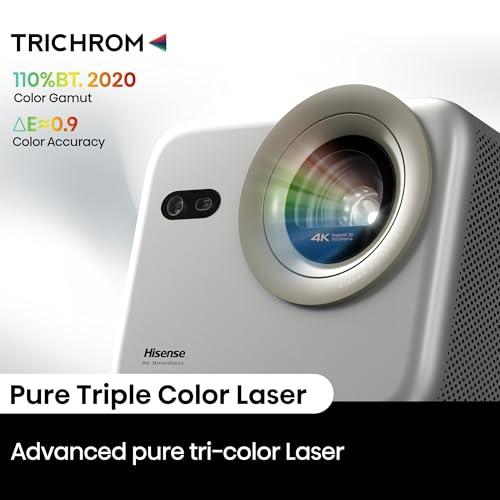
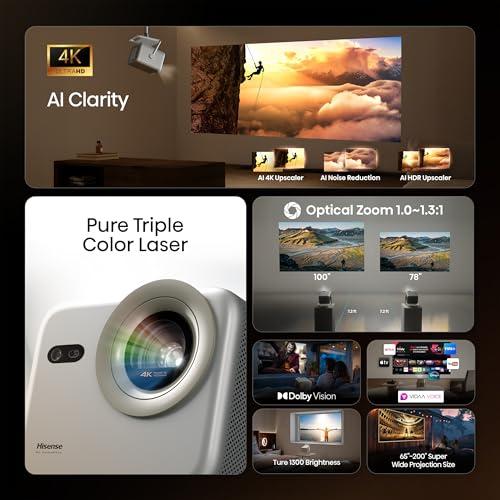
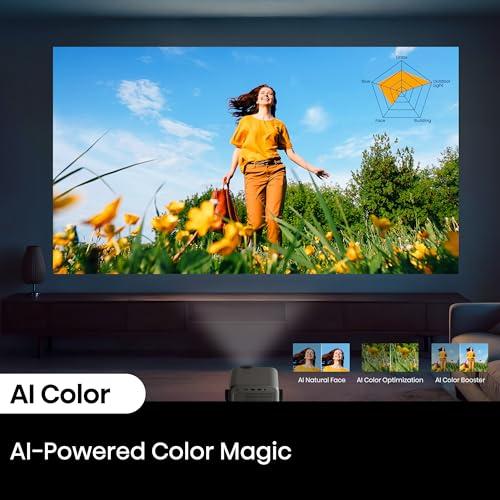
The star of the show is its triple laser light engine. While most projectors use a single white laser or LED array, the M2 Pro uses separate red, green, and blue lasers—28 laser chips total. This isn't just marketing; it fundamentally changes what the projector can do. Each laser chip delivers power equivalent to four LEDs, and because you're mixing pure color sources instead of filtering white light, you get much more accurate colors and better efficiency.
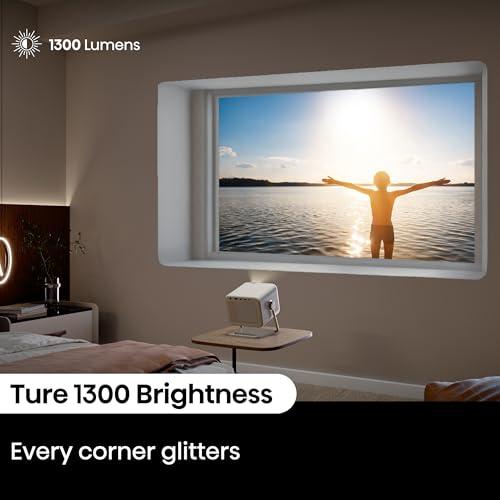
The result is coverage of 110% of the BT.2020 color space. That's tech-speak for "really good colors," but specifically, it means the projector can display a wider range of colors than most TVs, approaching what you'd see in a commercial cinema. Combined with 1300 ANSI lumens of brightness—that's the standardized measurement for projector brightness—the Hisense M2 Pro can produce watchable images even with some ambient light in the room.
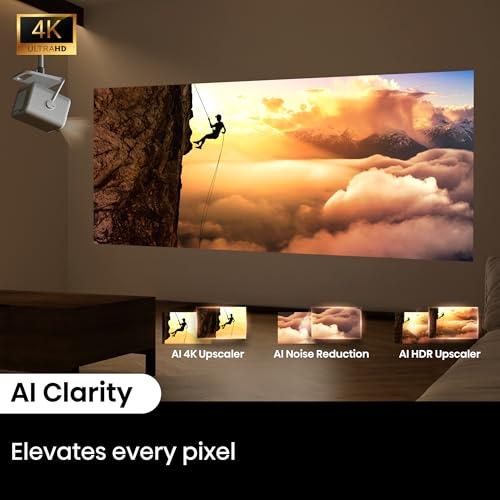
True 4K resolution (3840 x 2160 pixels) means every detail in your 4K Netflix shows or Ultra HD Blu-rays gets displayed properly. The projector also includes AI upscaling, which uses machine learning algorithms to enhance lower-resolution content. When you're watching older 1080p content, the AI tries to intelligently add detail and sharpness to make it look closer to native 4K.
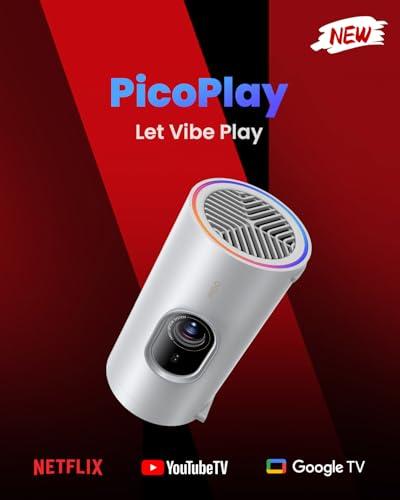
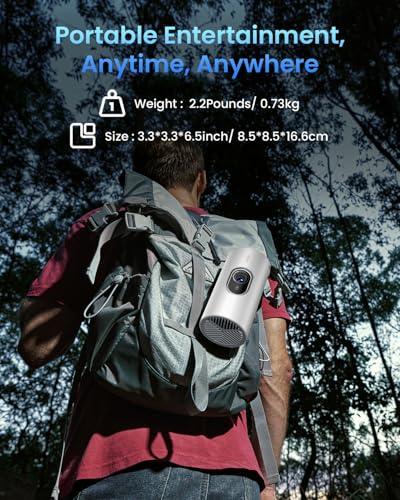
The JMGO PicoPlay, also launched in 2024, takes the opposite approach. At roughly the size and weight of a large travel mug—about 2.2 pounds—it's genuinely portable in a way that few projectors have ever achieved. You could easily pack this for a weekend trip or carry it to a friend's house for movie night.
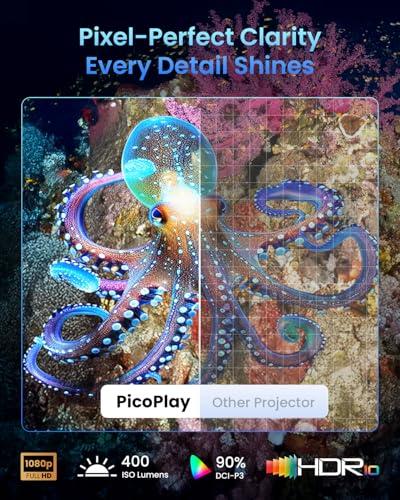
JMGO solved the portability puzzle by embracing LED technology and making smart compromises. The 400 ISO lumens of brightness (ISO lumens are measured slightly differently than ANSI, but roughly equivalent) won't fill a room with light, but it's adequate for dark environments. The 1080p resolution isn't cutting-edge, but on smaller screens—which is where this projector makes sense anyway—the difference from 4K is less noticeable.
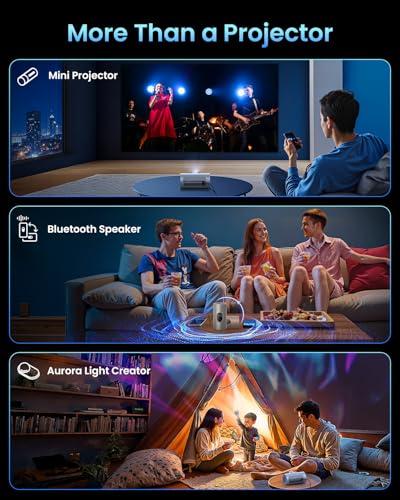
What makes the PicoPlay special is its 3-in-1 design philosophy. Beyond projection, it's also a surprisingly capable Bluetooth speaker with 8 watts of power and Dolby Audio processing. The RGB lighting ring around the lens can create ambient effects that sync with music, turning it into a party centerpiece. This multi-functionality is genuinely useful when you're trying to pack light for travel.
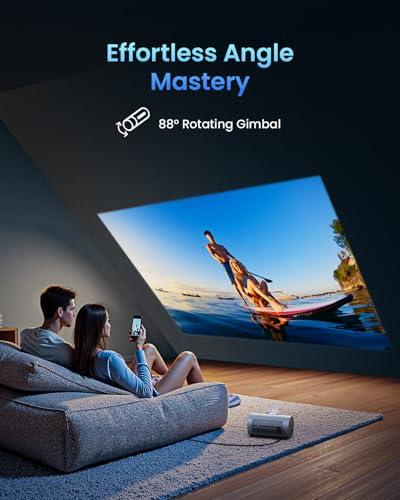
The 88-degree rotating gimbal is another clever touch. Instead of needing a table at exactly the right height and distance, you can place the PicoPlay almost anywhere and tilt the projection angle to hit your desired surface. Want to project on the ceiling while lying in bed? No problem.
Image quality separates serious projectors from toys, and this is where the philosophical differences between these devices become most apparent. The Hisense M2 Pro delivers genuinely impressive images that can serve as a primary display. Colors are vibrant and accurate, blacks are reasonably deep (though not OLED-level), and fine details are crisp.
The triple laser system is the key differentiator. Traditional LED projectors struggle with color accuracy because they start with white light and use color filters, which inherently limits the color gamut. The M2 Pro's approach of mixing pure red, green, and blue laser light means it can produce colors that simply aren't possible with other portable projector technologies.
HDR (High Dynamic Range) support adds another dimension. HDR content includes information about brightness levels that extends beyond what standard video can display, creating more realistic lighting effects. The M2 Pro supports multiple HDR formats including Dolby Vision, which is the premium standard used by Netflix and other streaming services for their best content.
The PicoPlay takes a more pragmatic approach to image quality. The 1080p LED setup produces pleasant, colorful images that look good in dark rooms. While it covers 124% of the Rec.709 color space—which sounds impressive—Rec.709 is a smaller color space than the BT.2020 standard the Hisense covers. Think of it as the difference between a large box of crayons versus a small box; both can create nice pictures, but one has more color options.
For home theater use, the Hisense M2 Pro is clearly superior. It can fill large screens with bright, detailed images and handle the wide range of content you might throw at it. The PicoPlay works well for casual viewing on smaller screens, but asking it to fill a 100-inch screen in your living room would push it beyond its comfort zone.
Brightness is arguably the most important spec for any projector because it determines where and when you can actually use the device. This is measured in lumens, and the difference between the two projectors is substantial.
The M2 Pro's 1300 ANSI lumens puts it in the same range as many fixed-installation home theater projectors from just a few years ago. You can watch in a room with some ambient light—maybe not full daylight streaming through windows, but certainly with some lamps on or during evening hours with curtains drawn. For a portable projector, this level of brightness is remarkable.
The PicoPlay's 400 ISO lumens requires more careful environment control. You'll want the room quite dark for the best experience, which limits when and where you can use it. However, this isn't necessarily a dealbreaker for its intended use cases. Hotel rooms, dorm rooms, or outdoor viewing after sunset all provide the dark environments where it shines.
Based on user reviews we've analyzed, the brightness difference becomes most apparent with screen size. The Hisense can produce a satisfying image at 100+ inches, while the PicoPlay is most comfortable in the 50-80 inch range.
Portability isn't just about weight and size—it's about how easily you can actually move and set up the device. The PicoPlay wins on pure convenience. Its integrated battery means you can use it anywhere without hunting for power outlets. The carry case is small enough to fit in most bags, and setup takes seconds thanks to the rotating gimbal and automatic adjustments.
The M2 Pro requires more consideration. At 8.6 pounds, it's manageable but not trivial to carry around. More importantly, it needs AC power, so your setup locations are limited to places with accessible outlets. However, if you're primarily moving it between rooms in your house or bringing it to locations where power isn't an issue, the size is very reasonable for the performance you get.
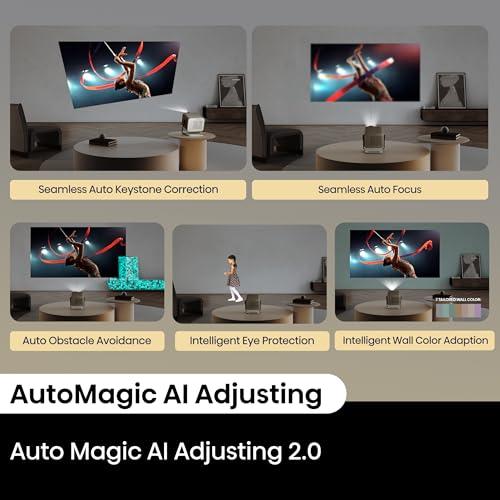
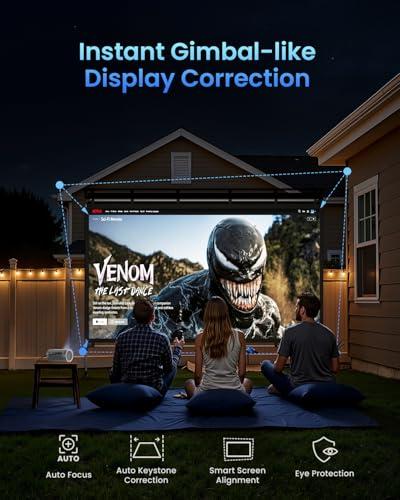
The automatic setup features on both projectors deserve special mention. Modern portable projectors use sensors and software to automatically focus the image and correct for keystone distortion (the trapezoidal shape you get when projecting at an angle). Both devices handle this well, but the M2 Pro adds intelligent wall color adaptation—it can adjust the colors if you're projecting onto a non-white surface, maintaining accuracy even on colored walls.
Both projectors run full smart TV operating systems, but they've chosen different platforms. The PicoPlay uses Google TV, which gives you access to virtually every streaming app through the Google Play Store, plus Google Assistant voice control and Chromecast built-in for easy casting from phones and tablets.
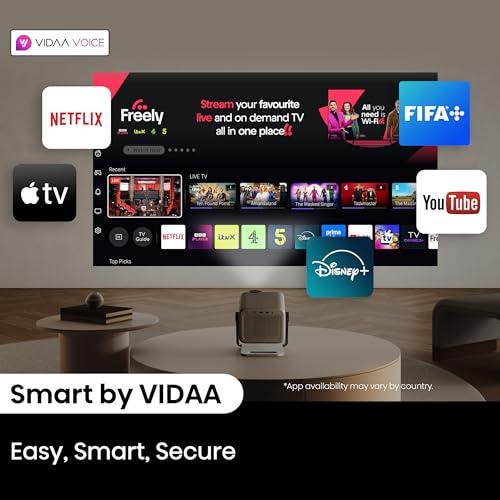
The M2 Pro runs Hisense's VIDAA OS, which includes the major streaming apps but isn't quite as comprehensive as Google TV. However, it adds some unique features like advanced gaming modes with 240Hz refresh rates and 12ms input lag—specs that put it on par with gaming monitors.
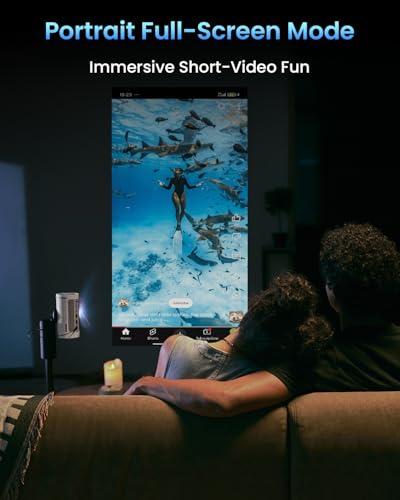
One standout feature of the PicoPlay is its "Vertical Play" mode, optimized for social media content from TikTok, Instagram Reels, and similar platforms. It's a small touch, but it shows JMGO understands how people actually consume content today.
If gaming matters to you, the Hisense M2 Pro is the obvious choice. Its 240Hz refresh rate and 12ms input lag put it in enthusiast gaming monitor territory. You can play competitive games on a 100+ inch screen without feeling disadvantaged by lag or motion blur.
The PicoPlay can display games, but it's not optimized for serious gaming. The higher input lag and standard refresh rates mean it's fine for casual gaming but not ideal for anything competitive.
At the time of writing, these projectors sit at very different price points, reflecting their different target markets. The M2 Pro commands a premium price typical of laser projectors with advanced features, while the PicoPlay is positioned as an accessible entry point into quality portable projection.
The Hisense represents better long-term value if you plan to use it regularly as a primary display. The laser light source is rated for 25,000+ hours, meaning it should last for years of regular use without maintenance. The 4K resolution and advanced features also provide better future-proofing as streaming services and gaming continue to emphasize higher quality content.
The PicoPlay offers different value—convenience and versatility at a much lower entry cost. For someone who wants to try portable projection without a major investment, or who prioritizes ultimate portability over performance, it's compelling.
After analyzing professional reviews and user feedback, here's how I'd recommend thinking about these projectors:
Choose the Hisense M2 Pro if you want a projector that can serve as a primary entertainment display. If you're replacing a TV, want to play games on a big screen, or need something bright enough for varied lighting conditions, the performance justifies the higher cost and reduced portability. It's also the clear choice for dedicated home theater setups where image quality matters most.
Choose the JMGO PicoPlay if portability and versatility are your top priorities. Frequent travelers, students, or anyone who wants projection capability without committing to a major purchase should seriously consider this option. The 3-in-1 functionality (projector, speaker, ambient lighting) adds genuine value for social situations and small spaces.
The truth is, both projectors succeed at what they're designed to do. The Hisense brings professional-grade projection technology to a relatively portable form factor, while the PicoPlay makes quality projection truly accessible and portable. Your choice should align with whether you prioritize performance or convenience—and both are valid priorities depending on your lifestyle and needs.
In my view, the portable projector market has finally matured to the point where you don't have to accept major compromises regardless of which approach appeals to you. That's a win for everyone who wants big-screen entertainment without the permanent installation.
| Hisense M2 Pro 4K Triple Laser Portable Projector | JMGO PicoPlay 1080P Smart Portable Projector |
|---|---|
| Resolution - Determines image sharpness and future-proofing | |
| 4K UHD (3840 x 2160) with AI upscaling | 1080p Full HD (1920 x 1080) |
| Brightness - Critical for room flexibility and screen size | |
| 1300 ANSI lumens (works with some ambient light) | 400 ISO lumens (requires dark rooms) |
| Light Source Technology - Affects color accuracy and lifespan | |
| Triple laser (R+G+B) with 25,000+ hour lifespan | LED with standard lifespan |
| Color Performance - How vibrant and accurate colors appear | |
| 110% BT.2020 color space (cinema-grade accuracy) | 124% Rec.709 color space (good for LED projector) |
| Portability - Weight and power requirements | |
| 8.6 lbs, requires AC power (occasional portability) | 2.2 lbs with integrated battery (true portability) |
| Smart Platform - Built-in streaming and app access | |
| VIDAA OS with major streaming apps | Google TV with full Play Store access |
| Gaming Performance - Input lag and refresh rate for gamers | |
| 240Hz refresh, 12ms input lag (competitive gaming ready) | Standard refresh and lag (casual gaming only) |
| Audio System - Built-in sound quality | |
| 20W stereo speakers with DTS Virtual:X | 8W Bluetooth speaker with Dolby Audio |
| Special Features - Unique capabilities that add value | |
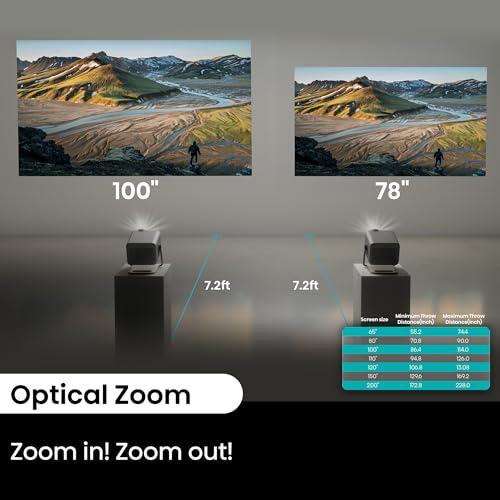
| Optical zoom, wall color adaptation, eye safety | 88° gimbal, vertical play mode, RGB ambient lighting |
| Best Use Cases - Who should choose each projector | |
| Home theater replacement, gaming, mixed lighting | Travel, dorm rooms, outdoor events, casual viewing |
The Hisense M2 Pro 4K Triple Laser Portable Projector is significantly better for home theater use. It delivers true 4K resolution, 1300 ANSI lumens of brightness, and covers 110% of the BT.2020 color space for cinema-quality images. The JMGO PicoPlay 1080P Smart Portable Projector works for casual viewing but lacks the brightness and resolution needed for a dedicated home theater setup.
The main difference is their design philosophy: the Hisense M2 Pro prioritizes premium image quality with 4K resolution and triple laser technology in a moderately portable package, while the JMGO PicoPlay focuses on maximum portability with a travel-mug sized design and battery operation, accepting lower 1080p resolution as a trade-off.
The JMGO PicoPlay 1080P Smart Portable Projector is much more portable, weighing only 2.2 pounds with a compact cylindrical design and integrated battery for 3 hours of video playback. The Hisense M2 Pro weighs 8.6 pounds and requires AC power, making it better suited for moving between rooms rather than frequent travel.
The Hisense M2 Pro 4K Triple Laser Portable Projector works reasonably well in rooms with moderate ambient light thanks to its 1300 ANSI lumens brightness. The JMGO PicoPlay with 400 ISO lumens requires dark room conditions for optimal viewing and struggles with any significant ambient light.
The Hisense M2 Pro is excellent for gaming with its 240Hz refresh rate, 12ms input lag, and 4K resolution support. The JMGO PicoPlay can display games but has higher input lag and standard refresh rates, making it suitable only for casual gaming rather than competitive play.
The JMGO PicoPlay 1080P Smart Portable Projector runs Google TV with access to the full Google Play Store, including Netflix, YouTube, and all major streaming services. The Hisense M2 Pro uses VIDAA OS with built-in support for major platforms like Netflix, YouTube, Disney+, and Amazon Prime Video.
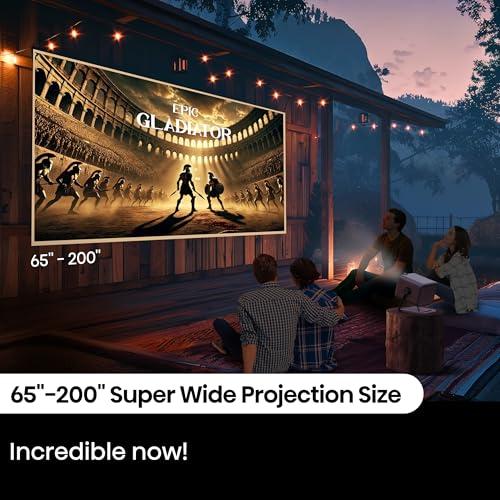
Both projectors can technically project up to 200 inches, but the Hisense M2 Pro 4K Triple Laser Portable Projector maintains good image quality at larger sizes due to its higher brightness and 4K resolution. The JMGO PicoPlay is best suited for 50-80 inch screens in dark environments for optimal viewing experience.
This depends on your needs: the JMGO PicoPlay offers excellent value for casual users wanting portability and multi-function capability at a lower price point. The Hisense M2 Pro provides better long-term value for serious users who prioritize image quality and plan to use it as a primary display replacement.
Yes, both have built-in audio. The Hisense M2 Pro 4K Triple Laser Portable Projector features 20W stereo speakers with DTS Virtual:X for home theater-quality sound. The JMGO PicoPlay 1080P Smart Portable Projector has an 8W speaker that doubles as a Bluetooth speaker for music when not projecting.
Both projectors offer easy setup with auto-focus and keystone correction. The JMGO PicoPlay has a slight edge with its 88° rotating gimbal for flexible positioning and battery operation eliminating cable management. The Hisense M2 Pro adds intelligent wall color adaptation for accurate colors on non-white surfaces.
The Hisense M2 Pro 4K Triple Laser Portable Projector displays native 4K content at full resolution with AI upscaling for lower-resolution sources. The JMGO PicoPlay 1080P Smart Portable Projector can play 4K content but downscales it to 1080p resolution, so you won't see the full detail of 4K sources.
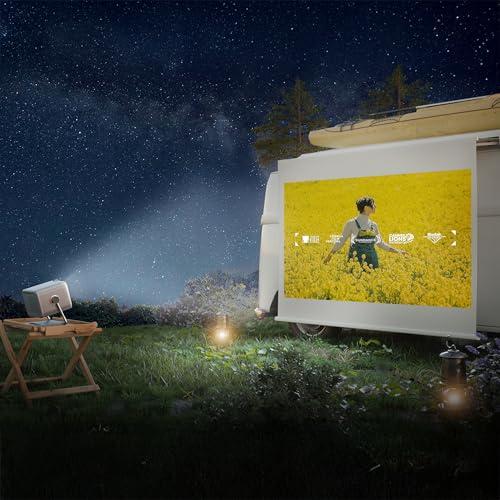
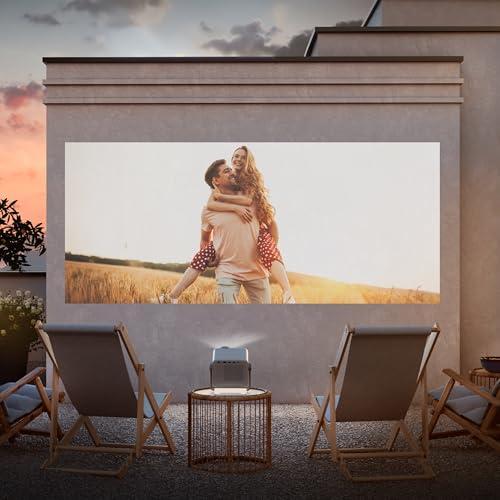
For outdoor use, the JMGO PicoPlay is more practical due to its battery operation, compact size, and easy transport. However, the Hisense M2 Pro will provide a brighter, sharper image if you have access to power and can accommodate its larger size. Both work best outdoors after sunset in darker conditions.
We've done our best to create useful and informative comparisons to help you decide what product to buy. Our research uses advanced automated methods to create this comparison and perfection is not possible - please contact us for corrections or questions. These are the sites we've researched in the creation of this article: thegadgetflow.com - valueelectronics.com - youtube.com - projectorscreenstore.com - whathifi.com - hisense-usa.com - tomsguide.com - content.syndigo.com - youtube.com - shop.hisense-usa.com - avsforum.com - projectorscreen.com - projectorscreen.com - projectorcentral.com - avsforum.com - youtube.com - projector-database.com - techbuzzireland.com - youtube.com - newatlas.com - projectorcentral.com - youtube.com - thegadgetflow.com - youtube.com - global.jmgo.com - youtube.com - bestbuy.com - projector-database.com - notebookcheck.net - eu.jmgo.com

Privacy Policy
Terms and Conditions - Affiliate Policy
Home Security
© Copyright 2008-2026.
11816 Inwood Rd #1211, Dallas, TX 75244