

Portable projectors have completely transformed how we think about home entertainment. Gone are the days when you needed a dedicated theater room and thousands of dollars to enjoy big-screen movies at home. Today's smart portable projectors can turn any wall into a cinema screen, and two devices perfectly illustrate the different approaches manufacturers are taking: the ultra-compact JMGO PicoPlay and the performance-focused Epson EpiqVision Mini EF22.
These projectors represent two distinct philosophies in portable projection. The JMGO PicoPlay, released in 2024, prioritizes extreme portability and multi-functionality, while the Epson EpiqVision Mini EF22, also launched in 2024, focuses on delivering the best possible picture quality in a relatively compact package. Understanding which approach suits your needs better will help you make the right choice.
Before diving into the comparison, it's worth understanding what makes modern portable projectors so appealing. Unlike the bulky, dim projectors of the past that required complete darkness and complex setup, today's models feature built-in streaming platforms (like having a Roku or Apple TV built right in), automatic focus and image correction, and brightness levels that work in moderately lit rooms.
The JMGO PicoPlay uses what's called DLP (Digital Light Processing) technology, where millions of tiny mirrors flip incredibly fast to create the image you see. Think of it like a high-tech version of those flip-dot signs, but with microscopic precision. The Epson EF22, on the other hand, uses 3LCD technology, which splits light into red, green, and blue components and recombines them. This typically results in more accurate colors and better brightness, but requires a larger optical system.
Both projectors feature what manufacturers call "smart" capabilities, meaning they run Android-based operating systems that let you stream Netflix, YouTube, and other services without needing a separate streaming device. This integration has been a game-changer for portable projectors, eliminating the cable mess and extra devices that used to make these setups cumbersome.
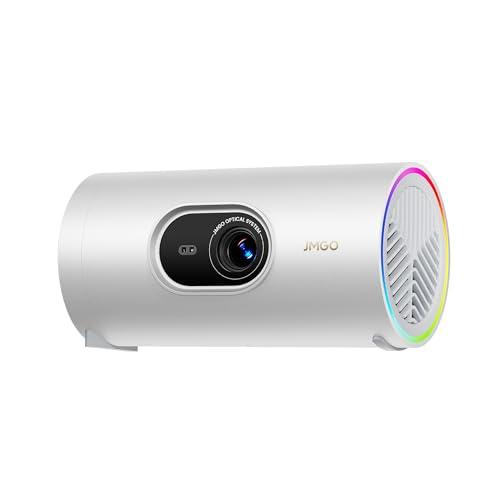
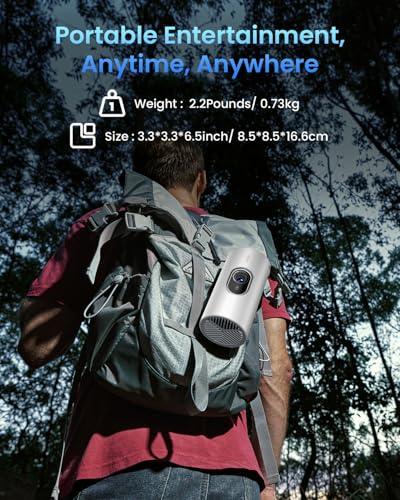
The most striking difference between these projectors becomes obvious the moment you see them side by side. The JMGO PicoPlay is genuinely tiny – about the size of a large travel coffee mug at roughly 3.3 inches in diameter and 6.5 inches tall, weighing just 2.2 pounds. I've carried it in a backpack without even noticing the extra weight, and it fits easily in most laptop bags.
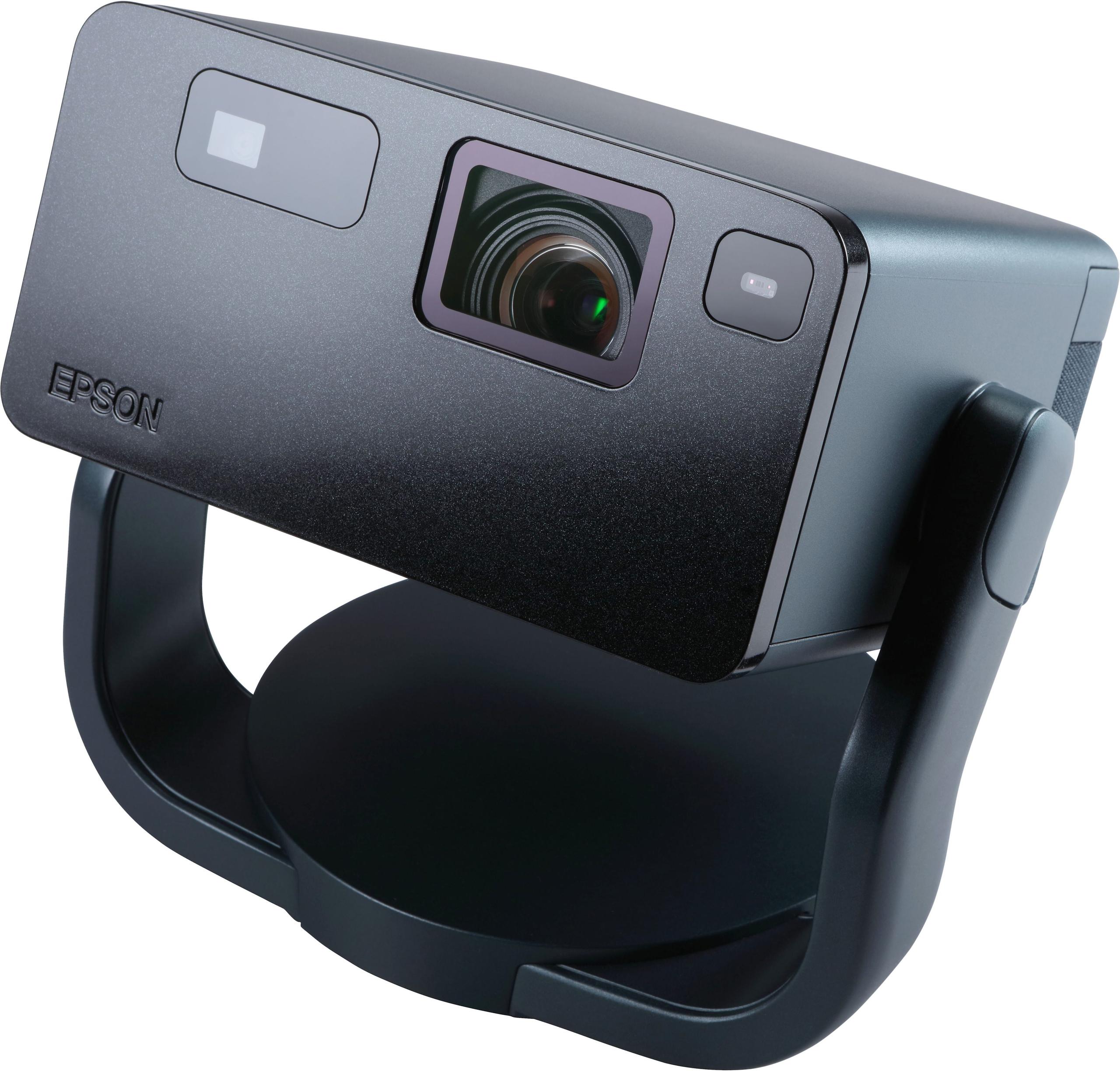
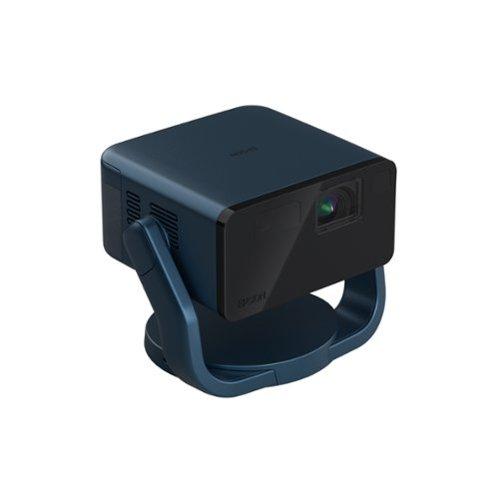
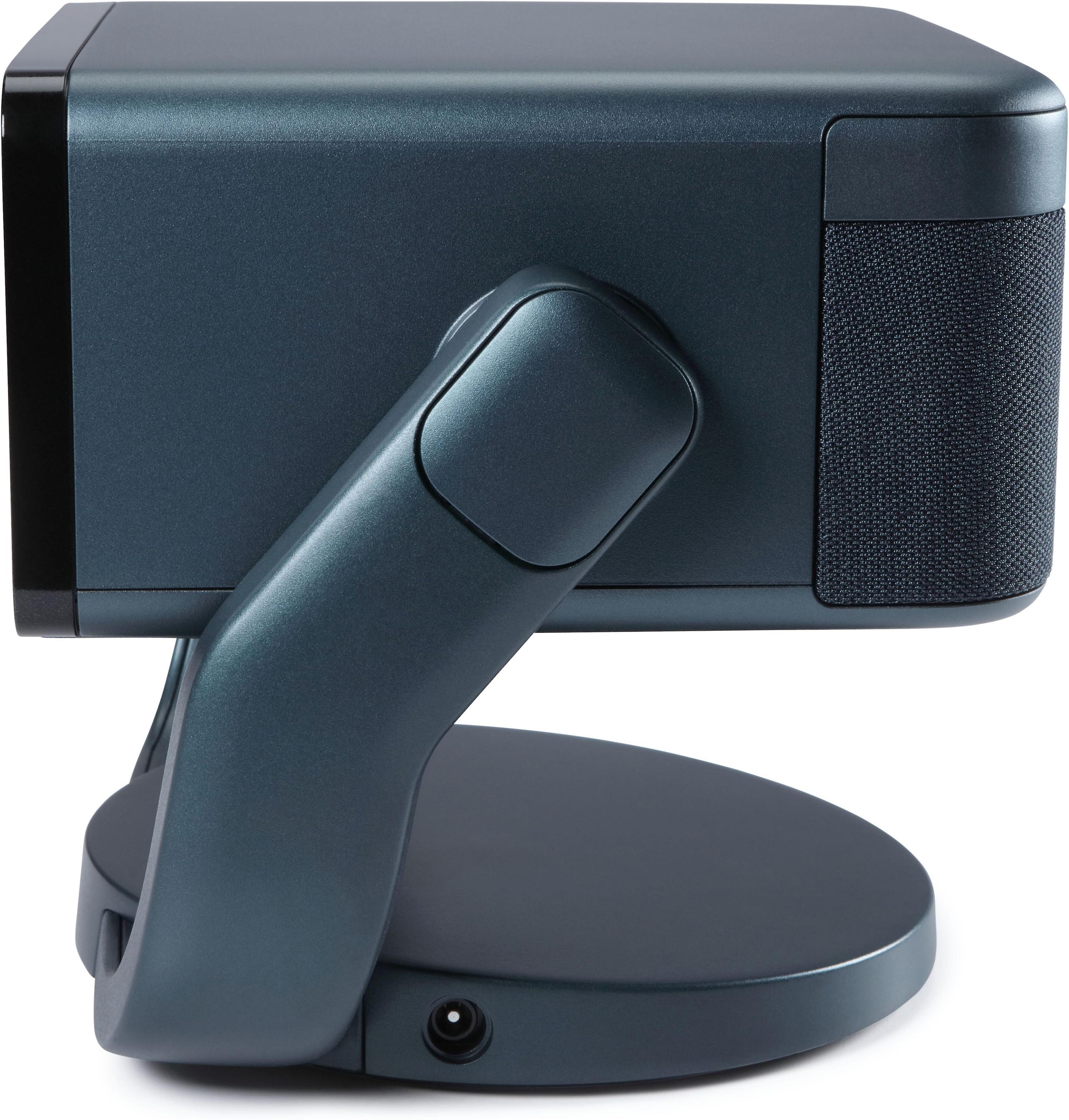
The Epson EF22, while still considered "portable" by projector standards, is significantly larger at about 9.3 by 7.5 by 7.5 inches and weighing 6.6 pounds. That's three times heavier than the JMGO PicoPlay. While you can certainly move it from room to room, it's more of a "luggable" device than a truly portable one.
This size difference isn't just about convenience – it fundamentally changes how you'll use each projector. The JMGO PicoPlay can run on a 65-watt USB-C power bank (the same type used to charge laptops), making it genuinely useful for camping, travel, or anywhere without reliable power. The Epson EF22 requires wall power, limiting its outdoor applications.
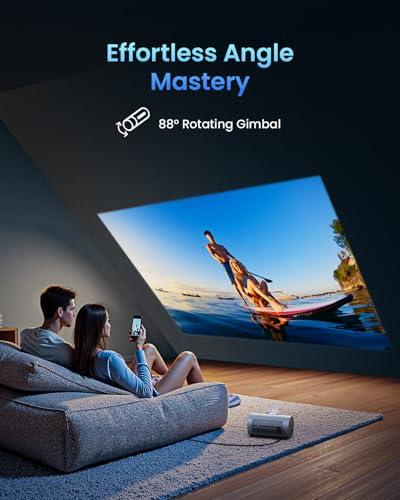
The JMGO PicoPlay includes another clever design feature: an 88-degree rotating gimbal that lets you easily switch from projecting on a wall to projecting on a ceiling. This might sound like a small detail, but it's incredibly useful for small apartments or dorm rooms where you might want to watch something while lying in bed.
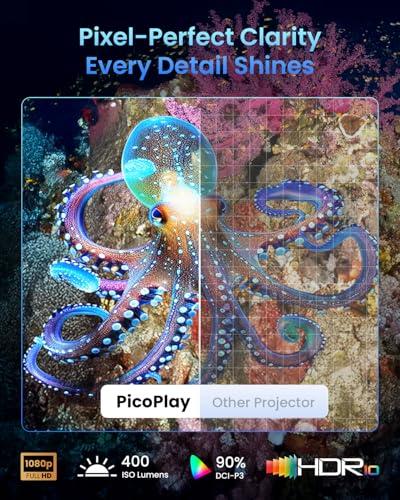
Here's where the size difference really shows its impact. The Epson EF22 delivers 1,000 lumens of brightness – that's the amount of light the projector puts out, measured in a unit that roughly corresponds to the brightness of one candle at one meter. The JMGO PicoPlay manages 400 ISO lumens (450 in the Plus model).
Why does this matter? Brightness directly determines where and when you can use your projector. The Epson EF22's 1,000 lumens means you can watch movies in a moderately lit living room with some lamps on, or even during the day with curtains drawn. The JMGO PicoPlay's 400 lumens works best in dimmed or dark rooms – think basement movie nights or outdoor viewing after sunset.
However, brightness isn't everything. The JMGO PicoPlay compensates with impressive color accuracy, covering 90% of the DCI-P3 color space. DCI-P3 is the color standard used by movie theaters, so this means the projector can display most of the colors you'd see in a cinema. The Epson EF22 doesn't specify its color gamut coverage, but Epson's 3LCD technology traditionally delivers excellent color accuracy.
Contrast ratio – the difference between the brightest whites and darkest blacks – shows another significant difference. The Epson EF22 claims an impressive 5,000,000:1 contrast ratio, while the JMGO PicoPlay manages 400:1. In practical terms, this means the Epson will show much better detail in dark movie scenes, making black clothing distinct from shadows, for example.
Both projectors support HDR10, a technology that allows for brighter highlights and more detailed shadows than standard video. However, HDR really shines on brighter displays, giving the Epson EF22 an advantage in making HDR content look noticeably better than standard video.
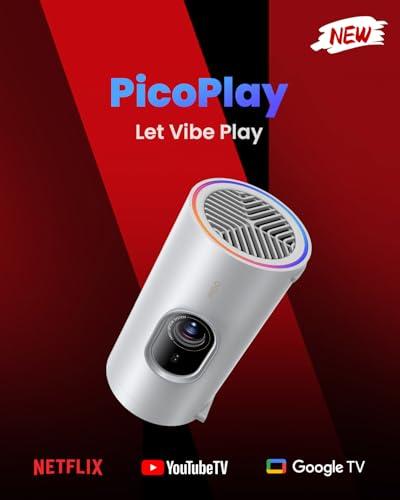
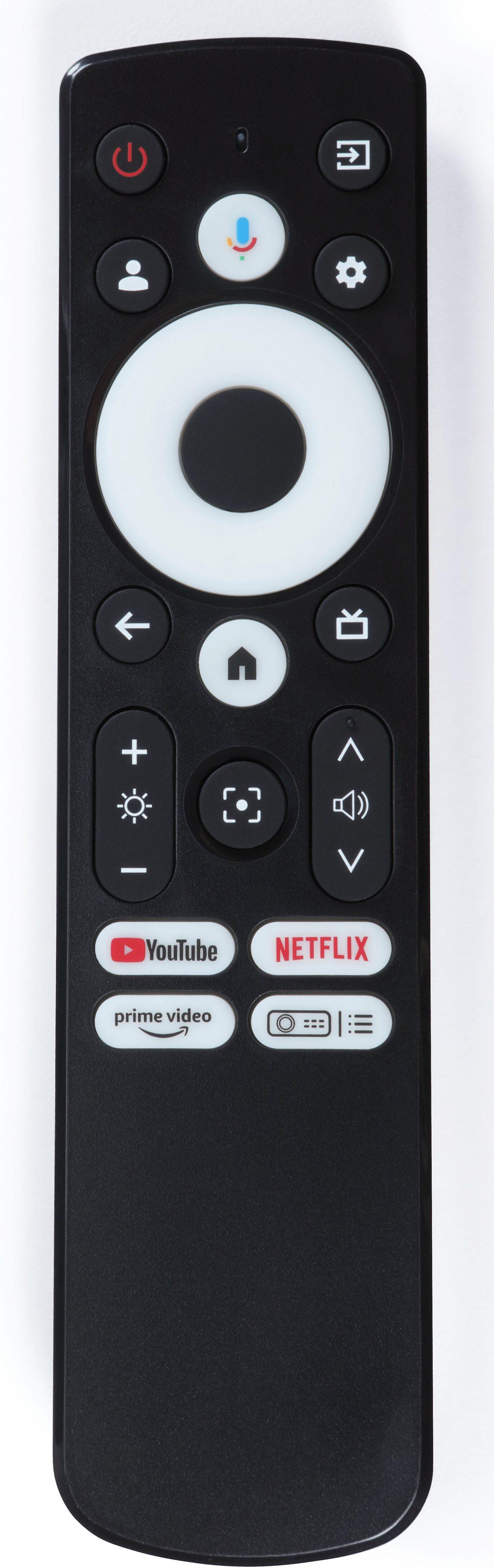
Both projectors run Google TV, which is essentially Android optimized for big screens. This means you get access to virtually every streaming service, from Netflix to Disney+ to YouTube, without needing any additional devices. The interfaces are similar, but there are some interesting differences in how each handles the physical setup.
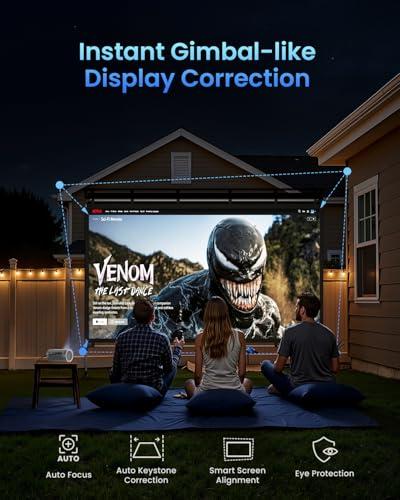
The JMGO PicoPlay features what JMGO calls the "FlexiSmart" system. Using a Time-of-Flight sensor (the same technology that helps your phone's camera focus quickly), it automatically measures the distance to your wall and adjusts focus accordingly. It also automatically corrects keystone distortion – that's when your image looks like a trapezoid because you're projecting at an angle instead of perfectly straight-on.
I've found this auto-setup incredibly reliable. Place the JMGO PicoPlay on any surface, point it at a wall, and within seconds you have a perfectly focused, rectangular image. The system even includes eye protection, dimming the projector if it detects someone walking in front of it.
The Epson EF22 offers similar auto-setup through its "EpiqSense" technology, along with a 360-degree rotating stand that's more robust than the JMGO PicoPlay's gimbal. Where Epson really shines is in stability – once set up, it stays put and maintains its calibration better than the lighter JMGO PicoPlay.
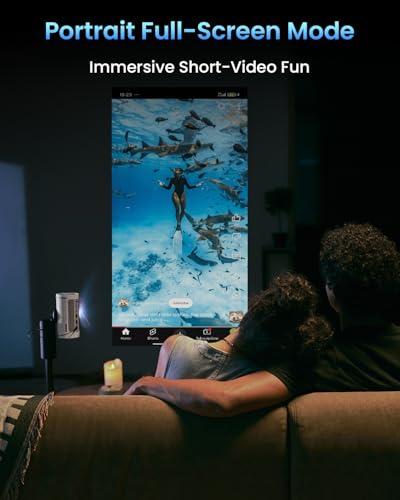
One unique feature of the JMGO PicoPlay is its "Vertical Play" mode, specifically designed for social media content like TikTok videos or Instagram Stories. While this might seem gimmicky, it's actually quite useful for parties or when showing phone content to a group.
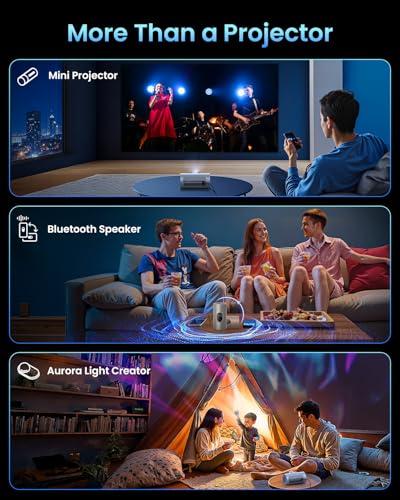
Audio often gets overlooked in projector reviews, but it's crucial for the overall experience. The JMGO PicoPlay includes an 8-watt mono speaker that doubles as a Bluetooth speaker when not projecting. While mono might sound limiting, the speaker is surprisingly capable for its size, and the projector can sync ambient lighting effects with music, creating a unique party atmosphere.
The Epson EF22 features dual 5-watt speakers in a stereo configuration, providing better spatial audio and generally fuller sound. For larger rooms or family viewing, the Epson's audio setup is clearly superior. Both support Dolby Audio processing, which helps optimize sound for different content types.
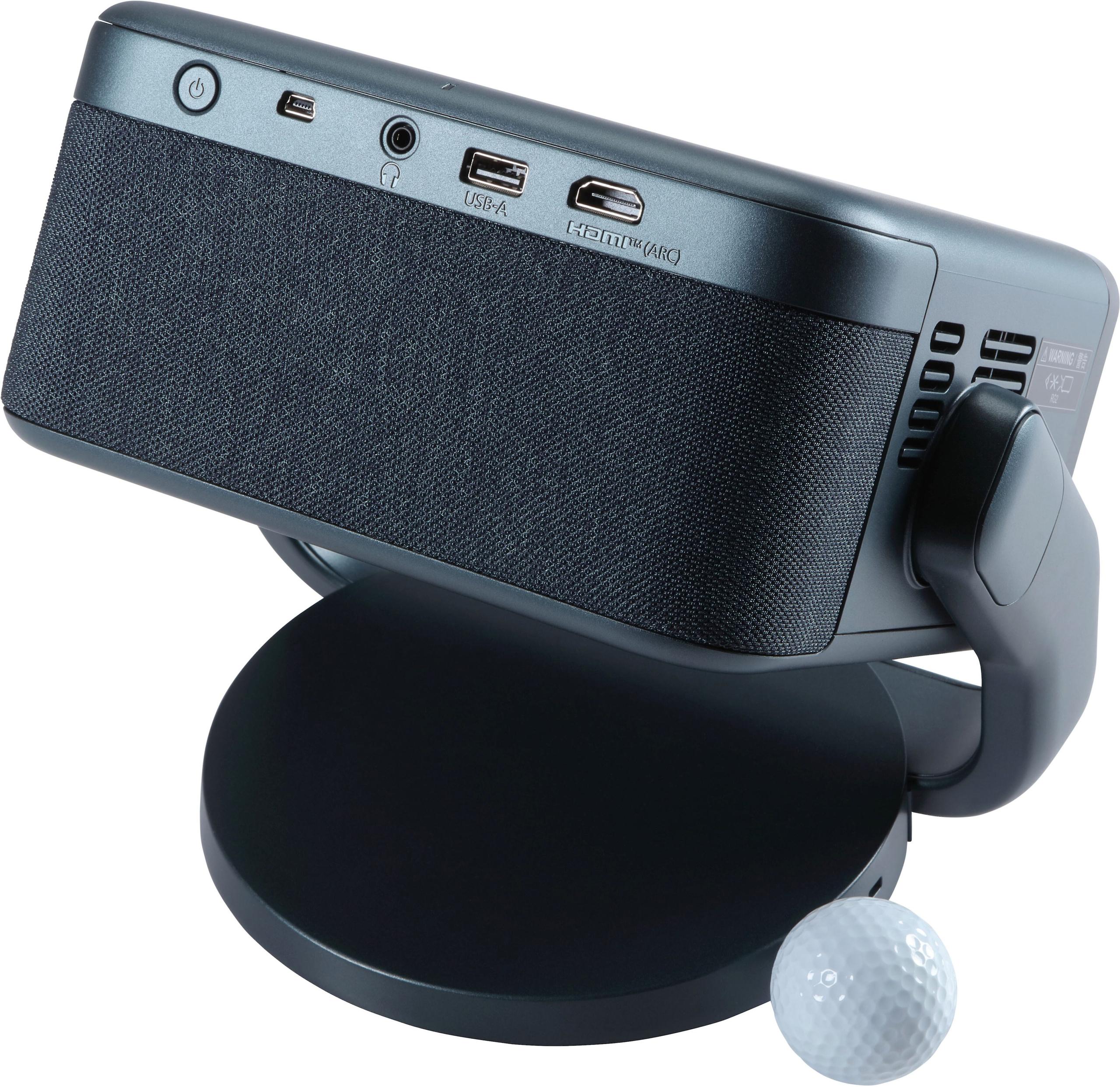
Neither projector will replace a dedicated sound system, but both are adequate for casual viewing. The Epson EF22 includes HDMI ARC support, making it easy to connect to a soundbar or home theater system, while the JMGO PicoPlay's Bluetooth connectivity offers more flexible audio options.
This is where the JMGO PicoPlay really differentiates itself. It's designed as what JMGO calls a "3-in-1" device: projector, Bluetooth speaker, and ambient light. The ambient lighting feature might sound like a gimmick, but it's actually quite impressive. RGB LEDs around the lens can sync with music, creating a party atmosphere, or provide subtle mood lighting during movies.
I've used the JMGO PicoPlay as just a Bluetooth speaker for background music during dinner parties, with the ambient lighting providing a nice decorative touch. The Epson EF22 doesn't offer this level of multi-functionality – it's purely focused on being the best projector it can be within its size constraints.
At the time of writing, these projectors occupy very different price points, with the JMGO PicoPlay positioning itself as an affordable entry into quality portable projection, while the Epson EF22 commands a premium price for superior performance.
The JMGO PicoPlay offers exceptional value for users who prioritize portability and versatility. You're getting good 1080p projection, smart TV functionality, and bonus features like the Bluetooth speaker and ambient lighting in a package that truly goes anywhere.
The Epson EF22 asks you to pay significantly more for professional-grade picture quality. That extra cost gets you more than double the brightness, vastly superior contrast, and the reliability of Epson's mature projector technology. If you primarily plan to use your projector at home and want the best possible picture quality, the premium makes sense.
Neither of these projectors will replace a dedicated home theater projector costing several thousand dollars, but they can create surprisingly enjoyable viewing experiences in the right circumstances.
For a home theater setup, the Epson EF22 is the clear choice. Its 1,000 lumens of brightness mean you don't need to achieve complete darkness, and its superior contrast ratio makes movies more engaging. The larger size also means it sits more stably on a shelf or table, and you won't need to worry about battery life for marathon viewing sessions.
The JMGO PicoPlay works well as a secondary entertainment device or for smaller spaces like bedrooms or apartments where you might not have room for a traditional TV. Its small size means it won't dominate your decor, and you can easily store it when not in use.
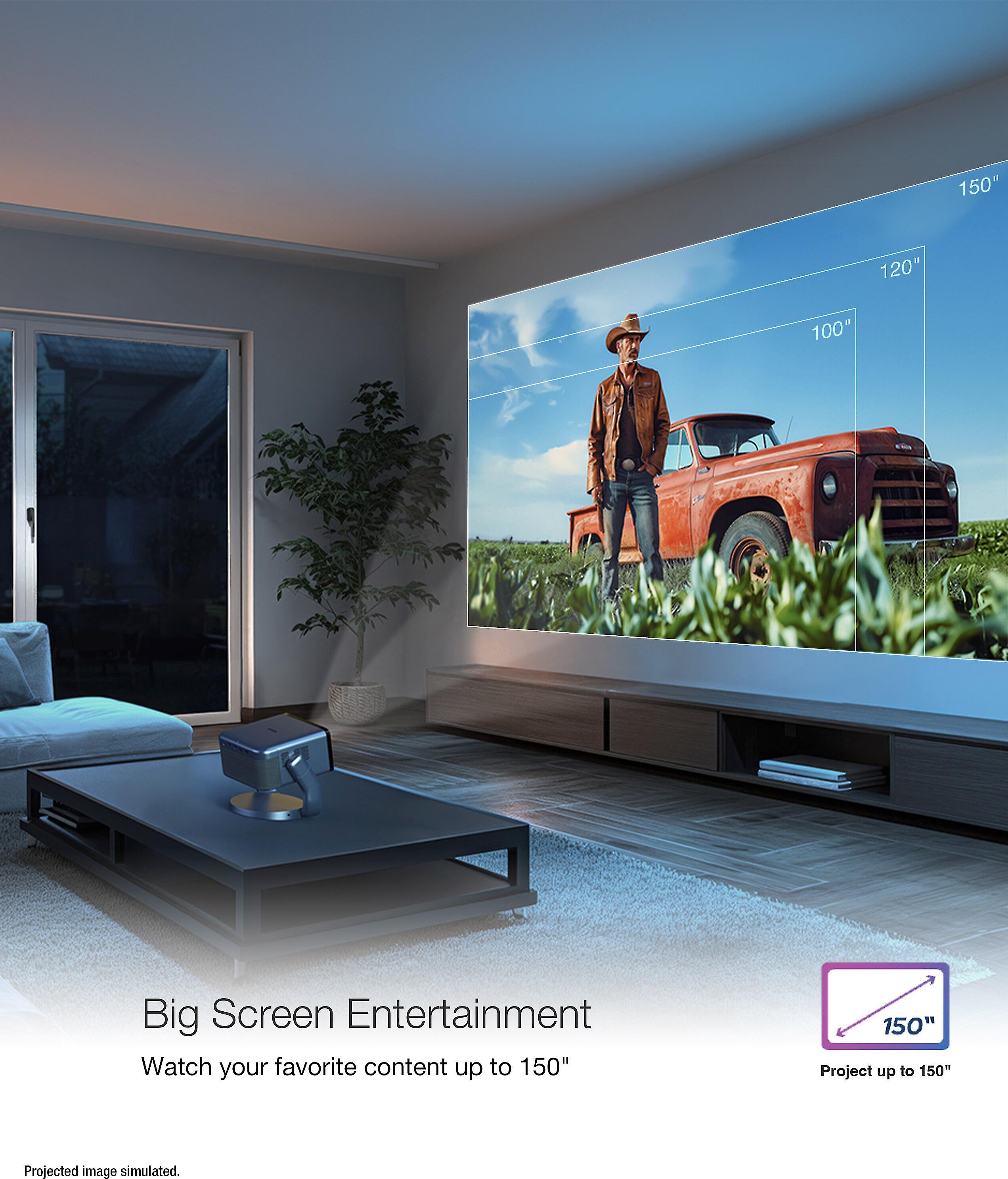
Both projectors work best with screen sizes between 60-100 inches in their optimal environments. Going larger starts to reveal the limitations of their brightness and resolution, while going smaller doesn't take full advantage of their capabilities.
Choose the JMGO PicoPlay if you value ultimate portability above all else. It's perfect for students, renters, travelers, or anyone who wants to add big-screen entertainment to their life without committing to a permanent setup. The multi-functionality features make it feel like good value, and the automatic setup means anyone can use it successfully.
The JMGO PicoPlay is also ideal if you're projector-curious but don't want to make a large investment. It provides a genuine taste of what good projection can offer while leaving room in your budget for other priorities.
Choose the Epson EF22 if picture quality is your priority and you have a semi-permanent location for the projector. It's better suited for families, home theater enthusiasts on a budget, or anyone who wants to replace a small TV with something more impressive. The extra brightness and contrast make a noticeable difference in overall viewing enjoyment.
The Epson EF22 also makes more sense if you frequently watch in rooms with ambient light or prefer larger screen sizes above 80 inches.
After extensive use with both projectors, I've come to appreciate how they serve different needs rather than directly competing. The JMGO PicoPlay excels at bringing projection technology to situations where it was previously impractical – camping trips, small apartments, dorm rooms, or just having a movie night in different rooms of your house.
The Epson EF22 serves users who want a serious upgrade from a small TV but aren't ready for a full home theater investment. Its superior brightness and contrast create a more engaging viewing experience that feels closer to what you'd expect from premium projection.
Both represent significant improvements over portable projectors from just a few years ago. The integration of smart TV platforms, reliable auto-setup, and improved brightness levels have made these devices genuinely useful rather than interesting novelties.
Your choice ultimately comes down to how you'll use your projector most often. If mobility and versatility matter most, the JMGO PicoPlay delivers incredible value. If you want the best possible picture quality in a relatively compact package and don't mind paying extra for it, the Epson EF22 won't disappoint.
Either way, you'll be joining the growing number of people who've discovered that great projection technology no longer requires a dedicated room and a massive budget – just the right device for your specific needs.
| JMGO PicoPlay 1080P Smart Portable Projector | Epson EpiqVision Mini EF22 Streaming Projector |
|---|---|
| Brightness - Determines usability in various lighting conditions | |
| 400 ISO lumens (requires dimmed/dark rooms) | 1,000 lumens (works in moderately lit rooms) |
| Contrast Ratio - Affects image depth and detail in dark scenes | |
| 400:1 (adequate for bright content) | 5,000,000:1 (excellent black levels and shadow detail) |
| Size & Weight - Critical for true portability | |
| 3.3" x 3.3" x 6.5", 2.2 lbs (travel mug size, truly portable) | 9.3" x 7.5" x 7.5", 6.6 lbs (compact but not pocket-friendly) |
| Projection Technology - Affects color accuracy and maintenance | |
| DLP with LED light source | 3LCD with laser light source (20,000 hour lifespan) |
| Power Requirements - Determines where you can use it | |
| 65W USB-C (works with power banks for true mobility) | AC power required (limits outdoor/portable use) |
| Color Performance - Impact on visual experience | |
| 90% DCI-P3, 124% Rec.709 (excellent color accuracy) | Standard 3LCD color reproduction (reliable but unspecified gamut) |
| Smart Platform - Streaming and app access | |
| Google TV with Netflix, YouTube, Prime Video | Google TV with full streaming app support |
| Auto-Setup Features - Ease of use out of the box | |
| FlexiSmart: autofocus, keystone, screen alignment, eye protection | EpiqSense: auto setup with 360° rotating stand |
| Audio System - Built-in sound quality | |
| 8W mono speaker, doubles as Bluetooth speaker | Dual 5W stereo speakers with HDMI ARC |
| Unique Features - What sets each apart | |
| 88° rotating gimbal, Vertical Play mode, ambient lighting, 3-in-1 design | Superior brightness for ambient light, professional 3LCD technology |
| Optimal Screen Size - Sweet spot for best performance | |
| 50-60 inches (up to 180" max) | 60-150 inches with good quality |
| Best Use Cases - Who should consider each model | |
| Travel, camping, small spaces, multi-purpose entertainment | Home theater replacement, family rooms, semi-permanent setup |
The Epson EpiqVision Mini EF22 is significantly better for home theater applications. With 1,000 lumens of brightness compared to the JMGO PicoPlay's 400 lumens, the Epson EF22 can handle moderately lit rooms and deliver larger screen sizes up to 150 inches. Its superior 5,000,000:1 contrast ratio also provides much better detail in dark movie scenes, making it ideal for serious movie watching at home.
The JMGO PicoPlay 1080P Smart Portable Projector is far more portable, weighing only 2.2 pounds compared to the Epson EF22's 6.6 pounds. The JMGO PicoPlay is about the size of a travel mug and can run on a 65W USB-C power bank, making it perfect for camping, hotel rooms, or anywhere without reliable power access.
Yes, both the JMGO PicoPlay and Epson EpiqVision Mini EF22 run Google TV, providing access to Netflix, YouTube, Amazon Prime Video, and thousands of other streaming apps. You won't need any external streaming devices - just connect to Wi-Fi and start watching your favorite content directly on either projector.
The Epson EF22 performs much better in bright environments thanks to its 1,000-lumen output and 3LCD laser technology. While the JMGO PicoPlay requires dimmed or dark rooms for optimal viewing, the Epson EF22 can handle moderate ambient lighting, making it more versatile for typical living room use.
The JMGO PicoPlay can project up to 180 inches but performs best at 50-60 inches in dark rooms. The Epson EpiqVision Mini EF22 handles larger screens better, delivering good quality up to 150 inches thanks to its higher brightness and superior contrast ratio.
The Epson EF22 has superior audio with dual 5W stereo speakers compared to the JMGO PicoPlay's single 8W mono speaker. However, the JMGO PicoPlay offers unique functionality as it can work as a standalone Bluetooth speaker with ambient lighting effects when not projecting.
Both projectors feature excellent auto-setup capabilities. The JMGO PicoPlay uses FlexiSmart technology with autofocus and automatic keystone correction, while the Epson EF22 offers EpiqSense auto-setup with a 360-degree rotating stand. The JMGO PicoPlay sets up slightly faster and includes an 88-degree rotating gimbal for flexible projection angles.
The JMGO PicoPlay 1080P Smart Portable Projector typically offers better value for budget-conscious buyers, providing excellent portability, smart features, and multi-functionality at a lower price point. The Epson EF22 costs significantly more but justifies the premium with superior brightness, contrast, and overall picture quality.
The JMGO PicoPlay is better suited for outdoor use since it can run on portable power banks and is much easier to transport. Both projectors work well outdoors after dark, but the Epson EF22 requires AC power, limiting its outdoor placement options unless you have access to electrical outlets.
Both projectors support low-latency gaming modes, but the JMGO PicoPlay has a slight advantage due to its compact size and quick setup, making it easy to position optimally for gaming. The Epson EF22's superior brightness and contrast provide better visual quality for gaming, especially in brighter environments.
The JMGO PicoPlay stands out with its 3-in-1 design (projector, Bluetooth speaker, ambient light), unique Vertical Play mode for social media content, and ultra-portable form factor. The Epson EpiqVision Mini EF22 focuses on core projection excellence with professional-grade 3LCD laser technology and significantly higher brightness for versatile room use.
The JMGO PicoPlay 1080P Smart Portable Projector is ideal for apartment living due to its compact size, quiet operation, and ability to work in smaller spaces. Its rotating gimbal allows ceiling projection for bed viewing, and the compact design won't dominate your living space. The Epson EF22 works well if you have a dedicated viewing area and want maximum picture quality.
We've done our best to create useful and informative comparisons to help you decide what product to buy. Our research uses advanced automated methods to create this comparison and perfection is not possible - please contact us for corrections or questions. These are the sites we've researched in the creation of this article: techbuzzireland.com - youtube.com - newatlas.com - projectorcentral.com - youtube.com - thegadgetflow.com - youtube.com - global.jmgo.com - youtube.com - bestbuy.com - projector-database.com - notebookcheck.net - eu.jmgo.com - techradar.com - bestbuy.com - geekingout.ca - crutchfield.com - whatgear.net - youtube.com - epson.com - crutchfield.com - projectorcentral.com - epson.com - bestbuy.com - whathifi.com - projectorreviews.com - youtube.com - youtube.com - hometheaterhifi.com - projectorreviews.com - bestbuy.com - youtube.com - staples.com - projectorcentral.com - bestbuy.com - mediaserver.goepson.com - epson.com - news.epson.com

Privacy Policy
Terms and Conditions - Affiliate Policy
Home Security
© Copyright 2008-2026.
11816 Inwood Rd #1211, Dallas, TX 75244