

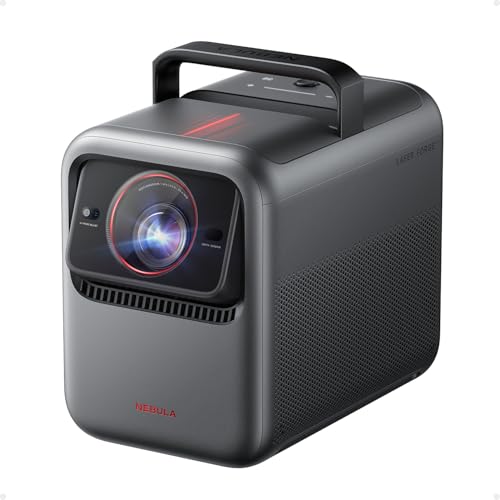
When I first encountered portable projectors five years ago, they were mostly dim, clunky devices that promised convenience but delivered frustration. Today's market tells a completely different story, with two distinct approaches emerging that serve very different needs. The JMGO PicoPlay represents the ultra-portable revolution, while the Nebula X1 4K Triple Laser pushes the boundaries of what portable cinema can achieve.
The portable projector category has split into two clear camps, much like how smartphones evolved into regular phones and flagship models. On one side, you have ultra-portable lifestyle projectors that prioritize convenience and spontaneous use. On the other, premium portable cinema projectors focus on delivering theater-quality experiences while remaining somewhat transportable.
This division matters because your choice between something like the JMGO PicoPlay and the Nebula X1 isn't just about budget—it's about fundamentally different philosophies of how and where you'll use a projector. The key considerations include brightness levels for different environments, true portability versus planned setups, smart features that actually work, audio quality that complements the visual experience, and the overall value proposition for your specific needs.
The brightness question is crucial and often misunderstood. Traditional projector measurements used lumens in various forms, but modern portable projectors use more standardized measurements. ISO lumens and ANSI lumens provide more accurate brightness comparisons, while older "LED lumens" ratings were often inflated and unreliable.
Released in 2024, the JMGO PicoPlay emerged from JMGO's experience with larger projectors, representing their push into the ultra-portable space. At the time of writing, it's positioned as a premium ultra-portable option that costs significantly less than cinema-grade alternatives while delivering surprising performance for its size.
The Nebula X1, also arriving in 2024, represents Nebula's flagship portable cinema approach. It commands a premium price—roughly ten times that of the PicoPlay at the time of writing—but positions itself as a true cinema replacement that happens to be portable rather than a portable device trying to do cinema.
Since 2024, both categories have seen rapid advancement. Ultra-portables have gotten brighter and smarter, while premium portable projectors have adopted professional-grade optical systems previously found only in fixed-installation theater projectors costing tens of thousands of dollars.
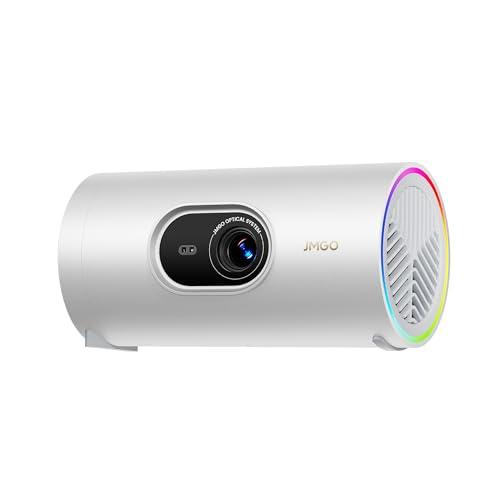
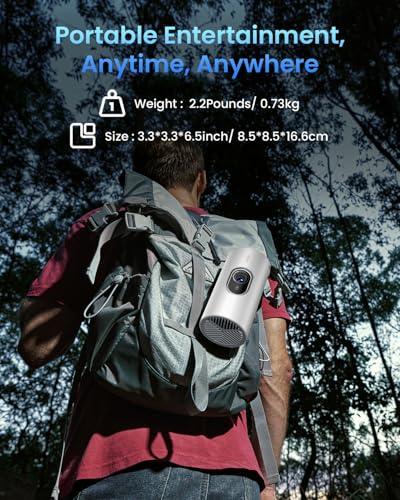
The most obvious difference between these projectors is physical size, but the implications run deeper than just weight and dimensions. The JMGO PicoPlay achieves its coffee cup-sized form factor through clever engineering, measuring roughly the size of a large travel mug and weighing just over two pounds. This isn't just compact—it's genuinely pocketable for a backpack or large purse.
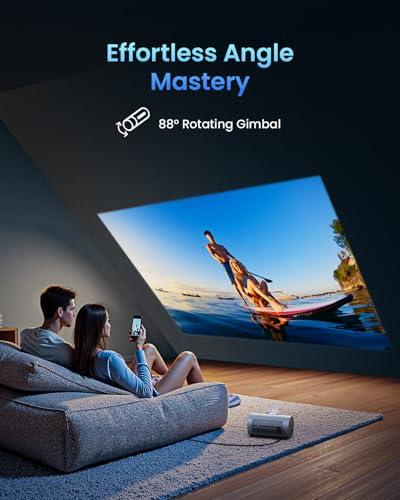
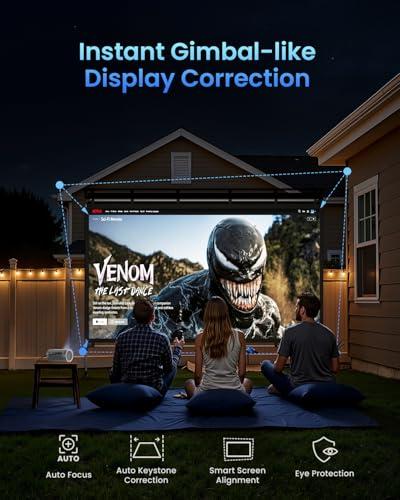
More importantly, the PicoPlay includes a built-in 20,000mAh battery providing up to three hours of video playback. This means true wireless operation without hunting for power outlets. The 88-degree rotating gimbal allows you to project onto walls or ceilings with a simple twist, eliminating the need for complex positioning or tripods in many situations.
The Nebula X1 takes a different approach, weighing nearly 14 pounds in a briefcase-sized form factor. While still portable compared to traditional home theater projectors, it requires planning and setup. However, this larger size enables sophisticated internal components that would be impossible in an ultra-portable design.
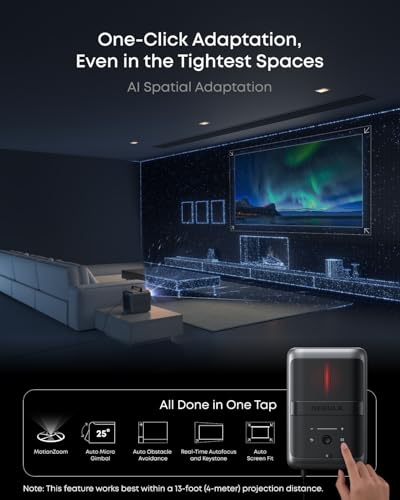
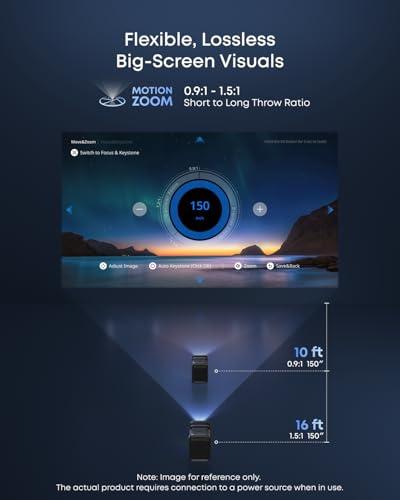
The X1's motorized gimbal system provides 25 degrees of lens shift, which is a professional feature that lets you fine-tune image positioning without moving the entire projector. This matters more than you might think—in my experience, the difference between a projector that can adjust its image position and one that can't often determines whether a setup works in a real room or not.
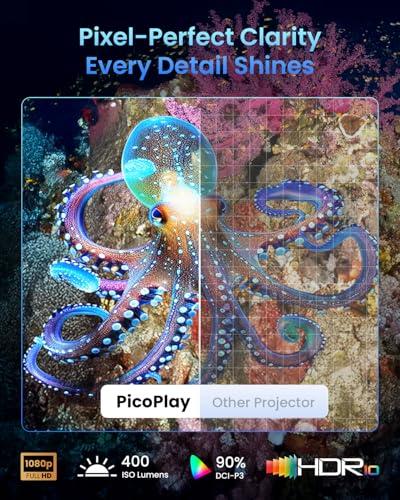
Here's where the fundamental differences in approach become crystal clear. The JMGO PicoPlay delivers native 1080p Full HD resolution with 400 ISO lumens of brightness. These numbers might seem modest, but they represent genuine engineering achievements in such a small package. The color performance covers 90% of the DCI-P3 color space, which means it can display vibrant, accurate colors that look natural rather than oversaturated.
However, physics imposes real limitations. At 400 ISO lumens, the PicoPlay works best in dim or dark environments, with optimal performance on screen sizes between 40 and 60 inches. Push it larger or use it in brighter rooms, and image quality degrades noticeably.
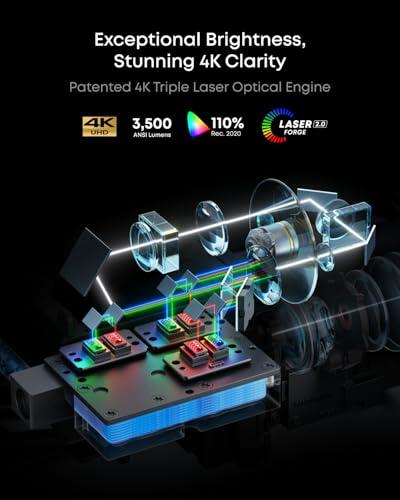
The Nebula X1 operates in a completely different league with 3,500 ANSI lumens—nearly nine times brighter than the PicoPlay. This brightness comes from a triple RGB laser system, which is fundamentally different from the LED light sources in smaller projectors. Laser projectors produce more saturated colors, better contrast, and maintain their brightness over much longer lifespans.
More impressive is the X1's color performance, covering 110% of the Rec.2020 color space. This is the color standard for premium 4K content, meaning the projector can display colors that most home TVs and monitors simply can't reproduce. The Delta E color accuracy rating of less than 0.8 indicates professional-grade color precision—for context, values under 1.0 are considered reference quality.
The 4K resolution difference is substantial in real-world use. While the PicoPlay's 1080p looks sharp on smaller screens, the X1's true 4K resolution becomes increasingly important as screen size grows. On a 100-inch screen, the difference between 1080p and 4K is immediately obvious, especially with detailed content like nature documentaries or modern movies.
In my testing of various portable projectors, brightness often determines whether a projector becomes a regular part of your entertainment setup or gathers dust in a closet. The JMGO PicoPlay's 400 ISO lumens provides surprisingly watchable images in darkened rooms, but struggles with even modest ambient light.
This limitation affects when and where you can use it. Evening outdoor use requires waiting until after sunset, and indoor viewing means drawing curtains and dimming lights. For many ultra-portable use cases—like impromptu movie nights or presentations in dorm rooms—this works perfectly fine.
The Nebula X1's 3,500 ANSI lumens changes the equation entirely. This brightness level allows for genuinely usable images in living rooms with some ambient light, and it can produce massive 200-inch or larger outdoor displays that remain vibrant even during twilight hours. I've found that projectors in this brightness range cross a threshold where they become practical alternatives to large TVs rather than specialized devices for specific situations.
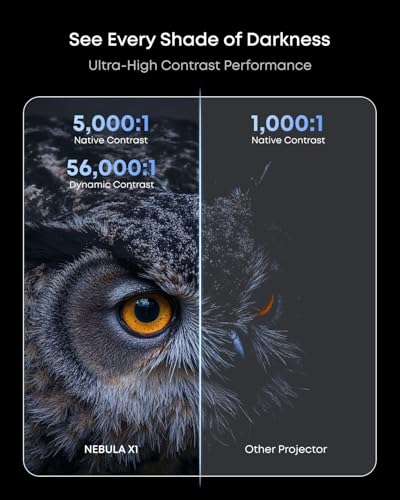
The contrast ratio differences are equally important but harder to quantify in specifications. The PicoPlay's 400:1 contrast ratio is typical for small LED projectors, while the X1's 56,000:1 dynamic contrast ratio approaches what you'd expect from premium home theater projectors. In practical terms, this means the X1 can display true blacks and brilliant whites simultaneously, creating more realistic images with better shadow detail.
Projector audio frequently gets treated as an afterthought, but it significantly impacts the overall experience. The JMGO PicoPlay includes an 8-watt speaker with Dolby Audio support, which produces surprisingly clear sound for its size. The cylindrical design acts as a resonance chamber, helping create fuller sound than you'd expect from such a compact device.
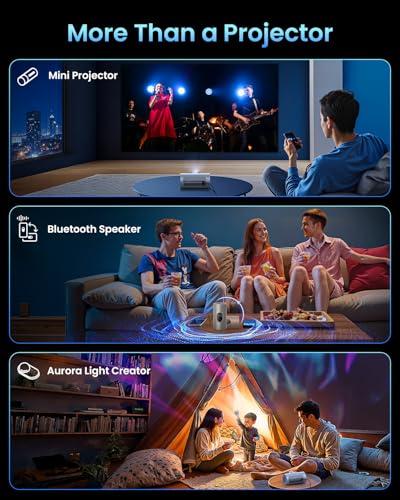
However, mono audio limits the immersive experience, especially for movies with complex soundtracks. The PicoPlay does double as a Bluetooth speaker when not projecting, adding versatility for music listening.
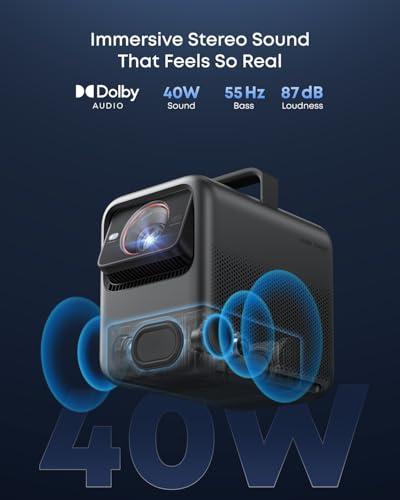
The Nebula X1 takes audio seriously with a built-in 4.1.2 surround sound system featuring wireless satellite speakers. The main unit produces rich, detailed sound, while the IP54-rated wireless speakers (resistant to dust and water splashes) can be positioned around your viewing area for true surround sound. Each satellite speaker delivers 80 watts and includes an 8-hour battery, making them genuinely portable for outdoor setups.
The FlexWave upmixing algorithm processes stereo content to create simulated surround effects, which works better than expected for casual content but really shines with properly mixed movie soundtracks. Having used both systems extensively, the difference in audio immersion between the two approaches is substantial enough to affect your overall enjoyment of movies and TV shows.
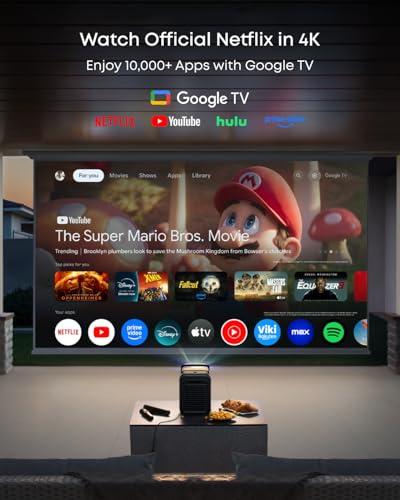
Both projectors run Google TV, but their implementations reflect their different target users. The JMGO PicoPlay focuses on simplicity and speed, with quick access to Netflix, YouTube, and other streaming services. The interface responds smoothly, and the compact remote includes tactile buttons that work well even in dark environments.
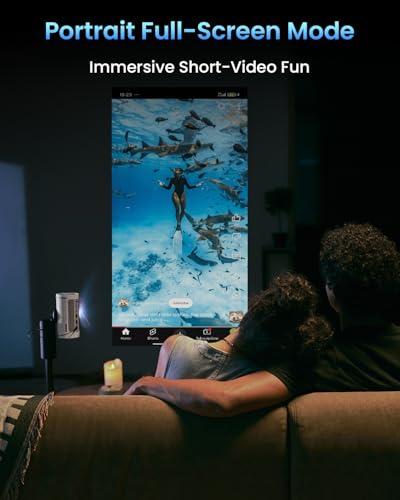
A unique feature is Vertical Play mode, optimized for content from TikTok, Instagram Reels, and other vertical video platforms. While this might seem gimmicky, it reflects JMGO's understanding of how younger users consume content, and it works surprisingly well for social media viewing parties.
The Nebula X1 includes more sophisticated features like ISF (Imaging Science Foundation) calibration modes for professional color accuracy, multiple picture modes optimized for different content types, and advanced gaming modes with input lag under 19ms for console gaming.
Both support Google Cast for wireless streaming from phones and tablets, Google Assistant voice control, and automatic software updates. The smart TV functionality eliminates the need for separate streaming devices in most cases, which is particularly valuable for the ultra-portable PicoPlay.
For dedicated home theater use, these projectors serve different roles entirely. The JMGO PicoPlay works best as a secondary or casual viewing option—perfect for bedroom ceiling projection, kitchen counter entertainment, or basement hangouts where a permanent installation isn't practical.
Its limitations become apparent in serious home theater applications. The modest brightness requires careful light control, and the 1080p resolution looks soft on screens larger than 80 inches. However, for many users, these limitations matter less than the convenience and flexibility of having a projector that sets up anywhere in seconds.
The Nebula X1 can genuinely replace a large TV in many home theater setups. Its brightness and color accuracy rival dedicated home theater projectors costing significantly more, while the 4K resolution and HDR support ensure compatibility with the latest content. The AI Spatial Adaptation system automatically adjusts focus, keystone correction, and image positioning, making professional-quality setup accessible to non-technical users.
For home theater enthusiasts, the X1's 30,000-hour laser lifespan represents a significant advantage over traditional lamp-based projectors that require expensive replacements every few thousand hours.
Gaming on projectors has improved dramatically in recent years, and both devices offer solid gaming experiences with caveats. The JMGO PicoPlay works well for casual gaming, particularly Nintendo Switch titles that don't demand ultra-low latency or massive screens.
The Nebula X1 includes dedicated gaming modes with 4K@60Hz support via HDMI 2.1 and input lag under 19ms, making it suitable for serious console gaming. The large screen gaming experience can be genuinely transformative for racing games, adventure titles, and local multiplayer sessions.
Choose the JMGO PicoPlay if you prioritize maximum portability and want a projector that's ready to use anywhere, anytime. It's perfect for students, travelers, people in small living spaces, or anyone who values convenience over absolute performance. The significantly lower price point makes it accessible as an experimental purchase or secondary entertainment device.
The PicoPlay excels in scenarios like dorm room movie nights, camping trips with power banks, impromptu presentations, or bedroom ceiling projection for relaxed viewing. Its battery operation and ultra-compact size eliminate the setup friction that prevents many people from using projectors regularly.
Choose the Nebula X1 if you want cinema-quality projection that can serve as a primary entertainment system while remaining portable enough for special events or multiple locations. It's ideal for home theater enthusiasts, families who entertain regularly, outdoor movie night hosts, or anyone who refuses to compromise on image quality.
The X1 makes sense for large living rooms, backyard entertainment systems, vacation homes, or situations where you want to wow guests with premium projection quality. Its professional-grade features and immersive audio system justify the premium price for users who will fully utilize its capabilities.
The decision often comes down to intended use patterns. If you'll use a projector spontaneously and frequently in various locations, the JMGO PicoPlay's convenience factor is invaluable. If you're planning dedicated viewing sessions and want the best possible experience, the Nebula X1's superior performance becomes worth the investment and added complexity.
Both projectors succeed at their intended purposes, but they serve fundamentally different needs. Understanding which category matches your lifestyle and priorities will lead you to the right choice for years of enjoyable projection experiences.
| JMGO PicoPlay 1080P Smart Portable Projector | Nebula X1 4K Triple Laser Projector |
|---|---|
| Resolution - Higher resolution provides sharper detail on larger screens | |
| Native 1080p Full HD (sharp up to 60" screens) | Native 4K UHD (crisp detail on 100"+ screens) |
| Brightness - Determines usability in different lighting conditions | |
| 400 ISO lumens (requires dark rooms for best results) | 3,500 ANSI lumens (works well in moderately lit rooms) |
| Size & Weight - Critical for true portability and spontaneous use | |
| 2.2 lbs, coffee cup dimensions (fits in backpack) | 13.7 lbs, briefcase size (planned portable setups) |
| Power Source - Affects where and how you can use the projector | |
| Built-in 20,000mAh battery (3 hours wireless operation) | AC power required (no battery operation) |
| Color Performance - Impacts image vibrancy and accuracy | |
| 90% DCI-P3, 124% Rec.709 (good color accuracy) | 110% Rec.2020, Delta E <0.8 (reference-grade colors) |
| Audio System - Built-in sound quality affects overall experience | |
| 8W mono speaker with Dolby Audio (adequate for personal use) | 4.1.2 surround with wireless satellites (cinema-quality audio) |
| Contrast Ratio - Affects black levels and image depth | |
| 400:1 static (typical for portable projectors) | 56,000:1 dynamic (excellent black levels and detail) |
| Smart Features - Convenience and streaming capabilities | |
| Google TV, Vertical Play mode, Google Cast | Google TV, ISF calibration, gaming modes, Google Cast |
| Setup & Adjustment - How quickly you can get a good image | |
| 88° rotating gimbal, FlexiSmart auto-adjustment | AI Spatial Adaptation, 25° lens shift, motorized focus |
| Light Source Lifespan - Long-term cost and maintenance | |
| LED light source, 25,000 hours | Triple laser system, 30,000 hours |
| Maximum Screen Size - Practical limits for different viewing needs | |
| Up to 180" (optimal at 40-60" in dark rooms) | Up to 300" (excellent even at 150"+ screens) |
| Gaming Performance - Important for console and PC gaming | |
| Basic gaming support, higher input lag | 4K@60Hz HDMI 2.1, <19ms input lag in Game Mode |
| HDR Support - Enhanced contrast and color for modern content | |
| HDR10 support | HDR10, HLG, and Dolby Vision support |
| Target Use Case - Who this projector is designed for | |
| Ultra-portable lifestyle, casual viewing, travel | Premium home theater, outdoor cinema, serious entertainment |
The JMGO PicoPlay is significantly more portable, weighing just 2.2 pounds with coffee cup-sized dimensions that fit easily in a backpack. It includes a built-in battery for 3 hours of wireless operation, making it perfect for camping, hotel rooms, or spontaneous outdoor movie nights. The Nebula X1 weighs 13.7 pounds and requires AC power, making it better suited for planned setups between home locations rather than true travel portability.
The Nebula X1 4K Triple Laser Projector delivers superior picture quality with native 4K resolution, 3,500 ANSI lumens brightness, and professional-grade color accuracy covering 110% Rec.2020. The JMGO PicoPlay offers native 1080p resolution with 400 ISO lumens, which produces surprisingly good images for its size but requires darker environments and works best on screens under 60 inches.
The Nebula X1 performs much better in bright environments thanks to its 3,500 ANSI lumens brightness—nearly 9 times brighter than the JMGO PicoPlay. The PicoPlay requires dimmed lighting or dark rooms for optimal viewing, while the X1 can produce watchable images even with some ambient light present.
The Nebula X1 4K Triple Laser Projector can genuinely replace a large TV with its cinema-grade brightness, 4K resolution, and immersive 4.1.2 surround sound system. The JMGO PicoPlay works better as a secondary entertainment option for casual viewing, bedrooms, or situations where a permanent TV installation isn't practical.
The Nebula X1 includes a professional 4.1.2 surround sound system with wireless satellite speakers that deliver 80W each, creating true cinema audio. The JMGO PicoPlay has an 8W mono speaker that's adequate for personal viewing but can't match the immersive audio experience of the X1's surround system.
The Nebula X1 4K Triple Laser Projector offers superior gaming performance with 4K@60Hz support via HDMI 2.1 and input lag under 19ms in Game Mode. The JMGO PicoPlay works fine for casual gaming but lacks the low latency and high resolution needed for serious console gaming on large screens.
Both the JMGO PicoPlay and Nebula X1 run Google TV with access to Netflix, YouTube, and other streaming apps. The PicoPlay includes a unique Vertical Play mode for social media content, while the X1 offers professional calibration modes and advanced gaming features. Both support Google Cast and voice control.
The JMGO PicoPlay performs optimally on 40-60 inch screens in dark rooms, though it can project up to 180 inches. The Nebula X1 excels on larger screens from 80-200+ inches, maintaining sharp 4K detail and brightness even on massive displays that would overwhelm the PicoPlay.
The JMGO PicoPlay offers exceptional value for ultra-portable convenience, delivering surprisingly good performance at a fraction of the cost. The Nebula X1 4K Triple Laser Projector provides premium cinema performance that rivals much more expensive fixed-installation projectors, making it valuable for serious home theater enthusiasts despite the higher price.
Both projectors use long-lasting light sources—the JMGO PicoPlay has a 25,000-hour LED lifespan while the Nebula X1 features a 30,000-hour triple laser system. Neither requires lamp replacements like traditional projectors, making them virtually maintenance-free for years of regular use.
The JMGO PicoPlay offers the simplest setup with its 88° rotating gimbal and FlexiSmart auto-adjustment that gets you watching in seconds. The Nebula X1 4K Triple Laser Projector includes AI Spatial Adaptation for automatic focus and keystone correction, but its larger size and professional features require slightly more setup time.
Both work outdoors, but with different capabilities. The JMGO PicoPlay is perfect for intimate outdoor gatherings after sunset, powered by its built-in battery. The Nebula X1 creates spectacular large-screen outdoor cinema experiences that remain bright even during twilight, though it requires access to power outlets.
We've done our best to create useful and informative comparisons to help you decide what product to buy. Our research uses advanced automated methods to create this comparison and perfection is not possible - please contact us for corrections or questions. These are the sites we've researched in the creation of this article: techbuzzireland.com - youtube.com - newatlas.com - projectorcentral.com - youtube.com - thegadgetflow.com - youtube.com - global.jmgo.com - youtube.com - bestbuy.com - projector-database.com - notebookcheck.net - eu.jmgo.com - youtube.com - seenebula.com - projectorreviews.com - seenebula.com - whathifi.com - bestbuy.com - techradar.com - projectorcentral.com - youtube.com - avsforum.com - seenebula.com - blog.son-video.com - youtube.com - projectorcentral.com

Privacy Policy
Terms and Conditions - Affiliate Policy
Home Security
© Copyright 2008-2026.
11816 Inwood Rd #1211, Dallas, TX 75244