

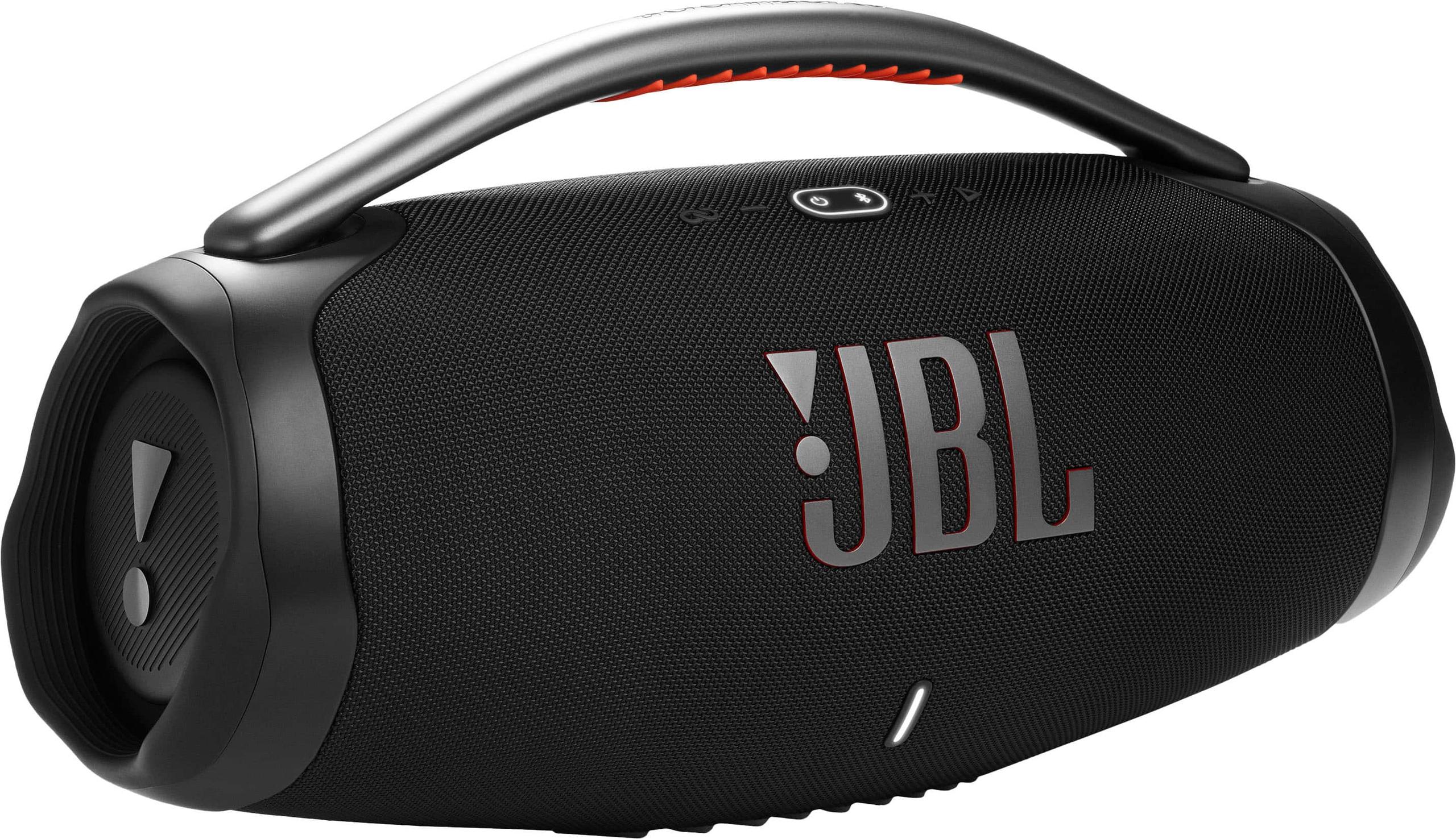
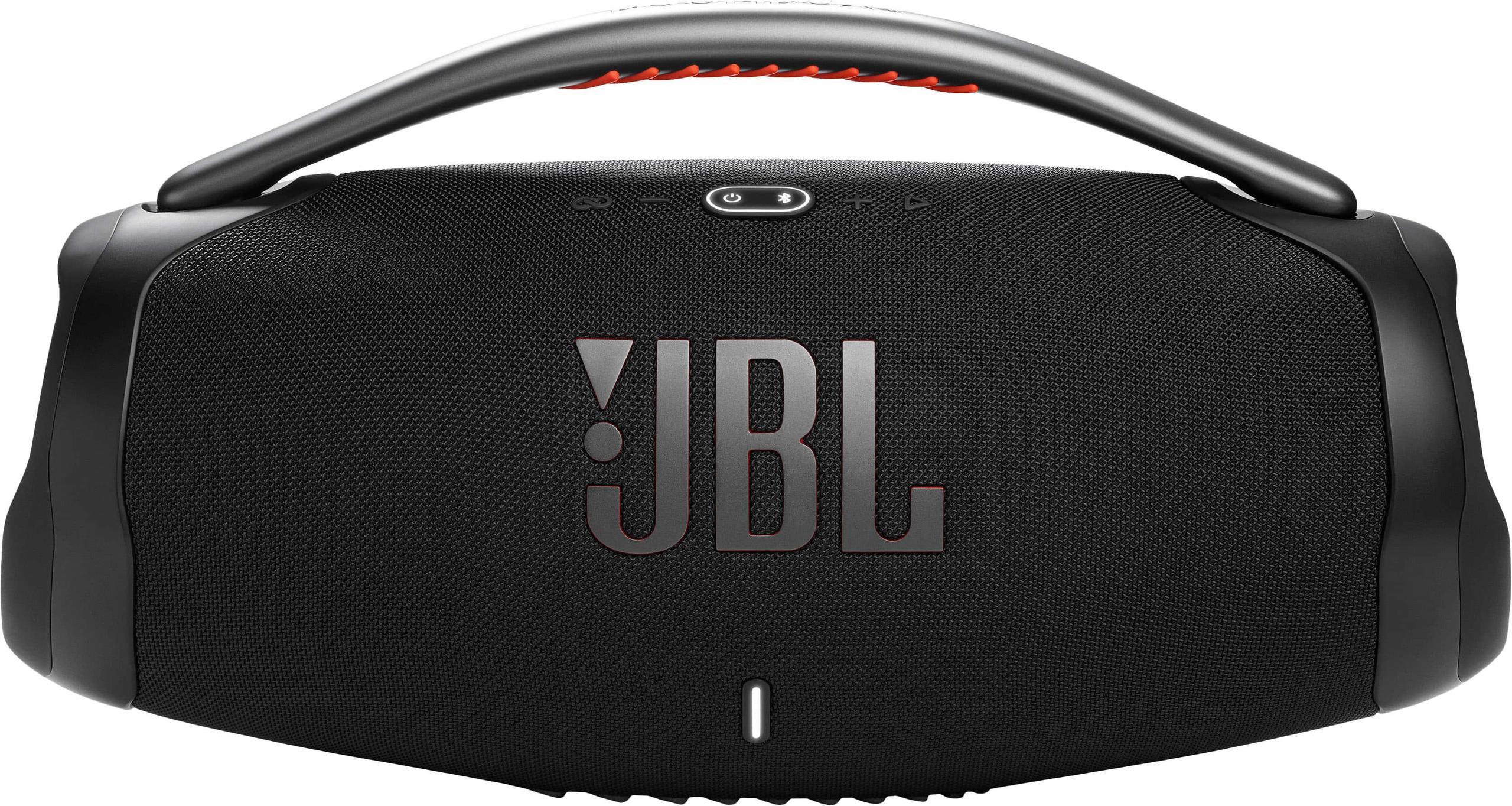
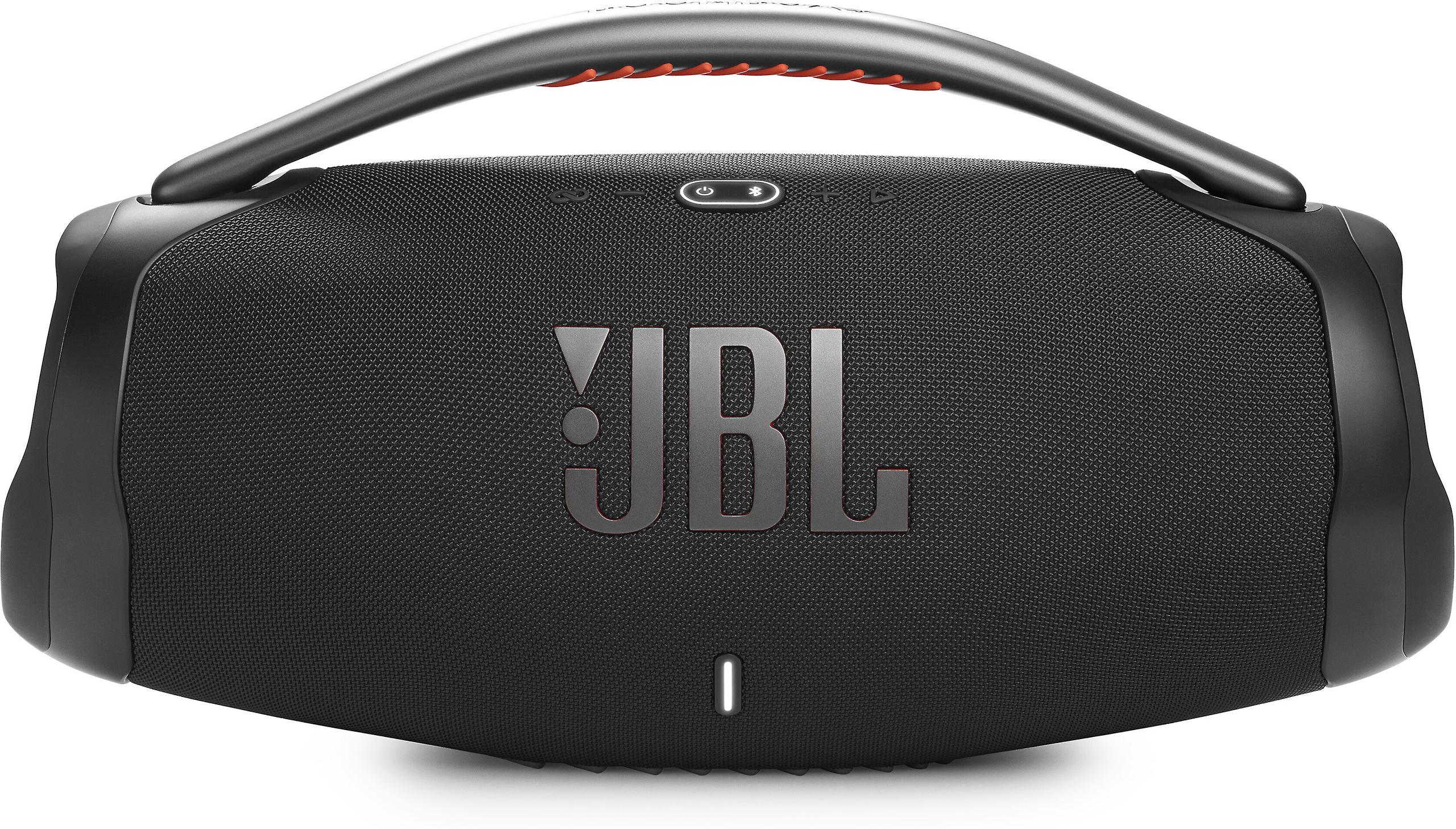
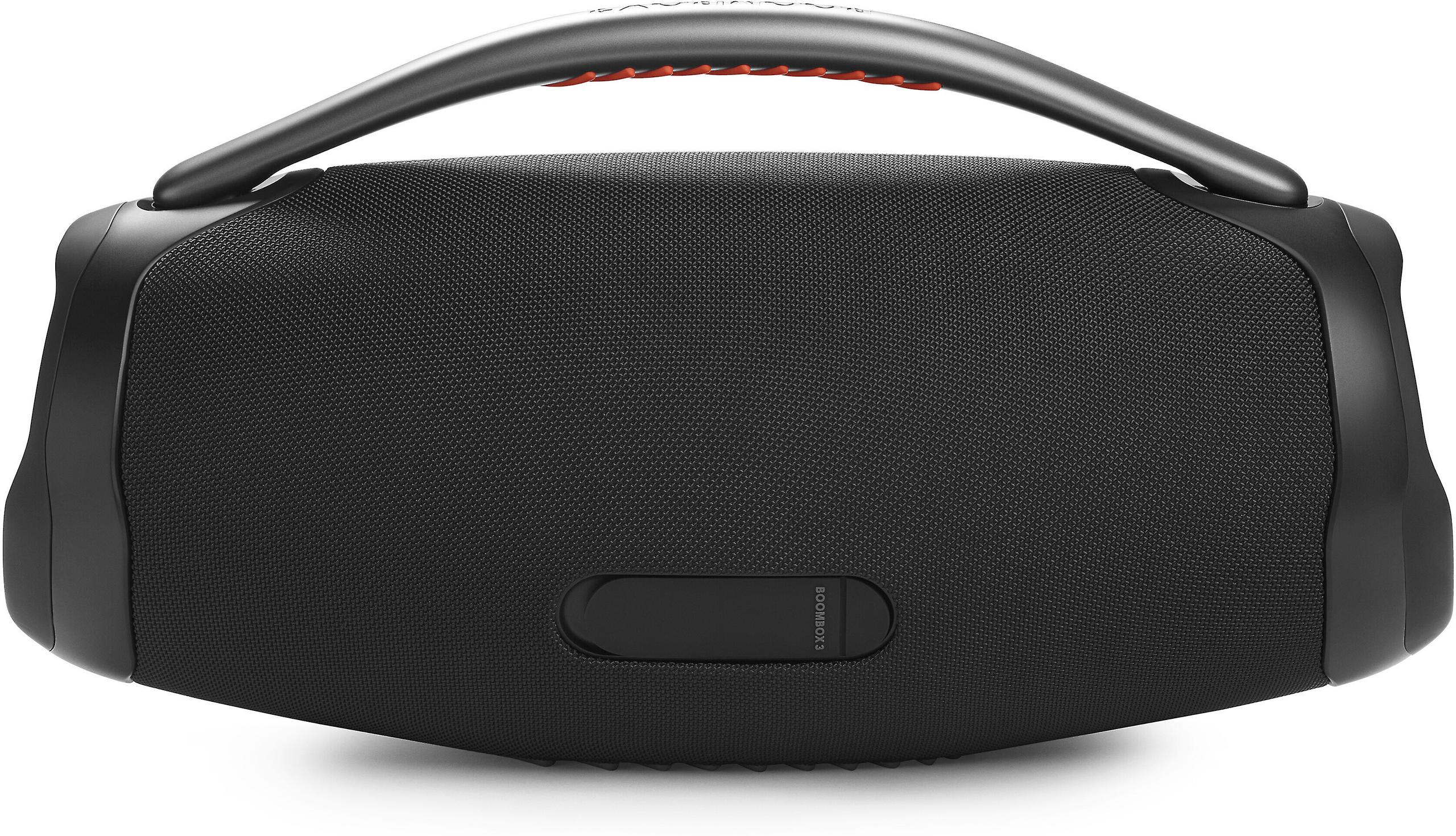
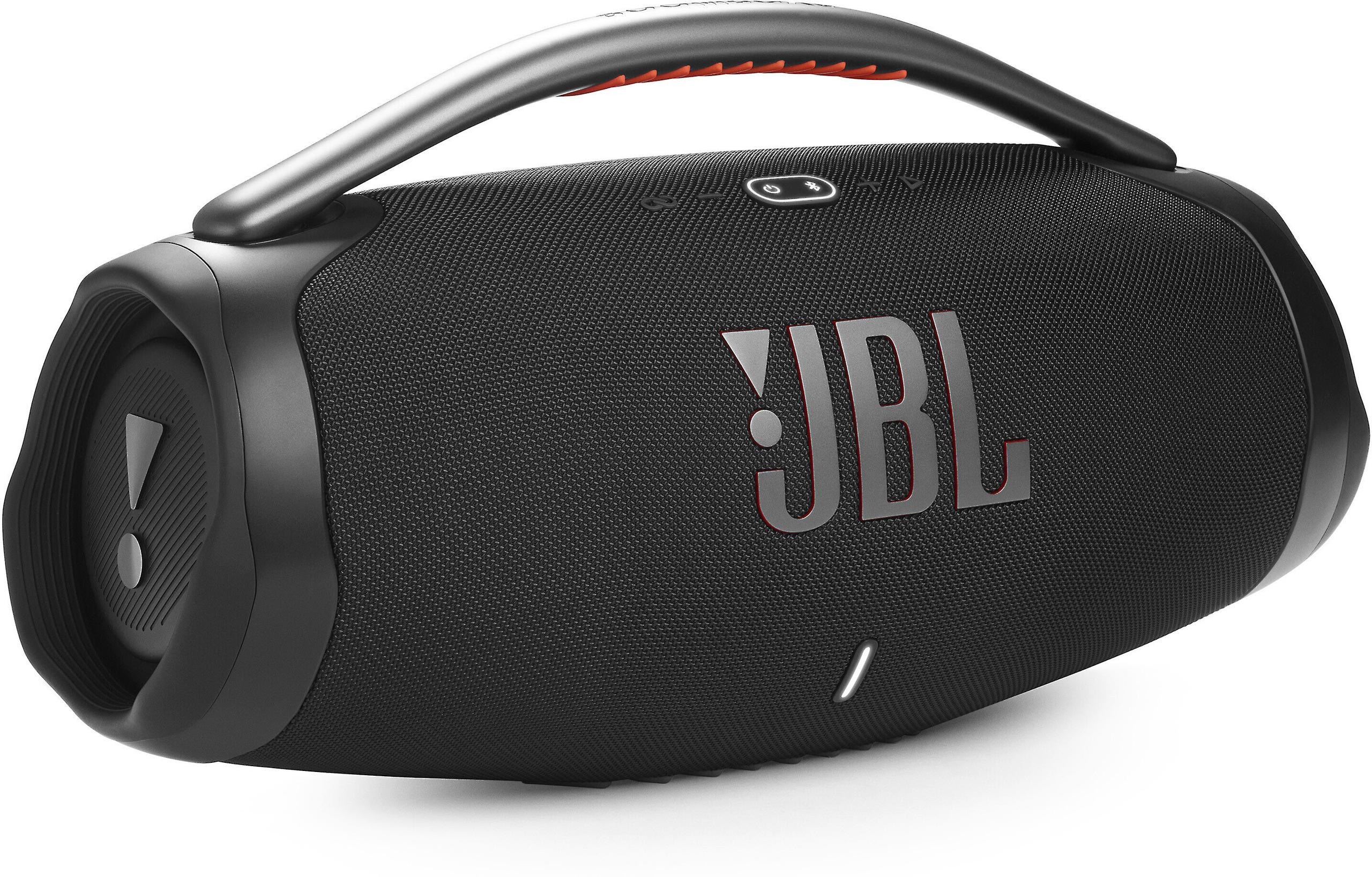
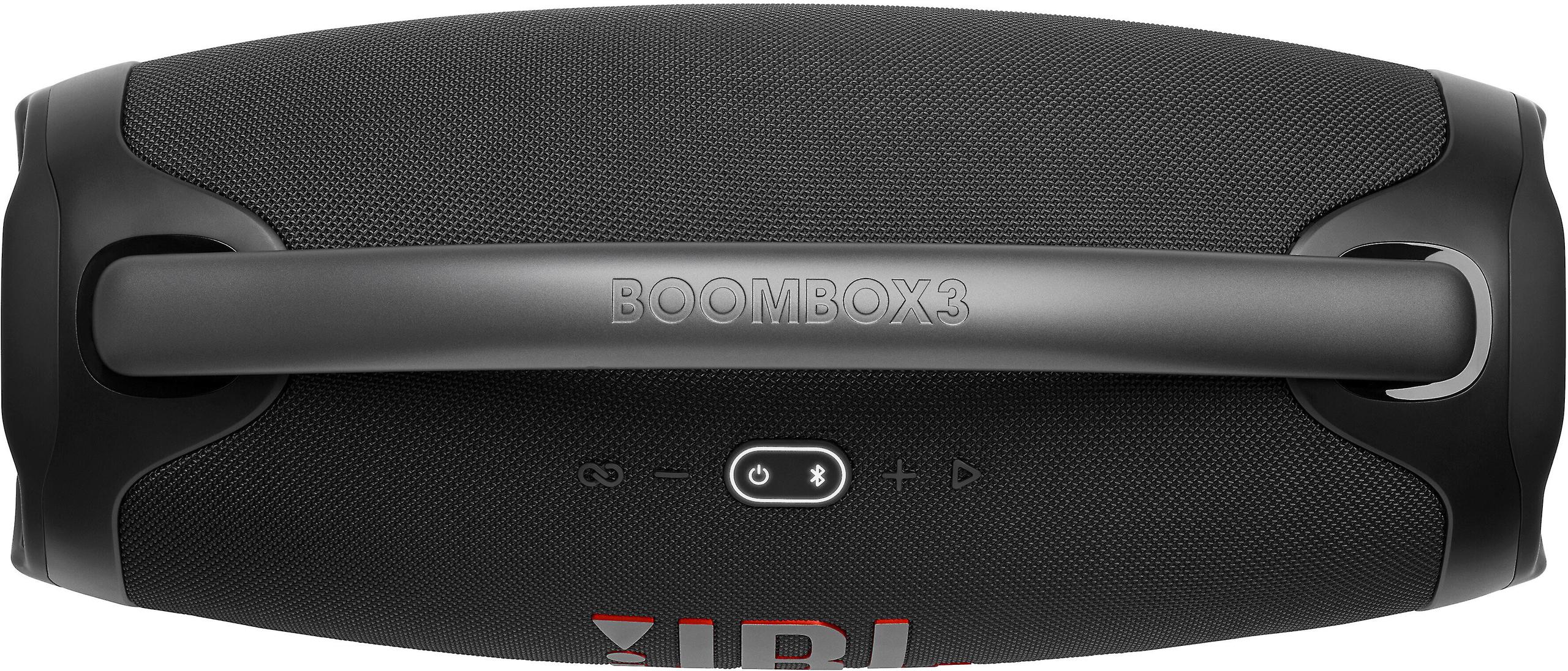
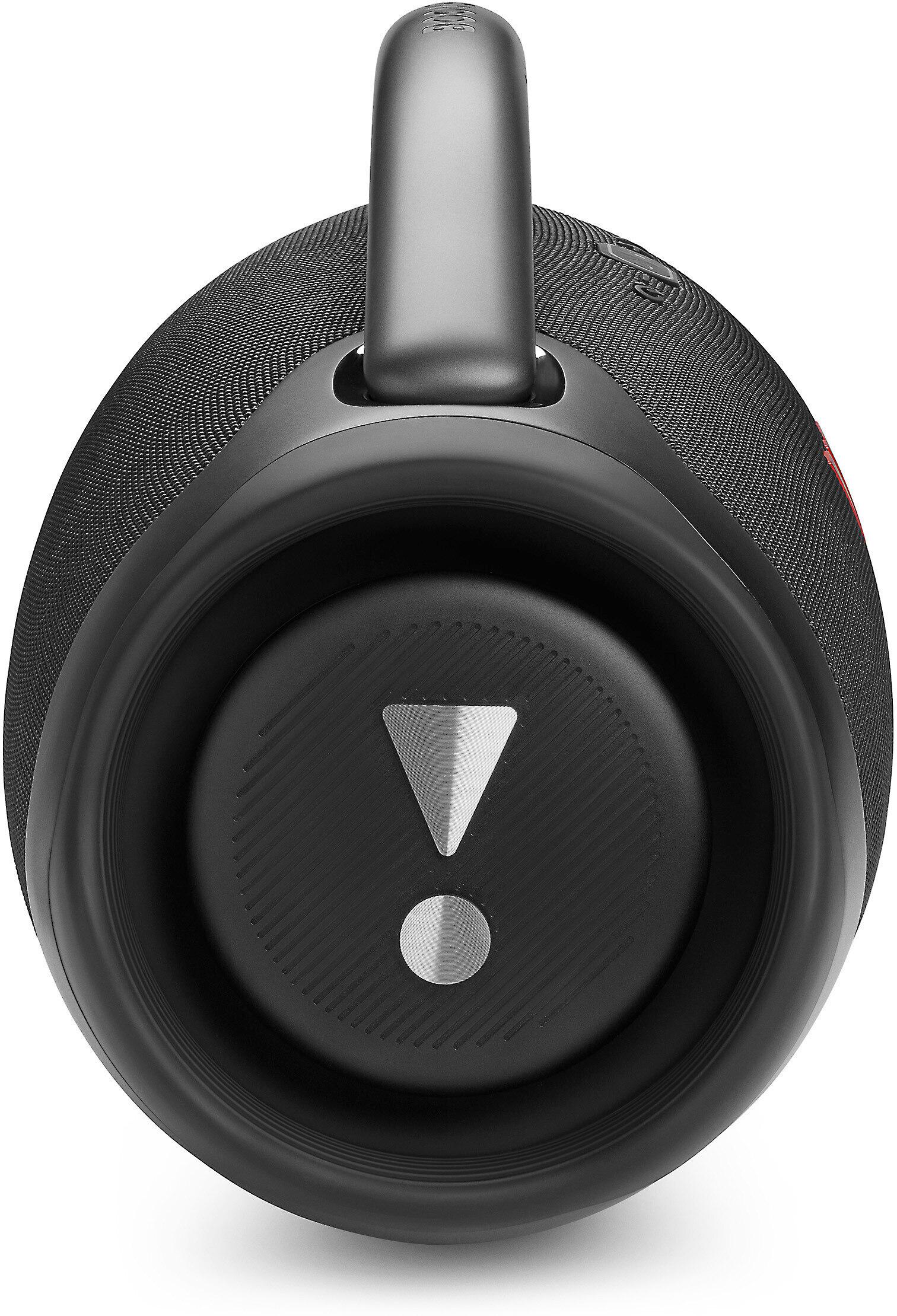
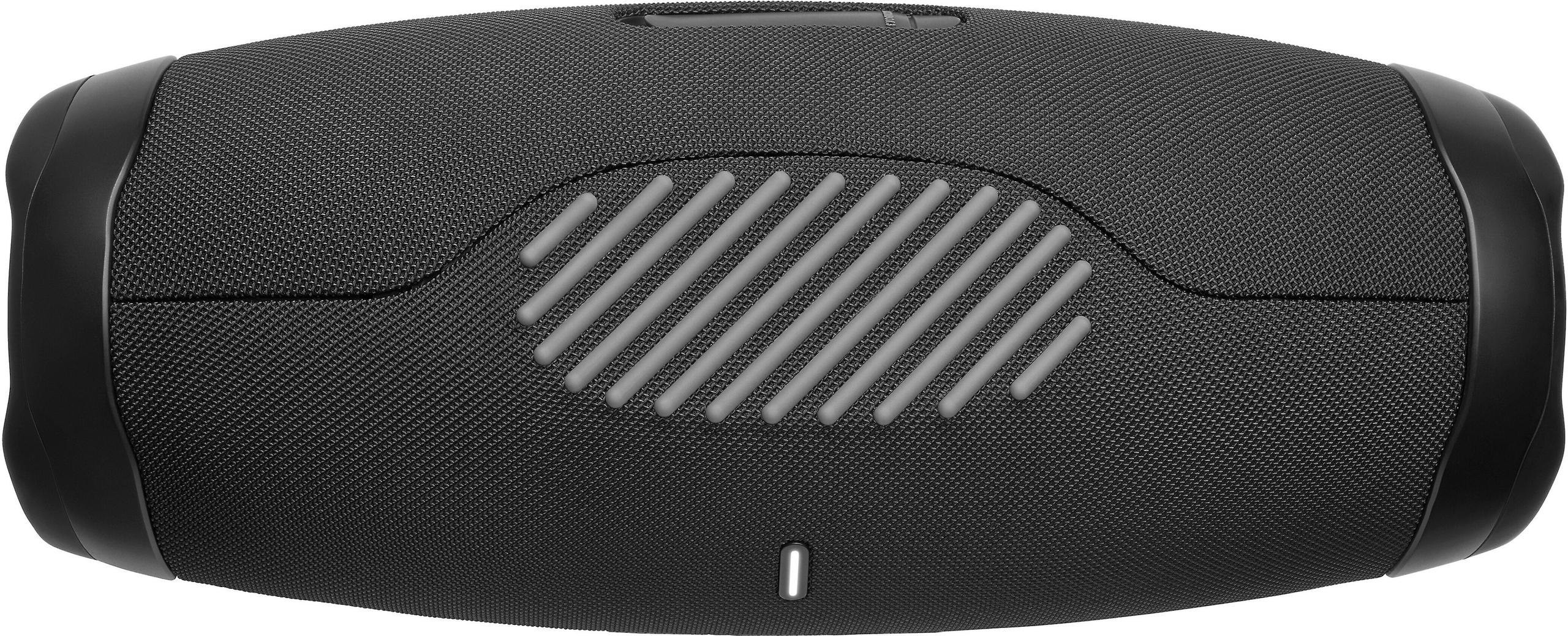
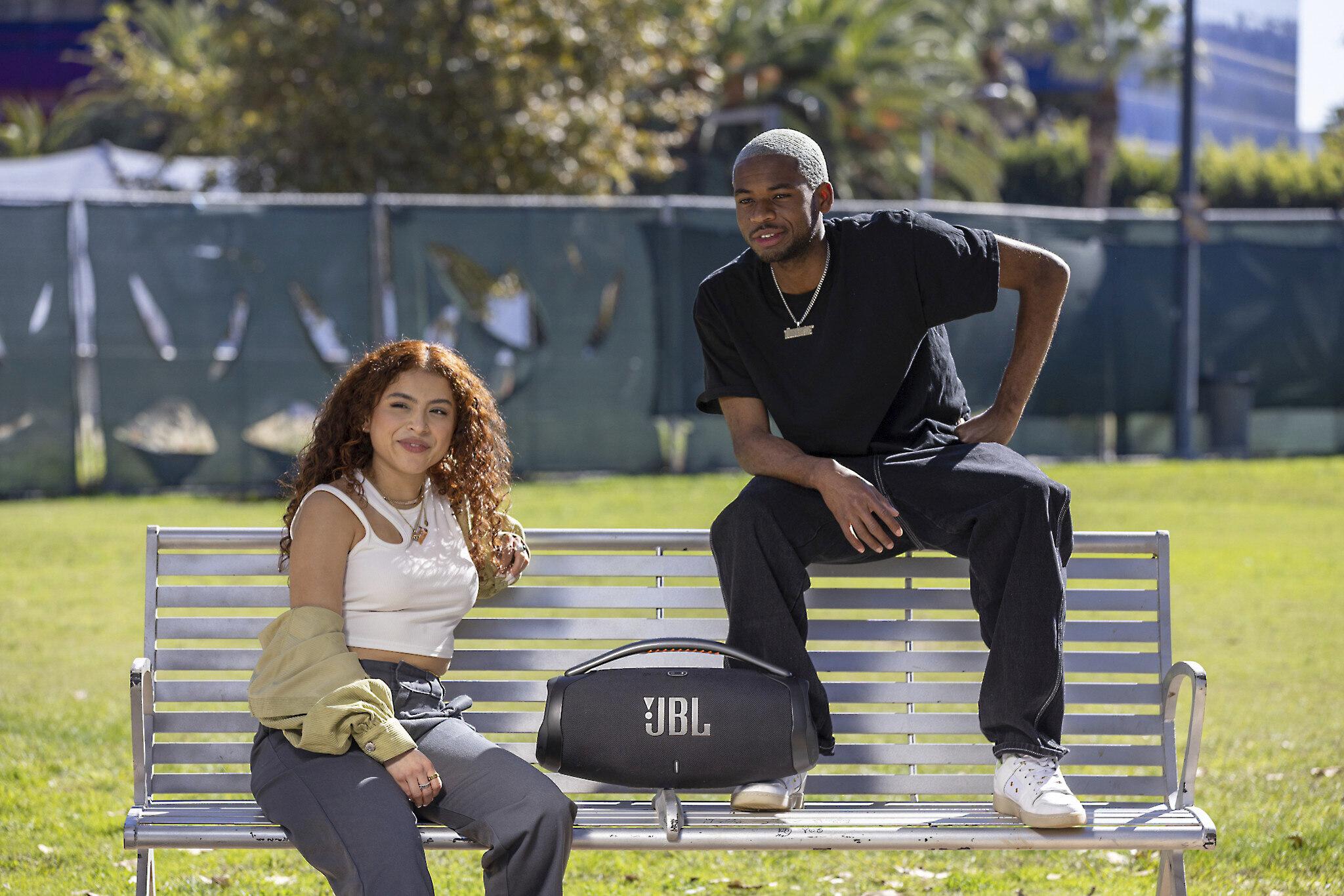
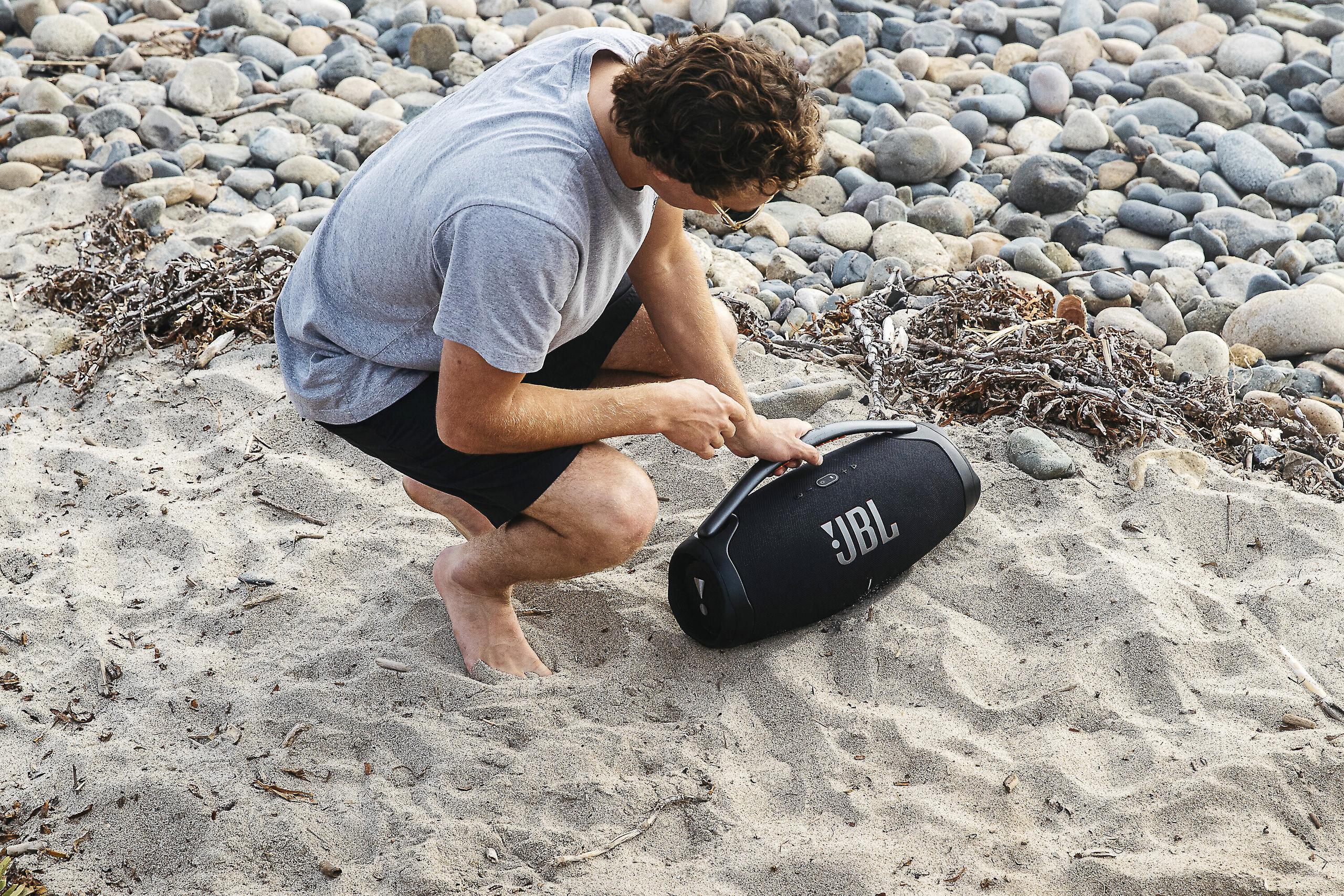

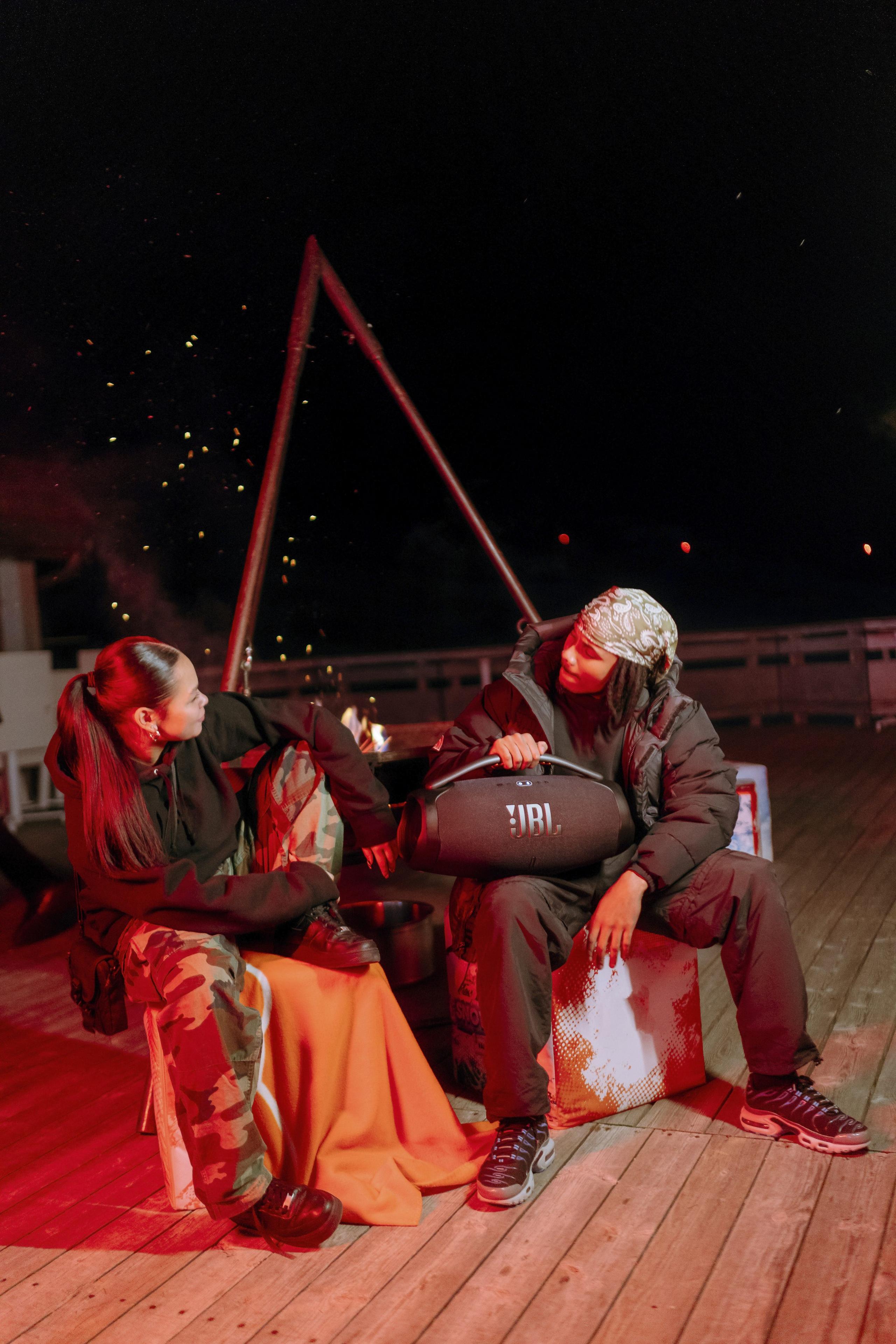
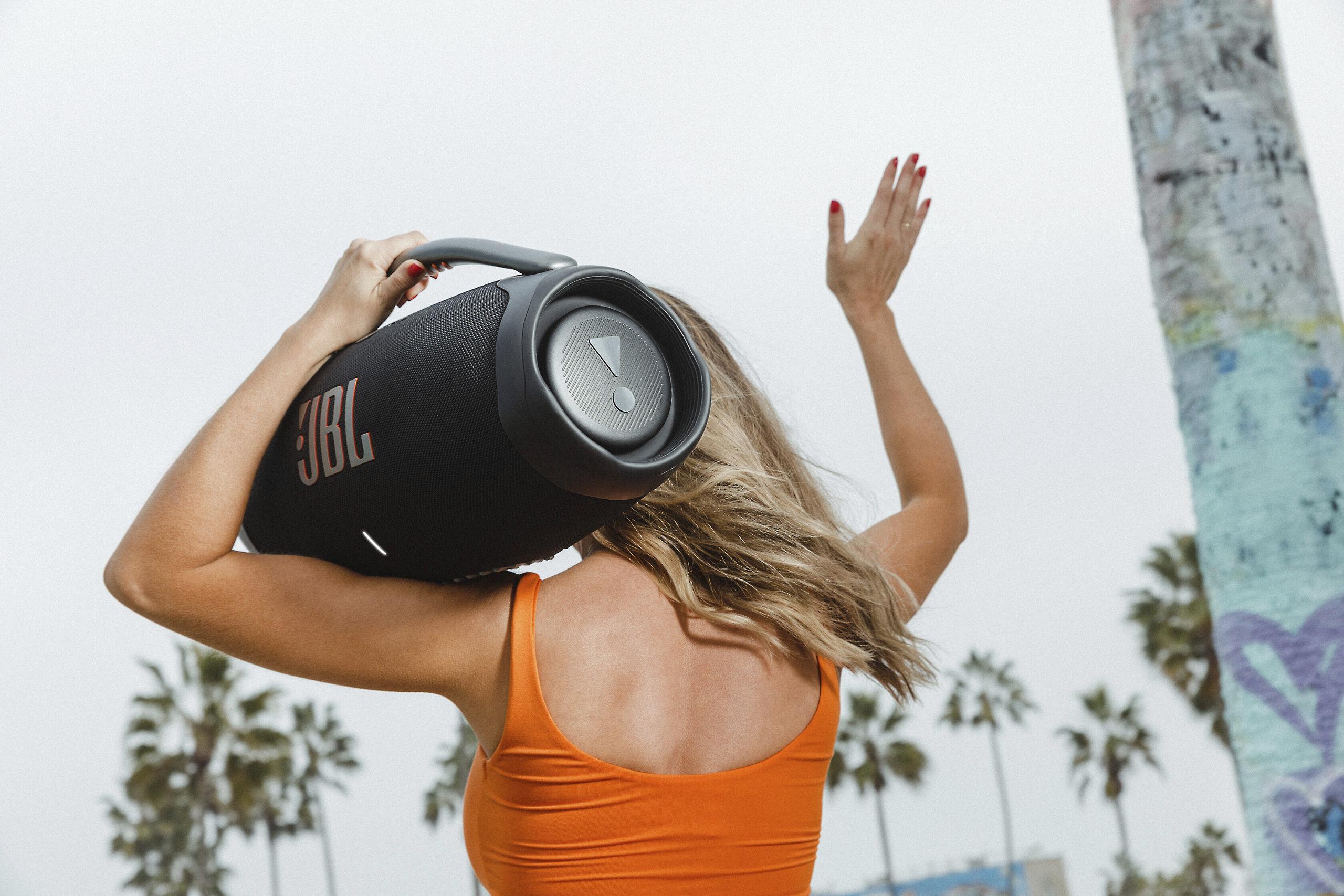
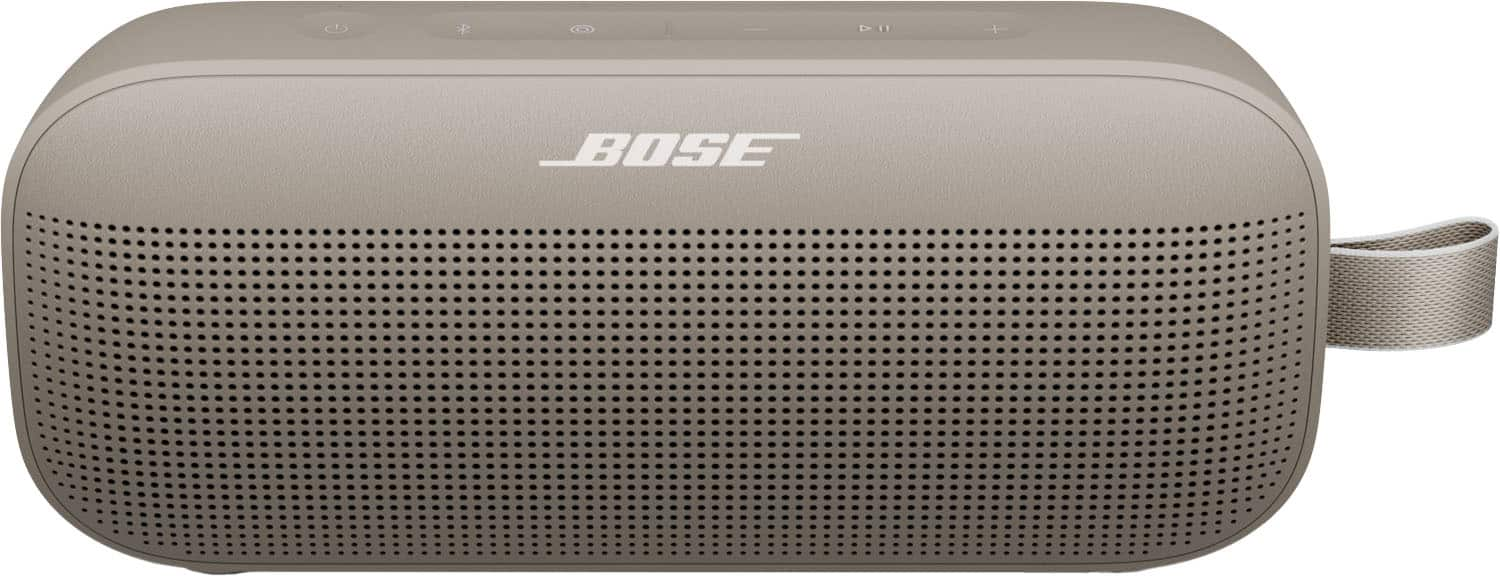
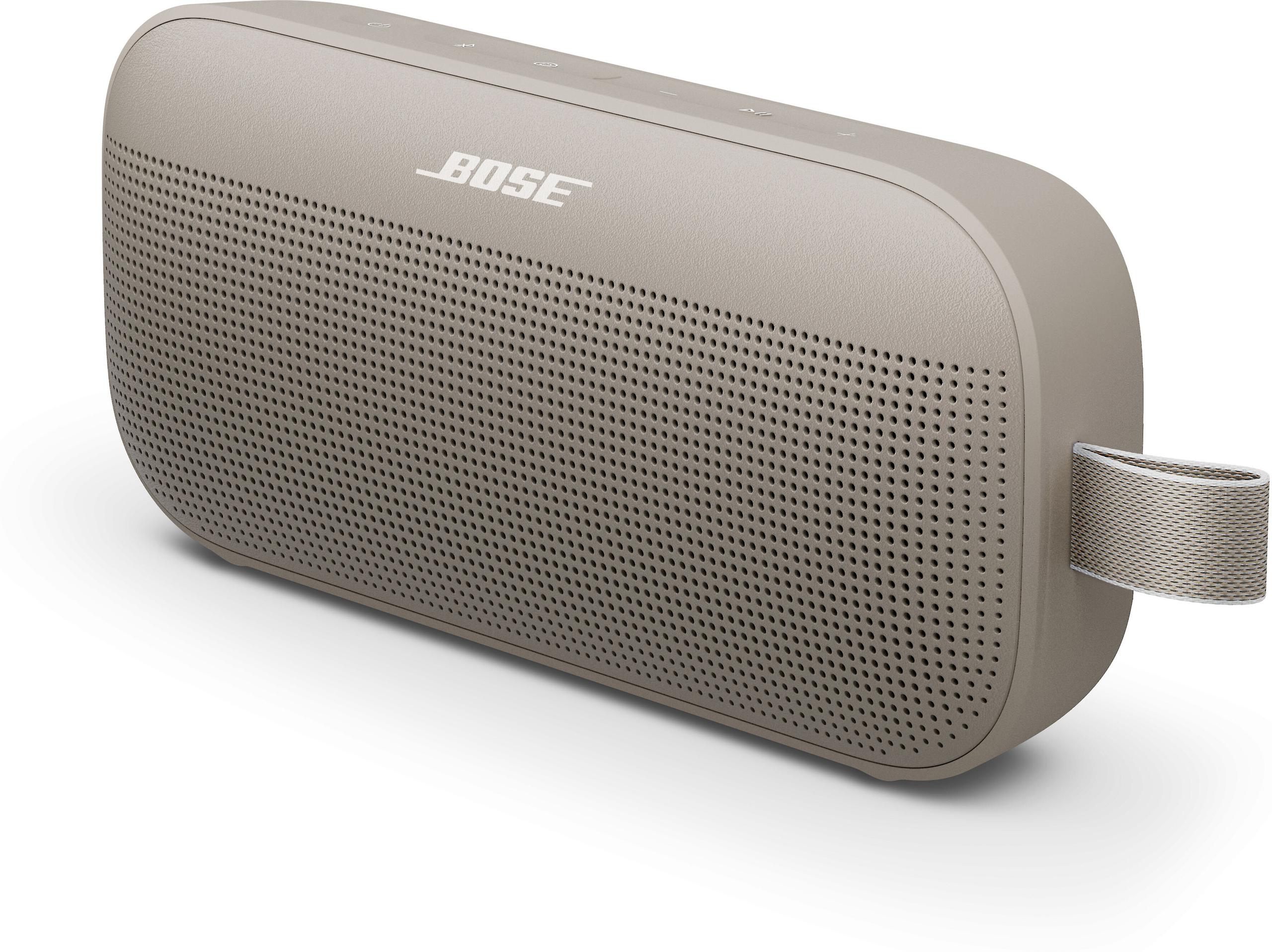
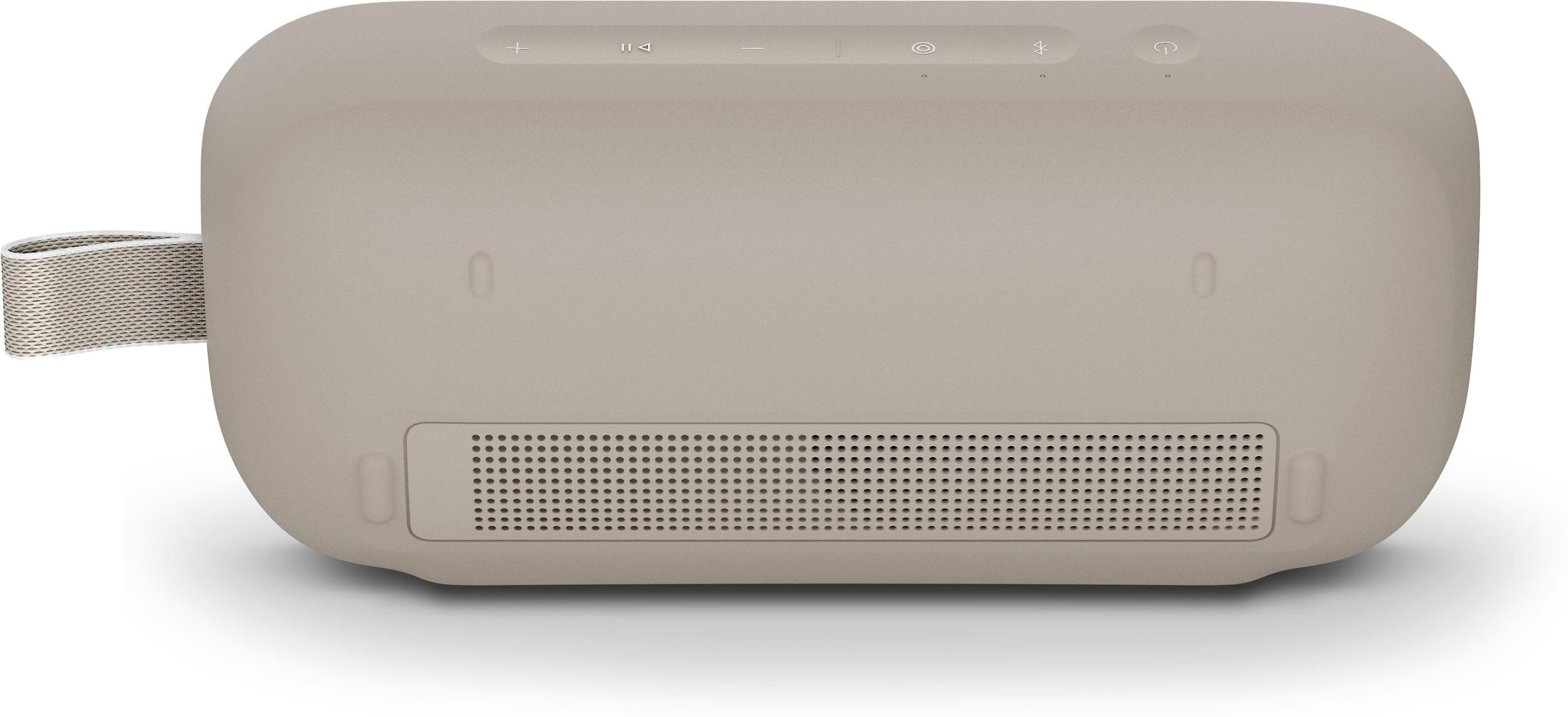

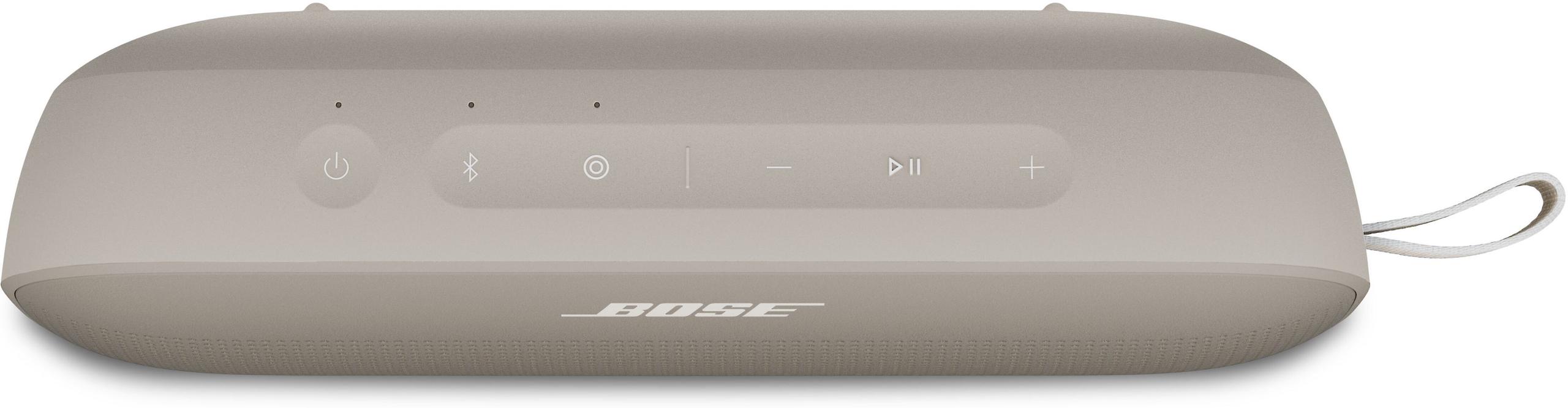
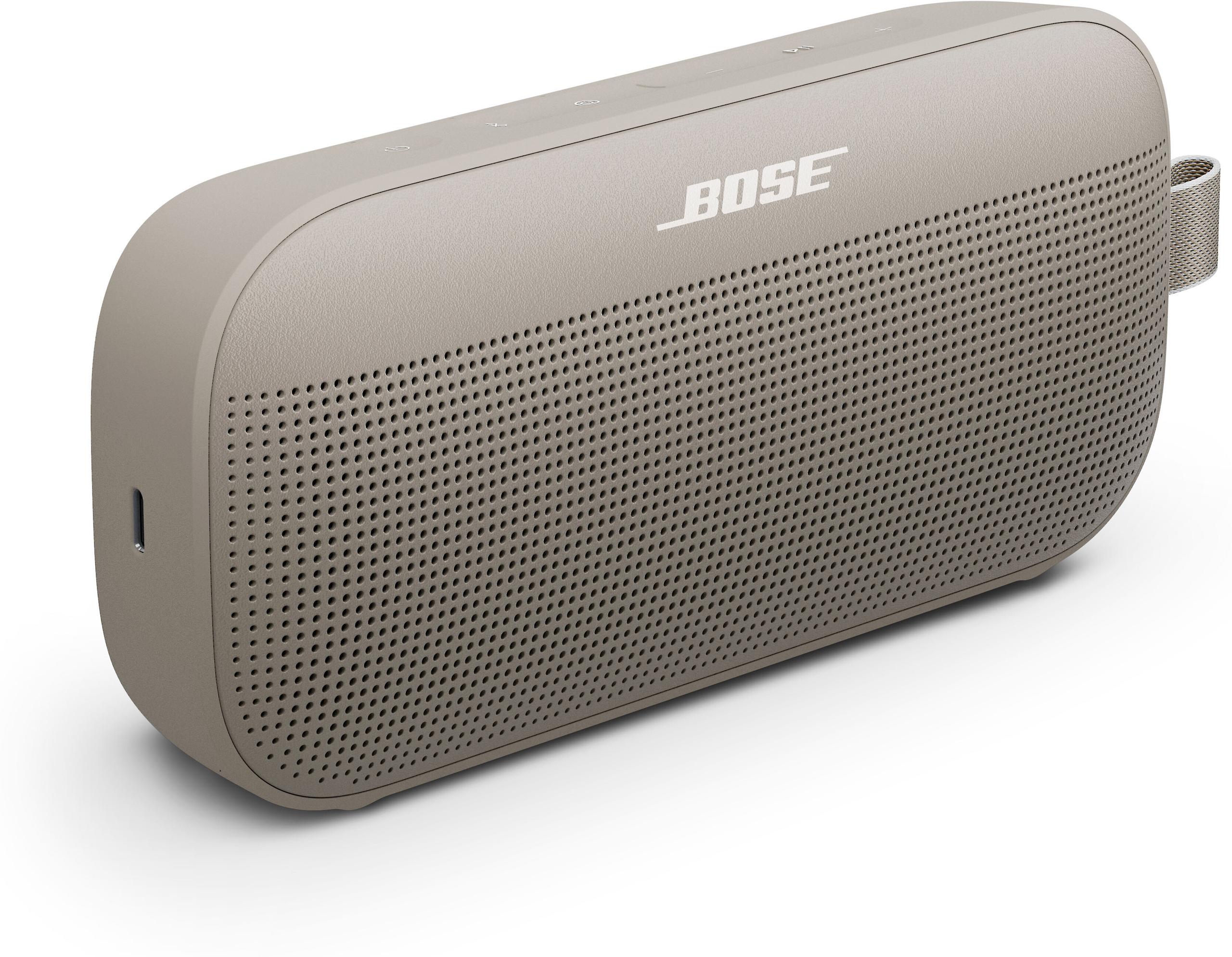
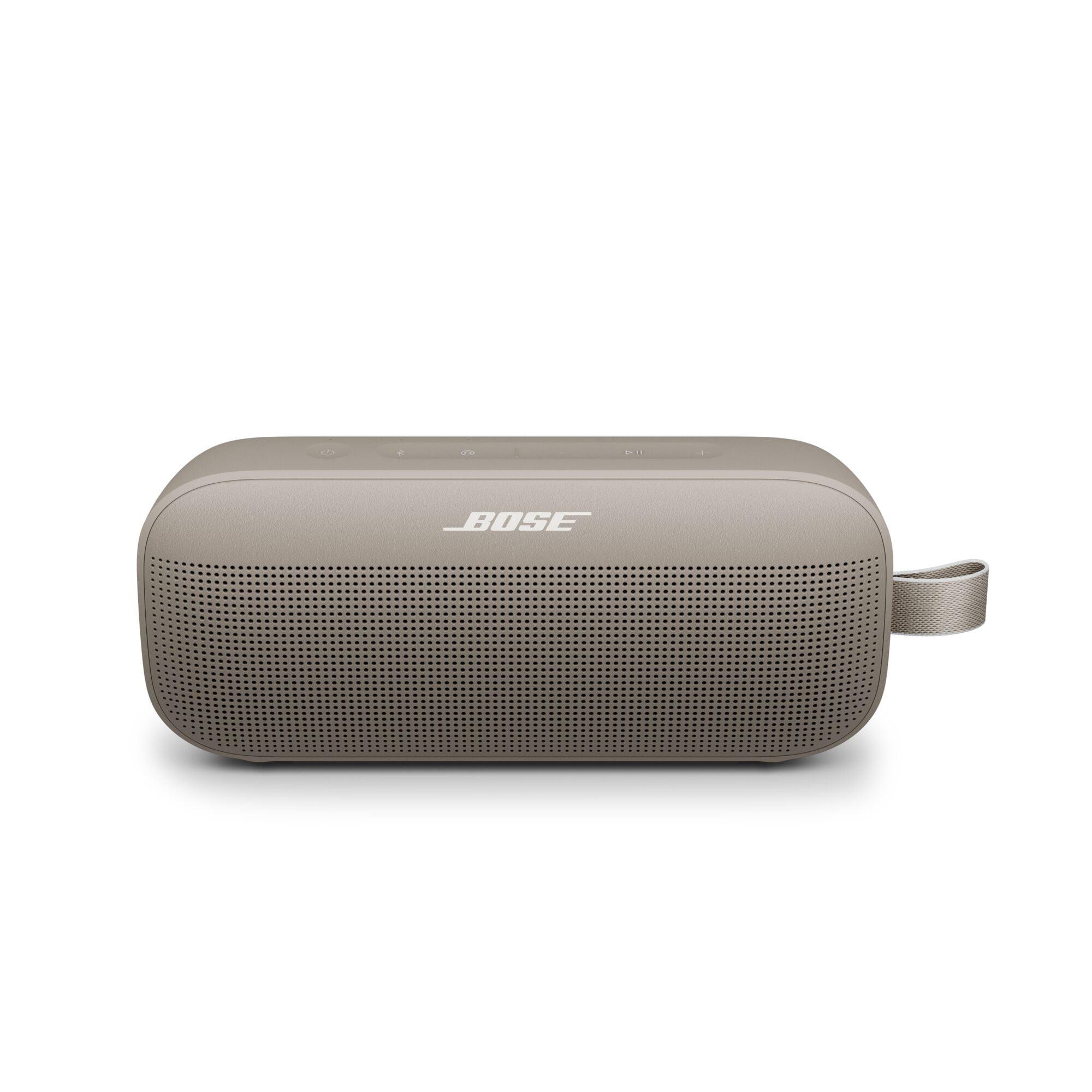


When it comes to portable Bluetooth speakers, two of the most compelling options come from audio giants JBL and Bose. The JBL Boombox 3 ($399) and Bose SoundLink Flex 2nd Gen ($149) represent different approaches to portable audio, each with distinct advantages for specific use cases. Let's dive into how these speakers compare and who they're best suited for.
The portable speaker market has evolved significantly in recent years, with improvements in battery technology, sound quality, and durability. The JBL Boombox 3 builds on its predecessors with enhanced bass response and more refined audio processing, while the Bose SoundLink Flex introduces new features like PositionIQ technology that automatically optimizes sound based on the speaker's orientation.
The Boombox 3 is clearly the volume champion, with its impressive 80W RMS subwoofer and dual 40W RMS midrange drivers. This translates to enough power to fill a large backyard or beach gathering with clear, dynamic sound. The speaker maintains composure even at high volumes, though some treble harshness can creep in with certain types of music.
The SoundLink Flex takes a different approach, focusing on balanced, room-filling sound rather than raw power. Its custom-designed transducer delivers surprisingly full sound for its size, though it won't match the Boombox 3's party-ready volume levels.
Here's where the size difference really shows:
Both speakers support standard SBC and AAC codecs, but the SoundLink Flex adds aptX Adaptive support for compatible Android devices. This enables higher-quality wireless audio transmission with lower latency - particularly noticeable when watching videos.
Both speakers feature IP67 water and dust resistance, meaning they can handle:
The Boombox 3's robust construction includes:
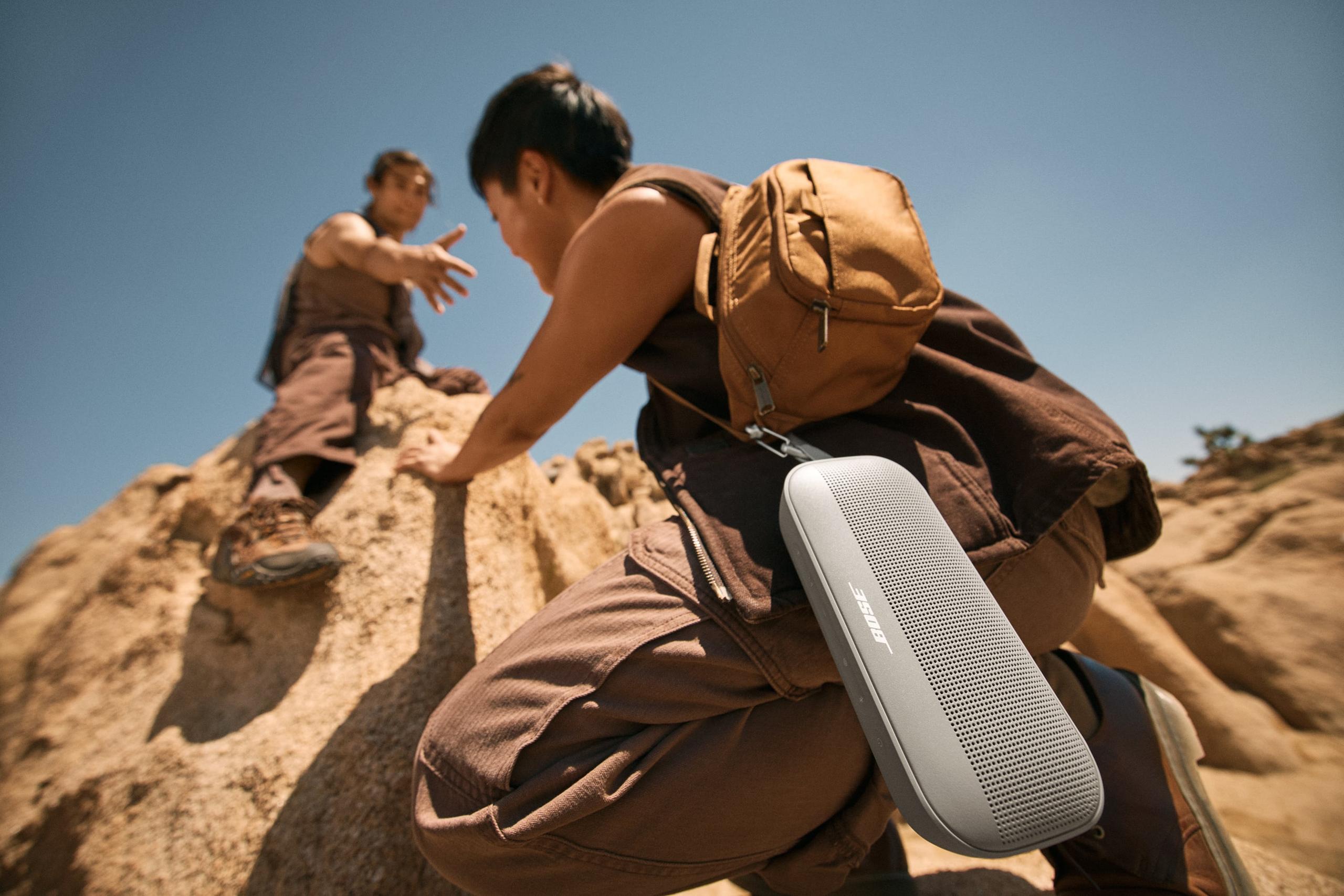
The SoundLink Flex emphasizes portability with:
The JBL Boombox 3 offers impressive 24-hour battery life, though this varies significantly with volume level. At moderate volumes, you might even exceed this rating. The built-in power bank feature can charge your devices through its USB port - particularly useful during outdoor activities.
The SoundLink Flex provides 12 hours of playback, which is respectable given its compact size. Both speakers use USB-C charging, with the Boombox 3 taking longer to charge due to its larger battery capacity.
Both speakers offer companion apps for iOS and Android:
I've tested both speakers in various environments, and their differences become clear in practical use:
The Boombox 3 excels at:
The SoundLink Flex shines in:
While both speakers work well indoors, the Boombox 3's power can be overwhelming in smaller spaces. The SoundLink Flex's more modest output and balanced sound signature often work better in typical room sizes.
The JBL Boombox 3 at $399 represents a significant investment, but delivers:
The SoundLink Flex at $149 offers excellent value through:
These speakers serve different needs despite being in the same category. The JBL Boombox 3 is the clear choice for those needing powerful, party-ready sound, while the Bose SoundLink Flex offers exceptional portability and sound quality for personal use.
Consider your primary use case carefully - the best speaker for you depends largely on how and where you'll use it most often. Both deliver excellent performance within their intended purposes, but they're designed for different scenarios and audiences.
Remember that both manufacturers offer excellent warranty support and regular firmware updates, making either choice a solid long-term investment in your audio experience.
| JBL Boombox 3 | Bose SoundLink Flex 2nd Gen |
|---|---|
| Price - Base investment required | |
| $399 (premium party speaker pricing) | $149 (mid-range personal speaker pricing) |
| Power Output - Determines maximum volume and sound quality | |
| 180W total (80W sub + 2x40W mid + 2x10W tweeter) | Not published, but approximately 20W total |
| Size - Impacts portability and bass capability | |
| 48.2 x 25.7 x 20.0 cm (party speaker size) | 20.1 x 9.0 x 5.2 cm (truly portable) |
| Weight - Critical for mobility | |
| 6.7 kg (14.7 lbs) - requires dedicated carrying | 0.59 kg (1.3 lbs) - easily portable |
| Battery Life - Time between charges | |
| 24 hours (at moderate volume) | 12 hours (at moderate volume) |
| Waterproof Rating - Durability for outdoor use | |
| IP67 (fully waterproof and dustproof) | IP67 (fully waterproof and dustproof) |
| Bluetooth Version - Affects connection quality | |
| 5.3 with PartyBoost multi-speaker support | 5.3 with multipoint connection |
| Audio Codecs - Impacts wireless sound quality | |
| SBC, AAC | SBC, AAC, aptX Adaptive |
| Special Features - Additional functionality | |
| Power bank function, PartyBoost, app EQ | PositionIQ, Bose Connect app, stereo pairing |
| Frequency Response - Range of sound reproduction | |
| 40 Hz - 20kHz (deeper bass extension) | 60 Hz - 20kHz (estimated) |
| Primary Use Case - Best suited for | |
| Large gatherings, outdoor parties, beaches | Personal listening, small groups, travel |
| Charging Time - Time to full battery | |
| 6.5 hours | 4 hours |
The JBL Boombox 3 is better for large gatherings and parties, while the Bose SoundLink Flex is better for personal use and portability. They serve different purposes, with the Boombox 3 offering more power and the SoundLink Flex providing better mobility.
The JBL Boombox 3 costs $399, while the Bose SoundLink Flex is priced at $149, making it $250 less expensive.
The Bose SoundLink Flex is significantly more portable at 1.3 pounds compared to the JBL Boombox 3 at 14.7 pounds. The SoundLink Flex can easily fit in a backpack, while the Boombox 3 requires dedicated carrying.
The JBL Boombox 3 offers 24 hours of playback, twice as long as the Bose SoundLink Flex which provides 12 hours.
Yes, both the JBL Boombox 3 and Bose SoundLink Flex have IP67 ratings, meaning they're fully waterproof and dustproof.
The JBL Boombox 3 is significantly louder with 180W total power output, compared to the Bose SoundLink Flex which is designed for personal listening and small groups.
Both speakers offer multi-speaker pairing. The JBL Boombox 3 uses PartyBoost to connect with other JBL speakers, while the Bose SoundLink Flex can pair with other Bose speakers for stereo or party mode.
Both offer excellent sound quality for their size. The JBL Boombox 3 provides deeper bass and more powerful sound, while the Bose SoundLink Flex offers more balanced, refined audio better suited for personal listening.
The JBL Boombox 3 includes a power bank feature to charge devices, while the Bose SoundLink Flex does not offer this capability.
Both are weather-resistant, but the JBL Boombox 3 is better for outdoor parties and large spaces, while the Bose SoundLink Flex is better for personal outdoor activities like hiking or beach trips.
Yes, both the JBL Boombox 3 and Bose SoundLink Flex work with any Bluetooth device, though the SoundLink Flex offers additional codec support for Android devices.
The Bose SoundLink Flex offers better value for personal use at $149, while the JBL Boombox 3 at $399 provides better value for those needing a powerful party speaker.
We've done our best to create useful and informative comparisons to help you decide what product to buy. Our research uses advanced automated methods to create this comparison and perfection is not possible - please contact us for corrections or questions. These are the sites we've researched in the creation of this article: tomsguide.com - sweetwater.com - bestbuy.com - jbl.com - rtings.com - harmanaudio.com - jbl.com - jbl.com - thepowercentre.ca - youtube.com - bhphotovideo.com - krazykileys.ca - techradar.com - worldwidestereo.com - bose.com - howtogeek.com - bose.com - crutchfield.com - visions.ca - pcrichard.com - staples.com - rtings.com - bose.com - soundguys.com

Privacy Policy
Terms and Conditions - Affiliate Policy
Home Security
© Copyright 2008-2026.
11816 Inwood Rd #1211, Dallas, TX 75244