

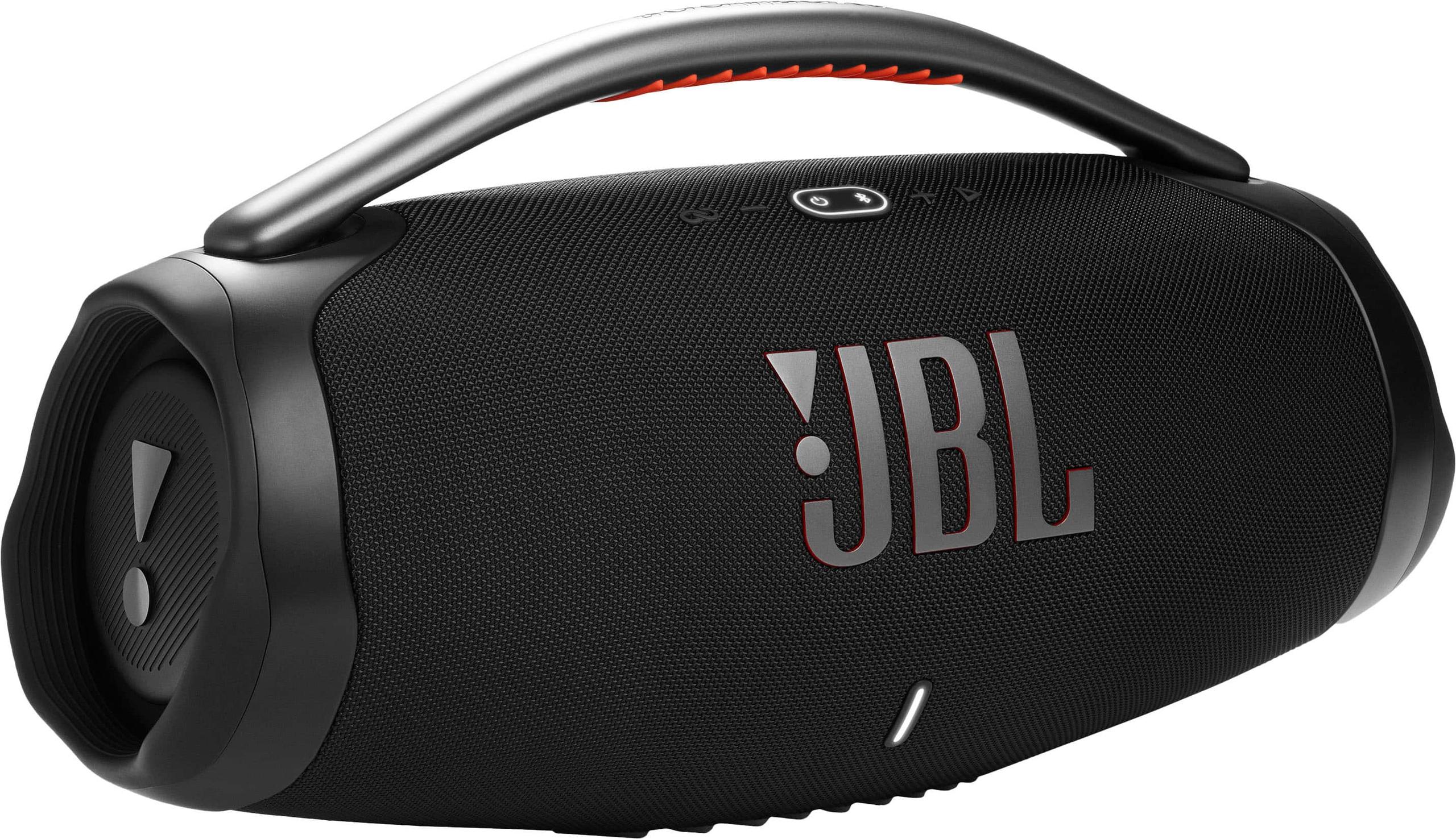
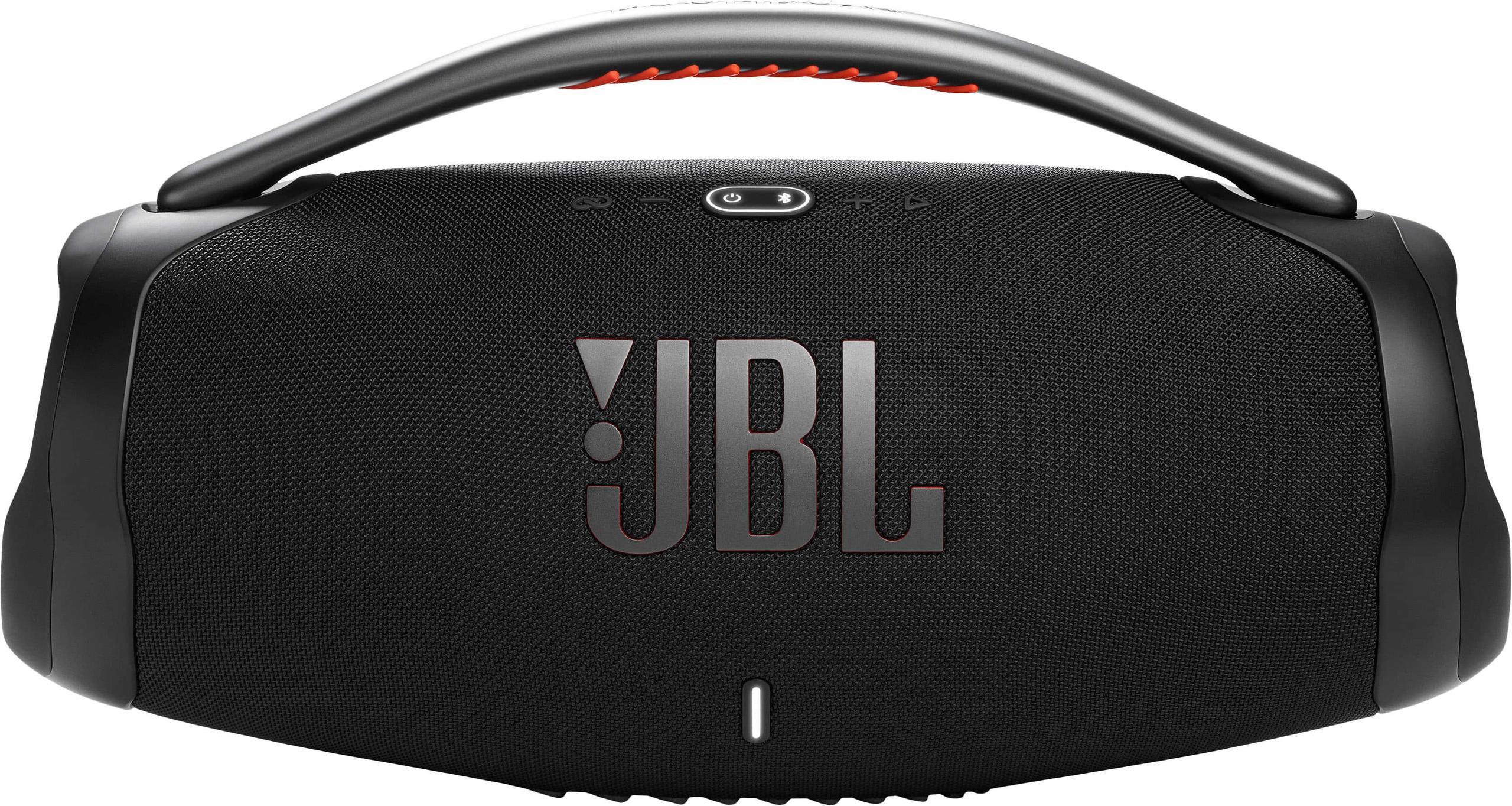
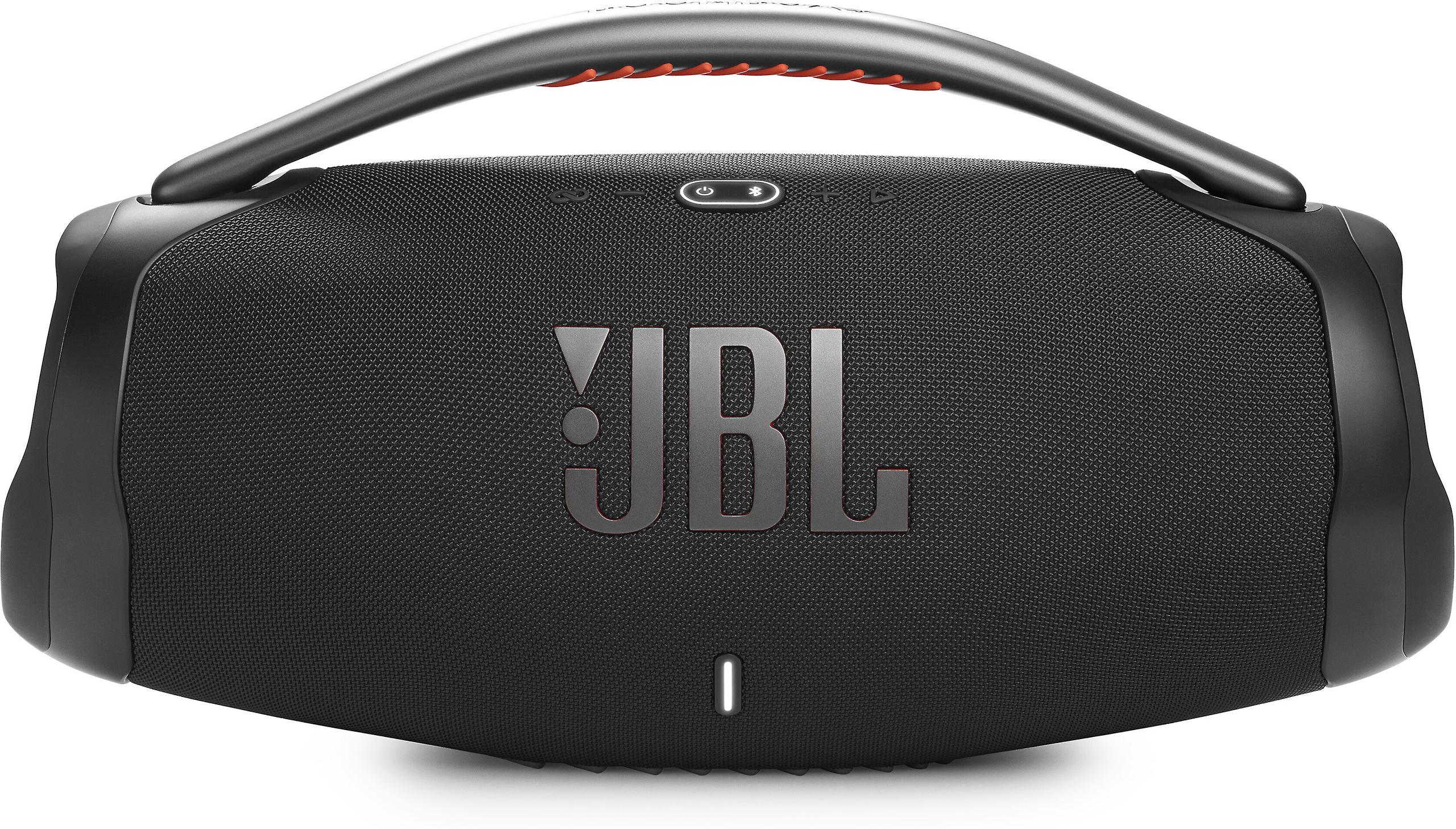
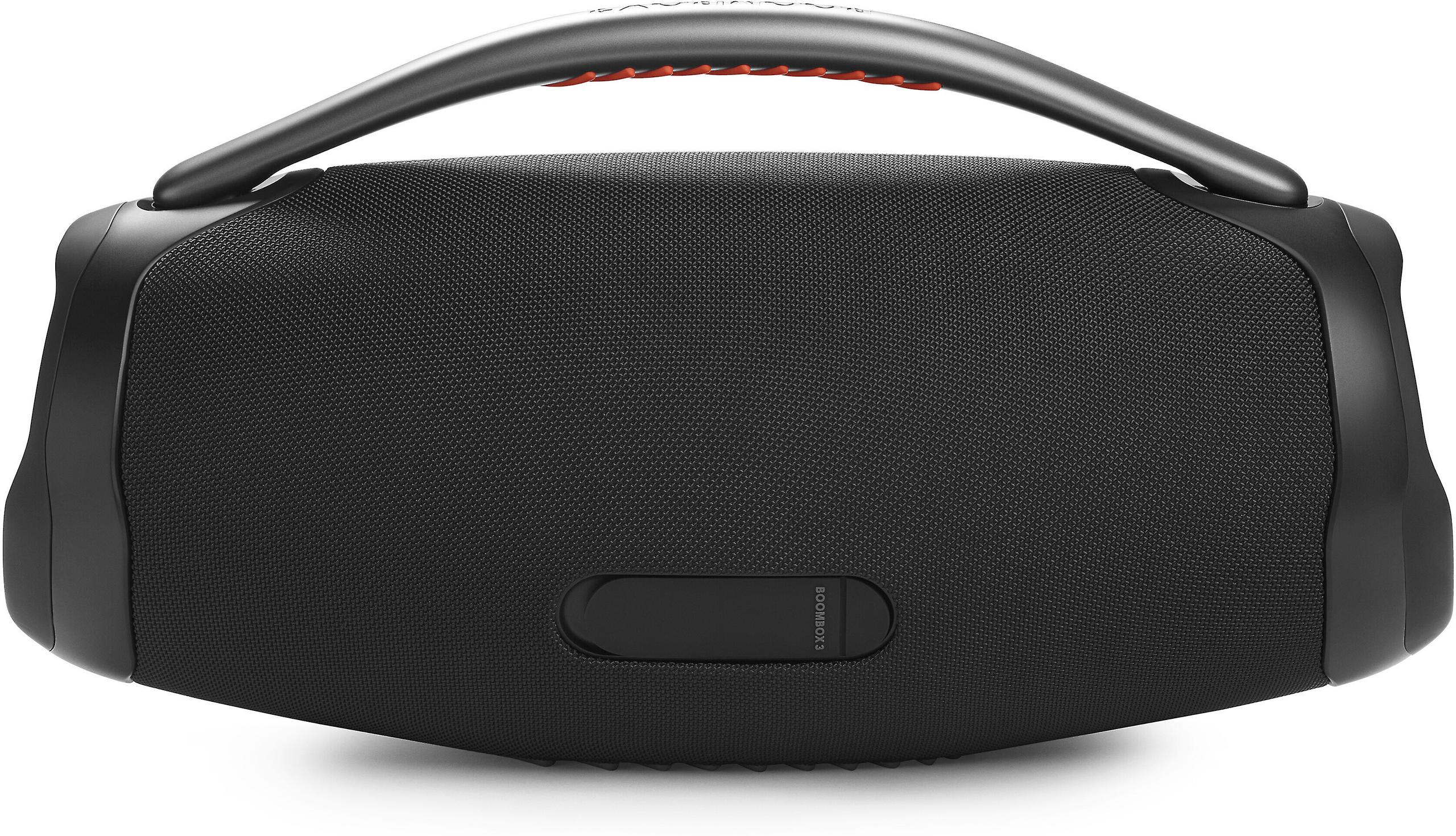
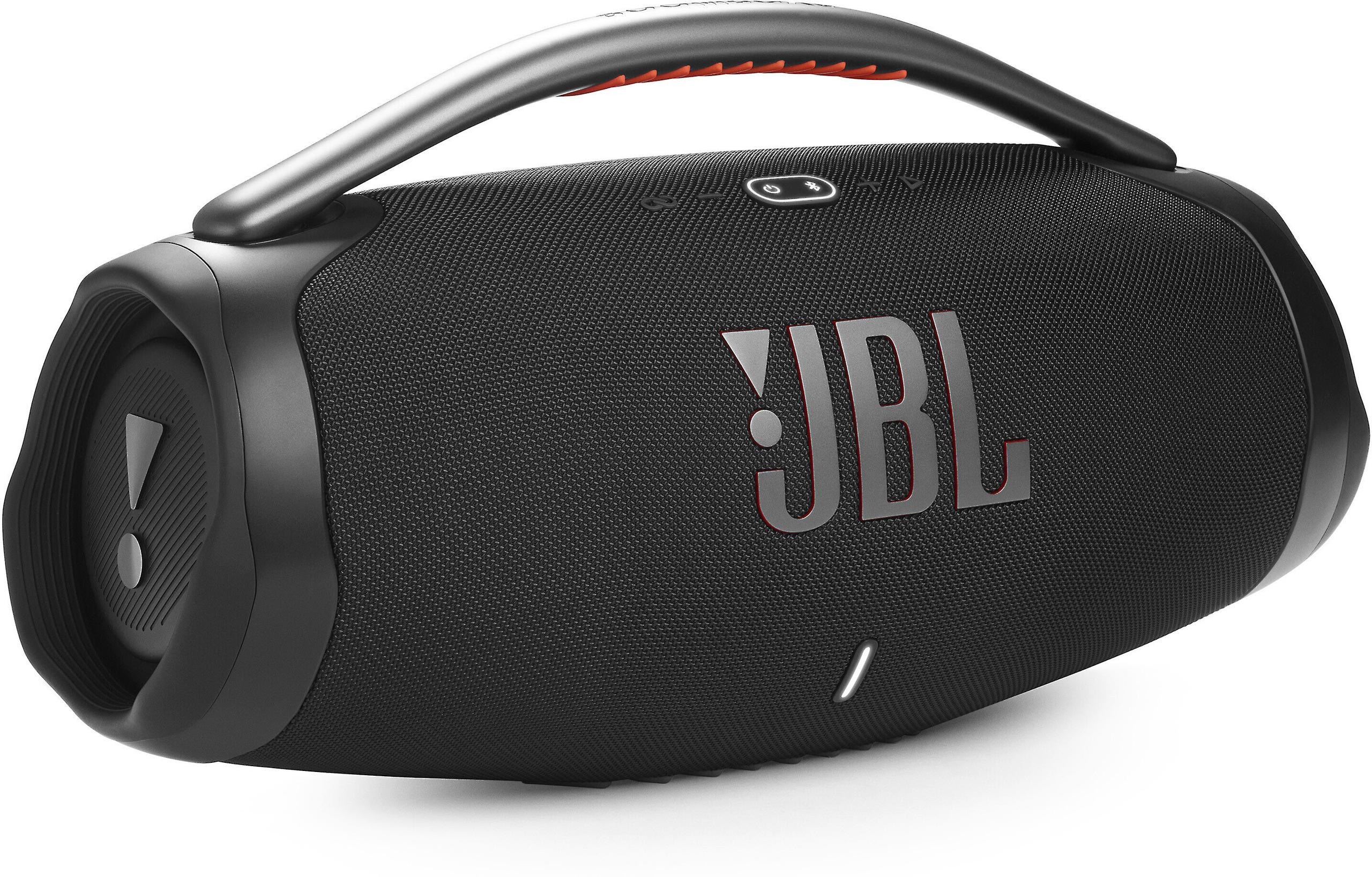
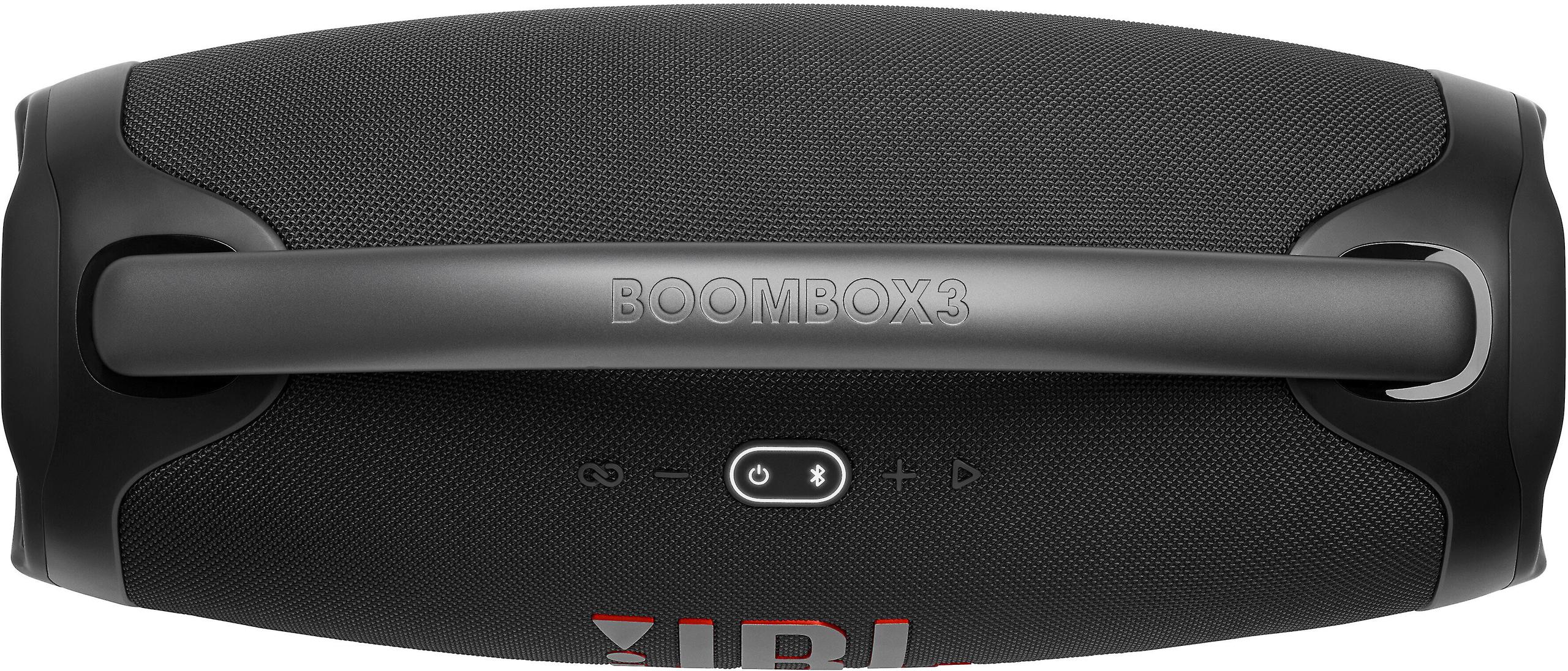
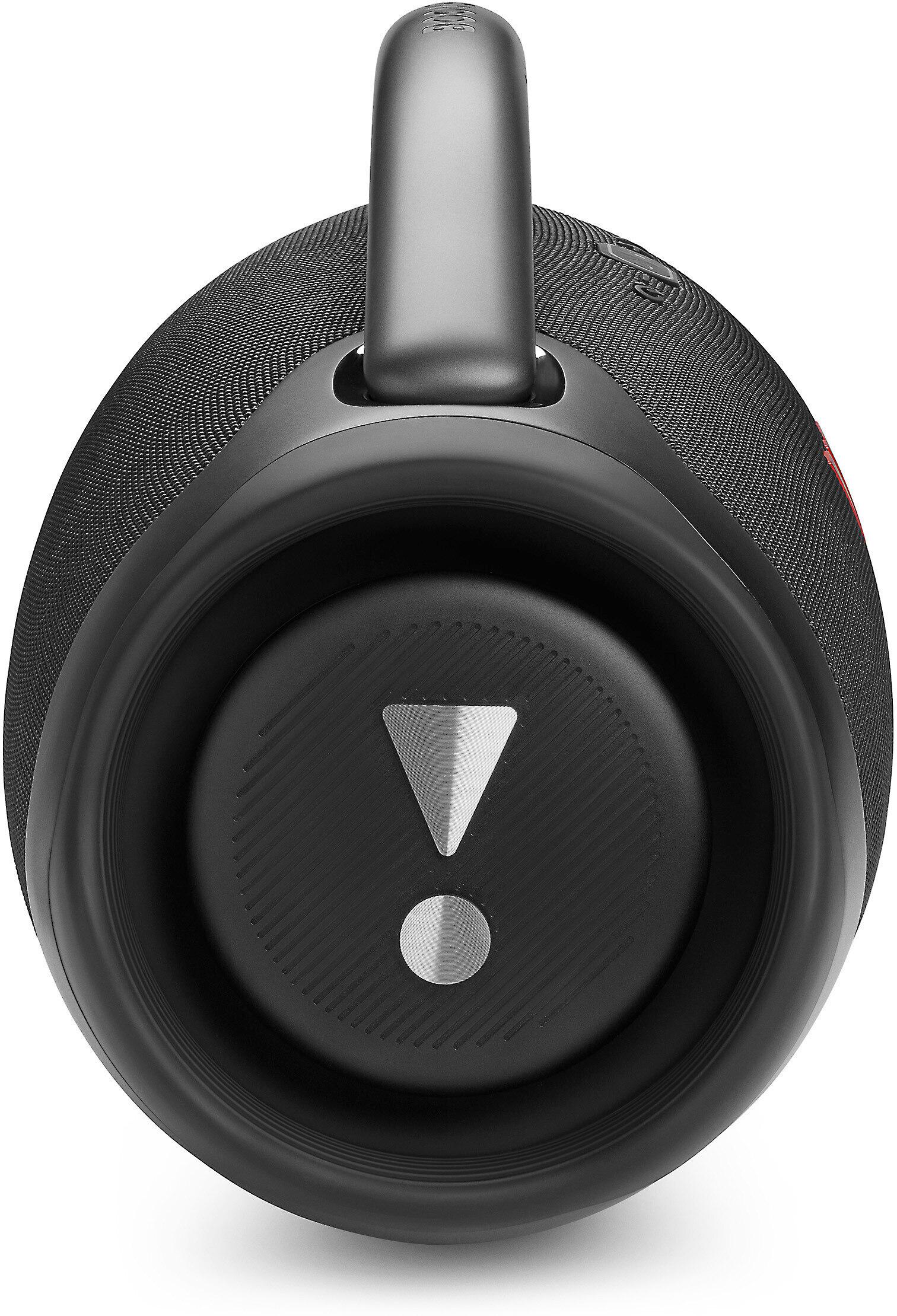
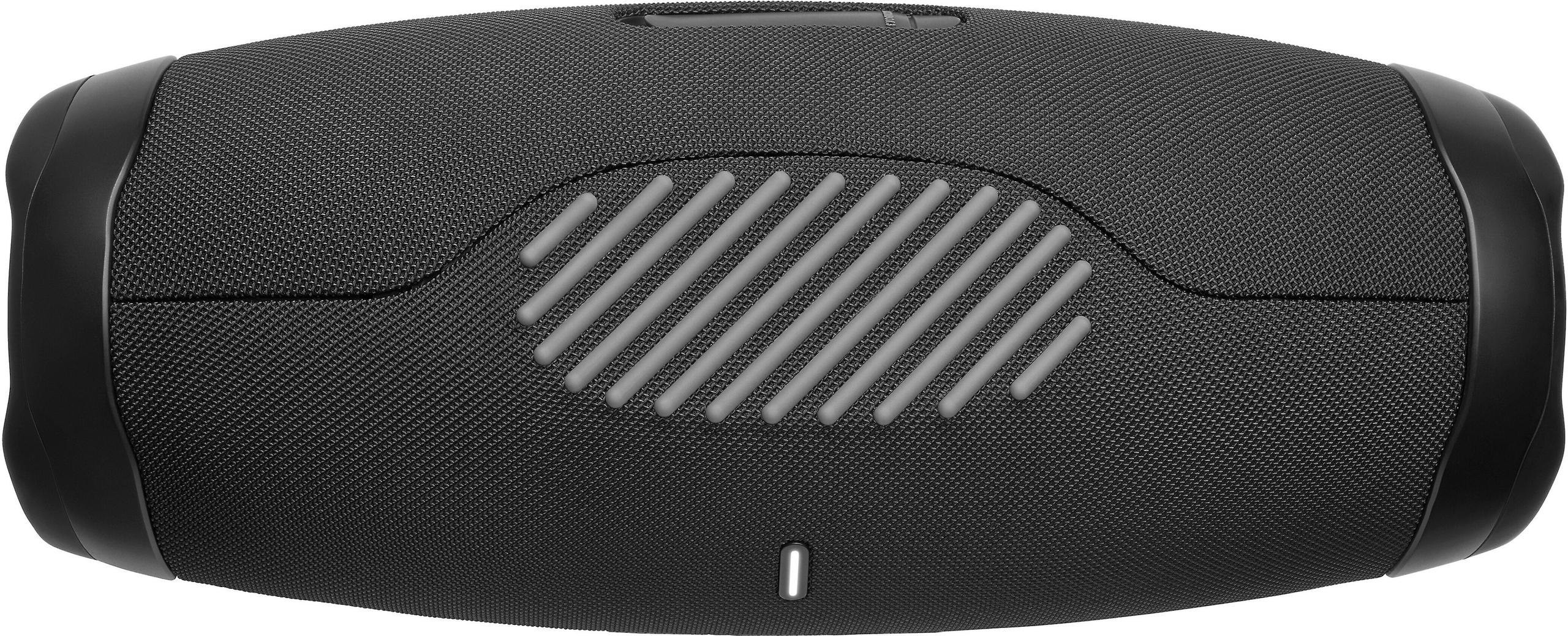






When it comes to portable audio in 2024, we're seeing an interesting divide between personal and social listening solutions. Today, we'll compare two very different approaches: the JBL Boombox 3 ($499) and the Sony LinkBuds ($179). While they might seem like an unusual pairing to compare, understanding their differences helps illustrate the current state of portable audio technology and might help you make a better choice for your specific needs.
The portable audio market has evolved significantly in the past few years. The JBL Boombox 3, released in late 2022, represents the latest iteration of the traditional portable speaker, now with modern features like app control and multi-speaker pairing. Meanwhile, the Sony LinkBuds, launched in early 2022, showcases a different innovation path - focusing on personal audio with unique features like ambient sound awareness.
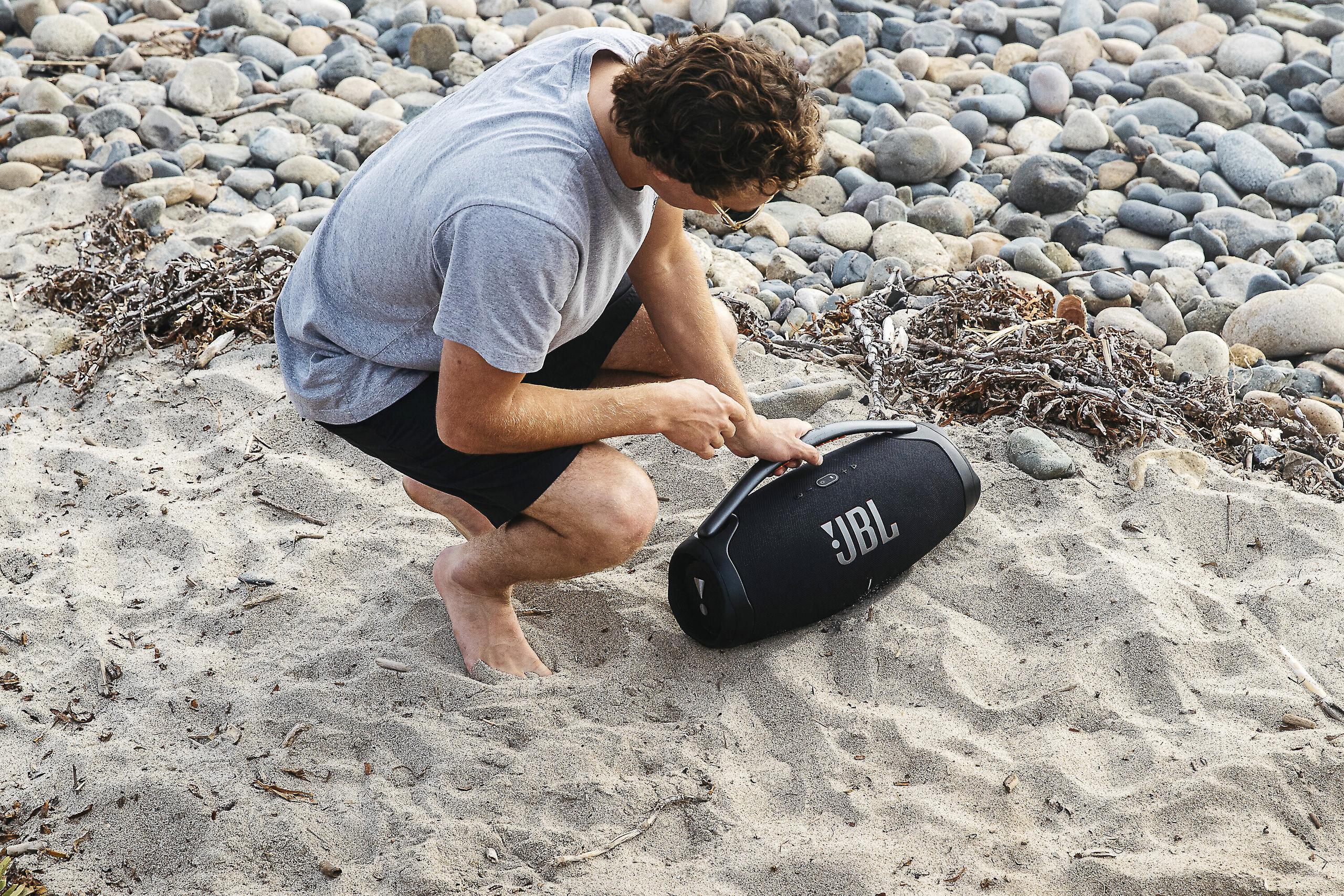
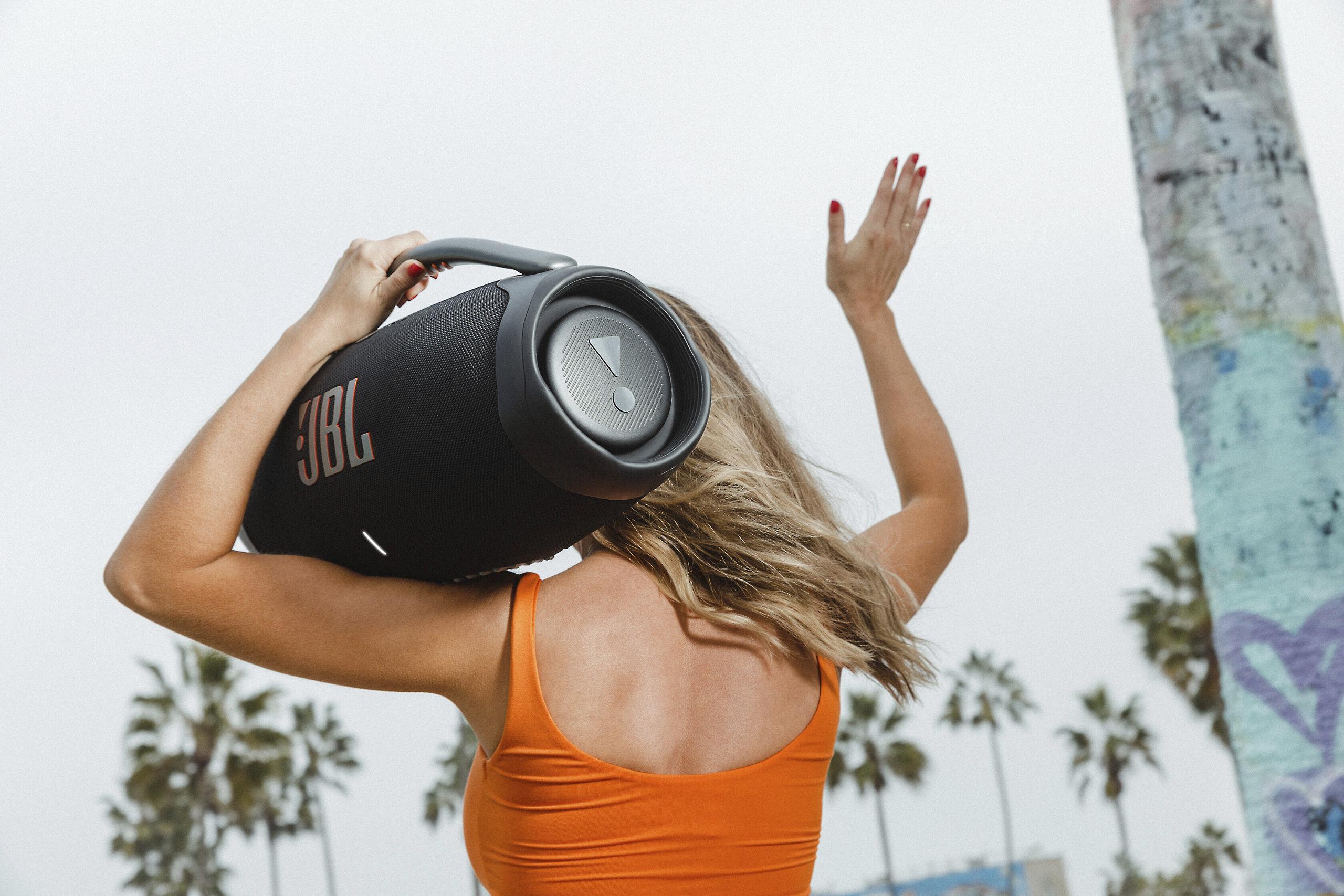
The Boombox 3's three-way speaker system (consisting of a subwoofer, midrange drivers, and tweeters) delivers impressive audio performance. With 180W of total power when plugged in (130W on battery), it can easily fill large outdoor spaces. The speaker uses what JBL calls "Original Pro Sound," which translates to a frequency response of 40Hz-20kHz - meaning it can reproduce deep bass notes that smaller speakers simply can't match.
The sound signature is notably balanced for a party speaker, with clear mids and detailed highs complementing the powerful bass. It's particularly impressive how well it maintains clarity at high volumes, thanks to its advanced digital signal processing (DSP) that prevents distortion.
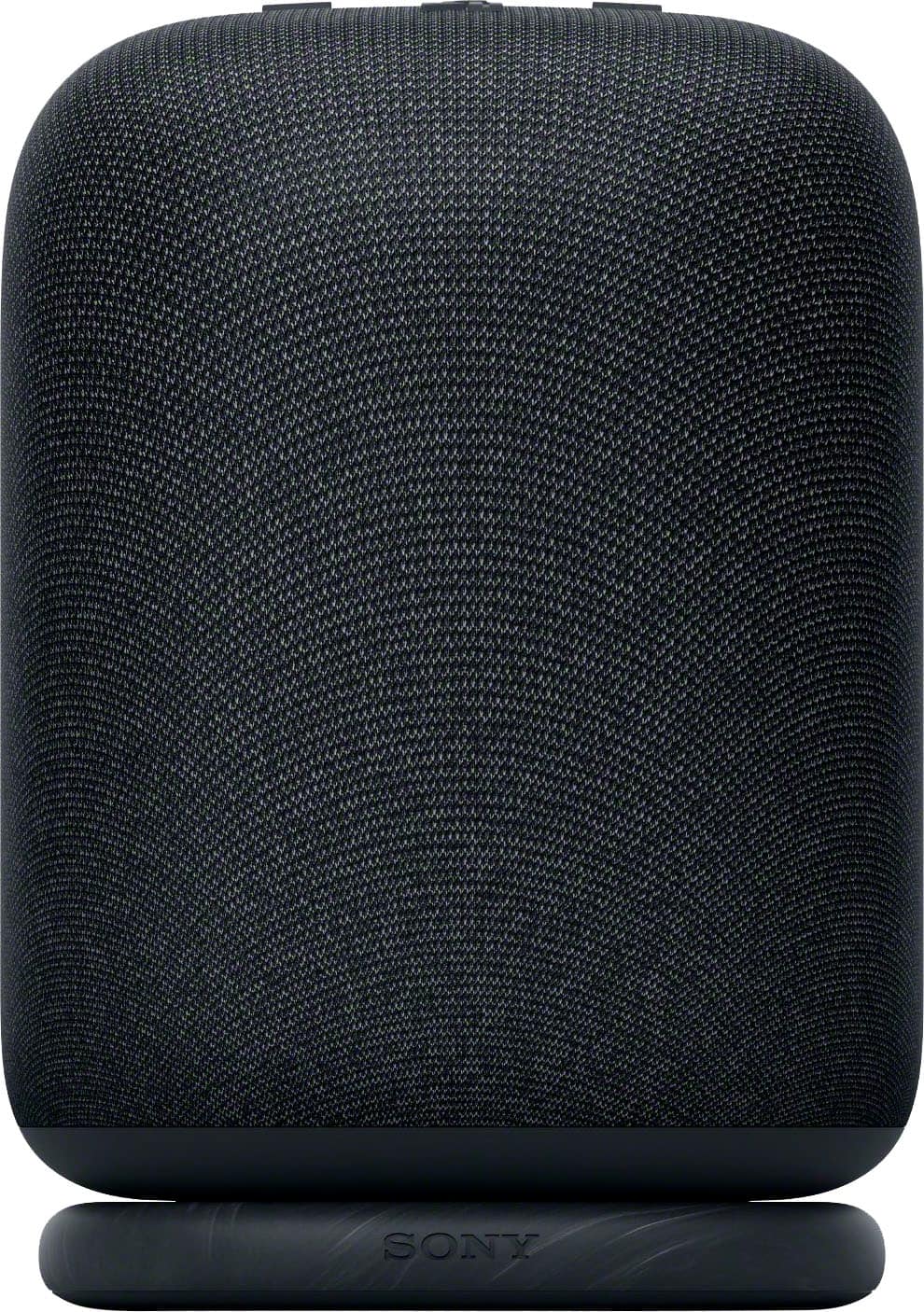
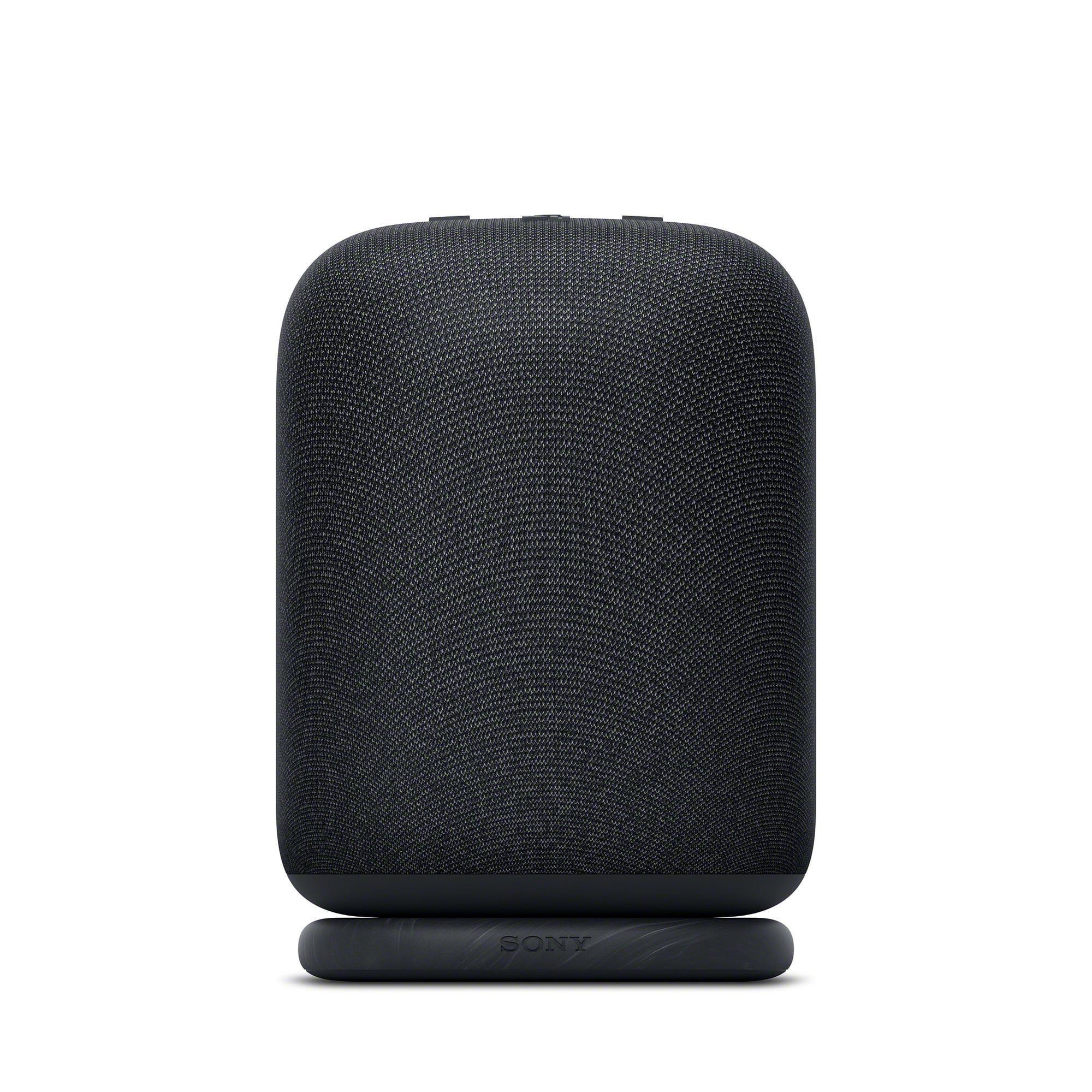
The LinkBuds take a radically different approach with their unique ring driver design. Instead of trying to block outside noise, they purposefully leave your ear canal open while delivering audio directly to your ear. This creates a unique listening experience where your music seamlessly blends with your environment.
The sound quality is surprisingly good for such a small device, though bass response is naturally limited by the open design. Where these excel is in vocal clarity and high-frequency detail, making them excellent for podcasts, calls, and music styles that don't depend heavily on bass.
The Boombox 3 offers an impressive 24 hours of playback time, though this varies significantly with volume level. In testing, playing at moderate volumes (around 50%) typically yields about 20 hours of use. Charging takes about 6.5 hours, but you can continue playing while plugged in.
The LinkBuds provide 5.5 hours of continuous playback, with the charging case adding another 12 hours. While this might seem short compared to the Boombox 3, it's important to remember these are different use cases - most people don't listen to earbuds for 24 hours straight.
The Boombox 3's IP67 rating means it's fully dustproof and can be submerged in water up to 1 meter for 30 minutes. The build quality is exceptional, with a robust handle and protective rubber feet. At 6.7kg, it's substantial but still portable for short distances.
The LinkBuds feature an IPX4 rating, protecting against splashes but not submersion. They're incredibly lightweight at just 4g per bud, and the unique ring design is both distinctive and functional, though it may take some getting used to.
At $499, the Boombox 3 represents a significant investment, but it's competitive with other premium portable speakers like the Sonos Move or Ultimate Ears Hyperboom. The build quality, sound performance, and feature set justify the price for those who need a powerful outdoor speaker.
The LinkBuds at $179 occupy an interesting middle ground in the true wireless earbud market. They're not the cheapest option, but their unique open design and advanced features make them a compelling choice for specific use cases.
In outdoor settings, the Boombox 3 truly shines. Its ability to project clear, powerful sound across large spaces while maintaining clarity is impressive. The bass response, in particular, sets it apart from smaller portable speakers. For home use, it can easily serve as a primary speaker for a medium to large room, though it's perhaps overkill for apartment living.
The LinkBuds excel in everyday situations where awareness of your surroundings is important. They're particularly effective for office use, where you might need to hear colleagues while listening to music, or for urban commuting where situational awareness is crucial. The speak-to-chat feature, which automatically pauses your music when you start talking, works surprisingly well.
Consider these key factors when choosing between these devices:
While these products serve different purposes, they both excel in their intended use cases. The JBL Boombox 3 is one of the best portable party speakers available, offering powerful, high-quality sound in a durable package. The Sony LinkBuds represent an innovative approach to personal audio, perfect for those who need to stay aware of their surroundings while enjoying music or taking calls.
The choice between them ultimately comes down to your specific needs and use cases rather than direct competition. If you're looking for a powerful speaker for outdoor gatherings or large spaces, the Boombox 3 is an excellent choice. If you need personal audio that doesn't isolate you from your environment, the LinkBuds offer a unique and effective solution.
| JBL Boombox 3 | Sony LinkBuds |
|---|---|
| Price - Base investment required | |
| $499 (premium party speaker) | $179 (mid-range personal audio) |
| Power Output - Determines maximum volume and sound coverage | |
| 180W total (AC), 130W (battery) | 5mW per earbud |
| Battery Life - Important for portable use | |
| 24 hours continuous playback | 5.5 hours (buds), +12 hours (case) |
| Water Resistance - Critical for outdoor use | |
| IP67 (fully waterproof) | IPX4 (splash resistant) |
| Weight - Affects portability | |
| 6.7 kg (14.7 lbs) | 4g per bud, 34g case |
| Connectivity - Latest features | |
| Bluetooth 5.3, PartyBoost multi-speaker | Bluetooth 5.2, Multipoint connection |
| Sound Features - Key audio capabilities | |
| 3-way speaker system, 40Hz-20kHz range | Ring driver design, ambient sound pass-through |
| Smart Features - Additional functionality | |
| App EQ, powerbank function, PartyBoost | Speak-to-chat, adaptive volume, voice assistant |
| Primary Use Case - Who it's best for | |
| Outdoor gatherings, parties, large spaces | Personal listening, office use, commuting |
| Build Quality - Durability considerations | |
| Premium materials, metal handle, rubber protection | Lightweight plastic, durable case |
| Value Add Features - Extra capabilities | |
| Can charge other devices, stereo pairing | Ambient awareness, auto-pause, wide-area tap |
| Recent Improvements - Latest tech updates | |
| Enhanced battery life, improved DSP over Boombox 2 | New ring driver design, improved call quality |
The JBL Boombox 3 is significantly better for outdoor use with its IP67 waterproof rating and powerful 180W speaker system. The Sony LinkBuds are designed for personal listening and aren't suitable for group outdoor activities.
The JBL Boombox 3 costs $499, while the Sony LinkBuds are priced at $179. The price difference reflects their different purposes - group entertainment versus personal audio.
The JBL Boombox 3 offers 24 hours of continuous playback, while the Sony LinkBuds provide 5.5 hours with an additional 12 hours from the charging case. For all-day use, the Boombox 3 is more reliable.
Both devices support calls, but the LinkBuds are optimized for this purpose with advanced call features and noise reduction. The Boombox 3 can handle calls but isn't designed primarily for this use.
The Sony LinkBuds are significantly more portable at just 4g per earbud. The JBL Boombox 3 weighs 6.7kg and is designed to be carried short distances rather than for everyday transport.
For overall sound quality, the Boombox 3 delivers fuller, more powerful audio with better bass response. The LinkBuds offer good personal audio quality but can't match the speaker's sound capabilities.
Both support Bluetooth multipoint connection. The JBL Boombox 3 can also connect to other JBL speakers via PartyBoost, while the Sony LinkBuds are limited to personal device connections.
The LinkBuds are better suited for exercise with their lightweight design and secure fit. The Boombox 3 is too large for personal workout use but could work for group fitness classes.
The LinkBuds offer integrated support for Google Assistant and Alexa. The Boombox 3 can access your device's voice assistant but doesn't have direct integration.
The JBL Boombox 3 is more durable with its IP67 rating and robust construction. The Sony LinkBuds are reasonably durable for earbuds but more fragile overall.
The Boombox 3 can be used while charging and even charge other devices. The LinkBuds must be in their case to charge and cannot be used during charging.
For home entertainment, the JBL Boombox 3 is the better choice with its room-filling sound and ability to connect to other speakers. The Sony LinkBuds are designed for personal listening rather than home entertainment.
We've done our best to create useful and informative comparisons to help you decide what product to buy. Our research uses advanced automated methods to create this comparison and perfection is not possible - please contact us for corrections or questions. These are the sites we've researched in the creation of this article: tomsguide.com - sweetwater.com - bestbuy.com - jbl.com - rtings.com - harmanaudio.com - jbl.com - jbl.com - thepowercentre.ca - youtube.com - bhphotovideo.com - krazykileys.ca - sony.com - center.lv - youtube.com - youtube.com - sony.com - walmart.com - youtube.com - sony.com

Privacy Policy
Terms and Conditions - Affiliate Policy
Home Security
© Copyright 2008-2026.
11816 Inwood Rd #1211, Dallas, TX 75244