

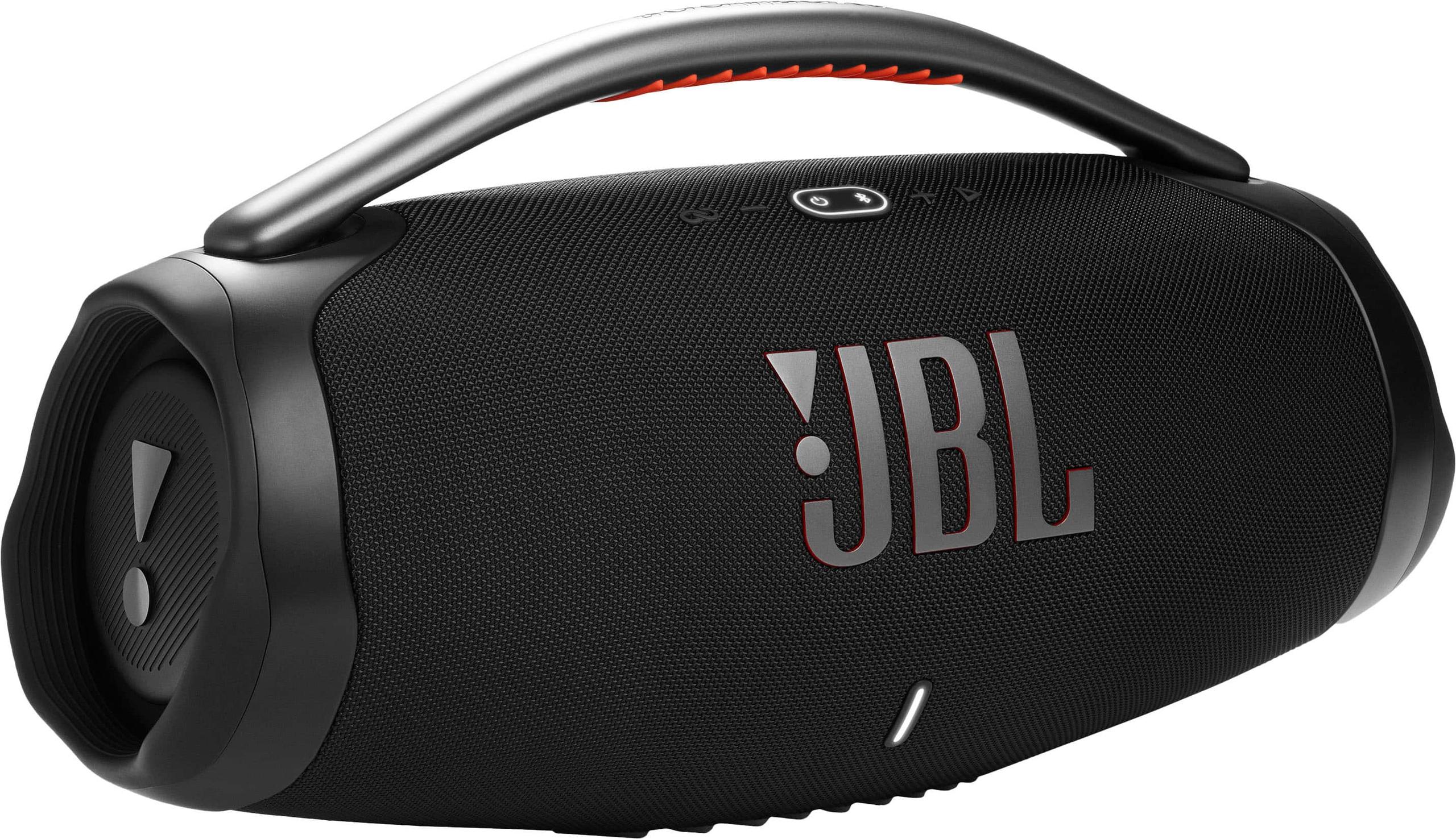
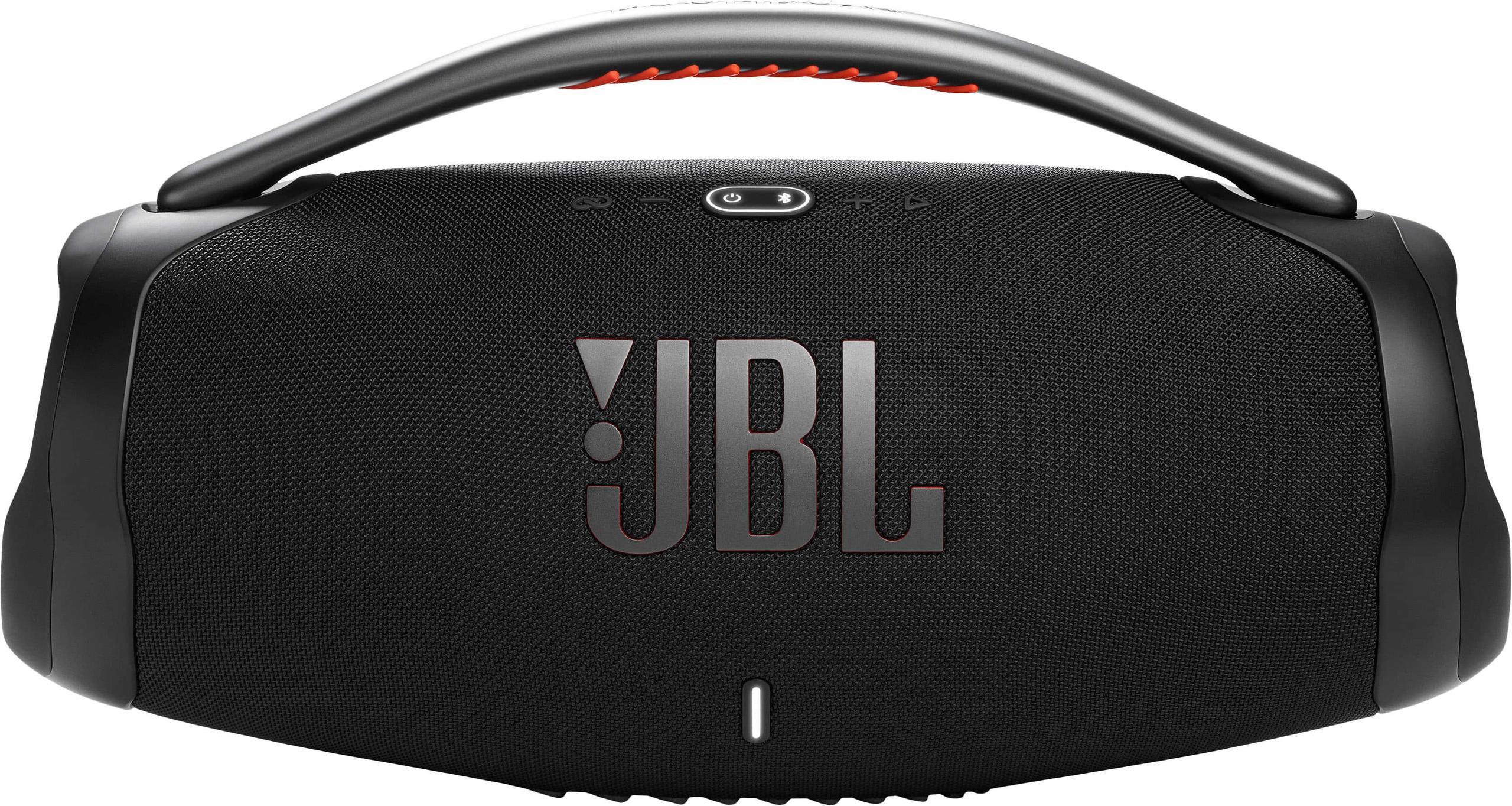
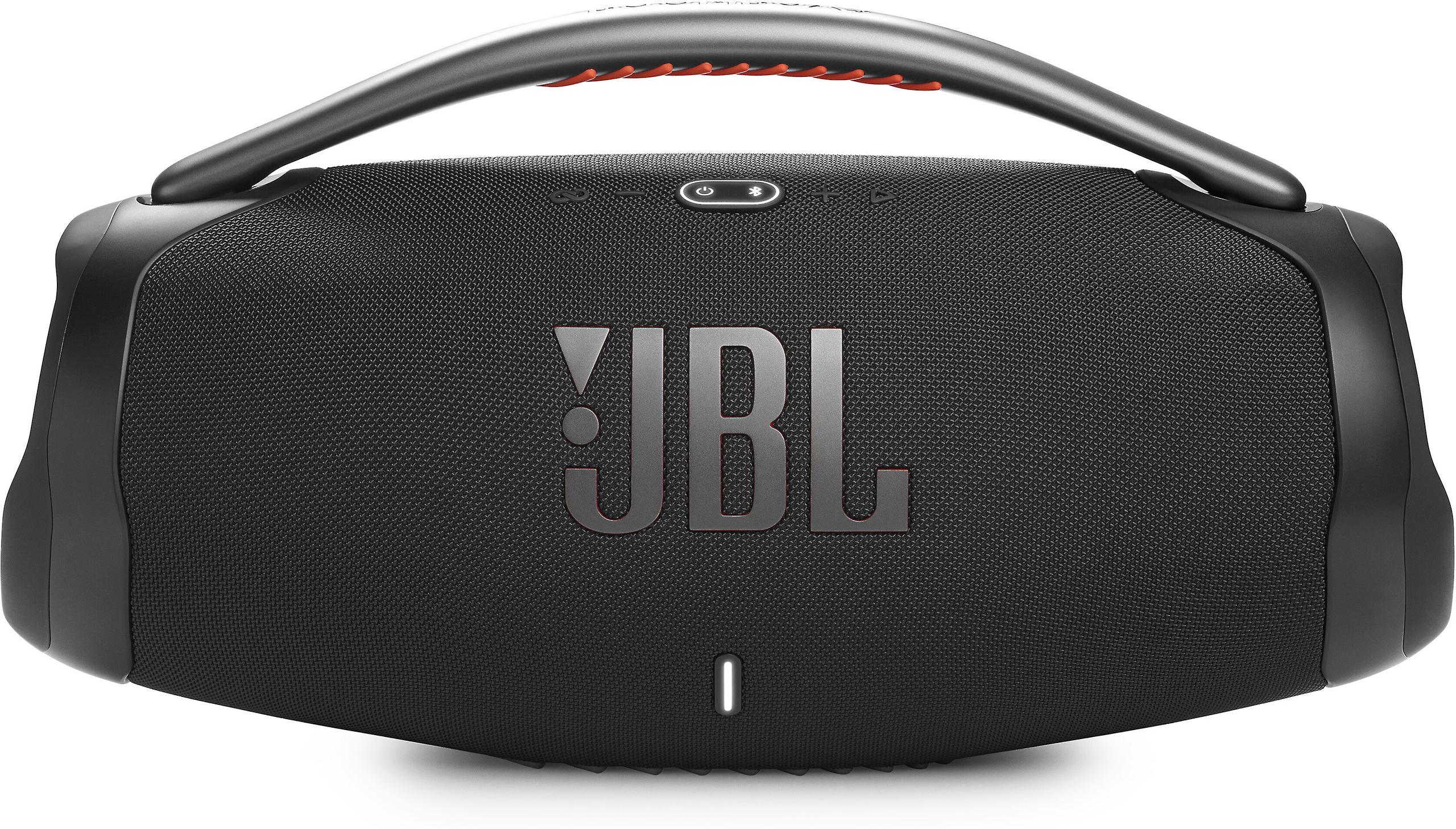
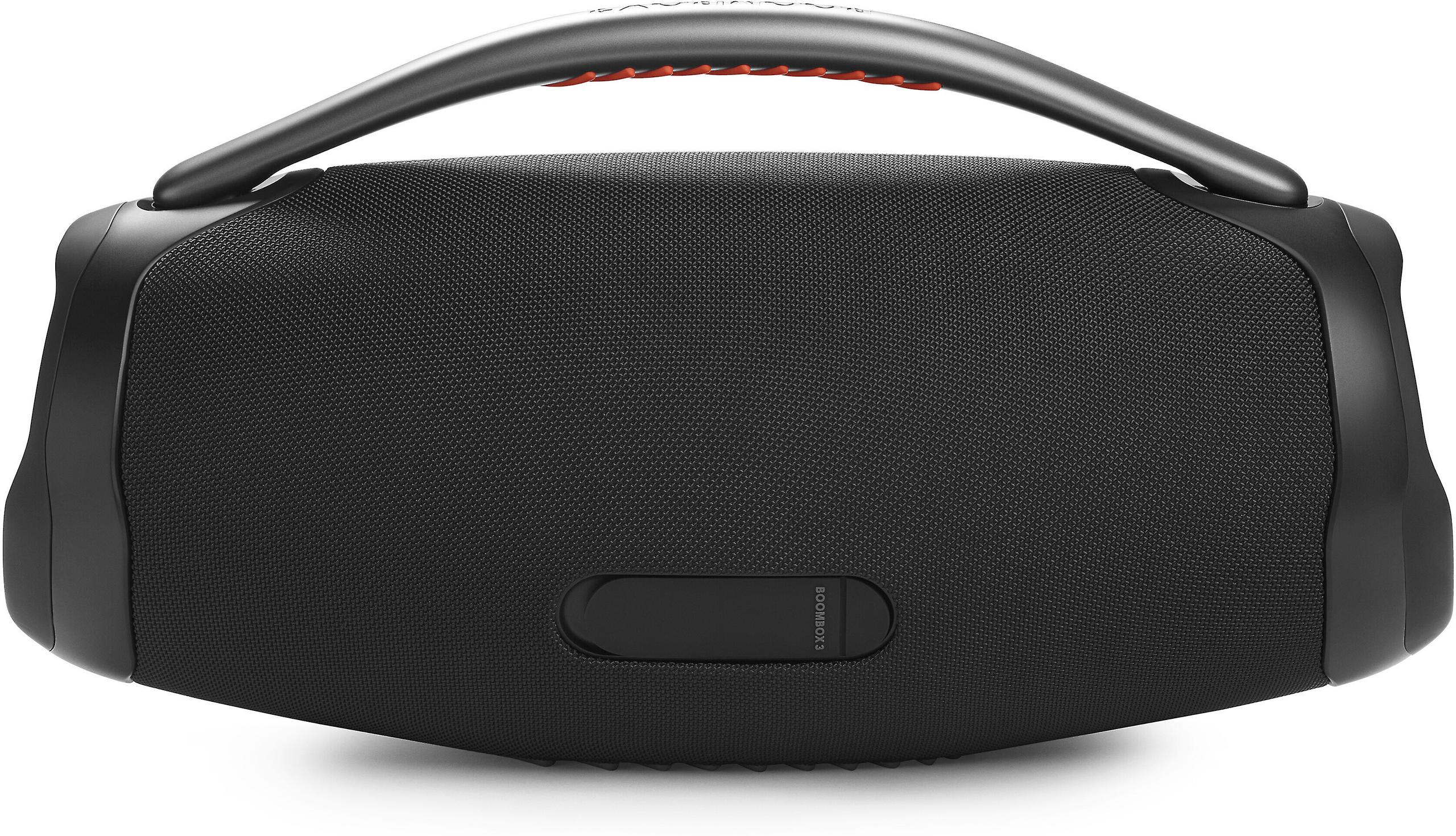
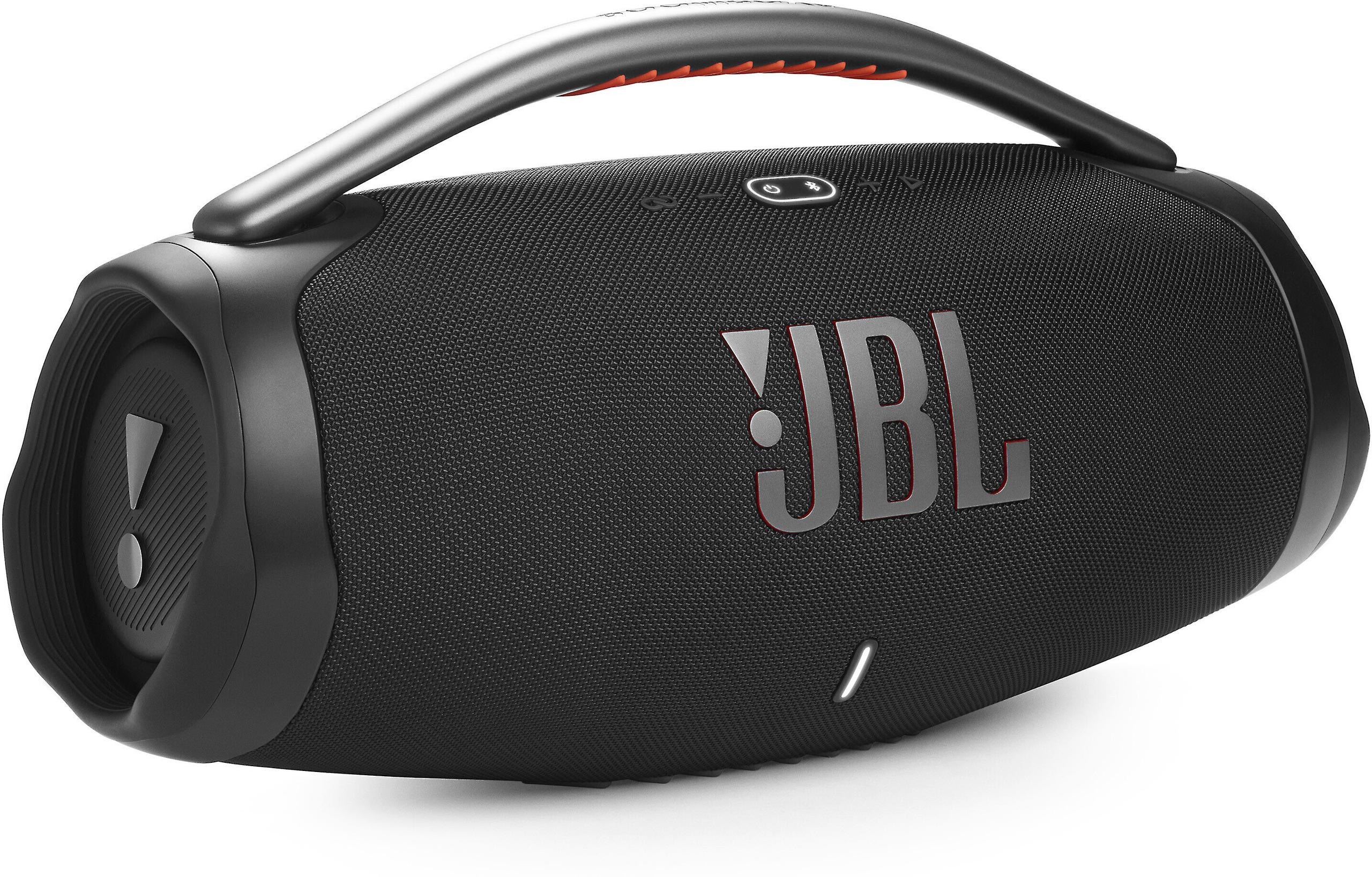
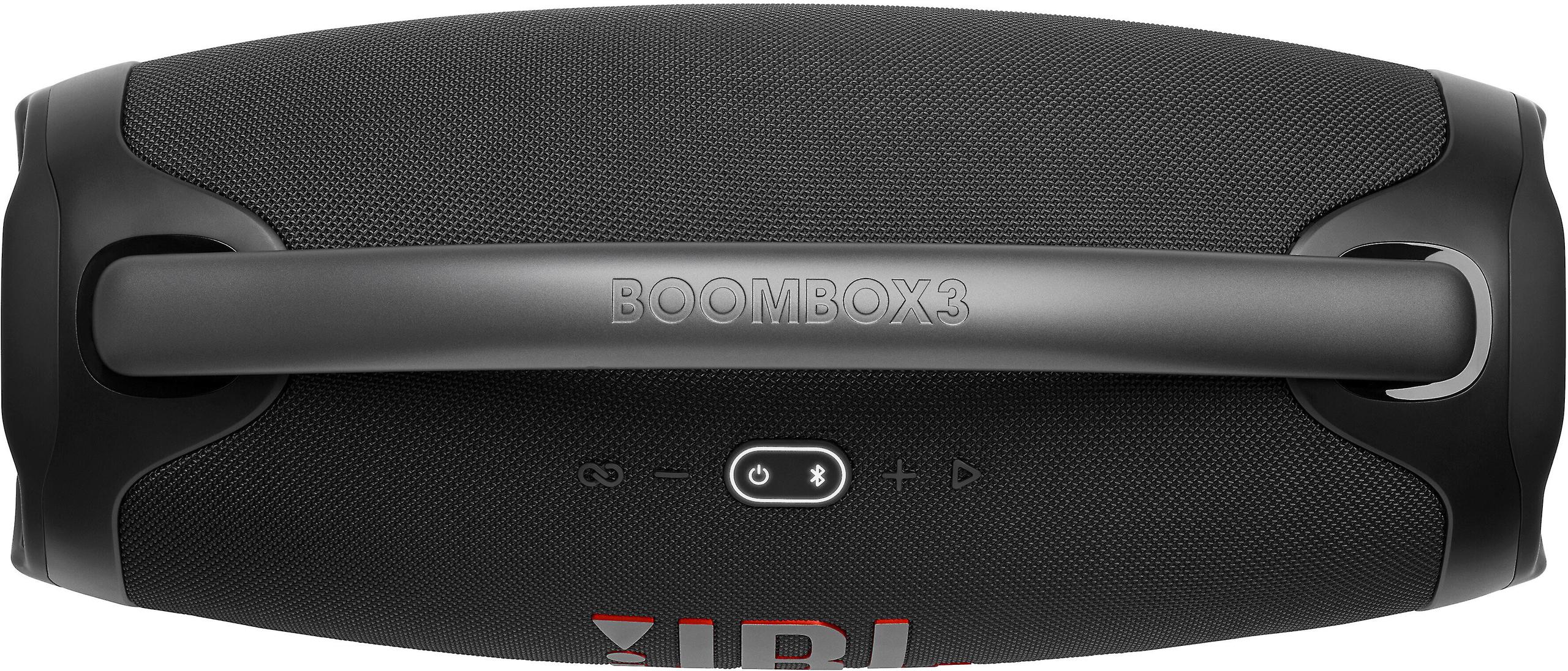
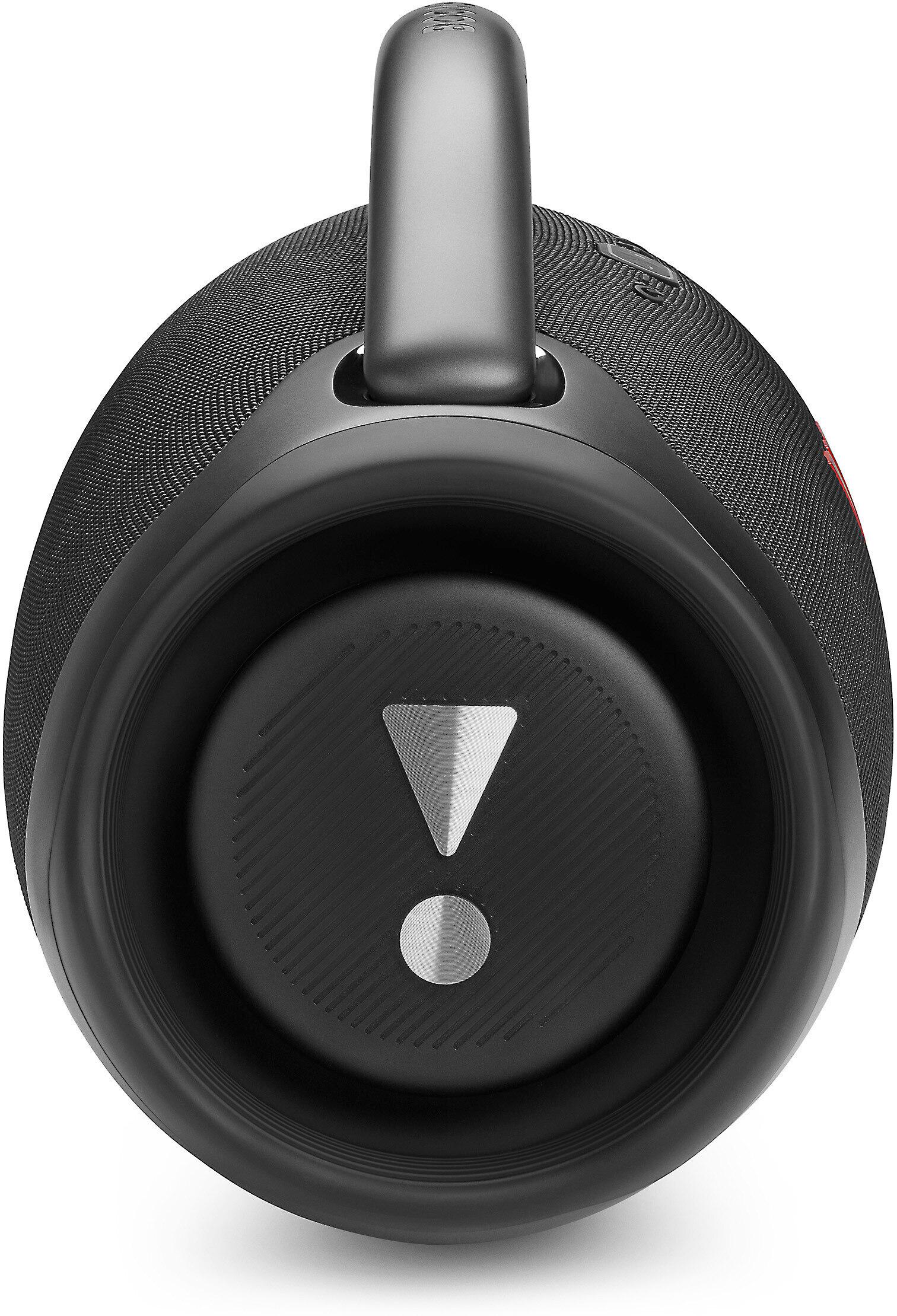
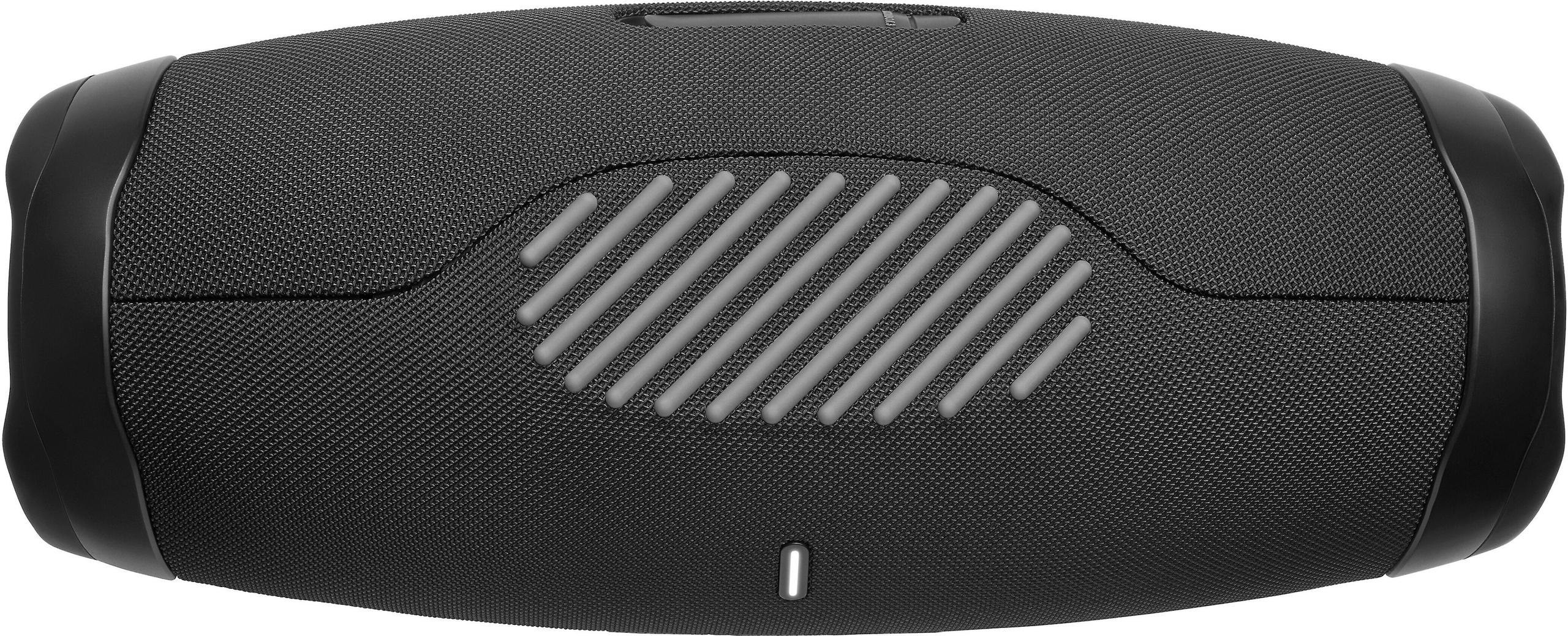
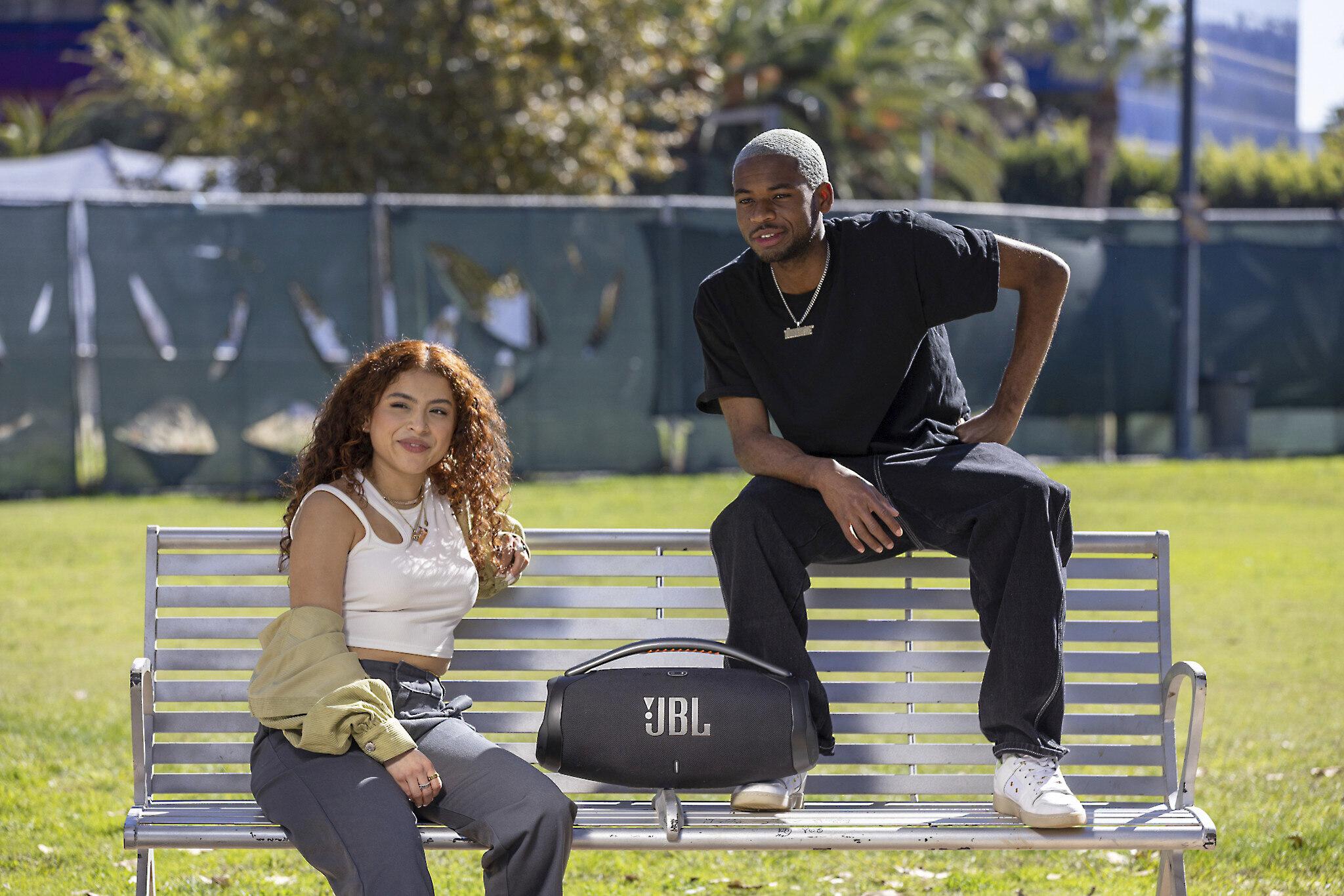
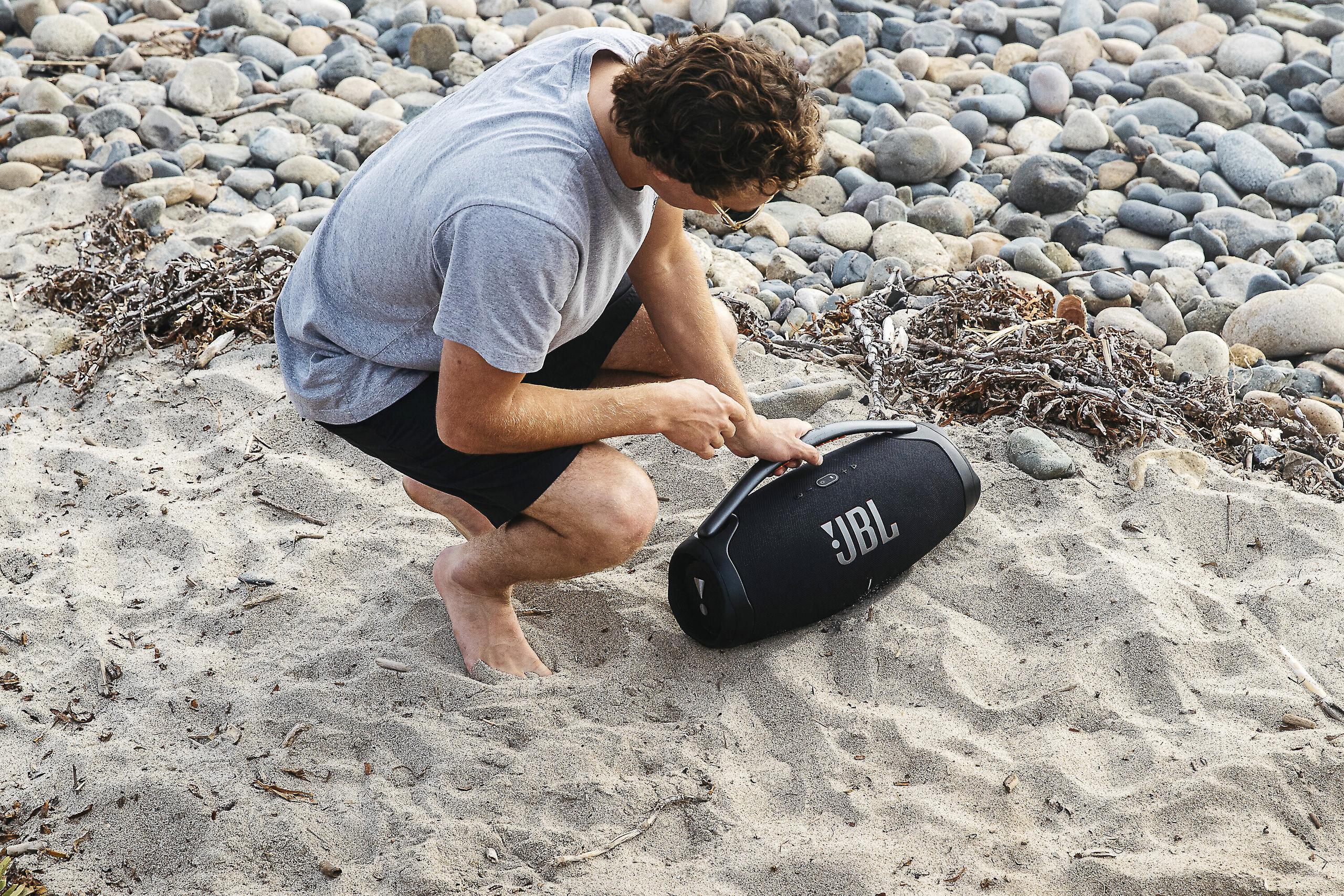


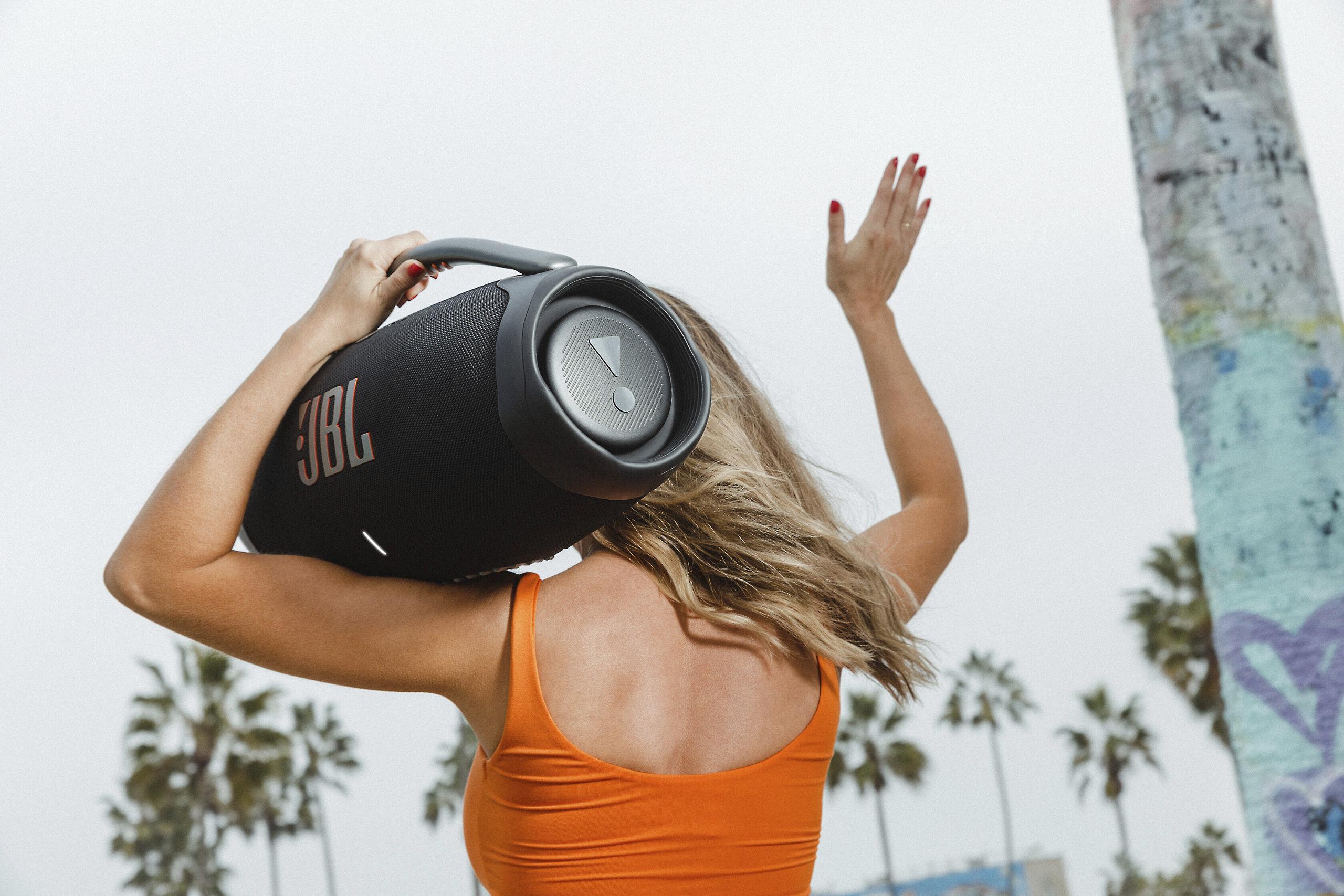
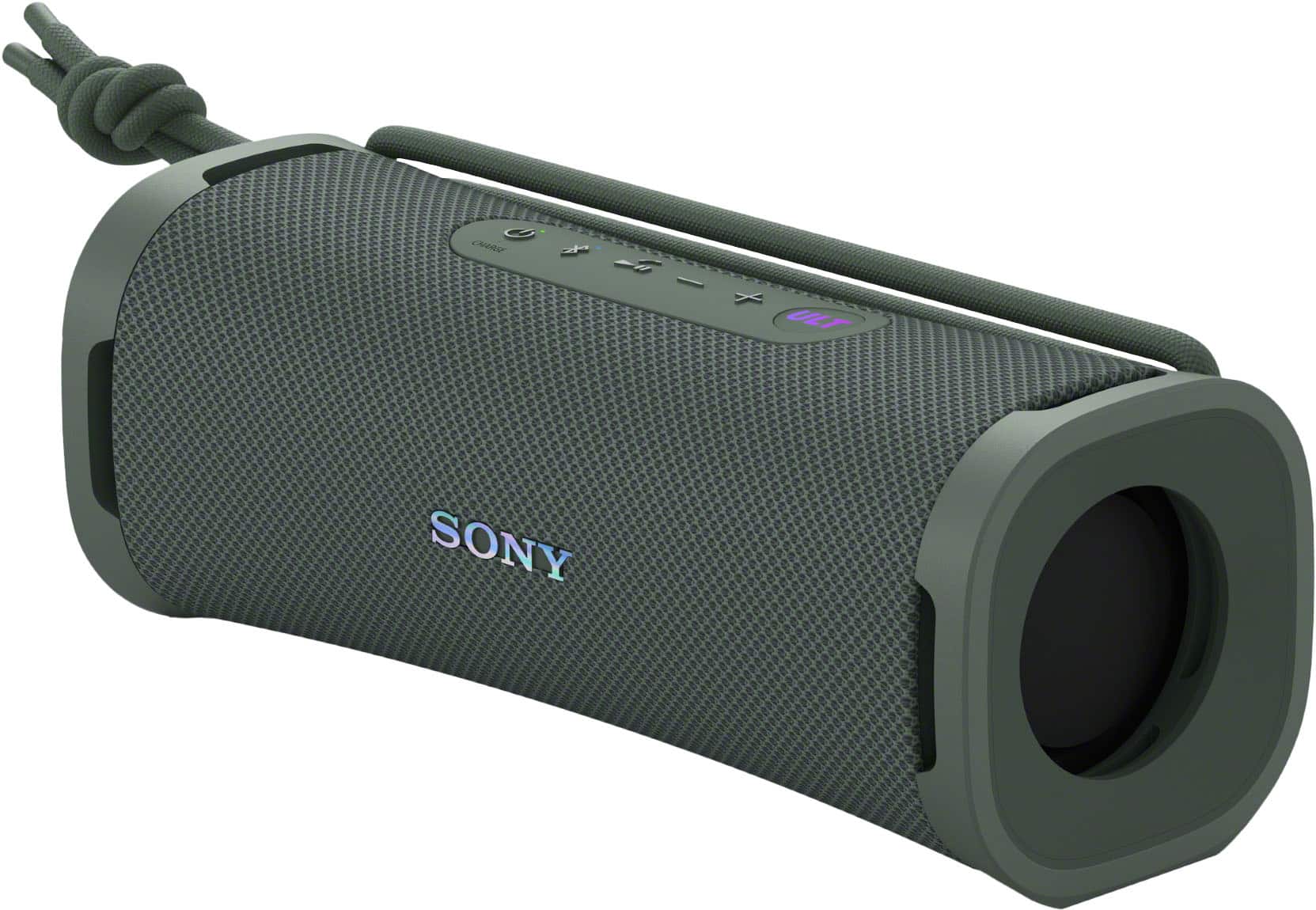
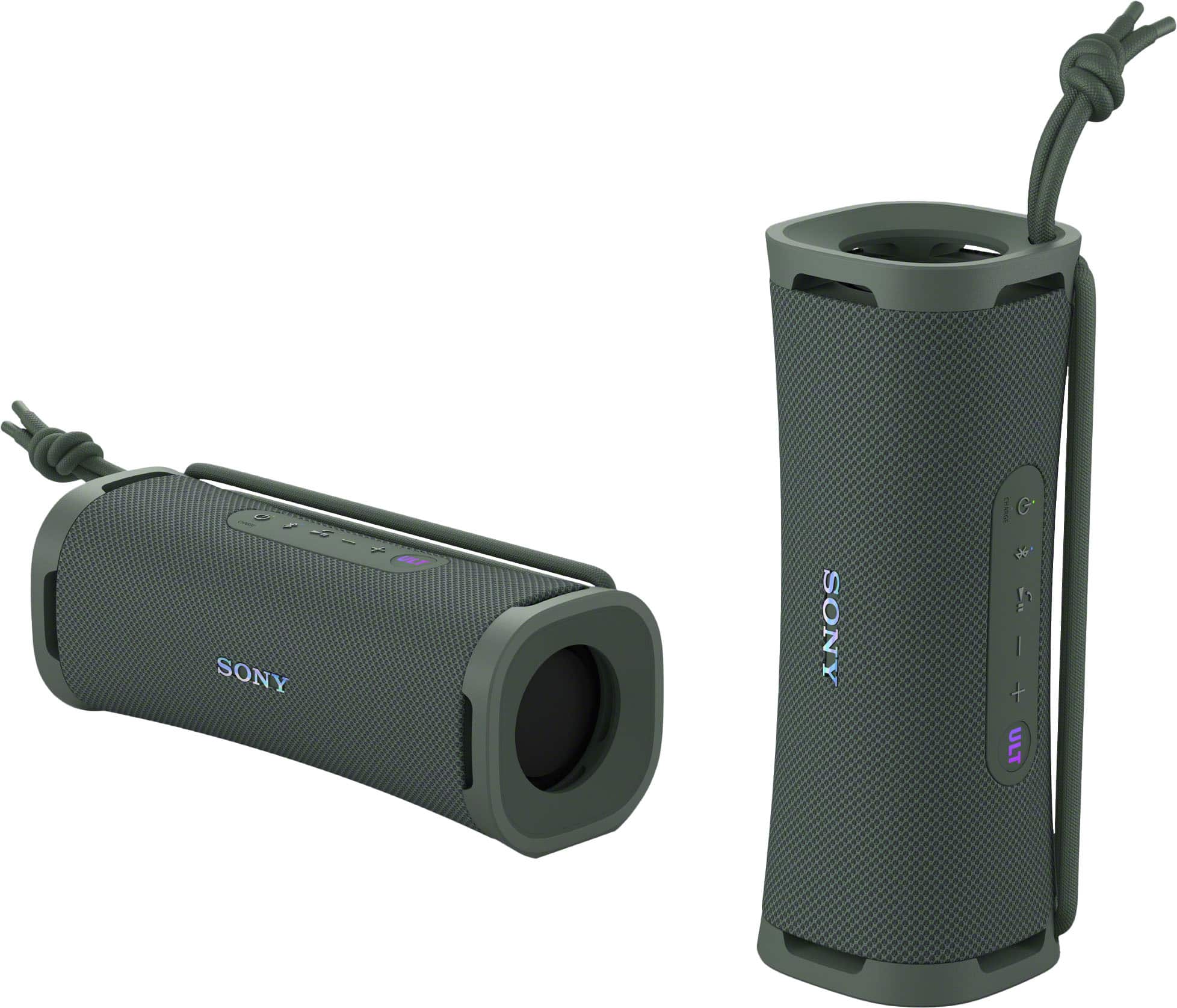
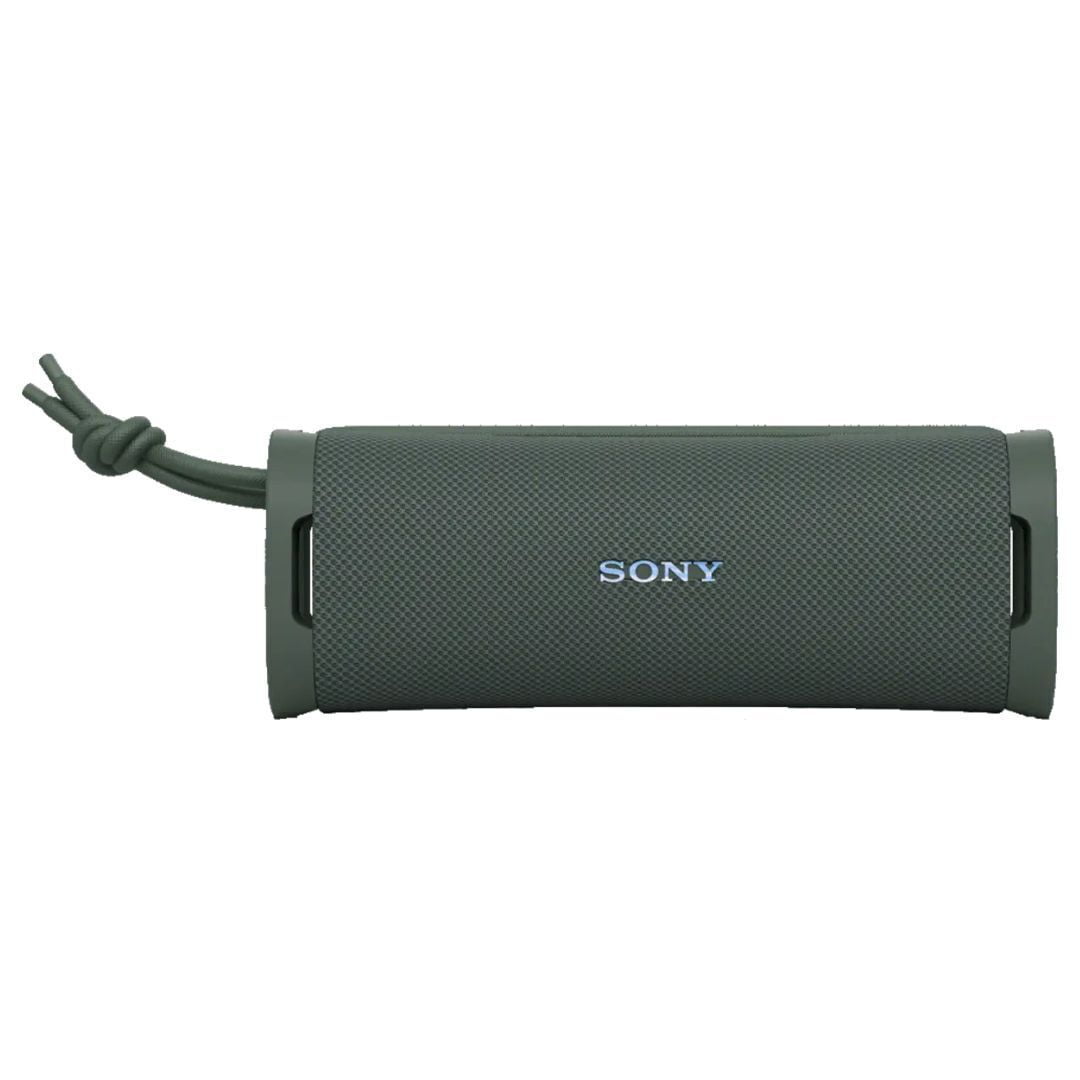


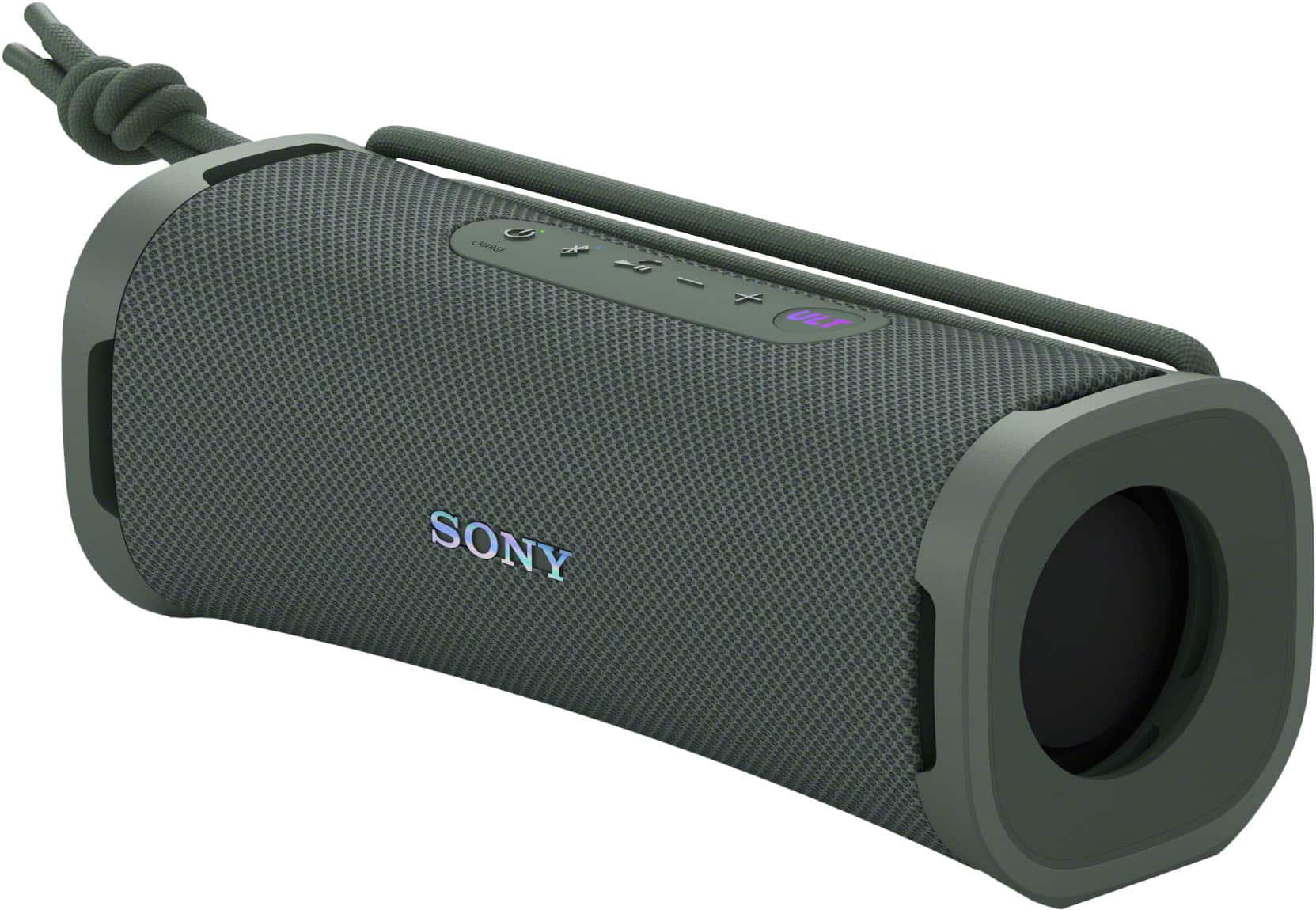
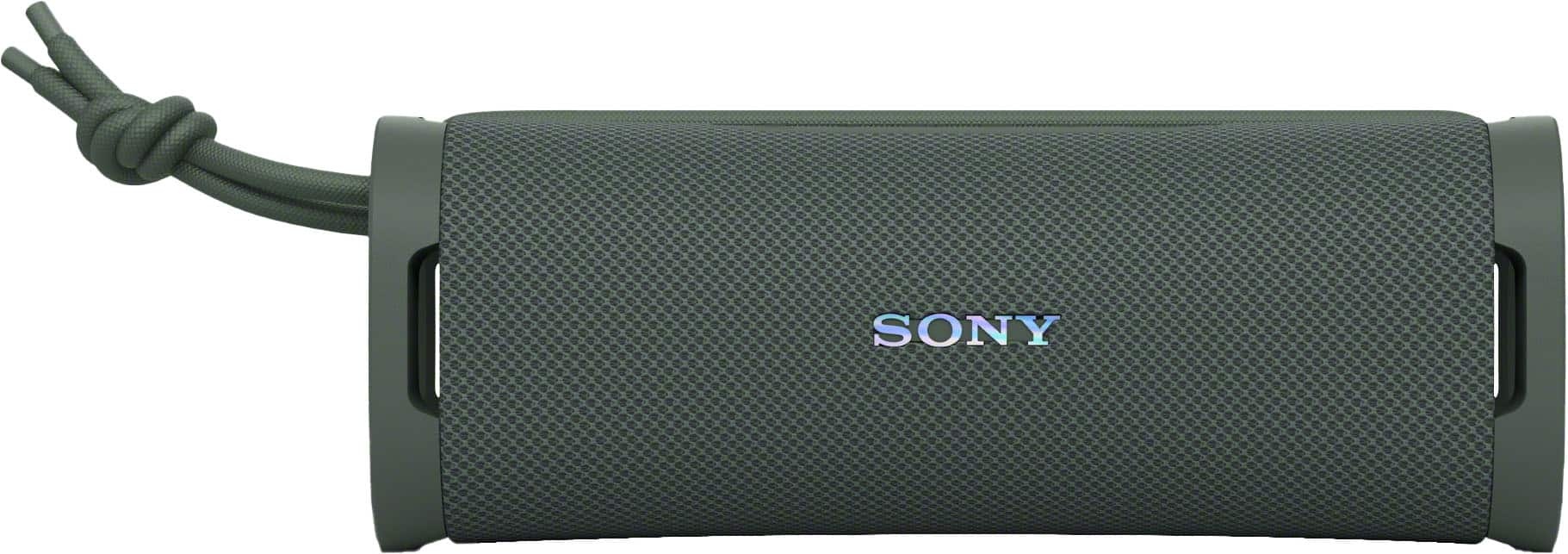
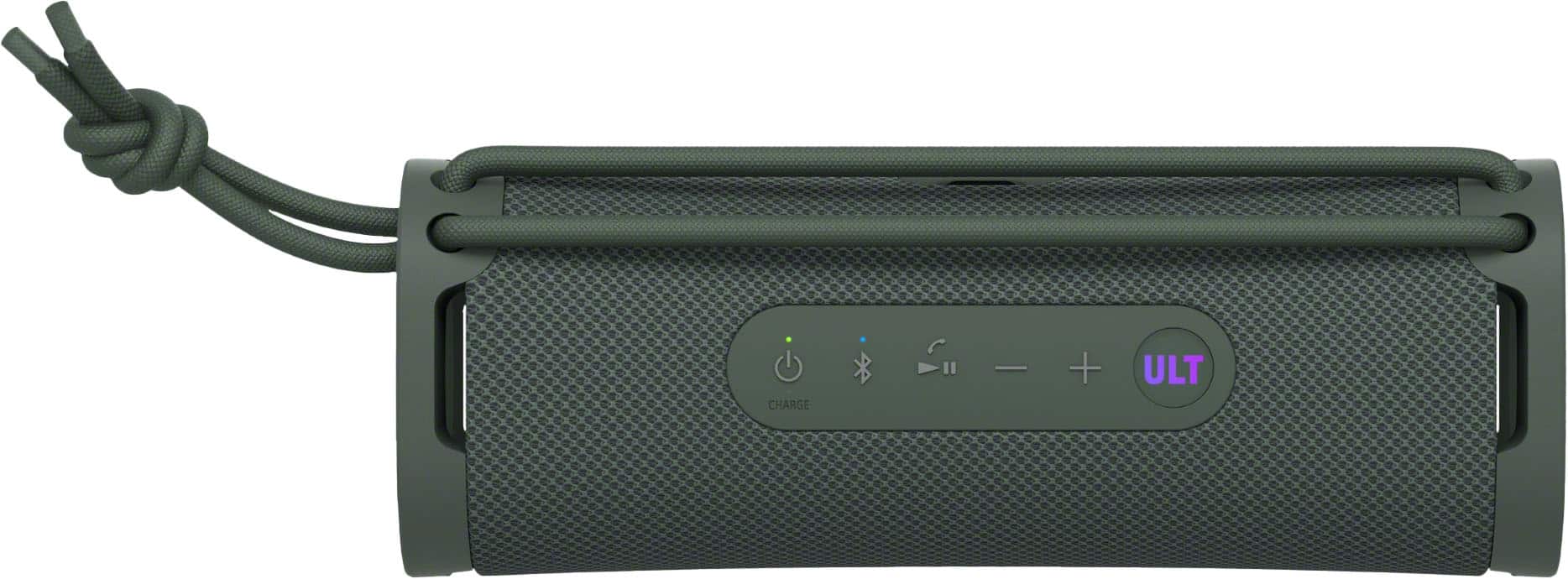

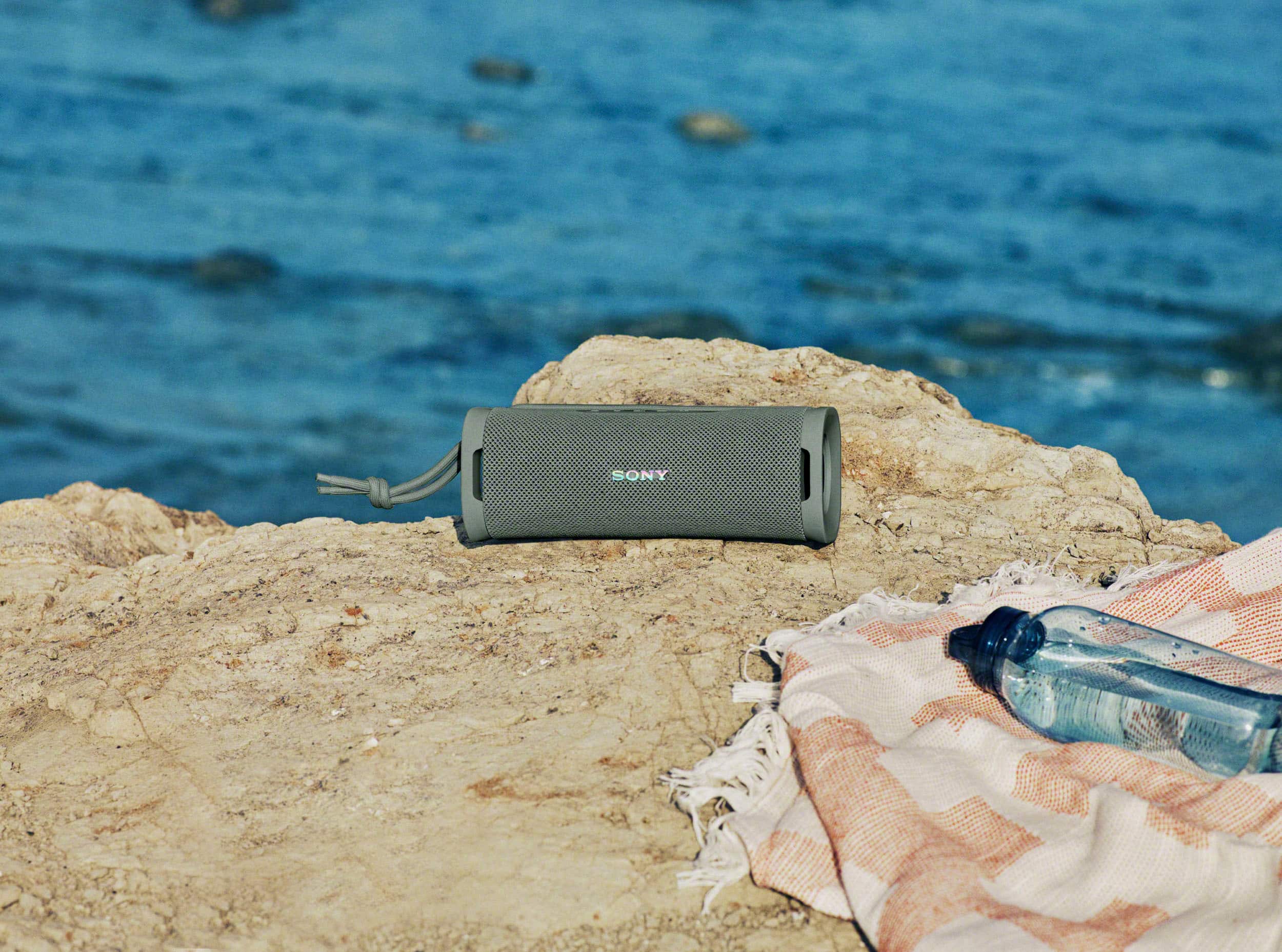
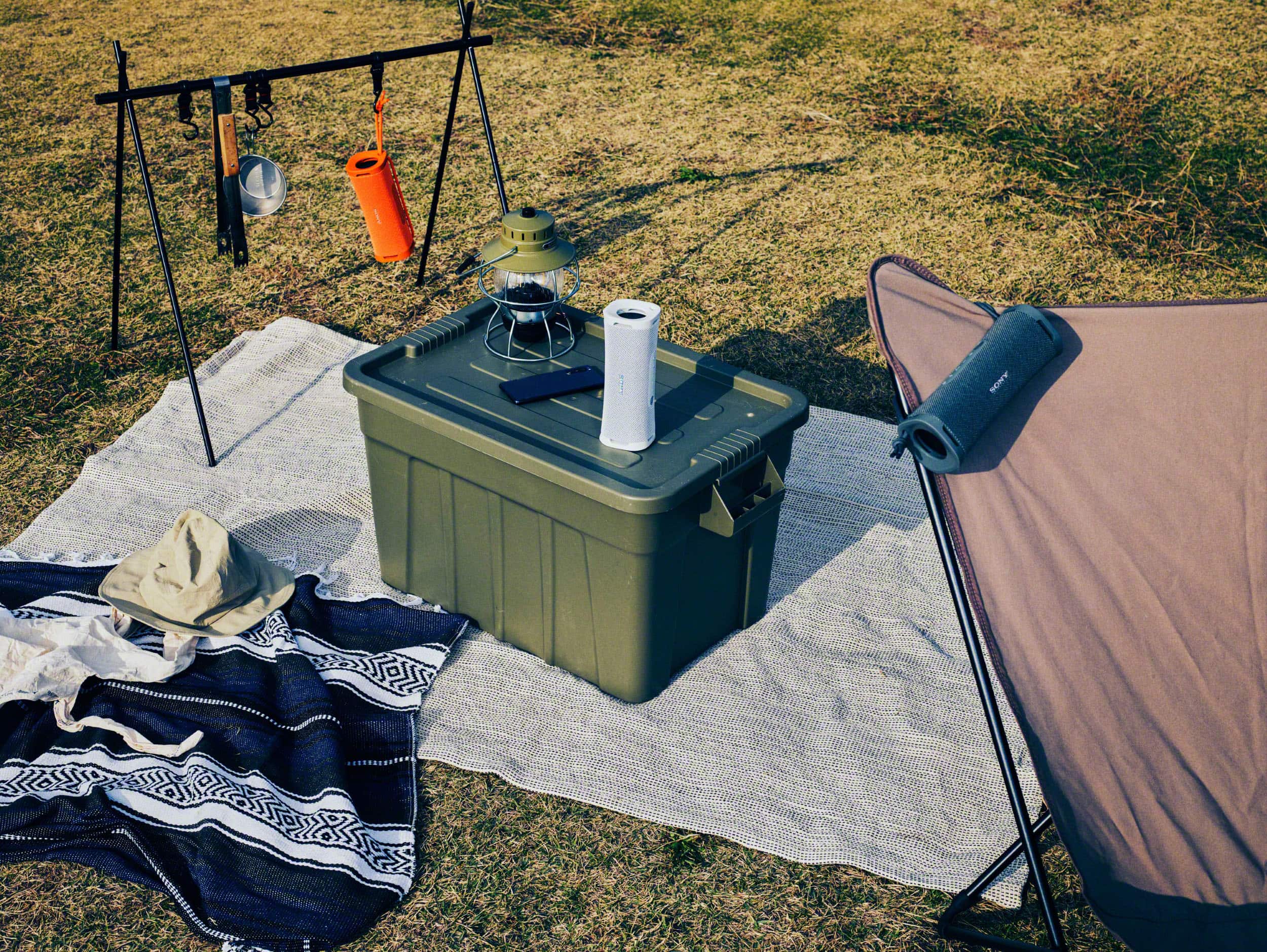
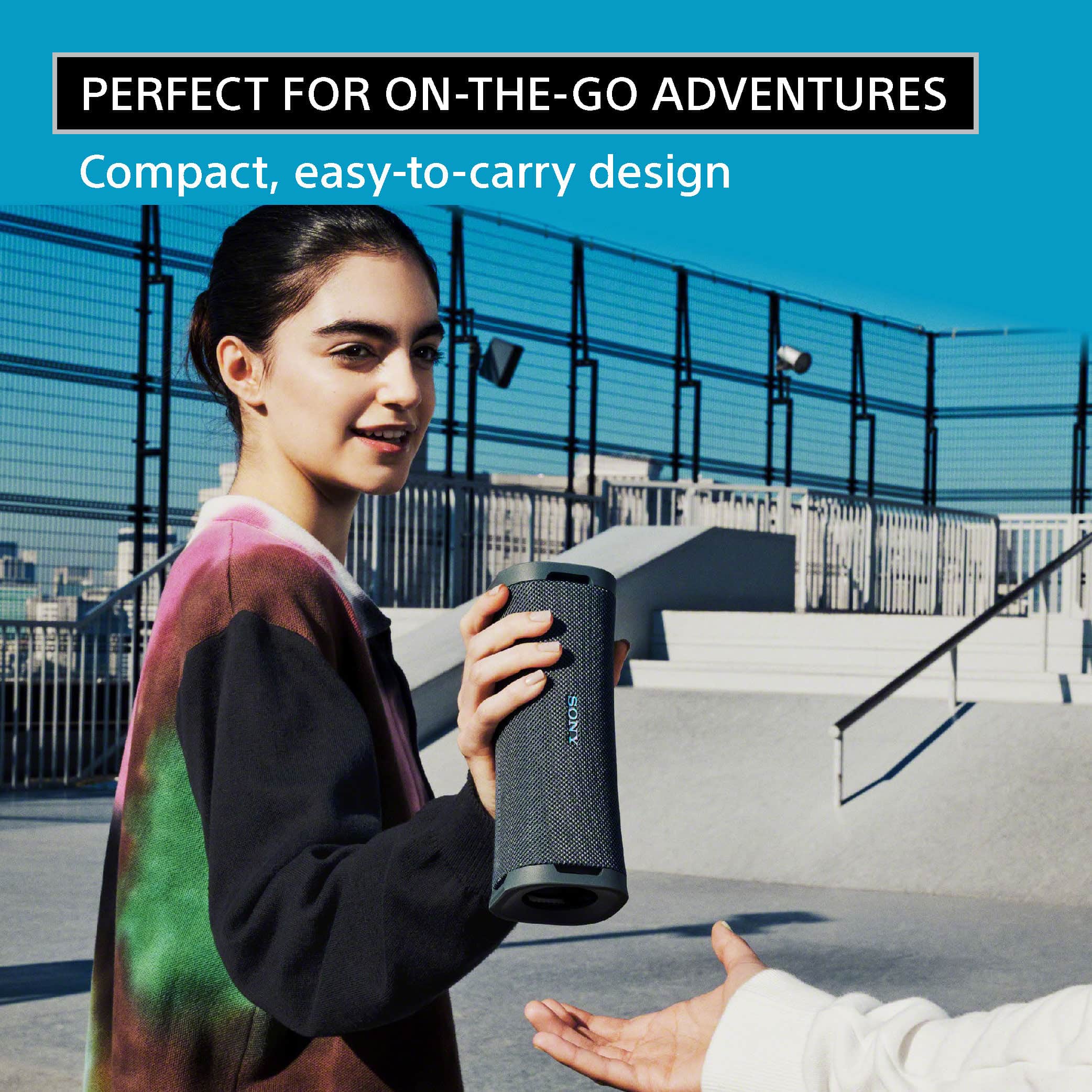
When it comes to portable Bluetooth speakers, the range of options can be overwhelming. Today we're comparing two very different approaches - the premium JBL Boombox 3 ($399.99) and the budget-friendly Sony ULT FIELD 1 ($89.99). While both are designed to bring music outdoors, they target distinctly different use cases and users.
The portable speaker market has evolved significantly over the past decade. When the JBL Boombox 3 launched in 2022, it represented the pinnacle of portable audio technology, with features like dedicated subwoofers and advanced digital signal processing becoming standard in premium offerings. The Sony ULT FIELD 1, released in early 2024, takes a different approach, focusing on modern durability standards and efficient design at a more accessible price point.
The Boombox 3 employs a sophisticated 3-way speaker system, meaning it has dedicated drivers for low, mid, and high frequencies. This separation allows each frequency range to be reproduced more accurately. The 80W RMS subwoofer delivers impressive bass response down to 40Hz - that's low enough to feel the kick drum in most music genres. Two 40W midrange drivers handle vocals and instruments, while twin 10W tweeters ensure crisp high frequencies.
What's particularly impressive is how the DSP (Digital Signal Processing) maintains sound quality at high volumes. Unlike cheaper speakers that can sound harsh or distorted when pushed, the Boombox 3 remains composed even at party volumes.
The ULT FIELD 1 takes a simpler approach with a single full-range driver complemented by passive radiators. While this design can't match the separation and power of the JBL, it's remarkably efficient for its size. The "ULT" bass boost feature uses digital processing to enhance low frequencies, though it can't create bass that the small driver physically can't produce.
Sony's Sound Diffusion Processor helps create a wider soundstage than you'd expect from a mono speaker, but it's still no match for true stereo separation.
I've tested both speakers in various settings, and the differences become clear in real-world use:
The Boombox 3 excels here, easily filling a backyard or beach area with rich, full sound. Its power reserve means it never sounds strained, even when competing with conversation and ambient noise. The bass remains impactful even outdoors, where many portable speakers struggle.
The ULT FIELD 1 performs admirably for its size but shows limitations in larger spaces. It's better suited to providing background music for small groups rather than powering a party.
Interestingly, the roles somewhat reverse for personal use. The Sony's compact size and clear midrange make it excellent for podcasts or music while cooking or working. The JBL can actually be overkill for close-range listening, though its superior sound quality is always apparent.
Battery technology has improved significantly in recent years, and both speakers benefit from modern efficiency:
Both speakers feature modern durability standards:
The Boombox 3 features:
The ULT FIELD 1 offers:
The Boombox 3 justifies its premium price through superior sound quality, build quality, and features. It's an investment that makes sense for:
The ULT FIELD 1 delivers impressive value at its price point, perfect for:
Consider your primary use case:
Choose the JBL if:
Choose the Sony if:
Both speakers excel in their respective categories. The JBL Boombox 3 sets the standard for portable party speakers, while the Sony ULT FIELD 1 proves that quality portable audio doesn't have to break the bank.
Remember: The best speaker is the one that fits your specific needs and use cases. Consider how and where you'll use it most often, and choose accordingly.
| JBL Boombox 3 | Sony ULT FIELD 1 |
|---|---|
| Power Output - Determines maximum volume and sound quality at high levels | |
| 180W RMS total (80W sub + 80W mid + 20W tweeter) | Not specified, estimated 20-30W total |
| Battery Life - Critical for extended outdoor use | |
| 24 hours at moderate volume | 6-12 hours depending on volume |
| Speaker Configuration - Impacts sound quality and separation | |
| 3-way system with dedicated sub, mid, and tweeter | Single driver with passive radiators |
| Size & Weight - Affects portability and practicality | |
| 48.2 x 25.7 x 20.0 cm, 6.7 kg | Approximately 20 x 8 x 8 cm, 0.9 kg |
| Durability Rating - Important for outdoor use | |
| IPX7 waterproof | IP67 waterproof and dustproof |
| Price - Value consideration | |
| $399.99 | $89.99 |
| Connectivity Features - Impacts versatility | |
| Bluetooth 5.3, PartyBoost, aux-in, power bank | Bluetooth 5.3, stereo pairing |
| Frequency Response - Determines bass capability | |
| 40 Hz - 20k Hz | Not specified, estimated 60 Hz - 20k Hz |
| Special Features - Adds functionality | |
| JBL PartyBoost, EQ app control, power bank | ULT bass boost, Sound Diffusion Processor |
| Primary Use Case - Who it's best for | |
| Large gatherings, parties, outdoor events | Personal listening, small groups, portability |
The JBL Boombox 3 is significantly better for outdoor parties due to its 180W total power output and superior bass response. The Sony ULT FIELD 1 is better suited for small gatherings.
The JBL Boombox 3 costs $399.99, while the Sony ULT FIELD 1 is priced at $89.99, making it $310 less expensive.
The JBL Boombox 3 offers 24 hours of playback, while the Sony ULT FIELD 1 provides 6-12 hours, depending on volume levels.
Yes, both are waterproof. The JBL Boombox 3 has an IPX7 rating, while the Sony ULT FIELD 1 has an IP67 rating, making it additionally dustproof.
The Sony ULT FIELD 1 is significantly more portable at 0.9kg, compared to the JBL Boombox 3 which weighs 6.7kg.
The JBL Boombox 3 offers PartyBoost to connect with other JBL speakers, while the Sony ULT FIELD 1 can only pair with another ULT FIELD 1.
The JBL Boombox 3 has superior bass with its dedicated 80W subwoofer, reaching down to 40Hz. The Sony ULT FIELD 1 offers enhanced bass through its ULT button but can't match the JBL's performance.
The JBL Boombox 3 includes a power bank feature for charging devices, while the Sony ULT FIELD 1 does not offer this capability.
Both work well indoors, but the Sony ULT FIELD 1 is more practical for everyday indoor use due to its size. The JBL Boombox 3 can be overkill for small indoor spaces.
Yes, both speakers offer app control - the JBL Boombox 3 uses the JBL Portable app, while the Sony ULT FIELD 1 uses the Sony Music Center app.
Both are highly durable, but the Sony ULT FIELD 1 has a slight edge with its IP67 rating and military-grade shock resistance. The JBL Boombox 3 is still very robust but lacks formal shock resistance certification.
For casual users, the Sony ULT FIELD 1 offers better value at $89.99. However, if you need powerful sound and extended battery life, the JBL Boombox 3 justifies its higher price with superior performance.
We've done our best to create useful and informative comparisons to help you decide what product to buy. Our research uses advanced automated methods to create this comparison and perfection is not possible - please contact us for corrections or questions. These are the sites we've researched in the creation of this article: tomsguide.com - sweetwater.com - bestbuy.com - jbl.com - rtings.com - harmanaudio.com - jbl.com - jbl.com - thepowercentre.ca - youtube.com - bhphotovideo.com - krazykileys.ca - rtings.com - youtube.com - youtube.com - soundguys.com - techradar.com - electronics.sony.com - thesonyshop.ca - bestbuy.com - electronics.sony.com - sony.ca - stereoguide.com - youtube.com - electronics.sony.com

Privacy Policy
Terms and Conditions - Affiliate Policy
Home Security
© Copyright 2008-2026.
11816 Inwood Rd #1211, Dallas, TX 75244