

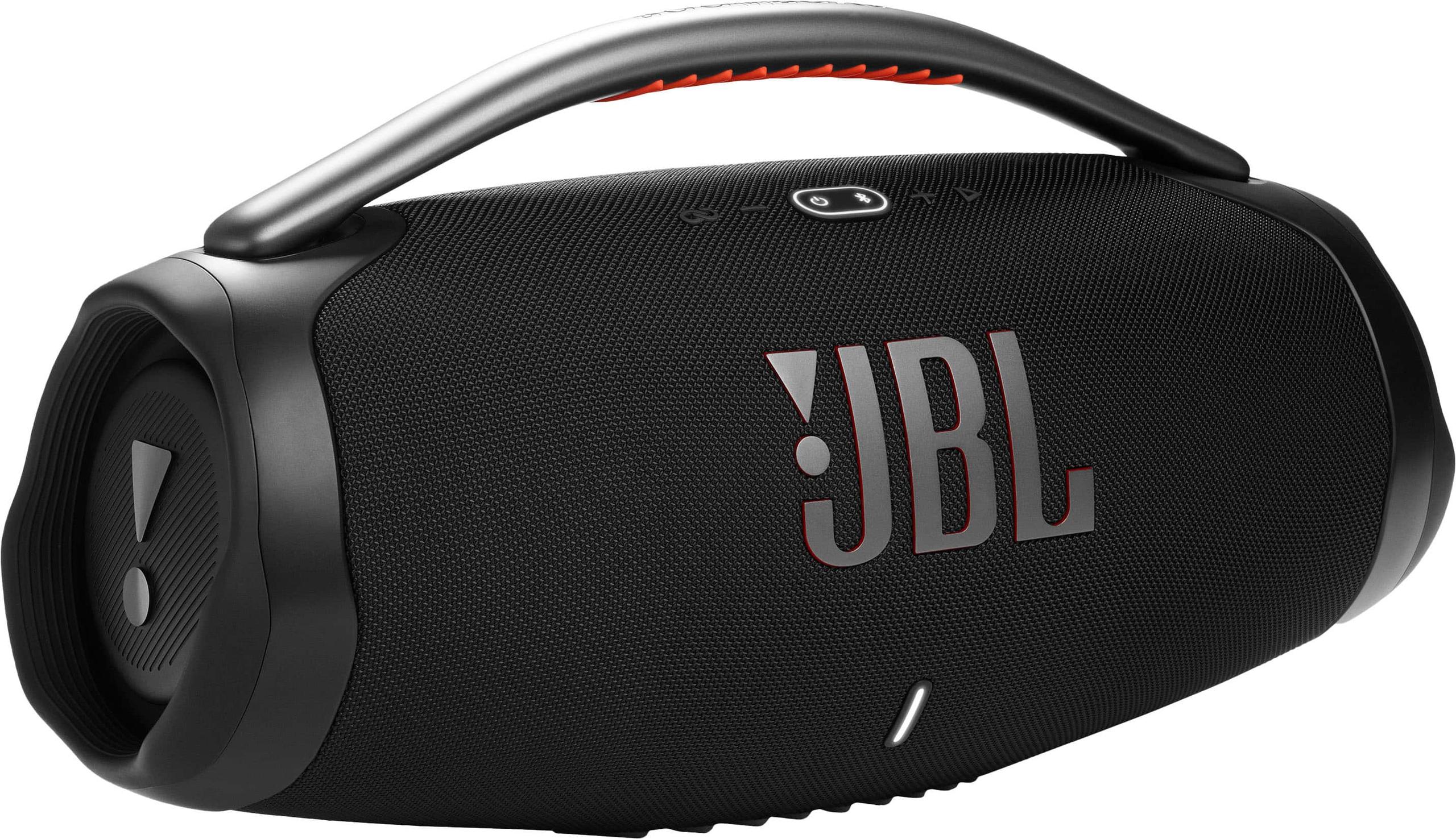
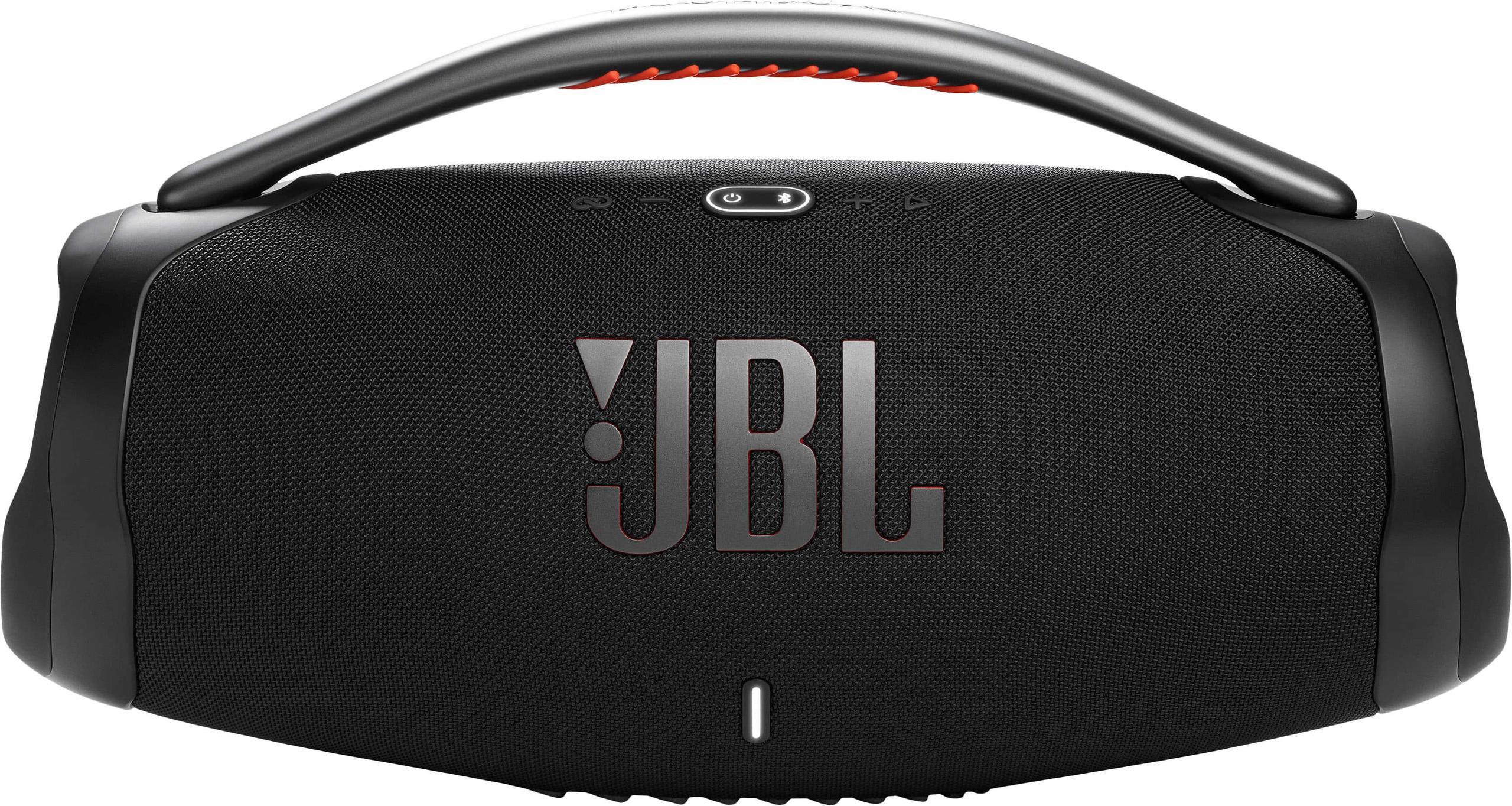
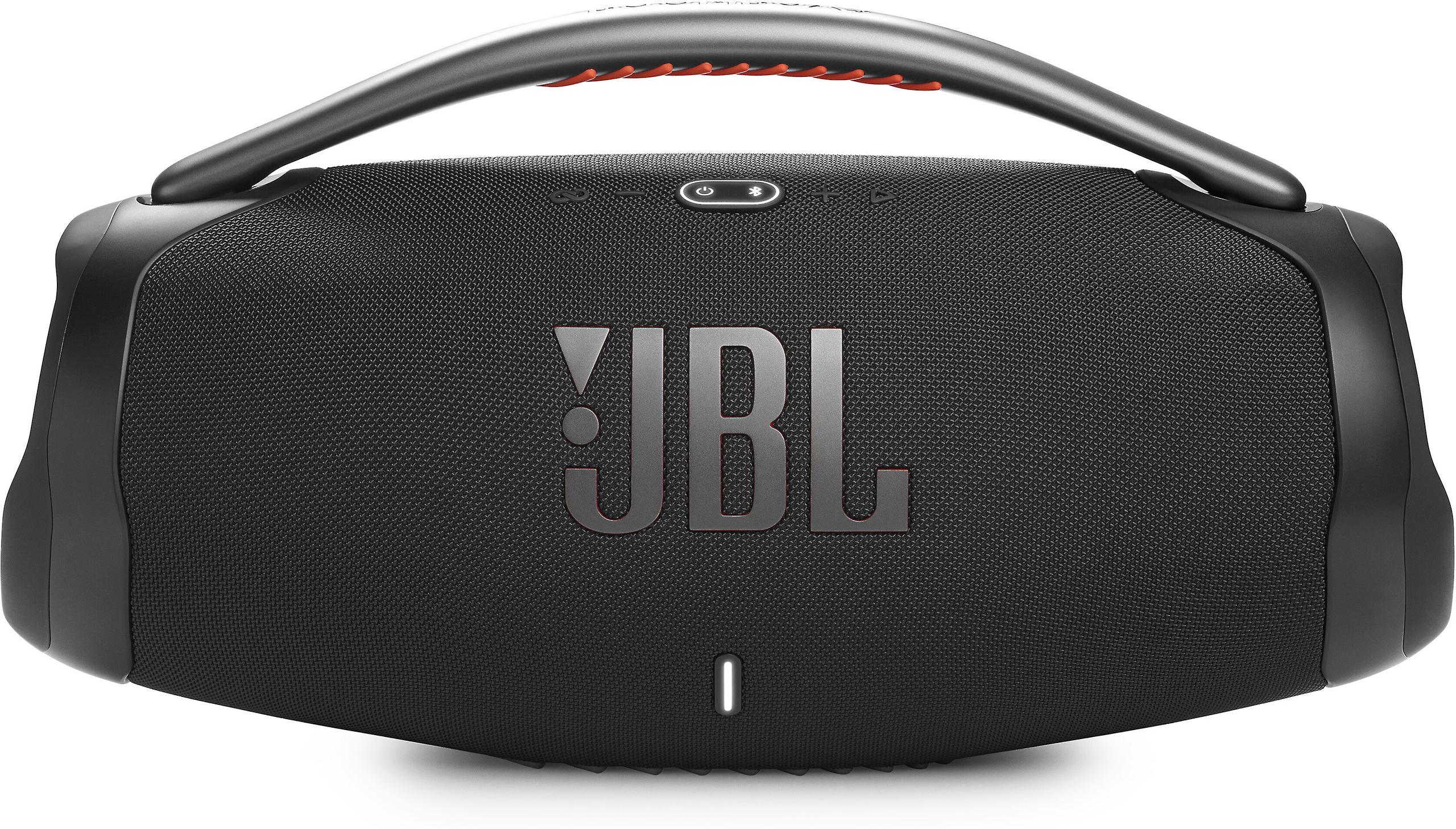
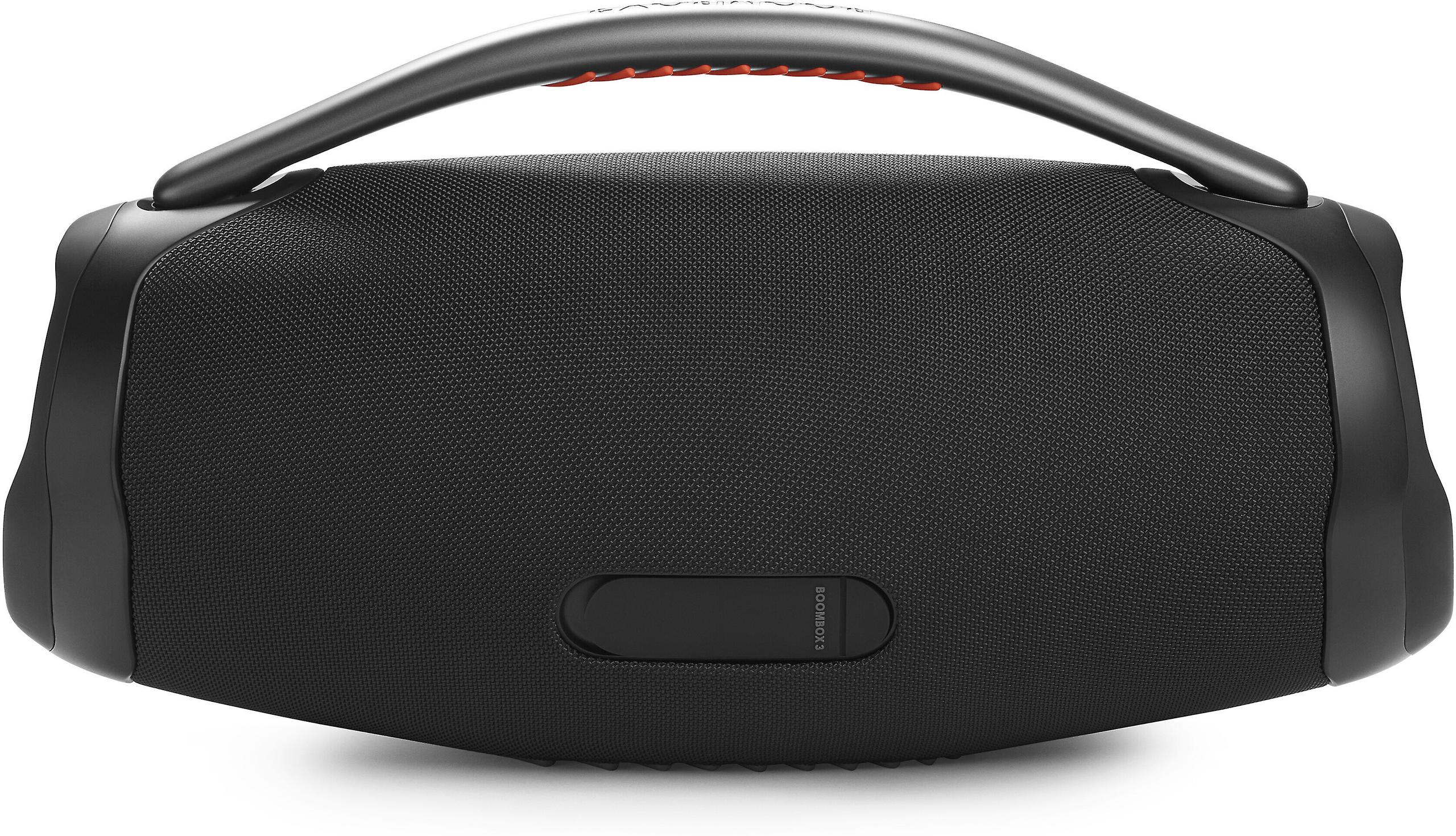
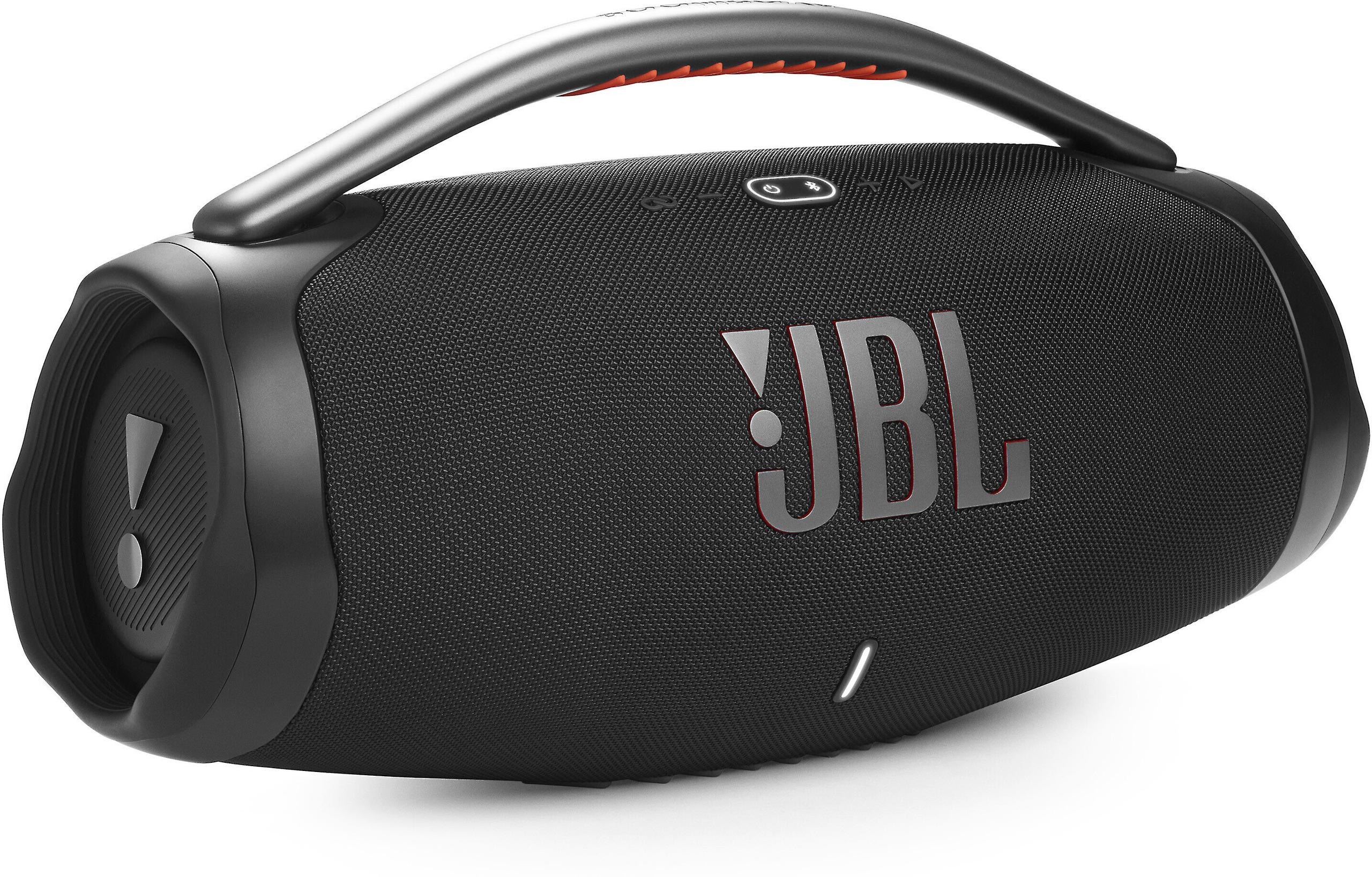
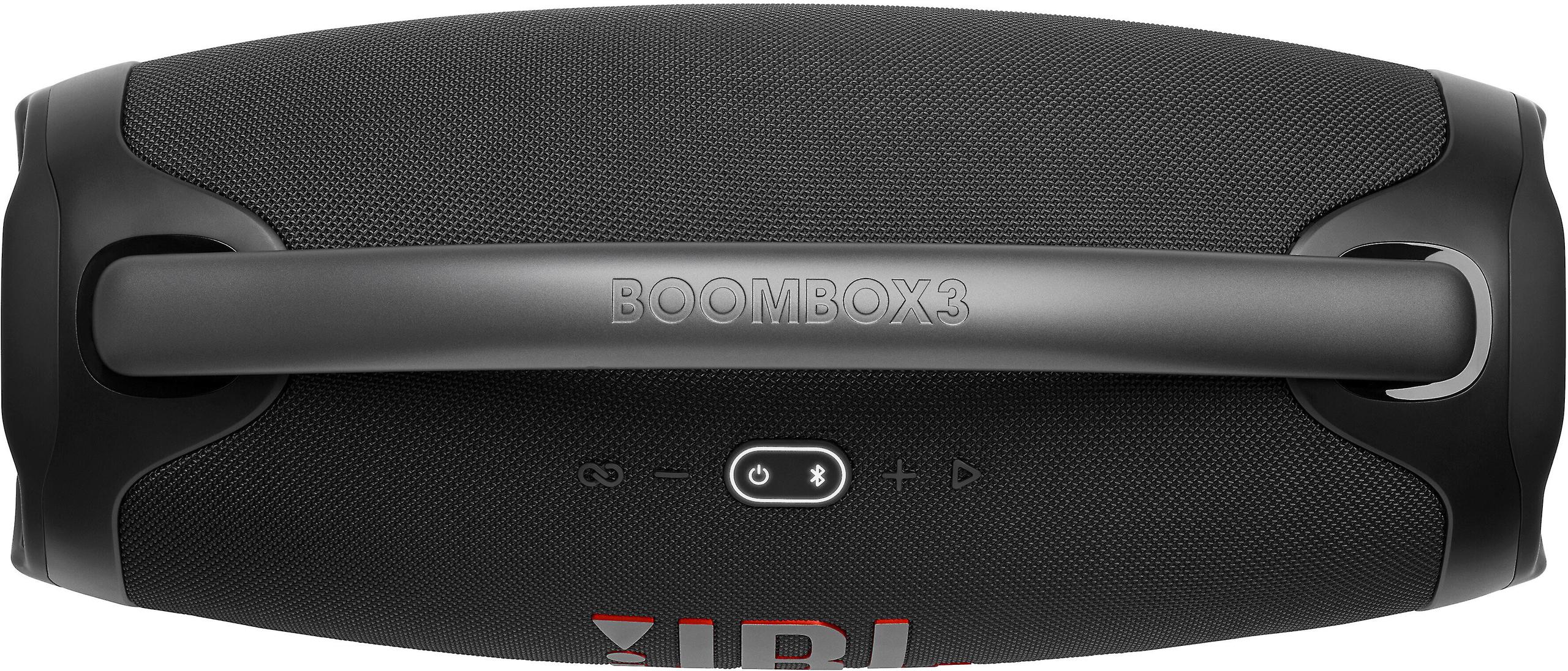
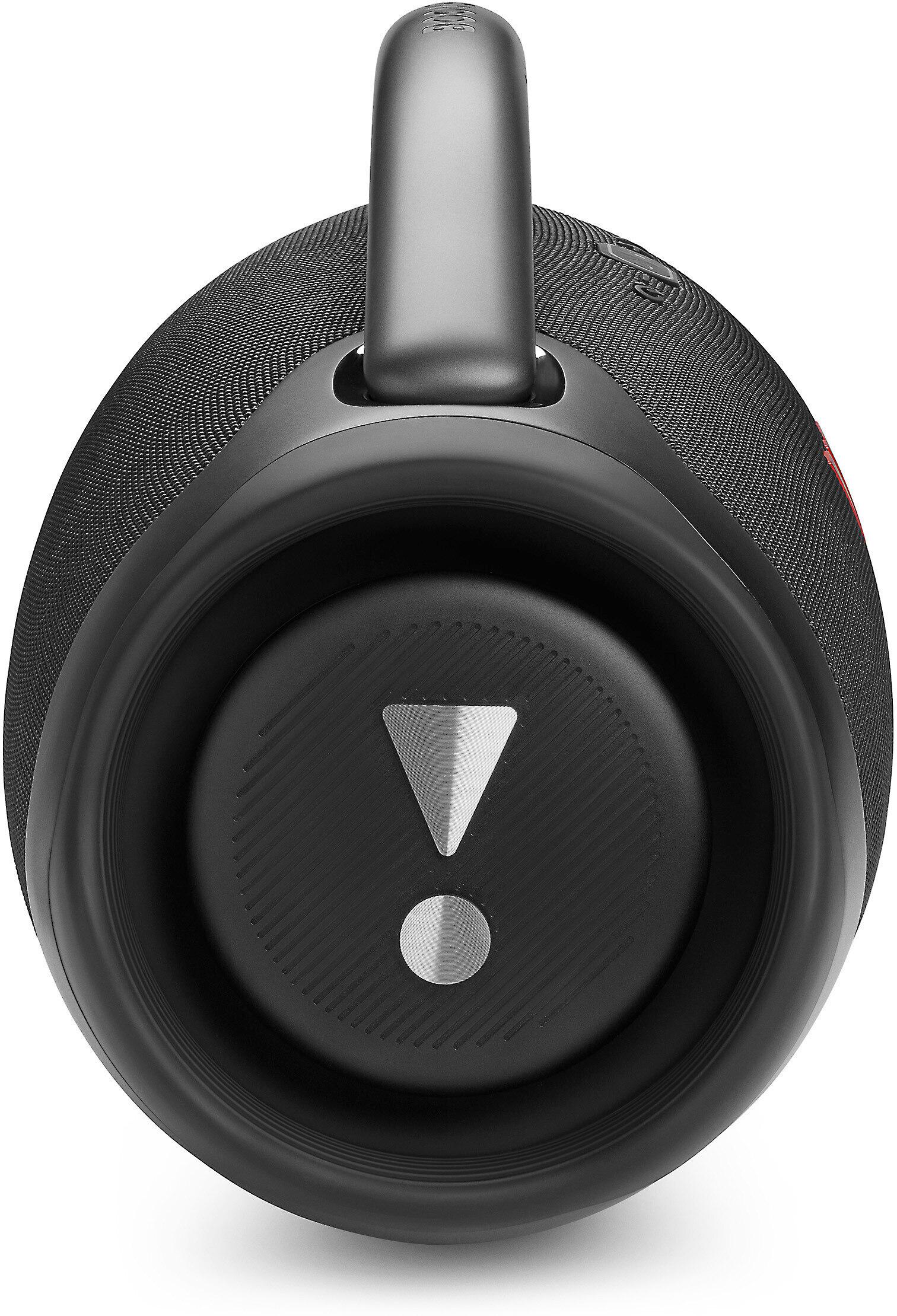
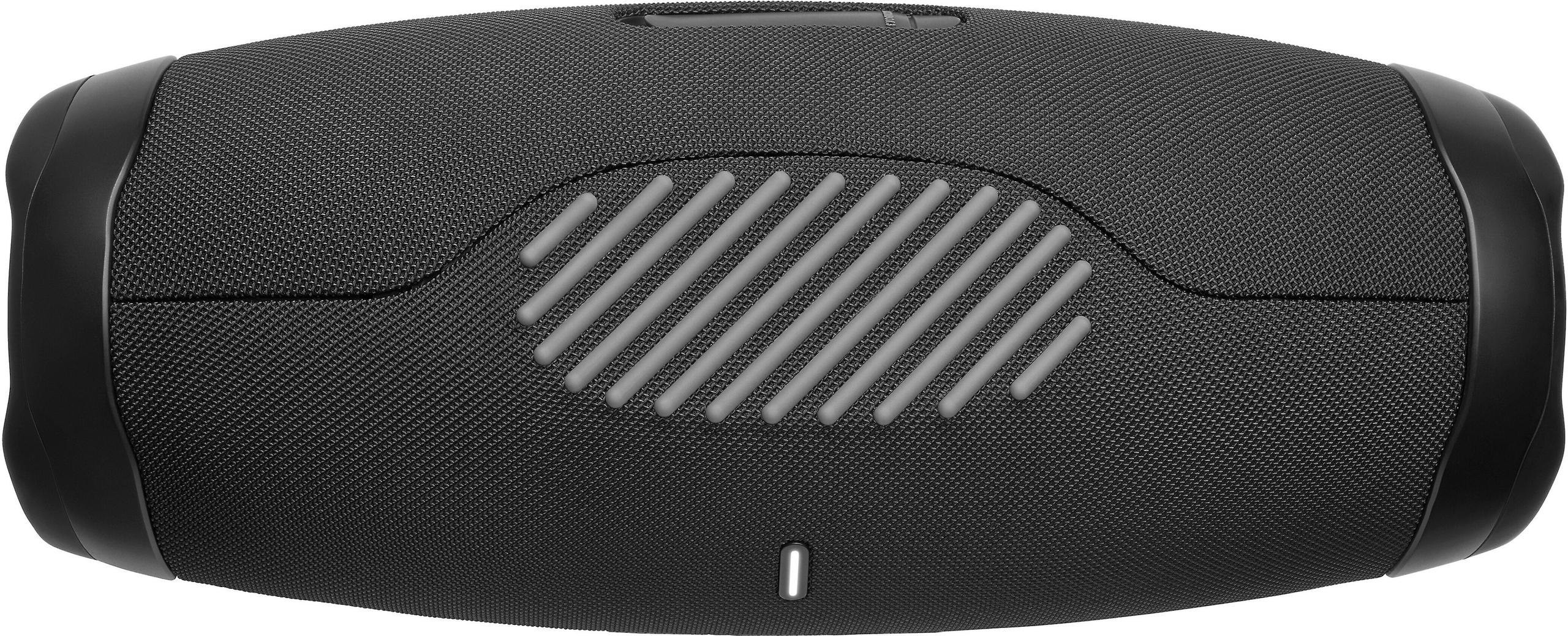
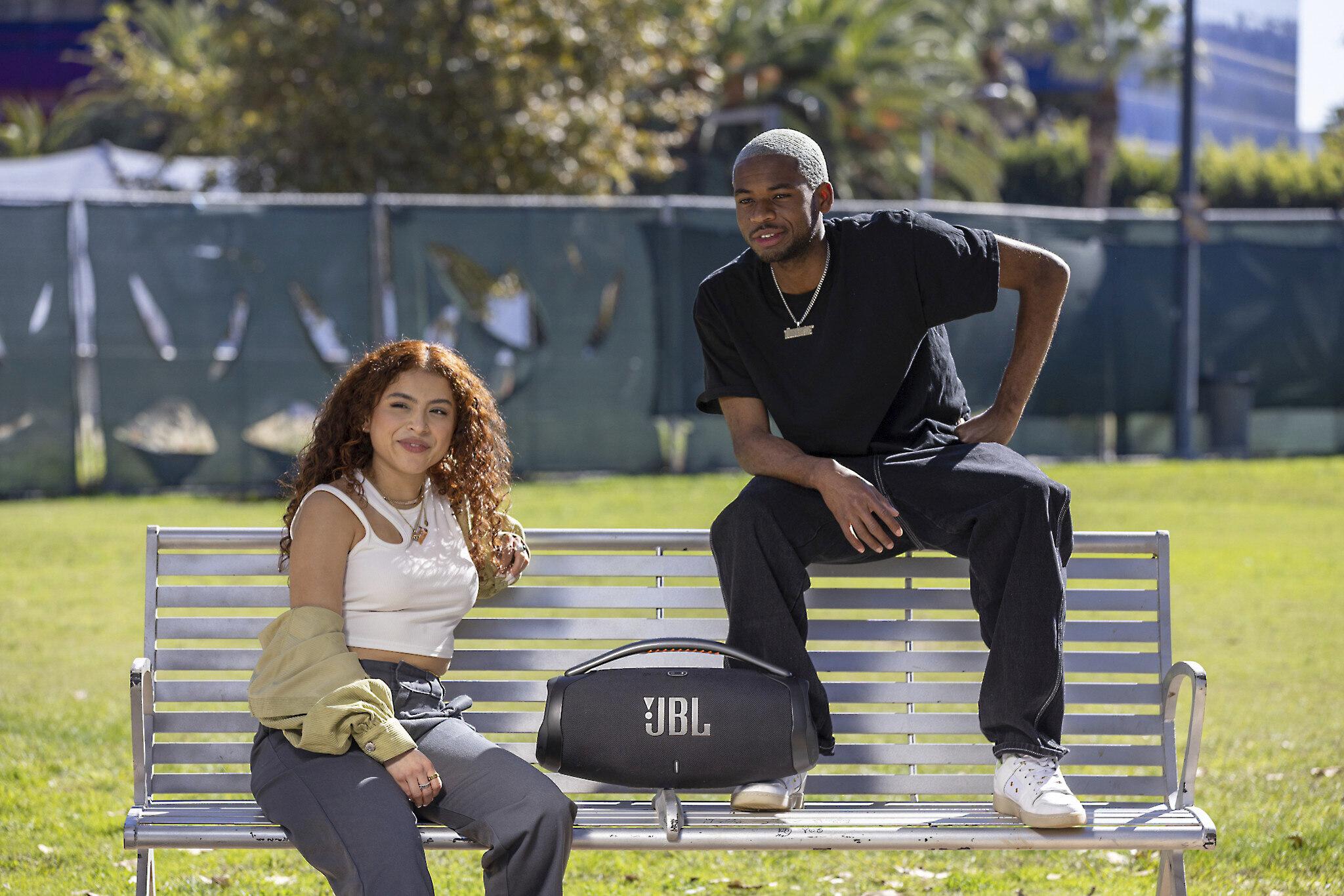
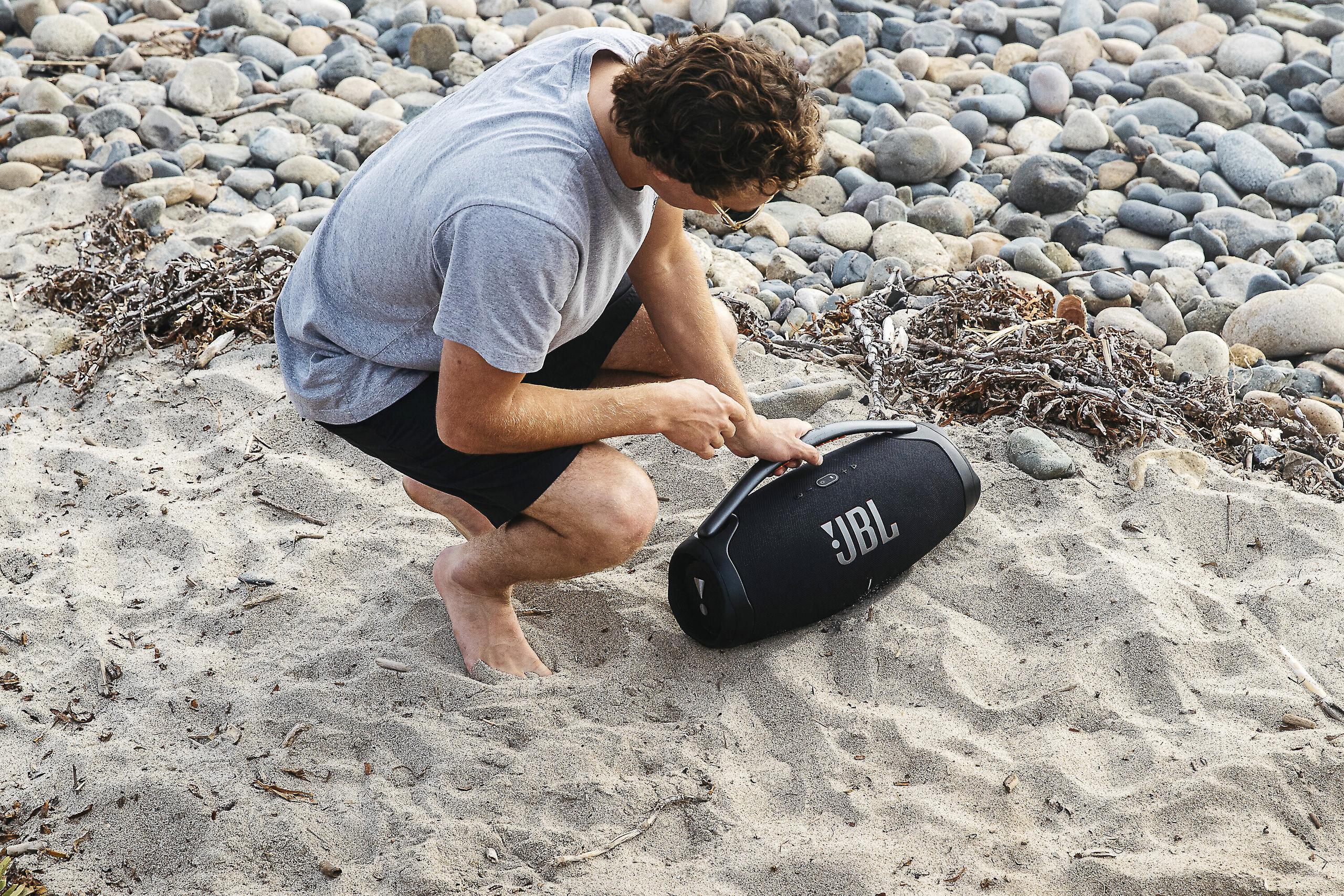


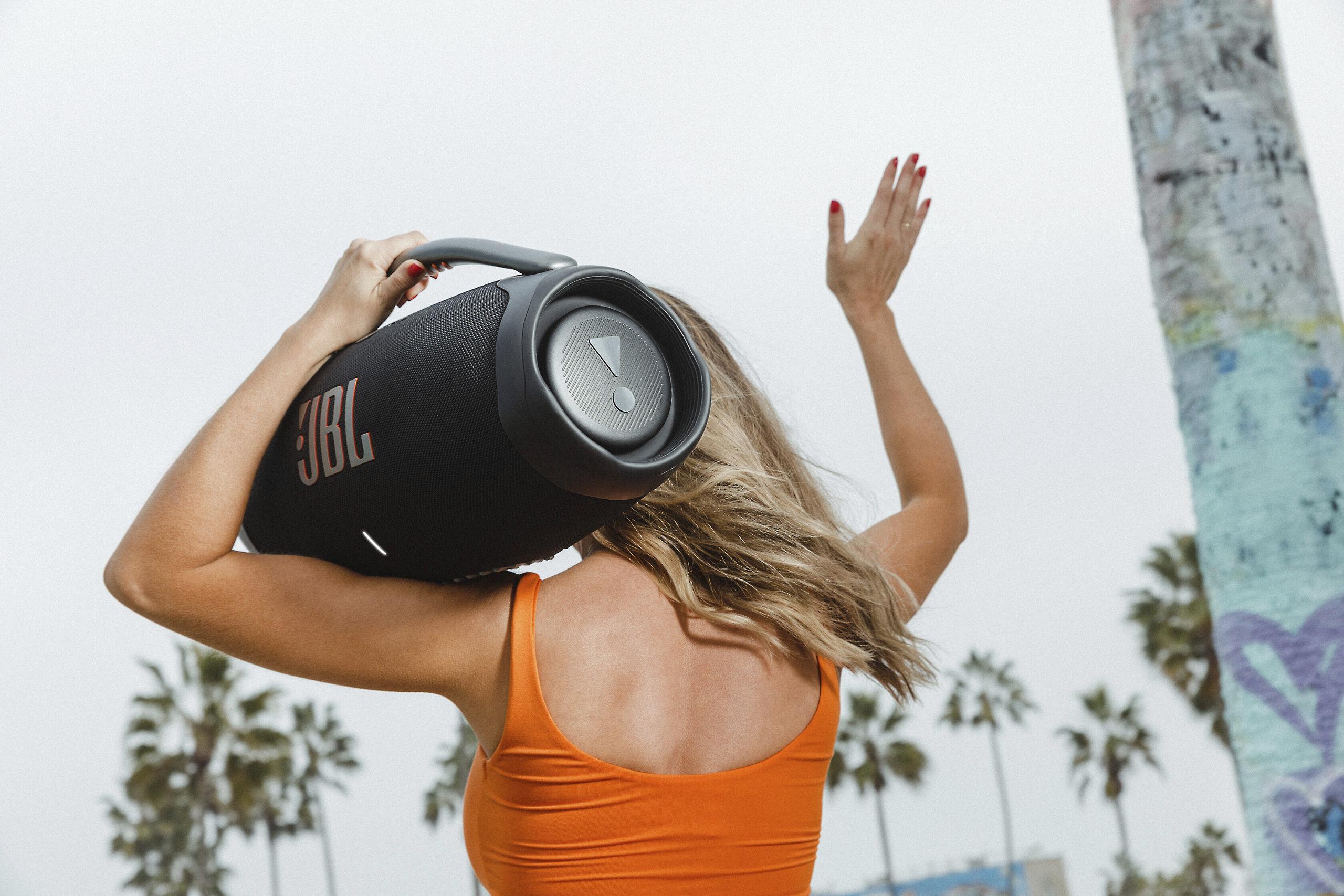
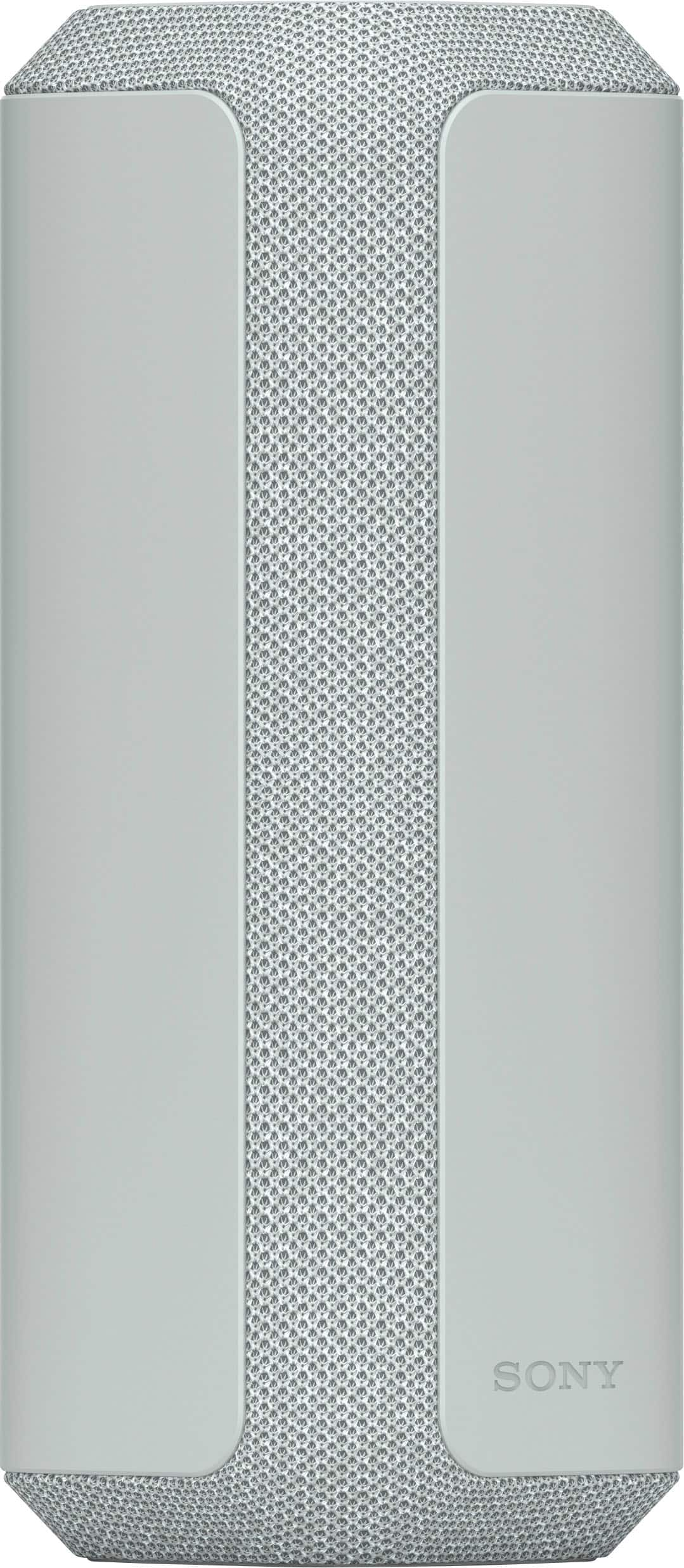
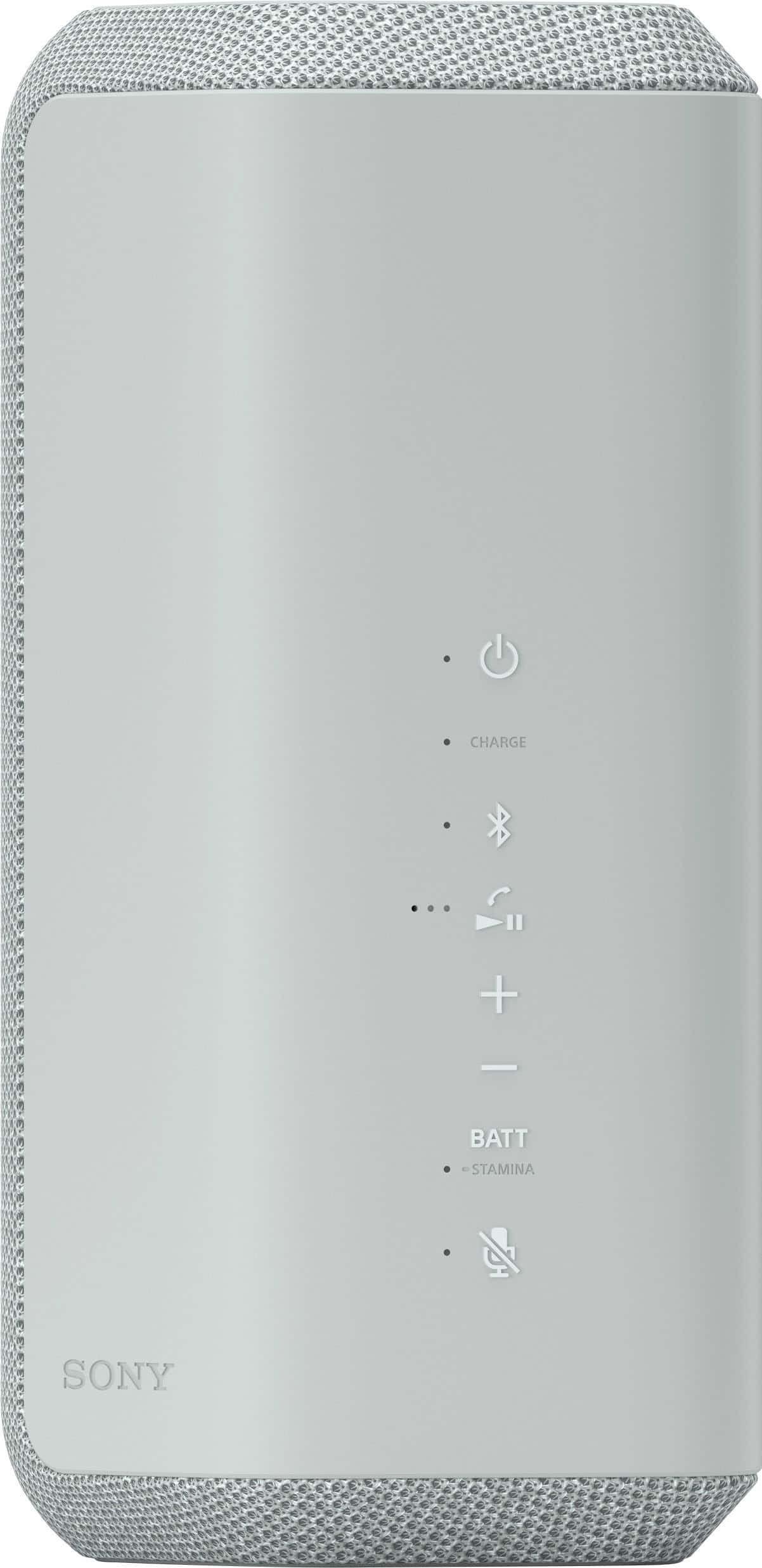
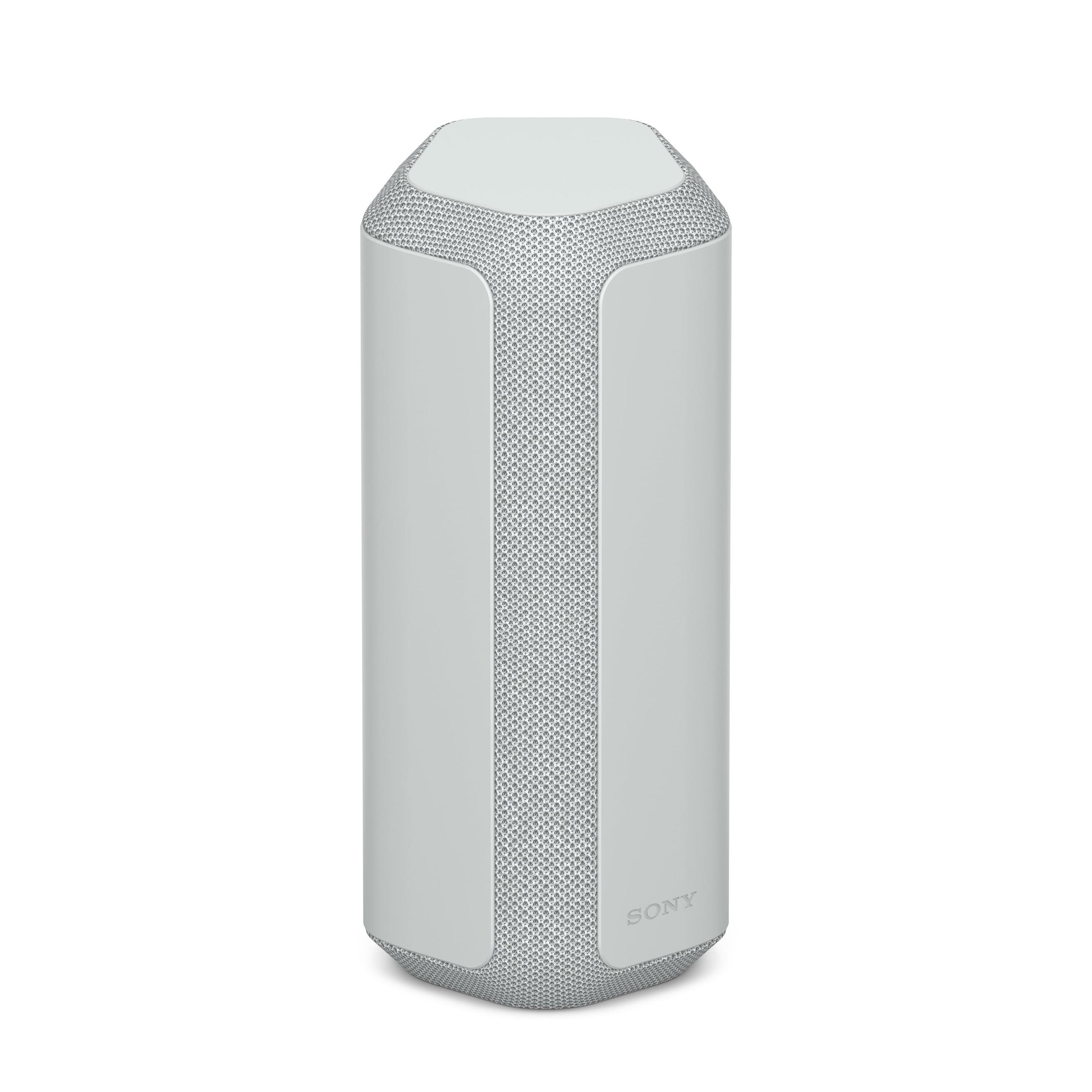



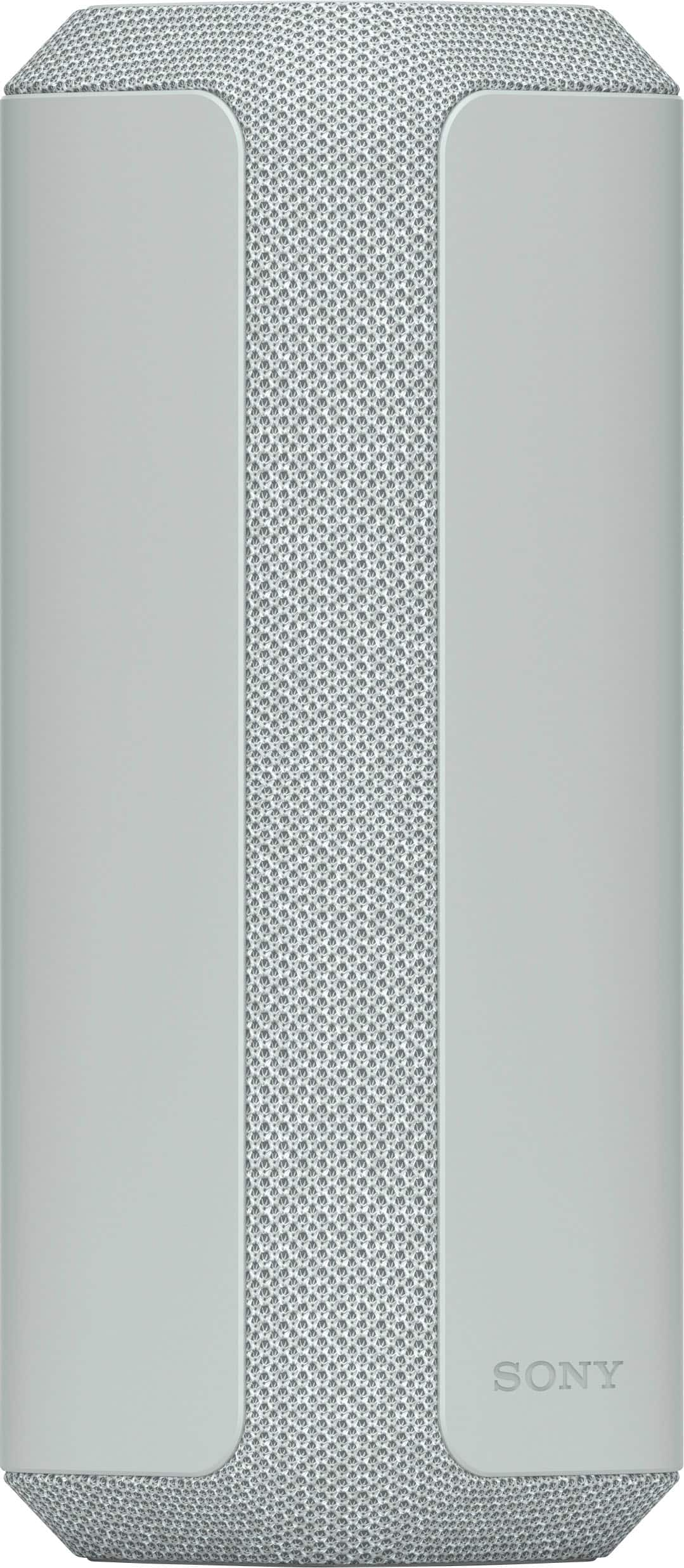
When it comes to portable Bluetooth speakers, choosing between the JBL Boombox 3 ($399) and Sony XE300 ($79) isn't just about comparing specs – it's about finding the right tool for your specific needs. Released in mid-2022, these speakers represent different approaches to portable audio, and their distinctions go far beyond their considerable price difference.
Portable Bluetooth speakers have evolved significantly over the past decade. Today's models need to balance sound quality, durability, and convenience while competing in an increasingly crowded market. The key differentiators have shifted from basic functionality to specialized features and use-case optimization.
The JBL Boombox 3 showcases impressive engineering with its dedicated subwoofer configuration. The speaker employs a three-way system: an 80W subwoofer, dual 40W midrange drivers, and two 10W tweeters. This separation of frequencies allows each driver to focus on what it does best, resulting in cleaner, more defined sound at higher volumes.
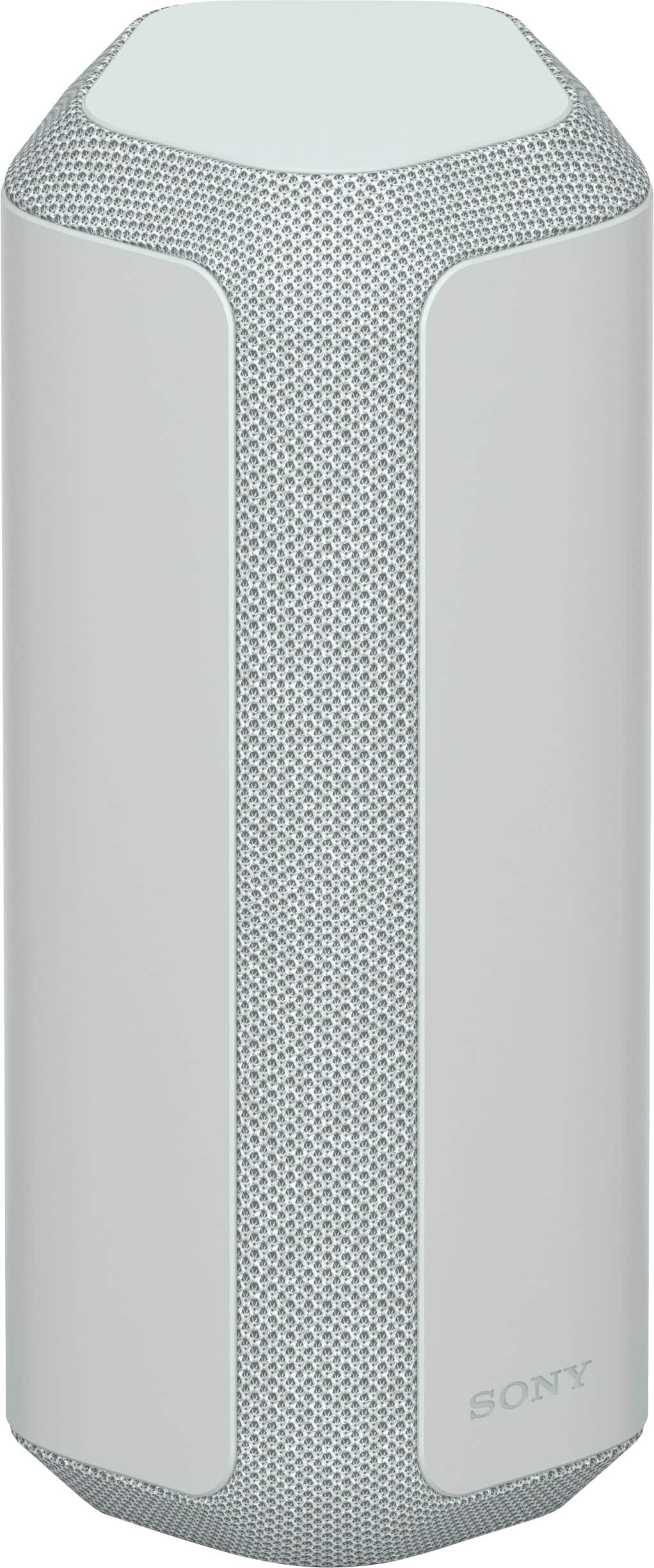
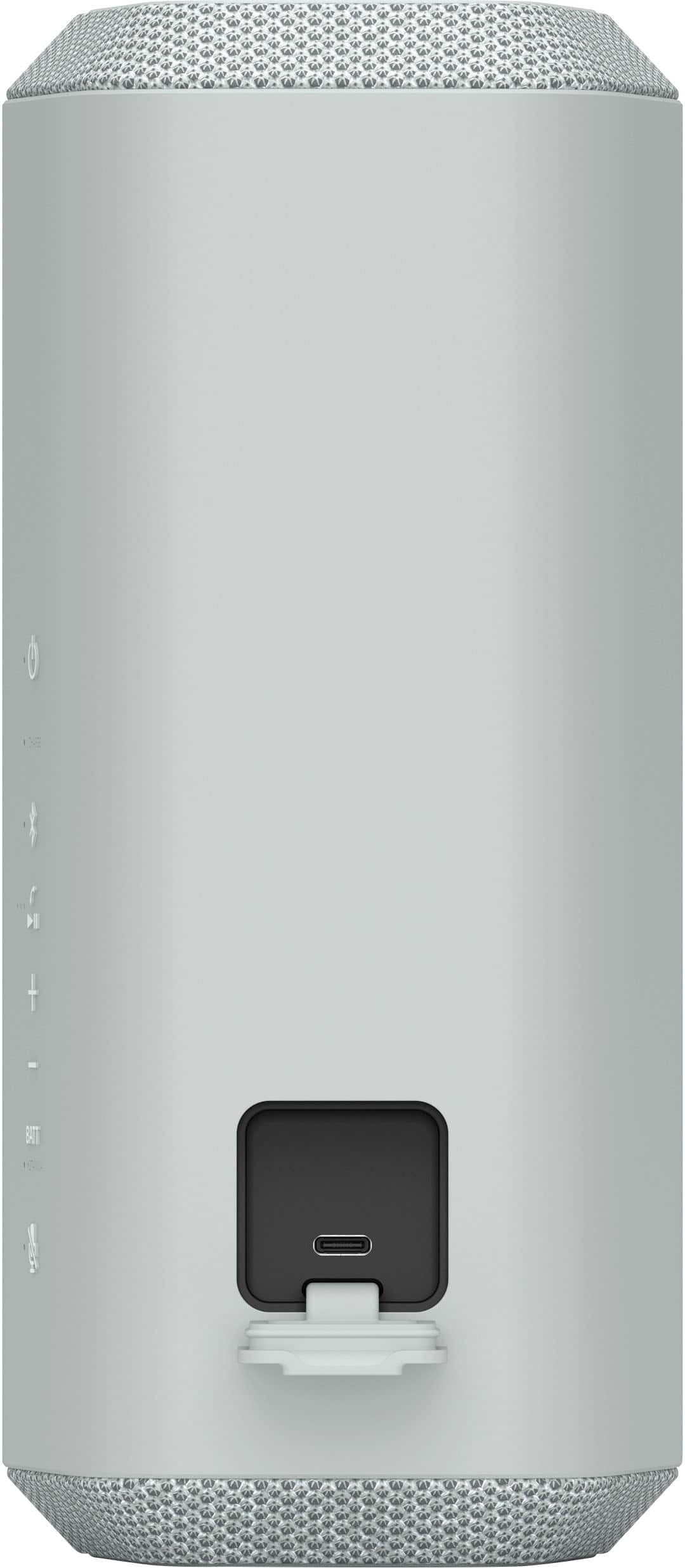
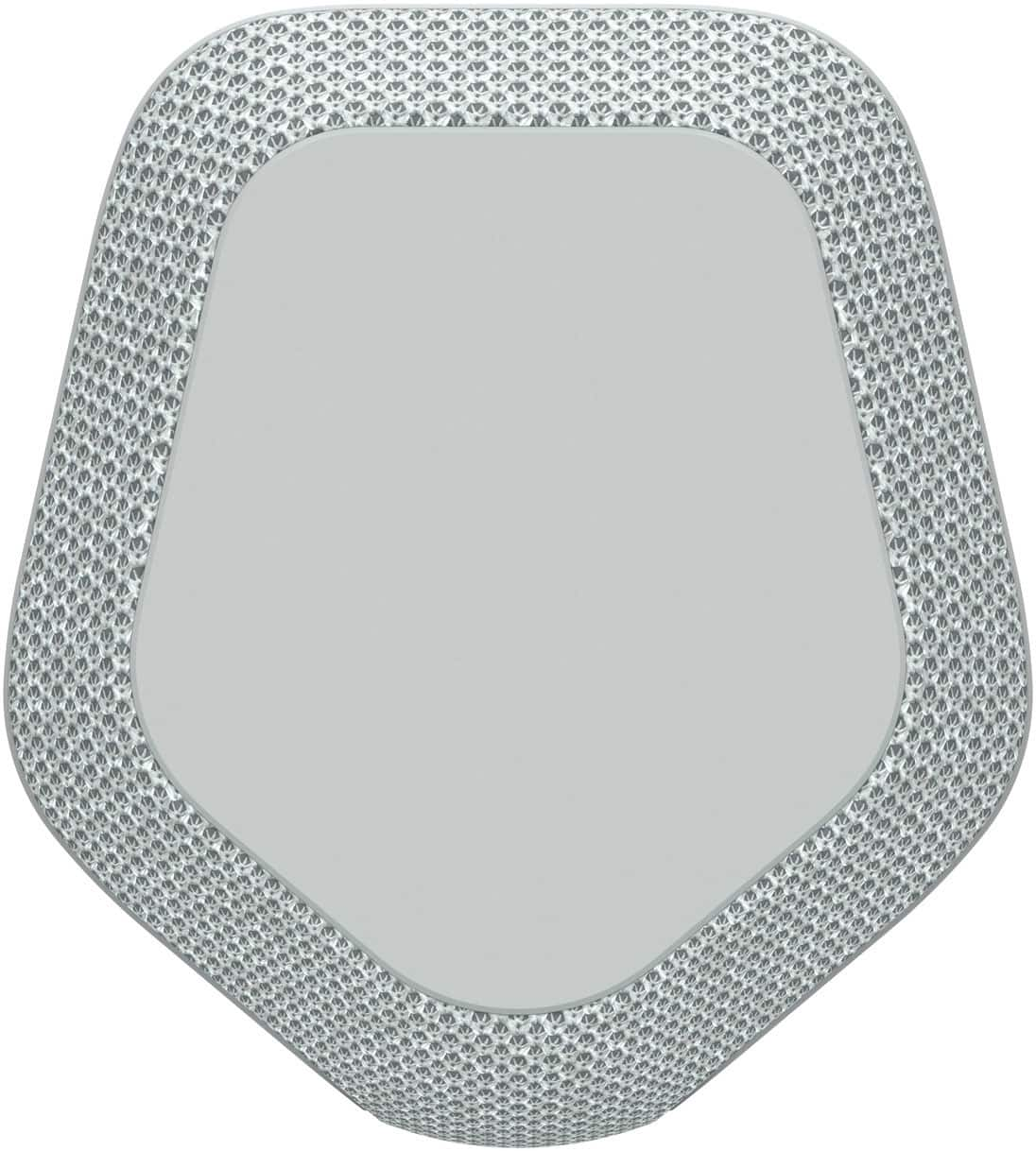
The Sony XE300 takes a different approach, using what Sony calls an X-Balanced Speaker Unit. This non-circular driver design maximizes cone area within the speaker's compact frame, working alongside dual passive radiators to produce surprisingly robust bass for its size. While it can't match the Boombox 3's raw power, it creates an impressive sound stage for its compact dimensions.
Both speakers handle mid-range frequencies well, but there are notable differences:
Having tested both speakers outdoors, the difference in their intended use becomes clear. The Boombox 3 maintains impressive sound quality even in open spaces, with enough power to entertain a large backyard party. Its bass response remains solid even at distance, though you'll want to keep it elevated for best results.
The XE300 performs admirably for its size but shows limitations in larger outdoor spaces. It's perfect for small gatherings or personal listening, but won't fill a large area like its bigger competitor.
Indoors, both speakers show their strengths differently. The Boombox 3's power can actually be too much for smaller rooms, while the XE300's more modest output often proves ideal for indoor use. The XE300's Line-Shape Diffuser technology really shines in indoor environments, creating an expansive sound stage that belies its compact size.
Both speakers feature modern Bluetooth implementations:
The XE300's LDAC support is particularly noteworthy for audiophiles, as it allows for significantly higher quality wireless audio transmission when paired with compatible devices.
Both manufacturers offer companion apps, but their approaches differ:
While both speakers advertise 24-hour battery life, real-world usage reveals some differences:
The price gap between these speakers ($399 vs $79) requires careful consideration of value relative to use case. The Boombox 3 justifies its premium pricing for users who:
The XE300 offers exceptional value for users who:
Consider these key factors when choosing between these speakers:
The JBL Boombox 3 and Sony XE300 excel in different scenarios, making them complementary rather than direct competitors. The Boombox 3 is the clear choice for those needing maximum volume and bass response, while the XE300 offers impressive performance and features in a more portable, affordable package.
For home theater use, neither speaker is ideal as a primary solution, but the Boombox 3 could serve as a capable temporary setup thanks to its power and clarity. The XE300 works better as a supplementary speaker for other rooms or outdoor spaces.
Ultimately, your choice should align with your specific needs rather than specs alone. The Boombox 3's premium price delivers premium performance for those who need it, while the XE300 offers remarkable value for more modest requirements.
| JBL Boombox 3 | Sony XE300 |
|---|---|
| Price - Key factor in value proposition | |
| $399 (premium pricing) | $79 (budget-friendly) |
| Power Output - Determines maximum volume and sound quality | |
| 180W total (80W sub + 2x40W mid + 2x10W tweeter) | 20W (estimated total power) |
| Size & Weight - Critical for portability | |
| 19.0 x 10.1 x 7.9 inches, 14.7 lbs | 9.4 x 4.1 x 4.7 inches, 2.9 lbs |
| Battery Life - Important for extended use | |
| 24 hours playback, 6.5 hour charging | 24 hours playback, quick charge (70min play from 10min charge) |
| Water/Dust Resistance - Determines outdoor usability | |
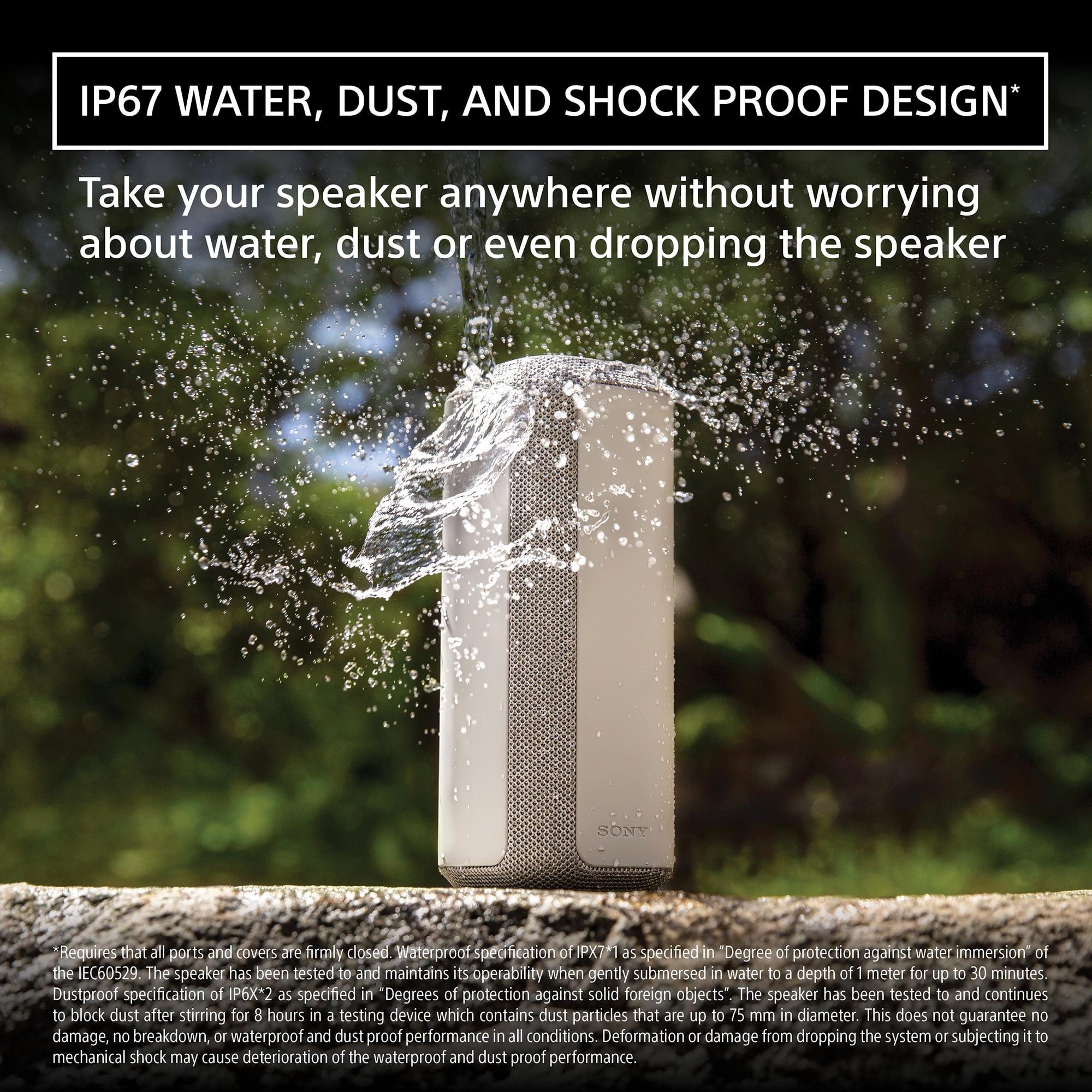
| IP67 rated, fully waterproof | IP67 rated, fully waterproof |
| Speaker Configuration - Impacts sound quality and clarity | |
| 3-way system with dedicated sub, mid, and tweeters | Single full-range driver with dual passive radiators |
| Bluetooth Version - Affects connection stability and range | |
| Bluetooth 5.3, 30ft range | Bluetooth 5.2 with LDAC support, 30ft range |
| Additional Features - Adds functionality beyond basic audio | |
| Power bank function, PartyBoost speaker linking | Line-Shape Diffuser, Battery Care, Party Connect |
| App Support - Enables customization and control | |
| JBL Portable app with basic EQ | Sony Music Center app with advanced features |
| Primary Use Case - Best application for each speaker | |
| Large outdoor gatherings, parties, high-volume needs | Personal listening, travel, small gatherings |
The JBL Boombox 3 is better for large gatherings and outdoor parties, while the Sony XE300 is better for personal use and travel. The Boombox 3 has superior sound quality and volume but costs significantly more at $399 compared to the XE300's $79.
The JBL Boombox 3 is worth the premium if you need high volume and superior bass for large spaces or outdoor events. For personal use or small gatherings, the Sony XE300 offers better value.
Both the JBL Boombox 3 and Sony XE300 offer 24 hours of playback. However, the XE300 features quick charging (70 minutes playback from 10 minutes charge), while the Boombox 3 includes a power bank function to charge other devices.
The Sony XE300 is significantly more portable at 2.9 lbs compared to the JBL Boombox 3 at 14.7 lbs. The XE300's compact size makes it ideal for travel and everyday carrying.
Yes, both the JBL Boombox 3 and Sony XE300 have IP67 waterproof ratings, making them safe for outdoor use in wet conditions.
The JBL Boombox 3 has superior sound quality with its three-way speaker system and dedicated subwoofer. The Sony XE300 offers good sound quality for its size but can't match the Boombox 3's power and clarity.
Yes, both speakers offer this feature. The JBL Boombox 3 uses PartyBoost to connect with other JBL speakers, while the Sony XE300 uses Party Connect to link with other Sony speakers.
The Sony XE300 is more suitable for small rooms, as the JBL Boombox 3's power can be overwhelming in confined spaces.
Yes, both the JBL Boombox 3 and Sony XE300 use Bluetooth 5.2/5.3 and are compatible with all modern smartphones.
The JBL Boombox 3 delivers significantly stronger bass with its dedicated 80W subwoofer, while the Sony XE300 provides good but less powerful bass through its passive radiators.
Both speakers include speakerphone functionality, but the Sony XE300 offers better call quality with its echo-cancelling technology compared to the JBL Boombox 3.
The Sony XE300 offers better value for most users at $79, unless you specifically need the extra power and volume of the JBL Boombox 3 at $399.
We've done our best to create useful and informative comparisons to help you decide what product to buy. Our research uses advanced automated methods to create this comparison and perfection is not possible - please contact us for corrections or questions. These are the sites we've researched in the creation of this article: tomsguide.com - sweetwater.com - bestbuy.com - jbl.com - rtings.com - harmanaudio.com - jbl.com - jbl.com - thepowercentre.ca - youtube.com - bhphotovideo.com - krazykileys.ca - bestbuy.com - sony.co.uk - soundguys.com - bestbuy.com - cgmagonline.com - sony.com - sony.com - bestbuy.com - sony.com - electronics.sony.com - helpguide.sony.net

Privacy Policy
Terms and Conditions - Affiliate Policy
Home Security
© Copyright 2008-2026.
11816 Inwood Rd #1211, Dallas, TX 75244