

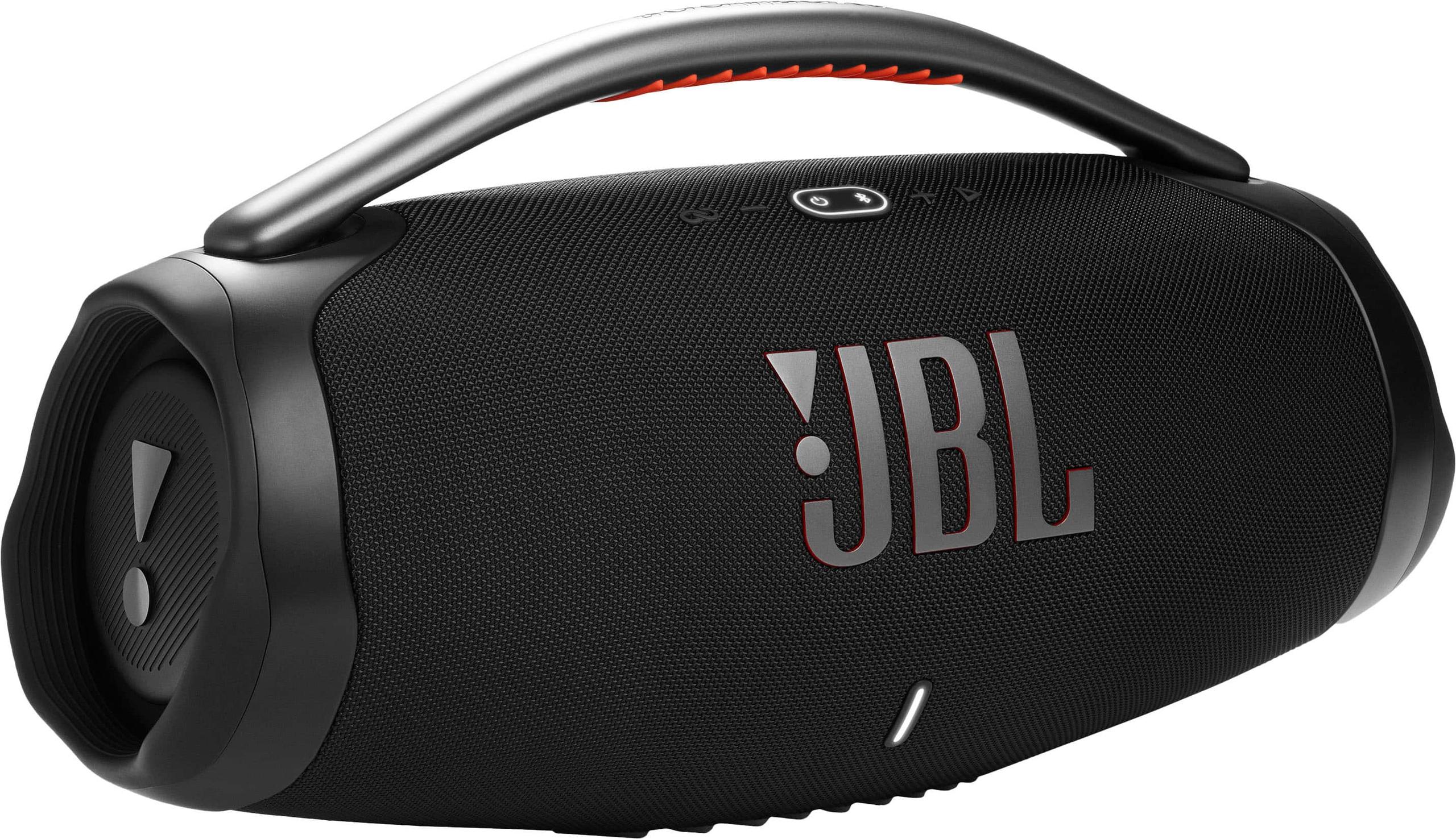
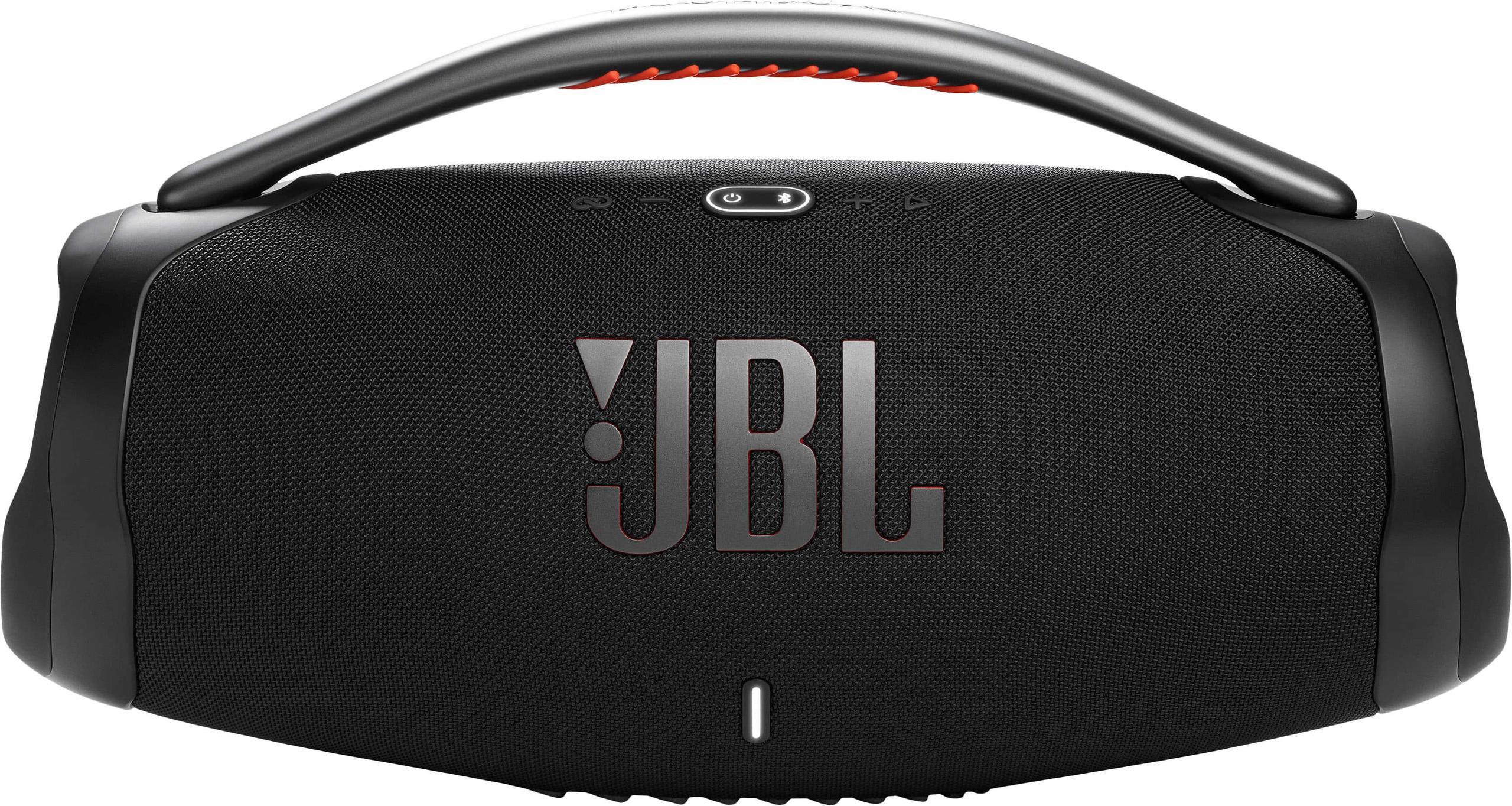
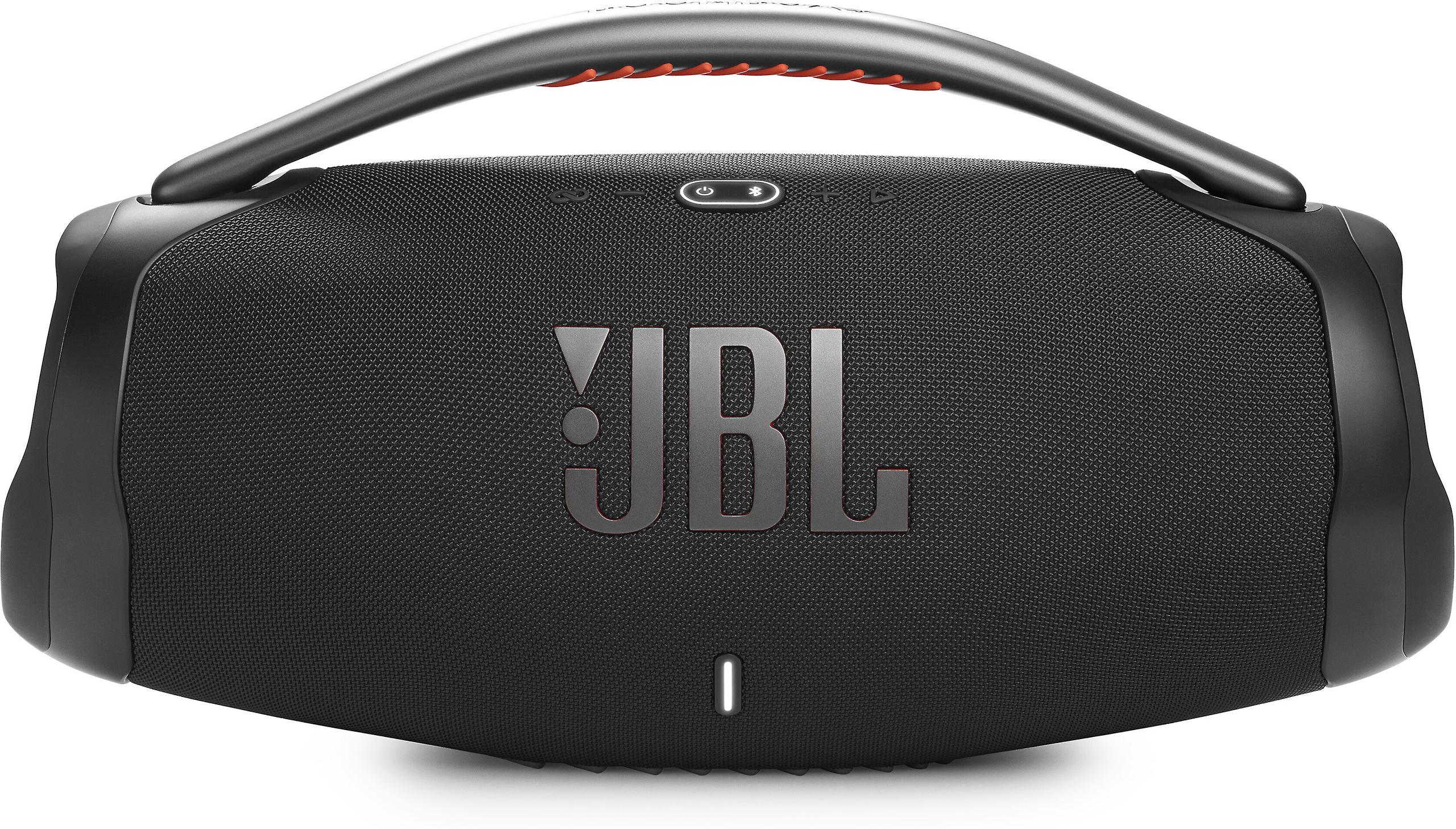
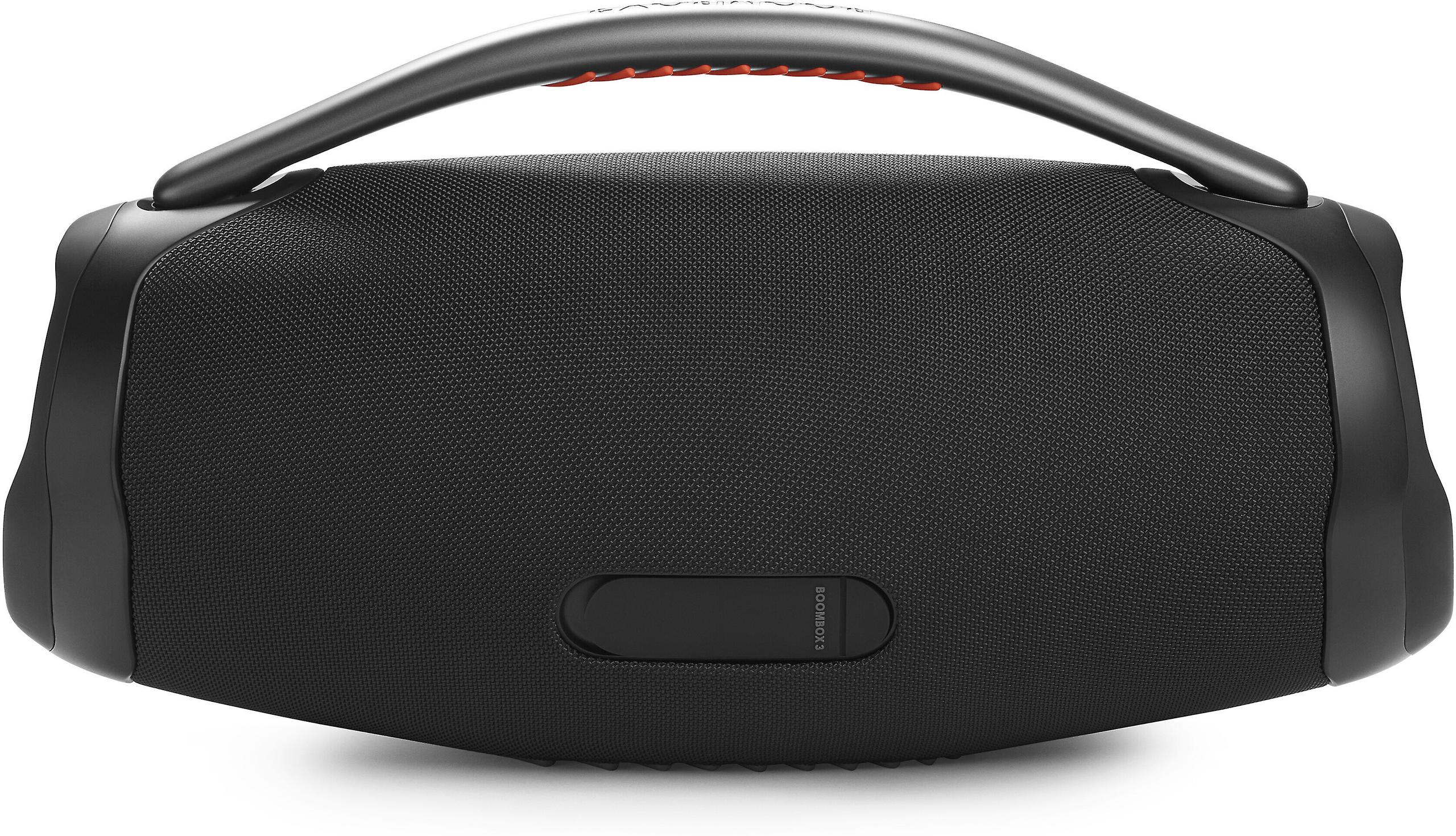
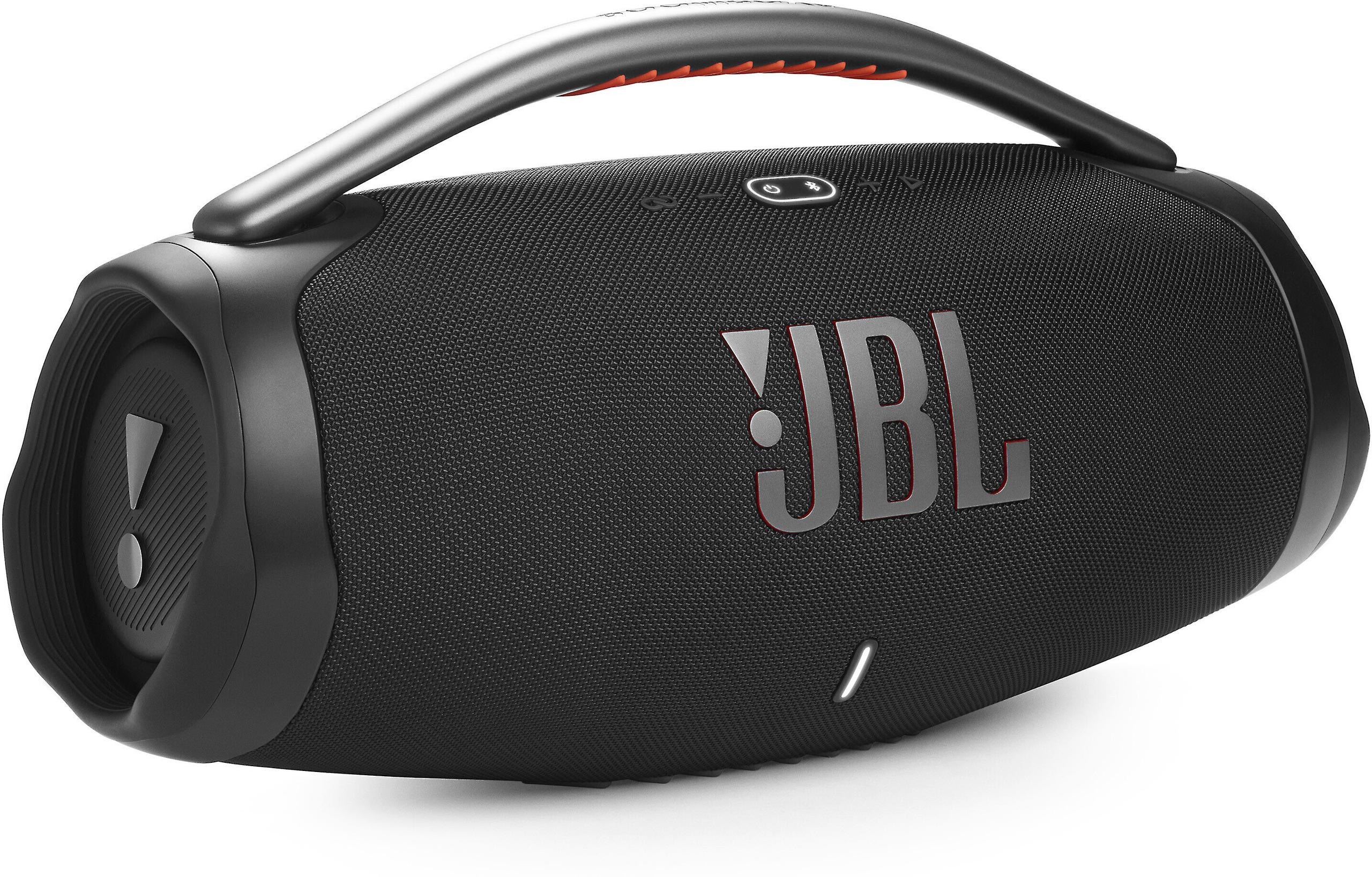
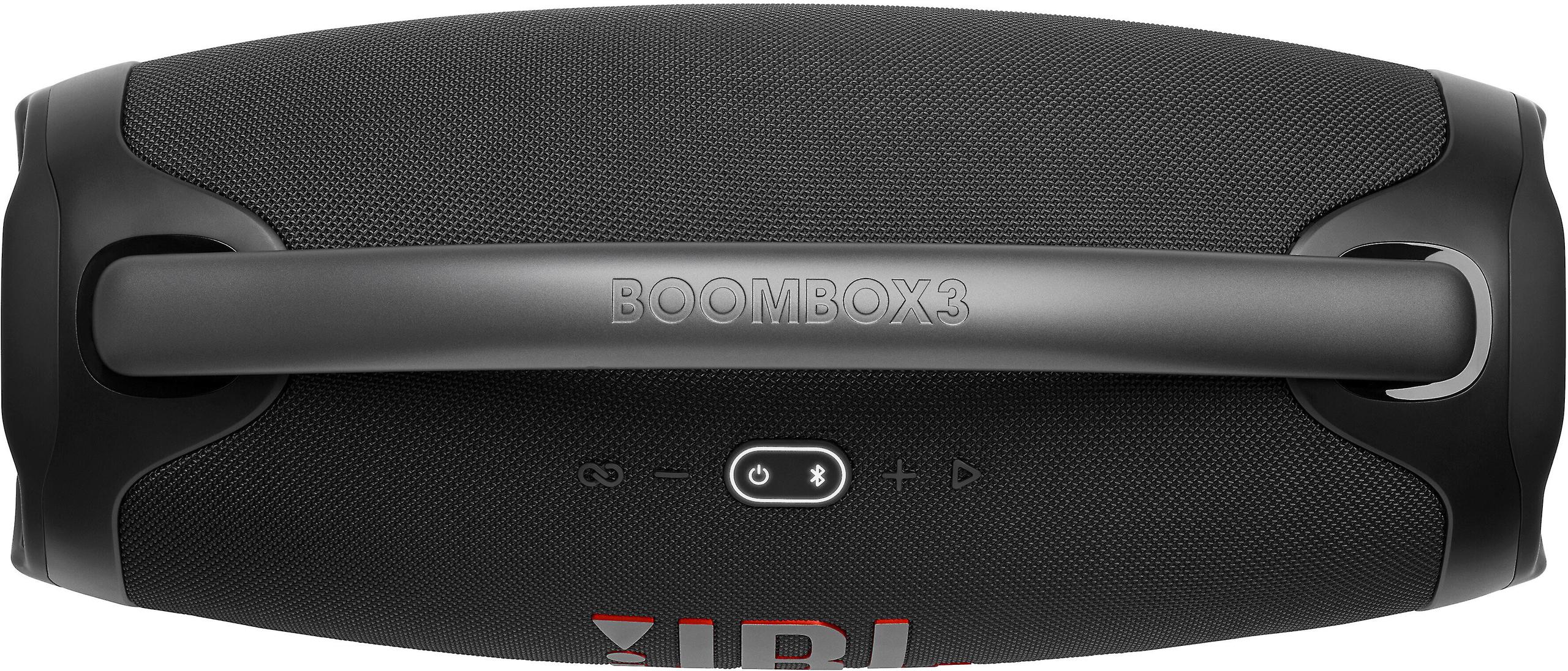
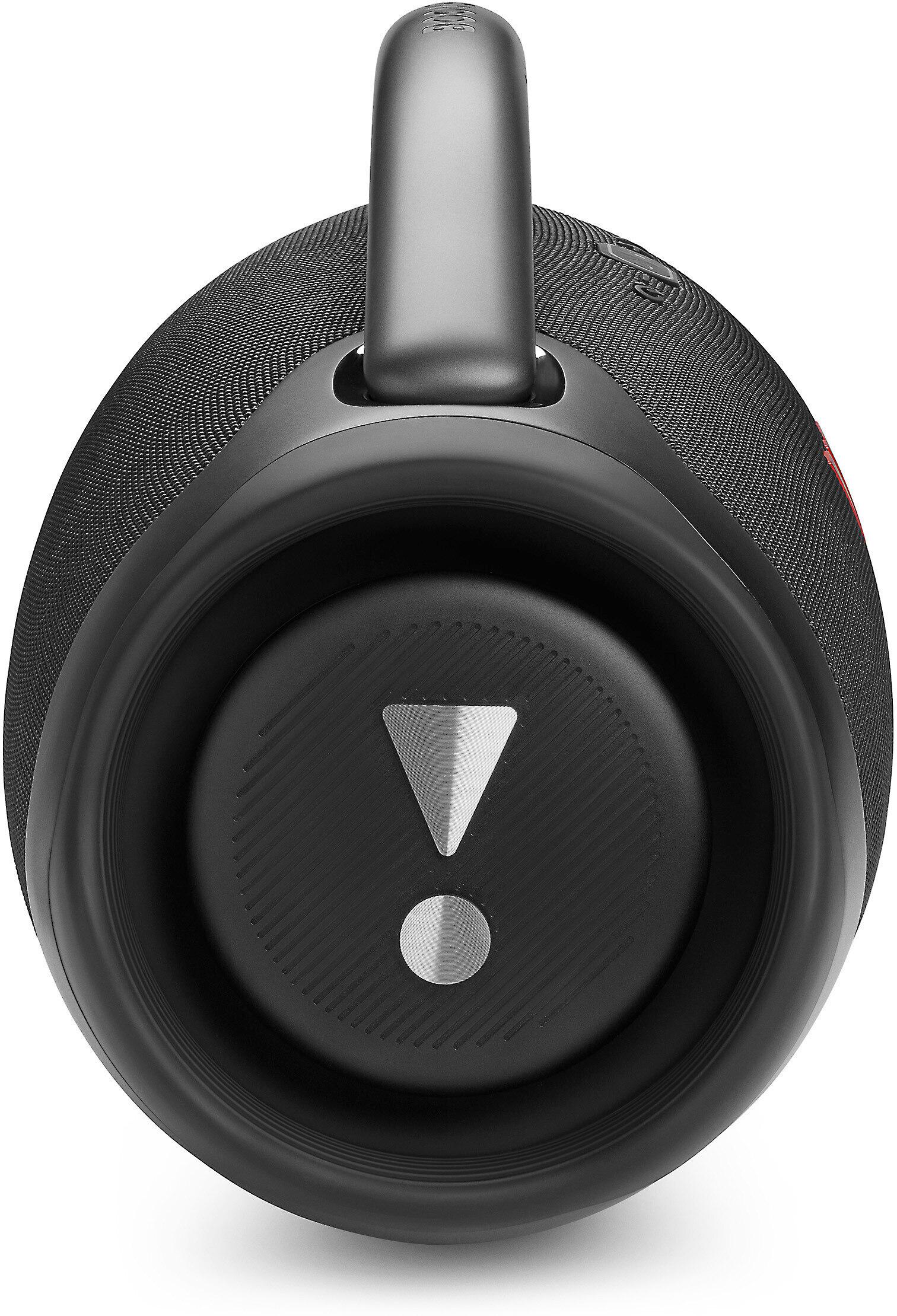
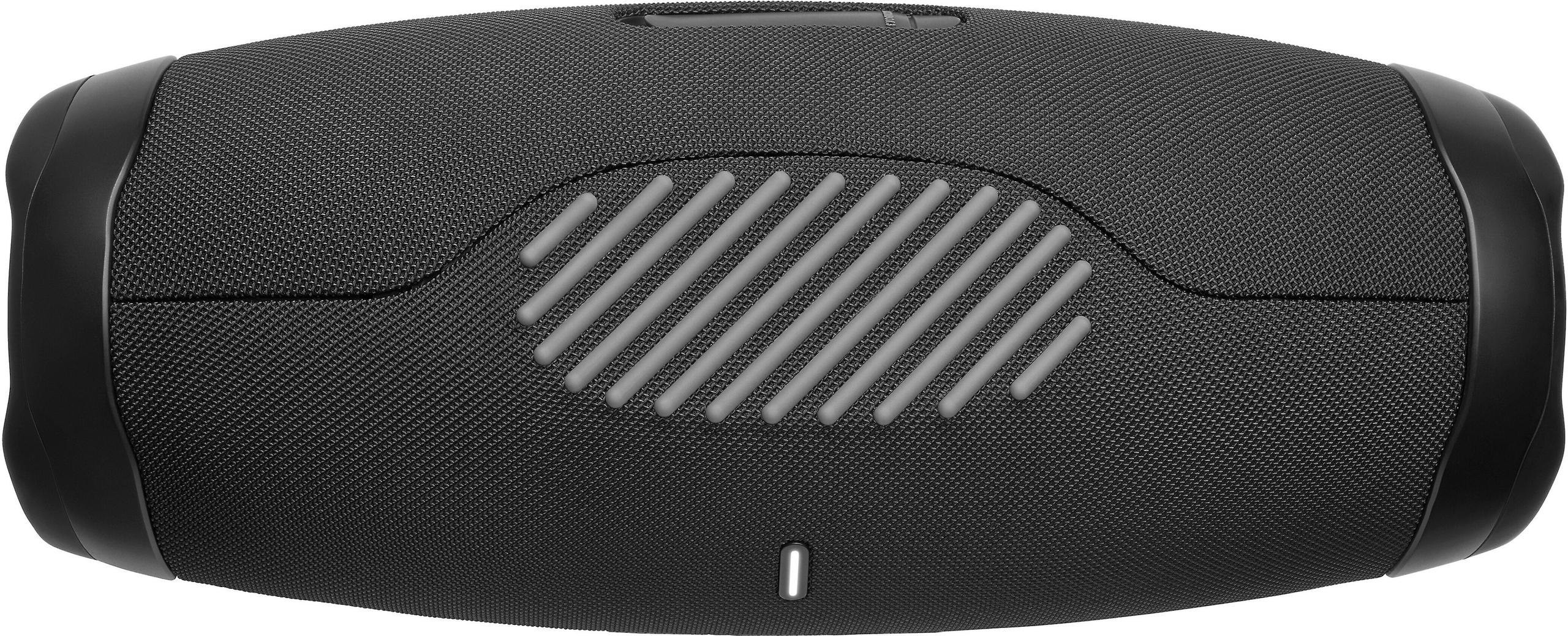

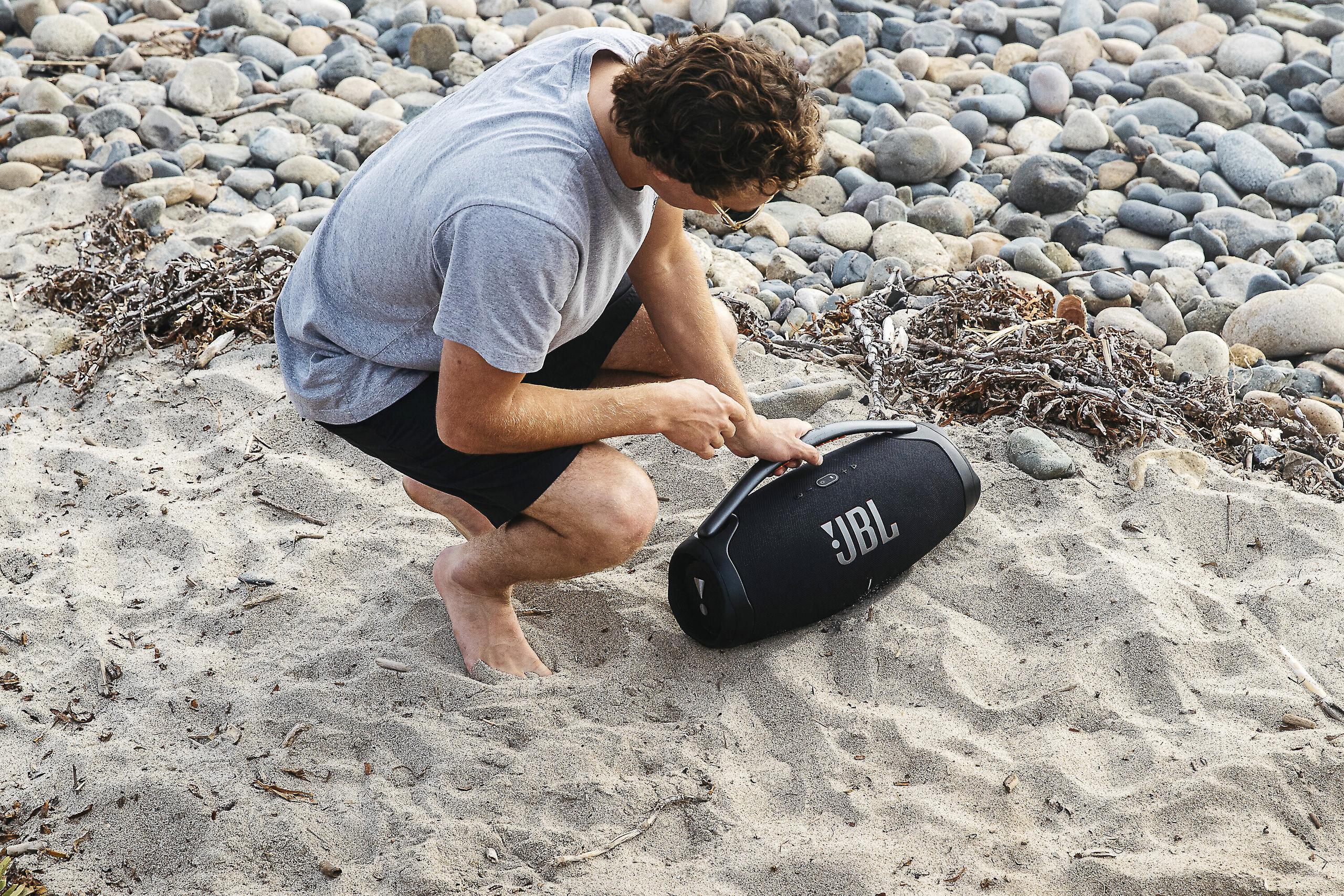


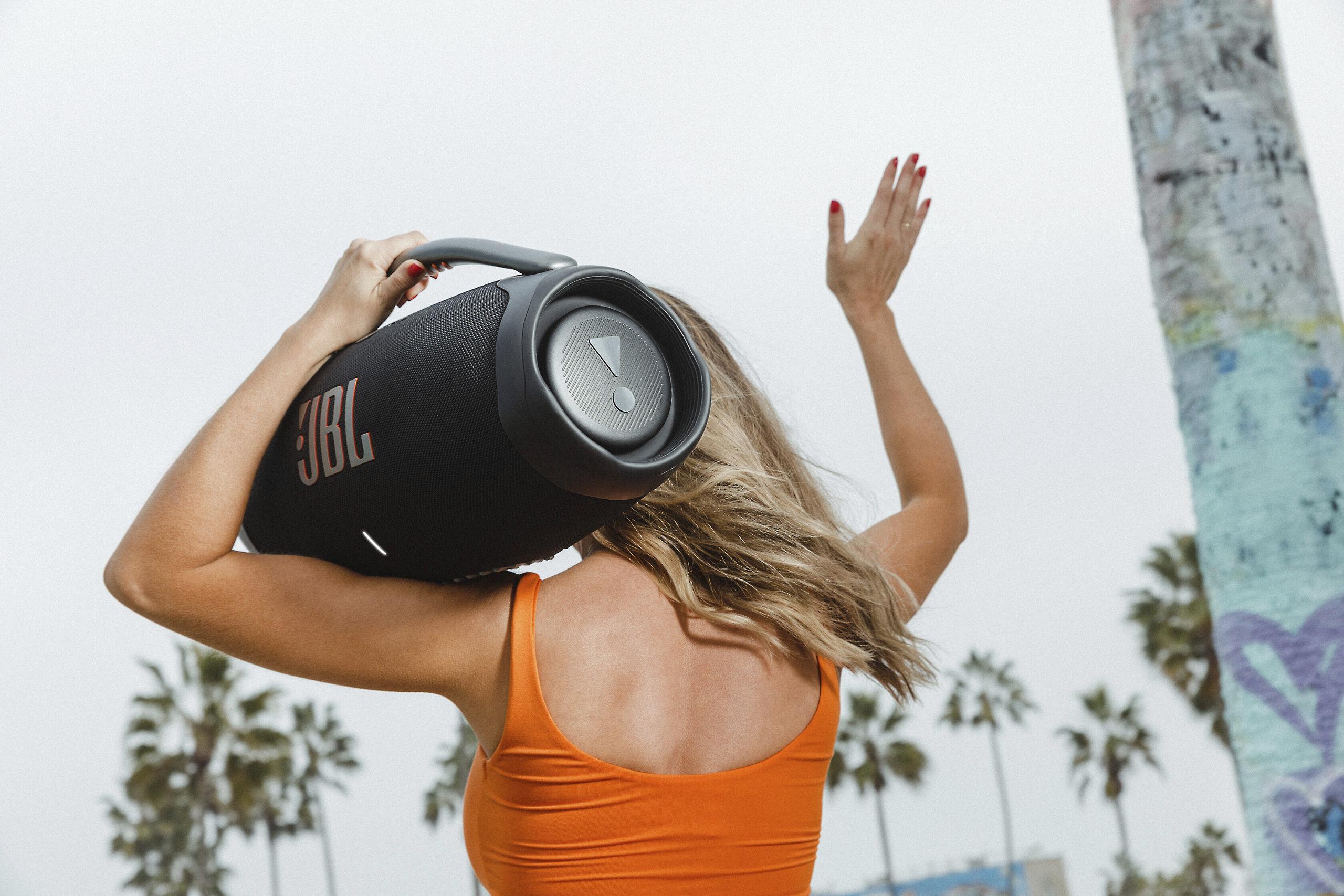
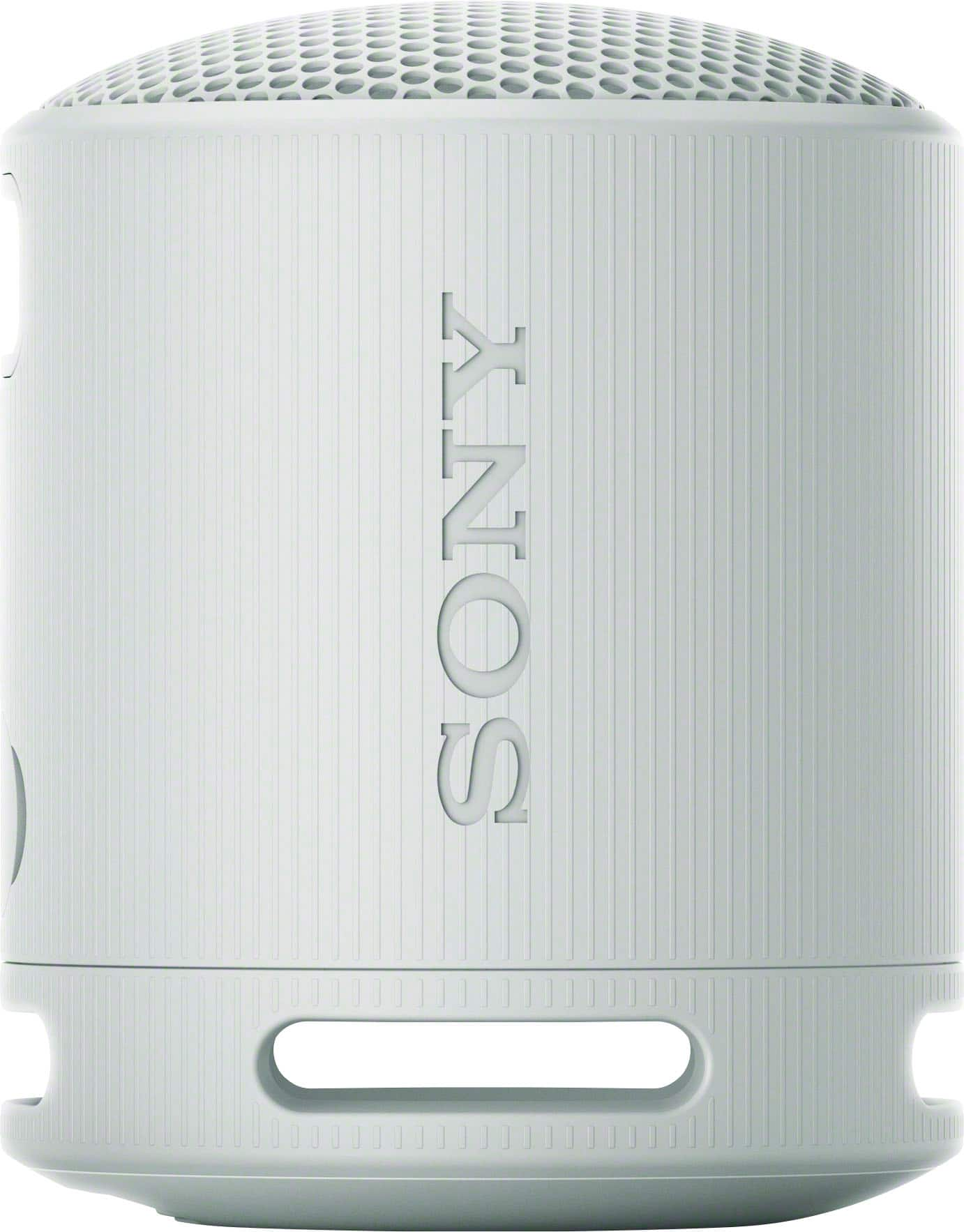
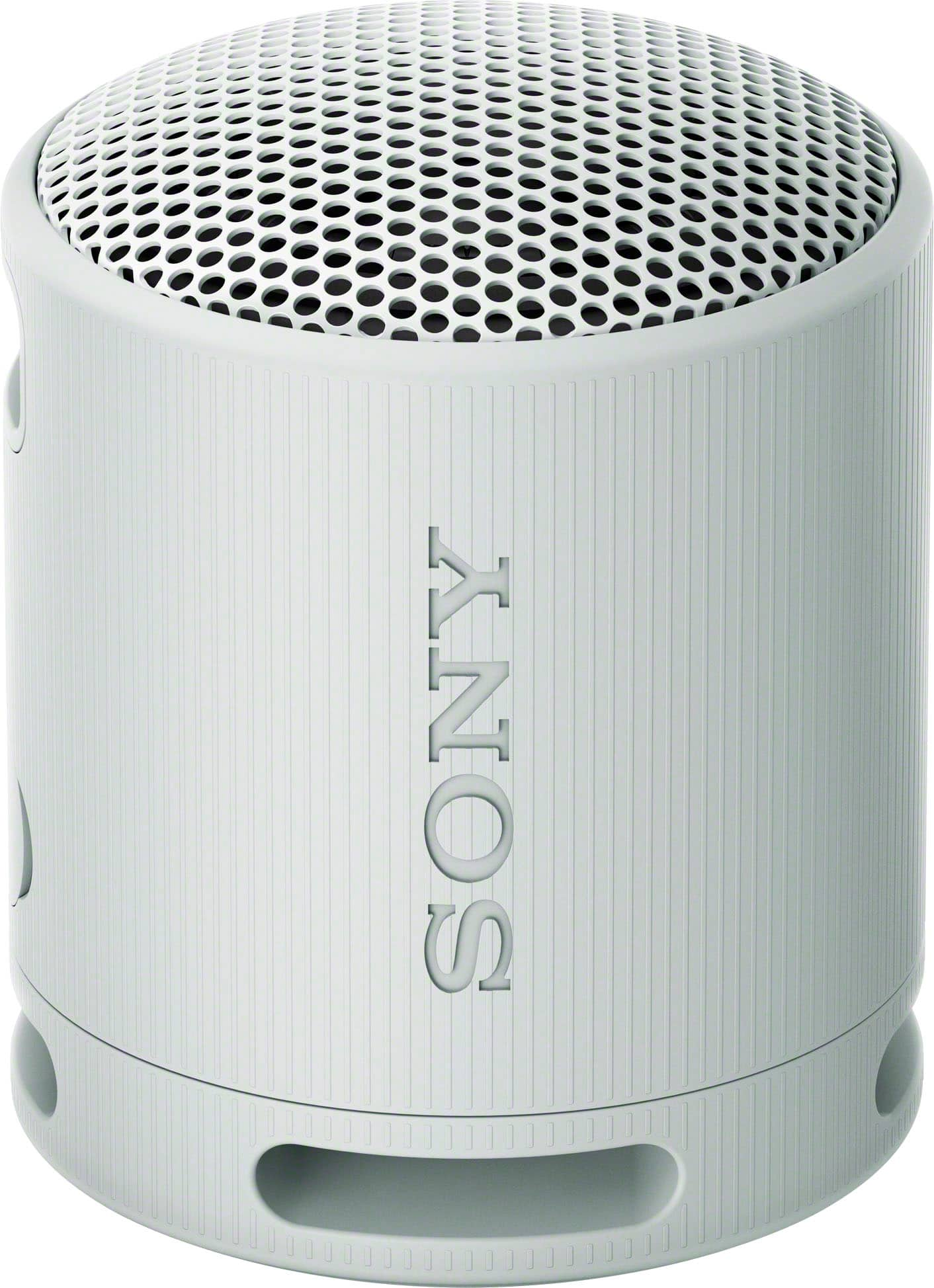
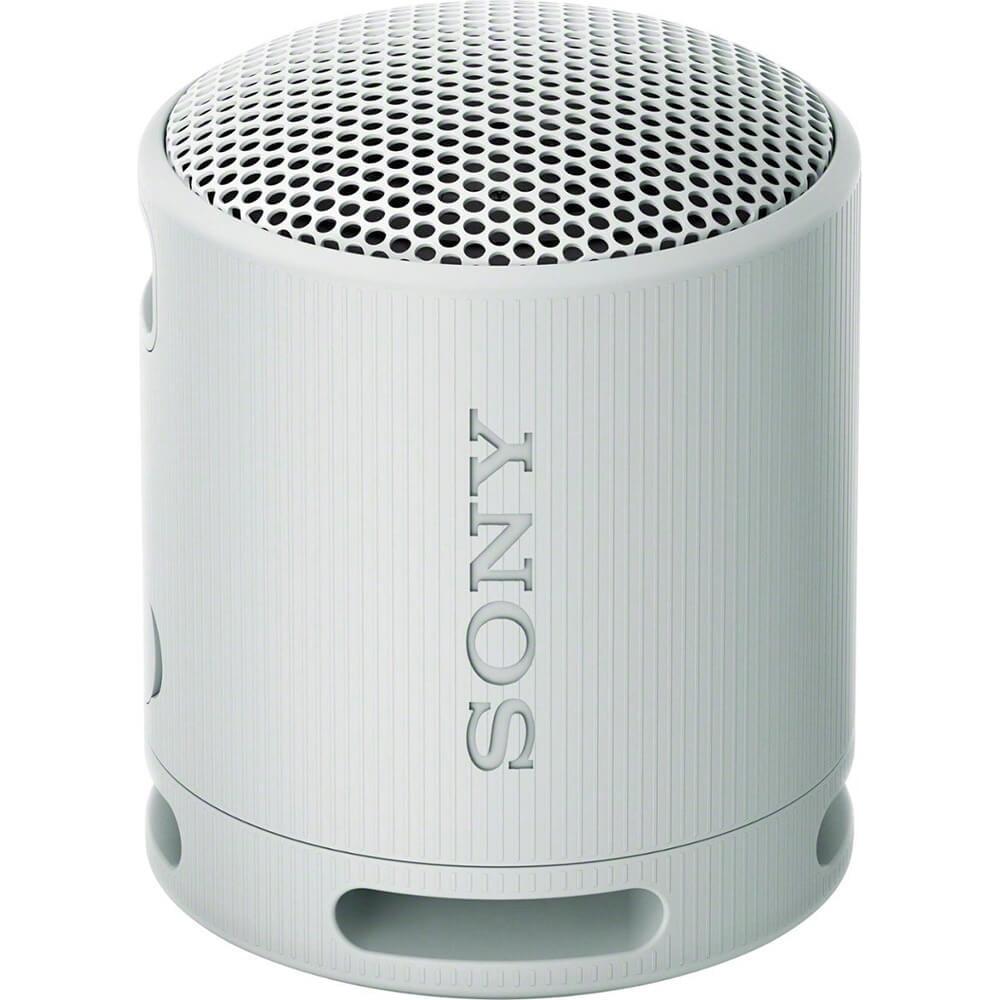


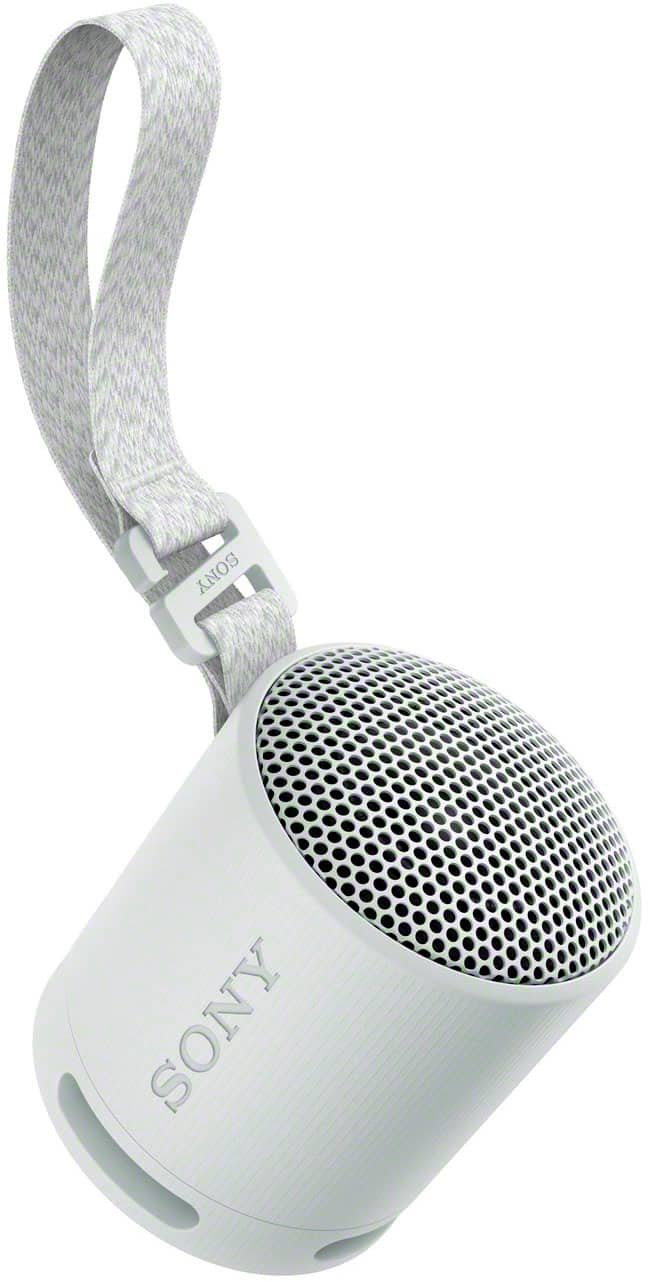
When it comes to portable speakers in 2024, we're seeing an interesting divide in the market. On one side, you have powerhouse party speakers that blur the line between portable and professional audio. On the other, ultra-compact personal speakers that prioritize convenience without sacrificing too much sound quality. Today, we're comparing two speakers that perfectly represent these opposing philosophies: the JBL Boombox 3 ($399) and the Sony XB100 ($59).
Bluetooth speakers have come a long way from the tinny, unreliable devices of the early 2010s. Modern speakers offer impressive sound quality, robust connectivity, and durability that would have seemed impossible just a few years ago. The key differences now come down to how manufacturers balance power, portability, and price.
The JBL Boombox 3 launched in late 2022 as a flagship party speaker, while the Sony XB100 arrived in mid-2023 as part of Sony's refreshed portable line. Both feature Bluetooth 5.3, but they approach the market from completely different angles.
The Boombox 3's 80W RMS output (that's Root Mean Square, a measure of continuous power output) dwarfs the XB100's 5W system. This isn't just about being loud - it's about headroom, or the ability to handle dynamic peaks in music without distortion. The Boombox 3 can maintain clarity even at party volumes, while the XB100 focuses on optimal performance at personal listening levels.
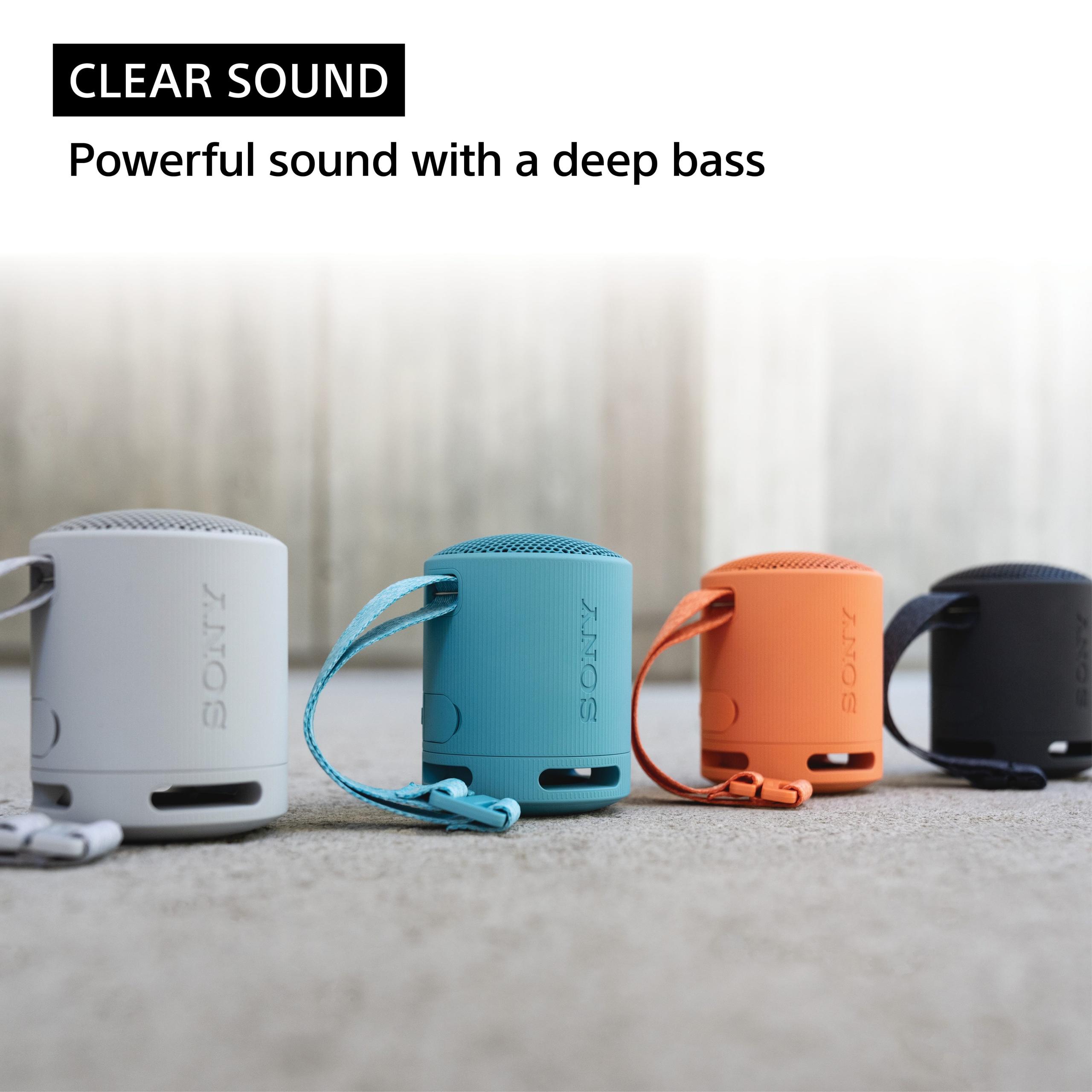
JBL's three-way speaker system (separate woofer, midrange, and tweeter) allows each frequency range to be handled by specialized drivers. The result is cleaner separation between bass, mids, and highs. The XB100 uses a single full-range driver with a passive radiator for bass enhancement - a clever design for its size, but one that necessarily involves more compromise.
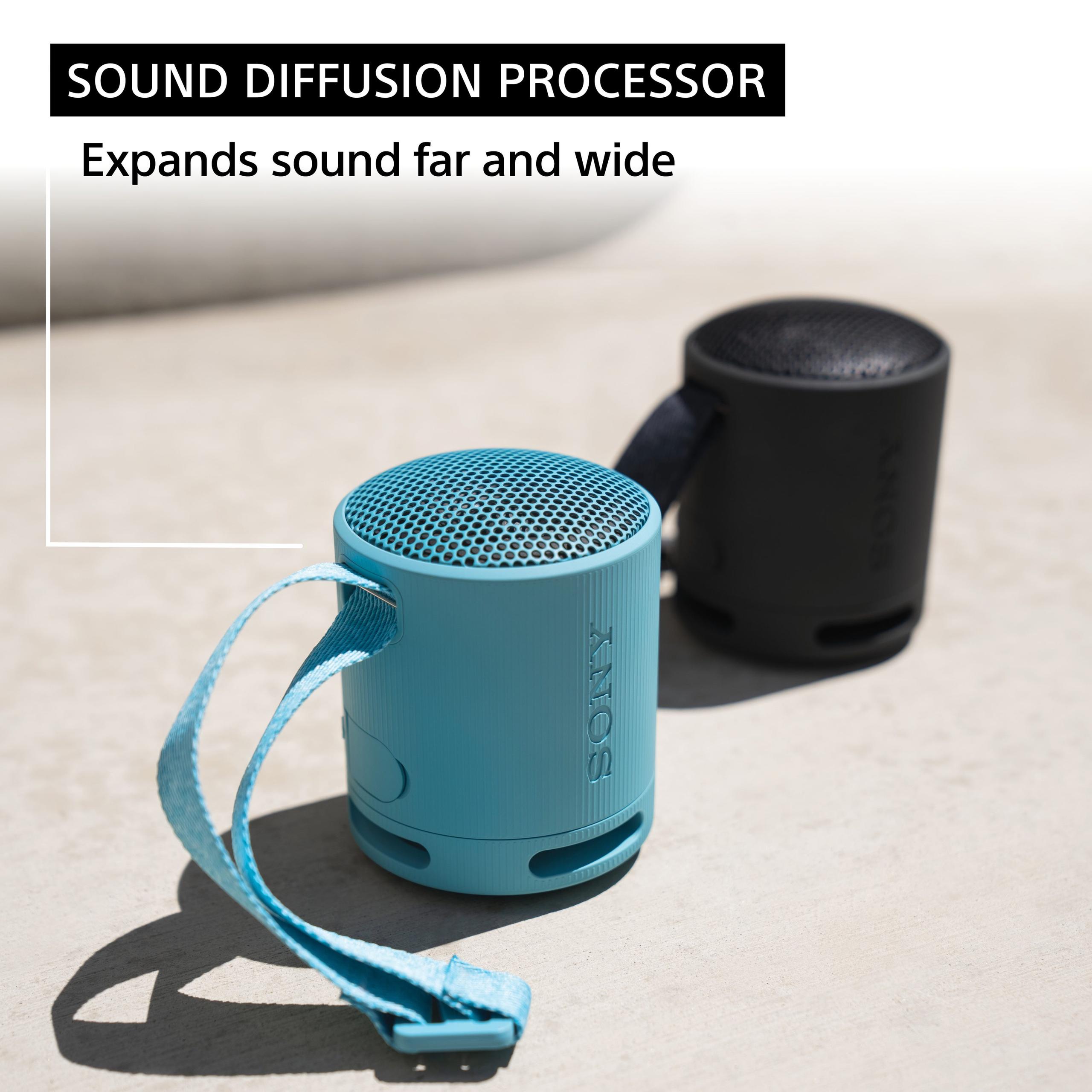
In testing, the Boombox 3's frequency response of 40Hz-20kHz means it can reproduce deeper bass notes that the XB100 simply can't match. However, Sony's Sound Diffusion Processor helps the XB100 create a surprisingly wide soundstage for its size, particularly effective for vocal-focused music and podcasts.
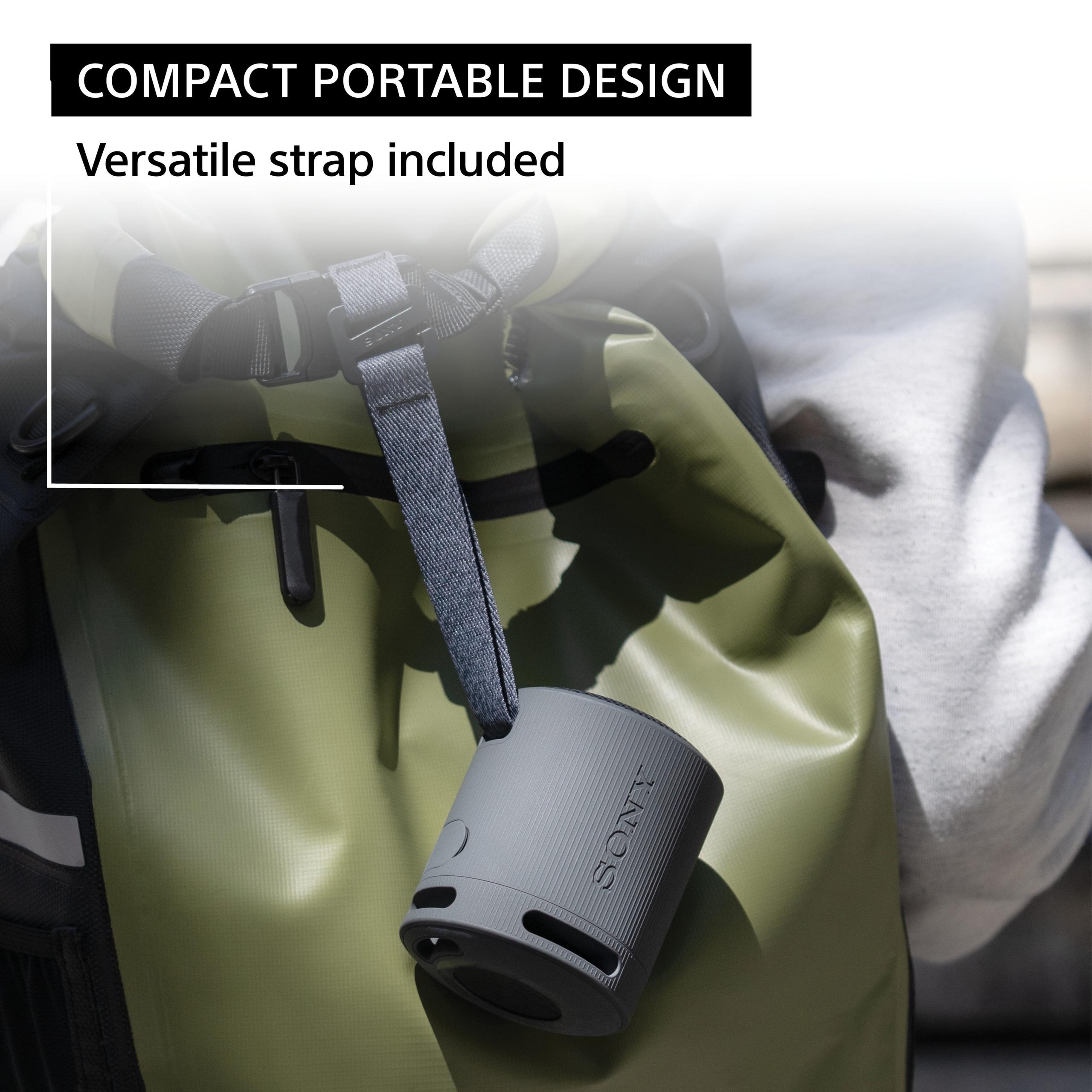
The weight difference between these speakers - 14.7 lbs vs. 0.6 lbs - tells a clear story about their intended use. The Boombox 3 is portable in the sense that you can move it between locations, while the XB100 is truly pocket-sized.
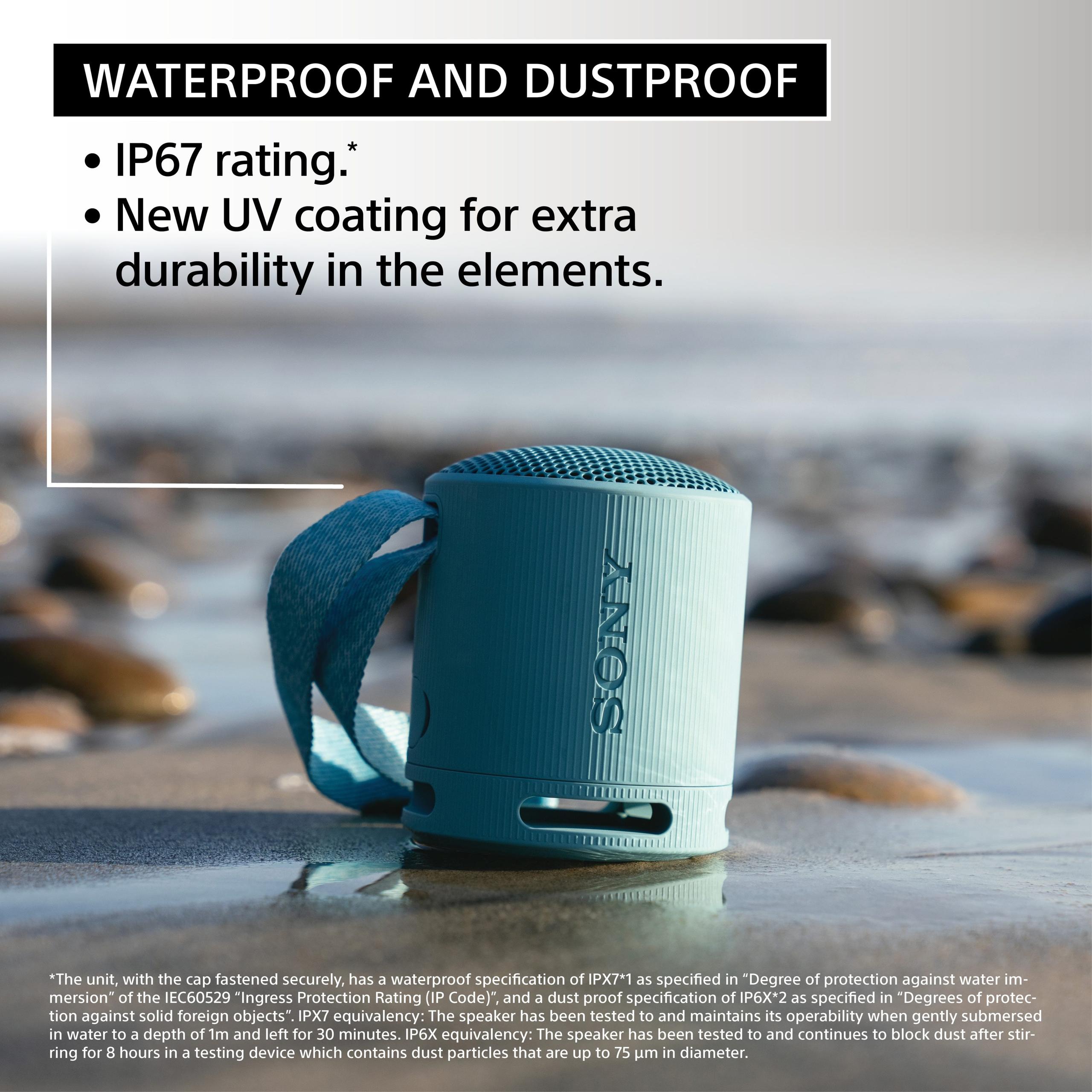
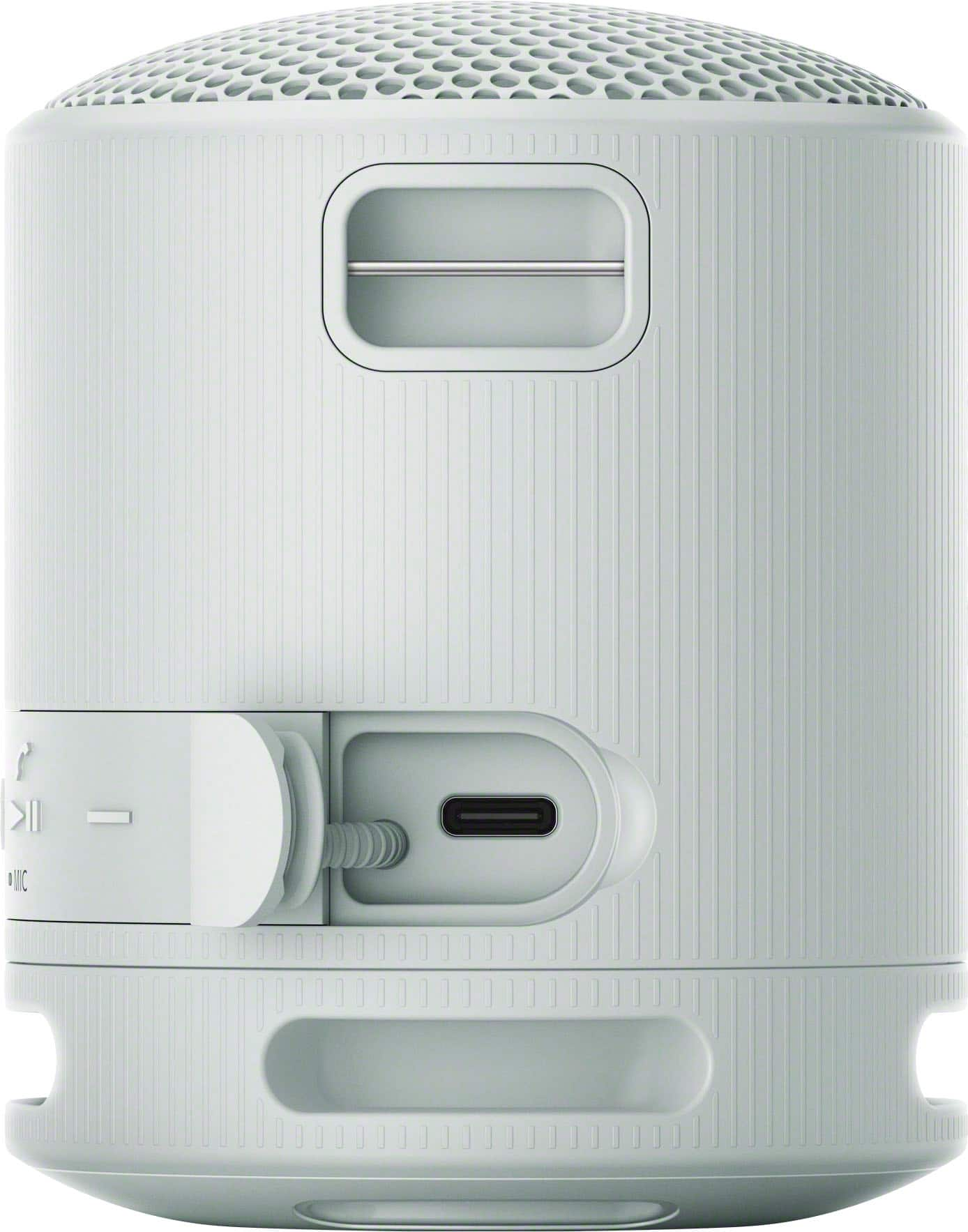
Both speakers feature IP67 water and dust resistance, meaning they can handle submersion in 1 meter of water for 30 minutes. This is particularly impressive for the Boombox 3 given its size and power requirements. The XB100 adds the ability to float, which could be a lifesaver at pool parties.
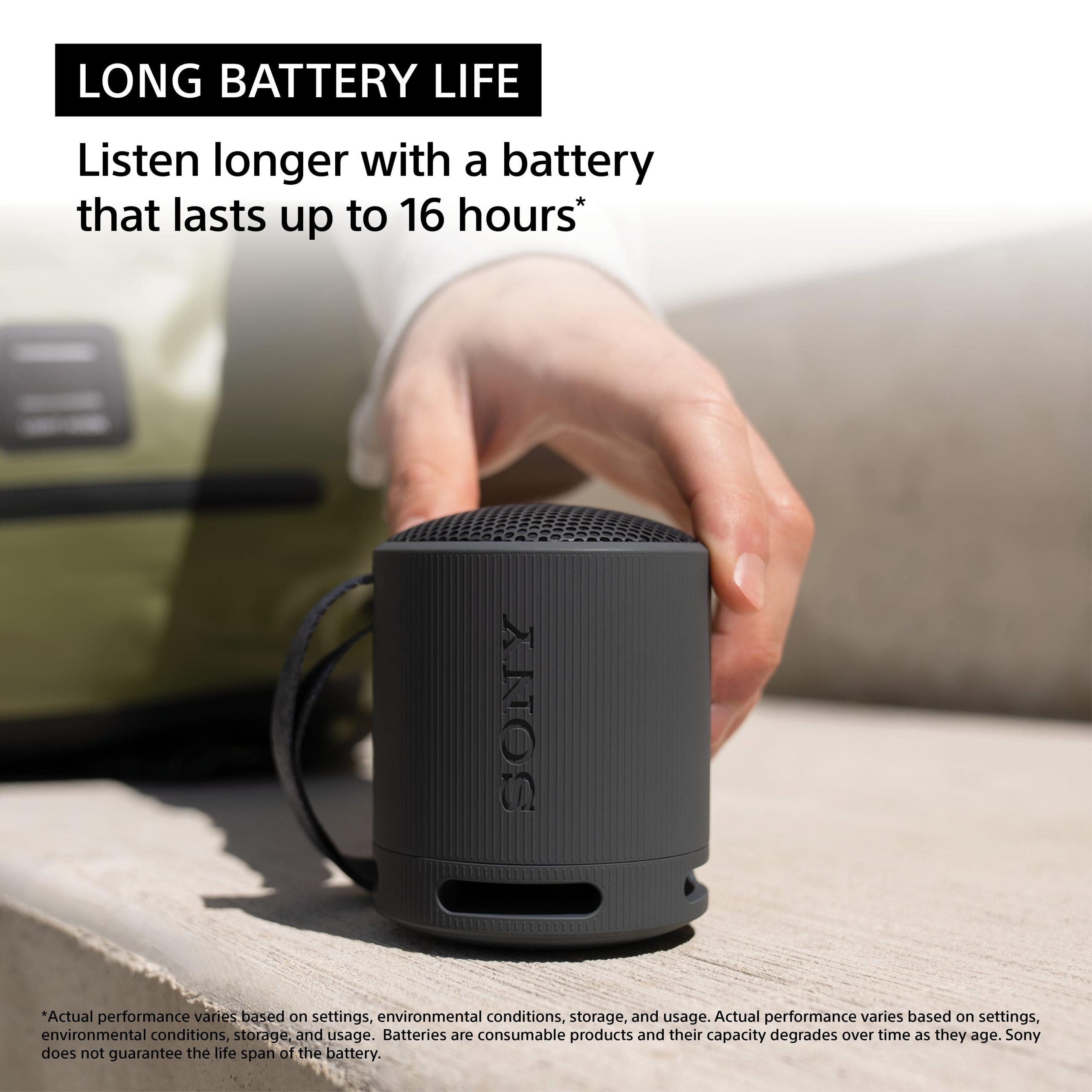
Battery technology has seen significant improvements in recent years, reflected in both speakers' performance. The Boombox 3's 24-hour rating is impressive given its power output, though this drops significantly at higher volumes. The XB100's 16-hour battery life is more consistent across volume levels due to its lower power requirements.
An interesting feature of the Boombox 3 is its power bank functionality, allowing it to charge other devices through its USB port. This capability, combined with its substantial battery, makes it a useful emergency power source during outages or outdoor events.
Both speakers use Bluetooth 5.3, which offers improved range and stability compared to older versions. The Boombox 3's PartyBoost feature allows connection with other compatible JBL speakers for stereo or multi-speaker setups. Sony offers similar functionality through stereo pairing between XB100s.
The companion apps differ significantly in capability. JBL's app offers detailed EQ control and firmware updates, while Sony's Music Center app is more basic, primarily handling device settings and updates.
Having tested both speakers extensively, here's how they perform in different scenarios:
The JBL Boombox 3 at $399 competes with entry-level PA systems rather than typical Bluetooth speakers. Its value comes from combining professional-level sound with portable convenience. The Sony XB100 at $59 offers remarkable performance for its price point, especially considering its build quality and features.
The choice between these speakers really comes down to your primary use case:
Choose the Boombox 3 if:
Choose the XB100 if:
Both speakers represent the current state of their respective categories, but we're seeing interesting developments on the horizon. Manufacturers are exploring better battery technology, more efficient amplification, and improved digital signal processing. Future versions might offer even better performance while requiring less power.
The market seems to be splitting further between these two approaches - ultra-portable personal audio and powerful party speakers - with fewer options in between. This specialization allows manufacturers to optimize their designs for specific use cases rather than trying to be all things to all people.
In the end, both the JBL Boombox 3 and Sony XB100 excel at their intended purposes. They're examples of how different approaches to the same basic concept - portable audio - can result in products that serve their target users exceptionally well, even if those users have very different needs.
| JBL Boombox 3 | Sony XB100 |
|---|---|
| Price - Base investment required | |
| $399.99 (premium tier) | $59.99 (budget tier) |
| Power Output - Determines maximum volume and sound quality at high levels | |
| 80W RMS (AC), 60W RMS (battery) | 5W RMS |
| Size - Important for portability and placement options | |
| 19.0 x 10.1 x 7.9 inches (large format) | 3.0 x 3.7 inches (ultra-compact) |
| Weight - Critical for true portability | |
| 14.7 lbs (occasional moving) | 0.6 lbs (pocket-friendly) |
| Battery Life - Determines usage duration between charges | |
| 24 hours (varies with volume) | 16 hours (consistent) |
| Speaker Configuration - Affects sound quality and clarity | |
| 3-way system: subwoofer, midrange, tweeters | Single full-range driver with passive radiator |
| Frequency Response - Range of reproducible sound | |
| 40 Hz - 20 kHz (deep bass capable) | 20 Hz - 20 kHz (limited bass impact) |
| Water/Dust Resistance - Determines outdoor usability | |
| IP67 rated (waterproof/dustproof) | IP67 rated (waterproof/dustproof, floats) |
| Bluetooth Version - Affects connection stability and range | |
| 5.3 with PartyBoost multi-speaker support | 5.3 with stereo pair capability |
| Additional Features - Extra functionality beyond basic audio | |
| Power bank, EQ app control, aux input | Hands-free calling, strap included |
| Primary Use Case - Best suited for these scenarios | |
| Large gatherings, outdoor events, parties | Personal listening, travel, desktop use |
| Charging Time - Time investment for full battery | |
| 6.5 hours (larger battery) | 4 hours (faster relative to capacity) |
The JBL Boombox 3 is significantly better for outdoor parties with its 80W output and powerful bass. The Sony XB100 is too small for large gatherings, being designed for personal listening.
The JBL Boombox 3 costs $399.99, while the Sony XB100 is priced at $59.99. The price difference reflects their different target uses and power capabilities.
The JBL Boombox 3 offers 24 hours of playback, while the Sony XB100 provides 16 hours. However, the Boombox 3's battery life varies more with volume level.
Both the JBL Boombox 3 and Sony XB100 have IP67 waterproof ratings, making them safe for poolside use. The XB100 has the advantage of being able to float.
The Sony XB100 is significantly more portable at 0.6 lbs and pocket-sized dimensions. The JBL Boombox 3 weighs 14.7 lbs and requires dedicated carrying.
The JBL Boombox 3 delivers superior sound quality with deeper bass and clearer highs due to its three-way speaker system. The Sony XB100 offers good sound for its size but can't match the larger speaker's performance.
Both speakers offer pairing features - the JBL Boombox 3 has PartyBoost for connecting to other JBL speakers, while the Sony XB100 can create a stereo pair with another XB100.
The Sony XB100 is ideal for travel due to its compact size and lightweight design. The JBL Boombox 3 is too large for typical travel use.
Both the JBL Boombox 3 and Sony XB100 use Bluetooth 5.3 and are compatible with virtually all modern smartphones and devices.
The JBL Boombox 3 delivers significantly stronger bass with its dedicated subwoofer. The Sony XB100 has limited bass response due to its small size.
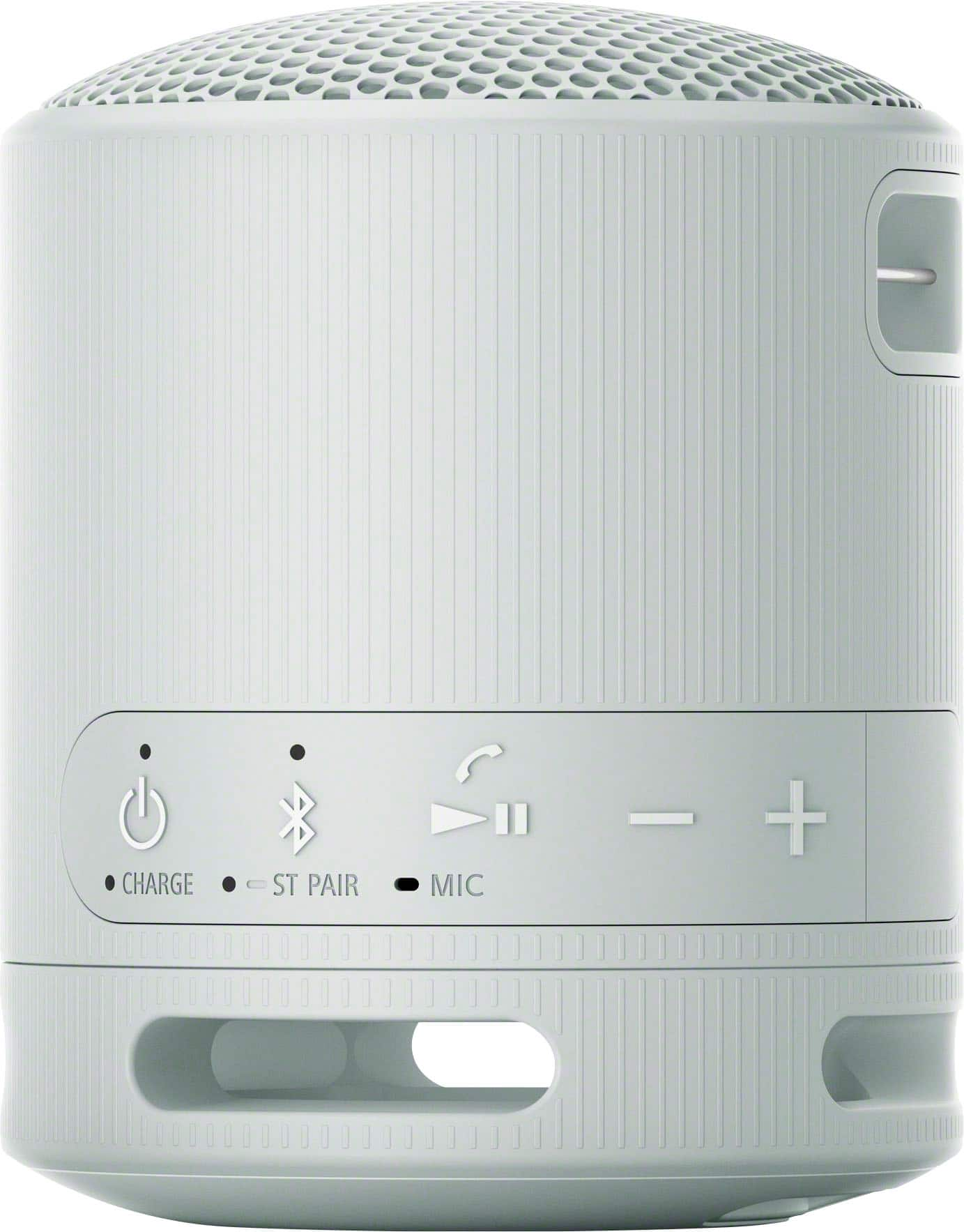
The Sony XB100 includes a built-in microphone for hands-free calling. The JBL Boombox 3 also supports calls but is less practical for this use due to its size.
The Sony XB100 offers excellent value for personal use at $59.99. The JBL Boombox 3 at $399.99 is worth it if you need its powerful output and features for large gatherings.
We've done our best to create useful and informative comparisons to help you decide what product to buy. Our research uses advanced automated methods to create this comparison and perfection is not possible - please contact us for corrections or questions. These are the sites we've researched in the creation of this article: tomsguide.com - sweetwater.com - bestbuy.com - jbl.com - rtings.com - harmanaudio.com - jbl.com - jbl.com - thepowercentre.ca - youtube.com - bhphotovideo.com - krazykileys.ca - techradar.com - bestbuy.com - bestbuy.com - tomsguide.com - electronics.sony.com - sony-asia.com - sony.com - sony.com - thesonyshop.ca - cornellstore.com - bestbuy.com

Privacy Policy
Terms and Conditions - Affiliate Policy
Home Security
© Copyright 2008-2026.
11816 Inwood Rd #1211, Dallas, TX 75244