

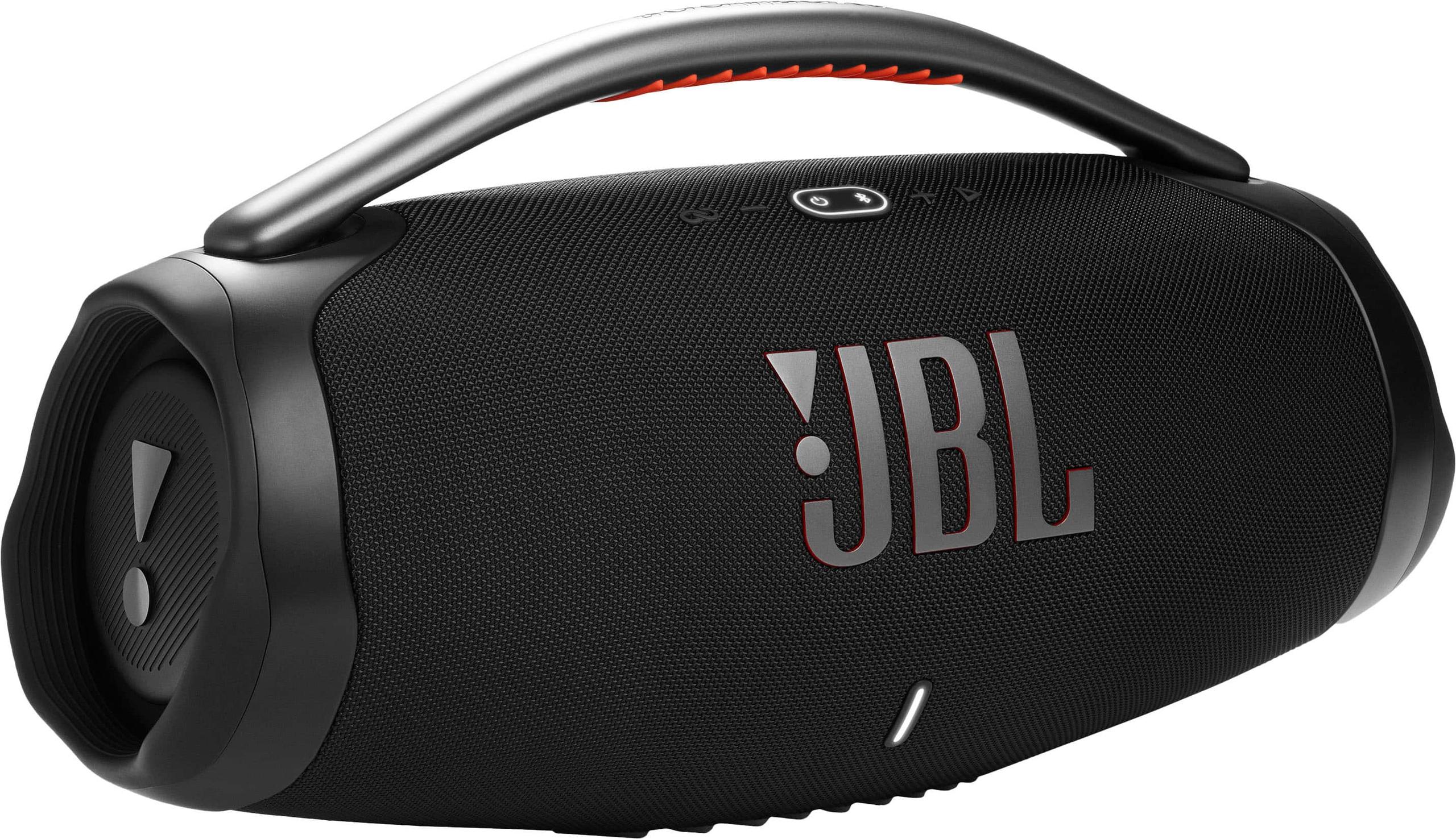
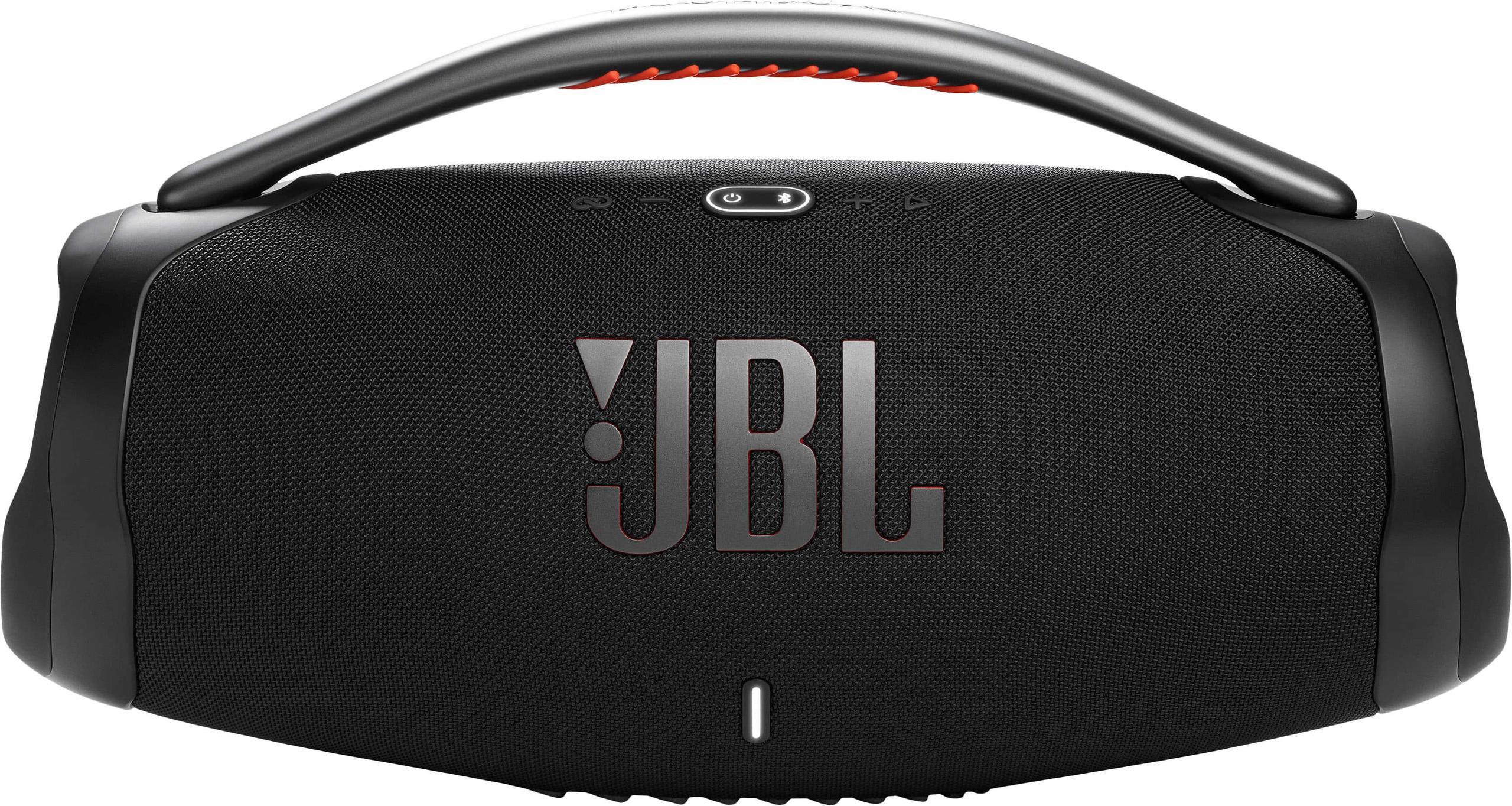
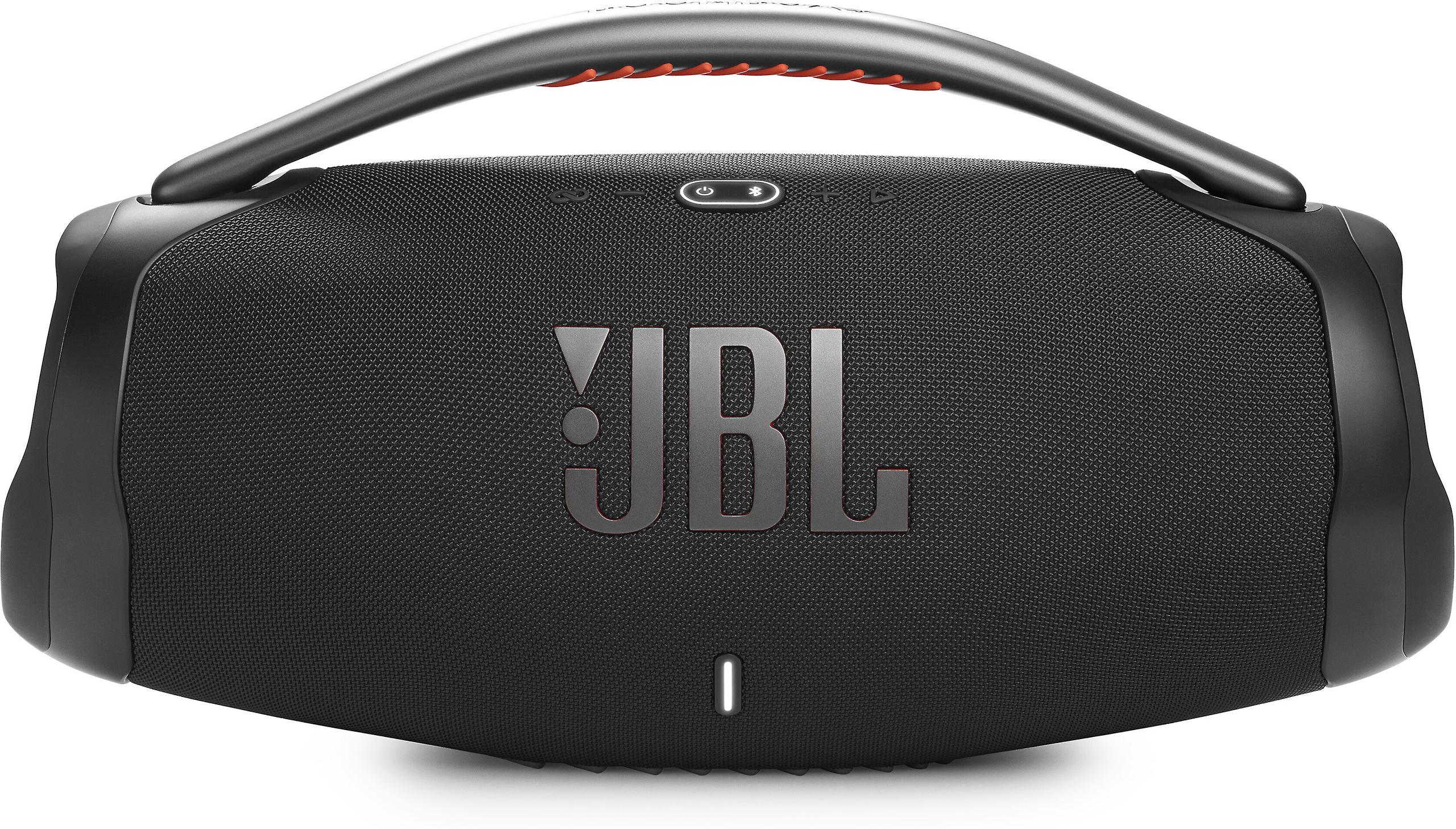
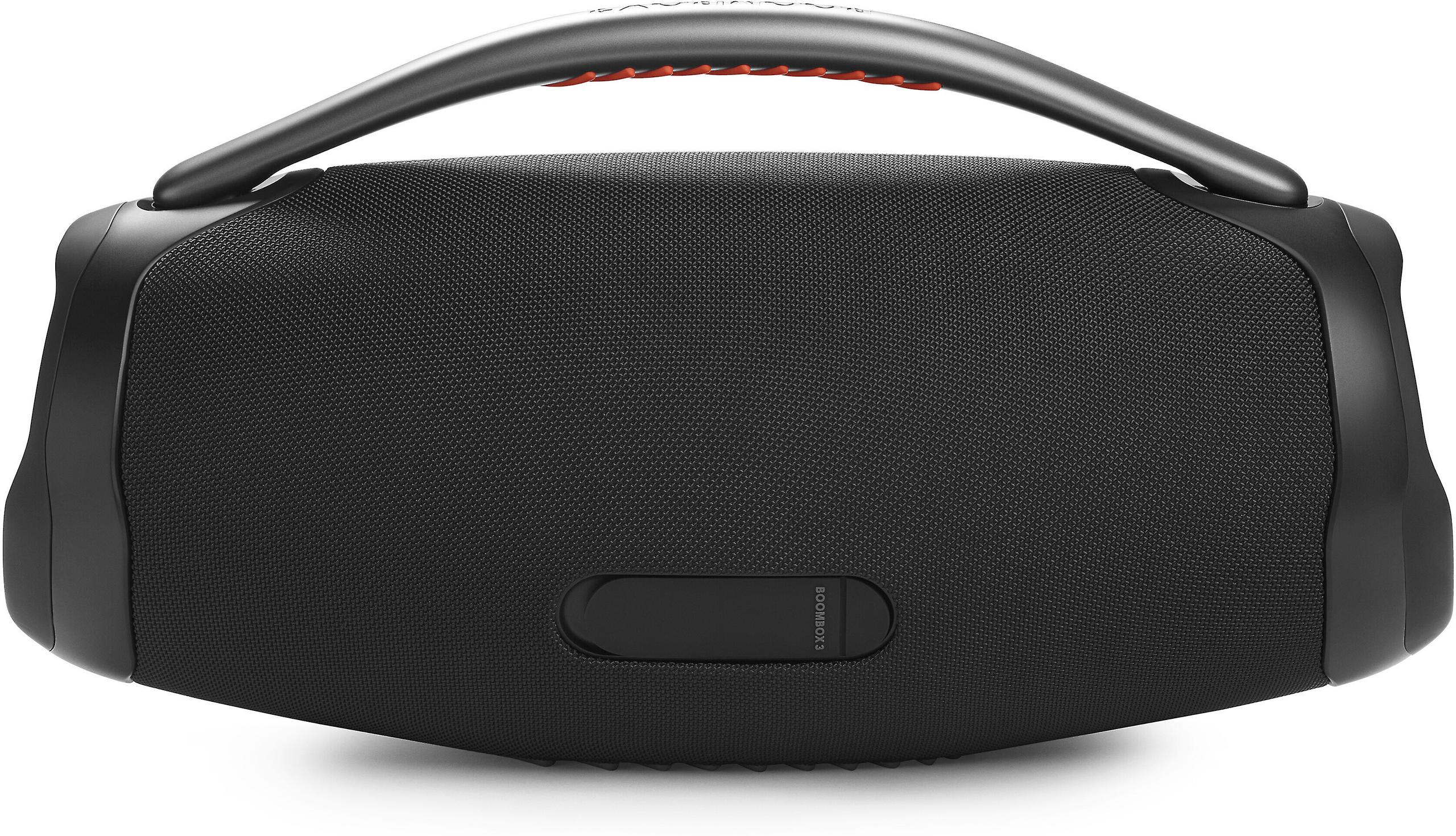
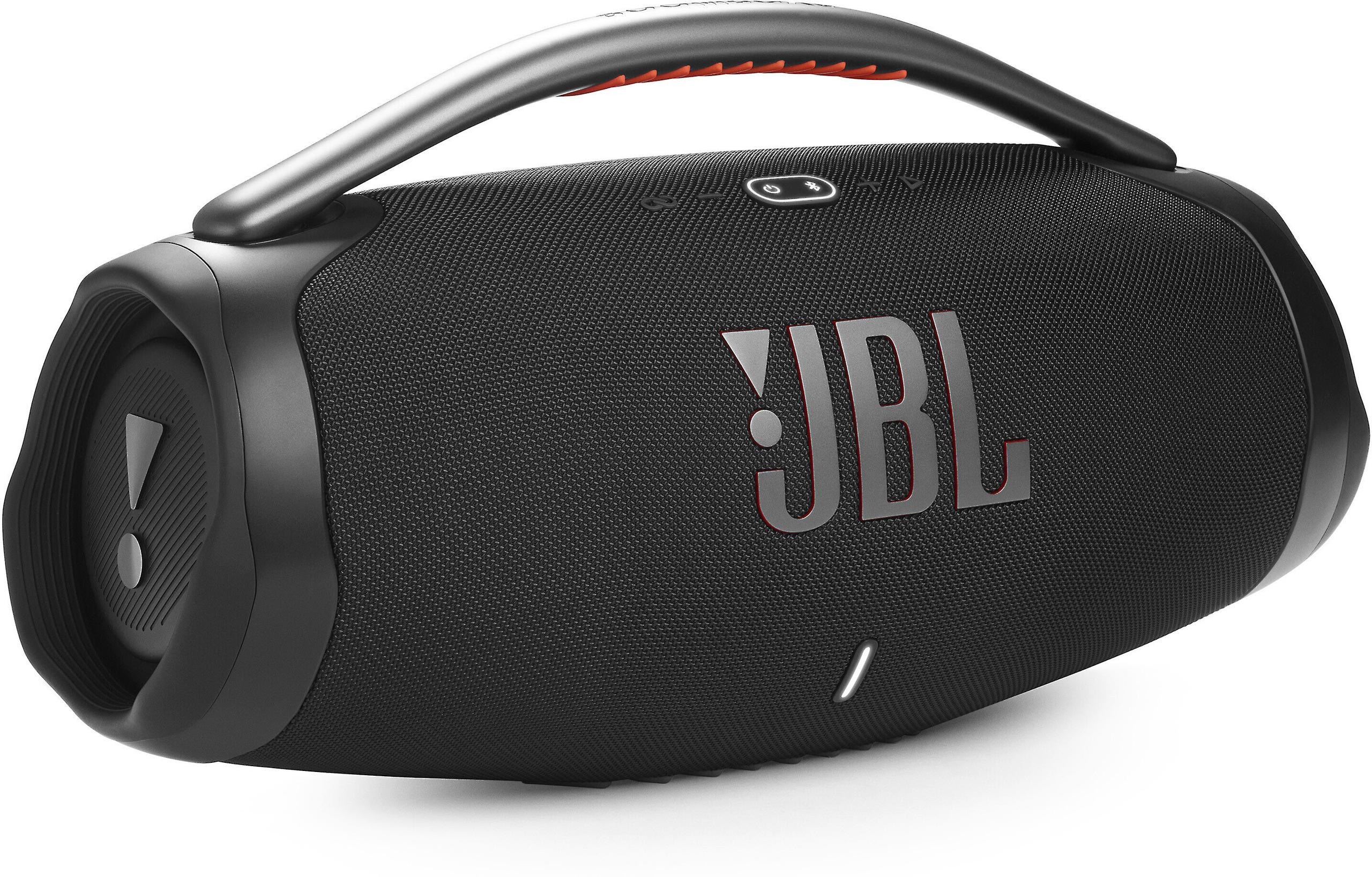
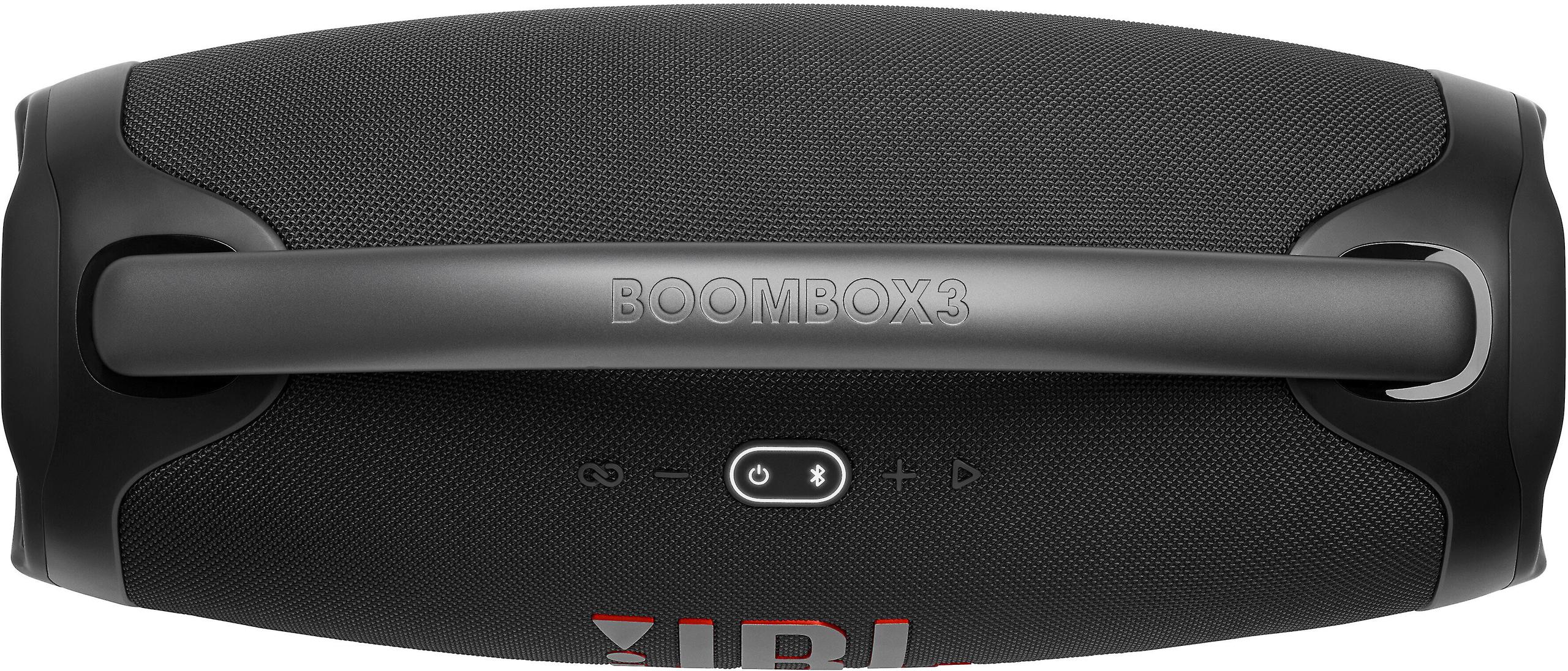
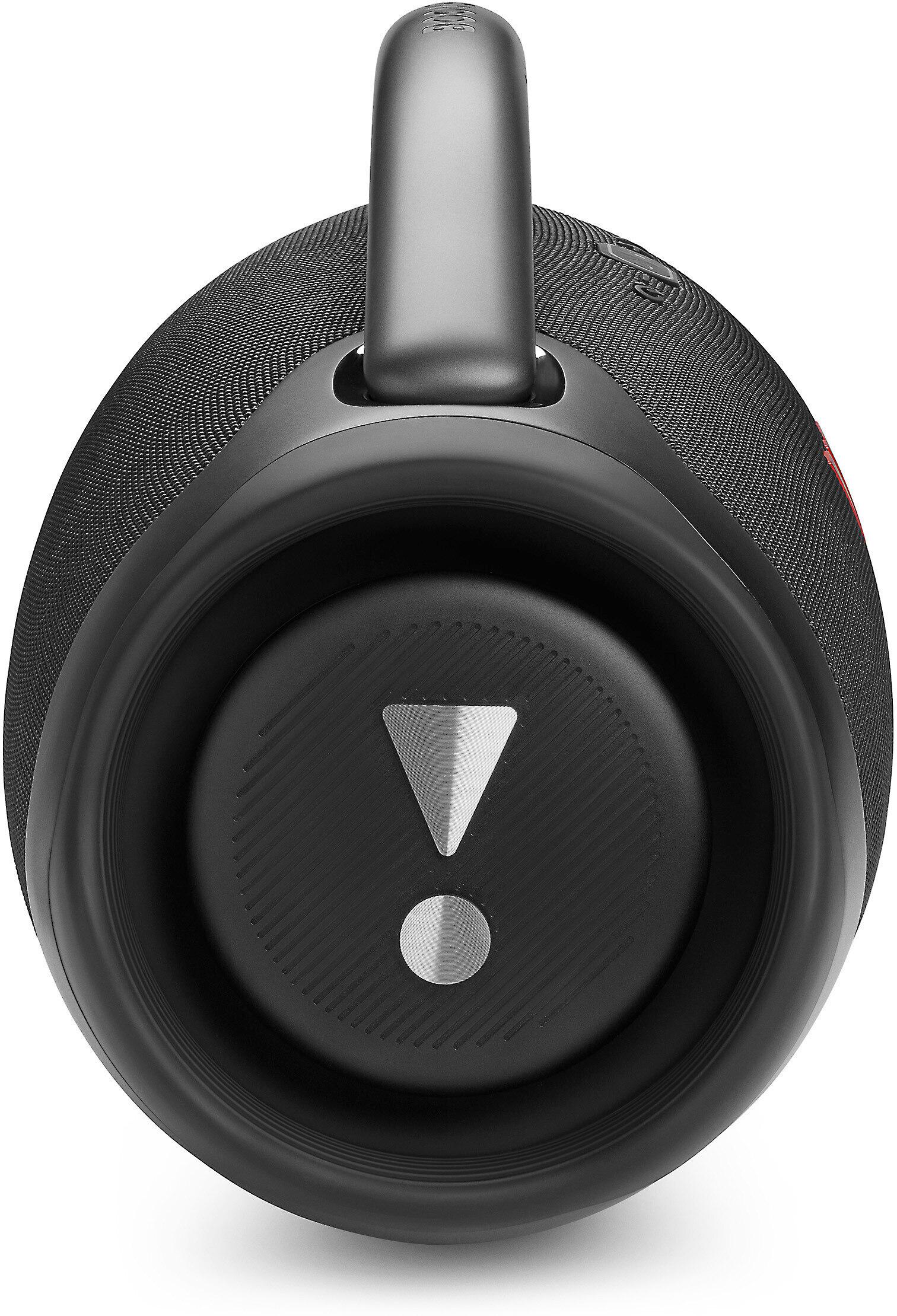
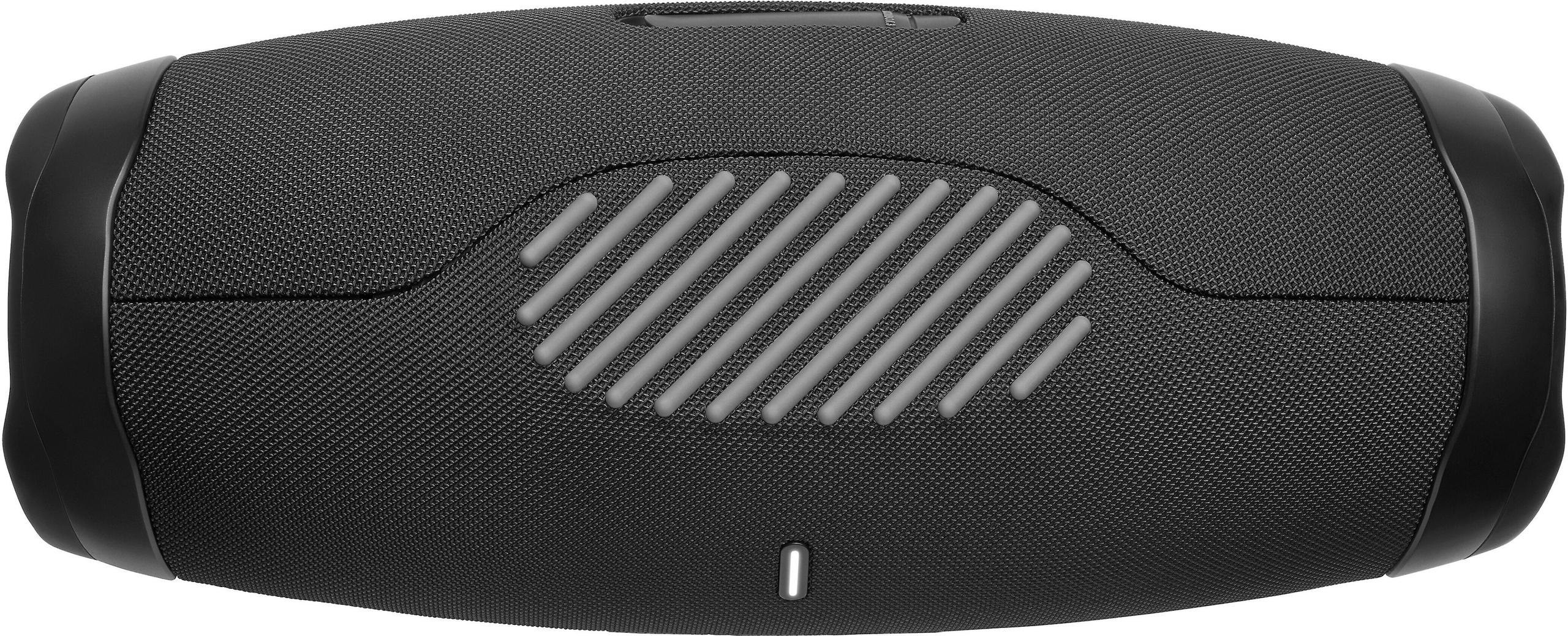
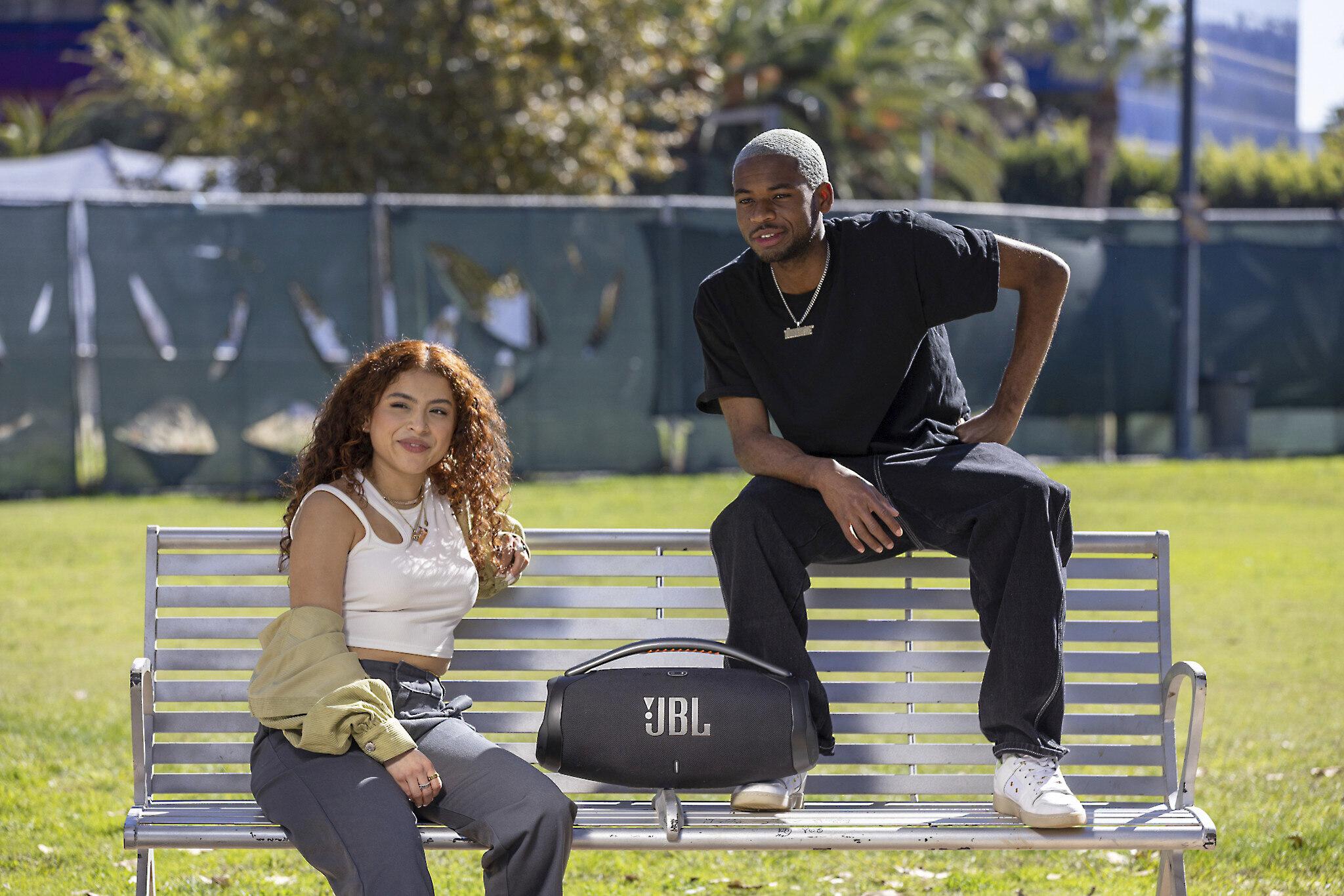
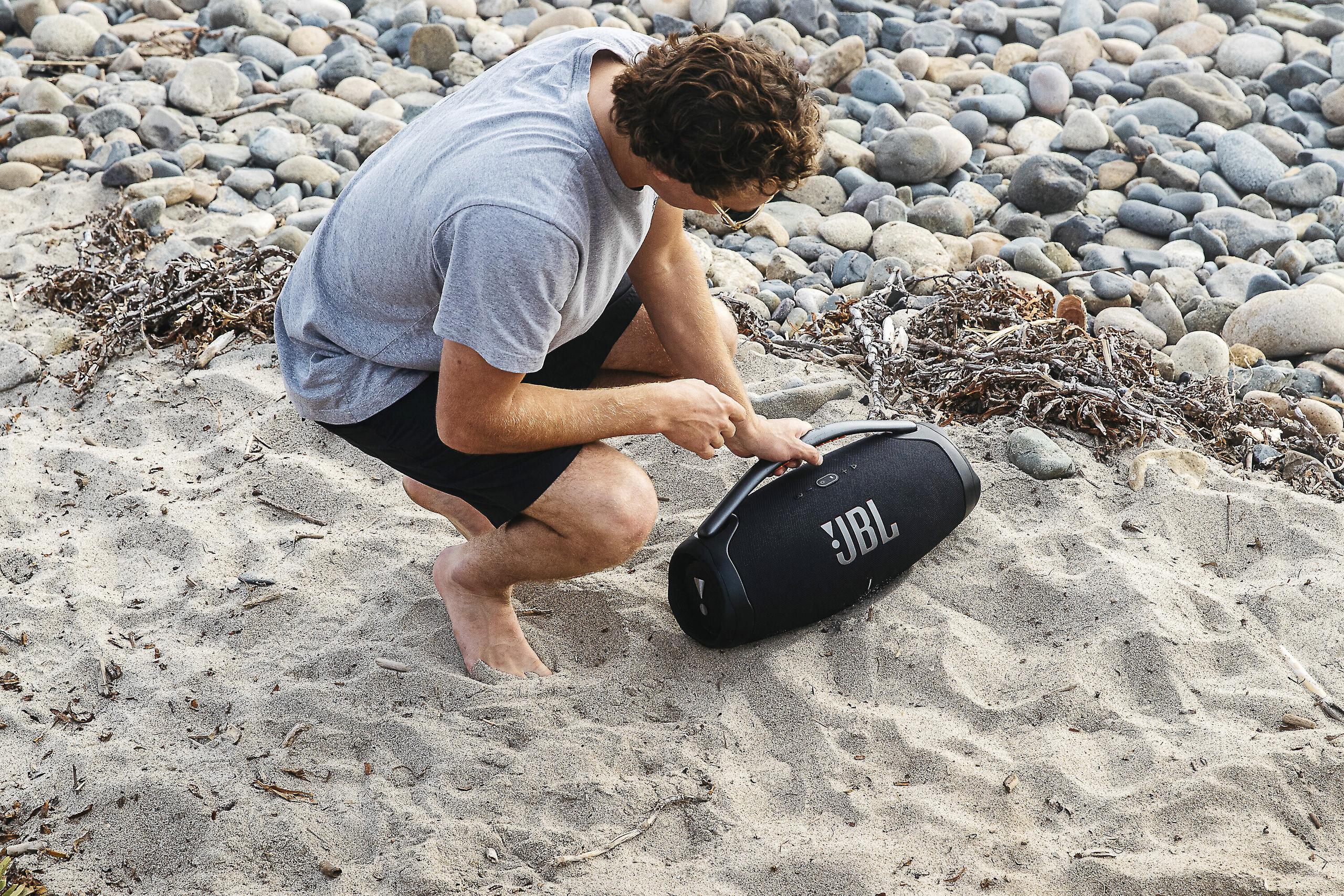

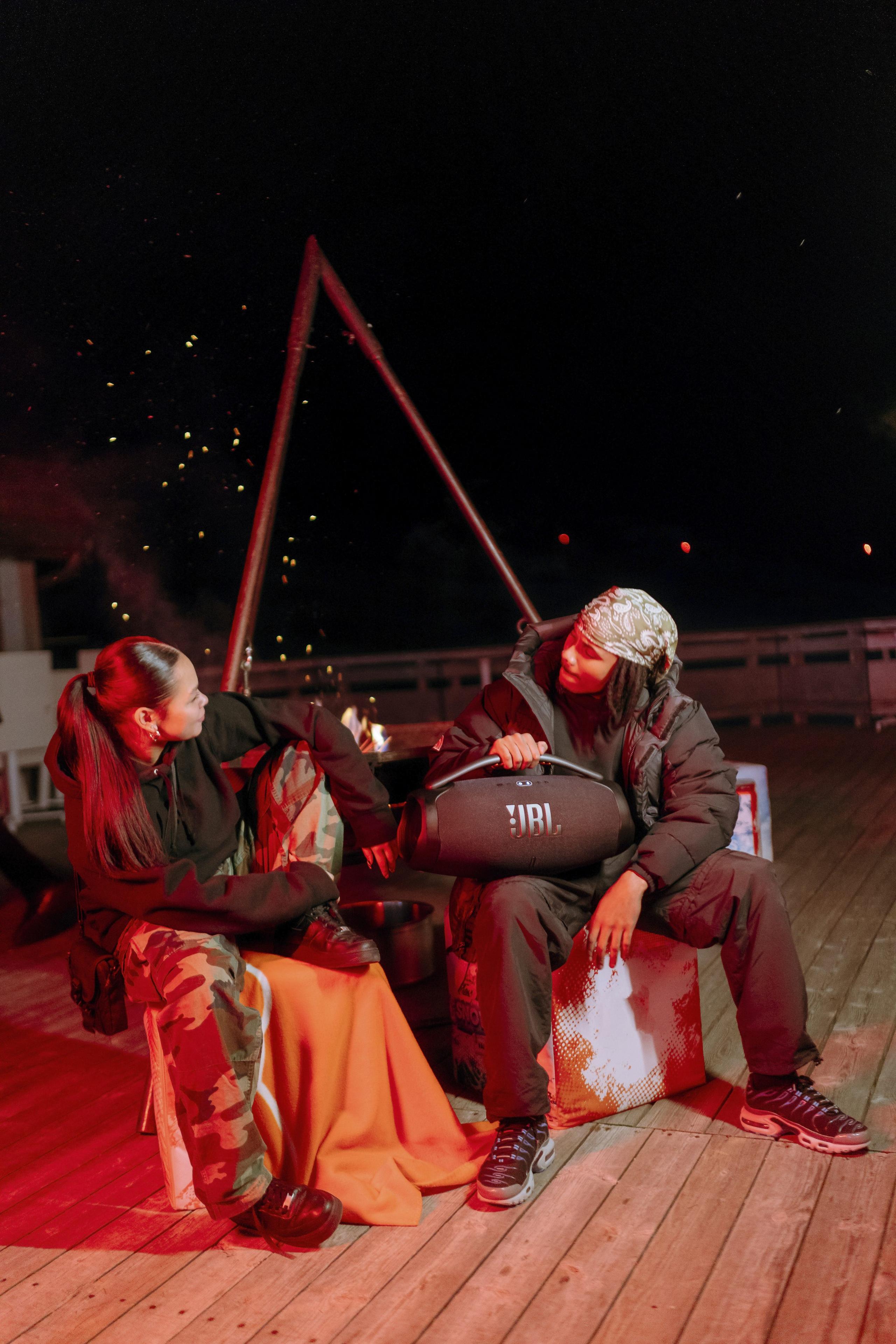
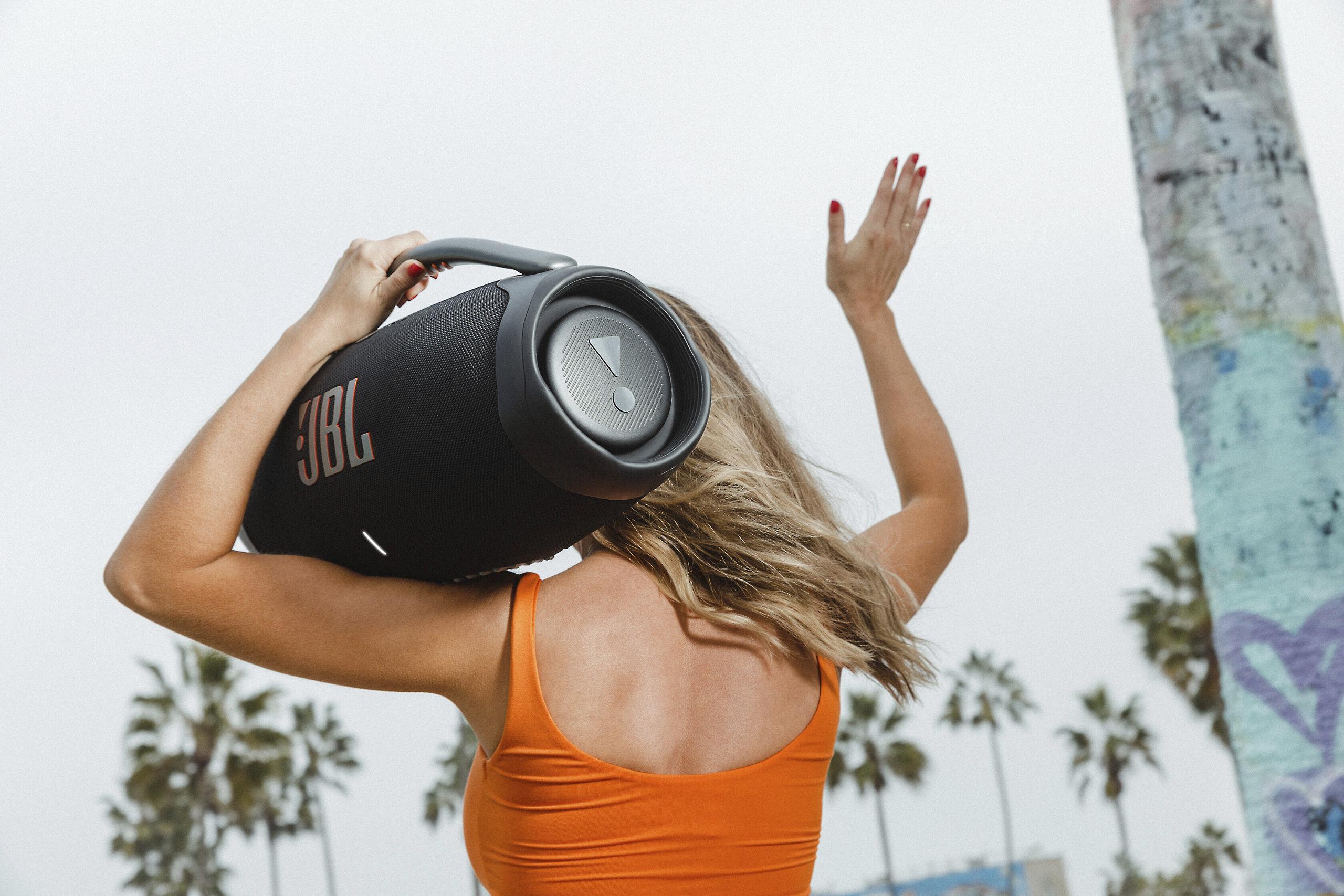
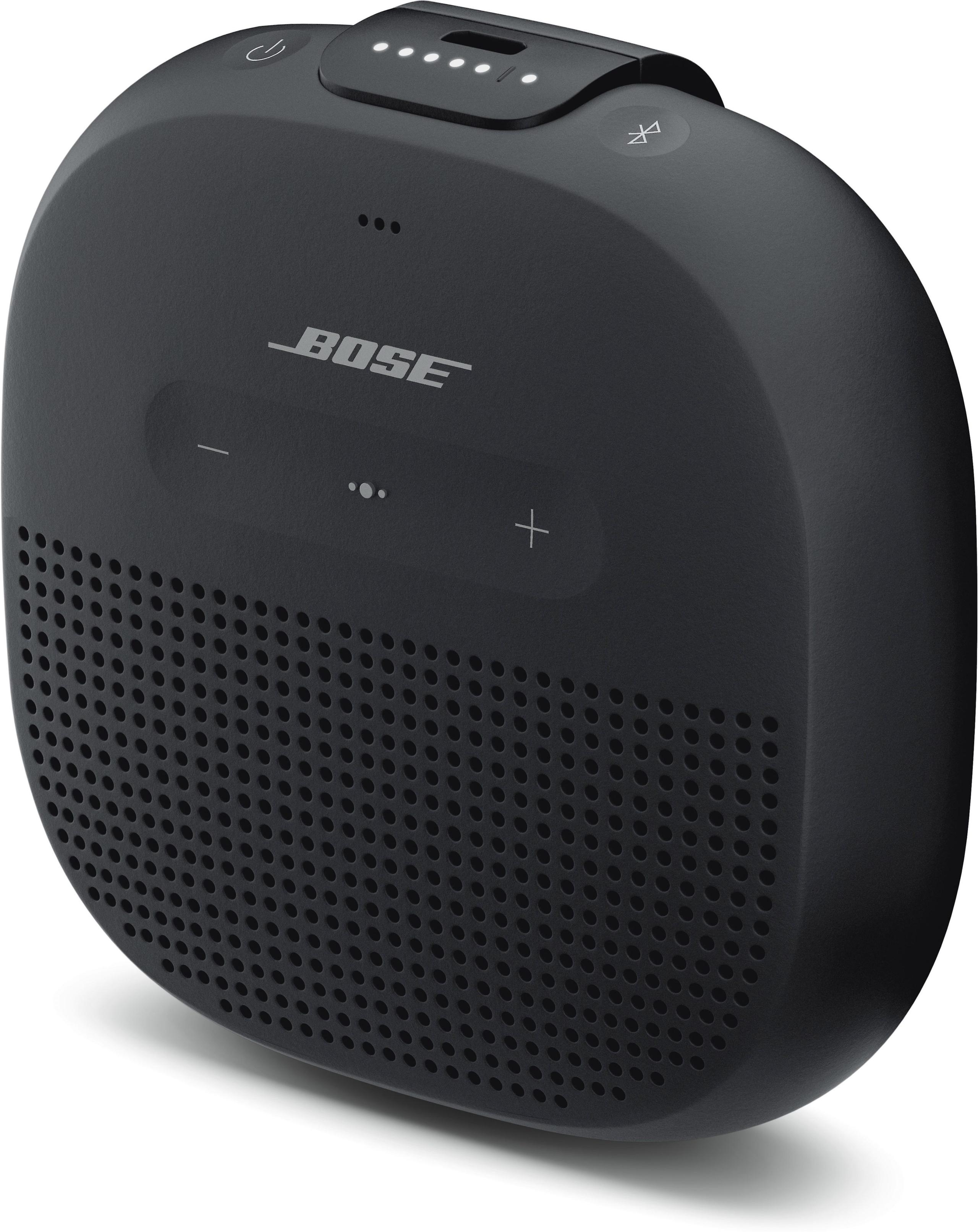
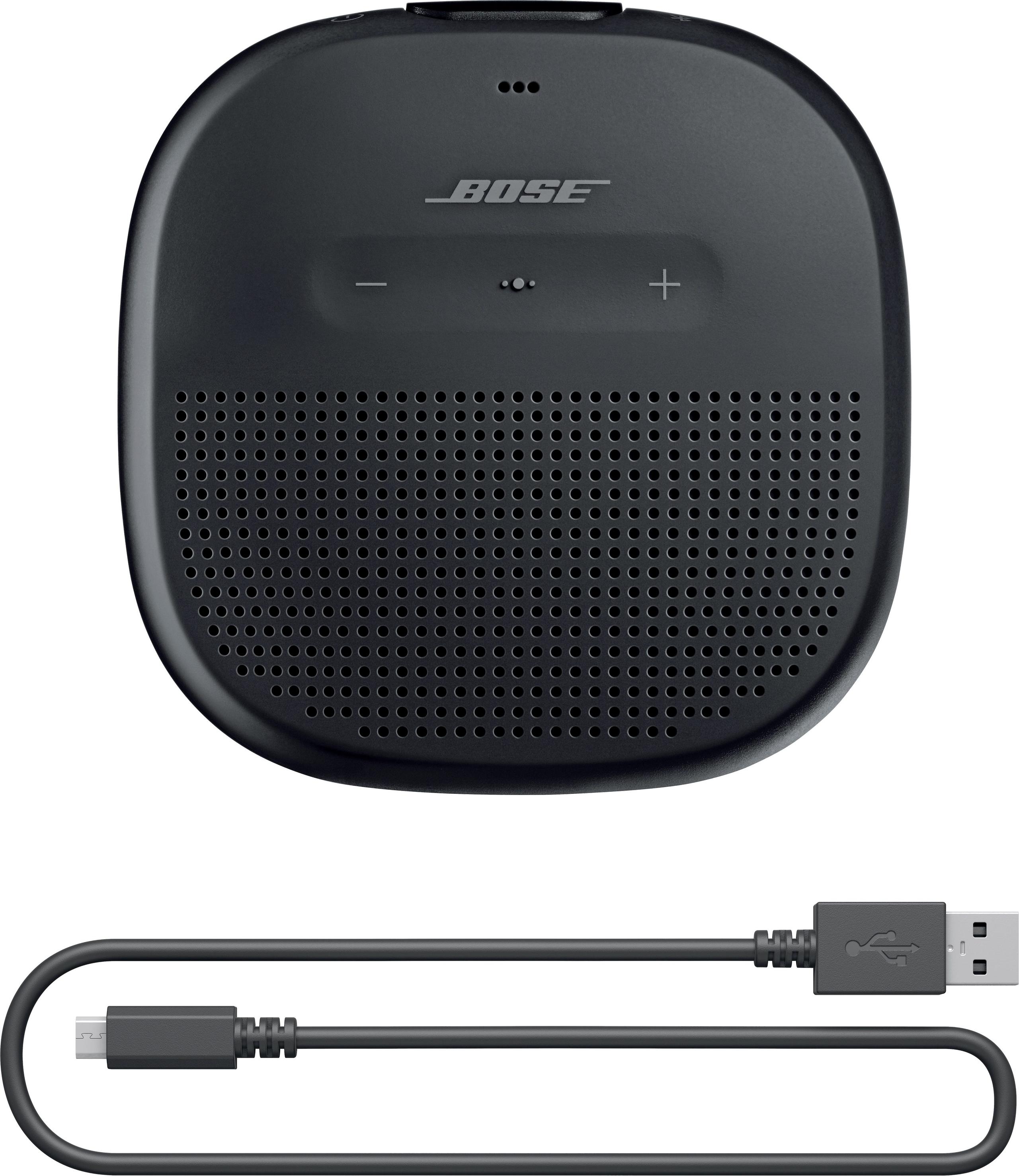
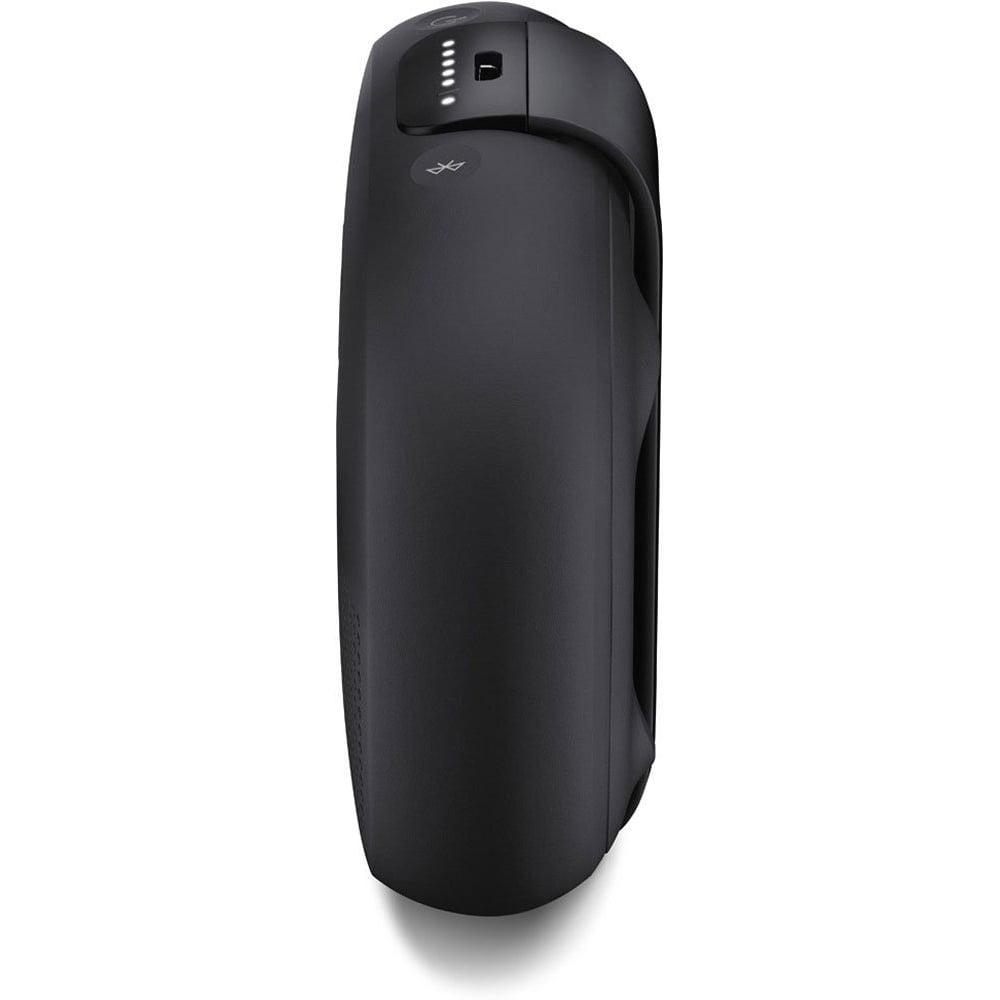
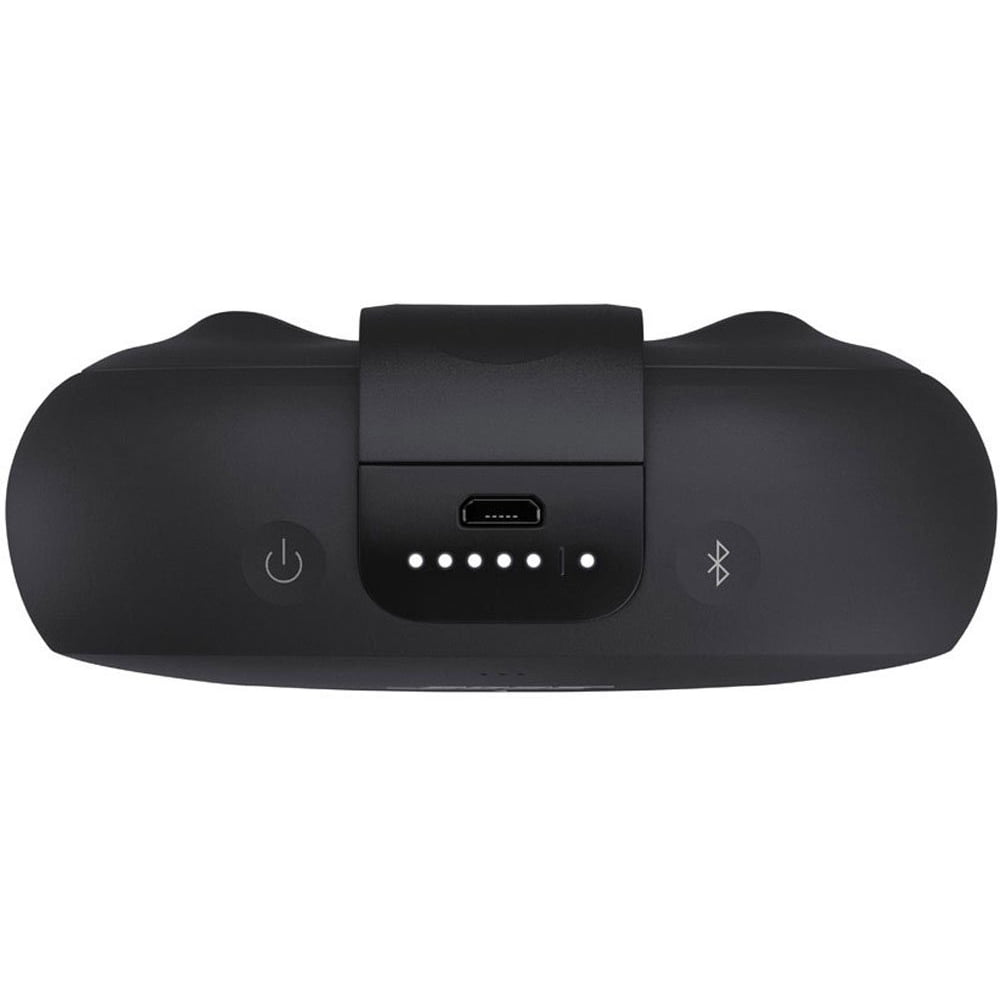
When it comes to portable speakers, there's a massive range between ultra-compact personal audio and party-ready powerhouses. Today we're looking at two speakers that perfectly illustrate these extremes: the JBL Boombox 3 ($399.99) and the Bose SoundLink Micro ($99).
Bluetooth speakers have evolved significantly over the past decade. What started as small, tinny-sounding portable units has expanded into a diverse ecosystem of audio solutions. Modern speakers pack impressive sound quality into increasingly durable packages, with features like waterproofing and extended battery life becoming standard.
The category broadly splits into several tiers:
Our two contenders today sit at opposite ends of this spectrum, which makes for an interesting comparison of what's possible at different size and price points.
The JBL Boombox 3, released in 2024, represents the current state of the art in portable party speakers. It uses a sophisticated 3-way speaker system (meaning separate drivers for low, mid, and high frequencies) and incorporates modern features like Bluetooth 5.3 for better wireless performance. This latest version packs 180W of power when plugged in, demonstrating how far portable speaker technology has come.
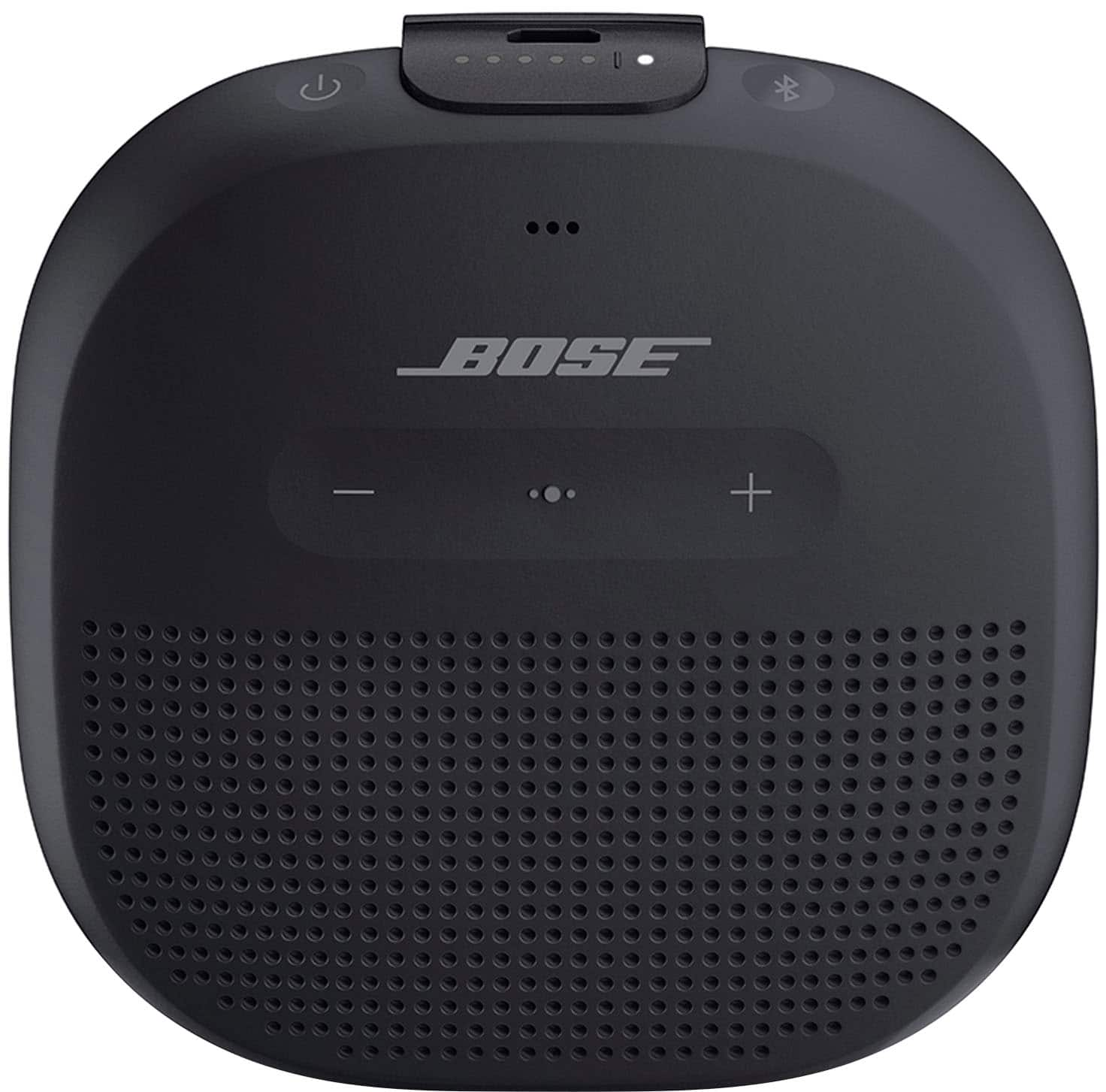
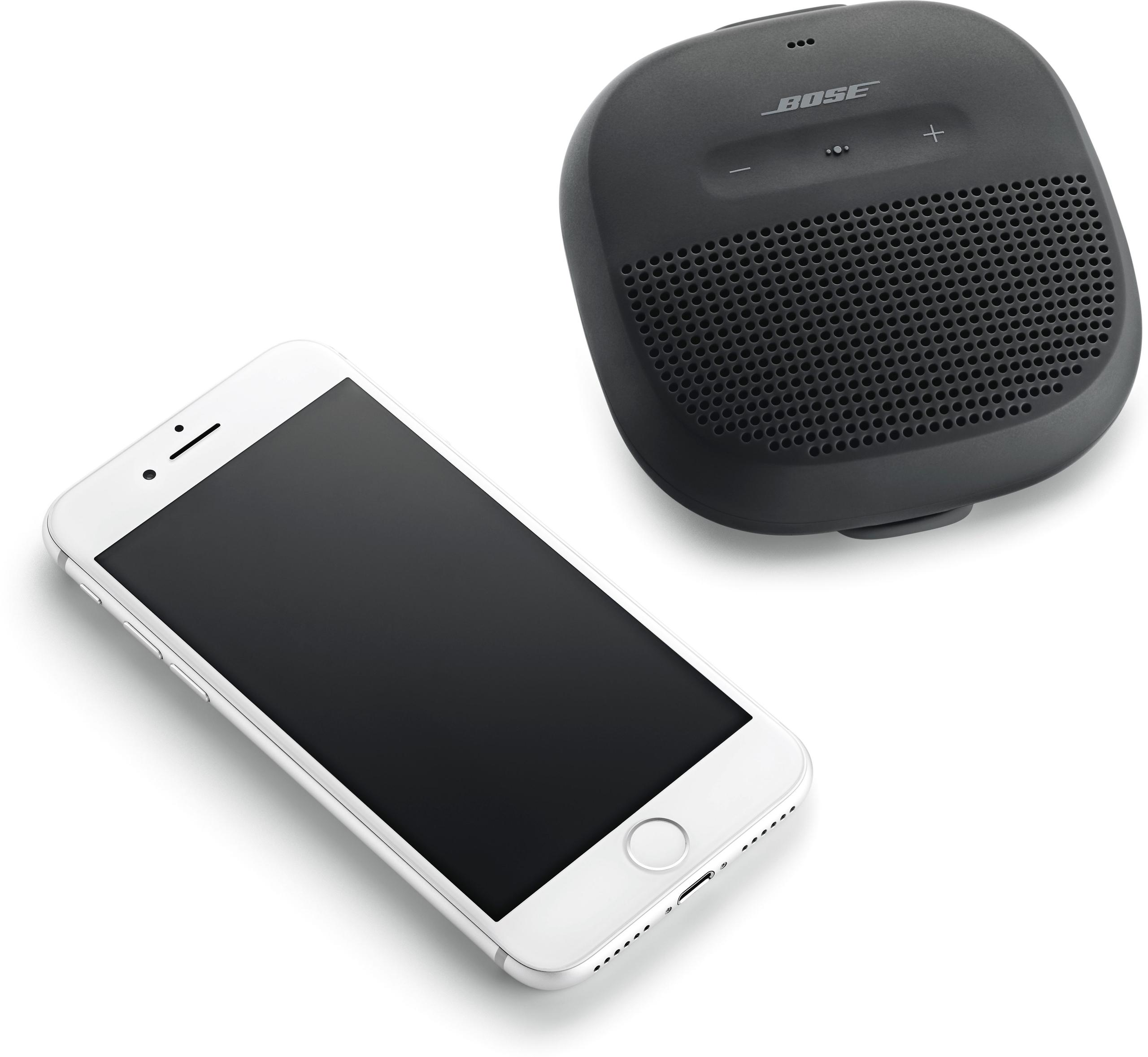
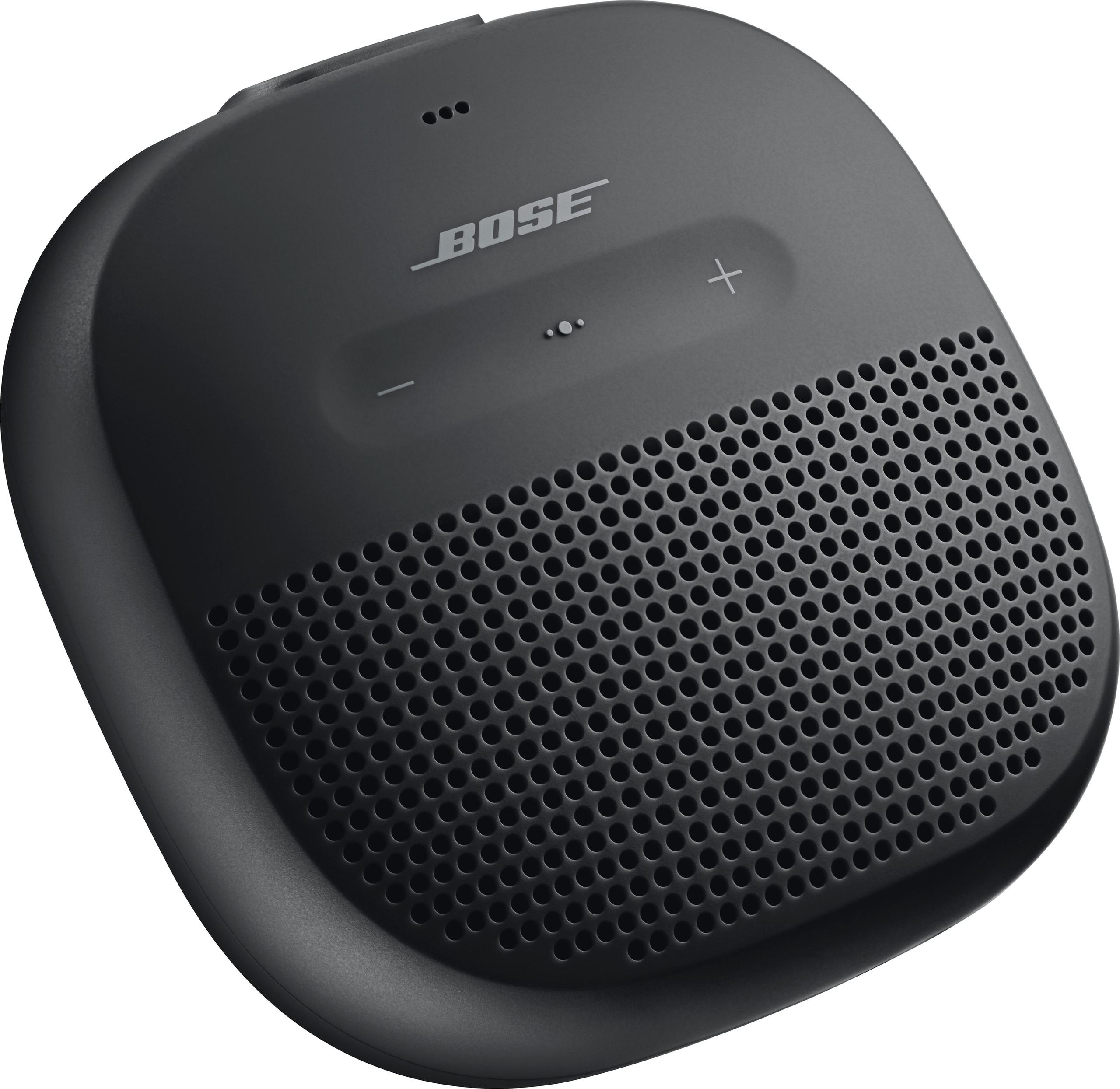
The Bose SoundLink Micro, released in 2017, showcases different innovations - namely, how to pack surprisingly full sound into an ultra-compact form factor. While its technology is older, Bose's custom-designed transducer and passive radiators still compete well with newer small speakers.
The Boombox 3's sound quality is impressive, particularly in how it handles bass. The dedicated subwoofer (a speaker designed specifically for low frequencies) delivers deep, rich bass that you can feel - something that's rare in portable speakers. The separate midrange drivers and tweeters ensure clear vocals and crisp high frequencies.
Key specs that matter:
In real-world use, this translates to sound that can easily fill a large backyard or pool area. The speaker maintains clarity even at high volumes, though like most portable speakers, it sounds best at about 70-80% of maximum volume.
Despite its small size, the SoundLink Micro produces surprisingly robust sound. Bose achieves this through careful engineering and their proprietary transducer design. While it can't match the raw power of the Boombox 3, it excels in near-field listening situations.
Notable features:
The speaker particularly shines with vocal-focused content and acoustic music, though it can handle most genres well within its volume limitations.
The contrast here is stark:
The JBL Boombox 3 weighs 6.7kg (14.7 lbs) and measures nearly 20 inches wide. While it has a comfortable handle and is designed to be moved, it's not something you'd want to carry for long distances. However, this size enables its impressive sound capabilities and long battery life.
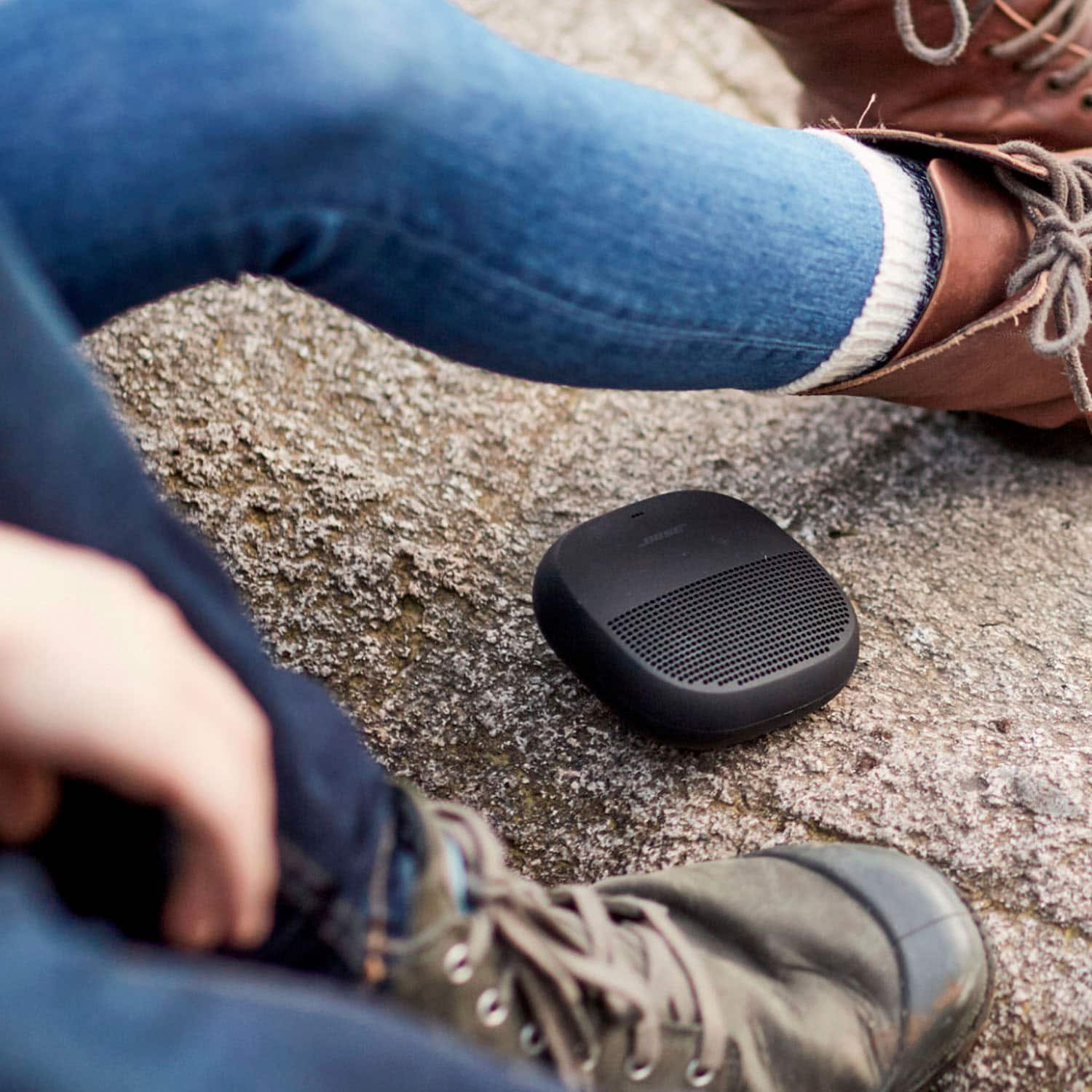
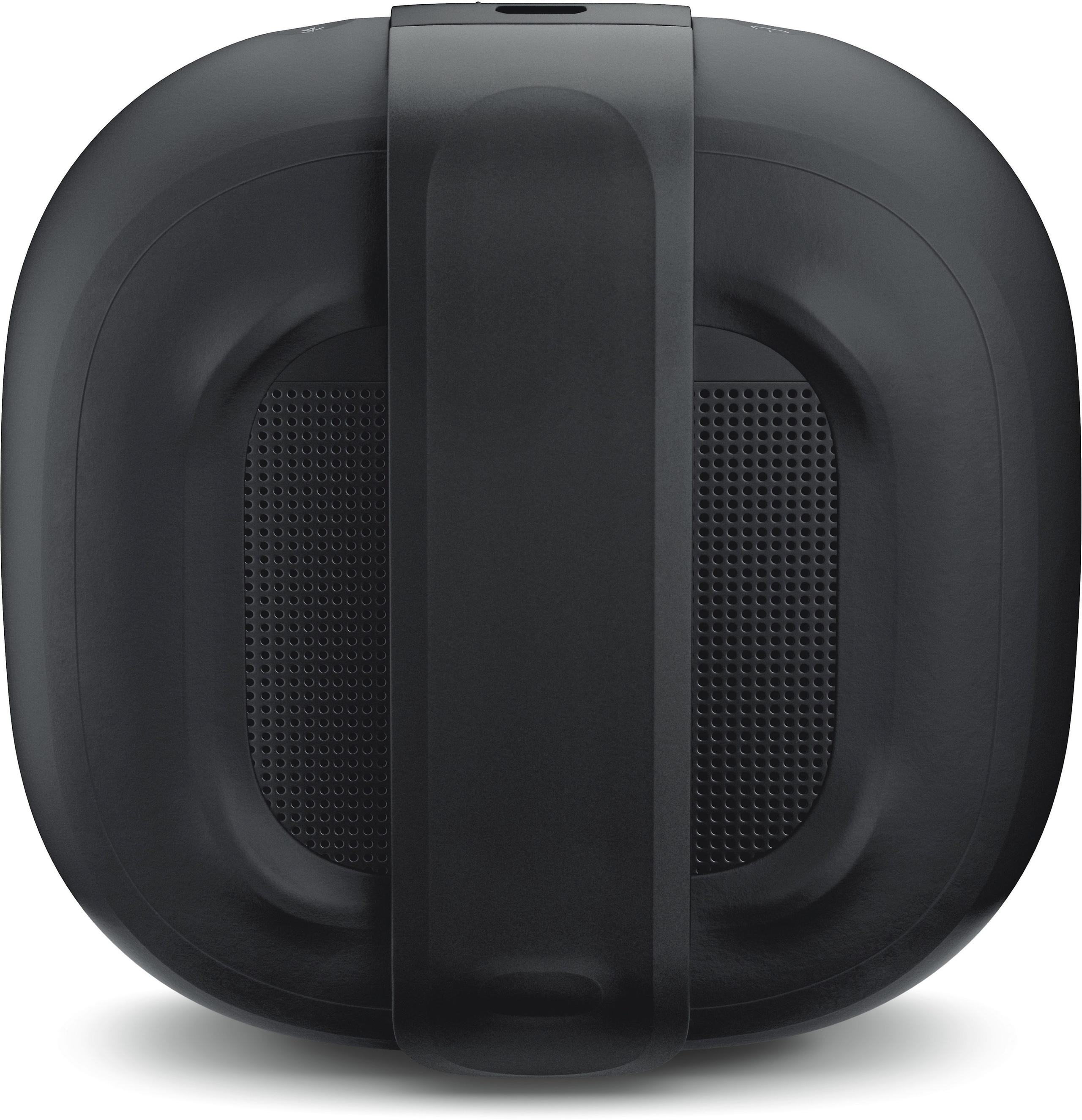
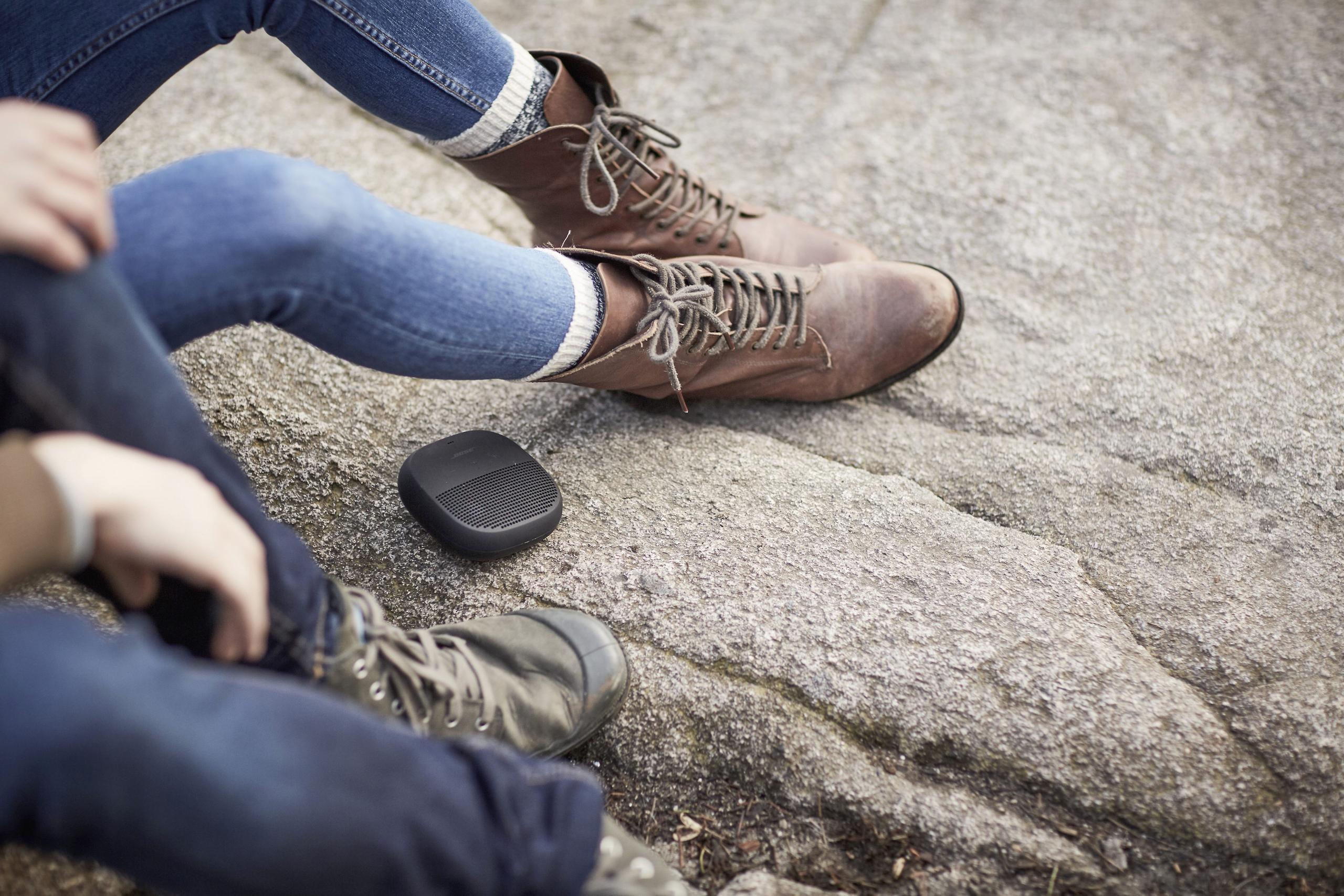
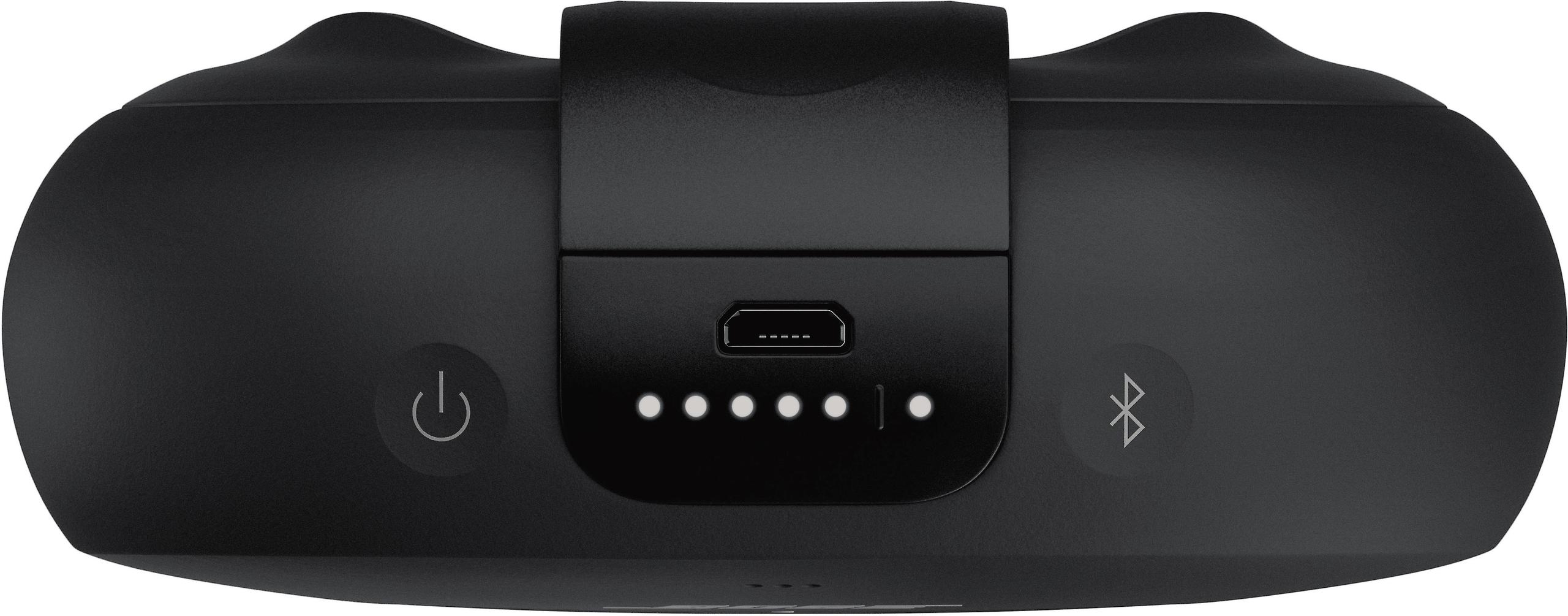
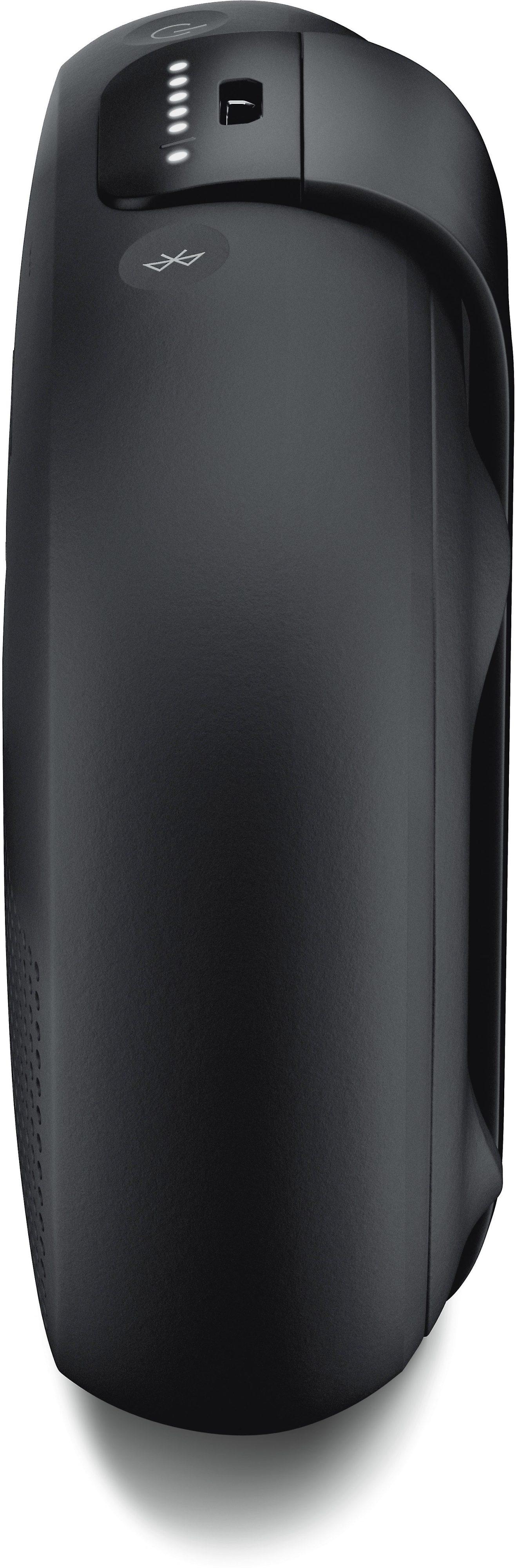
The Bose SoundLink Micro weighs just 0.31kg (0.68 lbs) and fits in the palm of your hand. Its tear-resistant strap makes it easy to attach to bags or bikes, and its ultra-compact size means you'll barely notice carrying it.
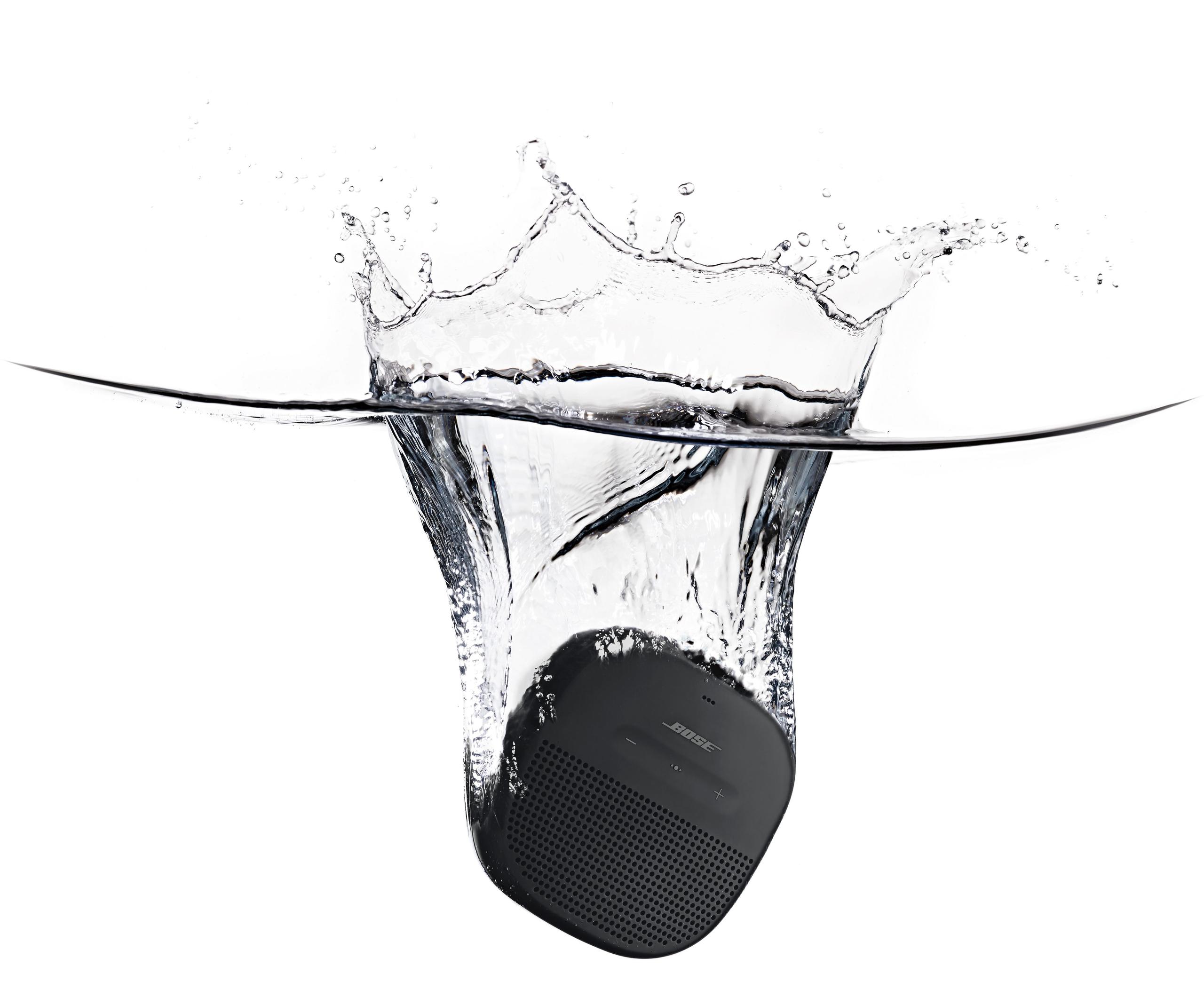
Both speakers feature IP67 water and dust resistance, meaning they can handle submersion in 1 meter of water for 30 minutes. This is particularly impressive for the larger JBL, as waterproofing becomes more challenging with larger devices.
Battery performance scales with size:
JBL Boombox 3:
Bose SoundLink Micro:
The difference in battery life reflects their intended use cases - the JBL is designed for all-day events, while the Bose focuses on shorter listening sessions.
The price difference ($399 vs $99) reflects their capabilities, but both offer good value within their categories:
The JBL Boombox 3 justifies its premium price through:
The Bose SoundLink Micro provides value through:
The choice between these speakers comes down to your primary use case:
JBL Boombox 3 is worth its premium price. It's especially valuable if you'll use it as both a portable and primary speaker.Bose SoundLink Micro offers excellent value. It's particularly good for active lifestyles or travel.Remember that these aren't competing products - they're different tools for different jobs. The best choice depends entirely on how you plan to use it.
It's worth noting that while the Bose SoundLink Micro's 2017 technology might seem dated, its core features remain competitive. The main advances since its release have been in Bluetooth versions and battery efficiency, but these haven't significantly impacted real-world performance for most users.
The JBL Boombox 3, being current, incorporates the latest advances:
Both speakers excel in their intended roles. The JBL Boombox 3 is a powerful, versatile speaker that can handle almost any situation where big sound is needed. The Bose SoundLink Micro is a marvel of engineering that proves great things can come in small packages.
Your choice should align with your primary use case rather than trying to compare features directly. Consider your typical listening scenarios, portability needs, and budget to make the best decision for your situation.
| JBL Boombox 3 ($399.99) | Bose SoundLink Micro ($99) |
|---|---|
| Size & Weight - Impacts portability and sound capabilities | |
| 19.0 x 10.1 x 7.9 inches, 14.7 lbs | 3.87 x 3.87 x 1.37 inches, 0.68 lbs |
| Power Output - Determines maximum volume and sound quality | |
| 180W total (AC), 136W (battery) | Not specified, estimated 5W |
| Battery Life - Critical for extended use | |
| 24 hours playback, 6.5 hour charge | 6 hours playback, 4 hour charge |
| Speaker Configuration - Affects sound quality and clarity | |
| 3-way system: subwoofer, 2x midrange, 2x tweeters | Single transducer with dual passive radiators |
| Frequency Response - Range of sound reproduction | |
| 40 Hz - 20 kHz (full range) | Not specified, limited bass response |
| Water Resistance - Important for outdoor use | |
| IP67 waterproof & dustproof, floats | IP67 waterproof & dustproof |
| Connectivity - Latest features matter for stability | |
| Bluetooth 5.3, PartyBoost multi-speaker support | Bluetooth 4.2, Bose SimpleSync |
| Additional Features - Extra value considerations | |
| Power bank function, aux input, carrying handle | Built-in strap, speakerphone, voice assistant |
| Primary Use Case - Helps determine best fit | |
| Parties, large spaces, outdoor events | Personal listening, travel, small gatherings |
| Best Listening Distance - Important for intended use | |
| 10-30 feet optimal | 2-10 feet optimal |
The JBL Boombox 3 ($399.99) and Bose SoundLink Micro ($99) serve different purposes. The JBL is better for large gatherings and parties, while the Bose excels for personal listening and travel.
The JBL Boombox 3 has significantly better sound quality with its 3-way speaker system and powerful bass. However, the Bose SoundLink Micro offers impressive sound for its size, just at lower volumes.
The JBL Boombox 3 offers 24 hours of playback time, while the Bose SoundLink Micro provides 6 hours. This reflects their different sizes and intended uses.
The Bose SoundLink Micro is far more portable at just 0.68 lbs. The JBL Boombox 3 weighs 14.7 lbs and is meant to be portable between locations rather than carried continuously.
Yes, both speakers have IP67 waterproof ratings, meaning they can be submerged in 1 meter of water for 30 minutes without damage.
The JBL Boombox 3 is excellent for parties with its powerful sound and long battery life. The Bose SoundLink Micro isn't suitable for parties due to its limited volume output.
The JBL Boombox 3 produces significantly stronger bass with its dedicated subwoofer. The Bose SoundLink Micro offers surprisingly good bass for its size but can't compare to the JBL's power.
Both can pair with other speakers from their respective brands - JBL's PartyBoost feature and Bose's SimpleSync technology allow for stereo or multi-speaker setups.
The Bose SoundLink Micro is ideal for travel due to its ultra-compact size and integrated strap. The JBL Boombox 3 is too large for typical travel use.
Both speakers can access your phone's voice assistant. The Bose SoundLink Micro has a dedicated button for this, while the JBL Boombox 3 requires using your phone.
Both speakers are equally durable with IP67 ratings. The JBL's larger size makes it more resistant to accidents, while the Bose's compact design makes it less likely to be damaged during transport.
The $300 price difference is worth it if you need powerful sound for large spaces or outdoor events. If you primarily need personal listening or travel use, the Bose SoundLink Micro offers better value at $99.
We've done our best to create useful and informative comparisons to help you decide what product to buy. Our research uses advanced automated methods to create this comparison and perfection is not possible - please contact us for corrections or questions. These are the sites we've researched in the creation of this article: tomsguide.com - sweetwater.com - bestbuy.com - jbl.com - rtings.com - harmanaudio.com - jbl.com - jbl.com - thepowercentre.ca - youtube.com - bhphotovideo.com - krazykileys.ca - rtings.com - mygolfspy.com - youtube.com - cnet.com - bose.com - bose.com - alwayswander.info - target.com - bose.com - bose.com

Privacy Policy
Terms and Conditions - Affiliate Policy
Home Security
© Copyright 2008-2026.
11816 Inwood Rd #1211, Dallas, TX 75244