





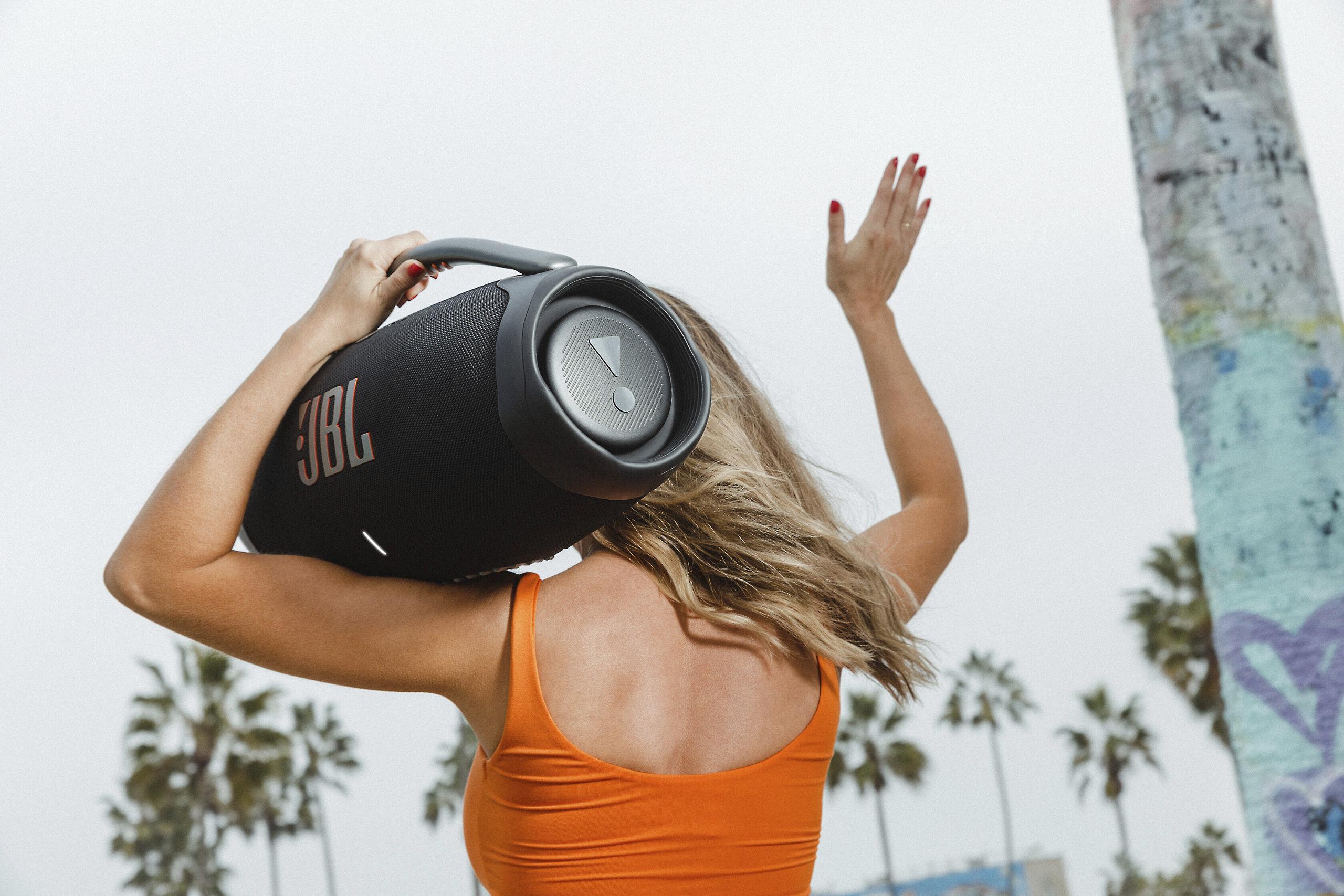
When it comes to portable Bluetooth speakers, the landscape has evolved dramatically over the past few years. Two speakers that perfectly illustrate the different directions this market has taken are the Beats Pill Kim Kardashian Edition and the JBL Boombox 3. While both technically qualify as "portable," they represent fundamentally different philosophies about what portable audio should be.
Before diving into the specifics, it's worth understanding what separates good portable speakers from great ones. The most important factors include sound quality across different volume levels, battery life, actual portability (not just the marketing claim), durability for outdoor use, and connectivity options that work reliably.
The challenge with portable speakers is physics itself. Smaller speakers can't move as much air, which directly limits bass response and overall volume. Larger speakers can produce more powerful, full-range sound but sacrifice the convenience that makes them truly portable in the first place. This fundamental trade-off shapes everything about how these products are designed and who they're best suited for.
Sound quality metrics that matter most include frequency response (how well the speaker reproduces different pitches from low bass to high treble), maximum volume without distortion, and stereo imaging (whether you can distinguish left and right audio channels). Battery life needs to be measured not just in hours, but at what volume levels those hours are achieved.
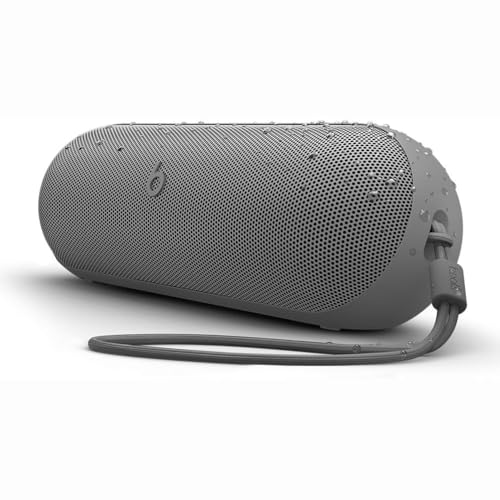
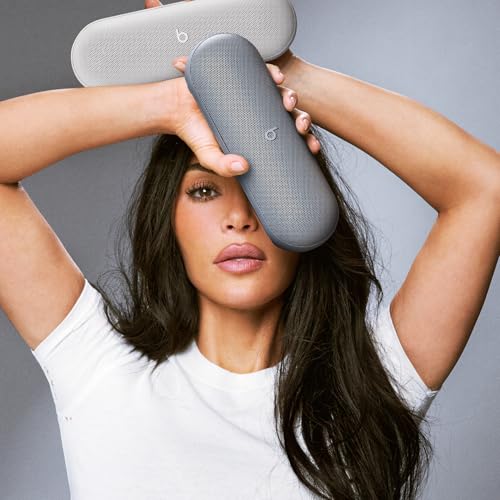
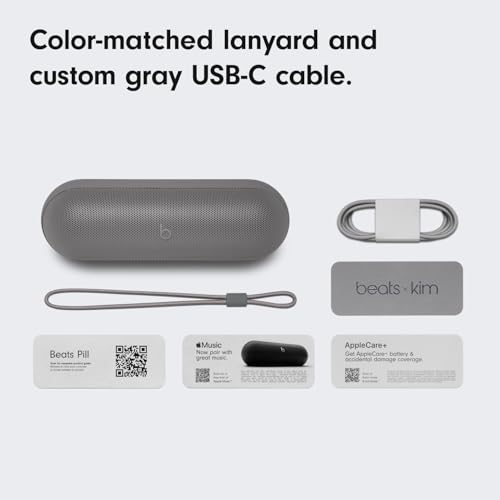
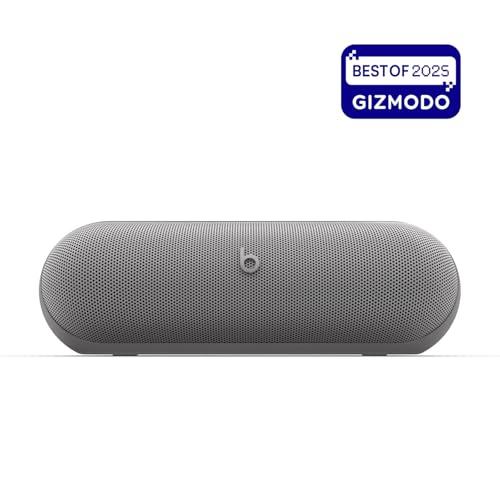
Released in 2024 as a complete redesign of the discontinued Beats Pill+, the Beats Pill represents Apple's return to the portable speaker market after several years. The Kim Kardashian special edition, launched later that year, offers the same technical specifications as the standard model but comes in exclusive Dark Gray and Light Gray colorways that align with Kim Kardashian's signature neutral aesthetic.
At roughly the size of a large water bottle, the Beats Pill weighs just 1.5 pounds and measures 8.6 inches long. This makes it genuinely portable in a way that many "portable" speakers simply aren't. The redesigned model includes several meaningful improvements over its predecessor, including a custom racetrack woofer (an oval-shaped driver that can move more air than a traditional round driver of the same width) and upgraded neodymium magnets that deliver 28% more motor force.
The Beats Pill's sound signature emphasizes clarity in the midrange frequencies where vocals live, making it particularly good for podcasts, acoustic music, and pop tracks. The redesigned tweeter (the small driver responsible for high frequencies like cymbals and hi-hats) is housed separately to reduce distortion, resulting in clearer highs than many compact speakers manage.
However, physics still applies. The Beats Pill simply cannot produce the deep bass that larger speakers can. While kick drums and basslines are present in hip-hop and EDM tracks, they lack the chest-thumping impact you'd get from a larger speaker. The frequency response starts rolling off around 56 Hz, which means the lowest bass notes in music aren't fully reproduced.
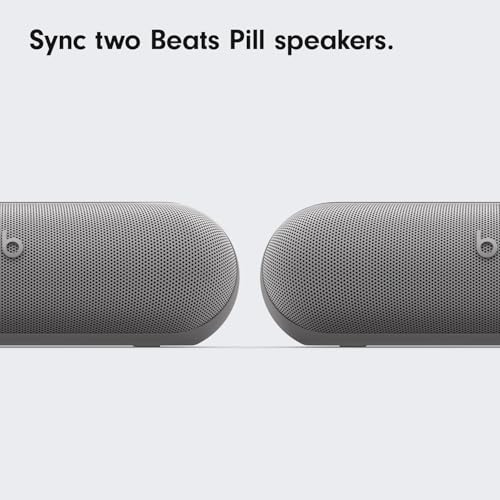
One significant limitation is that the Beats Pill cannot play true stereo sound. Instead, it downmixes all audio to mono, combining the left and right channels into a single output. This isn't unusual for compact speakers, but it does mean you miss some of the spatial effects that make music more immersive. Beats addresses this with their Stereo Mode, which requires buying two speakers and pairing them for dedicated left and right channels.
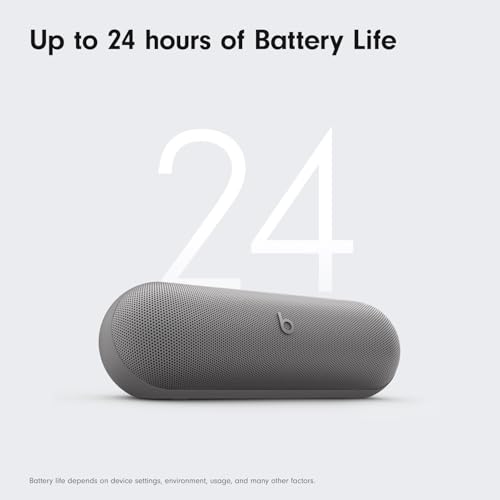
The Beats Pill claims up to 24 hours of battery life, and based on user reports, this seems achievable at moderate volume levels. More impressively, the Fast Fuel charging feature provides two hours of playback from just a 10-minute charge via USB-C. This quick-charge capability makes the speaker practical for spontaneous outings.
The USB-C port serves double duty, supporting lossless audio when connected to compatible devices like recent iPhones or Android phones with high-quality DACs (digital-to-analog converters). This wired connection bypasses Bluetooth compression entirely, potentially improving audio quality for listeners with high-resolution music files.
The Beats Pill includes several design touches that enhance real-world usability. The speaker tilts upward by 20 degrees, directing sound toward listeners rather than the surface it's sitting on. This seemingly minor detail makes a noticeable difference in how the music sounds, especially when the speaker is placed on a table or desk.
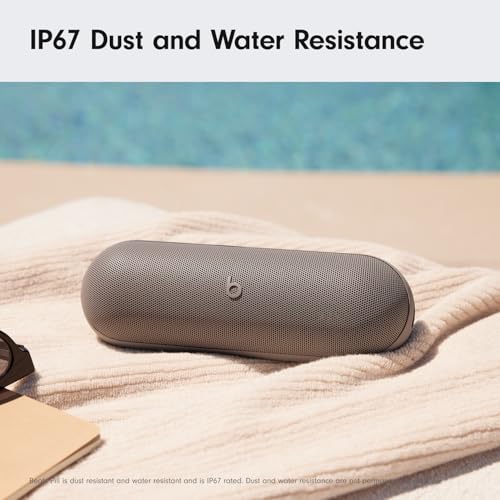
The IP67 rating means the speaker can survive being submerged in up to three feet of water for 30 minutes, and it's completely dustproof. The removable lanyard and soft-grip silicone backing make it easy to carry and less likely to slip from your hands.
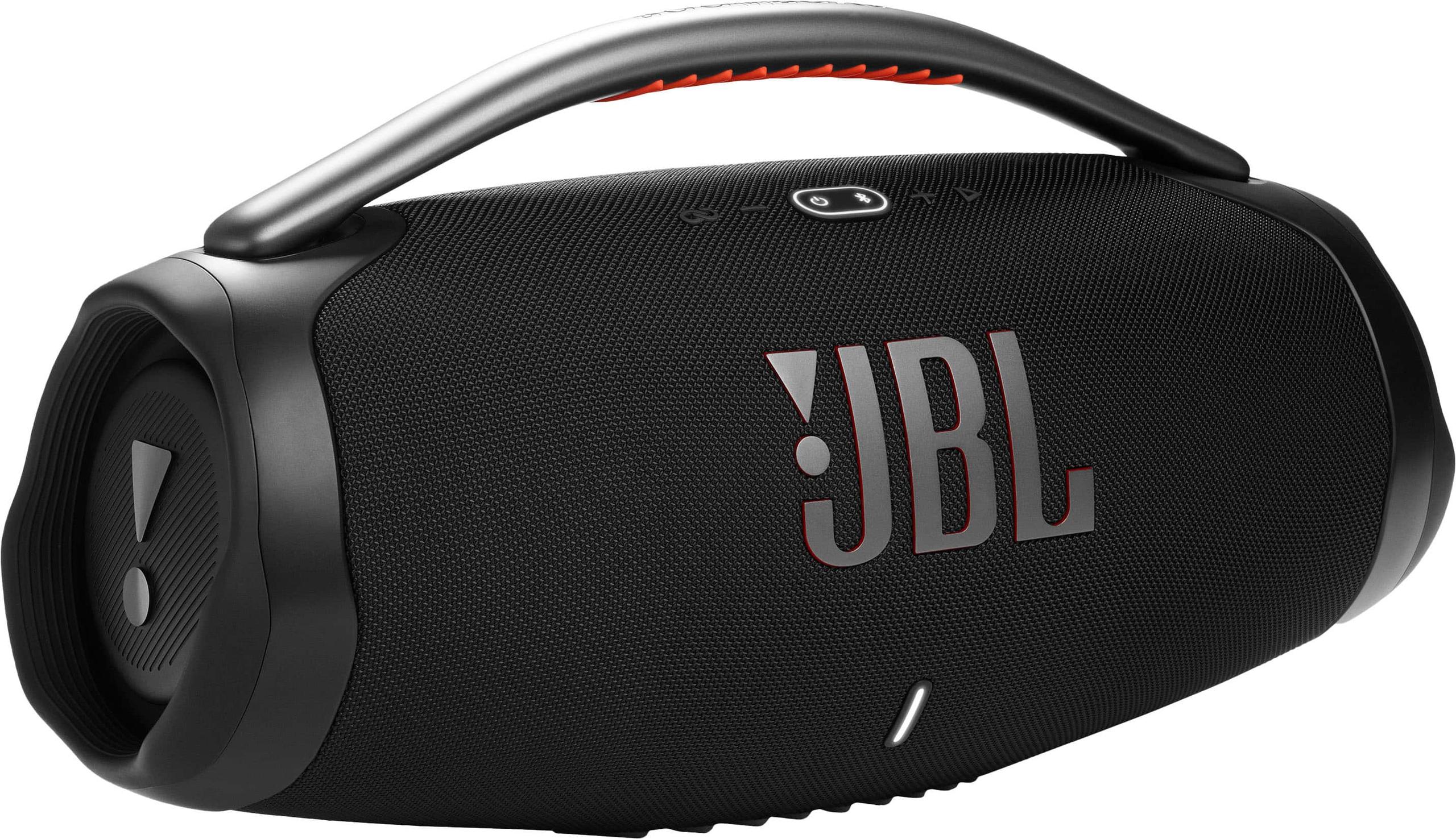
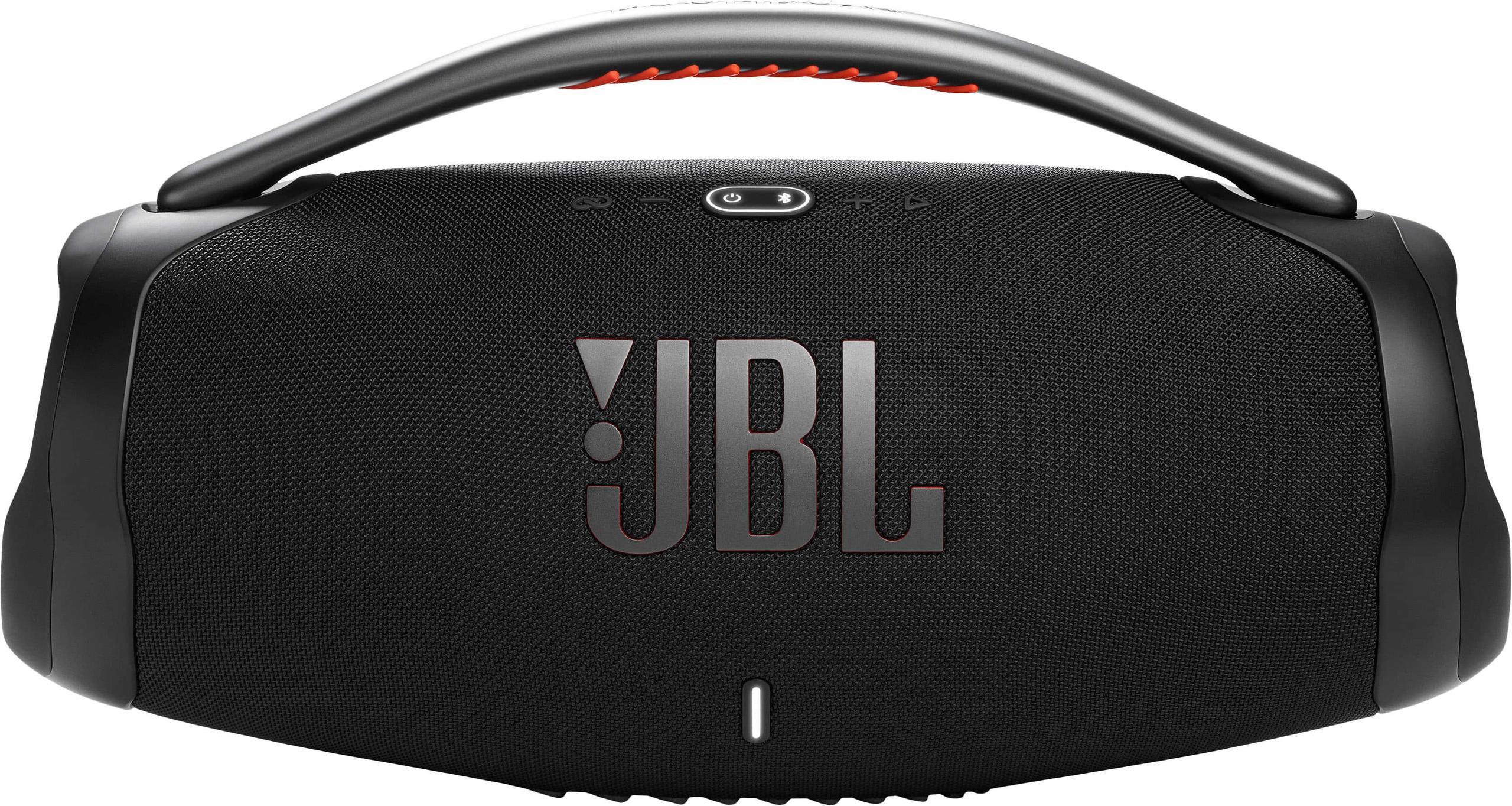
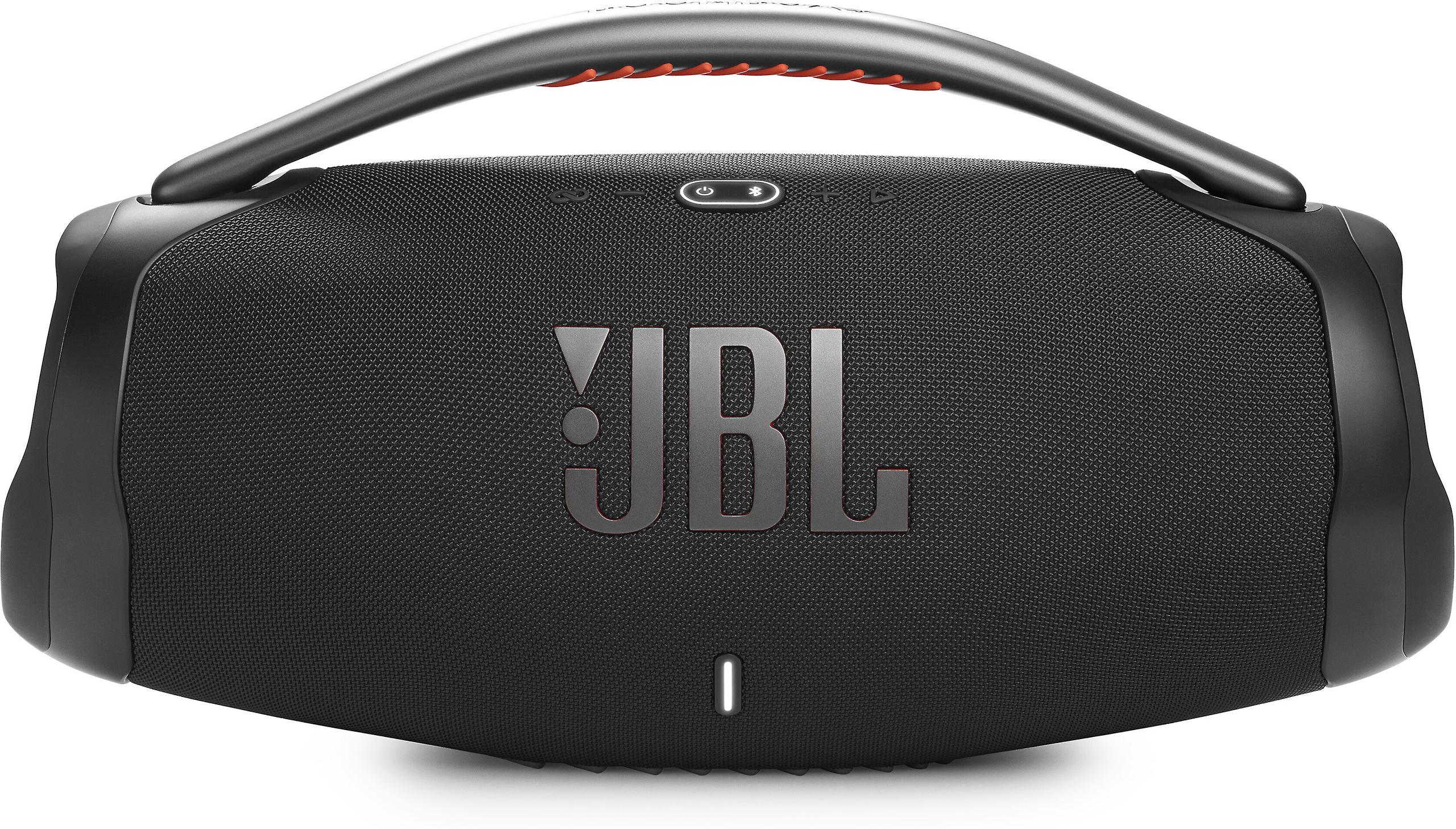
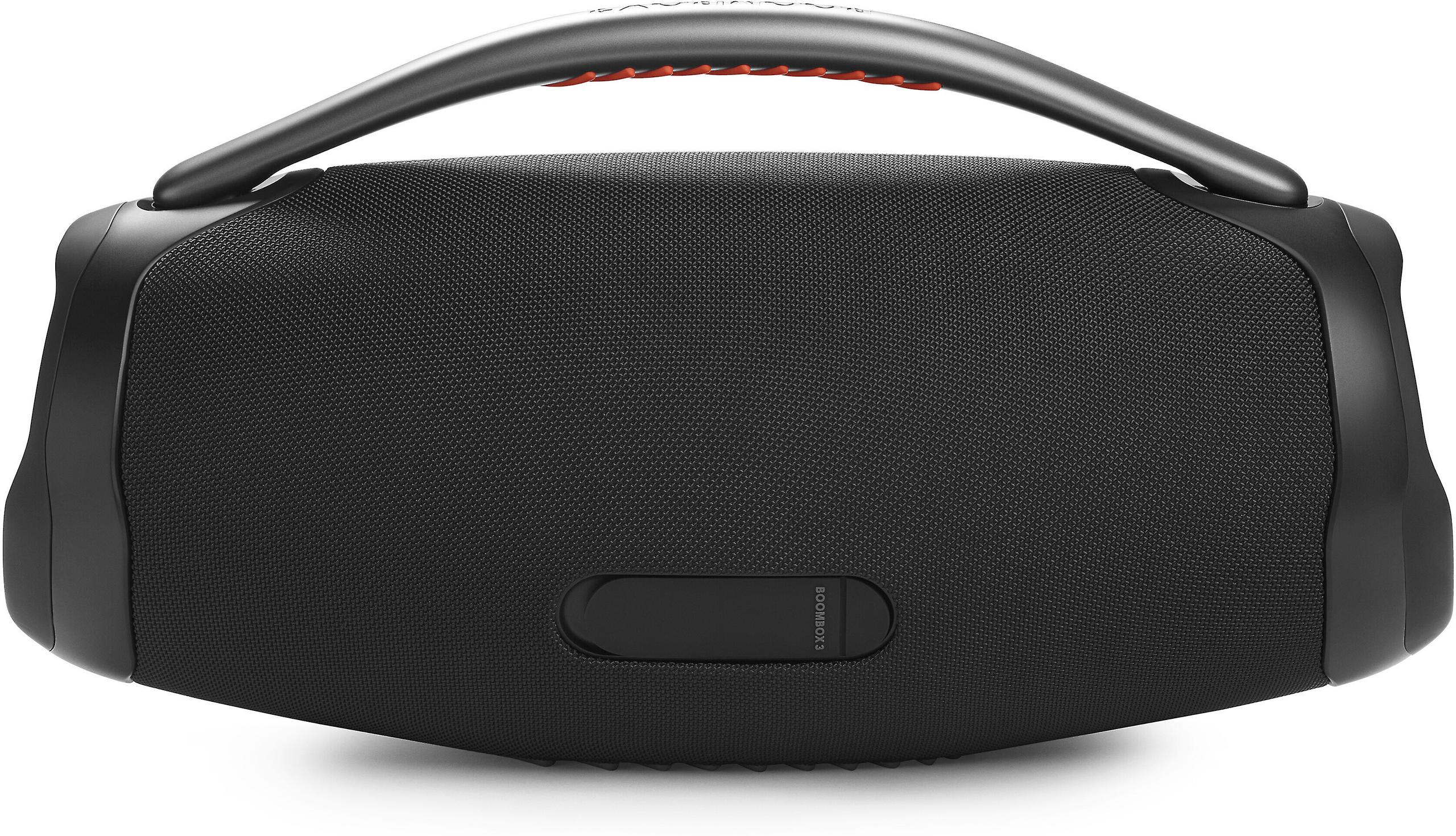
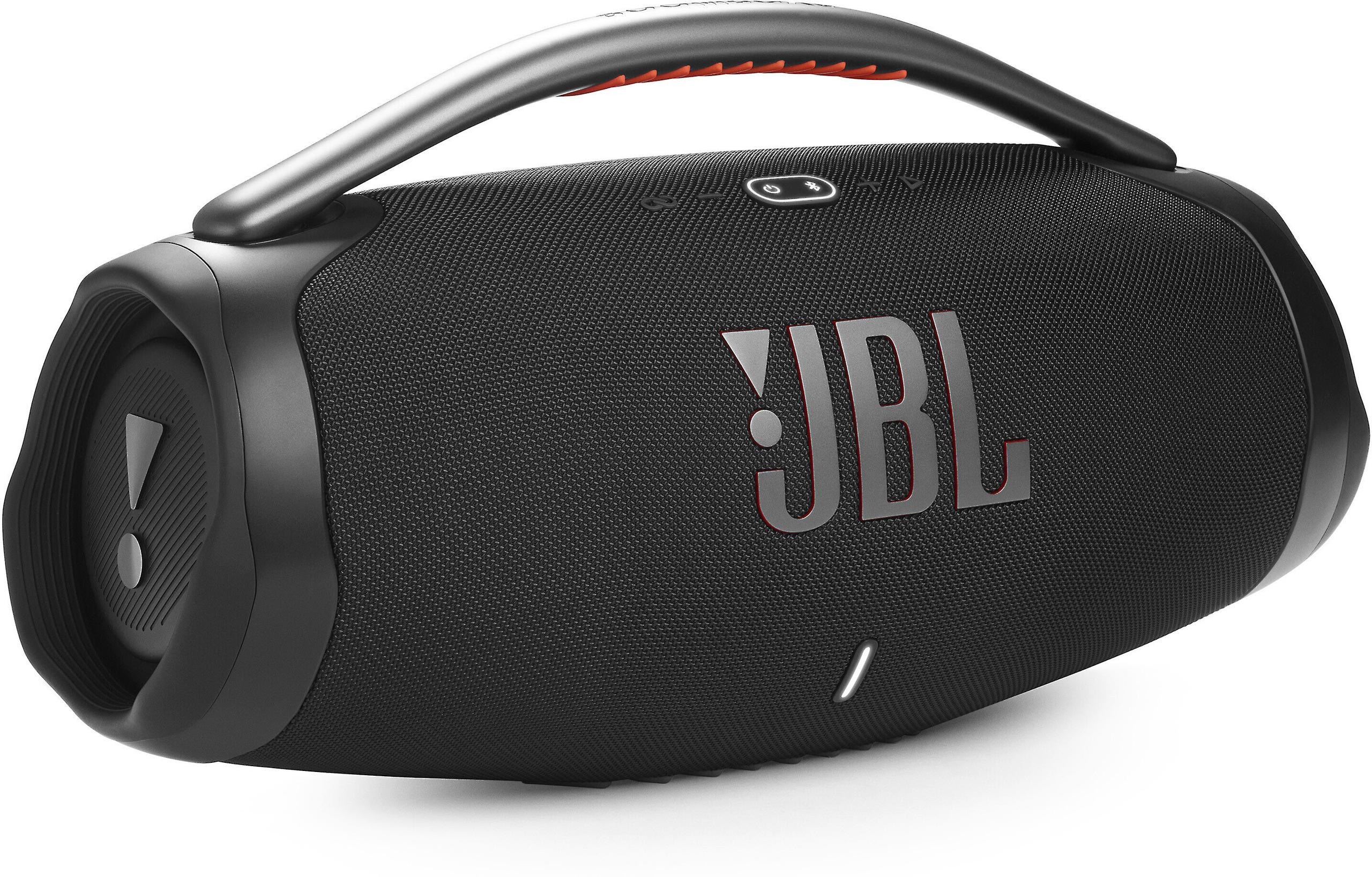
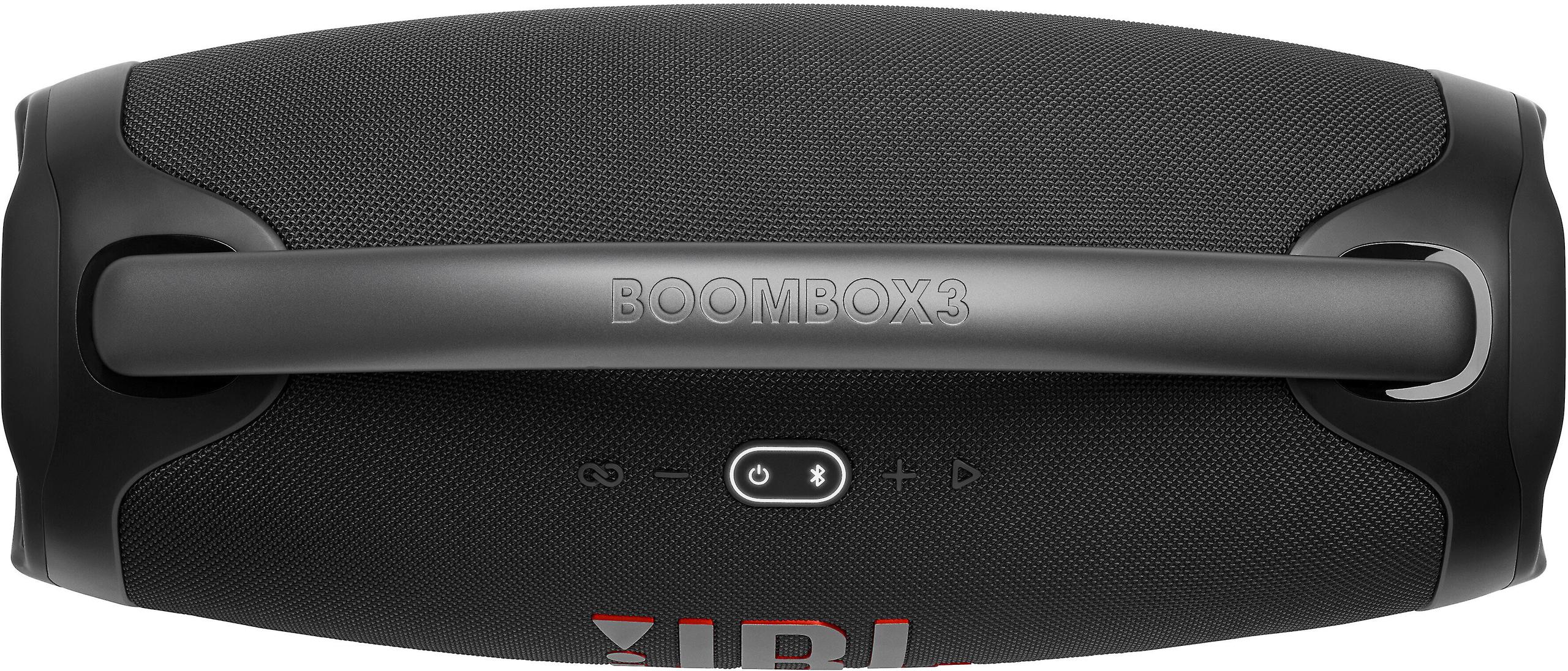
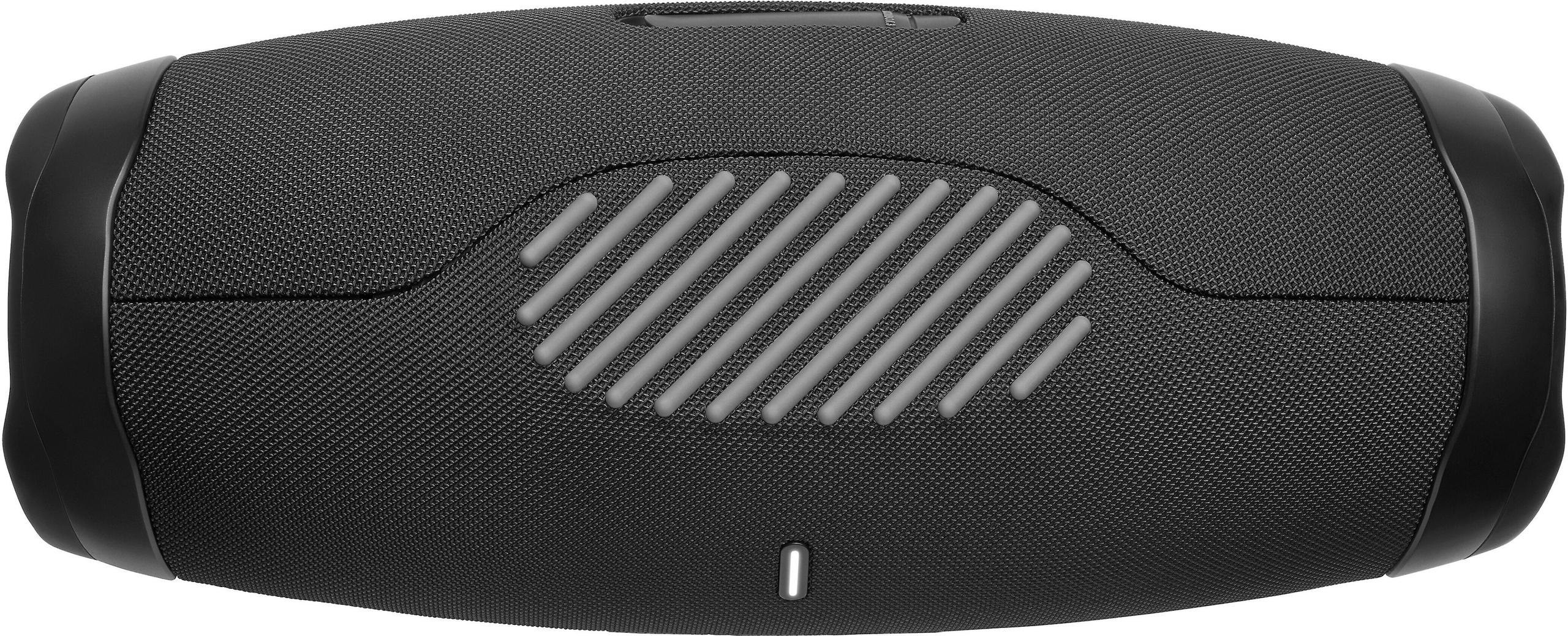
The JBL Boombox 3, released in 2022, takes an entirely different approach. At 14.7 pounds and nearly 19 inches long, it's "portable" in the sense that it has a handle and runs on battery power, but this is clearly designed as a destination speaker rather than something you casually throw in a backpack.
JBL has been refining their large portable speaker formula for years, and the Boombox 3 represents the culmination of that experience. The substantial aluminum handle with silicone grips shows this speaker is built for regular transport, just not the kind of daily carry that the Beats Pill enables.
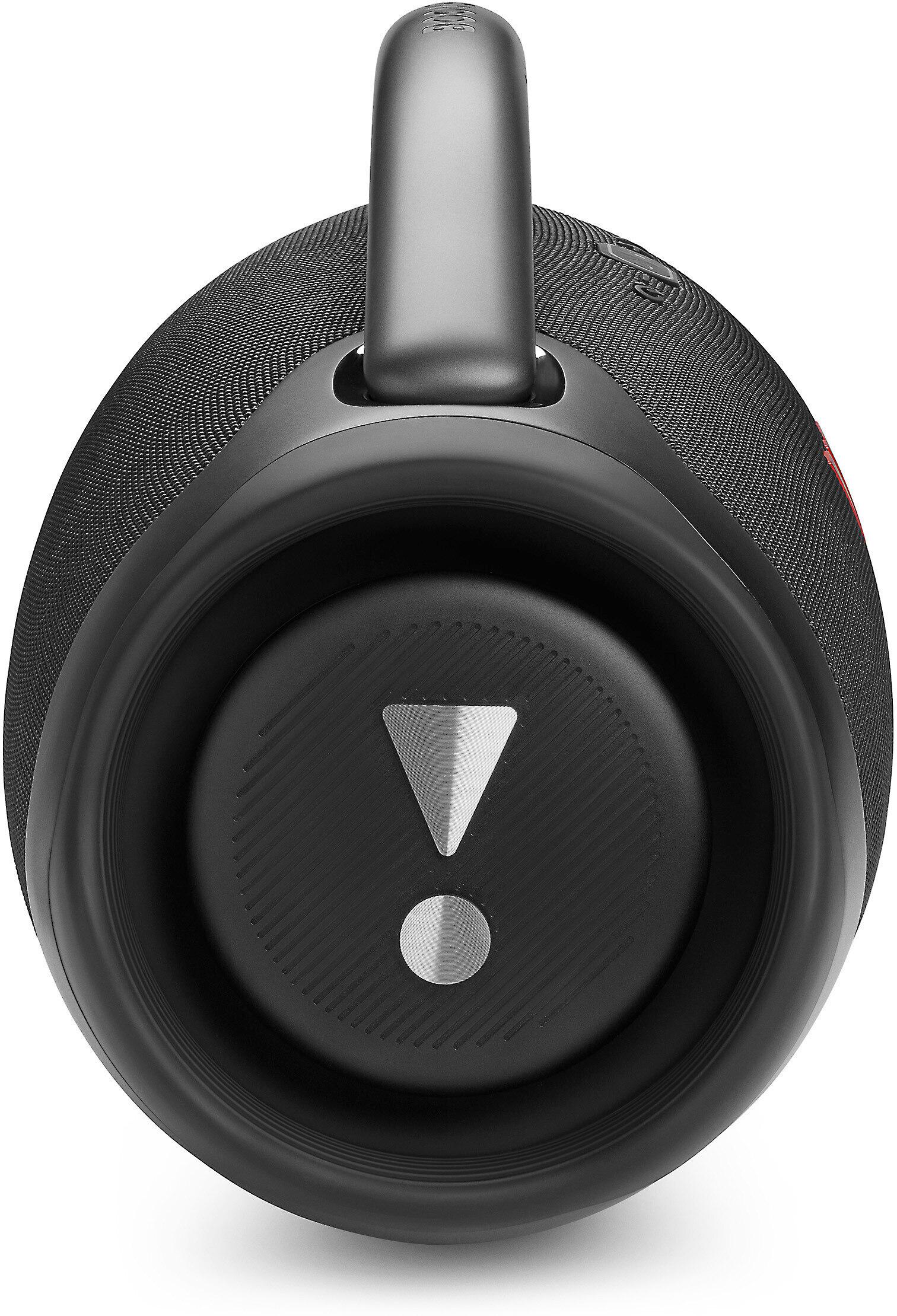
The JBL Boombox 3 employs a three-way speaker system that's rare in portable speakers. This includes a dedicated subwoofer measuring approximately 3 inches, two 2.75-inch midrange drivers, and two 0.75-inch tweeters. This driver configuration allows each component to focus on its optimal frequency range, resulting in clearer, more powerful sound across the entire spectrum.
When plugged into AC power, the Boombox 3 delivers 180 watts RMS (root mean square, which measures continuous power rather than peak power). On battery power, it still manages 136 watts RMS. To put this in perspective, that's roughly 8-10 times more power than typical compact speakers like the Beats Pill.
The frequency response extends from 40 Hz to 20 kHz, meaning it can reproduce nearly the full range of human hearing. That 40 Hz low-end response captures the fundamental frequencies of bass drums and synthesizers that the Beats Pill simply cannot reproduce. The difference is immediately noticeable when listening to bass-heavy genres like hip-hop, EDM, or modern pop music.
Unlike the Beats Pill, the JBL Boombox 3 produces true stereo sound from a single unit, with dedicated left and right channels. This creates a wider soundstage and better separation between instruments, making music sound more spacious and immersive.
The Boombox 3 houses a massive 10,000mAh lithium-ion battery that also claims 24 hours of playback. However, the charging time reflects the larger capacity, requiring 6.5 hours for a full charge. The speaker includes a built-in powerbank feature, allowing you to charge phones and other devices from its substantial battery reserve.
The JBL Boombox 3 offers more connectivity flexibility than the Beats Pill. Bluetooth 5.3 provides stable connections and supports pairing with two devices simultaneously, so you and a friend can take turns being DJ without constantly re-pairing devices.
The inclusion of a 3.5mm auxiliary input provides a wired option for devices without Bluetooth or when you want to avoid any potential wireless audio lag. The JBL Portable app adds EQ (equalizer) controls, allowing you to adjust the sound signature to your preferences or to compensate for different acoustic environments.
JBL's PartyBoost feature lets you connect multiple compatible JBL speakers together, either for increased volume or true stereo separation across a larger space. This makes the Boombox 3 part of a larger ecosystem of speakers that can grow with your needs.
The audio quality comparison between these speakers is somewhat unfair because they're designed for completely different scenarios. The Beats Pill delivers remarkably clear and balanced sound for its size, with vocals that cut through ambient noise and enough bass presence to make music engaging. However, it's limited by the laws of physics – a small speaker simply cannot move enough air to produce deep bass or room-filling volume.
The JBL Boombox 3 operates in an entirely different class. Its three-way driver configuration and substantially more powerful amplification create sound that can genuinely fill large outdoor spaces or compete with dedicated home stereo systems. The bass response is particularly impressive, with enough low-end extension to make electronic music and hip-hop sound full and impactful.
At moderate volume levels, both speakers perform well within their intended contexts. Push them to maximum volume, and the differences become stark. The Beats Pill begins to compress and lose clarity, while the Boombox 3 maintains its composure and continues delivering clean, powerful audio.
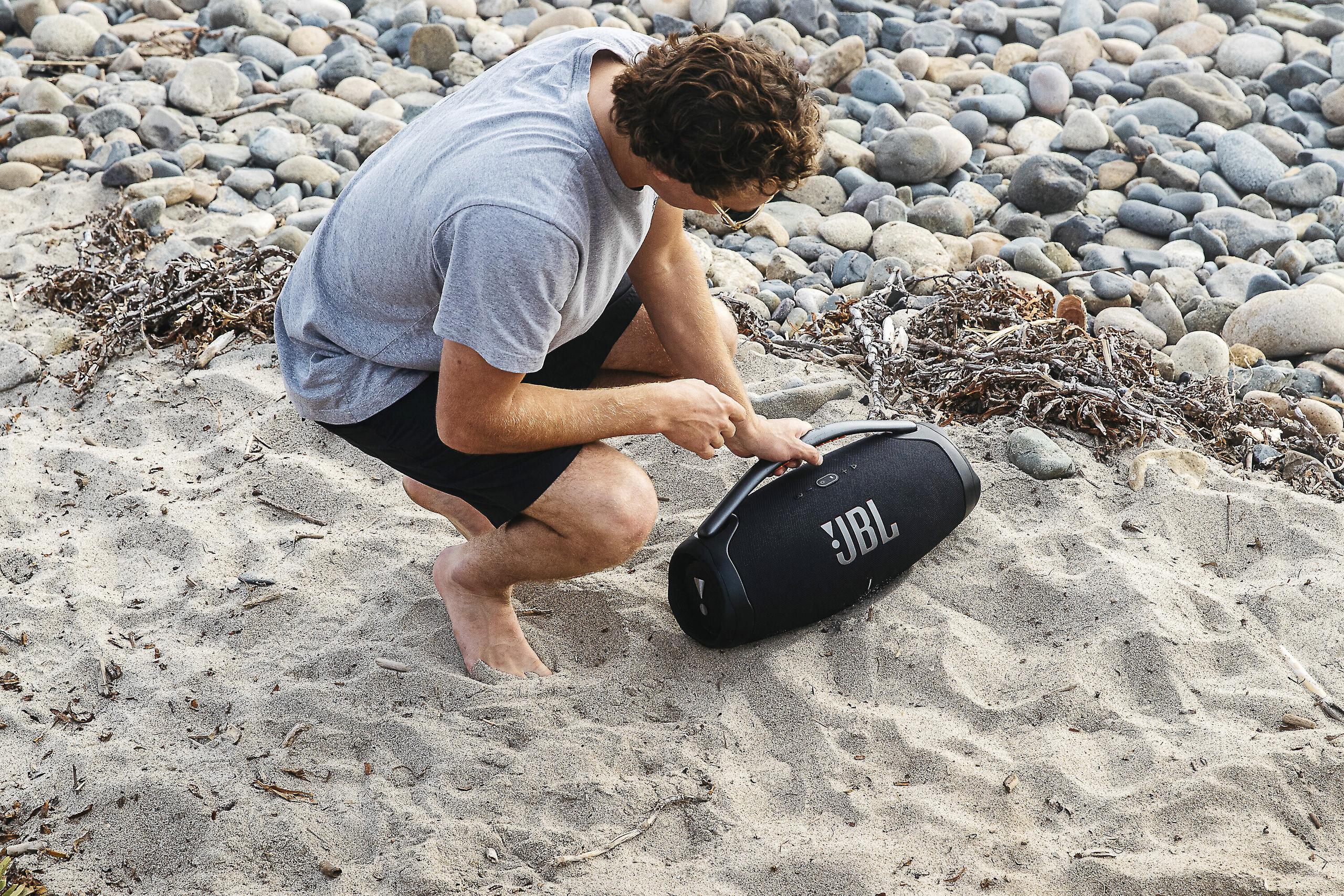
This is where the philosophical difference between these speakers becomes most apparent. The Beats Pill is genuinely portable – you can slip it into a purse, backpack, or even a large pocket. It's the kind of speaker you might take on a bike ride, to the beach, or on a hiking trip without thinking twice about the weight or bulk.
The JBL Boombox 3 requires commitment. At nearly 15 pounds, you're not casually carrying this speaker around. It's designed for situations where you drive to a location and set up for an extended period – pool parties, camping trips, outdoor gatherings, or even as a semi-permanent speaker in a workshop or garage.
Both speakers claim 24-hour battery life, but the real-world experience varies significantly based on usage. The Beats Pill can genuinely achieve close to its claimed battery life at moderate volume levels, and the Fast Fuel charging means you're rarely stuck with a dead speaker.
The JBL Boombox 3 also delivers impressive battery life, but high-volume listening (which is often the point of buying such a powerful speaker) will drain the battery more quickly. The longer charging time means more planning is required, but the powerbank functionality adds utility that the Beats Pill lacks.
At the time of writing, these speakers sit in different price brackets that reflect their different capabilities and target markets. The Beats Pill is positioned as a premium compact speaker, competing with other high-end portable options while remaining accessible to a broad audience.
The JBL Boombox 3 costs significantly more, reflecting its larger drivers, more powerful amplification, and additional features. For users who need the volume and bass response it provides, the price premium is justified by the performance difference.
Neither speaker is designed as a primary home theater solution, but they can serve different roles in a home entertainment setup. The Beats Pill might work as a secondary speaker for a bedroom or study, providing background music or enhancing laptop audio for casual video watching.
The JBL Boombox 3 has enough power and bass response to potentially serve as a temporary home theater upgrade, particularly for spaces where installing a proper surround sound system isn't practical. Its stereo separation and powerful output can significantly improve the audio experience compared to TV speakers, though it won't match a dedicated home theater system.
You value true portability and plan to actually carry your speaker regularly. The Beats Pill excels in scenarios where size and weight matter – travel, commuting, outdoor activities where you're walking significant distances, or simply moving between rooms frequently. It's ideal for personal listening, small gatherings, or as a desktop speaker that won't dominate your workspace.
The sound quality is genuinely impressive for the size, and the iOS integration makes it particularly appealing for iPhone users. If you listen primarily to podcasts, acoustic music, or pop tracks at moderate volumes, the Beats Pill's balanced sound signature will serve you well.
You prioritize sound quality and volume over ultimate portability. The JBL Boombox 3 is perfect for users who host gatherings, spend time in large outdoor spaces, or simply want the most powerful portable audio experience available. It's also ideal if you listen to bass-heavy music genres where the extra low-end extension makes a dramatic difference.
The customization options through the JBL app, multiple connectivity options, and ability to link with other JBL speakers make it more versatile for users who want control over their audio experience. If you're replacing or supplementing a home stereo system, the Boombox 3's power and features make more sense than multiple smaller speakers.
These speakers represent two valid but very different approaches to portable audio. The Beats Pill Kim Kardashian Edition prioritizes genuine portability while delivering surprisingly good sound quality for its size. The JBL Boombox 3 sacrifices easy portability for dramatically better audio performance and features.
Your choice should be driven primarily by how you actually plan to use the speaker. If you need something you'll genuinely carry with you regularly, the Beats Pill is the clear choice. If you want the best possible sound quality in a battery-powered speaker and don't mind the size and weight, the JBL Boombox 3 delivers performance that justifies its premium positioning.
Both speakers succeed at what they're designed to do, but they're designed to do very different things. Understanding which approach better fits your lifestyle and listening preferences will lead you to the right choice.
| Beats Pill Kim Kardashian Edition | JBL Boombox 3 |
|---|---|
| Size & Weight - Determines actual portability vs power | |
| 8.6" x 2.8" x 2.8", 1.5 lbs (truly portable) | 19" x 10.1" x 7.9", 14.7 lbs (destination speaker) |
| Driver Configuration - Controls sound quality and volume capability | |
| Single racetrack woofer + tweeter (compact design) | 3-way system: subwoofer + dual midrange + dual tweeters |
| Power Output - Affects maximum volume and bass response | |
| Undisclosed (estimated 10-15W RMS) | 180W RMS (AC mode), 136W RMS (battery mode) |
| Frequency Response - Shows bass depth and treble extension | |
| 56.6Hz - 20kHz (limited low-end) | 40Hz - 20kHz (full bass extension) |
| Stereo Sound - Important for music immersion | |
| Mono only (requires 2 units for stereo) | True stereo from single unit |
| Battery Life - Playback duration at moderate volume | |
| Up to 24 hours with Fast Fuel (10 min = 2 hrs) | Up to 24 hours with 6.5-hour full charge time |
| Water Resistance - Protection for outdoor use | |
| IP67 (waterproof to 3 feet for 30 minutes) | IP67 (waterproof to 3 feet for 30 minutes) |
| Connectivity Options - Affects versatility and control | |
| Bluetooth, USB-C audio (lossless), no app | Bluetooth 5.3, 3.5mm aux, JBL app with EQ |
| Multi-Speaker Features - Expandability for larger setups | |
| Amplify/Stereo Mode with second Beats Pill | JBL PartyBoost with other compatible speakers |
| Additional Features - Extra functionality beyond basic playback | |
| Speakerphone, device charging via USB-C | Powerbank, dual device pairing, Wi-Fi version available |
| Target Use Case - Best scenarios for each speaker | |
| Daily carry, travel, personal listening, small gatherings | Parties, large spaces, home audio replacement |
The Beats Pill Kim Kardashian Edition is significantly more portable at just 1.5 pounds and 8.6 inches long, making it easy to carry in bags or even large pockets. The JBL Boombox 3 weighs 14.7 pounds and requires its sturdy handle for transport, making it better suited as a destination speaker rather than daily carry.
The JBL Boombox 3 delivers dramatically better sound quality with its 3-way speaker system, producing deeper bass (down to 40Hz), louder volume, and true stereo sound. The Beats Pill offers impressive clarity for its compact size but is limited by physics, with less bass extension and mono-only output unless you pair two units.
Both the Beats Pill Kim Kardashian Edition and JBL Boombox 3 claim up to 24 hours of battery life. However, the Beats Pill features Fast Fuel charging (10 minutes for 2 hours of playback), while the Boombox 3 requires 6.5 hours for a full charge but includes powerbank functionality to charge other devices.
The JBL Boombox 3 is specifically designed for outdoor parties with its powerful 180W output that can fill large spaces and overcome ambient noise. The Beats Pill works well for small gatherings of 2-4 people but lacks the volume and bass needed for larger outdoor events.
The JBL Boombox 3 provides more connectivity with Bluetooth 5.3, dual device pairing, 3.5mm aux input, and EQ controls through the JBL app. The Beats Pill offers Bluetooth and USB-C audio for lossless playback but has no companion app or customization options.
Yes, both the Beats Pill Kim Kardashian Edition and JBL Boombox 3 feature IP67 water resistance, meaning they can survive submersion in up to 3 feet of water for 30 minutes and are completely dustproof for outdoor use.
The Beats Pill offers excellent value in the compact speaker category with premium build quality and balanced sound. The JBL Boombox 3 costs significantly more but delivers dramatically superior audio performance, making it better value for users who prioritize sound quality over portability.
The JBL Boombox 3 produces true stereo sound from a single unit with dedicated left and right channels. The Beats Pill outputs mono audio only, requiring two units paired in Stereo Mode to achieve left/right channel separation.
The JBL Boombox 3 works better as a home speaker replacement with its powerful output, true stereo sound, and room-filling capabilities. The Beats Pill Kim Kardashian Edition is ideal for personal listening, bedroom use, or enhancing laptop audio in smaller spaces.
Both speakers support connecting multiple units, but differently. The Beats Pill uses Amplify Mode to sync two speakers for increased volume or Stereo Mode for left/right separation. The JBL Boombox 3 features PartyBoost to connect with other compatible JBL speakers for expanded sound systems.
The Beats Pill Kim Kardashian Edition charges much faster with its Fast Fuel technology, providing 2 hours of playback from just 10 minutes of charging. The JBL Boombox 3 requires 6.5 hours for a complete charge due to its much larger 10,000mAh battery capacity.
Choose the Beats Pill if you need genuine portability, plan to carry it regularly, prefer minimalist design, and listen at moderate volumes. Choose the JBL Boombox 3 if you prioritize maximum sound quality, host large gatherings, want customizable EQ settings, and don't mind the larger size and weight.
We've done our best to create useful and informative comparisons to help you decide what product to buy. Our research uses advanced automated methods to create this comparison and perfection is not possible - please contact us for corrections or questions. These are the sites we've researched in the creation of this article: digitalreviews.net - routenote.com - androidcentral.com - youtube.com - beatsbydre.com - youtube.com - rtings.com - youtube.com - rtings.com - youtube.com - macrumors.com - consolecreatures.com - tomsguide.com - beatsbydre.com - bestbuy.ca - beatsbydre.com - designertale.com - yearbookscanning.com - moneycontrol.com - tomsguide.com - sweetwater.com - bestbuy.com - jbl.com - rtings.com - harmanaudio.com - jbl.com - jbl.com - thepowercentre.ca - youtube.com - bhphotovideo.com - krazykileys.ca

Privacy Policy
Terms and Conditions - Affiliate Policy
Home Security
© Copyright 2008-2026.
11816 Inwood Rd #1211, Dallas, TX 75244