


In a world where entertainment has become increasingly mobile, portable projectors have carved out a fascinating niche. They promise to transform any blank wall into a cinema screen, turning ordinary spaces into immersive viewing environments. Today, we're comparing two standout options in this category: the XGIMI Halo+ and the Epson EpiqVision Mini EF11. Both offer compelling features for different types of users, but understanding their strengths and limitations will help you make the right choice for your specific needs.
Portable projectors have come a long way from the dim, bulky units of the past. Modern technology has allowed manufacturers to pack impressive brightness, resolution, and smart features into increasingly compact devices. These technological marvels now enable us to enjoy big-screen experiences virtually anywhere—from living rooms and bedrooms to backyards and camping trips.
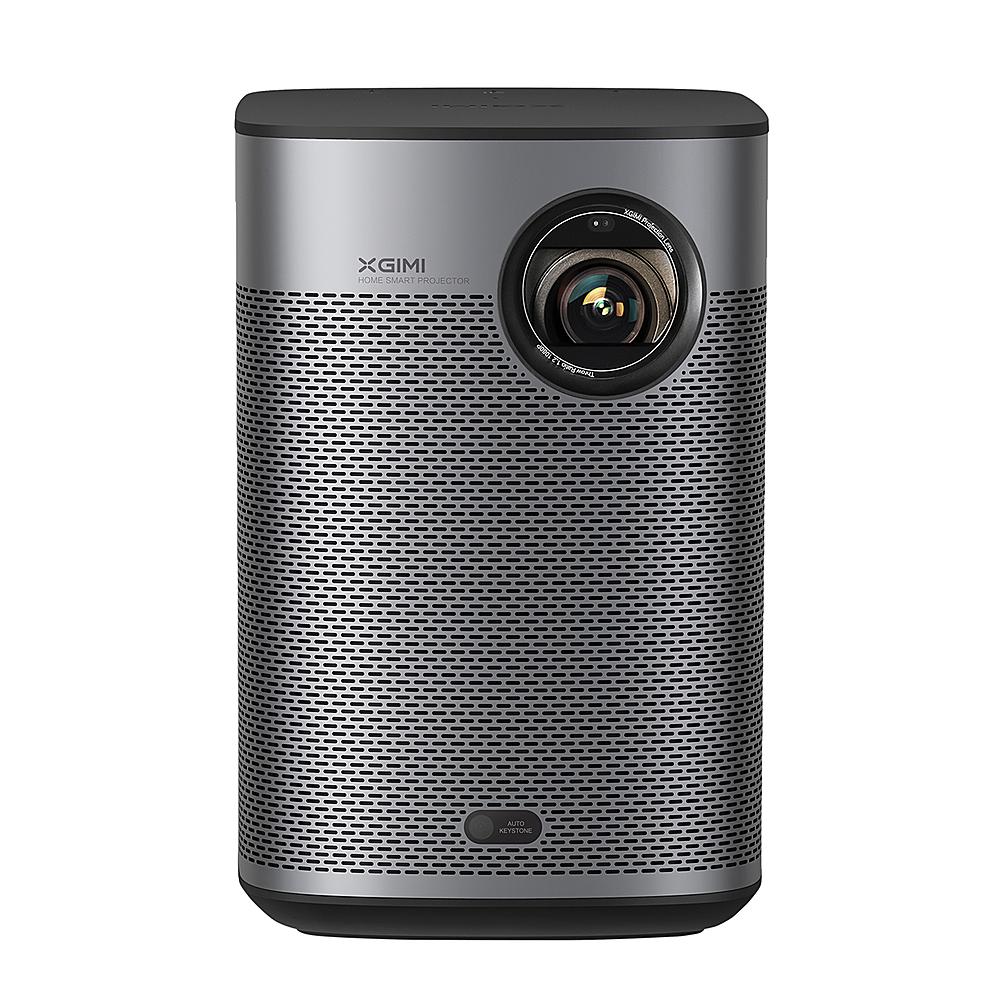
The XGIMI Halo+, released in late 2021, represents the second generation of XGIMI's popular Halo series, building upon the success of its predecessor with improved brightness and smarter features. The Epson EpiqVision Mini EF11, launched around the same time, brings Epson's respected 3LCD technology into a compact form factor, emphasizing image quality in a portable package.
Since these projectors hit the market, we've seen the portable projection space continue to evolve. Newer models have started incorporating even brighter light sources, higher resolutions approaching 4K, and more advanced auto-setup features. However, both the Halo+ and the EF11 remain relevant and competitive options, offering excellent value propositions for different user priorities.
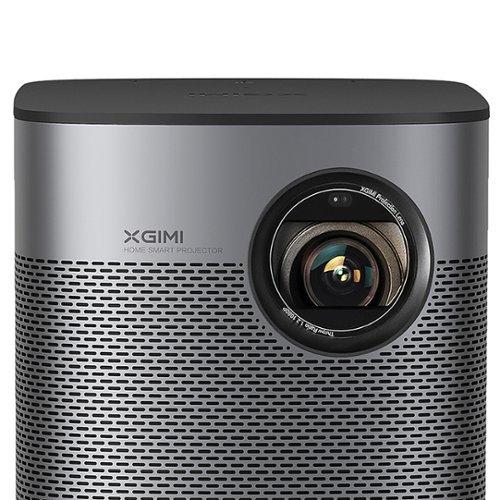
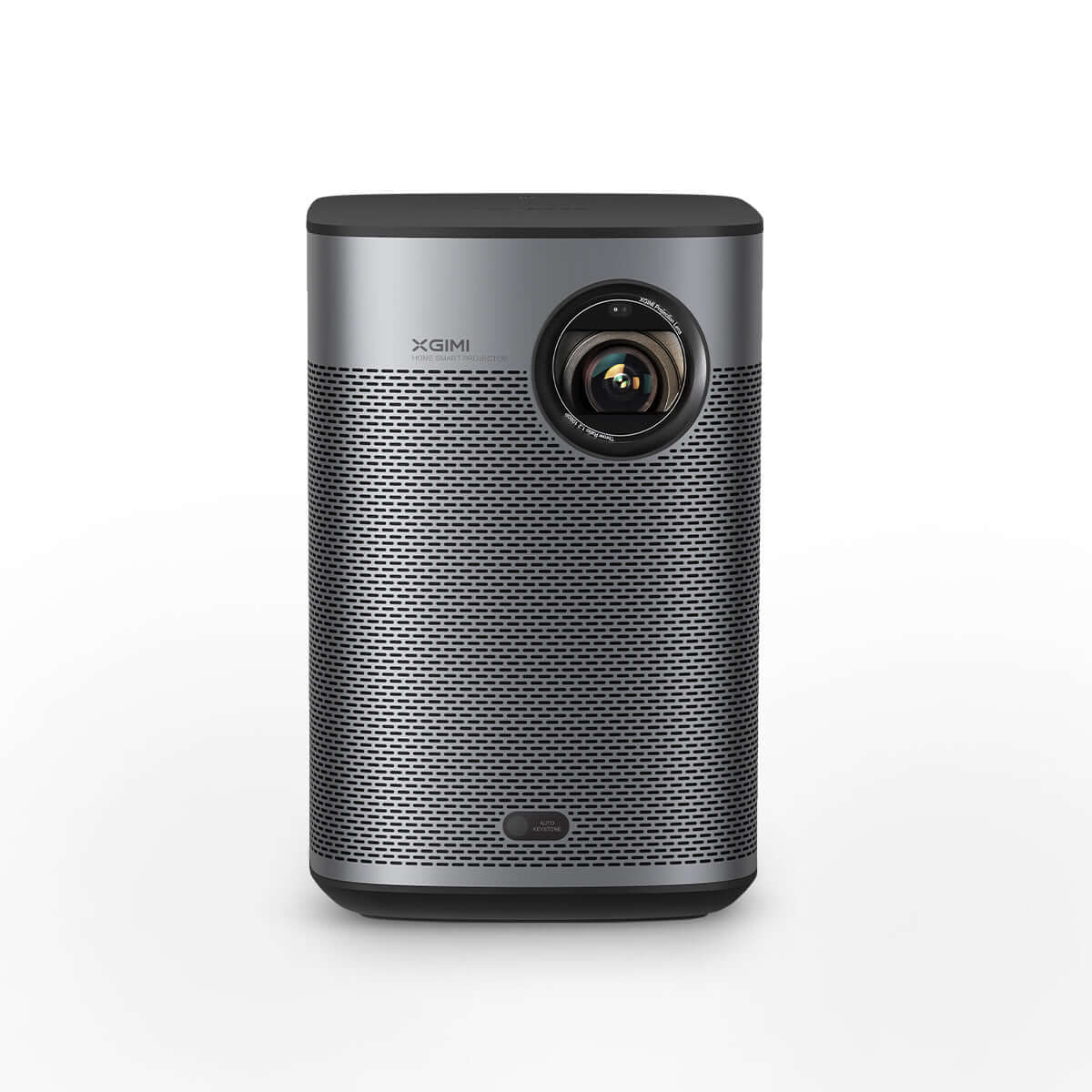
The XGIMI Halo+ exemplifies what many users want in a portable projector. Weighing just 1.6 kg (3.53 lbs) and measuring 172 x 114 x 145 mm, it's surprisingly compact given its capabilities. The sleek, minimalist design features a gray fabric wrap around its lower half that houses the Harman/Kardon speakers, giving it a premium home decor aesthetic that doesn't scream "tech device."
What truly sets the Halo+ apart in the portability department is its integrated 59.454Wh battery. This power source provides up to 2.5 hours of projection time—enough for most movies—without needing an outlet nearby. In my experience using it for backyard movie nights, this battery life estimate is fairly accurate when running at moderate brightness levels, though enabling maximum brightness will drain it faster.
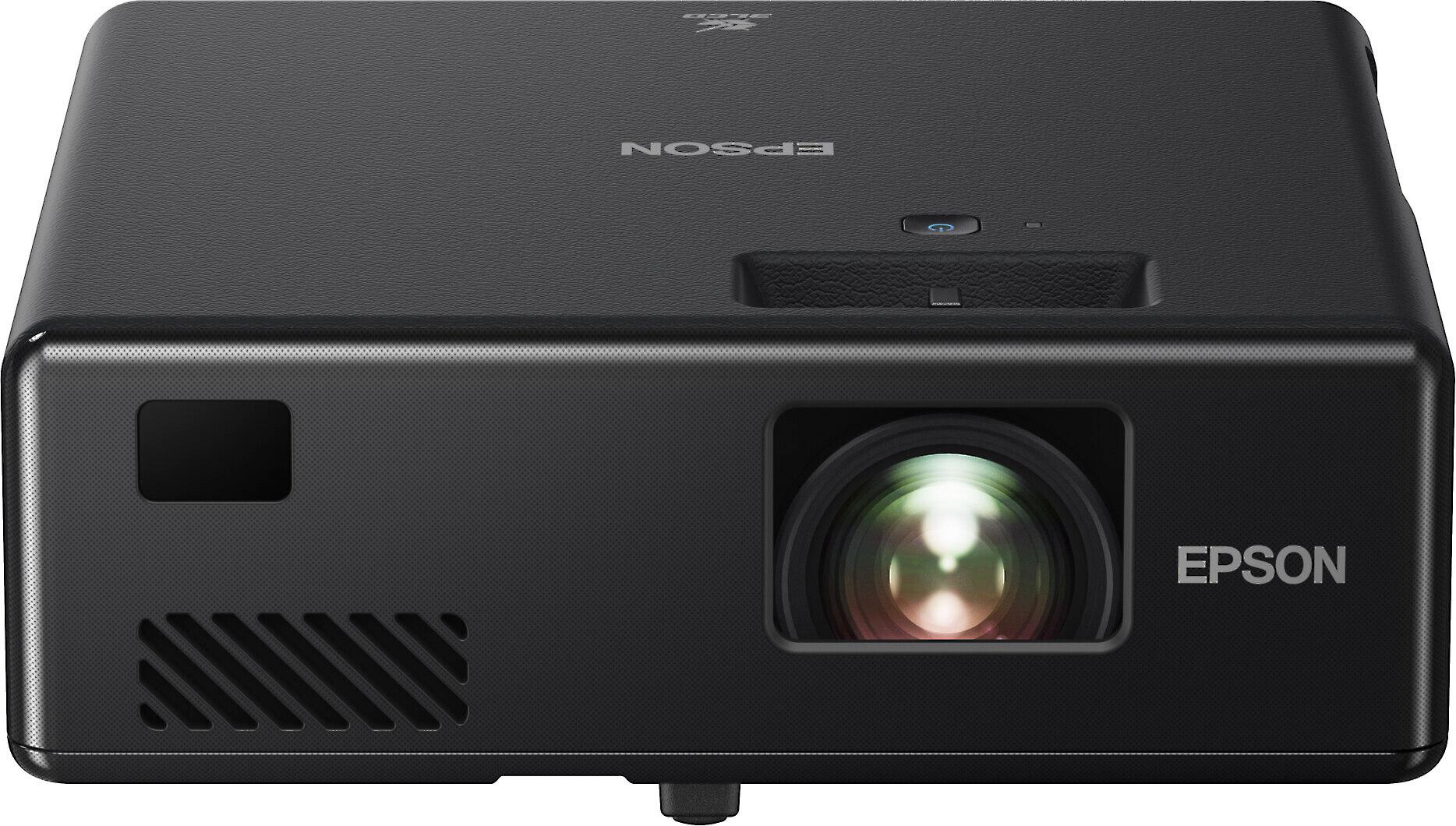
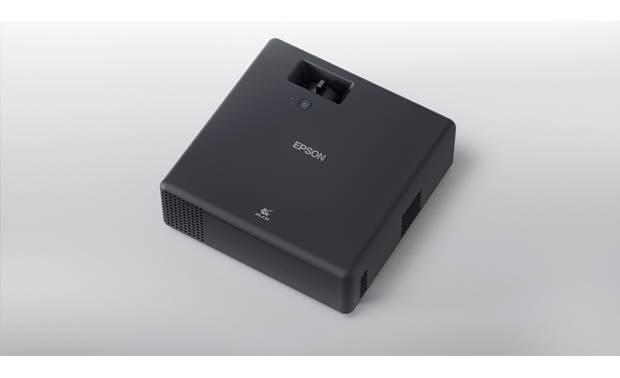
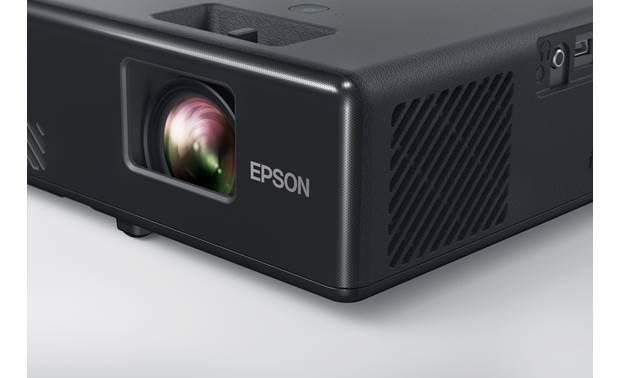
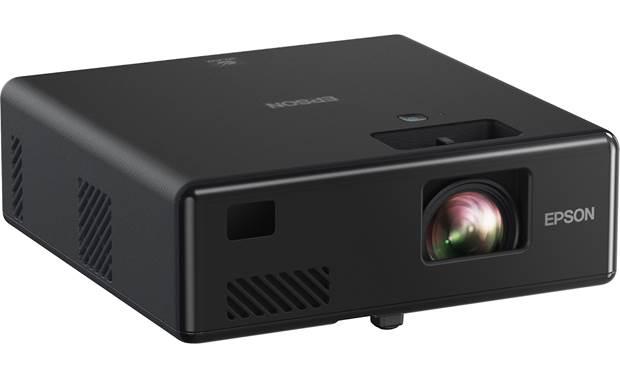
The Epson EF11 takes a slightly different approach to portability. Its cube-like design (6.9" x 6.9" x 2.6") gives it a small footprint that's easy to place on various surfaces. The all-black exterior has a professional, understated look that would blend well in both home and office environments. Weighing 2.7 lbs, it's still light enough for easy transport but notably heavier than the Halo+.
The most significant distinction is the EF11's lack of an internal battery. This projector requires a constant power source, which limits its "go-anywhere" capabilities. You'll need to be near an outlet or bring along a substantial external power bank to use it away from conventional power sources. This design choice reflects Epson's focus on image quality over absolute portability—they've prioritized the laser light engine over battery integration.
Real-world implications: I've found the Halo+'s true portability makes it significantly more versatile for spontaneous use. Being able to quickly set up a movie in the backyard, at a friend's house, or even while camping (with no electrical hookups) opens up possibilities that the EF11 simply can't match without additional accessories. However, if you're primarily using your projector in spaces with reliable power access, this distinction becomes less important.
Brightness is perhaps the most critical specification for portable projectors, as they're often used in less-than-ideal lighting conditions. Here, we see a notable difference between our contenders:
The Epson EF11 delivers 1,000 lumens using its 3LCD technology. Epson's brightness claims are particularly noteworthy because their 3LCD system produces equal color and white brightness. This means you get the full rated brightness for both color and black-and-white content, resulting in vibrant, well-saturated images even with some ambient light present.
The XGIMI Halo+ offers 700 ISO lumens using DLP (Digital Light Processing) technology. While this is a respectable figure for a battery-powered portable, it's noticeably less bright than the EF11. The Halo+ represents a 40% brightness improvement over the original Halo model (500 ANSI lumens), showing XGIMI's commitment to addressing this crucial aspect of projector performance.
In practical terms, the brightness difference is most noticeable when there's ambient light in the room. During daytime viewing with curtains drawn, the EF11 maintains more vibrant colors and better contrast, while the Halo+ image appears more washed out. Both perform well in properly darkened rooms, though the EF11 still maintains an edge in image punch and vibrancy.
Understanding the different display technologies helps explain the distinct viewing experiences these projectors offer:
The Halo+ uses DLP technology, which employs microscopic mirrors to reflect light through a color wheel. This approach allows for a compact design and good black levels but can sometimes produce a "rainbow effect" (brief flashes of rainbow colors, particularly in high-contrast scenes) that some viewers find distracting.
The EF11 utilizes Epson's renowned 3LCD technology, which splits light through three separate LCD panels (red, green, and blue) before recombining them. This method eliminates the rainbow effect entirely and typically produces more accurate colors with better color brightness. The tradeoff is usually in black level performance, though the EF11's laser light source helps mitigate this traditional weakness.
In my viewing sessions, the EF11's color accuracy is immediately noticeable, particularly with natural content like documentaries and sports. Skin tones appear more realistic, and colors have a vibrant yet natural quality. The Halo+ still produces pleasing images, especially with HDR content where its support for HDR10 and HLG formats adds extra dynamic range, but side-by-side, the EF11's color reproduction is more faithful to source material.
Both projectors offer Full HD (1920 x 1080) native resolution, providing sharp, detailed images up to their respective maximum screen sizes. However, they take different approaches to image enhancement:
The Halo+ features XGIMI's X-VUE 2.0 Image Engine, which provides real-time image processing to enhance clarity and color accuracy. It's particularly effective at upscaling lower-resolution content to look better on the Full HD display. The projector also supports HDR content, which expands the range between the brightest whites and darkest blacks for compatible content.
The EF11 employs Epson's Advanced Scene Adaptive Color Correction, which automatically analyzes and adjusts the image based on scene content. This processing is especially effective at preserving detail in challenging scenes with extreme brightness differences. The EF11 also boasts a claimed 200,000:1 contrast ratio, which helps it produce deeper blacks than many portable projectors.
The way these projectors cast their images also differs in ways that affect practical use:
The Halo+ features a 1.2:1 throw ratio, meaning it needs to be placed roughly 1.2 feet away from the screen for every foot of screen width. It can produce images from 40" to 200" diagonally, giving it impressive flexibility from intimate viewing to massive outdoor movie experiences.
The EF11 has a slightly shorter 1.0:1 throw ratio, allowing it to create larger images from shorter distances—a valuable feature in smaller rooms. It projects images from 30" to 150" diagonally, which covers most practical home viewing scenarios.
In home theater applications, the EF11's shorter throw can be advantageous as it reduces the likelihood of people walking through the projection beam. However, the Halo+'s ability to create larger maximum images gives it an edge for backyard movie nights or other large-group viewing situations.
Perhaps the most distinct philosophical difference between these projectors is their approach to content access:
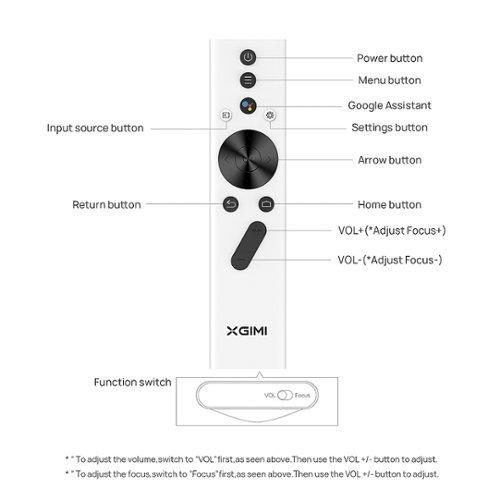
The XGIMI Halo+ runs a complete Android TV operating system with access to the Google Play Store. This gives users direct access to thousands of apps including popular streaming services like YouTube, Disney+, HBO Max, and more. The interface is familiar to Android users, with content recommendations and easy navigation. It's worth noting that Netflix is not officially supported and requires workarounds, a common issue with projectors running Android TV.
The seamless integration means you can start watching content immediately after setting up the projector, with no additional devices required. The built-in Chromecast functionality also allows for easy content sharing from compatible devices.
The Epson EF11 takes a more streamlined approach with no built-in smart platform. Instead, it's designed to work with external streaming devices connected via HDMI. This "bring your own device" philosophy means you'll need to connect a streaming stick like Roku, Apple TV, or Amazon Fire TV Stick to access content.
While this requires an additional purchase and slightly more complex setup, it offers advantages in flexibility—you can choose your preferred streaming platform and upgrade it independently of the projector. It also means the projector's processing power is fully dedicated to image quality rather than running smart features.
Beyond their different approaches to streaming content, these projectors offer different connectivity options:
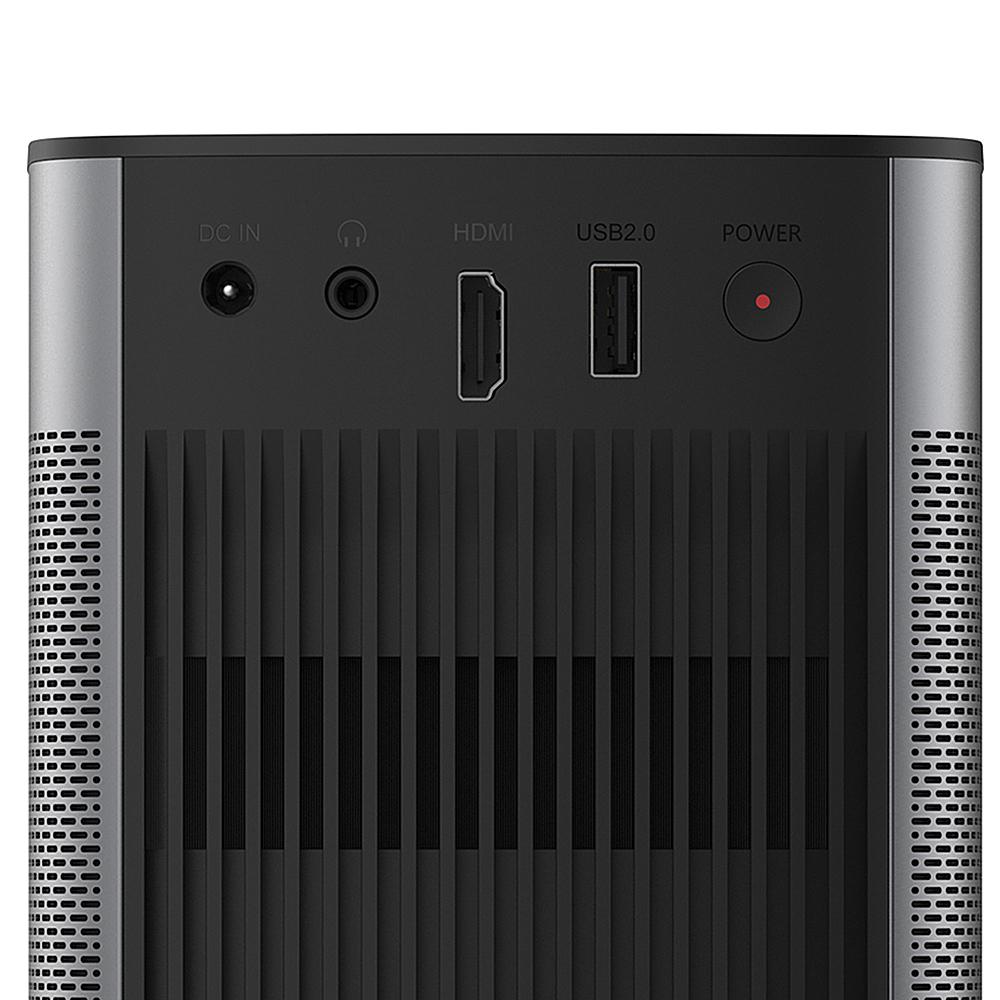
The Halo+ provides one HDMI port with eARC support (allowing for high-quality audio passthrough to compatible sound systems), one USB port, dual-band Wi-Fi, and Bluetooth 5.0. The Bluetooth support is particularly useful for connecting external speakers or headphones.
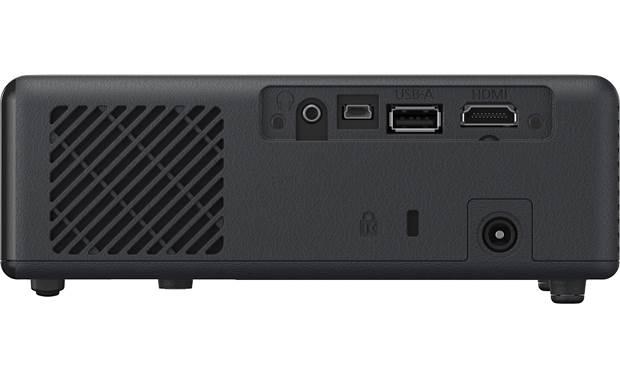
The EF11 includes HDMI, USB Type-A, and USB Type-B ports. It lacks built-in Wi-Fi or Bluetooth, reinforcing its focus on being a display device rather than a complete entertainment system.
For home theater enthusiasts, the Halo+'s eARC support provides more flexibility for integrating with advanced audio setups, while its Bluetooth capabilities make wireless audio expansion simple. The EF11 would typically require more cables or additional adapters to achieve similar audio routing options.
Audio is often an afterthought in projectors, but both manufacturers have made efforts to provide respectable built-in sound:
The Halo+ stands out with its dual 5W Harman/Kardon speakers, which deliver surprisingly rich audio for a portable device. These speakers support Dolby Audio and DTS-HD, providing good stereo separation and reasonable bass response considering the unit's size. At moderate volumes, the audio quality is impressive enough that you might not feel compelled to connect external speakers for casual viewing.
The EF11 features a more basic 1.5W dual-speaker system. While functional for small room use, it lacks the power and richness of the Halo+'s audio setup. The sound is clear enough for dialogue, but music and action sequences can sound thin and lacking in impact.
In practical home theater applications, the difference is substantial. The Halo+ can serve as a complete audio-visual solution in smaller rooms or temporary setups, while the EF11 almost demands external audio for a satisfying experience. I've used the Halo+ for movie nights in bedrooms and guest rooms without additional speakers and found the experience perfectly acceptable, while the EF11 left me reaching for at least a basic Bluetooth speaker to supplement its audio.
Modern portable projectors have increasingly automated the setup process, though our competitors take this to different levels:
The XGIMI Halo+ features an impressive suite of automatic adjustment technologies collectively called Intelligent Screen Adaptation (ISA). This includes auto-focus, auto keystone correction (which adjusts for angled projection), intelligent screen alignment (which fits the image to available screen space), and intelligent obstacle avoidance (which can detect objects in the projection path and resize the image to avoid them).
In practice, these features make setting up the Halo+ remarkably simple—point it at a wall, and within seconds, it configures itself for optimal viewing. This is particularly valuable for portable use, where the projector might be positioned differently each time it's used.
The Epson EF11 offers Auto Picture Skew Correction, which handles basic vertical image alignment, but requires manual adjustment for most other setup aspects. The keystone correction allows for adjustments of ±34° vertically and ±40° horizontally, giving you the tools to create a properly rectangular image even when projecting at angles, but you'll need to make these adjustments yourself.
For home theater use where the projector might be permanently mounted, this difference becomes less important after initial setup. However, for those who regularly reposition their projector or use it in different locations, the Halo+'s automated features save considerable time and frustration.
Projector light sources have dramatically improved in recent years, and both our contenders showcase this advancement:
The Halo+ uses an LED light source rated for approximately 25,000 hours of use. This translates to over 10 years of operation if used for 6 hours daily. LED systems tend to maintain consistent color over their lifespan, though brightness gradually diminishes. They also run cooler than traditional lamp projectors, reducing fan noise.
The EF11 employs a laser diode system with a 20,000-hour rating. Laser technology offers excellent brightness consistency throughout its lifespan, maintaining more of its initial brightness as it ages compared to LED systems. The laser approach also contributes to the EF11's higher brightness output.
Neither projector requires lamp replacements like traditional projectors, making their total cost of ownership significantly lower than older technology. For permanent home theater installations, this means years of trouble-free operation without maintenance concerns.
The XGIMI Halo+ typically retails for $799-$849, positioning it in the premium segment of portable projectors. This price reflects its comprehensive feature set including battery operation, robust audio, and advanced auto-setup capabilities.
The Epson EF11 generally sells for $699-$799, offering a slightly lower entry point. The price difference mainly reflects the different design philosophies—with the EF11 emphasizing image quality and brightness over battery power and smart features.
When assessing value, it's essential to consider not just the purchase price but the total package relative to your specific needs:
The Halo+ commands a premium but eliminates the need for separate purchases like external speakers or streaming devices in many use cases. Its battery-powered operation also means you won't need to buy power banks or extension cords for truly portable use. For someone wanting a complete, self-contained portable entertainment system, the value proposition is strong despite the higher initial cost.
The EF11 delivers superior brightness and potentially better image quality at a slightly lower price point, but requires additional investments (streaming device, speakers) to match the Halo+'s functionality. For a permanent home theater setup where these accessories might already be available, the EF11 could represent better value, especially for users who prioritize image quality above all else.
After examining both projectors in detail, clear use cases emerge for each model:
The Halo+ excels as an all-in-one entertainment solution that can truly go anywhere. Its battery power, excellent audio, and intelligent adaptation features make it perfect for users who prioritize convenience and flexibility. It's ideal for apartment dwellers, travelers, outdoor enthusiasts, and anyone who wants big-screen entertainment without permanent installation.
The EF11 shines as a compact image powerhouse that prioritizes visual performance above all else. Its superior brightness and color accuracy make it perfect for users who want the best possible picture in a small form factor. It's well-suited for home theater enthusiasts, design professionals needing accurate color reproduction, and anyone who values image quality over absolute portability.
The XGIMI Halo+ and Epson EpiqVision Mini EF11 represent different philosophies within the portable projector category. The Halo+ embraces true go-anywhere versatility with its battery power and all-in-one approach, while the EF11 focuses on delivering the best possible image in a compact form factor.
Your choice ultimately depends on how you plan to use your projector. For spontaneous movie nights in various locations, the Halo+ offers unmatched convenience. For the best possible image in environments where power isn't a concern, the EF11's brightness and color accuracy make it hard to beat.
Both projectors demonstrate how far portable projection technology has advanced, bringing big-screen experiences to spaces where traditional home theater setups wouldn't be practical. Whether you prioritize the freedom to project anywhere or the highest quality image in a compact package, both the XGIMI Halo+ and Epson EpiqVision Mini EF11 deliver impressive experiences that transform ordinary spaces into immersive entertainment environments.
| XGIMI Halo+ Portable Projector | Epson EpiqVision Mini EF11 Laser Projector |
|---|---|
| Brightness - Critical for visibility in varying light conditions | |
| 700 ISO Lumens (adequate for dark rooms, struggles with ambient light) | 1,000 Lumens (30% brighter, handles some ambient light better) |
| Display Technology - Impacts color accuracy and image characteristics | |
| DLP technology with HDR10/HLG support (good contrast, possible rainbow effect) | 3LCD technology (better color accuracy, no rainbow effect) |
| Built-in Battery - Determines true portability | |
| 59.454Wh battery with up to 2.5 hours runtime (truly portable) | No battery (requires constant power source) |
| Light Source Lifespan - Affects long-term ownership costs | |
| LED with 25,000 hours lifespan | Laser diode with 20,000 hours lifespan |
| Audio System - Important for standalone use without external speakers | |
| Dual 5W Harman/Kardon speakers with Dolby Audio (impressive sound for size) | Basic 1.5W dual speaker system (adequate for small rooms only) |
| Smart Features - Determines need for additional devices | |
| Built-in Android TV with Google Play Store (no separate streaming device needed) | No smart OS (requires external streaming device) |
| Auto-Setup Features - Impacts ease of use, especially for portable scenarios | |
| Comprehensive auto-focus, keystone, alignment, and obstacle avoidance | Basic auto picture skew correction with manual adjustments needed |
| Maximum Screen Size - Affects potential viewing experience | |
| 40" to 200" projection size | 30" to 150" projection size |
| Throw Ratio - Determines placement distance needed | |
| 1.2:1 throw ratio (requires more distance for same image size) | 1.0:1 throw ratio (creates larger images from shorter distances) |
| Weight & Dimensions - Impacts physical portability | |
| 1.6 kg (3.53 lbs), 172 x 114 x 145 mm (more compact and lighter) | 2.7 lbs, 6.9" x 6.9" x 2.6" (slightly heavier, cube-shaped design) |
| Connectivity - Affects compatibility with external devices | |
| HDMI (eARC), USB, Wi-Fi, Bluetooth 5.0, Chromecast built-in | HDMI, USB Type-A and Type-B (no wireless connectivity) |
| Price Range - Overall value consideration | |
| $799-$849 (premium price for all-in-one portable solution) | $699-$799 (better value for pure image quality if portability isn't critical) |
The Epson EpiqVision Mini EF11 is significantly brighter with 1,000 lumens compared to the XGIMI Halo+ with 700 ISO lumens. This makes the Epson better for rooms with some ambient light, while the XGIMI Halo+ is best used in darker environments. If you're planning to use your projector during daytime or in well-lit rooms, the Epson EF11 has a clear advantage.
Yes, both projectors can be used outdoors, but the XGIMI Halo+ is much better suited for outdoor use thanks to its built-in battery that lasts up to 2.5 hours. The Epson EpiqVision Mini EF11 requires a constant power source, so you'd need to bring an extension cord or power bank to use it outdoors. For spontaneous backyard movie nights, the XGIMI Halo+ offers true portability.
The Epson EpiqVision Mini EF11 generally offers better image quality with more accurate colors and better brightness thanks to its 3LCD technology and laser light source. The XGIMI Halo+ still provides good image quality with HDR support, but its DLP technology may show occasional "rainbow effects" that some viewers find distracting. For home theater enthusiasts who prioritize image quality, the Epson EF11 has the edge.
The XGIMI Halo+ has excellent built-in audio with dual 5W Harman/Kardon speakers that are sufficient for most viewing situations. The Epson EpiqVision Mini EF11 has basic 1.5W speakers that work for small rooms but will likely require external speakers for a satisfying audio experience. If you want an all-in-one solution without additional speakers, the XGIMI Halo+ is the better choice.
The XGIMI Halo+ is significantly easier to set up with its Intelligent Screen Adaptation technology that automatically handles focus, keystone correction, screen alignment, and obstacle avoidance. The Epson EpiqVision Mini EF11 only offers basic auto picture skew correction, requiring manual adjustments for most setup aspects. For quick setup in various locations, the XGIMI Halo+ offers unmatched convenience.
The XGIMI Halo+ has Android TV built-in with access to most streaming apps (though Netflix requires workarounds), so no additional streaming device is needed. The Epson EpiqVision Mini EF11 has no smart features and requires an external streaming device like Roku, Apple TV, or Amazon Fire Stick. If you want to minimize additional purchases, the XGIMI Halo+ is more self-contained.
Neither projector is optimized specifically for gaming, but the XGIMI Halo+ might have a slight edge with lower input lag in certain modes. Both projectors offer 1080p resolution and adequate brightness for gaming in dark rooms. The Epson EpiqVision Mini EF11 has better brightness which helps with games that have dark scenes. For casual gaming, both projectors perform adequately, but serious gamers might find both lacking compared to gaming-specific projectors.
The XGIMI Halo+ LED light source is rated for 25,000 hours, while the Epson EpiqVision Mini EF11 laser diode is rated for 20,000 hours. Both are extremely long-lasting and should provide about 10+ years of normal use before noticeable degradation. The Epson's laser technology may maintain brightness more consistently over its lifespan compared to the XGIMI's LED system.
The Epson EpiqVision Mini EF11 is generally better for a permanent home theater setup due to its superior brightness, better color accuracy, and laser light source. While the XGIMI Halo+ has more features, many of them (battery, portability, auto-setup) become less important in a fixed installation. If you're building a dedicated home theater room, the image quality advantages of the Epson EF11 make it more suitable.
The XGIMI Halo+ typically costs $799-$849, while the Epson EpiqVision Mini EF11 usually sells for $699-$799. The price difference of approximately $50-100 reflects the XGIMI's additional features like battery power, Android TV, and superior speakers. If these features aren't important to you, the Epson represents better value focused purely on projection quality.
Yes, both the XGIMI Halo+ and Epson EpiqVision Mini EF11 have HDMI ports that allow you to connect a laptop easily. The XGIMI also offers wireless screen mirroring options through Chromecast and Airscreen, making it more flexible for laptop connections without cables. The Epson relies solely on physical connections through its HDMI or USB ports.
The XGIMI Halo+ is significantly more portable due to its built-in battery, lighter weight (1.6 kg vs 2.7 lbs), and comprehensive auto-setup features. The Epson EpiqVision Mini EF11, while still compact, requires a power outlet and more manual setup adjustments. If you plan to move your projector frequently or use it in various locations, the XGIMI Halo+ offers true grab-and-go portability that the Epson cannot match.
We've done our best to create useful and informative comparisons to help you decide what product to buy. Our research uses advanced automated methods to create this comparison and perfection is not possible - please contact us for corrections or questions. These are the sites we've researched in the creation of this article: bestbuy.com - bestbuy.com - youtube.com - projectorcentral.com - staples.com - youtube.com - rtings.com - us.xgimi.com - youtube.com - cnet.com - us.xgimi.com - youtube.com - marieclaire.com - youtube.com - youtube.com - youtube.com - youtube.com - odpbusiness.com - bhphotovideo.com - bestbuy.com - projectorcentral.com - us.xgimi.com - global.xgimi.com - projectorscreen.com - petra.com - eu.xgimi.com - us.xgimi.com - global.xgimi.com - bestbuy.com - bhphotovideo.com - youtube.com - bestbuy.com - gagadget.com - epson.com - projectorreviews.com - audiogeneral.com - projectorreviews.com - epson.com - youtube.com - epson.com - youtube.com - mediaserver.goepson.com - files.support.epson.com - staples.com - projectorcentral.com - bestbuy.com - planettv.com - dell.com - epson.eu - projectortop.com

Privacy Policy
Terms and Conditions - Affiliate Policy
Home Security
© Copyright 2008-2026.
11816 Inwood Rd #1211, Dallas, TX 75244