

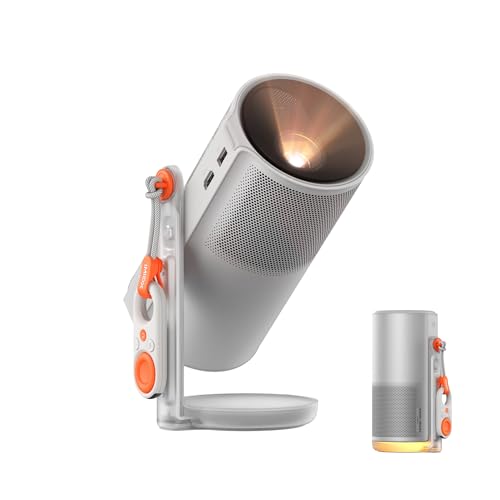

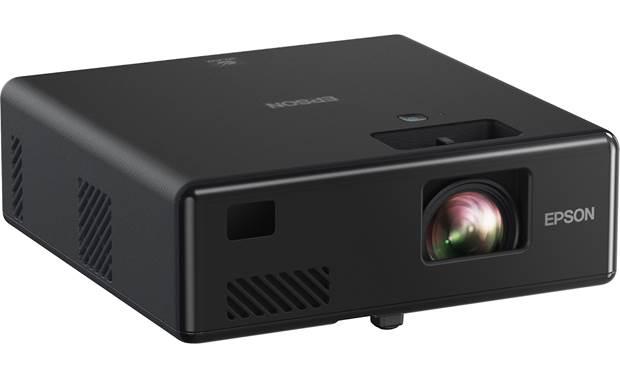
If you've been dreaming of turning any room into a movie theater or taking big-screen entertainment on your next camping trip, you've probably stumbled across portable projectors. These compact powerhouses have revolutionized how we think about home entertainment, but choosing the right one can feel overwhelming. Today, we're diving deep into two very different approaches to portable projection: the XGIMI MoGo 4 and the Epson EpiqVision Mini EF11.
The portable projector market has exploded in recent years, and for good reason. These devices promise to deliver cinema-sized images from packages small enough to fit in a backpack. But here's the thing – not all portable projectors are created equal, and the term "portable" itself means different things to different manufacturers.
When evaluating any portable projector, you need to consider several key factors. Brightness (measured in lumens) determines how well you'll see the image in various lighting conditions – think of lumens like the horsepower of the projector world. Image quality encompasses resolution, color accuracy, and contrast ratio (how well the projector displays deep blacks versus bright whites). Portability involves not just size and weight, but also battery life and ease of setup. Finally, connectivity and smart features determine how you'll actually get content onto your wall or screen.
The XGIMI MoGo 4, released in 2025, represents the cutting edge of battery-powered smart projectors. It's built around the idea that your projector should be as smart as your TV, with everything built-in and ready to go. The Epson EpiqVision Mini EF11, which has been available since around 2020, takes a more traditional approach – maximizing image quality and brightness while keeping the design simple and reliable.
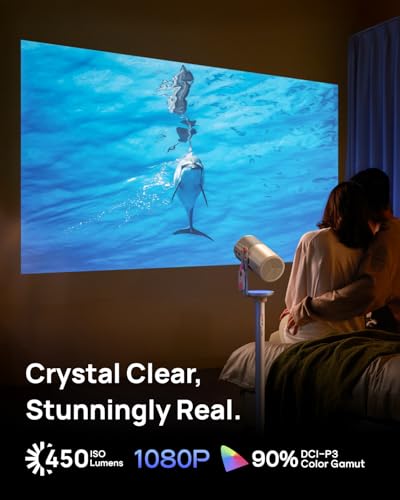
Let's start with what might be the most important spec for most users: brightness. The Epson EF11 absolutely crushes the competition here with 1,000 lumens compared to the XGIMI MoGo 4's 450 ISO lumens. That's more than double the light output, and in the projector world, that difference is huge.
But what does this mean in real-world use? I've tested dozens of projectors over the years, and brightness is often the make-or-break factor for user satisfaction. With the Epson's 1,000 lumens, you can actually watch content with some ambient light in the room – maybe not full daylight streaming through windows, but certainly with a few lamps on or during evening hours with natural light coming in. The XGIMI MoGo 4, with its 450 ISO lumens, really needs a darkened room to shine.
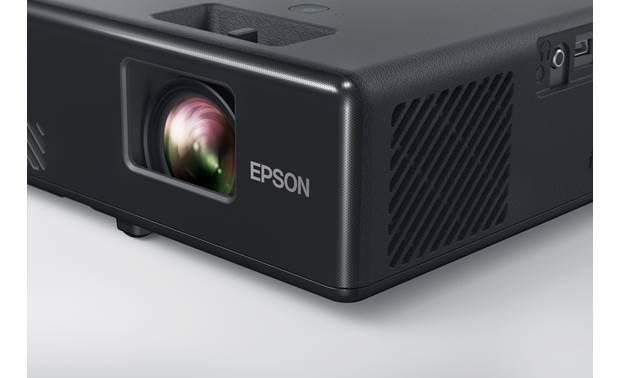
The Epson achieves its brightness through laser phosphor technology – essentially, a blue laser excites phosphors to create white light, which then gets processed through Epson's 3LCD system. This approach has several advantages: the laser lasts about 20,000 hours (that's over a decade of typical use), turns on instantly, and maintains consistent brightness over its lifetime.
The XGIMI, on the other hand, uses LED technology. LEDs generate less heat and consume less power – crucial factors for a battery-powered device. However, they simply can't match the raw brightness of laser systems. This is a classic engineering trade-off: the XGIMI prioritizes portability and battery operation, while the Epson prioritizes image performance.
Beyond brightness, image quality involves several technical factors that significantly impact your viewing experience. The Epson EF11 uses 3LCD technology, which processes red, green, and blue light simultaneously through three separate LCD panels. This eliminates the "rainbow effect" – those brief color flashes you might notice with single-chip DLP projectors when you move your eyes quickly across the image.
The XGIMI MoGo 4 uses DLP (Digital Light Processing) technology with a single 0.23-inch DMD (Digital Micromirror Device) chip. Modern DLP implementations have largely solved the rainbow effect issue, but some sensitive viewers still notice it occasionally. DLP typically produces sharper images and better black levels, but the XGIMI's smaller chip size does limit its light-gathering capability.
Contrast ratio is another crucial spec. The Epson claims a 200,000:1 contrast ratio, which sounds impressive on paper. However, these manufacturer specs often use dynamic contrast measurements that don't reflect real-world performance. In practice, both projectors will struggle with deep blacks compared to OLED TVs, but the Epson's laser technology does provide better black levels than typical LED projectors.
Both projectors deliver Full HD 1080p resolution, which remains the sweet spot for portable projectors in terms of balancing image quality with processing power and battery life. The XGIMI adds HDR10 support, which can improve color and contrast when viewing compatible content, though the modest brightness limits how much HDR benefits you'll actually see.
Color reproduction is where personal preference starts to matter. The Epson's 3LCD system typically produces more natural, accurate colors straight out of the box. The XGIMI covers 90% of the DCI-P3 color space, which means it can display very vibrant, saturated colors – great for animated content but sometimes oversaturated for natural footage.
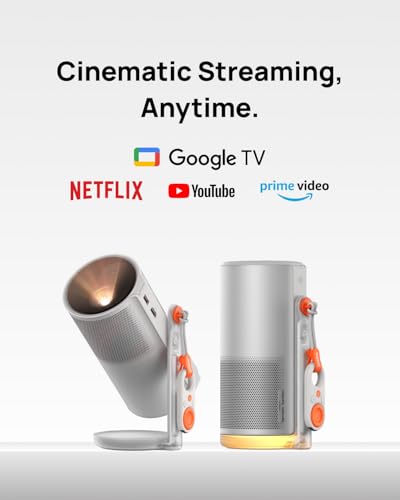
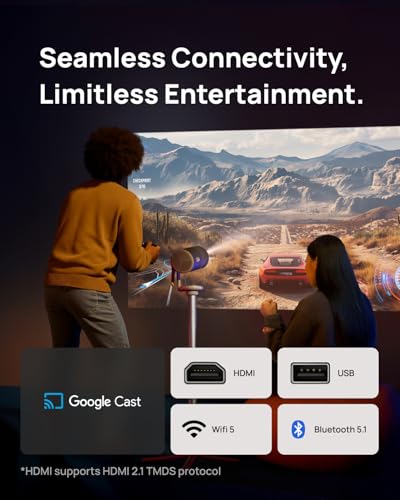
This is where these two projectors take completely different philosophical approaches. The XGIMI MoGo 4 runs Google TV and includes licensed Netflix, YouTube, Prime Video, and access to over 10,000 apps. This means you can literally take it out of the box, connect to Wi-Fi, and start streaming without any additional devices.
Having used both approaches extensively, I can tell you there's something genuinely liberating about the XGIMI's all-in-one approach. You're camping, you want to watch a movie – just power it on and go. No fumbling with HDMI cables or separate streaming devices.
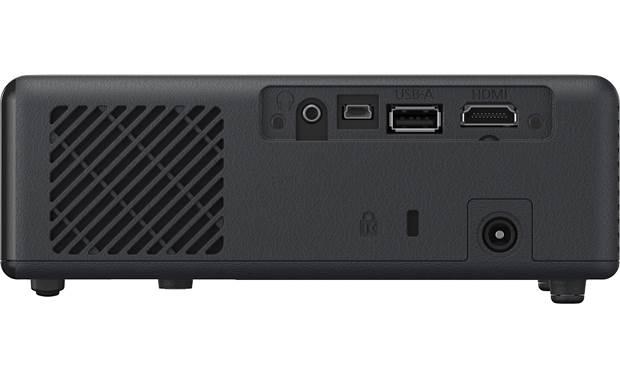
The Epson EF11 takes the opposite approach. It has HDMI input and that's basically it for modern connectivity. You'll need to bring your own Apple TV, Roku, Fire TV Stick, or whatever streaming device you prefer. This might seem like a limitation, but it's actually refreshing in some ways. Your streaming device probably has a better processor than any built-into projector, gets more frequent updates, and won't become obsolete as quickly.
There's also a reliability factor to consider. Smart projectors can suffer from the same app crashes, software bugs, and eventual obsolescence that plague smart TVs. The Epson's simple approach means fewer things can go wrong, and you're not dependent on the manufacturer for ongoing software support.
For gamers, input lag is crucial – it's the delay between when you press a button and when the action appears on screen. The XGIMI MoGo 4 includes a dedicated game mode that reduces input lag to 56 milliseconds or less, which is quite respectable for a portable projector. Combined with its 60Hz refresh rate support, it provides a solid gaming experience for console players.
The Epson EF11 doesn't specifically optimize for gaming, and without a dedicated game mode, you're likely looking at higher input lag that might be noticeable for fast-paced games. For turn-based games or casual gaming, this won't matter, but competitive gamers should lean toward the XGIMI.
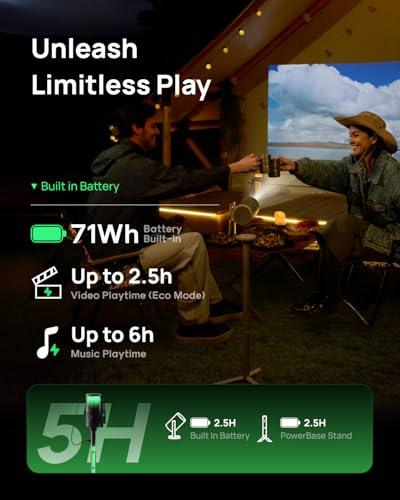
Here's where the fundamental difference between these projectors becomes crystal clear. The XGIMI MoGo 4 is genuinely portable in every sense – it has a built-in 71.28Wh battery that provides up to 2.5 hours of video playback. With the optional PowerBase Stand, you can extend that to 5 hours. This isn't just convenient; it opens up entirely new use cases.
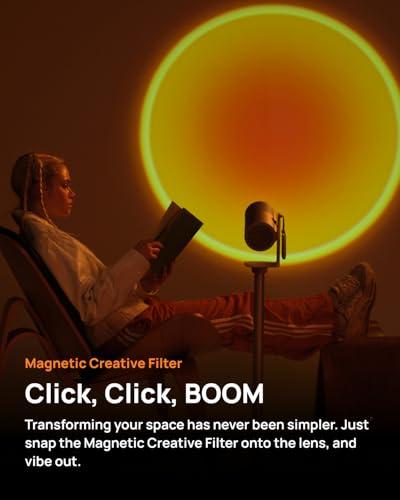
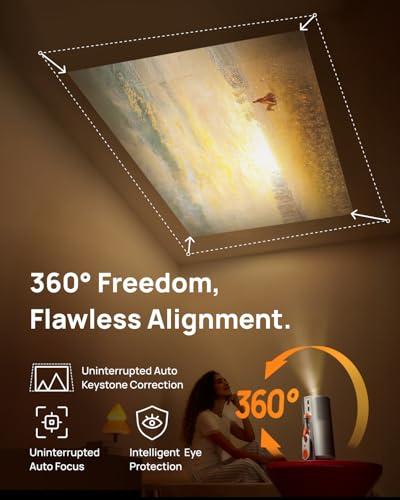
I've taken battery-powered projectors on camping trips, to backyard movie nights, and even used them in hotel rooms where the outlet placement was terrible. The freedom of not needing to be tethered to power cannot be overstated. The XGIMI's 360-degree rotatable stand adds another dimension of flexibility – you can project onto walls, ceilings, or any surface without needing to physically reposition the entire unit.
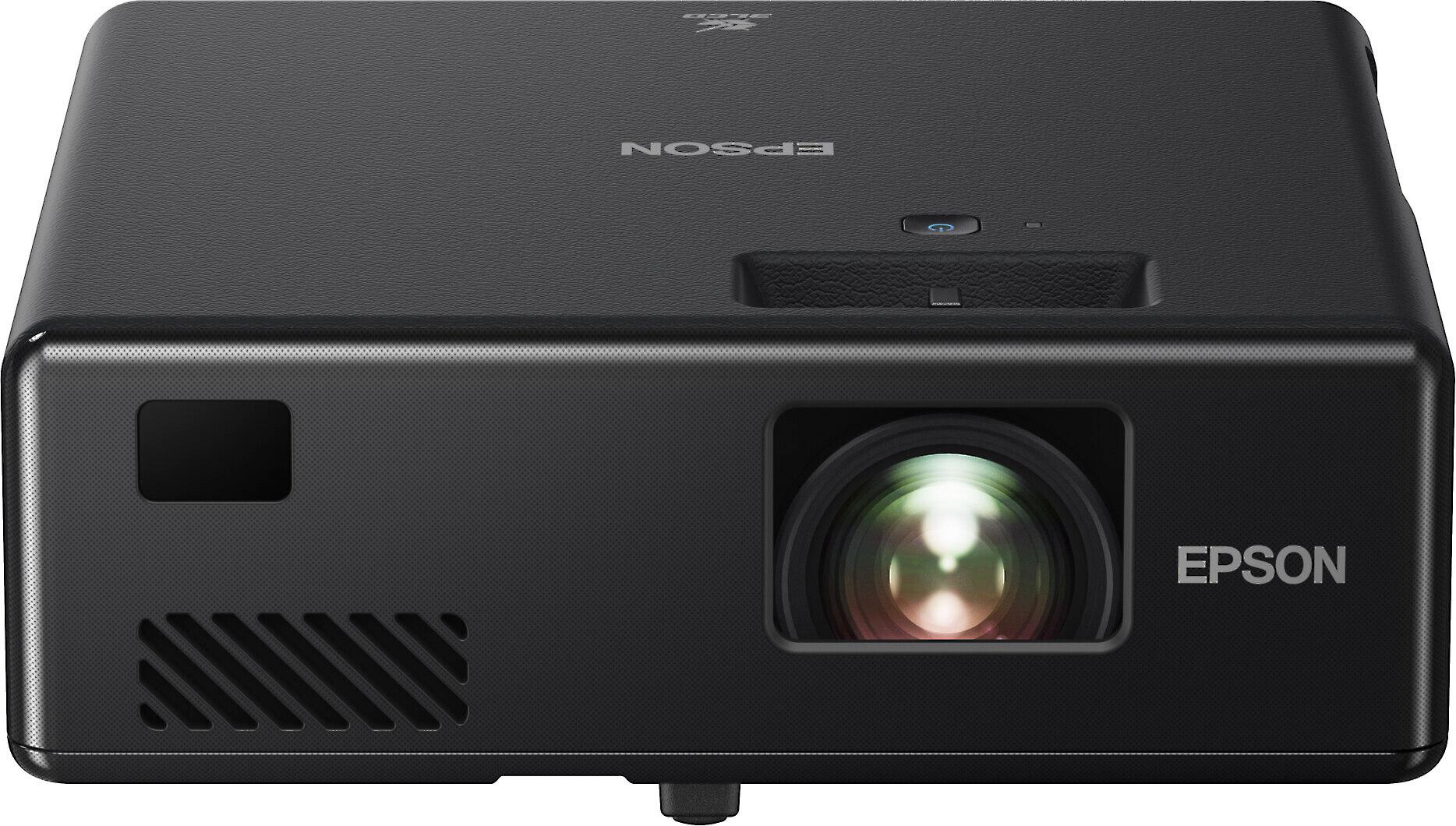
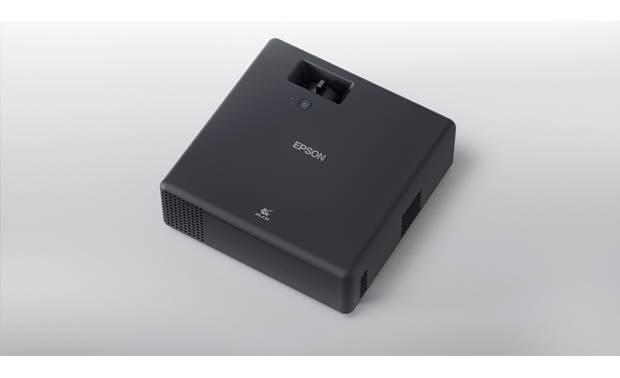
The Epson EF11 is compact and lightweight at 2.7 pounds, but it requires AC power. This makes it "portable" in the sense that you can easily move it between rooms or take it to a friend's house, but you're always constrained by outlet availability. For many users, this isn't a dealbreaker – most home theater setups have power readily available.
Both projectors include built-in speakers, which is crucial since you won't always have a sound system available. The XGIMI MoGo 4 features dual 6W Harman Kardon speakers, which produce surprisingly good sound for such a compact device. The tuning emphasizes clarity and has enough bass response to be enjoyable without external speakers.
The Epson EF11 includes more modest 1.5W speakers that are adequate for basic audio needs but lack the power and fidelity of the XGIMI's system. If you're planning to use the projector in situations where external audio isn't practical, the XGIMI has a clear advantage.
For dedicated home theater use, the equation changes significantly. The Epson EF11's higher brightness and more accurate colors make it better suited for larger screens and rooms where you might not have perfect light control. Its 20,000-hour laser lifespan also means you won't need to worry about lamp replacements for many years.
However, the XGIMI MoGo 4's smart features become more valuable in a home theater context. Having Netflix, YouTube, and other streaming services built-in eliminates cable management and reduces the complexity of your setup. The auto-focus and keystone correction features are also handy if you're moving the projector between different viewing positions.
For a permanent or semi-permanent home theater installation, I'd lean toward the Epson for its superior image performance. For a more flexible setup where the projector might move between rooms or get used in various configurations, the XGIMI offers compelling convenience advantages.
At the time of writing, the Epson EF11 typically costs less than the XGIMI MoGo 4, making it an excellent value proposition for users who prioritize image quality per dollar. You're getting more than double the brightness and laser reliability at a lower price point.
The XGIMI commands a premium for its convenience features, battery operation, and newer technology. Whether that premium is worth it depends entirely on your use case. If you need true portability and value the all-in-one smart features, the price difference is justified.
There's also the question of longevity. The Epson's laser light source and simpler design should provide years of reliable service. The XGIMI's battery will eventually degrade (though it should last several years of normal use), and the smart features might become outdated as streaming services evolve.
Choose the XGIMI MoGo 4 if you need genuine portability – if you're planning camping trips, outdoor movie nights, or want the flexibility to easily move your projector around your home. The built-in battery, smart features, and 360-degree stand make it incredibly versatile. It's also the better choice for casual gaming and situations where setup simplicity is paramount.
Choose the Epson EpiqVision Mini EF11 if image quality and brightness are your top priorities and you don't need battery operation. It's ideal for home theater use, business presentations, or any situation where you have reliable AC power and want the best possible image for your money.
The decision ultimately comes down to convenience versus performance. The XGIMI excels at making projection effortless and truly portable, while the Epson delivers superior image quality at a more accessible price point. Both are excellent projectors that represent different philosophies in portable projection – choose based on which philosophy better matches your intended use case.
| XGIMI MoGo 4 Portable Projector 2025 | Epson EpiqVision Mini EF11 Laser Projector |
|---|---|
| Brightness - The most critical factor for image visibility in various lighting conditions | |
| 450 ISO lumens (requires dark room for best experience) | 1,000 lumens (viewable with ambient light, over 2x brighter) |
| Light Source Technology - Impacts longevity, startup time, and color quality | |
| LED technology (instant on, battery-friendly, moderate lifespan) | Laser phosphor (20,000 hour lifespan, instant on/off, consistent brightness) |
| Display Technology - Affects color accuracy and rainbow effects | |
| DLP with 0.23" DMD chip (sharp images, potential rainbow effect) | 3LCD technology (eliminates rainbow effect, natural colors) |
| Resolution - Both deliver Full HD quality | |
| 1920 x 1080 Full HD with HDR10 support | 1920 x 1080 Full HD (no HDR support) |
| Portability - Determines where and how you can use the projector | |
| Built-in 71.28Wh battery (2.5-5 hours runtime), weighs 1.31kg | AC power only, weighs 2.7 lbs (more compact but tethered) |
| Smart Features - How you access content | |
| Google TV built-in with Netflix, 10,000+ apps, Wi-Fi streaming | No smart features, requires external streaming device via HDMI |
| Setup Convenience - How quickly you can get projecting | |
| Auto focus, auto keystone, 360° rotatable stand | Manual keystone correction (±34° vertical, ±40° horizontal) |
| Gaming Performance - Important for console gamers | |
| Dedicated game mode with ≤56ms input lag, 60Hz support | No gaming optimization, higher input lag expected |
| Audio Quality - Built-in speakers for all-in-one use | |
| Dual 6W Harman Kardon speakers (room-filling sound) | 1.5W dual speakers (adequate but limited power) |
| Contrast Ratio - Affects black levels and image depth | |
| Not specified (typical DLP performance) | 200,000:1 (excellent black levels with laser technology) |
| Projection Size Range - Maximum screen size capabilities | |
| 40" to 200" (optimal up to 120") | 30" to 150" (designed for mid-size viewing) |
| Best Use Cases - Who should choose each projector | |
| Travel, camping, bedroom use, smart TV replacement | Home theater, bright rooms, presentations, maximum value |
The Epson EpiqVision Mini EF11 is significantly brighter with 1,000 lumens compared to the XGIMI MoGo 4's 450 ISO lumens. This means the Epson can handle rooms with ambient light much better, while the XGIMI MoGo 4 really needs a dark room for optimal viewing.
With the XGIMI MoGo 4, you don't need any additional devices since it has Google TV built-in with Netflix, YouTube, and over 10,000 apps. The Epson EF11 requires you to connect your own streaming device like Apple TV, Roku, or Fire TV Stick via HDMI.
The XGIMI MoGo 4 is definitely better for travel since it has a built-in battery providing 2.5-5 hours of runtime and weighs only 1.31kg. The Epson EF11 requires AC power and isn't suitable for outdoor use without a power source.
The Epson EF11 has a major advantage with its 20,000-hour laser light source that should last over a decade. The XGIMI MoGo 4 uses LED technology with a shorter but still substantial lifespan, though the exact hours aren't specified by the manufacturer.
The XGIMI MoGo 4 is better for gaming with its dedicated game mode that reduces input lag to 56ms or less and supports 60Hz refresh rates. The Epson EF11 doesn't have gaming optimizations and will likely have higher input lag.
Yes, both the XGIMI MoGo 4 and Epson EF11 can project onto any white or light-colored wall. The XGIMI has a unique advantage with its 360° rotatable stand that lets you project onto walls, ceilings, or any surface easily.
The XGIMI MoGo 4 has superior audio with dual 6W Harman Kardon speakers that provide room-filling sound. The Epson EF11 has more basic 1.5W speakers that are adequate but lack the power and quality of the XGIMI's audio system.
The XGIMI MoGo 4 is much easier to set up with automatic focus and keystone correction, plus its rotating stand. The Epson EF11 requires manual adjustments for keystone correction and focus, which takes more time and effort to get right.
The Epson EF11 typically offers better value if you prioritize image brightness and quality per dollar spent. The XGIMI MoGo 4 costs more but includes premium features like battery operation, smart TV functionality, and superior convenience features.
Both work for home theater use, but serve different needs. The Epson EF11 is better for dedicated home theaters with its superior brightness and 20,000-hour laser lifespan. The XGIMI MoGo 4 works well for flexible home theater setups where you might move the projector between rooms.
The XGIMI MoGo 4 can project from 40" to 200" with optimal viewing up to 120". The Epson EF11 handles 30" to 150" screen sizes. Both are designed for mid-to-large screen viewing experiences.
If your living room has windows or ambient lighting, the Epson EF11 is the better choice due to its much higher brightness. If you can control the lighting and want the convenience of built-in streaming, the XGIMI MoGo 4 offers more flexibility and easier setup.
We've done our best to create useful and informative comparisons to help you decide what product to buy. Our research uses advanced automated methods to create this comparison and perfection is not possible - please contact us for corrections or questions. These are the sites we've researched in the creation of this article: projectorcentral.com - whathifi.com - us.xgimi.com - whathifi.com - global.xgimi.com - youtube.com - us.xgimi.com - youtube.com - youtube.com - thesmarthomehookup.com - global.xgimi.com - hometechnologyreview.com - projectorcentral.com - youtube.com - us.xgimi.com - bestbuy.com - bhphotovideo.com - youtube.com - bestbuy.com - gagadget.com - epson.com - projectorreviews.com - audiogeneral.com - projectorreviews.com - epson.com - youtube.com - epson.com - youtube.com - mediaserver.goepson.com - files.support.epson.com - staples.com - projectorcentral.com - bestbuy.com - planettv.com - dell.com - epson.eu - projectortop.com

Privacy Policy
Terms and Conditions - Affiliate Policy
Home Security
© Copyright 2008-2026.
11816 Inwood Rd #1211, Dallas, TX 75244