


Remember when home projectors were bulky, noisy devices that required a dedicated darkened room and permanent ceiling mounts? Those days are long gone. The compact laser projector market has exploded in recent years, offering viewers flexible entertainment solutions that can transform virtually any space into a home theater at a moment's notice.
Epson's EpiqVision Mini EF22 Streaming Projector and EpiqVision Mini EF11 Laser Projector represent the company's sophisticated entries into this growing segment. Released in 2021 (EF11) and 2023 (EF22), these models showcase how rapidly projector technology has evolved in just a few years.
What makes these projectors special in a crowded market? For starters, both utilize Epson's proprietary 3LCD technology rather than the DLP (Digital Light Processing) systems found in many competitors. This fundamental difference in display technology sets the stage for many of the performance characteristics we'll explore.
When shopping for a compact projector, several factors should guide your decision:
Let's dive deep into how these two Epson siblings compare on these crucial factors.
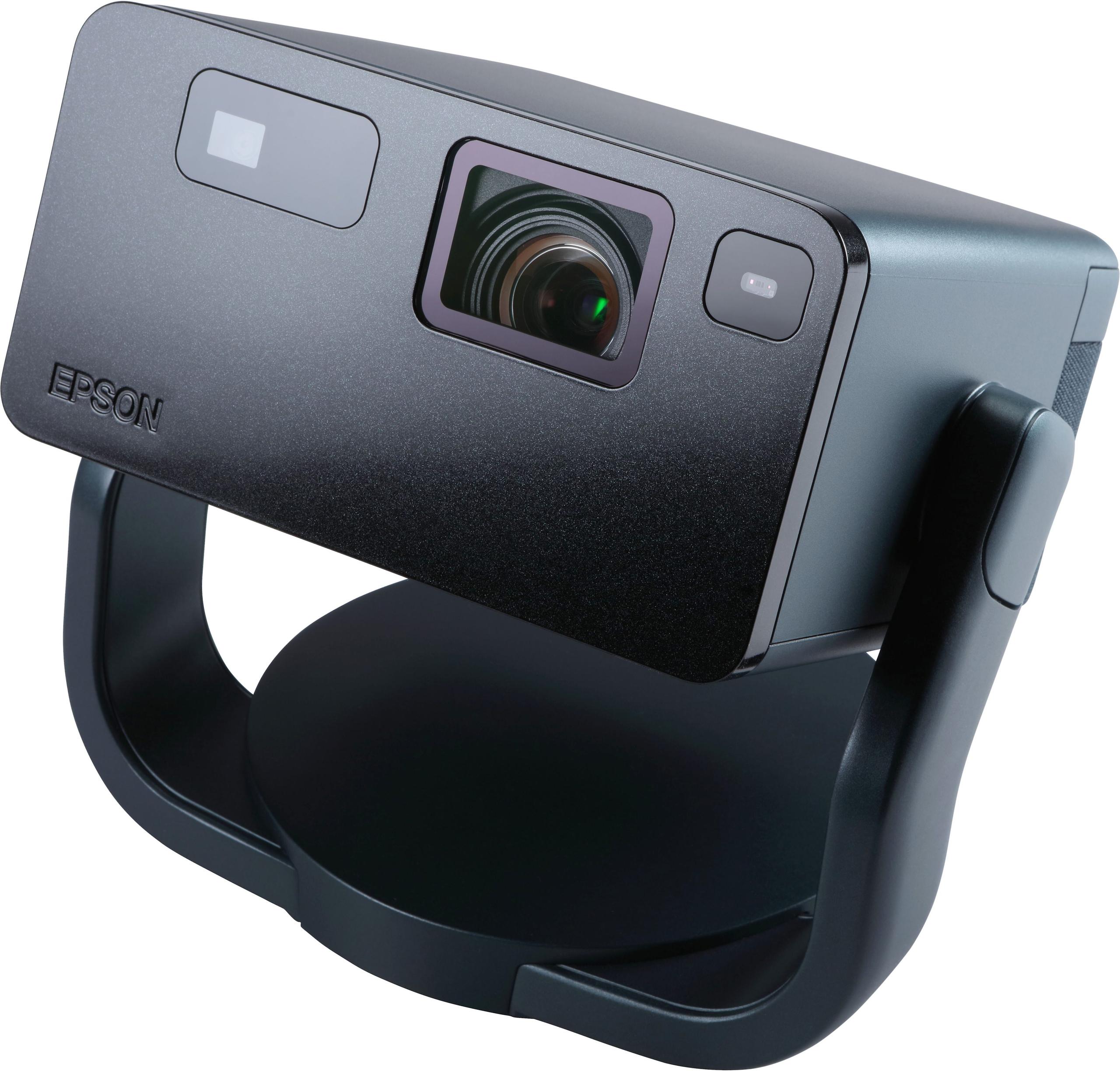
The EF22 represents Epson's premium vision for what a modern compact projector should be. Released in 2023, it builds significantly upon the foundation established by the EF11, adding numerous quality-of-life improvements and smart features. With its built-in Google TV platform, distinctive 360-degree rotatable design, and advanced auto-setup technologies, the EF22 aims to be an all-in-one entertainment solution rather than just a display device.
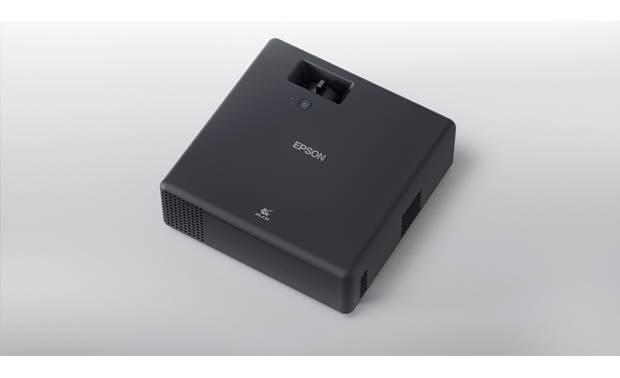
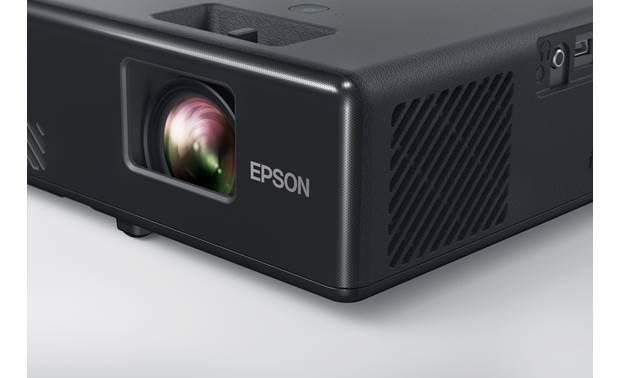
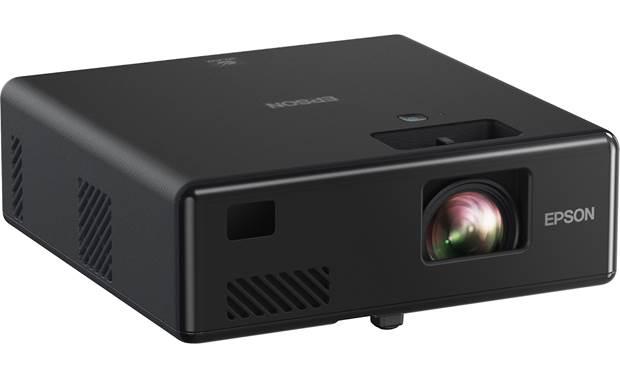
Launched in 2021, the EF11 takes a more focused approach, concentrating on delivering core projection performance in a smaller, more affordable package. It strips away some of the extra features to provide a streamlined experience centered around image quality and portability. Unlike its newer sibling, the EF11 requires an external streaming device to access content from services like Netflix or Disney+.
The design philosophy behind these projectors reveals much about their intended use cases and Epson's evolving approach to the market.
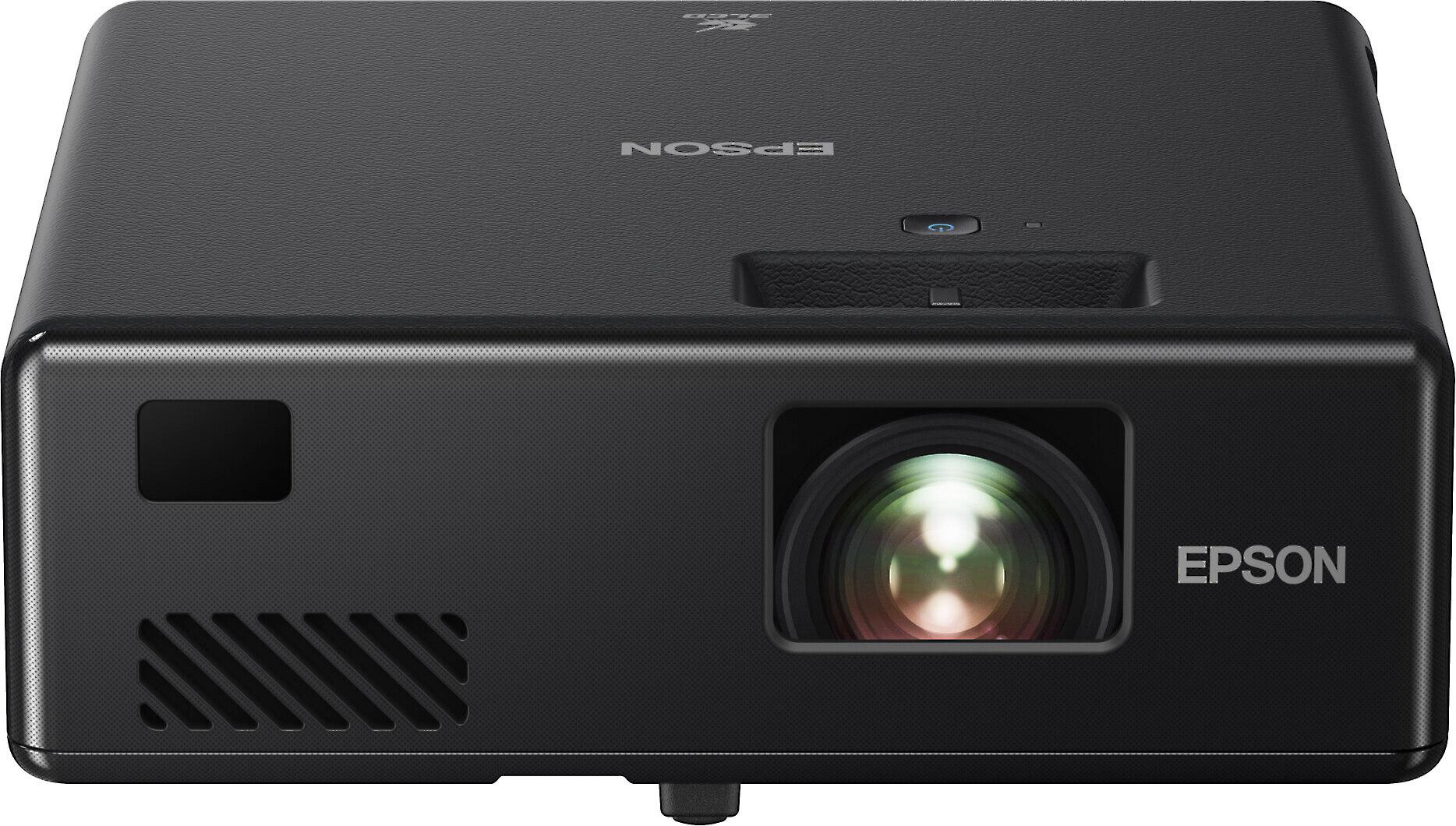
The EF11 embraces a minimalist rectangular design measuring 6.9" x 6.9" x 2.6" and weighing a mere 2.7 pounds. Its black chassis is understated and professional, designed to blend into various environments from home theaters to conference rooms. This versatility reflects its position as a crossover device that serves both entertainment and business purposes.
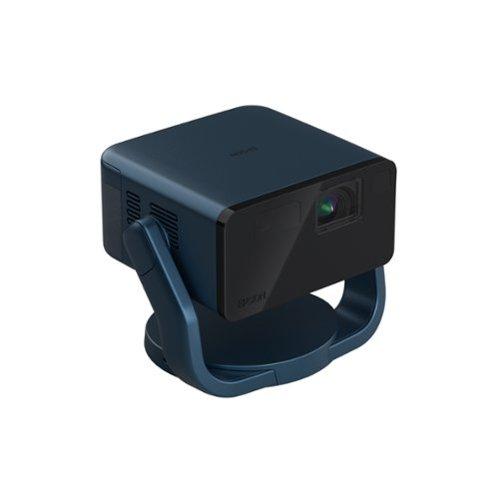
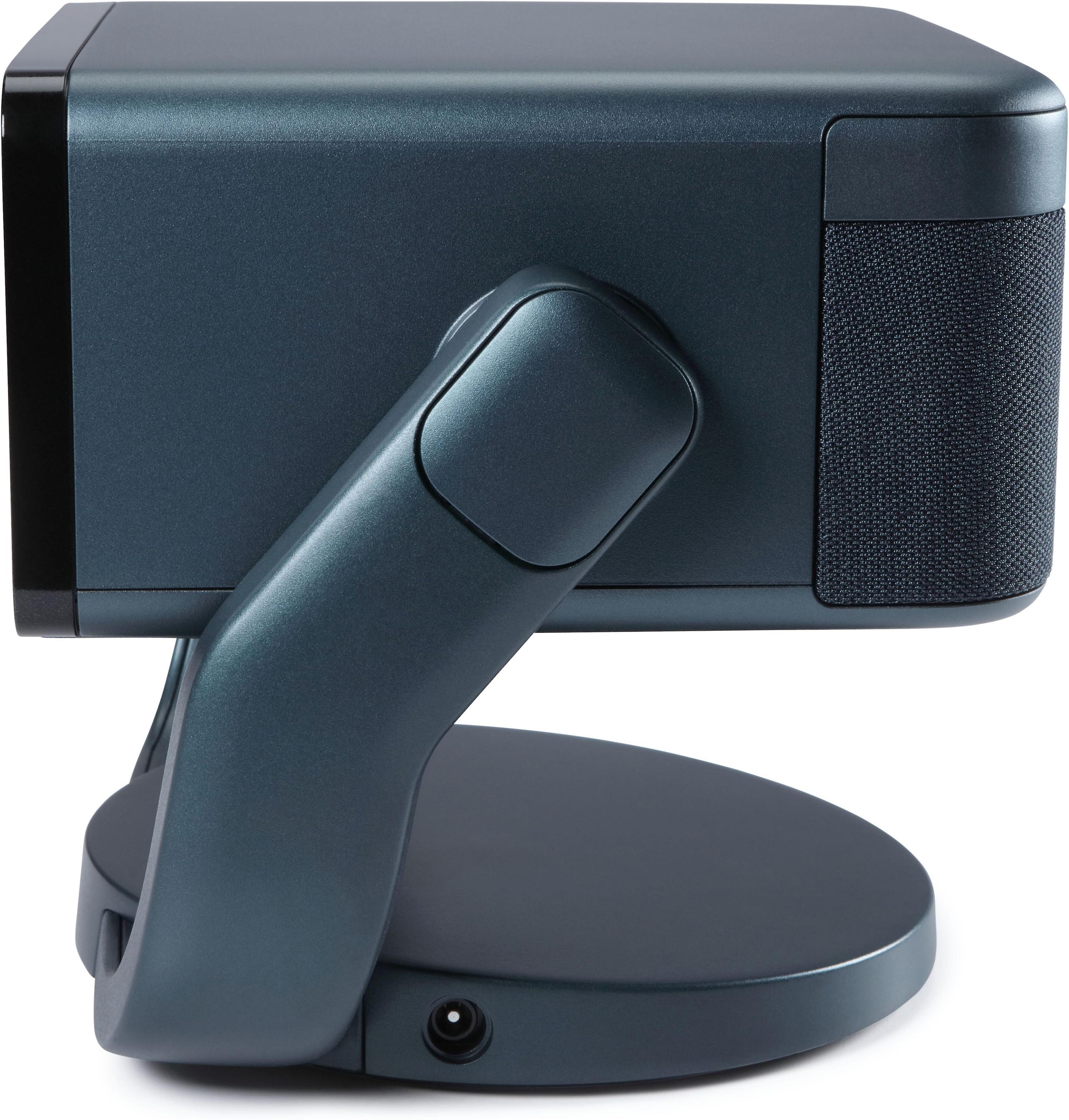
In contrast, the newer EF22 makes a bolder design statement. At 9.3" x 7.5" x 7.5" and 6.6 pounds, it's significantly larger and heavier, but introduces a striking Stone Blue color option and – most importantly – a 360-degree rotatable stand with tilt capability. This innovative design element represents a thoughtful solution to one of the most common projector frustrations: finding the perfect position for optimal viewing.
The EF22's increased size accommodates not just this mechanical flexibility but also more robust speakers, advanced processing hardware for its smart features, and improved thermal management for the laser light source. This size difference illustrates a clear design choice by Epson: the EF11 prioritizes portability, while the EF22 emphasizes versatility and feature integration.
Both projectors employ Epson's 3LCD technology, which sets them apart from many competitors in the compact projector space. Unlike single-chip DLP projectors that use a color wheel to sequentially display red, green, and blue components (sometimes creating a "rainbow effect" where viewers see brief color flashes), 3LCD simultaneously projects all three colors through separate LCD panels. This approach eliminates the rainbow artifact entirely while delivering equal color and white brightness.
The importance of this equal brightness capability can't be overstated. Many projectors advertise their white brightness (measured in lumens) but deliver significantly lower color brightness, resulting in washed-out, less vibrant images. Both the EF11 and EF22 deliver a true 1,000 lumens of both white and color brightness, ensuring accurate color reproduction even in environments with some ambient light.
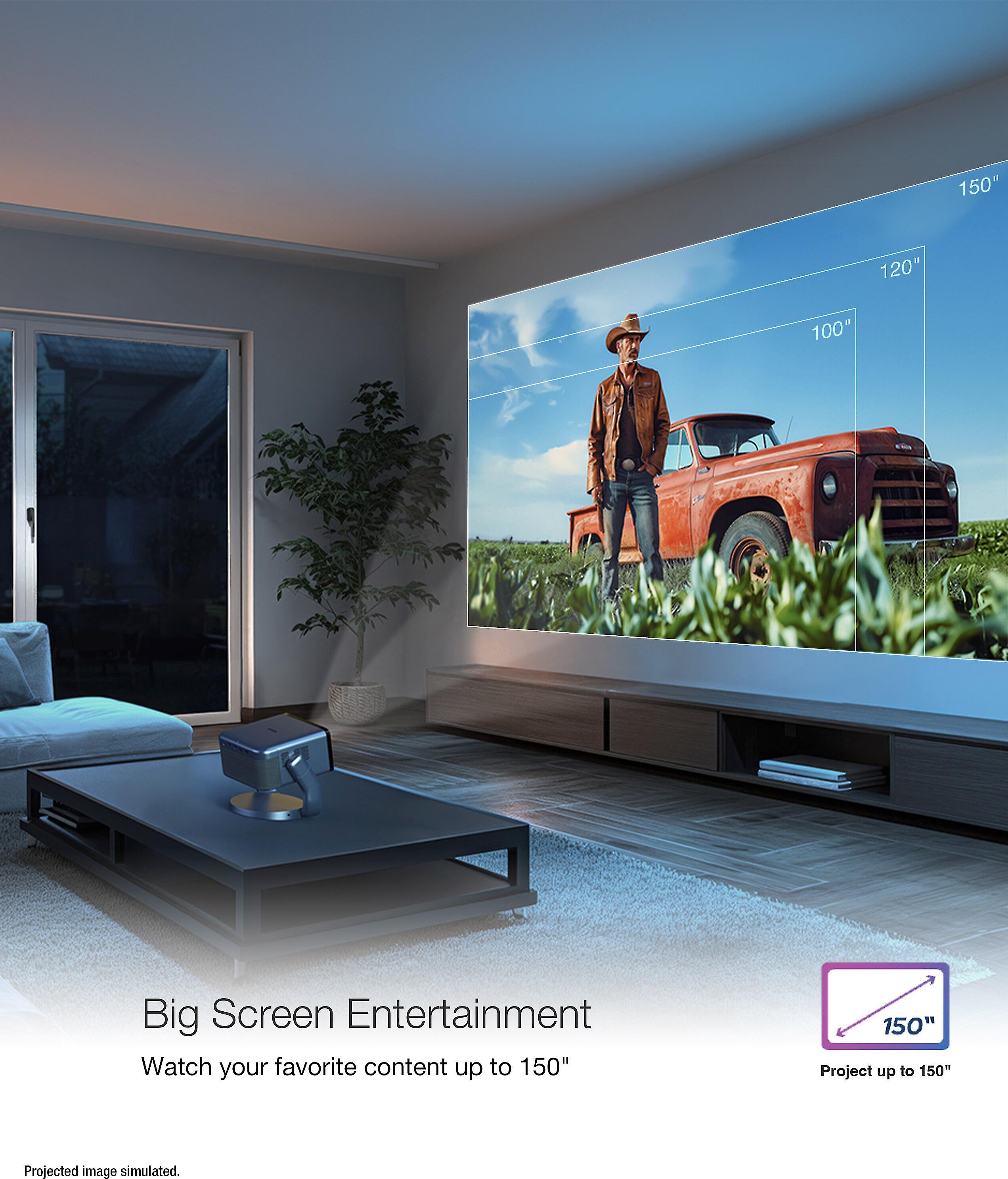
Both projectors offer Full HD (1920 x 1080) resolution, which remains the sweet spot for most content consumption despite the increasing availability of 4K material. At typical viewing distances on screens from 30" to 150", this resolution provides detailed images without the significantly higher cost associated with 4K projectors.
Where they differ substantially is in contrast ratio:
While these manufacturer-provided specifications often involve dynamic contrast enhancement technologies rather than native contrast, the 25x difference between models does translate to real-world performance differences. The EF22 produces noticeably deeper blacks and more defined shadow detail, especially in darkened environments, making it the superior choice for movie enthusiasts who enjoy content with dark scenes or high dynamic range.
The EF22's support for HDR10 and HLG (Hybrid Log-Gamma) formats represents a significant advancement over the EF11, which handles only standard dynamic range content. HDR content preserves more detail in extremely bright and dark areas of an image, creating a more lifelike viewing experience with supported content.
In practical terms, when watching HDR content from streaming services or Ultra HD Blu-rays (via an external player), the EF22 will display a wider range of brightness levels and more subtle color gradations. This capability becomes particularly apparent in scenes with both bright highlights and shadow details, such as sunlight filtering through trees or candlelit interiors.
It's worth noting that projectors generally don't achieve the same HDR impact as high-end HDR televisions due to brightness limitations, but the EF22's implementation still provides a noticeable improvement over standard dynamic range projection.
One of the most significant advancements between these generations of projectors is in their automatic setup capabilities:
The EF11 features basic Auto Picture Skew Correction, which helps straighten the image when the projector isn't perfectly aligned with the screen or wall. This represents the first generation of Epson's auto-calibration technology.
The EF22 introduces what Epson calls "EpiqSense" technology – a comprehensive suite of auto-setup features including automatic focus, keystone correction, and image sizing. This system uses sophisticated sensors to analyze the projection surface and viewing environment, then automatically adjusts multiple parameters for optimal image quality.
For anyone who has spent time manually tweaking projector settings with remote button presses, the value of this advancement cannot be overstated. The EF22 reduces setup time from minutes to seconds, making it much more practical for casual, on-demand viewing scenarios.
The most profound difference between these models lies in their approach to content delivery and smart functionality.
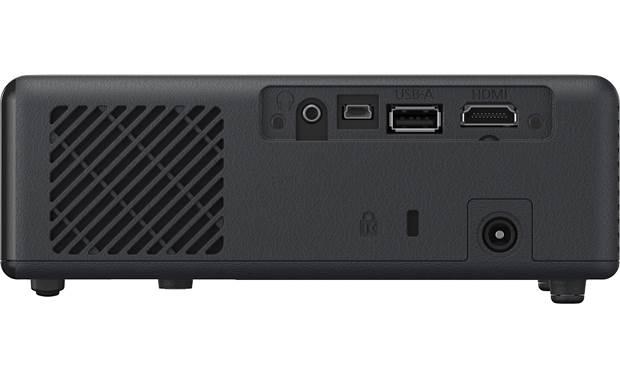
The EF11, as a 2021 model, follows the traditional projector paradigm of serving primarily as a display device. It provides HDMI and USB inputs but lacks any built-in streaming capabilities. To watch Netflix, Disney+, or other services, you must connect an external streaming device like a Roku, Apple TV, or Amazon Fire Stick. While this approach offers flexibility in choosing your preferred streaming platform, it adds complexity, cost, and cable clutter to your setup.
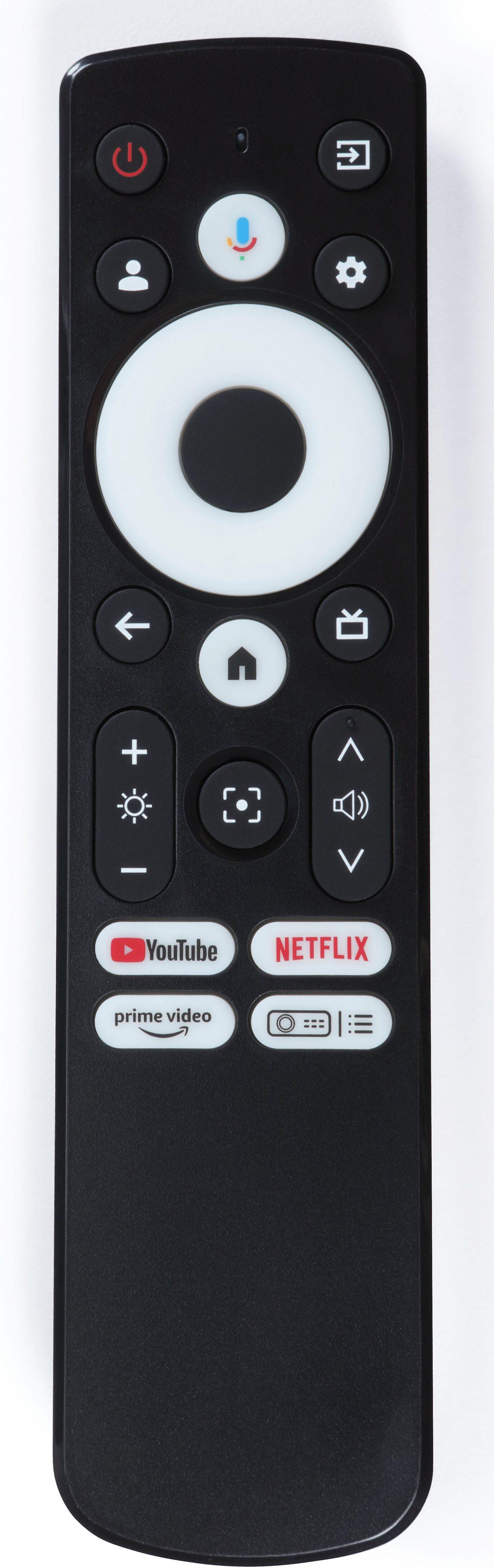
The EF22 represents a significant philosophical shift, integrating the Google TV platform directly into the projector. This built-in smart system provides access to over 10,000 apps including all major streaming services, eliminates the need for external devices, and offers sophisticated features like:
This integration transforms the EF22 from a mere display device into a complete entertainment hub. The value proposition extends beyond convenience – purchasing equivalent streaming capabilities separately would cost $50-$200 depending on the external device chosen.
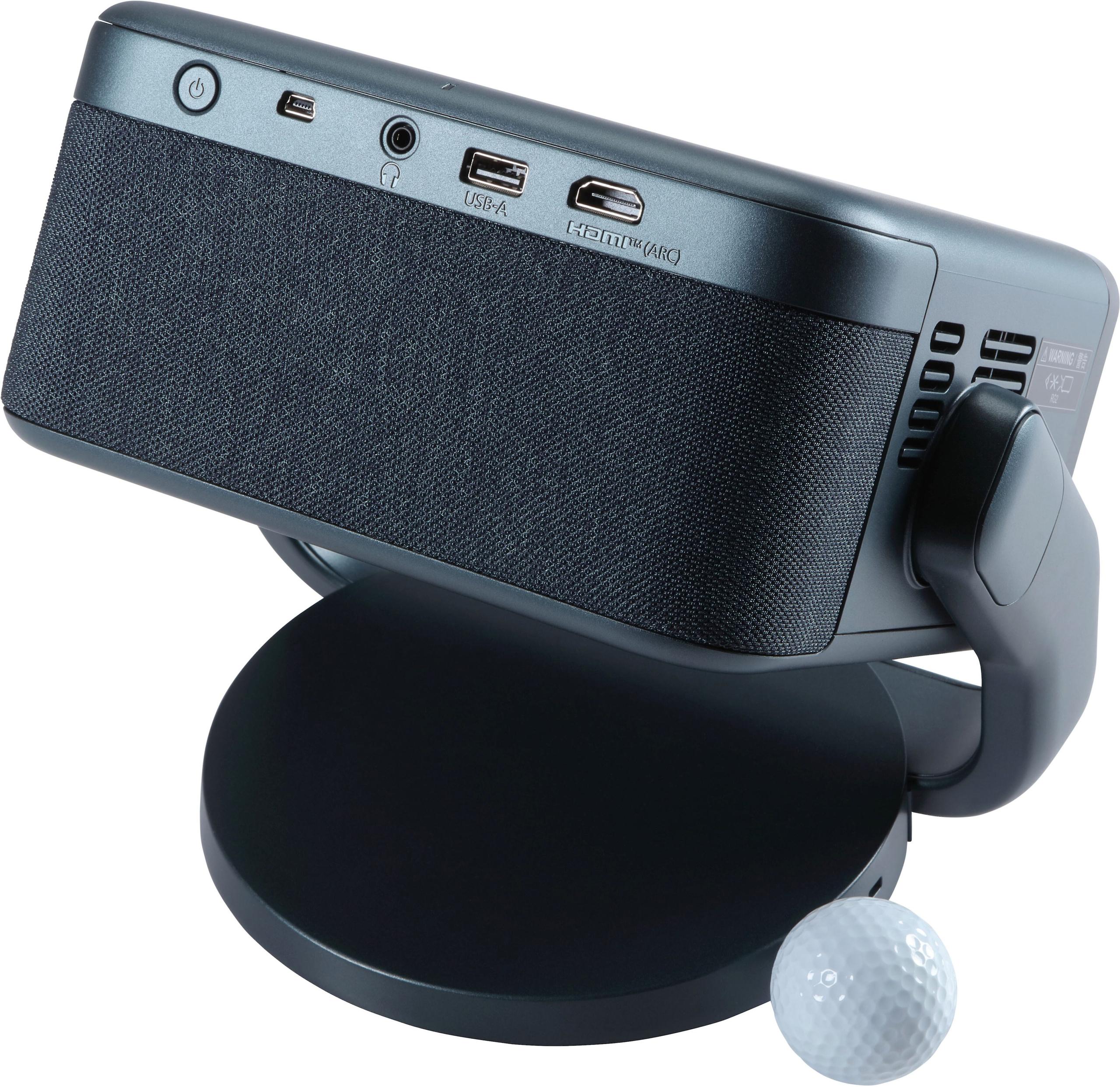
Connectivity options have also evolved between models:
This wireless capability enables not just streaming but also connection to Bluetooth speakers or headphones – a valuable feature for late-night viewing or environments where speaker use isn't practical.
Projector audio has traditionally been an afterthought, with most users expected to connect external sound systems. Both EpiqVision models challenge this assumption, but to different degrees.
The EF11 includes a 1.5W dual speaker system that provides functional audio for basic viewing and presentations. While adequate for business presentations or casual YouTube videos, it lacks the power and range for truly immersive movie experiences.
The EF22 makes a quantum leap with 5W x 2 speakers and Dolby Audio support. This system delivers surprisingly robust sound with reasonable bass response and clarity, filling medium-sized rooms with balanced audio that complements the visual experience. For many casual viewing scenarios, the EF22's built-in audio eliminates the need for external speakers entirely – a significant convenience factor in portable projection scenarios.
This audio improvement reflects Epson's recognition that truly convenient projection requires addressing both the visual and auditory aspects of the experience. The EF22's superior sound system makes it much more viable as a standalone entertainment solution.
Perhaps the most visually distinctive difference between these models is the EF22's innovative 360-degree rotatable stand with tilt capability. This mechanical design allows users to point the projection in virtually any direction, including:
This flexibility eliminates many placement compromises that traditionally plague projector setup. Rather than arranging your room around the projector's needs, the EF22 adapts to your space – a significant advantage in homes where dedicated theater rooms aren't practical.
The EF11, while offering standard front/rear/ceiling mounting options, requires more planning and potentially additional accessories like ceiling mounts or projection stands to achieve similar positioning flexibility.
Both projectors feature keystone correction to square the image when the projector isn't perfectly perpendicular to the screen, but the EF22's automated system handles this adjustment more seamlessly.
At a $300 price differential ($699 for the EF11 vs. $999 for the EF22), prospective buyers naturally question whether the EF22's enhancements justify its premium position. The answer depends largely on your specific use case and existing equipment ecosystem.
The EF22's additional value includes:
For users who would otherwise purchase a streaming device and external speakers, the value gap narrows considerably. The remaining premium buys convenience, integration, and mechanical flexibility that enhances the overall user experience.
However, the EF11 still represents excellent value for more specialized use cases, particularly for users who:
Both projectors feature laser light sources rated for approximately 20,000 hours of use – a significant advancement over traditional lamp-based projectors that typically require bulb replacement every 3,000-5,000 hours. At five hours of daily use, these lasers should last over 10 years, essentially making the light source a lifetime component for most users.
The EF22's built-in Google TV presents both advantages and potential limitations for longevity. On the positive side, Google regularly updates the platform to maintain compatibility with evolving streaming services. However, as with any smart TV platform, there will eventually come a point where the hardware can no longer support newer software features, potentially limiting access to future services or capabilities.
The EF11's reliance on external devices for streaming actually presents a longevity advantage in this specific area – users can simply upgrade their streaming device as needed while continuing to use the projector as a display.
Both projectors support HDMI, ensuring basic compatibility with current and future source devices. Neither offers HDMI 2.1 features like Variable Refresh Rate or 4K/120Hz support, which limits their appeal for serious gaming applications, but this is expected in this product category and price range.
After comparing these projectors across multiple dimensions, the decision ultimately comes down to your specific priorities and use case.
Choose the EF22 Streaming Projector if:
The EF22 excels as a versatile home entertainment hub that adapts to your space and viewing habits. Its integrated approach eliminates device clutter and simplifies the viewing experience, making it ideal for primary living spaces where both performance and aesthetics matter.
Choose the EF11 Laser Projector if:
The EF11 shines as a streamlined projection solution focused on the fundamentals of good image quality in a highly portable package. Its simpler approach makes it particularly suitable for users who value flexibility to integrate with existing equipment or who need a projection solution they can easily transport.
Both projectors represent excellent examples of how far compact laser projection has come, with the EF22 showcasing Epson's vision for an integrated, user-friendly future and the EF11 offering a more traditional but highly refined projection experience. Whichever model aligns with your needs, you'll be experiencing image quality that would have been unimaginable in such compact, accessible devices just a few years ago.
| Epson EpiqVision Mini EF22 Streaming Projector | Epson EpiqVision Mini EF11 Laser Projector |
|---|---|
| Price - Overall investment required | |
| $999 (higher cost but includes smart platform) | $699 (more affordable entry point) |
| Resolution - Determines image clarity and detail | |
| 1920 x 1080 (Full HD) with HDR10 & HLG support | 1920 x 1080 (Full HD) without HDR support |
| Brightness - Critical for viewing with ambient light | |
| 1,000 lumens (color and white brightness) | 1,000 lumens (color and white brightness) |
| Contrast Ratio - Affects black levels and image depth | |
| 5,000,000:1 (superior black levels and shadow detail) | 200,000:1 (good but not as deep blacks) |
| Smart Platform - Determines need for external devices | |
| Built-in Google TV with 10,000+ apps, voice control | None; requires external streaming device |
| Audio System - Affects need for external speakers | |
| 5W x 2 speakers with Dolby Audio (room-filling sound) | 1.5W dual speaker system (adequate for small spaces) |
| Design & Flexibility - Impacts where and how you can use it | |
| 360° rotatable stand with tilt capability for flexible placement | Standard design with more limited positioning options |
| Size & Weight - Determines portability | |
| 9.3" x 7.5" x 7.5", 6.6 lbs (larger but more feature-rich) | 6.9" x 6.9" x 2.6", 2.7 lbs (more compact and portable) |
| Connectivity - How it integrates with other devices | |
| HDMI, USB, Wi-Fi 802.11a/b/g/n/ac, Bluetooth 5.1 | HDMI, USB Type-A and Type-B ports only |
| Auto Setup Features - Affects ease of use | |
| EpiqSense with auto focus, keystone correction, and image sizing | Basic Auto Picture Skew Correction only |
| Light Source Life - Long-term maintenance considerations | |
| 20,000 hours laser light source (maintenance-free) | 20,000 hours laser light source (maintenance-free) |
| Ideal Use Case - Who should consider each model | |
| All-in-one home entertainment hub for flexible viewing locations | Portable projector for users who already have streaming devices |
The Epson EpiqVision Mini EF22 Streaming Projector is better for dedicated home theater use due to its superior 5,000,000:1 contrast ratio, HDR support, and more powerful 5W x 2 Dolby Audio speakers. The Epson EpiqVision Mini EF11 Laser Projector can still deliver good home theater performance but lacks HDR support and has less impressive audio, making the EF22 the premium choice for movie enthusiasts.
The Epson EpiqVision Mini EF22 Streaming Projector costs $999, while the Epson EpiqVision Mini EF11 Laser Projector is priced at $699, representing a $300 difference. The premium for the EF22 includes built-in Google TV, better audio, HDR support, and a 360-degree rotatable stand.
You don't need a streaming device with the Epson EpiqVision Mini EF22 as it has built-in Google TV with access to 10,000+ apps including Netflix, Disney+, and YouTube. The Epson EpiqVision Mini EF11 does require an external streaming device like Roku, Apple TV, or Amazon Fire Stick connected via HDMI.
The Epson EpiqVision Mini EF11 is significantly more portable at 6.9" x 6.9" x 2.6" and weighing only 2.7 lbs. The Epson EpiqVision Mini EF22 is larger and heavier at 9.3" x 7.5" x 7.5" and 6.6 lbs, making the EF11 the better choice for frequent transport between locations.
Both the Epson EpiqVision Mini EF22 and Epson EpiqVision Mini EF11 offer identical 1,000 lumens of color and white brightness. This is adequate for viewing in rooms with controlled lighting or moderate ambient light, but neither is bright enough for full daylight viewing. For best results, both projectors should be used in dimmed environments.
The Epson EpiqVision Mini EF22 has significantly better sound with 5W x 2 speakers featuring Dolby Audio support, capable of filling a medium-sized room with balanced audio. The Epson EpiqVision Mini EF11 has more modest 1.5W dual speakers that are adequate for basic viewing but may require external speakers for immersive movie experiences.
Neither the Epson EpiqVision Mini EF22 nor the Epson EpiqVision Mini EF11 offers native 4K resolution. Both projectors have 1080p (Full HD) resolution. However, the EF22 does support HDR10 and HLG formats, which enhances the dynamic range of compatible content, while the EF11 does not have HDR capabilities.
The Epson EpiqVision Mini EF22 is significantly easier to set up with its EpiqSense technology that provides automatic focus, keystone correction, and image sizing. The Epson EpiqVision Mini EF11 offers basic Auto Picture Skew Correction but requires more manual adjustments. The EF22's 360-degree rotatable stand also provides more flexibility in placement options.
Both the Epson EpiqVision Mini EF22 and Epson EpiqVision Mini EF11 feature laser light sources rated for approximately 20,000 hours of use. This translates to over 10 years of life with 5 hours of daily use, making both projectors essentially maintenance-free regarding the light source.
The Epson EpiqVision Mini EF22 supports Bluetooth 5.1, allowing you to connect wireless headphones for private listening. The Epson EpiqVision Mini EF11 does not have Bluetooth capabilities, so wireless headphones would require a separate Bluetooth transmitter connected to the projector's audio output.
Neither projector is optimized for serious gaming, but the Epson EpiqVision Mini EF22 offers slightly better gaming performance with its higher contrast ratio and HDR support for enhanced visual experience. Both the EF22 and Epson EpiqVision Mini EF11 have similar input lag, making them suitable for casual gaming but not competitive fast-paced games.
While both the Epson EpiqVision Mini EF22 and Epson EpiqVision Mini EF11 can project onto a wall, a dedicated projection screen will significantly improve image quality by providing better reflectivity, color accuracy, and contrast. The EF22's higher contrast ratio makes the benefits of a quality screen even more noticeable compared to the EF11.
We've done our best to create useful and informative comparisons to help you decide what product to buy. Our research uses advanced automated methods to create this comparison and perfection is not possible - please contact us for corrections or questions. These are the sites we've researched in the creation of this article: techradar.com - bestbuy.com - geekingout.ca - crutchfield.com - whatgear.net - youtube.com - epson.com - crutchfield.com - projectorcentral.com - epson.com - bestbuy.com - whathifi.com - projectorreviews.com - youtube.com - youtube.com - hometheaterhifi.com - projectorreviews.com - bestbuy.com - youtube.com - staples.com - projectorcentral.com - bestbuy.com - mediaserver.goepson.com - epson.com - news.epson.com - bestbuy.com - bhphotovideo.com - youtube.com - bestbuy.com - gagadget.com - epson.com - projectorreviews.com - audiogeneral.com - projectorreviews.com - epson.com - youtube.com - epson.com - youtube.com - mediaserver.goepson.com - files.support.epson.com - staples.com - projectorcentral.com - bestbuy.com - planettv.com - dell.com - epson.eu - projectortop.com

Privacy Policy
Terms and Conditions - Affiliate Policy
Home Security
© Copyright 2008-2026.
11816 Inwood Rd #1211, Dallas, TX 75244