


Have you been considering adding a projector to your home entertainment setup? Maybe you're torn between a portable option and one specifically designed for gaming. In this article, we'll break down the key differences between the Epson EpiqVision Mini EF11 ($699) and the BenQ TH575 ($600) to help you make an informed decision based on your specific needs.
Home projectors have come a long way from the bulky, dim machines of the past. Today's models offer impressive brightness, resolution, and features that make them viable alternatives to traditional TVs for many households. When I first started looking into projectors years ago, anything decent would cost well over $1,000 and require a dedicated, pitch-black room. Now, we have affordable options that can work in various lighting conditions.
Both the Epson EF11 and BenQ TH575 represent different philosophies in modern projector design. The Epson, released in late 2020, embraces the growing trend of compact, versatile laser projectors. Meanwhile, the BenQ, which hit the market in 2022, continues to refine the traditional lamp-based design with a focus on gaming performance.
Before diving into specifics, let's clarify what makes these projectors different at their core:
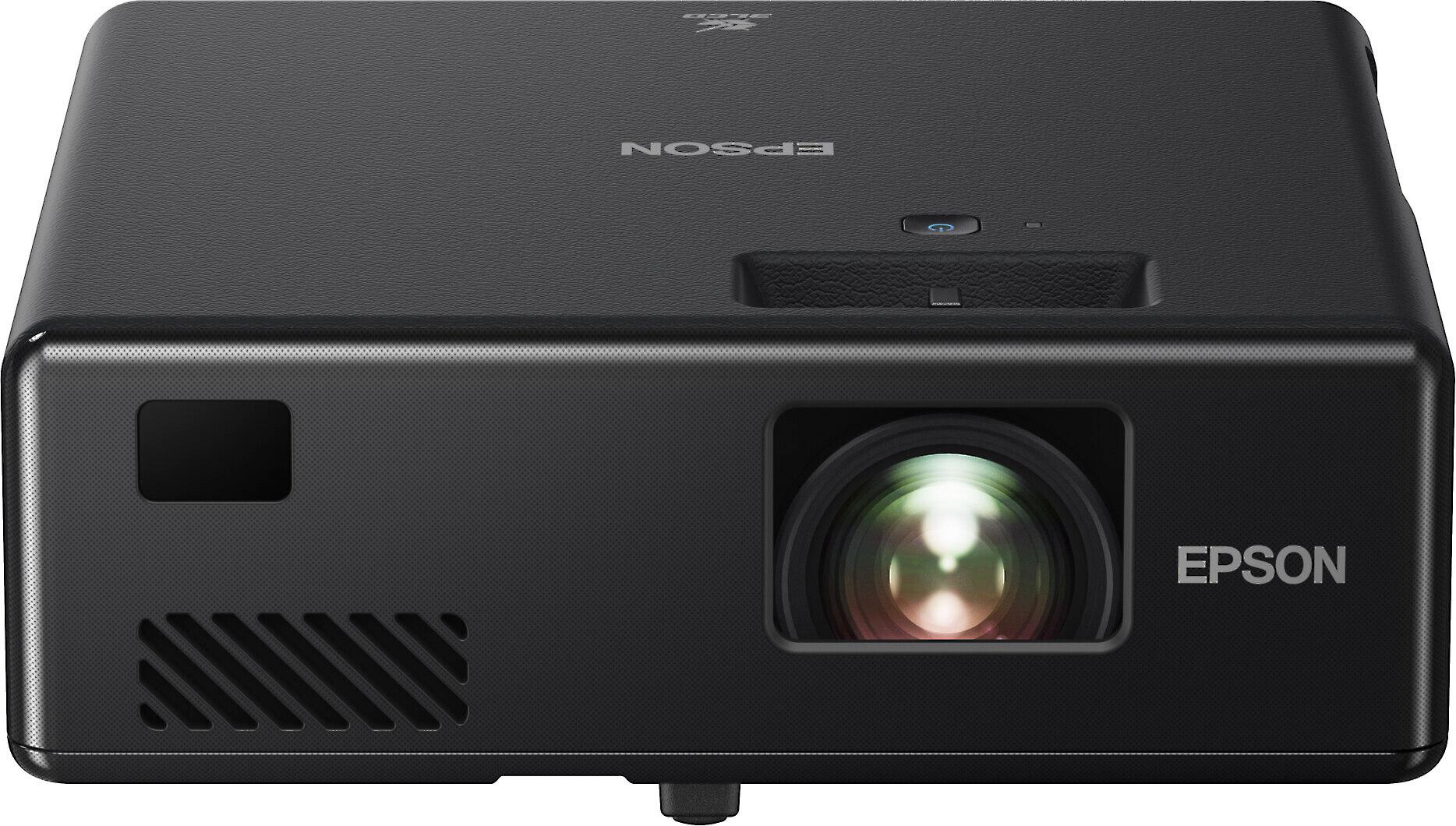
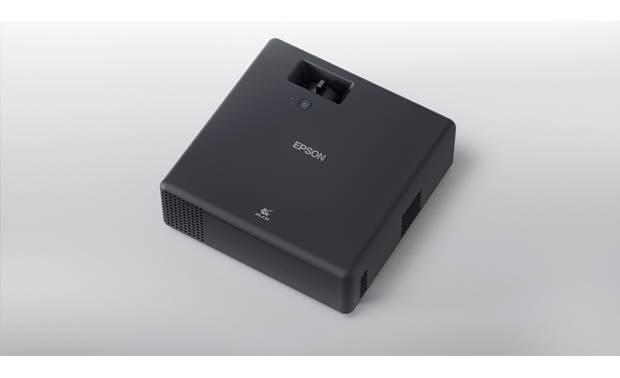
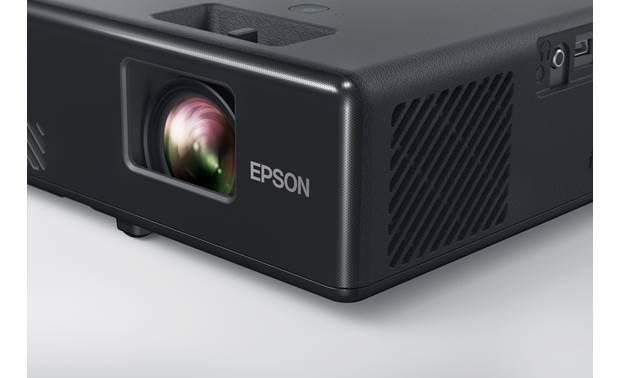
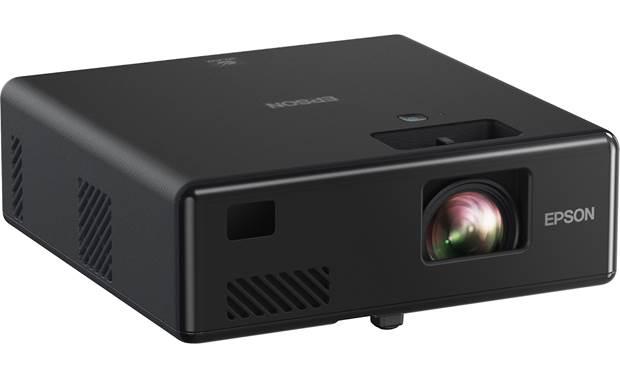
The Epson EpiqVision Mini EF11 is a compact laser projector designed for versatility and portability. Its cube-shaped design measures just 6.9" × 6.9" × 2.6" and weighs a mere 2.7 pounds—about the same as a laptop. It uses 3LCD technology (which we'll explain shortly) powered by a laser light source, emphasizing ease of use and maintenance-free operation.
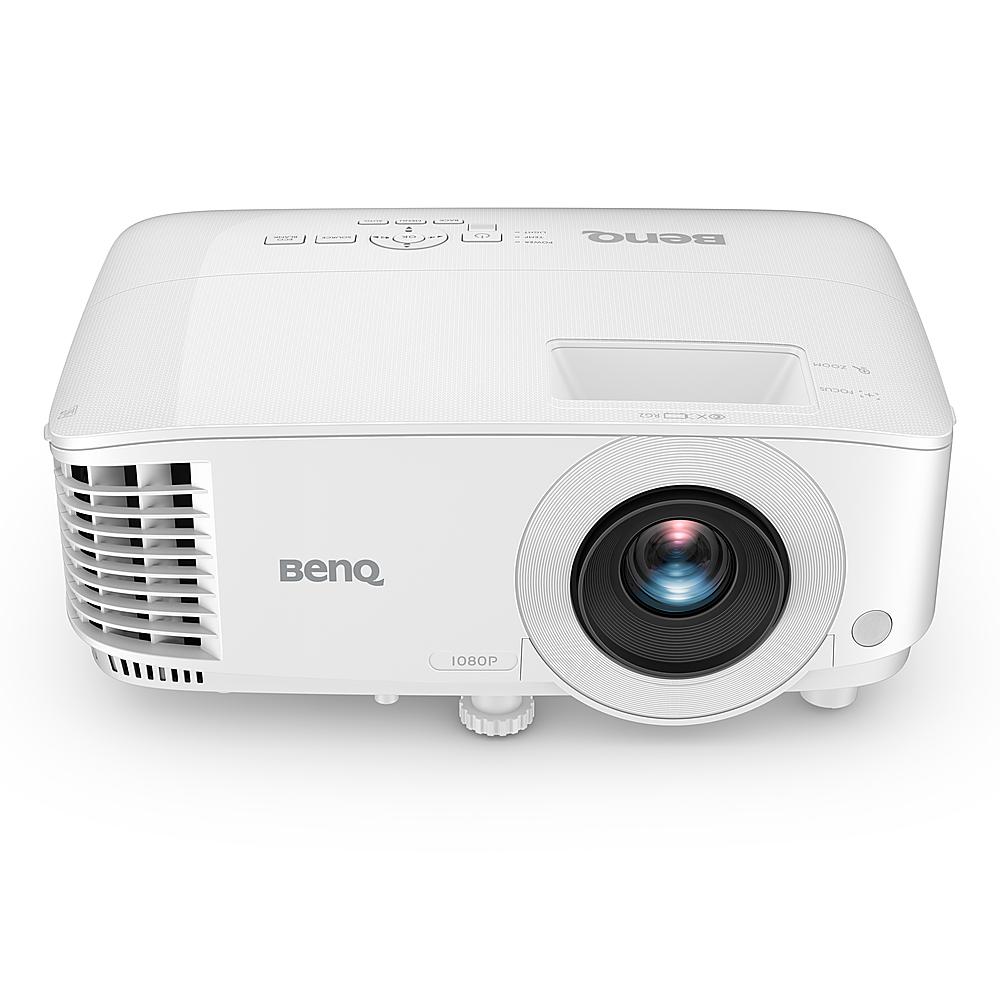
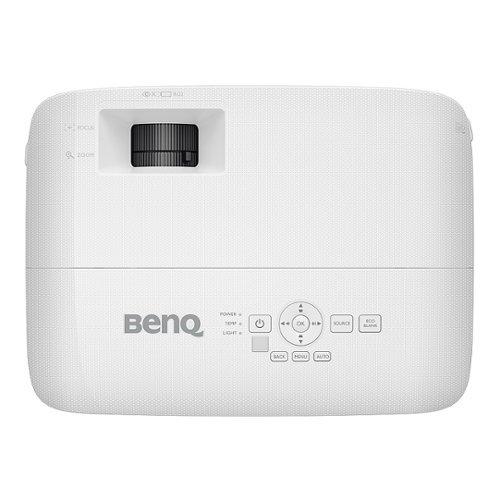
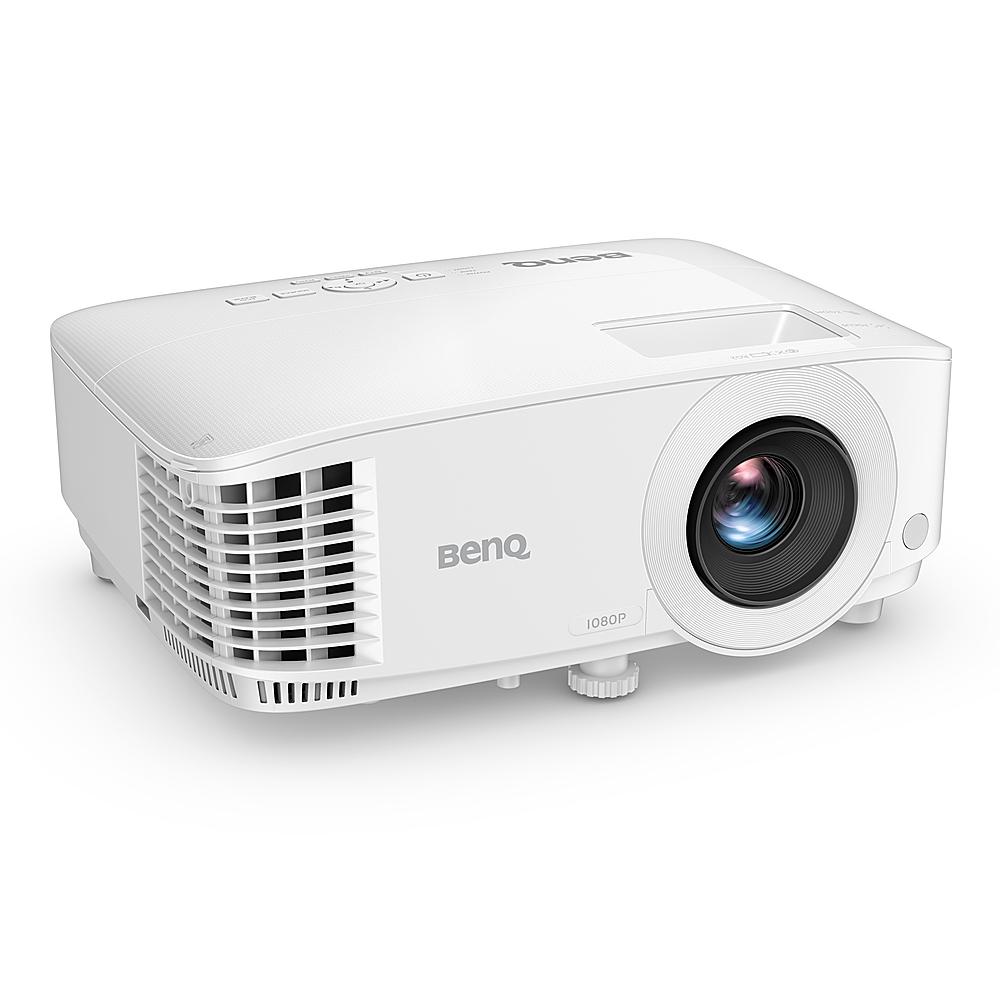
The BenQ TH575 follows a more traditional projector design at 11.7" × 4.7" × 8.7" and weighs 5.5 pounds. It uses DLP technology with a conventional lamp and is specifically optimized for gaming with impressively low input lag. It prioritizes brightness and responsiveness over portability.
Both projectors offer 1080p (Full HD) resolution, but as we'll see, they deliver that resolution in very different ways, with distinct advantages for different use cases.
The Epson EF11 uses 3LCD technology, which splits light through three separate LCD panels (red, green, and blue) before recombining them to form the image. This approach has several advantages:
The BenQ TH575 employs Digital Light Processing (DLP) technology, which uses tiny mirrors on a semiconductor chip called a Digital Micromirror Device (DMD). Each mirror represents a pixel and can tilt thousands of times per second to reflect light either toward or away from the lens.
DLP advantages include:
When I've compared 3LCD and DLP projectors side by side, I've noticed that 3LCD often produces more natural-looking skin tones and realistic colors, while DLP can deliver more "pop" and perceived sharpness. The differences are subtle but noticeable to discerning viewers.
Perhaps the most significant performance gap between these projectors is brightness:
This nearly 4× difference in brightness has major implications for how and where you can use these projectors. Lumens measure the total amount of visible light output by the projector—essentially how bright the image appears on your screen or wall.
With the Epson's 1,000 lumens, you'll need a fairly dark room to enjoy a good image, especially if you're projecting at larger sizes (100+ inches). It works well in dedicated home theater spaces or at night with the lights dimmed, but struggles with ambient light.
The BenQ's 3,800 lumens, on the other hand, can produce a vibrant image even with some lights on or during daytime with blinds drawn. This makes it much more versatile for everyday use in living rooms or multipurpose spaces.
In my experience testing projectors, I've found that for most home environments, you want at least 2,000-2,500 lumens for comfortable viewing with minimal ambient light. The BenQ clearly exceeds this threshold, while the Epson falls below it.
Contrast ratio represents the difference between the brightest whites and darkest blacks a projector can produce:
These numbers suggest the Epson should deliver significantly better black levels and overall contrast. However, manufacturer-provided contrast ratios are often measured under ideal conditions and can be misleading.
In real-world performance, the Epson's laser light source does help it achieve deeper blacks than many lamp-based projectors, particularly in dark room environments. The BenQ compensates with its higher brightness and gaming-optimized picture modes that enhance visibility in dark scenes—crucial for spotting enemies lurking in shadows during gameplay.
If gaming is your primary concern, the difference between these projectors becomes stark:
Input lag—the delay between when your controller sends a signal and when the action appears on screen—is measured in milliseconds (ms):
The BenQ's input lag is remarkably low—comparable to many gaming monitors. For context, most players begin to notice input lag around 30ms, and competitive gamers prefer less than 20ms. At 16.7ms, the BenQ offers truly responsive gameplay that won't hold you back in fast-paced titles.
While the Epson doesn't publish official input lag specifications, testing by reviewers and users suggests it falls in the 30-50ms range—acceptable for casual gaming but potentially frustrating for competitive play.
The BenQ TH575 includes several features specifically designed for gamers:
The Epson lacks gaming-specific optimizations, focusing instead on general entertainment and ease of use.
When I've used gaming-optimized projectors like the BenQ, the difference is noticeable not just in responsiveness but in how well you can spot details in dark game environments. The Black Detail Enhancement feature makes a real difference in competitive shooters where spotting an opponent quickly can mean the difference between winning and losing.
One significant difference between these projectors is their light source technology:
The Epson's laser light source is essentially maintenance-free for the life of the projector. At 5 hours of use per day, it would last over 10 years without needing replacement parts.
The BenQ uses a traditional UHP (Ultra High Performance) lamp that gradually dims over time and eventually requires replacement. Replacement lamps typically cost $150-250, adding to the total cost of ownership.
Laser projectors like the Epson maintain more consistent brightness throughout their lifespan. A laser might hold 70-80% of its original brightness even after thousands of hours of use.
Lamp-based projectors like the BenQ typically lose brightness more quickly, sometimes dropping to 50% of their original output after just 2,000-3,000 hours. This is worth considering when evaluating the BenQ's higher initial brightness—some of that advantage will diminish over time.
That said, the BenQ starts with such a significant brightness advantage that even after some degradation, it will likely still outshine the Epson in most scenarios.
How and where you plan to install your projector can make a big difference in which model makes more sense:
Throw ratio determines how far a projector needs to be from the screen to create a certain image size:
With its shorter throw ratio, the Epson can create a 100-inch image from about 8.5 feet away, while the BenQ would need approximately 12-13 feet for the same image size.
This makes the Epson better suited for smaller rooms or apartments where space is at a premium. The BenQ's longer throw ratio works better in more spacious environments but gives you more flexibility with its modest zoom capability.
The Epson EF11 includes several automated features that simplify setup:
The BenQ TH575 offers more traditional setup options:
In my experience setting up projectors in various environments, these auto-correction features can be incredibly convenient, especially if you're frequently moving the projector or using it in different locations. The Epson is clearly designed with ease of use in mind, while the BenQ follows a more traditional installation approach.
The physical design of these projectors reflects their intended use cases:
The Epson EF11's compact cube design makes it highly portable. At 2.7 pounds, it's easy to move between rooms, take to a friend's house, or even use outdoors for movie nights (with appropriate power access). Its auto-setup features further enhance its portability, allowing for quick deployment in various environments.
The BenQ TH575, while not immobile at 5.5 pounds, is more suited to a semi-permanent installation. It follows a traditional projector form factor that works well mounted to a ceiling or placed on a stable surface.
If flexibility and multiple-use locations are important to you, the Epson has a clear advantage. If you're planning a dedicated home theater or gaming space where the projector will stay put, the BenQ's superior brightness and gaming performance might outweigh portability concerns.
Both projectors include built-in audio systems, though neither will replace a dedicated sound system for a true home theater experience:
Despite its lower power rating, the Epson's dual-speaker configuration provides better stereo separation and sound quality for its size. The BenQ's 10W speaker delivers more volume but less refined audio.
For casual viewing, both built-in audio systems are adequate, but for a proper home theater experience, you'll want to connect external speakers or a sound system to either projector.
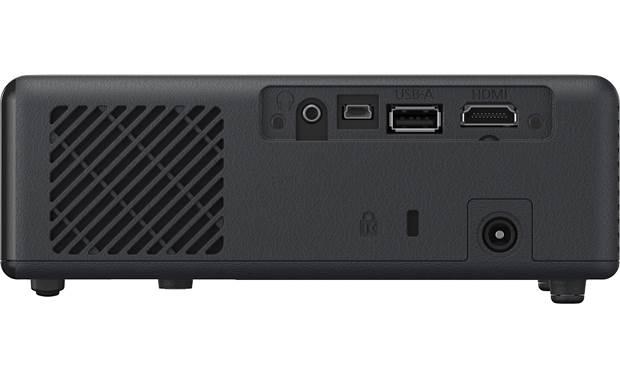
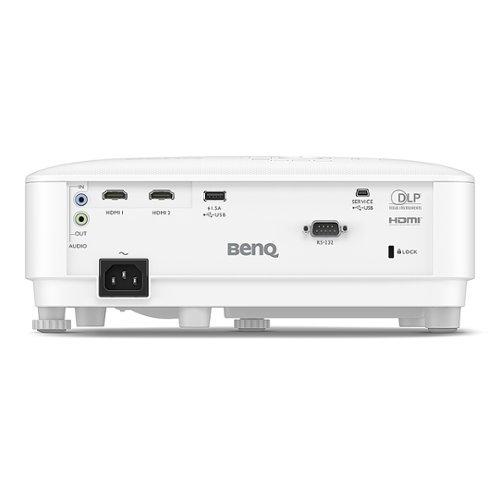
Your ability to connect various devices impacts the projector's versatility:
The BenQ's additional HDMI port is particularly valuable for gaming setups, allowing you to connect multiple consoles or a console and a PC without swapping cables. The audio output also makes it easier to connect to external speakers.
The Epson's more limited connectivity aligns with its portable nature—you can still connect streaming devices like Apple TV, Roku, or game consoles, but you'll need to swap cables more frequently if you use multiple devices.
If you're building a dedicated home theater, several additional factors come into play:
The Epson EF11's lower brightness makes it more dependent on good light control. In a dedicated home theater with dark walls and blackout curtains, it can produce a beautiful image. However, in a multipurpose living room with windows, its 1,000 lumens may struggle during daytime viewing.
The BenQ TH575's 3,800 lumens provide much more flexibility, allowing enjoyable viewing even with some ambient light. This makes it better suited for multipurpose spaces that serve as both living rooms and occasional home theaters.
Both projectors can technically create images from 30" up to 150" (Epson) or 300" (BenQ), but practical limitations apply:
With the Epson's 1,000 lumens, image quality begins to degrade noticeably beyond 100" in anything but a pitch-black room. The BenQ's higher brightness allows it to maintain good image quality at much larger sizes, even with some ambient light.
For most home theaters, a screen size between 100" and 120" hits the sweet spot of immersion without requiring excessive distance or overwhelming the room. Both projectors can handle this range, but the BenQ will deliver a brighter, more vibrant image at these sizes.
After comparing these projectors across multiple criteria, clear use cases emerge for each model:
The Epson excels as a versatile, grab-and-go entertainment device that can transform any dark room into a temporary cinema with minimal fuss. Its laser technology provides consistent performance and zero maintenance concerns for years of use.
The BenQ represents excellent value for serious gamers who want a responsive, bright projector that doesn't break the bank. Its gaming optimizations and exceptional brightness make it a versatile performer in various lighting conditions.
The Epson EpiqVision Mini EF11 and BenQ TH575 exemplify how diverse the projector market has become, with specialized options for different needs rather than one-size-fits-all solutions.
The technology behind both projectors continues to evolve, with laser projection becoming more affordable and gaming-optimized displays pushing the boundaries of what's possible in terms of responsiveness. As someone who's watched the projector market evolve over the years, it's impressive to see such capable options available at these price points.
Whether you prioritize the Epson's portability and maintenance-free design or the BenQ's brightness and gaming prowess, both projectors deliver impressive value in their respective niches. Your specific needs—room environment, primary use case, and installation preferences—should guide your decision more than raw specifications alone.
At the end of the day, both the Epson EF11 and BenQ TH575 represent excellent options in their respective categories. The Epson brings laser projection technology to a portable form factor at a relatively accessible price point, while the BenQ delivers exceptional gaming performance and brightness that would have cost twice as much just a few years ago.
When making your final decision, consider not just how you'll use the projector today, but how your needs might evolve over the next few years. The right choice is the one that continues to meet your entertainment needs as your home theater setup grows and changes.
| Epson EpiqVision Mini EF11 Laser Projector ($699) | BenQ TH575 1080p Gaming Projector ($600) |
|---|---|
| Projection Technology - Affects color accuracy, maintenance, and lifespan | |
| 3LCD with laser light source (better color accuracy, no rainbow effect) | Single-chip DLP with lamp (sharper image, may show rainbow effect) |
| Brightness - Determines usability in ambient light conditions | |
| 1,000 lumens (requires darkened room) | 3,800 ANSI lumens (works well in rooms with ambient light) |
| Contrast Ratio - Impacts black levels and image depth | |
| 200,000:1 (deeper blacks in dark environments) | 15,000:1 (good contrast for the price range) |
| Light Source Lifespan - Affects long-term cost of ownership | |
| Laser rated for 20,000 hours (maintenance-free) | Lamp rated for 6,000-15,000 hours (will require $150-250 replacement) |
| Input Lag - Critical for gaming performance | |
| Not rated (estimated 30-50ms, adequate for casual gaming) | 16.7ms at 1080p/60Hz (excellent for competitive gaming) |
| Form Factor - Impacts portability and placement options | |
| Compact cube design: 6.9" × 6.9" × 2.6", 2.7 lbs (highly portable) | Traditional design: 11.7" × 4.7" × 8.7", 5.5 lbs (semi-portable) |
| Throw Ratio - Determines required distance from screen | |
| 1.0:1 (100" image from ~8.5 feet away) | 1.49-1.64:1 with 1.1× zoom (100" image from ~12-13 feet away) |
| Setup Features - Affects ease of installation | |
| Auto Picture Skew Correction (simplified setup for portable use) | Manual vertical keystone correction ±40° (traditional setup) |
| Connectivity - Determines how many devices you can connect | |
| 1× HDMI, USB Type-A and Type-B (basic connectivity) | 2× HDMI, 2× USB, 3.5mm audio in/out (better for multiple devices) |
| Audio System - Built-in sound quality | |
| Dual 1.5W speakers (better stereo separation) | Single 10W mono speaker (louder but less refined) |
| Gaming Features - Affects gaming experience | |
| No gaming-specific optimizations | Game Mode with Black Detail Enhancement (improves visibility in dark scenes) |
| Best Use Case - When to choose each projector | |
| Portable entertainment in dark rooms, casual viewing, maintenance-free operation | Dedicated gaming setup, brighter environments, larger screens, competitive gaming |
The BenQ TH575 Gaming Projector ($600) is significantly better for gaming with its ultra-low 16.7ms input lag and dedicated Game Mode with Black Detail Enhancement. The Epson EpiqVision Mini EF11 ($699) has an estimated 30-50ms input lag, making it suitable only for casual gaming. If you're serious about gaming, the BenQ TH575 is the clear choice with its gaming-optimized features.
The BenQ TH575 performs much better in bright rooms with its 3,800 ANSI lumens brightness, allowing for comfortable viewing even with some ambient light. The Epson EF11 outputs only 1,000 lumens, requiring a darkened room for optimal viewing. For living rooms with windows or spaces where you can't control lighting completely, the BenQ TH575 offers nearly 4× the brightness.
The Epson EpiqVision Mini EF11 is significantly more portable at 2.7 pounds with a compact cube design (6.9" × 6.9" × 2.6"). The BenQ TH575 weighs 5.5 pounds with a larger traditional projector form factor. The Epson also features automatic image correction, making it easier to set up quickly in different locations. If portability is your priority, the Epson EF11 is the better option.
For movies in a properly darkened room, the Epson EpiqVision Mini EF11 typically produces better picture quality with its 3LCD technology offering superior color accuracy, better black levels (200,000:1 contrast ratio), and freedom from the "rainbow effect" that can affect some viewers of DLP projectors like the BenQ TH575. However, the BenQ's much higher brightness allows for larger screen sizes and better performance with some ambient light.
The Epson EF11 uses a maintenance-free laser light source rated for 20,000 hours, requiring no lamp replacements over its lifespan. The BenQ TH575 uses a traditional lamp rated for 6,000-15,000 hours (depending on mode) that will eventually need replacement at $150-250 per lamp. While the BenQ has a lower initial cost ($600 vs. $699), the Epson may be more economical long-term for heavy users.
For a dedicated home theater with controlled lighting, both projectors have strengths. The Epson EF11 offers better color accuracy and contrast, while the BenQ TH575 provides higher brightness for larger screens. If your theater is completely dark and you prioritize color accuracy, the Epson works well. For larger screens (100"+ diagonal) or some ambient light, the BenQ's extra brightness gives it an advantage.
The Epson EF11 has a shorter 1.0:1 throw ratio, meaning it can create a 100" image from about 8.5 feet away. The BenQ TH575 has a 1.49-1.64:1 throw ratio, requiring about 12-13 feet for the same image size. This makes the Epson better suited for smaller rooms, while the BenQ needs more space but offers a small zoom for additional placement flexibility.
The BenQ TH575 is better suited to replace a TV for everyday viewing due to its high 3,800 lumen brightness, allowing comfortable viewing even with some lights on. The Epson EF11 with only 1,000 lumens is more limited to evening use or rooms with excellent light control. If you're looking to use a projector as your primary display, the BenQ's brightness makes it more practical for varied lighting conditions.
The BenQ TH575 offers better connectivity with 2 HDMI inputs, 2 USB ports, and 3.5mm audio in/out jacks. This allows you to connect multiple devices simultaneously. The Epson EF11 has more limited connectivity with just one HDMI input and USB Type-A and Type-B ports. If you need to connect multiple sources (like a game console, streaming device, and computer), the BenQ provides more flexibility.
Both projectors work well with external streaming devices. Neither the Epson EF11 nor the BenQ TH575 has built-in smart TV functionality, so you'll need to connect a streaming device like Roku, Apple TV, or Amazon Fire Stick to either one. Both have HDMI ports to support these devices, though the BenQ's higher brightness makes it better for casual streaming throughout the day.
The BenQ TH575 has a more powerful 10W mono speaker that produces louder sound. The Epson EF11 features a dual-speaker system (1.5W) that offers better stereo separation despite lower power. For casual viewing without external speakers, the BenQ provides more volume, while the Epson delivers slightly better sound quality. For a true home theater experience, external speakers are recommended with either projector.
Both the Epson EpiqVision Mini EF11 and the BenQ TH575 offer Full HD 1080p (1920×1080) native resolution. Neither projector offers native 4K, though both can accept 4K input signals and downscale them. In terms of resolution, these projectors are equal, providing sharp, detailed images suitable for movies, gaming, and general content viewing at sizes up to 100-150 inches diagonal.
We've done our best to create useful and informative comparisons to help you decide what product to buy. Our research uses advanced automated methods to create this comparison and perfection is not possible - please contact us for corrections or questions. These are the sites we've researched in the creation of this article: bestbuy.com - bhphotovideo.com - youtube.com - bestbuy.com - gagadget.com - epson.com - projectorreviews.com - audiogeneral.com - projectorreviews.com - epson.com - youtube.com - epson.com - youtube.com - mediaserver.goepson.com - files.support.epson.com - staples.com - projectorcentral.com - bestbuy.com - planettv.com - dell.com - epson.eu - projectortop.com - lifeisxbox.eu - ai-techreport.com - electronics.woot.com - ai-techreport.com - laurentwillen.com - bestbuy.com - bestbuy.com - projectorcentral.com - tvsbook.com - shidirect.com - blog.richersounds.com - memoryexpress.com - versus.com - adorama.com - avsforum.com - shi.com - bestbuy.com - bhphotovideo.com - cdw.com - insight.com - shi.ca - projectorcentral.com - insight.com - specsradar.com - touchboards.com

Privacy Policy
Terms and Conditions - Affiliate Policy
Home Security
© Copyright 2008-2026.
11816 Inwood Rd #1211, Dallas, TX 75244