


Portable projectors have come a long way in the last few years, evolving from dim, low-resolution gadgets to legitimate alternatives to traditional home theater projectors. Whether you're planning movie nights under the stars, need a flexible display for your apartment, or want a presentation tool that travels well, today's compact projectors offer impressive performance in surprisingly small packages. In this detailed comparison, we'll examine two standout options in the premium portable projector market: the ASUS ZenBeam L2 Smart Portable LED Projector and the Epson EpiqVision Mini EF11 Laser Projector.
Before diving into our comparison, it's worth understanding how far portable projection technology has advanced. Just five years ago, most portable projectors offered limited brightness (under 300 ANSI lumens), 720p resolution at best, and minimal smart features. Today's premium portable projectors deliver Full HD resolution, brightness levels approaching traditional home projectors, and smart streaming capabilities that make them legitimate entertainment hubs.
The ASUS ZenBeam L2, released in late 2022, represents the newest generation of LED portable projectors, while the Epson EpiqVision Mini EF11, which hit the market in 2020, showcases what's possible with miniaturized laser projection technology. Both units target the premium portable market at similar price points (around $699-799), but they take different approaches to solving portable projection challenges.
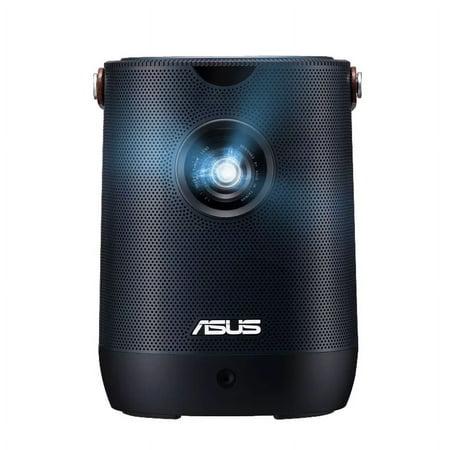
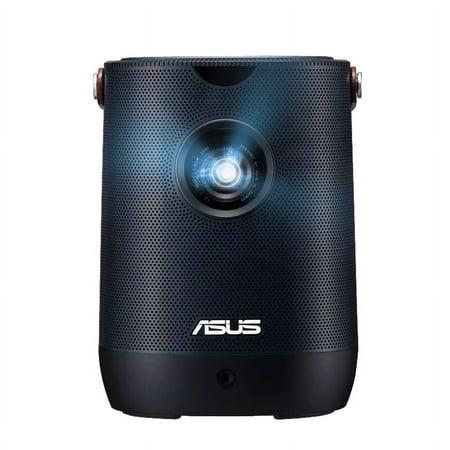
The ZenBeam L2 embraces a modern, cube-like design (132 x 172 x 132 mm) finished in a premium matte surface with copper-colored accents. Weighing 1.57 kg (3.46 lbs), it's light enough to carry in one hand or toss in a backpack. What truly sets the ZenBeam apart in the portability department is its built-in 65Wh battery, capable of powering up to 3.5 hours of projection—enough for most full-length movies without needing a power outlet.
The unit's controls sit atop the projector in an intuitive arrangement, and the lens is protected by an automatic sliding door that opens when you power up the unit. ASUS includes a padded carrying case that accommodates both the projector and its accessories, further enhancing its on-the-go credentials.
Since its release, ASUS has continued to refine the ZenBeam's firmware, improving auto-focus speed and battery optimization—valuable updates for a truly portable device.
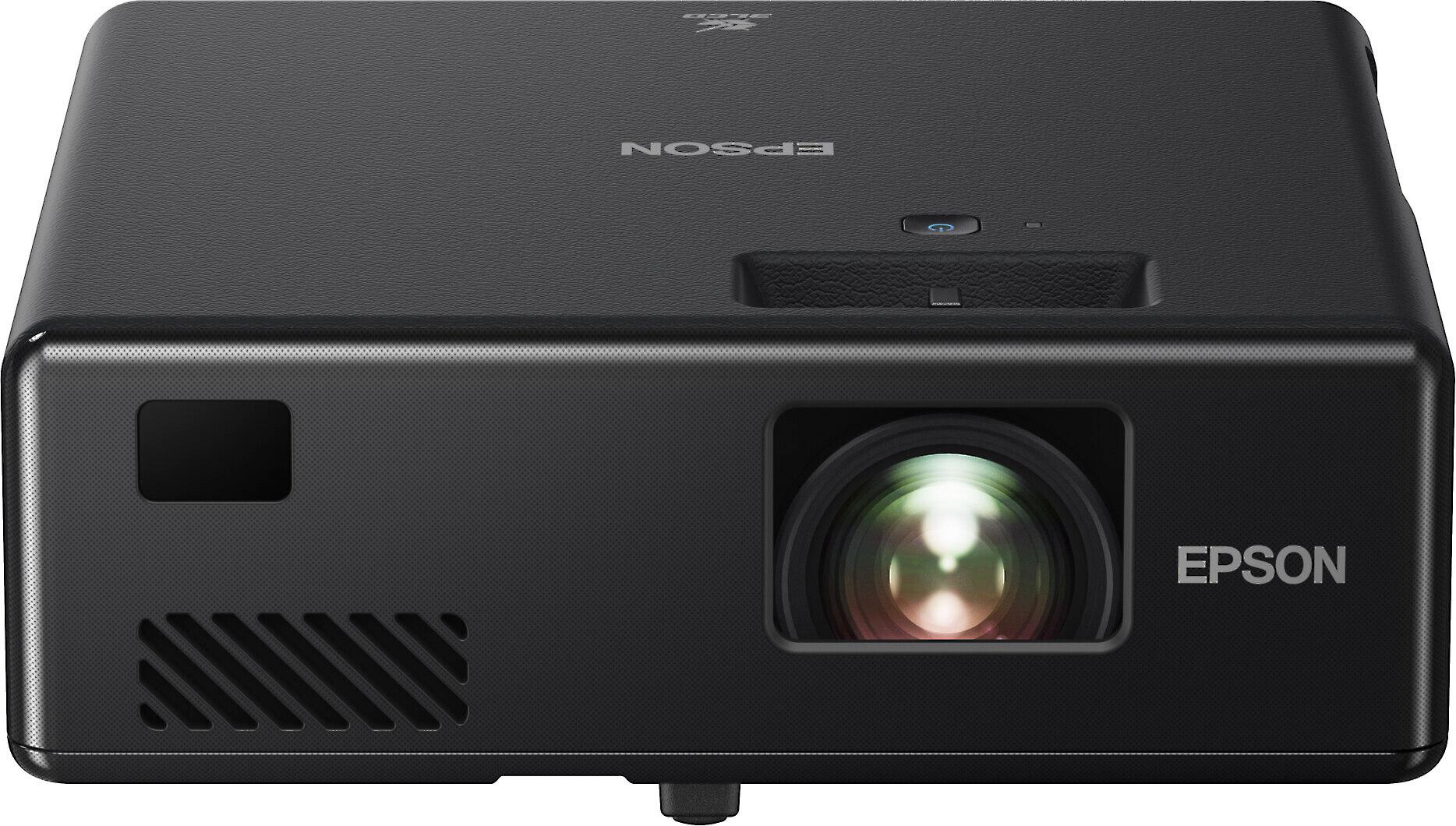
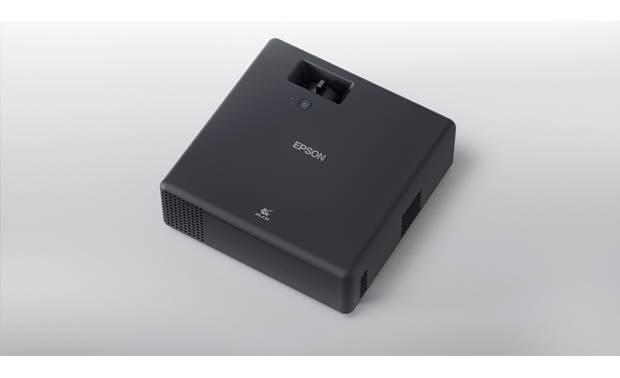
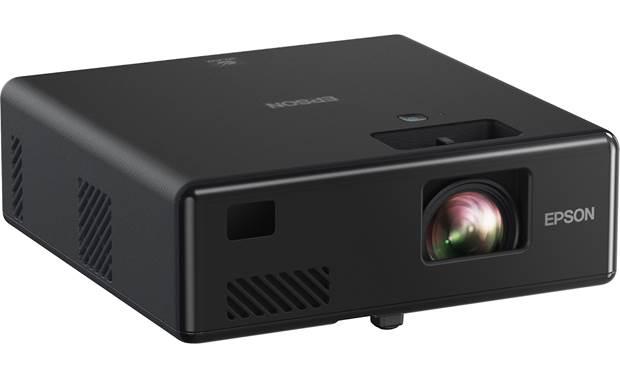
Epson's EF11 takes a slightly different approach. Its cubic design (6.9" x 6.9" x 2.6") emphasizes simplicity with a clean, minimalist black exterior. At 2.7 lbs, it's heavier than the ZenBeam but still qualifies as highly portable. The key difference is its power requirement—the EF11 lacks a built-in battery and must remain connected to a power outlet.
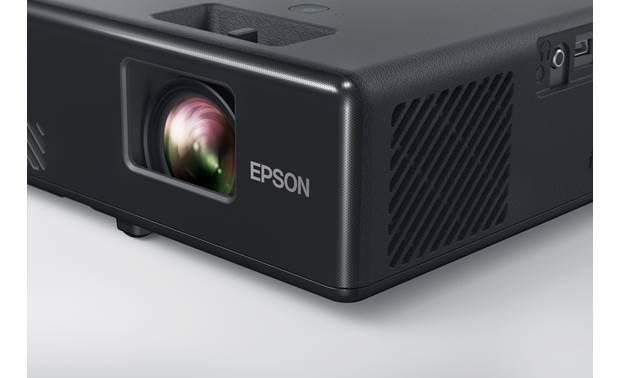
This design choice reflects Epson's prioritization of image quality over absolute portability. By eliminating battery constraints, Epson could incorporate its brighter laser light source without compromising on size or thermal management. The projector features air vents designed to maintain optimal operating temperature while keeping noise levels reasonable.
Since its 2020 debut, the EF11 has remained largely unchanged in hardware, though firmware updates have improved its auto-correction features and compatibility with the latest streaming devices.
The most fundamental difference between these projectors is their light source technology, which affects nearly every aspect of their performance.
The ZenBeam L2 employs an RGB LED light source with DLP (Digital Light Processing) technology. This means the projector uses separate red, green, and blue LEDs to create its image, which is then reflected through a color wheel and off a microscopic array of mirrors (the DLP chip) to form the picture you see on screen.
Benefits of the LED approach include:
The ZenBeam delivers 960 LED lumens, which translates to approximately 400 ANSI lumens. This measurement distinction is important to understand—LED lumens often appear brighter to the human eye than their ANSI rating would suggest due to the Helmholtz-Kohlrausch effect, where saturated colors can appear brighter than their measured luminance.
The EF11 takes a different approach, using Epson's proprietary MicroLaser Array Technology paired with their renowned 3LCD system. In this design, a laser light source is split into three primary colors and passed through three separate LCD panels (one for each color) before being recombined to create the final image.
This technology offers several advantages:
The 3LCD system also means the EF11 delivers equal color and white brightness, whereas single-chip DLP projectors typically have lower color brightness than their white brightness rating.
The laser light source is rated for 20,000 hours—shorter than the ZenBeam's LED lifespan but still representing many years of typical use. The laser technology also contributes to the EF11's superior contrast ratio, creating deeper blacks and more dimensional images.
Both projectors offer native 1920 x 1080 (Full HD) resolution, providing crisp detail for movies, games, and presentations. The ZenBeam L2 can accept 4K input signals, which it downscales to its native 1080p resolution. Similarly, the EF11 accepts various input resolutions up to 1080p.
In practice, the EF11's image appears slightly sharper in most viewing conditions due to its superior contrast ratio and brightness, which enhance perceived detail and clarity.
This is where the technological differences truly matter. The EF11's 1,000 ANSI lumens (verified in independent testing) significantly outperform the ZenBeam's 400 ANSI lumens in environments with ambient light. For perspective, using the EF11 in a room with some daylight still produces a watchable image at 80-100 inches, while the ZenBeam would struggle beyond 60 inches in similar conditions.
For evening outdoor movie nights, the ZenBeam performs adequately once darkness falls, but the EF11 offers more flexibility with timing, producing vibrant images even during dusk. For true dark-room home theater use, both projectors perform well, though the EF11 maintains an edge in image pop and dimensionality.
Color performance presents interesting tradeoffs between these models. The ZenBeam's LED technology produces highly saturated colors with its 120% sRGB color gamut, creating vivid, punchy images that pop—sometimes at the expense of absolute accuracy. The EF11's 3LCD system with 10-bit color processing delivers more natural, accurate colors right out of the box, particularly excelling with skin tones and subtle color gradations.
Neither projector offers HDR (High Dynamic Range) processing in the true sense, though both accept HDR signals and attempt to map them to their capabilities. The EF11's vastly superior contrast ratio (200,000:1 vs. the ZenBeam's 400:1) gives it a significant advantage in displaying content with wide brightness ranges, such as scenes mixing bright highlights and deep shadows.
The throw ratio tells you how far a projector needs to be from the screen to create a certain size image. The EF11 offers a 1.0:1 throw ratio, meaning it can project a 100-inch image from about 8.5 feet away. The ZenBeam L2 has a 1.2:1 throw ratio, requiring about 10 feet for the same image size.
Both projectors handle a wide range of image sizes:
For small apartments or limited spaces, the EF11's shorter throw distance can be a significant advantage, allowing for larger images in confined rooms.
Modern portable projectors excel in auto-adjustment features that make setup quick and frustration-free. Both models offer impressive capabilities here, though with different approaches.
The ZenBeam L2 includes:
The EF11 counters with:
In practical use, both systems work efficiently, though the ZenBeam's more comprehensive auto-adjustment suite gives it a slight edge in quick-setup scenarios. The EF11 sometimes requires manual tweaking to achieve optimal geometry, particularly for horizontal keystoning.
Audio quality can make or break the portable projection experience, especially when using these devices away from external sound systems.
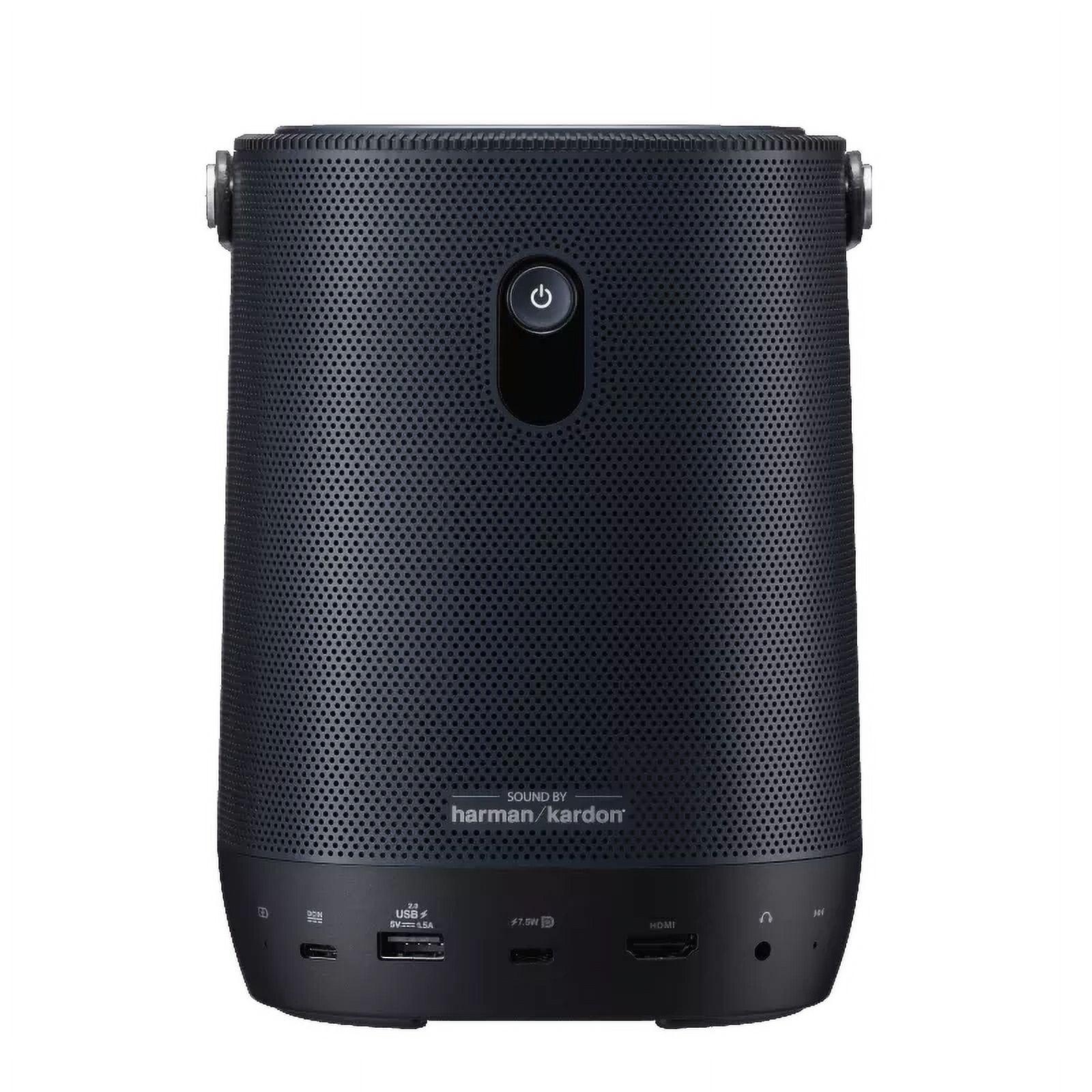
ASUS partnered with Harman Kardon to equip the ZenBeam L2 with a 10W speaker system featuring Smart Amp technology. This speaker delivers surprisingly robust audio for a portable device, with clear dialogue and reasonable bass presence for a unit this size. At about 70% volume, it can easily fill a medium-sized room with sound adequate for movie viewing.
The Smart Amp technology helps prevent distortion at higher volumes while extending battery life during portable use. For those wanting more audio impact, the 3.5mm output allows connection to external speakers or headphones.
The EF11 includes a dual 1.5W speaker system that separates high and low frequencies between two drivers. While this provides clearer sound than many portable projectors with similar speaker specifications, it can't match the ZenBeam's audio prowess in terms of volume or fullness.
The audio is perfectly adequate for small-group viewing in quiet environments but will likely feel insufficient for movies with dynamic soundtracks or larger gatherings. Epson clearly expects most users to connect external audio solutions for serious viewing sessions.
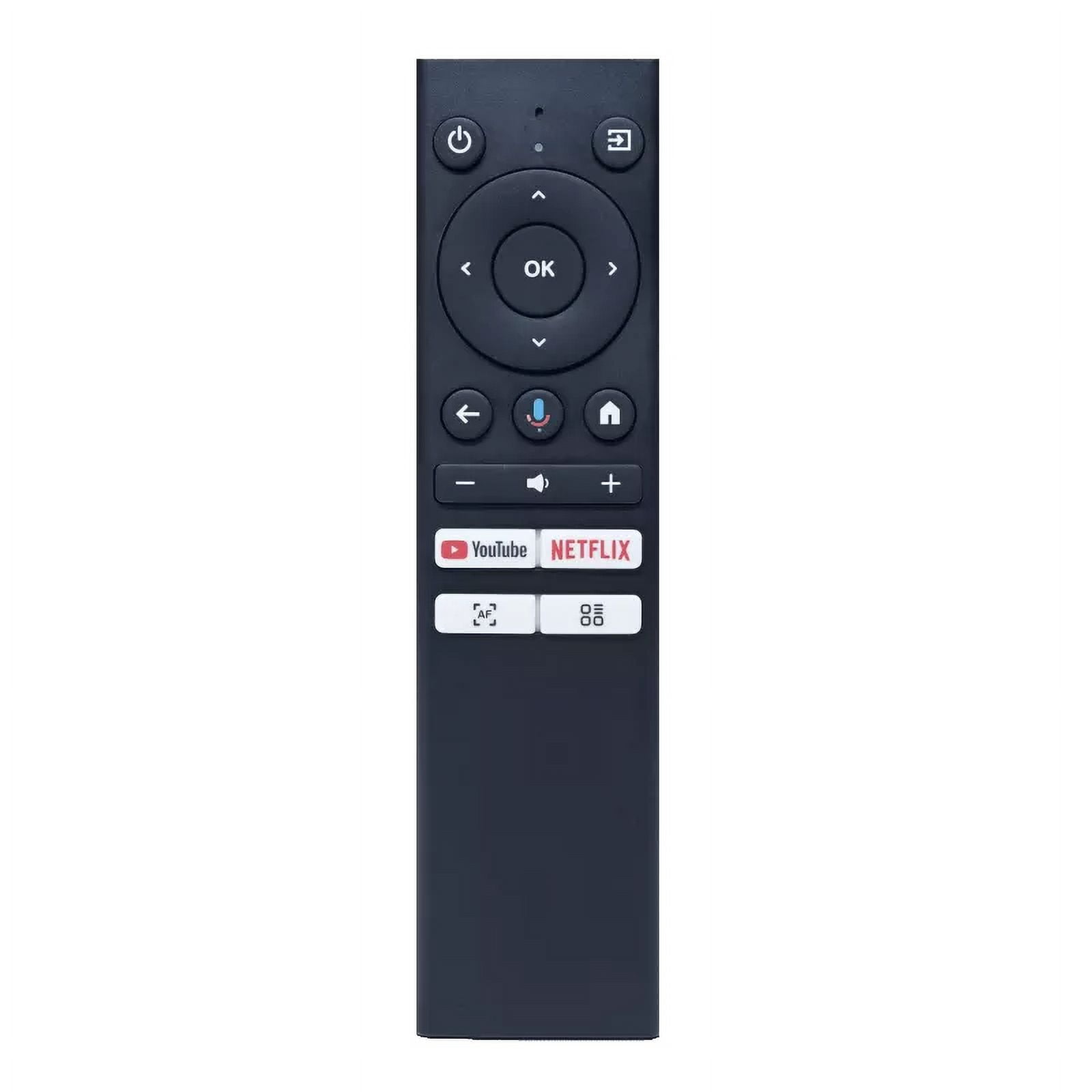
The ZenBeam L2 includes a Google-certified Android TV box that connects via HDMI, offering access to thousands of streaming apps like Netflix, Disney+, and YouTube. This creates an all-in-one entertainment solution without needing additional devices. The Android TV interface supports voice search via the included remote, making content discovery straightforward.
Connectivity options include:
A unique feature is ASUS Light Wall, which offers 26 different "cinegraph" ambient lighting options. These animated scenes can transform a wall into decorative displays when you're not watching content—similar to ambient modes on premium TVs.
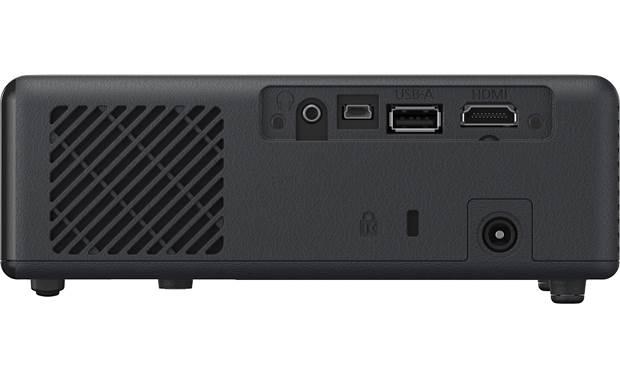
The EF11 takes a more minimalist approach to smart features, focusing instead on compatibility with external streaming devices. It doesn't include a built-in smart platform but works seamlessly with streaming sticks and boxes via its HDMI port.
Available connections include:
This approach means the EF11 requires an additional device for streaming content but allows users to choose their preferred platform rather than being locked into Android TV. It's particularly well-suited to users who already own streaming devices or prefer specific platforms like Apple TV or Roku.
Both projectors target the premium portable segment with similar price points around $699-799, but they deliver different types of value for that investment.
The ASUS ZenBeam L2 offers:
The Epson EpiqVision Mini EF11 counters with:
For pure home theater use, the EF11 delivers better image quality per dollar, especially for critical viewers who prioritize contrast and accuracy. For versatility and portability, the ZenBeam offers more features and flexibility for roughly the same investment.
If you're primarily using your portable projector as part of a home theater setup, several additional factors come into play:
Both projectors support front, rear, and ceiling mounting configurations. The EF11's shorter throw ratio gives it an advantage in smaller rooms, while the ZenBeam's more comprehensive auto-adjustment features make it more forgiving of imperfect placement.
For dedicated theater rooms, the EF11's superior image quality makes it the stronger contender, especially when paired with external audio solutions. The ZenBeam, however, offers more flexible placement options thanks to its battery power and more extensive auto-correction features.
Neither projector is marketed specifically for gaming, but input lag (the delay between your controller input and the corresponding action on screen) matters for this use case. The ZenBeam L2 performs reasonably well with approximately 40ms input lag—acceptable for casual gaming but not ideal for competitive players. The EF11 offers similar performance, with input lag around 35-45ms depending on the input signal.
Both projectors support 60Hz refresh rates at 1080p, providing smooth motion for most games. Neither offers specialized gaming modes or variable refresh rate technologies found in dedicated gaming projectors.
After exploring all these facets, the decision comes down to your specific priorities and use cases. Here's a straightforward guide to help you choose:
The ZenBeam L2 excels as a flexible, all-in-one solution that can adapt to various environments and use cases. It's particularly well-suited to users who value portability and convenience alongside good (though not class-leading) image quality.
The EF11 delivers superior visual performance in almost all viewing conditions, making it the better choice for users who prioritize image quality above absolute portability. Its laser 3LCD system produces brighter, more accurate images with better contrast—advantages that become especially noticeable in less-than-ideal lighting conditions.
The portable projector market has matured significantly, with premium options like the ASUS ZenBeam L2 and Epson EpiqVision Mini EF11 offering impressive capabilities that would have seemed impossible just a few years ago. Both represent excellent values in their category, with clear but different priorities.
The ZenBeam prioritizes versatility, offering good-enough image quality with true portability and all-in-one convenience. The EF11 focuses on maximizing image quality in a still-portable package, sacrificing battery power but delivering superior visual performance.
Your choice ultimately depends on whether flexibility or image quality matters more for your specific viewing habits. Either way, these projectors demonstrate just how far portable projection technology has advanced—turning almost any blank wall into an impressive big-screen experience, whether at home or on the go.
| ASUS ZenBeam L2 Smart Portable LED Projector | Epson EpiqVision Mini EF11 Laser Projector |
|---|---|
| Price & Value - What you're investing in | |
| $699-799 - Offers true portability with all-in-one features | $699-799 - Prioritizes image quality with advanced display technology |
| Light Source Technology - Determines image quality, lifespan & power needs | |
| LED with 30,000-hour lifespan - Lower maintenance, enables battery power | Laser with 20,000-hour lifespan - Better brightness and contrast, requires AC power |
| Brightness - Critical for viewing with ambient light | |
| 960 LED lumens (400 ANSI lumens) - Best in darkened rooms | 1,000 ANSI lumens - Performs well even with some ambient light |
| Contrast Ratio - Affects image depth and detail | |
| 400:1 - Adequate for casual viewing | 200,000:1 - Dramatically better blacks and highlights |
| Display Technology - Impacts color accuracy and rainbow effects | |
| Single-chip DLP - Vibrant colors, possible rainbow effect | 3LCD - More accurate colors, no rainbow effect, better color brightness |
| Portability - How easily you can move and use it | |
| 1.57 kg (3.46 lbs) with built-in battery for 3.5 hours - True wireless use | 2.7 lbs, requires power outlet - Portable but not wireless |
| Throw Ratio - Determines required distance from screen | |
| 1.2:1 - Needs about 10ft for 100" image | 1.0:1 - Needs about 8.5ft for 100" image |
| Maximum Image Size - How large you can go | |
| 30" to 120" - Good for most home situations | 30" to 150" - Better for larger spaces |
| Built-in Audio - Important when external speakers aren't available | |
| 10W Harman Kardon speaker - Impressive for a portable device | Dual 1.5W speakers - Adequate for small rooms only |
| Smart Features - Convenience for streaming content | |
| Includes Android TV box, ASUS Light Wall ambient modes | No built-in smart platform, requires external streaming device |
| Auto-Adjustment Features - Ease of setup | |
| Auto focus, auto keystone, obstacle avoidance, four-corner correction | Auto Picture Skew Correction, vertical/horizontal keystone correction |
| Connectivity - Flexibility for various sources | |
| HDMI, USB-C (DisplayPort), USB-A, 3.5mm audio | HDMI, USB Type-A and Type-B, audio output |
| Best Use Case - Who should buy each model | |
| Ideal for users who need true portability, all-in-one convenience, and flexibility across different environments | Perfect for users prioritizing superior image quality, brightness, and contrast who always have access to power outlets |
The Epson EpiqVision Mini EF11 Laser Projector is significantly brighter with 1,000 ANSI lumens compared to the ASUS ZenBeam L2 which offers 960 LED lumens (approximately 400 ANSI lumens). This makes the Epson EF11 better for rooms with ambient light, while the ZenBeam L2 works best in darkened environments.
Yes, both can be used outdoors, but with different limitations. The ASUS ZenBeam L2 has a built-in battery lasting 3.5 hours, making it truly portable for outdoor movie nights without needing a power outlet. The Epson EpiqVision Mini EF11 requires a power source at all times, limiting its outdoor use to locations with electrical access, though its higher brightness makes it better for twilight viewing.
The ASUS ZenBeam L2 includes an Android TV box that provides access to thousands of streaming apps like Netflix and Disney+. The Epson EpiqVision Mini EF11 does not have built-in streaming capabilities and requires an external streaming device (like Roku, Apple TV, or Fire Stick) connected via HDMI.
For dedicated home theater use, the Epson EpiqVision Mini EF11 delivers superior image quality with its 200,000:1 contrast ratio, 3LCD technology, and higher brightness. The ASUS ZenBeam L2 offers good image quality but can't match the EF11's contrast, color accuracy, and performance in rooms that aren't completely dark.
Both the ASUS ZenBeam L2 and Epson EpiqVision Mini EF11 are premium portable projectors priced similarly between $699-799. The price difference is minimal, so your choice should depend more on features rather than cost.
The Epson EpiqVision Mini EF11 is better for small apartments due to its 1.0:1 throw ratio, allowing it to project larger images from shorter distances. The ASUS ZenBeam L2 requires about 15% more distance for the same image size with its 1.2:1 throw ratio, though its battery operation offers more flexible placement options.
Neither the ASUS ZenBeam L2 nor the Epson EpiqVision Mini EF11 is specifically designed for gaming, but both can handle casual gaming with input lag around 35-45ms. They support 60Hz refresh rates at 1080p resolution. Serious gamers might want to consider dedicated gaming projectors with lower input lag instead of the ZenBeam L2 or EF11.
The ASUS ZenBeam L2 uses LED technology which offers longer lifespan (30,000 hours), lower power consumption enabling battery operation, and instant on/off capability. The Epson EpiqVision Mini EF11's laser technology delivers higher brightness, superior contrast (200,000:1), and more accurate colors, but requires more power and has a shorter lifespan of 20,000 hours (still many years of typical use).
The ASUS ZenBeam L2 features superior audio with a 10W Harman Kardon speaker system that provides clear, room-filling sound adequate for movie viewing. The Epson EpiqVision Mini EF11 has more basic dual 1.5W speakers that are functional but limited, likely requiring external speakers for satisfying audio during movie watching.
Neither projector has native 4K resolution. Both the ASUS ZenBeam L2 and Epson EpiqVision Mini EF11 have native 1080p Full HD resolution. The ZenBeam L2 can accept 4K input signals but downscales them to 1080p for display. For true 4K projection, you would need a higher-end model than either the ZenBeam L2 or EF11.
Yes, both offer automatic adjustment features. The ASUS ZenBeam L2 provides more comprehensive auto-adjustment with auto focus, auto keystone correction, obstacle avoidance, and four-corner geometric correction. The Epson EpiqVision Mini EF11 offers Auto Picture Skew Correction and keystone correction but may require more manual adjustments for optimal setup compared to the ZenBeam L2.
The ASUS ZenBeam L2 is significantly better for travelers with its built-in battery, lighter weight (1.57 kg vs. 2.7 lbs), included carrying case, and all-in-one solution with built-in Android TV. The Epson EpiqVision Mini EF11 requires constant power access and additional streaming devices, making it less convenient for frequent travelers compared to the more self-contained ZenBeam L2.
We've done our best to create useful and informative comparisons to help you decide what product to buy. Our research uses advanced automated methods to create this comparison and perfection is not possible - please contact us for corrections or questions. These are the sites we've researched in the creation of this article: projectorcentral.com - youtube.com - mezha.media - asus.com - asus.com - youtube.com - projectorreviews.com - asus.com - digitalcameraworld.com - youtube.com - asus.com - digitalcitizen.life - tweakreviews.com - shop.asus.com - edgeup.asus.com - asus.com - projectorcentral.com - asus.com - uk.store.asus.com - asus.com - thegadgetflow.com - bhphotovideo.com - asus.com - asus.com - bestbuy.com - bhphotovideo.com - youtube.com - bestbuy.com - gagadget.com - epson.com - projectorreviews.com - audiogeneral.com - projectorreviews.com - epson.com - youtube.com - epson.com - youtube.com - mediaserver.goepson.com - files.support.epson.com - staples.com - projectorcentral.com - bestbuy.com - planettv.com - dell.com - epson.eu - projectortop.com

Privacy Policy
Terms and Conditions - Affiliate Policy
Home Security
© Copyright 2008-2026.
11816 Inwood Rd #1211, Dallas, TX 75244