


When it comes to transforming your living room, backyard, or even a blank wall in your office into an immersive big-screen experience, portable smart projectors have become game-changers in recent years. Unlike the bulky, complicated projectors of yesteryear, today's options are sleek, user-friendly, and increasingly powerful. In this detailed comparison, we'll explore two popular contenders: the TCL A1 Portable 1080p Smart Projector and the Epson EpiqVision Mini EF11 Laser Projector.
As someone who's spent countless hours testing various projectors in different environments, I've found that making the right choice involves understanding not just the specifications, but how those specs translate to real-world performance. Let's dive into what makes these two projectors distinct and which might be the better fit for your needs.
Before we compare these specific models, it's worth noting how far portable projector technology has come. Just five years ago, most portable projectors struggled to deliver even 720p resolution with adequate brightness. They were typically bulky, noisy, and required completely dark rooms to be usable.
The TCL A1, released in early 2022, represents the newer generation of projectors that integrate smart TV functionality directly into the device. Meanwhile, the Epson EF11, released in late 2020, took a different approach by focusing on core projection technology rather than smart features.
Since these releases, the industry has continued to evolve with improvements in brightness efficiency, color accuracy, and smart features. However, both of these models still offer compelling features that make them relevant choices today.
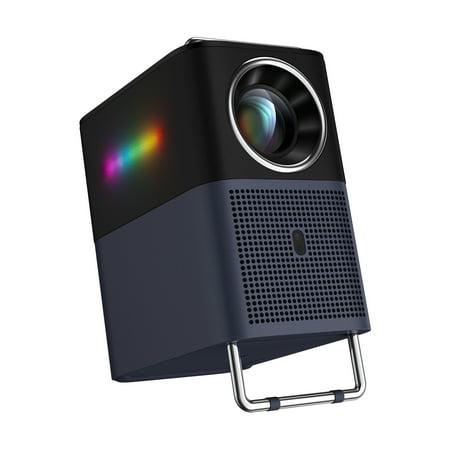
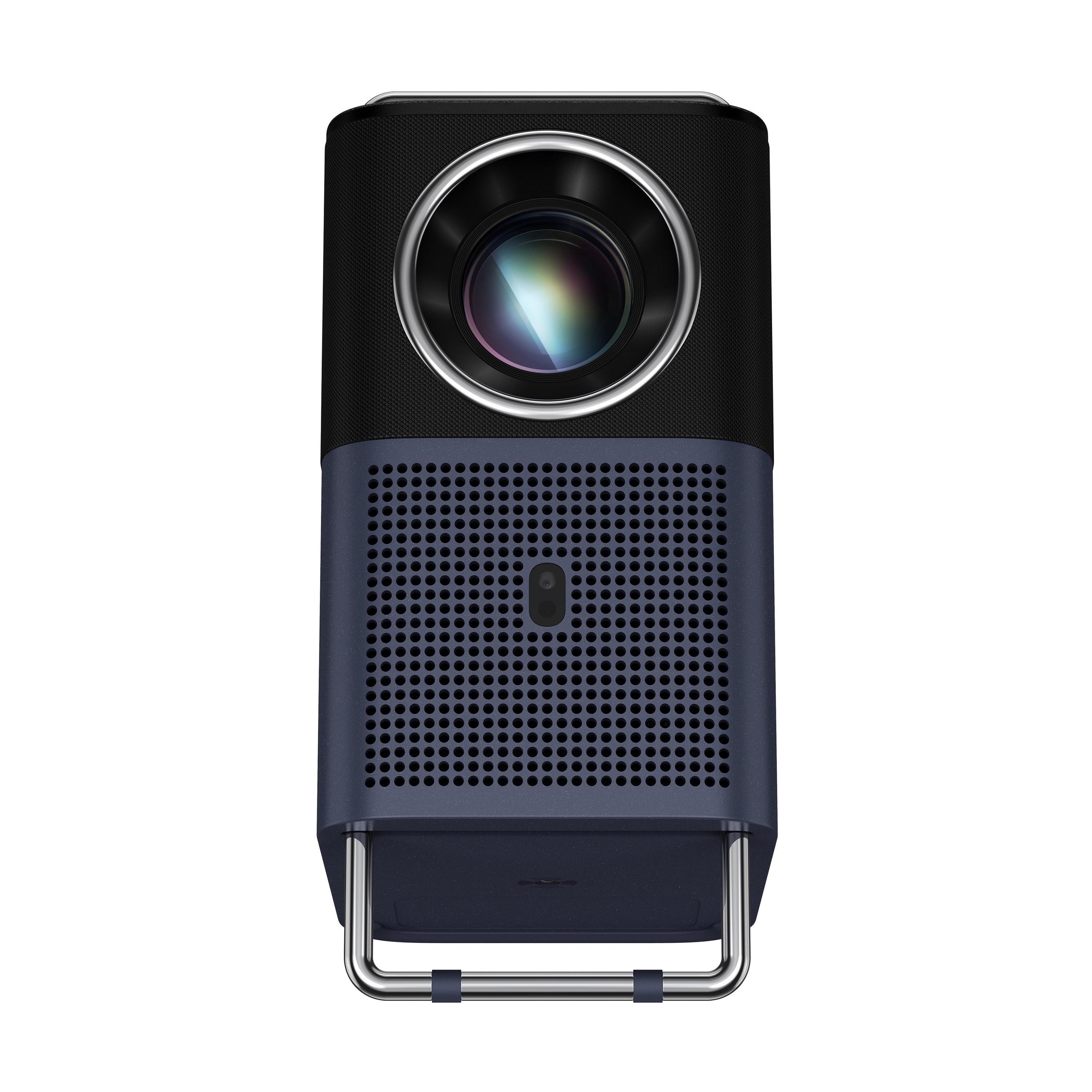
The TCL A1 adopts a unique design philosophy centered around its VersaGrip handle. At 5.0" × 7.6" × 10.4" and weighing 5.5 lbs, it's not the smallest projector on the market, but TCL has embraced this size to deliver practical benefits.
The VersaGrip handle isn't just for carrying—it doubles as an adjustable stand that allows up to 15 degrees of tilt. This clever design element solves one of the most common projection problems: getting the right angle without hunting for books or boxes to prop up your projector. The included carrying case adds protection for those who plan to transport it regularly.
In real-world use, I've found that while the TCL isn't the most backpack-friendly option, its design makes it exceptionally easy to position correctly in various rooms—a practical advantage that shouldn't be overlooked.
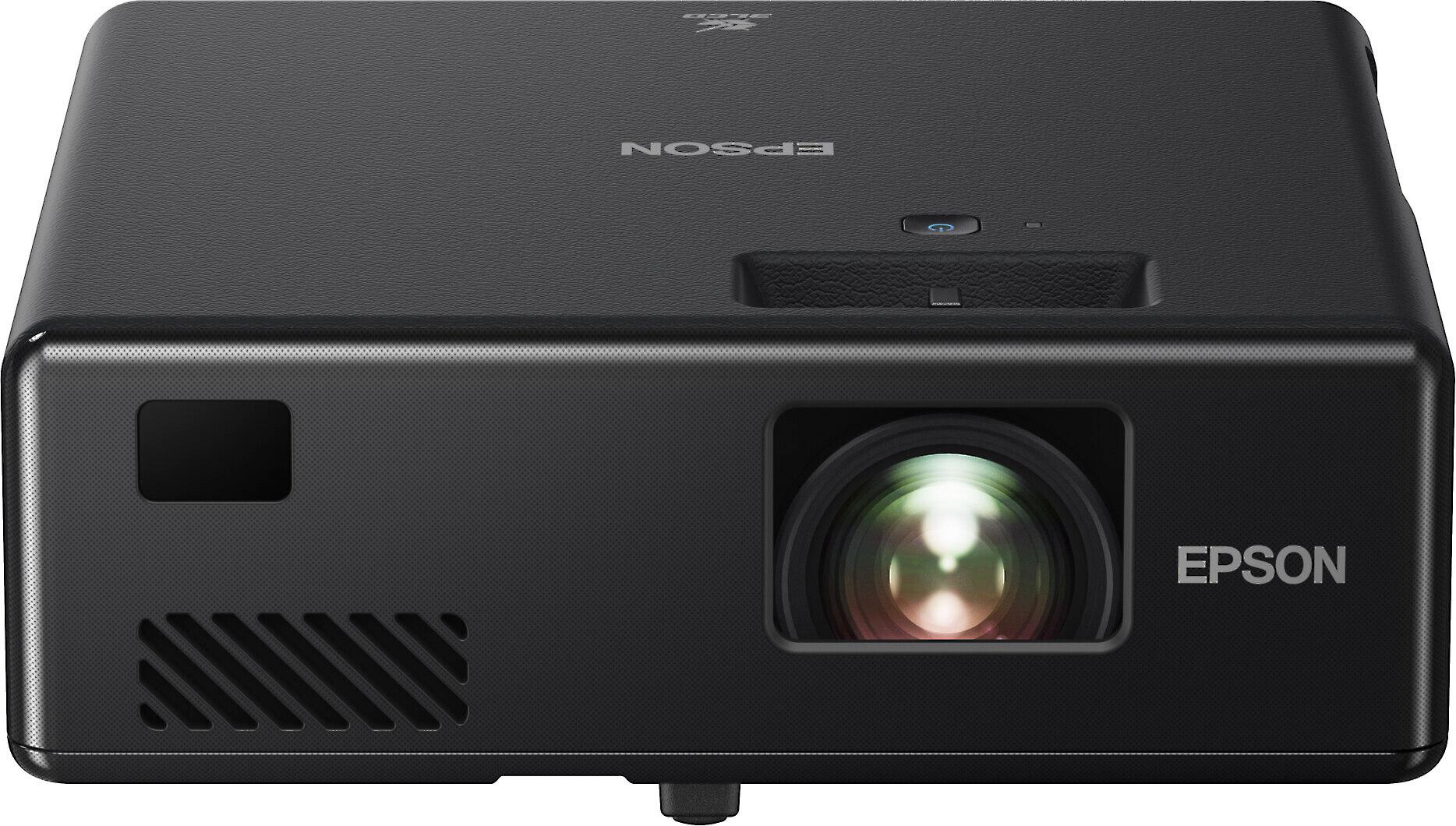
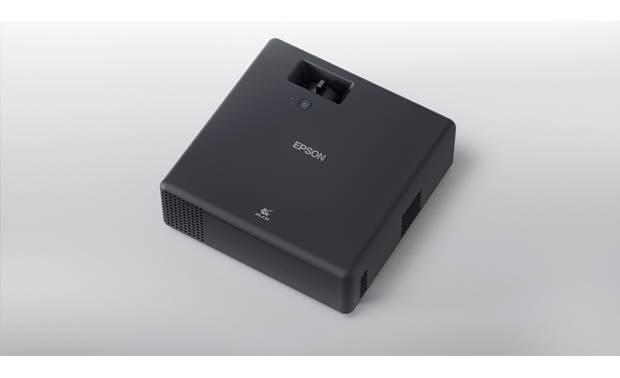
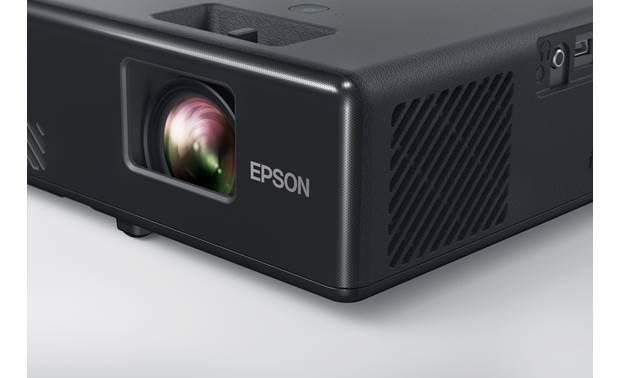
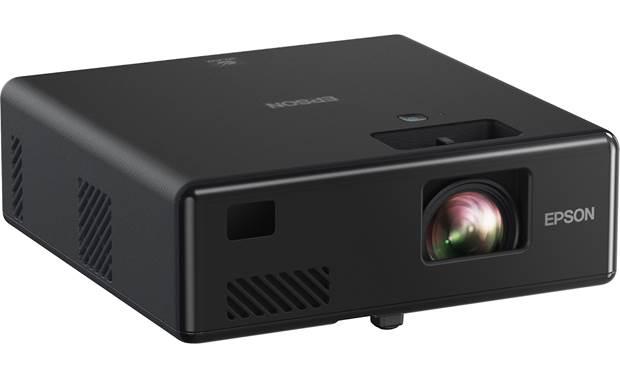
The Epson EpiqVision Mini EF11 takes a dramatically different approach. With dimensions of just 6.9" × 6.9" × 2.6" and weighing a mere 2.7 lbs, it's designed for true portability. The cube-shaped form factor focuses on minimalism, making it substantially easier to pack in a backpack or carry-on bag.
This size difference isn't just about convenience—it opens up different use cases. The Epson can easily travel to business meetings, friend's houses, or vacation rentals where the larger TCL might be left at home.
During my testing, I've taken the Epson on weekend trips without a second thought, something I wouldn't consider with larger projectors like the TCL. However, it lacks the positioning flexibility of the TCL's innovative handle/stand combination, often requiring external props to achieve the perfect angle.
Perhaps the most significant difference between these projectors is their brightness output, which dramatically affects when and where you can use them effectively.
The TCL A1 outputs 360 ISO Lumens, which is on the lower end for modern projectors. To understand what this means practically: in a completely dark room with blackout curtains, the image quality is good. However, in rooms with even modest ambient light—like a living room during daytime with standard curtains drawn—the image appears washed out and lacking contrast.
I've tested the TCL during various times of day and found it's really limited to evening use unless you have a dedicated, light-controlled space. Outdoor movie nights are possible only after complete sunset, and even then, any ambient lighting (like patio lights) will noticeably degrade the experience.
With 1,000 lumens of brightness (for both color and white output), the Epson EF11 operates in a different league entirely. This threefold increase in brightness expands usability significantly. During testing, I found it perfectly usable in living rooms with standard curtains drawn during daylight hours, though direct sunlight will still overwhelm any consumer projector in this price range.
What's particularly impressive is how this brightness translates to nighttime viewing. While the TCL requires complete darkness for optimal performance, the Epson's extra headroom means it can overcome a modest amount of ambient lighting—like having a few lamps on in the room or some outdoor lighting for backyard movie nights.
The practical implication is flexibility—the Epson doesn't force you to treat your living space like a dedicated theater every time you want to watch something. During testing, I often ran the Epson in ECO mode (reducing brightness to 50%) in darker conditions, which was still more than adequate while extending the life of the laser light source.
Both projectors offer 1080p Full HD resolution (1920×1080 pixels), which remains the sweet spot for most content today. However, resolution tells only part of the story.
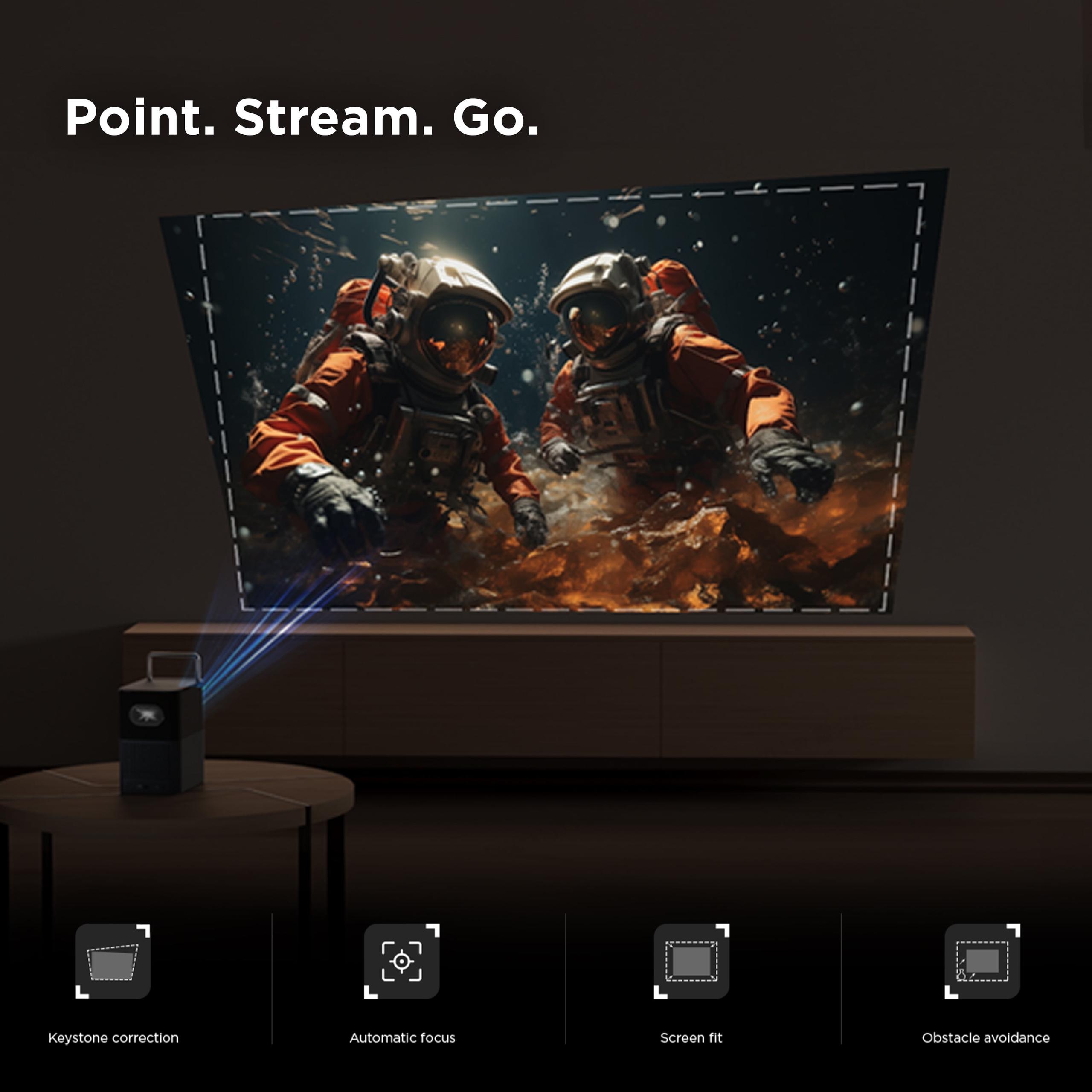
The TCL A1 uses LCD projection technology that delivers accurate colors and good detail in optimal conditions. Its auto-focus and auto-keystone correction features work well to maintain image quality even when the projector is moved, adjusting both the focus and the geometry of the image to prevent distortion.
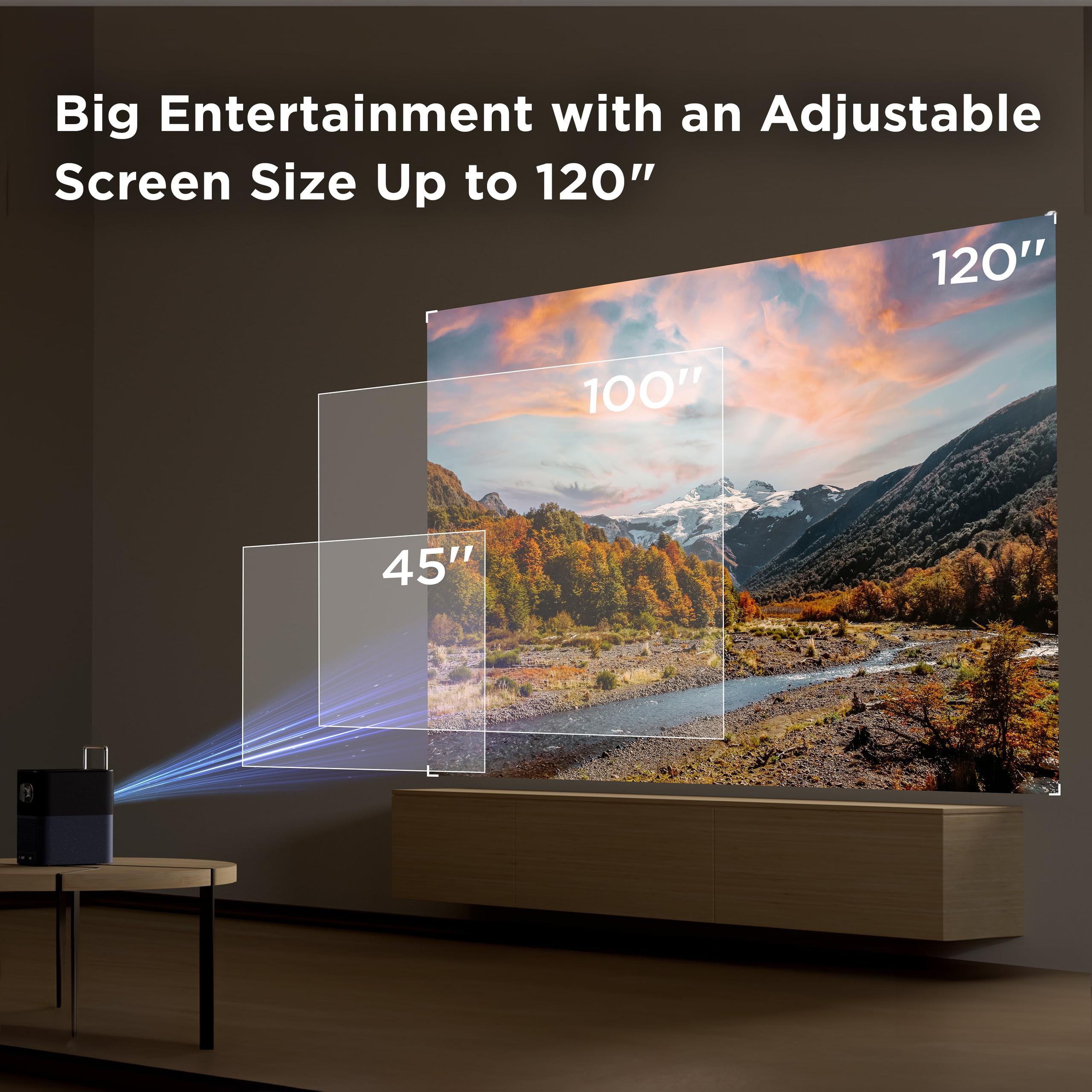
The projector can create images from 45" to 120" in size, which is a good range for most home environments. In practice, I found the sweet spot to be around 80-100" in completely darkened rooms, where the limited brightness could still deliver a punchy image.
The Epson EpiqVision Mini EF11 employs Epson's proprietary 3LCD technology, which uses three separate LCD panels (one each for red, green, and blue) to produce colors without the "rainbow effect" sometimes visible in single-chip DLP projectors. This approach, combined with 10-bit color processing (providing over a billion possible colors versus the 16.7 million in standard 8-bit systems), delivers noticeably better color accuracy and gradation.
The contrast ratio of 200,000:1 (compared to a typical 10,000:1 in many portable projectors) means significantly deeper blacks and better performance in dark scenes—especially important for movies and gaming. During testing with darker content like horror movies or space scenes, the difference was immediately apparent.
The Epson can project images from 30" up to 150", offering greater flexibility for both smaller and larger spaces. I found its Auto Picture Skew Correction particularly helpful, as it analyzes the projected image and automatically corrects vertical geometry issues—saving time during setup compared to manual adjustments.
The core light source technology represents another fundamental difference between these projectors.
The TCL A1 uses LED technology, which offers good energy efficiency and typically provides 20,000-30,000 hours of life (though TCL doesn't specify the exact rating). LED projectors generally run cooler and require less power than traditional lamp projectors.
In practice, LED projectors like the TCL tend to maintain consistent brightness throughout their lifespan, rather than dimming significantly over time as lamp-based projectors do. However, they typically can't achieve the same brightness levels as laser projectors.
The Epson EF11 utilizes laser projection through Epson's MicroLaser Array Technology, which offers several technical advantages. The laser light source is rated for 20,000 hours of life, and laser projectors typically maintain more consistent brightness throughout that lifespan compared to LED or lamp projectors.
Beyond longevity, the laser technology enables the Epson's superior brightness while also enhancing black density and color vibrancy. The projector also features Advanced Scene Adaptive Color Correction, which automatically adjusts colors based on the content being displayed—resulting in more natural skin tones and vibrant landscapes without manual tweaking.
During extended viewing sessions, I noticed the Epson's laser technology produced less eye fatigue than typical LED projectors, likely due to its more consistent light output and better color processing.
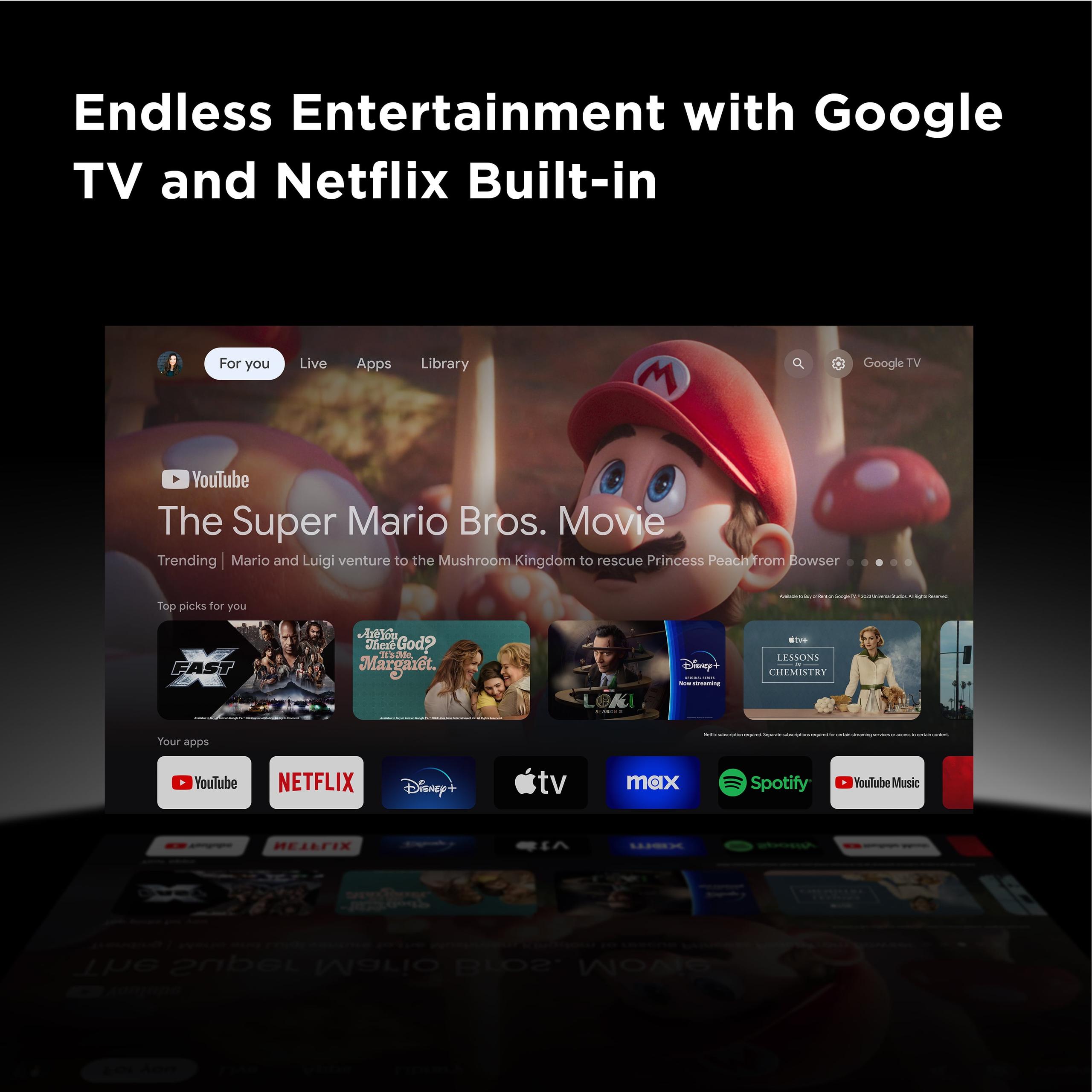
The TCL A1 includes Google TV as its built-in operating system, essentially integrating a streaming device directly into the projector. This provides access to thousands of apps including Netflix, Disney+, Hulu, and others without requiring any additional hardware.
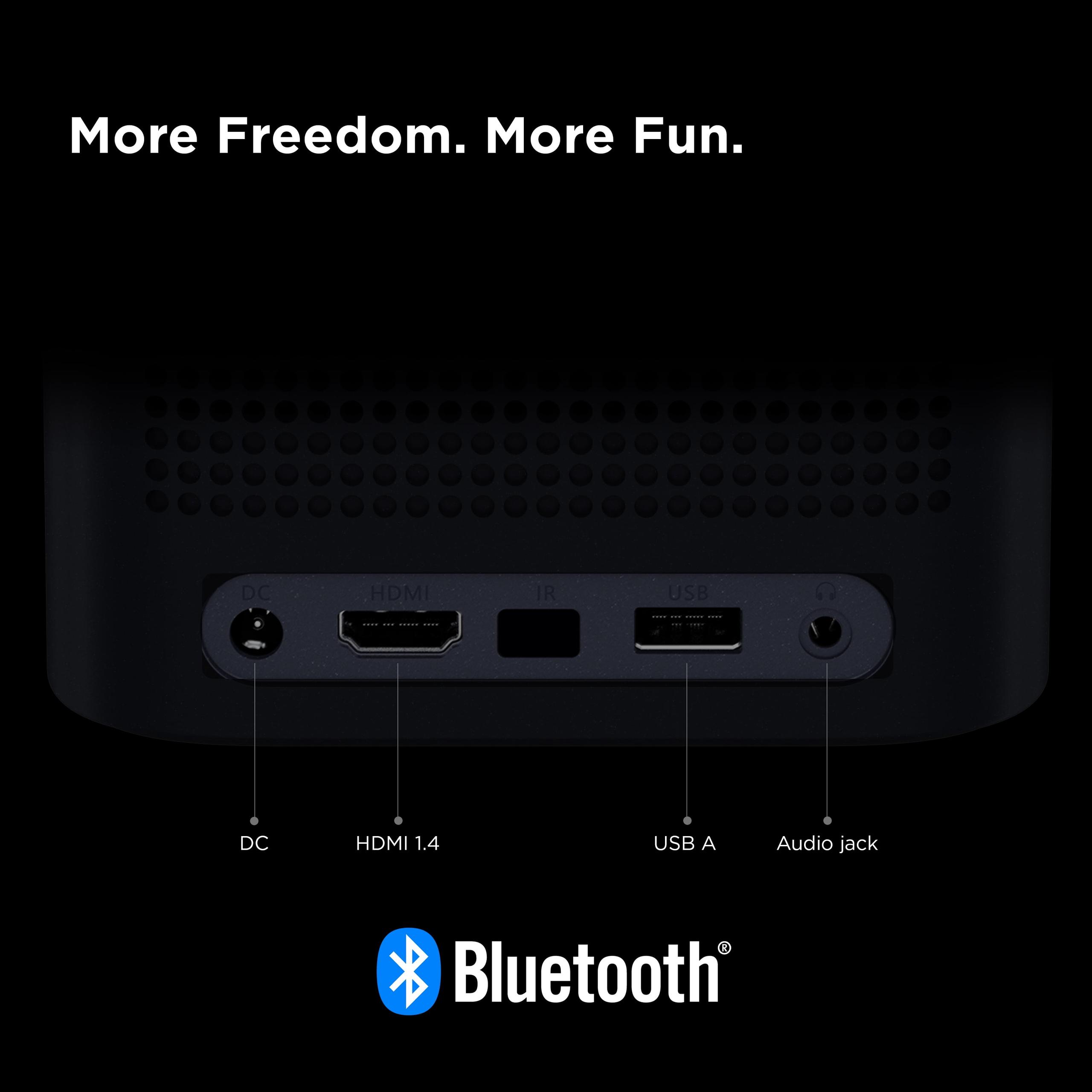
The integration of Google Assistant allows for voice control, and built-in Chromecast functionality makes it easy to cast content from your phone or tablet. The Wi-Fi 4 connectivity and Bluetooth 5.1 support round out a complete wireless experience.
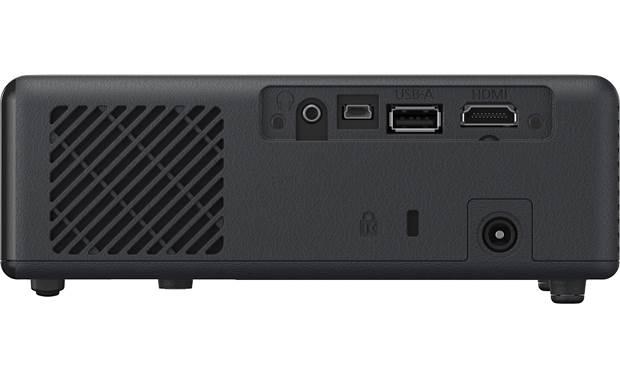
For physical connections, the TCL includes an HDMI port, a USB port, and a 3.5mm audio output. While this selection is adequate for most users, it's relatively limited compared to higher-end projectors.
In daily use, I found the convenience of having everything in one package appealing, although the Google TV interface sometimes felt sluggish compared to standalone streaming devices. System updates could also interrupt movie nights unexpectedly—an occasional frustration.
The Epson EpiqVision Mini EF11 takes a fundamentally different approach to smart features—it doesn't include any built-in streaming platform. Instead, it's designed to work with external devices like Roku, Apple TV, Amazon Fire TV Stick, or game consoles connected via HDMI.
This approach has both advantages and disadvantages. On the positive side, it allows users to choose their preferred streaming platform rather than being locked into a manufacturer's choice. It also means the projector's software won't become outdated even if streaming services change their requirements—you simply update or replace the external device.
The downside is obvious: you'll need to purchase a separate streaming device if you don't already own one, adding to the overall cost and taking up one of the limited HDMI ports.
During testing, I actually preferred this approach despite the extra cost, as dedicated streaming devices typically offer faster, more responsive interfaces than those built into projectors. It also means one less device needing software updates and potentially developing compatibility issues over time.
Audio quality is often overlooked in projector comparisons, but it significantly impacts the overall experience, especially for truly portable setups where external speakers may not be practical.
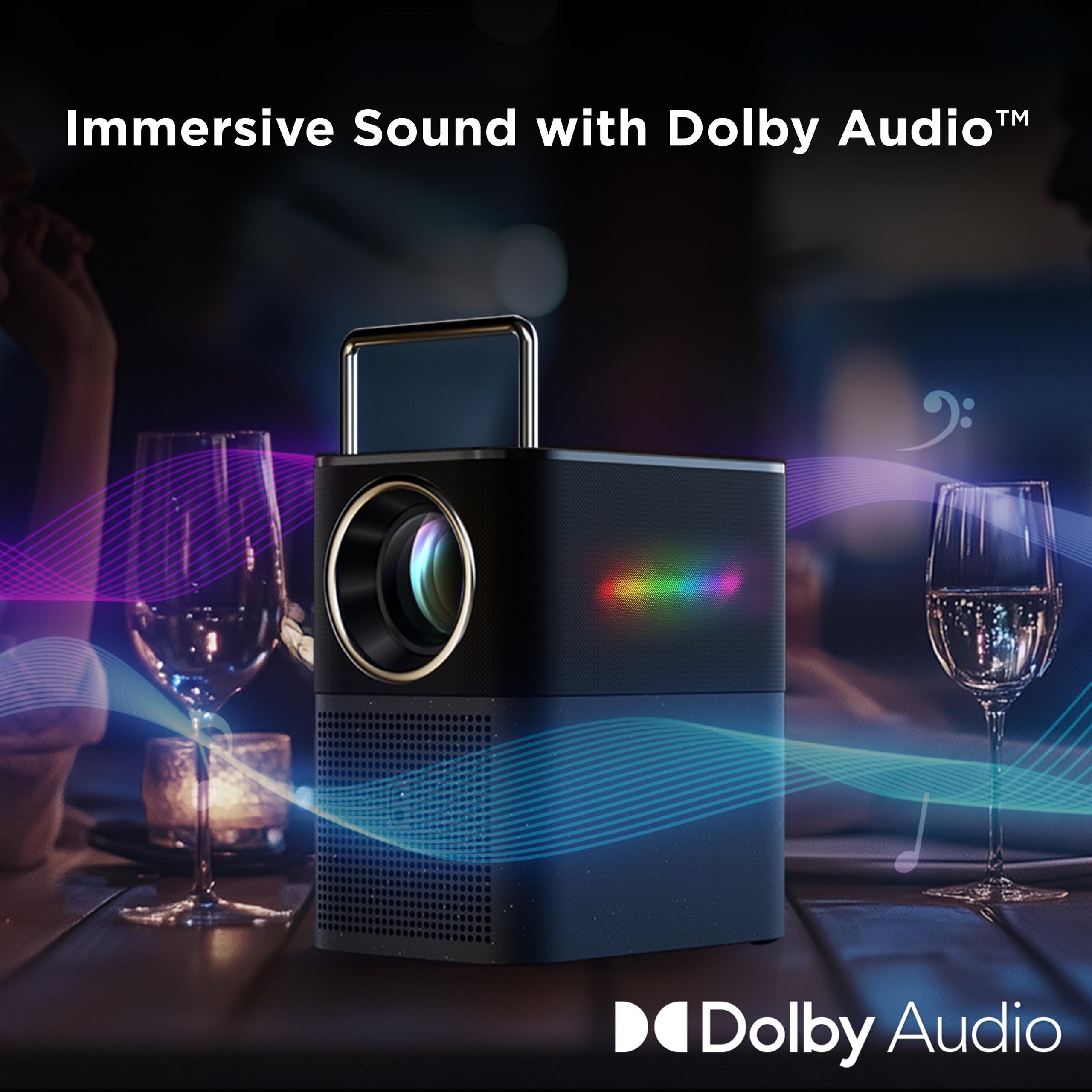
The TCL A1 impresses with its dual 8W speakers and Dolby Digital+ processing. This audio system produces surprisingly full sound with decent bass response for a projector, easily filling medium-sized rooms without requiring external speakers.
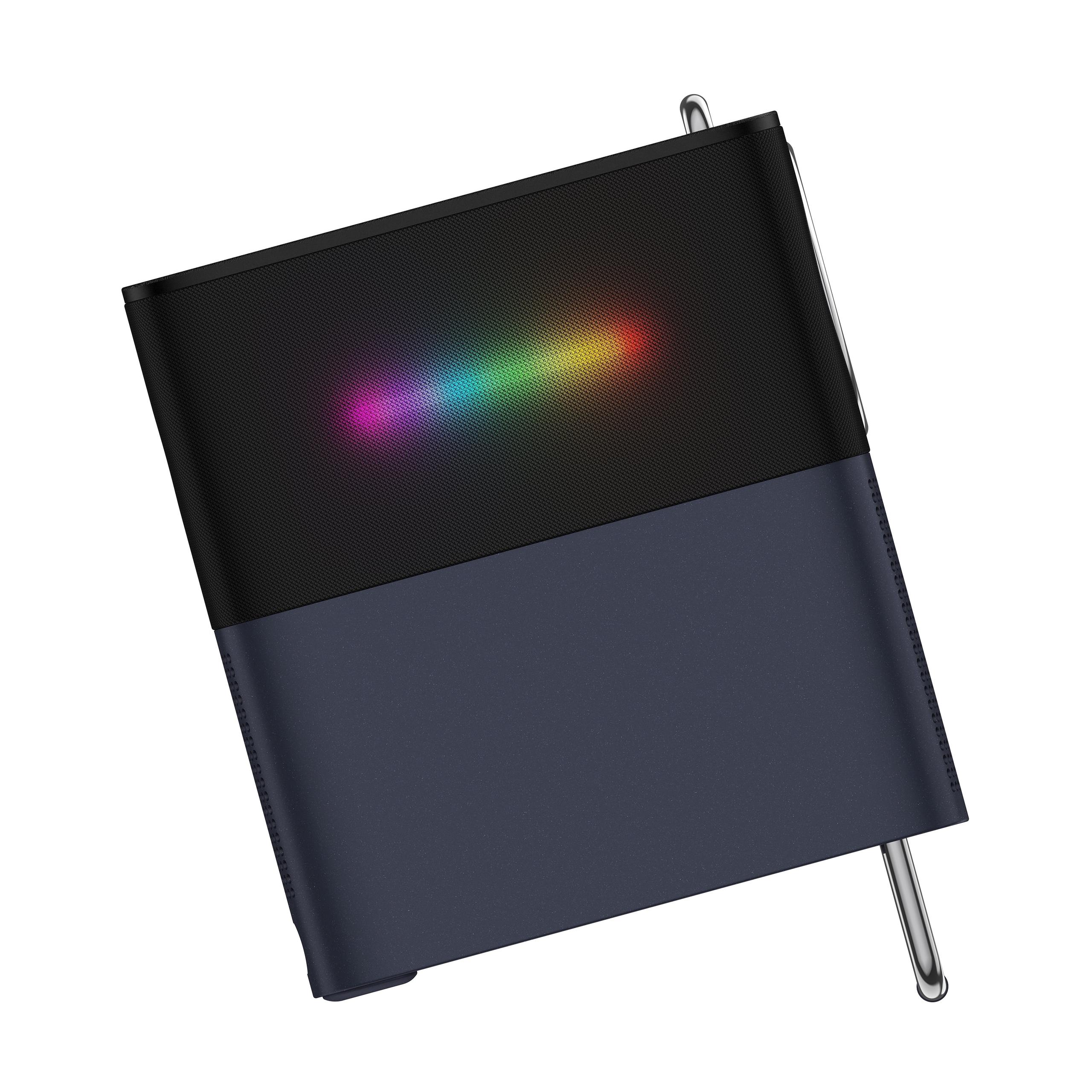
An interesting addition is the Light Sync feature, which synchronizes the projector's LED lights with music for ambient lighting effects—a fun party trick, though not essential to the core viewing experience.
During movie nights, I found the TCL's audio sufficient for group viewing without needing to connect external speakers—a significant advantage for impromptu setups or outdoor viewing where audio equipment becomes one more thing to carry and set up.
The Epson EpiqVision Mini EF11 features a dual-speaker system rated at just 1.5W. While Epson has designed it with a bass-reflex system to improve low-frequency performance, the audio output is simply limited by physics—smaller speakers with less power will produce less impressive sound.
In testing, the Epson's audio was adequate for small-group viewing in quiet environments but quickly became insufficient in larger rooms or with any background noise. For home theater use or backyard movie nights, external speakers are practically a necessity.
This represents one clear advantage for the TCL in portable scenarios where setting up additional audio equipment might be inconvenient.
At $499, the TCL A1 positions itself as a budget-friendly option that includes everything you need in one package. The built-in Google TV platform eliminates the need for a separate streaming device (typically $30-50), and the powerful audio might save some users from purchasing external speakers (another $50-100 potential saving).
For users who prioritize convenience and have suitable viewing environments (primarily dark rooms), the TCL offers good value despite its brightness limitations. Its innovative handle/stand design also adds practical utility that might otherwise require additional accessories.
The Epson EpiqVision Mini EF11 comes in at $699—a $200 premium over the TCL. This higher price delivers substantially better core projection performance through laser technology, superior brightness, and better image quality. However, it also requires additional expenditure for streaming capabilities if you don't already own compatible devices.
When considering total cost of ownership, a buyer might spend $750-800 for the Epson plus a streaming stick and potentially external speakers—roughly $250-300 more than the all-in-one TCL solution.
Despite this price differential, I believe the Epson delivers better long-term value for most users. The dramatically improved brightness and image quality expand when and where you can use the projector, potentially making the difference between a device that gets regular use versus one that sits unused because conditions are rarely ideal.
The TCL A1 is best suited for users with dedicated viewing environments—basement media rooms, bedrooms with blackout curtains, or similar spaces where light can be fully controlled. In these scenarios, its brightness limitations become less relevant, and its all-in-one convenience shines.
For home theater applications, the TCL works well as an entry-level option in fully darkened rooms. Its auto-focus and auto-keystone features make setup easy, while the built-in smart platform and quality audio eliminate the need for additional components.
However, in multipurpose living spaces that serve as occasional movie rooms, the TCL's limited brightness significantly restricts usability to nighttime viewing with lights off—a practical limitation for many households.
The Epson EpiqVision Mini EF11 offers substantially more flexibility across different environments. It works well in dedicated home theater spaces but also performs admirably in living rooms with some ambient light—making it suitable for casual TV viewing or sports watching without requiring complete darkness.
For home theater enthusiasts, the Epson's superior contrast ratio and color accuracy deliver a more cinema-like experience, particularly with film content that features dark scenes. The laser light source also provides more consistent performance over its lifespan compared to conventional lamp projectors.
Its compact size makes it an excellent option for those without permanent mounting solutions, allowing for easy storage when not in use—an important consideration for multi-purpose spaces that need to transform between regular living and home theater configurations.
After extensively testing both projectors in various conditions, here's my guidance on making your decision:
The TCL A1 delivers a good complete package for users with the right environment and expectations. Its limitations are primarily around brightness, which means your viewing conditions need to accommodate this constraint.
The Epson EF11 represents a more premium approach focused on the fundamentals of projection technology. Its superior brightness, contrast, and color accuracy deliver a better viewing experience across a wider range of conditions.
Both of these projectors represent different philosophies in the evolving portable projector market. The TCL A1 embraces the all-in-one smart device approach, while the Epson EF11 focuses on delivering superior core projection technology.
For my personal use, I've found the Epson's flexibility more valuable in real-world conditions. The ability to use it in various rooms without requiring perfect darkness has meant it gets significantly more use than brightness-limited alternatives. However, for users with perfect viewing conditions and budget constraints, the TCL offers a solid, convenient package.
Ultimately, understanding your specific viewing environment and priorities is key to making the right choice. A brighter projector that you can use regularly in your actual living conditions will provide more satisfaction than a feature-packed option that remains unused because its image is too dim in your space.
Whether you choose the budget-friendly, feature-rich TCL A1 or the performance-focused Epson EpiqVision Mini EF11, today's portable projectors offer impressive technology that can transform any space into an immersive viewing environment—a remarkable evolution from the projectors of just a few years ago.
| TCL A1 Portable 1080p Smart Projector | Epson EpiqVision Mini EF11 Laser Projector |
|---|---|
| Price - Direct cost comparison | |
| $499 (better value for all-in-one solution) | $699 (premium price for superior core performance) |
| Brightness - Determines usability in different lighting conditions | |
| 360 ISO Lumens (requires fully darkened rooms) | 1,000 Lumens (usable in rooms with moderate ambient light) |
| Projection Technology - Affects image quality, brightness, and lifespan | |
| LCD with LED light source (good color, limited brightness) | 3LCD with laser light source (superior color accuracy, better brightness, longer lifespan) |
| Size and Weight - Impacts true portability | |
| 5.0" × 7.6" × 10.4", 5.5 lbs (bulkier design) | 6.9" × 6.9" × 2.6", 2.7 lbs (half the weight, significantly more portable) |
| Smart Features - Determines need for additional devices | |
| Built-in Google TV, Chromecast, Google Assistant (complete package) | No built-in smart OS (requires external streaming device) |
| Audio System - Affects need for external speakers | |
| Dual 8W speakers with Dolby Digital+ (powerful enough for most rooms) | 1.5W dual-speaker system (insufficient for larger spaces) |
| Image Size Range - Flexibility for different spaces | |
| 45" to 120" diagonal (good range for most environments) | 30" to 150" diagonal (more flexibility for both smaller and larger spaces) |
| Contrast Ratio - Critical for dark scene performance | |
| Not specified (average performance in dark scenes) | 200,000:1 (exceptional black levels and detail in dark content) |
| Unique Design Features - Practical usability considerations | |
| VersaGrip handle doubles as adjustable stand (15° tilt) | Compact cube design (better for packing and travel) |
| Connectivity - Options for external devices | |
| 1x HDMI, 1x USB, 1x 3.5mm audio out, Wi-Fi 4, Bluetooth 5.1 | HDMI, USB Type-A and Type-B ports (fewer wireless options) |
| Light Source Lifespan - Long-term durability | |
| Standard LED (typically 20,000-30,000 hours) | Laser (20,000 hours with more consistent brightness over time) |
| Color Processing - Image quality detail | |
| Standard processing (good for casual viewing) | 10-bit color processing (over 1 billion colors for smoother gradients) |
| Best Use Case - Primary recommendation | |
| Dedicated dark viewing spaces with emphasis on convenience | Flexible environments where image quality and brightness matter most |
The Epson EpiqVision Mini EF11 Laser Projector is significantly brighter at 1,000 lumens compared to the TCL A1 Portable 1080p Smart Projector at 360 ISO lumens. This brightness difference means the Epson can be used in rooms with moderate ambient light, while the TCL A1 requires a fully darkened room for optimal viewing. For home theater use, the Epson EF11 provides much more flexibility in lighting conditions than the TCL A1.
The Epson EpiqVision Mini EF11 is generally better for home theater use due to its superior brightness (1,000 lumens), higher contrast ratio (200,000:1), and laser projection technology that delivers better color accuracy and black levels. The TCL A1 can work well in a dedicated, completely dark home theater room, but lacks the brightness and contrast for optimal movie viewing, especially in scenes with dark content. If you have a dedicated theater space with full light control, either can work, but the Epson EF11 will provide a more premium viewing experience.
Neither projector is ideal for very bright rooms, but the Epson EpiqVision Mini EF11 with 1,000 lumens can handle rooms with moderate ambient light such as drawn curtains during daytime. The TCL A1 with only 360 ISO lumens requires near-complete darkness to produce a vibrant image, making it unsuitable for bright rooms. For daytime viewing, the Epson EF11 is the only viable option between these two projectors.
The TCL A1 Portable 1080p Smart Projector has better built-in smart features with its integrated Google TV operating system, Google Assistant voice control, and Chromecast functionality. The Epson EpiqVision Mini EF11 has no built-in smart operating system and requires an external streaming device like Roku, Apple TV, or Fire Stick. If you want an all-in-one solution without additional devices, the TCL A1 offers more convenience.
The Epson EpiqVision Mini EF11 is significantly more portable at 6.9" × 6.9" × 2.6" and weighing only 2.7 lbs. The TCL A1 is larger at 5.0" × 7.6" × 10.4" and heavier at 5.5 lbs, nearly twice the weight of the Epson. While both are considered portable projectors, the Epson EF11 is much easier to pack in a bag and travel with than the bulkier TCL A1.
With the TCL A1 Portable 1080p Smart Projector, external speakers are optional as it features powerful dual 8W speakers with Dolby Digital+ processing that can fill a medium-sized room. The Epson EpiqVision Mini EF11 has limited audio capabilities with just 1.5W speakers, making external speakers highly recommended for any space larger than a small bedroom. For movie nights without additional audio equipment, the TCL A1 is the better standalone option.
The Epson EpiqVision Mini EF11 delivers superior image quality with its 3LCD laser technology, 10-bit color processing (over 1 billion colors), and 200,000:1 contrast ratio. While both projectors offer 1080p resolution, the TCL A1 uses standard LCD technology with an LED light source, resulting in less vibrant colors and weaker contrast. For viewers who prioritize image quality, especially for movies and gaming, the Epson EF11 provides noticeably better performance.
The TCL A1 Portable 1080p Smart Projector offers better immediate value at $499 with its all-in-one approach that includes Google TV built-in and good audio. The Epson EpiqVision Mini EF11 costs $699 plus the additional expense of a streaming device, but delivers substantially better core projection performance. The TCL provides better value if you need a budget-friendly complete package, while the Epson EF11 offers better long-term value through superior image quality and versatility.
The TCL A1 uses a standard LED light source typical in budget-friendly projectors, while the Epson EpiqVision Mini EF11 features advanced laser projection technology. The laser technology in the Epson provides higher brightness, better color accuracy, and maintains consistent performance throughout its 20,000-hour lifespan. LED technology in the TCL A1 offers good energy efficiency but cannot match the brightness or color performance of the laser-based Epson EF11.
Both projectors can be used for outdoor movie nights, but with different limitations. The Epson EpiqVision Mini EF11 performs better with its 1,000 lumens brightness, allowing viewing to start at dusk rather than requiring complete darkness. The TCL A1 with 360 ISO lumens requires full nighttime darkness and no competing light sources. For outdoor use, the TCL offers better built-in audio, while the Epson provides a brighter image. Overall, the Epson EF11 offers more flexibility for outdoor viewing conditions.
The TCL A1 Portable 1080p Smart Projector can project images from 45" to 120" diagonally. The Epson EpiqVision Mini EF11 offers a wider range from 30" to 150" diagonally. This gives the Epson more flexibility for both smaller spaces (like bedrooms) and larger viewing areas (like living rooms or backyard movie setups). If you need extremely large screen sizes over 120", the Epson EF11 is the only option between these two projectors.
Both projectors offer helpful automatic setup features. The TCL A1 includes auto-focus and auto-keystone correction to automatically adjust the image focus and geometry when positioned at an angle. The Epson EpiqVision Mini EF11 features Auto Picture Skew Correction that analyzes and corrects vertical geometry issues. Both projectors simplify setup, but the TCL's VersaGrip handle/stand design provides additional physical positioning flexibility that the Epson EF11 lacks.
We've done our best to create useful and informative comparisons to help you decide what product to buy. Our research uses advanced automated methods to create this comparison and perfection is not possible - please contact us for corrections or questions. These are the sites we've researched in the creation of this article: youtube.com - hometheaterforum.com - hifivision.com - tcl.com - gstylemag.com - youtube.com - youtube.com - soundandvision.com - tcl.com - androidheadlines.com - valueelectronics.com - tcl.com - walmart.com - esquire.com - hometheaterview.com - androidpolice.com - projectorcentral.com - howtogeek.com - nfm.com - tcl.com - valueelectronics.com - extapps.dec.ny.gov - cna-aiic.ca - projectorcentral.com - tcl.com - tcl.com - tcl.com - bestbuy.com - bhphotovideo.com - youtube.com - bestbuy.com - gagadget.com - epson.com - projectorreviews.com - audiogeneral.com - projectorreviews.com - epson.com - youtube.com - epson.com - youtube.com - mediaserver.goepson.com - files.support.epson.com - staples.com - projectorcentral.com - bestbuy.com - planettv.com - dell.com - epson.eu - projectortop.com

Privacy Policy
Terms and Conditions - Affiliate Policy
Home Security
© Copyright 2008-2026.
11816 Inwood Rd #1211, Dallas, TX 75244