


Remember when projectors were bulky, noisy machines that required permanent ceiling mounts and dedicated rooms? Those days are long gone. Today's portable projectors have transformed how we think about big-screen entertainment, bringing cinema-like experiences to practically any environment.
The portable projector market has exploded in recent years, addressing a growing desire for flexible entertainment options. Whether you're hosting backyard movie nights, need presentation flexibility, or want a big screen without dedicating wall space to a TV, modern portable projectors can deliver impressive results in packages small enough to carry in one hand—or in some cases, a pocket.
When I look at the current landscape of portable projectors, I see two main approaches: all-in-one entertainment systems that prioritize convenience and versatility, and more focused devices that emphasize image quality above all else. The Anker Nebula Mars 3 and Epson EpiqVision Mini EF11 represent these two philosophies beautifully.
Before we dive into the specifics of each model, it's worth understanding what separates a great portable projector from an average one. Brightness (measured in ANSI lumens) indicates how visible the image will be with ambient light. Resolution affects image clarity and detail. Portability factors include not just size and weight but battery capabilities. Then there are additional considerations like built-in audio quality, connectivity options, and the underlying projection technology—whether LED, laser, or traditional lamp-based systems.
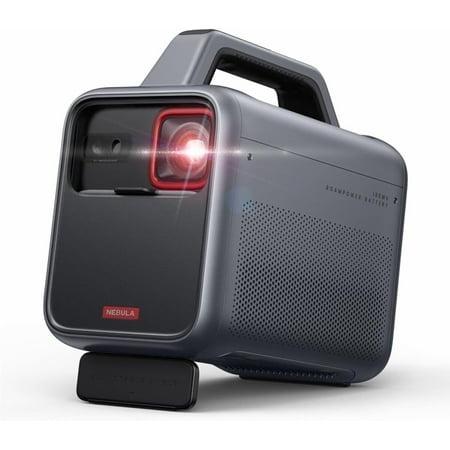
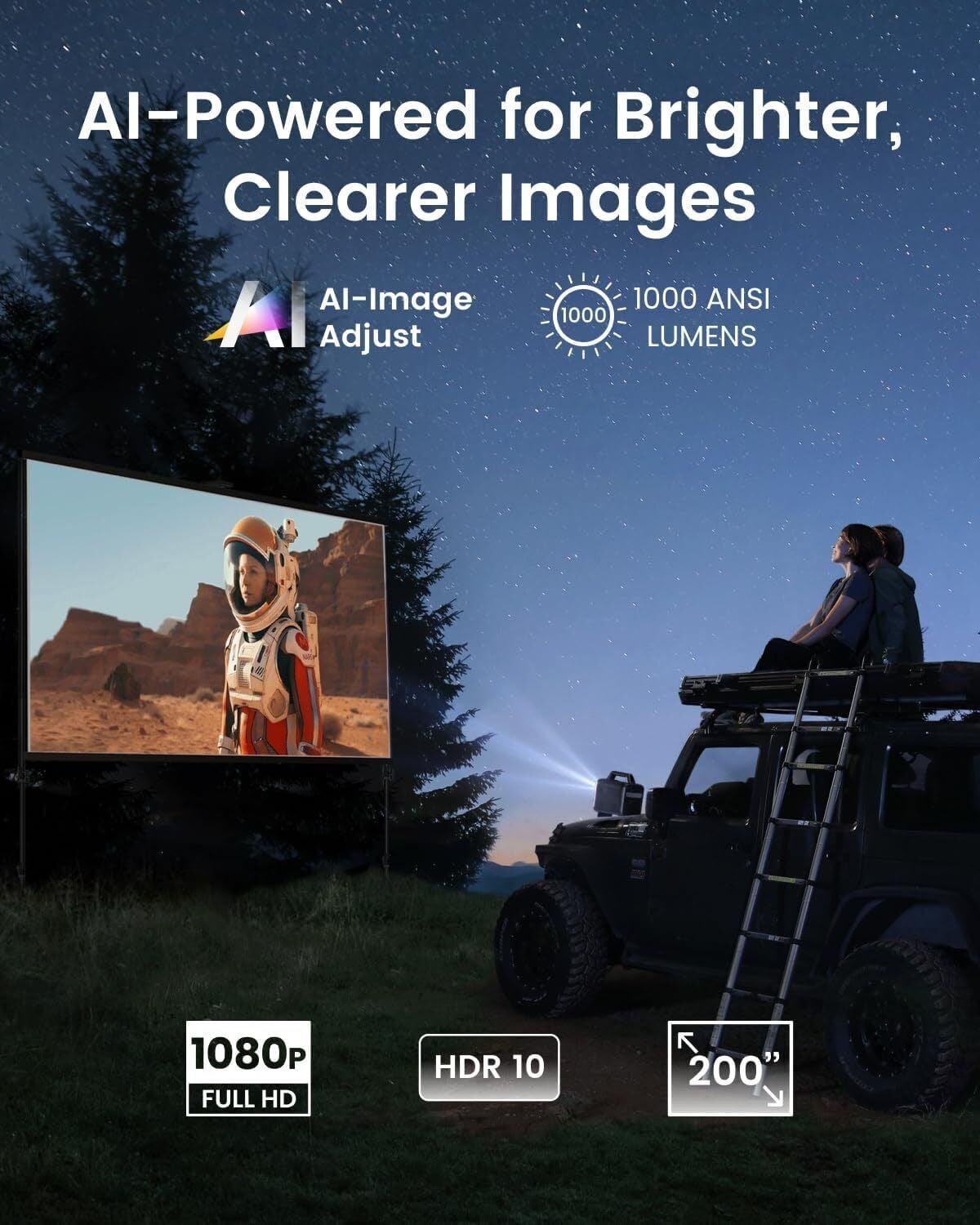
Released in late 2022, the Anker Nebula Mars 3 (priced around $1,000) represents the latest evolution in Anker's Mars projector lineup, which began with the original Mars in 2017. The Mars 3 is designed specifically with outdoor use in mind, incorporating durability features previously unseen in the portable projector market.
Since the original Mars, Anker has made significant improvements in brightness (now 1000 ANSI lumens, up from 500 in the original), battery technology, software integration, and environmental resistance. The Mars 3 represents a significant step forward in creating a projector that truly works outdoors without compromises.
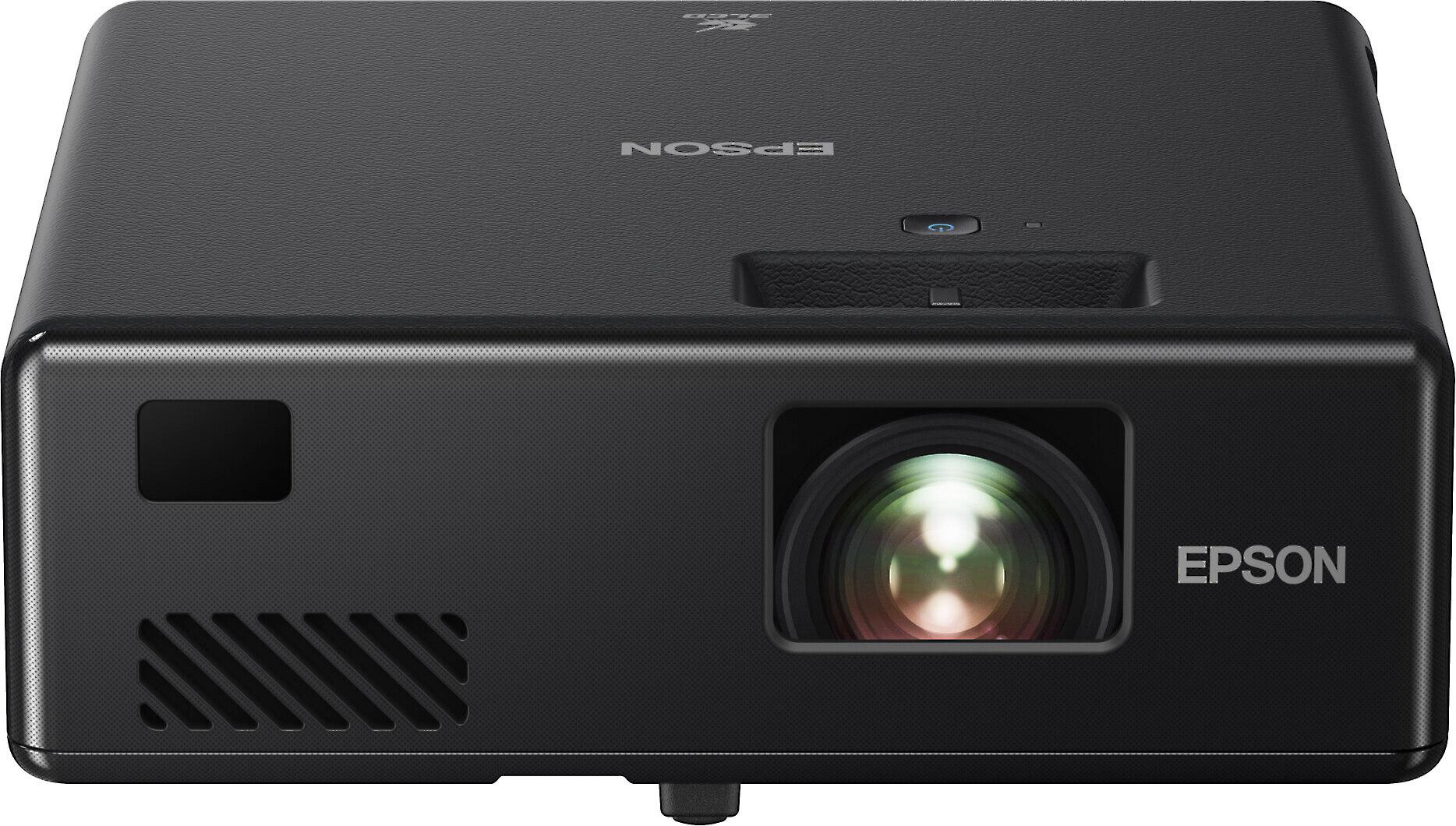
The Epson EpiqVision Mini EF11 (approximately $699) was introduced in mid-2020 as part of Epson's push to bring their renowned 3LCD technology into more compact form factors. Epson has long been known for excellent image quality in its home theater and business projectors, and the EF11 brings that expertise to a portable package.
In the years since its release, the EF11 has remained competitive despite newer entrants, largely due to its exceptional image quality and reliable laser light source—technologies that don't become obsolete as quickly as some other aspects of consumer electronics.
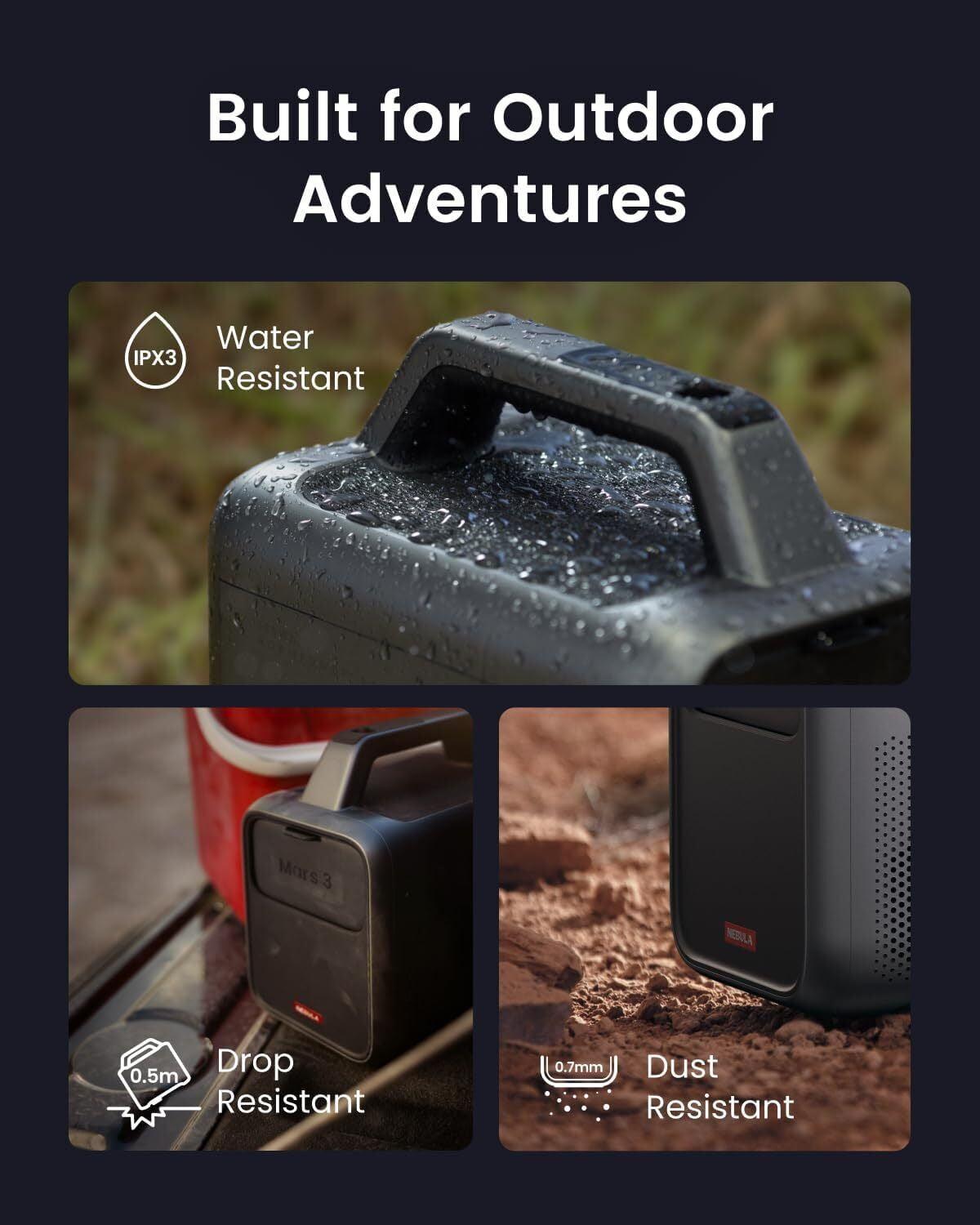
The Mars 3 is significantly larger at 6.3" × 10.2" × 9.8" and weighs a substantial 9.9 pounds. It features a built-in handle for easier transport, but it's definitely not something you'll toss in a regular bag. The design reminds me of a small cooler or portable speaker, with a rugged exterior built to withstand outdoor conditions. With IPX3 water resistance (meaning it can handle water sprays at up to a 60° angle), 0.5-meter drop resistance, and dust protection, it's engineered for the elements in a way few projectors are.
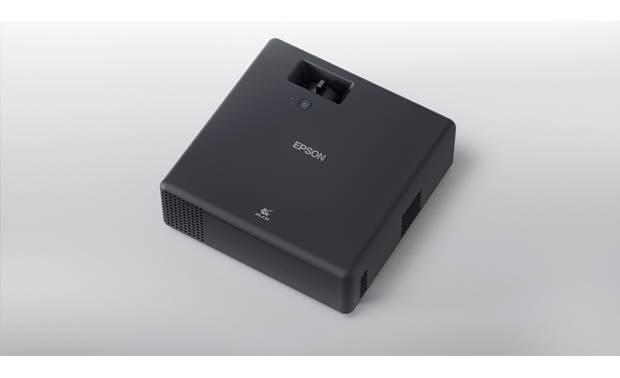
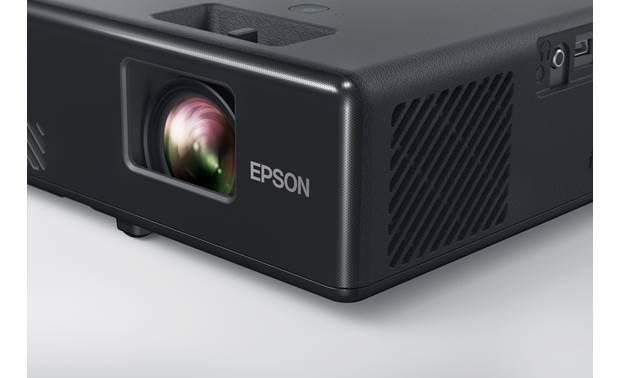
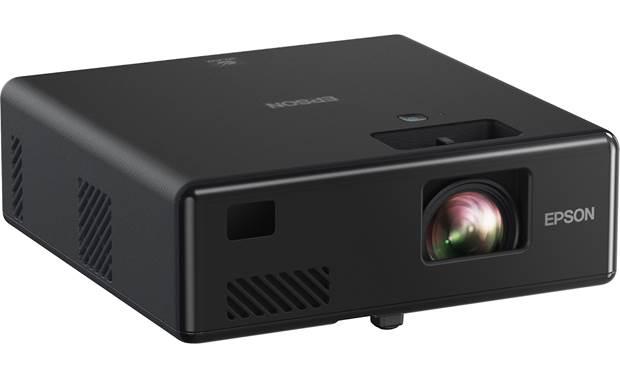
By contrast, the EF11 follows a minimalist approach at just 6.9" × 6.9" × 2.6" and a featherlight 2.7 pounds. It's a sleek black cube that can easily fit in a small bag or backpack. While compact, it lacks any environmental protection—this is an indoor projector that should be kept away from moisture and dust.
The physical difference between these units directly impacts how you'll use them. I've found that the Mars 3's heft can actually be reassuring when setting up outdoors, as it's less likely to be knocked over by a gust of wind. The EF11's smaller footprint makes it ideal for coffee table setups or moving between rooms.
Both projectors advertise 1000 lumens of brightness, though there's a subtle difference in their claims. The Mars 3 specifies 1000 ANSI lumens, while the EF11 claims 1000 lumens of both color and white brightness. In independent testing, the EF11 has measured around 960 ANSI lumens, remarkably close to its claim.
ANSI lumens (American National Standards Institute) represent a standardized measurement of brightness, providing a more reliable comparison between projectors than non-standardized lumen claims, which can sometimes be inflated.
In real-world use, both projectors provide similar usable brightness, sufficient for viewing in dimly lit rooms or outdoor environments after sunset. Neither is bright enough for clear viewing in daylight or well-lit rooms—a limitation of virtually all portable projectors currently on the market.
Here's where we find perhaps the most significant technical difference between these projectors. The Mars 3 uses an LED light source with a single-chip DLP (Digital Light Processing) system. This approach is common in portable projectors due to its efficiency and compact size. LED light sources generate less heat and last longer than traditional lamps, with the Mars 3 claiming 25,000 hours of life.
The EF11 employs Epson's signature 3LCD technology paired with a laser light source. The 3LCD system uses three separate LCD panels—one each for red, green, and blue—which combine to create the final image. This approach typically produces more accurate colors and better black levels than single-chip systems. The laser light source boasts 20,000 hours of life and maintains consistent brightness throughout its lifespan, unlike lamps that gradually dim.
This technological difference translates to noticeable image quality variations. In side-by-side comparisons, the EF11 consistently produces more accurate colors, particularly with skin tones, and delivers superior contrast (rated at an impressive 200,000:1). The Mars 3 offers good image quality by portable projector standards, but can't quite match the color accuracy and contrast depth of the EF11's 3LCD approach.
Both projectors offer Full HD 1920×1080 resolution, providing clear, detailed images suitable for movies, gaming, and presentations. In today's market, 1080p represents the sweet spot for portable projectors—4K options exist but command significantly higher prices and often sacrifice brightness or portability.
The Mars 3 can project images from 30 to 200 inches diagonally, while the EF11 ranges from 30 to 150 inches. In practice, the optimal viewing size for both falls between 80-120 inches to balance brightness and detail. I've found that pushing either projector to their maximum sizes results in noticeably dimmer images that struggle in anything but near-perfect darkness.
The Mars 3 shines in terms of automatic setup features with its Intelligent Environment Adaptation 3.0 system. Within seconds of powering on, it automatically focuses the image, corrects keystone distortion (the trapezoidal shape that occurs when projecting at an angle), and fits the screen to the projection surface. This automation makes setup remarkably simple, especially in varied environments like backyard movie nights where perfect placement isn't always possible.
The EF11 offers more limited automatic features, with its Auto Picture Skew Correction handling vertical geometry adjustments but requiring manual focus. It does have a slight advantage in placement flexibility with its 1.0:1 throw ratio compared to the Mars 3's 1.2:1. This means the EF11 can create a larger image from a shorter distance—a significant benefit in small rooms where placement options are limited.
These setup differences reflect the projectors' intended use cases. The Mars 3 anticipates frequent movement between varied environments, making its comprehensive auto-setup features valuable time-savers. The EF11 assumes more consistent placement, focusing instead on image quality optimization.
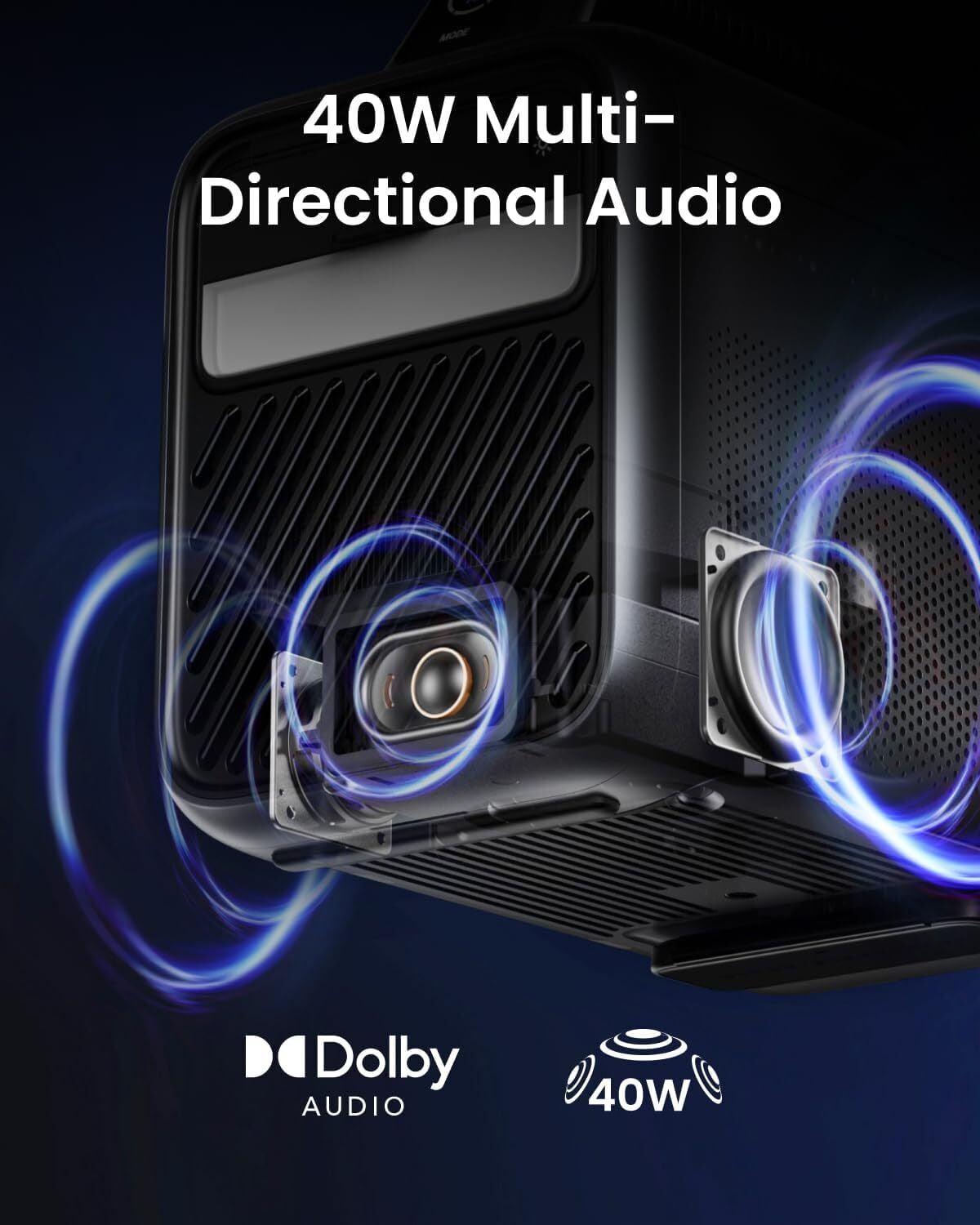
Audio capabilities represent another major differentiator between these projectors. The Mars 3 features an impressive 40W 3-way speaker system with Dolby Audio support. In practical terms, it delivers audio quality comparable to a good Bluetooth speaker—loud enough for outdoor viewing with respectable bass response and clarity. For casual movie nights, it eliminates the need for separate audio equipment.
The EF11 includes just a 1.5W dual-speaker system that, while functional, provides minimal volume and virtually no bass response. It's sufficient for small-room presentations or as a backup option, but for enjoyable movie or music playback, you'll definitely want external speakers.
When testing these projectors for home theater use, I found the Mars 3's audio capabilities particularly valuable for impromptu movie nights or temporary setups. For permanent installations, however, external speakers would improve the experience with either projector.
The Mars 3 runs Android TV 11.0, providing direct access to thousands of streaming apps including Disney+, HBO Max, YouTube, and Hulu. It also features built-in Chromecast functionality and Google Assistant support for voice control. This integration turns the Mars 3 into a complete entertainment system rather than just a display device.
There's one notable limitation: Netflix isn't directly supported through the official app store, requiring workarounds like HDMI connection from another device or sideloading apps. This Netflix restriction is common among projectors using Android TV and stems from certification policies rather than hardware limitations.
The EF11 does not include any smart operating system. It functions purely as a display device, requiring connection to a streaming stick, Blu-ray player, computer, or other source for content. While this might seem like a disadvantage, it actually provides flexibility to use your preferred streaming device and ensures the projector won't become outdated as streaming platforms evolve.
Both projectors offer standard HDMI connectivity for external devices. The Mars 3 adds USB-A and USB-C ports, with the latter supporting both data transfer and power delivery. It also includes a 3.5mm audio output for connecting external speakers or headphones.
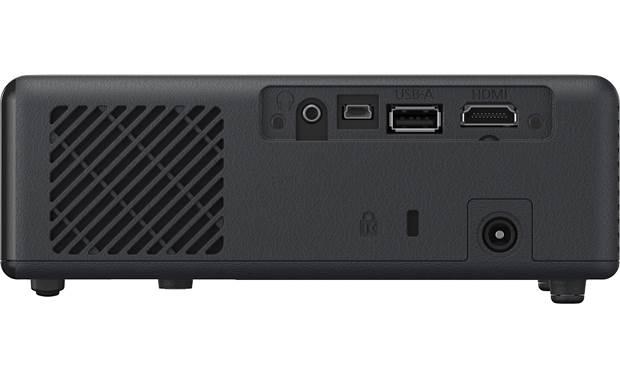
The EF11 provides USB Type-A and Type-B ports for external media and computer connections. Unlike the Mars 3, it lacks Bluetooth connectivity for wireless audio output, meaning you'll need either wired speakers or an HDMI audio extractor to use external audio systems.
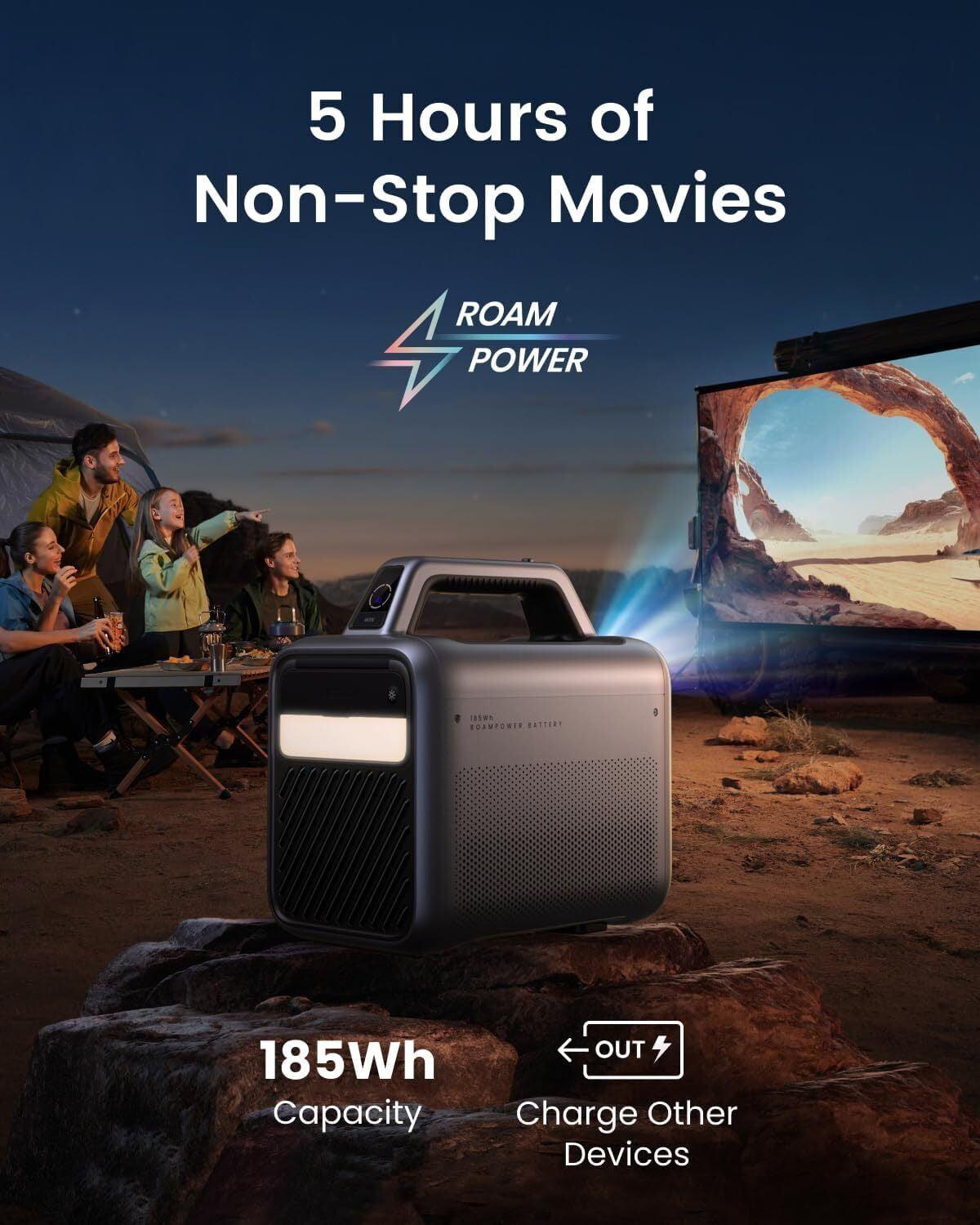
Perhaps the most fundamental operational difference between these projectors is power management. The Mars 3 contains a built-in battery that provides approximately 2 hours of playback at standard brightness or up to 5 hours in Eco mode. This cordless operation enables true portability, allowing setup anywhere regardless of outlet availability.
The EF11 requires constant power from a wall outlet. While this eliminates battery anxiety, it significantly restricts placement options and spontaneous use. For home theater applications with accessible power, this limitation isn't an issue, but it fundamentally changes the projector's versatility.
The Mars 3 excels in scenarios that leverage its unique combination of battery power, durability, and all-in-one design:
I've found the Mars 3 particularly impressive for impromptu movie nights, where its ability to set up anywhere without power concerns and automatic adjustment features make it remarkably user-friendly, especially for guests who might be intimidated by more complex setups.
The EF11 delivers superior performance in scenarios that prioritize image quality and placement flexibility:
For dedicated home theater spaces, the EF11's superior color reproduction and contrast create more cinema-like images, especially with darker content where the 3LCD system's deeper blacks enhance the viewing experience.
At approximately $1,000, the Anker Nebula Mars 3 commands a premium price in the portable projector market. This price point reflects its comprehensive feature set rather than raw image performance—you're paying for the battery, durability, audio system, and smart functionality.
The Epson EpiqVision Mini EF11 represents a different value calculation at around $699. It offers superior image quality at a lower price by omitting features like battery power and comprehensive smart capabilities. For buyers focused primarily on projection quality, the EF11 provides excellent value.
When considering value, it's crucial to account for potential additional purchases. The Mars 3 is essentially ready to use out of the box, while the EF11 may require investment in a streaming device and external speakers for a complete experience. Depending on what accessories you already own, the total cost difference may be smaller than the sticker prices suggest.
Choosing between these projectors ultimately comes down to your priorities and intended use:
Choose the Anker Nebula Mars 3 if:
Choose the Epson EpiqVision Mini EF11 if:
In the two years I've spent testing various portable projectors, I've come to appreciate that there's no one-size-fits-all solution. The Mars 3 and EF11 represent different philosophies in portable projection, each with clear strengths aligned to specific use cases.
For my own use, I've found the Mars 3's versatility invaluable for spontaneous outdoor gatherings and travel, while the EF11's superior image quality makes it my preference for dedicated movie nights at home. If forced to choose just one, your decision should align with where and how you'll most frequently use your projector—prioritizing either the freedom of cordless operation or the enhanced viewing experience of superior image reproduction.
Whichever direction you choose, both projectors represent impressive achievements in making big-screen entertainment more accessible and adaptable than ever before.
| Anker Nebula Mars 3 | Epson EpiqVision Mini EF11 |
|---|---|
| Price - Overall investment required | |
| $1,000 | $699 |
| Brightness - Determines visibility in ambient light | |
| 1,000 ANSI lumens (suitable for dim to dark environments) | 1,000 lumens (measures ~960 ANSI lumens in testing) |
| Resolution - Affects image clarity and detail | |
| 1920×1080 Full HD | 1920×1080 Full HD |
| Projection Technology - Impacts color accuracy and image quality | |
| Single-chip DLP with LED light source | 3LCD technology with laser light source (better color accuracy and contrast) |
| Light Source Lifespan - Long-term durability | |
| 25,000 hours (LED) | 20,000 hours (laser with more consistent brightness over time) |
| Portability - Size and weight considerations | |
| 6.3" × 10.2" × 9.8", 9.9 lbs (larger but includes battery) | 6.9" × 6.9" × 2.6", 2.7 lbs (significantly more compact) |
| Battery - Freedom from power outlets | |
| Built-in battery with 2-5 hours runtime (depending on brightness) | No battery (requires constant power source) |
| Environmental Durability - Outdoor usage capability | |
| IPX3 water resistance, 0.5m drop resistance, dust protection | Standard indoor design (no weather protection) |
| Audio System - Need for external speakers | |
| 40W 3-way speaker system with Dolby Audio (robust sound) | 1.5W dual-speaker system (minimal sound, external speakers recommended) |
| Smart Features - Built-in streaming capability | |
| Android TV 11.0 with Chromecast and Google Assistant | None (requires external streaming device) |
| Auto Setup Features - Ease of installation | |
| Auto focus, keystone correction, and screen fitting | Auto Picture Skew Correction (vertical only) |
| Maximum Screen Size - Largest possible image | |
| Up to 200 inches | Up to 150 inches |
| Throw Ratio - Distance needed for desired screen size | |
| 1.2:1 (requires more distance) | 1.0:1 (requires less distance for same screen size) |
| Contrast Ratio - Affects image depth and black levels | |
| Not specified (typical DLP contrast) | 200,000:1 (superior black levels and image depth) |
| Connectivity - Device compatibility options | |
| HDMI, USB-A, USB-C, Wi-Fi, Bluetooth 5.1, 3.5mm audio out | HDMI, USB Type-A and Type-B (no wireless connectivity) |
| Best Use Case - Ideal application scenario | |
| Outdoor entertainment, camping, travel, versatile locations | Home theater, small rooms, business presentations, image quality focus |
The Epson EpiqVision Mini EF11 delivers superior image quality thanks to its 3LCD technology, which produces more accurate colors and a higher 200,000:1 contrast ratio. While both projectors offer 1080p resolution and similar brightness levels around 1000 lumens, the EF11's laser-powered 3LCD system creates deeper blacks and more natural skin tones than the LED-based DLP system in the Anker Nebula Mars 3.
The Anker Nebula Mars 3 is specifically designed for outdoor use with IPX3 water resistance, dust protection, and drop resistance up to 0.5 meters. It also has a built-in battery that lasts 2-5 hours, making it ideal for backyard movie nights without power access. The Epson EpiqVision Mini EF11 lacks weather protection and requires a constant power source, making it primarily suited for indoor use only.
While the Epson EpiqVision Mini EF11 is significantly smaller (6.9" × 6.9" × 2.6") and lighter (2.7 lbs) than the Anker Nebula Mars 3 (6.3" × 10.2" × 9.8", 9.9 lbs), true portability depends on your needs. The Mars 3 offers battery-powered operation that allows setup anywhere, while the EF11 requires a constant power source. The Mars 3 is more portable in terms of placement flexibility, while the EF11 is more portable in terms of physical size and weight.
The Anker Nebula Mars 3 comes with Android TV 11.0 built-in, offering access to thousands of streaming apps including Disney+, YouTube, and Hulu (though Netflix requires workarounds). It also features Chromecast functionality and Google Assistant support. The Epson EpiqVision Mini EF11 does not have any built-in streaming capabilities and requires an external device like a Roku, Apple TV, or Fire Stick connected via HDMI.
For a permanent home theater setup, the Epson EpiqVision Mini EF11 is generally the better choice due to its superior image quality with better contrast and color accuracy. Since power is typically available in dedicated home theater spaces, the EF11's lack of battery isn't a disadvantage. However, if your home theater setup requires quality built-in audio or you prefer an all-in-one solution without additional streaming devices, the Anker Nebula Mars 3 might be more convenient despite its higher price.
The Anker Nebula Mars 3 features a powerful 40W 3-way speaker system with Dolby Audio that provides room-filling sound comparable to a good Bluetooth speaker. The Epson EpiqVision Mini EF11 has only a basic 1.5W dual-speaker system that's adequate for small room presentations but lacks volume and bass for enjoyable movie watching. For the EF11, external speakers are essentially required for a quality audio experience, while the Mars 3 can function well as a standalone audio-visual system.
At approximately $699, the Epson EpiqVision Mini EF11 offers better value for pure image quality compared to the $1,000 Anker Nebula Mars 3. However, the total cost difference may be smaller when considering that the Mars 3 includes features you might otherwise purchase separately—a quality speaker system, a streaming device, and battery power. The most cost-effective choice depends on which additional components you already own and how much you value the Mars 3's outdoor capabilities.
The Anker Nebula Mars 3 is essentially ready to use out of the box with its built-in Android TV and quality speakers. The Epson EpiqVision Mini EF11 will require a streaming device (like a Roku, Apple TV, or Fire Stick) and external speakers for optimal performance, which could add $100-300 to your total investment depending on the quality of accessories you choose.
Both projectors offer 1080p resolution suitable for gaming, but they have different strengths. The Epson EpiqVision Mini EF11 provides better image quality with superior contrast that makes games look more vibrant. The Anker Nebula Mars 3 offers more flexibility for gaming setups, including outdoor gaming parties, and its built-in speakers eliminate the need for separate audio. Neither projector advertises specialized gaming features like extremely low input lag, so serious competitive gamers might want to explore gaming-specific projectors instead.
The Anker Nebula Mars 3 offers the easier setup experience with its Intelligent Environment Adaptation 3.0 system, which automatically handles focus, keystone correction, and screen fitting within seconds. The Epson EpiqVision Mini EF11 requires more manual adjustment, though it does offer Auto Picture Skew Correction for vertical geometry. The EF11's 1.0:1 throw ratio (versus the Mars 3's 1.2:1) means it can project larger images from shorter distances, which may help with placement in smaller rooms.
The Anker Nebula Mars 3 uses an LED light source rated for 25,000 hours of use, while the Epson EpiqVision Mini EF11 features a laser light source with a 20,000-hour lifespan. For context, even if you watched movies for 4 hours every day, both projectors would last over 13 years before the light source needed replacement. The key difference is that the EF11's laser maintains more consistent brightness throughout its lifespan, while LED sources typically dim gradually over time.
For business presentations, the choice depends on your specific needs. The Epson EpiqVision Mini EF11 at $699 is more compact, lighter to carry, and offers superior image quality with better color accuracy, making it ideal for office environments with available power. The $1,000 Anker Nebula Mars 3 provides greater flexibility for presentations in unconventional locations thanks to its battery power and built-in Android TV that allows presenting directly from cloud services without a laptop. The Mars 3 also offers better built-in audio for larger rooms.
We've done our best to create useful and informative comparisons to help you decide what product to buy. Our research uses advanced automated methods to create this comparison and perfection is not possible - please contact us for corrections or questions. These are the sites we've researched in the creation of this article: techradar.com - seenebula.com - thesmarthomehookup.com - yuenx.com - projectorcentral.com - seenebula.com - youtube.com - youtube.com - youtube.com - cnet.com - projectorreviews.com - youtube.com - youtube.com - projectorcentral.com - seenebula.com - youtube.com - yuenx.com - bestbuy.com - bhphotovideo.com - youtube.com - bestbuy.com - gagadget.com - epson.com - projectorreviews.com - audiogeneral.com - projectorreviews.com - epson.com - youtube.com - epson.com - youtube.com - mediaserver.goepson.com - files.support.epson.com - staples.com - projectorcentral.com - bestbuy.com - planettv.com - dell.com - epson.eu - projectortop.com

Privacy Policy
Terms and Conditions - Affiliate Policy
Home Security
© Copyright 2008-2026.
11816 Inwood Rd #1211, Dallas, TX 75244