

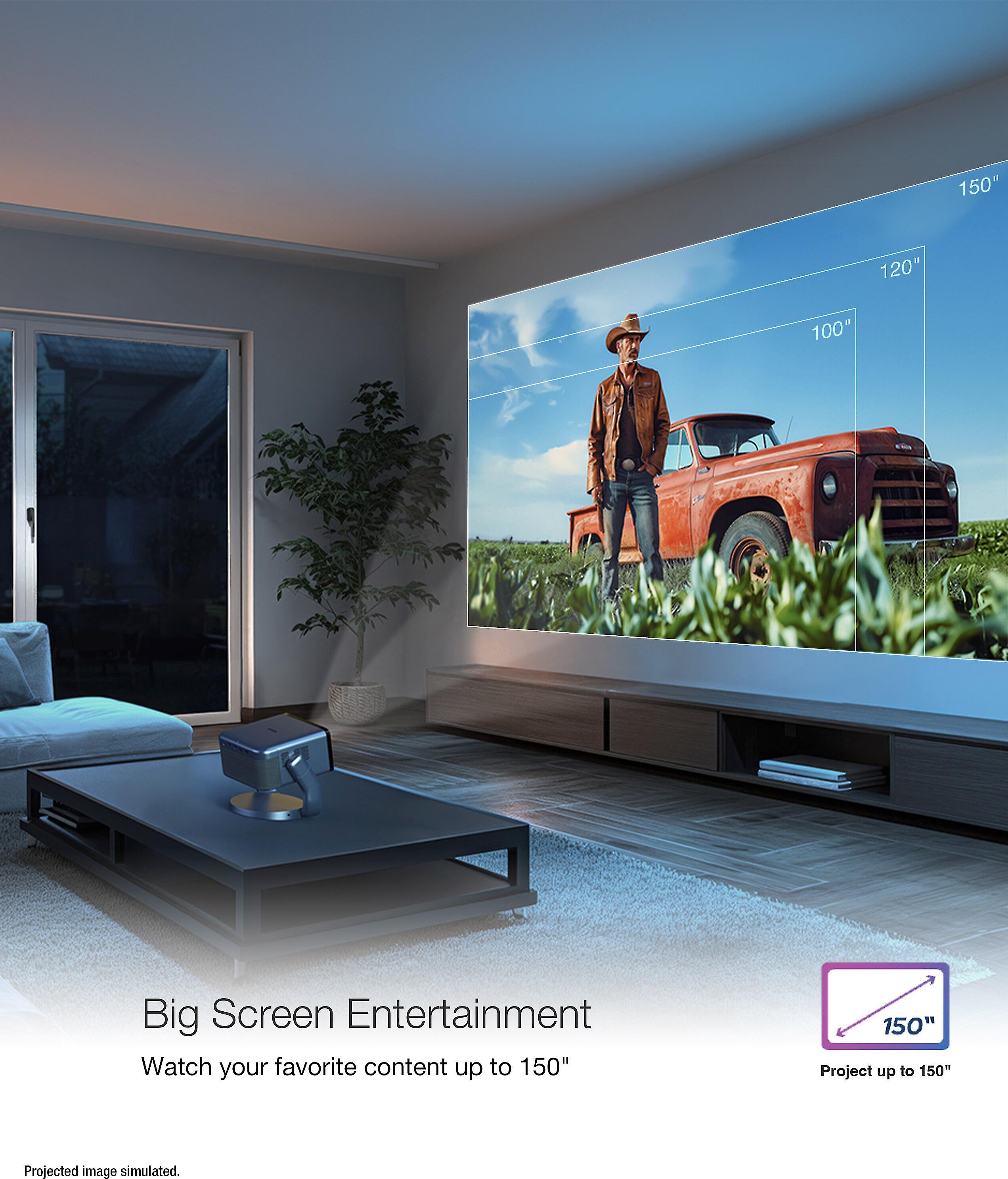
The world of home entertainment has shifted dramatically in recent years. While massive TVs still dominate living rooms, a new category of portable smart projectors has emerged that promises big-screen entertainment anywhere you want it. These devices pack impressive technology into surprisingly compact packages, turning any wall into a potential cinema screen.
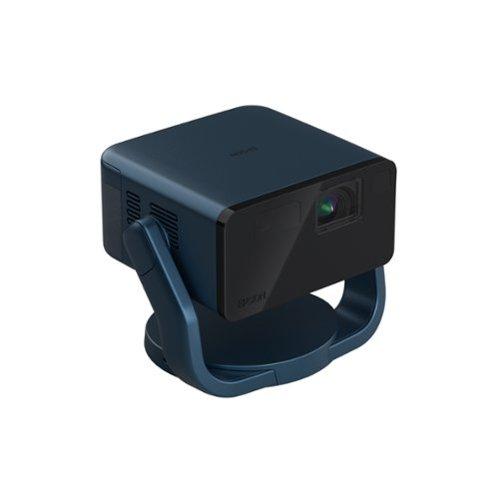
Today we're comparing two standout models that represent different approaches to portable projection: the premium Hisense M2 Pro 4K Triple Laser Portable Projector and the more accessible Epson EpiqVision Mini EF22 Streaming Projector. Both launched in 2024, representing the latest thinking in portable projection technology, but they target different users with distinct priorities.
Before diving into specifics, it's worth understanding what makes today's portable projectors special. Unlike the dim, noisy business projectors of the past, modern portable units combine laser light sources (which last 20,000+ hours compared to traditional bulbs that might last 3,000), built-in smart platforms, and surprisingly good audio systems. The result is a true all-in-one entertainment device that can create a 100+ inch viewing experience from a device you can carry in one hand.
The key considerations when choosing between models come down to image quality, brightness for different viewing conditions, ease of setup, smart features, and overall value. Each manufacturer takes a different approach to balancing these factors.
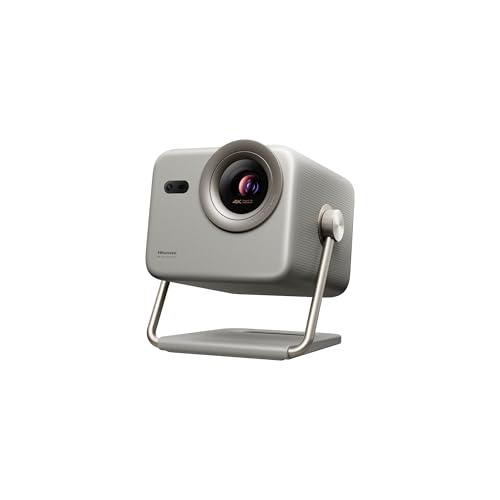
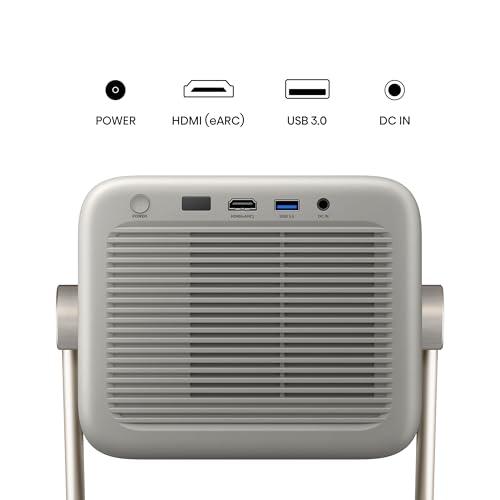
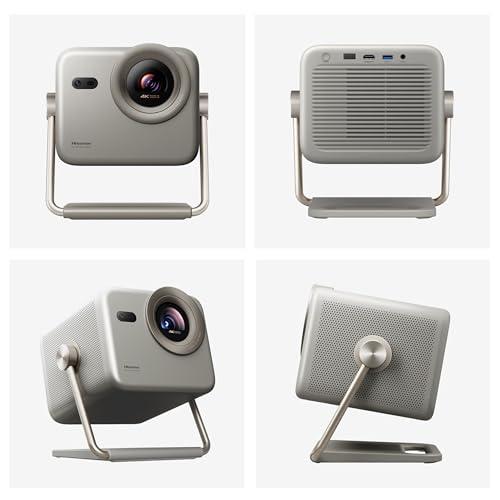
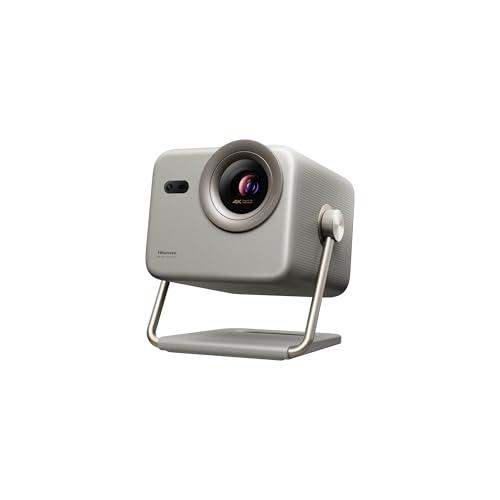
The Hisense M2 Pro represents what happens when a company decides to pack near-home theater quality into a portable package. Released in 2024, this projector showcases several cutting-edge technologies that were previously only found in much larger, more expensive units.
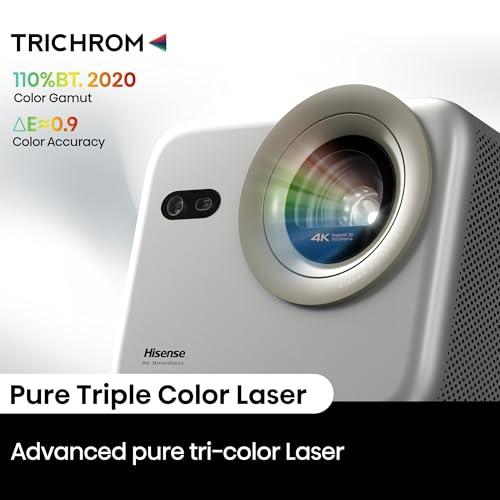
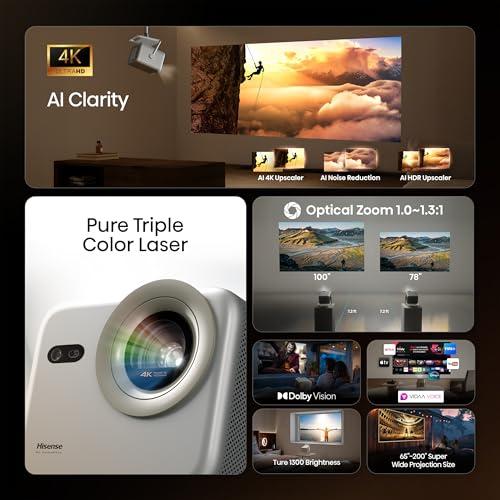
The most significant feature of the M2 Pro is its TriChroma triple laser system. Traditional projectors use either LED light sources or single-color laser diodes that get filtered to create different colors. The M2 Pro uses separate red, green, and blue lasers—28 laser chips in total—to create its image. This approach delivers several major advantages.
First, color accuracy is exceptional. The projector covers 110% of the BT.2020 color space, which is the standard for 4K HDR content. In practical terms, this means colors appear more vibrant and true-to-life than what you'd see from most TVs, let alone portable projectors. Professional reviewers consistently note color accuracy measurements around ΔE 0.9, which is considered reference-level performance.
Second, the triple laser system maintains its brightness and color accuracy over time. Unlike traditional bulbs that dim and shift color temperature as they age, laser systems remain consistent throughout their 25,000+ hour lifespan.
While many projectors claim "4K-compatible" resolution, the M2 Pro delivers native 4K UHD (3840 x 2160 pixels). It accomplishes this through a precision DLP (Digital Light Processing) system using 2.07 million tiny mirrors that flip thousands of times per second to create each pixel.
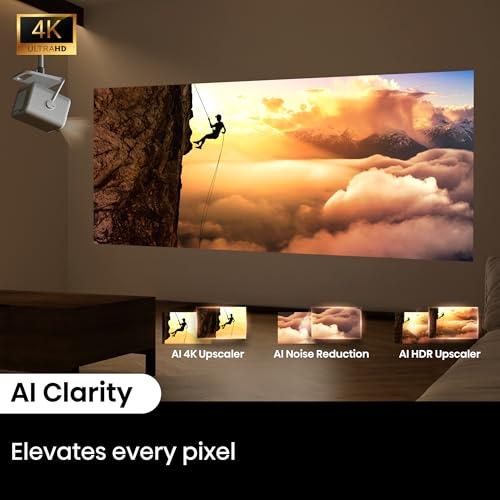
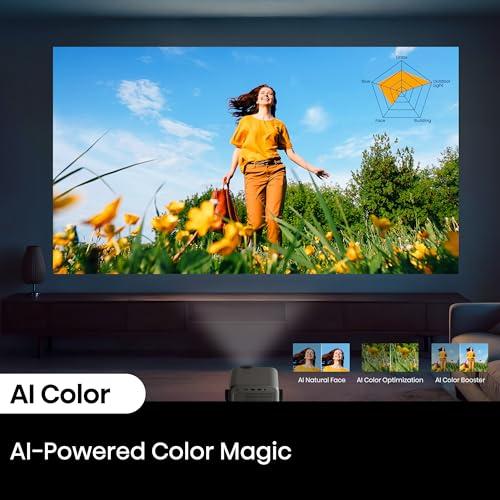
What sets this apart is Hisense's AI 4K Clarity Engine. This system includes three key technologies: AI 4K Upscaling transforms lower-resolution content (like 1080p Netflix shows) into sharper, more detailed images approaching true 4K quality. AI Noise Reduction cleans up compression artifacts and visual noise that can make streaming content look fuzzy. Finally, AI HDR Upscaler optimizes contrast and highlights to make HDR content more impactful.
These AI features matter because most content you'll watch isn't native 4K. The processing helps bridge that gap, making your existing library look better than it would on a standard projector or even many TVs.
One area where the Hisense M2 Pro truly excels is gaming performance. With a 240Hz refresh rate and just 12ms input lag, it rivals dedicated gaming monitors. For context, most TVs have 15-30ms input lag, and many projectors exceed 50ms, making fast-paced games feel sluggish and unresponsive.
The projector includes Auto Low Latency Mode (ALLM), which automatically switches to game mode when it detects a gaming console, and Motion Estimation Motion Compensation (MEMC), which reduces motion blur during fast action scenes. These features make it genuinely suitable for competitive gaming on a massive screen.
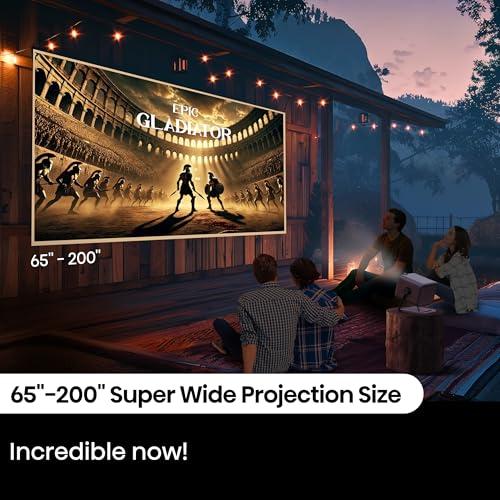
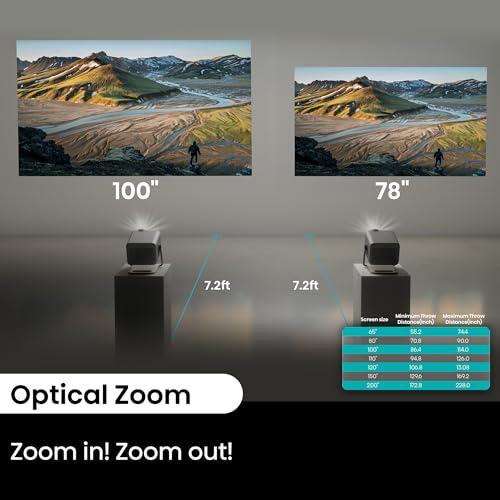
Perhaps the most unusual feature is the M2 Pro's optical zoom capability with a 1.0-1.3 throw ratio. Most projectors, especially portable ones, only offer digital zoom, which crops the image and reduces resolution. True optical zoom lets you adjust image size from 65 to 200 inches without losing any sharpness or detail.
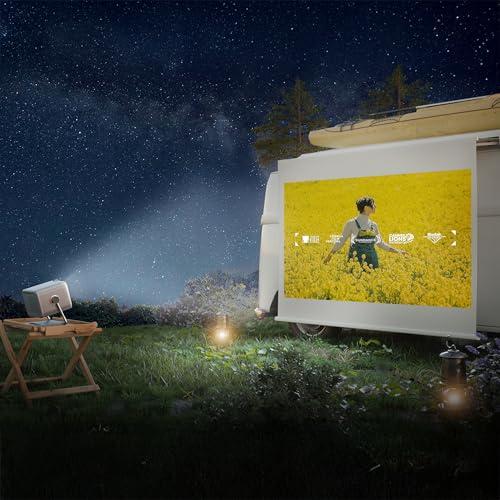
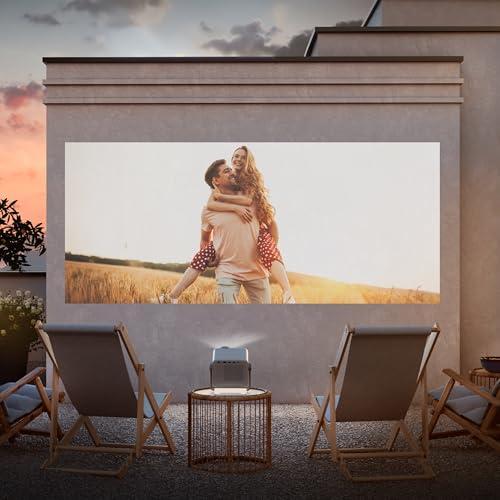
This flexibility is crucial for portable use. Whether you're in a small bedroom or setting up outdoors for movie night, you can optimize the image size for your space without compromising quality or moving the projector.
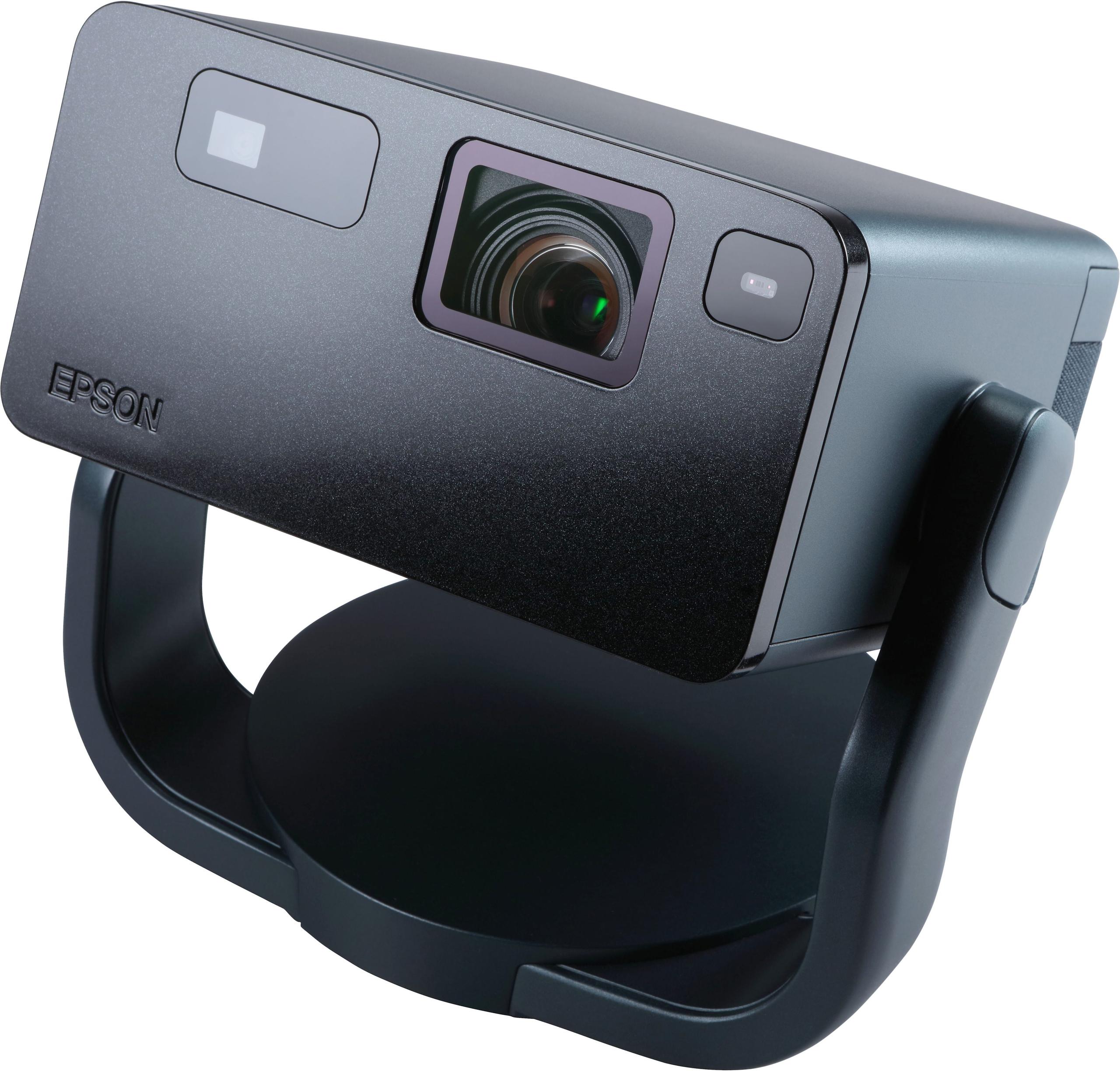
The Epson EpiqVision Mini EF22 takes a different approach, prioritizing ease of use, smart features, and value over absolute image quality. Released alongside Epson's 2024 projector lineup, it represents refined thinking about what most users actually need from a portable projector.
Instead of triple lasers, the EF22 uses Epson's mature 3LCD technology with a single laser light source. This system creates images by splitting laser light into red, green, and blue components using LCD panels. While it doesn't achieve the wide color gamut of the M2 Pro, it delivers natural-looking colors that many viewers prefer for everyday content.
The key advantage of 3LCD is consistent brightness across all colors. Some projection technologies can make certain colors appear dimmer than others, but 3LCD maintains uniform brightness whether displaying a bright white scene or deep blue ocean footage.
The EF22 tops out at 1080p Full HD resolution, which might seem limiting in 2024. However, for many viewing scenarios, this resolution is perfectly adequate. At typical viewing distances (8-12 feet from a 100-inch screen), the difference between 1080p and 4K becomes much less noticeable, especially with good upscaling.
Where the EF22 shines is its impressive contrast ratio of 5,000,000:1. This spec can be misleading since it's measured under ideal laboratory conditions, but it translates to noticeably deeper blacks and better shadow detail compared to the M2 Pro's 1,000:1 native contrast. For movie watching, especially in darker rooms, this can create a more cinematic experience despite the lower resolution.
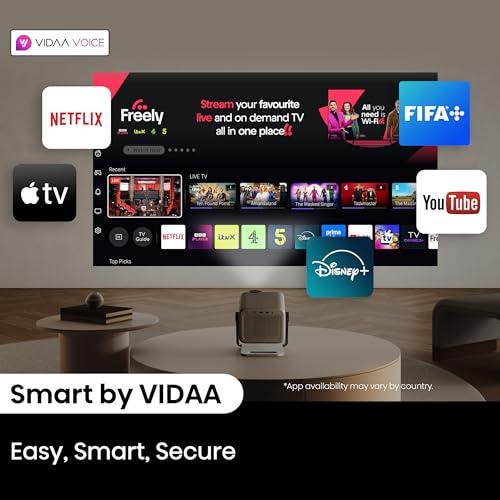
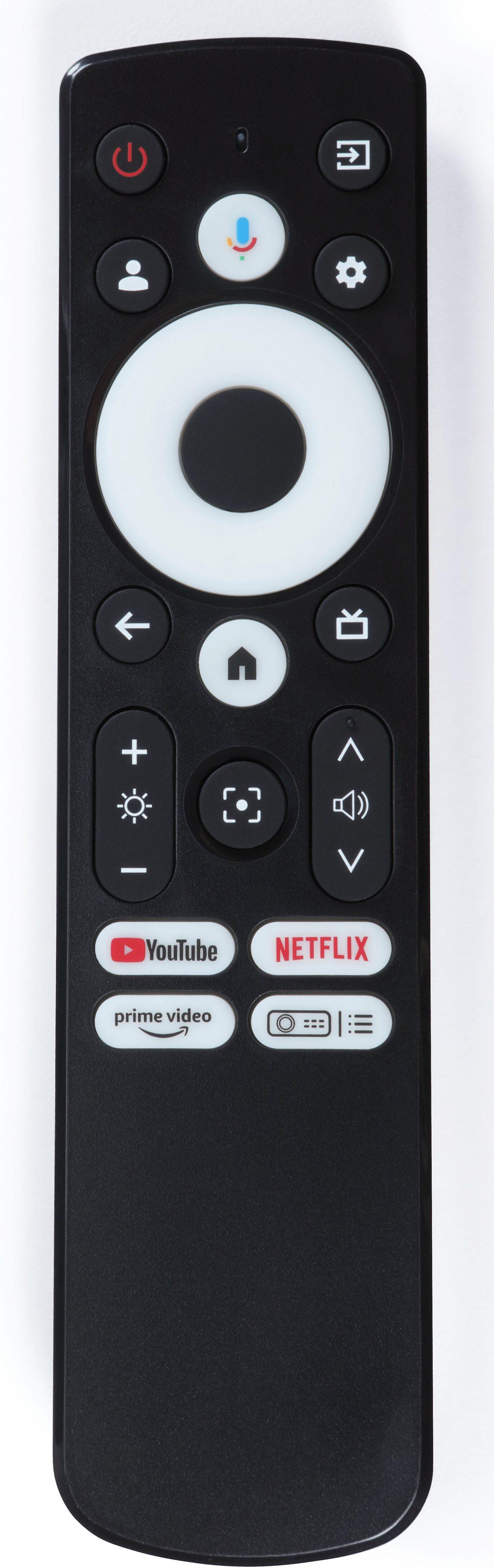
Perhaps the biggest advantage of the Epson EF22 is its Google TV platform. While the M2 Pro uses Hisense's VIDAA OS, which covers the major streaming services, Google TV provides access to over 10,000 apps and integrates seamlessly with Google's ecosystem.
Google TV's interface is more sophisticated, offering personalized recommendations across services, voice search that actually works well, and the ability to cast content from virtually any device. For users already invested in Google services (Gmail, Google Photos, YouTube Premium), the integration feels natural and comprehensive.
Epson's EpiqSense technology handles most setup tasks automatically. The projector detects the projection surface, adjusts focus, corrects keystone distortion (when the projector isn't perfectly perpendicular to the wall), and optimizes color balance—all without user intervention.
While the M2 Pro offers similar auto-adjustment features, EpiqSense is particularly refined for users who want to avoid any technical setup. You literally just plug it in, point it at a wall, and start watching.
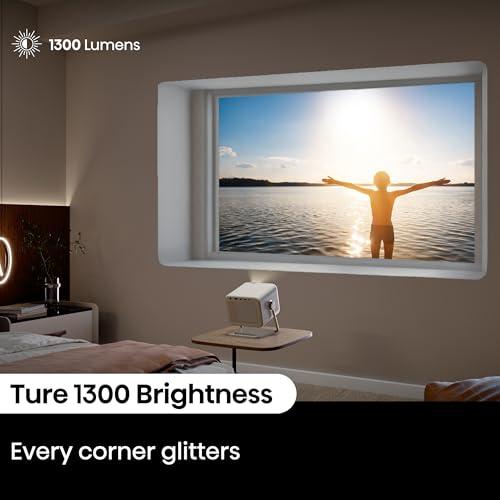
Brightness determines where and when you can use a projector effectively. Both models claim around 1,000-1,300 ANSI lumens, but the M2 Pro's triple laser system delivers more usable brightness in practice.
For reference, a typical living room with some ambient light requires at least 1,000 lumens for watchable images. Movie theaters operate around 14 foot-lamberts, which translates to roughly 1,200-1,500 lumens for a 100-inch home screen. The M2 Pro can handle moderately lit rooms reasonably well, while the EF22 performs best with controlled lighting.
Both projectors excel in darker environments. For dedicated home theater use with blackout curtains or evening outdoor viewing, either provides excellent image quality that rivals mid-range flat-panel TVs.
Both projectors support HDR10 and HLG (Hybrid Log-Gamma), but the M2 Pro additionally handles Dolby Vision and HDR10+ decoding. More importantly, it has the color gamut and processing power to make HDR content actually look different from standard dynamic range material.
HDR (High Dynamic Range) expands both the brightness range and color palette of images. However, many projectors simply accept HDR signals without properly displaying the expanded range. The M2 Pro's triple laser system and AI processing actually deliver the improved contrast and color saturation that HDR promises.
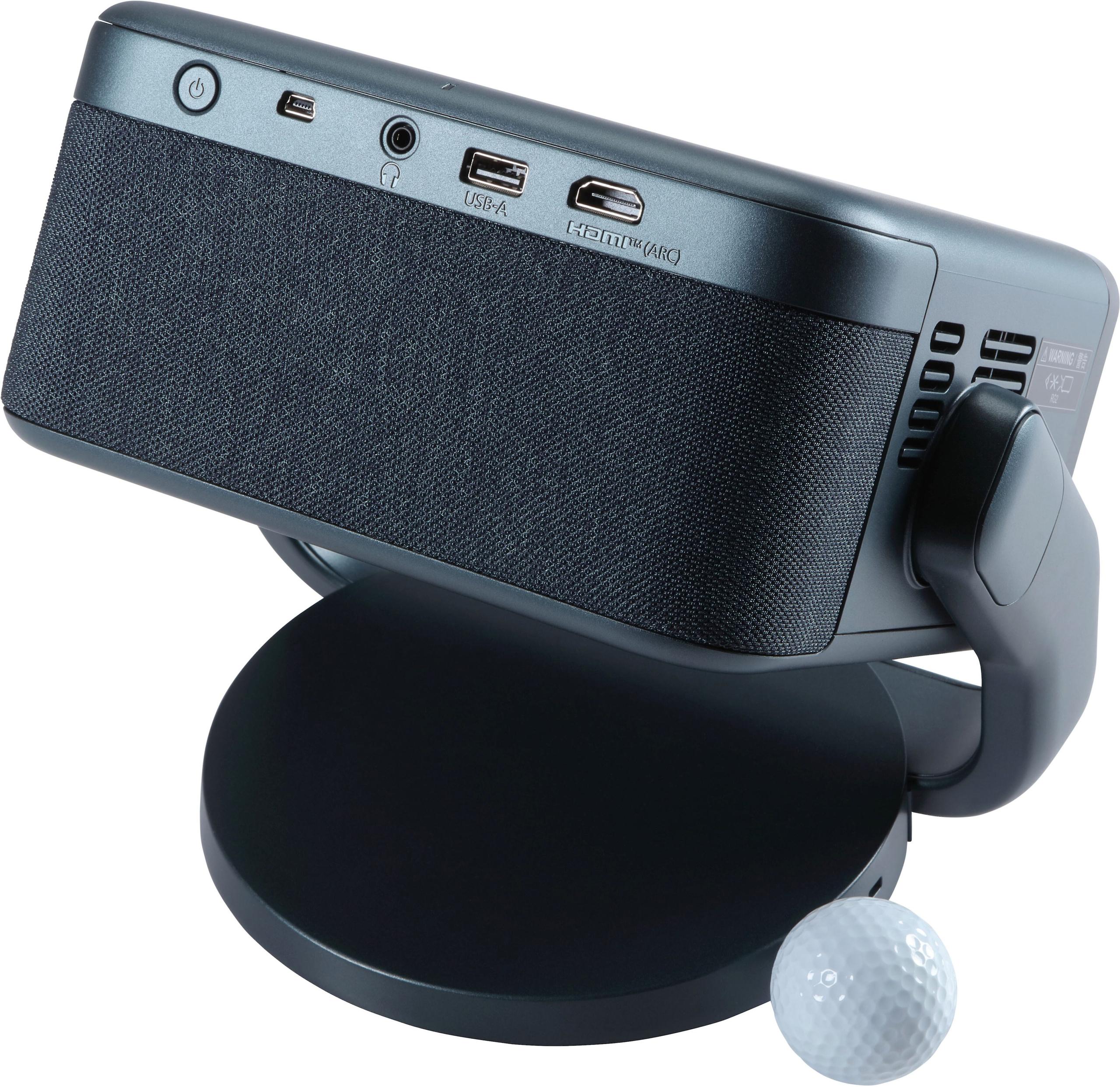
Audio quality varies significantly between the models. The M2 Pro includes 20W speakers with Dolby Audio and DTS Virtual:X processing, creating surprisingly immersive sound for its size. The EF22 offers 10W speakers with Dolby Audio—adequate for casual viewing but lacking the depth and volume for truly cinematic experiences.
For serious home theater use, both benefit from external audio systems. However, the M2 Pro's built-in audio is genuinely usable for most content, while the EF22's speakers feel more like a convenience feature.
If you're considering either projector as a primary TV replacement, the M2 Pro makes more sense despite its higher cost at the time of writing. The 4K resolution, superior color accuracy, and better audio system justify the premium for daily use. The optical zoom also helps optimize the image for your specific room layout.
The EF22 can work as a primary display for smaller spaces or secondary viewing areas, but its 1080p resolution and limited brightness make it less suitable for replacing a modern 4K TV entirely.
For camping trips, backyard movie nights, or moving between rooms, both excel but for different reasons. The EF22 is lighter and boots up faster, making it better for spontaneous viewing. Its Google TV platform also works more reliably with hotel Wi-Fi and unfamiliar networks.
The M2 Pro provides better image quality in varied lighting conditions and offers more flexible placement options thanks to its optical zoom and 360-degree adjustment capability. If image quality matters more than convenience, it's the better portable choice.
For gaming, the M2 Pro is simply in a different league. The 12ms input lag and 240Hz refresh rate make it suitable for competitive gaming, while the large screen size creates an immersive experience that's difficult to replicate with traditional displays.
The EF22 works fine for casual gaming, but the higher input lag makes it unsuitable for fast-paced or competitive games where reaction time matters.
At the time of writing, the Hisense M2 Pro commands a significant premium over the EF22, reflecting its advanced feature set and superior performance. Whether this premium is justified depends largely on your intended use and priorities.
The M2 Pro represents exceptional value for users who want the best possible portable projection experience. Its combination of 4K resolution, triple laser color accuracy, gaming performance, and flexible setup options would cost significantly more in a traditional home theater projector, assuming you could find these features in a portable package at all.
The EF22 offers excellent value for users who prioritize smart features, ease of use, and reasonable image quality over absolute performance. Its Google TV platform and simplified setup process make it more accessible for mainstream users, while the lower price point makes it an easier purchase decision.
Your decision between these projectors should ultimately come down to matching their strengths with your specific needs and usage patterns.
Choose the Hisense M2 Pro if you're serious about image quality and plan to use the projector regularly. Its 4K resolution, color accuracy, and gaming capabilities make it suitable as a primary entertainment display. The higher cost is justified if you value having the latest technology and best possible performance in a portable package.
The EF22 makes more sense for casual users who want the convenience of portable big-screen entertainment without the complexity or cost of premium features. Its Google TV integration, lighter weight, and lower price point make it ideal for secondary viewing areas, occasional use, or first-time projector buyers.
Both represent significant improvements over projectors available just a few years ago. The laser light sources, smart platforms, and automatic setup features address most of the traditional pain points with projection technology. Your choice comes down to whether you prioritize absolute performance or practical convenience—and fortunately, both approaches deliver genuinely satisfying big-screen entertainment experiences.
| Hisense M2 Pro 4K Triple Laser Portable Projector | Epson EpiqVision Mini EF22 Streaming Projector |
|---|---|
| Resolution - Critical for image sharpness and detail | |
| Native 4K UHD (3840 x 2160) with AI upscaling | Full HD 1080p (1920 x 1080) |
| Light Source Technology - Affects color accuracy and brightness | |
| Triple laser (R+G+B) with 28 laser chips | 3LCD with single laser light source |
| Brightness - Determines usability in various lighting conditions | |
| 1,300 ANSI lumens (better for moderately lit rooms) | 1,000 ANSI lumens (requires darker environments) |
| Color Gamut - Impact on color vibrancy and accuracy | |
| 110% BT.2020 color space coverage | Standard color reproduction with 3LCD consistency |
| Contrast Ratio - Affects black levels and image depth | |
| 1,000:1 native contrast | 5,000,000:1 (better deep blacks) |
| Gaming Performance - Critical for responsive gaming | |
| 240Hz refresh rate, 12ms input lag, ALLM support | Standard gaming performance, higher input lag |
| HDR Support - Enhanced dynamic range capabilities | |
| Dolby Vision, HDR10, HDR10+, HLG | HDR10, HLG |
| Smart Platform - Affects app selection and user experience | |
| VIDAA OS with major streaming apps | Google TV with 10,000+ apps |
| Projection Flexibility - Setup options and placement freedom | |
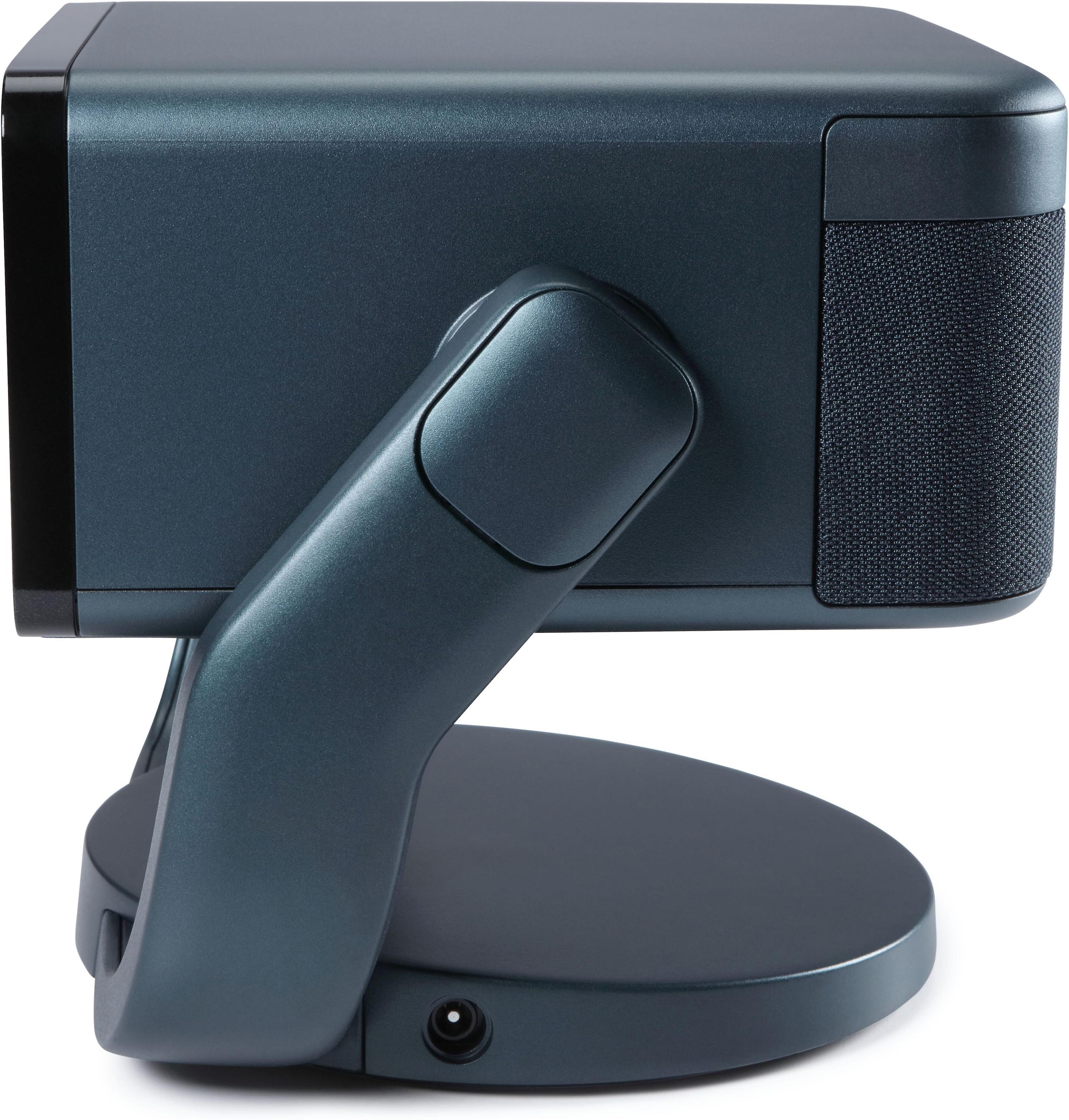
| Optical zoom (1.0-1.3x), 360° horizontal/135° vertical gimbal | 360° swivel stand with tilt, EpiqSense auto setup |
| Audio System - Built-in sound quality | |
| 20W speakers (2x10W) with Dolby Audio, DTS Virtual:X | 10W speakers (2x5W) with Dolby Audio |
| Dimensions & Weight - Portability considerations | |
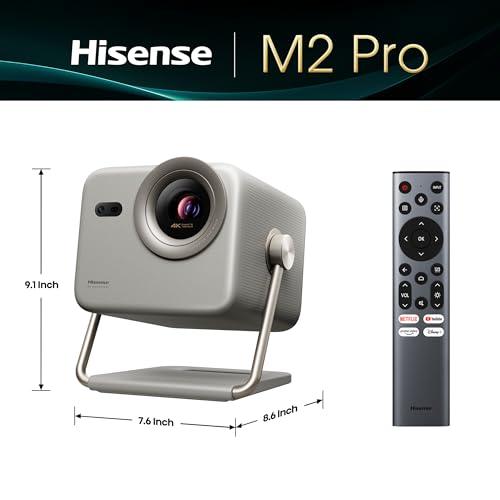
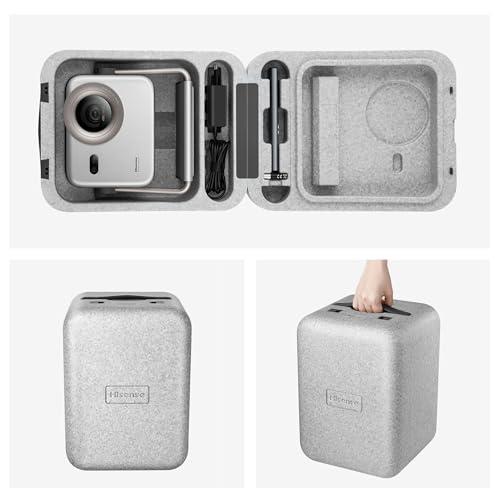
| 8.6 lbs, 7.6" × 8.6" × 9.1" with carry case | 6.6 lbs, 9.3" × 7.5" × 7.5", multiple colors |
| Laser Lifespan - Long-term reliability and maintenance | |
| 25,000+ hours (no maintenance required) | 20,000 hours (no maintenance required) |
| Best Use Cases - Who should choose each model | |
| Home theater enthusiasts, gamers, 4K content viewers | Casual viewers, Google ecosystem users, budget-conscious buyers |
The Hisense M2 Pro delivers superior image quality with native 4K resolution and triple laser technology covering 110% of the BT.2020 color space. The Epson EpiqVision Mini EF22 offers Full HD 1080p with better contrast ratios and natural 3LCD color reproduction. For the sharpest, most detailed images, the M2 Pro is the clear winner.
The primary difference is resolution and technology approach. The Hisense M2 Pro uses cutting-edge triple laser technology for 4K images, while the Epson EpiqVision Mini EF22 focuses on ease of use with 1080p resolution and Google TV integration. The M2 Pro targets performance enthusiasts, while the EF22 serves mainstream users.
The Hisense M2 Pro is significantly better for gaming with 240Hz refresh rate and 12ms input lag, making it suitable for competitive gaming. The Epson EpiqVision Mini EF22 has standard gaming performance with higher input lag. Serious gamers should choose the M2 Pro for responsive, smooth gameplay.
Both projectors work best in darker environments, but the Hisense M2 Pro performs better in moderately lit rooms with 1,300 ANSI lumens versus the EF22's 1,000 lumens. For optimal daytime viewing, both require controlled lighting with curtains or blinds. The M2 Pro offers more flexibility for various lighting conditions.
The Epson EpiqVision Mini EF22 wins for smart features with Google TV providing access to over 10,000 apps and seamless Google ecosystem integration. The Hisense M2 Pro uses VIDAA OS with major streaming services. Users who prefer Google services and extensive app selection should choose the EF22.
The Hisense M2 Pro has superior audio with 20W speakers featuring Dolby Audio and DTS Virtual:X for immersive sound. The Epson EpiqVision Mini EF22 includes 10W speakers adequate for casual viewing. For better built-in audio without external speakers, the M2 Pro is the better choice.
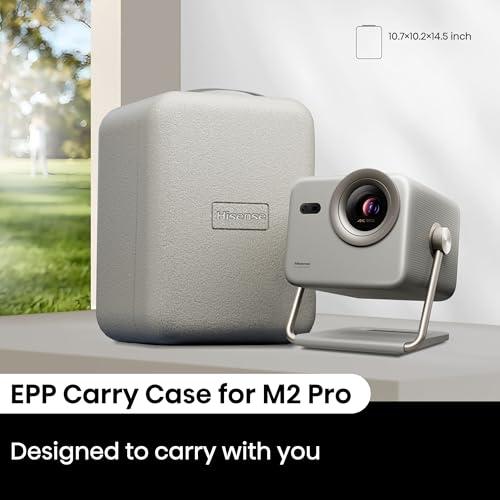
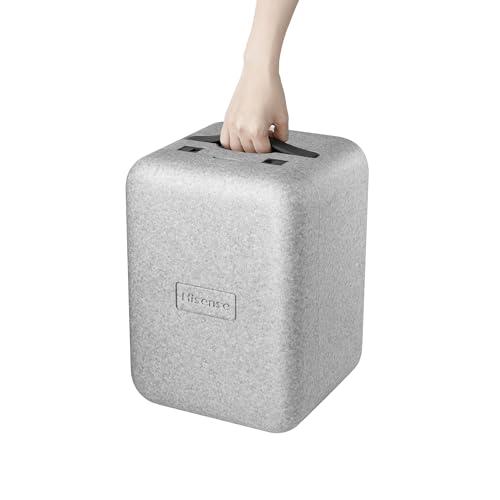
The Epson EpiqVision Mini EF22 is more portable at 6.6 lbs versus the M2 Pro's 8.6 lbs. Both are designed for portability, but the EF22 is lighter and easier to move between locations. However, the M2 Pro includes a protective carry case and offers more setup flexibility once positioned.
The Hisense M2 Pro is better suited as a TV replacement with 4K resolution, superior color accuracy, and robust audio system. The Epson EpiqVision Mini EF22 works well for secondary viewing areas or smaller spaces. For primary home theater use, the M2 Pro's advanced features justify the investment.
Value depends on your needs. The Epson EpiqVision Mini EF22 offers excellent value for casual users wanting smart features and good image quality. The Hisense M2 Pro provides exceptional value for enthusiasts who want premium 4K performance and gaming capabilities. The EF22 delivers more features per dollar for mainstream use.
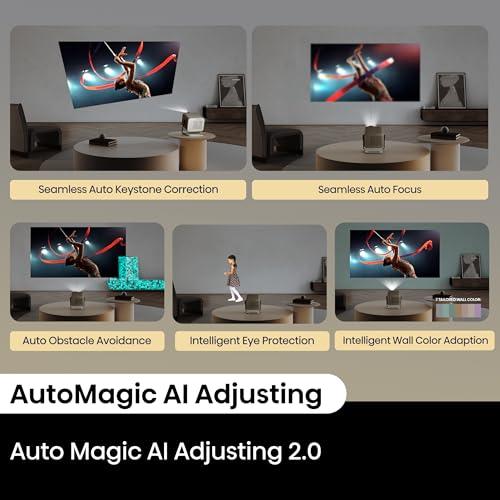
Both projectors feature automated setup, but approach it differently. The Epson EpiqVision Mini EF22 uses EpiqSense technology for simple plug-and-play operation. The Hisense M2 Pro offers auto focus, keystone correction, and 360-degree adjustment for flexible placement. The EF22 is simpler, while the M2 Pro offers more positioning options.
The Hisense M2 Pro is better for outdoor use with higher brightness, optical zoom for distance flexibility, and 360-degree gimbal adjustment. The Epson EpiqVision Mini EF22 works outdoors but requires darker conditions. For versatile outdoor entertainment, the M2 Pro's brightness and positioning flexibility make it the superior choice.
The Hisense M2 Pro delivers wider color gamut with triple laser technology covering 110% BT.2020 color space for vibrant, accurate colors. The Epson EpiqVision Mini EF22 uses 3LCD technology for natural, consistent color reproduction across all brightness levels. The M2 Pro offers more vivid colors, while the EF22 provides more natural-looking images.
We've done our best to create useful and informative comparisons to help you decide what product to buy. Our research uses advanced automated methods to create this comparison and perfection is not possible - please contact us for corrections or questions. These are the sites we've researched in the creation of this article: thegadgetflow.com - valueelectronics.com - youtube.com - projectorscreenstore.com - whathifi.com - hisense-usa.com - tomsguide.com - content.syndigo.com - youtube.com - shop.hisense-usa.com - avsforum.com - projectorscreen.com - projectorscreen.com - projectorcentral.com - avsforum.com - youtube.com - projector-database.com - techradar.com - bestbuy.com - geekingout.ca - crutchfield.com - whatgear.net - youtube.com - epson.com - crutchfield.com - projectorcentral.com - epson.com - bestbuy.com - whathifi.com - projectorreviews.com - youtube.com - youtube.com - hometheaterhifi.com - projectorreviews.com - bestbuy.com - youtube.com - staples.com - projectorcentral.com - bestbuy.com - mediaserver.goepson.com - epson.com - news.epson.com

Privacy Policy
Terms and Conditions - Affiliate Policy
Home Security
© Copyright 2008-2026.
11816 Inwood Rd #1211, Dallas, TX 75244