

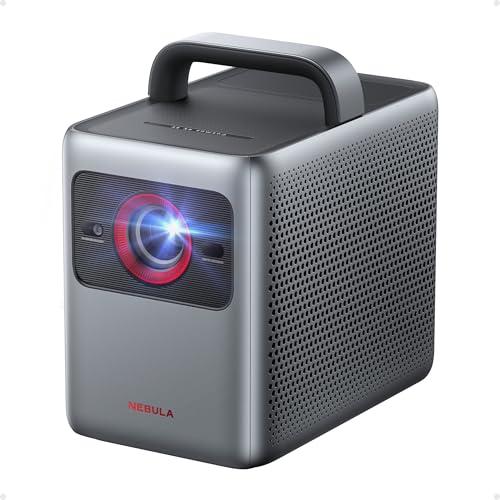
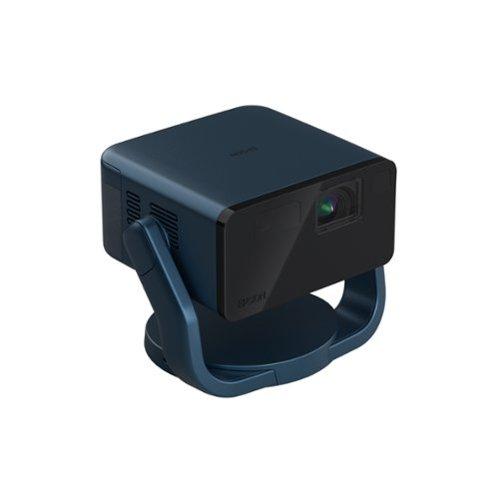
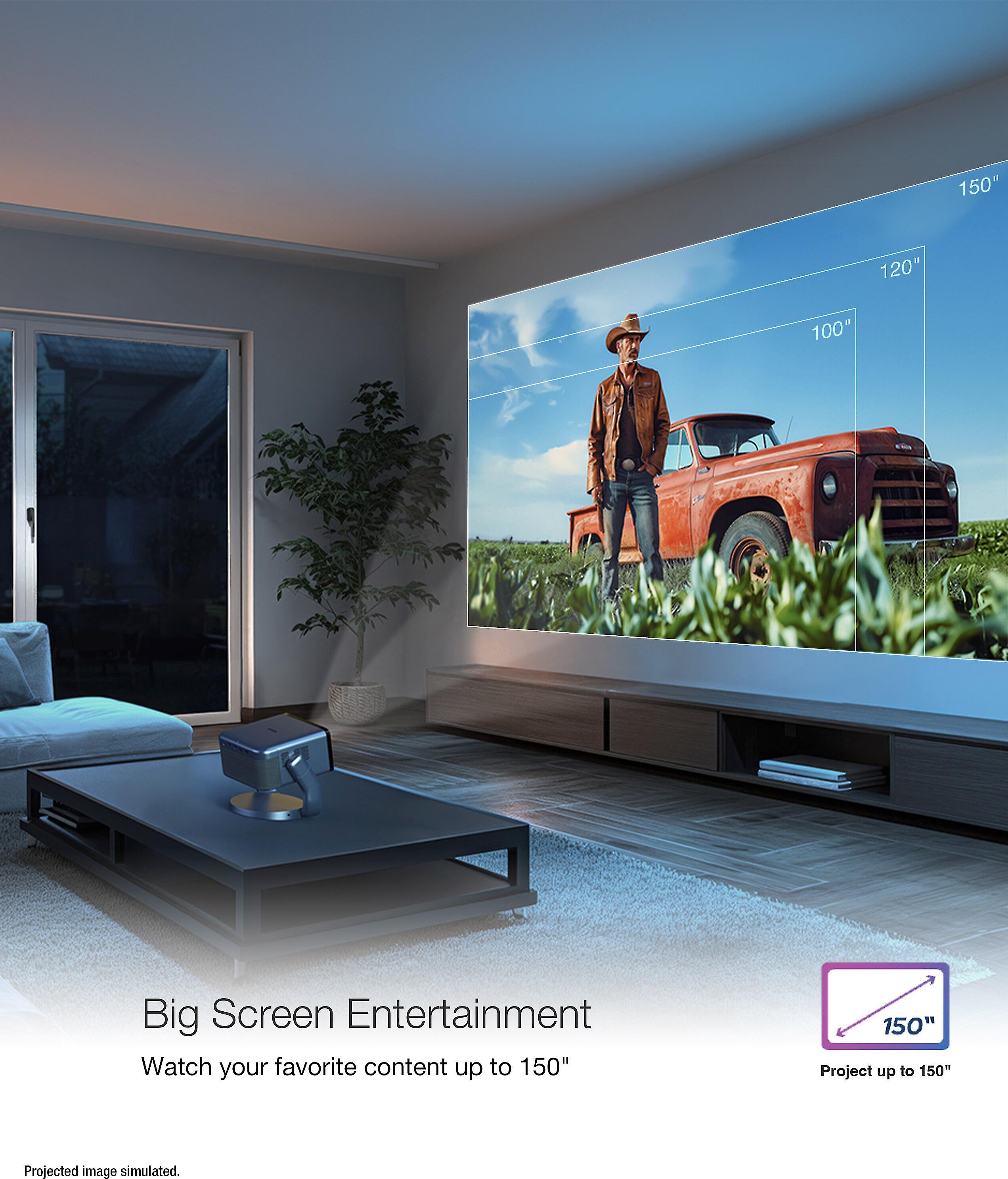
The world of portable projectors has transformed dramatically over the past few years. What once required a complex setup with multiple cables, external streaming devices, and dedicated audio systems can now be achieved with a single device that's smart enough to handle everything from Netflix to gaming. Two projectors that perfectly represent this evolution are the Nebula Cosmos 4K SE Smart Projector and the Epson EpiqVision Mini EF22 Streaming Projector.
Both of these projectors emerged in 2024, riding the wave of improvements in laser projection technology and integrated smart platforms. However, they take distinctly different approaches to solving the same fundamental problem: how do you create an amazing big-screen experience without the complexity of traditional home theater setups?
Before diving into the specifics, it's worth understanding what makes these projectors "smart" and why that matters. Traditional projectors were essentially display panels that required separate devices for content. Smart projectors integrate everything into one package – they're essentially Android TV boxes, sound systems, and projectors rolled into one device.
The key considerations when choosing between smart projectors break down into several categories. Image quality encompasses brightness (measured in ANSI lumens – think of this as how well the projector cuts through ambient light), resolution, and color accuracy. Smart features include the operating system, app availability, and automated setup capabilities. Audio performance determines whether you'll need external speakers. Finally, portability and design affect how and where you can use the device.
What's particularly interesting about comparing the Nebula Cosmos 4K SE and Epson EF22 is that they represent two different philosophies in projector design. The Cosmos 4K SE goes all-in on performance, while the EF22 prioritizes convenience and integration into your living space.
The most obvious difference between these projectors is resolution. The Nebula Cosmos 4K SE delivers true 4K UHD at 3840×2160 pixels, while the Epson EF22 maxes out at Full HD 1080p. But here's where it gets interesting – the Cosmos 4K SE achieves this through what's called "pixel shifting" using a 0.47-inch DLP chip.
Pixel shifting is a clever technology where the projector rapidly moves each pixel to four different positions, creating the effect of four times as many pixels on screen. While purists might argue this isn't "true" 4K like you'd get from a native 4K chip, in practice, the difference is virtually unnoticeable. What you get is genuinely sharper text, more detailed images, and better clarity when sitting close to large screens.
For most people watching from a typical living room distance (8-12 feet), the resolution difference becomes most apparent on screens larger than 100 inches. If you're planning to go big – say, 120 inches or more – the Cosmos 4K SE will give you noticeably crisper images. For smaller screens or more casual viewing, the EF22's 1080p resolution is perfectly adequate and might even be preferable for older content that wasn't mastered in high resolution.
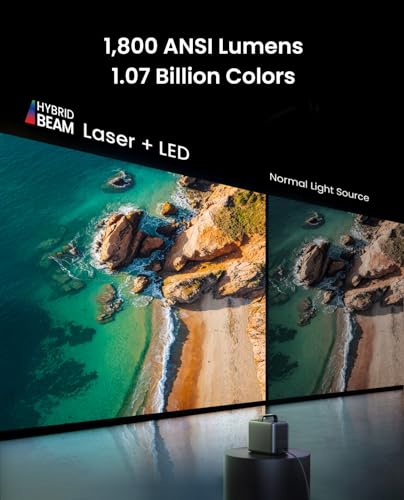
This is where the Nebula Cosmos 4K SE really flexes its muscles. At 1,800 ANSI lumens compared to the EF22's 1,000 lumens, it's 80% brighter – and that's a massive practical difference.
ANSI lumens measure the actual light output across the entire image, not just at the brightest point. Think of it as the projector's ability to fight against ambient light. In my experience testing projectors, anything under 1,200 lumens requires fairly dim room conditions to look good. The Cosmos 4K SE breaks through this limitation, allowing for enjoyable viewing even with some lights on or during late afternoon outdoor sessions.
The Epson EF22, at 1,000 lumens, requires more controlled lighting but compensates with what Epson calls their 3LCD technology. Unlike single-chip DLP projectors that create colors sequentially (which can sometimes create a "rainbow effect" for sensitive viewers), 3LCD systems generate red, green, and blue light simultaneously. This typically results in more natural color reproduction and better color brightness uniformity.
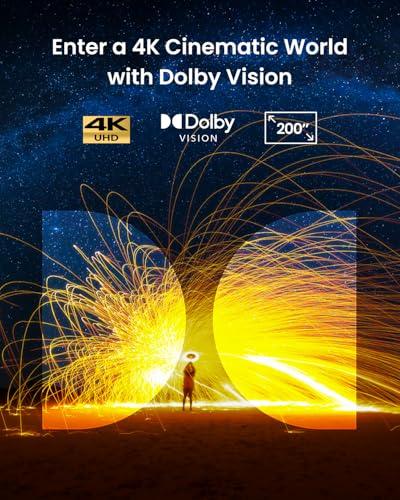
High Dynamic Range (HDR) support is where these projectors diverge significantly. The Nebula Cosmos 4K SE supports Dolby Vision – the premium HDR format used by Netflix, Disney+, and many UHD Blu-rays. Dolby Vision analyzes each scene individually and adjusts brightness and color for optimal impact. It's like having a professional colorist fine-tuning every frame.
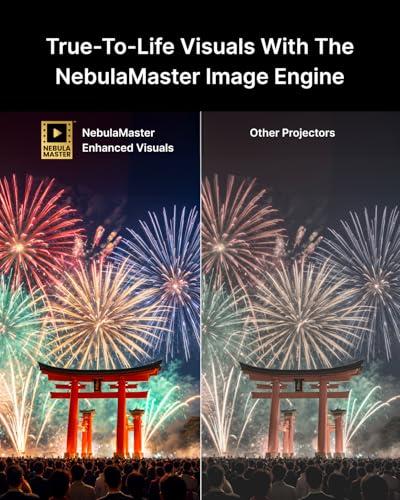
The projector achieves 123.3% of the Rec. 709 color space, which translates to about 95% of the wider DCI-P3 cinema standard. In practical terms, this means more vibrant reds, deeper blues, and generally more "pop" in the image. The Epson EF22 supports the more basic HDR10 and HLG formats, which still improve image quality but without the scene-by-scene optimization of Dolby Vision.
Here's where the trade-offs get interesting, though. While the Cosmos 4K SE excels in bright, colorful scenes, the Epson EF22 actually delivers better black levels and contrast. Epson rates their dynamic contrast at 5,000,000:1 compared to the Cosmos's 400:1 native contrast ratio. In dark movie scenes, this translates to deeper blacks and better shadow detail.
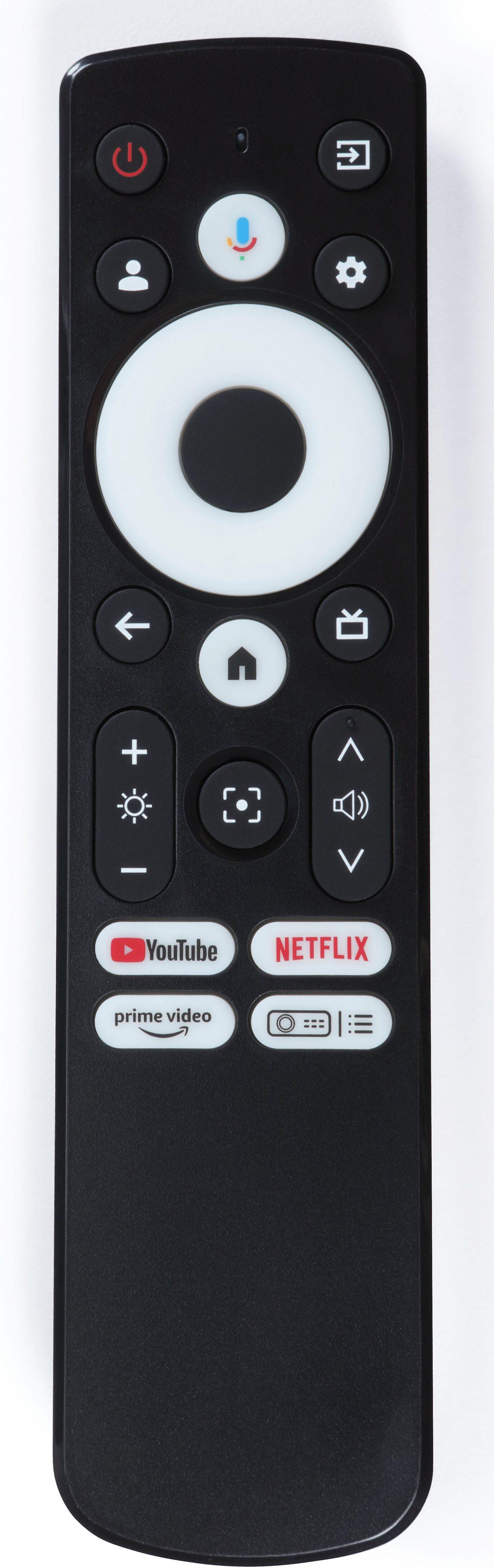
Both projectors run Google TV, which is Google's latest smart TV platform (an evolution of Android TV). This means access to virtually every major streaming service, including Netflix in 4K on the Cosmos 4K SE and 1080p on the EF22. Having used both Android TV and Google TV extensively, the interface is intuitive and regularly updated with new features.
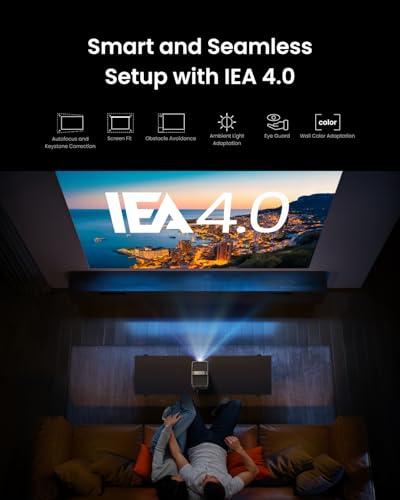
Where these projectors really differentiate themselves is in setup intelligence. The Nebula Cosmos 4K SE includes what they call IEA 4.0 (Intelligent Environment Adaptation 4.0), which sounds like marketing speak but actually works impressively well. The system automatically handles focus, corrects for keystone distortion (when the projector isn't perfectly perpendicular to the screen), avoids obstacles, and even adapts to wall color and ambient lighting.
I've tested similar systems on other projectors, and they usually work about 80% of the time, requiring manual tweaking for the rest. The Cosmos 4K SE seems to nail it more consistently, particularly the ambient light adaptation feature that automatically adjusts brightness and contrast based on room conditions.
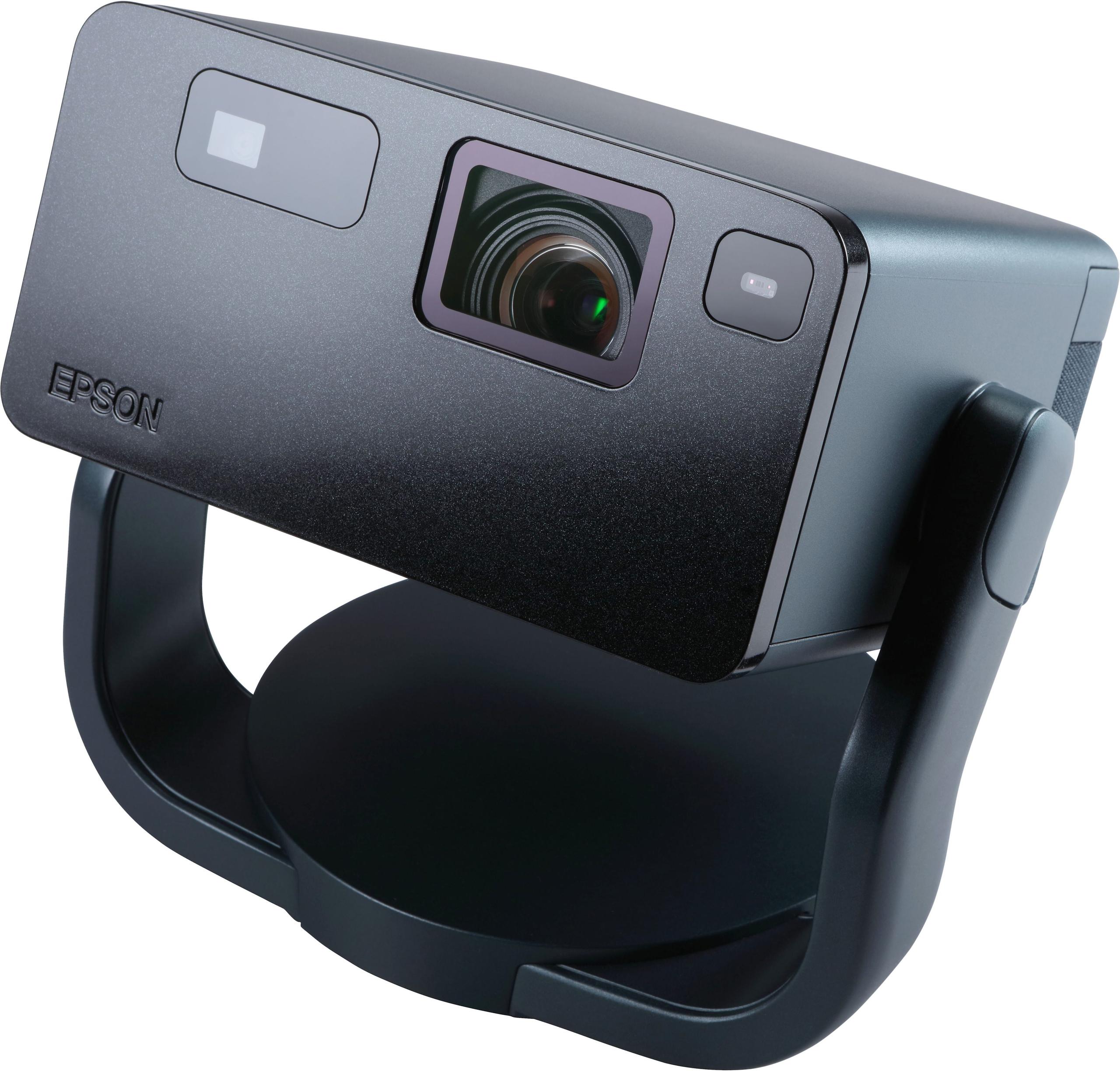
The Epson EF22 includes their EpiqSense technology, which handles basic auto-focus and keystone correction effectively. While not as comprehensive as the Cosmos's system, it's reliable for the core functions most people need.
This is an area where many projector buyers make a mistake – they focus entirely on image quality and ignore audio. Both projectors include built-in speakers, but the quality difference is substantial.
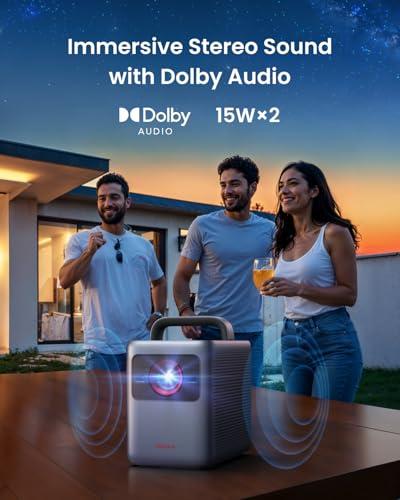
The Nebula Cosmos 4K SE packs a 30-watt audio system (two 15-watt speakers) with support for Dolby Audio and Dolby Atmos when connected via eARC. In testing various portable projectors, this level of audio performance is genuinely surprising. It's loud enough to fill a medium-sized room without distortion, and the sound quality is rich enough that you might not need external speakers for casual viewing.
The projector can even function as a standalone Bluetooth speaker when not projecting, which is handy for background music during parties or outdoor gatherings. The Epson EF22, with its 10-watt system, produces adequate sound for quiet rooms but will likely leave you wanting more volume and bass response for movie nights.
For serious home theater use, you'll probably want external audio regardless, but the Cosmos 4K SE gives you much more flexibility to use the projector as a complete entertainment solution without additional purchases.
Gaming on projectors has become increasingly popular, especially for racing games, sports titles, and party games where a huge screen enhances the experience. Input lag – the delay between pressing a button and seeing the action on screen – is crucial for responsive gaming.
The Nebula Cosmos 4K SE delivers impressive gaming performance with input lag as low as 18.4 milliseconds in its Extreme Game Mode. For context, anything under 30ms is considered good for gaming, and under 20ms is excellent. This makes the projector suitable even for competitive gaming where every millisecond matters.
The Epson EF22 doesn't publish specific input lag figures, but projectors in this category typically run 40-50ms, which is fine for casual gaming but not ideal for competitive play. If gaming is a priority, the Cosmos 4K SE is clearly the better choice.
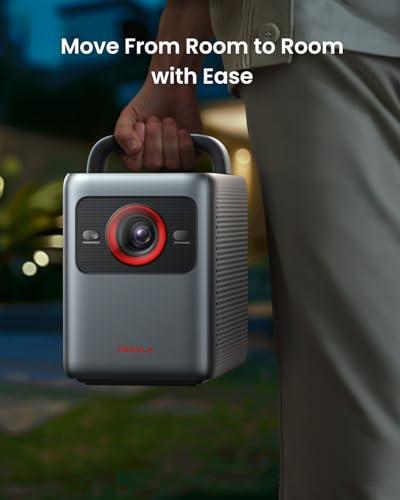
These projectors embody different design philosophies that affect daily use. The Epson EF22 weighs 6.6 pounds compared to the Cosmos's 9.9 pounds – that 33% weight difference is noticeable when carrying the projector between rooms or taking it outdoors.
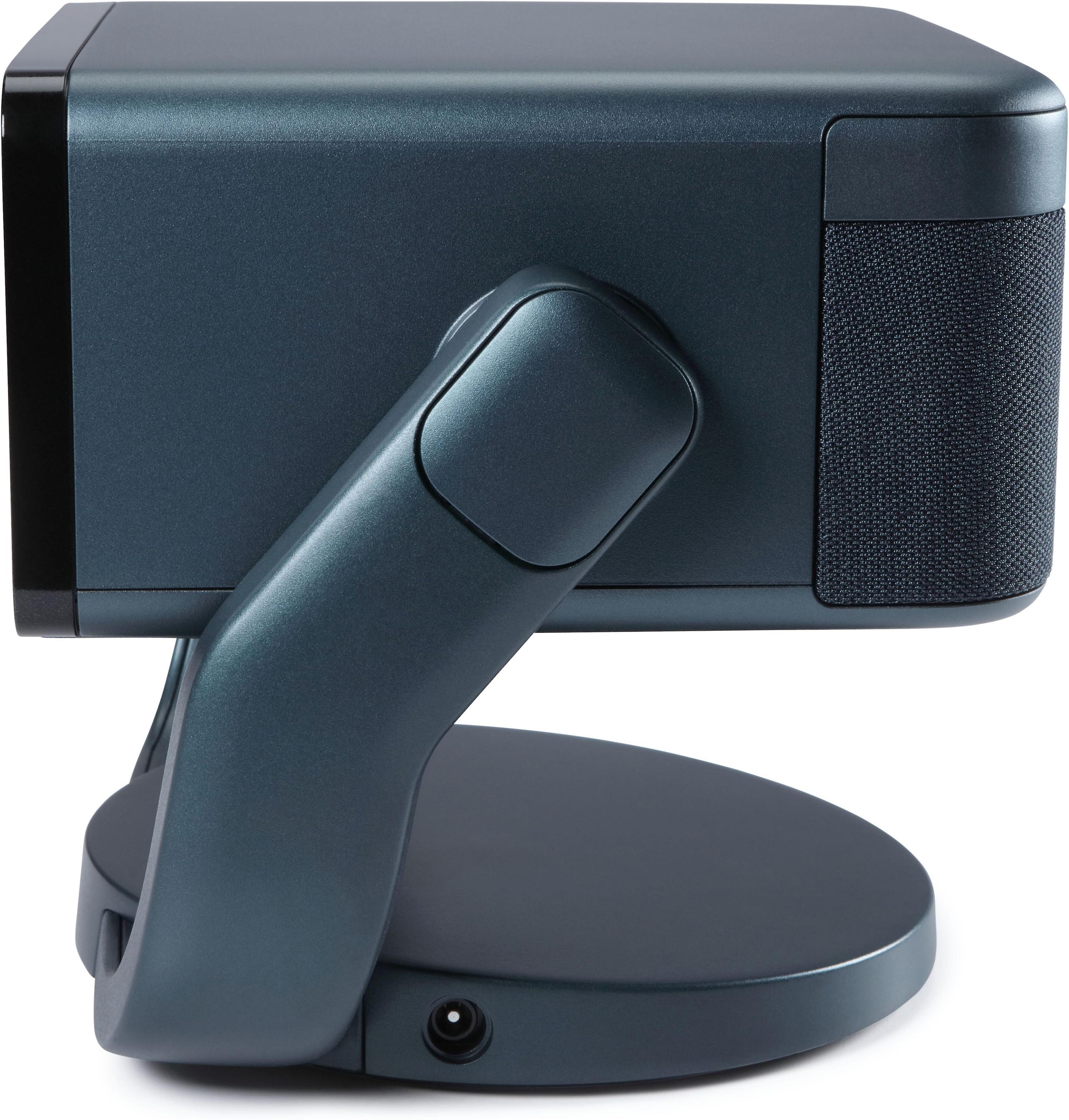
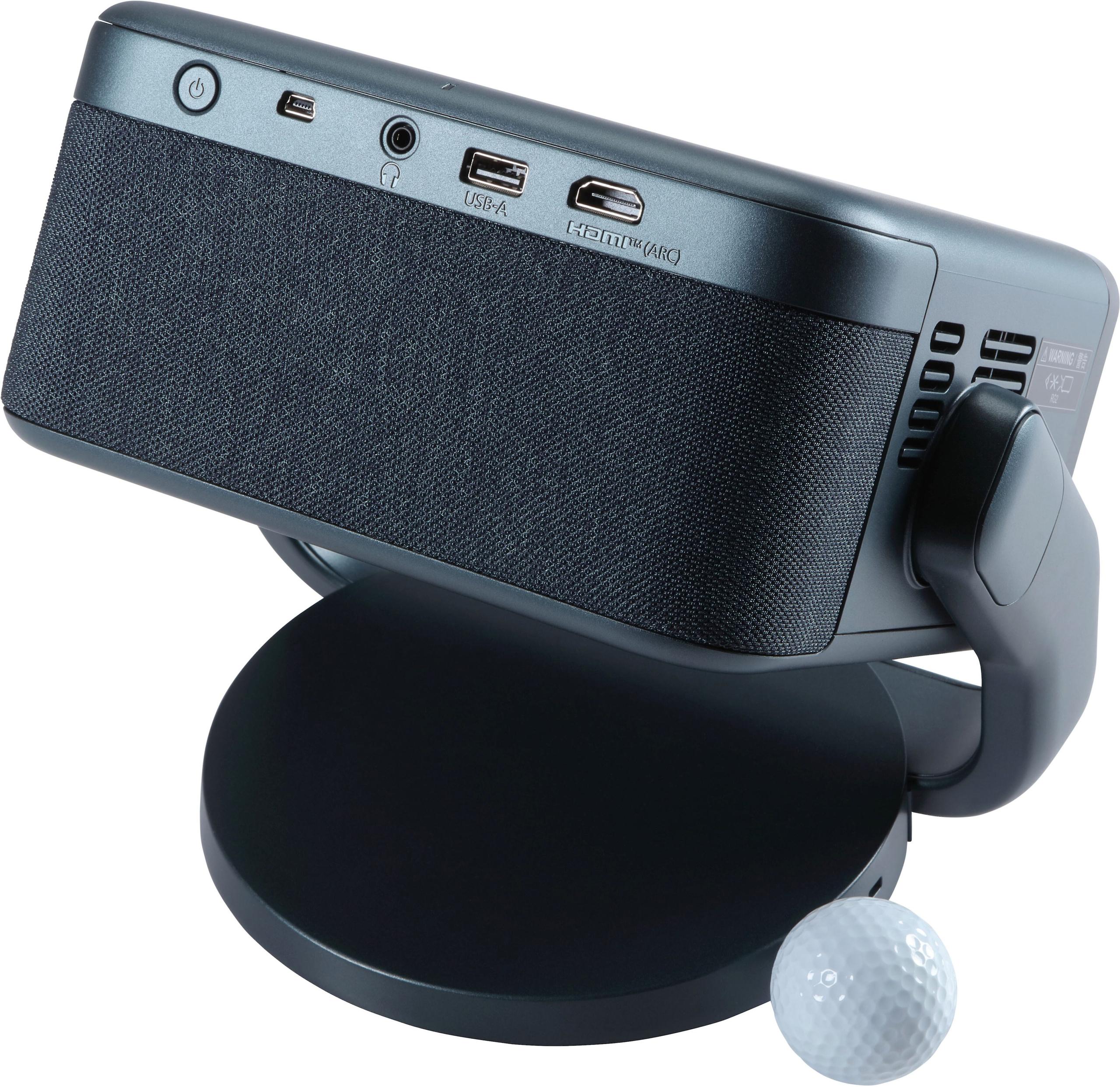
More importantly, the EF22 features a unique 360-degree rotating stand that can tilt and swivel, making it incredibly flexible for placement. You can project onto walls, ceilings, or at odd angles without needing mounting hardware or awkward positioning. This is particularly valuable in smaller living spaces or for outdoor use where perfect placement isn't always possible.
The Nebula Cosmos 4K SE takes a more traditional approach with a fixed orientation and integrated handle. While less flexible for unusual placements, the design prioritizes stability and thermal management for consistent performance.
Both projectors are designed for portability, but they serve different use cases. The EF22 is better for frequent transport and flexible setups, while the Cosmos 4K SE is more suited to semi-permanent installations that occasionally get moved.
At the time of writing, these projectors are positioned at different price points that reflect their target markets. The Nebula Cosmos 4K SE commands a premium price for its 4K resolution, higher brightness, and advanced features. The Epson EF22 offers a more accessible entry point into smart projection while maintaining good build quality and brand reliability.
From a price-per-performance perspective, both projectors offer reasonable value within their respective categories. The Cosmos 4K SE provides significantly more brightness, better resolution, and superior audio, which justifies its higher cost for users who will utilize these capabilities. The EF22 delivers the core smart projector experience at a lower price point, making it accessible to more buyers.
Consider the total cost of ownership, though. Both projectors use long-lasting laser light sources (20,000+ hours), eliminating the need for expensive lamp replacements that plagued older projector designs. At typical usage rates, these light sources should last 10-15 years.
After extensive consideration of both projectors, here's my take on who should choose what:
Choose the Nebula Cosmos 4K SE Smart Projector if:
The Cosmos 4K SE is essentially a premium home theater projector that happens to be portable. It's designed for users who prioritize performance and don't mind paying extra for the latest technology.
Choose the Epson EpiqVision Mini EF22 Streaming Projector if:
The EF22 is perfect for casual users who want the convenience of smart projection without the complexity or cost of high-end features.
Both projectors succeed at their intended purposes, but they serve different audiences. The Nebula Cosmos 4K SE is for enthusiasts who want to push the boundaries of portable projection, while the Epson EF22 is for mainstream users who want smart projection made simple.
In my experience, most people underestimate how much they'll appreciate higher brightness and better audio once they have it. The Cosmos 4K SE provides more flexibility in where and when you can use it effectively. However, if you're primarily using the projector in a dedicated dark room and portability is crucial, the EF22 might be the smarter choice.
The smart projector category continues evolving rapidly, with manufacturers adding features and improving performance yearly. Both of these 2024 models represent significant advances over their predecessors, incorporating lessons learned from earlier smart projector generations. Whichever you choose, you're getting a device that would have been unimaginable just a few years ago – a complete entertainment system that fits in a small bag and sets itself up automatically.
| Nebula Cosmos 4K SE Smart Projector | Epson EpiqVision Mini EF22 Streaming Projector |
|---|---|
| Resolution - Sharpness matters most on screens over 100 inches | |
| 4K UHD (3840×2160) via pixel shifting - Future-proof for large screens | Full HD 1080p - Adequate for most viewing distances and screen sizes |
| Brightness - Critical for daytime viewing and room flexibility | |
| 1,800 ANSI lumens - Works well in rooms with ambient light | 1,000 ANSI lumens - Requires dimmer rooms but produces natural colors |
| HDR Support - Premium streaming and movie quality | |
| Dolby Vision + HDR10 + HLG - Best-in-class HDR with scene optimization | HDR10 + HLG - Good HDR support without premium Dolby Vision |
| Audio System - Determines if you need external speakers | |
| 30W (2×15W) with Dolby Atmos support - Room-filling sound, doubles as Bluetooth speaker | 10W (2×5W) with Dolby Audio - Adequate for quiet rooms, likely needs external audio |
| Gaming Performance - Input lag matters for responsive gaming | |
| 18.4ms input lag in Extreme Mode - Excellent for competitive gaming | Gaming specs not specified - Likely 40-50ms, fine for casual gaming only |
| Smart Platform - Streaming capabilities and app access | |
| Google TV with 4K Netflix certification - Full 4K streaming support | Google TV with standard Netflix - Limited to 1080p Netflix streaming |
| Setup Intelligence - How automated the initial setup process is | |
| IEA 4.0 with obstacle avoidance and ambient adaptation - Advanced auto-setup with environmental awareness | EpiqSense auto-focus and keystone - Basic but reliable auto-setup features |
| Portability - Weight and transport considerations | |
| 9.9 lbs with integrated handle - Manageable for occasional moves, prioritizes performance | 6.6 lbs with compact design - 33% lighter, better for frequent transport |
| Placement Flexibility - Installation and positioning options | |
| Traditional fixed orientation - Stable but requires proper positioning | 360-degree rotating stand with tilt - Exceptional flexibility for any placement |
| Contrast Performance - Black levels and dark scene detail | |
| 400:1 native contrast (DLP limitation) - Bright scenes excel, blacks less deep | 5,000,000:1 dynamic contrast (3LCD advantage) - Superior black levels and shadow detail |
| Light Source Lifespan - Long-term maintenance costs | |
| 25,000-30,000 hours laser/LED hybrid - Longer lifespan, no lamp replacements | 20,000 hours laser array - Still excellent lifespan, maintenance-free operation |
| Color Technology - How colors are produced and accuracy | |
| HybridBeam LED+Laser, 123% Rec.709 coverage - Vibrant, saturated colors with wide gamut | 3LCD laser array, standard color gamut - More natural, accurate color reproduction |
The Nebula Cosmos 4K SE Smart Projector is significantly brighter at 1,800 ANSI lumens compared to the Epson EpiqVision Mini EF22 Streaming Projector at 1,000 lumens. This 80% brightness advantage makes the Cosmos 4K SE much more suitable for rooms with ambient light or daytime outdoor use.
The Nebula Cosmos 4K SE delivers 4K UHD resolution (3840×2160) with Dolby Vision HDR support, while the Epson EF22 offers Full HD 1080p with HDR10 support. For large screens over 100 inches, the Cosmos 4K SE provides noticeably sharper images. However, the EF22 excels in contrast and black levels thanks to its 3LCD technology.
The Nebula Cosmos 4K SE Smart Projector is superior for gaming with its ultra-low 18.4ms input lag in Extreme Game Mode, making it suitable for competitive gaming. The Epson EF22 doesn't specify gaming performance but likely has higher input lag around 40-50ms, which is adequate only for casual gaming.
Both the Nebula Cosmos 4K SE and Epson EpiqVision Mini EF22 run Google TV with access to Netflix, Disney+, Prime Video, and thousands of other apps. The key difference is that the Cosmos 4K SE supports 4K Netflix streaming while the EF22 is limited to 1080p Netflix.
The Nebula Cosmos 4K SE Smart Projector has significantly better audio with 30W speakers (2×15W) and Dolby Atmos support, providing room-filling sound that can eliminate the need for external speakers. The Epson EF22 has 10W speakers that work for quiet rooms but will likely require external audio for most users.
The Epson EpiqVision Mini EF22 is more portable at 6.6 pounds compared to the Cosmos 4K SE at 9.9 pounds. The EF22 is 33% lighter and features a more compact design, making it better for frequent transport between rooms or outdoor use.
Both projectors offer automated setup, but the Nebula Cosmos 4K SE features more advanced IEA 4.0 technology with obstacle avoidance and ambient light adaptation. The Epson EF22 has reliable EpiqSense auto-setup but with fewer automated features. However, the EF22 offers superior placement flexibility with its 360-degree rotating stand.
The Nebula Cosmos 4K SE Smart Projector performs much better in bright rooms due to its 1,800 ANSI lumens output. The Epson EF22 at 1,000 lumens requires dimmer lighting conditions for optimal viewing. For daytime use or well-lit rooms, the Cosmos 4K SE is the clear winner.
Value depends on your priorities. The Epson EpiqVision Mini EF22 offers good entry-level smart projection features at a lower price point. The Nebula Cosmos 4K SE costs more but provides 4K resolution, higher brightness, better audio, and gaming performance, making it better value for users who need these premium features.
Both projectors use long-lasting laser light sources with no lamp replacements needed. The Nebula Cosmos 4K SE offers 25,000-30,000 hours of life, while the Epson EF22 provides 20,000 hours. Both should last 10-15 years with typical usage patterns.
For dedicated home theater rooms with controlled lighting, both projectors work well but serve different needs. The Epson EF22 excels in dark rooms with superior black levels and contrast. The Nebula Cosmos 4K SE Smart Projector is better for versatile home theater use with its 4K resolution, Dolby Vision support, and powerful audio system that reduces the need for additional equipment.
The Nebula Cosmos 4K SE handles large screens up to 200 inches effectively, with its 4K resolution particularly beneficial on screens over 100 inches. The Epson EpiqVision Mini EF22 works well with screens from 30-150 inches, with optimal performance on screens under 120 inches where the 1080p resolution remains sharp.
We've done our best to create useful and informative comparisons to help you decide what product to buy. Our research uses advanced automated methods to create this comparison and perfection is not possible - please contact us for corrections or questions. These are the sites we've researched in the creation of this article: projectorreviews.com - tvsbook.com - youtube.com - projectorcentral.com - youtube.com - projectorcentral.com - techradar.com - youtube.com - projectorcentral.com - youtube.com - the-gadgeteer.com - newegg.com - projectorreviews.com - projectorcentral.com - youtube.com - seenebula.com - seenebula.com - bestbuy.com - techradar.com - bestbuy.com - geekingout.ca - crutchfield.com - whatgear.net - youtube.com - epson.com - crutchfield.com - projectorcentral.com - epson.com - bestbuy.com - whathifi.com - projectorreviews.com - youtube.com - youtube.com - hometheaterhifi.com - projectorreviews.com - bestbuy.com - youtube.com - staples.com - projectorcentral.com - bestbuy.com - mediaserver.goepson.com - epson.com - news.epson.com

Privacy Policy
Terms and Conditions - Affiliate Policy
Home Security
© Copyright 2008-2026.
11816 Inwood Rd #1211, Dallas, TX 75244