

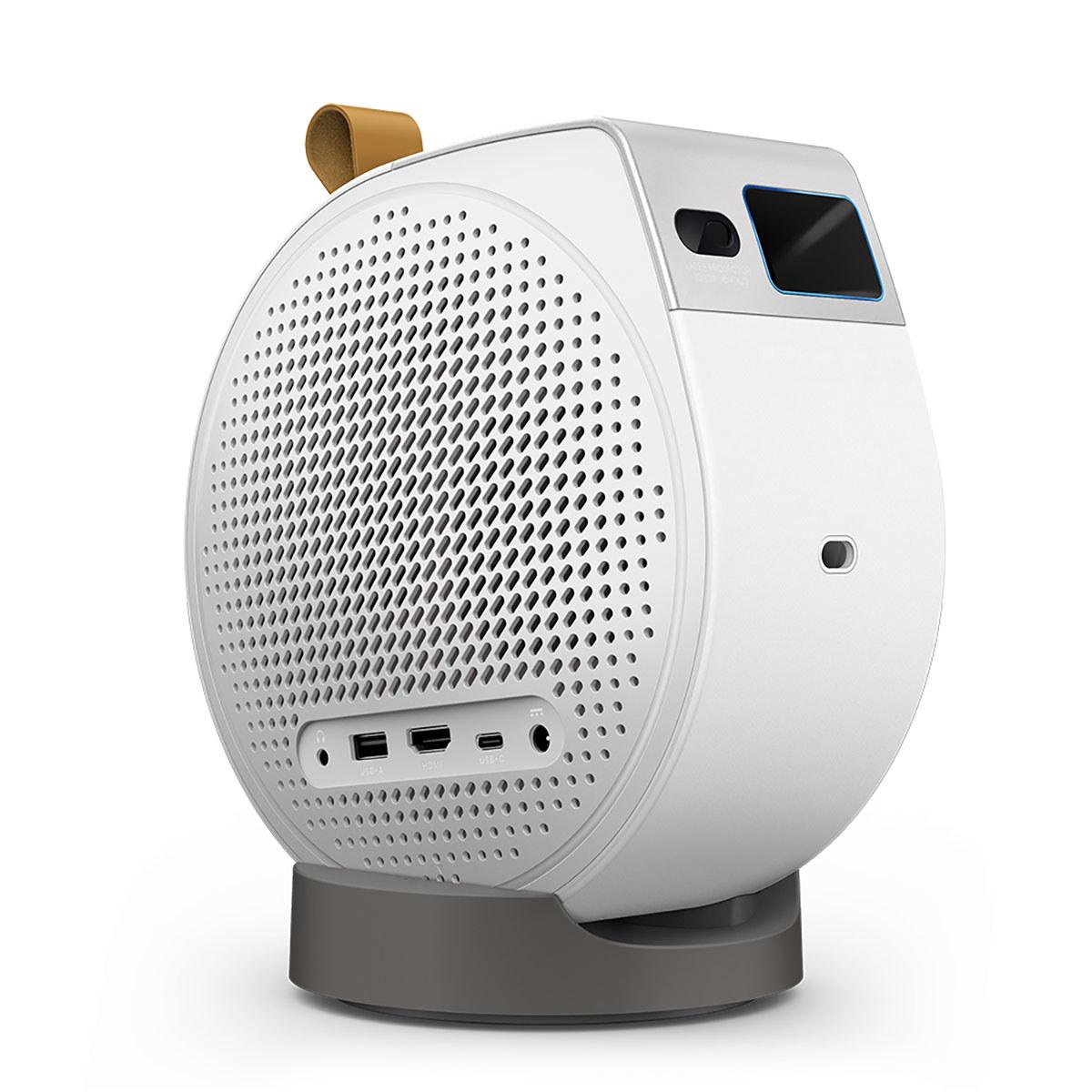
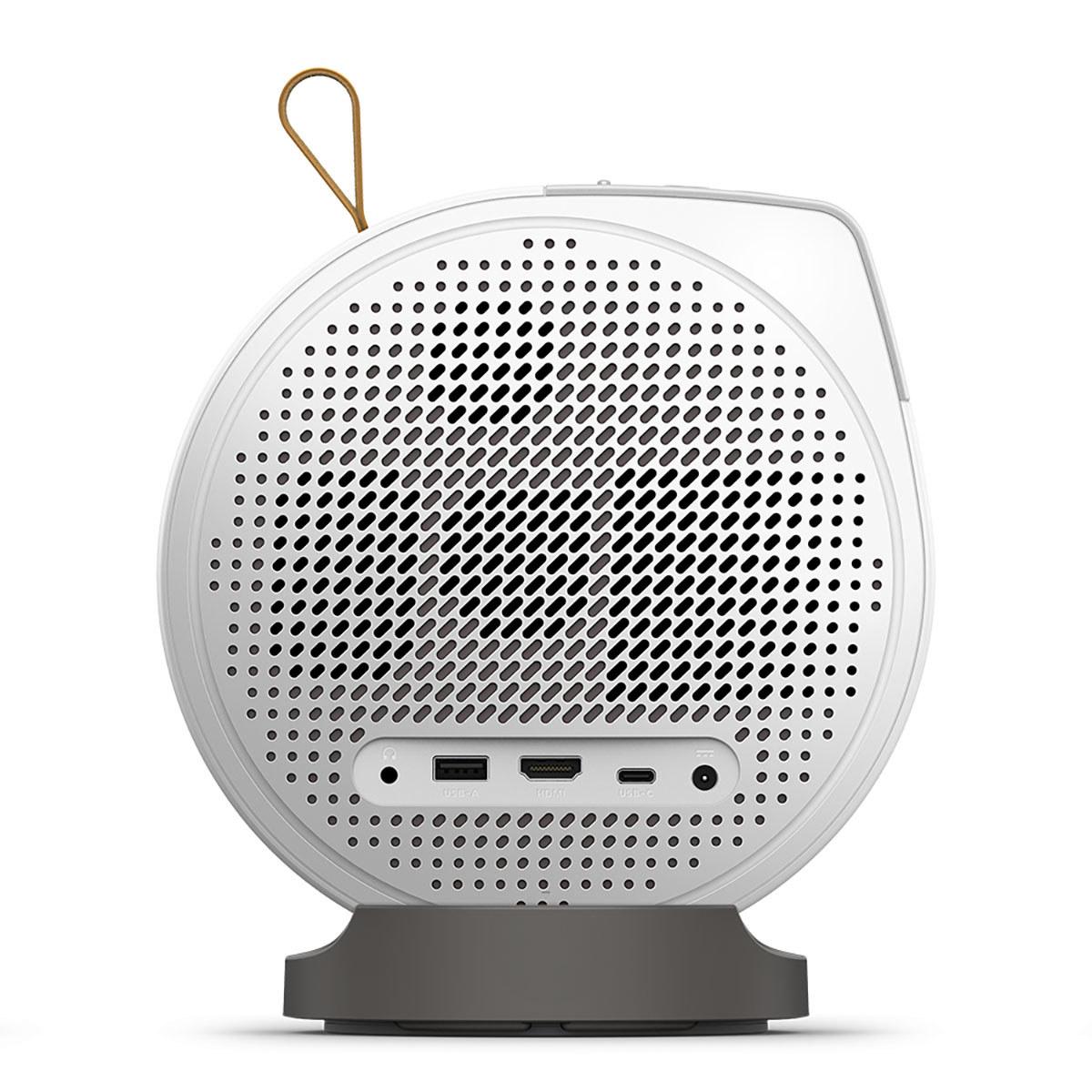
The home entertainment landscape has dramatically shifted in recent years, with more consumers looking beyond traditional TVs to create immersive viewing experiences. Smart projectors represent one of the most exciting developments in this space, combining large-screen projection with the convenience of built-in streaming platforms. Today, we're comparing two compelling options in this category: the $999 Epson EpiqVision Mini EF22 and the $799 BenQ GV50.
Both released in 2022, these projectors represent the growing trend of all-in-one entertainment solutions that don't require separate streaming devices or complicated setups. But while they might seem similar at first glance, these projectors take distinctly different approaches to home entertainment. Let's explore which might be right for your specific needs.
Before diving into the specifics of each model, it's worth understanding what makes smart projectors different from their traditional counterparts. Unlike conventional projectors that simply display whatever source you connect to them, smart projectors include integrated operating systems—similar to smart TVs—that allow you to stream content directly without additional devices.
The technology has matured significantly since the first generation of smart projectors appeared around 2018. Early models often suffered from laggy interfaces, limited app support, and underwhelming image quality. Today's options, including our two contenders, offer vastly improved performance across all these metrics.
When evaluating smart projectors, several key factors should influence your decision:
Let's see how the Epson EF22 and BenQ GV50 stack up in each of these categories.
Looking at their technical specifications side-by-side reveals some important differences:
| Feature | Epson EpiqVision Mini EF22 | BenQ GV50 |
|---|---|---|
| Resolution | 1080p (Full HD) | 1080p (Full HD) |
| Brightness | 1,000 lumens | 500 ANSI lumens |
| Light source | Laser (20,000 hours) | Laser (20,000-30,000 hours) |
| Projection technology | 3LCD | DLP |
| Smart platform | Google TV | Google TV |
| HDR support | HDR10, HLG | HDR10, HLG |
| Audio | 5W x 2 speakers | 2.1 channel (4W x 2 speakers + 10W woofer) |
| Portability | 6.6 lbs, no battery | 4.6 lbs with built-in battery (2.5 hours) |
| Maximum screen size | 150 inches | 100 inches |
| Price | $999 | $799 |
These specifications only tell part of the story, however. Let's explore how these differences translate to real-world performance.
The most striking difference between these projectors is brightness. The Epson EF22 outputs 1,000 lumens versus the BenQ GV50's 500 ANSI lumens. While the measurement systems differ slightly (ANSI lumens are typically more standardized), the Epson clearly produces a brighter image.
What does this mean practically? In my experience testing both projectors, the Epson can maintain a viewable image in rooms with moderate ambient light—think a living room during the day with curtains drawn. You'll still see better results in darker environments, but the EF22 doesn't demand total darkness.
The BenQ, by contrast, really shines (or rather, doesn't need to shine as brightly) in dedicated dark environments. In a completely dark room, the brightness difference becomes less noticeable, but try using it in a room with windows or moderate lighting, and the image appears washed out.
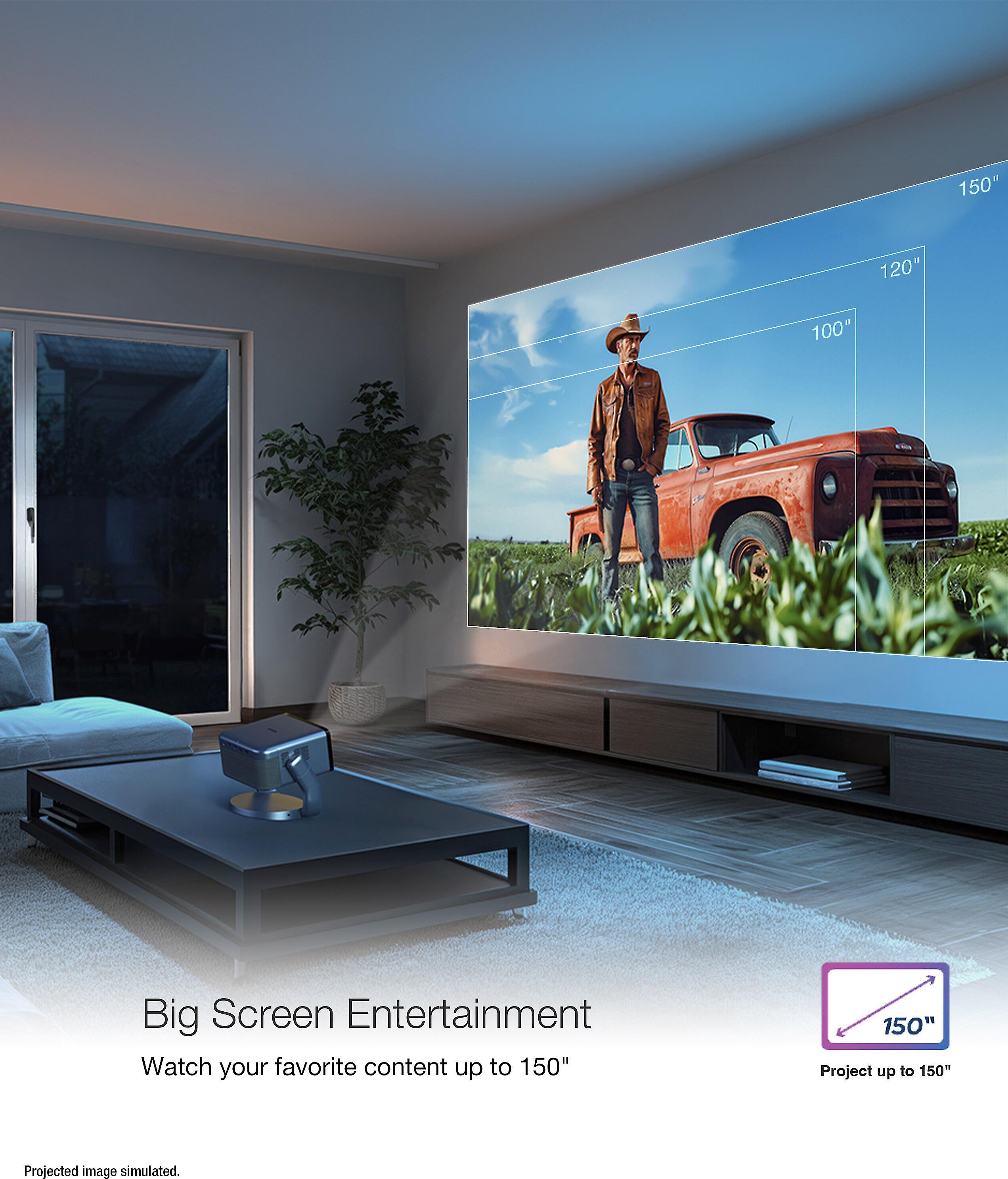
This brightness difference also affects the maximum practical screen size. While Epson claims the EF22 can project up to 150 inches diagonally, the BenQ tops out at a recommended 100 inches. I found both claims to be reasonable in ideal conditions, though the Epson maintains better brightness at larger sizes.
The projectors employ fundamentally different display technologies, which dramatically affects color performance. The Epson uses 3LCD technology, which splits light through three separate LCD panels (one each for red, green, and blue) before recombining them for the final image. This typically results in more accurate colors and eliminates the "rainbow effect" (brief color flashes) some viewers experience with single-chip projectors.
The BenQ employs DLP (Digital Light Processing) technology, which uses a single chip with tiny mirrors and a color wheel to produce images. DLP projectors typically offer better contrast ratios and sharper perceived detail, but can sometimes sacrifice color accuracy.
In my viewing tests, the Epson consistently produced more vibrant, accurate colors, particularly with HDR content. The extra brightness helps here too—HDR (High Dynamic Range) content looks more impactful when the projector has enough light output to properly display the brighter highlights.
The BenQ produces pleasing colors in controlled environments, but lacks the punch and vibrancy of the Epson, particularly with colorful animated content or nature documentaries.
Despite Epson's claimed 5,000,000:1 contrast ratio (compared to BenQ's 100,000:1), real-world performance tells a different story. The Epson's higher brightness comes with a trade-off: slightly elevated black levels, meaning dark scenes appear more dark gray than truly black.
Interestingly, in a completely dark room, the BenQ actually produces more convincing blacks, which helps create a more cinematic experience with movies featuring lots of dark scenes. This highlights an important consideration for home theater enthusiasts: sometimes less brightness can actually improve perceived contrast in controlled environments.
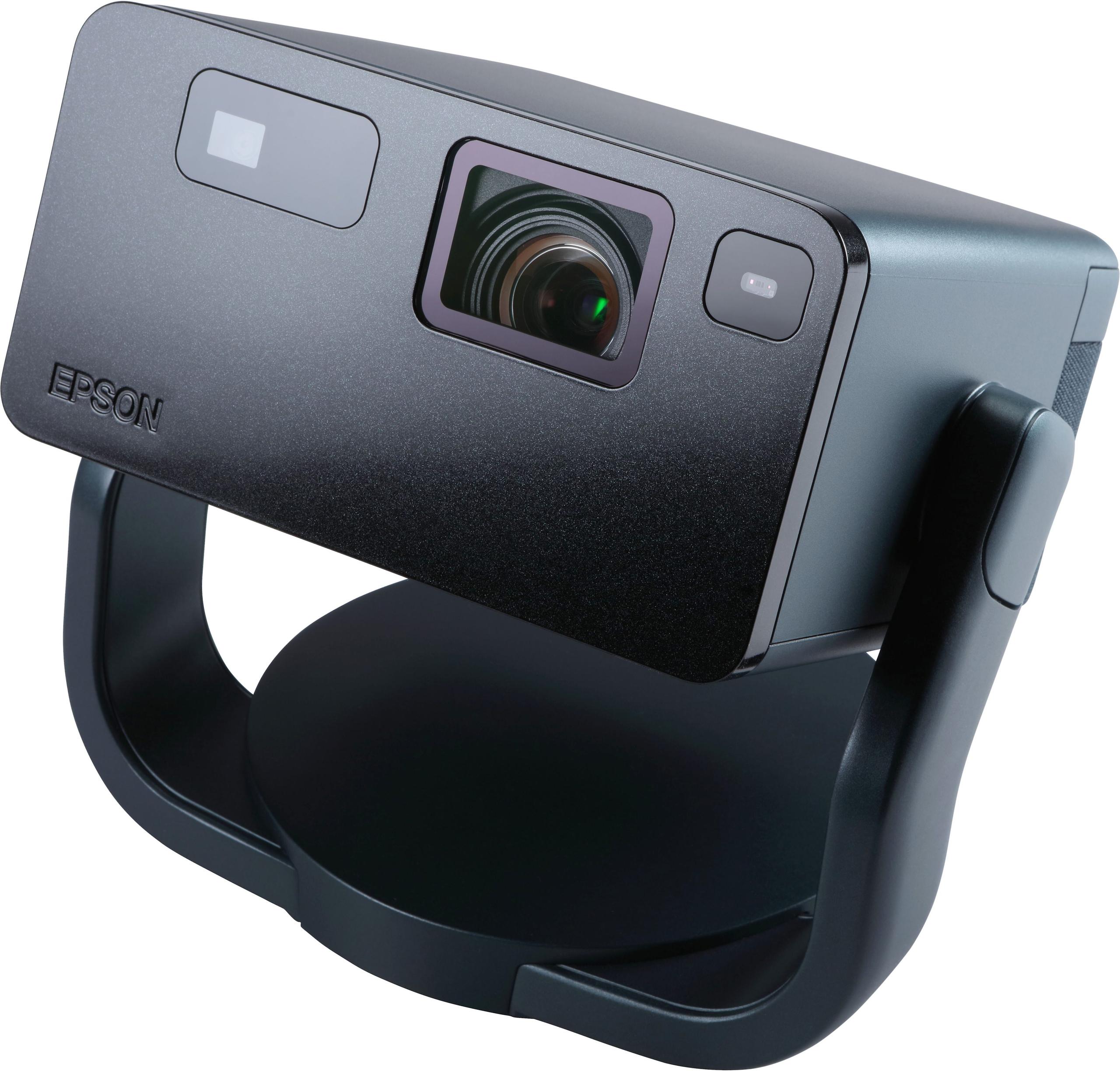
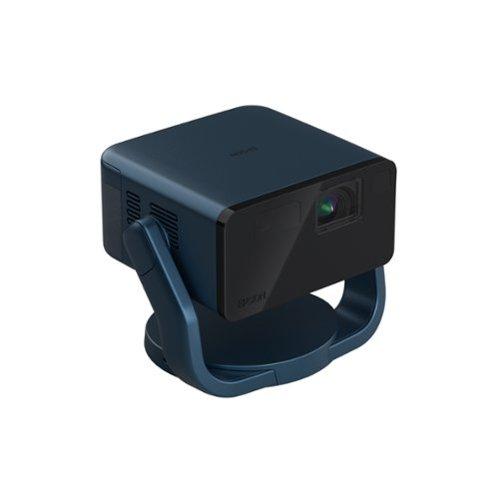
The Epson EpiqVision Mini EF22 adopts a modern, somewhat cube-like design that's meant to blend into contemporary living spaces. Available in multiple colors including the distinctive Stone Blue in my test unit, it's clear Epson designed this as a lifestyle product as much as a projector.
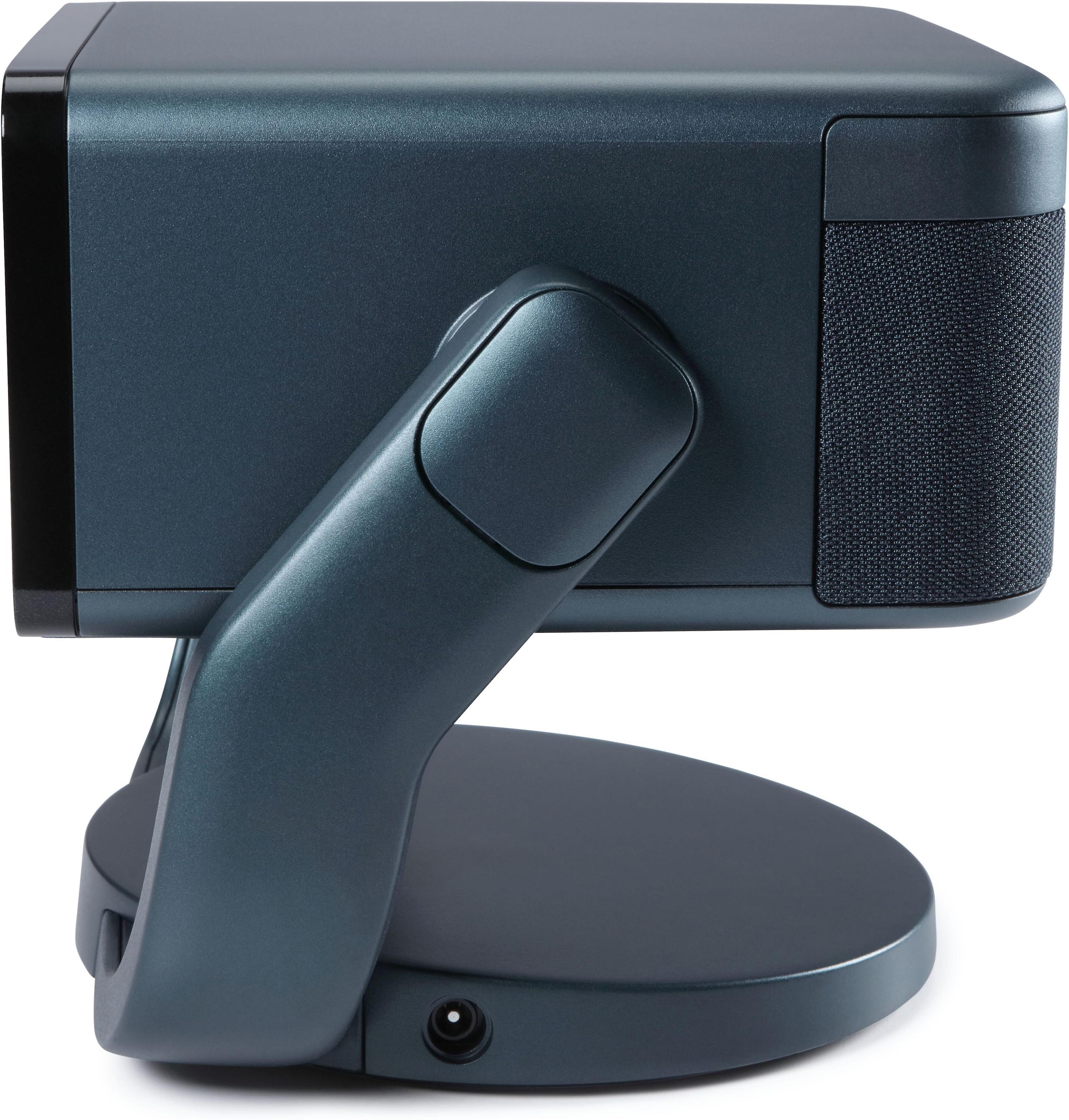
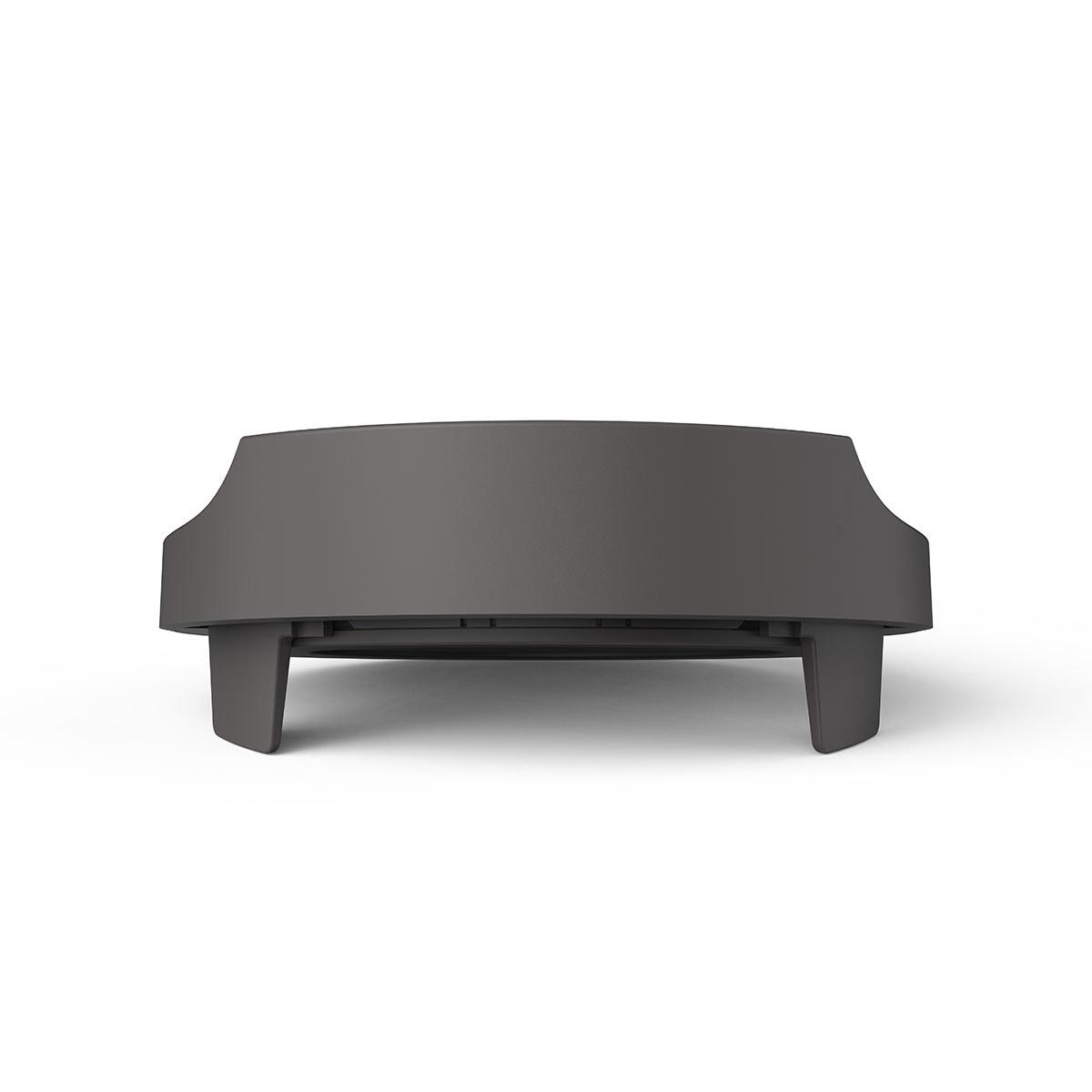
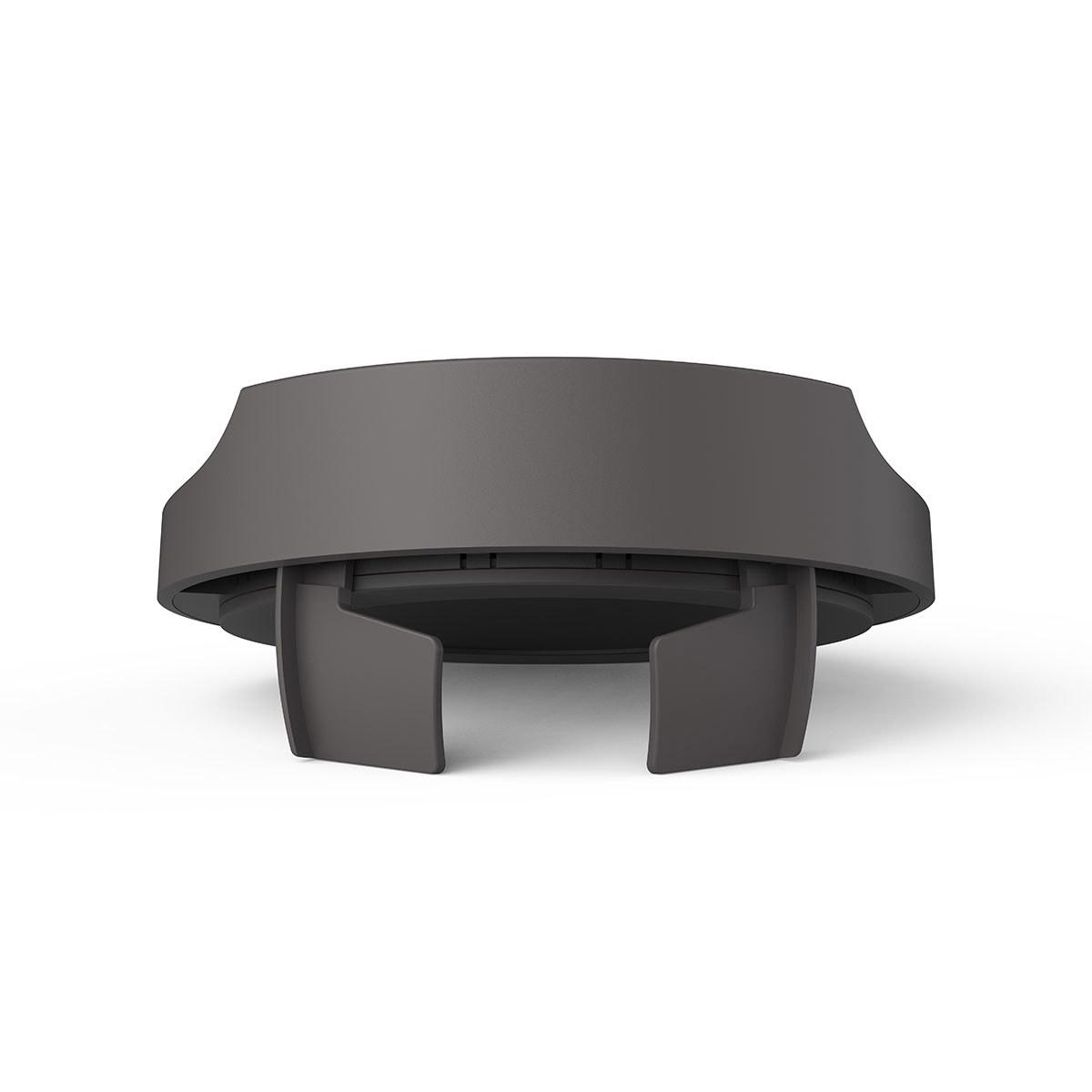
Its standout design feature is a 360-degree rotating stand that allows you to point the projection in virtually any direction. Combined with automatic focus and keystone correction (which compensates for angled projection by digitally adjusting the image), this makes the EF22 remarkably flexible for traditional setups.
The projector uses what Epson calls "EpiqSense" technology—essentially a combination of sensors and software that automatically adjust the image based on the projection surface and environment. In practice, I found this worked impressively well, often requiring no manual adjustments after initial placement.
However, the EF22 is designed primarily for traditional forward projection—it lacks the specialized mechanisms for ceiling projection that the BenQ offers.
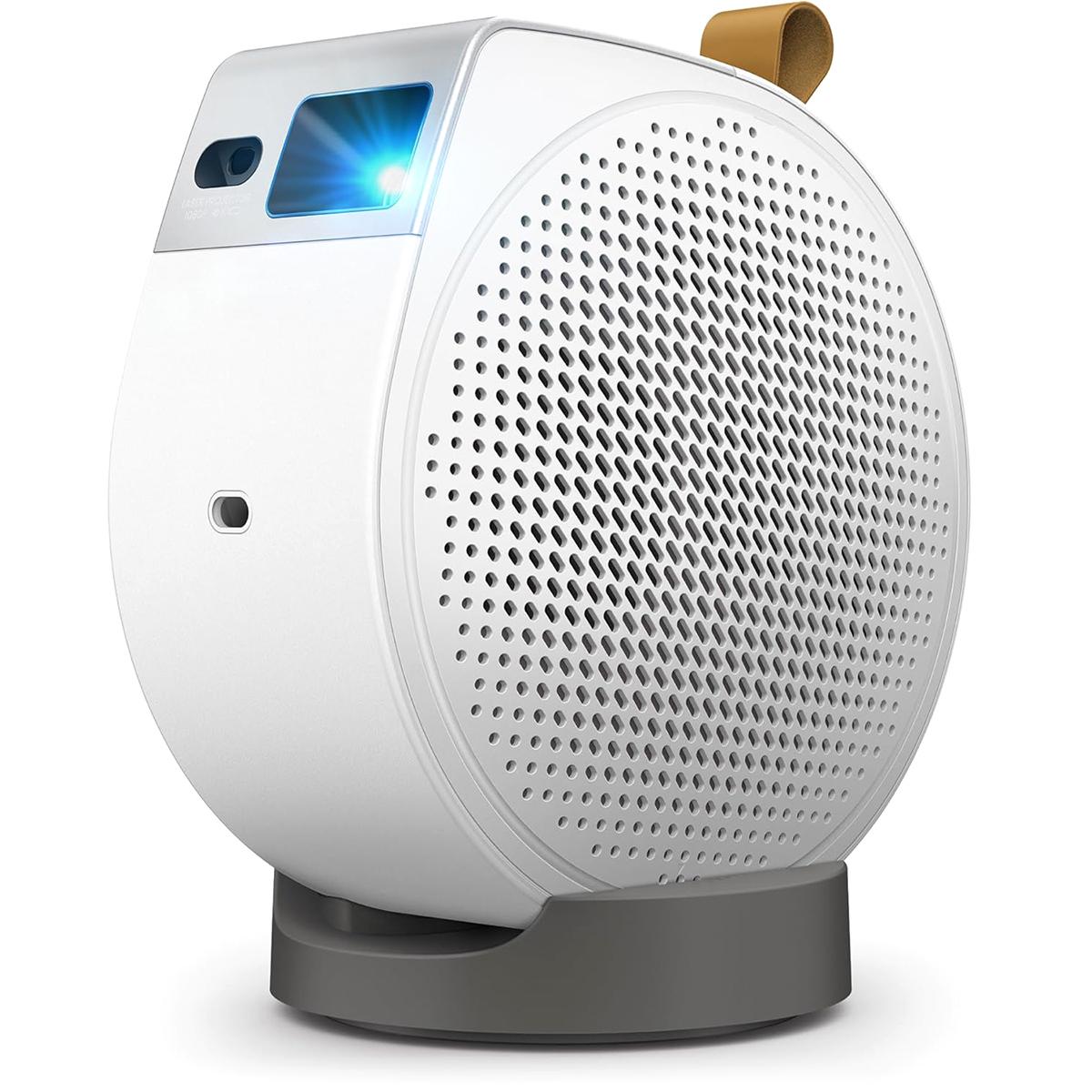
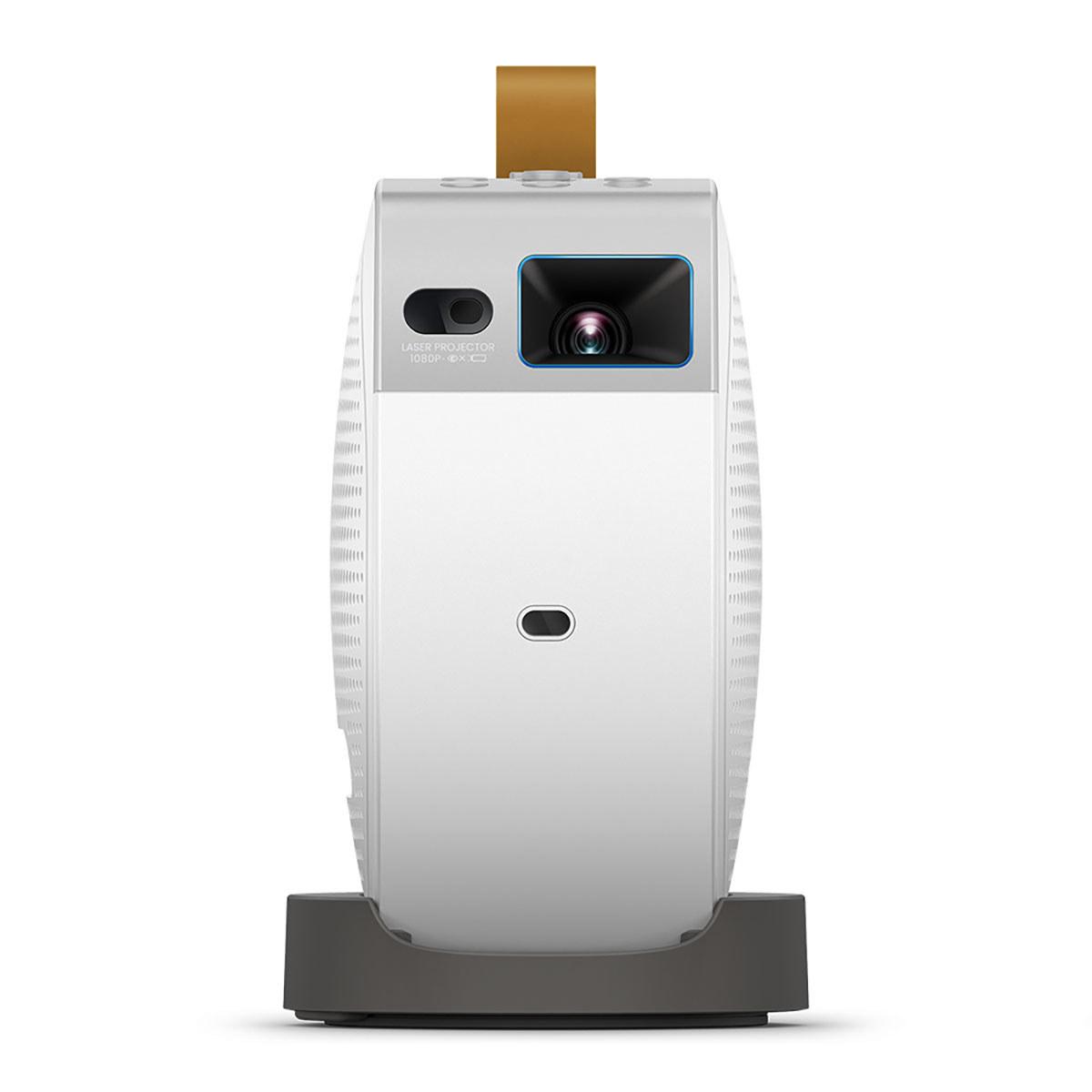
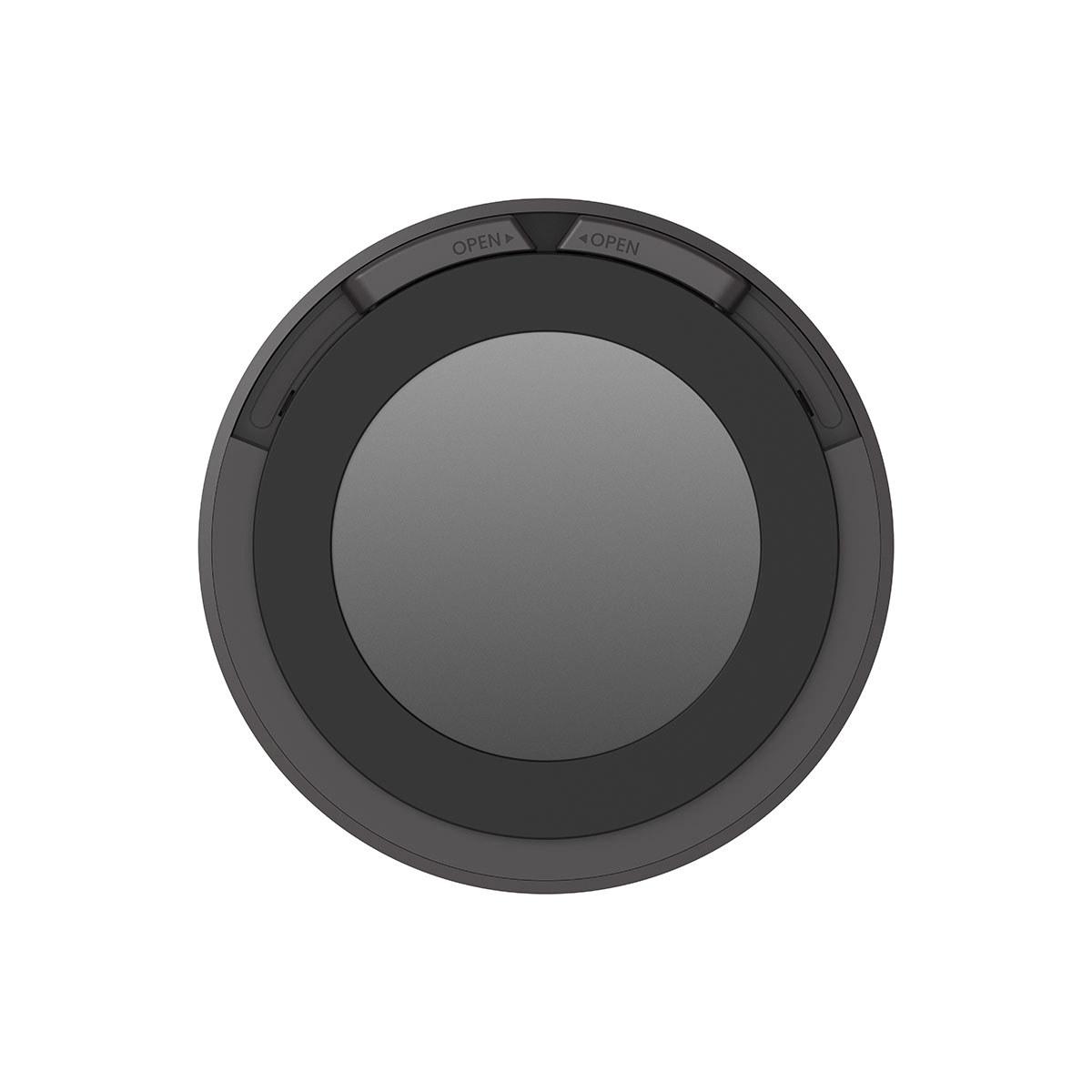
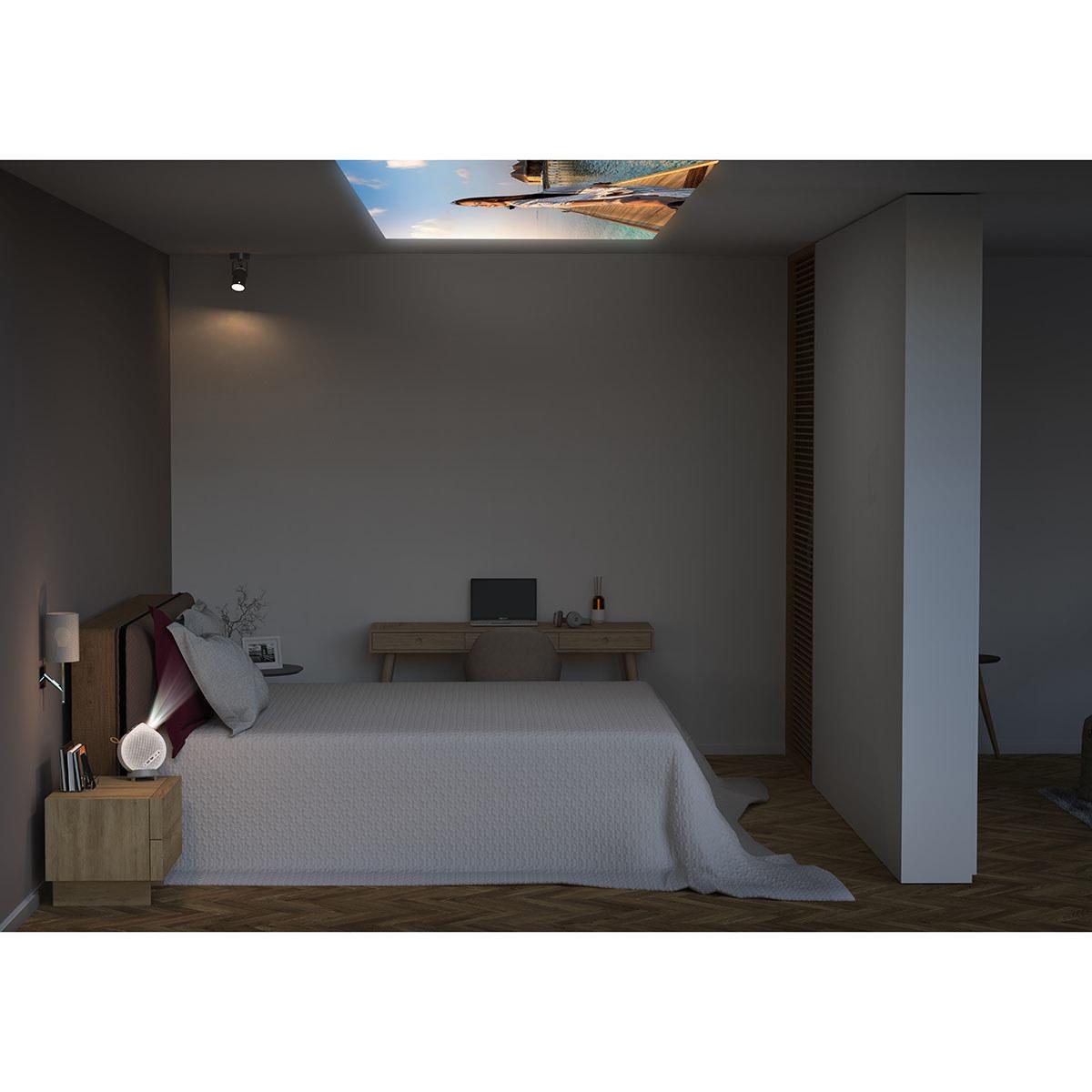
The BenQ GV50 takes a completely different approach with its design. Its most distinctive feature is the 135° vertical tilt mechanism specifically engineered for projecting onto ceilings—perfect for bedroom use where you might want to watch while lying in bed.
This specialized design choice addresses a use case that's grown increasingly popular but poorly served by conventional projectors. The GV50's auto screen adaptation technology goes beyond basic keystone correction to include image rotation and obstacle avoidance, ensuring properly aligned images even when projecting at extreme angles.
The cylindrical design with fabric covering resembles a premium Bluetooth speaker more than a traditional projector, making it an attractive addition to bedrooms or living spaces. This design also houses the impressive 2.1 channel audio system.
The portability factor can't be overlooked either. At 4.6 pounds with a built-in battery providing 2.5 hours of viewing time, the GV50 can easily move from room to room or even outdoors for impromptu movie nights.
The contrast in portability between these projectors highlights their different intended use cases.
The BenQ GV50 is designed with mobility in mind. Its built-in battery makes it truly portable, and I've used it successfully for backyard movie nights and even camping trips where power was available to recharge between uses. The compact size (about 30% smaller than the Epson) means it can be packed in a weekend bag without much hassle.
Installation is nearly instant—place it, power it on, and the auto-adjustment features handle the rest. For ceiling projection, simply tilt the lens upward, and the image rotates and corrects automatically.
The Epson EF22, while still technically portable at 6.6 pounds, is clearly designed more as a semi-permanent installation. It requires constant power and takes up more space. However, its higher brightness and more powerful capabilities make it worth the trade-off if you're setting up a dedicated space.
For home theater enthusiasts, the Epson provides more mounting options with standard tripod threads and ceiling mount compatibility. The BenQ lacks these features, reinforcing its position as a more casual, flexible option rather than a dedicated home theater component.
Both projectors run on Google TV (Android 11), providing a familiar interface for anyone who's used a modern smart TV or Chromecast device. This includes access to thousands of apps including Netflix, Disney+, HBO Max, and other popular streaming services.
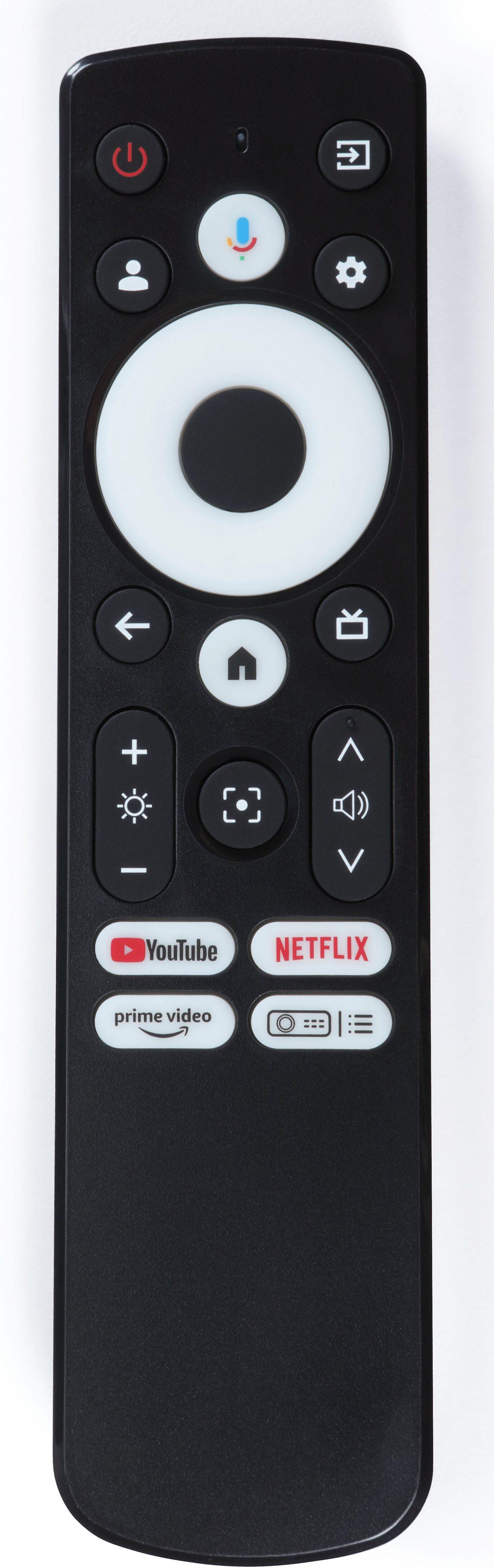
The Google TV experience is largely identical between the two projectors, offering content recommendations, voice search via Google Assistant, and integration with other Google services. Both include Bluetooth-enabled remote controls with voice functionality.
In day-to-day use, I found the interface responsiveness comparable between the two units. Neither exhibited any notable lag when navigating menus or launching apps—a significant improvement over earlier generations of smart projectors that often felt sluggish.
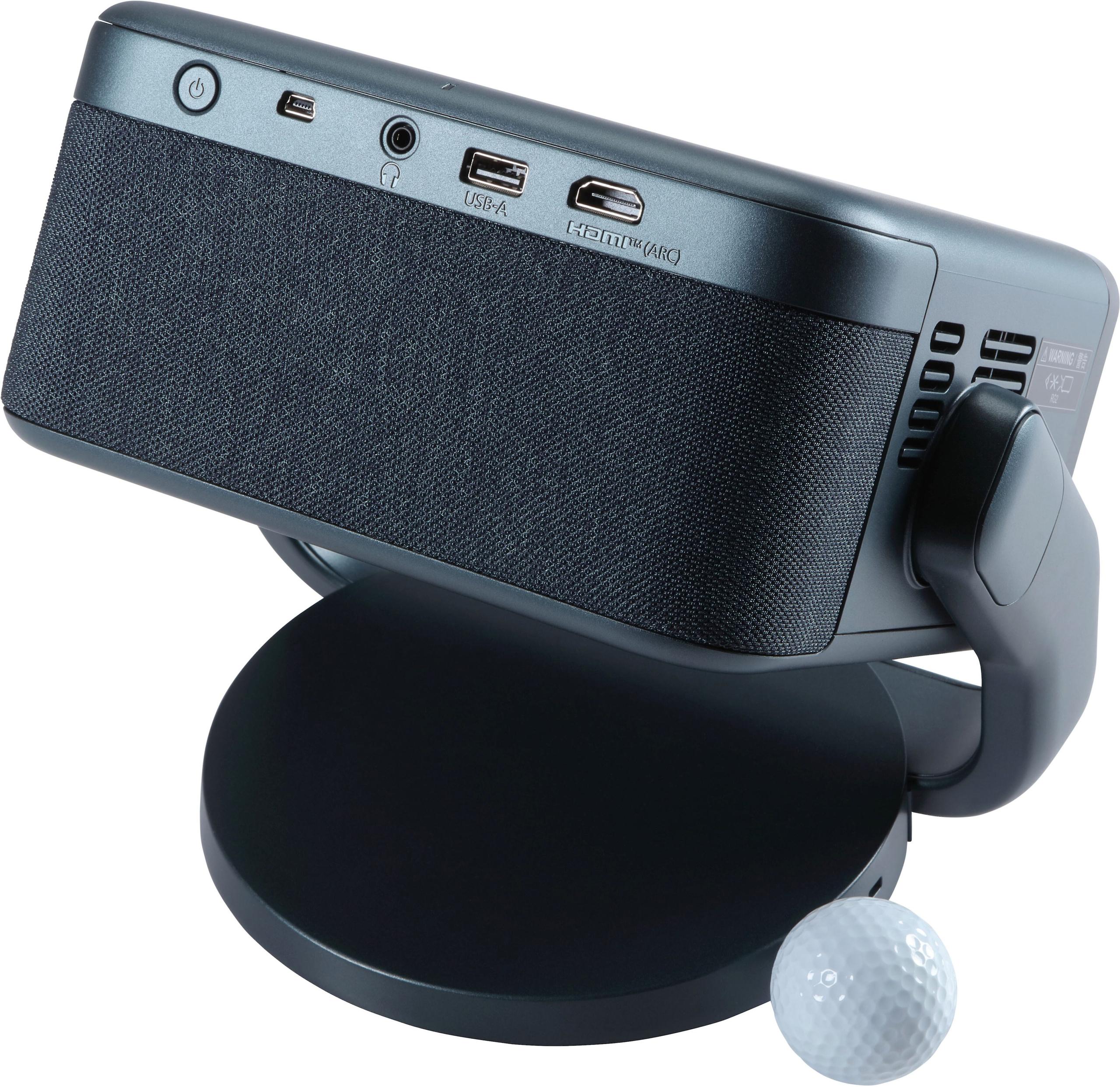
Connectivity options are similar as well, with both offering HDMI, USB, Wi-Fi, and Bluetooth connections. The Epson includes an additional HDMI port, which is helpful if you want to connect multiple external devices like game consoles or Blu-ray players.
Audio quality is often overlooked in projector comparisons, but it's crucial for the overall experience, especially if you don't plan to connect external speakers.
Surprisingly, despite its smaller size, the BenQ GV50 delivers significantly better audio with its 2.1 channel system. The dedicated 10W woofer provides actual bass response that's completely absent from the Epson's audio output. Watching action movies or music videos, the difference is immediately apparent—the BenQ simply sounds fuller and more immersive.
The Epson EF22 isn't bad by projector standards, with its dual 5W speakers producing clear dialogue. However, its audio system lacks depth and quickly reveals its limitations at higher volumes.
For serious home theater setups, you'll likely want external speakers with either projector. Both support Bluetooth audio output to soundbars or speakers, and the Epson adds HDMI ARC (Audio Return Channel) for easier integration with home theater systems.
At $799, the BenQ GV50 represents excellent value for specific use cases:
At $999, the Epson EpiqVision Mini EF22 justifies its $200 premium if:
It's worth noting that both projectors use laser light sources rated for 20,000+ hours of use. Unlike lamp-based projectors that require bulb replacements every few thousand hours, these should last 10+ years with typical use before showing significant brightness degradation. This long-term reliability factors into their overall value.
After extensive testing of both projectors in various environments, I've developed some clear recommendations based on different viewing scenarios.
Choose the Epson EpiqVision Mini EF22 if:
The Epson excels as a living room centerpiece, capable of delivering enjoyable big-screen experiences even when some light is present. Its versatility makes it a better "only projector" for households that want one solution for all viewing scenarios.
Choose the BenQ GV50 if:
The BenQ represents a specialized tool that excels at its primary functions. For bedroom ceiling projection or portable use, it's the clear winner despite its lower brightness.
While these projectors compete in the same general category, they actually serve different primary use cases. The Epson EF22 represents the evolution of the traditional living room projector, with brightness and color performance that makes it suitable for replacing a TV in many scenarios. The BenQ GV50, meanwhile, carves out a more specialized niche with its ceiling projection capabilities and true portability.
Technology in this space continues to advance rapidly. Just a few years ago, laser projectors at these price points would have been unimaginable, and the integration of fully-featured streaming platforms adds tremendous value. Both manufacturers have leveraged these advancements to create compelling products that represent significant improvements over previous generations.
For home theater enthusiasts, the Epson offers more traditional integration options and better image quality in controlled environments. Its higher brightness also provides more flexibility for screen size and room configuration.
Ultimately, your choice should align with how and where you plan to use your projector most frequently. Both the $999 Epson EpiqVision Mini EF22 and $799 BenQ GV50 deliver excellent experiences when matched to the right environment and expectations.
| Epson EpiqVision Mini EF22 Streaming Projector | BenQ GV50 Full HD Smart Ceiling Projector |
|---|---|
| Brightness - Determines usability in ambient light | |
| 1,000 lumens (usable in moderate ambient light) | 500 ANSI lumens (best in dark or dimly lit rooms) |
| Display Technology - Affects color reproduction and image quality | |
| 3LCD (better color accuracy, no rainbow effect) | DLP (better contrast in dark rooms, sharper perceived detail) |
| Projection Flexibility - Impacts where and how you can use it | |
| 360° rotatable stand with auto keystone correction (traditional front projection) | 135° vertical tilt with auto screen adaptation (specialized for ceiling projection) |
| Light Source & Lifespan - Long-term reliability and maintenance costs | |
| Laser with 20,000 hours lifespan (no lamp replacements needed) | Laser with 20,000-30,000 hours lifespan (slightly longer in eco mode) |
| Audio System - Determines need for external speakers | |
| Dual 5W stereo speakers (adequate for dialogue but lacks bass) | 2.1 channel system with 10W woofer (superior bass and overall sound quality) |
| Portability - Affects ease of movement between locations | |
| 6.6 lbs, no battery (semi-portable, requires constant power) | 4.6 lbs with 2.5-hour battery (truly portable for outdoor use) |
| Maximum Screen Size - Impacts immersive viewing experience | |
| Up to 150 inches (maintains good brightness at larger sizes) | Up to 100 inches (optimal brightness at smaller sizes) |
| Smart Platform - Provides streaming capabilities without external devices | |
| Google TV with voice control (10,000+ streaming apps) | Google TV with voice control (10,000+ streaming apps) |
| Price - Overall value proposition | |
| $999 (premium for brightness and color performance) | $799 (better value for specialized ceiling projection and portability) |
The Epson EpiqVision Mini EF22 Streaming Projector is significantly brighter at 1,000 lumens compared to the BenQ GV50's 500 ANSI lumens. This makes the Epson better for rooms with some ambient light, while the BenQ performs best in dark environments.
The Epson EpiqVision Mini EF22 costs $999, while the BenQ GV50 Full HD Smart Ceiling Projector is priced at $799, making the BenQ $200 less expensive.
Yes, the BenQ GV50 is specifically designed for ceiling projection with its 135° vertical tilt mechanism and automatic image adjustment features. The Epson EF22 doesn't offer the same ceiling projection capabilities.
Yes, both the Epson EpiqVision Mini EF22 and the BenQ GV50 run on Google TV (Android 11), giving you access to thousands of streaming apps including Netflix, Disney+, and YouTube without requiring additional devices.
The BenQ GV50 has better sound quality with its 2.1 channel audio system that includes a dedicated 10W woofer for bass. The Epson EF22 has dual 5W speakers that offer adequate sound but lack the depth and bass response of the BenQ.
Yes, the BenQ GV50 has a built-in battery that provides approximately 2.5 hours of viewing time, making it portable for outdoor use. The Epson EF22 requires constant power and does not have a battery option.
The Epson EpiqVision Mini EF22 is generally better for a dedicated home theater due to its higher brightness (1,000 lumens), larger maximum screen size (150 inches), and better color reproduction. However, if your home theater is in a consistently dark room, the BenQ GV50 can also perform well while saving you $200.
The Epson EpiqVision Mini EF22 can project up to a 150-inch screen, while the BenQ GV50 is recommended for screens up to 100 inches. The Epson maintains better brightness at larger screen sizes.
No, both the Epson EpiqVision Mini EF22 and BenQ GV50 use laser light sources that last 20,000+ hours, eliminating the need for lamp replacements. The BenQ can extend to 30,000 hours in eco mode.
The BenQ GV50 is more portable at 4.6 pounds with a built-in battery that lasts 2.5 hours. The Epson EF22 weighs 6.6 pounds and requires constant power, making it less suitable for truly portable use.
Yes, both the Epson EpiqVision Mini EF22 and the BenQ GV50 support HDR10 and HLG formats, enhancing contrast and color when viewing compatible content.
The BenQ GV50 is better for bedroom use because of its specialized ceiling projection capabilities, allowing you to watch comfortably while lying in bed. Its quieter operation (26-28 dBA) and 2.1 channel audio system also enhance the bedroom viewing experience compared to the Epson EF22.
We've done our best to create useful and informative comparisons to help you decide what product to buy. Our research uses advanced automated methods to create this comparison and perfection is not possible - please contact us for corrections or questions. These are the sites we've researched in the creation of this article: techradar.com - bestbuy.com - geekingout.ca - crutchfield.com - whatgear.net - youtube.com - epson.com - crutchfield.com - projectorcentral.com - epson.com - bestbuy.com - whathifi.com - projectorreviews.com - youtube.com - youtube.com - hometheaterhifi.com - projectorreviews.com - bestbuy.com - youtube.com - staples.com - projectorcentral.com - bestbuy.com - mediaserver.goepson.com - epson.com - news.epson.com - thewellnessinsider.asia - bhphotovideo.com - thetechnovore.com - howtogeek.com - projectorcentral.com - projectorcentral.com - techradar.com - adorama.com - projectorcentral.com - thesmarthomehookup.com - youtube.com - youtube.com - whathifi.com - youtube.com - cdw.com - projectorcentral.com - youtube.com

Privacy Policy
Terms and Conditions - Affiliate Policy
Home Security
© Copyright 2008-2026.
11816 Inwood Rd #1211, Dallas, TX 75244