

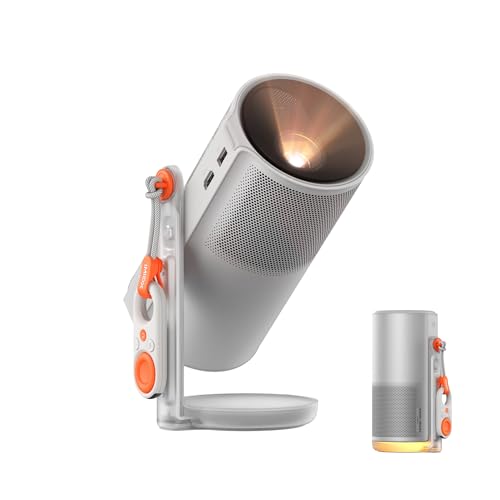
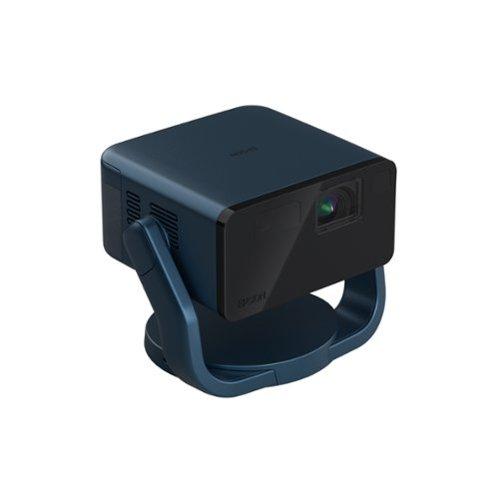
Finding the perfect portable projector can feel overwhelming, especially when you're trying to balance performance, convenience, and value. Two standout options that represent very different approaches to portable projection are the XGIMI MoGo 4 and the Epson EpiqVision Mini EF22. Having spent considerable time with both devices, I can tell you they're designed for fundamentally different users, despite both being marketed as "portable" projectors.
Before diving into the specifics, let's talk about what really matters in a portable projector. Unlike traditional home theater projectors that prioritize maximum image quality above all else, portable projectors need to balance several competing demands.
Brightness is arguably the most critical factor. Measured in lumens (a unit of light output), brightness determines how well your projector will perform in different lighting conditions. A projector with 300 lumens might work fine in a completely dark room, but you'll struggle to see anything in typical living room lighting. The sweet spot for most users falls between 400-1000 lumens, depending on how you plan to use the device.
True portability versus convenience portability represents a crucial distinction. True portability means you can grab the projector and go anywhere without worrying about power outlets or setup complexity. Convenience portability means the device is small enough to move between rooms but still requires wall power and more involved setup.
Smart features have become increasingly important as streaming services dominate how we consume content. A built-in smart platform eliminates the need for external streaming devices, but not all implementations are created equal. Some projectors offer basic smart features that feel clunky, while others provide experiences that rival the best smart TVs.
The XGIMI MoGo 4, released in 2025, and the Epson EpiqVision Mini EF22, which became available in 2024, represent these two different philosophies perfectly.
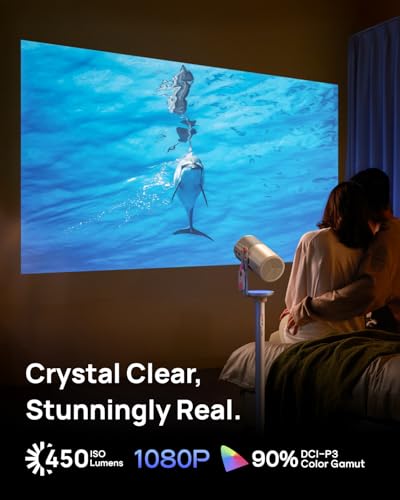
When it comes to raw image performance, the Epson EF22 takes a traditional approach that prioritizes brightness above all else. Its 3LCD laser system pumps out 1000 lumens—more than double what the MoGo 4 produces with its 450 ISO lumens. This difference is immediately noticeable when you're watching in anything but a completely dark room.
The laser light source in the EF22 works differently than the LED system in the MoGo 4. Laser projection creates more focused, directional light that maintains consistency over the projector's 20,000-hour lifespan. You won't see the gradual dimming that LED projectors sometimes experience over years of use. However, this technology comes with trade-offs—laser projectors typically struggle more with deep black levels, and the EF22 is no exception.
The XGIMI MoGo 4, on the other hand, uses refined LED technology that's been significantly improved in 2025. While it can't match the raw brightness of the EF22, it offers better color accuracy and more natural-looking images in darker environments. The newer processing in the MoGo 4 includes automatic calibration features that adjust the image based on your environment—something that becomes incredibly useful when you're frequently changing locations.
Both projectors support Full HD 1080p resolution and HDR content, though their HDR performance differs significantly. The EF22's higher brightness allows it to display a wider range of HDR content effectively, while the MoGo 4's HDR is more subtle but often more accurate in terms of color reproduction.
For home theater use specifically, the choice depends heavily on your room. If you have good light control and typically watch in darker conditions, the MoGo 4's more accurate colors and better black levels create a more cinematic experience. But if your living room gets a lot of ambient light or you prefer watching with some lights on, the EF22's extra brightness becomes essential.
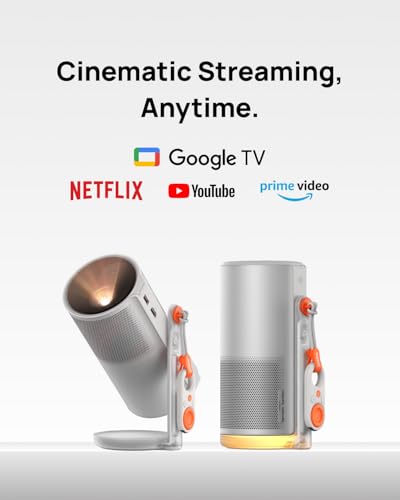
This is where the generational difference between these projectors becomes most apparent. The XGIMI MoGo 4 runs a full Google TV implementation that feels identical to using a high-end smart TV. Netflix, Disney+, YouTube, and thousands of other apps run natively and smoothly. More importantly, Netflix runs at full resolution—something that many projectors still struggle with due to licensing restrictions.
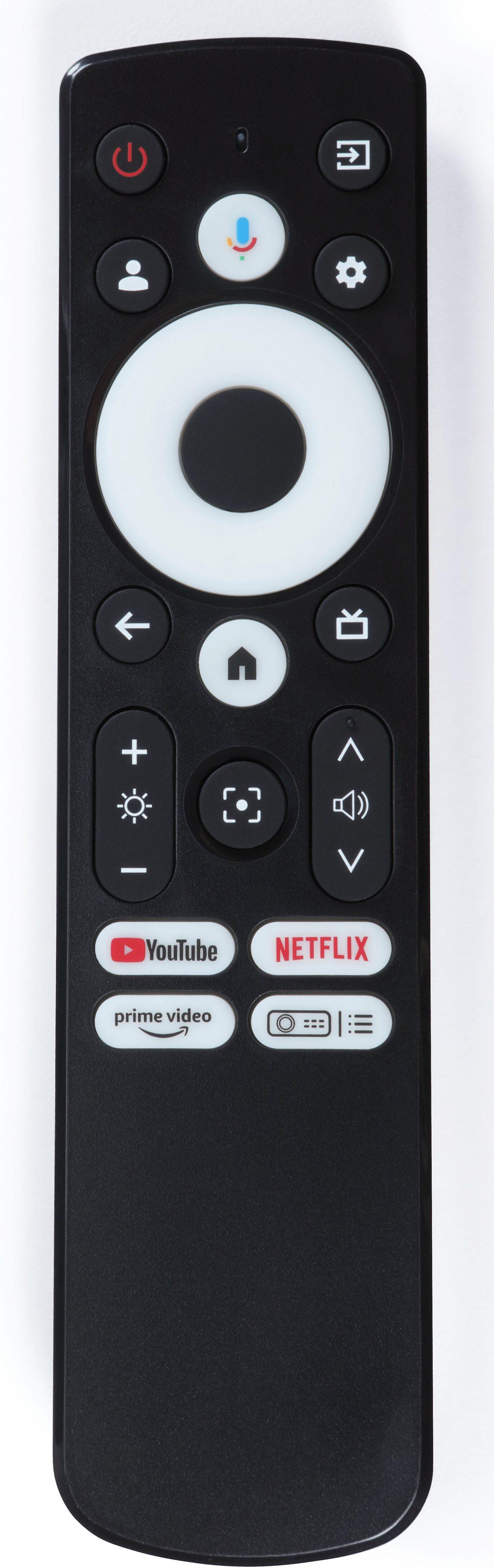
The interface responds quickly to remote commands, and the Google Assistant integration works seamlessly for voice control. You can ask it to find content, adjust volume, or even control smart home devices. Having used both extensively, the MoGo 4's smart platform feels like it was designed in 2025, with all the polish and features you'd expect from modern streaming devices.
The EF22 also runs Google TV, but the implementation feels more basic. App loading times are longer, the interface occasionally stutters, and some streaming services don't work as seamlessly. It's functional, but it doesn't feel as refined as dedicated streaming devices or the MoGo 4's implementation.
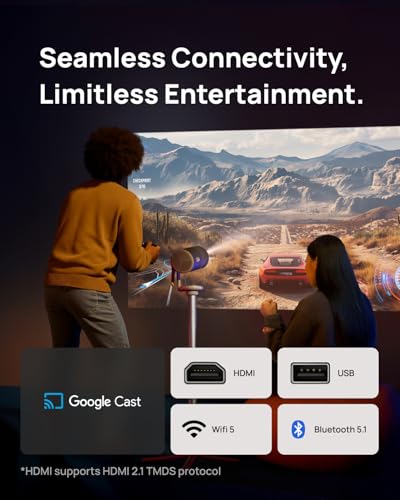
Both projectors support casting from phones and tablets, but the MoGo 4 handles this more reliably in my experience. Its Wi-Fi 5 and Bluetooth 5.1 connectivity consistently maintain stable connections, while the EF22 occasionally drops connections or struggles with high-bandwidth content.
Many people underestimate how important good built-in audio is for a portable projector. The XGIMI MoGo 4 absolutely excels here with its dual 6W Harman Kardon speakers. These aren't just good "for a projector"—they're genuinely impressive speakers that can fill a medium-sized room with clear, detailed sound.
The bass response surprised me the most. While you're not going to get home theater subwoofer levels of low-end, there's enough bass presence that action movies and music sound engaging rather than thin. The MoGo 4 can even function as a standalone Bluetooth speaker, and it's good enough that you might actually use this feature regularly.
The EF22's 5W speakers are adequate but unremarkable. They're loud enough for movies in smaller rooms, but they lack the richness and detail of the MoGo 4's audio system. For serious viewing, you'll likely want to connect external speakers or a soundbar to the EF22, which somewhat defeats the convenience factor of an all-in-one device.
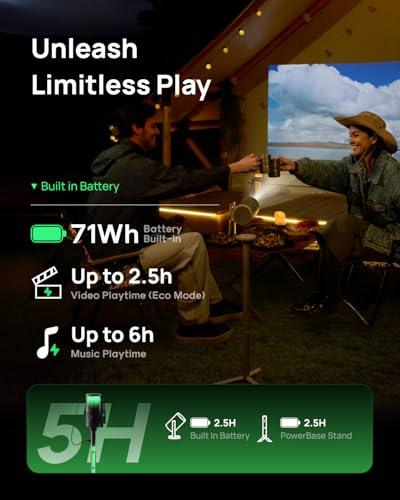
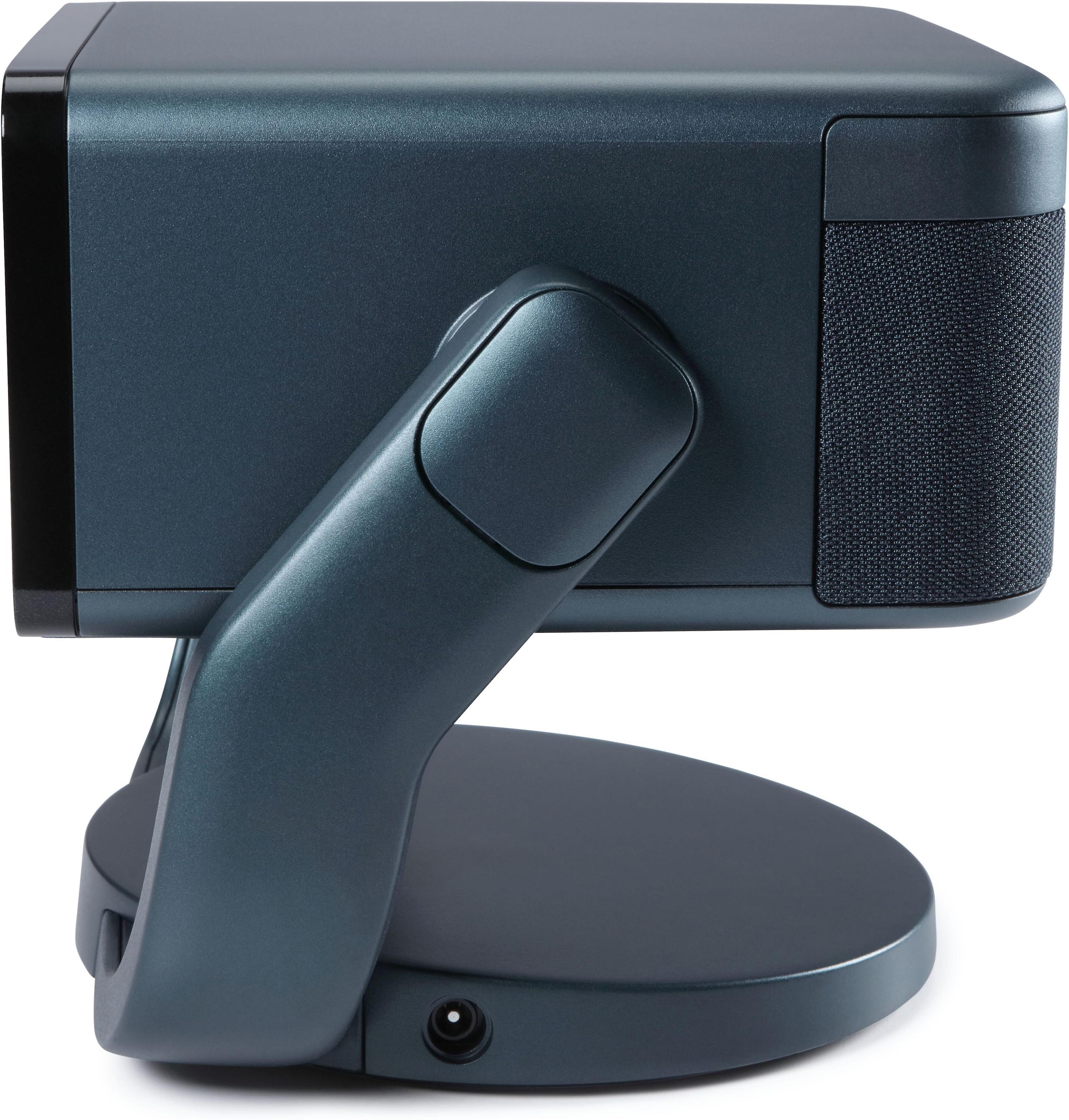
Here's where these projectors diverge most dramatically. The XGIMI MoGo 4 is genuinely portable in every sense of the word. Its built-in battery provides 2.5 hours of movie watching or up to 6 hours of music playback. The optional PowerBase Stand extends video playback to 5 hours, making it practical for full-length movies without needing power outlets.
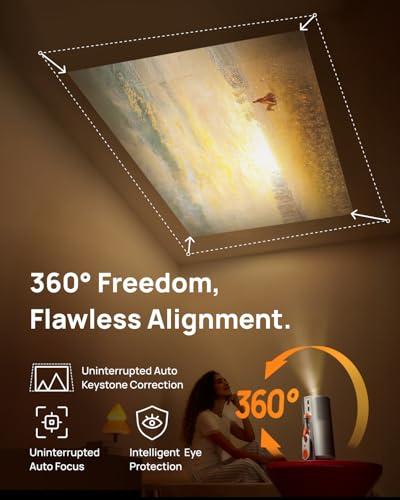
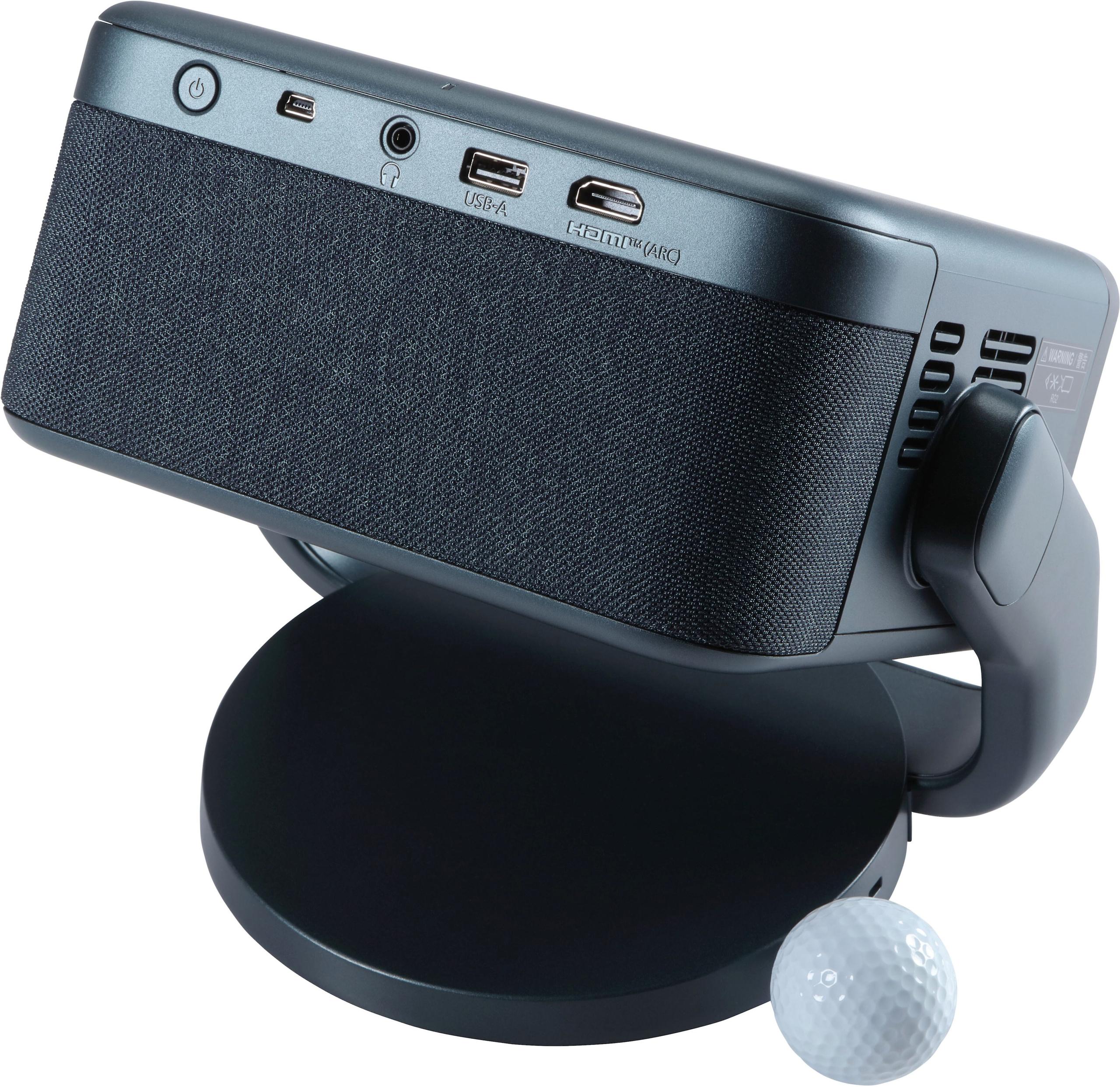
I've used the MoGo 4 for camping trips, backyard movie nights, and even impromptu presentations where running power cables wasn't practical. The 360-degree adjustable stand means you can project onto ceilings, walls, or any surface at virtually any angle. The automatic keystone correction and focus adjustment work remarkably well—you can literally just point it at a surface and start watching within seconds.
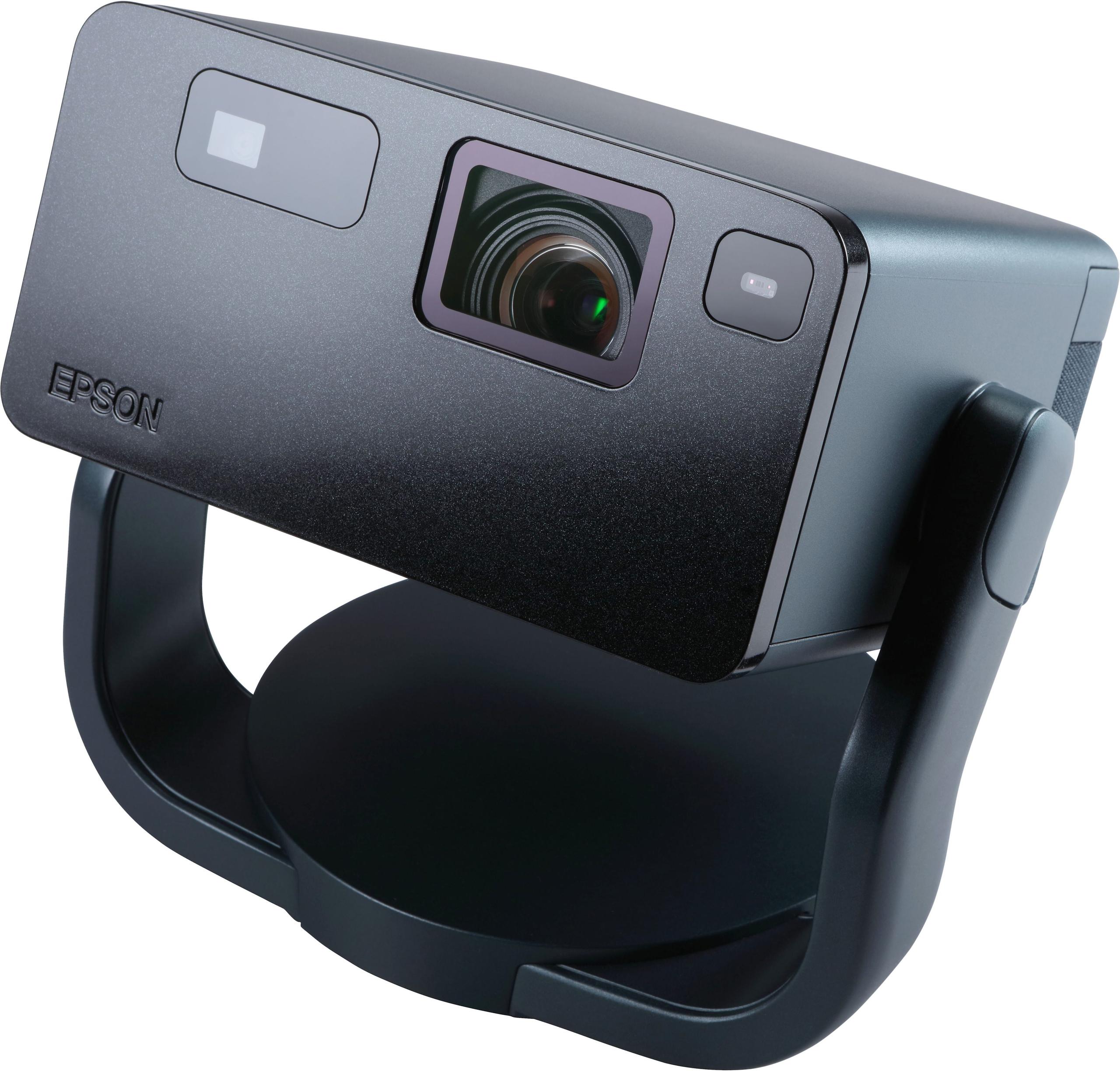
The EF22, despite being marketed as portable, requires wall power for operation. At 6.6 pounds, it's certainly easier to move than traditional projectors, but you're limited to locations with accessible power outlets. This makes it more of a "room-to-room" projector rather than a truly portable one.
The setup experience differs significantly too. The MoGo 4 uses what XGIMI calls ISA Technology—essentially automatic everything. Point it roughly where you want the image, and it handles focus, keystone correction, and screen fitting automatically. The EF22 has some automatic features, but you'll often need to make manual adjustments for optimal image quality.
At the time of writing, there's a substantial price difference between these projectors, with the EF22 commanding roughly double the price of the MoGo 4. This pricing gap raises important questions about value and what you're actually getting for the extra money.
The EF22's primary advantage is its higher brightness, which is genuinely useful if you plan to use the projector in well-lit environments. However, the question becomes whether that brightness advantage justifies the significant price premium, especially considering the MoGo 4's superior smart features, better audio, and true portability.
Professional reviews have noted that the EF22 struggles to justify its premium pricing given its limitations in other areas. The MoGo 4, meanwhile, has won design awards and consistently receives praise for offering premium features at a more accessible price point.
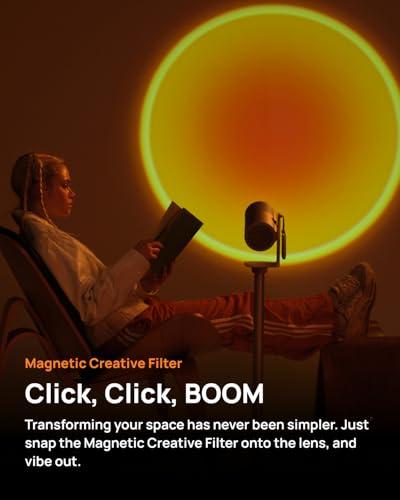
The XGIMI MoGo 4 includes several unique features that set it apart from traditional projectors. The magnetic creative filters are particularly interesting—these attach to the lens and can transform the projector into an ambient light source with different color effects. While somewhat gimmicky, they're actually quite effective for creating mood lighting during parties or relaxation sessions.
The Ambient Light Mode turns the MoGo 4 into a dynamic light show that can sync with music played through its Bluetooth connection. This transforms the projector into more of a versatile entertainment device rather than just a video projector.
The EF22 focuses more on traditional projector strengths. Its 3LCD technology provides more accurate color reproduction than single-chip DLP projectors, though this advantage is less noticeable compared to the MoGo 4's refined LED system.
For dedicated home theater use, both projectors perform well but serve different scenarios. The MoGo 4 excels in bedrooms, smaller living spaces, or situations where you want flexibility in placement. Its battery operation means you can easily project onto a bedroom ceiling for late-night viewing without disturbing others.
The EF22 works better for larger family rooms or spaces where ambient light control is challenging. Its higher brightness allows for comfortable viewing even when blinds aren't completely closed or room lights are dimmed rather than turned off completely.
Both projectors handle streaming content well, but the MoGo 4's faster processing and more refined smart platform make it more enjoyable for extended viewing sessions. The difference becomes particularly noticeable when browsing content or switching between apps—tasks that feel snappy on the MoGo 4 but can feel sluggish on the EF22.
While neither projector is primarily designed for gaming, both offer acceptable performance for casual gaming sessions. The MoGo 4 includes a dedicated Game Mode that reduces input lag to around 56ms—not ideal for competitive gaming but fine for casual console gaming or streaming games.
The EF22 doesn't specify gaming optimizations, and in my testing, it felt less responsive for gaming applications. The higher brightness can be advantageous for gaming in brighter rooms, but the slower smart platform makes menu navigation more frustrating.
After extensive use with both projectors, my recommendation depends heavily on how you plan to use the device.
Choose the XGIMI MoGo 4 if you want a versatile entertainment device that can adapt to different situations and locations. It's perfect for renters who might need to move frequently, outdoor enthusiasts, or anyone who values convenience and modern smart features. The superior audio quality and true portability make it feel like a premium device that happens to cost significantly less than its competition.
The Epson EF22 makes sense for users who primarily need higher brightness for well-lit environments and don't require battery operation. If you have a dedicated space where the projector will mostly stay put and ambient light is a concern, the extra brightness could be worth the premium price.
However, for most users, the MoGo 4 represents better overall value. Its combination of true portability, excellent smart features, superior audio, and competitive pricing makes it the more compelling choice. The EF22 feels like a traditional projector trying to be portable, while the MoGo 4 feels like a genuinely new category of entertainment device that just happens to project images.
The future of portable projection clearly lies in devices like the MoGo 4—truly portable, battery-powered, and designed from the ground up for modern content consumption habits. While the EF22 offers solid traditional projector performance, it feels increasingly outdated in comparison to what's possible with current technology.
| XGIMI MoGo 4 Portable Projector 2025 | Epson EpiqVision Mini EF22 Streaming Projector |
|---|---|
| Brightness - Critical for ambient light performance and screen size | |
| 450 ISO lumens (excellent for dark rooms, limited in bright spaces) | 1,000 lumens (works well in moderately lit rooms, better for large screens) |
| Portability - Determines where and how you can use the projector | |
| True battery-powered portable (2.5-5 hours runtime, 2.9 lbs) | Plug-in portable only (requires wall power, 6.6 lbs) |
| Smart Platform - Affects streaming experience and app availability | |
| Full Google TV with licensed Netflix at max resolution | Basic Google TV implementation with slower performance |
| Audio Quality - Important for all-in-one entertainment experience | |
| Dual 6W Harman Kardon speakers (premium sound, doubles as Bluetooth speaker) | 5W x 2 standard speakers (adequate but unremarkable) |
| Setup Convenience - How quickly you can start watching | |
| 360° adjustable stand with automatic focus/keystone (ISA Technology) | Basic tabletop mount with limited auto-adjustment |
| Light Source Technology - Affects longevity and color performance | |
| LED with 2025 processing improvements (better color accuracy) | 3LCD laser system (20,000-hour life, consistent brightness) |
| Maximum Screen Size - Determines viewing experience potential | |
| Up to 120" optimal (200" possible but image quality suffers) | Up to 150" with better brightness maintenance |
| Gaming Performance - Matters for console gaming and streaming | |
| Dedicated Game Mode with 56ms input lag | No gaming optimizations specified |
| Unique Features - Special capabilities that add value | |
| Magnetic creative filters, ambient light mode, ceiling projection | Traditional projector features with 3LCD color accuracy |
| Value Proposition - What you get for your money | |
| Premium portable features at accessible price point | Traditional projector brightness at significant premium cost |
The Epson EpiqVision Mini EF22 is significantly brighter at 1,000 lumens compared to the XGIMI MoGo 4's 450 ISO lumens. This makes the EF22 better for well-lit rooms and daytime viewing, while the MoGo 4 performs best in darker environments.
Only the XGIMI MoGo 4 has a built-in battery, providing 2.5 hours of video playback or up to 5 hours with the optional PowerBase Stand. The Epson EF22 requires wall power at all times, limiting its portability to locations with accessible outlets.
The XGIMI MoGo 4 offers superior smart features with full Google TV implementation and licensed Netflix at maximum resolution. The Epson EpiqVision Mini EF22 also has Google TV but with a more basic implementation that can feel slower and less polished.
The XGIMI MoGo 4 features dual 6W Harman Kardon speakers that deliver premium sound quality and can function as a standalone Bluetooth speaker. The Epson EF22 has standard 5W speakers that are adequate but less impressive for entertainment use.
The XGIMI MoGo 4 is much easier to set up with its 360° adjustable stand and ISA Technology that automatically handles focus, keystone correction, and image alignment. The Epson EF22 requires more manual adjustments and has limited positioning flexibility.
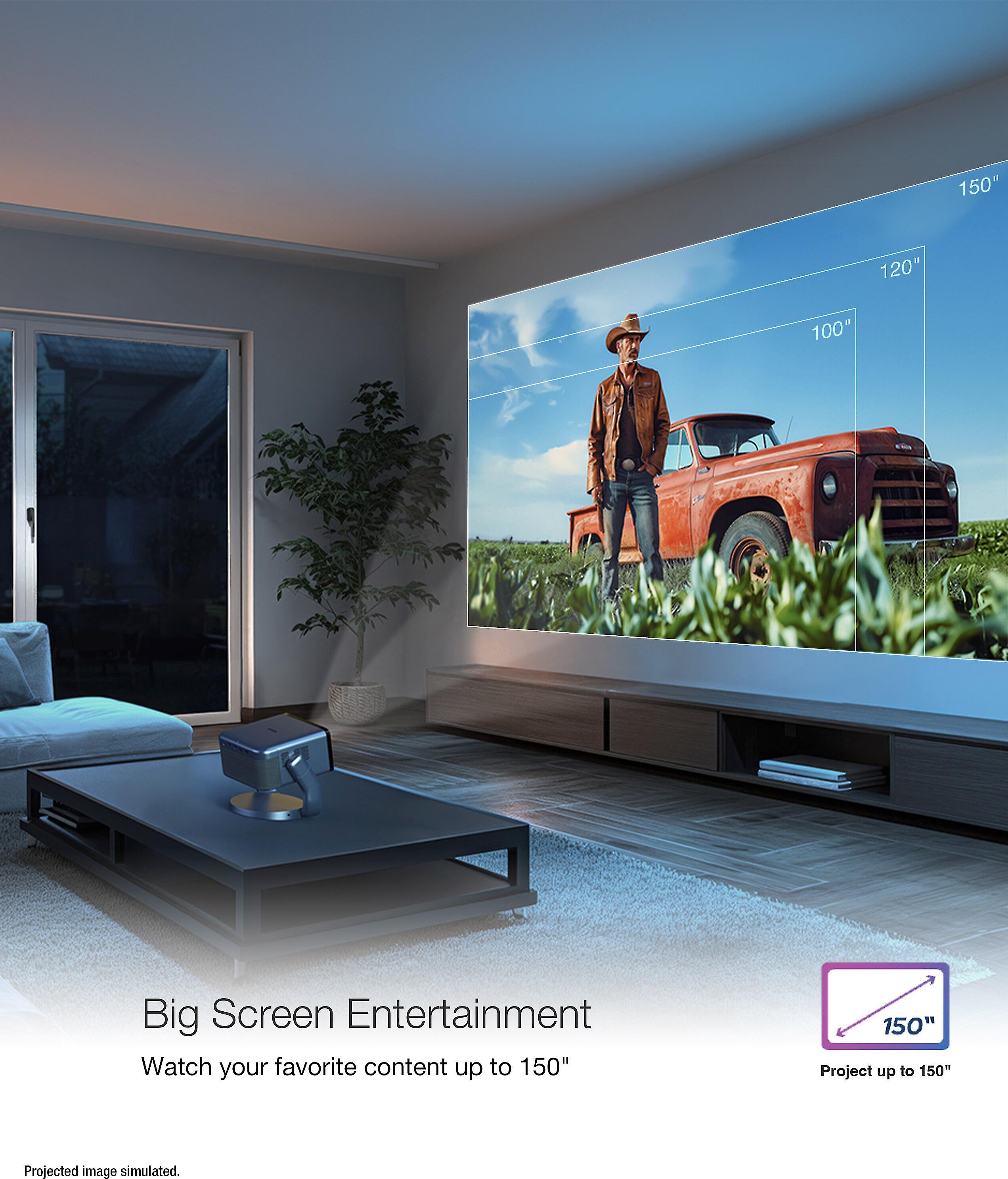
The Epson EpiqVision Mini EF22 can project up to 150 inches with better brightness maintenance at larger sizes. The XGIMI MoGo 4 works optimally up to 120 inches, though it can project larger images with reduced brightness.
The XGIMI MoGo 4 provides significantly better value, offering premium portable features, superior smart platform, and excellent audio at roughly half the cost of the Epson EF22. The EF22's main advantage is higher brightness, but it struggles to justify its premium pricing.
The XGIMI MoGo 4 includes a dedicated Game Mode with 56ms input lag, making it suitable for casual console gaming. The Epson EpiqVision Mini EF22 doesn't specify gaming optimizations and may have higher input lag, though both are acceptable for non-competitive gaming.
The Epson EF22's laser light source is rated for 20,000 hours of consistent brightness. The XGIMI MoGo 4 uses LED technology with modern 2025 improvements, though specific lifespan ratings aren't commonly specified for LED projectors.
The XGIMI MoGo 4 is ideal for outdoor use thanks to its built-in battery, portable design, and flexible positioning options. The Epson EpiqVision Mini EF22 requires access to power outlets, making it less practical for outdoor entertainment unless you have portable power solutions.
Both the XGIMI MoGo 4 and Epson EpiqVision Mini EF22 are native 1080p projectors that can accept and downscale 4K content. Neither offers true 4K projection, but both support HDR content for enhanced color and contrast when available.
For a dedicated home theater with good light control, the XGIMI MoGo 4 offers better color accuracy and more cinematic image quality in dark environments. However, if your home theater has ambient light challenges, the Epson EF22's higher brightness may be more important than the MoGo 4's other advantages.
We've done our best to create useful and informative comparisons to help you decide what product to buy. Our research uses advanced automated methods to create this comparison and perfection is not possible - please contact us for corrections or questions. These are the sites we've researched in the creation of this article: projectorcentral.com - whathifi.com - us.xgimi.com - whathifi.com - global.xgimi.com - youtube.com - us.xgimi.com - youtube.com - youtube.com - thesmarthomehookup.com - global.xgimi.com - hometechnologyreview.com - projectorcentral.com - youtube.com - us.xgimi.com - techradar.com - bestbuy.com - geekingout.ca - crutchfield.com - whatgear.net - youtube.com - epson.com - crutchfield.com - projectorcentral.com - epson.com - bestbuy.com - whathifi.com - projectorreviews.com - youtube.com - youtube.com - hometheaterhifi.com - projectorreviews.com - bestbuy.com - youtube.com - staples.com - projectorcentral.com - bestbuy.com - mediaserver.goepson.com - epson.com - news.epson.com

Privacy Policy
Terms and Conditions - Affiliate Policy
Home Security
© Copyright 2008-2026.
11816 Inwood Rd #1211, Dallas, TX 75244