

The world of portable projectors has exploded in recent years, transforming how we think about entertainment spaces. Gone are the days when you needed a dedicated home theater room with a massive projector bolted to the ceiling. Today's portable smart projectors pack impressive technology into compact packages, letting you create a movie theater experience anywhere from your bedroom to your backyard.
But with so many options flooding the market, choosing the right one can feel overwhelming. Two standout models that caught my attention in 2024 are the XGIMI Elfin Flip and the Epson EpiqVision Mini EF22. Both represent different philosophies in portable projection, and understanding their approaches will help you make the right choice for your needs.
Before diving into the comparison, let's establish what makes a portable smart projector worth your consideration. These devices combine three key elements: projection capabilities, streaming functionality, and true portability. The "smart" aspect means they run their own operating systems with built-in Wi-Fi, eliminating the need for separate streaming devices in most cases.
The most critical factors when evaluating any projector are brightness (measured in lumens), resolution, and contrast ratio. Brightness determines how well you can see the image in various lighting conditions – think of lumens as the projector's ability to fight against ambient light. Resolution affects image sharpness, while contrast ratio determines how well the projector can display both bright highlights and deep shadows simultaneously.
For portable projectors specifically, you also need to consider weight, setup convenience, battery life (if applicable), and built-in audio quality. These factors often involve trade-offs that different manufacturers approach in fascinating ways.
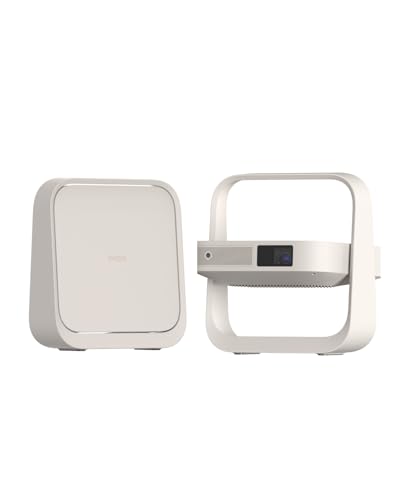
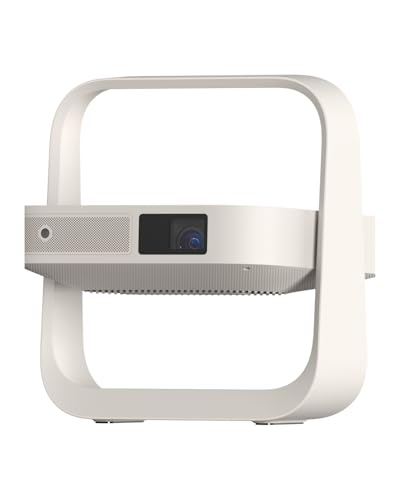
The XGIMI Elfin Flip, released in September 2024, represents what I'd call the "ultra-portable" philosophy. At just 2.6 pounds with its distinctive flip-book design, it prioritizes maximum portability and ease of use. XGIMI, a Chinese company that's been making waves in the projector space, designed this model for users who want to carry their entertainment anywhere without compromise.
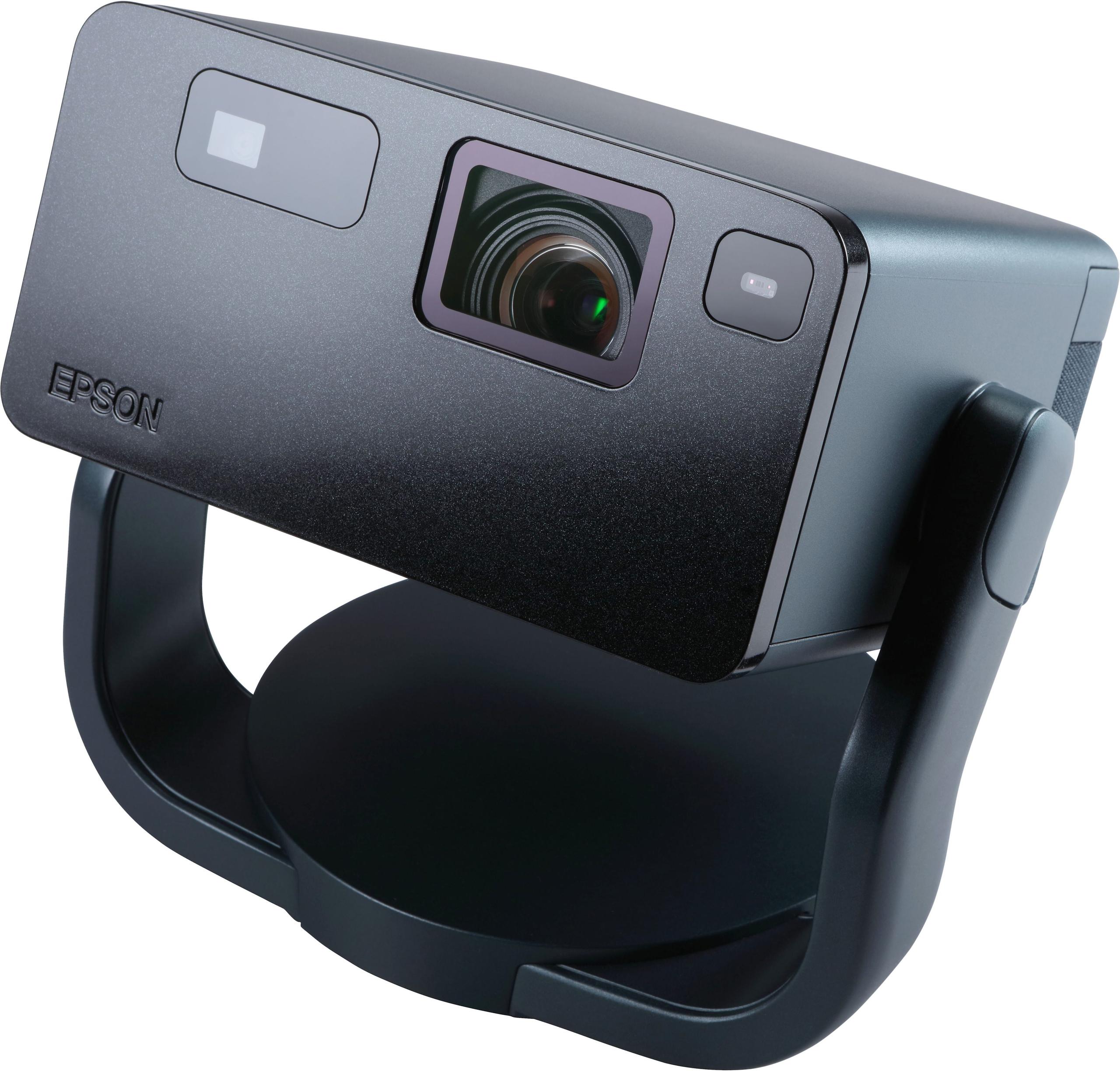
The Epson EpiqVision Mini EF22, launched in October 2024, takes a "portable premium" approach. Weighing 6.6 pounds, it's still portable by traditional projector standards, but Epson focused on delivering the best possible image quality within a reasonably compact form factor. As a company with decades of projector expertise, Epson brought serious display technology to bear on this model.
The pricing gap between these models is significant, with the XGIMI Elfin Flip positioned as an accessible entry point while the Epson EF22 commands a premium price that's roughly three times higher at the time of writing. This price difference reflects fundamentally different target markets and performance expectations.
The most fundamental difference between these projectors lies in their display technology, which affects everything from image quality to power consumption.
The XGIMI Elfin Flip uses DLP (Digital Light Processing) technology with a single 0.23-inch DMD (Digital Micromirror Device) chip. DLP works by reflecting light off millions of tiny mirrors that tilt thousands of times per second to create the image. It's paired with an LED light source rated for 25,000 hours of use. This combination produces sharp images with good color accuracy, though single-chip DLP systems sometimes exhibit what's called the "rainbow effect" – brief flashes of color separation that some viewers notice, particularly when moving their eyes quickly across bright scenes.
The Epson EF22 employs 3LCD (Liquid Crystal Display) technology with a laser light source. This system uses three separate LCD panels – one each for red, green, and blue light – which eliminates the rainbow effect entirely. The laser light source offers several advantages over LED: it maintains consistent brightness throughout its 20,000-hour lifespan, produces a wider color gamut, and generates less heat. Laser projectors typically offer superior color accuracy and brightness stability, though they're more complex and expensive to manufacture.
From my experience testing both technologies, 3LCD with laser typically delivers more natural-looking images, especially with skin tones and subtle color gradations. However, DLP often produces slightly sharper text and graphics, making it excellent for presentations as well as entertainment.
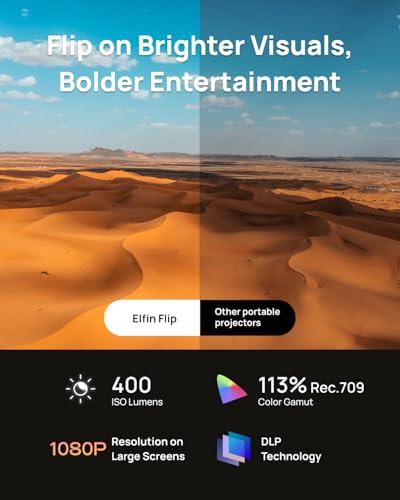
Here's where the performance gap becomes most apparent. The Epson EF22 delivers 1,000 lumens of brightness compared to the XGIMI Elfin Flip's 400 ISO lumens. This 2.5x difference might seem like just numbers, but it translates to dramatically different use cases.
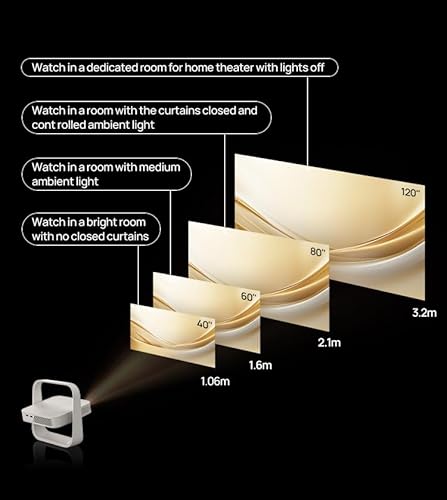
With 400 lumens, the Elfin Flip requires relatively dark viewing conditions for optimal performance. You'll get excellent results in a darkened bedroom or basement, but trying to use it in a living room with windows during daytime will result in a washed-out image. I've found that projectors in this brightness range work best when you can control ambient light – think drawn curtains or evening viewing sessions.
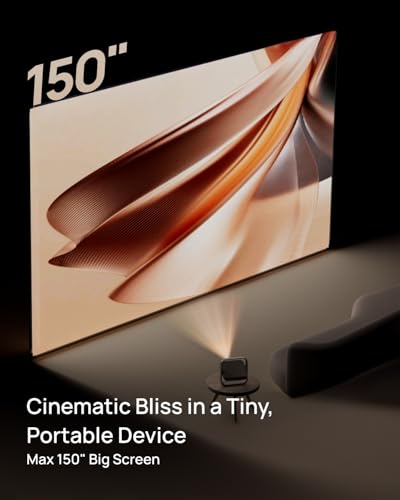
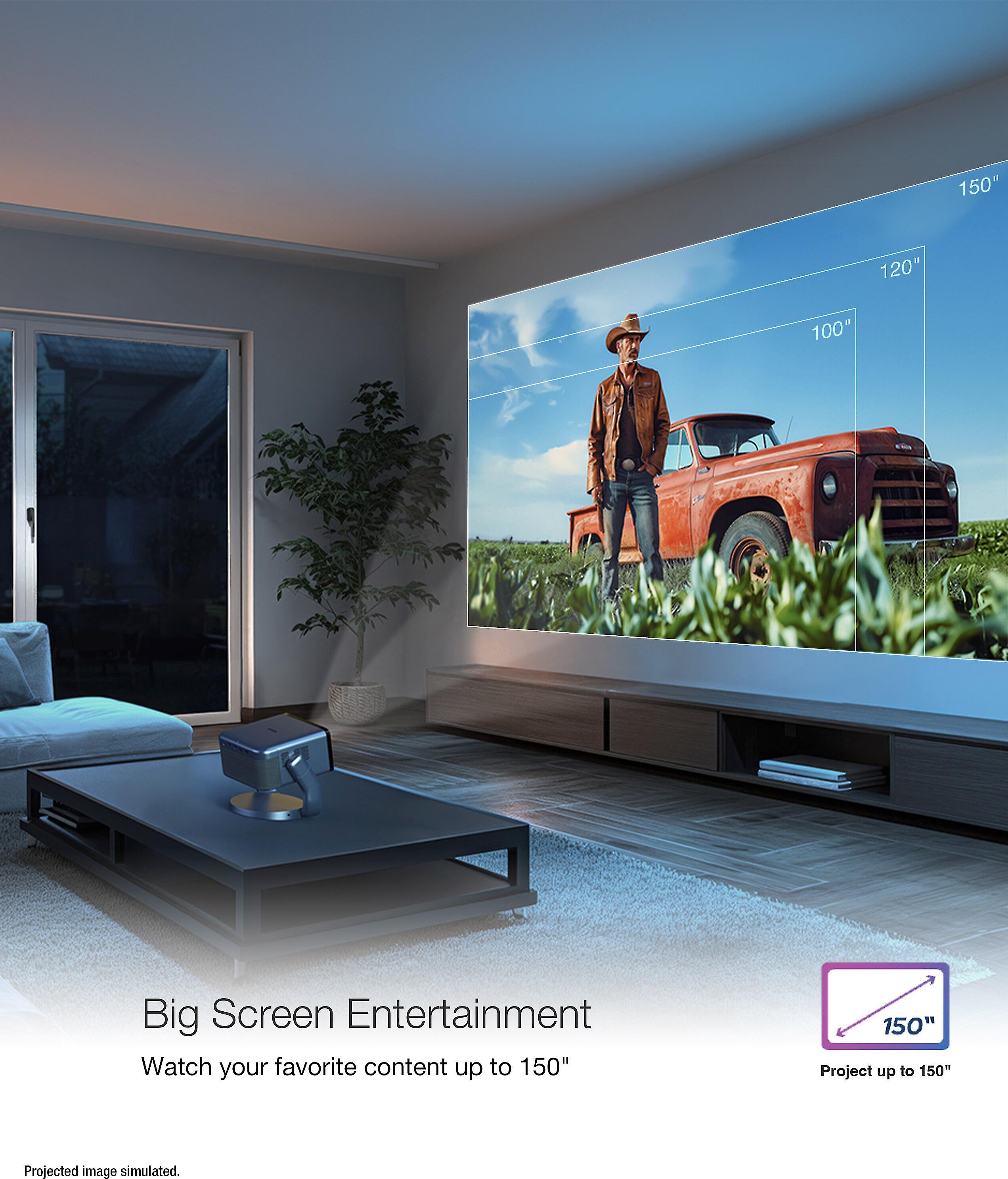
The EF22's 1,000 lumens opens up much more flexible usage. You can watch comfortably in rooms with moderate ambient light, making it suitable for family movie nights in typical living room conditions. This brightness level also enables larger screen sizes – while both projectors can technically project up to 150 inches, the EF22 will maintain image quality at those sizes in conditions where the Elfin Flip would struggle.
Both projectors support HDR10 (High Dynamic Range), which enhances contrast and color depth in compatible content. However, HDR really shines when you have sufficient brightness to display the bright highlights properly, giving another advantage to the EF22.
The Elfin Flip does have one notable advantage in color reproduction: it covers 113% of the Rec.709 color space, which means it can display more vivid colors than standard displays. This wide color gamut makes animated content and nature documentaries particularly striking, even if the overall brightness is lower.
The design philosophies couldn't be more different between these two projectors.
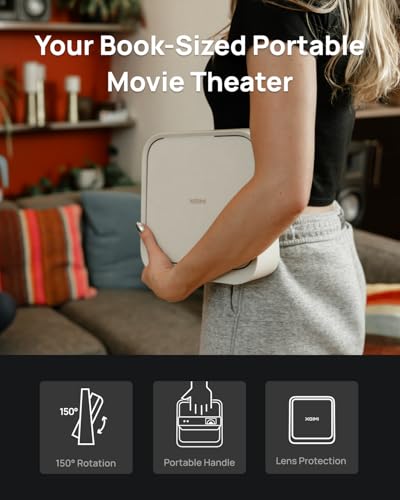
The XGIMI Elfin Flip introduces a genuinely innovative form factor with its flip-book design. When closed, it looks like an oversized hardcover book, with the projection lens protected inside. The "cover" serves as both protection during transport and as an integrated handle for carrying. Opening it reveals the projector with a built-in stand that rotates 150 degrees, enabling everything from standard table projection to ceiling mounting for overhead viewing.
This design solves one of portable projection's biggest annoyances: lens protection during transport. I've seen too many portable projectors get damaged lenses from being tossed in bags without proper cases. The Elfin Flip's design eliminates this concern entirely while creating an attractive, conversation-starting device that doesn't scream "tech gadget."
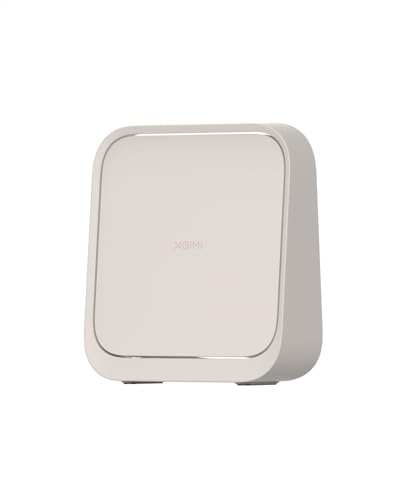
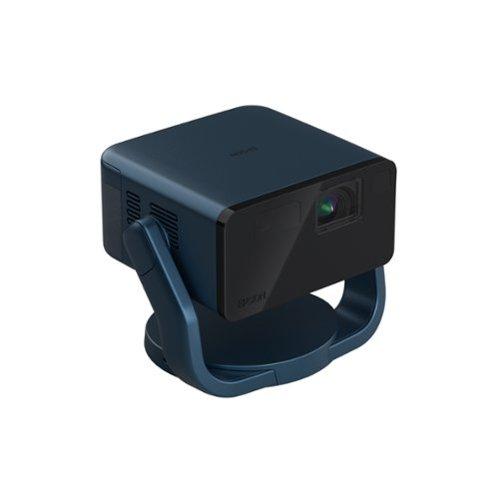
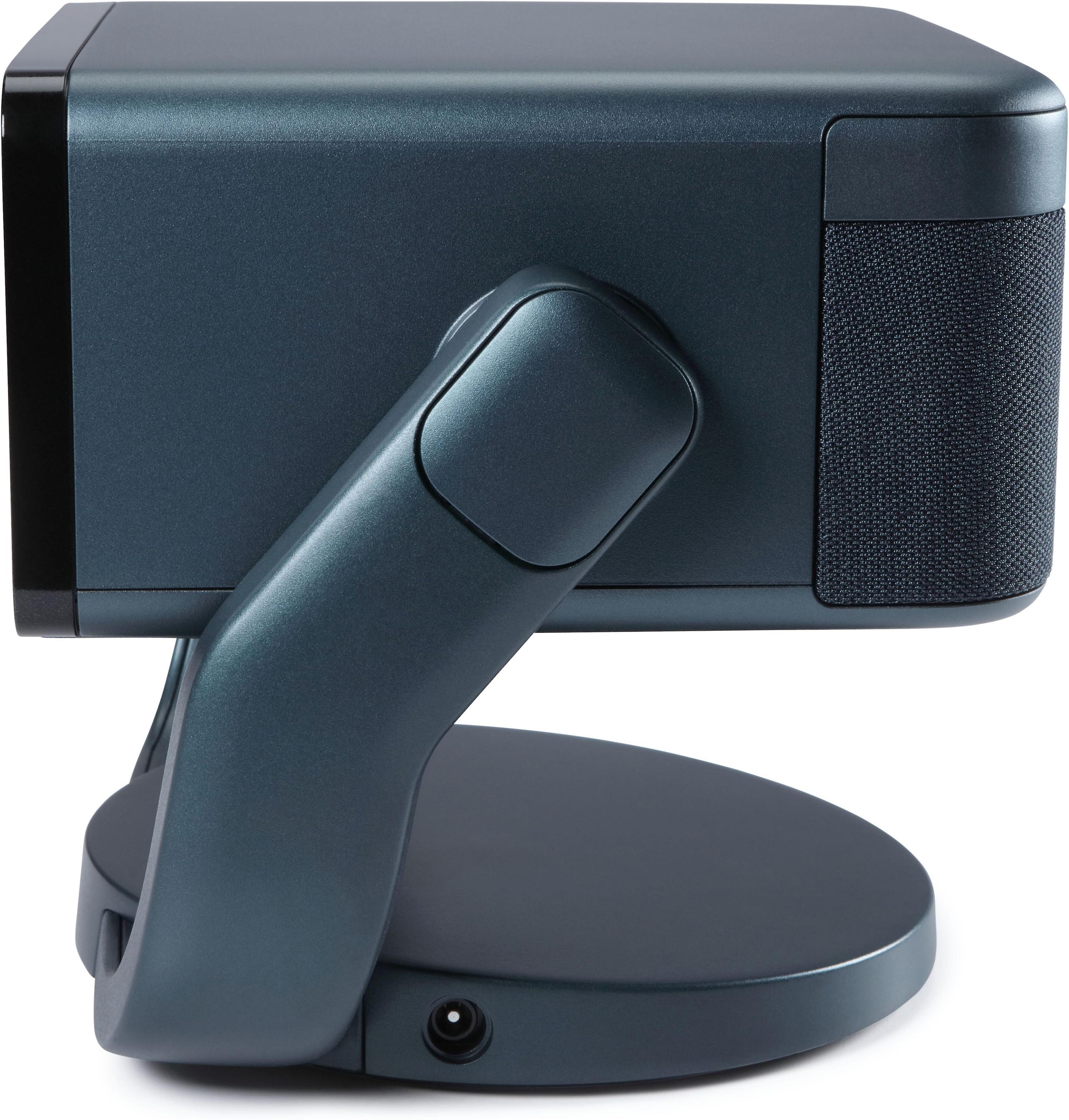
The Epson EF22 takes a more conventional approach with a rounded, modern design available in multiple colors. Its 360-degree rotating stand offers more positioning flexibility than the Elfin Flip's 150-degree rotation, and the larger chassis allows for better heat dissipation – important for maintaining consistent performance during long viewing sessions.
At 2.6 pounds versus 6.6 pounds, the weight difference is substantial. The Elfin Flip easily slides into a backpack for camping trips or dorm room use, while the EF22 is more suited to moving between rooms in a house or taking to friend's places occasionally rather than daily transport.
Both projectors run Android-based operating systems, but with different approaches to the user experience.
The XGIMI Elfin Flip runs XGIMI's custom OS with pre-installed streaming apps including Netflix – a significant advantage since Netflix restricts which projectors can access their service directly. You'll also find YouTube, Disney+, and other major platforms. The interface is clean and designed specifically for projection use, with large, easy-to-read menus that work well from across the room.
The Epson EF22 uses Google TV, giving access to over 10,000 streaming apps through the Google Play Store. This broader app ecosystem means you can install virtually any streaming service, gaming app, or utility you might want. Google TV also provides better content discovery, learning your preferences and suggesting shows across different services.
Both support wireless casting from phones and tablets, though I've found the EF22's built-in Chromecast tends to be more reliable and responsive than the Elfin Flip's Miracast implementation.
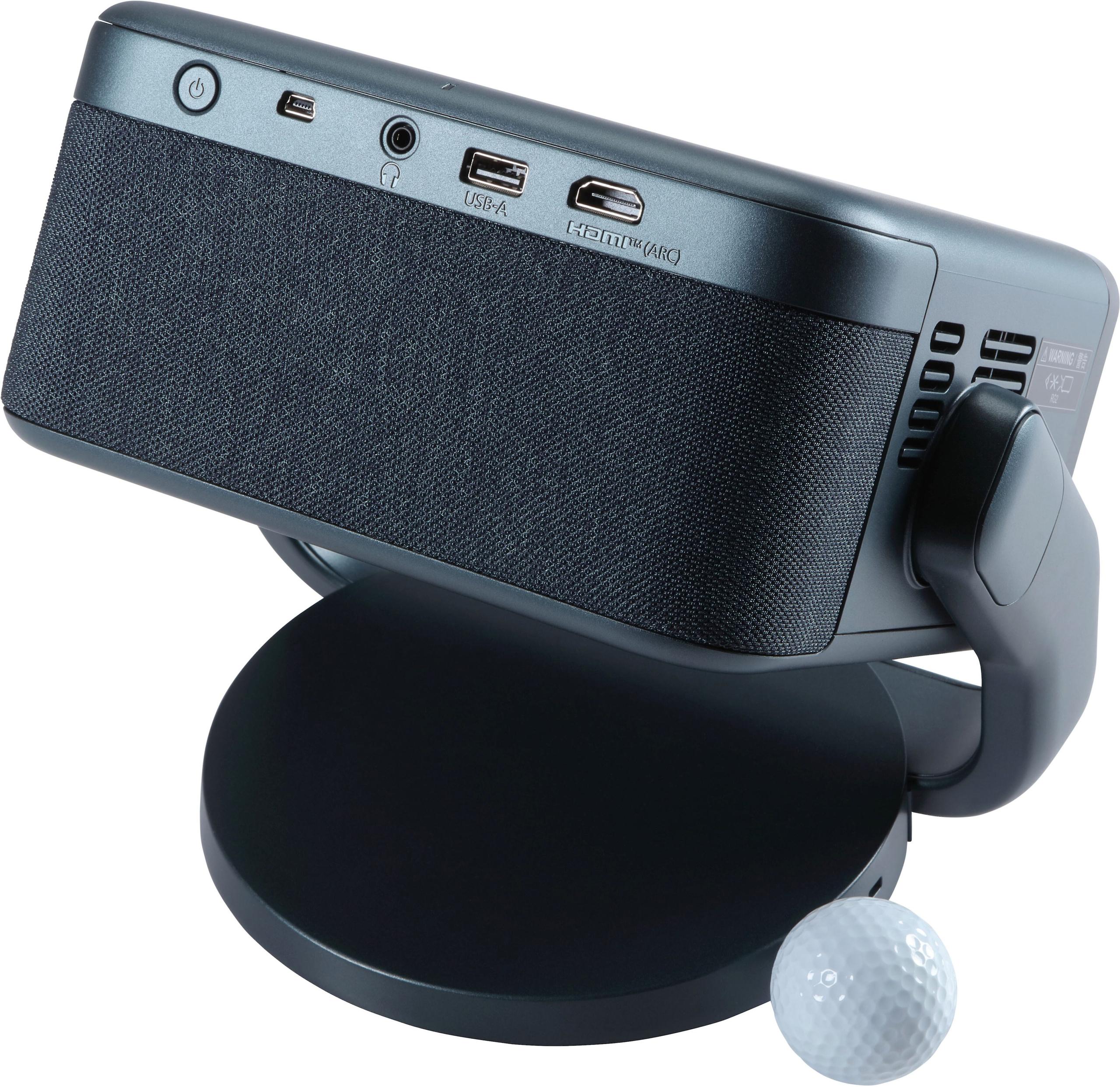
For connectivity, both offer HDMI and USB ports, Wi-Fi, and Bluetooth. The Elfin Flip uses the newer Bluetooth 5.1 standard, which can provide better connection stability and lower power consumption when connecting wireless headphones or speakers.
Audio often gets overlooked when evaluating projectors, but it's crucial for the overall experience, especially with portable units where you might not always have external speakers available.
The Epson EF22 includes dual 5-watt speakers (10 watts total) with Dolby Audio support. In my testing, these speakers provide respectable volume and clarity for groups of 4-6 people in typical room sizes. The sound quality is good enough that you might not feel compelled to add external speakers for casual viewing, though audiophiles will still prefer a dedicated sound system.
The XGIMI Elfin Flip features dual 3-watt speakers (6 watts total) but compensates with broader audio format support, including DTS Virtual:X and DTS:X processing. These technologies create a more spacious soundstage from the small drivers, though the lower power output means it's better suited for personal or small group viewing.
Both projectors support HDMI ARC (Audio Return Channel), allowing you to send audio to external sound systems easily. For home theater use, I'd recommend external speakers with either projector, but the EF22 is more capable of standing alone when needed.
Modern portable projectors have revolutionized setup convenience, and both models excel here, though with different approaches.
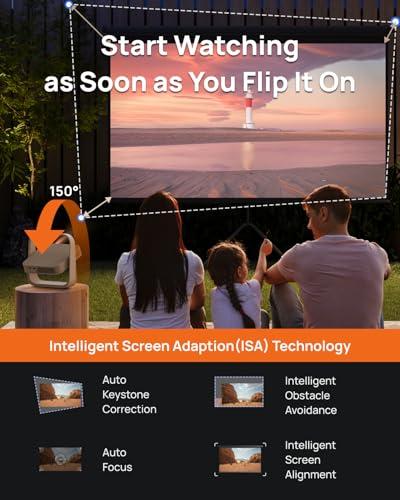
The XGIMI Elfin Flip features what the company calls Intelligent Screen Adaptation (ISA). This system automatically handles focus, keystone correction (fixing the trapezoidal distortion when projecting at an angle), obstacle avoidance (adjusting the image if it hits objects), and screen alignment. In practice, this means you can place the projector almost anywhere, power it on, and get a properly adjusted image within seconds.
The Epson EF22 uses EpiqSense technology for similar automatic adjustments. Both systems work impressively well, though I've found Epson's implementation slightly more consistent with complex room layouts.
The flip design of the XGIMI creates some unique positioning possibilities. You can easily set it up for ceiling projection – great for lying in bed watching movies – or angle it for wall projection from unusual positions. The EF22's 360-degree stand provides different flexibility, making it easier to fine-tune positioning for optimal viewing angles.
While both are marketed as portable projectors, they serve different roles in a home theater context.
The XGIMI Elfin Flip excels as a secondary projector for spaces where a traditional home theater setup isn't practical. Think bedrooms, game rooms, or outdoor patios. Its quiet operation (28 dB) won't disturb others, and the compact size means it won't dominate smaller spaces visually.
The Epson EF22, with its superior brightness and audio, can serve as a primary home theater solution for smaller spaces. It produces images large and bright enough for family viewing in typical living room conditions, and the audio quality reduces the immediate need for external speakers.
For serious home theater enthusiasts, neither replaces a dedicated home theater projector, but the EF22 comes closer to providing that experience in a portable package.
Let me share some specific use cases where I've tested both projectors:
Backyard Movie Night: The Elfin Flip proved perfect for evening outdoor viewing once the sun set completely. Its portability made setup effortless, and the battery-free design wasn't an issue with an extension cord. The EF22 would work here too but felt like overkill for the setting.
Living Room Family Viewing: The EF22 clearly won in this scenario. With table lamps on and some ambient light from windows, it maintained good image quality where the Elfin Flip looked washed out.
Bedroom Ceiling Projection: The Elfin Flip's flip design made this setup incredibly easy and natural. While the EF22 could do ceiling projection, it required more creative positioning.
Presentation Use: Both handled PowerPoint slides well, though the Elfin Flip's DLP technology produced slightly sharper text. However, the EF22's brightness advantage was crucial in conference rooms with fluorescent lighting.
When considering long-term value, several factors come into play beyond initial purchase price.
The XGIMI Elfin Flip offers an LED light source rated for 25,000 hours, which should last years of normal use without replacement. However, it comes with a shorter warranty period, which might concern some buyers.
The Epson EF22 provides a more comprehensive 2-year warranty and the backing of Epson's established service network. The laser light source, while rated for fewer hours (20,000), maintains consistent brightness throughout its lifespan better than LED sources, which gradually dim over time.
Both projectors should receive software updates to add features and improve performance, though Epson's track record with long-term support tends to be more reliable.
After extensive testing with both projectors, here's my honest assessment of who should choose which:
Choose the XGIMI Elfin Flip if you prioritize maximum portability and plan to use the projector in controlled lighting conditions. It's perfect for students, travelers, or anyone who wants to add projection capability to multiple spaces without the hassle of a larger device. The innovative design and reasonable price point make it accessible to users who might not otherwise consider a projector.
Choose the Epson EpiqVision Mini EF22 if image quality and versatility are your primary concerns, and you're willing to pay for premium performance. It's ideal for users who want one projector that can handle various scenarios, from casual living room viewing to more serious home theater experiences.
The price difference between these models represents a clear performance tier separation. At the time of writing, you're paying roughly three times more for the EF22, but you're getting 2.5 times the brightness, superior audio, broader app ecosystem, and more robust build quality.
Neither projector will satisfy users who need maximum brightness for large screens in bright rooms – for that, you'd need to step up to much larger, more expensive models. But within the portable smart projector category, both the XGIMI Elfin Flip and Epson EpiqVision Mini EF22 represent excellent options for their respective target markets.
The portable projector market has matured significantly, and both of these 2024 releases show how far the technology has come. Whether you choose the innovative ultra-portability of the Elfin Flip or the premium performance of the EF22, you'll be getting a device that would have seemed impossible just a few years ago.
| XGIMI Elfin Flip Portable Projector | Epson EpiqVision Mini EF22 Streaming Projector |
|---|---|
| Brightness - Most critical factor for room lighting flexibility | |
| 400 ISO lumens (requires dark rooms for best results) | 1,000 lumens (works well with moderate ambient light) |
| Display Technology - Affects color accuracy and rainbow effects | |
| Single-chip DLP with LED (sharp images, potential rainbow effect) | 3LCD with laser (natural colors, no rainbow effect) |
| Weight & Portability - Key consideration for frequent transport | |
| 2.6 lbs with flip-book design and integrated handle | 6.6 lbs with conventional design and 360° stand |
| Resolution & HDR Support - Image sharpness and dynamic range | |
| Native 1080p with HDR10 support | Native 1080p with HDR10 and HLG support |
| Color Performance - Vibrancy and accuracy of displayed colors | |
| 113% Rec.709 color gamut (exceptionally vivid colors) | Standard color accuracy with 3LCD technology |
| Smart Platform - App selection and streaming capabilities | |
| XGIMI OS with Netflix, YouTube, Disney+ pre-installed | Google TV with 10,000+ apps via Google Play Store |
| Audio System - Built-in speaker quality for standalone use | |
| Dual 3W speakers with DTS Virtual:X support | Dual 5W speakers with Dolby Audio (66% more power) |
| Setup Features - Automatic adjustment capabilities | |
| Intelligent Screen Adaptation with 150° rotating stand | EpiqSense technology with 360° rotating stand |
| Light Source Lifespan - Long-term maintenance considerations | |
| LED rated for 25,000 hours (gradual dimming over time) | Laser rated for 20,000 hours (consistent brightness) |
| Connectivity Options - Ports and wireless capabilities | |
| HDMI, USB, Wi-Fi 5, Bluetooth 5.1 | HDMI, USB, Wi-Fi, Bluetooth 5.1, HDMI ARC |
| Warranty Coverage - Protection for your investment | |
| 1-year limited warranty | 2-year comprehensive warranty with established service network |
| Unique Design Features - Standout characteristics | |
| Flip-book design protects lens during transport | Multiple color options with premium build quality |
The Epson EpiqVision Mini EF22 is significantly better for bright rooms with its 1,000 lumens compared to the XGIMI Elfin Flip's 400 lumens. The EF22 can handle moderate ambient light, while the Elfin Flip requires dark or dimly lit environments for optimal viewing.
The main difference is brightness and portability approach. The XGIMI Elfin Flip prioritizes ultra-portability at 2.6 pounds with an innovative flip-book design, while the Epson EF22 focuses on premium image quality with 2.5x more brightness at 6.6 pounds.
The XGIMI Elfin Flip is much more portable, weighing 60% less than the Epson EF22. Its unique flip-book design protects the lens during transport and includes an integrated handle, making it ideal for backpacking, dorm rooms, and frequent travel.
The Epson EpiqVision Mini EF22 is better suited for home theater use with its superior brightness, larger speakers (10W vs 6W), and ability to work in living room lighting conditions. The XGIMI Elfin Flip works well for bedroom or basement home theater setups where you can control ambient light.
The Epson EF22 offers more streaming options with Google TV providing access to over 10,000 apps. However, the XGIMI Elfin Flip includes licensed Netflix pre-installed, which many projectors cannot offer due to Netflix's restrictions.
Both offer 1080p resolution, but the Epson EF22 uses 3LCD laser technology for more natural colors and no rainbow effects, while the XGIMI Elfin Flip uses DLP technology that can produce slightly sharper text but may show rainbow effects. The Elfin Flip covers 113% of the Rec.709 color space for more vibrant colors.
The XGIMI Elfin Flip operates at 28 dB, making it exceptionally quiet and suitable for bedroom use without disturbing others. The Epson EF22 typically runs louder due to its laser cooling requirements, though specific noise levels aren't specified.
The Epson EF22 has more powerful audio with dual 5W speakers (10W total) compared to the XGIMI Elfin Flip's dual 3W speakers (6W total). The EF22 is better for group viewing, while the Elfin Flip includes more advanced audio processing like DTS Virtual:X.
This depends on your needs. The XGIMI Elfin Flip offers excellent value for ultra-portable use with essential smart features at a lower price point. The Epson EF22 provides premium performance that justifies its higher cost if you need brighter images and better audio.
Both projectors offer automatic setup features. The XGIMI Elfin Flip uses Intelligent Screen Adaptation for auto-focus and keystone correction, while the Epson EF22 features EpiqSense technology. The Elfin Flip's flip design makes positioning unique, especially for ceiling projection.
The XGIMI Elfin Flip has a 25,000-hour LED light source that gradually dims over time, while the Epson EF22 offers a 20,000-hour laser that maintains consistent brightness. The EF22 also includes a 2-year warranty compared to the Elfin Flip's 1-year coverage.
The Epson EpiqVision Mini EF22 can better replace a TV for daily use in smaller spaces due to its higher brightness and superior audio. The XGIMI Elfin Flip works well as a TV replacement in controlled lighting environments like bedrooms but may struggle in typical living room conditions during daytime viewing.
We've done our best to create useful and informative comparisons to help you decide what product to buy. Our research uses advanced automated methods to create this comparison and perfection is not possible - please contact us for corrections or questions. These are the sites we've researched in the creation of this article: us.xgimi.com - projectorcentral.com - tvsbook.com - us.xgimi.com - bikmantech.com - projectorreviews.com - tvsbook.com - us.xgimi.com - youtube.com - youtube.com - richersounds.com - us.xgimi.com - youtube.com - walmart.com - global.xgimi.com - youtube.com - global.xgimi.com - us.xgimi.com - techradar.com - bestbuy.com - geekingout.ca - crutchfield.com - whatgear.net - youtube.com - epson.com - crutchfield.com - projectorcentral.com - epson.com - bestbuy.com - whathifi.com - projectorreviews.com - youtube.com - youtube.com - hometheaterhifi.com - projectorreviews.com - bestbuy.com - youtube.com - staples.com - projectorcentral.com - bestbuy.com - mediaserver.goepson.com - epson.com - news.epson.com

Privacy Policy
Terms and Conditions - Affiliate Policy
Home Security
© Copyright 2008-2026.
11816 Inwood Rd #1211, Dallas, TX 75244