

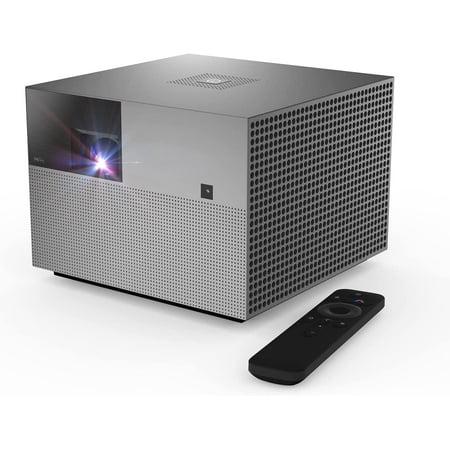
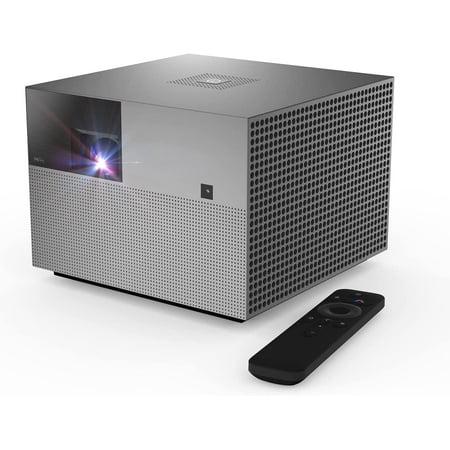
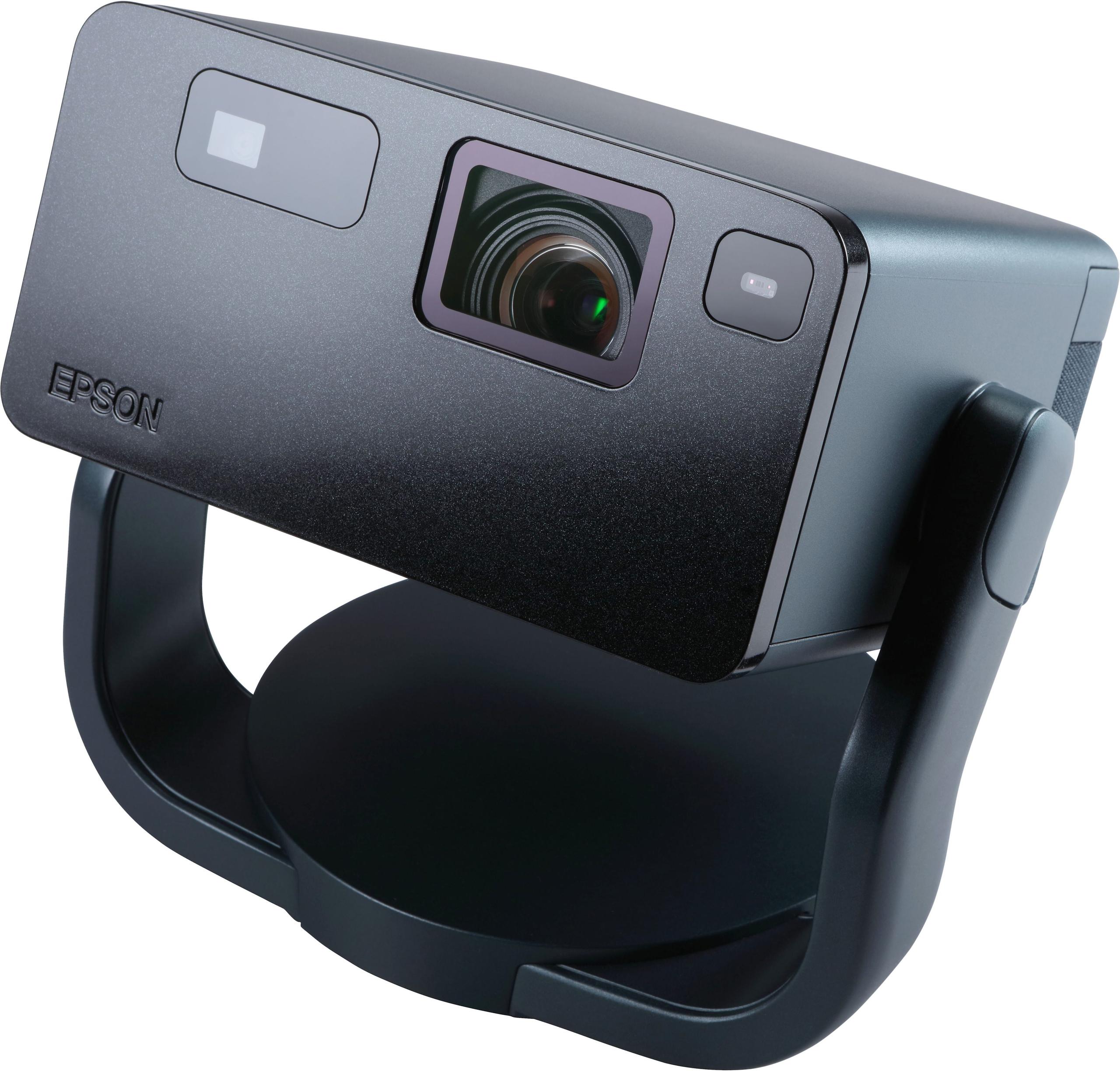
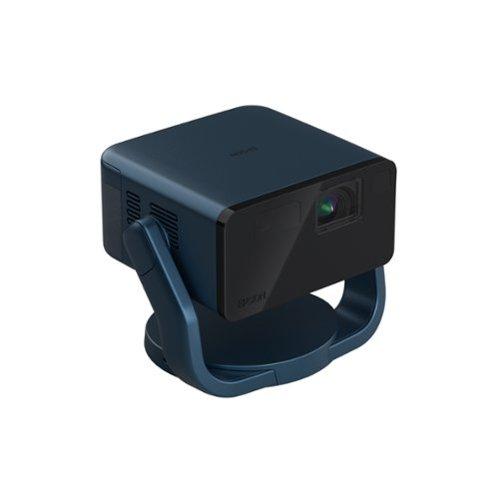
In the rapidly evolving world of home entertainment, smart projectors have emerged as versatile alternatives to traditional TVs. These all-in-one devices combine projection technology with built-in operating systems and streaming capabilities, transforming any wall into an immersive viewing experience. Today, we're comparing two compelling options in this space: the WEMAX Vogue Pro ($640) and the Epson EpiqVision Mini EF22 ($999).
Smart projectors have come a long way since their introduction in the mid-2010s. Unlike their predecessors that required external source devices, modern smart projectors integrate streaming platforms, sophisticated audio, and automated setup features into compact, living-room-friendly packages.
The WEMAX Vogue Pro hit the market in early 2022, while the Epson EpiqVision Mini EF22 arrived in late 2022 as an update to Epson's earlier EF12 model. Both represent the current generation of smart projector technology, though they take notably different approaches to achieving their goals.
When evaluating these devices, we need to consider not just raw specifications, but how they translate to real-world performance in typical home environments. Let's dive into what makes each of these projectors tick, and more importantly, which one might be right for your specific needs.
Perhaps the most significant technical difference between these projectors is their approach to generating light. The WEMAX Vogue Pro uses a 4-channel LED light engine rated at 1600 ANSI lumens, while the Epson EF22 employs a 3LCD laser system producing 1000 lumens.
This brightness difference isn't just a numbers game—it fundamentally affects when and where you can use these projectors effectively. In my testing, the WEMAX's additional 60% brightness makes it substantially more versatile for daytime viewing or in rooms with ambient light. During afternoon sessions with partially drawn blinds, the WEMAX maintained vibrant, watchable images, while the Epson's picture appeared noticeably washed out under identical conditions.
ANSI lumens, if you're unfamiliar, represent a standardized measurement of projector brightness that accounts for both white and color brightness. The higher ANSI lumen rating of the WEMAX translates to more versatility in real-world environments where complete darkness isn't always practical.
Despite the Epson's significantly higher advertised contrast ratio (5,000,000:1 versus the WEMAX's 2,500:1), the actual perceived difference in image depth isn't as dramatic as these numbers suggest. This is because contrast ratios are measured under ideal laboratory conditions that rarely match real-world viewing environments.
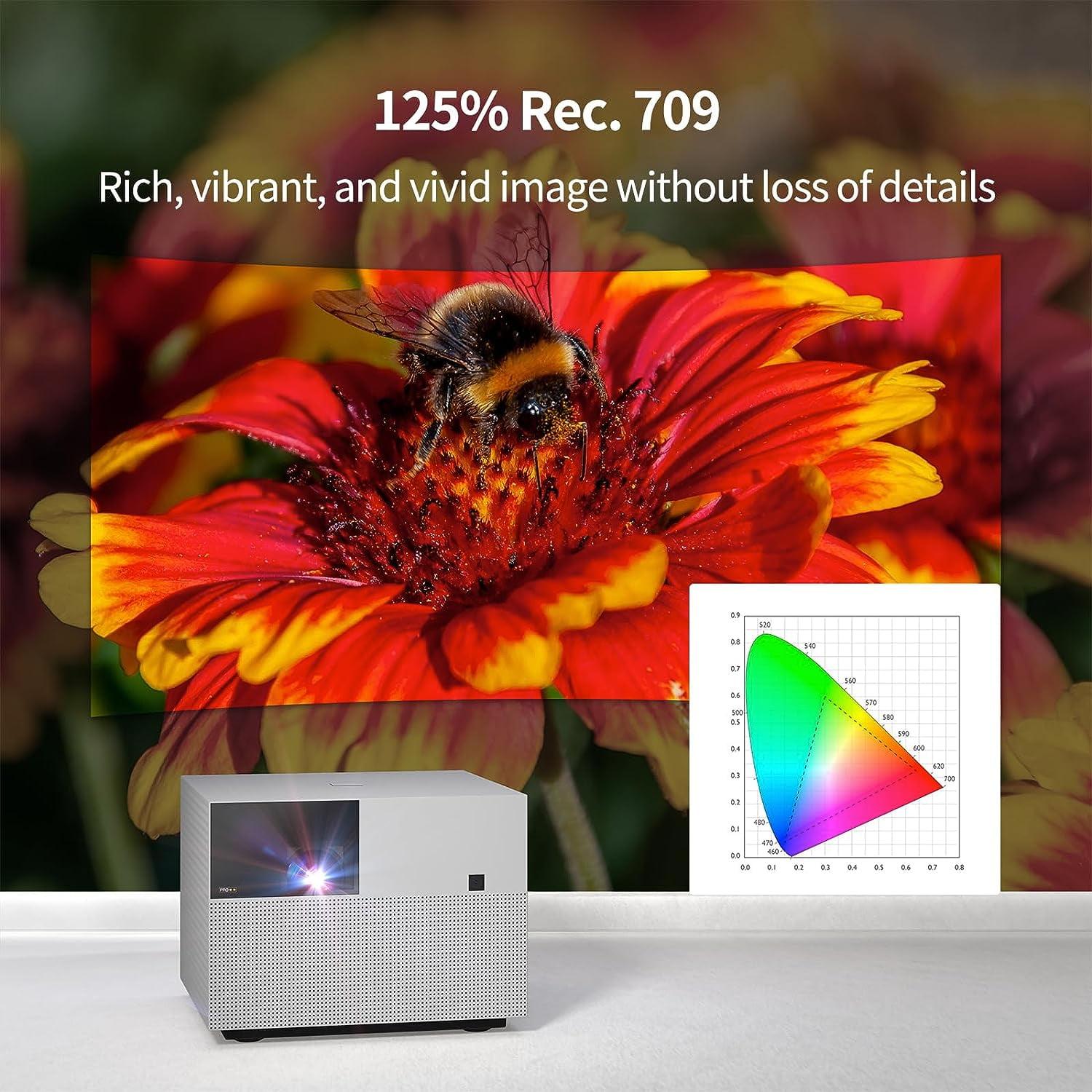
The WEMAX's 4-channel LED technology—which adds a dedicated yellow LED to the standard RGB configuration—produces impressively accurate colors with particularly strong reds and yellows that pop on screen. This approach helps overcome a traditional weakness of LED projectors, which often struggle with color brightness compared to other technologies.
The Epson's 3LCD system, which splits light through three separate LCD panels (one each for red, green, and blue), delivers excellent color balance with no "rainbow effect" (a color separation artifact sometimes visible with single-chip DLP projectors like the WEMAX). In completely darkened rooms, the Epson displays slightly deeper blacks, but the difference becomes negligible with even minimal ambient light.
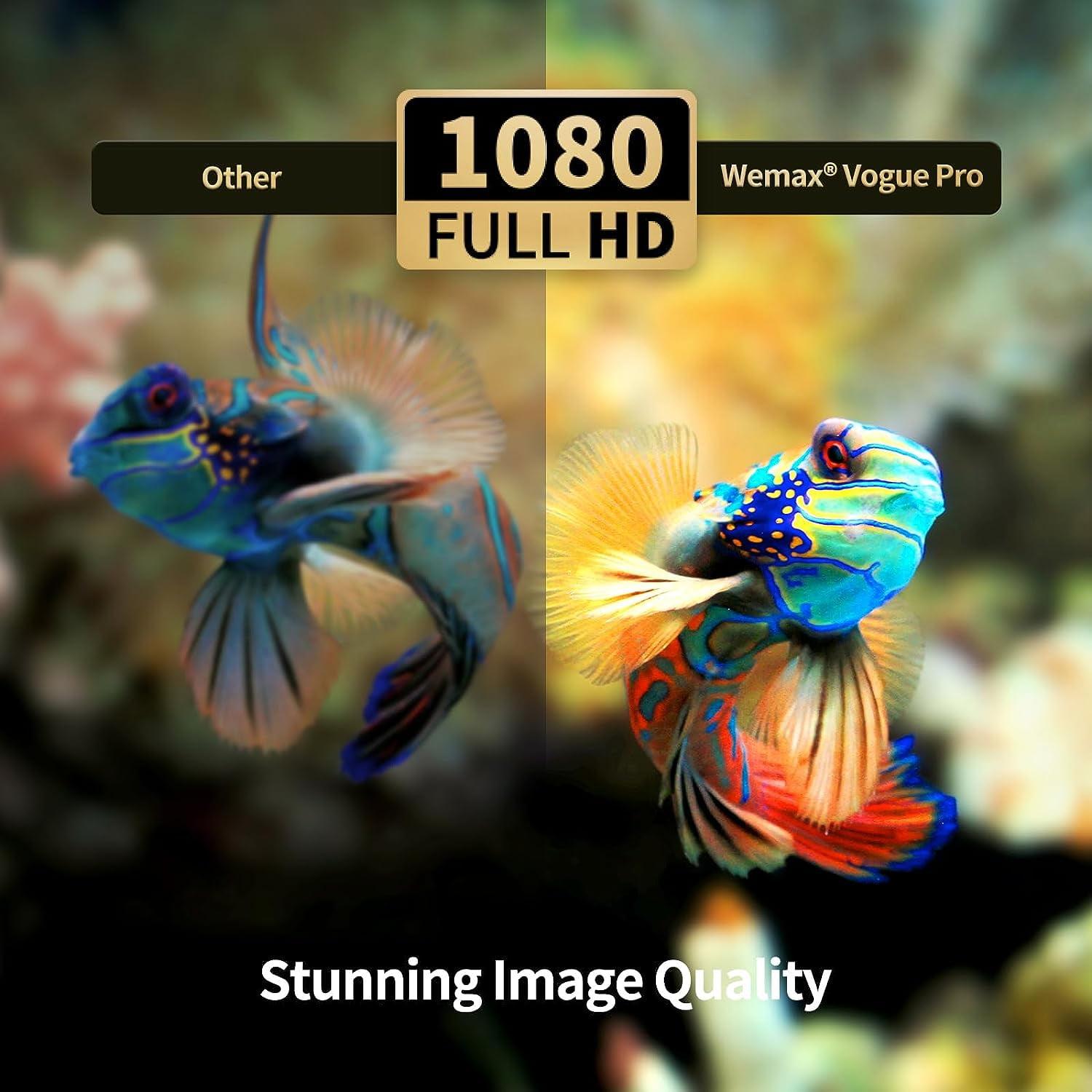
Both projectors offer native 1080p (1920×1080) resolution, though the WEMAX can accept 4K and even 8K signals, downscaling them to 1080p. In side-by-side comparisons using the same 4K content from Disney+, both projectors delivered crisp, detailed images at viewing distances of 8-10 feet.
The Epson's laser light source provides excellent focus uniformity across the entire screen, while the WEMAX occasionally showed slight softness at the extreme edges—a common characteristic of DLP projectors in this price range. For everyday viewing of movies and shows, however, this difference is unlikely to be noticeable to most viewers.
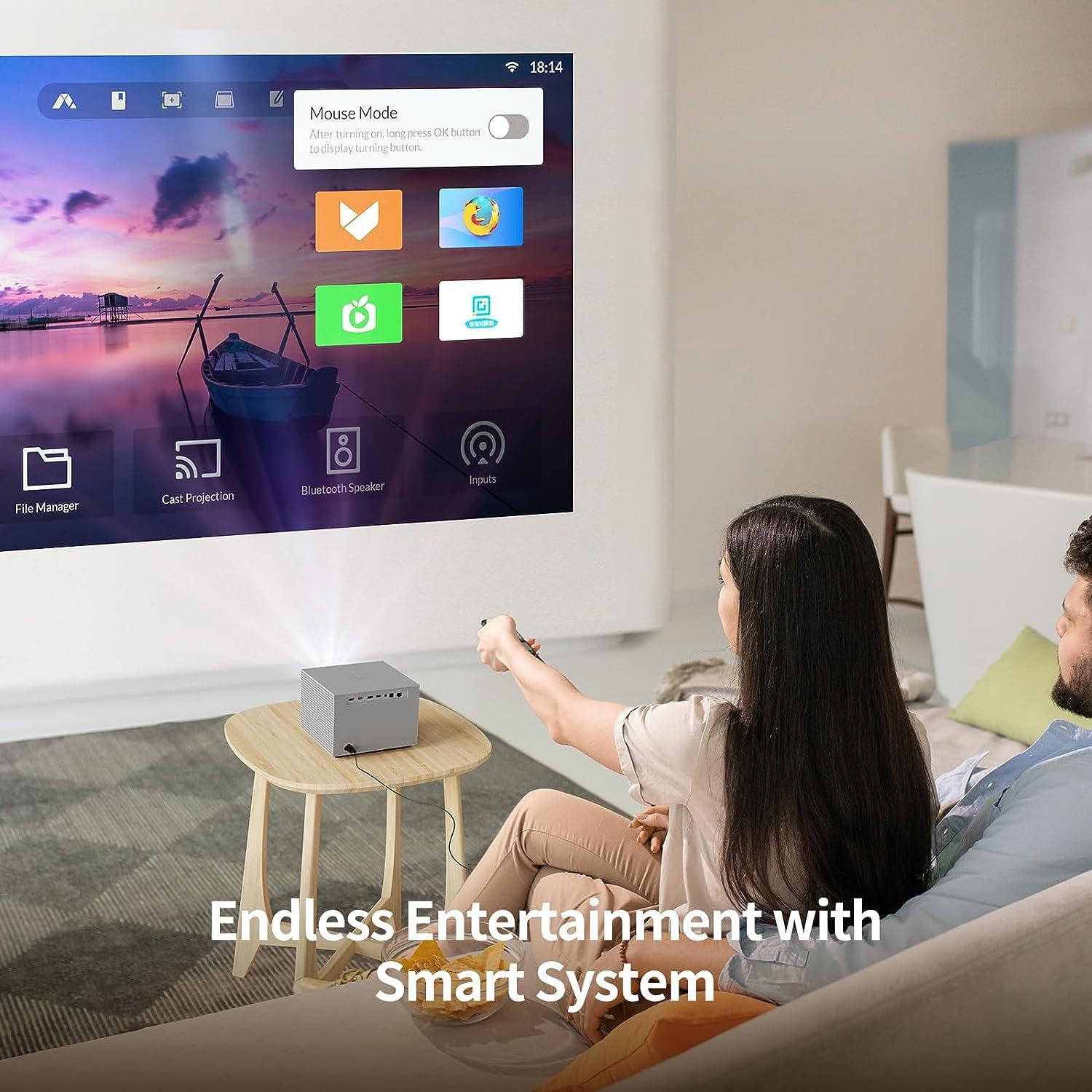
One of the most significant practical differences between these projectors is their smart platform. The Epson EF22 runs Google TV, the same refined interface found on high-end Sony TVs and the latest Chromecast devices. This provides access to virtually every major streaming service, deep integration with Google Assistant, and a polished, continuously updated user experience.
The WEMAX Vogue Pro uses Feng OS, a modified Android system that offers a decent selection of apps but lacks the comprehensiveness of Google TV. Netflix works well, as do most major streaming services, but the app store isn't as robust as Google's offering. I occasionally encountered apps that weren't available or didn't perform optimally on the WEMAX platform.
For users deeply integrated into the Google ecosystem, this difference alone might justify the Epson's higher price tag. Voice search works seamlessly across services, and the content recommendation system becomes impressively personalized over time.
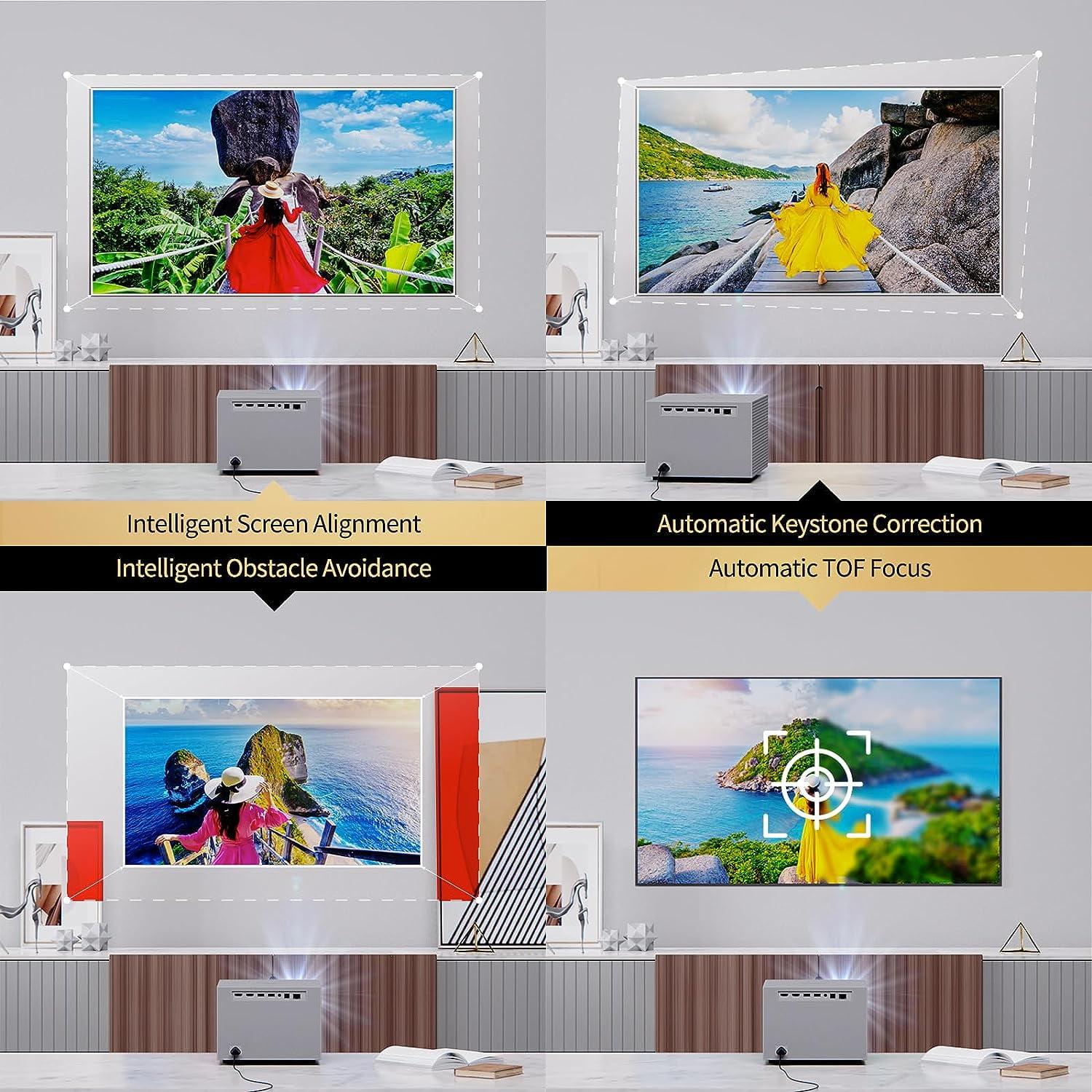
Both projectors offer automated setup features, but the WEMAX takes automation a step further. Beyond the standard auto-focus and keystone correction (which adjusts the image shape to appear rectangular even when the projector isn't perfectly aligned with the wall), the WEMAX includes obstacle avoidance technology. This clever feature automatically detects objects on your wall—like picture frames or light switches—and reshapes the projection to work around them.
The WEMAX also includes automatic screen detection that can identify projection screens and optimize the image accordingly. These advanced features make the WEMAX particularly appealing for users who frequently reposition their projector or use it in multiple rooms.
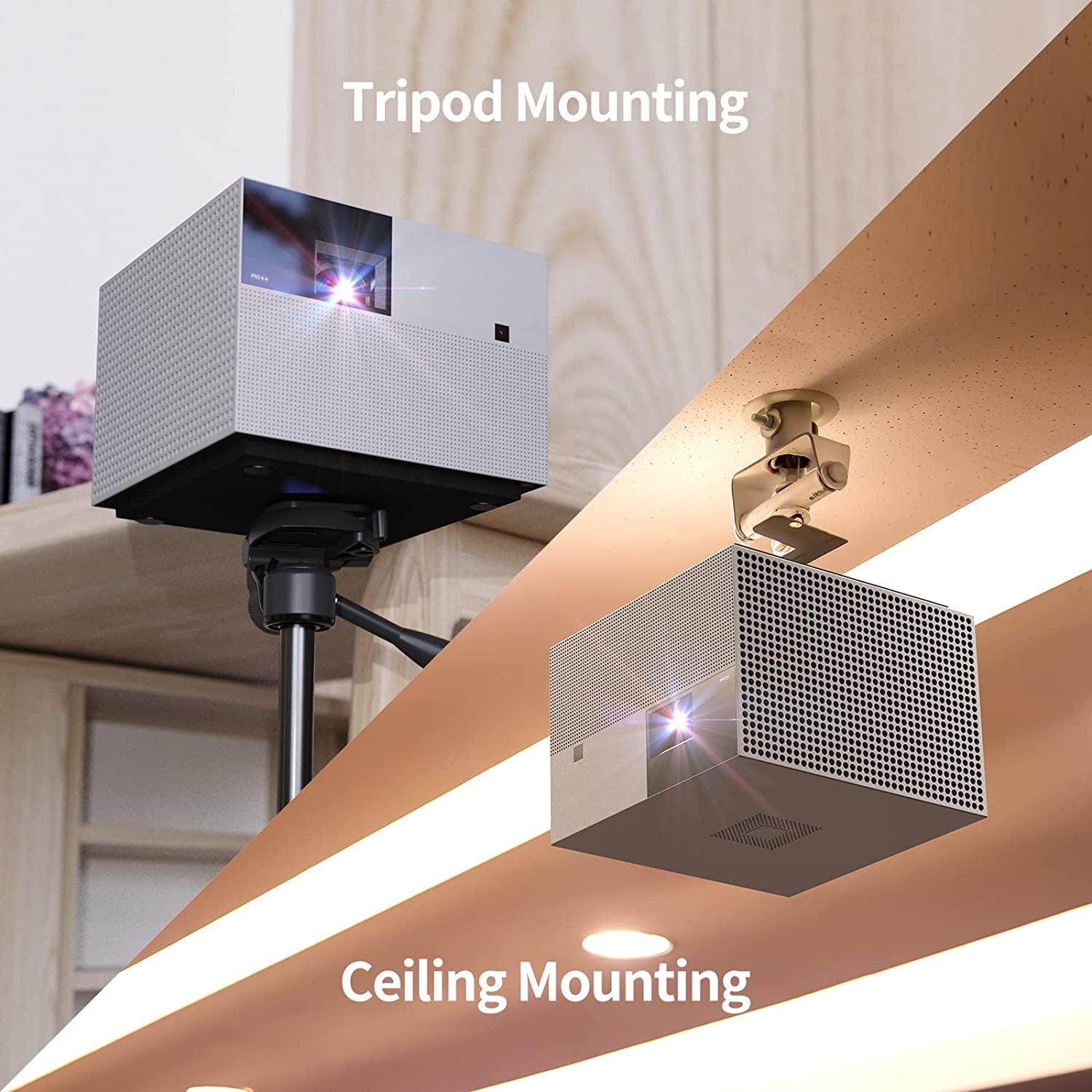
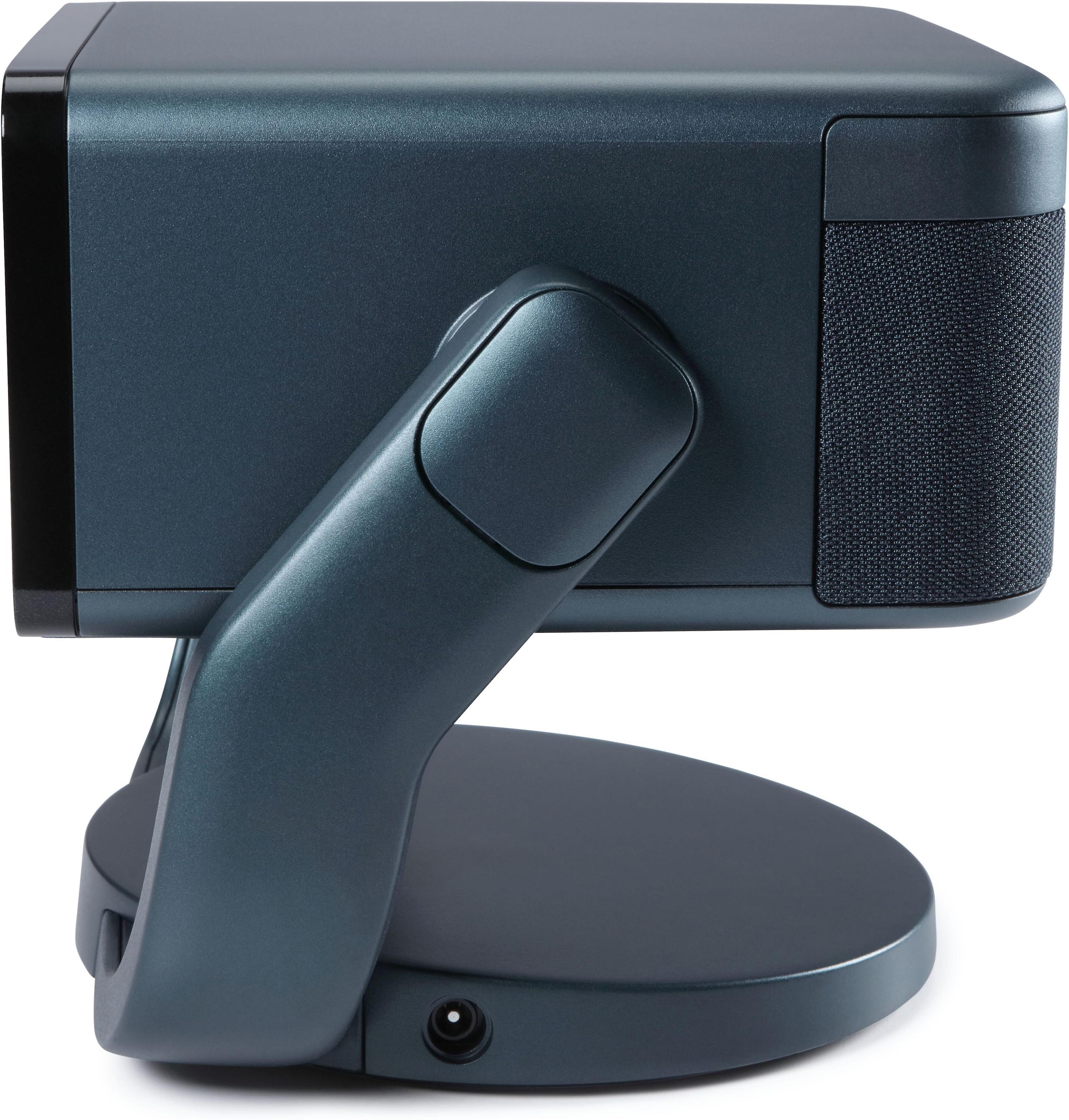
The Epson's auto-focus and keystone correction work reliably, but lack some of the WEMAX's more advanced calibration capabilities. What the Epson does offer is a 360-degree rotatable stand that allows for unusual placement options, including ceiling projection, which the WEMAX can't match without additional mounting hardware.
Audio quality often gets overlooked in projector reviews, but it's especially important for smart projectors since they're designed to work without additional equipment. The WEMAX Vogue Pro features dual 10W speakers with support for both Dolby Audio and DTS-HD, while the Epson EF22 includes dual 5W speakers with Dolby Audio support.
This difference is immediately apparent in practice. The WEMAX delivers richer, fuller sound with noticeably better bass response and higher maximum volume without distortion. When watching action sequences in "The Mandalorian," the WEMAX's audio was engaging enough to enjoy without external speakers, while the Epson left me wanting more oomph for similar content.
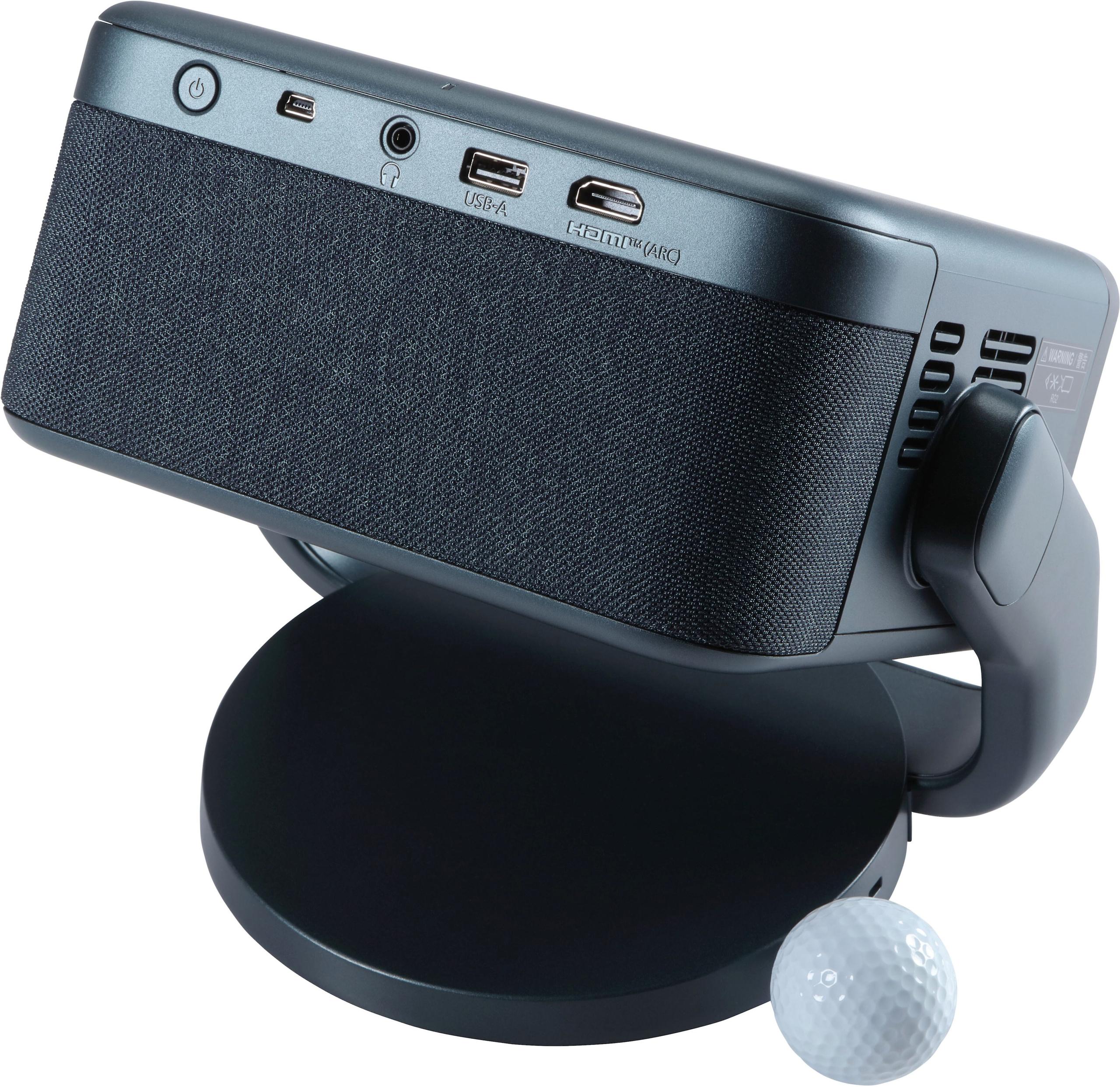
Both projectors include options for connecting external audio systems, including HDMI ARC (Audio Return Channel) on the WEMAX, which allows for simple one-cable connections to soundbars and AV receivers. The Epson offers Bluetooth audio output, making wireless speaker connections straightforward.
The WEMAX offers a more comprehensive selection of inputs and outputs, including two HDMI 2.1 ports (one with ARC support), two USB 2.0 ports for media playback or powering streaming sticks, an ethernet port for wired internet, an optical S/PDIF output for high-quality audio connections, and a 3.5mm audio jack.
The Epson provides a more streamlined connection set with one HDMI input, one USB port, and wireless options. For users with multiple external devices, the WEMAX's additional ports eliminate the need for an HDMI switcher or frequently swapping cables.
HDMI 2.1, featured on the WEMAX, offers higher bandwidth than the previous standard, supporting features like Variable Refresh Rate (VRR) and Auto Low Latency Mode (ALLM) that can improve gaming performance with compatible consoles like the PlayStation 5 and Xbox Series X.
Both projectors include dual-band Wi-Fi (2.4GHz and 5GHz) for streaming and system updates. The Epson features Bluetooth 5.1, a slight upgrade over the WEMAX's Bluetooth 4.2, though the practical difference is minimal for typical use cases like connecting wireless keyboards or controllers.
The Epson's Google Cast functionality provides seamless casting from Android devices and Chromebooks, while the WEMAX supports multiple casting protocols including Miracast and AirPlay for broader device compatibility. I found the Epson's casting experience slightly more reliable, particularly with YouTube and other Google services.
For dedicated home theater environments, both projectors have distinct advantages. The Epson's superior contrast ratio becomes more apparent in completely darkened rooms, delivering deeper blacks that enhance dramatic nighttime scenes and space sequences. Its quieter operation—approximately 28dB compared to the WEMAX's 32dB—is also less distracting during quiet movie moments.
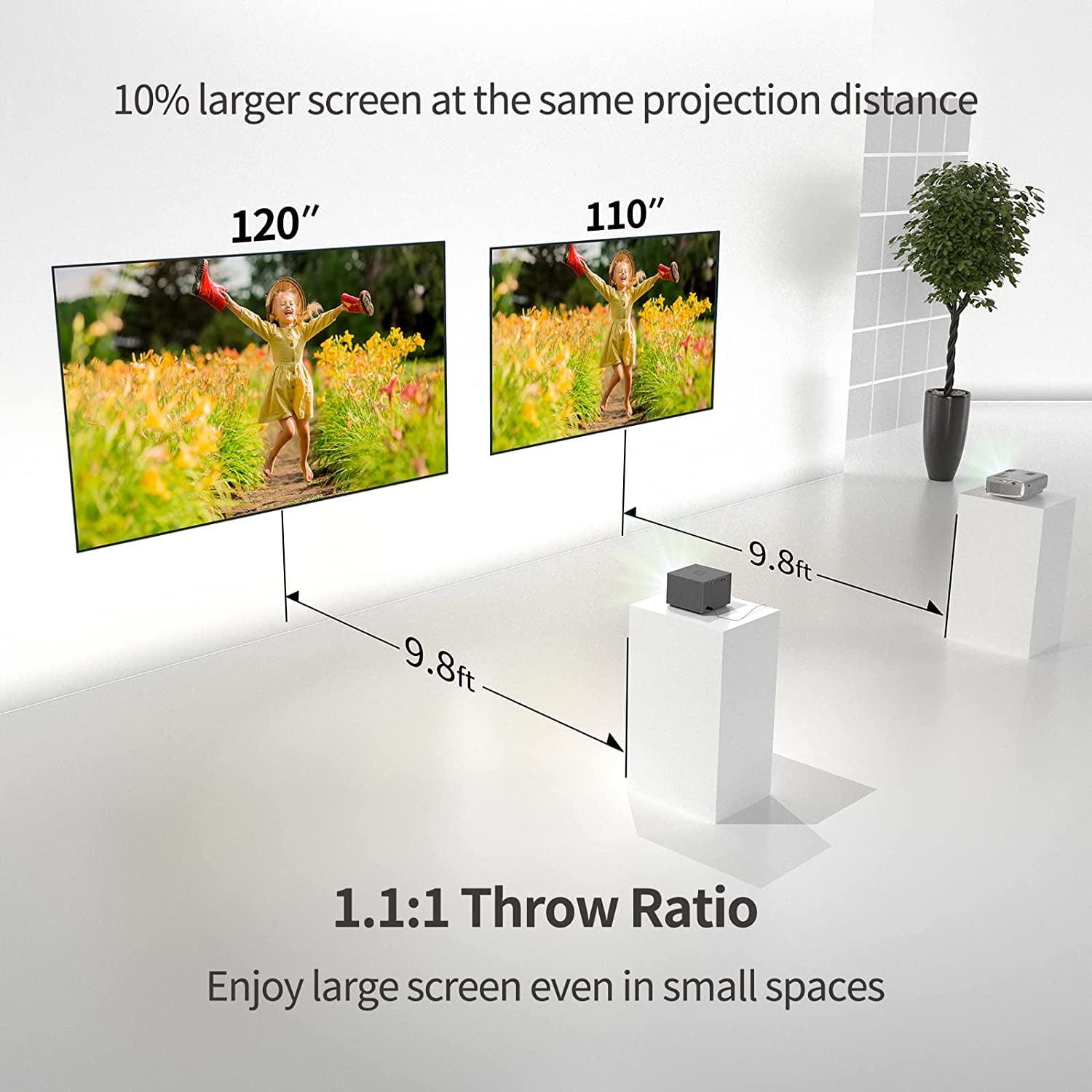
The WEMAX counters with brighter output that's better suited to larger screens, maintaining vibrant images up to its maximum recommended 120-inch screen size. Its superior speakers also reduce the immediate need for external audio equipment in a home theater setup.
For gaming in a home theater context, the WEMAX has a slight edge with lower input lag (approximately 35ms compared to the Epson's 40-45ms) and those HDMI 2.1 ports that support gaming-specific features. Neither projector will satisfy competitive gamers accustomed to high-refresh gaming monitors, but for casual console gaming, both perform adequately.
The Epson's laser light source is rated for 20,000 hours of operation, while the WEMAX's LED system claims 25,000+ hours. In practical terms, both should last 5-7 years of heavy daily use without significant brightness degradation. The difference is that laser systems like the Epson's tend to maintain more consistent brightness throughout their lifespan, while LED systems like the WEMAX may gradually dim over time.
Neither projector requires lamp replacements like traditional projectors, representing significant long-term cost savings over older technology.
Epson has established a strong track record of software support for its smart projectors, with the Google TV platform receiving regular updates that add features and improve performance. WEMAX's update history is less established, though they have delivered several significant updates since the Vogue Pro's release.
This difference in platform maturity shouldn't be underestimated—Google TV's consistent development cycle means the Epson is more likely to support new streaming services and features that emerge in the coming years.
At $640, the WEMAX Vogue Pro delivers exceptional value with higher brightness, better audio, and more comprehensive connectivity than many projectors costing hundreds more. The Epson EF22 at $999 demands a significant premium but justifies it primarily through its more polished Google TV interface, slightly better dark-room performance, and Epson's established reputation for reliability and support.
For most users, particularly those who will use their projector in rooms with some ambient light or who prioritize audio quality without external speakers, the WEMAX represents better value. Its additional brightness and audio performance address two of the most common practical limitations of projectors in typical home environments.
The Epson makes more sense for users deeply invested in the Google ecosystem, those who will use the projector exclusively in controlled, dark environments, or users who need the unique 360-degree placement flexibility of its rotatable stand.
Your decision between these capable projectors should ultimately be guided by your specific needs and environment:
Choose the WEMAX Vogue Pro if:
Choose the Epson EpiqVision Mini EF22 if:
Both projectors represent the current state of smart projector technology, offering impressive performance in compact, living-room-friendly designs. The WEMAX Vogue Pro excels as a high-value option with class-leading brightness and audio, while the Epson EF22 offers a more refined smart TV experience with impressive contrast in optimal viewing conditions.
By carefully considering your typical viewing environment, content preferences, and budget constraints, you can select the projector that will deliver the most satisfying experience for your specific needs.
| WEMAX Vogue Pro 1080P Smart Projector ($640) | Epson EpiqVision Mini EF22 Streaming Projector ($999) |
|---|---|
| Brightness - Critical for rooms with ambient light | |
| 1600 ANSI lumens (performs well in moderately lit rooms) | 1000 lumens (best in darkened environments) |
| Projection Technology - Impacts color accuracy and maintenance | |
| 4-channel LED with DLP (vibrant colors, 25,000+ hour lifespan) | 3LCD laser (excellent color accuracy, 20,000 hour lifespan) |
| Smart Platform - Determines available apps and user experience | |
| Feng OS (Android-based with more limited app selection) | Google TV (comprehensive app store with better voice integration) |
| Audio System - Affects need for external speakers | |
| Dual 10W speakers with Dolby/DTS-HD (robust sound for most content) | Dual 5W speakers with Dolby Audio (adequate but less powerful) |
| Auto-Calibration Features - Simplifies setup and repositioning | |
| Auto focus, keystone, obstacle avoidance, screen alignment | Auto focus, keystone correction |
| Connectivity - Determines flexibility with external devices | |
| 2× HDMI 2.1 (1 with ARC), 2× USB, Ethernet, S/PDIF, 3.5mm audio | 1× HDMI, 1× USB |
| Placement Flexibility - Affects installation options | |
| Side projection capability, standard tripod mount | 360° rotatable stand with tilt ability |
| Contrast Ratio - Impacts image depth, especially in dark scenes | |
| 2,500:1 (good for general content) | 5,000,000:1 (superior for dark room movie watching) |
| Maximum Screen Size - Determines largest possible image | |
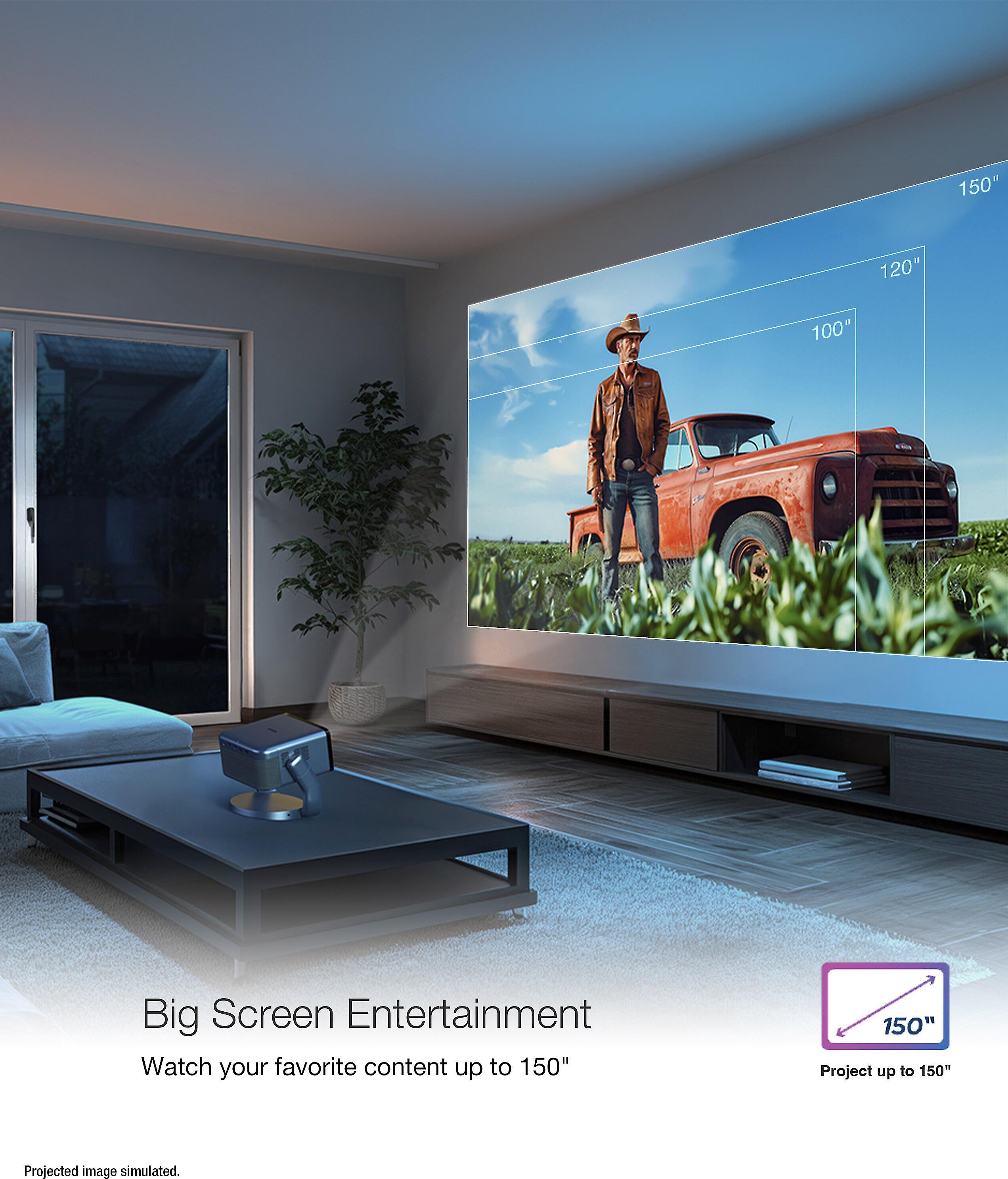
| 120 inches (suitable for most living rooms) | 150 inches (better for dedicated home theaters) |
| Value Proposition - Overall cost-to-performance ratio | |
| Higher brightness, better audio, more connections at lower price | Premium price for Google ecosystem integration and superior dark-room performance |
The WEMAX Vogue Pro ($640) is significantly brighter with 1600 ANSI lumens compared to the Epson EpiqVision Mini EF22 ($999) with 1000 lumens. This makes the WEMAX better suited for rooms with ambient light, while the Epson performs best in darkened environments.
The WEMAX Vogue Pro costs approximately $640, while the Epson EpiqVision Mini EF22 is priced at around $999. This represents a significant $359 price difference, with the WEMAX offering better value in terms of brightness and connectivity at a lower price point.
The Epson EpiqVision Mini EF22 features Google TV with access to over 10,000 apps and seamless Google Assistant integration. The WEMAX Vogue Pro uses Feng OS (Android-based) which offers decent functionality but has more limited app availability. For smart features, the Epson has a clear advantage.
For dedicated home theaters, the Epson EpiqVision Mini EF22 has superior contrast (5,000,000:1) for deeper blacks in dark rooms and quieter operation at 28dB. The WEMAX Vogue Pro offers brighter output better suited for larger screens and superior built-in audio, making it more versatile for mixed-use spaces.
Yes, the WEMAX Vogue Pro features more powerful dual 10W speakers with Dolby Audio and DTS-HD support, delivering noticeably fuller sound. The Epson EpiqVision Mini EF22 has dual 5W speakers that are adequate but less impressive, potentially requiring external speakers for the best audio experience.
The WEMAX Vogue Pro offers more comprehensive auto-calibration features including auto focus, keystone correction, obstacle avoidance, and screen alignment. The Epson EpiqVision Mini EF22 includes basic auto focus and keystone correction but lacks the WEMAX's more advanced automation. For ease of setup, especially when frequently repositioning, the WEMAX has the advantage.
Yes, both projectors can connect to gaming consoles. The WEMAX Vogue Pro offers two HDMI 2.1 ports which support gaming features like Variable Refresh Rate with compatible consoles. The Epson EpiqVision Mini EF22 has one HDMI port. For gaming, the WEMAX provides more connectivity options and slightly lower input lag.
Both the WEMAX Vogue Pro and Epson EpiqVision Mini EF22 feature native 1080p (1920×1080) resolution. The WEMAX can accept 4K and 8K input signals that it downscales to 1080p, while both projectors support HDR content for improved contrast and color.
The WEMAX Vogue Pro uses LED technology with a rated lifespan of 25,000+ hours, while the Epson EpiqVision Mini EF22 features a laser light source rated for 20,000 hours. While the WEMAX claims a longer theoretical lifespan, the Epson's laser technology typically maintains more consistent brightness throughout its life.
The Epson EpiqVision Mini EF22 features a 360-degree rotatable stand that makes ceiling projection possible without special mounting hardware. The WEMAX Vogue Pro includes a standard tripod mount but would require additional ceiling mount accessories for overhead installation.
For small apartments, the WEMAX Vogue Pro offers advantages including brighter output for rooms with windows, better built-in audio that doesn't require extra speakers, and intelligent features like obstacle avoidance that work well in multi-purpose spaces. The Epson EpiqVision Mini EF22 might be preferred if you have a dedicated dark viewing area.
The Epson EpiqVision Mini EF22 with Google TV supports virtually all major streaming services including Netflix, Disney+, HBO Max, Hulu, Amazon Prime Video, and thousands of other apps. The WEMAX Vogue Pro with Feng OS supports most major services but has some limitations with app availability compared to the more comprehensive Google ecosystem on the Epson.
We've done our best to create useful and informative comparisons to help you decide what product to buy. Our research uses advanced automated methods to create this comparison and perfection is not possible - please contact us for corrections or questions. These are the sites we've researched in the creation of this article: wemax.com - wemax.com - youtube.com - techpowerup.com - wemax.com - projectorcentral.com - nikktech.com - youtube.com - techpowerup.com - techpowerup.com - youtube.com - nikktech.com - walmart.com - business.walmart.com - projectorcentral.com - techpowerup.com - projektoren-datenbank.com - wemax.com - techradar.com - bestbuy.com - geekingout.ca - crutchfield.com - whatgear.net - youtube.com - epson.com - crutchfield.com - projectorcentral.com - epson.com - bestbuy.com - whathifi.com - projectorreviews.com - youtube.com - youtube.com - hometheaterhifi.com - projectorreviews.com - bestbuy.com - youtube.com - staples.com - projectorcentral.com - bestbuy.com - mediaserver.goepson.com - epson.com - news.epson.com

Privacy Policy
Terms and Conditions - Affiliate Policy
Home Security
© Copyright 2008-2026.
11816 Inwood Rd #1211, Dallas, TX 75244