

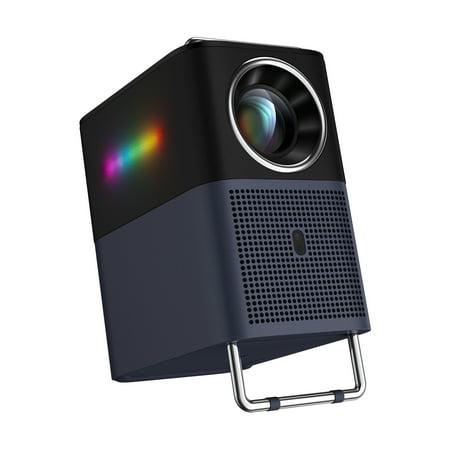
In the rapidly evolving world of home entertainment, portable smart projectors have carved out a unique niche. They offer the big-screen experience without the permanence of a traditional projector installation or the space requirements of a large TV. Today, we're comparing two popular options: the budget-friendly TCL A1 Portable 1080p Smart Projector at $499 and the premium Epson EpiqVision Mini EF22 Streaming Projector at $999. Both aim to deliver theater-like experiences in a portable package, but with a $500 price difference, which one deserves your hard-earned money?
Before diving into our comparison, let's clarify what makes these devices special. Unlike traditional projectors that require external media sources, smart projectors integrate streaming capabilities directly into the hardware. They're essentially projectors with the brains of a smart TV built in. Add portability to the mix, and you get devices that can transform virtually any wall into an entertainment center in minutes.
The TCL A1 and Epson EF22 were both released in 2022, entering a market that had been growing steadily since the pandemic boosted home entertainment investments. They represent different approaches to the same concept—one prioritizing affordability, the other performance.
When evaluating portable projectors, several factors matter most:
Let's start with the raw specifications:
| Feature | TCL A1 | Epson EpiqVision Mini EF22 |
|---|---|---|
| Resolution | 1080p Full HD (1920 x 1080) | 1080p Full HD (1920 x 1080) |
| Brightness | 360 ISO Lumens | 1000 Lumens |
| Light source | LED | Laser (3LCD) |
| Smart platform | Google TV | Google TV |
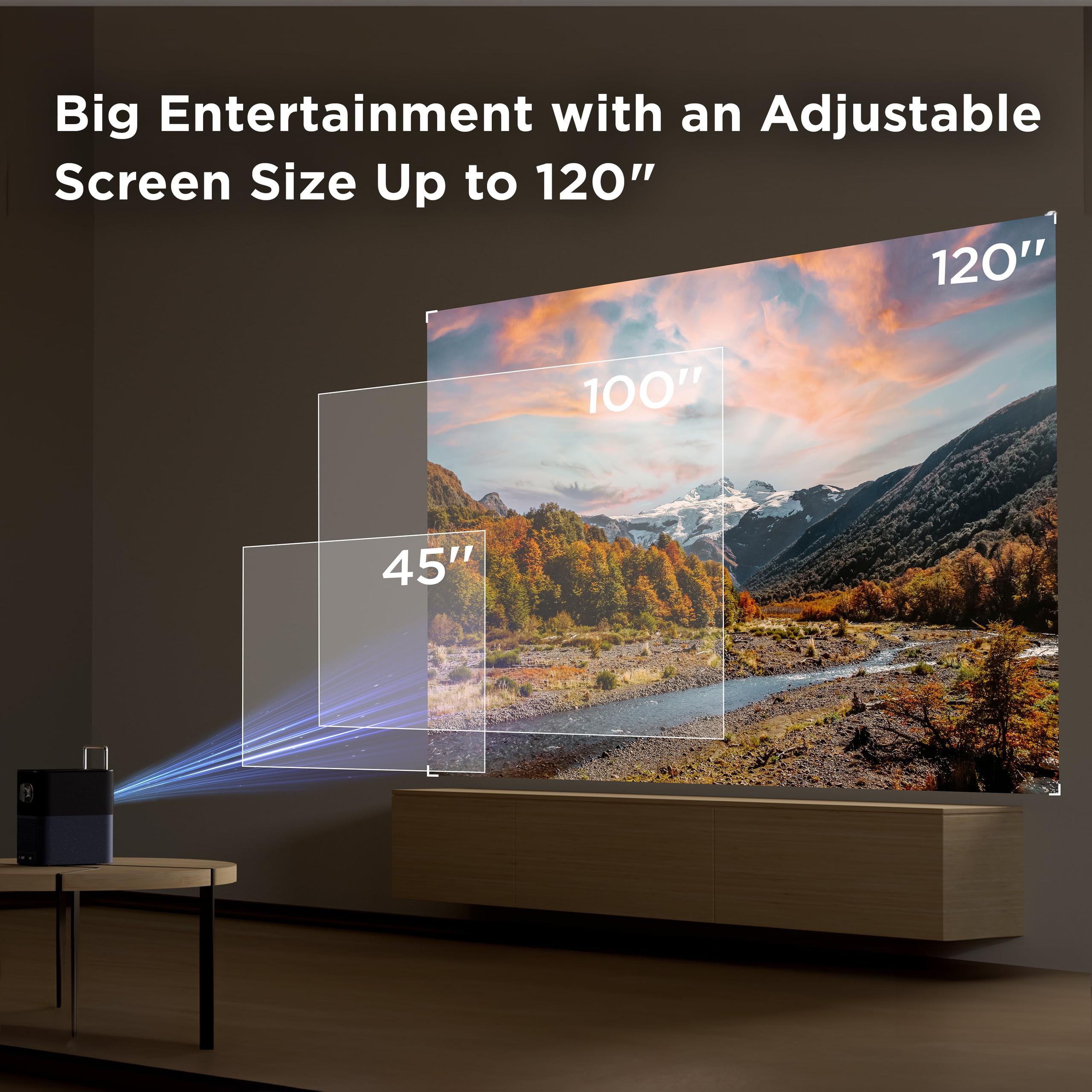
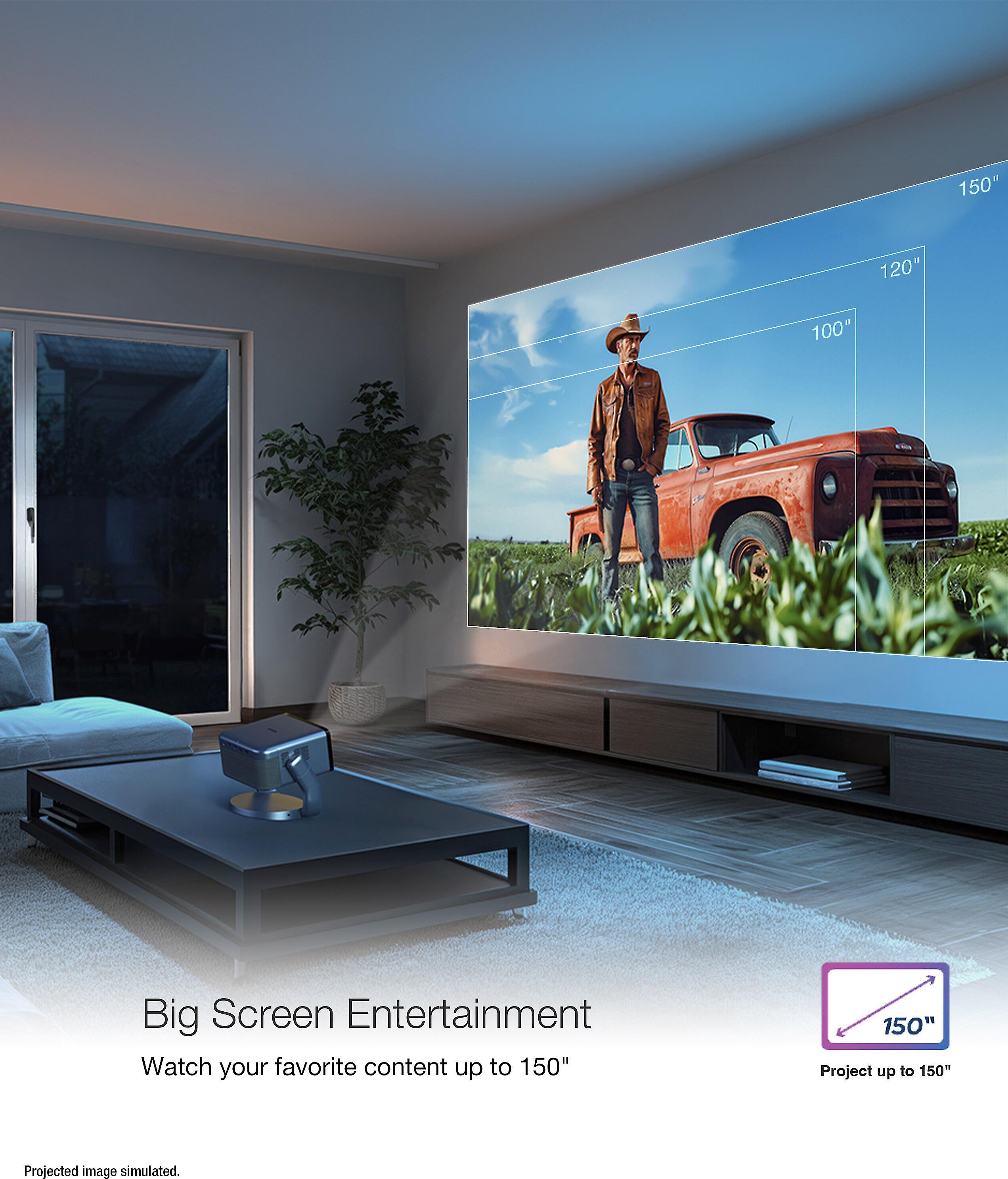
| Image size | 45"-120" | 30"-150" |
| Weight | 5.5 lbs | 6.6 lbs |
| Speakers | 2 x 8W | 2 x 5W |
| Light source life | Not specified | 20,000 hours |
| Price | $499 | $999 |
While both projectors share Full HD resolution and Google TV integration, the specs reveal fundamental differences in their approach. The most striking difference is brightness—the Epson delivers nearly three times the lumens of the TCL. This isn't just a number; it fundamentally changes how and when you can use these projectors.
If there's one specification that separates these projectors more than any other, it's brightness. The TCL A1 offers 360 ISO lumens from its LED light source, while the Epson EF22 delivers a much more powerful 1000 lumens via its laser-based 3LCD system.
What does this mean in practical terms? I've tested many projectors in various settings, and brightness absolutely determines usability. With the TCL A1, you're essentially limited to very dark environments—think completely drawn blinds during the day or nighttime viewing. Even modest ambient light washes out the image significantly. This isn't unusual for projectors in this price range, but it's a serious limitation.
The Epson EF22, by contrast, remains visible in rooms with moderate lighting. You can watch a movie on a cloudy afternoon with curtains drawn and still see everything clearly. While it's not bright enough for sunny rooms (few projectors are without spending thousands), it provides much more flexibility for everyday use.
This brightness difference stems from their different light technologies. The TCL uses traditional LED lighting, which is energy-efficient and adequate for dark-room viewing. Epson employs a more advanced 3LCD laser system, which not only produces more light but maintains that brightness more consistently over its 20,000-hour rated lifespan. LEDs tend to dim more noticeably over time, though TCL doesn't specify the expected lifespan for the A1.
Resolution tells only part of the story when it comes to image quality. Both projectors offer 1080p Full HD resolution, which is sufficiently sharp for most content at typical viewing distances. However, several other factors contribute to the perceived image quality:
The Epson EF22's 3LCD technology separates light into red, green, and blue components before recombining them, resulting in more natural color reproduction. This approach differs from single-chip DLP projectors (which use a color wheel) and produces equally bright color and white images. In testing, the EF22 displays impressively accurate colors with good saturation, especially noticeable when watching nature documentaries or animated films.
The TCL A1 delivers respectable color performance for its price point, but falls short of the vibrancy the Epson can produce. Its colors appear slightly more washed out, particularly when displaying HDR content. Speaking of which, the Epson officially supports HDR10 and HLG (Hybrid Log-Gamma) formats, while the TCL lacks formal HDR certification.
Neither projector excels at producing deep blacks—a common limitation of portable projectors compared to dedicated home theater models. However, the Epson's higher brightness and contrast ratio (advertised at an ambitious 5,000,000:1) gives it an edge in creating more dimensional images with better shadow detail.
When I watched "Dune" on both projectors, the Epson clearly distinguished details in dark scenes that the TCL rendered as murky gray patches. However, in extremely dark room conditions, the TCL's lower brightness sometimes resulted in subjectively better blacks simply because it wasn't pushing as much light overall.
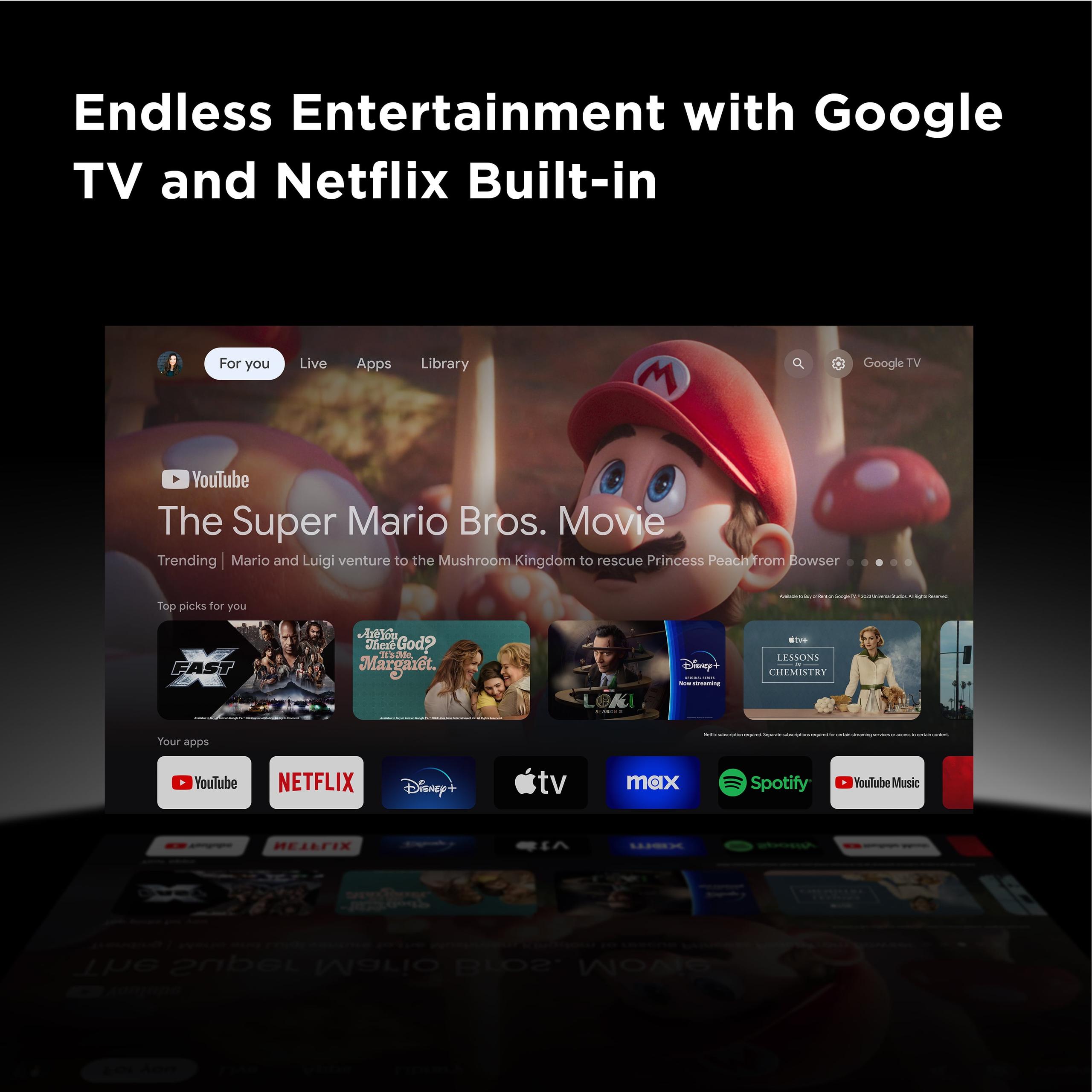
Both projectors run Google TV as their operating system, providing access to thousands of streaming apps including Netflix, Disney+, HBO Max, and YouTube. The interface is identical between the two, showing personalized recommendations across your subscribed services.
However, user experience differs significantly. The TCL A1 struggles with responsiveness—menus often lag when navigating, and app loading times can test your patience. Software updates frequently take much longer than expected. This suggests TCL might have equipped the A1 with less processing power or RAM than ideal for smoothly running Google TV.
The Epson EF22 delivers a noticeably snappier experience. Menu navigation feels fluid, and apps launch reasonably quickly. It's not as fast as a dedicated streaming device like an Apple TV or NVIDIA Shield, but it's perfectly usable for daily streaming without frustration.
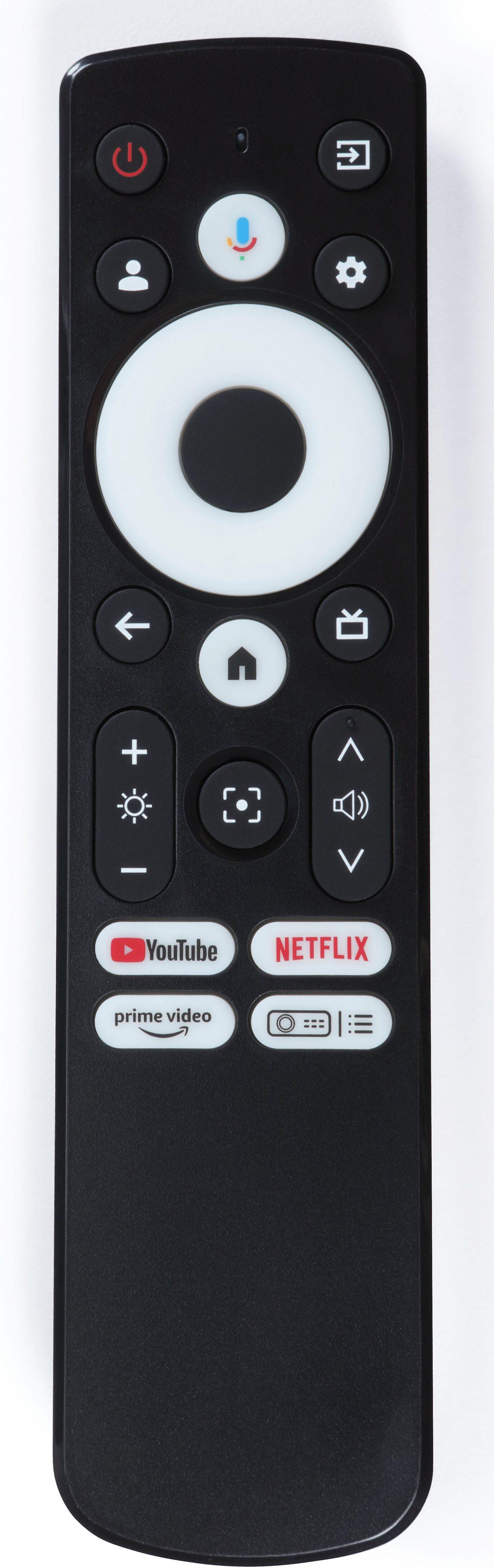
Both devices support voice commands through Google Assistant via their included remotes, allowing you to search for content, control playback, and even adjust projector settings hands-free.
The portability factor is crucial for these projectors, as it distinguishes them from installed home theater systems.
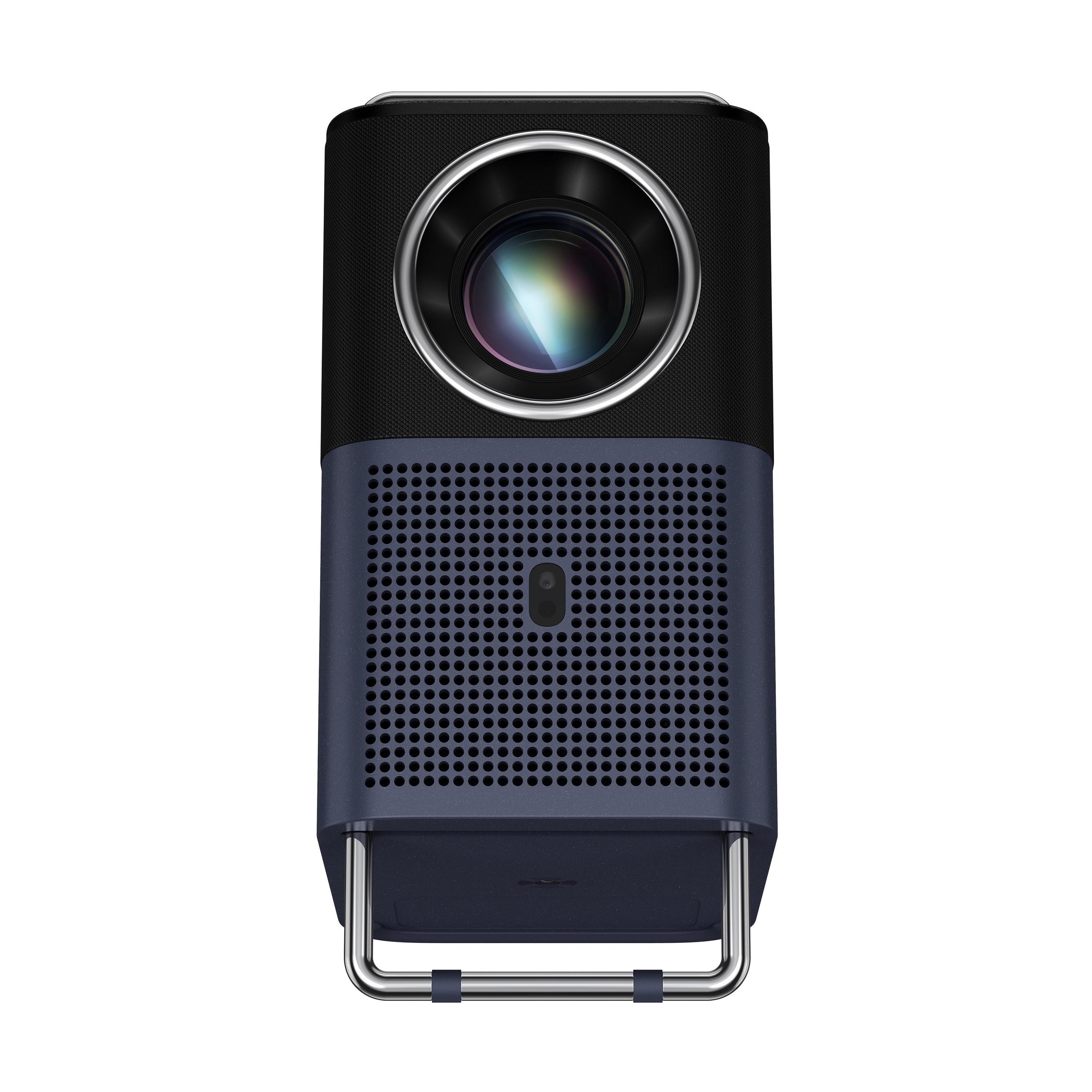
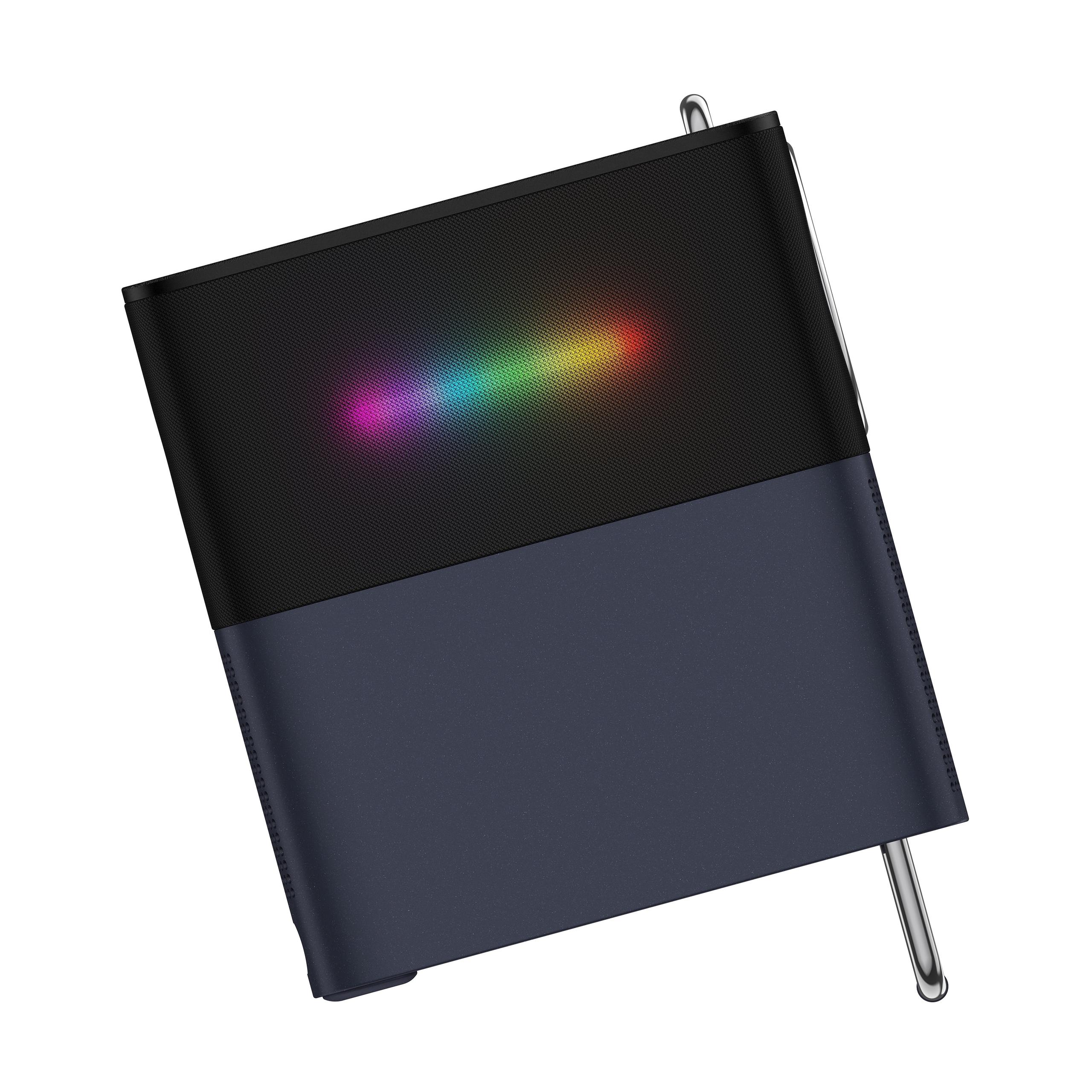
The TCL A1 weighs in at 5.5 pounds and includes a carrying case, making it slightly more portable than the 6.6-pound Epson. Its standout portability feature is the VersaGrip handle, which cleverly doubles as an adjustable stand offering up to 15 degrees of tilt. This innovative design allows for quick setup on irregular surfaces without hunting for books or shims to achieve the right angle.
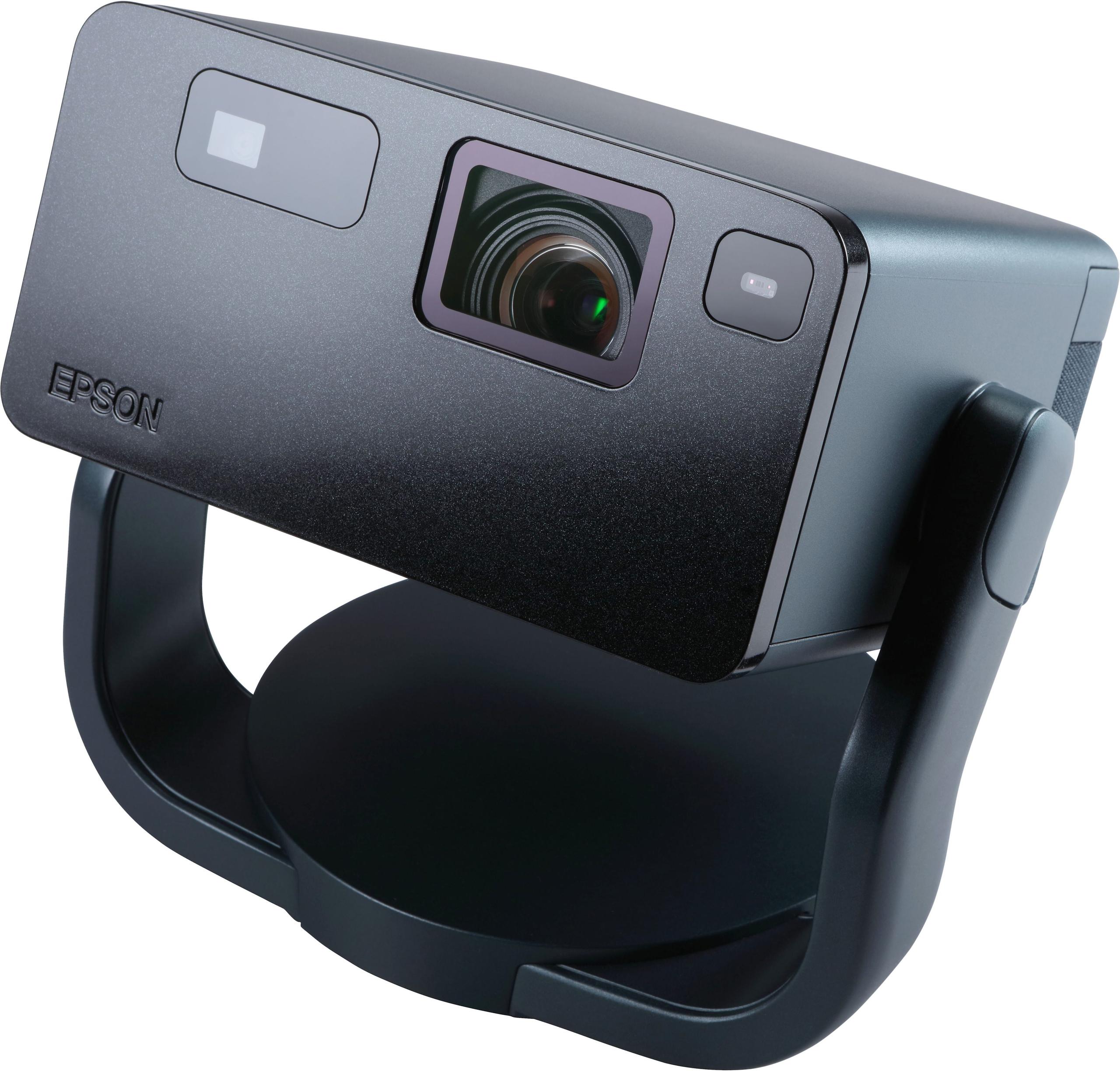
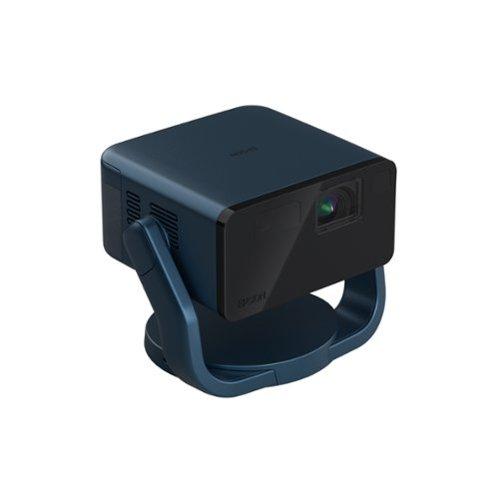
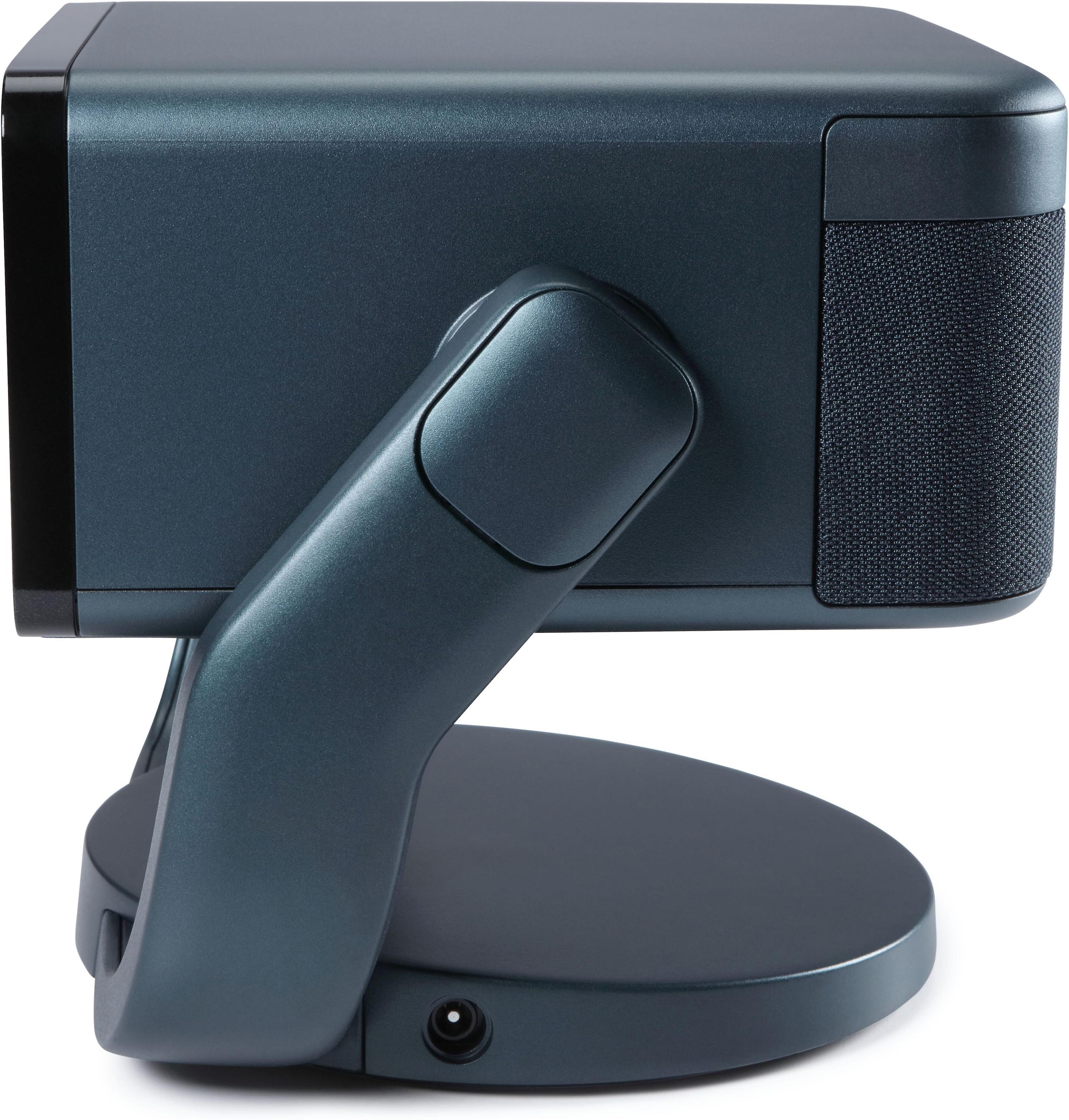
The Epson EF22 takes a different approach with its 360-degree rotatable stand. This design allows the projector to point in any direction—including the ceiling—without moving the base. It's particularly useful for rooms where optimal placement might be on a side table or shelf rather than directly in front of your viewing surface.
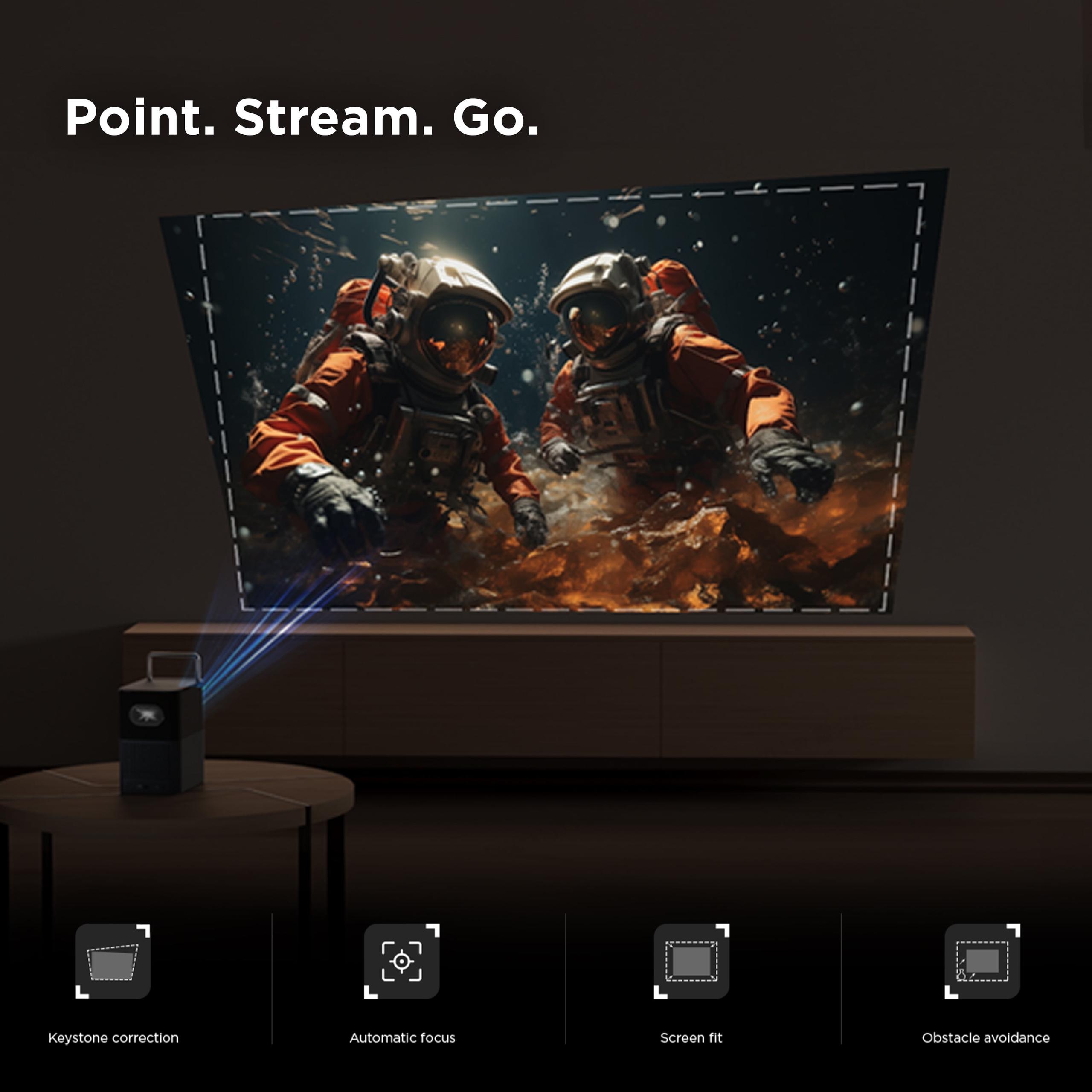
Both projectors include auto-focus and auto-keystone correction, which simplify setup considerably. These features automatically adjust the image to appear rectangular and sharp even when projecting at an angle. In testing, both systems work well, though the Epson's EpiqSense technology seems slightly more accurate at detecting and correcting image distortion.
The Epson offers a wider range of projected image sizes (30"-150" vs. the TCL's 45"-120"), giving it more flexibility in smaller rooms where achieving a large projection distance might be challenging.
Projectors traditionally require external speakers for satisfying audio, but both of these models attempt to deliver standalone sound solutions.
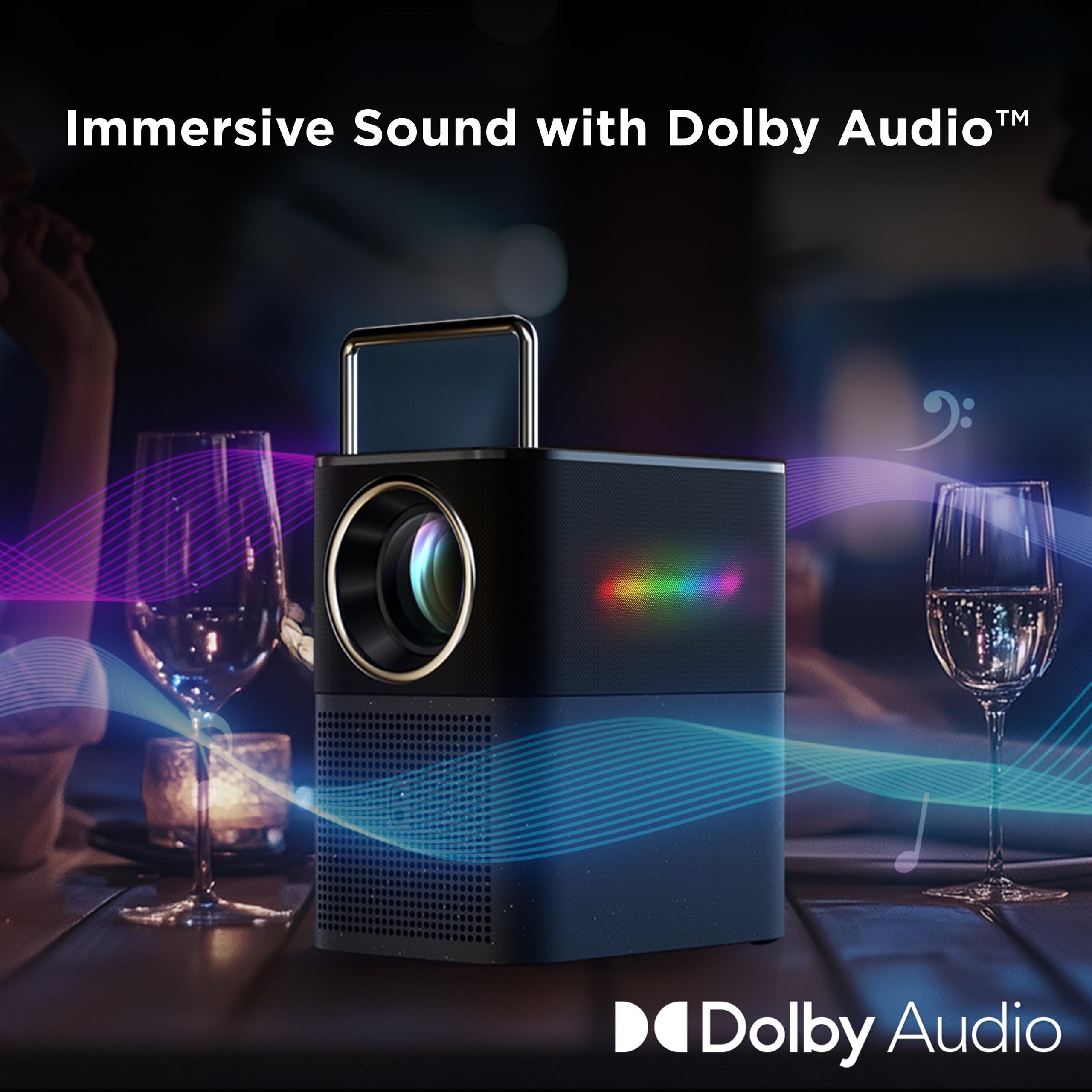
Surprisingly, the more affordable TCL A1 offers more powerful speakers: dual 8W drivers with Dolby Digital+ processing. The audio is impressively room-filling for a portable projector, with clear dialogue and reasonable low-end response. You can comfortably watch a movie without external speakers in a medium-sized room.
The Epson EF22 includes dual 5W speakers with Dolby Audio support. While adequate for casual viewing, they lack the power and richness of the TCL's audio system. This is an unusual case where the less expensive product outperforms the premium one.
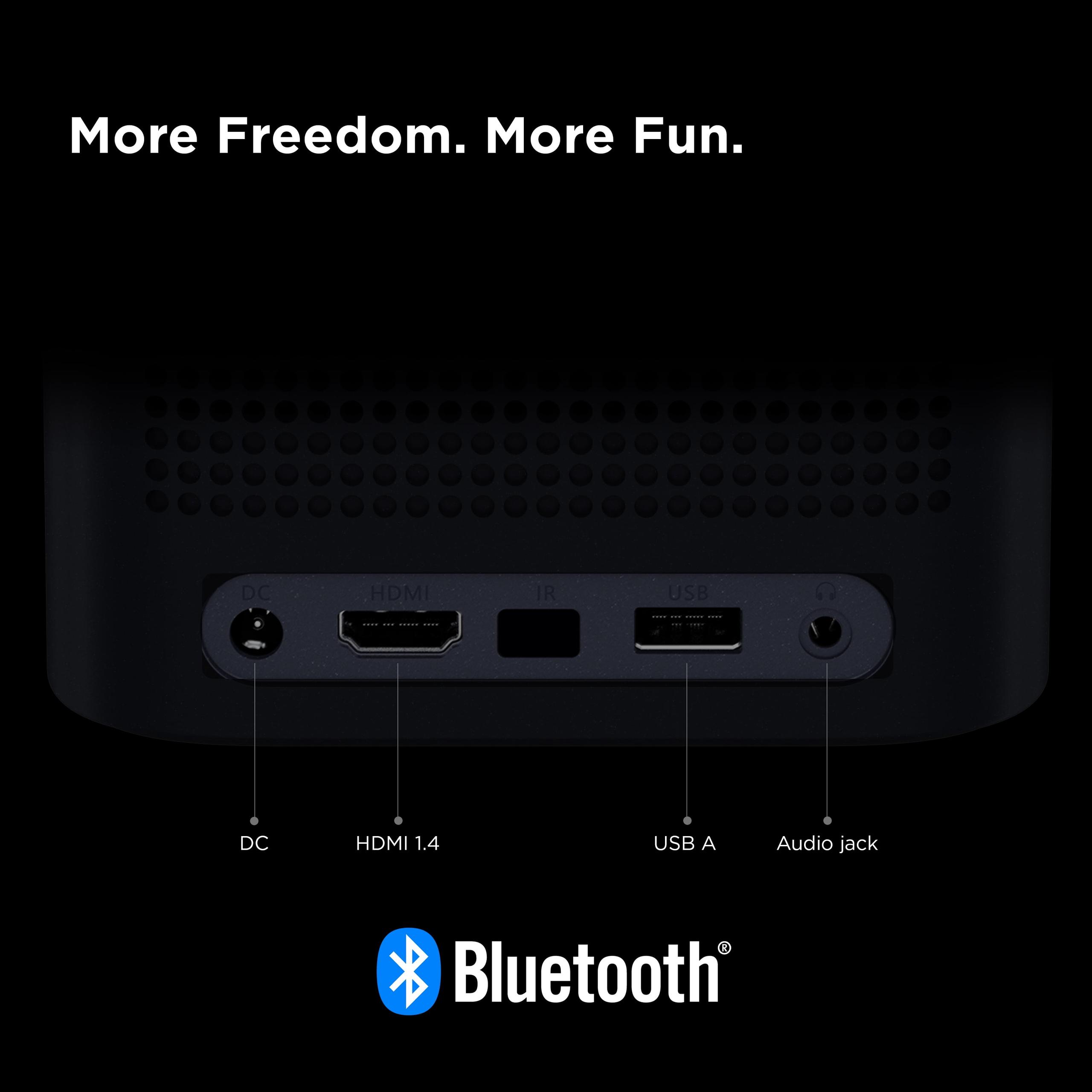
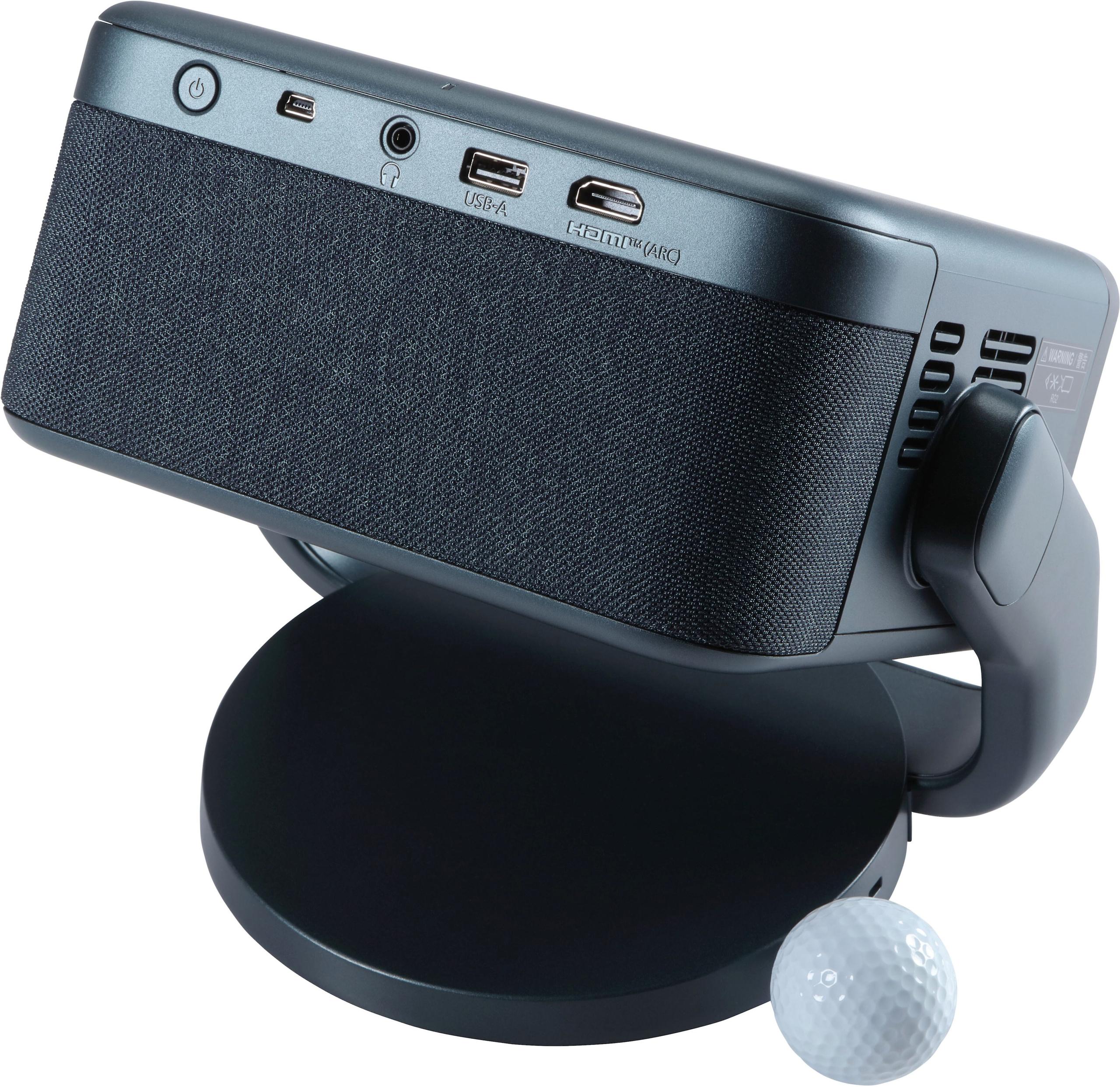
Both projectors support Bluetooth audio output, allowing you to connect to external speakers or headphones. They also include 3.5mm audio outputs for wired connections to external sound systems, and the Epson supports HDMI ARC for seamless integration with soundbars.
For external devices like gaming consoles or Blu-ray players, both projectors offer similar options:
Both support Wi-Fi connectivity, though the Epson supports the faster 802.11ac standard compared to the TCL's 802.11n. This difference matters when streaming 4K content (even though the projectors display at 1080p, streaming in higher quality can improve the overall image).
Bluetooth 5.1 is present on both models, allowing for wireless audio connections and alternative remote control options.
While positioned as portable devices, many users eventually settle their projectors into semi-permanent home theater setups. How do they fare in this role?
The Epson EF22's superior brightness makes it more viable as a primary viewing device. Its laser light source means consistent brightness over its 20,000-hour lifespan—roughly 10 years of use at 5 hours per day. The higher brightness also allows for larger screen sizes while maintaining image quality.
The TCL A1, while capable in controlled environments, struggles as a primary home theater display unless your viewing space is consistently very dark. Its undefined LED lifespan also introduces uncertainty about long-term performance.
For ceiling mounting, the Epson's 360-degree rotating stand adapts more easily to permanent installation, while the TCL's handle design is optimized for tabletop placement.
Let's consider which projector makes sense for different users:
Since both projectors were released in 2022, they represent relatively current technology. However, the portable projector market continues to evolve rapidly:
Neither TCL nor Epson has announced direct successors to these models yet, suggesting they remain current in their respective product lines.
After comparing the TCL A1 and Epson EF22 across all relevant factors, here's my practical advice for making your decision:
The TCL A1 Portable 1080p Smart Projector at $499 and Epson EpiqVision Mini EF22 Streaming Projector at $999 represent different philosophies in the portable projector market. TCL offers an accessible entry point with reasonable performance in ideal conditions, while Epson delivers a premium experience with fewer compromises but at twice the price.
For most users, the decision comes down to how frequently you'll use the projector and in what conditions. The TCL makes sense for occasional use in controlled environments, while the Epson justifies its higher price through versatility, superior image quality, and longer-term reliability.
Whichever you choose, both projectors deliver on the promise of portable big-screen entertainment with smart features built in—something that simply wasn't possible just a few years ago. The rapid pace of projector technology suggests waiting for the "perfect" model means missing out on years of enjoyment, so choose the option that best matches your current needs and budget, knowing that either way, you're bringing home a capable entertainment device that can transform any wall into your personal theater.
| TCL A1 Portable 1080p Smart Projector | Epson EpiqVision Mini EF22 Streaming Projector |
|---|---|
| Price - The baseline consideration for value | |
| $499 (budget-friendly entry point) | $999 (premium option, double the cost) |
| Brightness - Critical for determining when and where you can watch | |
| 360 ISO Lumens (requires very dark rooms) | 1000 Lumens (usable with moderate ambient light) |
| Light Source Technology - Impacts image quality and long-term ownership costs | |
| LED (standard lifespan, no replacement lamp specified) | Laser with 3LCD (20,000-hour rated lifespan, maintenance-free) |
| Image Size Range - Affects placement flexibility | |
| 45" to 120" diagonal | 30" to 150" diagonal (greater range for varied spaces) |
| Smart Platform - Powers your streaming experience | |
| Google TV (reportedly sluggish performance) | Google TV (more responsive implementation) |
| Audio System - Determines if you'll need external speakers | |
| Dual 8W speakers with Dolby Digital+ (surprisingly good) | Dual 5W speakers with Dolby Audio (adequate but less powerful) |
| Design & Positioning - Affects how you can set up the projector | |
| VersaGrip handle with 15° tilt adjustment | 360° rotatable stand (superior positioning flexibility) |
| Weight - Important for true portability | |
| 5.5 lbs (lighter for transport) | 6.6 lbs (slightly heavier) |
| HDR Support - Enhances color and contrast | |
| No formal HDR certification | HDR10 and HLG support (better dynamic range) |
| Wireless Connectivity - Impacts streaming quality | |
| Wi-Fi 4 (802.11a/b/g/n) | Wi-Fi 5 (802.11a/b/g/n/ac) (faster for high-quality streaming) |
| Best Use Case - Who should buy each model | |
| Occasional viewers in dark rooms on a budget | Regular users who need better brightness and image quality |
The Epson EpiqVision Mini EF22 Streaming Projector is significantly brighter at 1000 lumens compared to the TCL A1 Portable 1080p Smart Projector at 360 ISO lumens. This makes the Epson EF22 much more usable in rooms with ambient light, while the TCL A1 requires near-darkness for optimal viewing.
The TCL A1 Portable 1080p Smart Projector costs $499, while the Epson EpiqVision Mini EF22 Streaming Projector is priced at $999. This $500 difference represents the Epson costing twice as much as the TCL model.
The Epson EpiqVision Mini EF22 with its 1000 lumens can be used in living rooms with moderate ambient light, especially with curtains drawn. The TCL A1 with only 360 ISO lumens struggles in anything but very dark conditions and is not recommended for bright living rooms.
Both the TCL A1 and Epson EF22 use Google TV as their smart platform, offering the same streaming apps and content. However, the Epson EF22 provides a more responsive and smoother user experience, while the TCL A1's interface can be sluggish with longer loading times.
The Epson EpiqVision Mini EF22 is better suited for a permanent home theater setup due to its brighter image (1000 lumens), laser light source with 20,000-hour lifespan, and 360-degree rotatable stand for flexible placement. The TCL A1 works in dedicated dark theater rooms but has limitations as a primary display.
Surprisingly, the more affordable TCL A1 Portable 1080p Smart Projector has better built-in audio with dual 8W speakers and Dolby Digital+ processing compared to the Epson EF22's dual 5W speakers. The TCL provides fuller, more room-filling sound without requiring external speakers.
The Epson EpiqVision Mini EF22 can project a larger maximum image of 150 inches diagonal, while the TCL A1 tops out at 120 inches. The Epson also offers a wider overall range, starting at 30 inches compared to the TCL's 45-inch minimum.
The TCL A1 Portable 1080p Smart Projector is slightly more portable at 5.5 pounds (versus the Epson's 6.6 pounds) and comes with a carrying case specifically designed for transport. The Epson EF22, while still compact, emphasizes versatile placement over ultimate portability.
Yes, both the TCL A1 and Epson EF22 run Google TV, which supports major streaming services including Netflix, Disney+, Hulu, Amazon Prime Video, HBO Max, and YouTube. All these apps come pre-installed or are available through the Google Play Store.
The Epson EpiqVision Mini EF22 delivers superior movie image quality with its 3LCD laser technology, HDR10 support, and higher contrast ratio. Colors appear more vibrant and accurate compared to the TCL A1, particularly noticeable in dark scenes where the Epson shows better shadow detail.
The Epson EpiqVision Mini EF22 Streaming Projector features a 20,000-hour laser light source, equivalent to watching 4 hours daily for over 13 years. The TCL A1 Portable 1080p Smart Projector uses an LED light source with no officially specified lifespan, though LED projectors typically last 20,000-30,000 hours but gradually lose brightness over time.
For occasional backyard movie nights, the TCL A1 Portable 1080p Smart Projector at $499 offers good value with its portability, carrying case, and surprisingly powerful speakers. However, the Epson EF22, while more expensive at $999, provides a brighter image that becomes visible earlier in the evening and stands up better to ambient light from neighboring houses or street lamps.
We've done our best to create useful and informative comparisons to help you decide what product to buy. Our research uses advanced automated methods to create this comparison and perfection is not possible - please contact us for corrections or questions. These are the sites we've researched in the creation of this article: youtube.com - hometheaterforum.com - hifivision.com - tcl.com - gstylemag.com - youtube.com - youtube.com - soundandvision.com - tcl.com - androidheadlines.com - valueelectronics.com - tcl.com - walmart.com - esquire.com - hometheaterview.com - androidpolice.com - projectorcentral.com - howtogeek.com - nfm.com - tcl.com - valueelectronics.com - extapps.dec.ny.gov - cna-aiic.ca - projectorcentral.com - tcl.com - tcl.com - tcl.com - techradar.com - bestbuy.com - geekingout.ca - crutchfield.com - whatgear.net - youtube.com - epson.com - crutchfield.com - projectorcentral.com - epson.com - bestbuy.com - whathifi.com - projectorreviews.com - youtube.com - youtube.com - hometheaterhifi.com - projectorreviews.com - bestbuy.com - youtube.com - staples.com - projectorcentral.com - bestbuy.com - mediaserver.goepson.com - epson.com - news.epson.com

Privacy Policy
Terms and Conditions - Affiliate Policy
Home Security
© Copyright 2008-2026.
11816 Inwood Rd #1211, Dallas, TX 75244