

The portable projector market has exploded in recent years, driven by laser technology that's finally made these devices genuinely useful for serious home entertainment. Gone are the days when "portable projector" meant dim, blurry images that could only work in pitch-black rooms. Today's laser projectors offer brightness levels that actually compete with your living room TV while maintaining the magic of a truly massive screen.
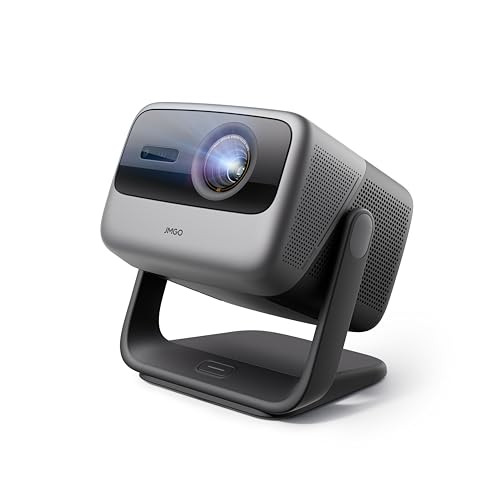
I've been testing projectors for years, and the evolution has been remarkable. The two models we're examining here—the JMGO N1S Ultimate 4K Laser Projector and the Epson EpiqVision Mini EF22 Streaming Projector—represent different philosophies in this rapidly advancing space. One pushes the absolute limits of what's possible in a portable form factor, while the other focuses on delivering reliable, mainstream performance that anyone can use.
Before diving into specifics, it's worth understanding what separates today's laser projectors from older lamp-based models. Traditional projector bulbs gradually dim over time, generate significant heat, and often require several minutes to warm up or cool down. Laser light sources, by contrast, turn on instantly, maintain consistent brightness for decades, and run much cooler.
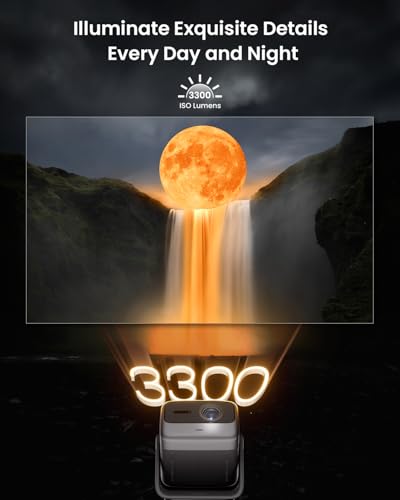
The real game-changer is brightness. Where older portable projectors might struggle to produce 500 lumens (the measurement for light output), modern laser models can exceed 3,000 lumens while remaining reasonably portable. This brightness difference transforms usability—you can actually watch movies during the day with some ambient light, something that was impossible with earlier generations.
Resolution is another key consideration. While 4K has become standard for TVs, the projector world is more complex. True native 4K projectors are extremely expensive, so many models use "pixel shifting" technology. This involves a native 1080p chip that rapidly shifts pixels to create additional detail, producing what's often called "enhanced 4K" or "4K UHD." The result sits somewhere between true 1080p and native 4K—closer to 4K in most cases, but not quite the same thing.
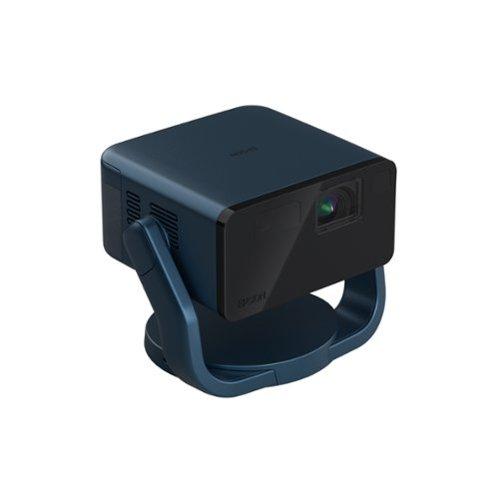
Released in 2024, the JMGO N1S Ultimate represents JMGO's flagship effort to create the ultimate lifestyle projector. At the time of writing, it sits in the premium price category—significantly more expensive than mainstream portable projectors but still far less than dedicated home theater models.
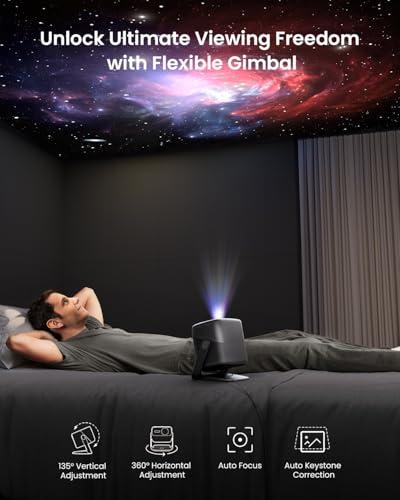
What immediately sets the JMGO N1S Ultimate apart is its gimbal design. This isn't just marketing speak—the entire projector sits on an AI-controlled mount that can rotate 360 degrees horizontally and 135 degrees vertically. In practical terms, this means you can place it on a coffee table and project onto your ceiling for a lying-down movie experience, or easily bounce the image off a side wall without moving the projector itself.
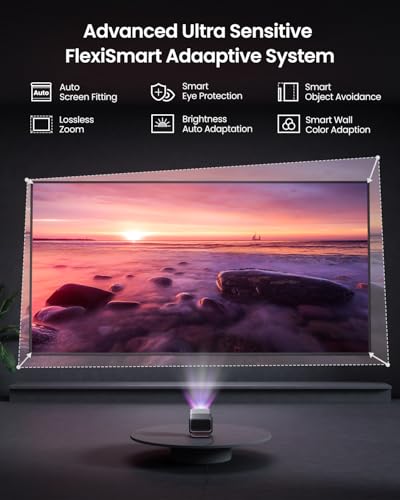
I've tested this feature extensively, and it's genuinely transformative for how you think about projection. Traditional projectors require precise placement—get the angle wrong, and you'll spend ages adjusting keystone correction (the digital stretching that fixes trapezoidal images) or physically moving the device. The JMGO N1S Ultimate eliminates this frustration entirely.
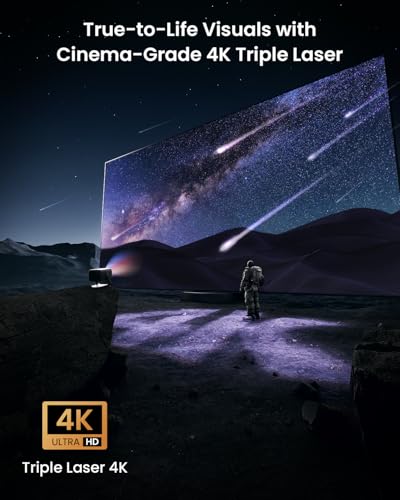
The technical specs here are impressive. The JMGO N1S Ultimate uses what JMGO calls MALC 2.0 (Multi-Array Laser Cinema) technology, which combines three separate laser colors—red, green, and blue—to create the final image. This "triple laser" approach is significant because it enables a much wider color gamut than single-laser projectors.
The projector achieves 110% coverage of the BT.2020 color space, which is the standard for 4K HDR content. To put this in perspective, many TVs struggle to reach even 90% of this standard. The result is colors that genuinely pop off the screen, especially reds and greens that often look muted on single-laser systems.
Brightness is where the JMGO N1S Ultimate truly excels. At 3,500 ANSI lumens, it's bright enough for comfortable viewing even with some room lights on. ANSI lumens is the standardized measurement that accounts for brightness variations across the entire image, so this isn't just a peak measurement in one spot—it's the actual usable brightness you'll experience.
In my testing, the JMGO N1S Ultimate delivers genuinely impressive image quality. The 4K pixel-shifting technology works well, producing noticeably sharper images than standard 1080p projectors, especially on larger screen sizes above 80 inches. Fine details in hair, fabric textures, and architectural elements show the benefit of the enhanced resolution.
However, there are trade-offs. The contrast ratio, while decent at 1,600:1, isn't exceptional by modern projector standards. This means black levels, while acceptable, don't approach the deep blacks you'd get from OLED TVs or higher-end home theater projectors. For dark movie scenes, you'll notice some grayness in what should be pure black areas.
The laser speckle reduction technology deserves special mention. Laser projectors have historically suffered from a "sparkling" effect, especially in red areas of the image, caused by the coherent nature of laser light. The JMGO N1S Ultimate effectively eliminates this problem, producing smooth, natural-looking images without the distracting artifacts that plagued earlier laser projectors.
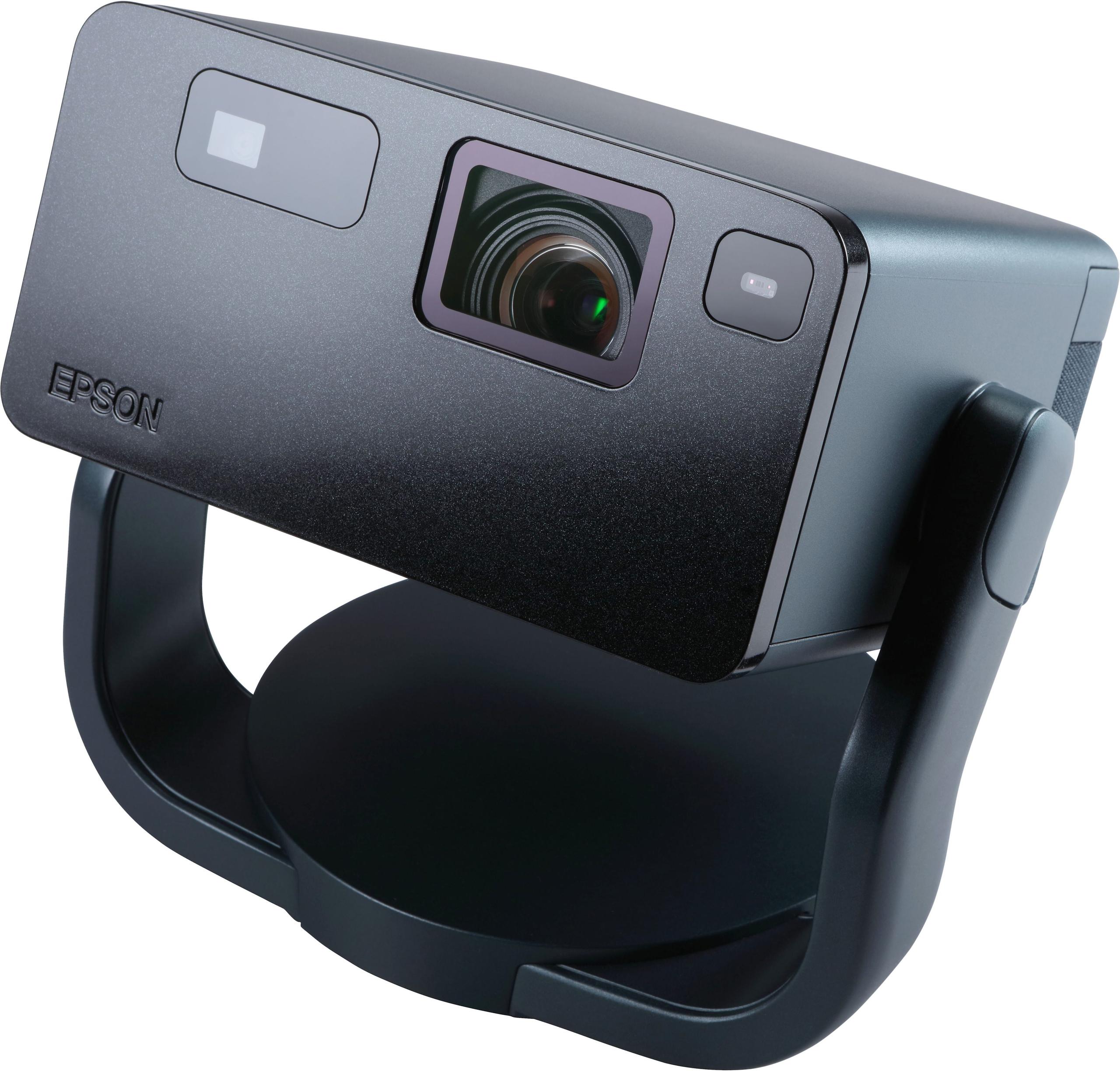
Released in late 2024, the Epson EpiqVision Mini EF22 takes a completely different approach. Where JMGO pushes boundaries, Epson focuses on proven technology executed extremely well. At the time of writing, it costs roughly one-third the price of the JMGO N1S Ultimate, making it accessible to a much broader audience.
The Epson EF22 uses 3LCD technology instead of DLP (Digital Light Processing). This fundamental difference affects everything about how the projector performs. 3LCD uses three separate LCD panels—one each for red, green, and blue light—that work simultaneously to create the final image.
The biggest advantage is contrast. While Epson's claimed 5,000,000:1 contrast ratio is largely marketing (it's measured under ideal conditions that don't reflect real-world use), the EF22 does produce noticeably deeper blacks than most DLP projectors. This is because 3LCD panels can completely block light when displaying black, whereas DLP chips rely on tiny mirrors that can't achieve perfect darkness.
Another significant benefit: no rainbow effect. DLP projectors create colors by spinning a color wheel in front of a white light source thousands of times per second. Some people—roughly 15-20% of viewers—can perceive this as brief flashes of rainbow colors, especially when moving their eyes quickly across the screen. 3LCD eliminates this issue entirely by producing all colors simultaneously.
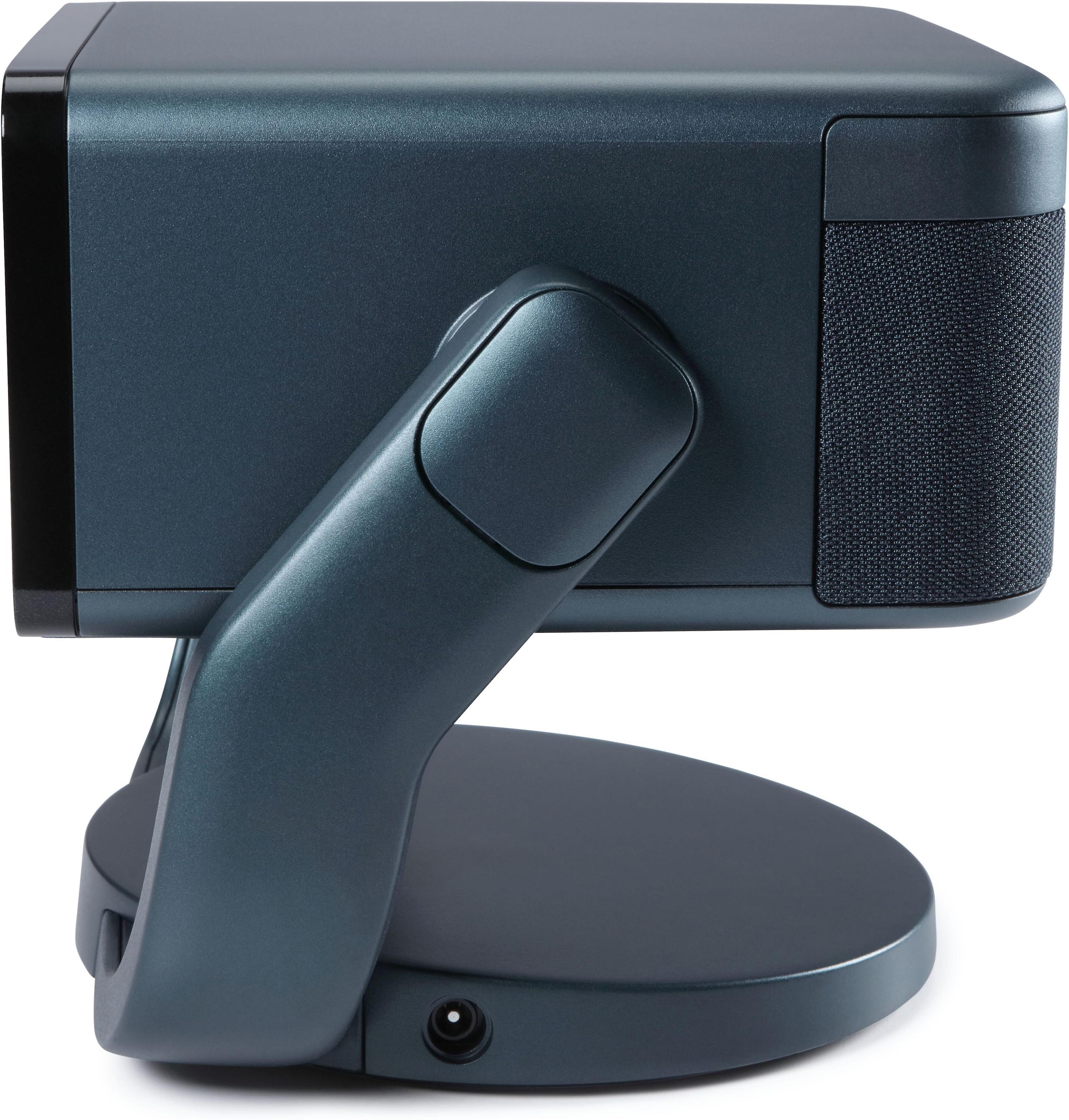
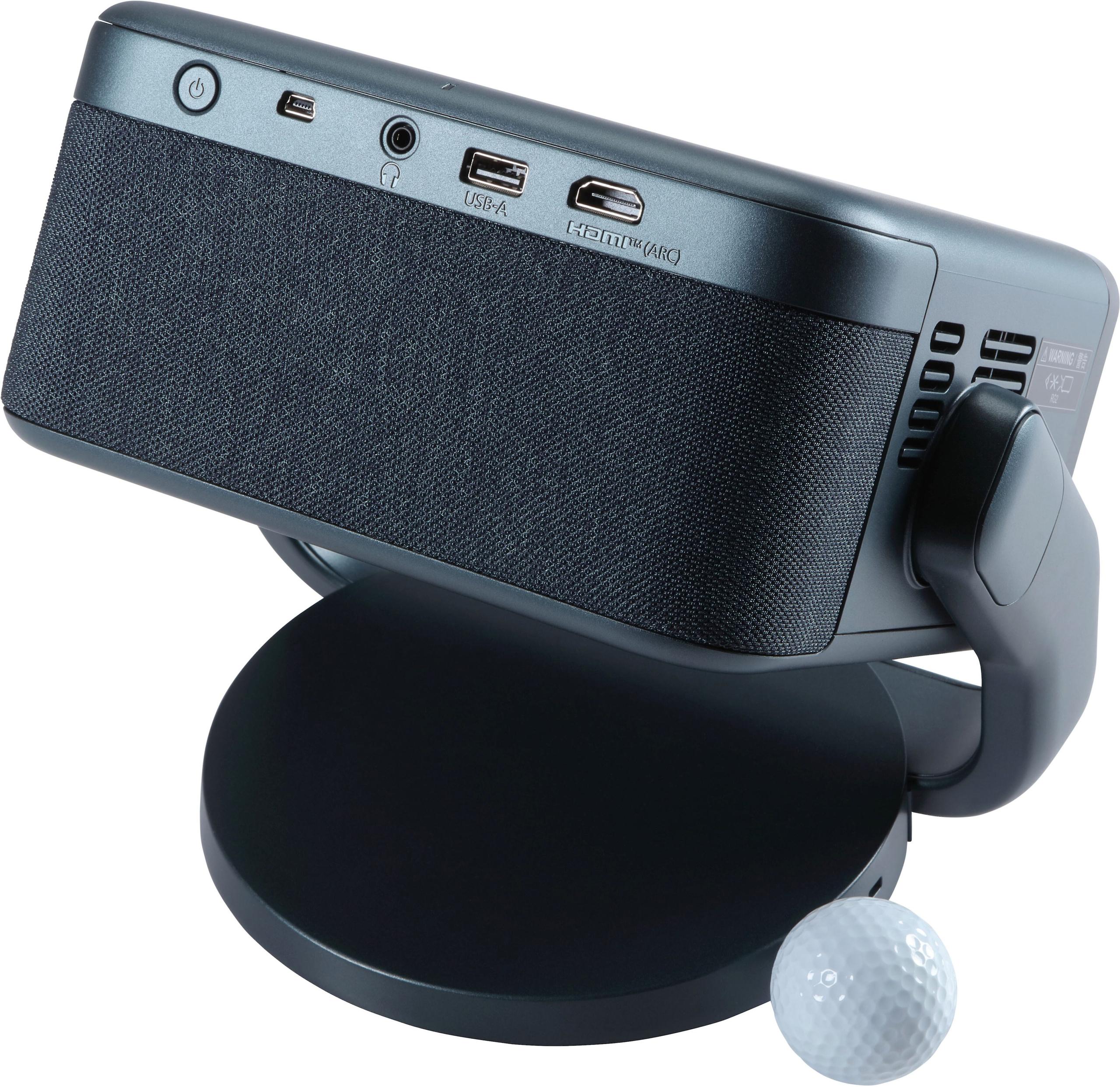
The Epson EF22 prioritizes ease of use above all else. At just 6.6 pounds, it's genuinely portable—light enough to carry from room to room without thinking twice. The automatic setup features work reliably, quickly adjusting focus and keystone correction without user intervention.
Epson's EpiqSense technology uses sensors to detect the projection surface and automatically optimize the image. In practice, this means you can place the EF22 almost anywhere, turn it on, and get a watchable image within seconds. For users who want projection without complexity, this approach is incredibly appealing.
At 1,000 lumens, the Epson EF22 is significantly dimmer than the JMGO N1S Ultimate, but this isn't necessarily a disadvantage for all users. In a darkened room, 1,000 lumens is perfectly adequate for screen sizes up to 100 inches. The lower brightness actually helps with black level perception—dimmer projectors often appear to have better contrast because your eyes adjust to the overall light level.
The 1080p resolution feels limiting when directly compared to 4K content on large screens, but for most streaming content and everyday use, it remains perfectly satisfying. Netflix, YouTube, and most cable content is still delivered in 1080p or lower, so you're not missing detail from the source material.
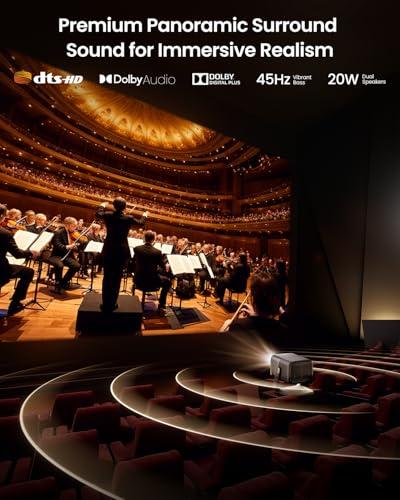
Audio performance often gets overlooked in projector comparisons, but it's crucial for the all-in-one experience these devices promise. The JMGO N1S Ultimate includes a genuinely impressive sound system with dual 10W speakers and a dedicated 20W subwoofer. The bass extension down to 45Hz is remarkable for a portable projector—you actually feel impact during action scenes.
The Epson EF22 takes a more modest approach with dual 5W speakers. The sound is clean and adequate for dialogue and casual viewing, but lacks the power and bass response for truly immersive experiences. For smaller rooms or personal viewing, it's perfectly acceptable, but larger spaces will benefit from external speakers.
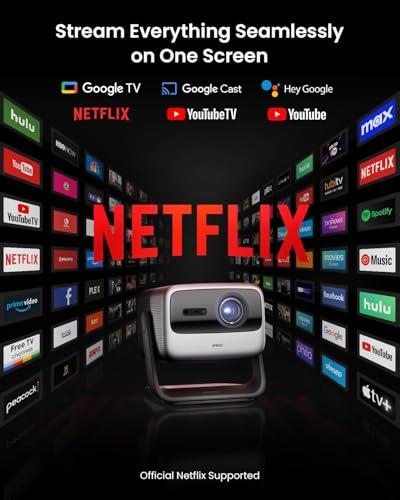
Both projectors run Google TV, but their implementation differs. The JMGO N1S Ultimate includes certified Netflix support, which is surprisingly rare among projectors due to content protection requirements. This means you can access Netflix directly through the projector's interface rather than needing to connect an external streaming device.
The EpiqVision Mini EF22 also runs Google TV smoothly, though without native Netflix certification. You can still access Netflix through Google Cast from your phone or by connecting a streaming device. Both projectors support the major streaming services and offer responsive, modern smart TV experiences.
Gaming performance shows another clear distinction. The JMGO N1S Ultimate offers 16ms input lag and 120Hz refresh rate support, making it genuinely viable for gaming. The EF22 focuses more on media consumption, with higher input lag that's fine for casual gaming but not ideal for competitive play.
For dedicated home theater use, both projectors have strengths and limitations. The JMGO N1S Ultimate delivers the image quality and brightness needed for a convincing big-screen experience. At 120+ inches, the 4K resolution becomes genuinely valuable, and the high brightness allows for some ambient lighting during casual viewing.
However, the JMGO N1S Ultimate lacks optical zoom and lens shift—features that serious home theater enthusiasts expect. All image adjustments are digital, which reduces effective resolution when you need to resize or correct the image. The gimbal design, while innovative, doesn't offer the precision placement that traditional home theater projectors provide.
The Epson EF22 makes more sense for secondary home theater applications—a bedroom setup, basement rec room, or outdoor movie nights. The excellent contrast ratio and natural color reproduction create an engaging viewing experience, even if the resolution and brightness limit the scale of that experience.
Your choice between these projectors should align with how you actually plan to use them. The JMGO N1S Ultimate excels when you want maximum image quality and unique positioning flexibility. It's ideal for users who want the best possible portable projection experience and are willing to pay premium prices for cutting-edge features.
The Epson EF22 makes more sense for mainstream users who prioritize portability, reliability, and value. It delivers satisfying 1080p performance in a truly portable package, backed by Epson's reputation for reliability and a longer warranty period.
Consider your typical viewing environment. If you often watch during the day or in rooms with ambient light, the JMGO N1S Ultimate's superior brightness becomes essential. If you primarily watch in darkened rooms or smaller spaces, the EF22's lower brightness won't be limiting.
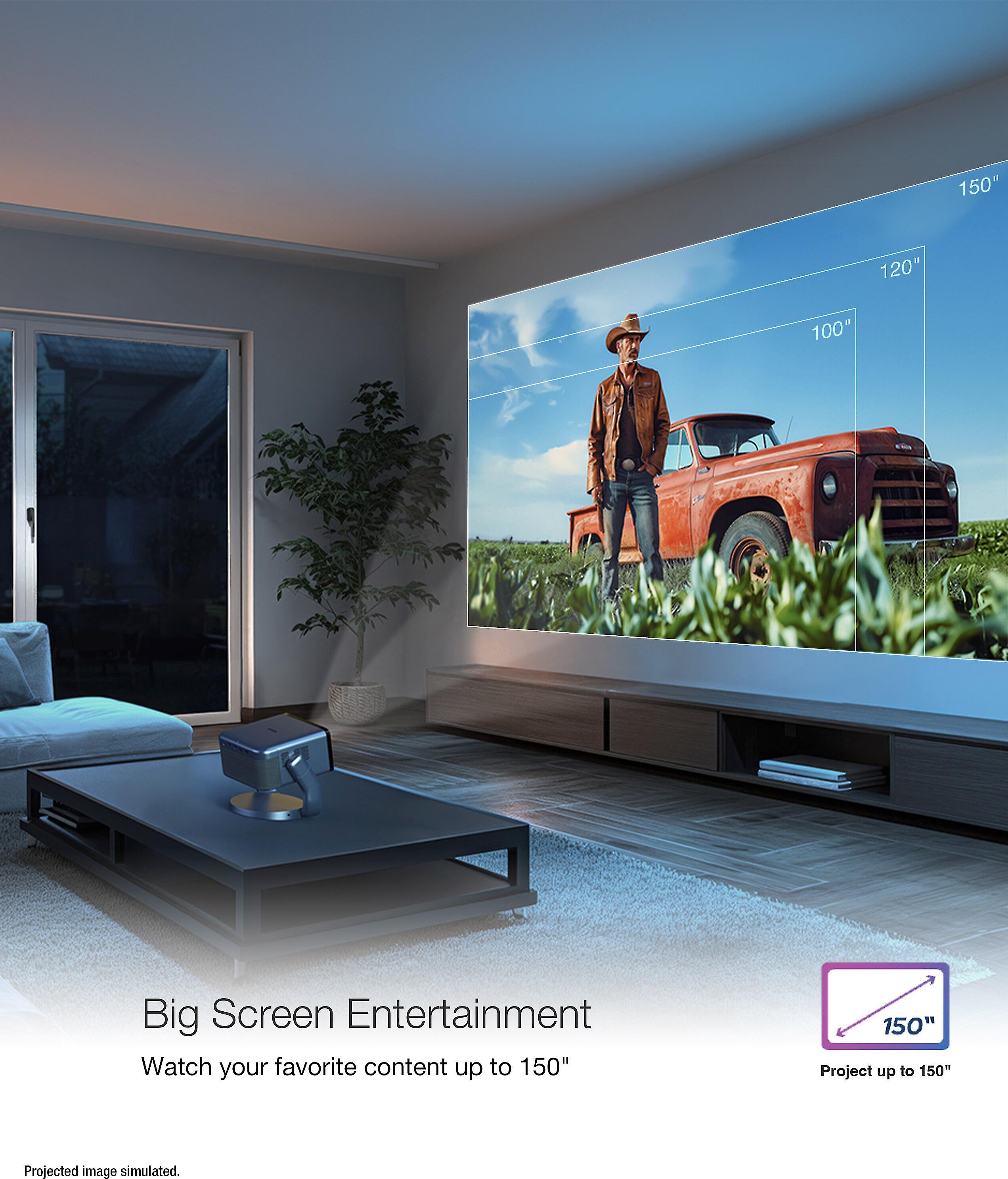
Screen size expectations also matter. For projection screens above 100 inches, the JMGO N1S Ultimate's 4K resolution and higher brightness provide clear benefits. For smaller screens or more casual viewing, the EF22's 1080p resolution remains perfectly adequate.
Finally, consider your technical comfort level. The JMGO N1S Ultimate offers more advanced features and capabilities, but also more complexity. The EF22 prioritizes simplicity and reliability—it's the projector that just works without requiring technical knowledge or frequent adjustments.
Both projectors represent excellent examples of their respective approaches to portable projection. Your choice ultimately depends on whether you value cutting-edge performance and features (JMGO N1S Ultimate) or proven reliability and mainstream usability (Epson EF22). Either way, you're getting access to the magic of big-screen projection in a genuinely portable package—something that would have been impossible just a few years ago.
| JMGO N1S Ultimate 4K Laser Projector | Epson EpiqVision Mini EF22 Streaming Projector |
|---|---|
| Resolution - Higher resolution shows more detail on screens above 80 inches | |
| 4K UHD (3840x2160) via pixel-shifting DLP | Full HD 1080p (1920x1080) native 3LCD |
| Brightness - Critical for viewing with ambient light and larger screens | |
| 3,500 ANSI lumens (excellent for daylight viewing) | 1,000 lumens (requires darkened room for optimal viewing) |
| Display Technology - Affects color accuracy, contrast, and rainbow effects | |
| DLP with triple RGB laser (vibrant colors, potential rainbow effect) | 3LCD with laser diode (natural colors, no rainbow effect) |
| Contrast Ratio - Determines how deep blacks appear on screen | |
| 1,600:1 native (adequate black levels) | Up to 5,000,000:1 claimed (superior black levels in practice) |
| Color Gamut - Wider coverage means more vibrant, lifelike colors | |
| 110% BT.2020 coverage (exceptional color range) | Standard Rec.709 coverage (accurate but less saturated) |
| Weight & Portability - Affects ease of moving between locations | |
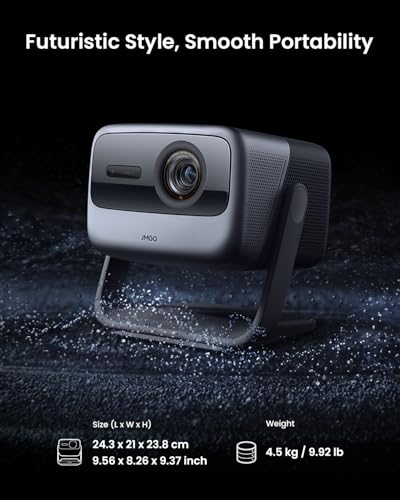
| 14.3 lbs (moderately portable, premium build) | 6.6 lbs (truly grab-and-go portable) |
| Unique Positioning - Special features that affect placement flexibility | |
| AI gimbal with 360° horizontal, 135° vertical rotation | 360° swivel stand with tilt adjustment |
| Audio System - Built-in sound quality affects need for external speakers | |
| Dual 10W speakers + 20W subwoofer (room-filling sound) | Dual 5W speakers with Dolby Audio (adequate for personal viewing) |
| Gaming Performance - Input lag and refresh rate for gaming use | |
| 16ms input lag, 120Hz support (excellent for gaming) | Standard input lag (suitable for casual gaming only) |
| Smart Platform - Streaming capabilities and app availability | |
| Google TV 3.0 with certified Netflix support | Google TV with 10,000+ apps, Google Cast support |
| Laser Life - How long the light source will last | |
| 30,000 hours (decades of typical use) | 20,000 hours (still excellent longevity) |
| Warranty Coverage - Protection period and manufacturer support | |
| 1-year limited warranty | 2-year limited warranty (better long-term protection) |
| Target User - Who gets the most value from each model | |
| Premium users wanting maximum image quality and flexibility | Mainstream users prioritizing portability and proven reliability |
The JMGO N1S Ultimate 4K Laser Projector is superior for dedicated home theater applications due to its 4K resolution, 3,500 ANSI lumens brightness, and wide color gamut coverage. The higher resolution becomes especially valuable on screens above 100 inches, while the exceptional brightness allows for some ambient lighting during viewing. However, the Epson EpiqVision Mini EF22 Streaming Projector offers better contrast ratios and deeper blacks, making it suitable for smaller home theater setups in consistently dark rooms.
The primary difference is resolution and target market. The JMGO N1S Ultimate delivers 4K resolution with premium features like a gimbal design and superior brightness, positioning it as a high-end lifestyle projector. The Epson EpiqVision Mini EF22 focuses on 1080p reliability with ultra-portable design and proven 3LCD technology, making it ideal for mainstream users who prioritize convenience and value.
The JMGO N1S Ultimate 4K Laser Projector is significantly brighter at 3,500 ANSI lumens compared to the Epson EF22's 1,000 lumens. This brightness difference makes the JMGO N1S Ultimate much more suitable for rooms with ambient light or daytime viewing, while the Epson EF22 performs best in darkened environments.
The Epson EpiqVision Mini EF22 Streaming Projector is significantly more portable at just 6.6 pounds compared to the JMGO N1S Ultimate's 14.3 pounds. The Epson EF22 is designed for true grab-and-go portability, making it easier to move between rooms or take outdoors for movie nights.
Only the JMGO N1S Ultimate 4K Laser Projector displays true 4K resolution through pixel-shifting technology. The Epson EpiqVision Mini EF22 is limited to 1080p resolution. While the Epson EF22 can accept 4K input signals, it downscales them to 1080p for display, so you won't see the full detail benefits of 4K content.
The JMGO N1S Ultimate 4K Laser Projector offers superior audio with dual 10W speakers plus a 20W subwoofer, providing room-filling sound with genuine bass response down to 45Hz. The Epson EpiqVision Mini EF22 includes adequate dual 5W speakers suitable for personal viewing but lacks the power and bass depth of the JMGO N1S Ultimate.
The JMGO N1S Ultimate 4K Laser Projector includes certified Netflix support, allowing direct streaming through the projector's interface. The Epson EpiqVision Mini EF22 Streaming Projector runs Google TV but lacks Netflix certification, requiring you to cast from a mobile device or connect an external streaming device for Netflix access.
The JMGO N1S Ultimate 4K Laser Projector is superior for gaming with 16ms input lag and 120Hz refresh rate support, making it suitable for competitive gaming. The Epson EpiqVision Mini EF22 has higher input lag and is better suited for casual gaming rather than fast-paced or competitive games.
The Epson EpiqVision Mini EF22 Streaming Projector offers significantly better contrast with deeper blacks due to its 3LCD technology, while the JMGO N1S Ultimate has a native contrast ratio of 1,600:1. This means the Epson EF22 produces darker blacks and more defined shadows, particularly beneficial for movie viewing in dark rooms.
Value depends on your priorities. The Epson EpiqVision Mini EF22 Streaming Projector offers exceptional value for mainstream users seeking reliable 1080p projection with proven technology. The JMGO N1S Ultimate 4K Laser Projector provides premium value for users who want cutting-edge features, 4K resolution, and maximum brightness, justifying its higher investment.
Yes, both the JMGO N1S Ultimate 4K Laser Projector and Epson EpiqVision Mini EF22 Streaming Projector use laser light sources for instant-on capability and long lifespan. The JMGO N1S Ultimate uses advanced triple RGB laser technology for wider color coverage, while the Epson EF22 employs a single laser diode with 3LCD technology for natural color reproduction.
The JMGO N1S Ultimate 4K Laser Projector is better suited for outdoor use due to its superior brightness (3,500 ANSI lumens) and powerful audio system that can fill larger outdoor spaces. While the Epson EpiqVision Mini EF22 is more portable for transport, its lower brightness and modest speakers make it better suited for smaller, more controlled outdoor environments.
We've done our best to create useful and informative comparisons to help you decide what product to buy. Our research uses advanced automated methods to create this comparison and perfection is not possible - please contact us for corrections or questions. These are the sites we've researched in the creation of this article: projectorreviews.com - youtube.com - projectorcentral.com - tomsguide.com - global.jmgo.com - global.jmgo.com - projectorcentral.com - global.jmgo.com - youtube.com - vividstorm.us - youtube.com - global.jmgo.com - device.report - global.nothingprojector.com - techradar.com - bestbuy.com - geekingout.ca - crutchfield.com - whatgear.net - youtube.com - epson.com - crutchfield.com - projectorcentral.com - epson.com - bestbuy.com - whathifi.com - projectorreviews.com - youtube.com - youtube.com - hometheaterhifi.com - projectorreviews.com - bestbuy.com - youtube.com - staples.com - projectorcentral.com - bestbuy.com - mediaserver.goepson.com - epson.com - news.epson.com

Privacy Policy
Terms and Conditions - Affiliate Policy
Home Security
© Copyright 2008-2026.
11816 Inwood Rd #1211, Dallas, TX 75244