

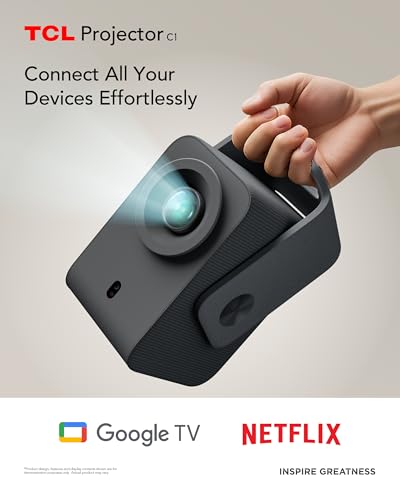
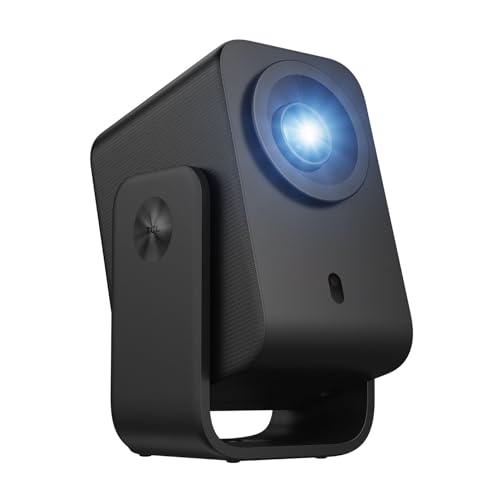
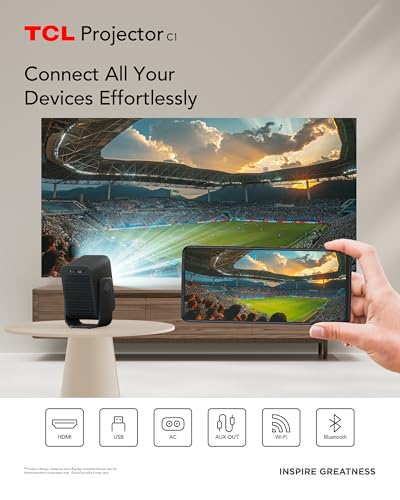
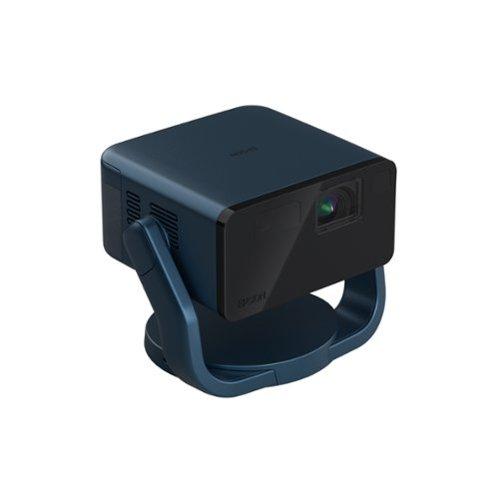
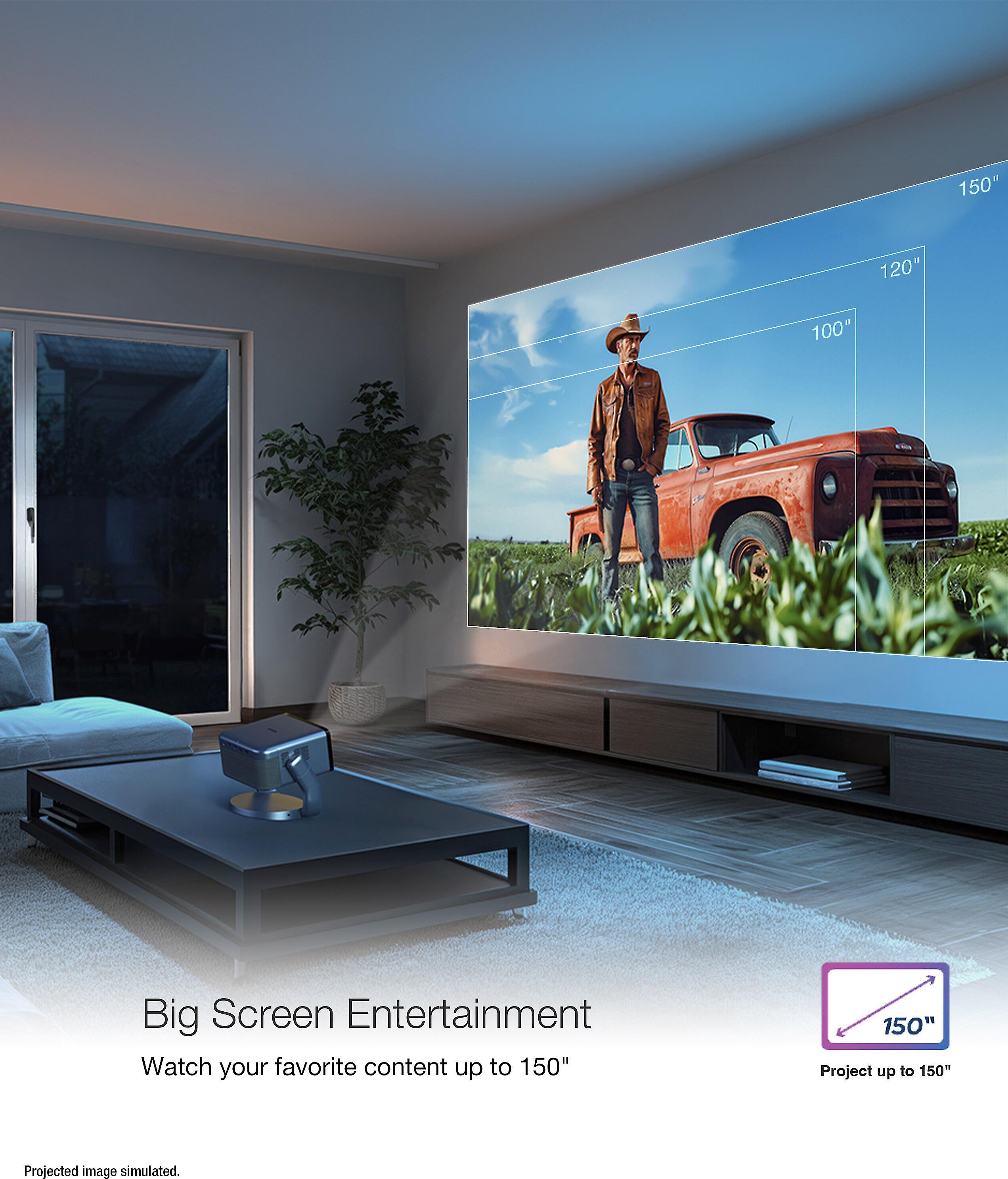
The world of portable projectors has exploded in recent years, transforming from dim, complicated devices into surprisingly capable entertainment systems. Two standouts in this space—the TCL C1 Google TV Portable Projector and the Epson EpiqVision Mini EF22—represent dramatically different approaches to the same goal: bringing big-screen entertainment anywhere you want it.
At the time of writing, these projectors sit at opposite ends of the portable projector spectrum in terms of both price and performance philosophy. The TCL C1 launched in 2025 as an ultra-budget option that somehow manages to pack impressive smart features into a remarkably affordable package. Meanwhile, the Epson EpiqVision Mini EF22 arrived in 2024 as a premium offering that prioritizes image quality and versatility over rock-bottom pricing.
Before diving into specifics, it's worth understanding what separates great portable projectors from mediocre ones. Unlike traditional home theater projectors that stay mounted in dedicated rooms, portable models need to balance performance with practicality. The key factors that matter most are brightness (measured in lumens—essentially how much light the projector can produce), image quality, ease of setup, and how well they handle different viewing environments.
Brightness deserves special attention because it's the make-or-break specification for most users. A projector with 200 lumens might create a beautiful image in a pitch-black room but become completely unusable with even a table lamp turned on. Conversely, a 1000-lumen projector can handle moderate ambient light, making it far more versatile for everyday use.
The smart TV integration that both the TCL C1 and Epson EF22 offer represents a major evolution from older portable projectors. Instead of needing separate streaming devices, these projectors run Android-based operating systems with built-in Netflix, YouTube, and other popular apps. This integration eliminates cable clutter and simplifies setup dramatically.
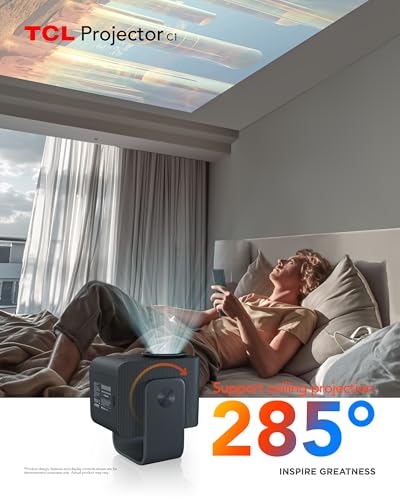
The TCL C1 immediately stands out for what it doesn't sacrifice despite its budget positioning. At roughly the size of a thick hardcover book and weighing under four pounds, it's genuinely pocketable for anyone with a decent-sized bag. But the real innovation lies in its unique gimbal design—a 285-degree rotating mount that lets you point the projector almost anywhere, including straight up at the ceiling.
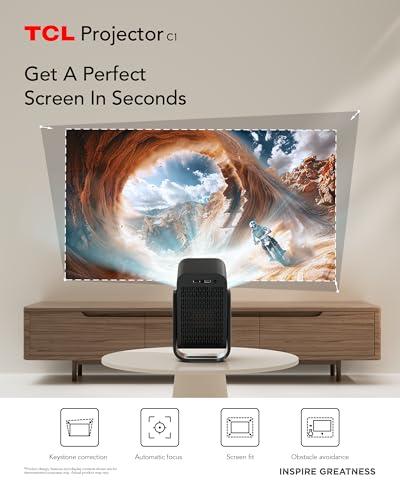
This gimbal isn't just a gimmick. Traditional projectors require careful positioning and often frustrating manual adjustments to get a properly aligned image. The TCL C1's gimbal combined with its automatic focus and keystone correction (which fixes the trapezoidal distortion you get when projecting at an angle) means you can literally place it anywhere and get a watchable image within seconds.
The technical specs reveal where TCL made smart compromises. The 230 ISO lumen output puts it firmly in the "dark room only" category, but the 1080p LCD panel with LED backlighting produces surprisingly accurate colors thanks to what TCL calls TrueHue technology. This system analyzes each frame and adjusts color balance, contrast, and brightness in real-time—essentially doing what expensive TVs do with their processing chips.
Perhaps most impressively for a budget device, the TCL C1 includes a fully sealed optical engine. This might sound boring, but it's actually crucial for long-term reliability. Dust getting into projector optics is one of the main causes of image degradation over time. By sealing everything up, TCL ensures the image quality you get on day one should persist for years.
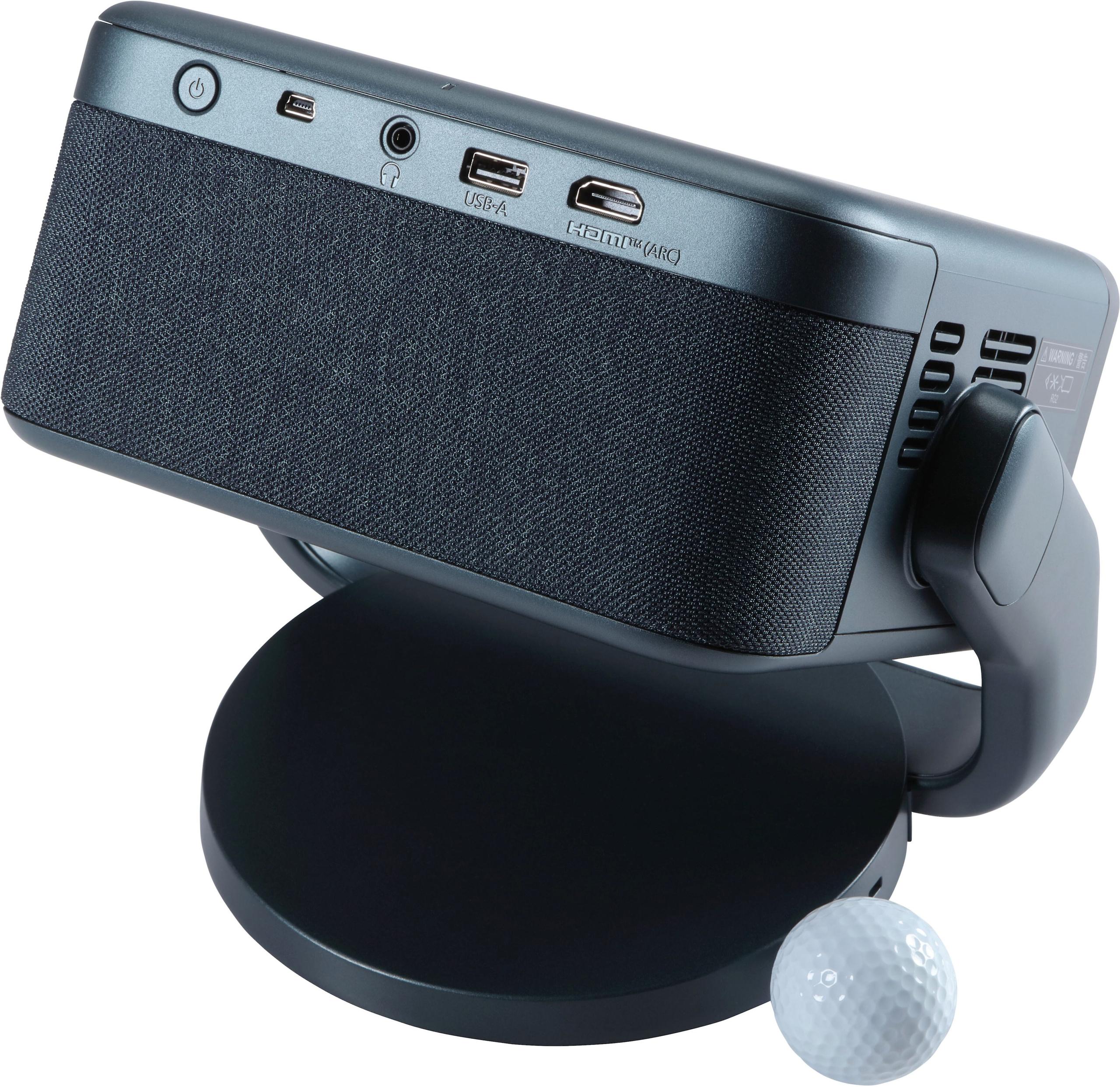
The connectivity story is equally impressive. HDMI 2.1 support means the TCL C1 can handle 4K input signals (though it displays them at 1080p) and supports modern gaming features like 4K 60Hz HDR input. This makes it surprisingly capable as a gaming display for PlayStation 5 or Xbox Series X, something most budget projectors completely ignore.
From our research into user experiences, the TCL C1 consistently exceeds expectations in dark environments. Users frequently mention being shocked by the image quality for the price, with many comparing it favorably to projectors costing several times more. The automatic setup features work as advertised, making it genuinely foolproof for non-technical users.
However, the brightness limitation is real and significant. Anything beyond dim ambient light renders the image washed out and difficult to watch. This isn't necessarily a dealbreaker—many people specifically want a projector for evening movie watching—but it does limit versatility.
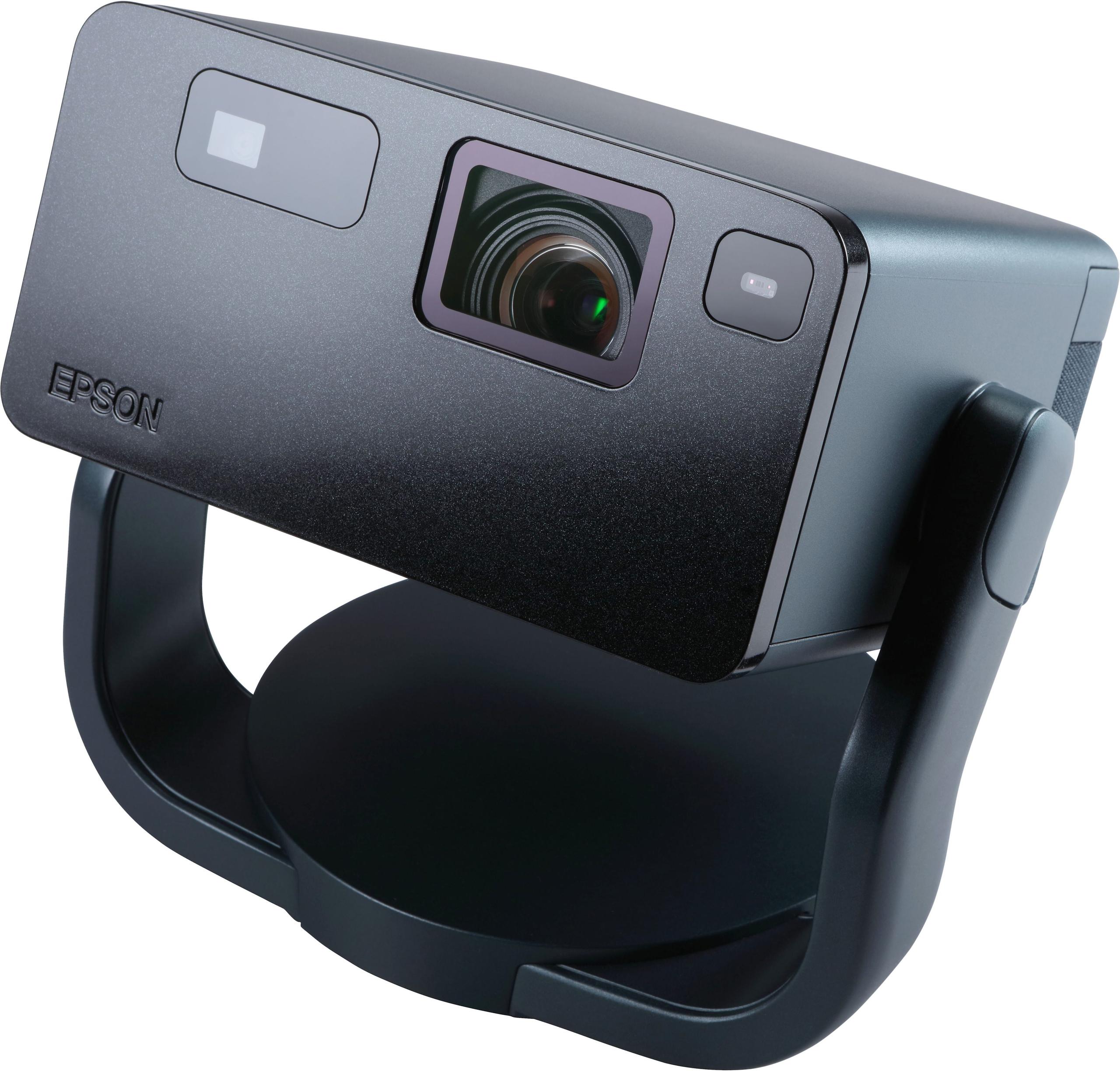
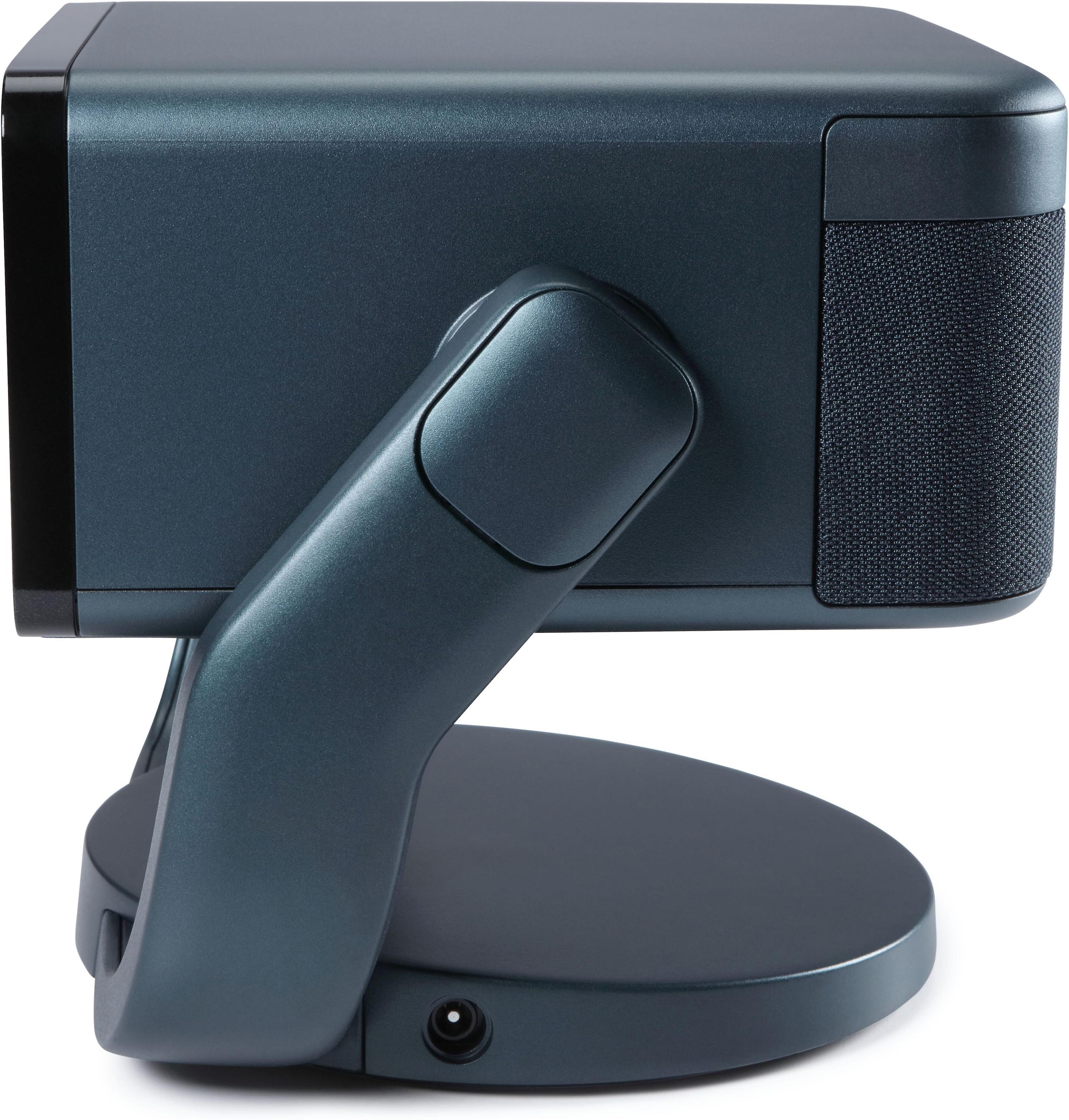
The Epson EpiqVision Mini EF22 takes a fundamentally different approach, prioritizing image quality and versatility over extreme portability. At about twice the weight and size of the TCL C1, it's still genuinely portable but feels more like a serious piece of equipment than a gadget.
The key differentiator is the laser light source producing 1000 lumens of brightness. This isn't just a bigger number—it represents a qualitative difference in usability. Where the TCL C1 requires darkness, the Epson EF22 can produce watchable images with room lights on, table lamps illuminated, and even some daylight filtering in. This transforms it from a dedicated movie-night device into something you might actually use for regular TV watching.
Epson's 3LCD technology deserves explanation because it's genuinely superior to the single-chip LCD used in most budget projectors. Instead of using one LCD panel and cycling through colors rapidly (which can create rainbow effects and color accuracy issues), 3LCD uses separate red, green, and blue LCD panels simultaneously. This eliminates color wheel artifacts and produces more accurate, consistent colors with better color saturation.
The Epson EF22's laser light source also brings practical advantages beyond brightness. LEDs in budget projectors like the TCL C1 do last a long time, but they gradually dim over thousands of hours. Laser light sources maintain consistent brightness much longer—rated for 20,000 hours versus the TCL's 30,000-hour LED rating. More importantly, laser light enables much higher color accuracy and a wider color gamut, meaning more vivid and lifelike colors.
Audio represents another clear advantage for the Epson EF22. Its dual 5-watt stereo speakers produce genuinely room-filling sound with proper stereo separation. The TCL C1 has a single 8-watt speaker that gets reasonably loud but can't match the spatial audio experience of true stereo. For many users, this audio upgrade alone justifies external speakers or headphones less necessary.
Based on professional reviews and user feedback, the Epson EF22 excels in scenarios where the TCL C1 struggles. Users consistently praise its ability to handle ambient light, with many noting they can use it for daytime viewing in moderately lit rooms. The image quality receives universal praise, with reviewers often noting colors that pop and contrast levels that approach what you'd expect from dedicated home theater equipment.
This is where the two projectors diverge most dramatically. The TCL C1's 230 lumens might sound respectable, but lumens can be misleading. ISO lumens (which both manufacturers claim to use) provide a more standardized measurement, but real-world performance depends heavily on screen surface, room lighting, and viewing distance.
In practice, the TCL C1 produces excellent images on screens up to about 80 inches in completely dark rooms. Push beyond 100 inches or introduce any ambient light, and the image becomes increasingly washed out. This isn't necessarily wrong—many dedicated home theater setups aim for complete darkness anyway—but it does limit flexibility.
The Epson EF22's 1000 lumens transforms the viewing experience entirely. Users report comfortable viewing on 100+ inch screens with moderate room lighting, and acceptable performance up to 120 inches even with some ambient light. This brightness advantage enables use cases the TCL C1 simply can't handle: afternoon movie watching, presentations, outdoor use before complete darkness, and family viewing where controlling every light source isn't practical.
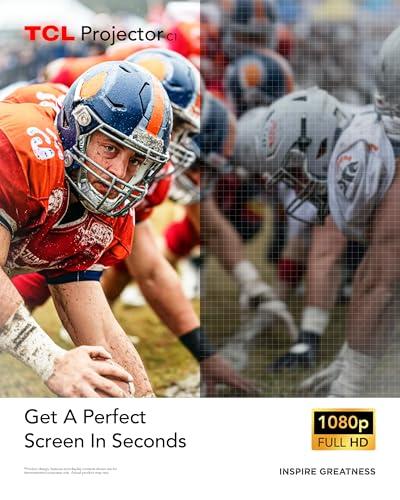
Both projectors deliver native 1080p resolution, but their approaches to color reproduction differ significantly. The TCL C1's TrueHue processing does impressive work with the LED light source, producing colors that appear natural and well-balanced in dark environments. Users consistently note that while colors aren't as saturated as high-end OLED TVs, they look realistic and pleasing.
The Epson EF22's 3LCD system with laser illumination provides a wider color gamut and more accurate color reproduction. Professional reviewers note that HDR content shows genuine improvement over SDR, with better highlight detail and more convincing contrast transitions. The 5,000,000:1 contrast ratio (versus the TCL's 1500:1) creates deeper blacks and more convincing shadow detail, though this advantage diminishes in brighter viewing environments.
For home theater enthusiasts, the Epson EF22 clearly wins on pure image quality metrics. However, the TCL C1 punches well above its weight class, producing images that satisfy most casual viewers in appropriate viewing conditions.
Modern console gaming represents an interesting use case where the TCL C1 actually outperforms its premium competitor. The HDMI 2.1 input accepts 4K 60Hz HDR signals from PlayStation 5 and Xbox Series X, even though the projector displays them at 1080p. Input lag appears minimal based on user reports, making it suitable for all but the most competitive gaming scenarios.
The Epson EF22 includes only HDMI 2.0, limiting input to 4K 30Hz or 1080p 60Hz. While this covers most gaming scenarios, it excludes some of the latest console features. Neither projector includes gaming-specific features like variable refresh rate (VRR) or auto low latency mode (ALLM), but the TCL C1's more modern HDMI implementation gives it a slight edge for current-generation gaming.
Both projectors emphasize ease of setup, but they achieve it differently. The TCL C1's automatic systems handle focus, keystone correction, and even obstacle avoidance (it can detect objects in the projection path and adjust accordingly). The gimbal mount enables projection angles that would require complex ceiling mounts or custom shelving with traditional projectors.
The Epson EF22's EpiqSense technology provides similar auto-focus and keystone correction, though without the TCL's unique gimbal flexibility. However, the 360-degree rotating base provides good positioning flexibility, and the higher brightness makes precise positioning less critical since you're not fighting ambient light.
User feedback suggests both systems work as advertised, with setup times typically under a minute once plugged in. The TCL C1 gets slight marks for the unique gimbal, while the Epson EF22 benefits from more forgiving brightness levels that make fine-tuning less critical.
Both projectors run Google TV (Android TV's consumer-focused variant), providing access to Netflix, Disney+, YouTube, and thousands of other streaming apps. Performance appears similar based on user reports, with smooth navigation and reliable streaming from built-in Wi-Fi.
The TCL C1 includes 2GB RAM and 16GB storage versus the Epson EF22's unspecified but apparently similar specifications. Both handle 4K streaming content appropriately, downscaling to their native 1080p resolution. Neither shows significant lag or performance issues with popular streaming apps.
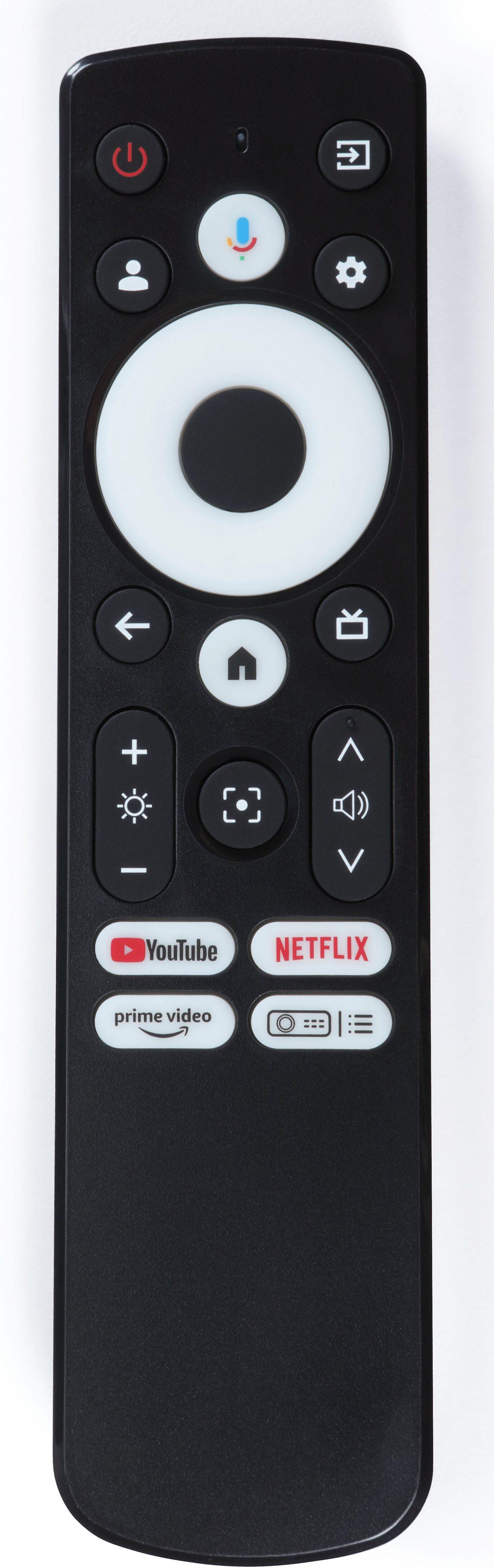
Google Assistant voice control works on both devices, though the TCL C1's remote includes more dedicated streaming service buttons. Both support Chromecast for mobile device streaming, expanding content options beyond built-in apps.
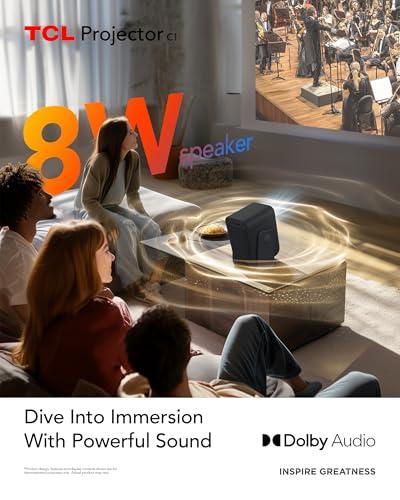
Audio quality often gets overlooked in projector discussions, but it significantly impacts the viewing experience. The TCL C1's single 8-watt speaker gets surprisingly loud and maintains clear dialogue even at higher volumes. However, it can't produce the spatial audio experience that enhances movie watching.
The Epson EF22's dual 5-watt stereo speakers create genuine stereo separation and more immersive soundscapes. While 10 watts total power might seem like less than the TCL's 8 watts, the stereo configuration and better driver quality result in superior overall audio performance.
Both projectors support Bluetooth audio output and include 3.5mm headphone jacks for external audio systems. The Epson EF22 adds HDMI ARC support for seamless integration with soundbars and AVR systems.
These projectors serve fundamentally different use cases despite apparent similarities. The TCL C1 excels as an ultra-portable, budget-conscious option for users who primarily watch in controlled lighting conditions. Its unique gimbal design and comprehensive auto-setup features make it ideal for bedroom use, travel, student housing, or anyone wanting maximum convenience in a compact package.
The Epson EF22 justifies its premium pricing through superior brightness, image quality, and audio performance. It's the better choice for users who need ambient light tolerance, prioritize image quality, or want a projector that can handle diverse viewing scenarios without compromise.
For dedicated home theater use, the choice depends on your room setup and budget tolerance. If you can achieve complete darkness and want maximum value, the TCL C1 delivers remarkable performance for its price point. If you prefer flexibility in lighting conditions and want the best possible image quality in a portable form factor, the Epson EF22 represents a solid investment.
Gaming enthusiasts should lean toward the TCL C1 for its modern HDMI 2.1 connectivity, while users prioritizing audio quality and professional-grade image performance will appreciate the Epson EF22's laser-powered capabilities.
Ultimately, both projectors succeed in their respective market positions, offering compelling reasons to choose one over the other based on individual priorities and viewing requirements.
| TCL C1 Google TV Portable Projector | Epson EpiqVision Mini EF22 Streaming Projector |
|---|---|
| Brightness - The most critical factor for room lighting flexibility | |
| 230 ISO lumens (dark rooms only, excellent value for controlled environments) | 1,000 ISO lumens (handles ambient light well, 4x brighter for versatile use) |
| Light Source Technology - Affects color quality and longevity | |
| LED with 30,000-hour lifespan (reliable, gradual dimming over time) | Laser with 20,000-hour lifespan (superior color accuracy, consistent brightness) |
| Display Technology - Impacts color reproduction and image quality | |
| Single-chip LCD with TrueHue processing (good colors for the price) | 3-chip 3LCD system (professional-grade color accuracy, no rainbow effects) |
| Contrast Ratio - Determines black level depth and image pop | |
| 1,500:1 (adequate for bright content, limited shadow detail) | 5,000,000:1 dynamic (deep blacks, excellent shadow detail in dark scenes) |
| Maximum Screen Size - How big you can go | |
| 120 inches (good for most rooms, limited by brightness) | 150 inches (larger projection capability with better brightness to support it) |
| Portability - Weight and size for transport | |
| 3.9 lbs, CD-case size with gimbal handle (ultra-portable, fits in backpacks) | 6.6 lbs, compact but substantial (portable but requires dedicated bag space) |
| Unique Positioning Features - Setup flexibility advantages | |
| 285° gimbal mount with ceiling projection (revolutionary flexibility, built-in handle) | 360° swivel base (good positioning options, more traditional setup) |
| Gaming Connectivity - Modern console compatibility | |
| HDMI 2.1 with 4K 60Hz HDR support (excellent for PS5/Xbox Series X) | HDMI 2.0 only (limited to 4K 30Hz, adequate for most gaming) |
| Audio System - Built-in sound quality | |
| Single 8W Dolby Audio speaker (clear dialogue, mono sound) | Dual 5W stereo speakers with Dolby Audio (true stereo, better spatial audio) |
| Smart TV Platform - Streaming and app performance | |
| Google TV with Netflix certification, 2GB RAM/16GB storage | Google TV with comprehensive app support, smooth performance |
| Auto-Setup Features - Convenience technologies | |
| Auto focus, omni-directional keystone, obstacle avoidance (comprehensive automation) | EpiqSense auto focus and keystone correction (solid but less comprehensive) |
| HDR Support - Enhanced dynamic range capability | |
| 4K input acceptance with HDR passthrough (supports modern content) | Native HDR10 and HLG processing (better HDR implementation) |
| Build Quality and Durability - Long-term reliability factors | |
| Fully sealed optical engine, IP5X dust resistance (excellent dust protection) | Professional-grade construction with laser reliability (premium build quality) |
| Price Category - Value positioning at time of writing | |
| Ultra-budget category (exceptional features per dollar) | Premium portable category (higher cost, professional performance) |
The Epson EpiqVision Mini EF22 is significantly better for bright rooms with its 1,000 lumens of brightness compared to the TCL C1's 230 lumens. The Epson EF22 can handle moderate ambient lighting and even some daylight, while the TCL C1 requires dark room conditions for optimal viewing.
The Epson EpiqVision Mini EF22 offers superior image quality with its 3-chip 3LCD technology, laser light source, and 5,000,000:1 contrast ratio. The TCL C1 Google TV Portable Projector provides excellent image quality for its category with 1080p resolution and TrueHue color processing, but can't match the Epson's professional-grade color accuracy and contrast.
The TCL C1 is far more portable at just 3.9 pounds with a compact CD-case size design and built-in handle. The Epson EF22 weighs 6.6 pounds and is larger, though still considered portable. For travel and frequent moving, the TCL C1 is the clear winner.
Yes, both work with gaming consoles, but the TCL C1 Google TV Portable Projector has better modern gaming support with HDMI 2.1 that accepts 4K 60Hz HDR signals from PS5 and Xbox Series X. The Epson EpiqVision Mini EF22 has HDMI 2.0, which limits it to 4K 30Hz input.
The Epson EF22 has superior audio with dual 5-watt stereo speakers that provide true stereo separation and better spatial sound. The TCL C1 has a single 8-watt speaker that gets loud and clear but lacks the stereo imaging of the Epson's dual-speaker setup.
Both projectors offer excellent auto-setup features. The TCL C1 includes comprehensive automation with auto-focus, omni-directional keystone correction, and obstacle avoidance. The Epson EF22 uses EpiqSense technology for auto-focus and keystone correction. The TCL C1's unique gimbal design provides more positioning flexibility.
For dedicated home theater rooms with controlled lighting, the TCL C1 Google TV Portable Projector offers exceptional value and performance. For more versatile home theater setups where ambient light control isn't perfect, the Epson EpiqVision Mini EF22 provides better brightness and image quality to handle various lighting conditions.
Both the TCL C1 and Epson EF22 run Google TV and support all major streaming services including Netflix, YouTube, Disney+, Prime Video, and thousands of other apps. Both have official Netflix certification and Google Assistant voice control.
The TCL C1 can project images from 40 to 120 inches, while the Epson EF22 supports 30 to 150 inches. The Epson's higher brightness makes larger screen sizes more practical in various lighting conditions.
The TCL C1 Google TV Portable Projector offers exceptional value in the budget category with impressive smart features and adequate performance for dark room viewing. The Epson EpiqVision Mini EF22 provides good value in the premium category for users who need higher brightness and professional-grade image quality.
Both can work outdoors, but with different requirements. The TCL C1 needs complete darkness for outdoor movie nights. The Epson EF22 can handle outdoor use during twilight hours thanks to its higher brightness, making it more versatile for outdoor entertainment.
Both projectors offer excellent longevity. The TCL C1 has a 30,000-hour LED lifespan with gradual dimming over time, while the Epson EF22 features a 20,000-hour laser that maintains consistent brightness longer. The TCL's fully sealed optical engine also prevents dust-related degradation better than most projectors in its class.
We've done our best to create useful and informative comparisons to help you decide what product to buy. Our research uses advanced automated methods to create this comparison and perfection is not possible - please contact us for corrections or questions. These are the sites we've researched in the creation of this article: youtube.com - thegadgetflow.com - notebookcheck.net - shopabunda.com - youtube.com - youtube.com - youtube.com - youtube.com - tcl.com - androidauthority.com - manuals.plus - westcoast.co.uk - techradar.com - bestbuy.com - geekingout.ca - crutchfield.com - whatgear.net - youtube.com - epson.com - crutchfield.com - projectorcentral.com - epson.com - bestbuy.com - whathifi.com - projectorreviews.com - youtube.com - youtube.com - hometheaterhifi.com - projectorreviews.com - bestbuy.com - youtube.com - staples.com - projectorcentral.com - bestbuy.com - mediaserver.goepson.com - epson.com - news.epson.com

Privacy Policy
Terms and Conditions - Affiliate Policy
Home Security
© Copyright 2008-2026.
11816 Inwood Rd #1211, Dallas, TX 75244