


The smart projector market has exploded over the past few years, transforming how we think about home entertainment. Gone are the days when you needed a separate streaming device, complex wiring, and professional installation to enjoy big-screen content at home. Today's smart projectors pack everything you need into compact, user-friendly packages that can turn any wall into your personal theater.
But here's where it gets interesting: the market has split into two distinct camps. On one side, you have ultra-affordable options like the Aurzen EAZZE D1 Smart Projector that promise professional features at budget prices. On the other, premium models like the Epson EpiqVision Mini EF22 deliver top-tier performance with price tags to match. The question isn't just which one is better – it's which approach makes sense for your specific needs and budget.
Before diving into our comparison, let's establish what makes a projector truly "smart" and why these specifications matter for your viewing experience.
Smart functionality means the projector has a built-in operating system that connects directly to your WiFi network, eliminating the need for external streaming sticks or media players. Think of it like the difference between a regular TV and a smart TV, but for projectors.
The most critical specifications that determine your actual viewing experience are:
Brightness, measured in lumens, determines how well you can see the image in different lighting conditions. This isn't just about bigger numbers being better – it's about matching the projector's capabilities to your intended viewing environment. A projector with 200 lumens might be perfect for a dark bedroom but completely unusable in a living room with windows.
Display technology affects color accuracy, contrast (the difference between dark and bright areas), and overall image quality. Single-chip LCD projectors are common in budget models, while 3LCD technology uses three separate chips for superior color reproduction.
Light source type impacts both longevity and image quality. LED light sources are cheaper but have limitations in brightness and color range. Laser light sources cost more initially but last much longer and produce more accurate colors.
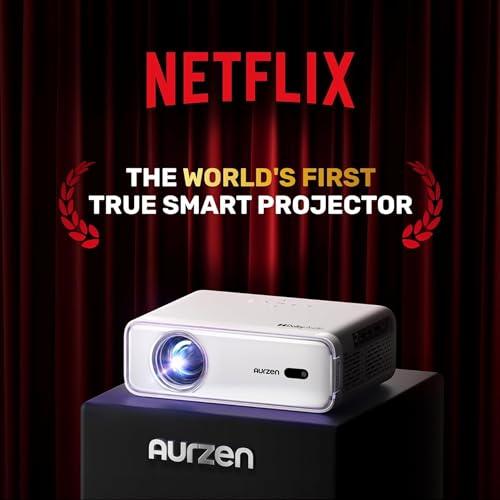
The Aurzen EAZZE D1, released in 2024, represents the "democratization of smart projection." At an extremely budget-friendly price point (well under $200 at the time of writing), it aims to deliver features typically found in projectors costing three to five times more.
Meanwhile, the Epson EpiqVision Mini EF22, also launched in 2024, takes the premium approach. Priced in the high hundreds to low thousands range, it focuses on professional-grade components and performance that can serve as a primary entertainment system.
What's fascinating is that both projectors arrived in 2024, reflecting recent advances in projection technology that have made both ultra-budget smart features and compact laser projection more accessible than ever before.
This is where the fundamental difference between these projectors becomes crystal clear, and frankly, where most people make their decision.
The Aurzen EAZZE D1 produces 200 ANSI lumens – and here's something important to understand about this number. ANSI lumens are measured according to international standards (ISO/IEC 21118), which means this is an honest, verifiable measurement. Many budget projectors inflate their brightness claims using non-standard measurements, sometimes claiming 8,000 or even 12,000 "lumens" that bear no resemblance to reality. Aurzen's honest approach is refreshing, but it does mean the projector works best in dark or dimly lit environments.
In practical terms, 200 ANSI lumens will give you a great viewing experience in a darkened room with screen sizes up to about 100 inches. I've found that projectors in this brightness range work wonderfully for bedroom entertainment, basement movie nights, or outdoor viewing after sunset. But try to use it in a living room with ambient light, and you'll be squinting to see the action.
The Epson EF22, on the other hand, pumps out 1,000 lumens using its 3LCD laser system. This five-fold brightness advantage fundamentally changes where and when you can use the projector. You can watch movies in a living room with some ambient light, use it for gaming during the day, or even handle basic presentations in moderately lit rooms.
The difference becomes even more pronounced when you consider color brightness. Many projectors only measure white brightness, but the Epson EF22's 3LCD technology ensures that color brightness matches white brightness. This means reds, blues, and greens remain vibrant even in brighter conditions, rather than washing out as they do with single-chip systems.
Here's where the technical differences really start to matter for your viewing experience.
The Aurzen EAZZE D1 uses a single TFT LCD panel with LED illumination. This is the most cost-effective approach to projection, and when done well, it can produce surprisingly good results. The LED light source contributes to the projector's compact size and low power consumption, while the single LCD panel keeps manufacturing costs down.
However, single-chip LCD systems have inherent limitations. Color reproduction depends on the LED array's ability to produce different wavelengths of light, and contrast ratios are typically lower because LCD panels can't completely block light to create true blacks.
The Epson EF22 takes a completely different approach with its 3LCD system. Instead of one panel doing all the work, it uses three separate 0.62-inch LCD chips – one each for red, green, and blue light. A complex optical system splits white light from the laser source into its component colors, processes each color separately, then recombines them into the final image.
This approach delivers several advantages. First, color accuracy improves dramatically because each color gets dedicated processing. Second, color brightness remains consistent across the spectrum – you won't see yellows turn pale or blues look washed out. Third, the larger 0.62-inch chips can process more light efficiently, contributing to the projector's higher brightness output.
The laser light source in the Epson EF22 represents another significant technological advantage. Unlike LEDs, which gradually dim over time, laser systems maintain consistent brightness throughout their 20,000+ hour lifespan. The laser phosphor technology also produces a wider color gamut, meaning more accurate and vibrant colors across the spectrum.
Both projectors offer comprehensive smart features, but they take different approaches to delivering them.
The Aurzen EAZZE D1 runs a proprietary smart TV operating system that includes officially certified apps for major streaming services. This is more important than it might sound – many budget projectors rely on unofficial apps or sideloaded software that can break when services update their security protocols. Having certified Netflix, Prime Video, and YouTube apps means reliable, long-term compatibility.
The system supports additional app installation through its built-in store and browser, giving you flexibility to add other streaming services or utilities. The dual-band WiFi (supporting both 2.4GHz and 5GHz networks) ensures stable streaming even in crowded wireless environments.
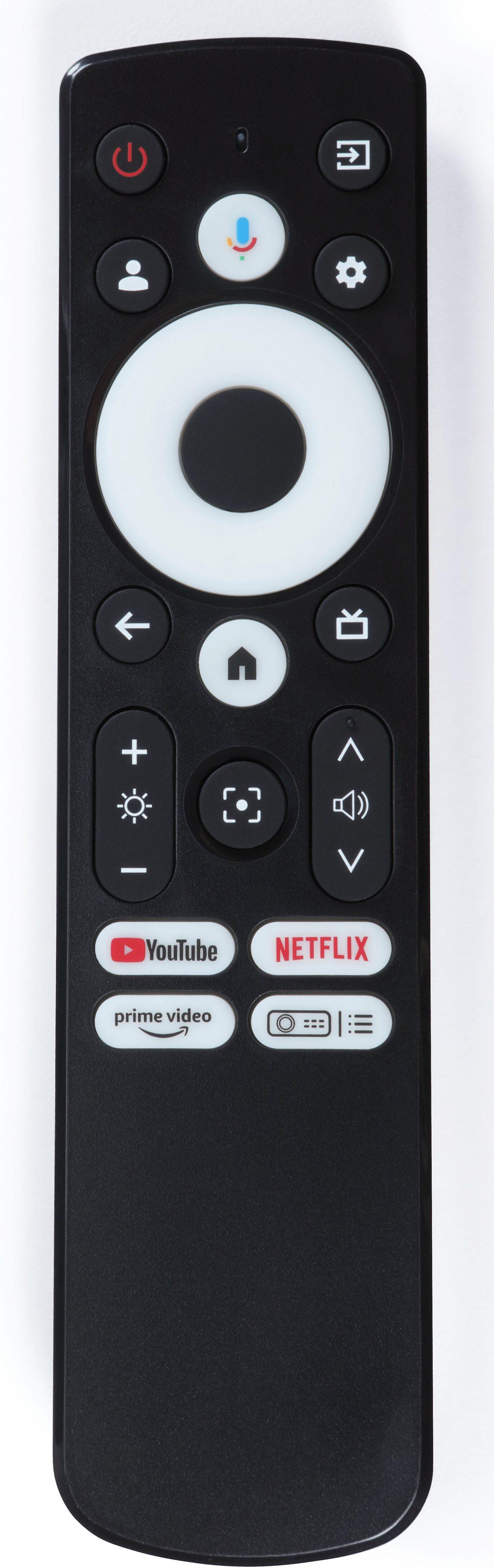
The Epson EF22 leverages Google TV, which brings the full Android TV ecosystem to your projection setup. This means access to over 10,000 apps through the Google Play Store, plus integration with Google Assistant for voice control. Google Cast support allows seamless streaming from smartphones, tablets, and computers.
From a user experience standpoint, Google TV offers more polish and regular updates, while the Aurzen's system focuses on core streaming functionality with a simpler interface.
Here's where things get interesting, and frankly, where the Aurzen EAZZE D1 surprises many people.
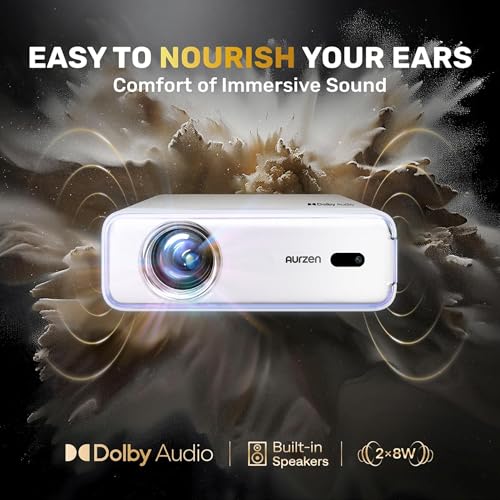
Despite its budget positioning, the Aurzen includes dual 8-watt speakers with Dolby Audio processing and 3D stereo sound enhancement. In a compact projector, 16 watts total power is quite respectable, and the Dolby processing helps create a sense of spatial audio that makes movies more immersive.
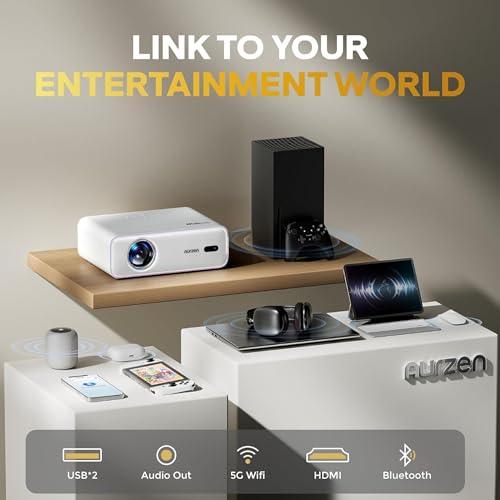
But here's the really clever feature: the projector supports two-way Bluetooth 5.1, which means it can function as a standalone Bluetooth speaker when you're not projecting. It can also send audio wirelessly to external speakers, soundbars, or headphones. This flexibility is genuinely useful – I've seen people use projectors like this as their primary speaker for music when the projector isn't in use.
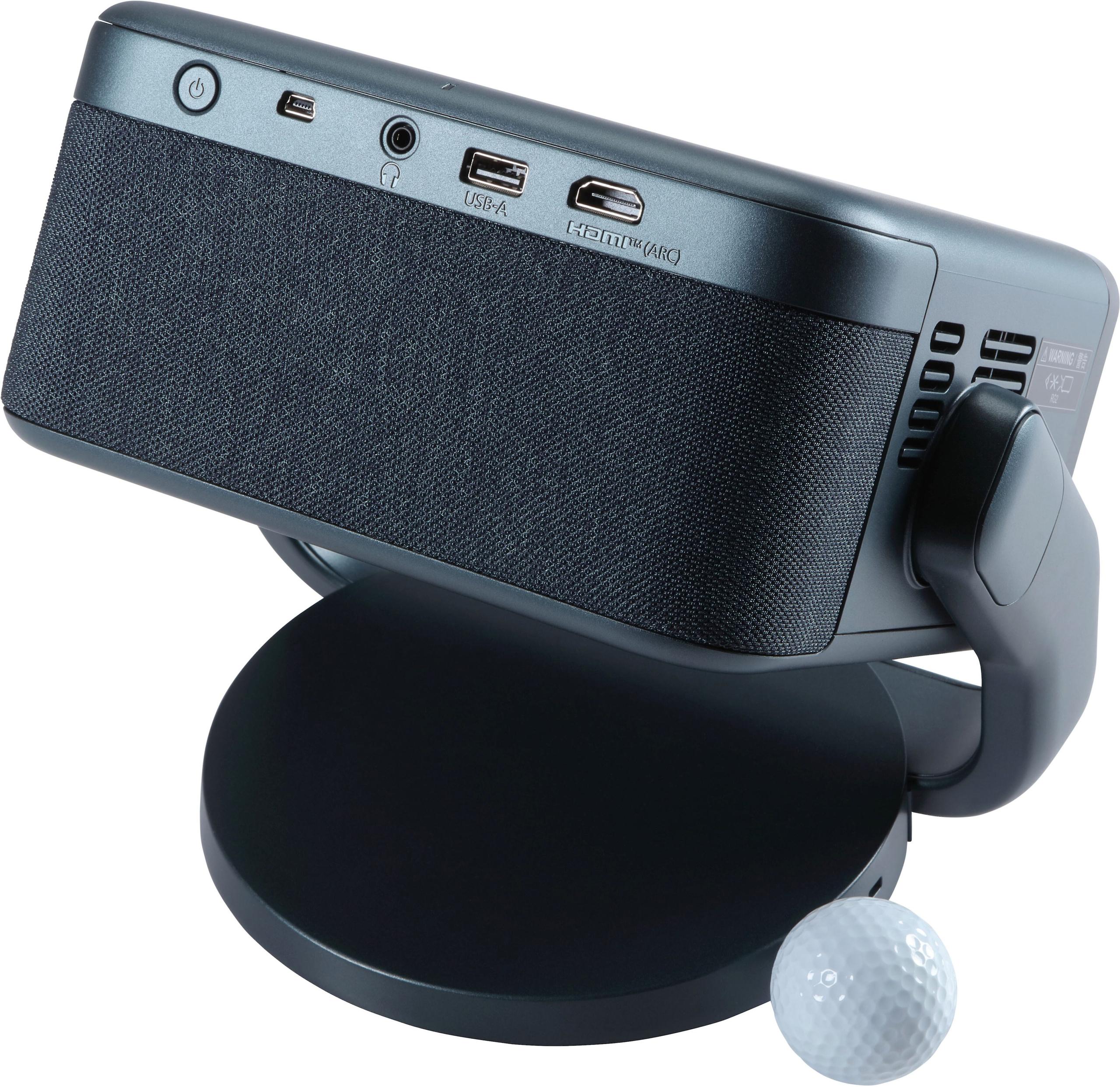
The Epson EF22 takes a more traditional approach with dual 5-watt speakers and Dolby Audio support. While the individual speakers are less powerful, the premium design and acoustic engineering may deliver cleaner sound reproduction. The projector also supports HDMI ARC for easy connection to external sound systems.
In practice, both projectors benefit from external audio for serious movie watching, but the Aurzen's higher-powered speakers and Bluetooth flexibility give it an edge for casual use.
Modern projectors succeed or fail based on how easy they are to set up and use, especially for people who aren't projection experts.
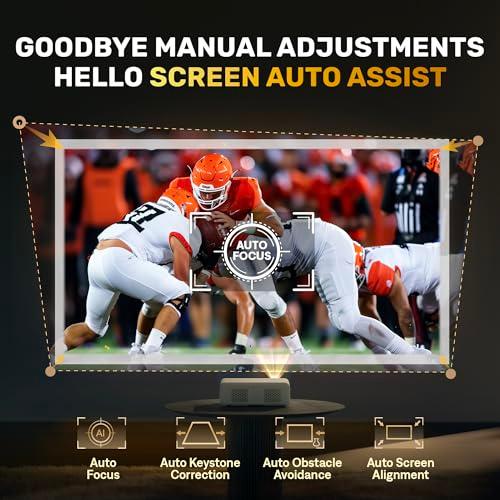
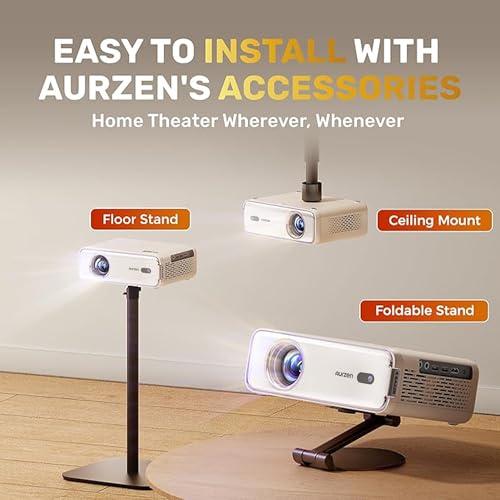
The Aurzen EAZZE D1 excels here with its comprehensive Auto Assist feature suite. Auto focus means the image sharpens automatically without manual adjustment – just turn it on and go. Auto keystone correction handles both horizontal and vertical distortion up to 45 degrees, which means you can place the projector off to the side or at an angle and still get a perfectly rectangular image.
The auto screen alignment and obstacle avoidance features are genuinely impressive for a budget projector. The system can detect screen boundaries and automatically adjust the image to fit, or work around obstacles like light switches or picture frames on the wall. These aren't gimmicks – they solve real problems that plague projector setup.
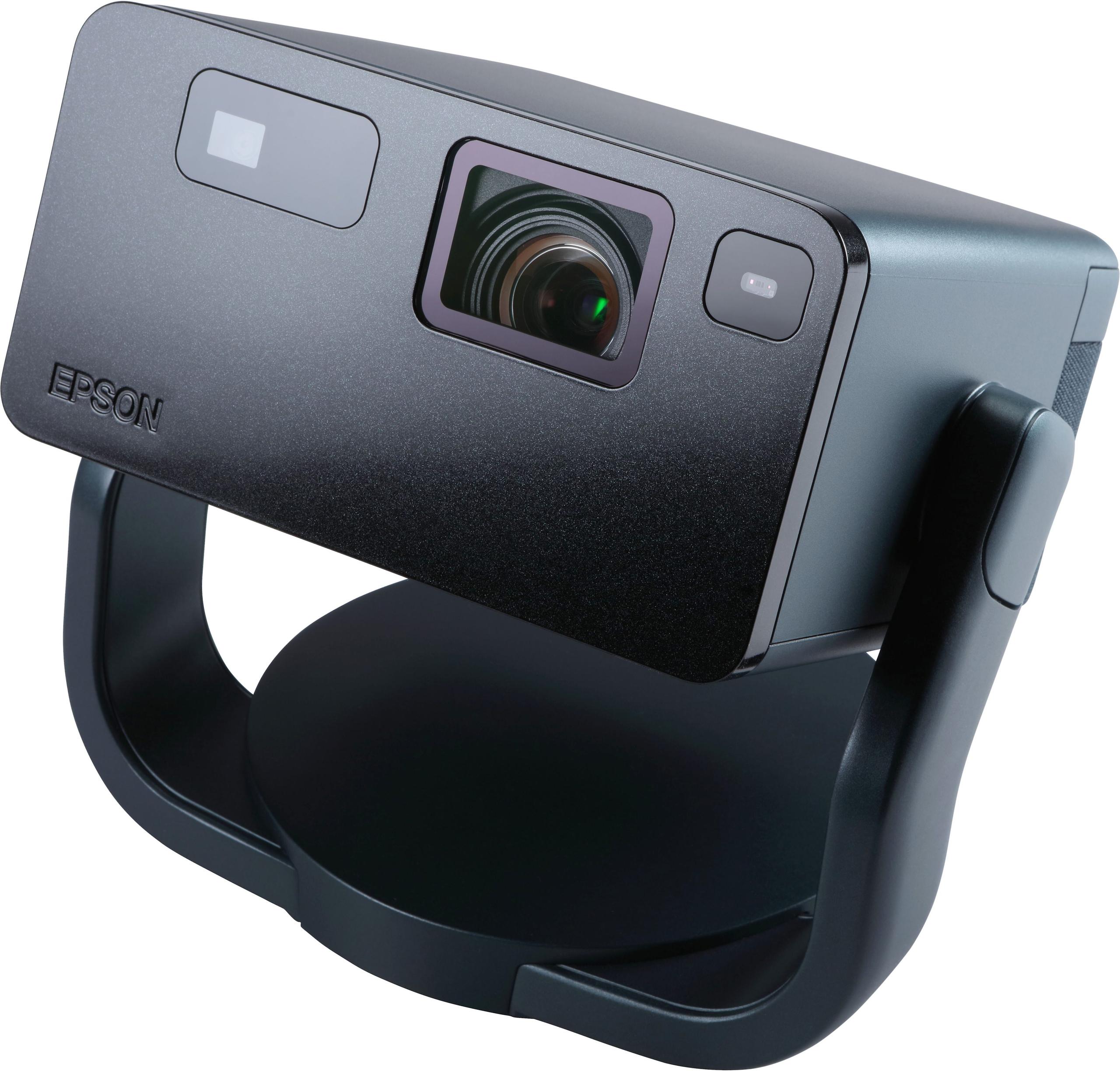
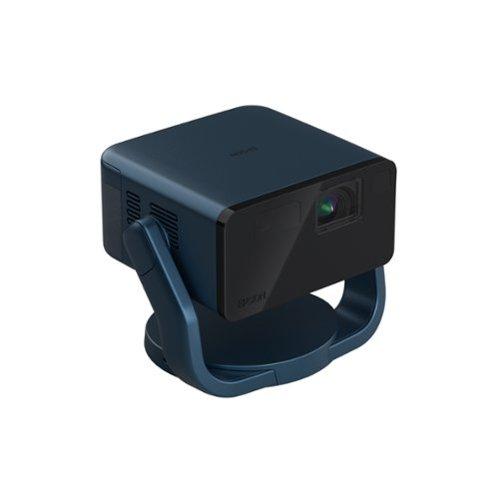
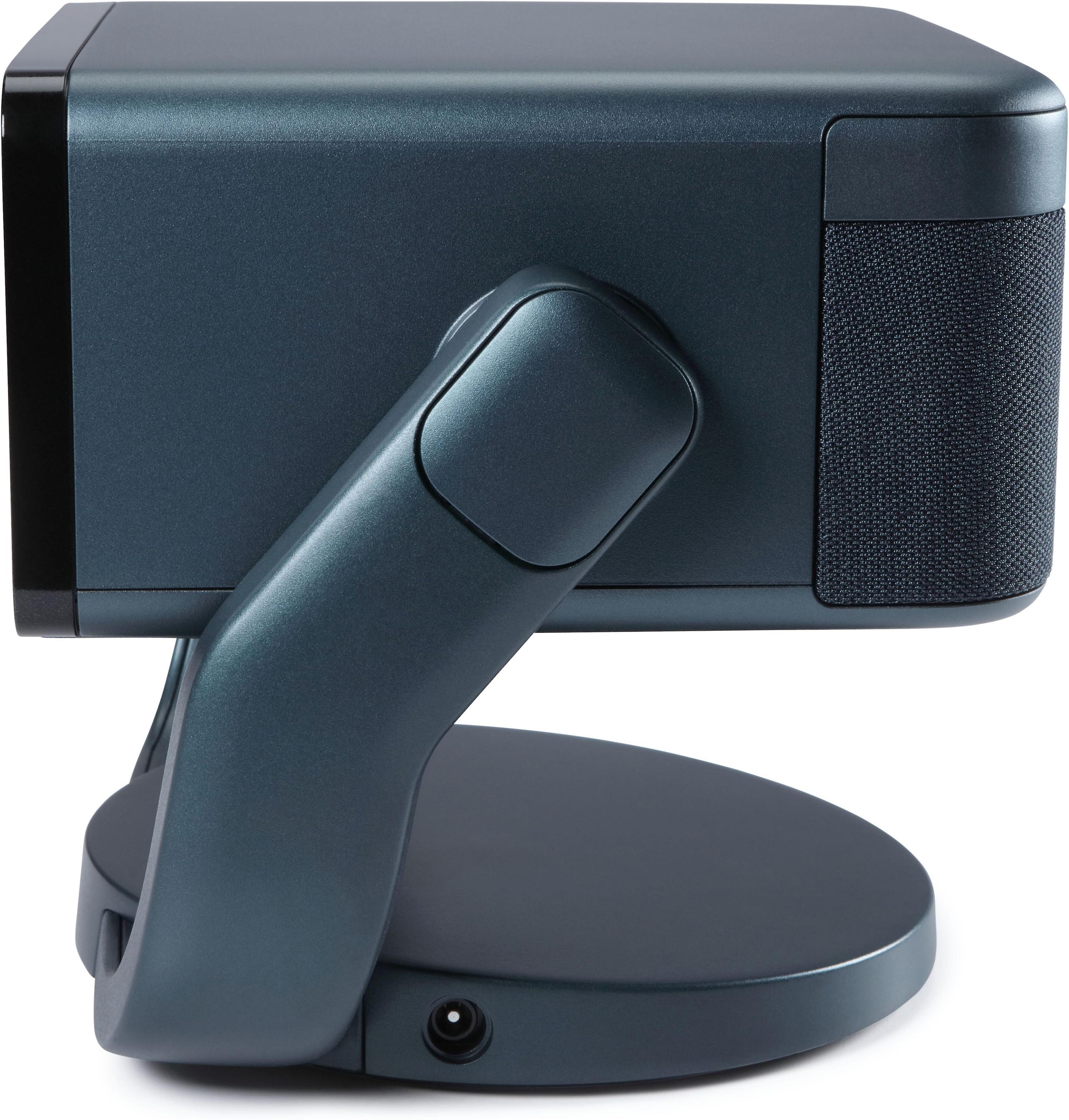
The Epson EF22 counters with its EpiqSense technology, which provides similar automatic adjustments but with the precision you'd expect from a premium product. The 360-degree swivel stand is particularly clever, allowing you to point the projector in any direction – including straight up at the ceiling for a unique viewing experience.
Physical design plays a huge role in usability. The Aurzen measures just 3.2 by 9.1 by 6.9 inches, making it genuinely portable. You can easily carry it from room to room, take it on vacation, or bring it outside for movie nights. The Epson EF22 is larger at 9.3 by 7.5 by 7.5 inches and weighs 6.6 pounds, positioning it more as a "portable but permanent" solution that you might move occasionally but probably won't carry around daily.
If you're considering either projector as part of a home theater setup, the choice becomes clearer when you think about your specific environment and expectations.
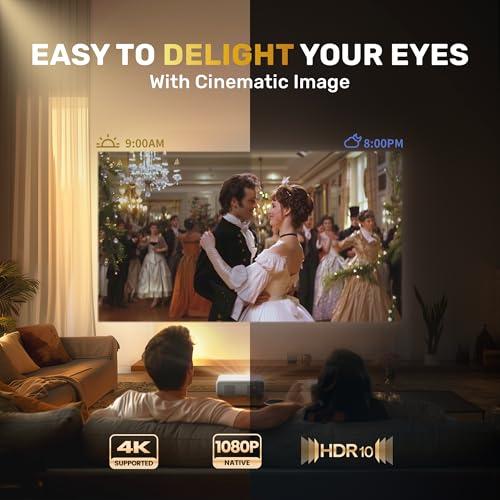
For a dedicated home theater room with controlled lighting, the Aurzen EAZZE D1 can absolutely deliver an engaging experience. The native 1080p resolution provides sharp detail on screens up to 120 inches, and the HDR10 support helps with contrast and color pop. The key is managing your expectations and environment – this is a projector that rewards you for optimizing your viewing conditions.
In my experience, projectors in this brightness range work best when you can control ambient light completely. Think basement setups, bedrooms with blackout curtains, or dedicated media rooms. The Aurzen's compact size actually becomes an advantage here because you can easily position it on a small table or shelf without dominating the room.
The Epson EF22 opens up more possibilities for home theater integration. The higher brightness means it can work in family rooms or living spaces where you can't always control the lighting perfectly. The 3LCD technology delivers the color accuracy that makes movies look more like what the director intended, and the laser light source ensures consistent performance over years of use.
For serious home theater enthusiasts, both projectors have limitations – mainly the 1080p resolution when 4K content is becoming standard. However, at the screen sizes most people actually use (100-120 inches), the difference between 1080p and 4K is less dramatic than marketing might suggest, especially at normal viewing distances.
At the time of writing, these projectors sit in completely different price brackets, with the Epson EF22 costing roughly eight times more than the Aurzen EAZZE D1. But value isn't just about initial cost – it's about what you get for your money and how well it serves your needs.
The Aurzen represents exceptional value in the budget smart projector category. You're getting authentic specifications (no inflated numbers), comprehensive smart features, and professional-level auto-correction technology at a price point that was unimaginable just a few years ago. The main compromise is brightness, which limits where you can use it effectively.
The Epson EF22 justifies its premium pricing through superior core technology. The 3LCD laser system, 5x brightness advantage, and established brand reliability create a fundamentally different user experience. You're paying for the flexibility to use the projector in varied lighting conditions and the confidence that it will perform consistently over years of use.
After extensive consideration of both projectors' strengths and limitations, here's my take on who should choose which option:
Choose the Aurzen EAZZE D1 if:
The Aurzen is perfect for college students, apartment dwellers, or anyone who wants to add big-screen entertainment to a secondary space without breaking the bank.
Choose the Epson EF22 if:
The Epson EF22 makes sense for families looking to replace or supplement their main TV, small business owners who need presentation capability, or serious movie enthusiasts who want the best possible image quality at this size and price point.
Both the Aurzen EAZZE D1 and Epson EpiqVision Mini EF22 represent successful approaches to smart projection, but they serve fundamentally different needs and budgets.
The Aurzen democratizes smart projection technology, bringing features that were previously available only in expensive projectors to an incredibly accessible price point. It's not trying to compete with premium models on brightness or build quality – instead, it focuses on delivering genuine value and convenience for budget-conscious buyers.
The Epson EF22 targets users who want professional-grade performance in a lifestyle-friendly package. The premium pricing reflects genuinely superior technology that enables more flexible usage scenarios and delivers better long-term value for users who can justify the investment.
Neither projector is perfect – both are limited to 1080p resolution, and both make compromises to hit their respective price points. But they each excel in their intended roles, giving consumers clear options whether they prioritize affordability and portability or performance and reliability.
The smart projector market continues evolving rapidly, with new technologies and price points emerging regularly. But as of 2024, these two projectors represent the current state of the art in their respective categories, offering compelling options for anyone looking to bring big-screen entertainment home without the space and cost requirements of a large TV.
| Aurzen EAZZE D1 Smart Projector | Epson EpiqVision Mini EF22 Streaming Projector |
|---|---|
| Brightness - Most critical factor for ambient light viewing | |
| 200 ANSI lumens (requires dark room for best experience) | 1,000 lumens (usable in moderately lit rooms) |
| Display Technology - Affects color accuracy and image quality | |
| Single TFT LCD with LED light source | 3LCD with blue laser phosphor (superior color reproduction) |
| Light Source Lifespan - Long-term reliability and maintenance costs | |
| LED (30,000+ hours typical) | Laser (20,000+ hours with consistent brightness) |
| Smart Platform - Built-in streaming capabilities | |
| Proprietary smart TV OS with certified Netflix, Prime Video, YouTube | Google TV with 10,000+ apps and Google Cast support |
| Audio Power - Built-in speaker performance | |
| Dual 8W speakers with Dolby Audio | Dual 5W speakers with Dolby Audio |
| Portability - Size and weight for room-to-room use | |
| Ultra-compact: 3.2" × 9.1" × 6.9" (highly portable) | Larger: 9.3" × 7.5" × 7.5", 6.6 lbs (less portable but stable) |
| Auto Setup Features - Convenience and ease of use | |
| Auto focus, keystone correction (±45°), screen alignment, obstacle avoidance | EpiqSense auto setup with 360-degree swivel stand |
| Connectivity - Wireless and wired options | |
| Dual-band WiFi, two-way Bluetooth 5.1, HDMI, 2x USB | WiFi, Bluetooth 5.1, HDMI, USB |
| HDR Support - Enhanced contrast and color range | |
| HDR10 (limited by LED light source) | HDR10 and HLG (better implementation with laser) |
| Projection Size Range - Screen size flexibility | |
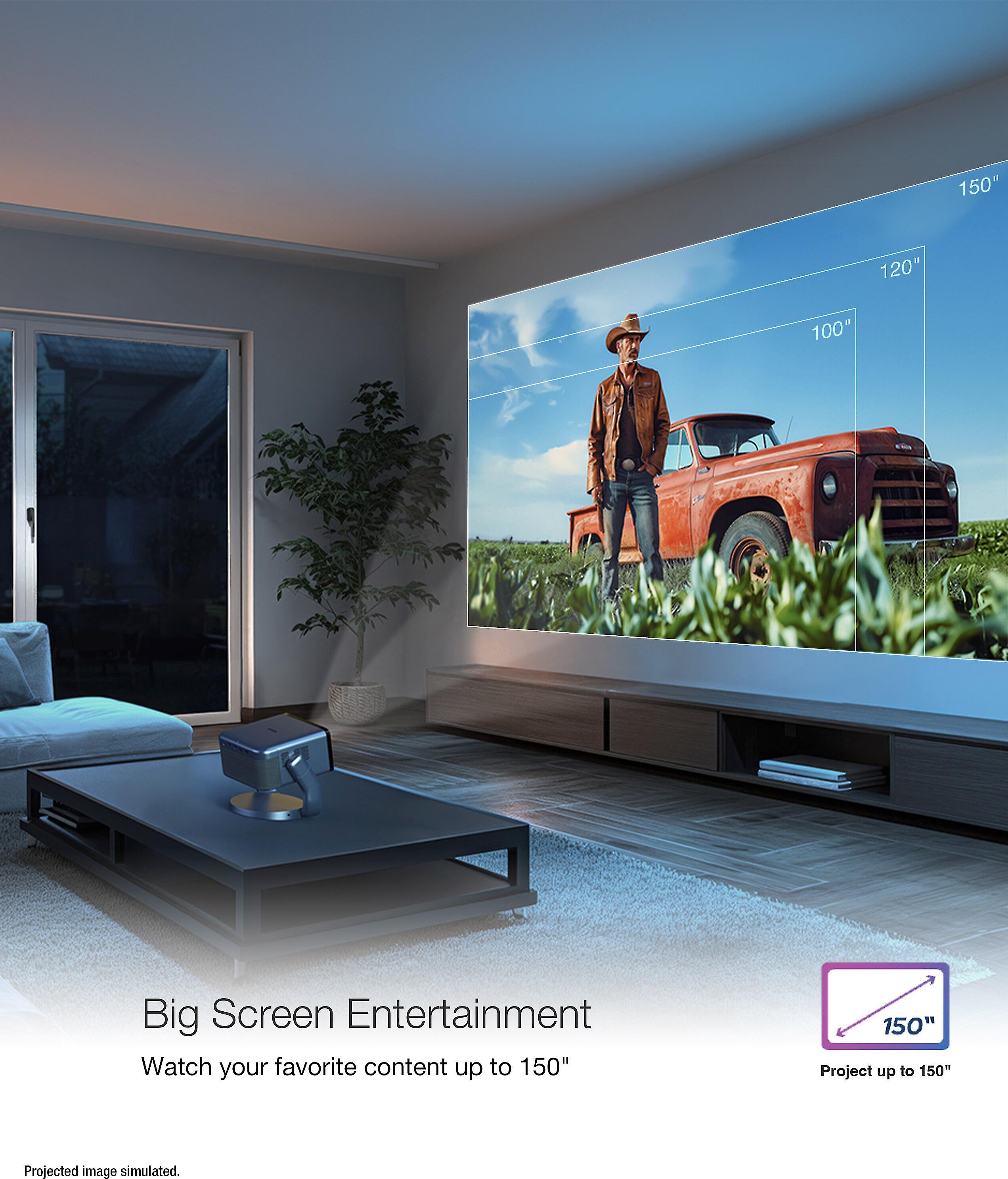
| Up to 200" (optimal under 120" in dark rooms) | 30" to 150" (maintains quality across full range) |
| Target Use Case - Best scenarios for each projector | |
| Budget bedroom/basement entertainment, portable movie nights | Primary living room projector, small business presentations |
| Value Proposition - Performance per dollar spent | |
| Exceptional features-to-price ratio for dark room use | Premium performance justifies higher cost for flexible usage |
The Epson EpiqVision Mini EF22 is significantly better for bright rooms with its 1,000 lumens of brightness compared to the Aurzen EAZZE D1's 200 ANSI lumens. The Epson can handle moderate ambient light, while the Aurzen EAZZE D1 requires dark or dimly lit environments for optimal viewing.
The primary difference is brightness and build quality. The Epson EF22 uses professional 3LCD laser technology with 5x more brightness, while the Aurzen EAZZE D1 focuses on budget-friendly features with LED technology. This translates to very different use cases and viewing environments.
Both offer comprehensive smart features, but they take different approaches. The Aurzen EAZZE D1 includes certified Netflix, Prime Video, and YouTube apps built-in, while the Epson EF22 runs Google TV with access to over 10,000 apps and Google Cast integration.
For dedicated dark home theaters, the Aurzen EAZZE D1 can deliver an excellent experience at a fraction of the cost. However, the Epson EF22 is better suited for family rooms or multi-purpose spaces where you can't always control lighting perfectly.
The Aurzen EAZZE D1 is much more portable with its compact 3.2" × 9.1" × 6.9" size, making it easy to move between rooms or take outdoors. The Epson EF22 is larger and heavier at 6.6 pounds, designed more for semi-permanent installations.
The Aurzen EAZZE D1 actually has more powerful built-in speakers with dual 8W drivers and two-way Bluetooth capability, while the Epson EF22 features dual 5W speakers. Both support Dolby Audio, but the Aurzen can also function as a standalone Bluetooth speaker.
This depends on your needs and budget. The Aurzen EAZZE D1 offers exceptional value for dark room viewing with premium features at a budget price. The Epson EF22 provides better long-term value if you need the flexibility to use it in various lighting conditions.
The Epson EF22 delivers superior image quality with its 3LCD technology providing better color accuracy, contrast, and brightness uniformity. The Aurzen EAZZE D1 offers good 1080p image quality for its price range, but with limitations in color gamut due to its LED light source.
Both support 1080p gaming, but the Epson EF22 is better for gaming in living rooms due to its higher brightness. The Aurzen EAZZE D1 works well for gaming in dark rooms and offers the advantage of being easily moved to different gaming setups.
Both offer excellent longevity with their respective light sources. The Aurzen EAZZE D1 uses LED technology rated for 30,000+ hours, while the Epson EF22 features a laser light source with 20,000+ hours of consistent brightness without degradation.
Both excel in setup convenience. The Aurzen EAZZE D1 offers comprehensive auto features including auto focus, keystone correction, and obstacle avoidance. The Epson EF22 counters with EpiqSense technology and a 360-degree swivel stand for flexible positioning.
Choose the Aurzen EAZZE D1 if you have a dedicated dark viewing space and want maximum features for minimal cost. Opt for the Epson EF22 if you need versatility for different lighting conditions and can justify the investment in superior projection technology.
We've done our best to create useful and informative comparisons to help you decide what product to buy. Our research uses advanced automated methods to create this comparison and perfection is not possible - please contact us for corrections or questions. These are the sites we've researched in the creation of this article: aurzen.com - projectorcentral.com - manuals.plus - aurzen.com - projektoren-datenbank.com - hometechnologyreview.com - aurzen.com - youtube.com - aurzen.com - youtube.com - youtube.com - aurzen.com - tvsbook.com - techradar.com - bestbuy.com - geekingout.ca - crutchfield.com - whatgear.net - youtube.com - epson.com - crutchfield.com - projectorcentral.com - epson.com - bestbuy.com - whathifi.com - projectorreviews.com - youtube.com - youtube.com - hometheaterhifi.com - projectorreviews.com - bestbuy.com - youtube.com - staples.com - projectorcentral.com - bestbuy.com - mediaserver.goepson.com - epson.com - news.epson.com

Privacy Policy
Terms and Conditions - Affiliate Policy
Home Security
© Copyright 2008-2026.
11816 Inwood Rd #1211, Dallas, TX 75244