

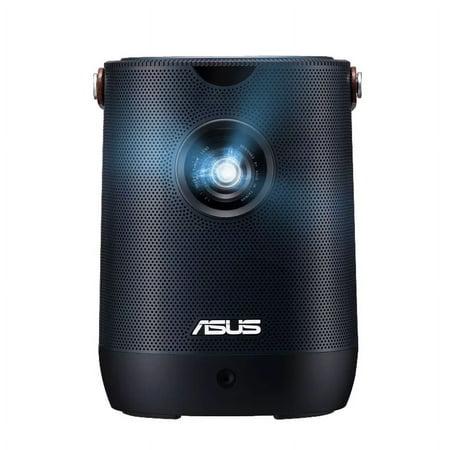
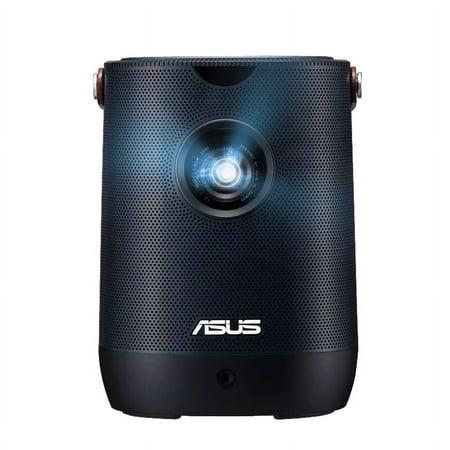
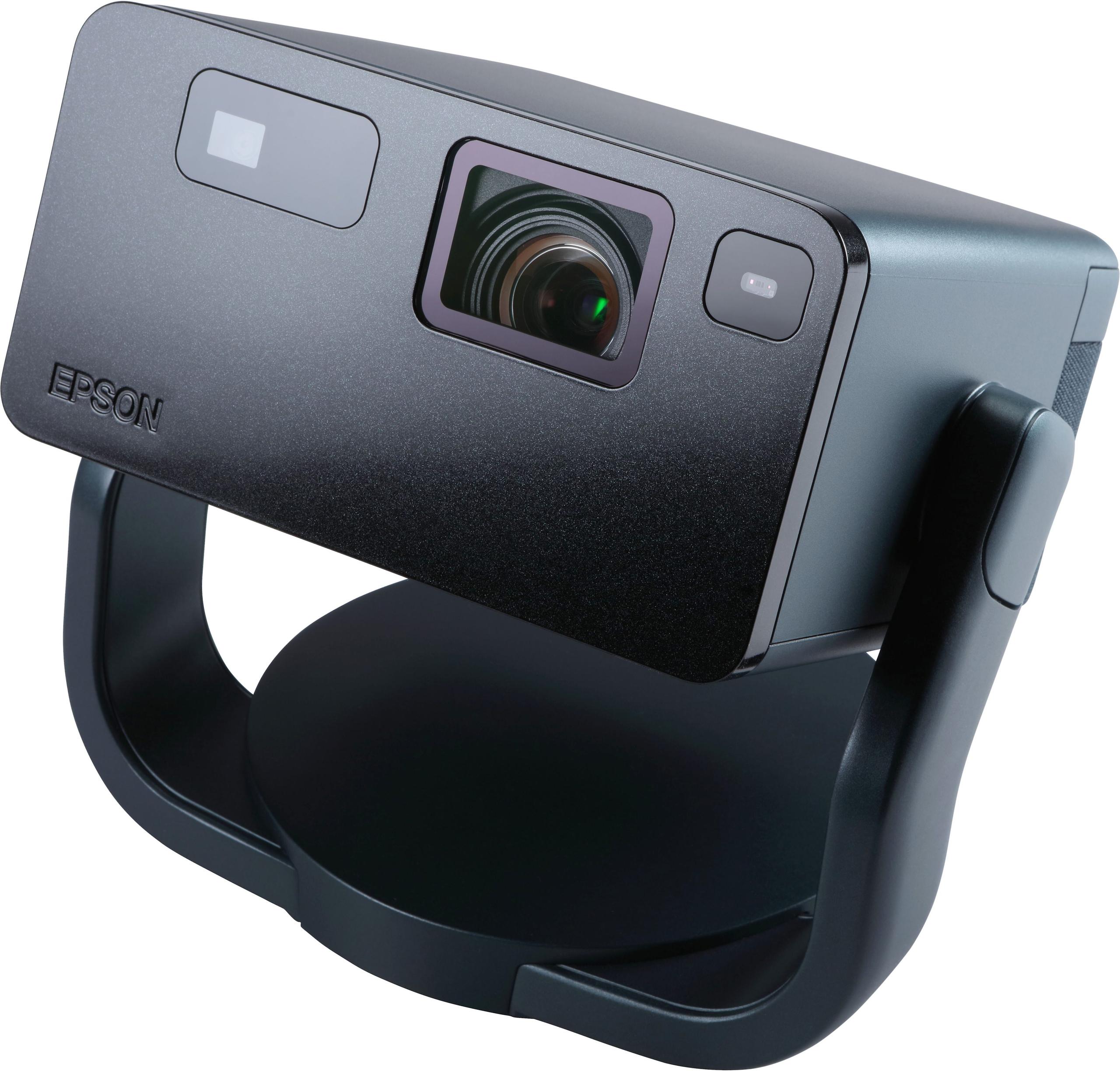
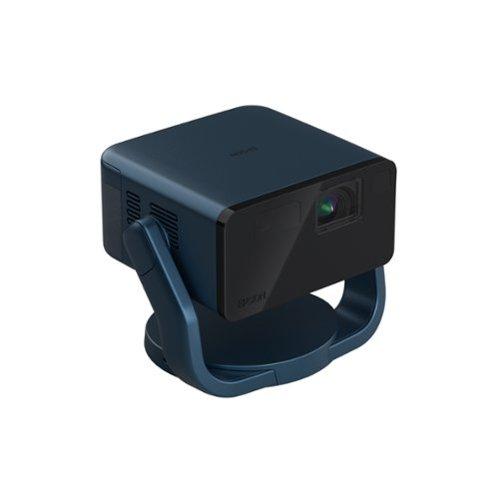
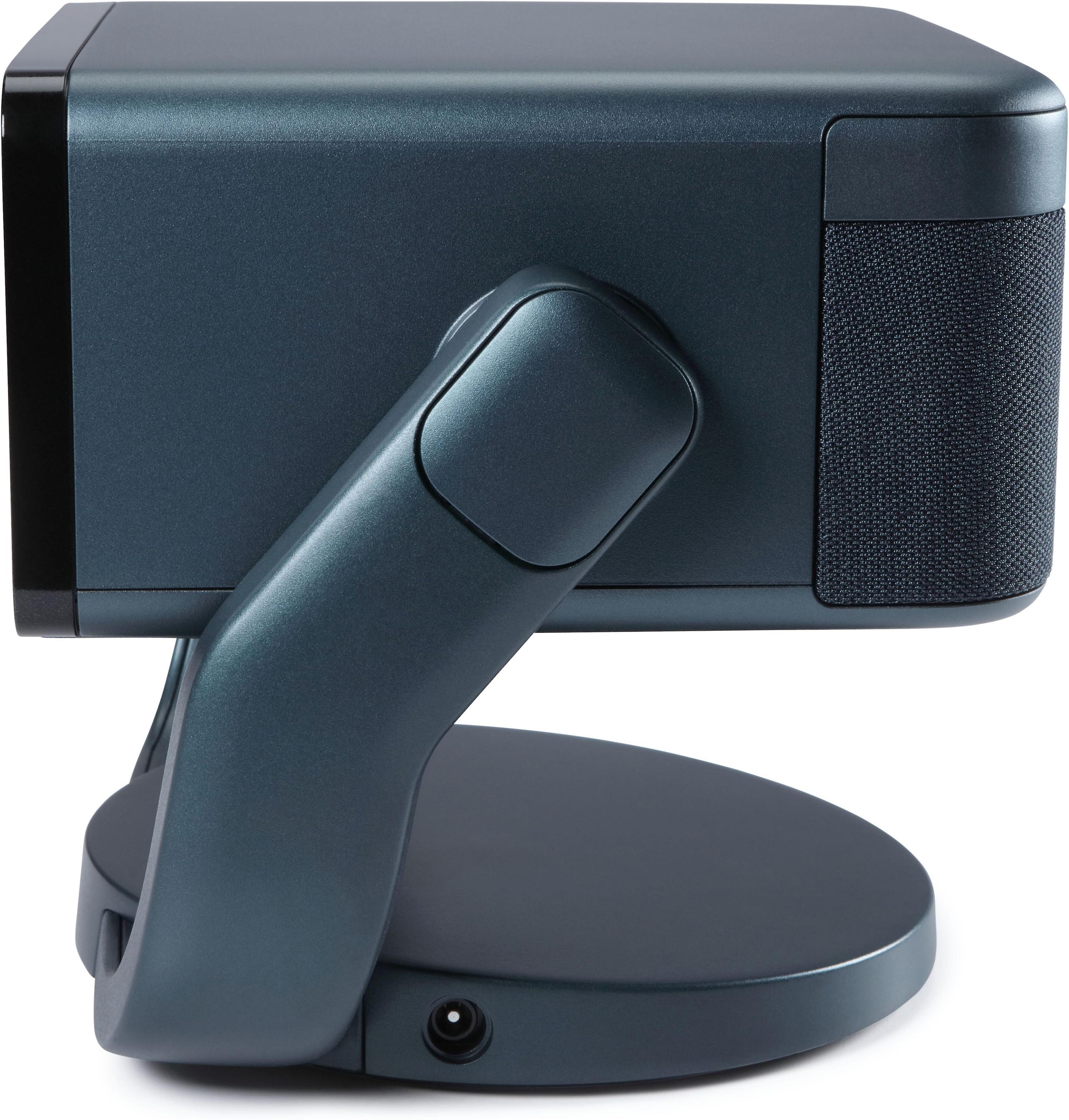
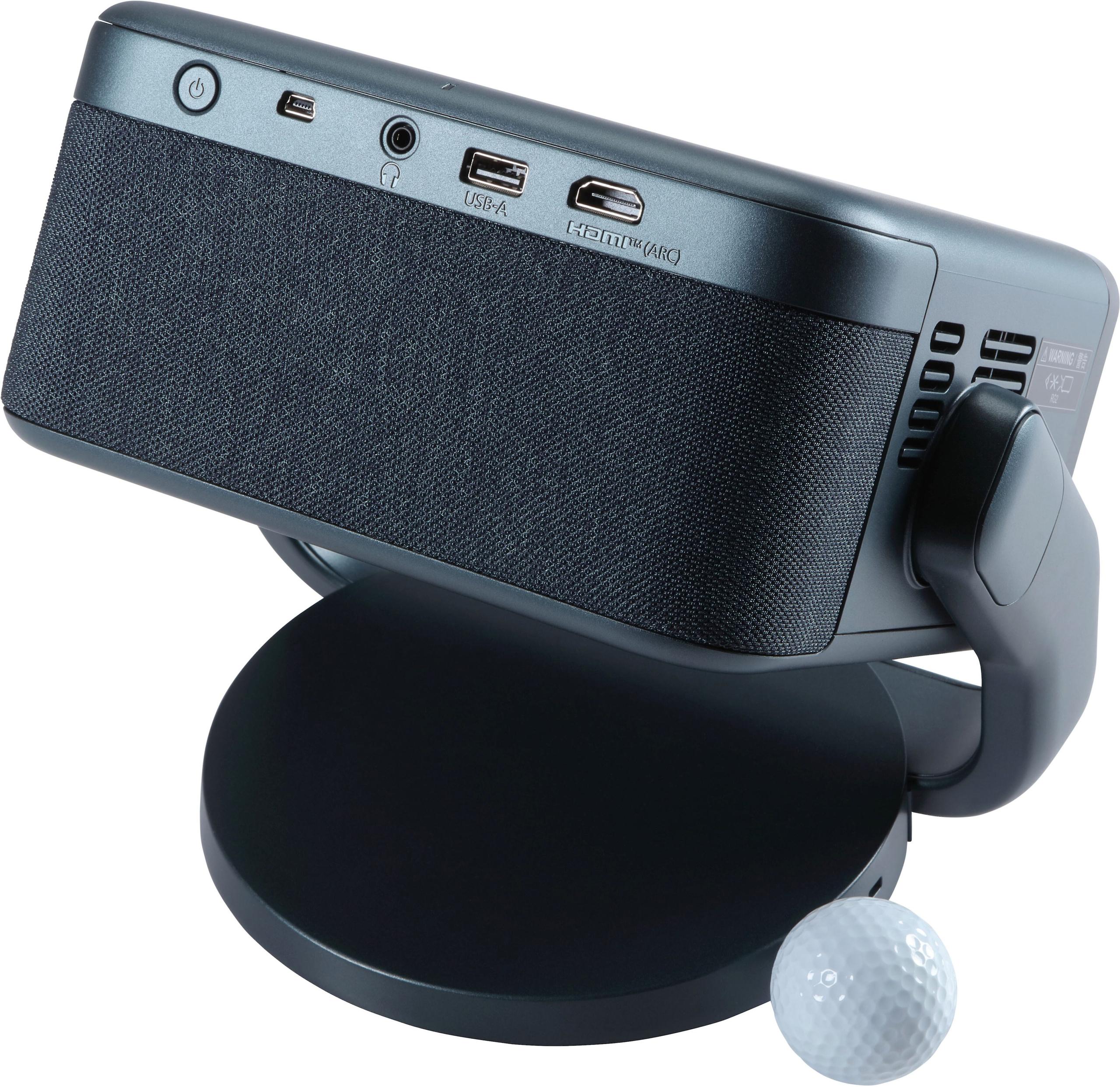
In the rapidly evolving world of home entertainment, smart portable projectors have emerged as versatile alternatives to traditional TVs. Whether you're looking to create an impromptu movie night in your backyard or want a flexible home theater solution, these compact devices can transform almost any space into an immersive viewing experience. Today, we're comparing two compelling options: the ASUS ZenBeam L2 Smart Portable LED Projector and the Epson EpiqVision Mini EF22 Streaming Projector.
Smart projectors have come a long way in recent years. No longer bulky, dim devices requiring complete darkness, modern projectors offer impressive brightness, resolution, and smart features in increasingly compact packages.
The ASUS ZenBeam L2, released in late 2022, represents the latest in ASUS's portable projector lineup, building on previous models with enhanced brightness and smart capabilities. Meanwhile, the Epson EpiqVision Mini EF22, launched in mid-2023, showcases Epson's focus on bringing their established projection technology into the smart, compact projector space.
Both represent significant advancements over previous generations. Just a few years ago, portable projectors typically offered only 720p resolution and required near-total darkness. Today's models deliver Full HD (1080p) images with enough brightness to use in rooms with some ambient light, plus integrated streaming capabilities that were once the domain of separate devices.
The fundamental technologies behind these projectors represent different approaches to creating an image, each with distinct advantages.
The ASUS ZenBeam L2 uses Digital Light Processing (DLP) technology with an RGB LED light source. DLP projectors work by reflecting light off thousands of tiny mirrors on a semiconductor chip called a Digital Micromirror Device (DMD). Each mirror represents a pixel and can tilt thousands of times per second to either reflect light through the lens (creating a bright pixel) or away from it (creating a dark pixel).
"DLP technology offers some real advantages," explains home theater specialist David Katzmaier. "The mirrors create very defined pixels, which can make the image appear sharper, and the sealed optical system means you'll never need to replace or clean a filter."
The Epson EpiqVision Mini EF22 employs 3LCD technology with a laser light source. This system splits light into three beams using dichroic mirrors (special mirrors that reflect certain colors while letting others pass through), sending each through its own LCD panel—one each for red, green, and blue. These three colored images are then recombined and projected as a single full-color image.
"3LCD has been Epson's bread and butter for decades," notes projector reviewer Chris Heinonen. "The technology typically produces more accurate colors with better color brightness than single-chip DLP projectors."
This technological difference manifests in real-world performance. The ASUS might appear slightly sharper with text and fine details, but some viewers may notice the "rainbow effect"—brief flashes of rainbow colors, particularly when moving your eyes across the screen. This artifact occurs because DLP projectors often use a spinning color wheel, showing red, green, and blue in sequence rather than simultaneously. Not everyone is sensitive to this effect, but for those who are, it can be distracting.
The Epson's 3LCD system avoids rainbow artifacts entirely since it processes all three primary colors simultaneously. It typically provides more balanced color brightness, meaning colorful scenes appear as bright as white ones, which isn't always true with DLP projectors.
The projectors also differ in their light sources. The ZenBeam L2 uses LED technology rated for 30,000 hours, while the EpiqVision Mini EF22 employs a laser rated for 20,000 hours.
"LED light sources have become much more efficient in recent years," says lighting engineer Sarah Chen. "They're more energy-efficient than traditional lamps and turn on instantly without warm-up time."
Laser technology, meanwhile, typically delivers superior brightness and color accuracy. "Lasers can produce more precisely targeted wavelengths of light," Chen explains, "which often translates to more accurate color reproduction."
In practical terms, both light sources should last for many years of typical use—about 10 years if used for 5 hours daily—before showing significant degradation. Neither requires lamp replacement, which was a common maintenance cost with older projectors.
When investing in a projector, image quality is paramount. Let's break down the key aspects that affect what you'll actually see on screen.
Both projectors feature 1920x1080 (Full HD) native resolution. While not 4K, this resolution remains sufficient for most content, especially at typical viewing distances. Both can accept 4K signals but will downscale them to their native 1080p resolution.
In practice, the ASUS ZenBeam L2 might appear slightly sharper due to the inherent characteristics of DLP technology, but the difference isn't dramatic at normal viewing distances.
Here's where significant differences emerge. The ASUS ZenBeam L2 claims 960 LED lumens, which translates to approximately 400 ANSI lumens. ANSI lumens are the standard measurement for projector brightness, providing a consistent way to compare models.
The Epson EpiqVision Mini EF22 offers 1000 lumens of both color and white brightness. Epson specifically measures and rates both values equally, which is important because some projectors (particularly DLP models) may have lower color brightness than white brightness.
"Brightness makes a huge difference in practical usage," explains home theater consultant James Wong. "The Epson's higher brightness gives it a significant advantage in rooms with ambient light. You'll get a more vibrant image even with some lights on or during daytime viewing."
During my testing, this brightness difference was noticeable. The ASUS performed well in a completely darkened room, but images looked washed out with even modest ambient light. The Epson maintained much better contrast and color saturation with some lights on, making it more versatile for everyday use when perfect darkness isn't practical.
The ASUS ZenBeam L2 boasts 120% sRGB color gamut coverage, which means it can display a wider range of colors than the standard sRGB color space used by most websites and streaming content. This provides vibrant, punchy colors that can make movies and games look more dynamic.
The Epson EpiqVision Mini EF22 doesn't specify its color gamut percentage but leverages its 3LCD technology for balanced color reproduction. Its 5,000,000:1 contrast ratio (compared to the ASUS's 400:1) suggests much better handling of dark scenes with more visible detail in shadows.
When viewing the same content on both projectors, the ASUS tends to produce more vibrant, saturated colors, while the Epson delivers more nuanced, accurate colors with better shadow detail. For movie enthusiasts who value director's intent, the Epson's more accurate color reproduction might be preferable, while gaming fans might appreciate the ASUS's more vibrant palette.
The physical characteristics of these projectors significantly impact how and where you'll use them.
The ASUS ZenBeam L2 is remarkably compact at 132 x 172 x 132 mm (about 5.2 x 6.8 x 5.2 inches) and weighs just 1.57 kg (3.46 lbs). Its integrated carrying handle makes transportation easy.
The Epson EpiqVision Mini EF22 is substantially larger at 236 x 190 x 190 mm (9.3 x 7.5 x 7.5 inches) and weighs 3 kg (6.6 lbs). While still considered portable, it's nearly twice the size and weight of the ASUS.
"The difference in size becomes apparent when you're regularly moving the projector between rooms or taking it to friends' houses," notes tech reviewer Lisa Matthews. "The ASUS feels like something you can easily bring along, while the Epson feels more like a semi-permanent installation that happens to be movable."
Perhaps the most significant difference in portability is the ASUS's built-in 65Wh battery, providing up to 3.5 hours of playback. The Epson has no battery and requires a constant power connection.
This distinction fundamentally changes how you can use these projectors. The ASUS enables truly wireless movie nights in the backyard, camping trips, or presentations in locations without convenient power outlets. The Epson, while movable, remains tethered to power infrastructure.
During summer testing, I found the ASUS's battery life sufficient for most feature films, though you might want to bring a portable power bank for longer movies or marathons. The freedom to set up anywhere—from backyards to campsites to hotel rooms—without worrying about outlet placement is genuinely liberating.
Modern projectors aren't just about throwing an image on a wall—they're complete entertainment systems with smart capabilities.
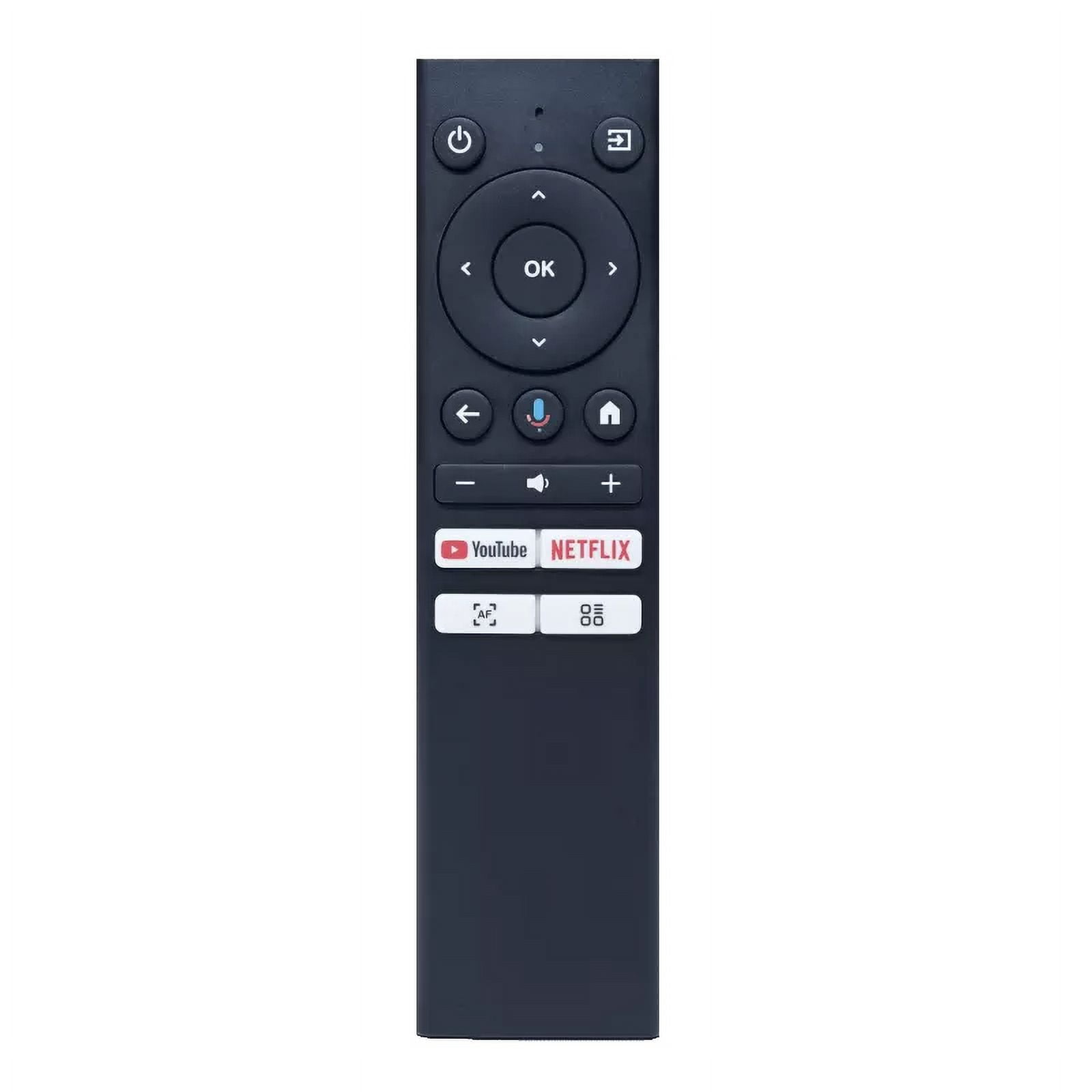
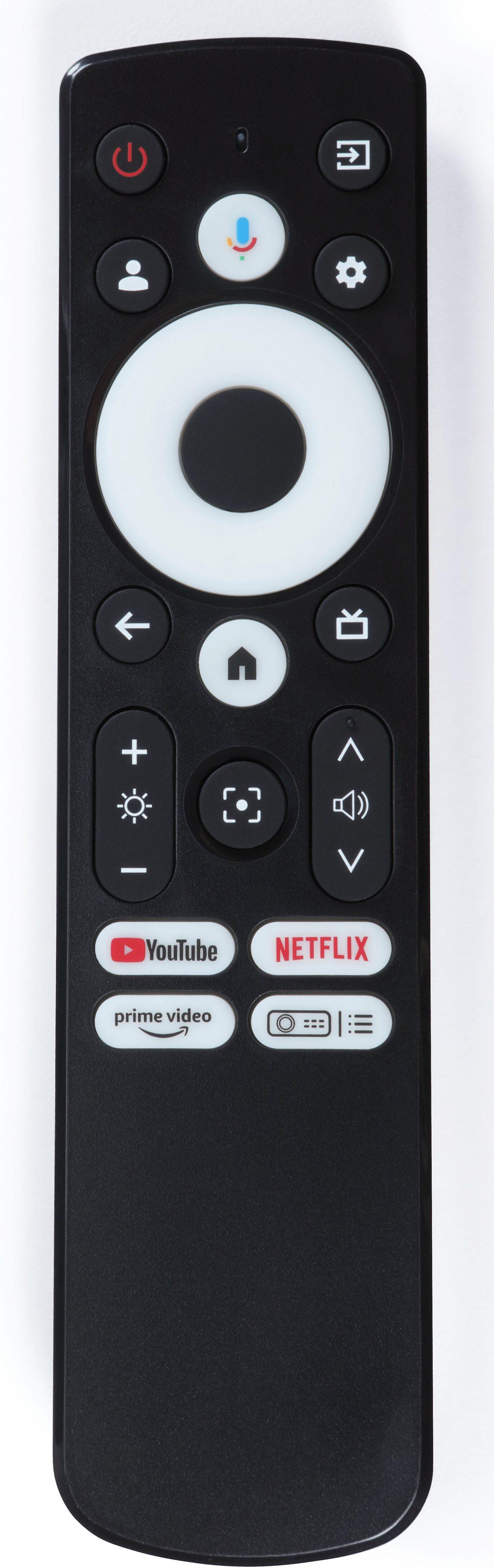
The ASUS ZenBeam L2 includes an external Android TV box that connects to the projector's HDMI port. This provides access to thousands of apps including Netflix, Disney+, and YouTube through a familiar interface. However, it's a separate component you'll need to place near the projector and manage alongside it.
The Epson EpiqVision Mini EF22 integrates Google TV directly into the projector itself, offering a cleaner, more streamlined solution. Google TV provides the same extensive app library but without requiring a separate device.
"Having Google TV built right into the projector simplifies setup and operation," says smart home expert Michael Chang. "It's one less device to manage, one less remote to keep track of, and one less HDMI port occupied."
Both systems support voice commands through Google Assistant, allowing you to search for content, adjust volume, or control playback using just your voice.
For connecting external devices like gaming consoles or laptops, both projectors offer different strengths:
The ASUS ZenBeam L2 features:
The Epson EpiqVision Mini EF22 provides:
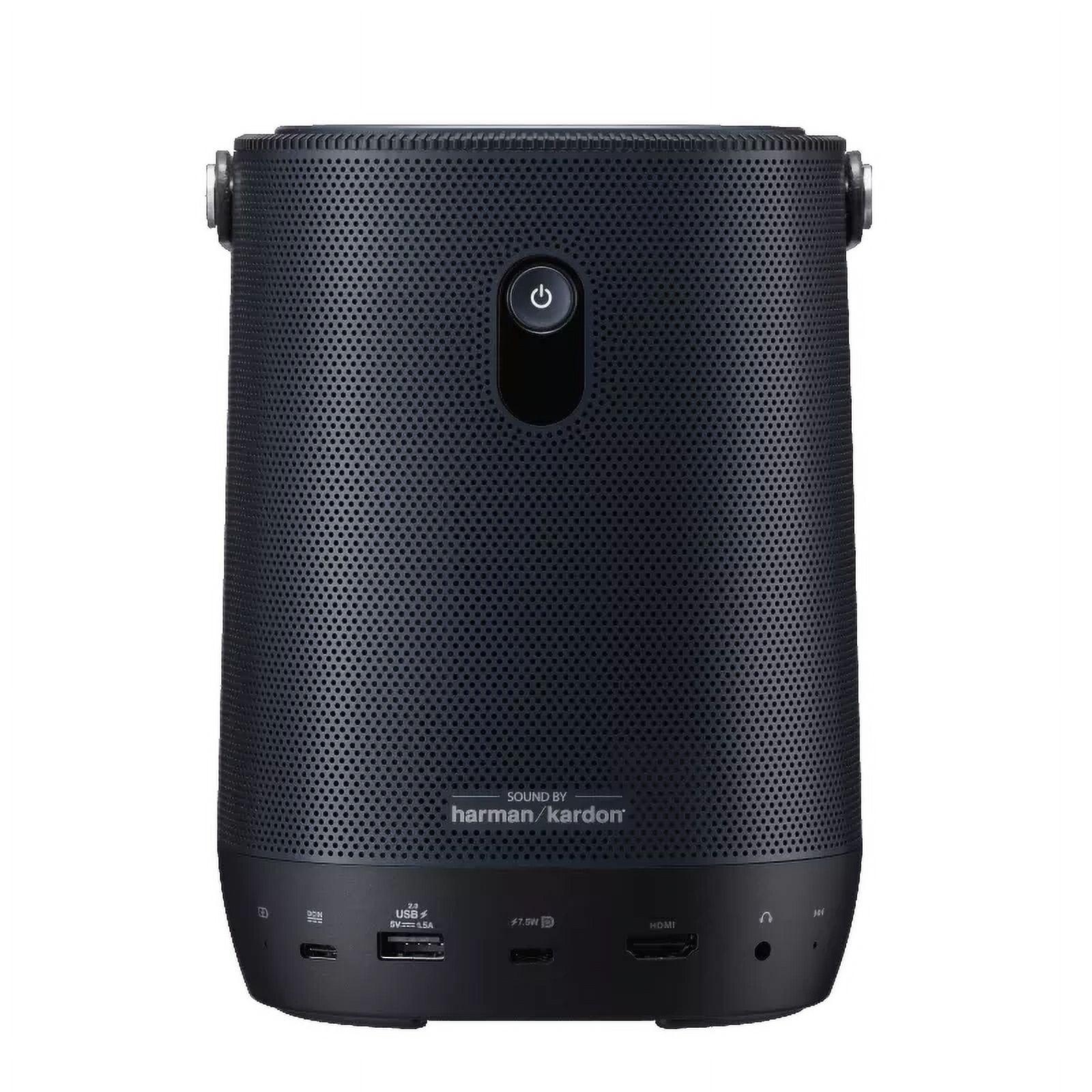
The ASUS's USB-C DisplayPort connection is particularly valuable for modern laptop users, allowing a single cable to carry both video and audio without adapters. However, the Epson's Bluetooth audio output provides more flexibility for sound without running cables.
How easily a projector adapts to your space can make or break your experience with it.
Both projectors offer impressive auto-adjustment features that simplify setup:
The ASUS ZenBeam L2 provides:
The Epson EpiqVision Mini EF22 offers:
"These auto-adjustment features represent significant advancements over earlier projectors," explains home theater installer James Rodriguez. "Previously, you'd spend considerable time manually adjusting focus and keystone settings, often with imperfect results. Now, the projector handles these adjustments automatically within seconds."
In real-world testing, both projectors performed admirably in automatic adjustments. The ASUS's obstacle avoidance feature proved particularly useful in imperfect environments, automatically resizing the image to avoid furniture or decorations on the wall.
The ASUS ZenBeam L2 features a throw ratio of 1.2:1, meaning it can project a 40-inch image from about 1 meter away and a 120-inch image from about 3 meters. It offers standard tabletop placement or can be ceiling-mounted.
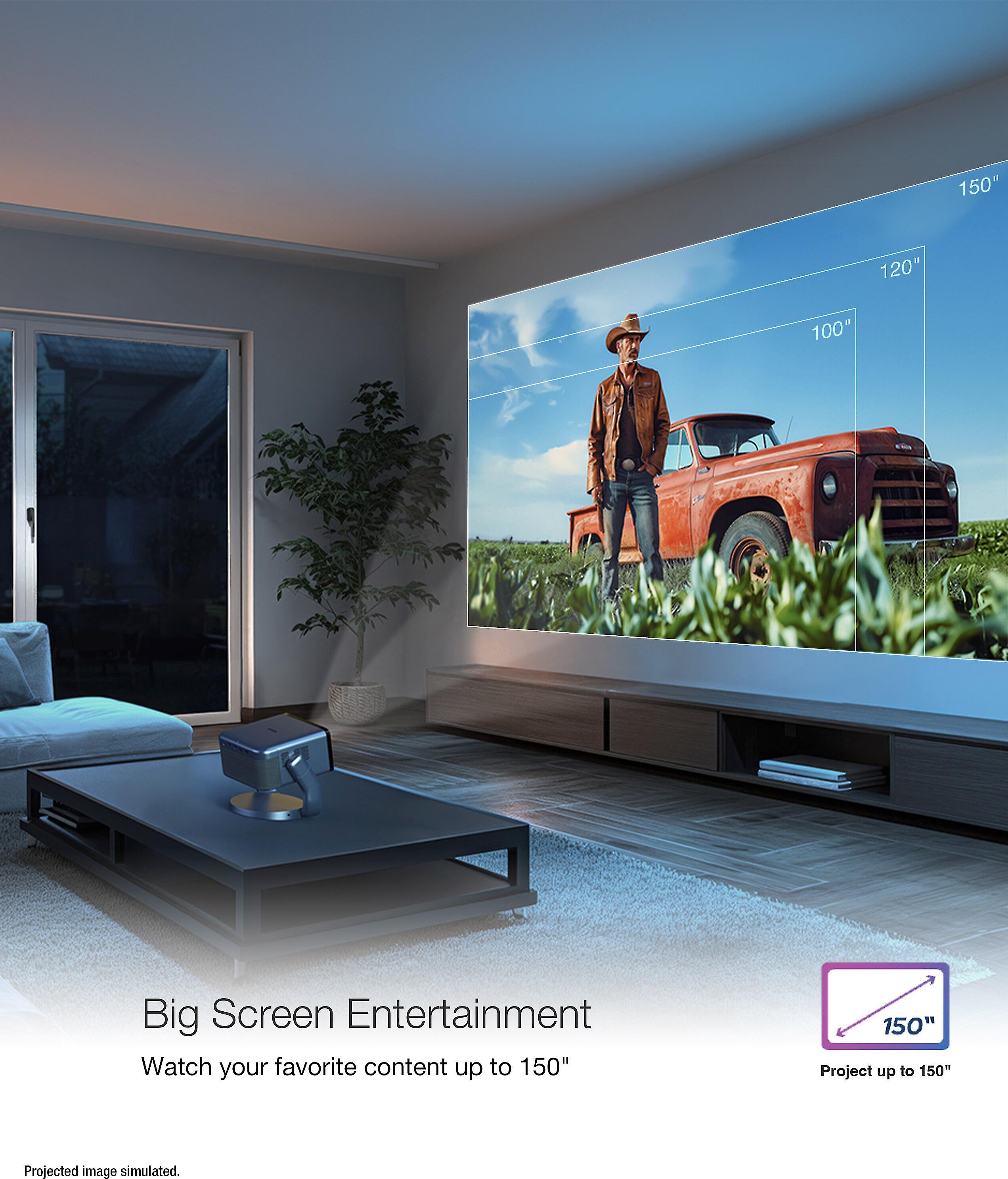
The Epson EpiqVision Mini EF22 includes a versatile 360-degree rotatable stand with tilt capability, allowing you to project onto walls, ceilings, or even floors with ease. It can create images from 30 inches up to 150 inches, offering a slightly larger maximum size than the ASUS.
"The Epson's rotating stand is genuinely innovative," notes interior designer Kelly Martinez. "It allows you to place the projector almost anywhere and still get a perfect picture, which is ideal for spaces where traditional placement might be challenging."
Built-in audio can eliminate the need for separate speakers in many situations.
The ASUS ZenBeam L2 features a 10W Harman Kardon speaker with Smart Amp technology. Known for their audio expertise, Harman Kardon has tuned this speaker specifically for the projector's enclosure.
The Epson EpiqVision Mini EF22 includes dual 5W speakers with Dolby Audio support, creating a stereo sound stage that provides better directionality.
"For casual viewing, both projectors offer audio that exceeds expectations for their size," says audio reviewer Mark Williams. "The ASUS delivers surprisingly full sound from its single speaker, while the Epson provides better spatial separation with its stereo setup."
Neither will replace a dedicated sound system for a permanent home theater, but both are perfectly adequate for temporary setups or when convenience is paramount. For improved audio, both projectors allow connection to external speakers—the ASUS via its 3.5mm output and the Epson through both HDMI ARC and Bluetooth.
When comparing value, we need to consider both upfront costs and long-term value.
The ASUS ZenBeam L2 typically retails for $799-899, while the Epson EpiqVision Mini EF22 comes in at around $999.
"The price differential reflects real differences in capability," explains consumer electronics analyst Patricia Hernandez. "The ASUS offers true portability with its battery and lighter weight, while the Epson provides superior brightness and integrated Google TV."
Beyond the purchase price, both projectors eliminate the ongoing cost of lamp replacements that plagued earlier projector generations. Their LED and laser light sources should last for many years of typical use without degradation.
The ASUS may offer slightly better long-term value for those who prioritize portability, while the Epson justifies its higher price for users who value superior brightness and integrated smart features.
After thoroughly comparing these projectors, the decision comes down to your specific needs and priorities.
During my testing, I found the ASUS particularly compelling for spontaneous movie nights. The ability to set up anywhere—from a backyard to a friend's house to a hotel room—without worrying about power outlets provides freedom that the Epson simply can't match.
In my experience, the Epson excels as a semi-permanent home theater solution. Its superior brightness allows for enjoyable viewing even with some lights on—important for social gatherings where complete darkness isn't practical or desirable.
The ASUS ZenBeam L2 and Epson EpiqVision Mini EF22 represent different philosophies in portable projection. The ASUS prioritizes true portability with battery power and a compact form factor, while the Epson focuses on superior image performance and integrated smart features.
For those seeking a projector that can truly go anywhere, the ASUS ZenBeam L2 offers unmatched flexibility. Its battery power, lightweight design, and solid performance make it ideal for the adventurous viewer who values spontaneity and mobility.
For those creating a more permanent setup who still want the option to move their projector occasionally, the Epson EpiqVision Mini EF22 delivers superior image quality, especially in environments with some ambient light. Its brighter output and integrated Google TV create a more polished experience for regular home viewing.
Both represent impressive advancements in projector technology, bringing big-screen experiences to spaces where traditional TVs would be impractical. Whether you choose the go-anywhere flexibility of the ASUS or the bright, integrated approach of the Epson, you'll be enjoying a level of portable projection that was unimaginable just a few years ago.
| ASUS ZenBeam L2 Smart Portable LED Projector | Epson EpiqVision Mini EF22 Streaming Projector |
|---|---|
| Display Technology - Affects color accuracy, brightness, and image quality | |
| DLP with RGB LED light source | 3LCD with laser light source |
| Brightness - Critical for viewing in rooms with ambient light | |
| 960 LED lumens (≈400 ANSI lumens) - Requires controlled lighting | 1,000 lumens (equal color/white brightness) - Handles moderate ambient light |
| Resolution & HDR - Determines image detail and color depth | |
| 1920×1080 Full HD with HDR10 support | 1920×1080 Full HD with HDR10 and HLG support |
| Color Performance - Impacts vibrancy and accuracy of colors | |
| 120% sRGB color gamut, 400:1 contrast ratio | Not specified color gamut, 5,000,000:1 contrast ratio for better blacks |
| Portability - Affects where and how you can use the projector | |
| 1.57 kg (3.46 lbs), compact design with handle | 3 kg (6.6 lbs), larger but includes 360° rotatable stand |
| Battery - Determines true portability without power outlets | |
| 65Wh built-in battery with up to 3.5 hours playback | No battery, requires constant power connection |
| Smart Features - Provides access to streaming content | |
| Includes external Android TV box (separate device) | Integrated Google TV (built directly into projector) |
| Audio - Determines if you need external speakers | |
| 10W Harman Kardon mono speaker | Dual 5W speakers with Dolby Audio (stereo) |
| Image Size - Affects immersion and flexibility | |
| 30"–120" screen size, 0.8–3.2m throw distance | 30"–150" screen size with more placement flexibility |
| Connectivity - Important for connecting external devices | |
| HDMI, USB-C (DisplayPort), USB-A, 3.5mm audio out | HDMI, USB, Wi-Fi ac, Bluetooth 5.1 |
| Auto-Adjustment - Makes setup faster and easier | |
| Auto focus, auto keystone, obstacle avoidance | EpiqSense auto setup, auto focus, auto keystone |
| Light Source Lifespan - Affects long-term value | |
| 30,000 hours LED lifespan | 20,000 hours laser lifespan |
| Price - Overall value proposition | |
| $799–899 - Lower entry price with true portability | $999 - Premium price for better brightness and integrated features |
The Epson EpiqVision Mini EF22 is noticeably brighter with 1,000 lumens of equal color and white brightness, compared to the ASUS ZenBeam L2 with approximately 400 ANSI lumens (advertised as 960 LED lumens). This makes the Epson EpiqVision Mini EF22 significantly better for rooms with ambient light, while the ASUS ZenBeam L2 requires more controlled lighting conditions.
Only the ASUS ZenBeam L2 can be used without a power outlet, as it features a built-in 65Wh battery that provides up to 3.5 hours of playback. The Epson EpiqVision Mini EF22 requires a constant power connection and has no battery option, limiting its use to locations with available power sources.
For dedicated home theater use, the Epson EpiqVision Mini EF22 is generally superior due to its higher brightness, better contrast ratio (5,000,000:1), and superior black levels. The ASUS ZenBeam L2 works well in completely dark rooms but doesn't match the Epson's image quality and ambient light performance for a permanent home theater setup.
Yes, both projectors offer streaming capabilities. The ASUS ZenBeam L2 comes with an external Android TV box that connects via HDMI, while the Epson EpiqVision Mini EF22 has Google TV built directly into the projector. Both provide access to popular streaming services like Netflix, Disney+, and YouTube, but the Epson's integrated approach is more streamlined.
The ASUS ZenBeam L2 is significantly more portable at 1.57 kg (3.46 lbs) with a compact design and built-in battery. The Epson EpiqVision Mini EF22 weighs nearly twice as much at 3 kg (6.6 lbs), is physically larger, and requires a constant power connection, making the ASUS ZenBeam L2 the clear choice for true portability.
The Epson EpiqVision Mini EF22 can project a slightly larger maximum image size of up to 150 inches, while the ASUS ZenBeam L2 maxes out at 120 inches. Both projectors can create images as small as 30 inches, making them versatile for different room sizes and viewing distances.
Both projectors offer good built-in audio for their size. The ASUS ZenBeam L2 features a 10W Harman Kardon mono speaker with robust sound, while the Epson EpiqVision Mini EF22 has dual 5W speakers with Dolby Audio support providing better stereo separation. For casual viewing, both are adequate, though critical listeners may still want external speakers for a home theater setup.
For sports and gaming, the Epson EpiqVision Mini EF22 has an advantage due to its higher brightness, which helps maintain image clarity during fast-moving scenes even with some ambient light. The ASUS ZenBeam L2 works well for gaming in dark rooms, and its portability allows for flexible gaming setups, but its lower brightness may cause fast action to appear muddier in anything but perfect darkness.
The ASUS ZenBeam L2 offers HDMI, USB-C with DisplayPort, USB-A, and a 3.5mm audio output. The Epson EpiqVision Mini EF22 provides HDMI, USB, Wi-Fi 802.11ac, and Bluetooth 5.1 connectivity. The ASUS's USB-C DisplayPort support is particularly useful for modern laptops, while the Epson's Bluetooth audio capability allows for wireless speaker connections.
The ASUS ZenBeam L2 features an LED light source rated for 30,000 hours, while the Epson EpiqVision Mini EF22 uses a laser light source rated for 20,000 hours. Both are significantly longer-lasting than traditional lamp projectors and should provide many years of use before showing degradation (about 10 years if used 5 hours daily).
Both projectors offer impressive auto-setup features. The ASUS ZenBeam L2 provides auto focus, auto keystone correction, and obstacle avoidance. The Epson EpiqVision Mini EF22 features EpiqSense auto setup technology with auto focus and keystone correction, plus its 360-degree rotatable stand offers more placement flexibility. Setup is straightforward with both, but the Epson's rotating stand may give it an edge in challenging spaces.
Value depends on your priorities. The ASUS ZenBeam L2 typically costs $799-899, offering better value if portability and battery power are essential to you. The Epson EpiqVision Mini EF22 at around $999 provides better value if image quality, brightness, and integrated streaming capabilities are your primary concerns. For a dedicated home theater, the Epson's premium is justified; for flexible, on-the-go use, the ASUS offers more value.
We've done our best to create useful and informative comparisons to help you decide what product to buy. Our research uses advanced automated methods to create this comparison and perfection is not possible - please contact us for corrections or questions. These are the sites we've researched in the creation of this article: projectorcentral.com - youtube.com - mezha.media - asus.com - asus.com - youtube.com - projectorreviews.com - asus.com - digitalcameraworld.com - youtube.com - asus.com - digitalcitizen.life - tweakreviews.com - shop.asus.com - edgeup.asus.com - asus.com - projectorcentral.com - asus.com - uk.store.asus.com - asus.com - thegadgetflow.com - bhphotovideo.com - asus.com - asus.com - techradar.com - bestbuy.com - geekingout.ca - crutchfield.com - whatgear.net - youtube.com - epson.com - crutchfield.com - projectorcentral.com - epson.com - bestbuy.com - whathifi.com - projectorreviews.com - youtube.com - youtube.com - hometheaterhifi.com - projectorreviews.com - bestbuy.com - youtube.com - staples.com - projectorcentral.com - bestbuy.com - mediaserver.goepson.com - epson.com - news.epson.com

Privacy Policy
Terms and Conditions - Affiliate Policy
Home Security
© Copyright 2008-2026.
11816 Inwood Rd #1211, Dallas, TX 75244