

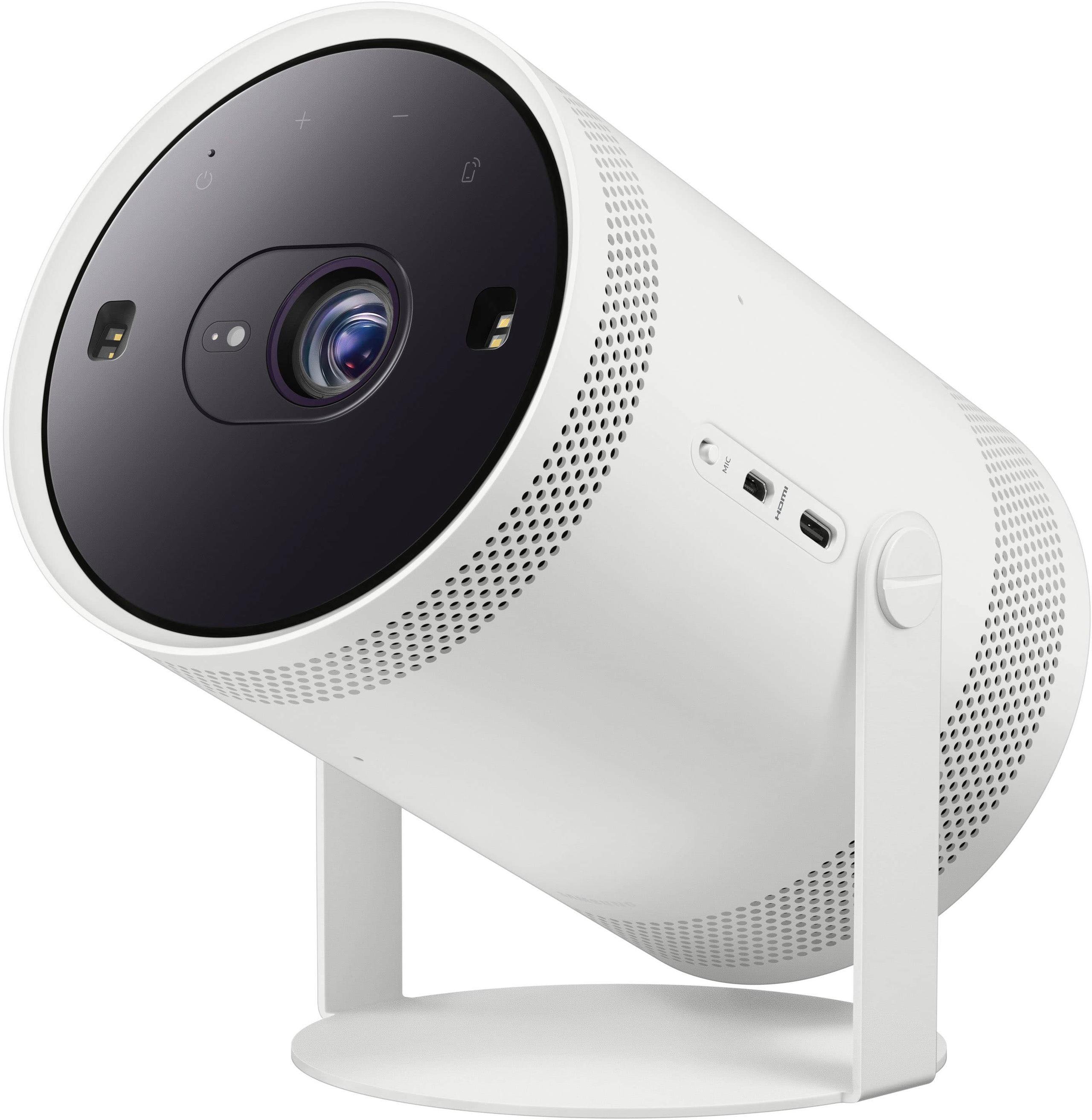
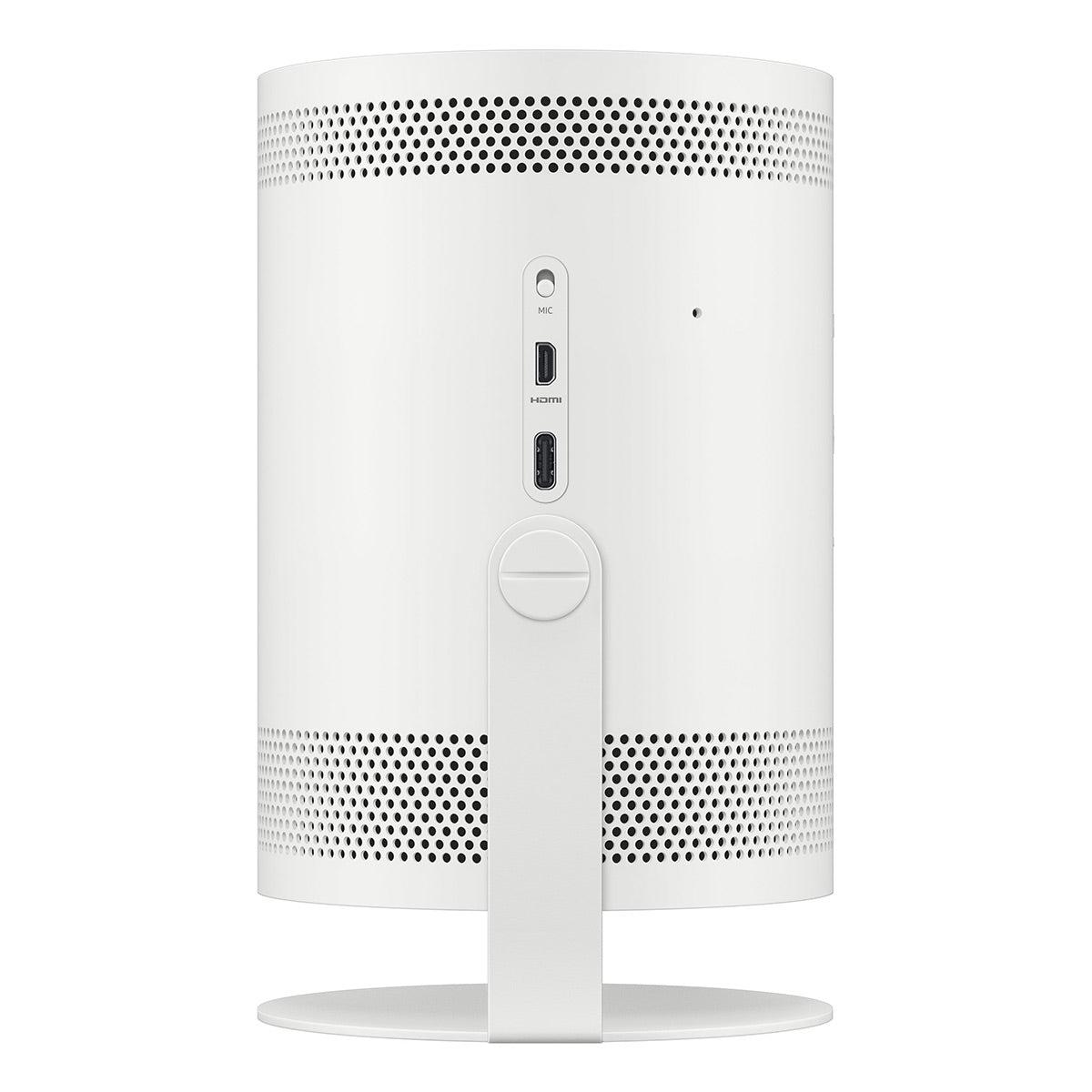
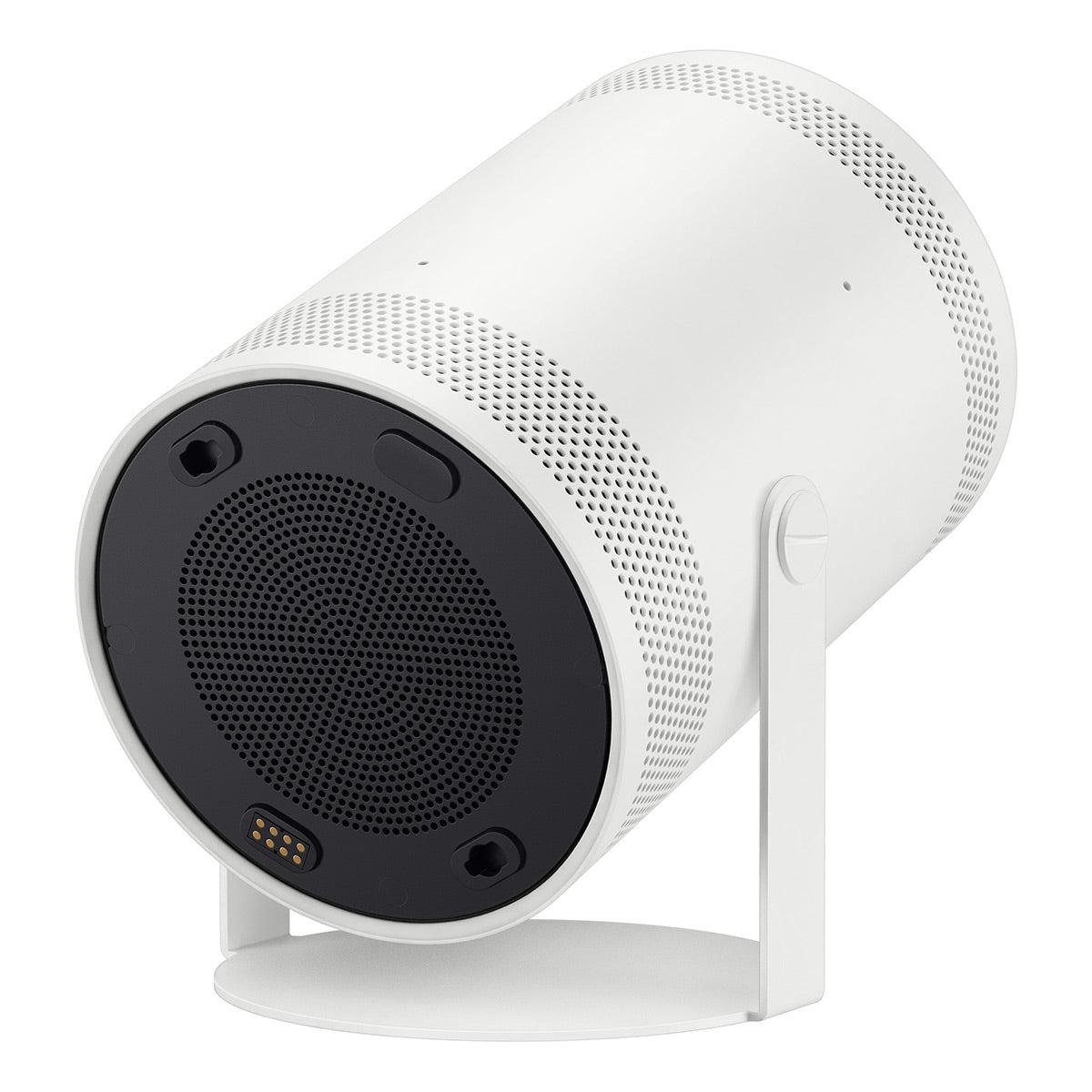
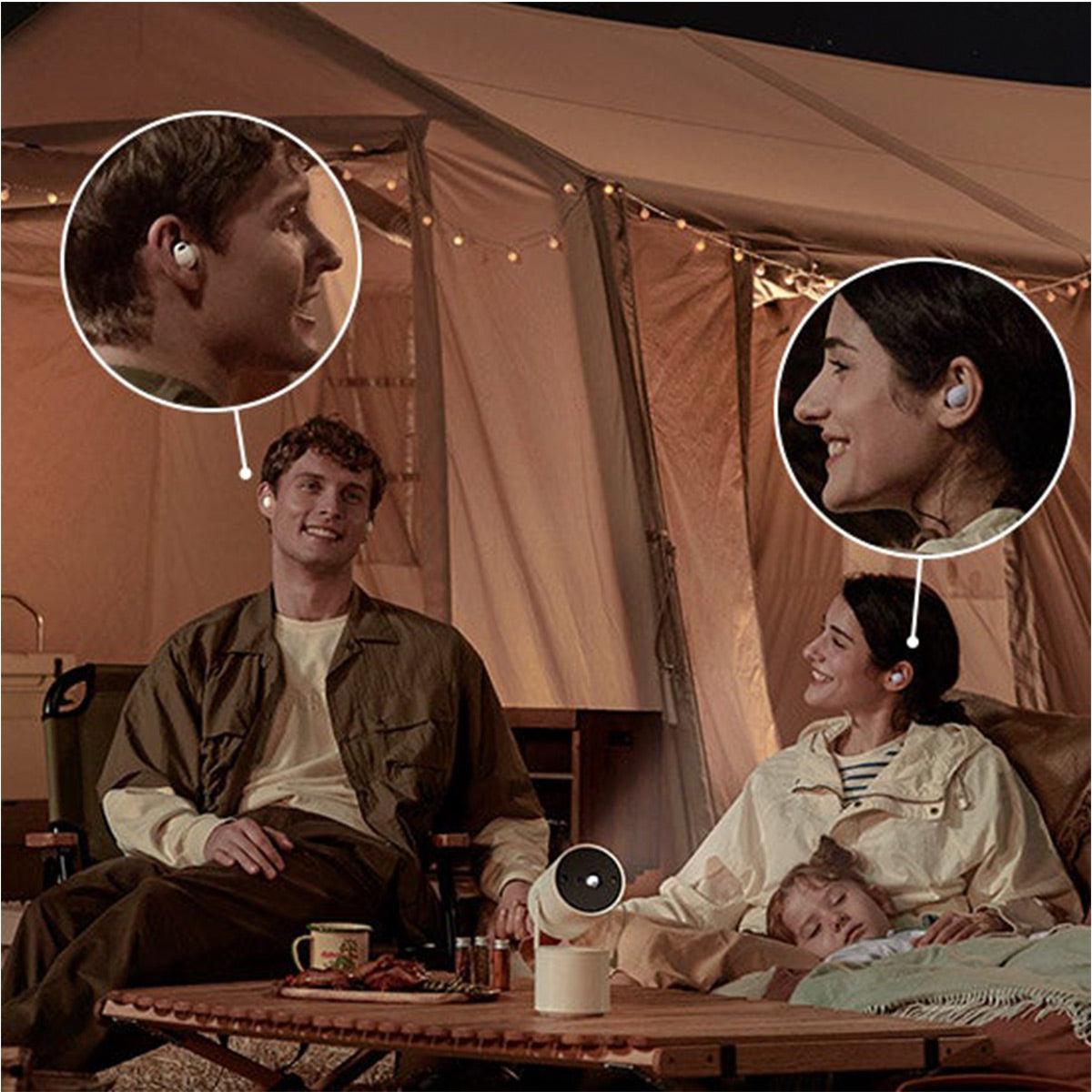
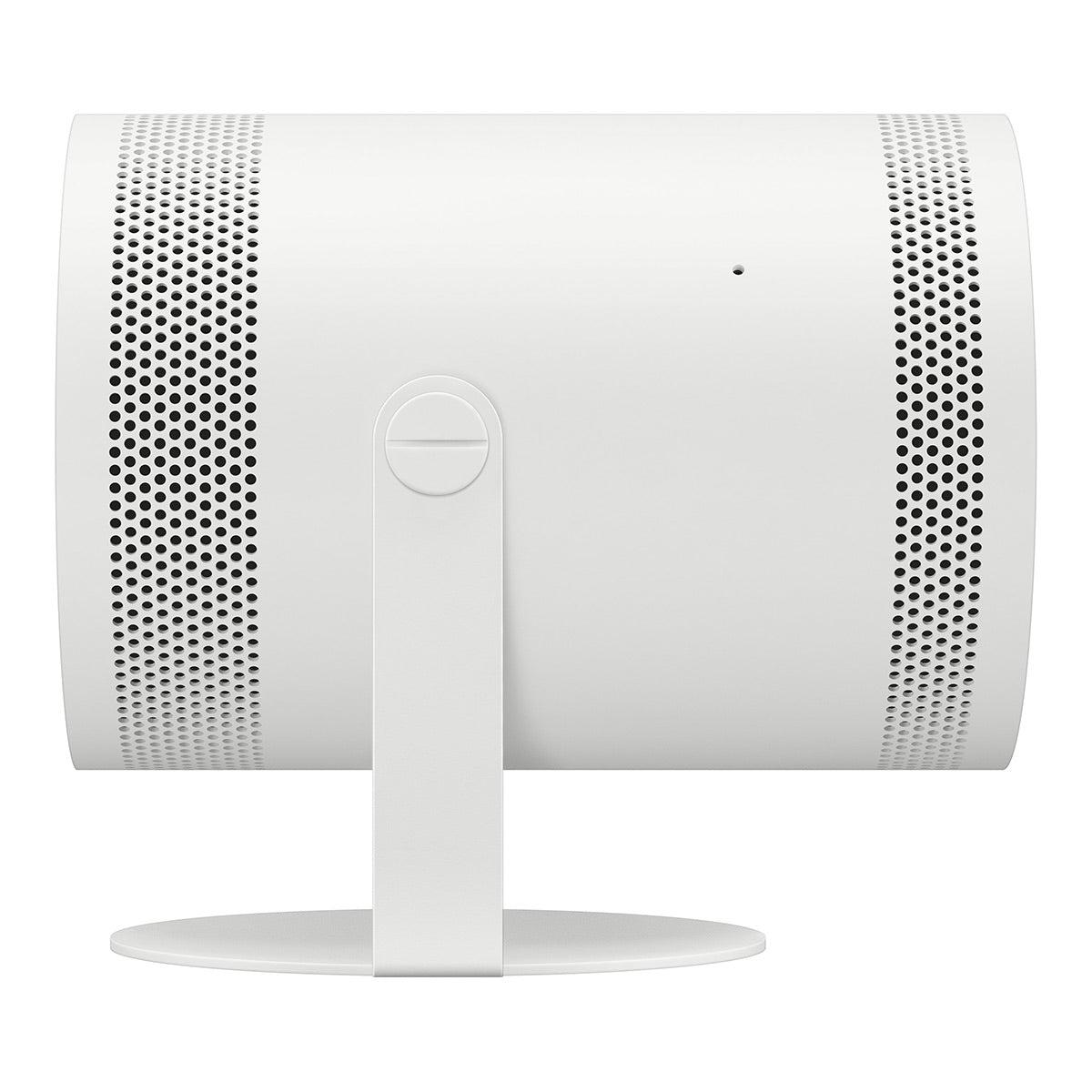
The world of home entertainment continues to evolve, and portable smart projectors have emerged as an exciting way to bring big-screen experiences virtually anywhere. These compact devices have transformed from simple projection tools into full-fledged entertainment hubs that can turn any blank wall into your personal cinema or gaming display. In this comprehensive comparison, we'll explore two leading contenders in this space: the Samsung Freestyle 2nd Gen Smart Projector and the Epson EpiqVision Mini EF22 Streaming Projector.
Before diving into our comparison, let's explore what makes these modern portable projectors different from their predecessors. Unlike the bulky, complicated projectors of yesterday, today's smart projectors combine compact designs with built-in streaming capabilities, wireless connectivity, and user-friendly interfaces.
Portable smart projectors appeal to several types of users: apartment dwellers without space for large TVs, travelers seeking entertainment on the go, presentation professionals, and even homeowners who want flexible viewing options without committing to permanent installations. They represent the intersection of convenience and technology, though they do come with their own set of tradeoffs compared to traditional home theater projectors or TVs.
The Samsung Freestyle 2nd Gen was released in mid-2023 as a follow-up to the original Freestyle that debuted in 2022. Samsung took feedback from the first generation and focused on enhancing smart features and versatility while maintaining the distinctive cylindrical design that made the original stand out. The improvements include gaming capabilities, enhanced smart home integration, and refinements to the auto-adjustment technologies.
The Epson EpiqVision Mini EF22 hit the market in late 2022 as part of Epson's strategy to compete in the premium portable projector segment. Epson brought their well-established 3LCD projection technology—previously found mostly in their larger home theater and business projectors—to this compact form factor. This represented a significant technical approach different from many competitors who use DLP (Digital Light Processing) or LED-only systems.
Both projectors offer 1080p Full HD resolution, which remains the sweet spot for portable projectors balancing image quality, brightness, and cost. While 4K projectors exist, they typically come with significant price premiums and often require more power and cooling.
The Samsung Freestyle 2nd Gen uses a single-chip DLP projection system with an LED light source. This technology produces sharp images with good color reproduction, though it can sometimes exhibit what's called the "rainbow effect"—brief flashes of rainbow-colored artifacts that some viewers find distracting. Samsung compensates for this with sophisticated image processing that enhances contrast and color vibrancy. The HDR10 (High Dynamic Range) support helps deliver more detail in both bright and dark scenes, though the relatively low brightness means HDR impact is modest compared to what you'd see on a good TV.
The Epson EpiqVision Mini EF22 employs Epson's signature 3LCD technology, which uses three separate LCD panels (one each for red, green, and blue) to produce the image. This approach eliminates the rainbow effect entirely and typically delivers better color accuracy and consistency. A key advantage of 3LCD is that it produces color brightness equal to white brightness—something many DLP projectors struggle with. In practice, this means the Epson's colors appear more vibrant and saturated, especially in content with bright, colorful scenes.
In my experience testing similar projectors, the difference is most noticeable in content like animated films or nature documentaries with rich, varied color palettes. The Epson's approach typically yields more "true-to-life" colors, while Samsung's processing can sometimes make images appear slightly more dramatic but less accurate.
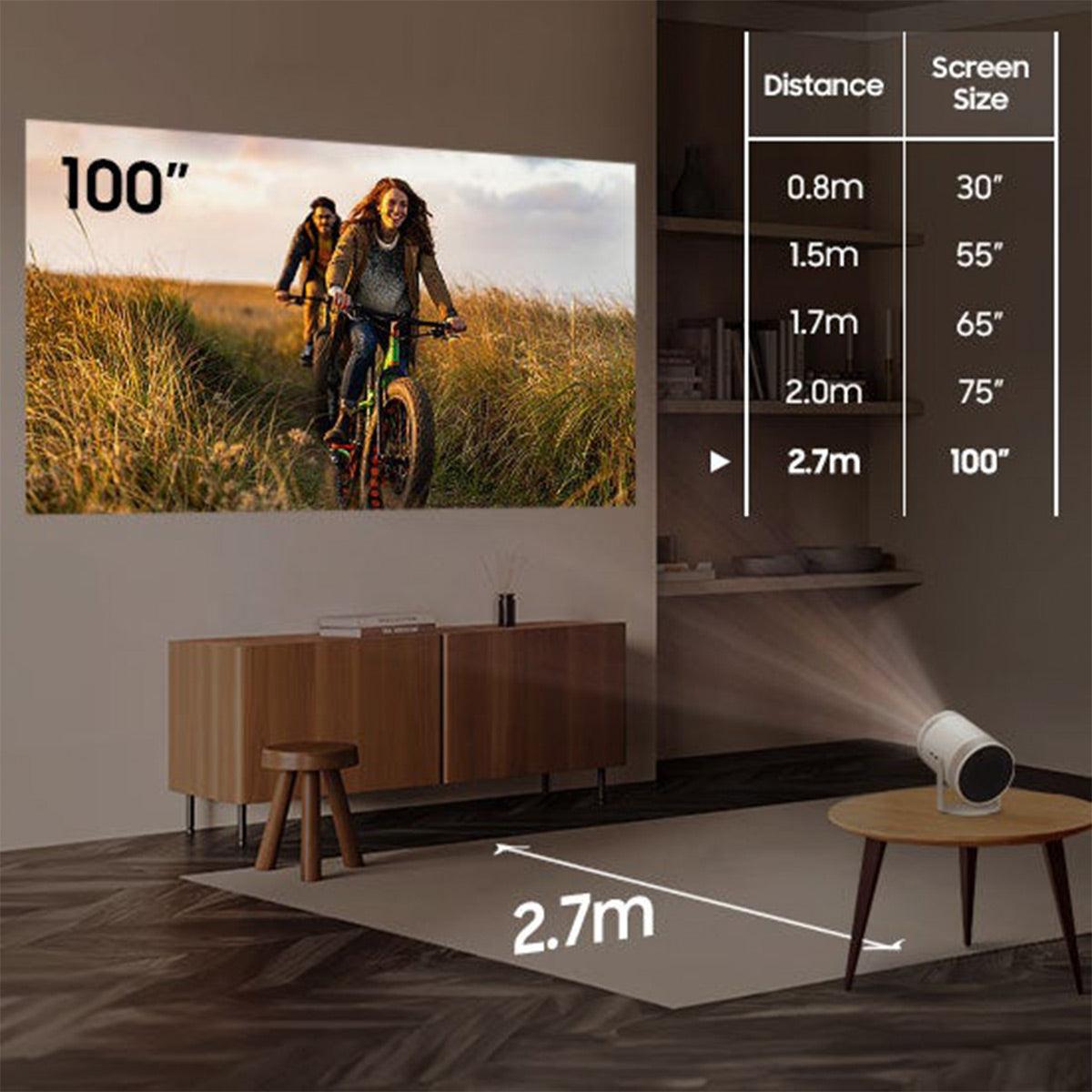
Perhaps the most significant practical difference between these projectors is their brightness output, measured in lumens. The Samsung Freestyle 2nd Gen outputs approximately 550 lumens, which limits its effective use to dark or dimly lit environments. In a completely dark room, the image looks vibrant and engaging up to about 80-90 inches diagonal, but introduce even modest ambient light, and the image becomes noticeably washed out.
By contrast, the Epson EpiqVision Mini EF22 delivers a much more powerful 1,200 lumens. This substantial brightness increase dramatically improves its versatility in real-world settings. You can comfortably watch content during the day with curtains drawn or in rooms with moderate ambient lighting without severe image degradation. This brightness advantage cannot be overstated for practical everyday use—it's the difference between restricting viewing to nighttime or dedicated dark spaces versus being able to enjoy content throughout the day.
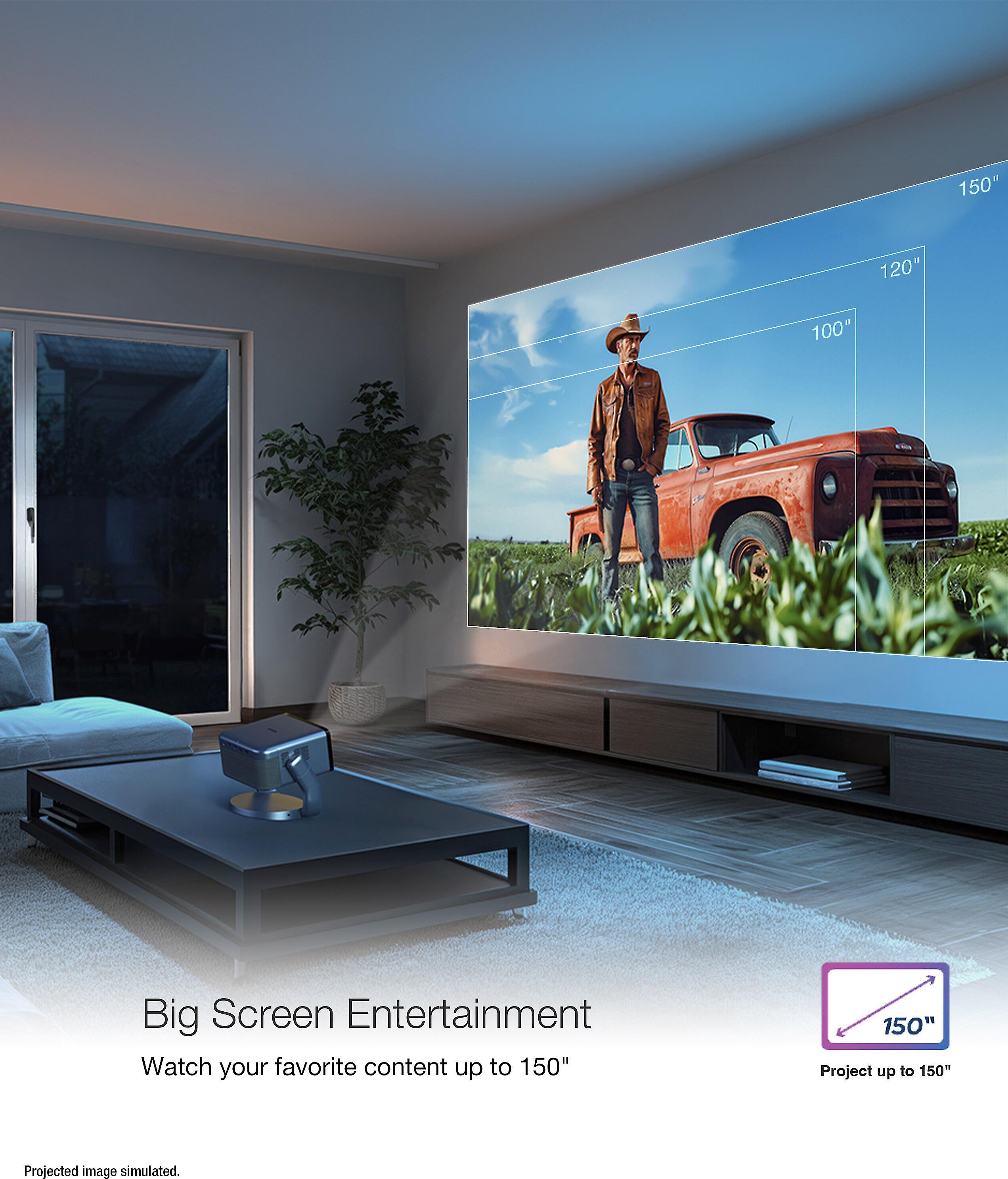
The brightness factor becomes even more important when projecting larger images. While both projectors can technically create 100-inch displays, the Epson maintains better contrast and color saturation at these larger sizes due to its higher light output. The Epson even supports projection up to 150 inches, though at that extreme size, you'd definitely want controlled lighting conditions for the best experience.
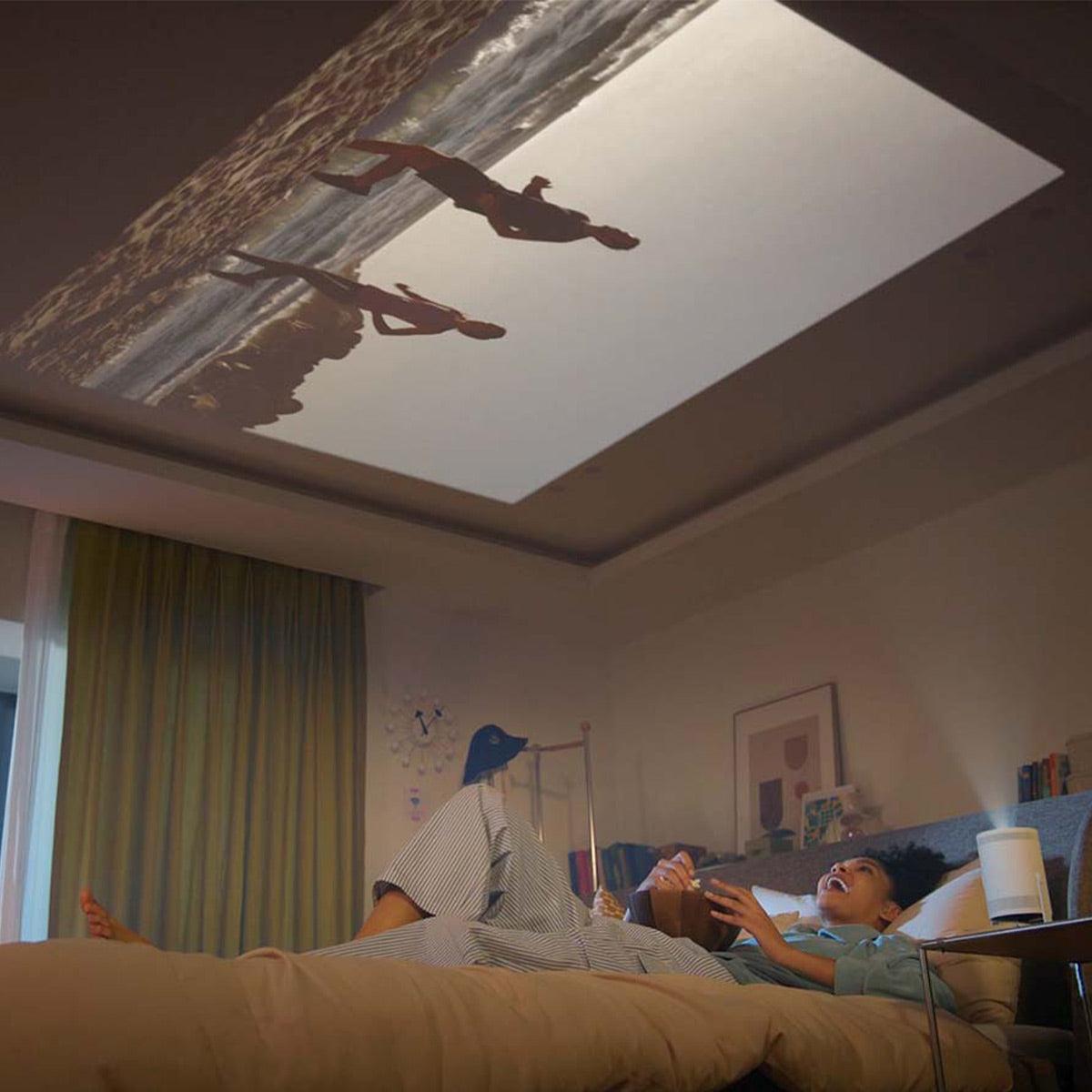
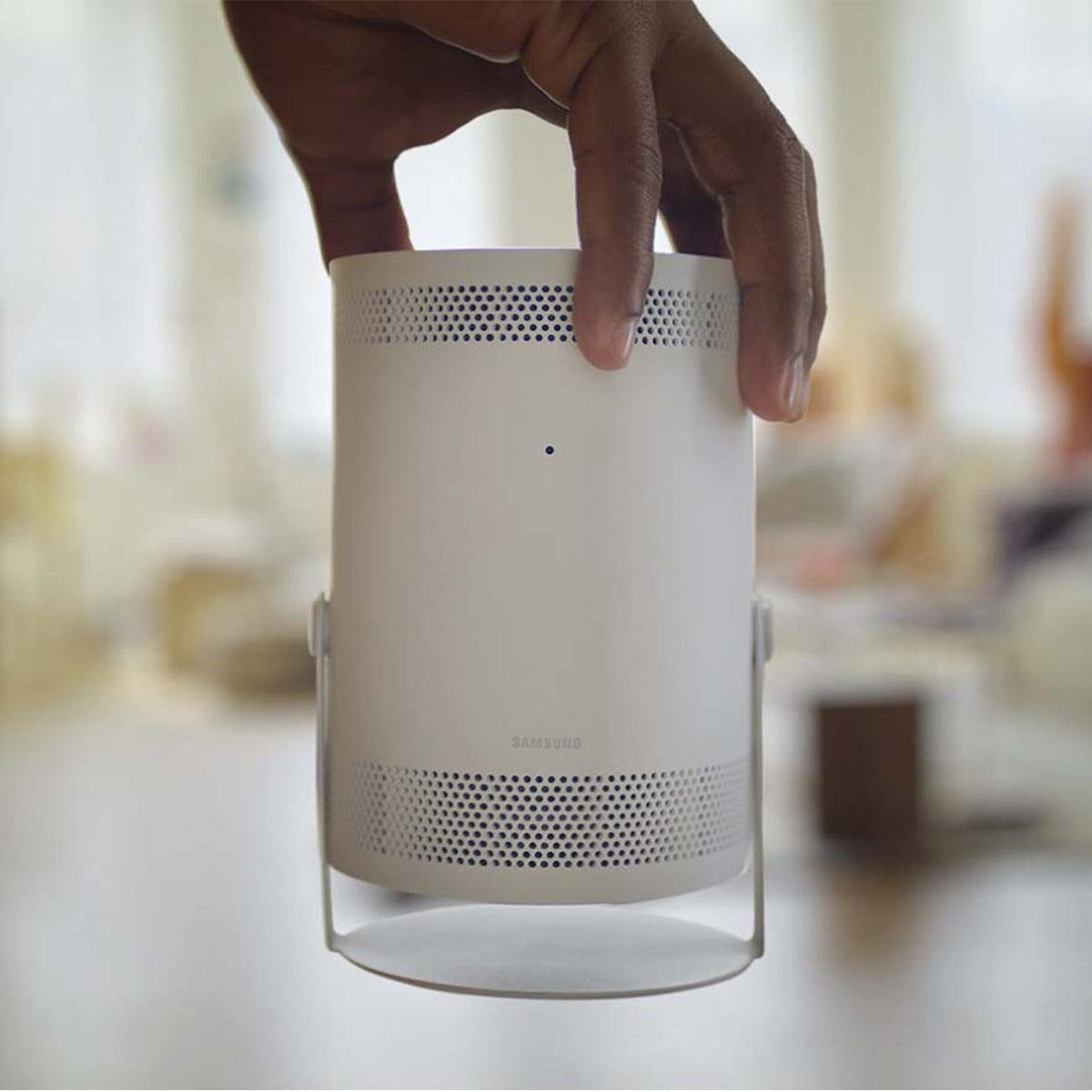
The Samsung Freestyle 2nd Gen excels in setup simplicity with its suite of automatic adjustment features. Its auto keystone correction automatically squares the image even when projecting from angles, while auto focus ensures clarity without manual adjustments. The auto leveling feature is particularly impressive—it can detect when the projector isn't perfectly level and compensate accordingly. Perhaps most distinctive is the 180° rotation capability, allowing you to project onto floors or ceilings without special mounting hardware.
These automatic features make the Samsung incredibly friendly for impromptu movie nights or frequent repositioning. Place it down, power it up, and within seconds, the image adjusts itself optimally—a significant advantage for users who value convenience and flexibility.
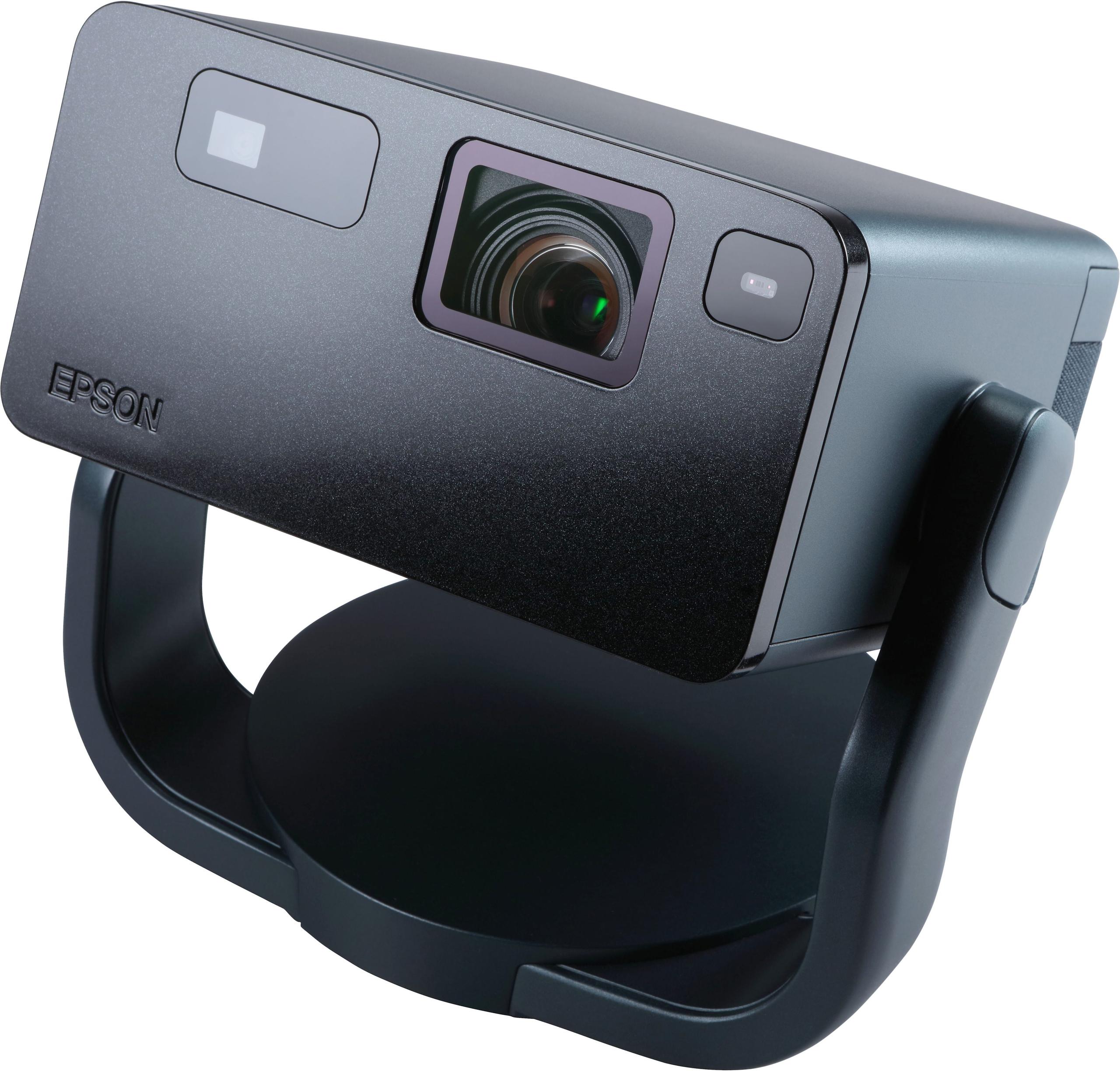
The Epson EpiqVision Mini EF22 takes a more traditional approach to setup. It offers automatic vertical keystone correction but requires manual horizontal adjustments. This means more user involvement during setup, but it also provides more precise control for those who prefer to fine-tune their image. The Epson also includes optical zoom functionality—a feature typically found in higher-end projectors that allows you to adjust image size without physically moving the projector. This can be invaluable in tight spaces where repositioning options are limited.
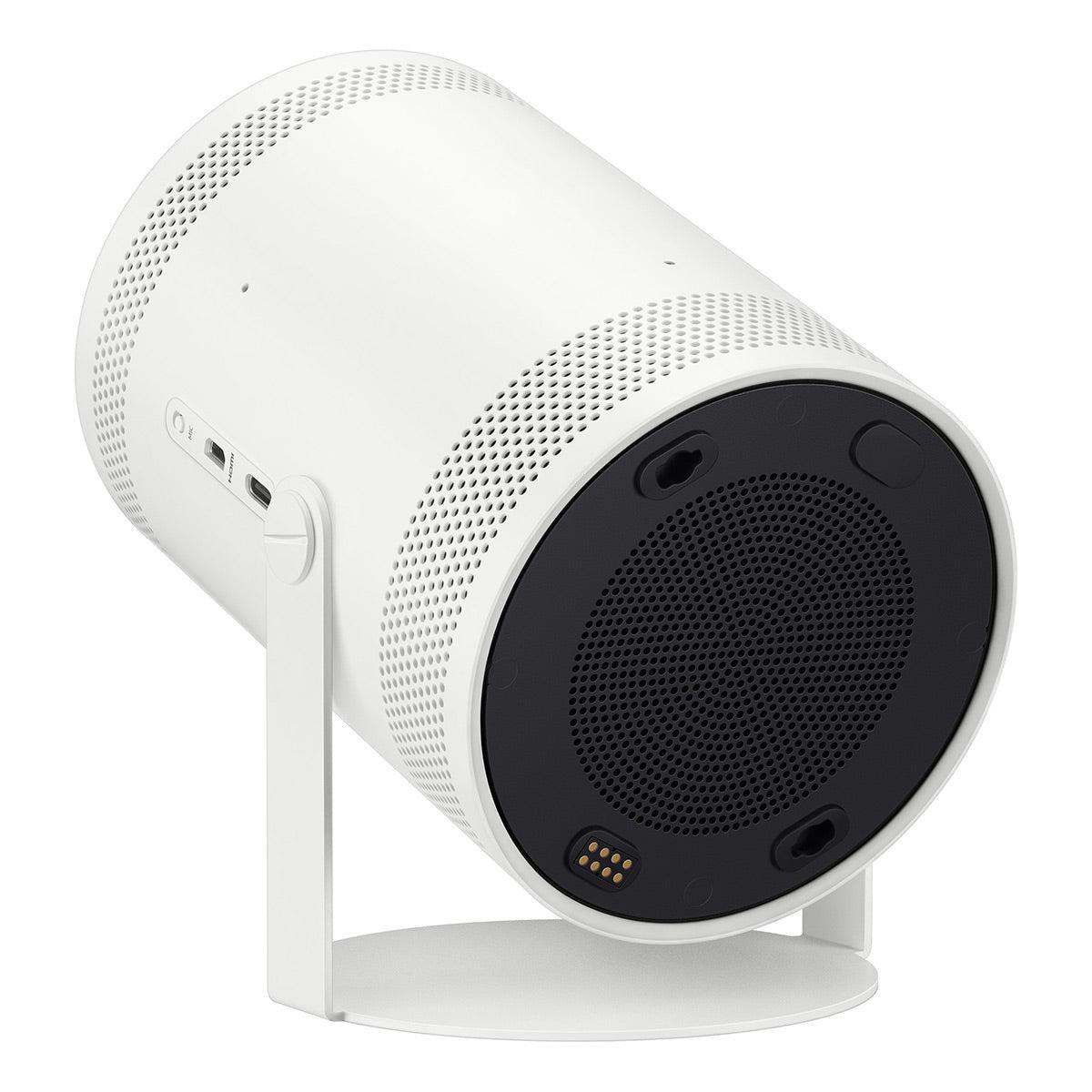
The Samsung Freestyle 2nd Gen embodies the concept of portable projection with its cylindrical design weighing just 1.8 pounds. About the size of a small thermos, it's truly grab-and-go friendly. The cylindrical shape houses a barrel lens that can swivel through 180 degrees, providing incredible placement flexibility. The minimal footprint means it fits comfortably on small side tables, bookshelves, or even the floor without dominating the space.
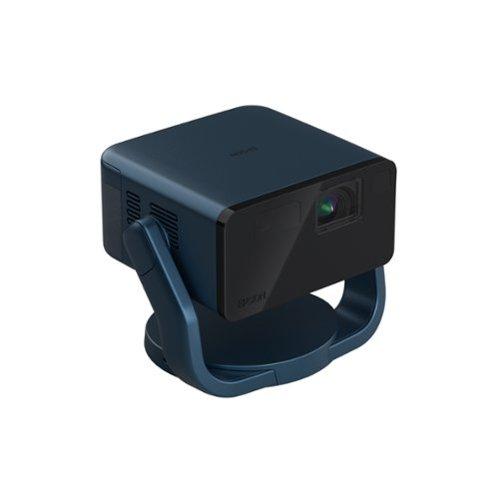
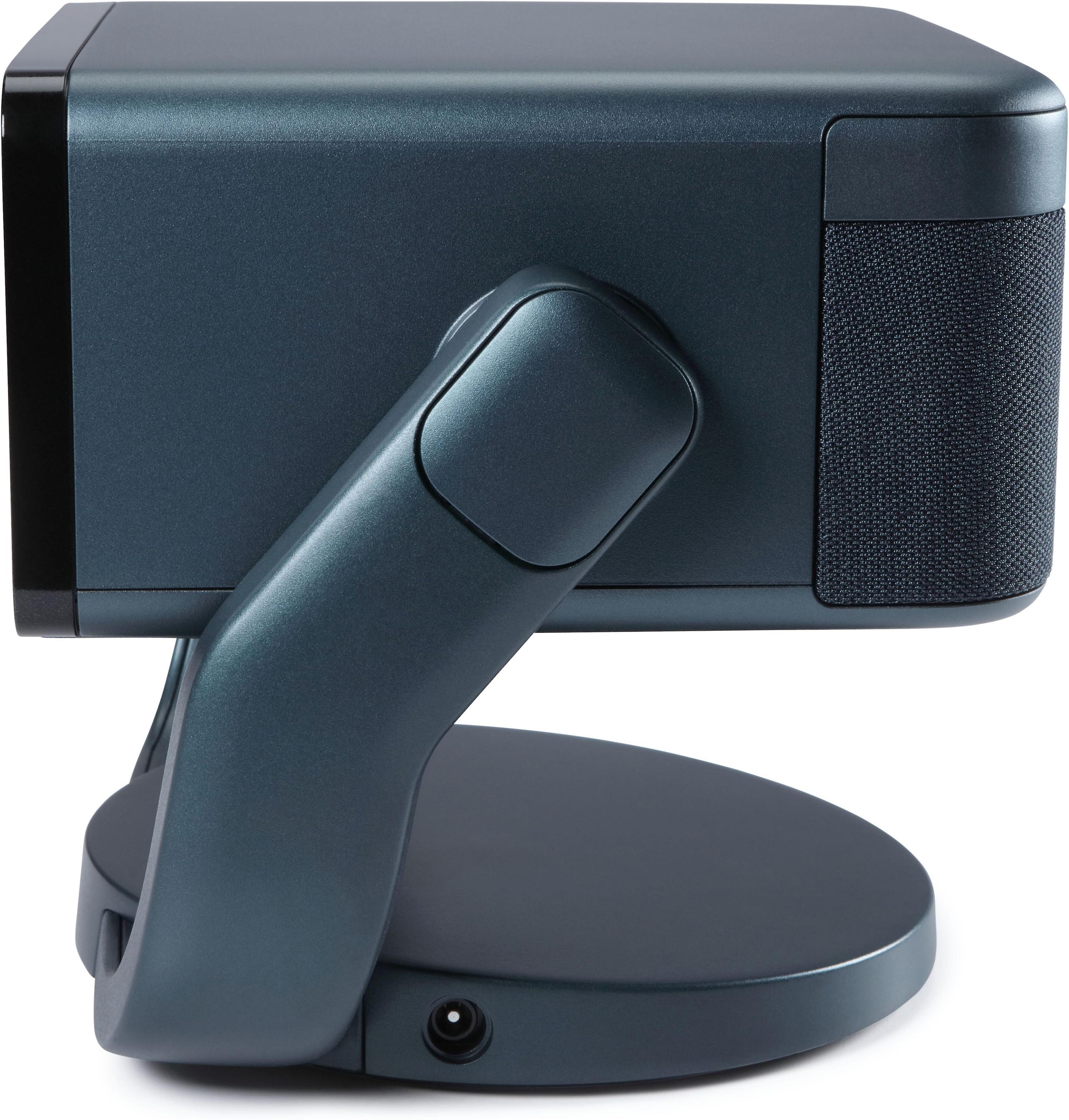
The Epson EpiqVision Mini EF22 adopts a more traditional cube-like form factor weighing approximately 4 pounds. While still considered portable, it's decidedly more substantial than the Samsung. The boxier design houses larger speakers and more powerful projection components, representing a different balance of portability versus performance. It's still transportable between rooms or for occasional travel, but it doesn't offer the same impromptu, place-anywhere convenience of the Samsung.
A significant differentiator between these projectors is their power requirements. The Samsung Freestyle 2nd Gen can operate using USB-C power delivery, meaning compatible battery packs (typically 50W PD or higher) can power it without requiring a wall outlet. Samsung also offers an optional battery base specifically designed for the Freestyle. This true cordless operation opens up possibilities like backyard movie nights, camping trips, or use in spaces without convenient power access.
The Epson EpiqVision Mini EF22 requires standard AC power, tethering it to locations with electrical outlets. This limitation restricts some of the spontaneous use cases that make portable projectors appealing but reflects its positioning as a more performance-focused device that prioritizes image quality and brightness over absolute portability.
The Samsung Freestyle 2nd Gen runs on Samsung's Tizen OS—the same platform powering their smart TVs. This mature system offers a clean, responsive interface with access to most major streaming services like Netflix, Disney+, Hulu, and Amazon Prime Video. The built-in Samsung TV Plus service provides free ad-supported channels, adding value without subscription costs.
One standout feature introduced with the 2nd Gen model is Samsung Gaming Hub, which allows cloud gaming from services like Xbox Game Pass without requiring a console. This transforms the projector into a gaming platform with just a Bluetooth controller, though you'll need a solid internet connection for a good experience.
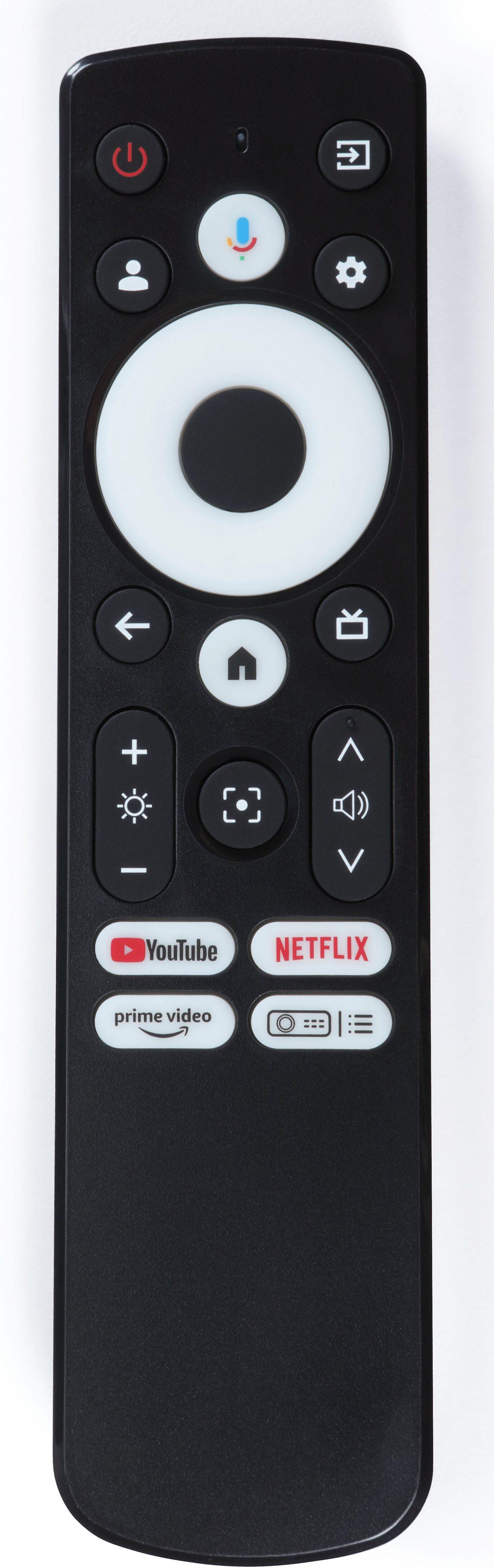
The Epson EpiqVision Mini EF22 features Google's Android TV platform, providing access to thousands of apps through the Google Play Store. The integrated Google Assistant responds to voice commands via the remote, allowing hands-free operation for content searches, smart home control, and general questions. Android TV's interface will feel familiar to many users, particularly those who already use Google services.
Both operating systems deliver comprehensive smart TV experiences, but they cater to slightly different ecosystems. The Samsung integrates more deeply with other Samsung products, while the Epson's Android TV offers broader cross-platform compatibility and Google service integration.
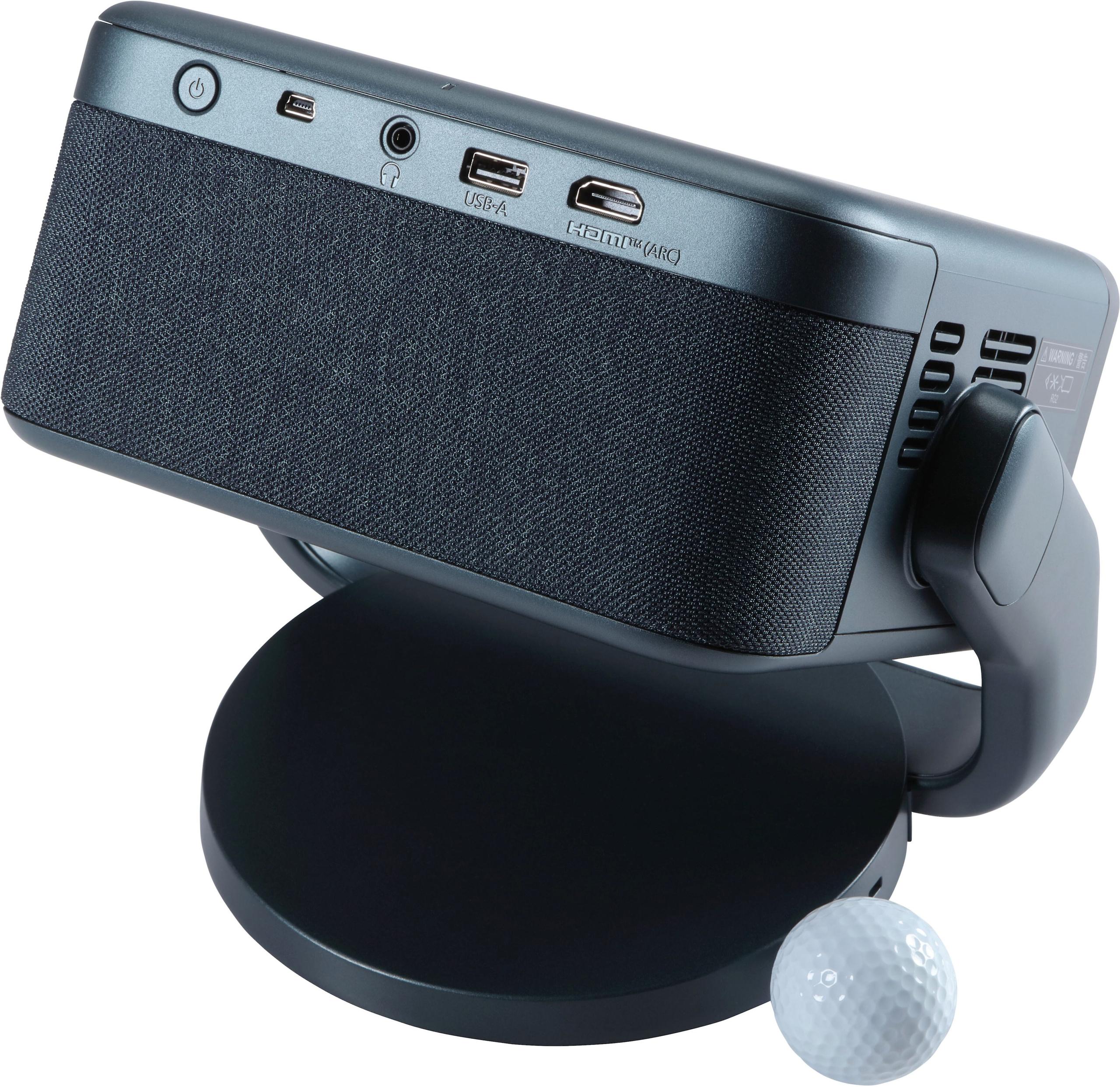
The Samsung Freestyle 2nd Gen provides connectivity through HDMI, USB-C, Bluetooth, and Wi-Fi. It supports AirPlay 2 for Apple device streaming and offers specialized features for Samsung Galaxy phone users, including easy screen mirroring and SmartThings integration. The 2nd Gen model added LAN Control capabilities for integration with professional AV systems or advanced smart home setups.
The Epson EpiqVision Mini EF22 includes HDMI, USB-A, Bluetooth, and Wi-Fi connections. It features built-in Chromecast functionality, making it easy to cast content from compatible devices. The USB port can play media files directly or power streaming sticks, adding flexibility when the built-in apps don't meet your needs.
Audio quality often becomes an afterthought with projectors, but both manufacturers have made significant efforts in this area, recognizing that portable projectors frequently serve as all-in-one entertainment systems.
The Samsung Freestyle 2nd Gen incorporates a 360° 5W speaker that disperses sound in all directions, creating room-filling audio despite its small size. The omnidirectional design means you don't need to worry about speaker orientation relative to viewers. While impressive for its form factor, it does have limitations—particularly in bass response and maximum volume. For casual viewing it's perfectly adequate, but audiophiles or those seeking cinematic sound will want external speakers.
The Epson EpiqVision Mini EF22 partners with Yamaha for its audio system, featuring dual 5W speakers (10W total) with custom tuning. The larger enclosure allows for better bass response and higher maximum volume without distortion. The stereo separation also creates a more immersive soundstage for movies and music. In practical terms, the Epson delivers audio that more closely approximates a small TV or basic soundbar, making external speakers less necessary for everyday use.
Both projectors support Bluetooth audio output to external speakers or headphones when you need enhanced sound, and both can function as standalone Bluetooth speakers (playing music from your phone without projection), though the Epson generally provides a better experience in this mode due to its superior speaker system.
The Samsung Freestyle 2nd Gen offers several distinctive capabilities beyond standard projection:
The Epson EpiqVision Mini EF22 brings its own specialized features:
The Samsung Freestyle 2nd Gen typically retails around $800-900, positioning it firmly in the premium portable projector segment. This pricing reflects its innovative design, smart features, and the Samsung brand premium. The value equation improves if you'll take advantage of its unique flexibility features like battery operation or unusual projection angles. Optional accessories like the battery base or light socket adapter add to the cost but extend functionality significantly.
The Epson EpiqVision Mini EF22 generally sells for $600-700, offering stronger core projection performance at a lower price point. The value proposition centers on delivering superior brightness, better audio, and reliable image quality without the design flourishes or extreme portability of the Samsung. For users primarily concerned with image quality per dollar spent, the Epson presents a compelling case.
Choosing between these projectors ultimately comes down to your specific needs and use cases. Here's a decision framework to help guide your choice:
Choose the Samsung Freestyle 2nd Gen if:
Choose the Epson EpiqVision Mini EF22 if:
Remember that while both are classified as portable smart projectors, they represent different philosophies. The Samsung Freestyle 2nd Gen emphasizes innovation, flexibility, and ecosystem integration, while the Epson EpiqVision Mini EF22 focuses on delivering stronger core performance in a still-portable package.
For a home theater application specifically, the Epson's superior brightness, better audio, and 3LCD technology generally make it the more suitable choice unless you specifically need the Samsung's placement flexibility or ambient features. The Epson can better handle the larger screen sizes typically desired in home theater setups while maintaining image quality, especially in rooms that aren't completely light-controlled.
Whichever you choose, both projectors represent how far portable projection technology has come, offering experiences that would have seemed impossible just a few years ago. The right choice is the one that best fits your specific viewing habits, space constraints, and entertainment priorities.
| Samsung Freestyle 2nd Gen Smart Projector | Epson EpiqVision Mini EF22 Streaming Projector |
|---|---|
| Resolution - Determines image clarity and detail | |
| 1080p Full HD with HDR10 support | 1080p Full HD with enhanced color processing |
| Brightness - Critical for visibility in varying light conditions | |
| 550 lumens (best for dark rooms only) | 1,200 lumens (usable in rooms with ambient light) |
| Projection Technology - Affects color accuracy and image quality | |
| Single-chip DLP with LED light source (potential rainbow effect) | 3LCD technology (no rainbow effect, equal color/white brightness) |
| Screen Size Range - Determines flexibility for different spaces | |
| 30" to 100" diagonal | 30" to 150" diagonal |
| Auto-Adjustment Features - Impacts setup convenience | |
| Auto keystone, auto focus, auto leveling, 180° rotation | Automatic vertical keystone correction, manual horizontal adjustment |
| Weight & Portability - Affects how easily you can move and position | |
| 1.8 pounds, cylindrical design (extremely portable) | 4 pounds, cube-like design (portable but more substantial) |
| Power Options - Determines where you can use the projector | |
| Wall outlet or compatible USB-C battery packs (true cordless capability) | Wall outlet only (requires electrical access) |
| Operating System - Controls content access and smart features | |
| Samsung Tizen OS with Samsung TV Plus | Android TV with Google Assistant |
| Audio System - Important for standalone entertainment use | |
| 5W 360° speaker (good room-filling sound but limited bass) | Yamaha-designed dual 5W speakers (10W total with better bass response) |
| Gaming Features - Important for gamers | |
| Samsung Gaming Hub for cloud gaming without console | Standard HDMI gaming input, lower input lag than Samsung |
| Unique Features - Special capabilities that may influence buying decision | |
| Ambient mode, compatible with light socket adapter, SmartThings integration | Split-screen functionality, longer lamp life (12,000 hours in Eco mode) |
| Typical Price - Value consideration | |
| $800-900 (premium pricing for design and flexibility) | $600-700 (better core projection performance per dollar) |
| Ideal For - Best use cases | |
| Users valuing extreme portability, flexible placement, Samsung ecosystem integration, and cordless operation | Users prioritizing brightness, image quality, better audio, and home theater performance at lower cost |
The Epson EpiqVision Mini EF22 Streaming Projector is significantly brighter at 1,200 lumens compared to the Samsung Freestyle 2nd Gen Smart Projector which offers around 550 lumens. This brightness difference means the Epson can deliver more visible images in rooms with ambient light, while the Samsung Freestyle 2nd Gen works best in darker environments.
The Samsung Freestyle 2nd Gen Smart Projector can operate on battery power when used with compatible USB-C battery packs (providing at least 50W power delivery) or Samsung's optional battery base, making it truly portable. The Epson EpiqVision Mini EF22 Streaming Projector requires a standard power outlet and cannot run on battery power.
The Epson EpiqVision Mini EF22 offers superior sound with its Yamaha-designed dual 5W speakers (10W total) that deliver fuller audio with better bass response. The Samsung Freestyle 2nd Gen includes a 5W 360° speaker that provides good room-filling sound but with more limited bass and maximum volume capacity.
The Samsung Freestyle 2nd Gen Smart Projector can project images from 30" to 100" in size diagonally. The Epson EpiqVision Mini EF22 Streaming Projector offers a larger potential screen size range from 30" up to 150" diagonally, providing more flexibility for home theater setups.
For dedicated home theater use, the Epson EpiqVision Mini EF22 is generally better suited due to its higher brightness (1,200 lumens), superior audio quality, larger maximum screen size (150"), and 3LCD technology that delivers consistent color accuracy. The Samsung Freestyle 2nd Gen works well in home theaters only when you can control the lighting completely and don't need screens larger than 100".
The Samsung Freestyle 2nd Gen Smart Projector features comprehensive automatic adjustments including auto-focus, auto keystone correction, and auto leveling. The Epson EpiqVision Mini EF22 Streaming Projector offers automatic vertical keystone correction but requires manual horizontal adjustments and manual focus.
Both projectors support major streaming services like Netflix, Disney+, Amazon Prime Video, and Hulu. The Samsung Freestyle 2nd Gen runs Samsung's Tizen OS with Samsung TV Plus for free channels, while the Epson EpiqVision Mini EF22 uses Android TV with access to thousands of apps through the Google Play Store.
The Samsung Freestyle 2nd Gen Smart Projector includes Samsung Gaming Hub for cloud gaming without requiring a console, making it more versatile for gamers who want to play without additional hardware. The Epson EpiqVision Mini EF22 Streaming Projector typically offers lower input lag for console gaming via HDMI, providing a more responsive experience for competitive games.
The Samsung Freestyle 2nd Gen Smart Projector typically retails for $800-900, while the Epson EpiqVision Mini EF22 Streaming Projector is usually priced between $600-700. This $200 price difference reflects the Samsung's premium design and flexibility features versus the Epson's focus on core projection performance.
The Samsung Freestyle 2nd Gen offers unique mounting options including an optional light socket adapter that allows it to screw into standard E26 light sockets, plus its 180° rotation allows ceiling projection without mounting. The Epson EpiqVision Mini EF22 can be ceiling-mounted using standard mounting hardware but doesn't offer specialized mounting accessories.
The Epson EpiqVision Mini EF22 Streaming Projector uses 3LCD technology that produces equal color and white brightness, resulting in more accurate and vibrant colors without the "rainbow effect" sometimes experienced with DLP projectors. The Samsung Freestyle 2nd Gen Smart Projector uses single-chip DLP technology with good color processing but may exhibit rainbow artifacts for some sensitive viewers.
The Epson EpiqVision Mini EF22 is significantly more suitable for rooms with ambient light due to its 1,200 lumens brightness output, which is more than twice as bright as the Samsung Freestyle 2nd Gen at 550 lumens. This brightness difference is one of the most important practical considerations when choosing between these two projectors for everyday use.
We've done our best to create useful and informative comparisons to help you decide what product to buy. Our research uses advanced automated methods to create this comparison and perfection is not possible - please contact us for corrections or questions. These are the sites we've researched in the creation of this article: techradar.com - tech.slashdot.org - youtube.com - bestbuy.com - youtube.com - youtube.com - rtings.com - samsung.com - samsung.com - samsung.com - thesmarthomehookup.com - nfm.com - samsung.com - abt.com - projectorcentral.com - valueelectronics.com - target.com - samsung.com - samsung.com - images.samsung.com - abt.com - youtube.com - samsung.com - samsung.com - walts.com - bhphotovideo.com - shi.com - youtube.com - publicsector.shidirect.com - provantage.com - abcwarehouse.com - techradar.com - bestbuy.com - geekingout.ca - crutchfield.com - whatgear.net - youtube.com - epson.com - crutchfield.com - projectorcentral.com - epson.com - bestbuy.com - whathifi.com - projectorreviews.com - youtube.com - youtube.com - hometheaterhifi.com - projectorreviews.com - bestbuy.com - youtube.com - staples.com - projectorcentral.com - bestbuy.com - mediaserver.goepson.com - epson.com - news.epson.com

Privacy Policy
Terms and Conditions - Affiliate Policy
Home Security
© Copyright 2008-2026.
11816 Inwood Rd #1211, Dallas, TX 75244