

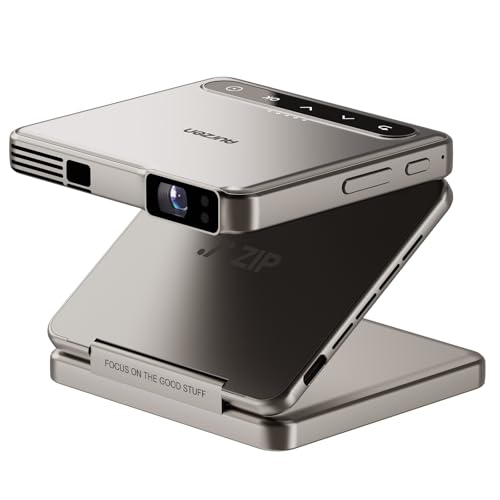
The world of portable projectors has split into two fascinating directions. On one side, we have breakthrough ultra-portable designs that literally fit in your pocket. On the other, we have what the industry calls "lifestyle projectors"—devices that balance serious image quality with reasonable portability. Today, I'm comparing two products that perfectly represent these approaches: the revolutionary Aurzen ZIP Tri-Fold Portable Mini Projector and the premium Epson EpiqVision Mini EF22 Streaming Projector.
These aren't just different projectors—they represent completely different philosophies about what portable projection should be. One prioritizes mobility above all else, while the other focuses on delivering the best possible picture in a reasonably portable package. Understanding these differences will help you pick the right one for your specific needs.
The portable projector market has exploded in recent years, driven by our increasingly mobile lifestyles and the rise of streaming content. But "portable" means very different things depending on your priorities.
Ultra-portable projectors, like the Aurzen ZIP, are designed for true mobility. They're the smartphones of the projector world—sacrificing some power for unprecedented convenience. These devices typically use DLP (Digital Light Processing) technology with tiny DMD (Digital Micromirror Device) chips that can fit in incredibly small spaces. The trade-off? Lower brightness and resolution compared to their bigger cousins.
Lifestyle projectors, represented here by the Epson EF22, take a different approach. They're more like laptops—portable enough to move around your home or take to a friend's house, but primarily designed to deliver excellent performance. These usually feature more advanced display technologies and brighter light sources, making them suitable for a wider range of viewing conditions.
The key considerations when choosing between these categories include your mobility needs, where you'll primarily use the device, how much image quality matters to you, and whether you need battery operation or can always plug into wall power.
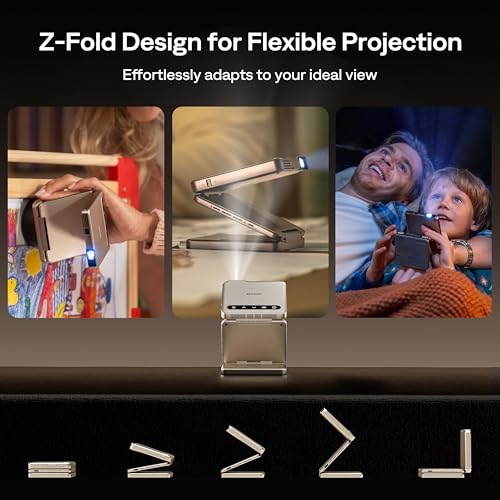
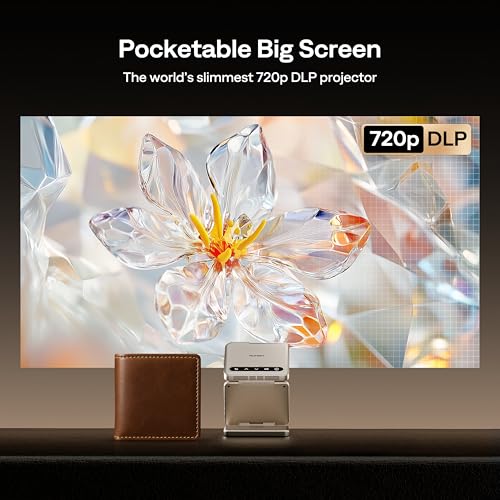
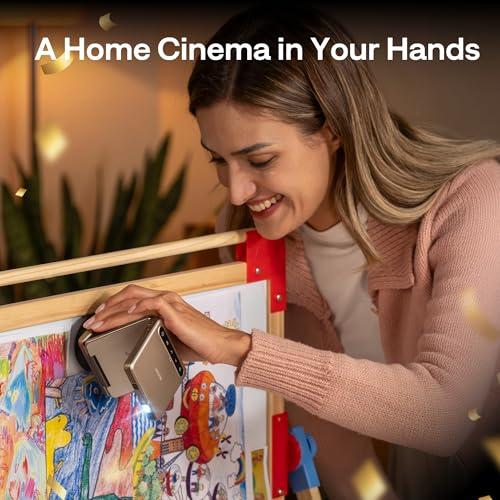
The Aurzen ZIP, released in 2024, represents a genuine breakthrough in projector design. Its tri-fold mechanism allows it to collapse down to roughly the size of a thick smartphone, weighing just under 10 ounces. This isn't just about making things smaller—the folding design actually enables projection angles that traditional projectors simply can't achieve.
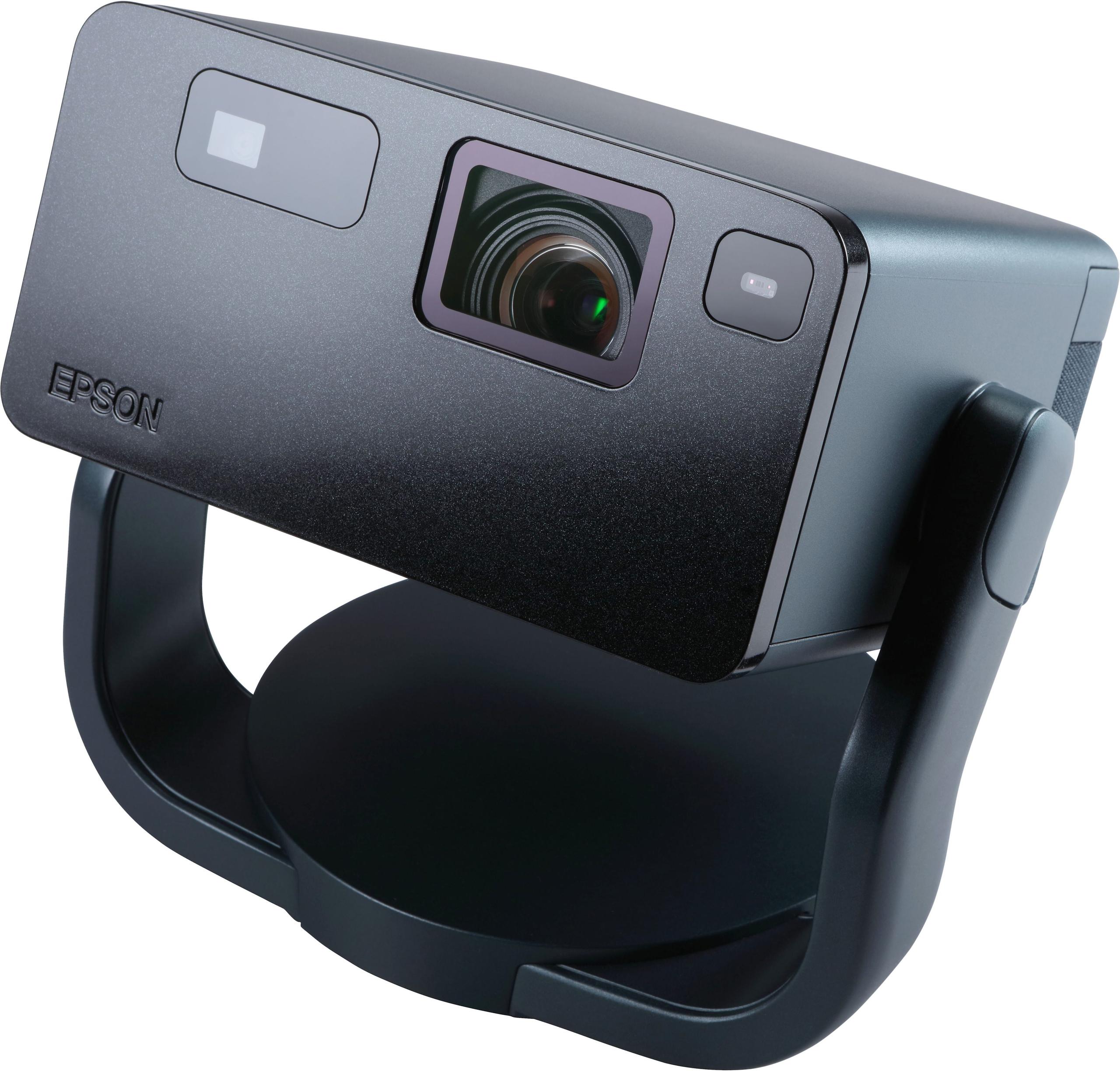
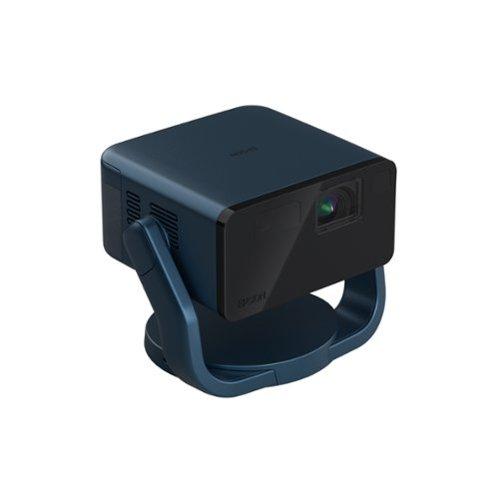
Meanwhile, the Epson EF22, also released in 2024, showcases Epson's entry into the lifestyle projector space. At about 6.6 pounds, it's still quite portable by traditional projector standards, but its focus is clearly on delivering the kind of image quality that can actually replace your TV in smaller spaces.
At the time of writing, these products sit in different price categories, with the Aurzen ZIP positioned as a mid-range ultra-portable option, while the Epson EF22 commands a premium price that reflects its advanced 3LCD technology and comprehensive smart features. The price difference—roughly 2.5 times more for the Epson—tells you a lot about their target audiences.
This is where these two projectors diverge most dramatically, and understanding why requires diving into some technical details that actually matter for your viewing experience.
The Epson EF22 delivers native 1080p Full HD resolution, meaning each pixel is actually created by the projector's imaging system. This results in sharp text, detailed images, and the kind of clarity you'd expect from a modern display device. Whether you're watching movies, playing games, or giving presentations, that native resolution makes a real difference in how crisp everything looks.
The Aurzen ZIP uses a more complex approach. Its tiny DMD chip is actually only 640×360 pixels natively, but uses XPR (pixel shifting) technology to create a 720p image. Think of this like a magician's trick—the chip rapidly shifts the image slightly to create the illusion of more pixels than physically exist. While clever, this technique can't quite match the sharpness of native resolution, especially with text or fine details.
For casual movie watching, the ZIP's approach works reasonably well. But if you plan to use your projector for presentations, gaming, or any content where sharp details matter, the difference becomes quite noticeable.
Here's where the fundamental philosophy differences really show. Brightness, measured in ANSI lumens, determines whether you can actually see your projection in various lighting conditions.
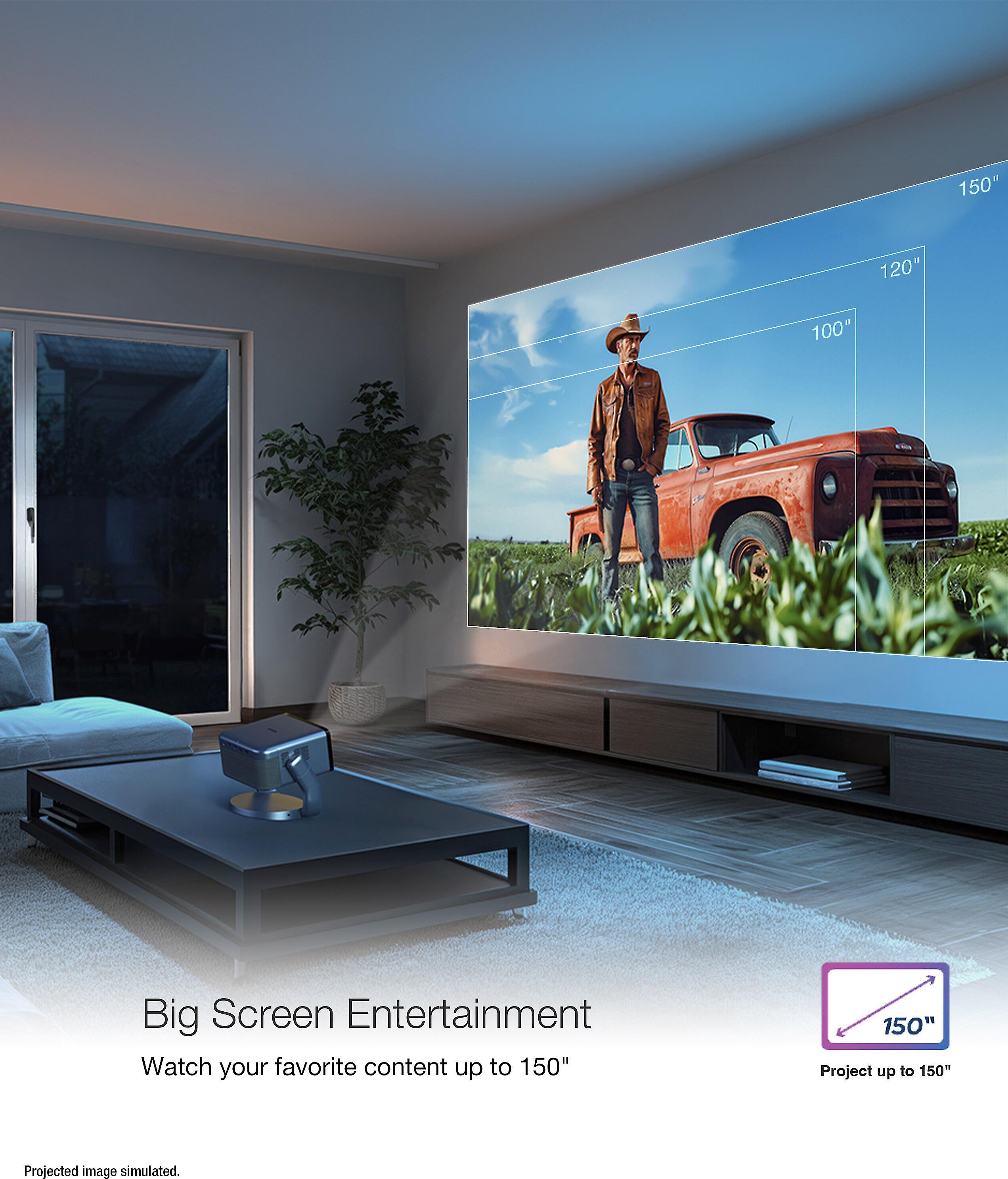
The Epson EF22 produces 1,000 ANSI lumens, which puts it in the range where you can actually watch content with some ambient light in the room. You're not restricted to completely dark environments, and you can comfortably project larger images—up to 150 inches according to Epson—while maintaining watchable brightness.
The Aurzen ZIP, at 100 ANSI lumens, requires much more controlled lighting conditions. This isn't necessarily a flaw—it's a conscious trade-off for that incredible portability. But it does mean your viewing sessions will primarily happen in dark rooms, and optimal screen sizes stay in the 40-60 inch range.
To put this in perspective, 100 lumens is roughly equivalent to a dim reading lamp, while 1,000 lumens is closer to a bright desk lamp. The difference in practical usability is substantial.
The Epson EF22 uses 3LCD technology, which employs separate LCD panels for red, green, and blue light. This approach typically produces more accurate colors and better brightness uniformity across the image. The "3-chip" design means you get true color reproduction without the potential "rainbow effect" that some people notice with single-chip DLP projectors.
The Aurzen ZIP uses DLP technology with its miniaturized DMD chip. DLP generally produces sharper images and deeper blacks, but in this ultra-compact implementation, the emphasis is clearly on fitting everything into that impossibly small package rather than maximizing image quality.
Both technologies have their merits, but the Epson's implementation is clearly focused on image quality, while the Aurzen prioritizes miniaturization.
Built-in audio often gets overlooked in projector comparisons, but it's actually crucial for the user experience, especially with portable models where you might not always have external speakers available.
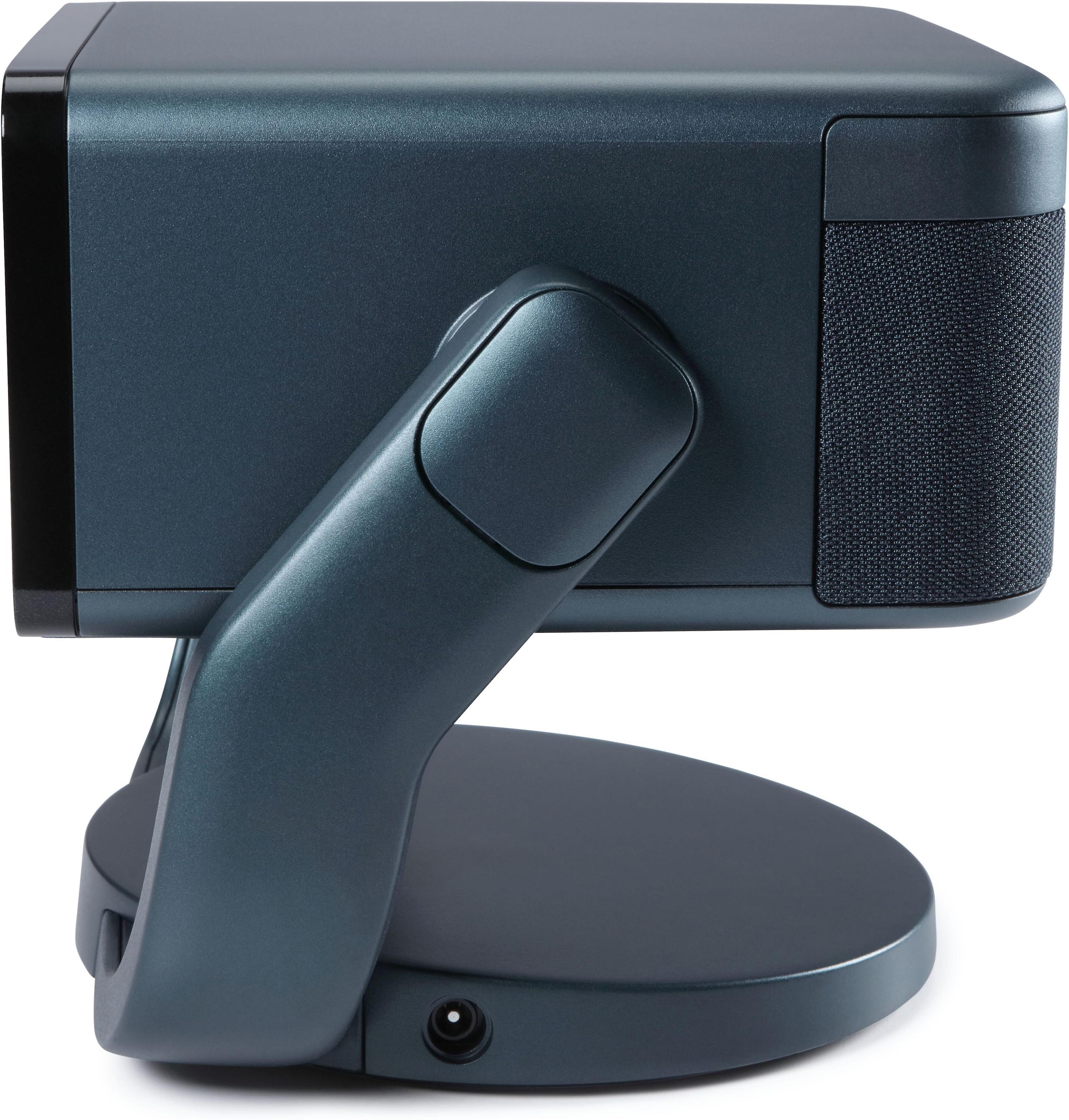
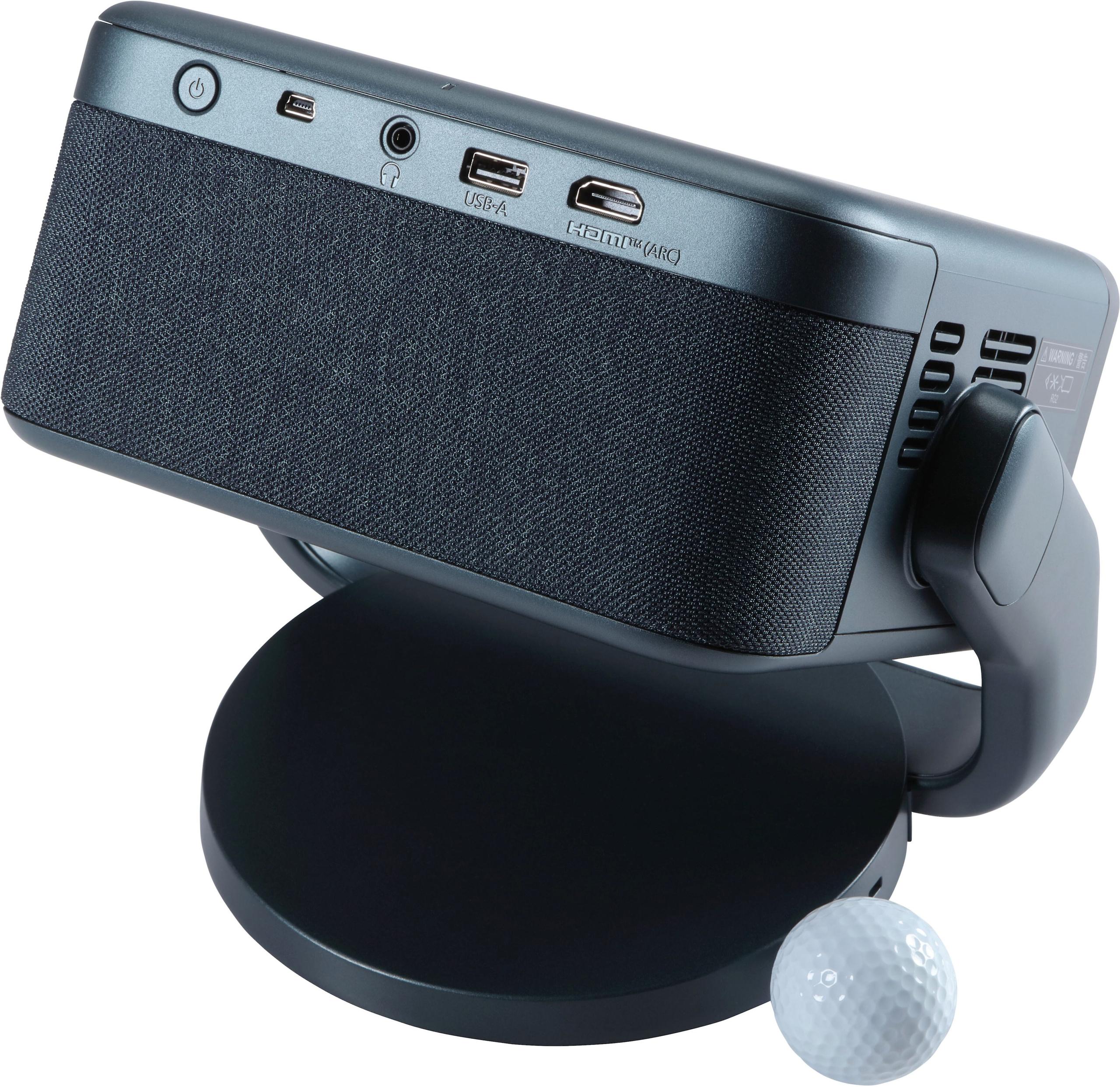
The Epson EF22 includes dual 5-watt speakers with Dolby Audio processing. This might not sound like much, but it's actually quite respectable for a projector of this size. The sound is clear enough for movies and TV shows without feeling like you absolutely need external speakers, though audiophiles will still want to connect better audio equipment.
The Aurzen ZIP includes dual 1-watt speakers, which is honestly pretty remarkable engineering given the device's size. However, the reality is that these tiny speakers can't move much air, so the volume and quality are quite limited. The ZIP does include Bluetooth 5.4 connectivity, so pairing with wireless headphones or a Bluetooth speaker is straightforward and probably necessary for most serious viewing.
Both projectors feature automatic focus and keystone correction (the ability to fix image distortion when projecting at an angle), but they implement these features quite differently.
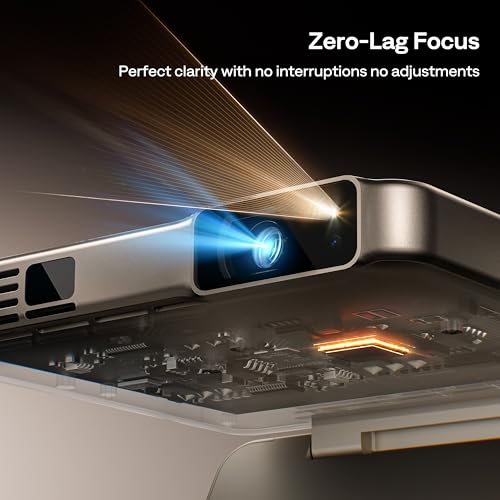
The Aurzen ZIP uses ToF (Time of Flight) sensor technology borrowed from robotics and aerospace applications. This system measures distance 30 times per second, providing what Aurzen calls "zero-lag" focusing and automatic vertical keystone correction. In practice, this means you can unfold the device, point it at a surface, and have a focused, properly aligned image almost instantly.
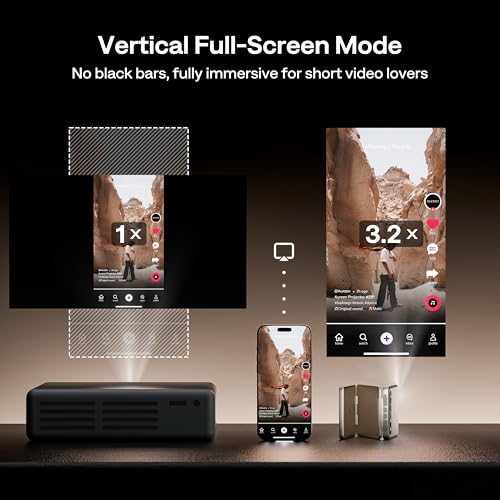
The tri-fold design itself is genuinely innovative. The projector can sit upright for traditional viewing, lay on its side for portrait-mode content (great for TikTok or Instagram viewing on a big screen), or even project upward onto a ceiling. This flexibility opens up use cases that simply aren't possible with traditional projector designs.
The Epson EF22 includes what Epson calls EpiqSense technology, which handles automatic setup tasks including focus and keystone correction. While not quite as instant as the ZIP's system, it's still quite effective. The EF22's 360-degree rotating stand provides good flexibility for positioning, though it's limited to traditional landscape orientation.
This is where we see another fundamental difference in approach, reflecting different assumptions about how people want to consume content.
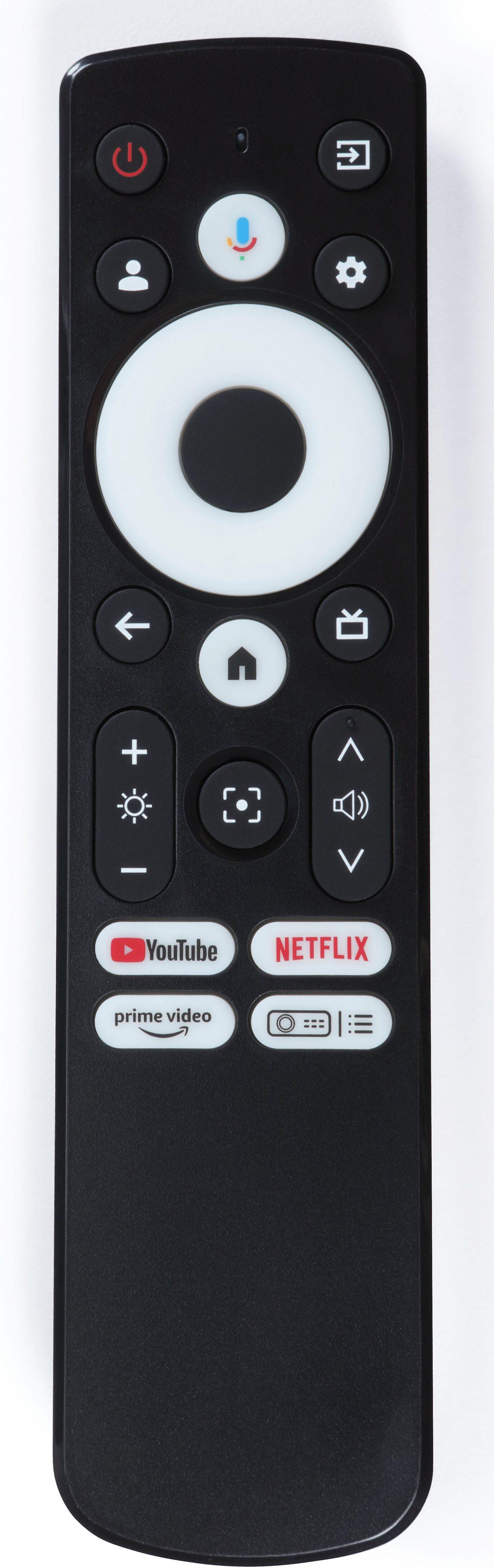
The Epson EF22 includes built-in Google TV, giving you direct access to Netflix, Disney+, YouTube, and thousands of other streaming apps. This approach treats the projector like a smart TV—you can use it completely independently without needing any other devices. The Google TV interface is mature and responsive, and having everything built-in reduces complexity.
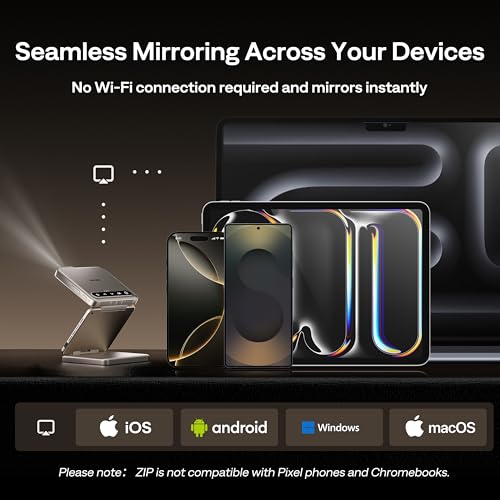
The Aurzen ZIP takes a different approach, focusing on device mirroring rather than built-in streaming. Its AirLink system allows wireless mirroring from phones, tablets, and laptops without requiring a Wi-Fi network—the devices connect directly to each other. This is actually quite clever for travel situations where Wi-Fi might be unreliable or unavailable.
However, there's a significant limitation with the ZIP approach: DRM-protected content. Streaming services like Netflix and Disney+ use digital rights management (DRM) that prevents direct mirroring to uncertified devices. While the ZIP includes an optional CastPlay HDMI dongle to work around this limitation, it adds complexity and cost.
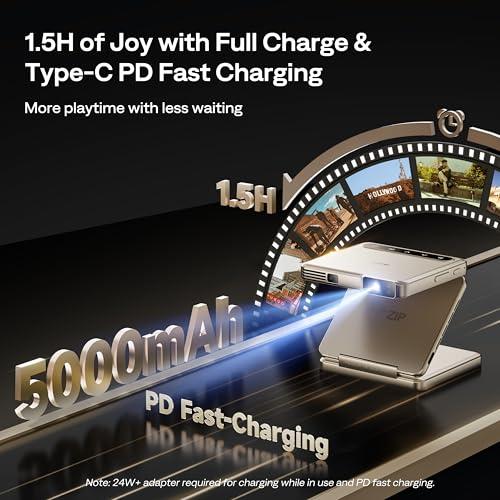
Here's perhaps the most fundamental difference between these devices: the Aurzen ZIP includes a built-in 5,000mAh battery providing about 90 minutes of operation, while the Epson EF22 requires AC power at all times.
This difference completely changes how you can use these devices. The ZIP enables truly mobile entertainment—camping trips, hotel rooms without convenient outlet placement, backyard movie nights, or even just moving freely around your home without thinking about power cords. The 90-minute battery life covers most movies or several TV episodes, and the device can operate while charging if you need longer sessions.
The EF22's AC power requirement isn't necessarily a limitation—it just defines a different use case. This is a projector for semi-permanent installations, moving between rooms in your home, or situations where power is readily available.
If you're thinking about using either projector as a home theater solution, the differences become even more pronounced.
The Epson EF22 is genuinely capable of serving as a TV replacement in smaller rooms or as a secondary display in larger homes. Its 1,000-lumen brightness and 1080p resolution deliver a viewing experience that most people would find satisfactory for regular TV watching. The built-in Google TV means you don't need any additional streaming devices, and the audio quality is acceptable for casual viewing.
However, neither projector really competes with dedicated home theater projectors in terms of absolute image quality. If you're setting up a serious home theater with controlled lighting and a proper screen, you'd probably want to look at brighter, higher-resolution options.
The Aurzen ZIP makes more sense as a supplementary entertainment device rather than a primary home theater solution. Its portability makes it perfect for situations where your main TV isn't practical—bedroom ceiling projection, outdoor entertainment, or temporary setups.
Both projectors showcase interesting technical innovations that hint at where the industry is heading.
The Aurzen ZIP's tri-fold design represents a genuine breakthrough in mechanical engineering. Fitting a complete projection system, speakers, battery, and computing power into such a small, foldable package required miniaturizing components that traditionally need more space. The ToF focusing system is also notably advanced, borrowed from much more expensive applications.
The Epson EF22 represents refinement rather than revolution. Epson's 3LCD technology is mature and well-understood, and the company has successfully miniaturized it while maintaining image quality. The laser light source provides 20,000+ hour lifespan, which is significantly longer than traditional lamp-based projectors.
In terms of future-proofing, both devices support HDR content, though the ZIP's limited brightness means HDR won't provide as dramatic an improvement as on the brighter Epson.
After extensive consideration of both devices, here's my take on who should choose what:
Choose the Aurzen ZIP if you genuinely need maximum portability. This means frequent travelers, van life enthusiasts, campers, or anyone who wants to bring big-screen entertainment to places where it normally wouldn't be practical. The device's ability to operate independently of power outlets and Wi-Fi networks makes it uniquely suited for these applications. It's also great for creative applications—ceiling projection for bedtime videos, portrait-mode social media viewing, or art installations that require unusual angles.
The ZIP also makes sense for people with very limited space, like small apartments or dorm rooms, where even a 6.6-pound projector might be too large for regular storage and setup.
Choose the Epson EF22 if image quality is your primary concern and you can live with AC power requirements. This projector makes sense for people wanting to replace or supplement their TV in smaller rooms, create an outdoor entertainment area (with access to power), or have a high-quality projector that can move between rooms as needed.
The EF22 is also the better choice for any application where brightness matters—rooms with ambient light, daytime viewing, or situations where you want screens larger than 60 inches.
These projectors succeed at different things, and neither is objectively "better" than the other. The Aurzen ZIP achieves something genuinely new—truly pocket-sized projection with remarkable versatility. The Epson EF22 delivers traditional projector strengths in a more portable package than we've typically seen from premium brands.
Your choice should align with your primary use case. If mobility and convenience trump everything else, the ZIP's innovations justify its compromises. If you want the best possible image quality in a still-portable package, the EF22's premium price reflects genuine performance advantages.
At the time of writing, both represent the current state of the art in their respective categories. The projector industry is moving fast, so we'll likely see improvements in both ultra-portable and lifestyle categories in the coming years. But for now, these two devices define what's possible when you prioritize either maximum portability or optimal performance in portable projection.
| Aurzen ZIP Tri-Fold Portable Mini Projector | Epson EpiqVision Mini EF22 Streaming Projector |
|---|---|
| Resolution - Determines text sharpness and detail clarity | |
| 720p via pixel shifting (acceptable for movies, limited for presentations) | Native 1080p Full HD (sharp text and detailed images) |
| Brightness - Critical for ambient light tolerance and screen size | |
| 100 ANSI lumens (requires dark rooms, 40-60" screens optimal) | 1,000 ANSI lumens (handles some ambient light, up to 150" screens) |
| Portability - Key differentiator between these approaches | |
| 9.88oz, folds to wallet size, truly pocketable | 6.6 lbs, moveable between rooms but not pocket-sized |
| Power Source - Determines where and how you can use it | |
| Built-in 5,000mAh battery (90 minutes runtime, charges via USB-C) | AC power only (limits to locations with outlets) |
| Display Technology - Affects color accuracy and image quality | |
| DLP with 0.16" DMD chip, 300:1 contrast ratio | 3LCD with laser light source, 5,000,000:1 contrast ratio |
| Smart Features - Built-in streaming vs device dependence | |
| Wi-Fi-free device mirroring (no built-in apps, requires phone/tablet) | Built-in Google TV with 10,000+ streaming apps |
| Audio Quality - Important when external speakers aren't available | |
| Dual 1W speakers (weak, Bluetooth connection recommended) | Dual 5W Dolby Audio speakers (adequate for most content) |
| Unique Design Features - Special capabilities worth considering | |
| Tri-fold design enables 180° positioning, portrait mode, ceiling projection | 360° rotating stand, traditional landscape orientation only |
| Content Compatibility - Streaming service access | |
| Cannot stream Netflix/Disney+ directly (requires optional HDMI dongle) | Direct access to all major streaming platforms |
| Setup Convenience - How quickly you can start watching | |
| ToF auto-focus (instant, zero-lag adjustment) | EpiqSense auto-setup (effective but may need manual fine-tuning) |
| Light Source Lifespan - Long-term ownership costs | |
| LED array (20,000+ hours typical) | Laser phosphor (20,000+ hours, maintenance-free) |
| Maximum Screen Size - Practical viewing limits | |
| 80" maximum (40-60" recommended for brightness) | 150" maximum (maintains brightness at larger sizes) |
The Epson EpiqVision Mini EF22 is significantly better for home theater applications. With 1,000 ANSI lumens brightness and native 1080p resolution, it can handle larger screens up to 150 inches while maintaining image quality. The Aurzen ZIP Tri-Fold at only 100 lumens is better suited for casual viewing in very dark rooms with smaller 40-60 inch screens.
The biggest difference is brightness and resolution. The Epson EF22 delivers 10 times more brightness (1,000 vs 100 ANSI lumens) and native 1080p resolution compared to the Aurzen ZIP's 720p pixel-shifted image. This means the Epson provides sharper text, clearer details, and better performance in rooms with ambient light.
The Aurzen ZIP Tri-Fold is dramatically more portable, weighing only 9.88 ounces and folding to wallet size. It includes a built-in battery for 90 minutes of operation. The Epson EpiqVision Mini EF22 weighs 6.6 pounds and requires AC power, making it portable between rooms but not truly pocket-sized like the ZIP.
The Aurzen ZIP features Wi-Fi-free mirroring, connecting directly to your devices without needing a network. The Epson EF22 includes built-in Google TV that works with Wi-Fi for streaming apps, plus standard Wi-Fi mirroring capabilities. Both can work without Wi-Fi, but the Epson's smart features require internet connectivity.
The Epson EpiqVision Mini EF22 has built-in Google TV with direct access to Netflix, Disney+, and other streaming services. The Aurzen ZIP cannot stream these services directly due to DRM protection, though an optional CastPlay HDMI dongle can enable this functionality.
The Epson EF22 performs much better in bright environments thanks to its 1,000 ANSI lumens output. The Aurzen ZIP Tri-Fold requires dark or dimly lit rooms for acceptable viewing due to its 100 ANSI lumens brightness level.
Only the Aurzen ZIP has a built-in battery, providing approximately 90 minutes of continuous playback from its 5,000mAh capacity. The Epson EpiqVision Mini EF22 requires constant AC power and has no battery operation capability.
The Epson EF22 is better for gaming due to its brighter 1,000-lumen output, native 1080p resolution, and ability to display larger, clearer images. While both support HDMI connectivity for gaming consoles, the Aurzen ZIP's lower brightness and resolution make it less ideal for detailed gaming visuals.
The Epson EpiqVision Mini EF22 has dual 5W Dolby Audio speakers that provide adequate sound for most content. The Aurzen ZIP Tri-Fold includes dual 1W speakers that are quite weak, making external audio via Bluetooth strongly recommended for the best experience.
Only the Aurzen ZIP supports portrait mode projection thanks to its unique tri-fold design, making it great for viewing TikTok, Instagram stories, and other vertical content on a large screen. The Epson EF22 is limited to traditional landscape orientation.
Value depends on your priorities. The Aurzen ZIP Tri-Fold offers exceptional portability and innovative design at a lower cost, ideal for travel and casual use. The Epson EpiqVision Mini EF22 costs significantly more but delivers superior image quality, brightness, and smart features that justify the premium for serious home entertainment use.
Both projectors feature automatic focus and keystone correction. The Aurzen ZIP uses ToF sensor technology for instant zero-lag adjustment, while the Epson EF22 employs EpiqSense technology for comprehensive auto-setup. The ZIP's tri-fold design allows more flexible positioning angles, but the Epson's 360-degree rotating stand provides good traditional placement options.
We've done our best to create useful and informative comparisons to help you decide what product to buy. Our research uses advanced automated methods to create this comparison and perfection is not possible - please contact us for corrections or questions. These are the sites we've researched in the creation of this article: aurzen.com - youtube.com - tomsguide.com - aurzen.com - aurzen.com - projectorcentral.com - appleinsider.com - youtube.com - aurzen.com - aurzen.com - aurzen.com - aurzen.com - techradar.com - bestbuy.com - geekingout.ca - crutchfield.com - whatgear.net - youtube.com - epson.com - crutchfield.com - projectorcentral.com - epson.com - bestbuy.com - whathifi.com - projectorreviews.com - youtube.com - youtube.com - hometheaterhifi.com - projectorreviews.com - bestbuy.com - youtube.com - staples.com - projectorcentral.com - bestbuy.com - mediaserver.goepson.com - epson.com - news.epson.com

Privacy Policy
Terms and Conditions - Affiliate Policy
Home Security
© Copyright 2008-2026.
11816 Inwood Rd #1211, Dallas, TX 75244