

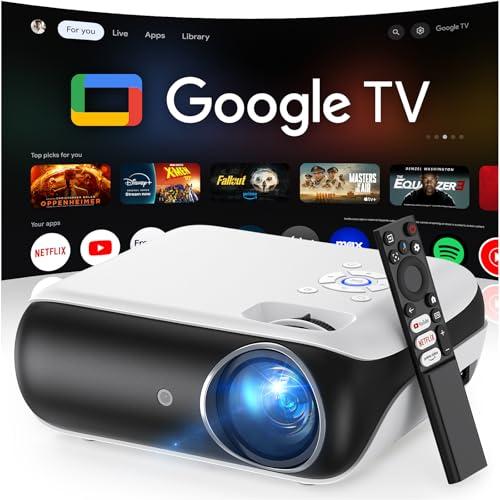
The world of home entertainment has shifted dramatically over the past few years, and smart projectors have emerged as one of the most compelling alternatives to traditional TVs. These devices combine the flexibility of projection with built-in streaming capabilities, eliminating the cable clutter and setup complexity that once made projectors a niche choice. Today, we're comparing two very different approaches to smart projection: the budget-friendly HAPPRUN Google TV Smart Projector and the premium Epson EpiqVision Mini EF22.
Both projectors launched recently—the Epson EF22 in late 2024 and the HAPPRUN emerging in early 2025—representing the current state of smart projector technology. What makes this comparison particularly interesting is how these products illustrate the dramatic range of performance and pricing available in today's market.
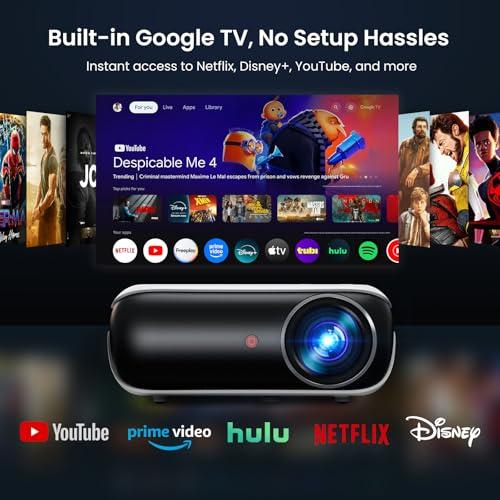
Before diving into specifics, it's worth understanding what separates modern smart projectors from the business presentation devices you might remember from school. Today's smart projectors integrate streaming platforms like Netflix, YouTube, and Disney+ directly into the device, powered by the same Android TV or Google TV systems found in premium televisions. This means no external streaming stick required—just plug in power, connect to Wi-Fi, and start watching.
The core technologies that determine projector performance haven't changed fundamentally, but they've become much more accessible. ANSI lumens measure actual brightness output (not marketing claims), contrast ratio determines how deep blacks appear against bright whites, and the light source affects both image quality and maintenance requirements. Modern laser projectors, like both units we're examining, offer 20,000-hour lifespans—roughly 10 years of typical use—with no bulb replacements needed.
The fundamental difference between these projectors lies in their display technology and target markets. The HAPPRUN Google TV Smart Projector represents the democratization of smart projection—decent performance at an accessible price point. At the time of writing, it sits in the under-$300 category, making it one of the most affordable true smart projectors with official streaming app support.
The Epson EpiqVision Mini EF22, conversely, occupies the premium portable space with pricing typically between $800-1000. Epson, a company that's been perfecting projection technology for decades, packed professional-grade components into a lifestyle-friendly package. This isn't just a price difference—it represents two entirely different philosophies about what a projector should be.
If there's one specification that determines whether you'll actually enjoy using a projector, it's brightness. This is where the differences between our two contestants become most apparent and consequential.
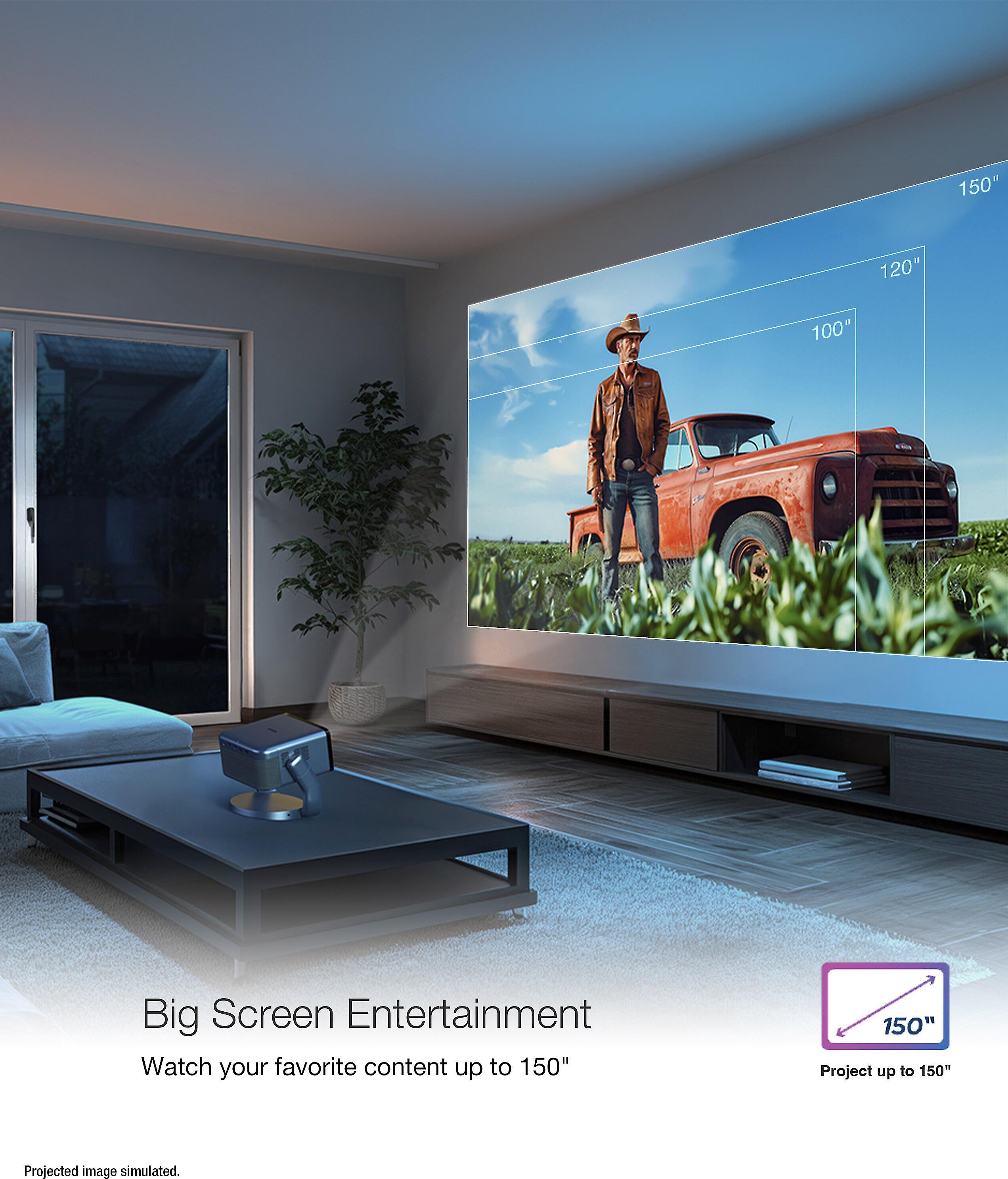
The Epson EF22 outputs 1,000 ANSI lumens through its 3-chip 3LCD system. To put this in perspective, that's enough brightness to produce a watchable 100-inch image even with some ambient light in the room. You could realistically use this projector for family movie night with the curtains drawn but lights on, or even outdoors during golden hour.
The HAPPRUN, with its 350 ANSI lumens, tells a different story. This brightness level demands environmental control—you'll need a dark room or nighttime outdoor setting to get satisfying image quality. It's not necessarily a deal-breaker, but it does limit when and where you can use the projector effectively.
Here's why this matters more than other specifications: a dim projector with perfect color accuracy is less useful than a bright projector with good-enough colors, simply because you can actually see the bright one. Based on extensive user feedback and professional reviews, the brightness threshold for casual daytime use appears to be around 800 ANSI lumens. The Epson clears this bar comfortably, while the HAPPRUN falls well short.
However, this brightness difference comes with trade-offs. Higher brightness typically means higher power consumption, more heat generation, and potentially noisier cooling fans. The Epson manages these challenges well with its laser light source, but it's still a more complex system than the simpler HAPPRUN design.
The Epson EF22 uses 3-chip 3LCD technology, which represents the premium approach to projection. Instead of a single chip creating all colors, this system uses three separate chips—one each for red, green, and blue light. The practical benefits are significant: no "rainbow effect" (those brief color flashes some people see with single-chip projectors), better color accuracy across all brightness levels, and equal white and color brightness.
This technology has been Epson's specialty for years, and they've refined it to near-perfection in recent generations. The result is image quality that looks natural and balanced, whether you're watching a dark thriller or a bright animated movie. Colors appear saturated without looking artificial, and skin tones render naturally—something that's often challenging for budget projectors.
The HAPPRUN likely uses a single-chip DLP system (though the manufacturer doesn't specify), which is the typical approach for budget projectors. While this technology has improved dramatically in recent years, it still can't match the color fidelity of 3-chip systems. However, for the target audience—people who want decent projection without spending premium prices—the image quality is quite acceptable when used in appropriate conditions.
Both projectors support HDR (High Dynamic Range), which expands the range between the darkest and brightest parts of an image. The HAPPRUN advertises HDR10+ support, while the Epson handles HDR10 and HLG. In practical terms, this means both can display enhanced contrast and color when streaming HDR content from Netflix or Disney+, though the Epson will display it much more effectively due to its superior brightness and contrast capabilities.
Both projectors run Google TV, but their implementations differ significantly in responsiveness and capability. The Epson EF22, with its more powerful processing hardware, delivers smooth navigation through menus and apps. Based on user reports, app launching is quick, and there's minimal lag when scrolling through content libraries.
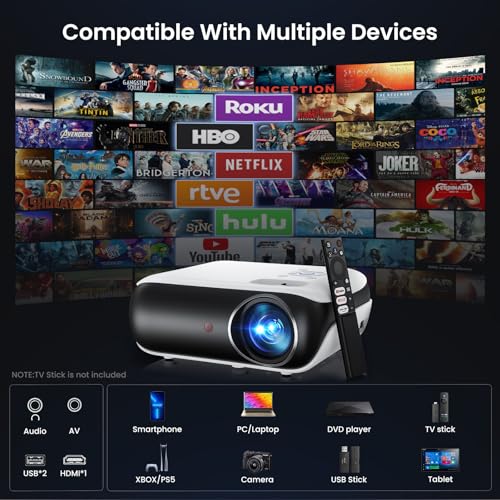
The HAPPRUN also performs respectably in the smart platform department, with users praising its "zippy" interface responsiveness. However, what gives it a unique advantage is its official Netflix certification—something surprisingly rare in budget projectors. Many cheaper projectors require sideloading Netflix or using external streaming devices, making the HAPPRUN genuinely convenient for cord-cutters.
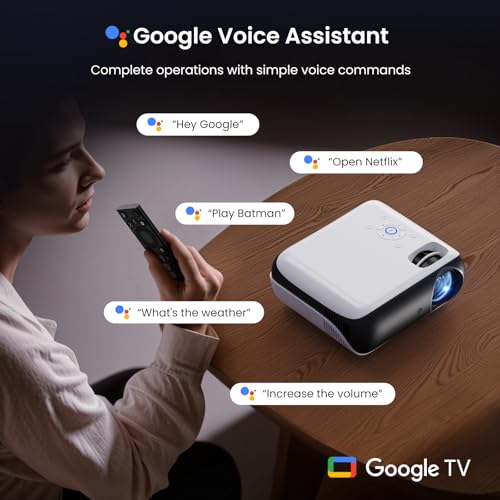
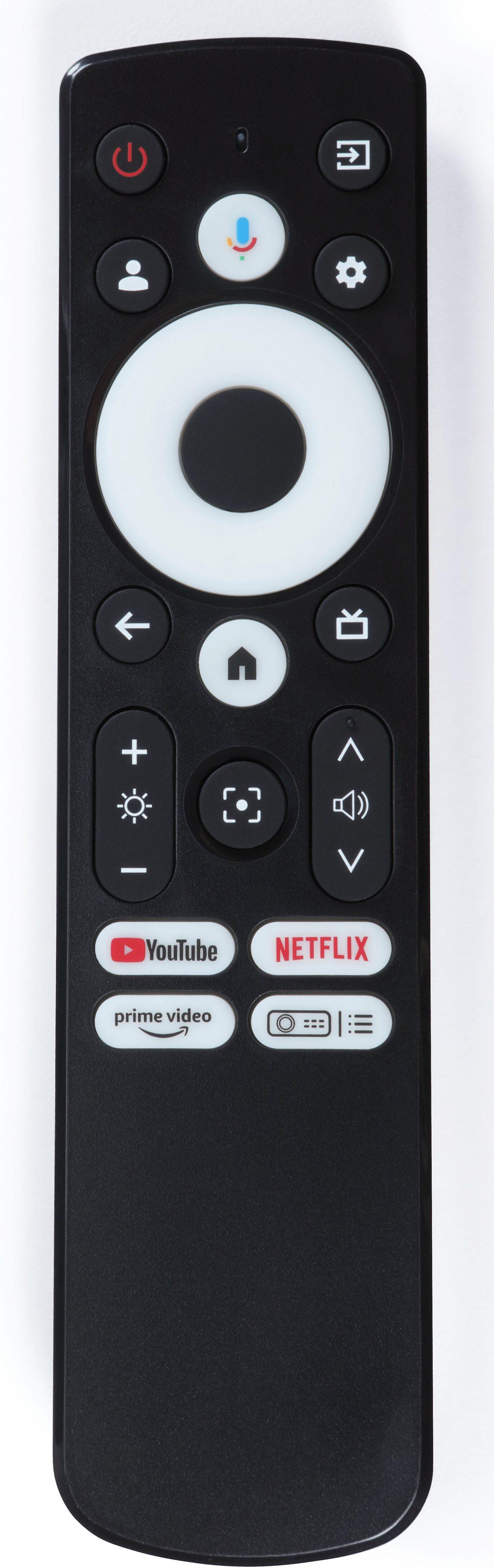
Both projectors support Google Assistant voice control through their remotes, and both can cast content from phones and tablets. The HAPPRUN adds AirPlay support for Apple devices, while the Epson focuses primarily on Google Cast. For most users, either approach works fine, but Apple ecosystem users might appreciate the HAPPRUN's broader compatibility.
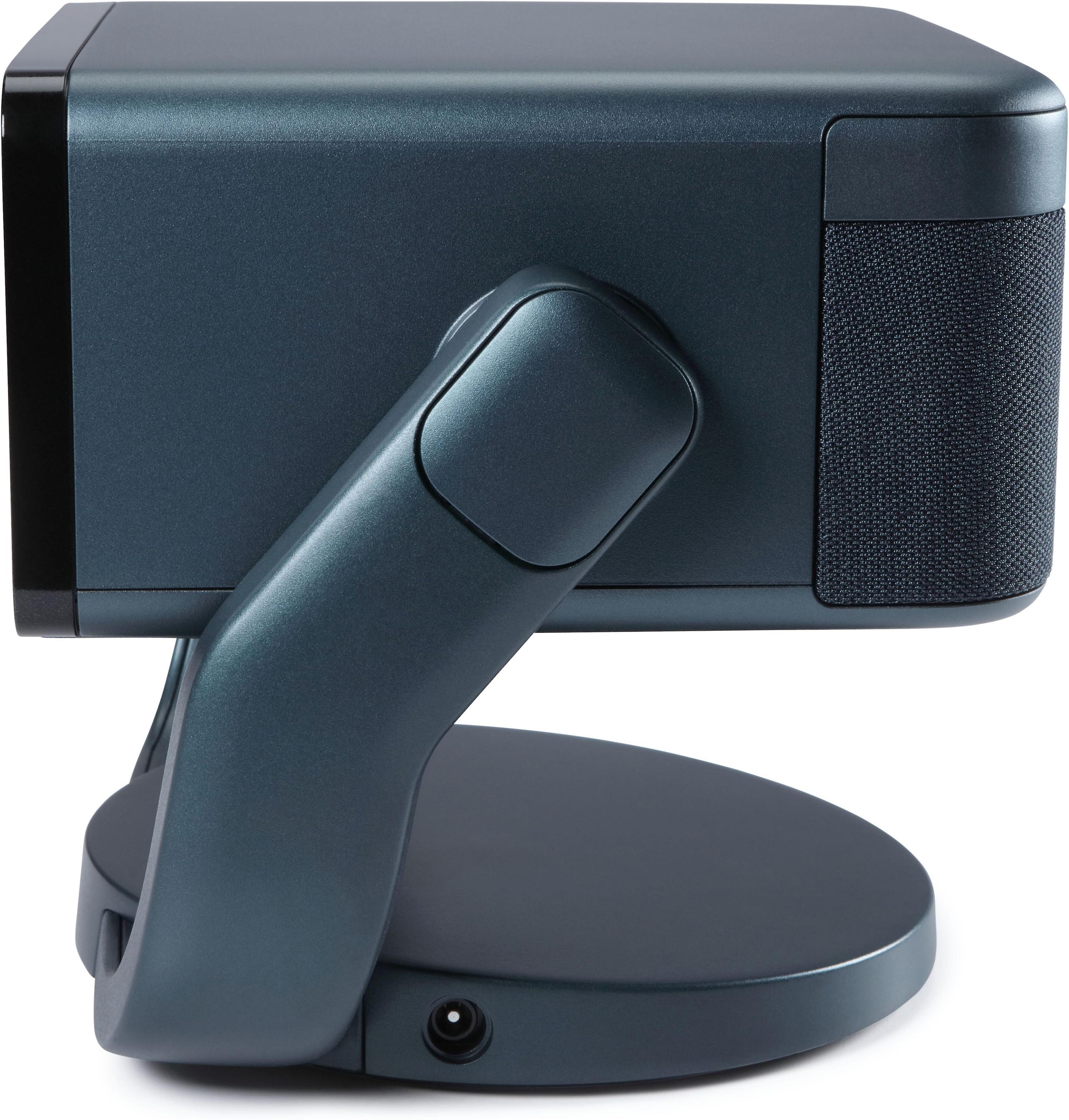
Audio often gets overlooked in projector comparisons, but it significantly impacts the viewing experience. The Epson EF22 includes dual 5-watt stereo speakers with Dolby Digital+ processing. This creates actual stereo separation—you can hear effects move from left to right, and dialogue sounds centered even when you're sitting off to one side.
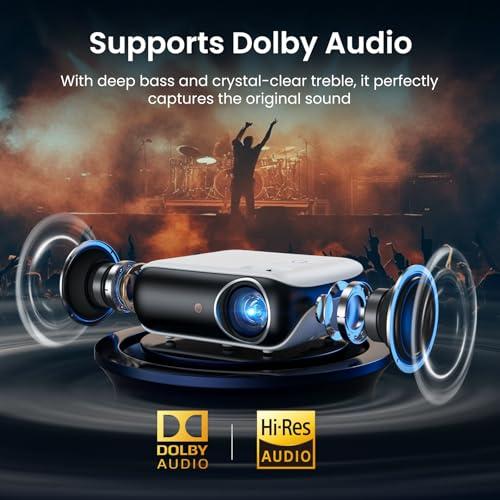
The HAPPRUN features a single 8-watt speaker with Dolby processing. While the higher wattage suggests more power, a single speaker can't create true stereo effects. It's adequate for casual viewing and produces surprisingly full sound for its size, but it lacks the spatial audio experience that makes movies truly immersive.
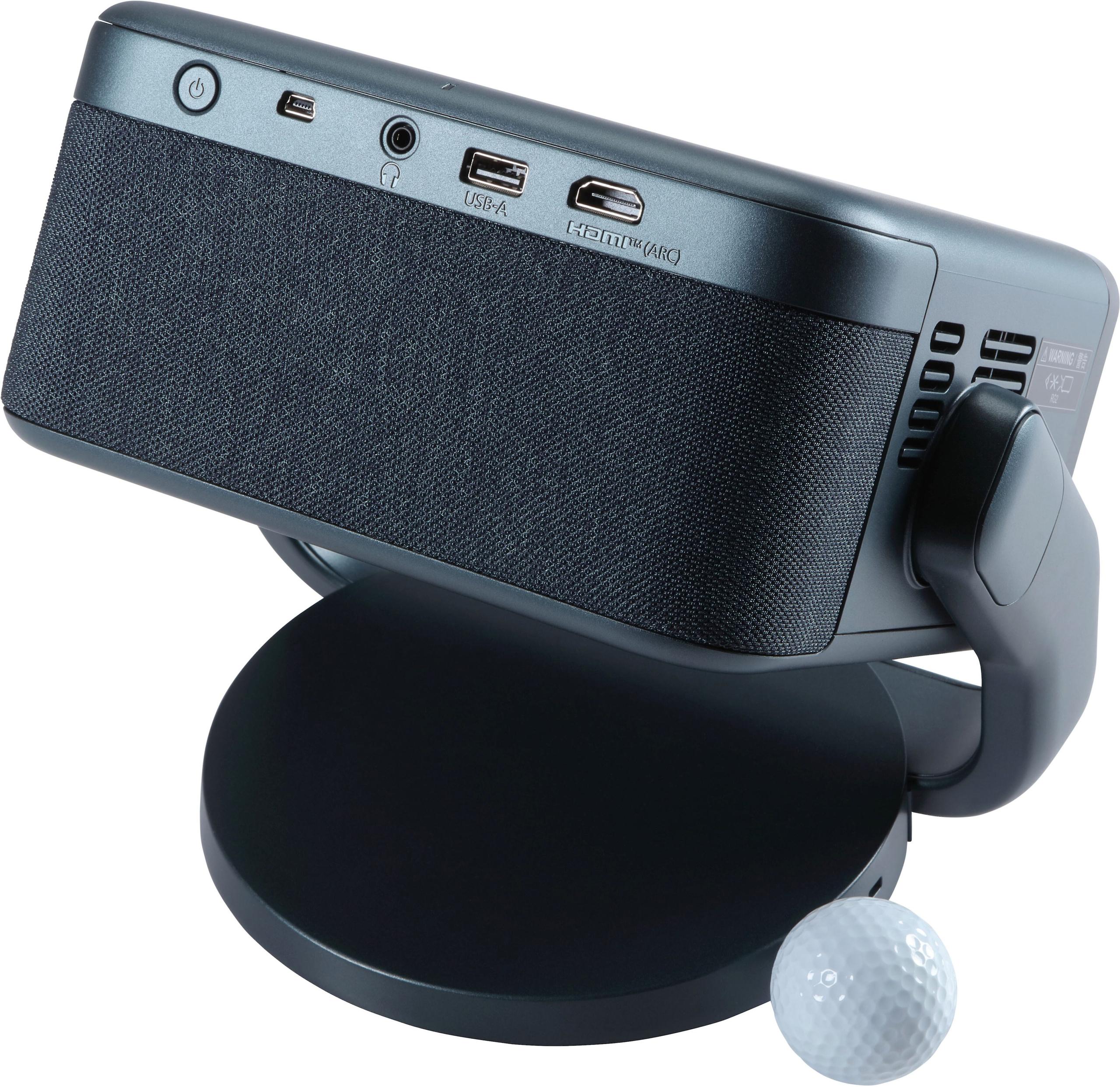
For serious home theater use, most projector owners eventually connect external sound systems anyway. Both projectors support this through various methods—HDMI ARC on the Epson, and Bluetooth or analog outputs on both models. The Epson's HDMI ARC capability is particularly useful because it can send audio to a soundbar or receiver while maintaining a single cable connection.
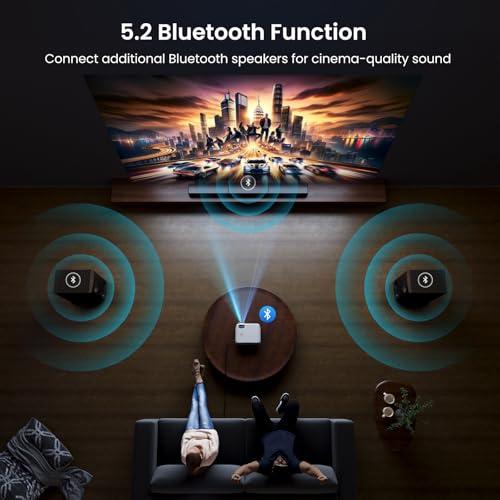
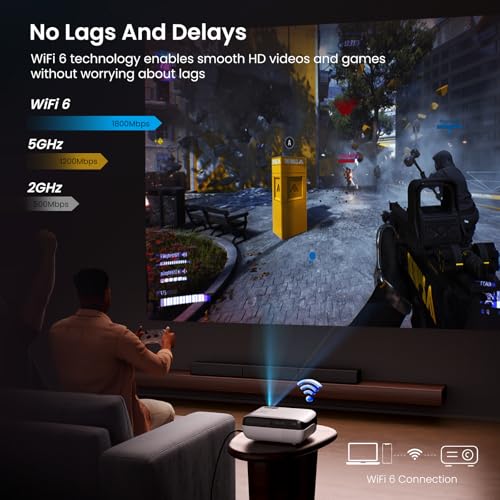
The HAPPRUN gains points for modern connectivity standards. Its Wi-Fi 6 support provides faster, more stable streaming connections, especially in homes with many connected devices. The Bluetooth 5.2 implementation offers improved range and lower latency for wireless audio connections.
The Epson doesn't specify Wi-Fi 6 support, likely using the previous Wi-Fi 5 standard. For most streaming scenarios, this won't impact performance, but Wi-Fi 6 does provide better handling of network congestion and improved battery life for connected devices.
Both projectors offer adequate port selection for their target markets. The HAPPRUN includes dual USB ports for external storage or device charging, while the Epson focuses on essential connections with HDMI ARC support for premium audio systems.
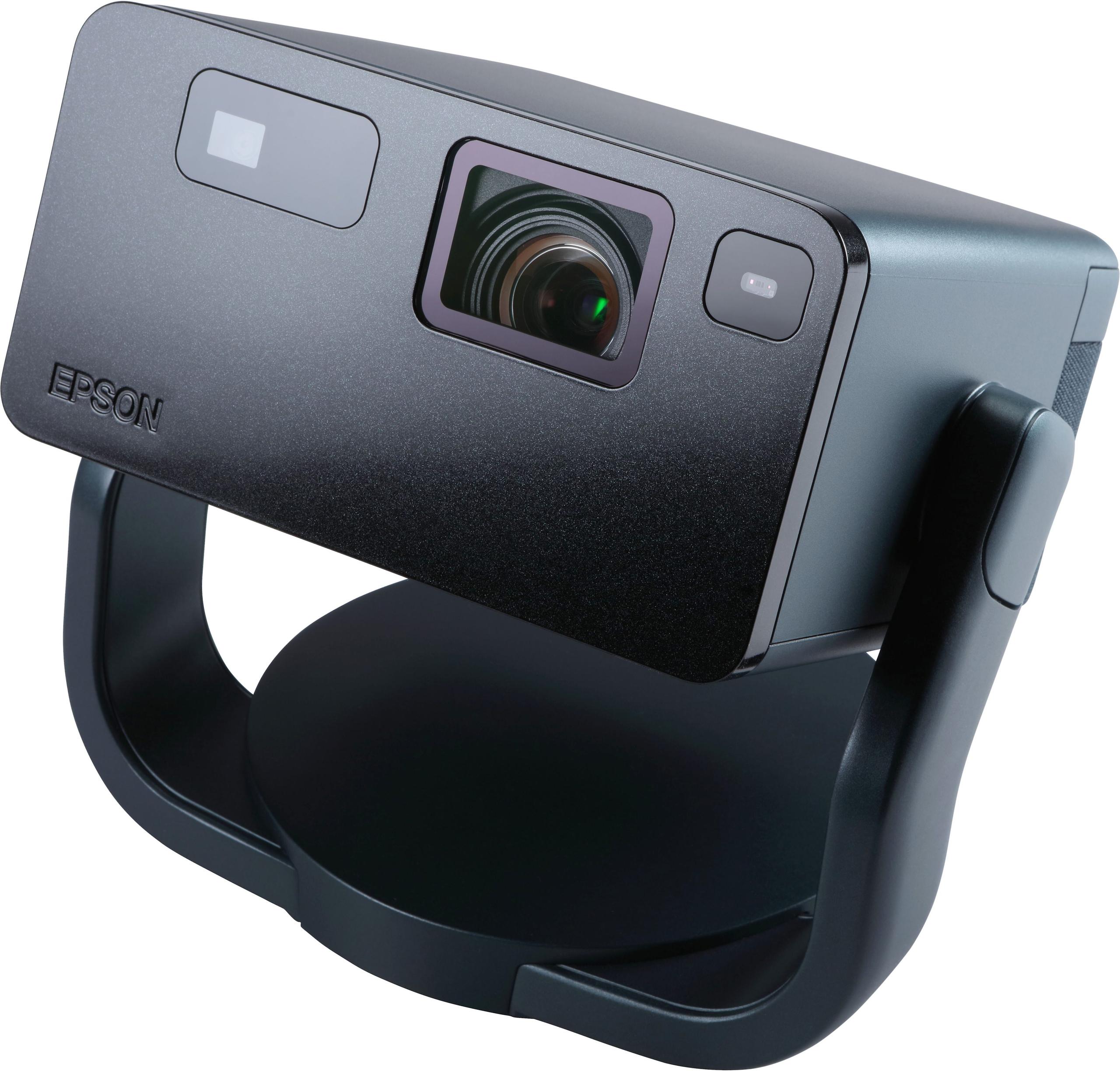
This is where the price difference becomes most apparent in day-to-day use. The Epson EF22 features automated setup through its EpiqSense technology—it automatically adjusts focus, corrects keystone distortion (the trapezoidal shape that occurs when projecting at an angle), and optimizes image settings based on the projection surface. Combined with its 360-degree rotatable stand, you can place it almost anywhere and get a properly adjusted image within seconds.
The HAPPRUN requires manual adjustment for focus and keystone correction. While this isn't particularly difficult, it does add friction to the setup process. If you're frequently moving the projector between locations, this becomes more significant over time.
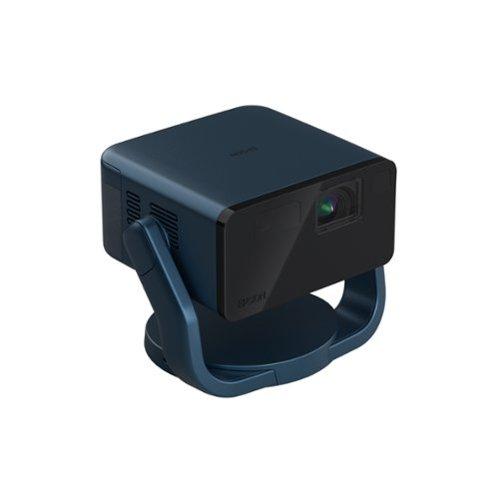
The Epson's rotatable stand deserves special mention because it enables unique placement options. You can project on walls, ceilings, or even at unconventional angles, making it genuinely versatile for different room configurations.
Based on extensive user feedback and professional reviews, the performance gap between these projectors varies dramatically by use case. In dedicated dark rooms—basement theaters, bedrooms with blackout curtains, or outdoor nighttime settings—the HAPPRUN delivers surprisingly satisfying results. Users consistently praise its color vibrancy and black levels in optimal conditions.
However, introduce any ambient light, and the Epson EF22 dominates. Family rooms with shaded windows, covered patios during daytime, or anywhere you can't achieve complete darkness strongly favor the brighter projector. The 3x brightness advantage isn't just a number—it translates to genuine usability in more scenarios.
For home theater enthusiasts, the Epson's superior contrast ratio (over 5 million to 1 versus 20,000 to 1) creates more dramatic images with deeper blacks and more detailed shadows. This becomes particularly noticeable in dark scenes from movies or TV shows.
Gaming performance deserves mention, as both projectors offer surprisingly low input lag for their categories. The HAPPRUN receives praise from users for casual gaming, while the Epson's higher brightness makes it more suitable for competitive gaming where you need to see dark corners clearly.
The HAPPRUN Google TV Smart Projector represents exceptional value for specific use cases. If you have a dedicated dark viewing space, prioritize smart features over ultimate image quality, and want to explore projection without major investment, it's genuinely compelling. College students, apartment dwellers, or anyone seeking a secondary entertainment device should seriously consider this option.
The Epson EpiqVision Mini EF22 justifies its premium pricing through versatility and performance consistency. If you want one projector that works well in various lighting conditions, delivers professional-grade image quality, and offers the convenience of automated setup, the higher investment makes sense. This is particularly true for users who plan frequent use or need the flexibility to entertain in different spaces.
Your choice ultimately depends on matching the product to your specific needs and expectations. Choose the HAPPRUN if you're budget-conscious, have a controllable viewing environment, and want to experience smart projection without major financial commitment. It's an excellent entry point that delivers core functionality well.
Select the Epson EF22 if image quality and versatility matter more than initial cost, if you need performance across various lighting conditions, or if you value the convenience of premium features like automated setup. It's the choice for users who want projection to genuinely replace traditional TV watching in primary living spaces.
Both projectors represent the current state of smart projection technology well, but they're designed for different users with different priorities. The dramatic improvement in budget projector capability, exemplified by the HAPPRUN, makes quality projection more accessible than ever. Meanwhile, premium options like the Epson EF22 show how sophisticated portable projection has become when you're willing to invest in top-tier performance.
The smart projector market continues evolving rapidly, with improvements in brightness, connectivity, and smart platform integration appearing regularly. Both of these 2024-2025 releases incorporate current-generation technology, ensuring they'll remain relevant as streaming services and content standards continue advancing.
| HAPPRUN Google TV Smart Projector | Epson EpiqVision Mini EF22 Streaming Projector |
|---|---|
| Brightness - Most critical spec determining where you can use the projector | |
| 350 ANSI lumens (requires dark rooms or nighttime outdoor use) | 1,000 ANSI lumens (works with ambient light, suitable for living rooms) |
| Display Technology - Affects color accuracy and image quality | |
| Single-chip system (good colors in optimal conditions) | 3-chip 3LCD (professional color accuracy, no rainbow effect) |
| Native Resolution - Determines image sharpness | |
| 1080p Full HD (sharp at recommended sizes) | 1080p Full HD (sharp at recommended sizes) |
| 4K Support - Future-proofing for streaming content | |
| 4K decoding (accepts 4K signals, displays at 1080p) | 4K input acceptance (downscales to native 1080p) |
| Contrast Ratio - How deep blacks appear against bright whites | |
| 20,000:1 (good depth in dark scenes) | 5,000,000:1 dynamic (exceptional black levels and image depth) |
| HDR Support - Enhanced color and contrast for streaming | |
| HDR10+ (wide compatibility with streaming services) | HDR10 and HLG (industry standard formats) |
| Projection Size Range - Flexibility for different spaces | |
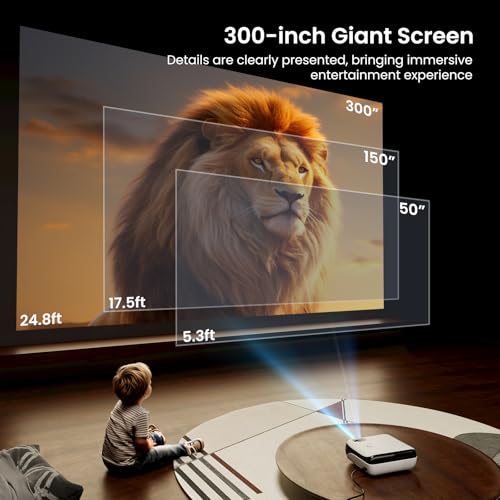
| 40-200 inches (claims up to 300 inches possible) | 30-150 inches (optimal performance range) |
| Audio System - Built-in sound quality | |
| Single 8W speaker with Dolby 3D (adequate for casual viewing) | Dual 5W stereo speakers with Dolby Digital+ (true stereo separation) |
| Smart Platform - Streaming capabilities and app support | |
| Google TV with official Netflix licensing (rare at this price point) | Google TV with full app ecosystem support |
| Setup Convenience - How easy it is to get a perfect image | |
| Manual focus and keystone adjustment (requires user setup) | EpiqSense auto-focus and correction (instant perfect image) |
| Connectivity Standards - Future-proofing and performance | |
| Wi-Fi 6, Bluetooth 5.2, Google Cast + AirPlay support | Wi-Fi 5, Bluetooth, Google Cast, HDMI ARC |
| Physical Design - Portability and placement options | |
| Lightweight, basic stand (good for fixed setups) | 6.6 lbs, 360-degree rotatable stand (extremely versatile placement) |
| Light Source Lifespan - Long-term maintenance | |
| 20,000-hour laser (10+ years typical use) | 20,000-hour laser (10+ years typical use) |
| Target Use Case - Who this projector is designed for | |
| Budget-conscious users with dark viewing spaces | Quality-focused users needing versatile performance |
| Value Proposition - Performance per dollar spent | |
| Exceptional smart features at entry-level pricing | Professional-grade performance justifying premium cost |
The Epson EpiqVision Mini EF22 is significantly brighter at 1,000 ANSI lumens compared to the HAPPRUN Google TV Smart Projector at 350 ANSI lumens. This means the Epson EF22 can produce watchable images even with some ambient light, while the HAPPRUN requires a dark room or nighttime outdoor setting for optimal viewing.
Yes, both the HAPPRUN Google TV Smart Projector and Epson EpiqVision Mini EF22 run Google TV with built-in streaming apps. However, the HAPPRUN has official Netflix licensing, which is rare at its price point, while the Epson EF22 accesses Netflix through the standard Google TV platform.
For dedicated home theaters with controlled lighting, both projectors work well, but the Epson EpiqVision Mini EF22 offers superior performance with its 3-chip 3LCD technology, higher contrast ratio of 5,000,000:1, and dual stereo speakers. The HAPPRUN Google TV Smart Projector can deliver satisfying results in dark rooms but lacks the image depth and audio quality of the Epson EF22.
The Epson EpiqVision Mini EF22 uses professional 3-chip 3LCD technology for superior color accuracy and no rainbow effects, while the HAPPRUN Google TV Smart Projector uses a single-chip system that's adequate for budget viewing. Both offer 1080p resolution, but the Epson EF22 delivers more natural colors and better contrast performance.
The Epson EpiqVision Mini EF22 features automatic setup with EpiqSense technology, including auto-focus and keystone correction, plus a 360-degree rotatable stand for flexible placement. The HAPPRUN Google TV Smart Projector requires manual focus and keystone adjustments, making the Epson EF22 significantly more convenient for frequent repositioning.
Both the HAPPRUN Google TV Smart Projector and Epson EpiqVision Mini EF22 work well for outdoor movie nights after dark. However, the Epson EF22's higher brightness makes it more versatile for outdoor use during golden hour or with some ambient lighting, while the HAPPRUN performs best in complete darkness.
The HAPPRUN Google TV Smart Projector offers exceptional value for budget-conscious buyers who have dark viewing environments, providing smart TV functionality at a fraction of premium projector costs. The Epson EpiqVision Mini EF22 justifies its higher price with professional-grade performance, versatility across lighting conditions, and premium convenience features.
The Epson EpiqVision Mini EF22 features dual 5W stereo speakers with Dolby Digital+ for true stereo separation and spatial audio. The HAPPRUN Google TV Smart Projector has a single 8W speaker with Dolby processing that's adequate for casual viewing but can't match the Epson EF22's stereo soundstage and audio quality.
Both projectors offer surprisingly low input lag for their categories, but the Epson EpiqVision Mini EF22 is better suited for gaming due to its higher brightness, which helps visibility in dark game scenes. The HAPPRUN Google TV Smart Projector works well for casual gaming in dark rooms, while the Epson EF22 handles competitive gaming scenarios more effectively.
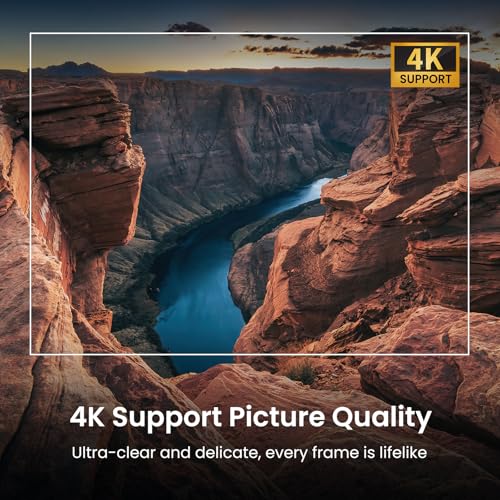
Both the HAPPRUN Google TV Smart Projector and Epson EpiqVision Mini EF22 can accept 4K input signals but display them at their native 1080p resolution. Neither is a true 4K projector, but both handle 4K streaming content well by downscaling it to 1080p with good quality retention.
Both the HAPPRUN Google TV Smart Projector and Epson EpiqVision Mini EF22 use laser light sources rated for 20,000 hours of operation, equivalent to over 10 years of typical use. Neither requires bulb replacements, making maintenance virtually identical between the two models, though the Epson EF22 comes with a longer manufacturer warranty.
For living room use, the Epson EpiqVision Mini EF22 is the clear choice due to its 1,000 ANSI lumen brightness that works with ambient light, automated setup features, and superior audio system. The HAPPRUN Google TV Smart Projector is better suited for dedicated dark rooms, bedrooms, or basement entertainment areas where you can control lighting conditions.
We've done our best to create useful and informative comparisons to help you decide what product to buy. Our research uses advanced automated methods to create this comparison and perfection is not possible - please contact us for corrections or questions. These are the sites we've researched in the creation of this article: youtube.com - topvisiontec.com - youtube.com - happrunprojector.com - youtube.com - happrunprojector.com - youtube.com - business.walmart.com - youtube.com - walmart.com - cordcuttersnews.com - nexpow.com - techradar.com - bestbuy.com - geekingout.ca - crutchfield.com - whatgear.net - youtube.com - epson.com - crutchfield.com - projectorcentral.com - epson.com - bestbuy.com - whathifi.com - projectorreviews.com - youtube.com - youtube.com - hometheaterhifi.com - projectorreviews.com - bestbuy.com - youtube.com - staples.com - projectorcentral.com - bestbuy.com - mediaserver.goepson.com - epson.com - news.epson.com

Privacy Policy
Terms and Conditions - Affiliate Policy
Home Security
© Copyright 2008-2026.
11816 Inwood Rd #1211, Dallas, TX 75244