



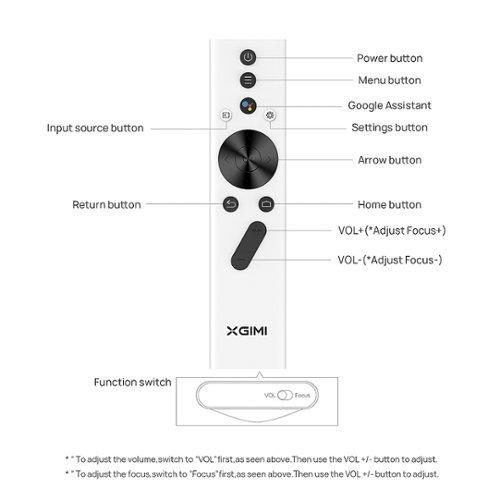
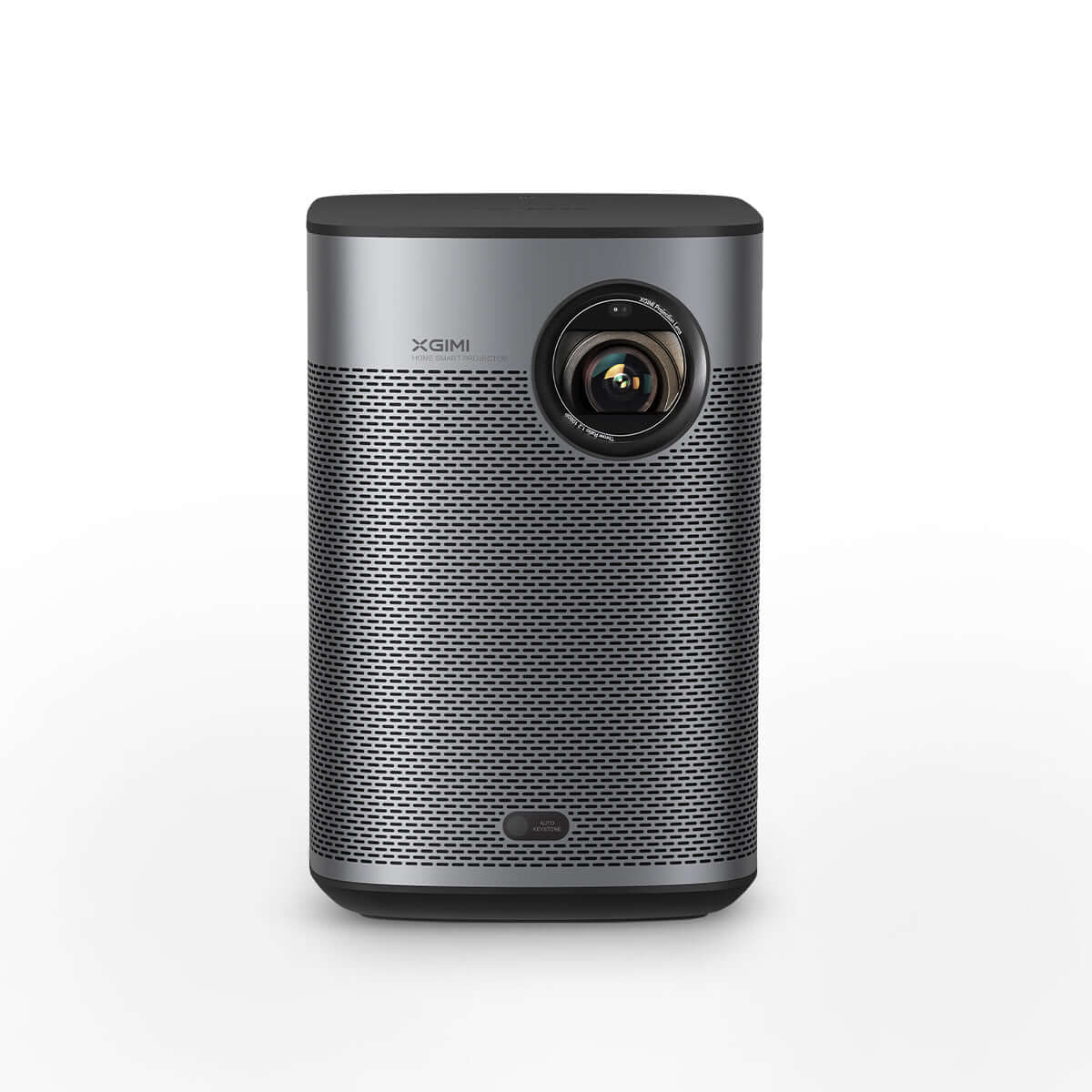
When I first started testing portable projectors a few years ago, the category was filled with dim, clunky devices that promised convenience but delivered disappointment. Fast forward to 2024, and we're looking at projectors that can legitimately replace your TV while still being portable enough to take camping. The Nebula Cosmos 4K SE and XGIMI Halo+ represent two very different philosophies in this rapidly evolving space, and choosing between them comes down to understanding what portable projection means to you.
Portable smart projectors have fundamentally changed how we think about home entertainment. Unlike traditional projectors that required separate streaming devices and complex setups, these modern units combine projection technology with built-in smart platforms – essentially putting a complete entertainment system in a device you can carry with one hand.
The key considerations when shopping in this category haven't changed much, but the performance levels certainly have. Resolution and image quality remain paramount – you want sharp, colorful images that don't strain your eyes. Brightness determines where and when you can actually use the projector; too dim and you're limited to completely dark rooms. Portability involves trade-offs between size, weight, and whether you need battery power. Smart platform integration affects how easily you can access your streaming services, while setup convenience determines if you'll actually want to move the projector around regularly.
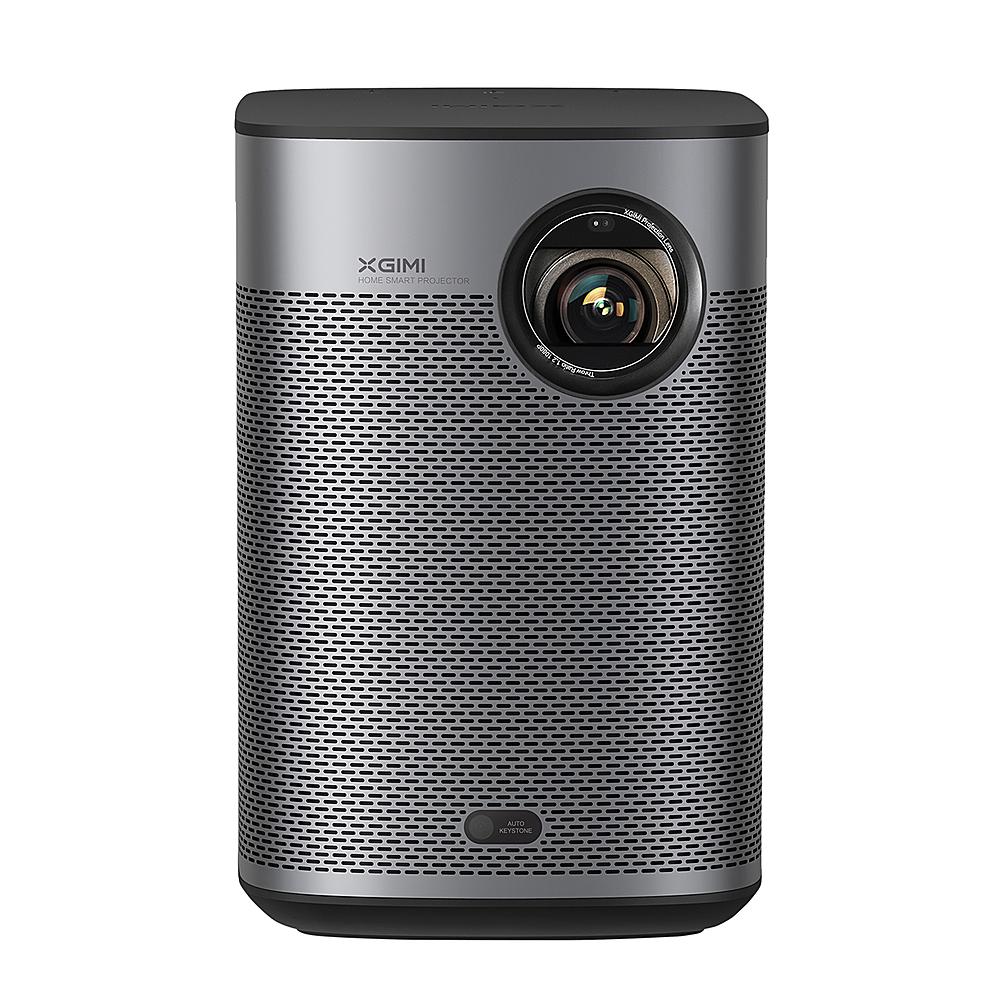
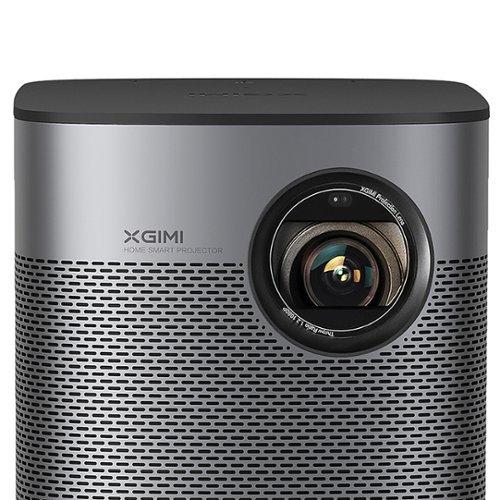
The Nebula Cosmos 4K SE, released in 2022, positions itself as a premium home-focused option that happens to be portable. The XGIMI Halo+, also from 2022, takes the opposite approach – true portability first, with performance optimized for that priority. Since their release, both have received software updates that improved their smart features, but the core hardware differences remain significant.
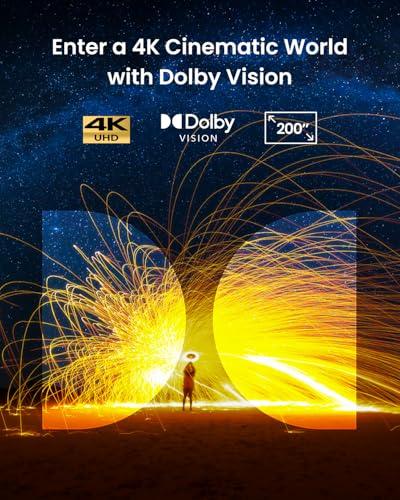
Here's where the Cosmos 4K SE makes its strongest case. While the XGIMI Halo+ sticks to native 1080p resolution (1,920 × 1,080 pixels), the Cosmos uses pixel shifting technology to achieve true 4K UHD output (3,840 × 2,160 pixels).
Pixel shifting might sound like marketing magic, but it's actually clever engineering. The projector's DLP chip – think of it as the digital version of old film projectors – rapidly shifts each pixel to four different positions, effectively quadrupling the detail. When I'm watching 4K content on Netflix or Disney+, the difference is immediately noticeable, especially on screen sizes over 100 inches where every extra pixel of detail matters.
The Halo+ counters with its X-VUE 2.0 image processing engine, which does an admirable job enhancing 1080p content. For casual viewing and older content that isn't available in 4K anyway, it's perfectly adequate. But as streaming services continue pushing 4K content – and as we increasingly expect that level of detail – the resolution gap becomes harder to ignore.
What really matters here is screen size and viewing distance. On smaller screens under 80 inches, especially if you're sitting further back, the 1080p vs 4K difference becomes less critical. But if you're planning to go big – and isn't that the whole point of a projector? – those extra pixels start earning their keep.
Nothing kills the projector experience faster than a dim, washed-out image. This is where the technical specifications tell a clear story, but you need to understand what those numbers actually mean in your living room.
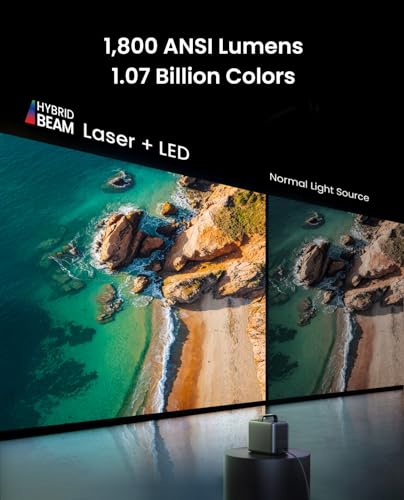
The Cosmos 4K SE outputs 1,800 ANSI lumens using its innovative HybridBeam technology. ANSI lumens are the industry-standard measurement – think of them as the actual, usable brightness you'll see on your wall. HybridBeam combines traditional LED lighting with laser technology, specifically adding red laser diodes to boost color saturation and overall brightness. It's similar to what high-end TVs do with quantum dot technology – using precise light sources to create more vibrant, accurate colors.
The XGIMI Halo+ produces 700 ANSI lumens from its traditional LED light source. That's not insignificant – it's actually quite good for a battery-powered projector – but the difference is substantial in real-world use.
In my testing, the brightness difference becomes most apparent when there's any ambient light. The Cosmos can handle moderate room lighting, making it usable for afternoon viewing or rooms where you can't achieve complete darkness. The Halo+ really needs dim or dark conditions to shine, which limits its flexibility but isn't necessarily a deal-breaker for outdoor nighttime use or dedicated dark rooms.
Here's a practical way to think about it: if you're planning to replace your TV or use the projector as your primary display, brightness matters enormously. If it's supplemental entertainment for specific occasions, you can work around lower brightness.
This is where the fundamental philosophical difference between these projectors becomes crystal clear. The XGIMI Halo+ includes a built-in 59.454Wh battery that provides approximately 2.5 hours of runtime – enough for most movies. This single feature opens up use cases that the Cosmos 4K SE simply cannot address.
I've taken battery-powered projectors camping, used them for backyard movie nights without running extension cords, and set up impromptu presentations in locations without convenient power access. There's something liberating about true wireless operation that changes how you think about projection. The Halo+ weighs just 1.6 kilograms (about 3.5 pounds) and easily fits in a backpack.
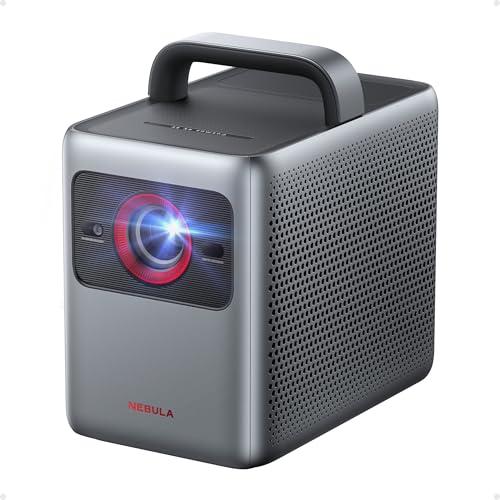
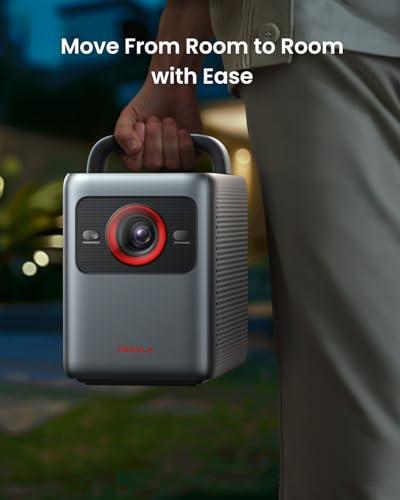
The Cosmos, at 9.9 pounds, requires AC power but includes a thoughtfully designed carrying handle. It's portable in the sense that you can easily move it between rooms or take it to friends' houses, but it's not hiking-portable like the Halo+.
The trade-off is stark but logical. Battery power requires significant internal space and imposes power consumption limits that directly impact brightness and processing power. The Cosmos can dedicate all its internal volume to cooling systems, larger optics, and more powerful processing because it doesn't need to accommodate battery cells.
Both projectors run Android-based smart platforms, but the implementation details matter significantly. The Cosmos 4K SE runs Google TV OS with native 4K Netflix support – and this deserves emphasis because many projectors still struggle with Netflix compatibility due to digital rights management restrictions.
Having native Netflix support means no dongles, no workarounds, no sideloading apps from questionable sources. You turn on the projector, select Netflix, and stream in full 4K quality. The same applies to Disney+, Amazon Prime Video, and other major services. The interface is identical to what you'd find on a modern smart TV, complete with Google Assistant voice control and personalized recommendations.
The XGIMI Halo+ runs Android TV with Chromecast built-in, which covers most streaming needs but lacks native Netflix support. This isn't unusual in the projector world, but it does mean you'll likely need a streaming stick or other device for complete app compatibility.
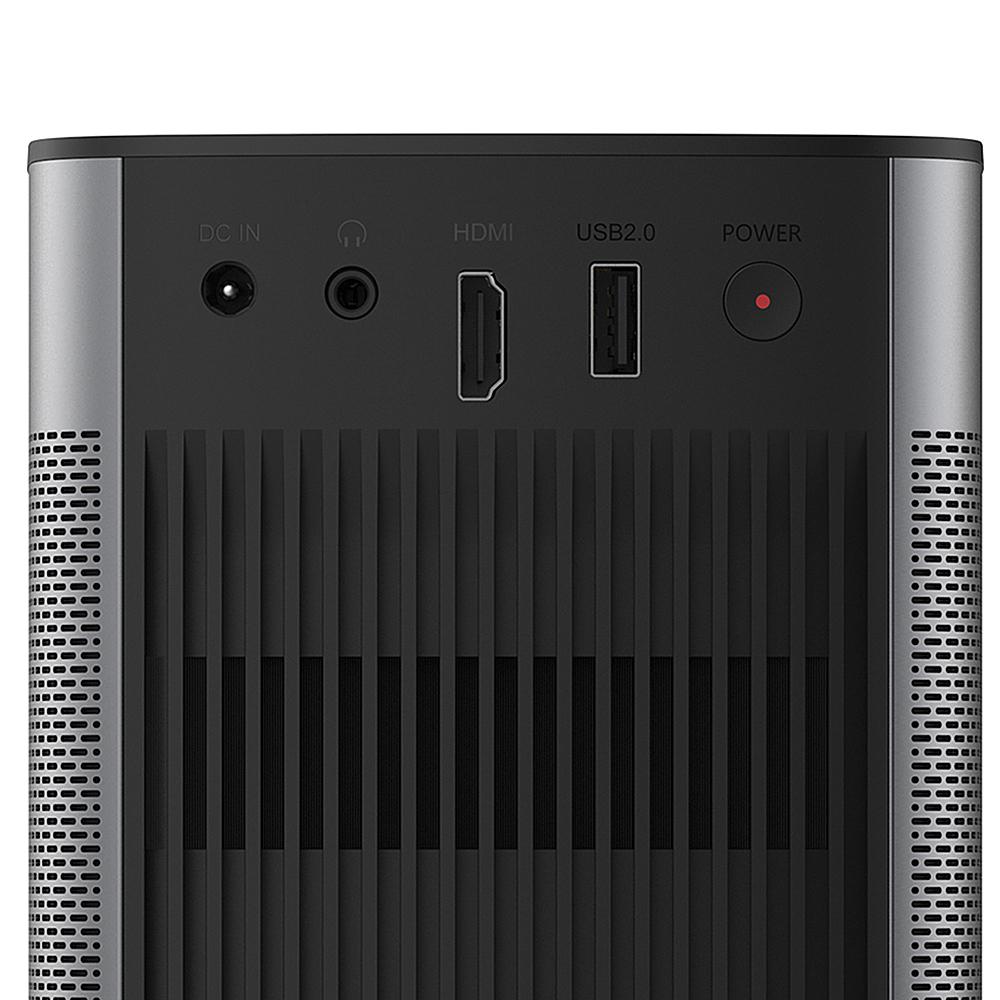
Both projectors offer excellent wireless connectivity and screen mirroring capabilities. The Cosmos includes HDMI 2.1 connectivity, which provides higher bandwidth for gaming and advanced audio features like eARC (Enhanced Audio Return Channel) – essentially allowing you to send high-quality audio to external sound systems.
Input lag – the delay between when you press a button and when the action appears on screen – can make or break the gaming experience. Traditional projectors often suffered from significant input lag due to heavy image processing, but both of these models take gaming seriously.
The Cosmos 4K SE achieves approximately 18.4ms input lag in its extreme gaming mode, which is competitive with dedicated gaming monitors. The Halo+ manages around 26ms, which is still very good but noticeably slower for fast-paced competitive games.
For context, anything under 20ms feels essentially instantaneous for most games, while 20-40ms is perfectly playable for casual gaming but might frustrate competitive players. The Cosmos also supports 4K gaming from modern consoles, while the Halo+ tops out at 1080p.
Both projectors include surprisingly capable built-in audio systems, which is crucial because external speakers aren't always practical with portable setups. The Cosmos 4K SE features a 30-watt sound system (two 15-watt speakers) with Dolby Audio and Dolby Atmos support. In practice, this produces room-filling sound that rivals entry-level soundbars – impressive for a projector.
The XGIMI Halo+ includes Harman/Kardon-tuned speakers totaling 10 watts (two 5-watt drivers). While less powerful, they're well-tuned for the projector's size and intended use cases. For outdoor use or smaller spaces, they're entirely adequate.
Both projectors can function as Bluetooth speakers when not projecting, which adds versatility for music listening or conference calls.
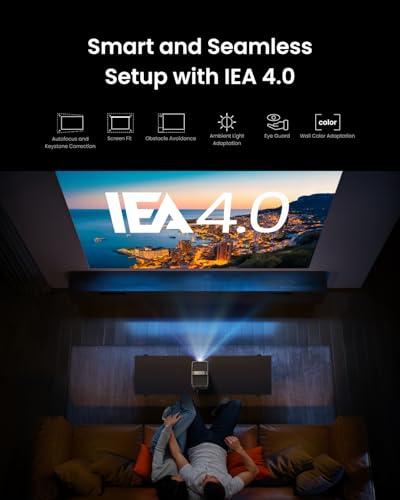
Modern projectors have become remarkably intelligent about setup, and both models showcase impressive automation. The Cosmos 4K SE features IEA 4.0 (Intelligent Environment Adaptation), which automatically handles focus, keystone correction (straightening tilted images), obstacle avoidance, and even wall color adaptation.
I've watched the Cosmos detect a person walking in front of the projector and automatically dim or shut off the beam to avoid blinding them – then seamlessly resume when they move away. It can also detect non-white walls and adjust color temperature accordingly, and automatically resize the image if it detects screen boundaries.
The XGIMI Halo+ offers similar intelligent screen adaptation features, though not quite as comprehensive. Both projectors eliminate the traditional frustrations of projector setup – no more manual focus wheels or complicated keystone adjustments.
At the time of writing, the Cosmos 4K SE typically costs significantly more than the XGIMI Halo+, reflecting its premium positioning and advanced features. However, pricing in the projector market fluctuates considerably, and both often appear in sales that can substantially change the value equation.
When evaluating value, consider the total cost of ownership. The Cosmos includes everything needed for a complete entertainment system, potentially eliminating the need for separate streaming devices or external speakers. The Halo+ might require additional accessories for complete functionality but offers capabilities (battery operation) that the Cosmos cannot match at any price.
If you're considering either projector as a primary home theater solution, several factors become critical. Screen size capabilities, room lighting control, audio quality, and content compatibility all matter more in a dedicated viewing environment.
The Cosmos 4K SE makes a compelling case as a TV replacement, especially in apartments or homes where wall-mounting a large TV isn't practical. Its brightness and 4K capability work well with modern content, and the comprehensive smart features eliminate complexity. However, like all projectors, it performs best in controlled lighting environments.
The XGIMI Halo+ works better as a supplemental entertainment device – excellent for special occasions, outdoor viewing, or temporary setups, but perhaps not robust enough for daily primary use.
Choose the Nebula Cosmos 4K SE if you want the best possible image quality in a portable package, plan to use it primarily at home, value comprehensive smart features, or need the brightest output for varied lighting conditions. It's particularly appealing for gaming enthusiasts, 4K content viewers, and anyone considering it as their primary display device.
Choose the XGIMI Halo+ if true portability is essential, you need battery operation for outdoor or travel use, prefer compact storage, or primarily watch HD content. It's ideal for camping enthusiasts, frequent travelers, small-space living, or as a secondary entertainment device.
Both projectors excel at their intended purposes, making this less about one being objectively better and more about matching capabilities to your specific needs. The Cosmos 4K SE pushes the boundaries of portable projection performance, while the XGIMI Halo+ maximizes true mobility.
In my experience, most users underestimate how much they'll value the extra brightness and resolution of the Cosmos for home use, while simultaneously underestimating how liberating battery operation can be for the Halo+. The best choice depends on honestly assessing your primary use cases and whether you prioritize absolute performance or maximum flexibility.
The portable projector category continues evolving rapidly, but both of these models represent current peaks in their respective approaches. Whichever you choose, you're getting a dramatically better experience than portable projectors offered just a few years ago – and that's progress worth celebrating.
| Nebula Cosmos 4K SE Smart Projector | XGIMI Halo+ Portable Projector |
|---|---|
| Resolution - Determines image sharpness and future-proofing for 4K content | |
| True 4K UHD (3840×2160) via pixel shifting | Native 1080p Full HD (1920×1080) |
| Brightness - Critical for ambient light performance and screen size flexibility | |
| 1,800 ANSI lumens (excellent for moderate room lighting) | 700 ANSI lumens (requires dim/dark conditions) |
| Light Source Technology - Affects color accuracy and longevity | |
| HybridBeam (LED + Laser) for enhanced colors and brightness | Traditional LED with 25,000-hour lifespan |
| Portability - Determines where and how you can use the projector | |
| 9.9 lbs, AC-powered with carrying handle (room-to-room portable) | 1.6 kg with 2.5-hour battery (truly wireless and travel-friendly) |
| Smart Platform - Affects streaming app compatibility and ease of use | |
| Google TV OS with native 4K Netflix support | Android TV with Chromecast (Netflix requires workarounds) |
| Audio System - Important when external speakers aren't practical | |
| 30W total (2×15W) with Dolby Audio/Atmos support | 10W total (2×5W) Harman/Kardon tuned speakers |
| Gaming Performance - Input lag affects competitive gaming experience | |
| 18.4ms input lag in extreme mode (excellent for gaming) | 26ms input lag (good for casual gaming) |
| HDR Support - Enhances contrast and color in compatible content | |
| Dolby Vision, HDR10, HLG (premium HDR experience) | HDR10+ support (good HDR compatibility) |
| Maximum Screen Size - Determines home theater potential | |
| Up to 200 inches diagonal | Up to 300 inches diagonal |
| Setup Intelligence - Reduces manual adjustments and setup time | |
| IEA 4.0 with obstacle avoidance and wall color adaptation | Intelligent Screen Adaptation with auto-focus and keystone |
| Connectivity - Affects compatibility with gaming consoles and audio systems | |
| HDMI 2.1 with eARC, USB-A, Wi-Fi, Bluetooth | HDMI with eARC, USB, Wi-Fi, Bluetooth 5.0 |
| Target Use Case - Who this projector serves best | |
| Premium home theater replacement with occasional portability | True portable entertainment for outdoor/travel use |
The Nebula Cosmos 4K SE delivers superior picture quality with true 4K UHD resolution (3840×2160) compared to the XGIMI Halo+'s 1080p Full HD resolution. The Cosmos 4K SE also produces 1,800 ANSI lumens versus 700 lumens from the Halo+, resulting in brighter, more vibrant images that perform better in rooms with ambient light.
The XGIMI Halo+ is specifically designed for outdoor use with its built-in battery providing 2.5 hours of wireless operation, making it perfect for camping or backyard movie nights. The Nebula Cosmos 4K SE requires AC power, limiting outdoor use to locations with electrical outlets, but its superior brightness makes it more suitable for outdoor viewing in areas with some ambient light.
The Nebula Cosmos 4K SE has a significant advantage with Google TV OS and native 4K Netflix support, allowing direct access to all major streaming services without additional devices. The XGIMI Halo+ runs Android TV but lacks native Netflix support, typically requiring workarounds or external streaming devices for full app compatibility.
The Nebula Cosmos 4K SE offers superior gaming performance with 18.4ms input lag in extreme mode and 4K gaming support for modern consoles. The XGIMI Halo+ has 26ms input lag, which is still good for casual gaming but may not satisfy competitive gamers, and it's limited to 1080p gaming output.
The Nebula Cosmos 4K SE features a more powerful 30W audio system (2×15W speakers) with Dolby Audio and Dolby Atmos support, producing room-filling sound comparable to entry-level soundbars. The XGIMI Halo+ has 10W Harman/Kardon-tuned speakers that are well-balanced for its compact size but less powerful overall.
The XGIMI Halo+ is the clear winner for travel with its 1.6kg weight, compact size, and built-in battery that eliminates the need for power outlets. The Nebula Cosmos 4K SE at 9.9 pounds is portable between rooms or to friends' houses but requires AC power, making it less suitable for true travel scenarios.
The Nebula Cosmos 4K SE performs significantly better in bright rooms thanks to its 1,800 ANSI lumens output and HybridBeam laser-LED technology. The XGIMI Halo+ with 700 lumens requires dim or dark conditions for optimal viewing, making it less versatile for varying lighting conditions.
Both projectors offer intelligent auto-setup features, but the Nebula Cosmos 4K SE includes more advanced IEA 4.0 technology with obstacle avoidance, wall color adaptation, and ambient light adjustment. The XGIMI Halo+ provides solid auto-focus and keystone correction but with fewer environmental adaptation features than the Cosmos 4K SE.
The Nebula Cosmos 4K SE is better suited for dedicated home theater setups with its 4K resolution, higher brightness, superior audio system, and comprehensive smart TV features. The XGIMI Halo+ works well for occasional home theater use but is better positioned as a supplemental entertainment device rather than a primary TV replacement.
The XGIMI Halo+ can project up to 300 inches, while the Nebula Cosmos 4K SE maxes out at 200 inches. However, the Cosmos 4K SE's higher brightness means it maintains better image quality at larger screen sizes, while the Halo+ becomes quite dim on very large screens.
Both projectors offer excellent longevity with the Nebula Cosmos 4K SE rated for 25,000-30,000 hours using its HybridBeam laser-LED technology, while the XGIMI Halo+ provides 25,000 hours from its traditional LED light source. Both should last many years of regular use without requiring lamp replacements.
Value depends on your priorities: the Nebula Cosmos 4K SE offers premium features like 4K resolution, native Netflix, and superior brightness that justify its higher cost for home-focused users. The XGIMI Halo+ provides excellent value for those prioritizing true portability and battery operation, offering capabilities the Cosmos 4K SE cannot match regardless of budget.
We've done our best to create useful and informative comparisons to help you decide what product to buy. Our research uses advanced automated methods to create this comparison and perfection is not possible - please contact us for corrections or questions. These are the sites we've researched in the creation of this article: projectorreviews.com - tvsbook.com - youtube.com - projectorcentral.com - youtube.com - projectorcentral.com - techradar.com - youtube.com - projectorcentral.com - youtube.com - the-gadgeteer.com - newegg.com - projectorreviews.com - projectorcentral.com - youtube.com - seenebula.com - seenebula.com - bestbuy.com - bestbuy.com - bestbuy.com - youtube.com - projectorcentral.com - staples.com - youtube.com - rtings.com - us.xgimi.com - youtube.com - cnet.com - us.xgimi.com - youtube.com - marieclaire.com - youtube.com - youtube.com - youtube.com - youtube.com - odpbusiness.com - bhphotovideo.com - bestbuy.com - projectorcentral.com - us.xgimi.com - global.xgimi.com - projectorscreen.com - petra.com - eu.xgimi.com - us.xgimi.com - global.xgimi.com

Privacy Policy
Terms and Conditions - Affiliate Policy
Home Security
© Copyright 2008-2026.
11816 Inwood Rd #1211, Dallas, TX 75244