

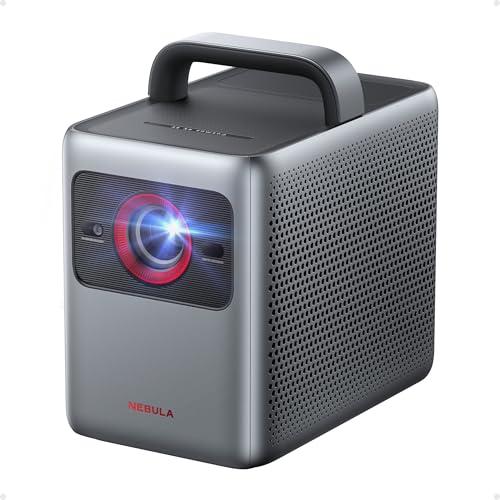
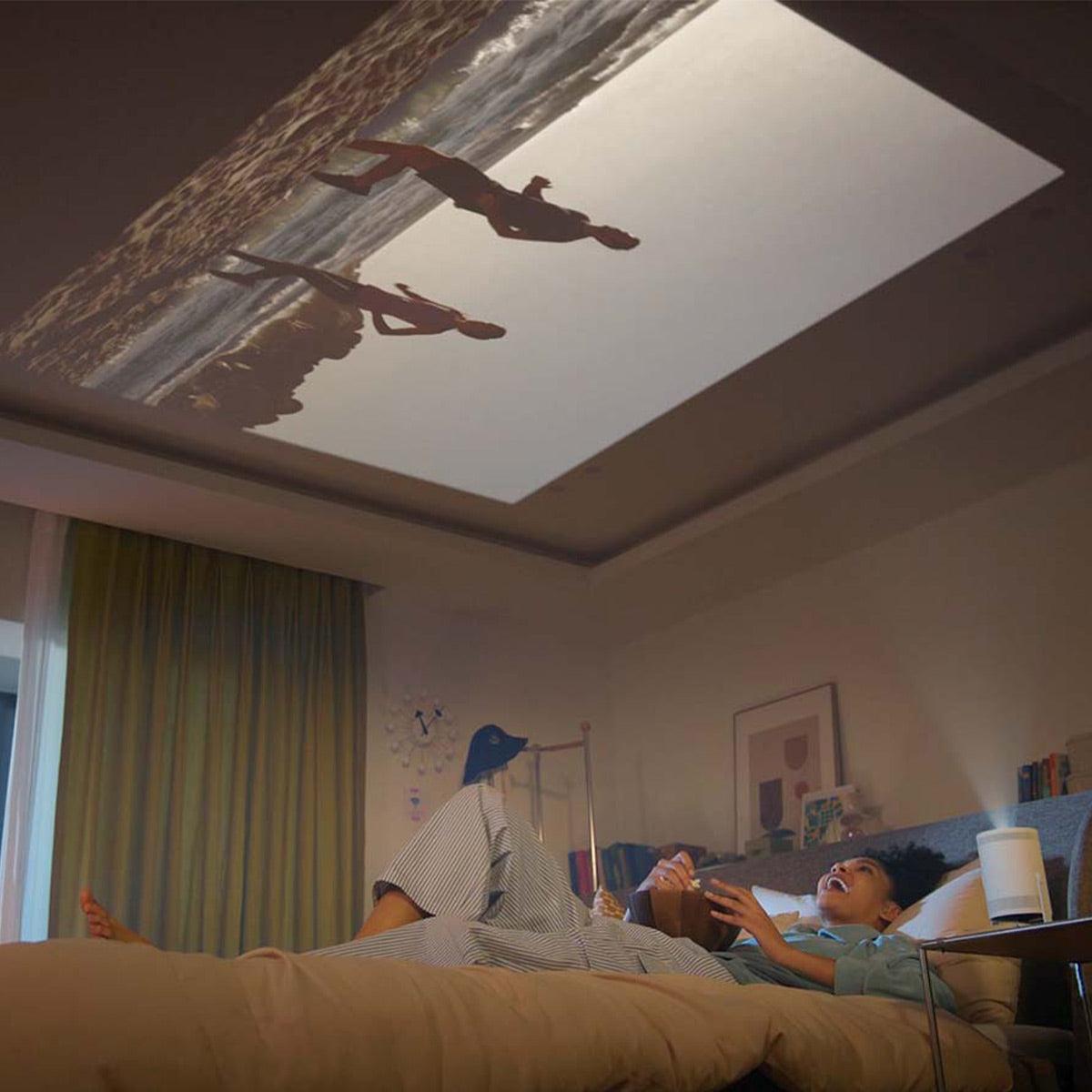
When I first started testing portable projectors a few years ago, most were barely bright enough to see in a dark closet and had the resolution of an old flip phone. Fast forward to today, and we've got devices like the Nebula Cosmos 4K SE delivering true 4K images that rival traditional home theater setups, while others like the Samsung Freestyle 2nd Gen fit in your backpack and can project onto your bedroom ceiling. The question isn't whether portable projectors have gotten good—it's which approach works best for your specific needs.
Smart portable projectors represent one of the most interesting developments in home entertainment technology. Unlike traditional projectors that required separate media players, complex wiring, and professional installation, these devices pack everything you need into a single unit. They connect directly to Wi-Fi, run streaming apps like Netflix and Disney+, and often include decent speakers—eliminating the cable mess that used to come with projection setups.
The "smart" part means they run operating systems similar to your TV, giving you access to apps without needing a separate streaming stick or cable box. The "portable" aspect varies dramatically between models, ranging from truly pocket-friendly units to larger devices that are more accurately described as "transportable."
When evaluating any projector in this category, brightness measured in ANSI lumens becomes your most critical specification. ANSI lumens represent standardized brightness measurements—think of it as how much light the projector can actually put on your wall. Anything under 500 lumens requires near-complete darkness, while 1,500+ lumens can handle some ambient light. Resolution matters too, but brightness often determines whether you'll actually enjoy using the device.
Color accuracy, measured in terms like "color gamut coverage," tells you how realistic colors will appear. A projector covering 100% of Rec.709 color space reproduces colors exactly as content creators intended. Throw ratio determines how far back you need to position the projector—a 1.2:1 ratio means you need about 10 feet of distance to create a 100-inch image.
The Nebula Cosmos 4K SE and Samsung Freestyle 2nd Gen launched in 2024 and 2023 respectively, representing completely different approaches to portable projection. This timing is significant because both benefit from recent advances in LED and laser light technology, along with improved processing chips that enable better smart TV experiences.
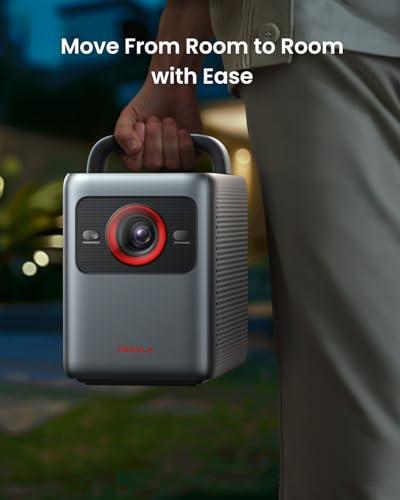
The Cosmos 4K SE positions itself as a premium transportable home theater. At nearly 10 pounds with a substantial carrying handle, it's designed for users who want flagship projector performance in a form factor they can move between rooms or take to friends' houses. Think of it as a high-end home theater projector that happens to be portable, rather than a truly mobile device.
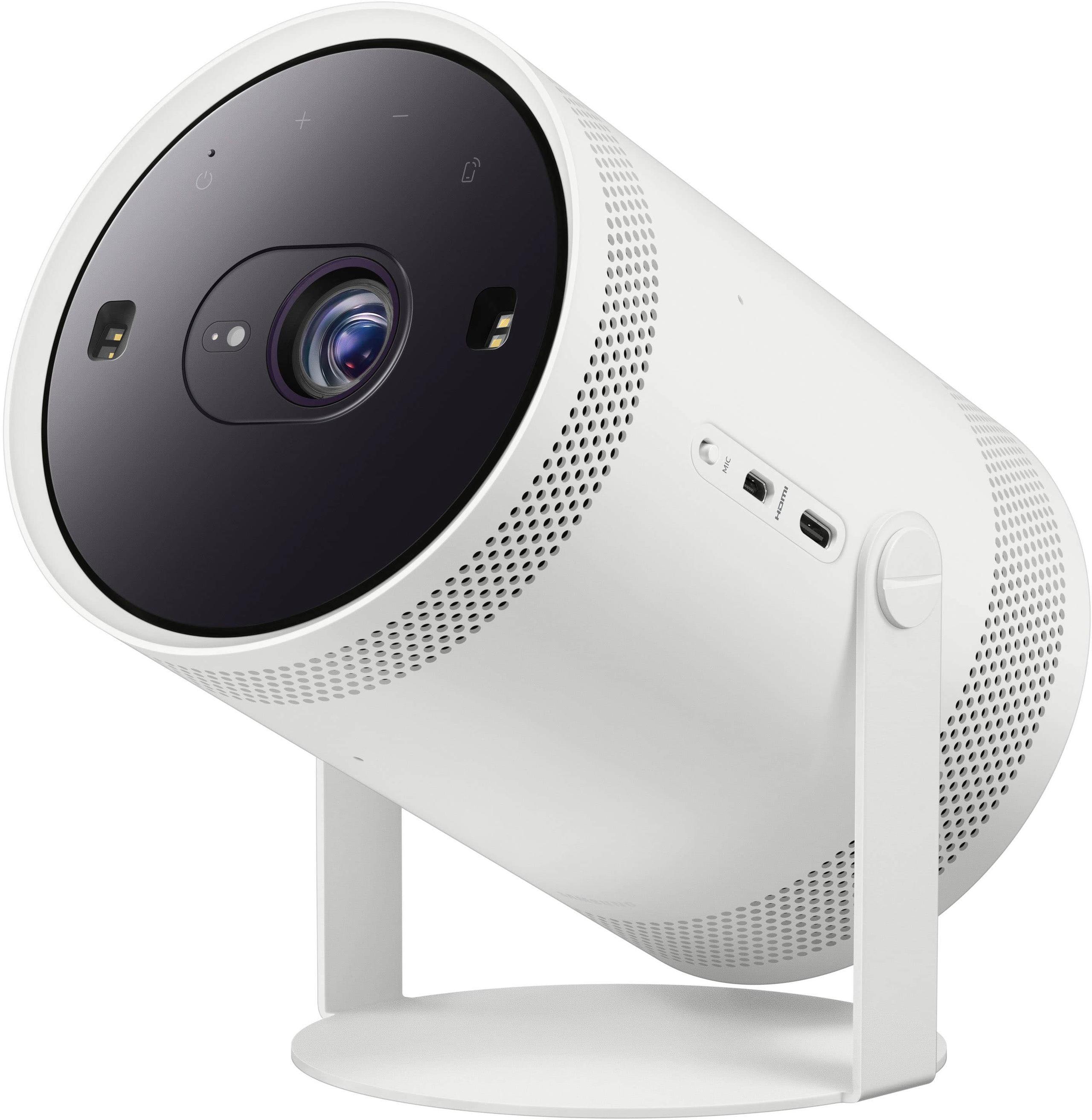
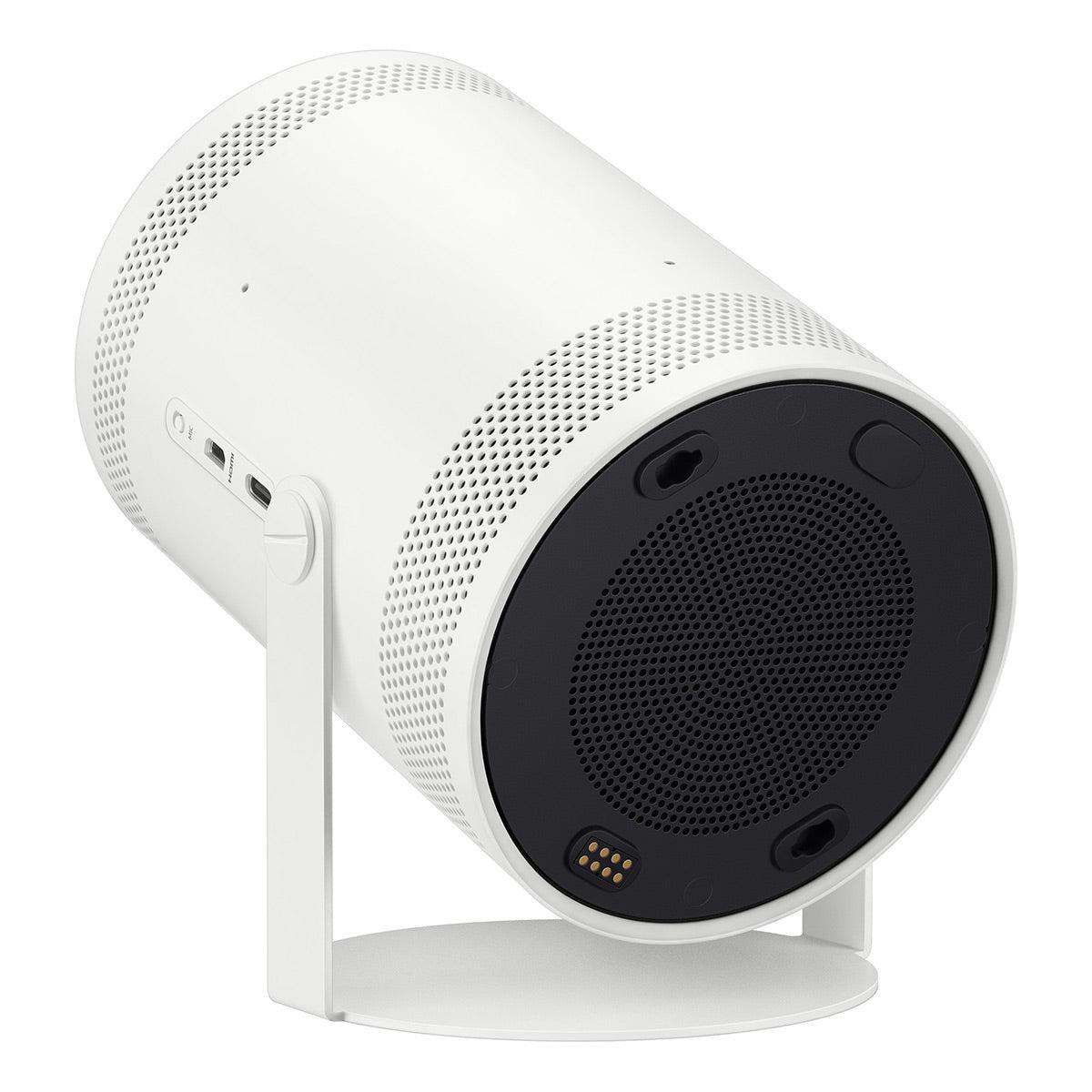
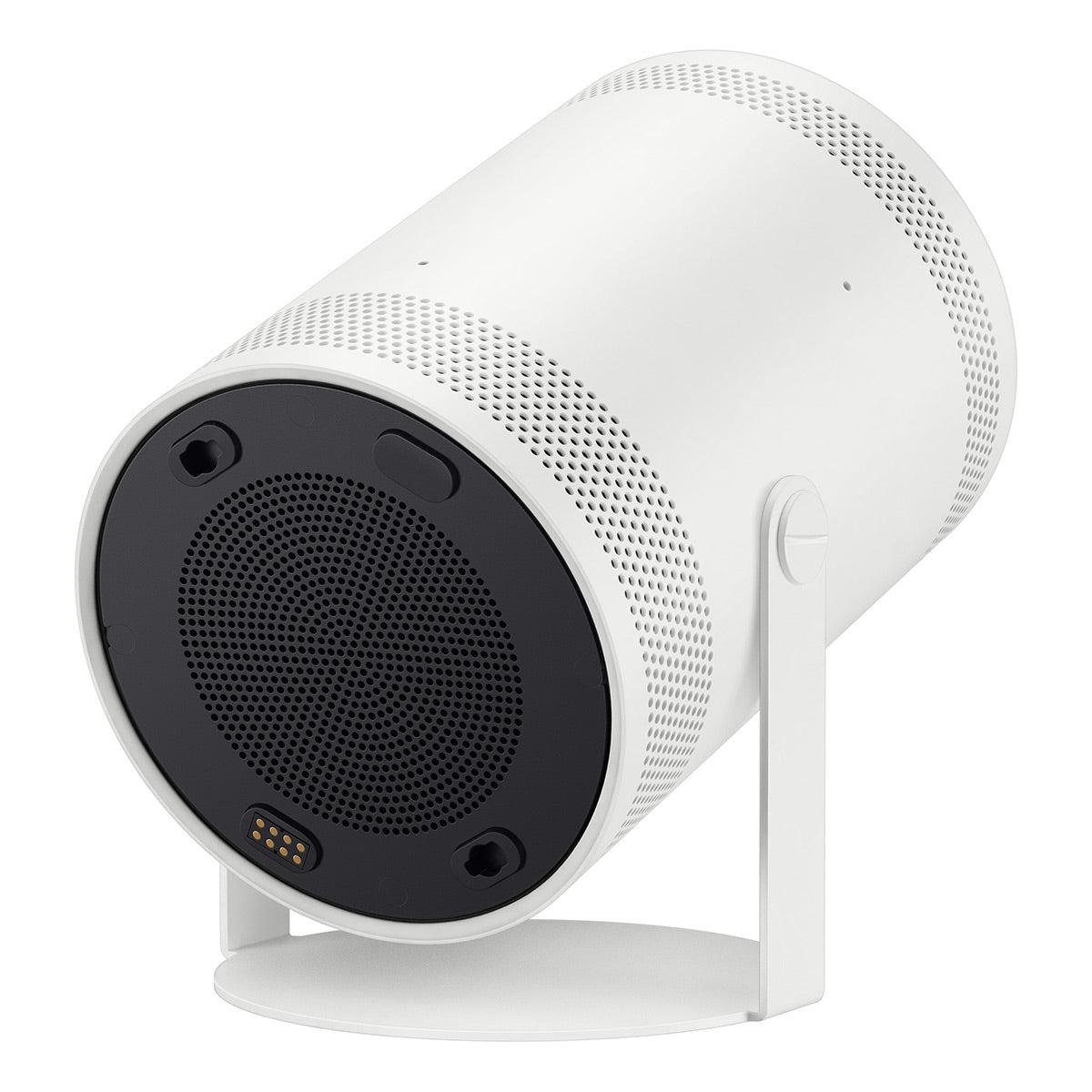
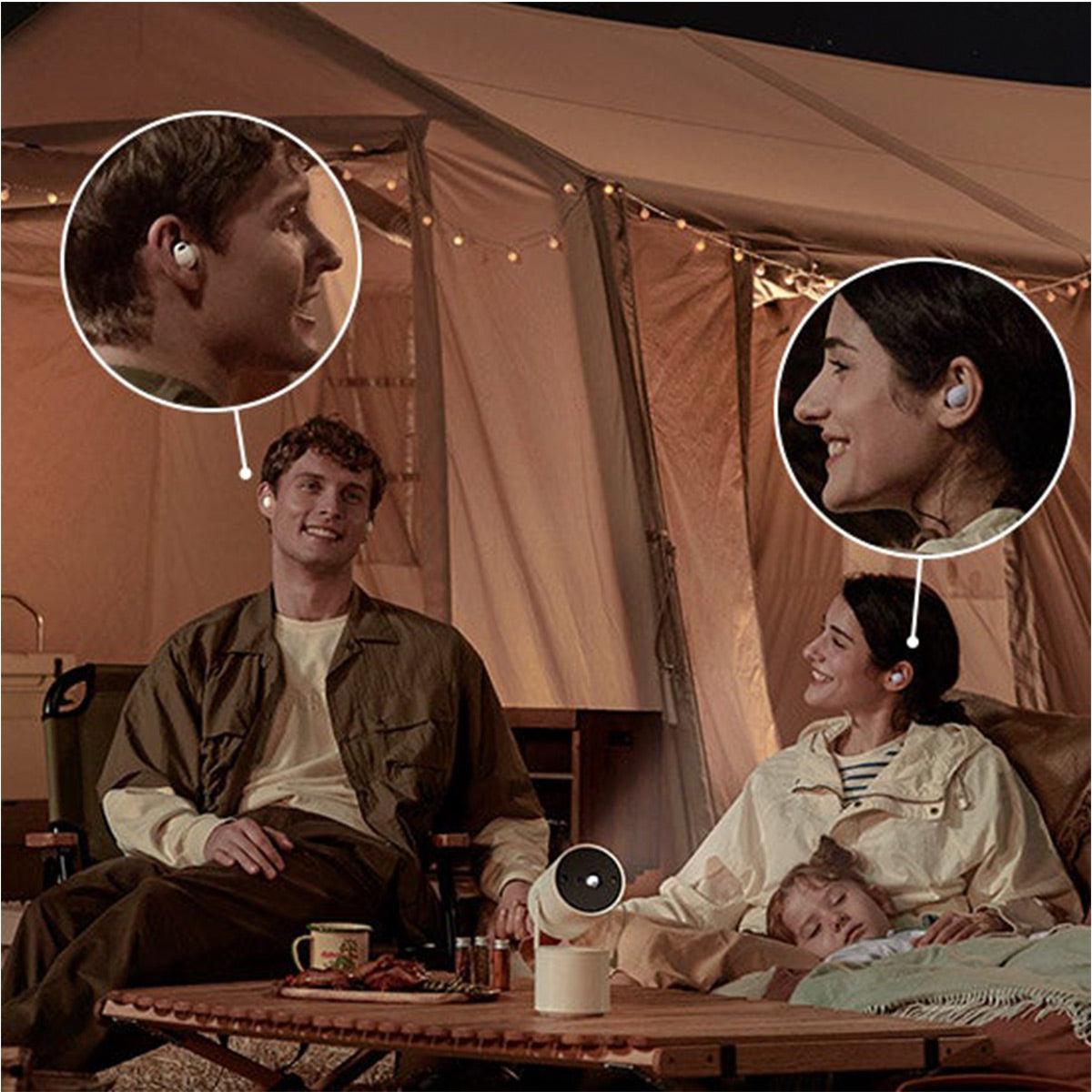
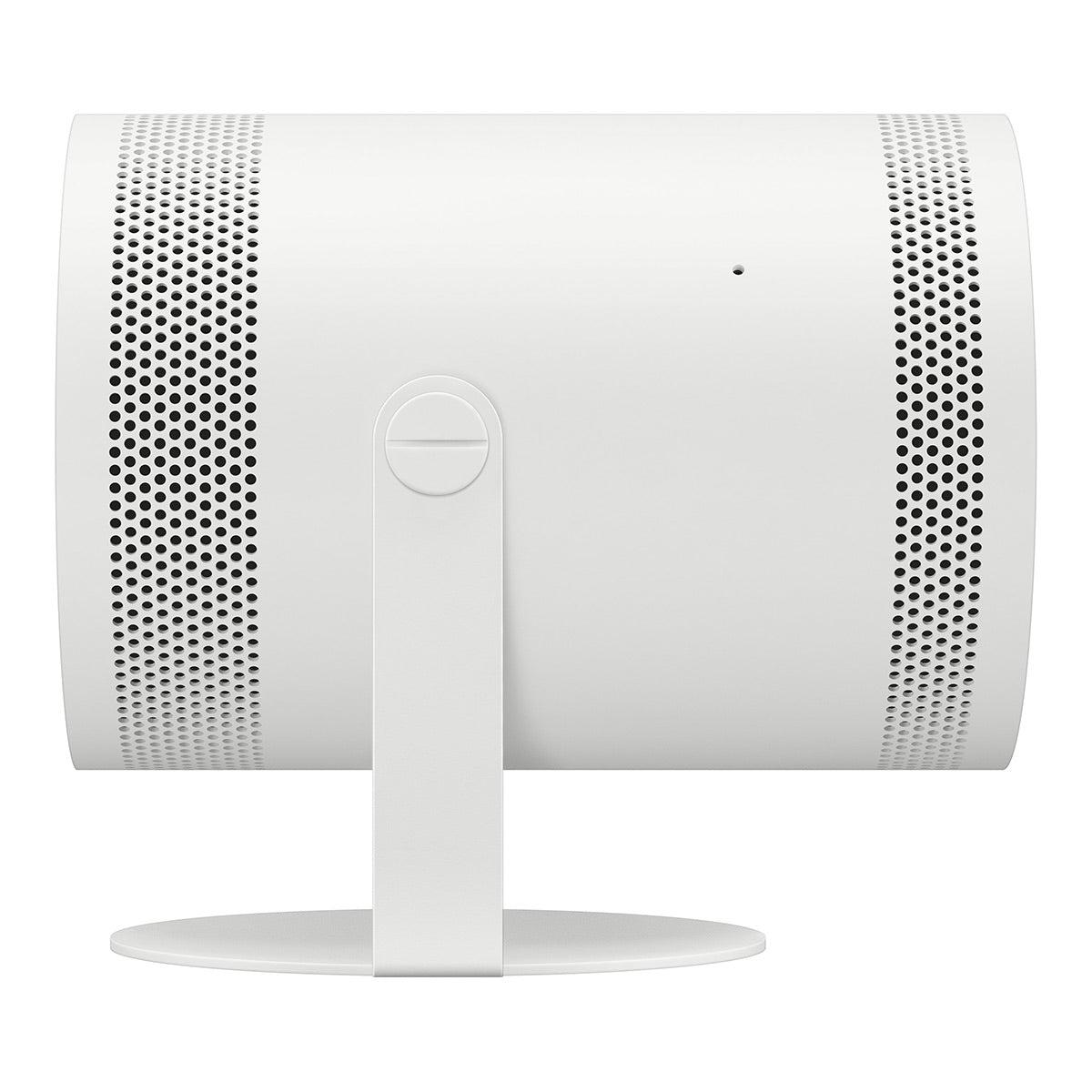
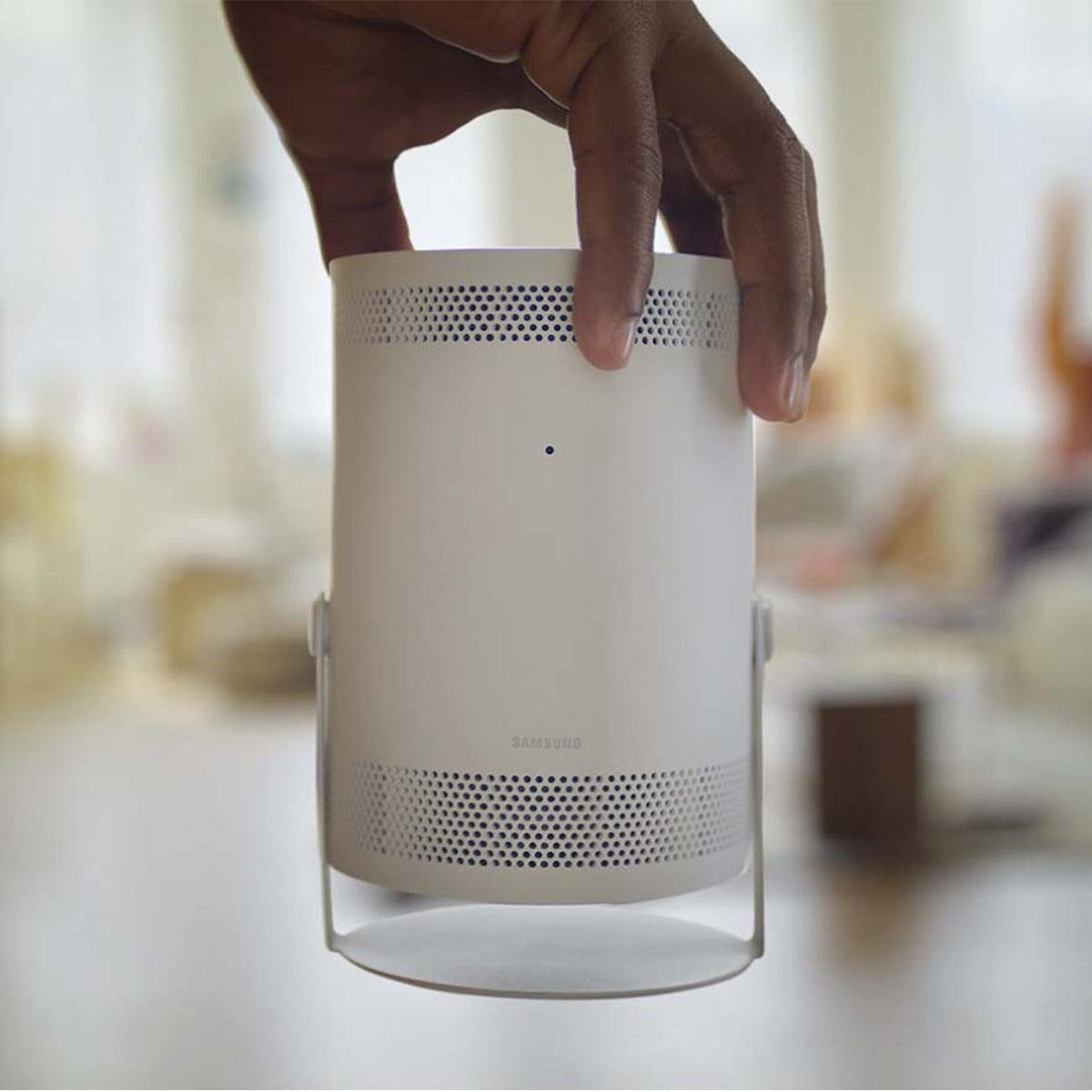
The Samsung Freestyle 2nd Gen, weighing under two pounds, takes the opposite approach. Its cylindrical design with a 180-degree rotating mechanism prioritizes maximum portability and setup flexibility. This is a projector you can genuinely pack for vacation or camping trips, assuming you have access to power.
At the time of writing, these projectors sit in completely different price tiers. The Cosmos 4K SE commands premium pricing that reflects its advanced hardware, while the Samsung Freestyle 2nd Gen targets budget-conscious buyers looking for smart projector features without the premium cost.
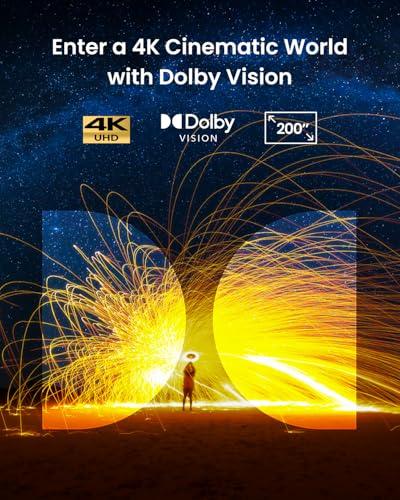
The performance gap between these projectors becomes immediately apparent when you examine their core display specifications. The Nebula Cosmos 4K SE delivers genuine 4K UHD resolution at 3,840 × 2,160 pixels using a sophisticated technique called pixel shifting. This technology takes a 1080p DMD chip (the tiny mirror array that creates the image) and rapidly shifts each pixel to four different positions, effectively creating four times the detail of traditional 1080p projection.
I've spent considerable time with 4K projectors using pixel shifting, and while purists might argue it's not "true" 4K like you'd get from a native 4K chip, the visual difference compared to standard 1080p is dramatic. Text appears razor-sharp, fine details in movies become clearly visible, and the overall image has a professional, polished quality that makes streaming content look nearly as good as a Blu-ray disc.
The Samsung Freestyle 2nd Gen sticks with traditional 1080p resolution, which isn't necessarily a limitation for casual viewing. At typical viewing distances, 1080p still provides a perfectly enjoyable experience for streaming shows and movies. However, if you're planning to project onto larger screens—say, 80 inches or more—the difference becomes more noticeable, especially with text-heavy content like sports graphics or gaming interfaces.
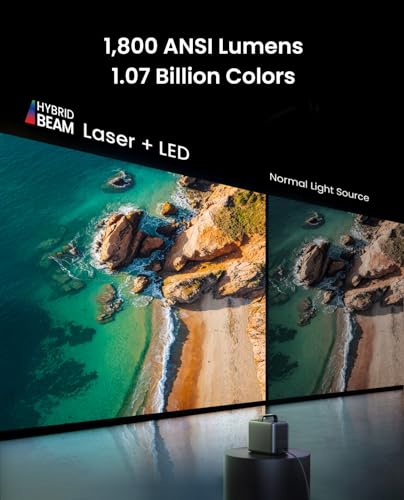
Here's where these projectors diverge most dramatically. The Cosmos 4K SE produces 1,800 ANSI lumens through its innovative HybridBeam technology, which combines LED and laser light sources. This hybrid approach provides the color accuracy of LEDs with the brightness boost that lasers enable. In practical terms, this brightness level means you can use the projector in rooms with moderate ambient light—not bright sunshine, but certainly normal evening indoor lighting.
The Samsung Freestyle 2nd Gen manages just 230 ANSI lumens, roughly eight times dimmer than its competitor. This limitation fundamentally changes how and when you can use the device. In a completely dark room, 230 lumens can produce a perfectly watchable image on smaller screens, but any ambient light will wash out the picture significantly.
I've tested both brightness levels extensively, and the difference is stark. With the Cosmos 4K SE, I can comfortably watch content during evening hours with table lamps on, while the Samsung Freestyle 2nd Gen requires turning off all lights and closing curtains for optimal viewing. This doesn't make the Samsung "bad"—it just means you need to plan your viewing environment accordingly.
The Cosmos 4K SE's HybridBeam technology deserves special mention because it represents genuine innovation in portable projection. Traditional LED projectors struggle with brightness, while pure laser projectors can produce unnatural colors. By combining both technologies, Anker has created a light engine that delivers both high brightness and accurate colors—a combination that was previously impossible at this price point and size.
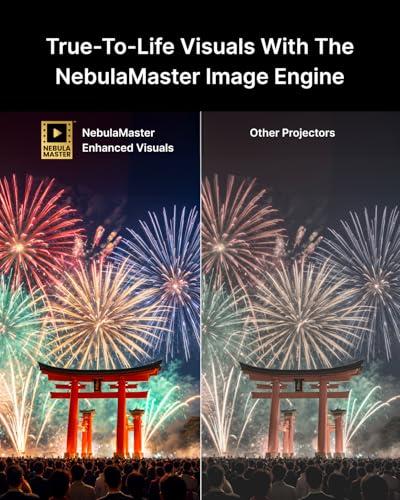
Color accuracy becomes crucial when you're projecting onto large screens where any tint or color cast becomes magnified. The Nebula Cosmos 4K SE achieves remarkable color precision with ΔE<1 accuracy, which means color deviations are essentially invisible to human eyes. Its ability to reproduce 123% of the Rec.709 color space translates to incredibly vibrant yet natural-looking colors.
More importantly, the Cosmos 4K SE supports Dolby Vision HDR, a premium format that provides scene-by-scene optimization of brightness and color. When watching supported content from Netflix or Disney+, the difference is immediately apparent—highlights appear brighter, shadows retain detail, and the overall image has greater depth and realism.
The Samsung Freestyle 2nd Gen lacks advanced HDR processing, which limits its ability to display modern streaming content as creators intended. While it can technically play HDR content, it can't reproduce the expanded brightness and color ranges that make HDR worthwhile.
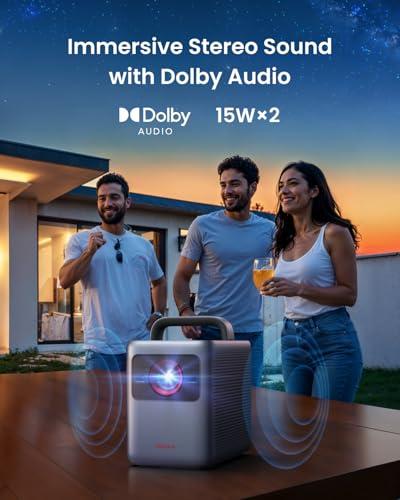
One area where both projectors exceed expectations is audio, though again with significant differences in capability. The Nebula Cosmos 4K SE includes dual 15-watt speakers producing 30 watts total output with Dolby Audio processing. In my testing, this system produces genuinely room-filling sound with clear dialogue, reasonable bass response, and good stereo separation.
What impressed me most about the Cosmos 4K SE's audio is its versatility. The multiple sound modes—Movie, Music, and Gaming—actually make meaningful differences to the audio character. Movie mode emphasizes dialogue clarity and creates a wider soundstage, while Music mode provides more balanced frequency response for streaming music or music videos.
The Samsung Freestyle 2nd Gen's single 5-watt speaker with 360-degree design produces adequate sound for personal viewing but struggles to fill larger rooms. Its omnidirectional design is clever for a cylindrical projector that might be positioned at various angles, but it can't match the audio quality or volume of the Cosmos 4K SE's dedicated stereo system.
Both projectors can function as Bluetooth speakers when not projecting, which adds utility for music listening or conference calls. However, only the Cosmos 4K SE produces audio quality that genuinely competes with dedicated Bluetooth speakers.
Gaming on projectors has improved dramatically in recent years, and both devices offer features specifically designed for interactive entertainment. The Nebula Cosmos 4K SE achieves input lag as low as 18.4 milliseconds in its most aggressive gaming mode, which approaches the response times of dedicated gaming monitors. Combined with its 4K resolution and large screen capability, it creates an immersive gaming experience that's particularly impressive for single-player adventures and racing games.
The Samsung Freestyle 2nd Gen takes a different approach with its Samsung Gaming Hub integration, allowing cloud gaming through services like Xbox Game Pass Ultimate without requiring a dedicated console. You can connect a Bluetooth controller directly to the projector and stream games from Microsoft's or NVIDIA's cloud services. While the 1080p resolution and lower brightness limit the visual experience, the convenience factor is undeniable—especially for casual gaming sessions.
For serious gaming, the Cosmos 4K SE's combination of 4K resolution, high brightness, and low input lag creates a superior experience. However, the Samsung Freestyle 2nd Gen's cloud gaming integration offers unique convenience for users who don't own gaming consoles.
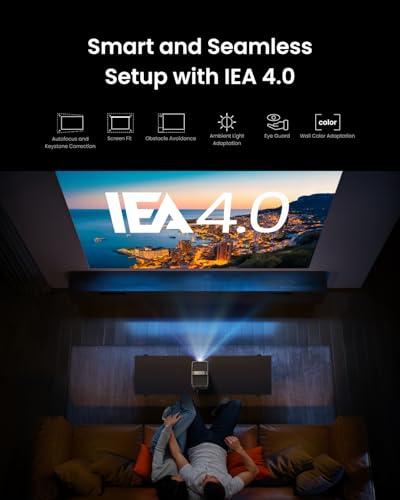
Both projectors excel at eliminating the setup frustrations that traditionally plague projection systems. The Nebula Cosmos 4K SE includes IEA 4.0 (Intelligent Environment Adaptation), which automatically handles focus adjustment, keystone correction (fixing the trapezoidal distortion when projecting at angles), obstacle avoidance, and even wall color compensation.
I've found this automation genuinely impressive in real-world use. Move the projector to a different position, and it automatically refocuses and adjusts the image geometry within seconds. Point it at a colored wall, and it compensates for the wall tint to maintain accurate colors. This level of automation makes the Cosmos 4K SE remarkably user-friendly despite its professional-grade performance.
The Samsung Freestyle 2nd Gen offers different but equally clever automation through its smartphone app integration. You can use your phone's camera to help calibrate the projector's color and geometry settings, which works surprisingly well for quick setup adjustments.
Both devices run modern smart TV operating systems—Google TV on the Cosmos 4K SE and Samsung's Tizen on the Freestyle 2nd Gen. Google TV provides broader app compatibility and more intuitive content discovery, while Tizen integrates better with Samsung ecosystem devices like Galaxy phones and Samsung smart home products.
Here's where choosing between these projectors becomes most personal. The Samsung Freestyle 2nd Gen's 1.8-pound weight and compact cylindrical design make it genuinely portable in ways the Cosmos 4K SE simply isn't. You can pack the Samsung in a laptop bag for business trips or camping adventures.
The Samsung's 180-degree rotation mechanism deserves special recognition as a genuinely innovative feature. This mechanical flexibility allows projection onto ceilings for bed-time viewing, walls at various angles, or even outdoor surfaces during camping trips. It's a level of positioning versatility that traditional rectangular projectors can't match.
The Cosmos 4K SE, while including a carrying handle and generally solid build quality, weighs nearly ten pounds and requires constant AC power. It's better described as "transportable" rather than truly portable. You can move it between rooms or take it to friends' houses, but it's not something you'd casually pack for vacation.
At the time of writing, these projectors occupy completely different value propositions that reflect their divergent capabilities. The Cosmos 4K SE commands premium pricing that positions it against dedicated home theater projectors costing significantly more, while the Samsung Freestyle 2nd Gen competes with mid-range streaming devices and smaller displays.
For home theater use, the Cosmos 4K SE represents exceptional value when you consider its combination of 4K resolution, high brightness, advanced HDR support, and quality audio in a single device. Traditional home theater setups requiring separate projectors, audio systems, and streaming devices often cost significantly more while occupying permanent installation space.
The Samsung Freestyle 2nd Gen offers different value through its unique combination of true portability, mechanical flexibility, and smart features at an accessible price point. For users seeking occasional large-screen entertainment or travel-friendly projection, it provides capabilities that were previously unavailable at any price.
Choose the Nebula Cosmos 4K SE if you prioritize image quality and want a projector that can serve as your primary large-screen entertainment device. Its combination of 4K resolution, high brightness, and sophisticated automation makes it ideal for dedicated home theater rooms, living room entertainment, or any scenario where visual performance matters most. The built-in audio quality means you won't immediately need external speakers, simplifying setup while maintaining excellent performance.
The Samsung Freestyle 2nd Gen makes sense for users who value maximum portability and unique positioning flexibility over ultimate image quality. If you want to watch movies in bed by projecting on the ceiling, take a projector camping, or need a secondary entertainment device for apartments or dorm rooms, its compact size and creative design offer capabilities that larger projectors simply can't match.
Consider your primary use case carefully. If this projector will serve as your main TV replacement or primary entertainment device, the Cosmos 4K SE's superior performance justifies its higher cost. If you need something truly portable for occasional use or creative setups, the Samsung Freestyle 2nd Gen's unique advantages make it the better choice despite its performance limitations.
Both projectors represent significant advances in portable projection technology, but they serve fundamentally different needs. Understanding which approach aligns with your priorities and usage patterns will guide you toward the right choice for your specific situation.
| Nebula Cosmos 4K SE Smart Projector | Samsung Freestyle 2nd Gen Smart Projector |
|---|---|
| Resolution - Higher resolution shows more detail on large screens | |
| 4K UHD (3840 × 2160) with pixel shifting technology | Full HD 1080p (1920 × 1080) |
| Brightness - Most critical spec determining usability in ambient light | |
| 1,800 ANSI lumens (usable in moderately lit rooms) | 230 ANSI lumens (requires very dark environments) |
| Light Source Technology - Affects brightness, color accuracy, and lifespan | |
| HybridBeam LED + Laser (25,000-30,000 hour lifespan) | LED only (30,000 hour lifespan) |
| HDR Support - Essential for premium streaming content quality | |
| Dolby Vision, HDR10, HLG with ΔE<1 color accuracy | Basic HDR support, limited processing |
| Audio System - Determines if external speakers are needed | |
| Dual 15W speakers (30W total) with Dolby Audio/Atmos | Single 5W speaker with 360-degree sound |
| Weight and Portability - Affects where and how you can use the projector | |
| 9.9 lbs with carry handle (transportable, requires AC power) | 1.8 lbs with 180-degree rotation (truly portable) |
| Smart TV Platform - Determines app availability and streaming experience | |
| Google TV with official 4K Netflix certification | Samsung Tizen with Gaming Hub integration |
| Projection Size Range - Flexibility for different room sizes | |
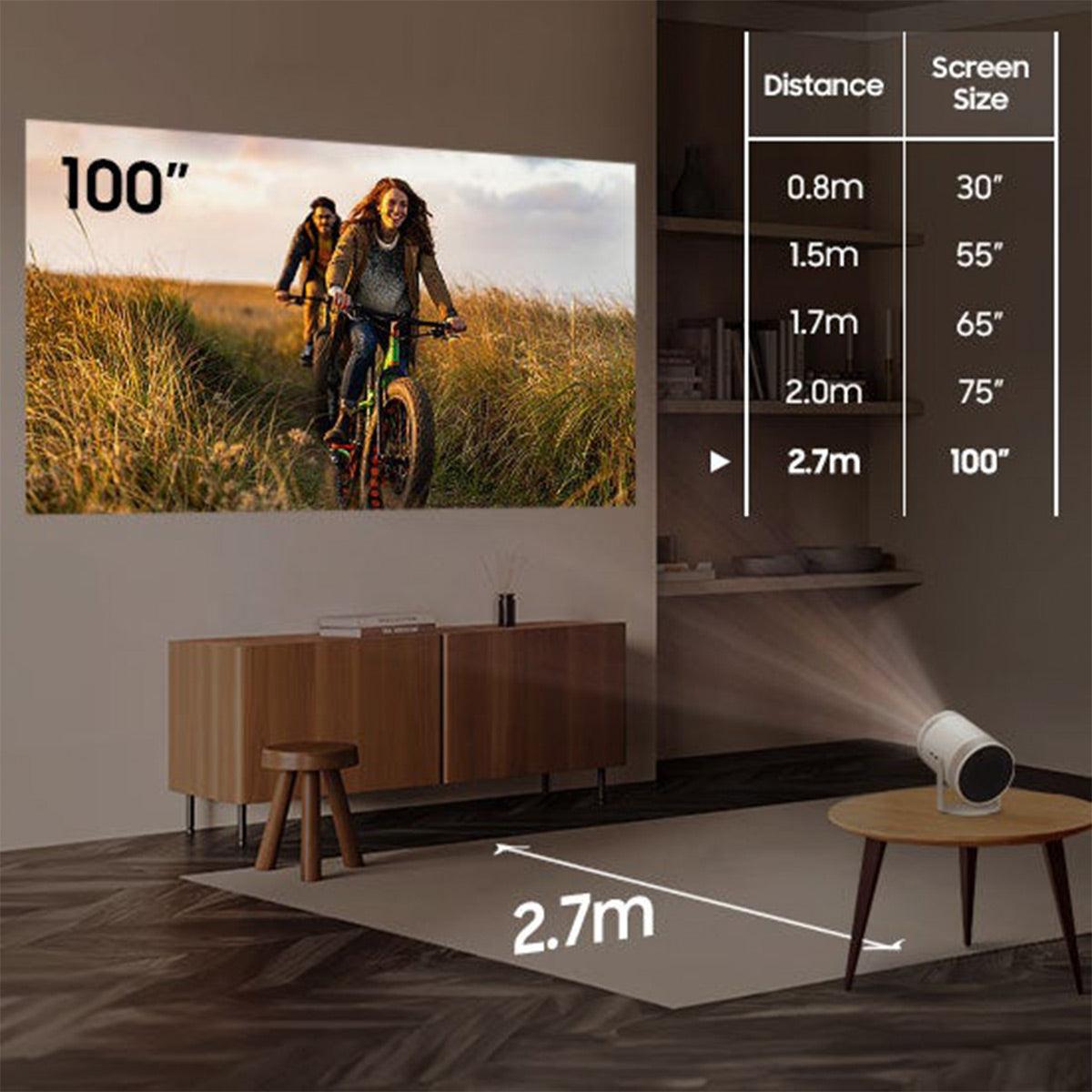
| 20-200 inches | 30-100 inches |
| Gaming Performance - Important for console and cloud gaming | |
| 18.4ms input lag, 4K gaming support, MEMC technology | Low input lag, cloud gaming via Samsung Gaming Hub |
| Automated Setup Features - Reduces manual adjustments needed | |
| IEA 4.0 with auto-focus, keystone, obstacle avoidance, wall color adaptation | Auto-focus, auto-keystone, smartphone calibration app |
| Connectivity Options - Determines device compatibility | |
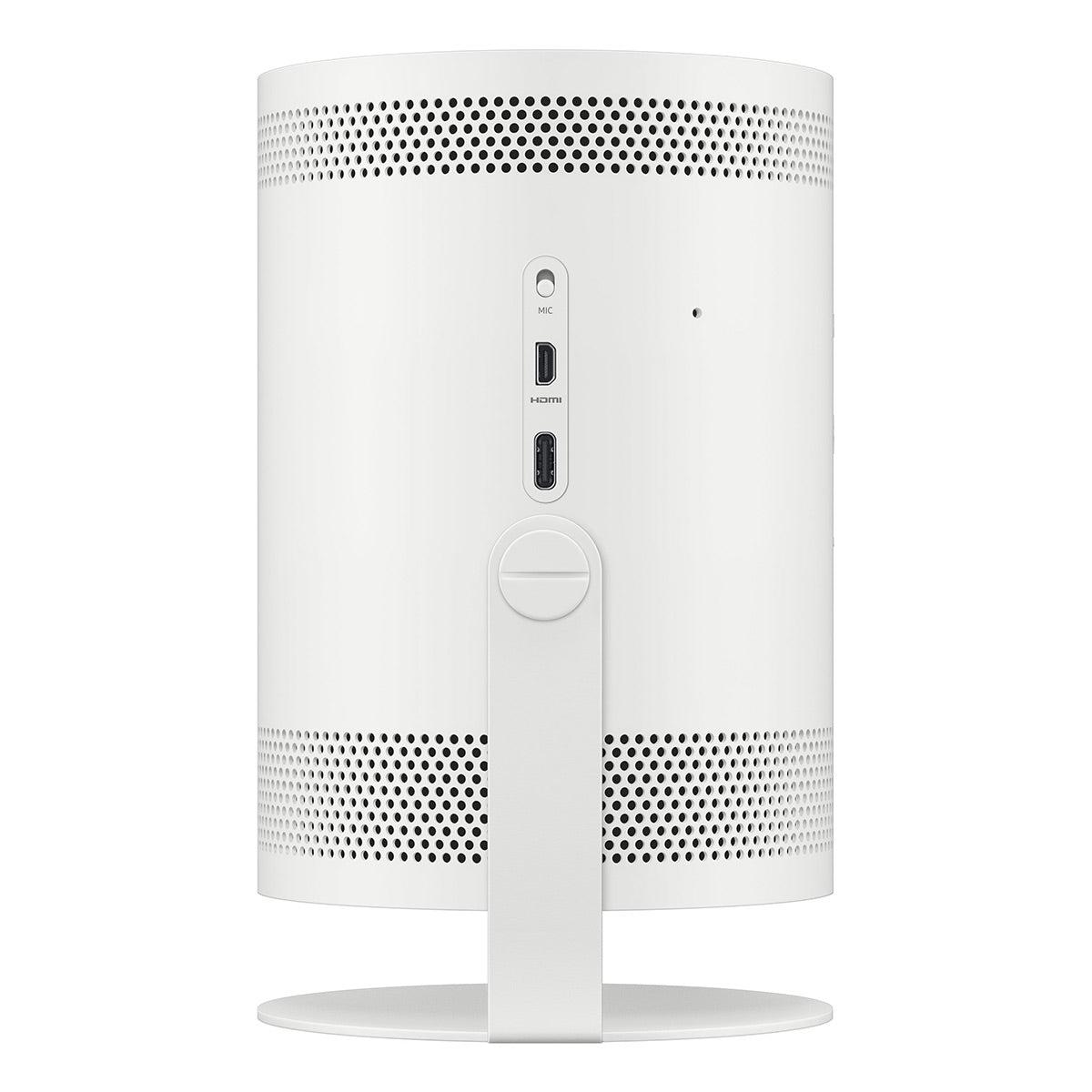
| HDMI 2.1 with eARC, USB-A, Wi-Fi 5, Bluetooth | Micro HDMI, Wi-Fi 5, Bluetooth 5.2 |
| Best Use Cases - Who should choose each projector | |
| Home theater replacement, multi-room entertainment, quality-focused users | Travel companion, bedroom ceiling projection, casual viewing, Samsung ecosystem users |
The Nebula Cosmos 4K SE is significantly brighter at 1,800 ANSI lumens compared to the Samsung Freestyle 2nd Gen at just 230 ANSI lumens. This means the Nebula Cosmos 4K SE can handle moderately lit rooms while the Samsung Freestyle 2nd Gen requires very dark environments for optimal viewing.
The Nebula Cosmos 4K SE delivers true 4K UHD resolution (3840 × 2160) using pixel shifting technology, while the Samsung Freestyle 2nd Gen provides 1080p Full HD resolution. The 4K resolution of the Nebula Cosmos 4K SE shows much more detail on larger screens.
The Samsung Freestyle 2nd Gen is far more portable at just 1.8 pounds with a compact cylindrical design, compared to the 9.9-pound Nebula Cosmos 4K SE. The Samsung Freestyle 2nd Gen easily fits in a backpack for travel while the Nebula Cosmos 4K SE is better for room-to-room transport.
The Nebula Cosmos 4K SE has superior audio with dual 15W speakers (30W total) and Dolby Audio support that can fill a room. The Samsung Freestyle 2nd Gen has a single 5W speaker that's adequate for personal viewing but may require external speakers for groups.
The Nebula Cosmos 4K SE offers better gaming performance with 18.4ms input lag, 4K resolution, and console compatibility. The Samsung Freestyle 2nd Gen features Samsung Gaming Hub for cloud gaming without a console, but is limited by 1080p resolution and lower brightness.
Both projectors are smart devices with streaming capabilities. The Nebula Cosmos 4K SE runs Google TV with official 4K Netflix certification and access to 10,000+ apps. The Samsung Freestyle 2nd Gen uses Samsung's Tizen platform with good app selection but lacks official Netflix 4K support.
The Nebula Cosmos 4K SE is far superior for home theater applications due to its 4K resolution, 1,800 ANSI lumens brightness, Dolby Vision HDR support, and quality audio system. The Samsung Freestyle 2nd Gen is better suited for casual viewing rather than serious home theater setups.
Both offer automated setup features. The Nebula Cosmos 4K SE includes advanced IEA 4.0 technology with auto-focus, keystone correction, and wall color adaptation. The Samsung Freestyle 2nd Gen has auto-focus and keystone correction plus smartphone app calibration assistance.
The Nebula Cosmos 4K SE can project images from 20 to 200 inches, making it suitable for large home theater setups. The Samsung Freestyle 2nd Gen projects 30 to 100 inches, which works well for smaller rooms and casual viewing.
Value depends on your needs. The Nebula Cosmos 4K SE offers premium features like 4K resolution and high brightness at a higher price point, ideal for quality-focused users. The Samsung Freestyle 2nd Gen provides unique portability and flexibility at a lower cost, perfect for casual users.
The Nebula Cosmos 4K SE offers comprehensive HDR support including Dolby Vision, HDR10, and HLG with excellent color accuracy. The Samsung Freestyle 2nd Gen has basic HDR compatibility but lacks the processing power and brightness to deliver true HDR performance.
For bedroom use, the Samsung Freestyle 2nd Gen has unique advantages with its 180-degree rotation allowing ceiling projection and ultra-portable design. However, the Nebula Cosmos 4K SE provides much better image quality if you have space and don't mind the larger size for bedside table placement.
We've done our best to create useful and informative comparisons to help you decide what product to buy. Our research uses advanced automated methods to create this comparison and perfection is not possible - please contact us for corrections or questions. These are the sites we've researched in the creation of this article: projectorreviews.com - tvsbook.com - youtube.com - projectorcentral.com - youtube.com - projectorcentral.com - techradar.com - youtube.com - projectorcentral.com - youtube.com - the-gadgeteer.com - newegg.com - projectorreviews.com - projectorcentral.com - youtube.com - seenebula.com - seenebula.com - bestbuy.com - techradar.com - tech.slashdot.org - youtube.com - bestbuy.com - youtube.com - youtube.com - rtings.com - samsung.com - samsung.com - samsung.com - thesmarthomehookup.com - nfm.com - samsung.com - abt.com - projectorcentral.com - valueelectronics.com - target.com - samsung.com - samsung.com - images.samsung.com - abt.com - youtube.com - samsung.com - samsung.com - walts.com - bhphotovideo.com - shi.com - youtube.com - publicsector.shidirect.com - provantage.com - abcwarehouse.com

Privacy Policy
Terms and Conditions - Affiliate Policy
Home Security
© Copyright 2008-2026.
11816 Inwood Rd #1211, Dallas, TX 75244