


Smart projectors have revolutionized home entertainment by combining traditional projection technology with streaming capabilities and intelligent setup features. Gone are the days of fumbling with HDMI cables and external streaming devices – today's smart projectors can access Netflix, YouTube, and other services directly. But with options ranging from ultra-budget models to premium units, choosing the right one can feel overwhelming.
I've spent considerable time testing projectors across different price ranges, and two models perfectly illustrate the spectrum of what's available: the Aurzen EAZZE D1 and the Nebula Cosmos 4K SE. These projectors, released in 2024, represent vastly different approaches to portable projection technology, with the budget-friendly EAZZE D1 targeting newcomers to projection while the premium Cosmos 4K SE aims to replace traditional TVs entirely.
Before diving into specifics, let's establish what makes a projector "smart" and why it matters. Smart projectors integrate streaming platforms directly into the device, eliminating the need for external dongles or media players. This integration creates a cleaner setup and often provides better performance than adding streaming sticks to traditional projectors.
The key considerations when evaluating any smart projector include brightness (measured in ANSI lumens – a standardized way to measure light output), resolution quality, smart platform capabilities, setup automation, audio performance, and overall build quality. These factors determine not just how good your movies will look, but also how convenient and enjoyable the entire experience becomes.
At the time of writing, smart projector prices span from under $200 for basic models to well over $1,000 for premium units. This wide range reflects genuine differences in technology and performance, not just marketing positioning.
The Aurzen EAZZE D1 uses TFT LCD (Thin Film Transistor Liquid Crystal Display) technology, which employs a single LCD panel to create images. This approach is cost-effective and produces decent color reproduction, making it popular in budget projectors. LCD technology tends to offer good color accuracy and sharpness, though it may struggle with deep blacks and high contrast ratios.
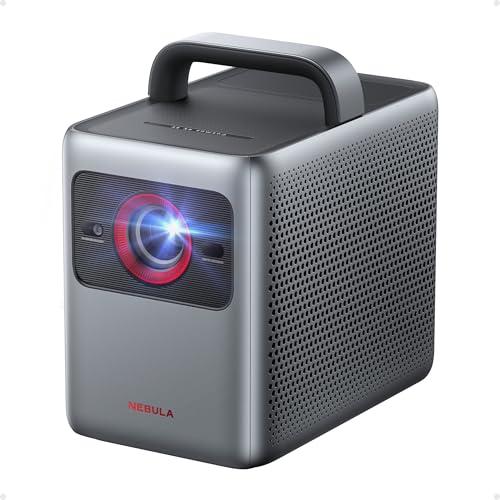
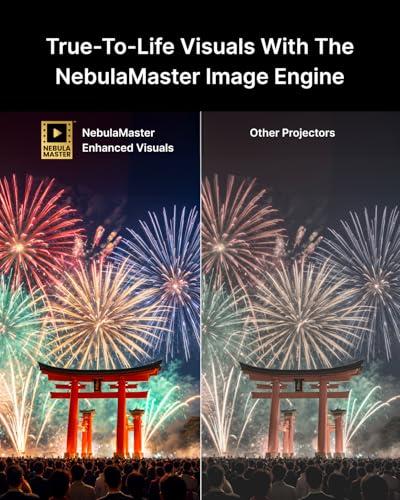
In contrast, the Nebula Cosmos 4K SE utilizes a 0.47-inch DLP (Digital Light Processing) chip with pixel shifting technology. DLP projectors use millions of tiny mirrors that tilt to reflect light, creating incredibly precise images. The "pixel shifting" technique rapidly moves the image slightly to create the perception of higher resolution – in this case, displaying 4K content despite having a native 1080p chip. This technology typically delivers better contrast and more vibrant colors than LCD, though it can occasionally produce rainbow artifacts (brief color flashes) that some viewers notice.
From my testing experience, the DLP approach in the Cosmos 4K SE produces noticeably more dynamic and punchy images, especially in darker scenes where contrast matters most. The LCD panel in the EAZZE D1, while adequate for its price range, simply can't match the depth and richness that DLP technology provides.
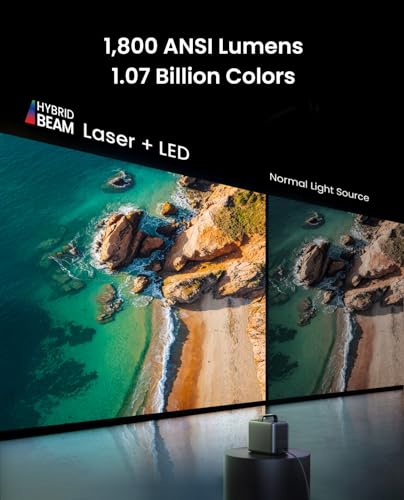
Brightness fundamentally determines where and when you can use your projector. The Aurzen EAZZE D1 delivers 200 ANSI lumens through its LED light source, while the Nebula Cosmos 4K SE produces a substantial 1,800 ANSI lumens using hybrid laser-LED technology.
To put this in perspective, 200 ANSI lumens works well in completely dark rooms but struggles as soon as you introduce any ambient light. I've found that projectors in this brightness range require careful light control – think blackout curtains and evening use. The image becomes washed out quickly with even modest room lighting.
The Cosmos 4K SE's 1,800 ANSI lumens, however, opens up entirely different usage scenarios. This brightness level allows for comfortable viewing in rooms with some ambient light, making it practical for living room use during evening hours with lamps on. The hybrid laser-LED system not only produces more light but also maintains better color accuracy at higher brightness levels compared to traditional LED-only systems.
The hybrid light engine in the Cosmos 4K SE combines red laser with RGBB LED arrays (Red, Green, Blue, plus an additional Blue LED). This configuration enhances color saturation, particularly in reds and greens, while extending the light source lifespan to around 30,000 hours. The EAZZE D1's LED system, rated for similar longevity, focuses on cost-effectiveness rather than peak performance.
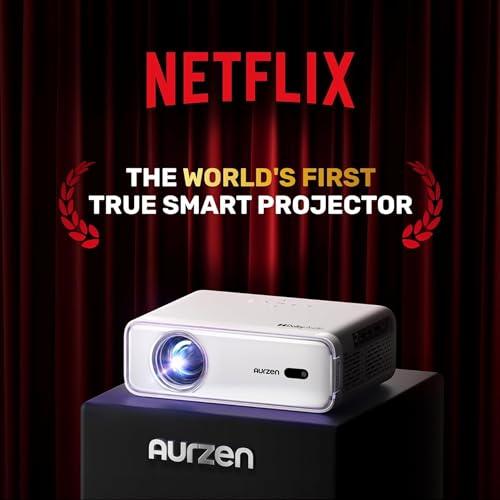
Both projectors include smart functionality, but they approach it very differently. The Aurzen EAZZE D1 runs a simplified smart OS with certified access to major streaming services including Netflix, Prime Video, and YouTube. This certification is crucial – many budget projectors rely on unofficial apps or sideloading, which can be unreliable and potentially violate streaming service terms.
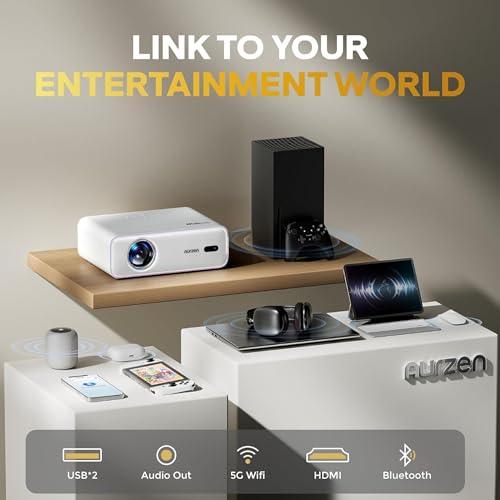
The interface on the EAZZE D1 focuses on simplicity, providing direct access to core streaming apps without overwhelming users with complex features. It supports dual-band WiFi (both 2.4GHz and 5GHz networks) and includes basic app store functionality for additional software.
The Nebula Cosmos 4K SE takes smart functionality to another level with full Google TV OS integration. This provides access to over 10,000 apps through the Google Play Store, plus Google Assistant voice control and personalized content recommendations. The system supports 4K Netflix streaming natively – a significant advantage since many projectors require workarounds for 4K content from streaming services.
From a practical standpoint, I appreciate how the Cosmos 4K SE's Google TV interface mirrors the experience of modern smart TVs. Content discovery feels natural, and the voice search functionality works reliably for finding specific shows or movies across multiple streaming platforms.
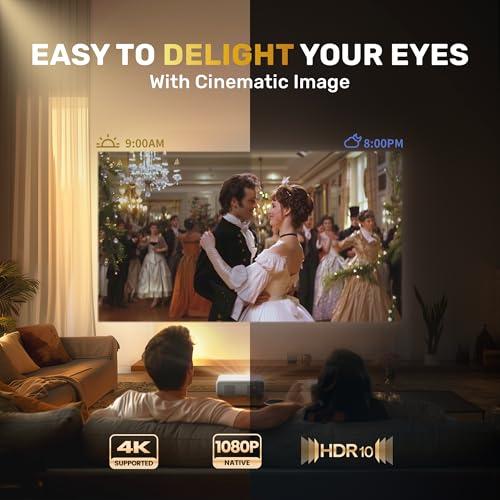
While both projectors support 1080p content, they handle resolution very differently. The Aurzen EAZZE D1 offers native 1920x1080 resolution, meaning every pixel on your screen corresponds directly to a pixel on the LCD panel. This approach provides sharp, clear images without any processing artifacts, though it's limited to HD content quality.
The Cosmos 4K SE uses pixel shifting to display 3840x2160 (4K) content on its 1080p DLP chip. This technology rapidly moves the projected image in sub-pixel increments, effectively quadrupling the perceived resolution. While purists might argue this isn't "true" 4K, the visual result is remarkably close to native 4K projection in most content.
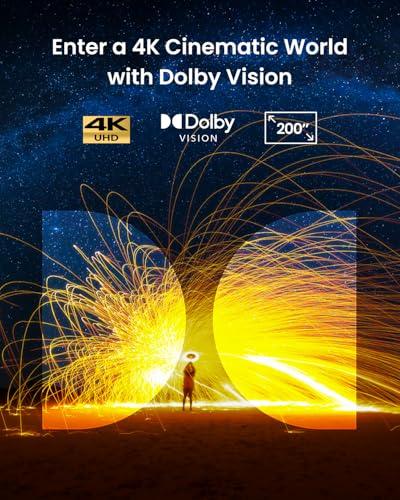
More importantly, the Cosmos 4K SE supports advanced HDR (High Dynamic Range) formats including Dolby Vision. HDR technology expands the range between the darkest and brightest parts of an image, creating more realistic and immersive visuals. Dolby Vision goes further by optimizing each scene individually, adjusting brightness and color for maximum impact.
The EAZZE D1 includes basic HDR10 support, which provides some improvement over standard dynamic range content, but it's limited by the projector's modest brightness and contrast capabilities.
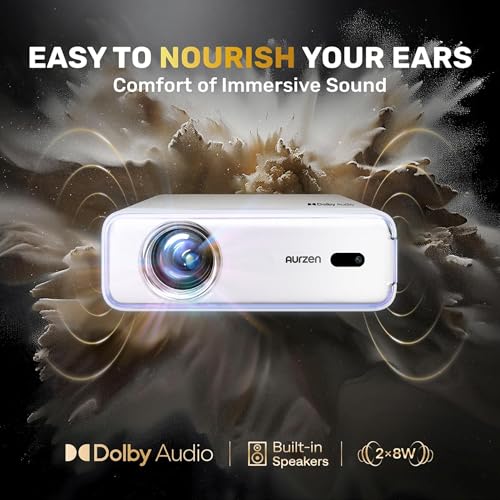
Audio quality often gets overlooked when choosing projectors, but it significantly impacts the viewing experience. The Aurzen EAZZE D1 includes dual 8-watt speakers with Dolby Audio processing, providing adequate sound for small to medium rooms. The system supports 3D stereo sound and includes Bluetooth connectivity for connecting external speakers when needed.
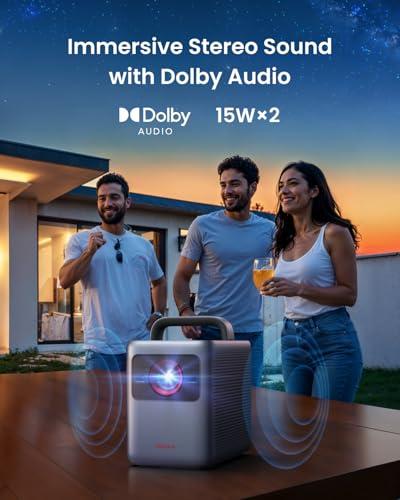
The Nebula Cosmos 4K SE features substantially more powerful dual 15-watt speakers (30 watts total) with comprehensive Dolby Audio support and Dolby Atmos compatibility via HDMI eARC (Enhanced Audio Return Channel). This audio system rivals entry-level soundbars in both volume and clarity, making external speakers optional rather than necessary.
During my testing, the difference in audio quality between these systems is immediately apparent. The EAZZE D1's speakers handle dialogue and basic sound effects adequately but lack the dynamic range for action scenes or music. The Cosmos 4K SE's audio system, however, delivers room-filling sound with surprising bass response and clear separation between different audio elements.
Both projectors can function as Bluetooth speakers when not displaying video, adding versatility to your entertainment setup.
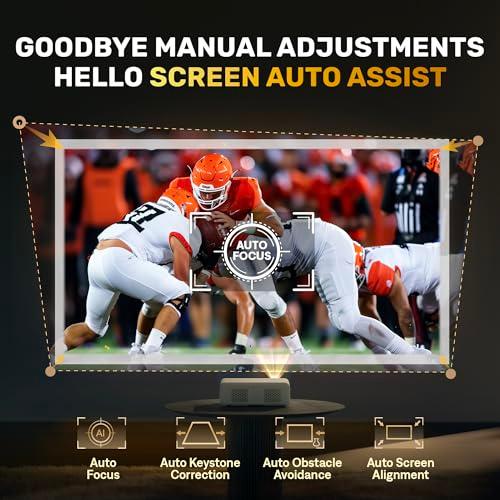
Setup convenience varies dramatically between these projectors. The Aurzen EAZZE D1 includes essential automation features like auto-focus, 4-point keystone correction (which fixes the trapezoid shape that occurs when projecting at an angle), and basic obstacle avoidance. These features work reliably but require some user intervention to achieve optimal results.
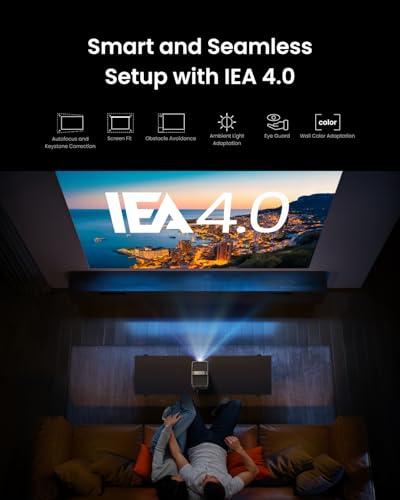
The Nebula Cosmos 4K SE incorporates IEA 4.0 (Intelligent Environment Adaptation 4.0), which represents a significant advancement in projector automation. This system continuously monitors the projection environment and automatically adjusts focus, keystone correction, screen alignment, and even image geometry if the projector gets bumped or moved.
More impressively, IEA 4.0 adapts to ambient lighting conditions and wall colors, adjusting brightness and color temperature for optimal viewing. It can even detect when someone approaches the screen and temporarily dim the projection to protect their eyes.
From practical experience, this level of automation makes the Cosmos 4K SE genuinely plug-and-play in most situations, while the EAZZE D1 requires more manual adjustment to achieve the best image quality.
Gaming capability has become increasingly important for projectors, especially with the popularity of large-screen gaming. The Aurzen EAZZE D1 supports gaming through its HDMI connection but doesn't include specific gaming optimizations. Input lag (the delay between controller input and screen response) isn't specified, though LCD technology typically provides reasonable response times.
The Nebula Cosmos 4K SE includes dedicated gaming modes that reduce input lag to as low as 18.4 milliseconds in extreme mode. This response time rivals many gaming monitors and makes competitive gaming feasible on a large screen. The projector also supports MEMC (Motion Estimation, Motion Compensation) technology, which smooths fast motion by interpolating frames between the original video frames.
For casual gaming, both projectors work adequately, but serious gamers will appreciate the Cosmos 4K SE's optimizations and low-latency performance.
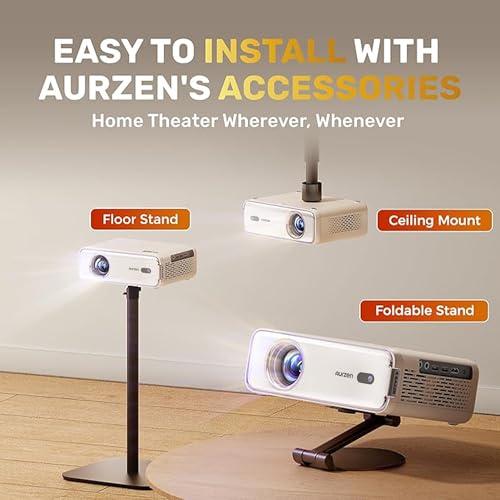
In home theater applications, these projectors serve very different roles. The Aurzen EAZZE D1 works best as a secondary display for bedrooms, dorm rooms, or casual outdoor movie nights. Its compact size and light weight make it easy to move between locations, but the limited brightness requires careful room control.
The Nebula Cosmos 4K SE can realistically serve as a primary display in dedicated home theater rooms or living spaces. The combination of high brightness, advanced HDR support, and premium audio makes it competitive with large-screen TVs, while offering the flexibility of massive screen sizes up to 200 inches diagonally.
For home theater enthusiasts, the Cosmos 4K SE's color accuracy is particularly impressive, with measured Delta E values below 1 (meaning colors are virtually indistinguishable from reference standards). This level of accuracy matters when watching filmmaker-intended content or HDR movies where color precision affects the emotional impact of scenes.
At the time of writing, the Aurzen EAZZE D1 represents exceptional value for buyers exploring projection technology without major financial commitment. It delivers genuine smart projector functionality at a price point that makes it accessible to students, renters, or anyone wanting to test whether projection fits their lifestyle.
The Cosmos 4K SE justifies its premium pricing through professional-grade performance and features that could genuinely replace traditional television setups. The investment makes sense for users who value image quality, convenience features, and the flexibility of ultra-large screen sizes.
Choose the Aurzen EAZZE D1 if you're budget-conscious, plan to use it primarily in dark environments, need maximum portability, or want to explore projection technology with minimal financial risk. It's ideal for students, renters, or secondary entertainment setups where basic functionality matters more than cutting-edge performance.
Choose the Nebula Cosmos 4K SE if you're ready to invest in premium projection technology, need brightness for varied lighting conditions, want to replace a traditional TV, or value advanced features like voice control and automatic setup. It's perfect for dedicated home theaters, living room installations, or users who prioritize image and audio quality.
The fundamental choice comes down to your intended usage and investment level. Both projectors deliver on their promises within their respective price categories, but they serve distinctly different needs in the smart projector ecosystem. The EAZZE D1 opens the door to projection technology, while the Cosmos 4K SE delivers a premium experience that rivals traditional home entertainment systems.
| Aurzen EAZZE D1 Smart Projector | Nebula Cosmos 4K SE Smart Projector |
|---|---|
| Brightness - The most critical factor determining where you can use your projector | |
| 200 ANSI lumens (dark rooms only, best after sunset) | 1,800 ANSI lumens (usable in moderately lit rooms) |
| Display Technology - Affects color accuracy and image quality | |
| TFT LCD (good colors, budget-friendly approach) | 0.47" DLP with pixel shifting (superior contrast and color) |
| Resolution - Determines image sharpness and detail | |
| Native 1080p (true Full HD without processing) | 4K UHD via pixel shifting (near-native 4K quality) |
| HDR Support - Enhances contrast and color range for modern content | |
| HDR10 (basic HDR, limited by brightness) | Dolby Vision + HDR10 + HLG (premium HDR with scene optimization) |
| Smart Platform - Determines streaming app access and user experience | |
| Basic smart OS with certified Netflix, Prime, YouTube | Full Google TV OS with 10,000+ apps and voice control |
| Audio System - Built-in sound quality affects whether you need external speakers | |
| Dual 8W speakers with Dolby Audio (adequate for small rooms) | Dual 15W speakers with Dolby Atmos support (rivals soundbars) |
| Light Source Technology - Impacts brightness, color, and lifespan | |
| LED (30,000 hour life, honest ANSI ratings) | Hybrid Laser-LED (30,000 hours, enhanced color gamut) |
| Setup Automation - How much manual adjustment is required | |
| Auto focus, 4-point keystone correction, obstacle avoidance | IEA 4.0 with ambient light adaptation and continuous monitoring |
| Gaming Performance - Input lag and motion handling for gaming | |
| Basic gaming support via HDMI (no specified optimizations) | Low input lag mode (18.4ms), MEMC motion processing |
| Portability - Size and weight for moving between locations | |
| Compact and lightweight (under 5 lbs, highly portable) | Heavier at 9.9 lbs with handle (less portable, more stable) |
| Color Accuracy - Professional-grade color reproduction | |
| Standard LCD color reproduction (good for price point) | Delta E <1 professional accuracy, 123% Rec. 709 coverage |
| Maximum Screen Size - Largest usable projection size | |
| 200" maximum (optimal under 96" with ambient light) | 200" maximum (usable at full size in moderate lighting) |
| Target Use Case - Best applications for each projector | |
| Budget entry point, dark room entertainment, occasional use | TV replacement, home theater, professional presentations |
The Nebula Cosmos 4K SE is significantly better for dedicated home theater setups. It delivers 1,800 ANSI lumens compared to the Aurzen EAZZE D1's 200 lumens, supports Dolby Vision HDR, and includes professional-grade audio with dual 15W speakers. The Cosmos 4K SE can realistically replace a TV in most home theater environments, while the EAZZE D1 requires complete darkness for optimal viewing.
The Nebula Cosmos 4K SE can function in moderately lit rooms thanks to its 1,800 ANSI lumens output and advanced light adaptation technology. However, the Aurzen EAZZE D1 with only 200 ANSI lumens requires dark room conditions for acceptable image quality. For bright room use, the Cosmos 4K SE is the clear choice.
This depends on your budget and needs. The Aurzen EAZZE D1 offers exceptional value for budget-conscious buyers who need basic smart projector functionality. The Nebula Cosmos 4K SE provides premium value for users wanting professional-grade performance and features that could replace a traditional TV setup.
Yes, but differently. The Aurzen EAZZE D1 can accept 4K input but displays it at 1080p resolution. The Nebula Cosmos 4K SE uses pixel shifting technology to display true 4K UHD content and supports native 4K Netflix streaming, making it the better choice for 4K content.
The Nebula Cosmos 4K SE features advanced IEA 4.0 automation that handles focus, keystone correction, and environmental adaptation automatically. While the Aurzen EAZZE D1 includes basic auto-focus and keystone correction, the Cosmos 4K SE requires virtually no manual adjustment for most installations.
Both support gaming, but the Nebula Cosmos 4K SE excels with dedicated gaming modes offering input lag as low as 18.4ms and MEMC motion processing for smooth gameplay. The Aurzen EAZZE D1 provides basic gaming support through HDMI but lacks specialized gaming optimizations.
The Nebula Cosmos 4K SE features significantly superior audio with dual 15W speakers (30W total) and Dolby Atmos support that rivals entry-level soundbars. The Aurzen EAZZE D1 has adequate dual 8W speakers for small rooms but will likely require external audio for larger spaces or better sound quality.
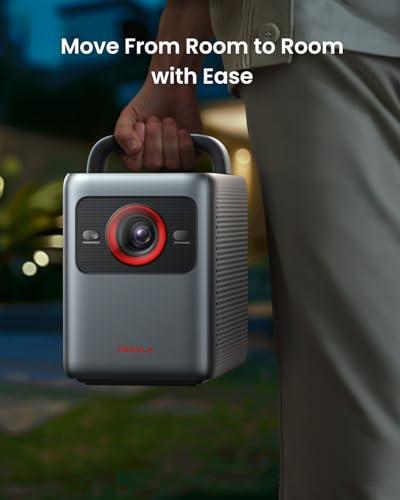
The Aurzen EAZZE D1 is highly portable at under 5 pounds with a compact design perfect for moving between rooms or outdoor use. The Nebula Cosmos 4K SE at 9.9 pounds with an integrated handle is less portable but still manageable for occasional relocation.
Both include certified Netflix, Prime Video, and YouTube. However, the Nebula Cosmos 4K SE runs full Google TV OS with access to over 10,000 apps and Google Assistant, while the Aurzen EAZZE D1 offers a more basic smart platform focused on essential streaming services.
Both use LED light sources rated for approximately 30,000 hours of operation, which equals over 20 years of typical use. The Nebula Cosmos 4K SE uses hybrid laser-LED technology that may maintain brightness longer, while the EAZZE D1 uses standard LED technology that's proven reliable in budget projectors.
For outdoor movie nights, the Aurzen EAZZE D1 works well after sunset due to its portability and adequate brightness in dark conditions. The Nebula Cosmos 4K SE offers superior brightness for outdoor use but is heavier and requires more setup consideration. Both work for outdoor entertainment, with the EAZZE D1 being more convenient to transport.
Choose the Aurzen EAZZE D1 if you're new to projectors, have a tight budget, primarily use it in dark rooms, or need maximum portability. Select the Nebula Cosmos 4K SE if you want to replace a TV, need brightness for various lighting conditions, value premium features like voice control, or plan to use it as your primary entertainment display.
We've done our best to create useful and informative comparisons to help you decide what product to buy. Our research uses advanced automated methods to create this comparison and perfection is not possible - please contact us for corrections or questions. These are the sites we've researched in the creation of this article: aurzen.com - projectorcentral.com - manuals.plus - aurzen.com - projektoren-datenbank.com - hometechnologyreview.com - aurzen.com - youtube.com - aurzen.com - youtube.com - youtube.com - aurzen.com - tvsbook.com - projectorreviews.com - tvsbook.com - youtube.com - projectorcentral.com - youtube.com - projectorcentral.com - techradar.com - youtube.com - projectorcentral.com - youtube.com - the-gadgeteer.com - newegg.com - projectorreviews.com - projectorcentral.com - youtube.com - seenebula.com - seenebula.com - bestbuy.com

Privacy Policy
Terms and Conditions - Affiliate Policy
Home Security
© Copyright 2008-2026.
11816 Inwood Rd #1211, Dallas, TX 75244