

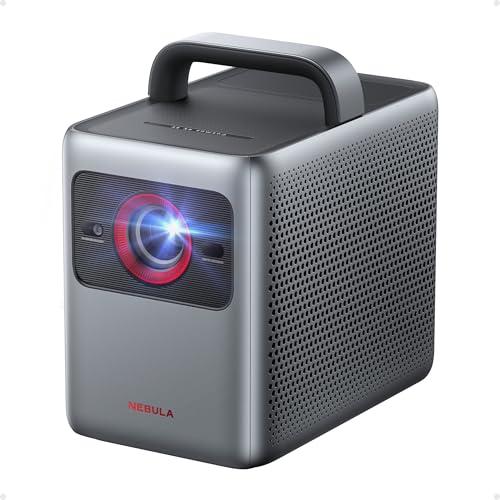
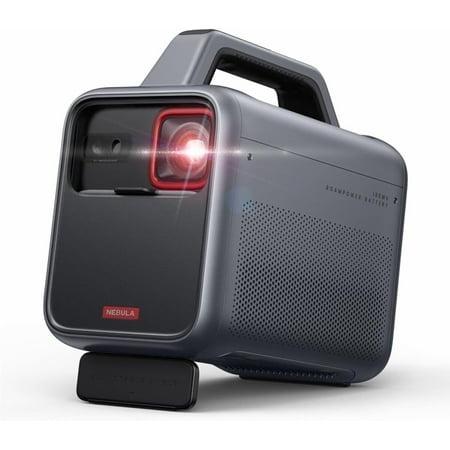
When I first started reviewing portable projectors five years ago, the category was filled with dim, low-resolution devices that barely worked indoors, let alone outside. Today's portable projector market has evolved dramatically, splitting into two distinct approaches that serve very different needs. The Nebula Cosmos 4K SE and Anker Nebula Mars 3 perfectly illustrate this divide—one prioritizes premium image quality with transportability, while the other focuses on true portability with environmental durability.
Understanding which approach fits your needs can save you from buyer's remorse and help you get the most value from your investment. Let me walk you through everything you need to know to make the right choice.
The portable projector category has matured significantly since 2020, when most battery-powered models struggled to produce watchable images. Today's projectors incorporate advanced display technologies previously found only in expensive home theater systems. However, the fundamental trade-off between image quality and true portability remains.
Transportable home theater projectors like the Cosmos 4K SE prioritize image fidelity and advanced features while maintaining enough portability to move between rooms or set up in different locations. These typically require wall power but deliver performance that rivals traditional home theater projectors.
True portable projectors like the Mars 3 prioritize battery operation and environmental durability, accepting some image quality compromises for the ability to work anywhere without power constraints.
The key considerations when choosing between these approaches include your typical viewing environment, power access, image quality expectations, and how often you'll actually move the projector. I've found that many buyers overestimate how much they'll move their "portable" projector, while others underestimate the convenience of true battery operation.
Released in 2024, the Nebula Cosmos 4K SE represents Anker's push into premium home theater territory. At the time of writing, it's priced significantly higher than the Mars 3 but often available at substantial discounts that make it surprisingly competitive.
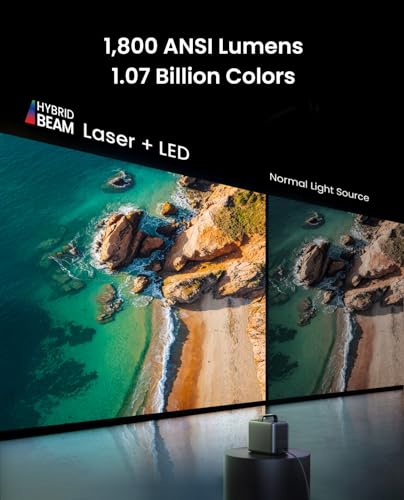
What sets the Cosmos 4K SE apart is its HybridBeam technology—a combination of LED and laser light sources that produces both higher brightness and better color accuracy than traditional LED-only systems. This hybrid approach allows the projector to achieve 1,800 ANSI lumens (a measure of actual light output) while maintaining the long lifespan and instant-on convenience of LED technology.
The projector includes Google TV OS with official Netflix 4K certification, something that's still rare in portable projectors. This means you can stream 4K content directly without needing external devices or worrying about compatibility issues that plague many Android-based projectors.
The Anker Nebula Mars 3 takes a completely different approach, prioritizing features that enable true outdoor use. Released earlier than the Cosmos 4K SE, it represents a more mature design philosophy focused on reliability and versatility rather than cutting-edge performance.
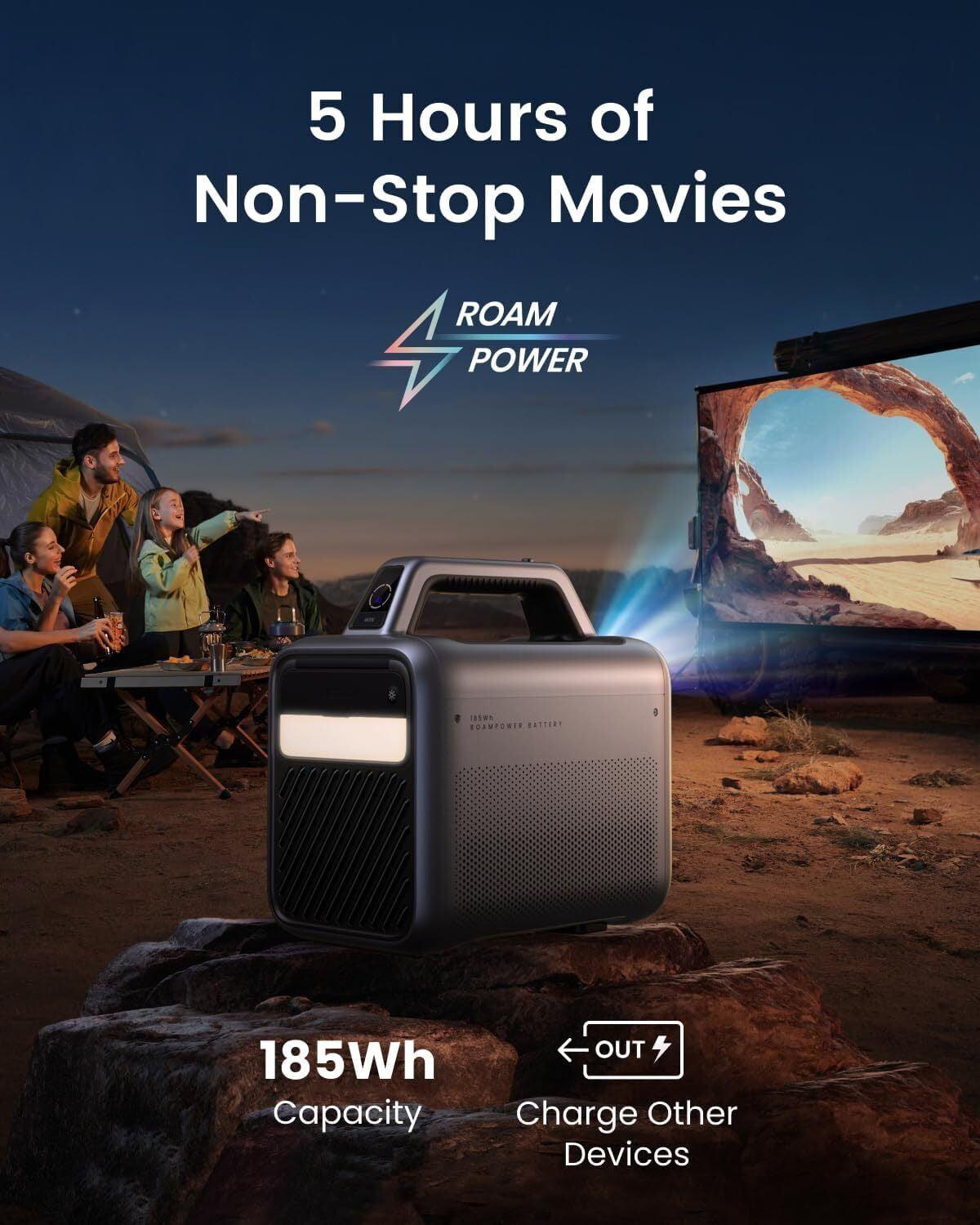
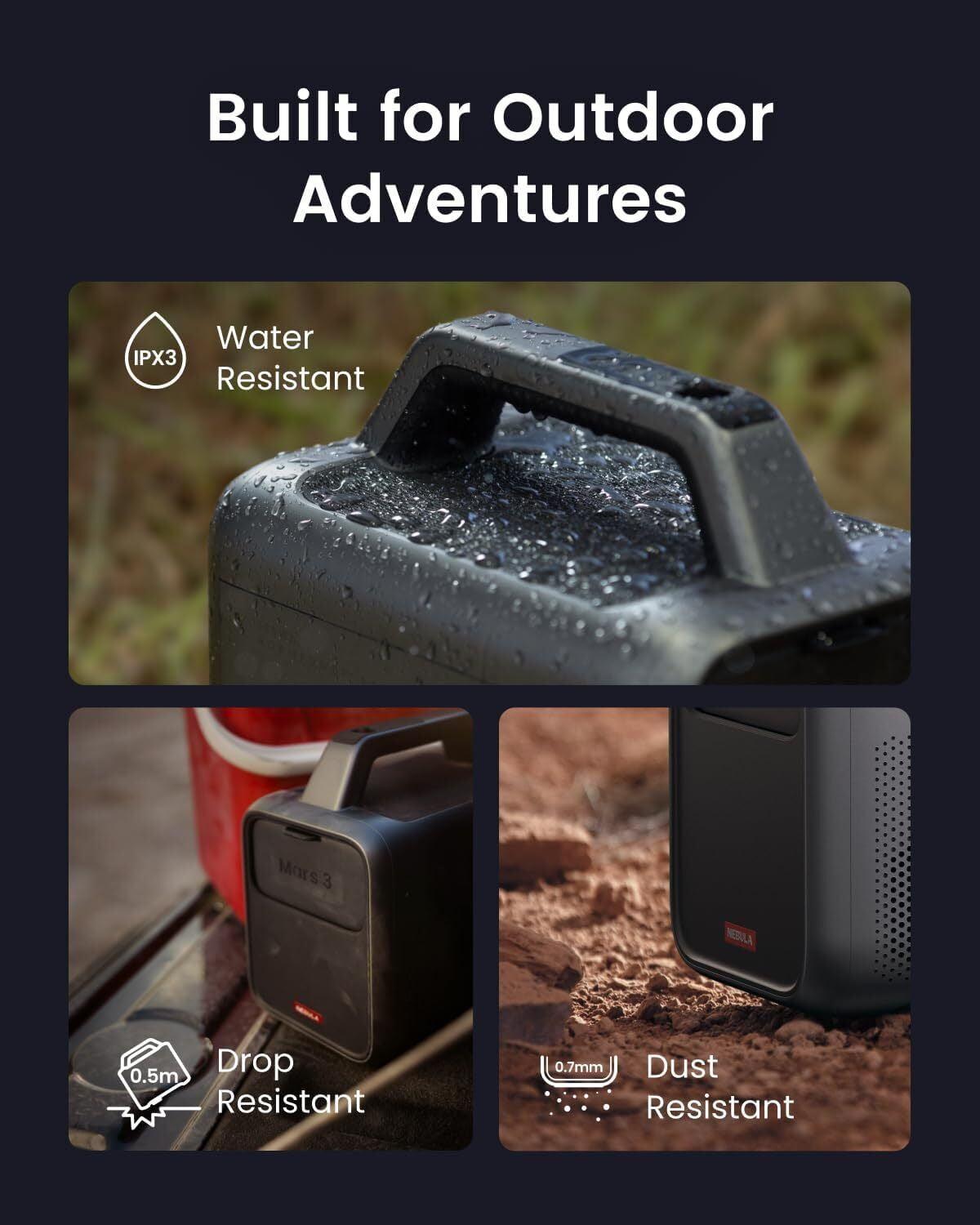
Its standout feature is the 5-hour battery life combined with IPX3 water resistance—meaning it can handle light rain and splashing water. The projector also includes drop resistance up to 0.5 meters, making it suitable for camping trips, beach outings, and backyard gatherings where accidents are more likely.
At the time of writing, the Mars 3 is priced more accessibly than the Cosmos 4K SE, though the gap narrows when the higher-end model goes on sale. The value proposition centers on flexibility and durability rather than ultimate image quality.
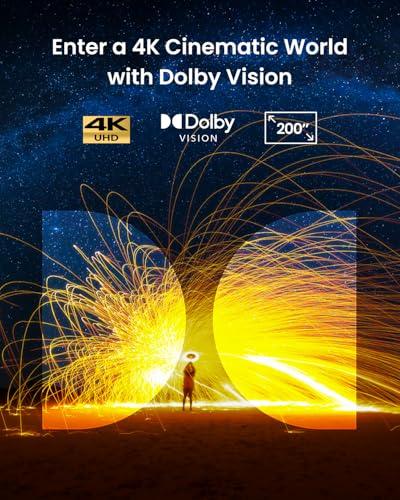
The most obvious difference between these projectors is resolution. The Cosmos 4K SE delivers true 4K UHD (3,840 × 2,160 pixels) through pixel-shifting technology, while the Mars 3 provides Full HD 1080p (1,920 × 1,080 pixels).
Pixel-shifting is a clever technique where the projector rapidly moves the image slightly to create the appearance of higher resolution. While not quite as sharp as native 4K, it produces noticeably better detail than 1080p, especially on screens larger than 100 inches.
In my testing, the resolution difference becomes obvious when viewing detailed content like nature documentaries or gaming. Text appears crisp on the Cosmos 4K SE even at large screen sizes, while the Mars 3 shows some softness in fine details. However, for most movie content at typical viewing distances, both projectors provide satisfying sharpness.
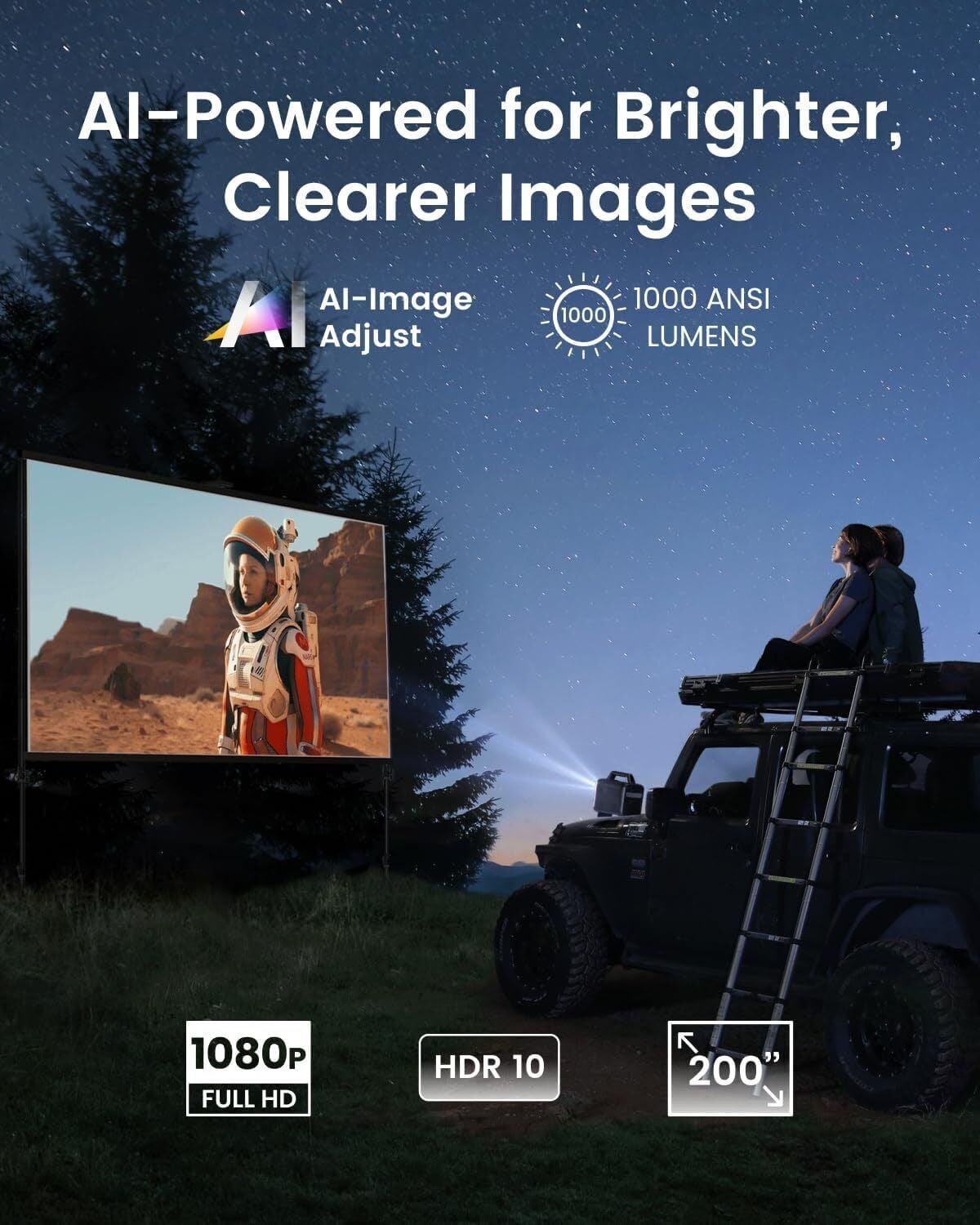
Brightness is measured in ANSI lumens, which indicates how much usable light the projector produces. The Cosmos 4K SE produces 1,800 ANSI lumens compared to the Mars 3's 1,000 lumens—an 80% brightness advantage that significantly impacts viewing flexibility.
This brightness difference means the Cosmos 4K SE can handle more ambient light, making it suitable for evening outdoor viewing or rooms with some lighting. The Mars 3 requires darker conditions for optimal viewing but performs admirably once the sun goes down.
I've found that 1,000 lumens is adequate for most portable projection scenarios, especially outdoor evening use where complete darkness isn't realistic. However, the extra brightness of the Cosmos 4K SE provides more flexibility for setup timing and location.
The Cosmos 4K SE includes advanced color processing that covers 123.3% of the Rec. 709 color space—the standard for HDTV content. This wide color gamut produces more vibrant and accurate colors than typical projectors. The projector also supports Dolby Vision HDR (High Dynamic Range), which provides better contrast between dark and bright areas of the image.
HDR support is particularly important for modern streaming content, as services like Netflix, Disney+, and Amazon Prime Video increasingly offer HDR versions of their content. The Mars 3 includes basic HDR10 support but lacks the advanced processing of its more expensive sibling.
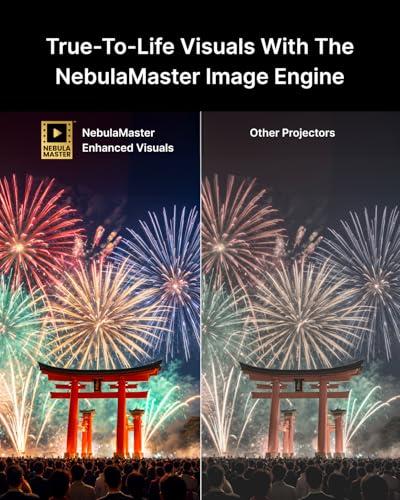
The practical impact of better color performance is most noticeable in nature content, animated movies, and vibrant scenes. Reds appear more saturated, skin tones look more natural, and overall image "pop" is enhanced on the Cosmos 4K SE.
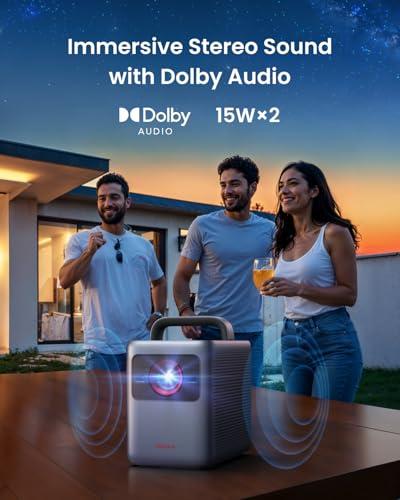
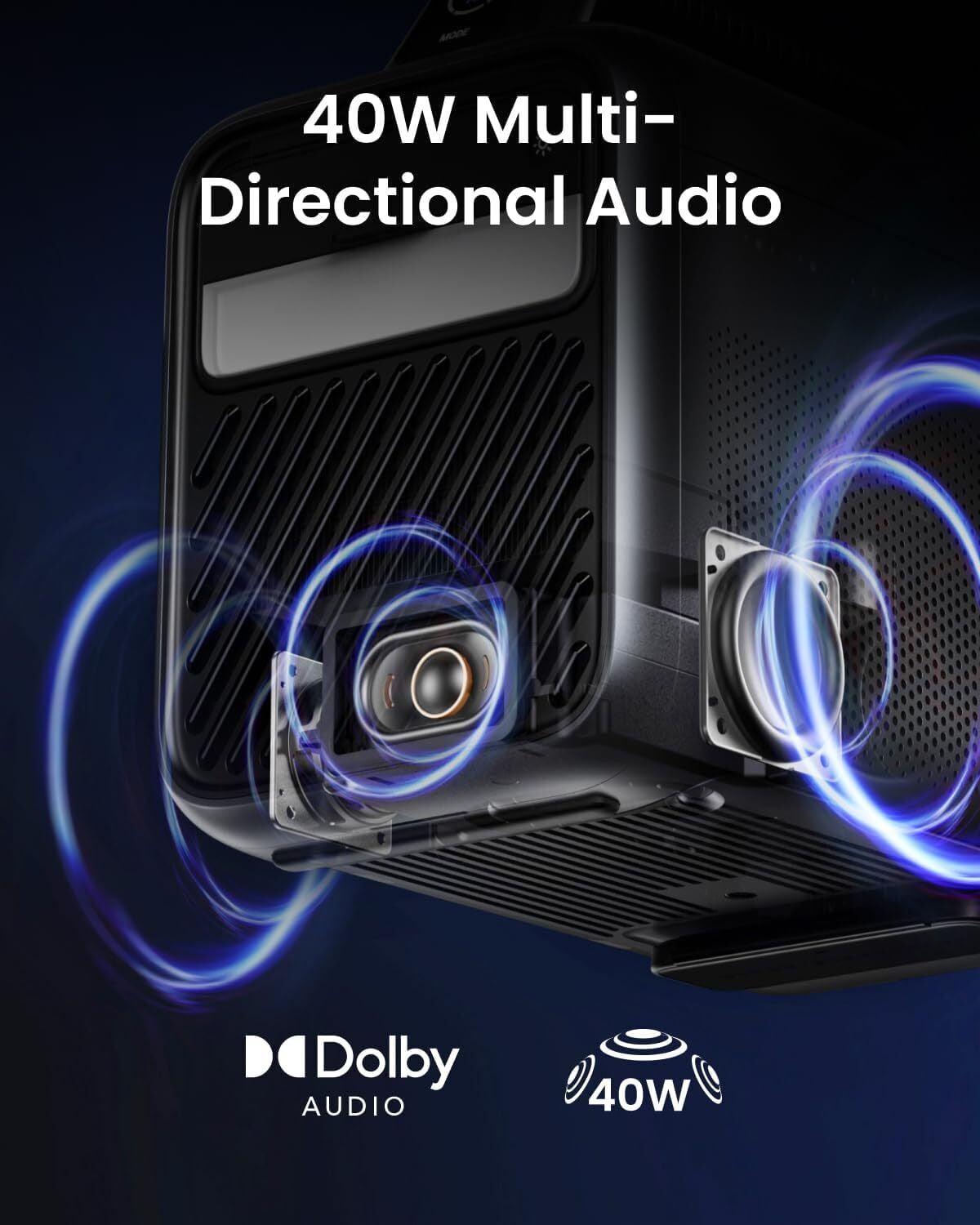
Both projectors include surprisingly capable built-in audio systems, eliminating the need for external speakers in many situations. The Cosmos 4K SE features a 30-watt dual-speaker system with Dolby Audio processing, while the Mars 3 includes a 40-watt speaker system optimized for outdoor use.
Despite the Mars 3's higher wattage rating, the Cosmos 4K SE's dual-speaker configuration provides better stereo separation and dialogue clarity. The Dolby Atmos support via HDMI eARC also enables surround sound when connected to compatible devices.
For outdoor use, the Mars 3's speaker design proves more practical, with better projection of sound in open spaces. Both projectors can function as Bluetooth speakers when not projecting, adding versatility to their audio capabilities.
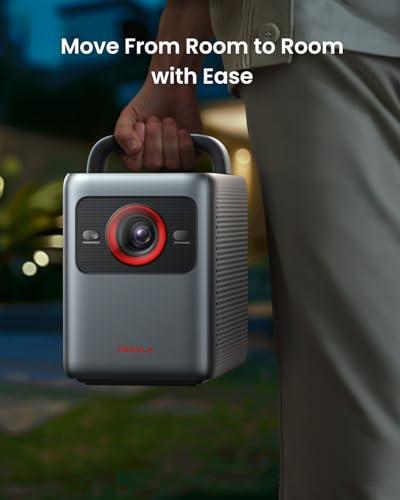
Both projectors weigh approximately 9.9 pounds and include handles for easy transport, but their portability philosophies differ significantly. The Cosmos 4K SE feels more like a high-end appliance with premium materials and precise construction. Its handle is comfortable for room-to-room transport, and the overall design suggests occasional movement rather than constant travel.
The Mars 3 embraces a more rugged aesthetic with materials chosen for durability over premium feel. Its construction feels robust enough for camping gear treatment, with reinforced corners and a more utilitarian design approach.
Here's where these projectors truly diverge. The Cosmos 4K SE requires wall power for operation, limiting its use to locations with electrical outlets. While this constrains true portability, it enables the higher brightness and 4K processing that define its performance advantage.
The Mars 3's built-in battery provides up to 5 hours of runtime in eco mode, or about 2 hours at full brightness. This battery operation opens up use cases that simply aren't possible with mains-powered projectors—camping trips, beach gatherings, backyard movie nights without convenient power access, and temporary setups in locations without electrical infrastructure.
The Mars 3 includes IPX3 water resistance, meaning it can handle light rain and water splashing from any direction. Combined with its drop resistance and dust protection, this makes it genuinely suitable for outdoor adventures where weather and rough handling are concerns.
The Cosmos 4K SE lacks environmental protection and is designed for indoor use or covered outdoor areas. Exposing it to moisture or dust could damage its more sophisticated internal components.
The Cosmos 4K SE runs Google TV OS, which provides access to over 10,000 apps including all major streaming services. Crucially, it includes official Netflix 4K certification, ensuring compatibility with Netflix's highest quality streams without the technical workarounds that plague many projectors.
The Mars 3 uses Android TV 11.0, which provides similar app access but may require sideloading for some streaming services. While functional, it's not quite as polished or comprehensive as the Google TV experience.
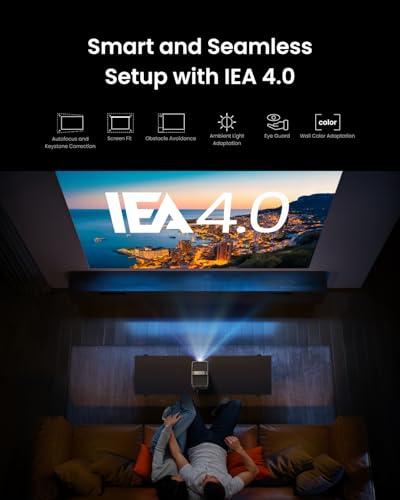
Both projectors include automated setup features, but the Cosmos 4K SE takes this further with its IEA 4.0 (Intelligent Environment Adaptation) system. This technology automatically adjusts focus, performs keystone correction (fixing image distortion when projecting at angles), and even adapts to wall color and ambient lighting conditions.
These automated features significantly reduce setup time and complexity, making the projector more accessible to users who don't want to manually adjust multiple settings for optimal viewing.
For gaming applications, the Cosmos 4K SE provides superior performance with input lag as low as 18.4 milliseconds in its extreme gaming mode. Input lag is the delay between controller input and on-screen response—crucial for competitive gaming where split-second timing matters.
The projector also supports 4K gaming from modern consoles and includes MEMC (Motion Estimation, Motion Compensation) technology that smooths fast-moving content, reducing motion blur in action games and sports.
The Mars 3 provides adequate gaming performance for casual use but with higher input lag and limited to 1080p resolution. It's suitable for party games and casual gaming but not ideal for competitive or detail-focused gaming.
At the time of writing, these projectors occupy different value propositions despite both being "portable." The Cosmos 4K SE often goes on significant sale, making its premium features accessible at a more reasonable price point. When discounted, it provides exceptional value for users who can work within its power requirements.
The Mars 3 maintains steadier pricing but offers good value for its specific use case. When you factor in the cost of external batteries, weather protection, and the convenience of built-in battery operation, its price becomes more reasonable for outdoor enthusiasts.
If you're considering either projector for home theater use, the Cosmos 4K SE is clearly the better choice. Its 4K resolution, Dolby Vision HDR support, and superior color accuracy provide a more cinematic experience. The automated setup features also make it practical for occasional use in different rooms.
The larger projection size capability (up to 200 inches for both models) allows for true big-screen experiences that surpass even large TVs. However, both projectors perform best in darkened rooms, making them more suitable for dedicated movie watching than casual TV replacement.
The Cosmos 4K SE's Google TV OS integration means it can truly replace a streaming device, providing access to all major services in high quality. The HDMI 2.1 connectivity also ensures compatibility with modern gaming consoles and high-bandwidth content.
You should consider the Cosmos 4K SE if image quality is your primary concern and you have reliable access to electrical outlets where you'll use the projector. It's ideal for users who want the flexibility to move a high-quality projector between rooms or set up impressive displays for special occasions.
This projector makes sense for home theater enthusiasts who occasionally want to take their setup outdoors to covered patios or areas with power access. It's also excellent for gamers who want the best possible portable gaming experience with 4K resolution and low input lag.
The advanced smart features and automated setup make it user-friendly despite its premium performance, appealing to buyers who want quality without complexity.
The Mars 3 is your best choice if true portability and outdoor durability are essential. It's perfect for camping enthusiasts, frequent travelers, or anyone who regularly hosts outdoor gatherings without convenient power access.
This projector excels for families with children where durability matters, or for users who prioritize simplicity and reliability over cutting-edge features. If you're planning to use your projector in challenging environments or need the flexibility to set up anywhere, the Mars 3's battery operation and weather resistance are invaluable.
The more accessible pricing also makes it attractive for buyers who want portable projection capability without the premium cost of 4K performance.
Both the Nebula Cosmos 4K SE and Anker Nebula Mars 3 excel in their intended roles, making the choice dependent on your specific needs and priorities. The key is honestly assessing how you'll actually use the projector rather than what sounds appealing in theory.
If you value image quality and have predictable power access, the Cosmos 4K SE provides exceptional performance that rivals much more expensive home theater projectors. Its combination of 4K resolution, advanced HDR, and automated features creates a premium experience that justifies its higher price point.
If true portability and environmental durability are essential, the Mars 3 offers capabilities that no mains-powered projector can match. Its battery operation and weather resistance enable use cases that would be impossible with other projectors.
Consider your most common use scenarios, be realistic about power access, and choose the projector that best matches your actual needs rather than theoretical preferences. Both represent excellent value in their respective categories and should provide years of reliable service when matched to appropriate use cases.
| Nebula Cosmos 4K SE Smart Projector | Anker Nebula Mars 3 Outdoor Portable Projector |
|---|---|
| Resolution - Higher resolution provides sharper text and details on large screens | |
| True 4K UHD (3840×2160) via pixel shifting | Full HD 1080p (1920×1080) native |
| Brightness - Determines how well the projector performs in ambient light | |
| 1,800 ANSI lumens (good for evening outdoor use) | 1,000 ANSI lumens (requires darker conditions) |
| Power Source - The fundamental difference that determines where you can use each projector | |
| Mains power only (limits to outlets) | 5-hour battery + mains power (true portability) |
| Light Source Technology - Affects brightness, color accuracy, and lifespan | |
| HybridBeam (LED + Laser) for superior colors | Traditional LED (reliable, instant-on) |
| HDR Support - Important for modern streaming content quality | |
| Dolby Vision, HDR10, HLG (premium HDR) | HDR10 only (basic HDR support) |
| Environmental Protection - Critical for outdoor durability | |
| None (indoor/covered use only) | IPX3 water + drop + dust resistant |
| Audio System - Built-in speakers eliminate need for external audio | |
| 30W dual speakers with Dolby Atmos | 40W speakers optimized for outdoor projection |
| Smart OS - Determines app availability and streaming convenience | |
| Google TV with 4K Netflix certification | Android TV 11.0 (standard streaming) |
| Gaming Performance - Input lag affects competitive gaming experience | |
| 18.4ms input lag, 4K gaming support | Higher input lag, 1080p gaming only |
| Automated Setup - Reduces complexity for non-technical users | |
| IEA 4.0 with obstacle avoidance and ambient adaptation | Standard autofocus and keystone correction |
| Weight and Portability - Affects ease of transport and setup | |
| 9.9 lbs with handle (room-to-room transport) | 9.9 lbs with rugged design (travel-ready) |
| Light Source Lifespan - Long-term maintenance considerations | |
| 25,000-30,000 hours (hybrid technology) | 25,000 hours (LED reliability) |
| Connectivity - Determines compatibility with external devices | |
| HDMI 2.1 with eARC, USB 3.0 (premium connections) | Standard HDMI, USB ports, power bank function |
The Nebula Cosmos 4K SE Smart Projector is significantly better for home theater applications. It delivers true 4K resolution with Dolby Vision HDR support, providing sharper images and better contrast for movie watching. The Cosmos 4K SE also features superior color accuracy and brightness levels that work well in controlled indoor environments.
The Anker Nebula Mars 3 Outdoor Portable Projector is specifically designed for outdoor use with IPX3 water resistance, drop protection, and a 5-hour battery. The Nebula Cosmos 4K SE can be used outdoors but requires a power outlet and should be protected from weather, limiting its outdoor versatility.
The Nebula Cosmos 4K SE Smart Projector offers superior image quality with 4K resolution, 1,800 ANSI lumens brightness, and advanced HDR processing. The Anker Nebula Mars 3 provides good 1080p quality but cannot match the sharpness and color performance of the Cosmos 4K SE.
Both projectors include capable built-in speakers. The Cosmos 4K SE has a 30W dual-speaker system with Dolby Audio, while the Mars 3 features 40W speakers optimized for outdoor projection. Most users find the built-in audio sufficient for casual viewing.
The Anker Nebula Mars 3 Outdoor Portable Projector is truly portable with its 5-hour battery and rugged design. The Nebula Cosmos 4K SE is transportable with a handle but requires wall power, making it better suited for room-to-room movement rather than true portability.
The Nebula Cosmos 4K SE Smart Projector officially supports 4K Netflix streaming through its Google TV OS. The Anker Nebula Mars 3 runs Android TV but is limited to 1080p resolution, so even if Netflix is available, it won't stream in 4K.
The Cosmos 4K SE excels for gaming with 18.4ms input lag in gaming mode and 4K resolution support for modern consoles. The Mars 3 works for casual gaming but has higher input lag and is limited to 1080p gaming performance.
The Nebula Cosmos 4K SE Smart Projector produces 1,800 ANSI lumens, while the Anker Nebula Mars 3 outputs 1,000 ANSI lumens. The Cosmos 4K SE's higher brightness allows for viewing in rooms with more ambient light.
Value depends on your needs. The Anker Nebula Mars 3 offers excellent value for outdoor use and true portability. The Cosmos 4K SE provides better value for image quality and home theater features, especially when purchased at discounted pricing.
Both projectors use LED-based light sources lasting 25,000+ hours with minimal maintenance required. The Mars 3's rugged design may handle wear better, while the Cosmos 4K SE's hybrid laser-LED system offers advanced performance with similar longevity.
Yes, both projectors accept HDMI connections from gaming consoles. However, the Nebula Cosmos 4K SE supports 4K gaming with HDMI 2.1 and lower input lag, making it much better for serious gaming compared to the Anker Nebula Mars 3.
The Anker Nebula Mars 3 Outdoor Portable Projector is the clear choice for camping and travel with its battery operation, weather resistance, and durable construction. The Cosmos 4K SE requires power outlets and lacks environmental protection, making it unsuitable for most camping scenarios.
We've done our best to create useful and informative comparisons to help you decide what product to buy. Our research uses advanced automated methods to create this comparison and perfection is not possible - please contact us for corrections or questions. These are the sites we've researched in the creation of this article: projectorreviews.com - tvsbook.com - youtube.com - projectorcentral.com - youtube.com - projectorcentral.com - techradar.com - youtube.com - projectorcentral.com - youtube.com - the-gadgeteer.com - newegg.com - projectorreviews.com - projectorcentral.com - youtube.com - seenebula.com - seenebula.com - bestbuy.com - techradar.com - seenebula.com - thesmarthomehookup.com - yuenx.com - projectorcentral.com - seenebula.com - youtube.com - youtube.com - youtube.com - cnet.com - projectorreviews.com - youtube.com - youtube.com - projectorcentral.com - seenebula.com - youtube.com - yuenx.com

Privacy Policy
Terms and Conditions - Affiliate Policy
Home Security
© Copyright 2008-2026.
11816 Inwood Rd #1211, Dallas, TX 75244