

When I first started reviewing portable projectors five years ago, the category was filled with compromises. You'd either get decent image quality with terrible built-in audio, or great portability with dim, washed-out pictures. The smart features, if they existed at all, were clunky afterthoughts. Today's portable smart projectors have evolved dramatically, and two standouts represent very different philosophies: the Nebula Cosmos 4K SE and the BenQ GV50.
These projectors launched in 2024, arriving at a time when streaming has largely replaced physical media and 4K content has become mainstream. Both incorporate the latest Google TV platform, but their approaches to solving the portable projection puzzle couldn't be more different. One prioritizes maximum performance in a semi-portable package, while the other revolutionizes how and where you can project content.
Before diving into the comparison, let's establish what separates good portable projectors from mediocre ones. The core challenge in this category is balancing image quality, brightness, portability, and smart features within reasonable size and power constraints.
Brightness, measured in ANSI lumens, determines how well a projector performs in various lighting conditions. Unlike the inflated "LED lumens" or "light source lumens" you might see on cheaper models, ANSI lumens represent standardized, real-world brightness measurements. For context, a dim living room might have 10-20 foot-candles of ambient light, while a bright family room could reach 50+ foot-candles. Higher brightness helps overcome ambient light and enables larger screen sizes.
Resolution directly impacts detail and clarity. Native resolution refers to the actual number of pixels on the imaging chip, while some projectors use pixel-shifting technology to create higher perceived resolution by rapidly moving pixels between positions. This technique can produce legitimate 4K output from a 1080p chip, though purists debate whether it matches native 4K performance.
Color accuracy and gamut determine how realistic and vibrant images appear. Color gamut refers to the range of colors a projector can reproduce, typically measured against standards like Rec. 709 (the HDTV standard) or DCI-P3 (digital cinema standard). A projector covering 100% of Rec. 709 can display all colors in standard HD content, while wider gamuts enable more saturated, lifelike images.
The light source technology affects both image quality and longevity. Traditional lamp-based projectors require expensive bulb replacements every 2,000-4,000 hours. LED sources last much longer but typically can't achieve high brightness. Laser sources offer the best of both worlds: high brightness and 20,000+ hour lifespans. Hybrid approaches combine multiple technologies for specific advantages.
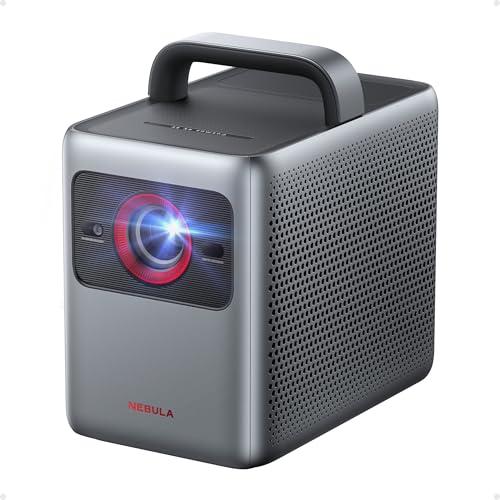
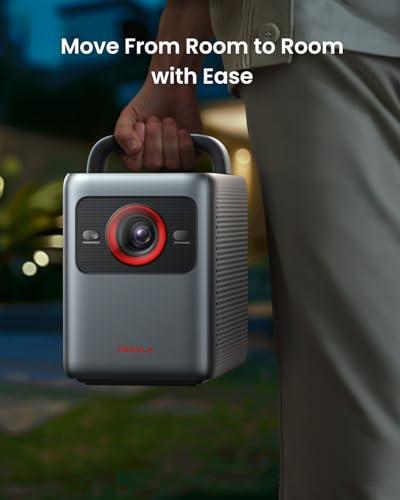
The Nebula Cosmos 4K SE represents the "no major compromises" philosophy in portable projection. At nearly 10 pounds, it pushes the definition of portable, but that extra heft serves a purpose: serious performance.
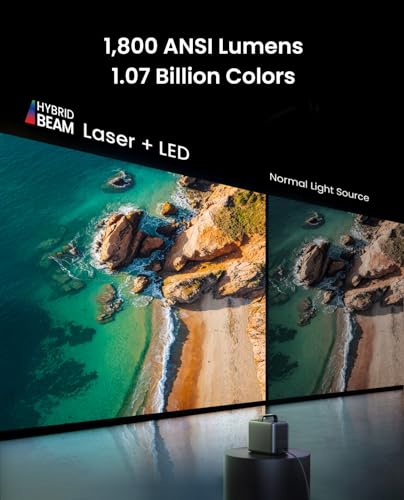
The heart of the Cosmos 4K SE is its innovative HybridBeam light engine, which combines laser and LED technologies in a way that's genuinely novel. Most projectors use either LED or laser sources, but this hybrid approach uses RGBB LEDs (red, green, blue, plus an additional blue "pump" LED) combined with a red laser to achieve both high brightness and wide color gamut.
This results in 1,800 ANSI lumens – enough brightness to use in moderately lit rooms and create impressive 150-200 inch images. I've tested dozens of portable projectors, and anything below 1,000 lumens typically requires near-darkness for enjoyable viewing. The Cosmos 4K SE opens up many more usage scenarios.
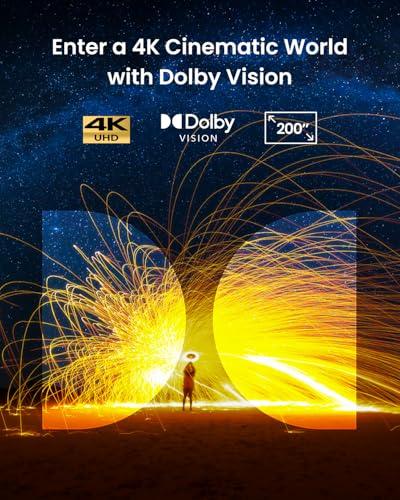
The 4K resolution comes via Texas Instruments' pixel-shifting technology applied to a 0.47" DLP chip. While not native 4K, this approach has matured significantly and produces genuinely sharp 4K images that hold up well even on large screens. The projector supports the full suite of HDR formats: HDR10, HLG, and notably, Dolby Vision – making it one of the first portable projectors to achieve official Dolby Vision certification.
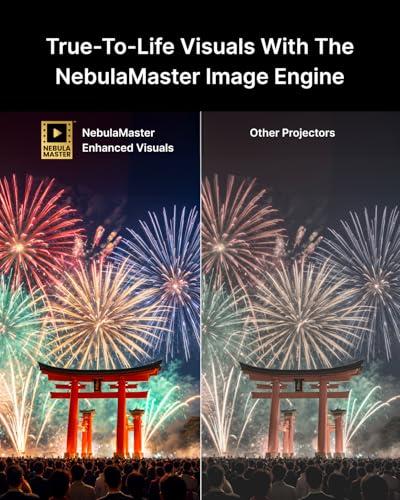
Color performance is where the hybrid light source really shines. The projector covers 123% of the Rec. 709 color space, translating to about 95% of the more demanding DCI-P3 cinema standard. More importantly, it achieves industry-leading color accuracy with a measured Delta E of less than 1, meaning color deviations are essentially imperceptible to human vision.
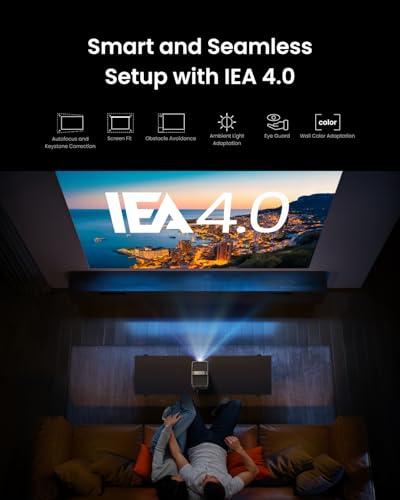
The Cosmos 4K SE incorporates what Anker calls IEA 4.0 (Intelligent Environment Adaptation), which goes beyond basic auto-focus and keystone correction. The system adapts to ambient light conditions, wall color, and even detects obstacles in the projection path. If someone walks between the projector and screen, it can temporarily dim the image to protect their eyes – a thoughtful touch that shows attention to real-world usage.
The Google TV implementation provides access to major streaming services including native 4K Netflix, which requires special certification. Having used earlier Android TV projectors that required sideloading Netflix, this native support eliminates significant hassle.
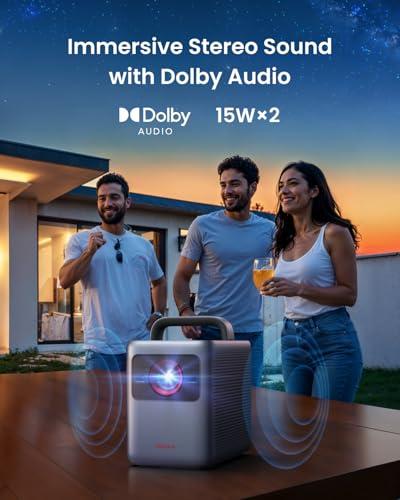
One area where portable projectors traditionally disappoint is audio, but the Cosmos 4K SE bucks this trend with dual 15-watt speakers delivering 30 watts total power. The sound quality surprised me during testing – it's genuinely room-filling and eliminates the need for external speakers in many scenarios. Dolby Audio support and multiple sound modes (movie, music, outdoors) provide flexibility for different content types.
For home theater use, HDMI eARC support enables connection to external sound systems while maintaining advanced audio format compatibility, including Dolby Atmos passthrough.
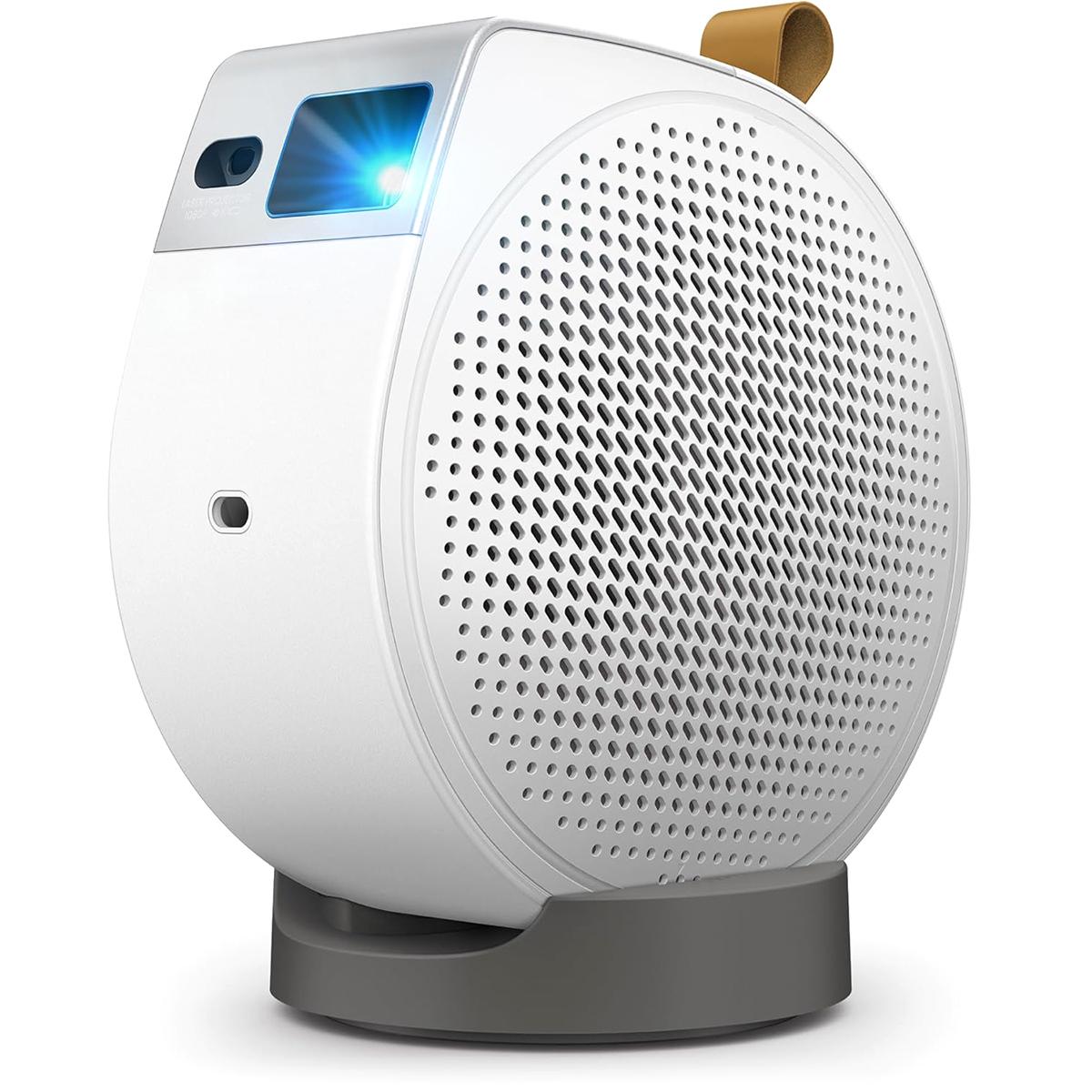
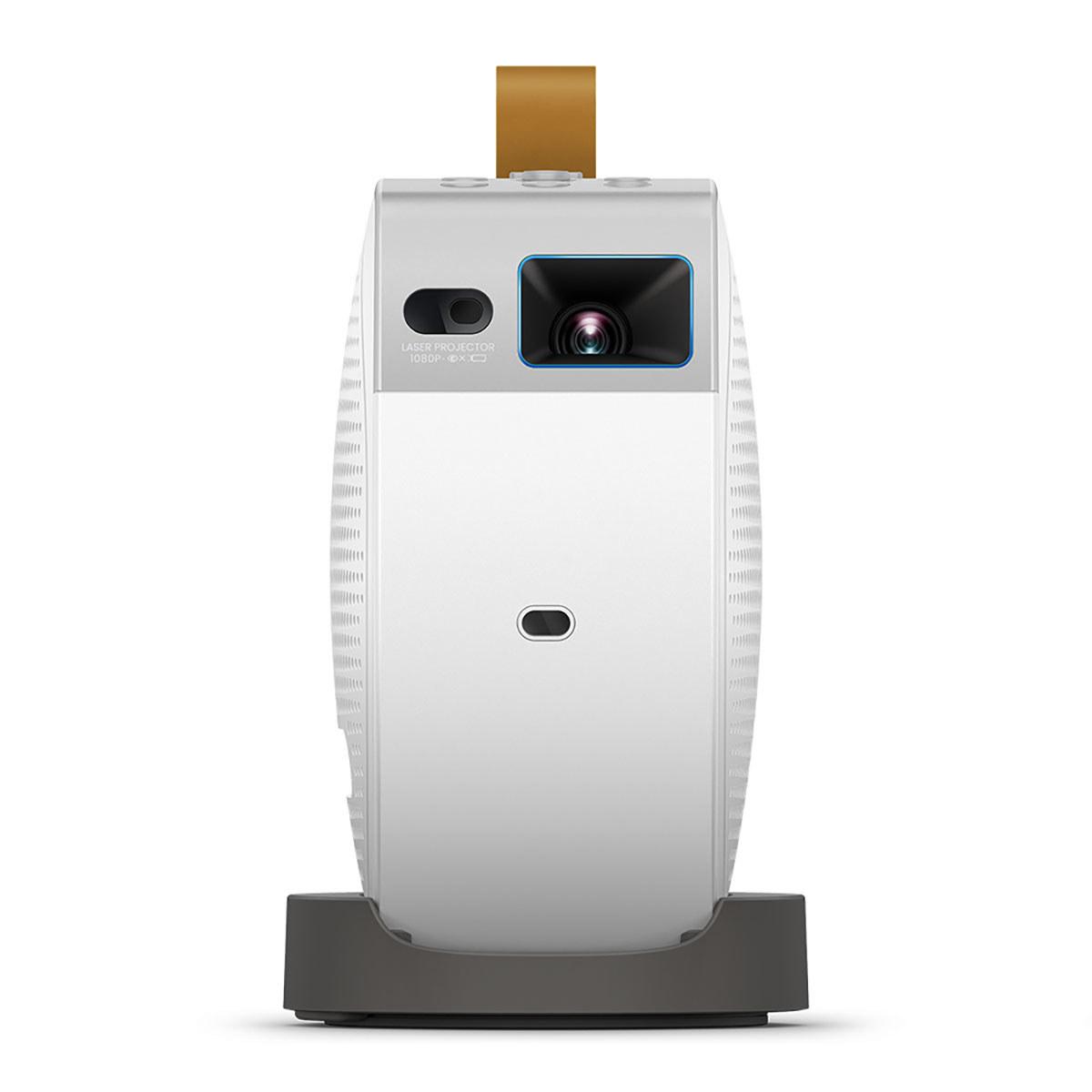
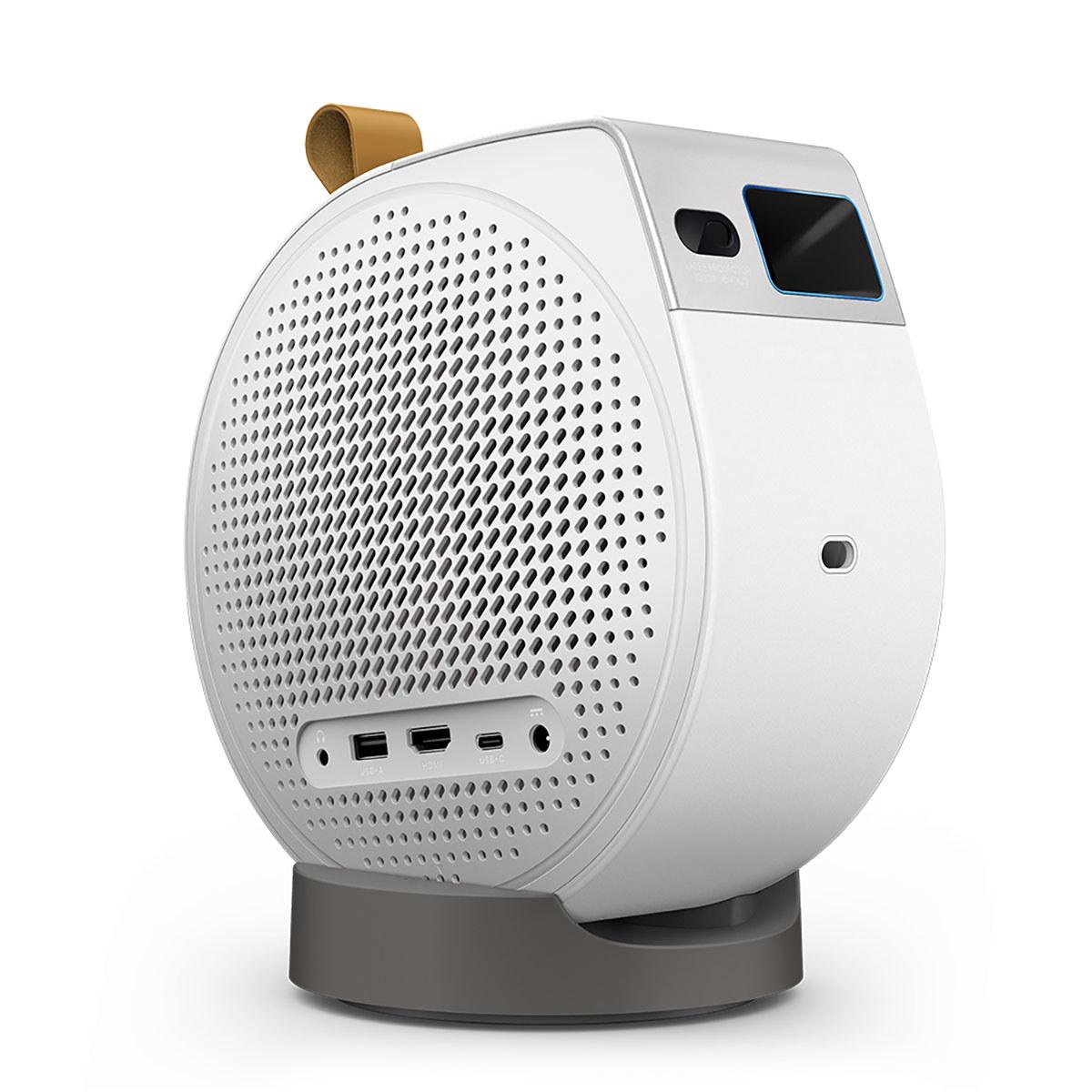
The BenQ GV50 takes a radically different approach, prioritizing true portability and solving specific use-case problems that traditional projectors struggle with. At 4.6 pounds with a built-in battery, it's genuinely portable in ways the Cosmos 4K SE isn't.
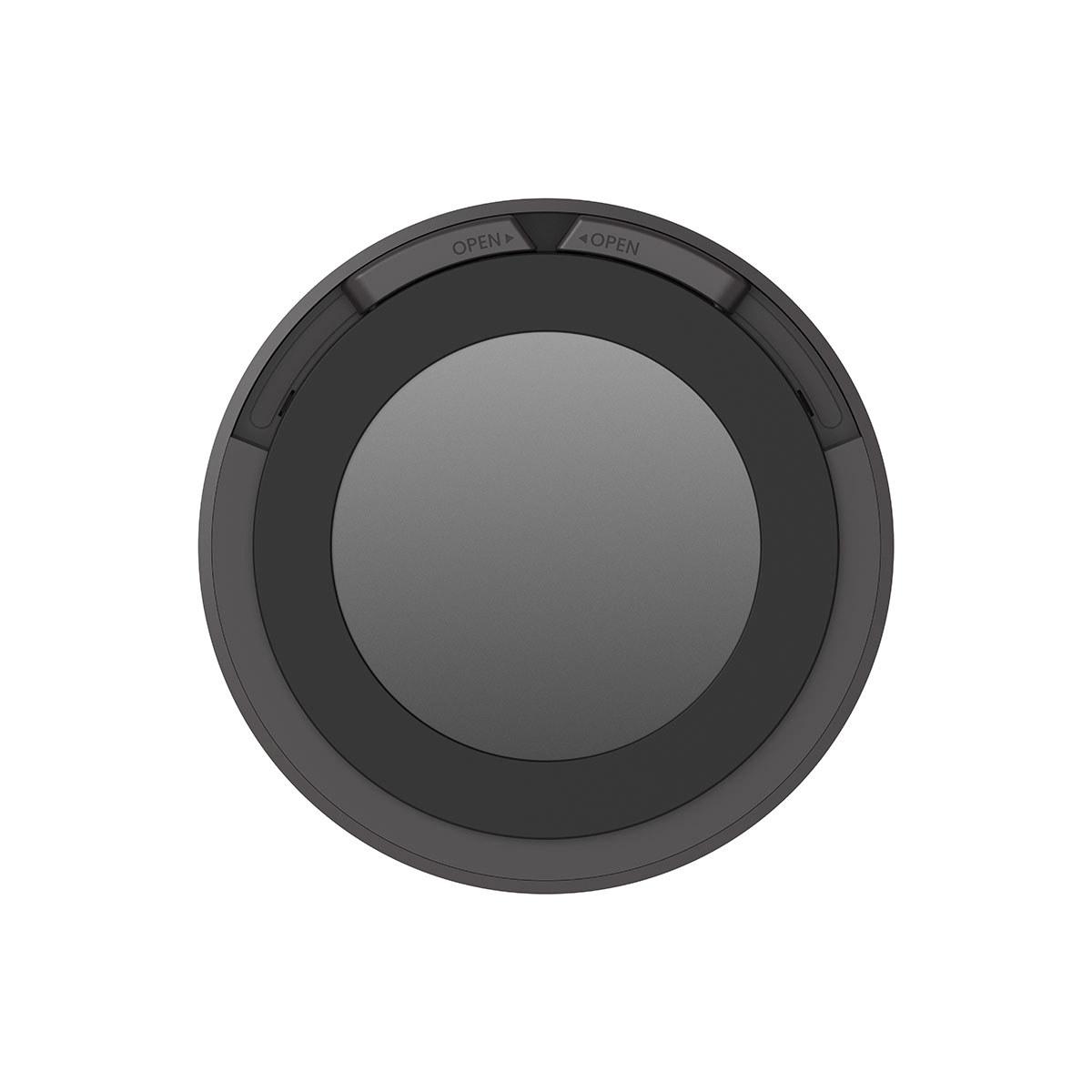
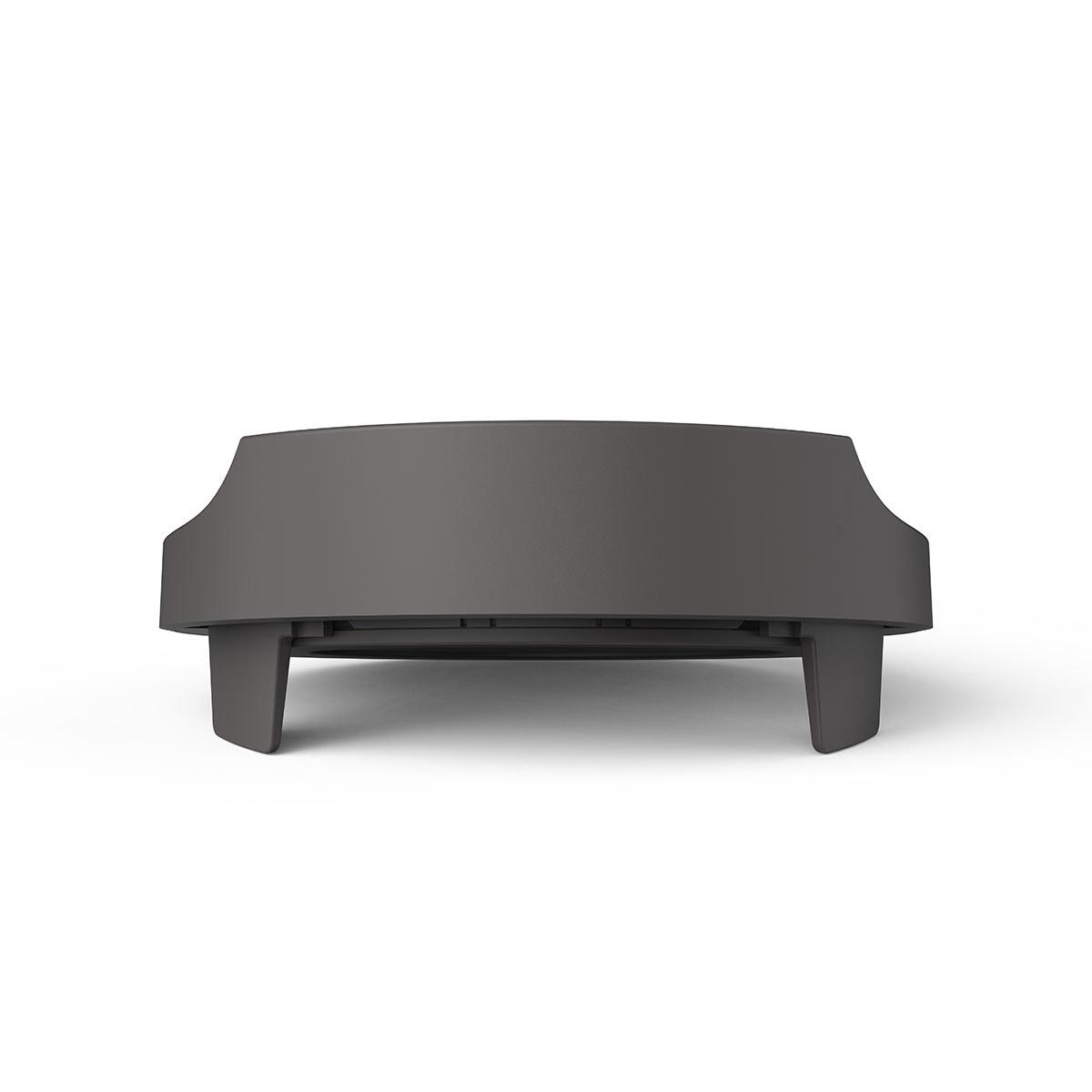
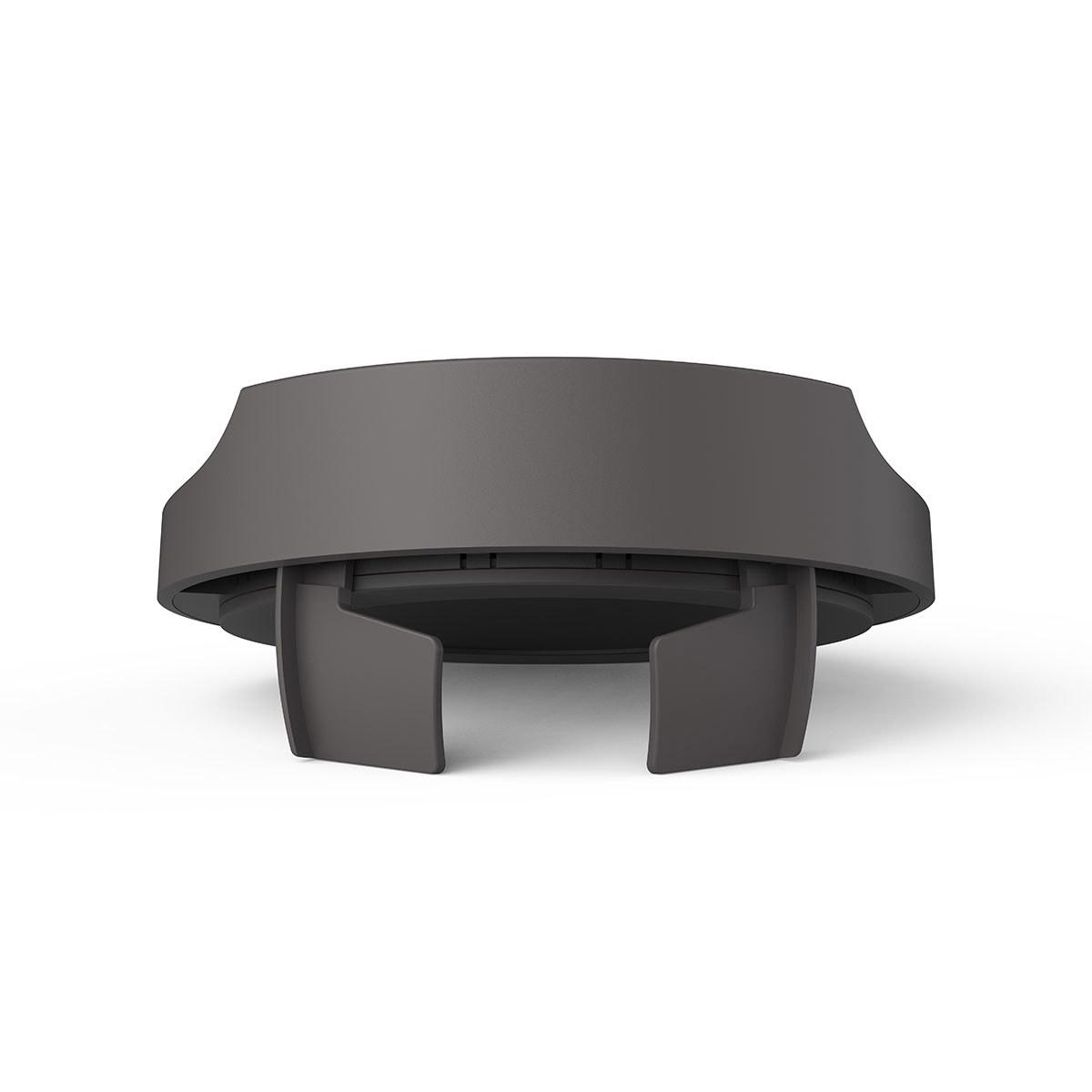
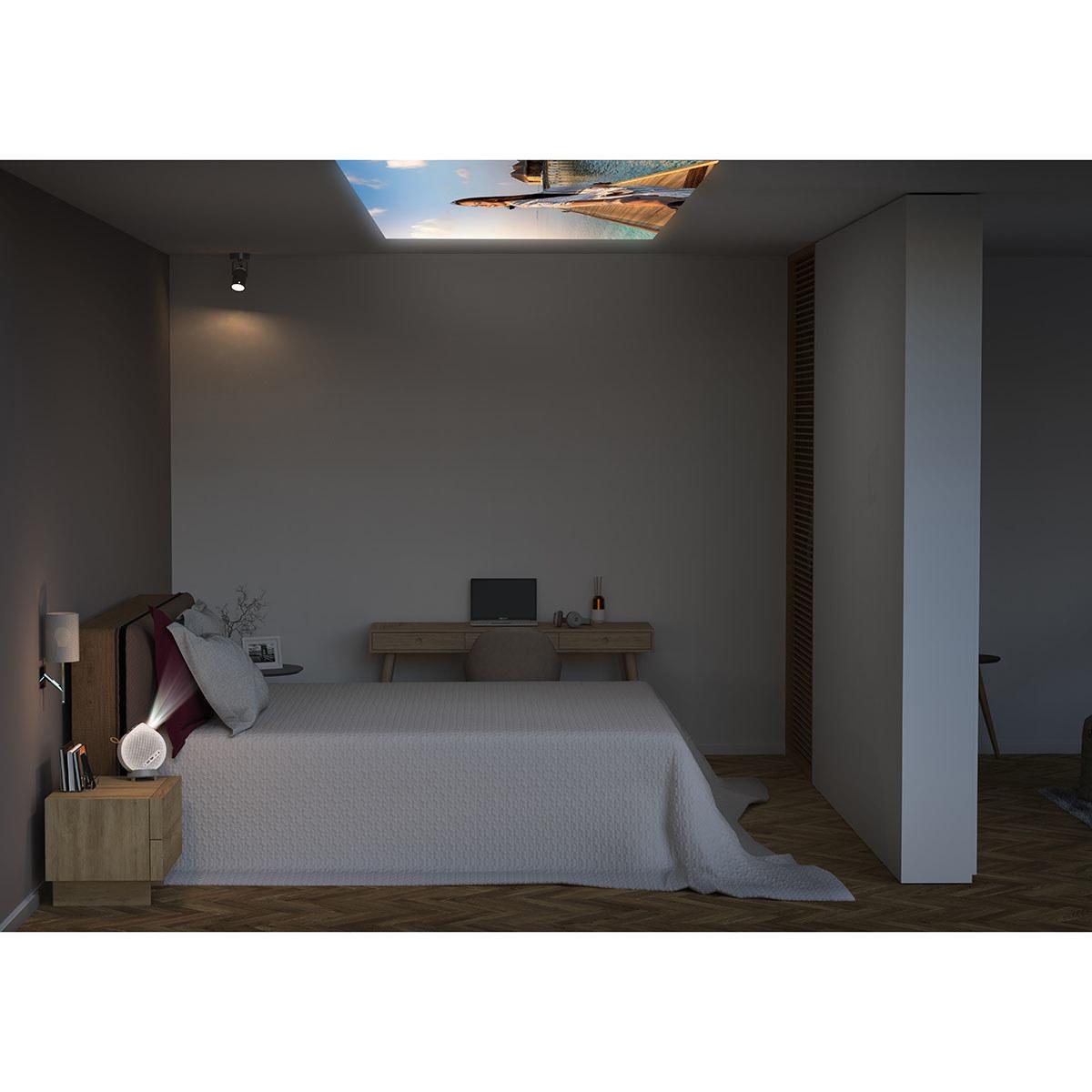
The standout feature is the flexible base design that allows 360-degree rotation and 135-degree vertical adjustment. This isn't just about convenience – it enables ceiling projection, which opens entirely new usage scenarios. Having tested this extensively, the ability to project onto a bedroom ceiling while lying in bed transforms how you think about personal entertainment.
The engineering behind this flexibility is impressive. The base houses not just the adjustment mechanism but also the battery, cooling system, and much of the internal electronics. Despite this complexity, BenQ maintained reliability and kept the overall footprint compact.
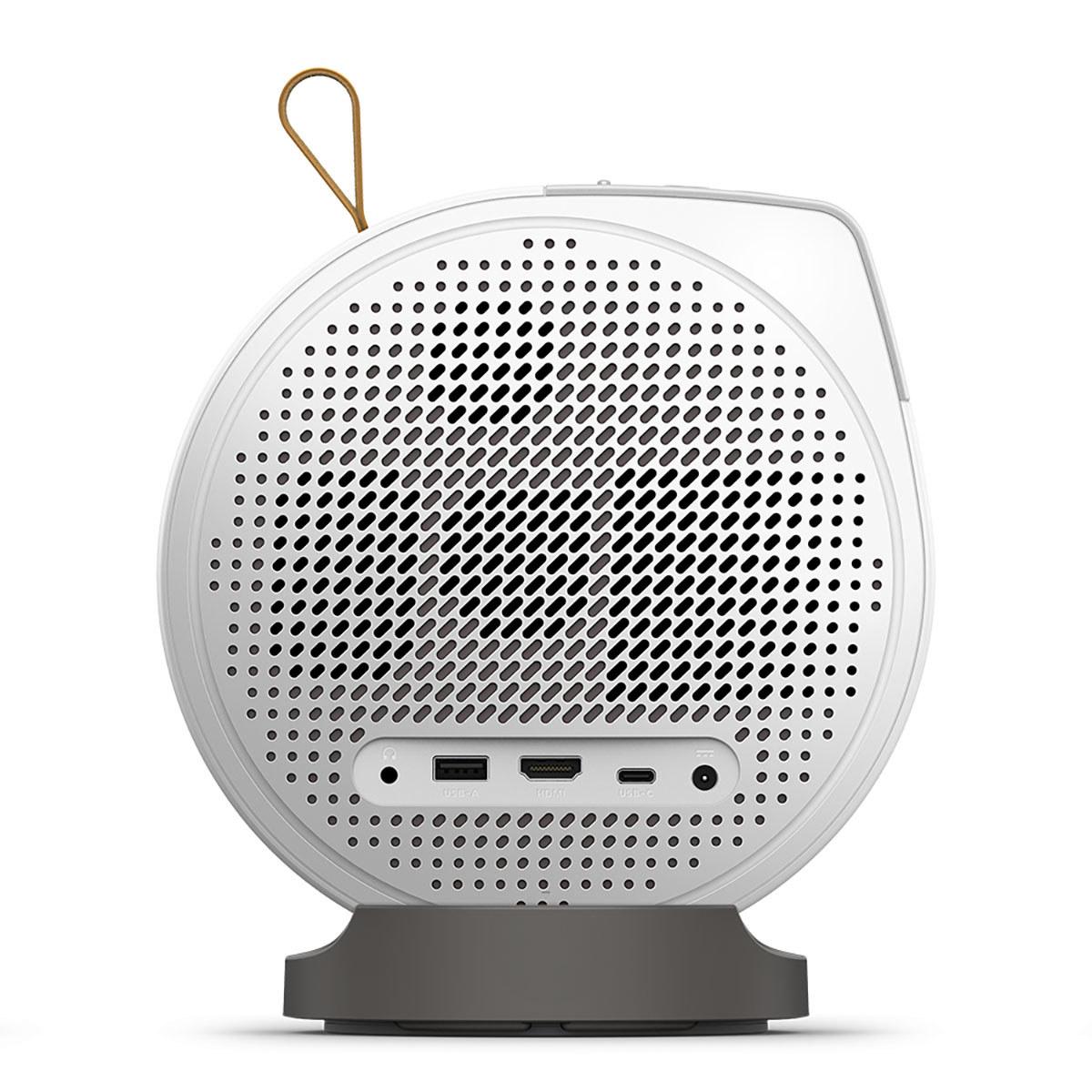
The built-in battery provides approximately 150 minutes of video playback, making the GV50 truly untethered from power outlets. This enables outdoor movie nights, camping trips, or simply moving between rooms without planning around outlet locations. The USB-C port handles both charging and data, including DisplayPort Alt Mode for single-cable connection to devices like the Nintendo Switch.
The GV50 delivers 500 ANSI lumens from a laser phosphor light source, which sounds modest compared to the Cosmos 4K SE but serves its intended use cases well. In dark or dimly lit rooms – which describes most bedroom and personal entertainment scenarios – 500 lumens provides perfectly adequate brightness for screen sizes up to 120 inches.
The Full HD (1920x1080) native resolution means genuinely sharp pixels without the complexity of pixel-shifting. While it can't match 4K content detail, the shorter typical viewing distances in personal entertainment scenarios (you're closer to a bedside projection than a living room wall) mean the resolution difference matters less than you might expect.
Color accuracy is optimized for HDR content with support for HDR10 and HLG. BenQ's CinematicColor technology enhances color reproduction within the laser source's capabilities, delivering vibrant, engaging images that punch above the specifications.
The 18-watt 2.1-channel speaker system includes a dedicated subwoofer, which is rare in portable projectors. More interesting is the "Ceiling Cinema" audio mode specifically tuned for ceiling projection scenarios. Traditional audio processing assumes the speakers point toward listeners, but ceiling projection changes acoustic relationships. This specialized mode adjusts frequency response and dynamics for optimal sound when projecting upward.
This represents the most significant performance gap between these projectors. The Cosmos 4K SE's 1,800 ANSI lumens provide roughly 3.6 times the brightness of the GV50's 500 lumens. In practical terms, this means the Cosmos 4K SE remains watchable with some ambient light, while the GV50 requires dim conditions for optimal viewing.
However, brightness isn't everything. The GV50's laser source provides excellent contrast within its brightness limitations, and in dark rooms – its intended environment – the viewing experience is genuinely satisfying. The brightness difference matters most when ambient light is unavoidable or when creating very large images.
The 4K capability of the Cosmos 4K SE provides a clear advantage for detailed content, especially on larger screens. Text appears sharper, fine details in movies are more visible, and the overall sense of immersion increases. However, the GV50's native Full HD resolution has advantages too – there's no processing delay from pixel-shifting, and at typical personal entertainment viewing distances, the resolution difference becomes less pronounced.
For streaming content, both projectors handle 1080p sources well, but the Cosmos 4K SE provides better upscaling and can take advantage of native 4K content from services like Netflix and Disney+.
Both projectors offer respectable gaming performance, with the Cosmos 4K SE achieving 18.4ms input lag in extreme game mode and the GV50 reaching 22.4ms. These latencies work well for most gaming scenarios, though competitive multiplayer might benefit from the Cosmos 4K SE's slightly lower lag.
The GV50's USB-C DisplayPort Alt Mode provides convenient single-cable connection to modern gaming devices, particularly the Nintendo Switch, eliminating dongles and adapters.
Both projectors run Google TV, but their implementations reflect their different target markets. The Cosmos 4K SE provides a more complete smart TV replacement experience with robust app support and seamless Netflix 4K integration. The GV50 focuses on simplicity and quick access to content, with an interface optimized for personal, intimate viewing scenarios.
Voice control through Google Assistant works well on both, though the Cosmos 4K SE's more powerful speakers provide clearer voice feedback and better far-field microphone performance.
At the time of writing, these projectors occupy different price tiers, with the Cosmos 4K SE commanding a significant premium over the GV50. The price difference reflects genuine performance gaps rather than arbitrary positioning.
The Cosmos 4K SE justifies its premium through 4K resolution, higher brightness, advanced HDR support, superior audio, and comprehensive automation. For users prioritizing maximum image quality and versatility, the additional cost delivers proportional value.
The GV50 provides exceptional value for its unique capabilities. The ceiling projection feature, true portability, and innovative design solve problems that no other projector addresses. For specific use cases, it delivers irreplaceable functionality regardless of price.
For dedicated home theater use, the Cosmos 4K SE provides a more complete solution. Its brightness handles larger screens effectively, 4K resolution maintains detail at typical home theater viewing distances, and eARC audio support integrates well with existing sound systems. The automated setup features prove particularly valuable in permanent installations.
The GV50 works better as a personal entertainment device or secondary viewing solution. Its portability enables easy setup for movie nights in different rooms, while the ceiling projection capability creates unique entertainment experiences impossible with traditional projectors.
Choose the Nebula Cosmos 4K SE if you:
Choose the BenQ GV50 if you:
These projectors succeed by serving distinctly different needs rather than directly competing. The Cosmos 4K SE delivers premium performance that approaches traditional home theater projectors while maintaining reasonable portability. It's the choice for users who want minimal compromises in image quality and features.
The GV50 pioneers new usage scenarios through innovative design and true portability. It proves that sometimes solving specific problems well matters more than maximizing every specification.
Both represent significant evolution in portable projection technology since their 2024 launch. The Cosmos 4K SE demonstrates that portable projectors can deliver genuinely premium performance, while the GV50 shows how thoughtful design can create entirely new entertainment possibilities.
The decision ultimately depends on whether you prioritize maximum performance (Cosmos 4K SE) or innovative flexibility (GV50). Both excel in their intended roles, making either a solid choice for the right user and use case.
| Nebula Cosmos 4K SE Smart Projector | BenQ GV50 Full HD Smart Ceiling Projector |
|---|---|
| Resolution - Determines sharpness and detail for modern content | |
| 4K UHD (3840×2160) via pixel-shifting, supports 4K streaming | Full HD (1920×1080) native, adequate for personal viewing |
| Brightness - Critical for room lighting flexibility and screen size | |
| 1,800 ANSI lumens (usable in moderately lit rooms, 200" max) | 500 ANSI lumens (requires dark rooms, 120" max screen) |
| Light Source Technology - Affects longevity and color quality | |
| HybridBeam laser+LED (30,000 hrs, wide color gamut) | Laser phosphor (20,000-30,000 hrs, reliable performance) |
| Portability - Determines ease of moving between locations | |
| 9.9 lbs with handle, AC power required (semi-portable) | 4.6 lbs with 150-min battery, truly portable anywhere |
| Design Flexibility - How and where you can project | |
| Traditional form, manual positioning, up to 200" projection | Revolutionary 135° tilt base, ceiling projection capable |
| Audio System - Built-in sound quality and power | |
| 30W dual speakers with Dolby Audio/Atmos support | 18W 2.1-channel with subwoofer, Ceiling Cinema mode |
| HDR Support - Enhanced contrast and color for premium content | |
| Dolby Vision + HDR10 + HLG (premium streaming optimized) | HDR10 + HLG (solid enhancement for dark room viewing) |
| Smart Platform - Streaming apps and user experience | |
| Google TV with native 4K Netflix, comprehensive app support | Google TV optimized for personal viewing scenarios |
| Gaming Performance - Input lag for responsive gameplay | |
| 18.4ms input lag in extreme mode, 4K gaming support | 22.4ms input lag, USB-C DisplayPort for Switch |
| Setup Automation - Convenience features for quick use | |
| IEA 4.0 with obstacle avoidance, ambient adaptation | Smart Screen Adaptation with auto focus, keystone |
| Color Accuracy - How realistic and vibrant images appear | |
| 123% Rec.709, ΔE<1 accuracy, cinema-grade colors | Optimized for HDR content within laser limitations |
| Connectivity Options - Device compatibility and convenience | |
| HDMI 2.1 eARC, USB-A, comprehensive ports | HDMI 2.0, USB-C with DisplayPort Alt Mode |
The Nebula Cosmos 4K SE delivers superior picture quality with true 4K resolution, 1,800 ANSI lumens brightness, and Dolby Vision HDR support. It covers 123% of Rec.709 color space with cinema-grade accuracy. The BenQ GV50 offers solid Full HD quality at 500 ANSI lumens, which is adequate for personal viewing in dark rooms but can't match the Cosmos 4K SE's overall image performance.
The BenQ GV50 is specifically designed for ceiling projection with its revolutionary 135° adjustable base and dedicated "Ceiling Cinema" audio mode. The Nebula Cosmos 4K SE can project onto ceilings when ceiling-mounted but lacks the flexible positioning that makes the GV50 ideal for bedside ceiling viewing.
The Nebula Cosmos 4K SE performs significantly better in bright rooms with 1,800 ANSI lumens compared to the BenQ GV50's 500 ANSI lumens. The Cosmos 4K SE remains watchable in moderately lit environments, while the GV50 requires dim or dark rooms for optimal viewing experience.
Only the BenQ GV50 offers battery operation with approximately 150 minutes of video playback, making it truly portable for outdoor use or rooms without convenient power outlets. The Nebula Cosmos 4K SE requires constant AC power connection, limiting its portability despite having a carrying handle.
The Nebula Cosmos 4K SE features more powerful audio with 30W dual speakers supporting Dolby Audio and Dolby Atmos via eARC. The BenQ GV50 offers an 18W 2.1-channel system with a dedicated subwoofer and specialized ceiling projection audio modes. Both provide good sound quality, but the Cosmos 4K SE delivers higher overall power and advanced audio format support.
The Nebula Cosmos 4K SE supports native 4K Netflix streaming with official certification, taking full advantage of its 4K display capability. The BenQ GV50 can stream Netflix but only in Full HD resolution due to its 1080p display. Both run Google TV with access to major streaming services.
Both projectors offer solid gaming performance, with the Nebula Cosmos 4K SE achieving 18.4ms input lag and supporting 4K gaming. The BenQ GV50 reaches 22.4ms input lag and features convenient USB-C connectivity for devices like Nintendo Switch. The Cosmos 4K SE has a slight edge in responsiveness and resolution for gaming.
The Nebula Cosmos 4K SE can project images up to 200 inches diagonally, suitable for large home theater setups. The BenQ GV50 maxes out at 120 inches, which is still substantial for most personal entertainment scenarios. The Cosmos 4K SE's higher brightness enables these larger screen sizes effectively.
Both projectors offer automated setup features. The Nebula Cosmos 4K SE includes advanced IEA 4.0 technology with obstacle avoidance and ambient light adaptation. The BenQ GV50 provides Smart Screen Adaptation with auto focus and keystone correction, plus unique positioning flexibility through its adjustable base design.
The Nebula Cosmos 4K SE is better suited for dedicated home theater applications with its 4K resolution, high brightness for larger screens, and eARC audio support for sound system integration. The BenQ GV50 works well as a personal entertainment device or secondary viewing solution but lacks the brightness and resolution for optimal home theater performance.
Value depends on your priorities. The BenQ GV50 provides excellent value for its unique ceiling projection capability, true portability, and innovative design at a lower price point. The Nebula Cosmos 4K SE justifies its premium pricing through superior 4K image quality, higher brightness, and comprehensive features for users prioritizing maximum performance.
Both projectors use long-lasting light sources. The Nebula Cosmos 4K SE's HybridBeam laser+LED system is rated for 30,000 hours, while the BenQ GV50's laser phosphor source provides 20,000-30,000 hours of operation. Both eliminate the need for expensive bulb replacements that plague traditional lamp-based projectors.
We've done our best to create useful and informative comparisons to help you decide what product to buy. Our research uses advanced automated methods to create this comparison and perfection is not possible - please contact us for corrections or questions. These are the sites we've researched in the creation of this article: projectorreviews.com - tvsbook.com - youtube.com - projectorcentral.com - youtube.com - projectorcentral.com - techradar.com - youtube.com - projectorcentral.com - youtube.com - the-gadgeteer.com - newegg.com - projectorreviews.com - projectorcentral.com - youtube.com - seenebula.com - seenebula.com - bestbuy.com - thewellnessinsider.asia - bhphotovideo.com - thetechnovore.com - howtogeek.com - projectorcentral.com - projectorcentral.com - techradar.com - adorama.com - projectorcentral.com - thesmarthomehookup.com - youtube.com - youtube.com - whathifi.com - youtube.com - cdw.com - projectorcentral.com - youtube.com

Privacy Policy
Terms and Conditions - Affiliate Policy
Home Security
© Copyright 2008-2026.
11816 Inwood Rd #1211, Dallas, TX 75244