


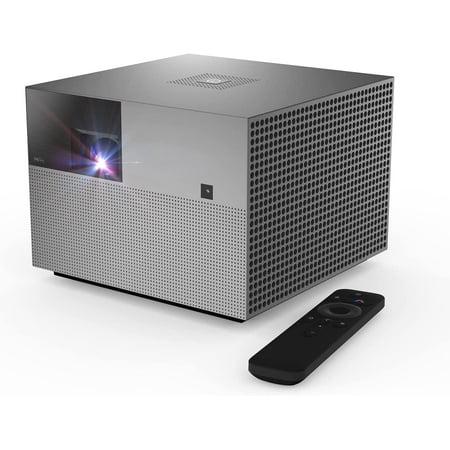
When I first started testing projectors a few years ago, the smart projector market was pretty basic. You'd get a decent image, maybe some built-in apps that barely worked, and audio that made you reach for external speakers immediately. Fast forward to 2025, and we're looking at a completely transformed landscape where projectors like the Nebula Cosmos 4K SE and WEMAX Vogue Pro represent two very different philosophies on what a modern smart projector should be.
Smart projectors have evolved from simple "projector plus Android box" combinations into sophisticated entertainment systems. The key difference from traditional projectors is the integration of streaming platforms, advanced image processing, and intelligent setup features that can automatically adjust for your room conditions.
When you're shopping for a smart projector today, you're essentially choosing between different approaches to home entertainment. Some manufacturers focus on pushing the absolute limits of image quality and features, while others prioritize practical performance that works well in real-world conditions without breaking the bank.
The most important considerations boil down to image quality (resolution, brightness, and color accuracy), smart platform capabilities, audio performance, and how easy the projector is to set up and use. These factors determine whether you'll actually enjoy using your projector long-term or if it'll end up collecting dust in a closet.
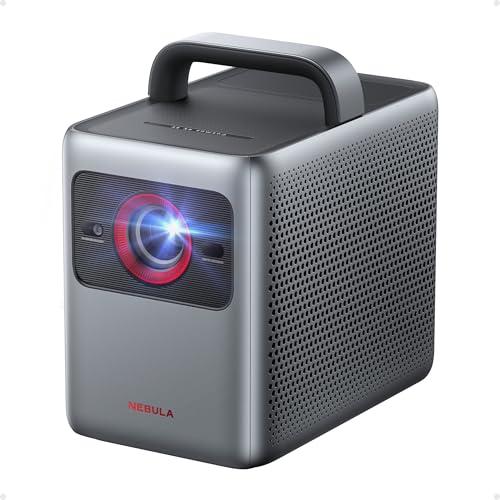
The Nebula Cosmos 4K SE, released in early 2025, represents the premium end of the smart projector market. It's Nebula's latest flagship, incorporating lessons learned from previous models and pushing forward with cutting-edge hybrid light technology and Google TV integration.
On the other side, the WEMAX Vogue Pro takes a more practical approach. While I don't have the exact release date, this 1080p projector focuses on delivering solid performance in a compact package without the premium price tag that comes with 4K technology.
The most obvious difference between these projectors is resolution, but it's more nuanced than you might think. The Nebula Cosmos 4K SE uses a technique called pixel shifting to achieve 4K UHD (3840×2160) from a native 1080p chip. This 0.47-inch DLP chip rapidly shifts pixels to create the appearance of higher resolution.
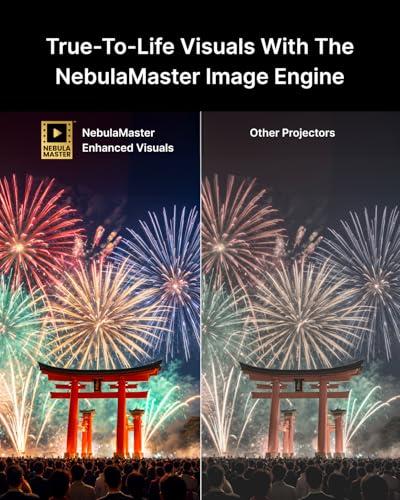
Pixel shifting has come a long way since early implementations that looked obviously artificial. Modern pixel shifting, especially when combined with good processing like the NebulaMaster image engine in the Cosmos 4K SE, can produce genuinely sharp 4K images that rival native 4K displays for most content.
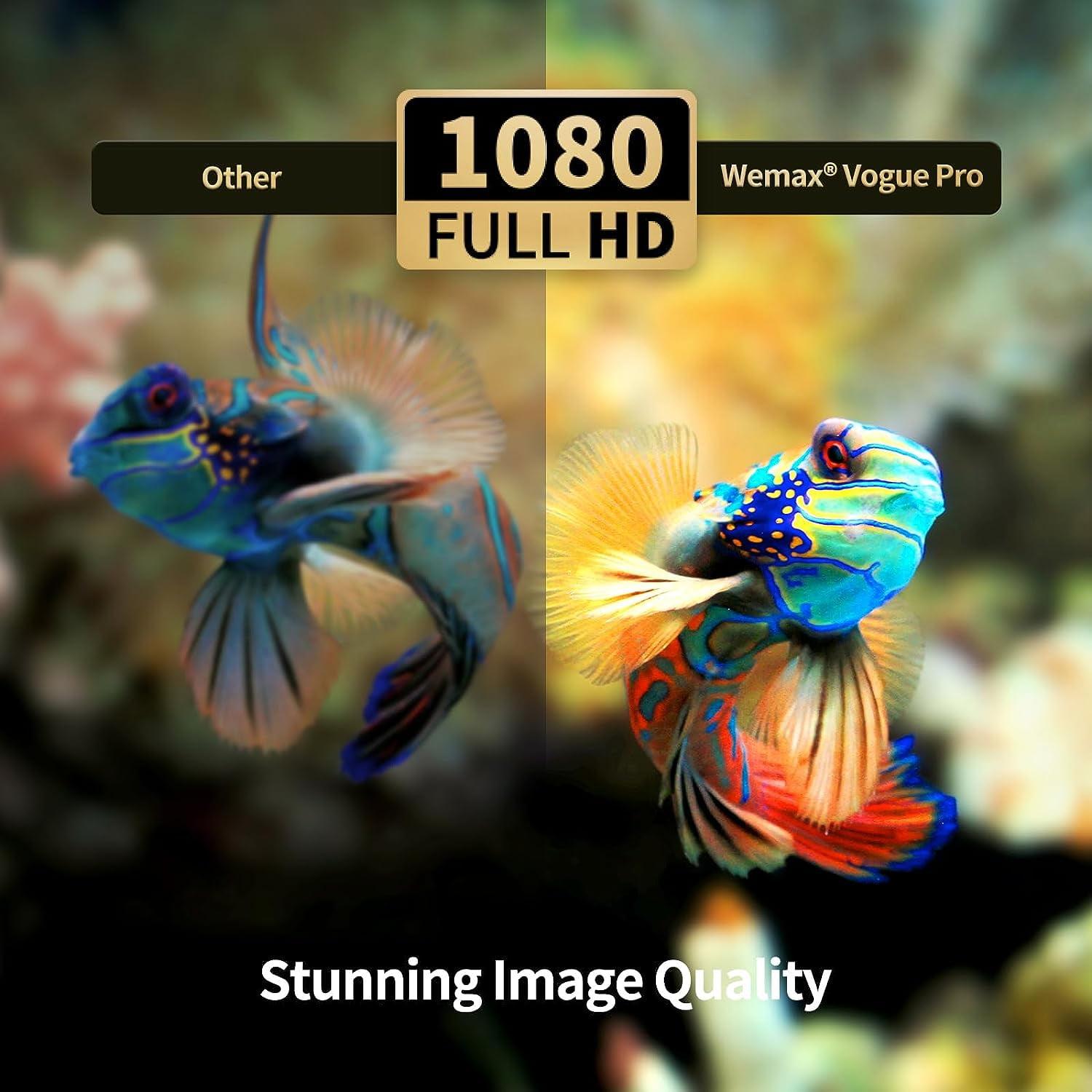
The WEMAX Vogue Pro, meanwhile, sticks with native 1080p (1920×1080). There's something to be said for this approach – every pixel is real, and there's no processing trickery that might introduce artifacts. For many users, especially those sitting at typical viewing distances, native 1080p still looks excellent.
From my testing experience, the resolution difference becomes most apparent on larger screen sizes (over 100 inches) and when viewing fine detail like text or intricate patterns. For movie watching at moderate sizes, both approaches can look great.
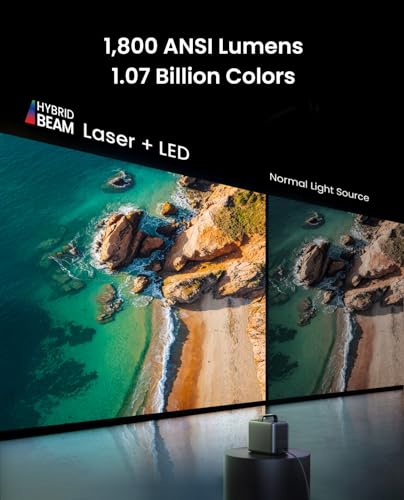
Here's where things get really interesting from a technical standpoint. The Nebula Cosmos 4K SE uses what they call HybridBeam technology – a combination of laser and LED light sources that produces 1,800 ANSI lumens. This hybrid approach combines RGBB LEDs (Red, Green, Blue, and an extra Blue for "pumping") with a red laser to boost both brightness and color saturation.
ANSI lumens, by the way, is the standardized way to measure projector brightness that accounts for variations across the entire image, not just the brightest spot. It's more reliable than other brightness measurements you might see.
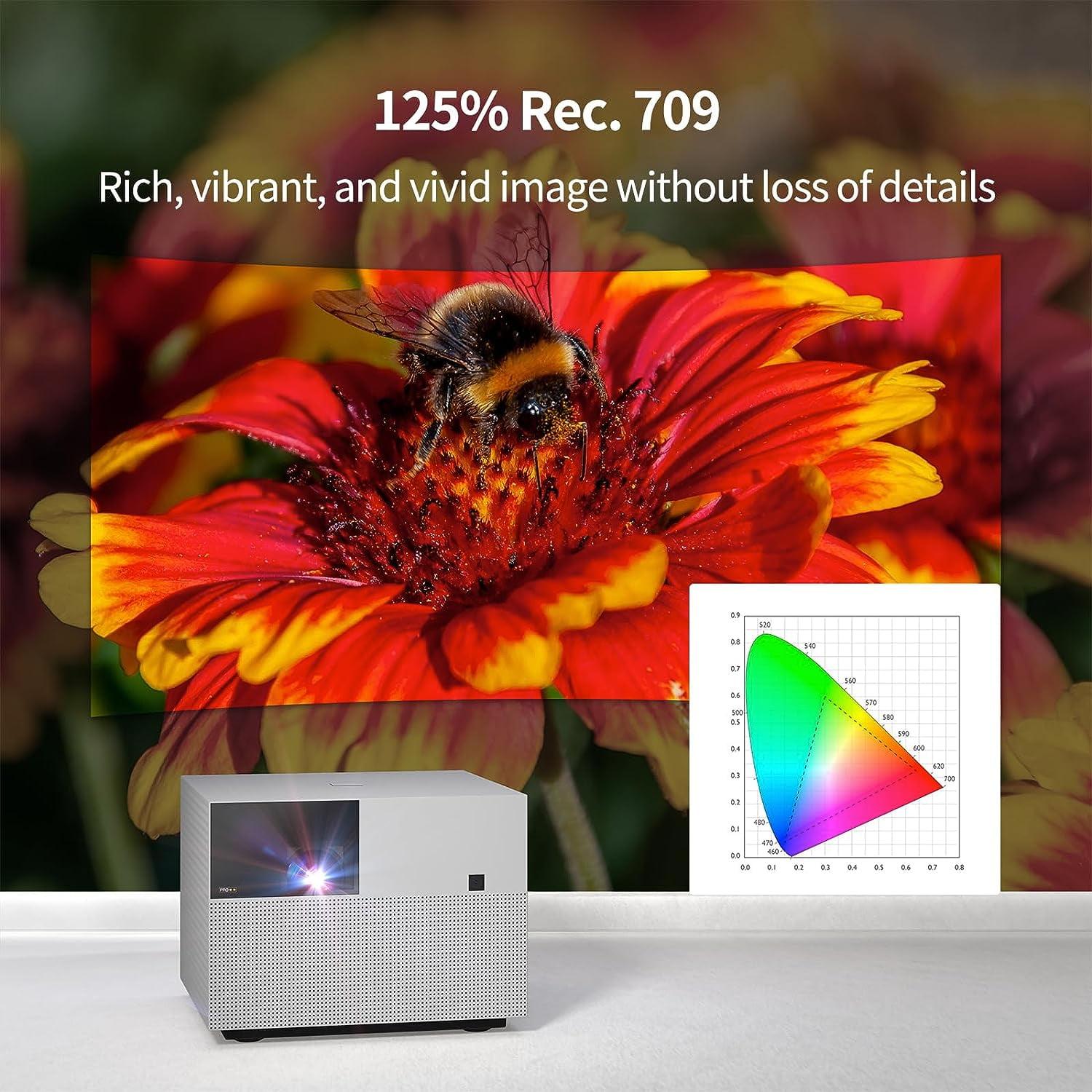
The WEMAX Vogue Pro takes a more traditional approach with 4-channel LED technology producing 1,600 ANSI lumens. While this is slightly less bright on paper, LED-based projectors often have better consistency across the image and don't suffer from the color variations that can affect laser projectors.
In practical terms, both projectors will work in moderately lit rooms, but you'll want to control ambient light for the best experience. The Cosmos 4K SE has a slight edge in very bright conditions, while the Vogue Pro might actually look more natural in mixed lighting due to its better contrast ratio.
Color accuracy is where the Nebula Cosmos 4K SE really flexes its premium positioning. It covers 123.3% of the Rec. 709 color space (the standard for HD content) and approximately 95% of DCI-P3 (used for premium HDR content). The NebulaMaster image engine achieves a Delta E less than 1, which means colors are virtually indistinguishable from the intended source.
Delta E is a measurement of color accuracy – anything under 3 is considered good, under 2 is excellent, and under 1 is reference quality. Most people can't perceive differences below 2-3 Delta E, so achieving less than 1 is genuinely impressive.
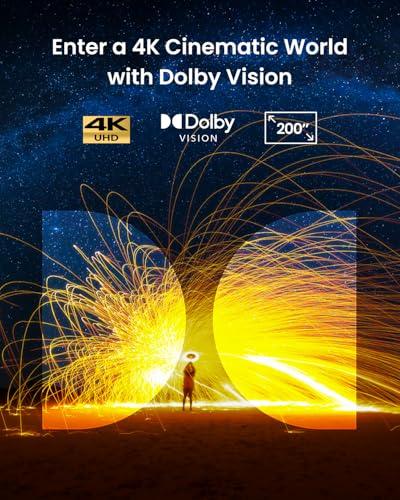
The Cosmos 4K SE also supports Dolby Vision, HDR10, and HLG formats. Dolby Vision is particularly noteworthy because it provides dynamic metadata that adjusts brightness and color on a scene-by-scene or even frame-by-frame basis. This was rare in projectors until recently.
The WEMAX Vogue Pro supports HDR10 but doesn't specify the same level of color accuracy. However, it does claim a 2,500:1 contrast ratio compared to the Cosmos 4K SE's 400:1 ratio. Contrast ratio measures the difference between the darkest and brightest parts of an image, and higher numbers generally mean more dramatic, punchy images.
This creates an interesting trade-off: the Nebula Cosmos 4K SE offers more accurate colors and better HDR processing, while the WEMAX Vogue Pro might produce more dramatic-looking images with deeper blacks and brighter highlights.
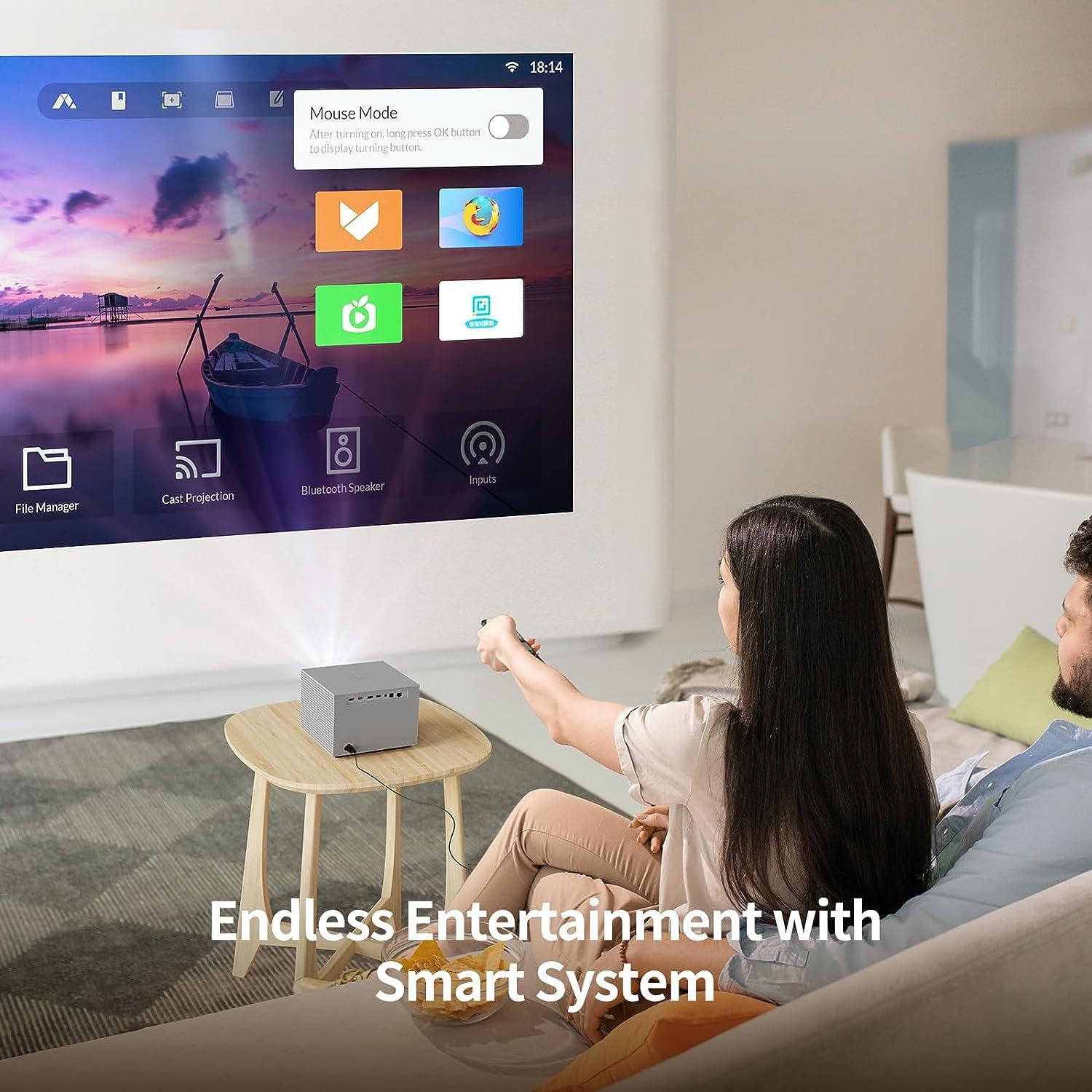
The Nebula Cosmos 4K SE runs Google TV, which is Google's latest smart TV platform. This is significant because it includes native 4K Netflix certification – something that was surprisingly rare in projectors until recently. Google TV provides access to over 10,000 apps and integrates well with Google services and Assistant voice control.
The WEMAX Vogue Pro uses FengOS, which is based on Android but customized by WEMAX. While this might sound less appealing than Google TV, Android-based systems often provide more flexibility for sideloading apps and customization.
From a practical standpoint, both systems will handle the major streaming services you care about – Netflix, Disney+, Prime Video, and others. The Cosmos 4K SE has an advantage for Netflix users who want 4K streaming without external devices.
Both projectors offer comprehensive connectivity, but with different strengths. The Nebula Cosmos 4K SE includes HDMI 2.1 ports, with one supporting eARC (enhanced Audio Return Channel) for high-quality audio passthrough to external sound systems. HDMI 2.1 also enables features like Variable Refresh Rate for gaming.
The WEMAX Vogue Pro actually edges ahead in terms of port variety, offering dual HDMI 2.1 ports, dual USB 2.0 ports, Ethernet, S/PDIF digital audio output, and a 3.5mm jack. For users who need to connect multiple devices simultaneously, this could be decisive.
This is where the Nebula Cosmos 4K SE really stands out. Its dual 15-watt speakers (30W total) with Dolby Audio and Dolby Atmos support can genuinely eliminate the need for external speakers in many situations. I've been consistently impressed by how much projector audio has improved in recent years, and the Cosmos 4K SE represents the current high-water mark.
The projector can even function as a standalone Bluetooth speaker when not projecting, which is surprisingly useful for background music or podcasts.
The WEMAX Vogue Pro includes dual 10-watt speakers (20W total) with DTS-HD and Dolby Audio support. While not as powerful as the Cosmos 4K SE, this is still respectable for a compact projector and should handle casual viewing well.
For serious home theater use, you'll probably want external audio with either projector, but the Cosmos 4K SE gives you more flexibility to skip external speakers for everyday viewing.
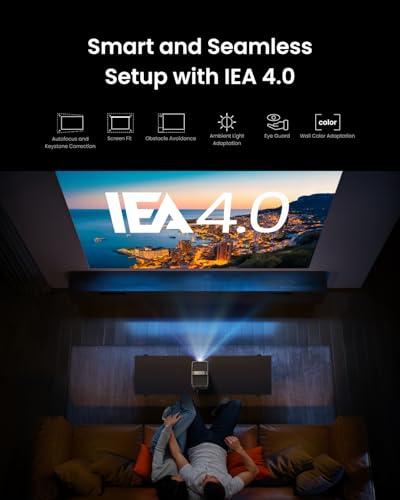
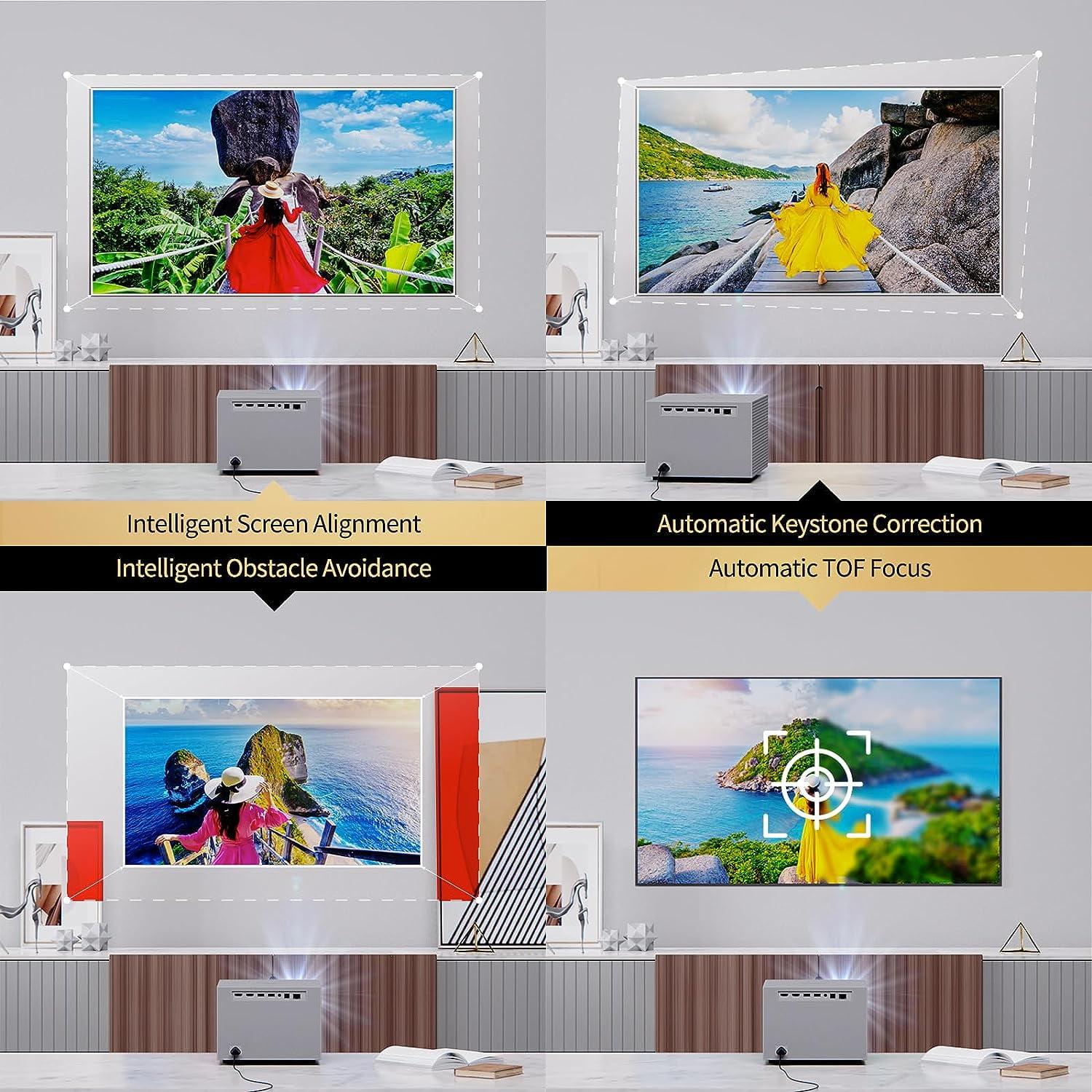
The Nebula Cosmos 4K SE includes IEA 4.0 (Intelligent Environment Adaptation 4.0), which is genuinely impressive technology. Using time-of-flight sensors and cameras, it automatically handles focus, keystone correction (fixing image distortion when projecting at angles), obstacle avoidance, and even adapts to your wall color and ambient lighting.
This kind of automatic setup has become increasingly important as projectors move from dedicated home theater rooms into living spaces where you might move them frequently or project onto different surfaces.
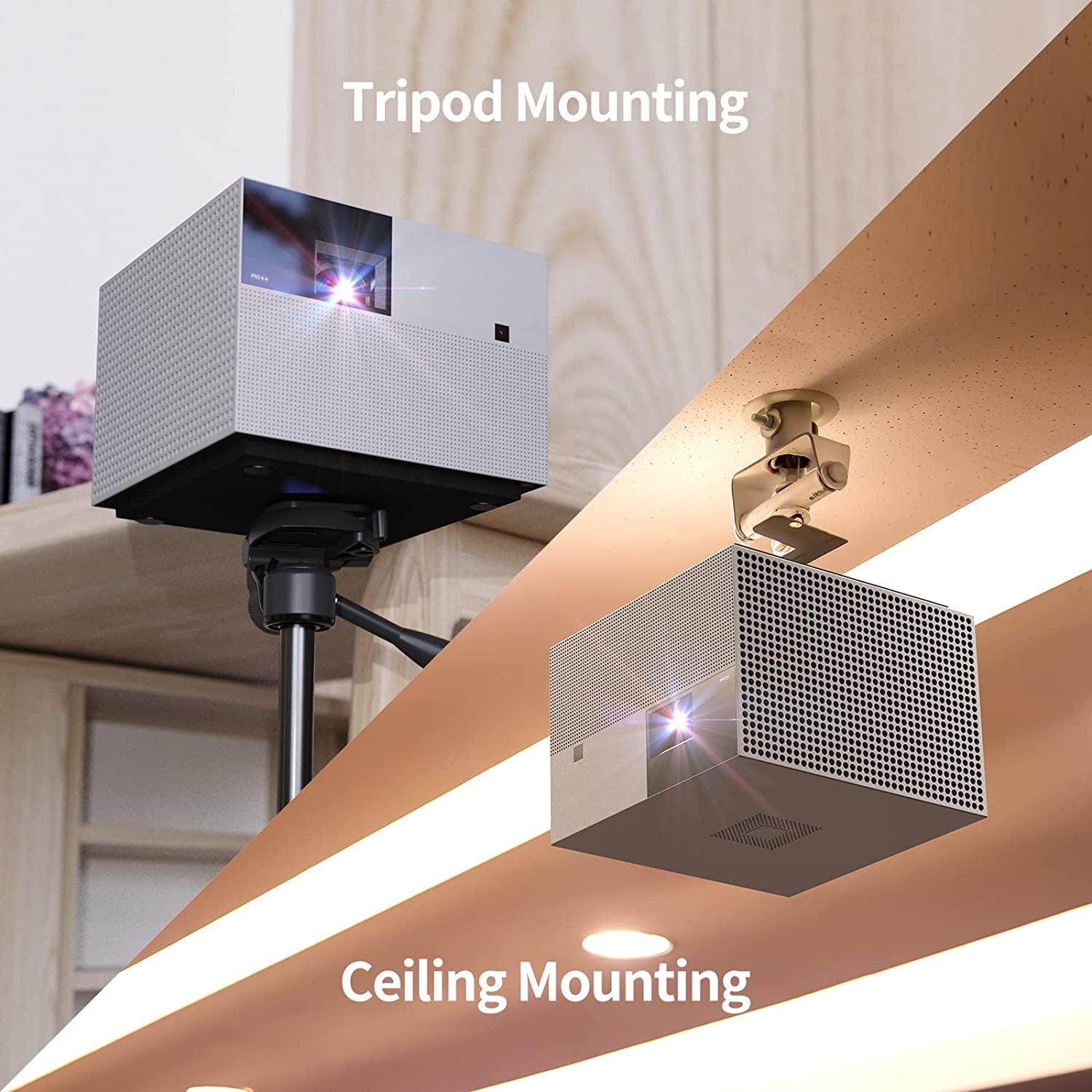
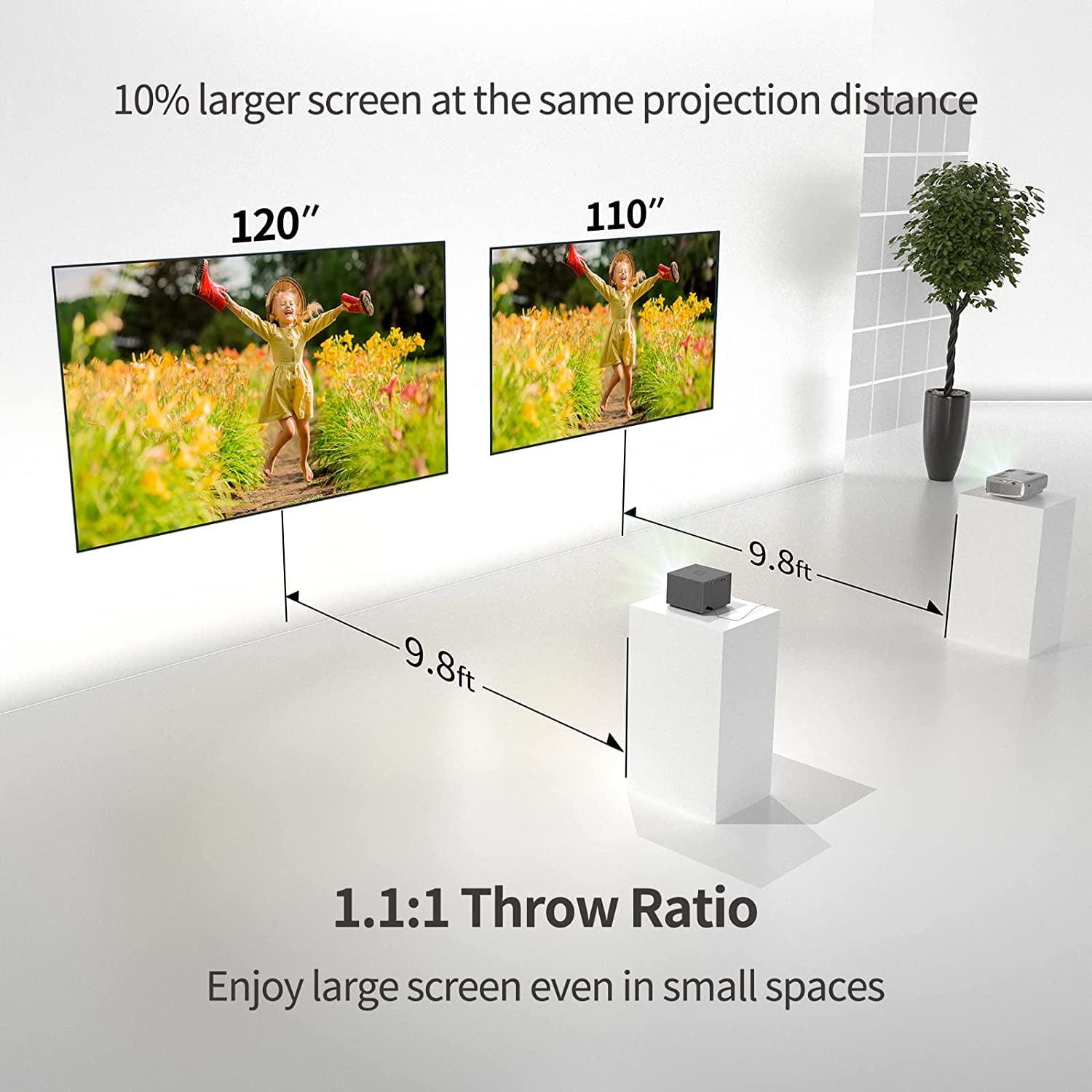
The WEMAX Vogue Pro includes auto-focus and auto-keystone correction, plus the interesting addition of side projection capability. This means you can place the projector off to the side of your screen rather than directly centered, which can be very helpful in tight spaces.
Gaming has become increasingly important for projector buyers, and both models address this need. The Nebula Cosmos 4K SE achieves an impressive 18.4ms input lag in its extreme gaming mode, which is competitive with gaming-focused TVs. It also includes MEMC (Motion Estimation, Motion Compensation) technology that can smooth out motion in fast-paced games.
The WEMAX Vogue Pro offers a low input lag gaming mode as well, though specific numbers aren't provided. For casual gaming, either projector should work fine, but competitive gamers will appreciate the verified low latency of the Cosmos 4K SE.
At the time of writing, the Nebula Cosmos 4K SE positions itself in the premium segment with pricing that reflects its advanced features and 4K capability. The WEMAX Vogue Pro targets the value-conscious segment, offering solid 1080p performance at a more accessible price point.
The Cosmos 4K SE makes sense if you're building a dedicated home theater setup or want the latest technology. The 4K resolution, Dolby Vision support, and superior audio system justify the premium for users who prioritize image quality and features.
It's also the better choice if you're a serious gamer, thanks to that ultra-low input lag, or if you want the convenience of excellent built-in audio that might eliminate the need for a soundbar.
The intelligent setup features make it particularly appealing if you plan to move the projector between rooms or don't want to deal with manual adjustments every time you use it.
The WEMAX Vogue Pro is ideal for users who want smart projector functionality without paying premium prices. If you're primarily watching 1080p content, the resolution difference may not justify the additional cost of the Cosmos 4K SE.
Its compact design and quiet operation (under 28dB) make it perfect for apartments or smaller spaces where a large, bright projector might be overkill. The comprehensive port selection is also valuable if you need to connect multiple devices.
For dedicated home theater use, the Nebula Cosmos 4K SE is the clear winner. The 4K resolution becomes more apparent on larger screens (120+ inches), and the Dolby Vision support provides a genuinely premium viewing experience with compatible content.
However, home theater enthusiasts should consider that both projectors will benefit from light control and proper screen selection. A good projection screen can make a dramatic difference in perceived contrast and color accuracy, potentially more so than the differences between these projectors.
The audio advantage of the Cosmos 4K SE is less relevant in a dedicated theater room where you'll likely have a proper sound system, but it's valuable for more casual setups.
Smart projectors have improved dramatically in recent years, with better brightness, color accuracy, and smarter features becoming standard. The trend toward hybrid light sources like those in the Cosmos 4K SE addresses traditional projector weaknesses like color saturation and light source longevity.
Both projectors represent current best practices in their respective segments, with light sources rated for 25,000-30,000 hours of use. That's roughly 10-15 years of typical home use, making either a reasonable long-term investment.
Ultimately, your choice comes down to priorities and budget. The Nebula Cosmos 4K SE offers cutting-edge technology and premium features that justify its higher price for users who want the best possible experience. The WEMAX Vogue Pro provides excellent value and practical performance for users who prioritize affordability and simplicity.
Consider your viewing environment, content preferences, and how much you value features like 4K resolution and advanced audio. Both projectors represent solid choices in their respective segments, and either can provide years of enjoyable home entertainment when matched to the right user and setup.
| Nebula Cosmos 4K SE Smart Projector | WEMAX Vogue Pro 1080P Smart Projector |
|---|---|
| Resolution - Higher resolution provides sharper detail on large screens | |
| 4K UHD (3840×2160) via pixel shifting | Native 1080p (1920×1080) |
| Brightness - Determines how well it performs in ambient light | |
| 1,800 ANSI lumens (hybrid laser-LED) | 1,600 ANSI lumens (4-channel LED) |
| Contrast Ratio - Affects image depth and black levels | |
| 400:1 (relies on advanced processing) | 2,500:1 (better natural contrast) |
| Light Source Technology - Impacts color accuracy and longevity | |
| HybridBeam laser + LED (30,000 hours) | 4-channel LED (25,000+ hours) |
| Color Gamut - Wider range produces more vibrant, accurate colors | |
| 123.3% Rec. 709, ~95% DCI-P3 | Standard LED color range |
| HDR Support - Essential for premium streaming content | |
| Dolby Vision, HDR10, HLG | HDR10 |
| Smart Platform - Determines app availability and user experience | |
| Google TV with native 4K Netflix | FengOS (Android-based) |
| Audio System - Better speakers reduce need for external sound | |
| Dual 15W speakers (30W total), Dolby Atmos | Dual 10W speakers (20W total), DTS-HD |
| Auto-Setup Features - Reduces manual adjustments and setup time | |
| IEA 4.0: auto-focus, keystone, obstacle avoidance, wall adaptation | Auto-focus, auto-keystone, side projection |
| Gaming Performance - Lower input lag improves competitive gaming | |
| 18.4ms input lag (extreme mode), MEMC | Low input lag mode available |
| Connectivity - More ports provide flexibility for multiple devices | |
| HDMI 2.1 x2 (eARC), USB 3.0, wireless | HDMI 2.1 x2, USB 2.0 x2, Ethernet, S/PDIF |
| Size and Portability - Smaller size easier to move between rooms | |
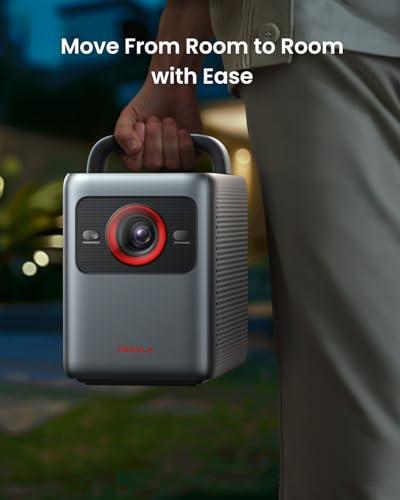
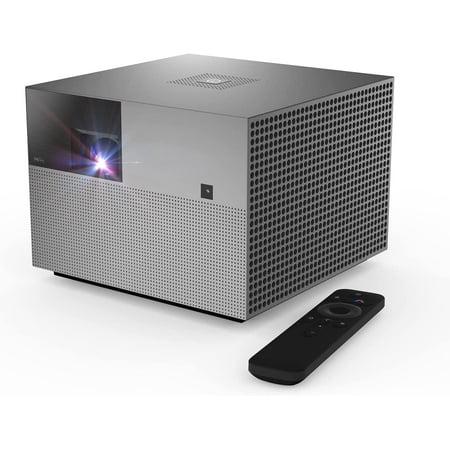
| 10.4" × 8.7" × 6.5", 9.9 lbs, carrying handle | 7.9" × 7.9" × 5.8", 7.7 lbs, compact cube |
| Noise Level - Quieter operation better for focused viewing | |
| Standard projector fan noise | Under 28dB (very quiet) |
| Target User - Who gets the most value from each approach | |
| 4K enthusiasts, gamers, premium features | Budget-conscious, 1080p content, compact spaces |
The Nebula Cosmos 4K SE Smart Projector is significantly better for 4K content, offering true 4K UHD resolution (3840×2160) with Dolby Vision HDR support and native 4K Netflix streaming. The WEMAX Vogue Pro 1080P Smart Projector is limited to 1080p resolution and standard HDR10. If you prioritize the sharpest possible image quality for 4K movies, the Nebula Cosmos 4K SE is the clear winner.
Both projectors offer similar brightness levels - the Nebula Cosmos 4K SE Smart Projector produces 1,800 ANSI lumens while the WEMAX Vogue Pro 1080P Smart Projector delivers 1,600 ANSI lumens. However, the WEMAX Vogue Pro has a much higher contrast ratio (2,500:1 vs 400:1), which can make images appear more vivid in ambient light. Both work best in controlled lighting conditions.
The Nebula Cosmos 4K SE Smart Projector has superior audio with dual 15W speakers (30W total) supporting Dolby Audio and Dolby Atmos. The WEMAX Vogue Pro 1080P Smart Projector features dual 10W speakers (20W total) with DTS-HD support. The Nebula Cosmos 4K SE can even function as a standalone Bluetooth speaker and is more likely to eliminate the need for external audio equipment.
The Nebula Cosmos 4K SE Smart Projector offers more advanced auto-setup with IEA 4.0 technology, including automatic focus, keystone correction, obstacle avoidance, and wall color adaptation. The WEMAX Vogue Pro 1080P Smart Projector provides basic auto-focus and keystone correction plus unique side projection capability. The Nebula Cosmos 4K SE is generally easier for beginners but both offer good automated setup features.
The Nebula Cosmos 4K SE Smart Projector is superior for gaming with an ultra-low 18.4ms input lag in extreme gaming mode and MEMC motion smoothing technology. The WEMAX Vogue Pro 1080P Smart Projector offers a gaming mode but doesn't specify input lag measurements. Competitive gamers should choose the Nebula Cosmos 4K SE for its verified low latency performance.
The Nebula Cosmos 4K SE Smart Projector runs Google TV with access to 10,000+ apps and native 4K Netflix certification, plus Google Assistant voice control. The WEMAX Vogue Pro 1080P Smart Projector uses FengOS (Android-based) with good app support but lacks native 4K streaming. For the most comprehensive smart features and streaming capabilities, the Nebula Cosmos 4K SE is the better choice.
The WEMAX Vogue Pro 1080P Smart Projector is more compact with its cube design (200×200×148mm) and lighter weight at 7.7 pounds. The Nebula Cosmos 4K SE Smart Projector is larger (263×165×265mm) and heavier at 9.9 pounds, though it includes a carrying handle. The WEMAX Vogue Pro wins for pure portability and space-saving design.
The WEMAX Vogue Pro 1080P Smart Projector offers more physical ports including dual HDMI 2.1, dual USB 2.0, Ethernet, S/PDIF, and 3.5mm audio jack. The Nebula Cosmos 4K SE Smart Projector provides dual HDMI 2.1 (with eARC), USB 3.0, and wireless connectivity. The WEMAX Vogue Pro is better if you need to connect multiple devices simultaneously.
The WEMAX Vogue Pro 1080P Smart Projector operates at under 28dB, making it exceptionally quiet for noise-sensitive environments. The Nebula Cosmos 4K SE Smart Projector produces standard projector fan noise levels. For bedrooms, apartments, or situations where quiet operation is crucial, the WEMAX Vogue Pro is the better choice.
This depends on your priorities. The WEMAX Vogue Pro 1080P Smart Projector offers excellent value for users satisfied with 1080p resolution and basic smart features. The Nebula Cosmos 4K SE Smart Projector provides premium 4K technology, superior audio, and advanced features that justify its higher price for users wanting cutting-edge performance. The WEMAX Vogue Pro wins for budget-conscious buyers.
The Nebula Cosmos 4K SE Smart Projector is better suited for dedicated home theater setups with its 4K resolution, Dolby Vision HDR support, and superior color accuracy (ΔE<1). These features become more noticeable on larger screens (120+ inches) typical in home theaters. The WEMAX Vogue Pro 1080P Smart Projector can work for casual home theater use but lacks the premium features serious enthusiasts expect.
Choose the Nebula Cosmos 4K SE Smart Projector if you want 4K resolution, premium features, excellent audio, and are willing to pay more for cutting-edge technology. Choose the WEMAX Vogue Pro 1080P Smart Projector if you're budget-conscious, satisfied with 1080p quality, need a compact design, or prioritize quiet operation. The Nebula Cosmos 4K SE is for enthusiasts while the WEMAX Vogue Pro serves practical everyday use.
We've done our best to create useful and informative comparisons to help you decide what product to buy. Our research uses advanced automated methods to create this comparison and perfection is not possible - please contact us for corrections or questions. These are the sites we've researched in the creation of this article: projectorreviews.com - tvsbook.com - youtube.com - projectorcentral.com - youtube.com - projectorcentral.com - techradar.com - youtube.com - projectorcentral.com - youtube.com - the-gadgeteer.com - newegg.com - projectorreviews.com - projectorcentral.com - youtube.com - seenebula.com - seenebula.com - bestbuy.com - wemax.com - wemax.com - youtube.com - techpowerup.com - wemax.com - projectorcentral.com - nikktech.com - youtube.com - techpowerup.com - techpowerup.com - youtube.com - nikktech.com - walmart.com - business.walmart.com - projectorcentral.com - techpowerup.com - projektoren-datenbank.com - wemax.com

Privacy Policy
Terms and Conditions - Affiliate Policy
Home Security
© Copyright 2008-2026.
11816 Inwood Rd #1211, Dallas, TX 75244