

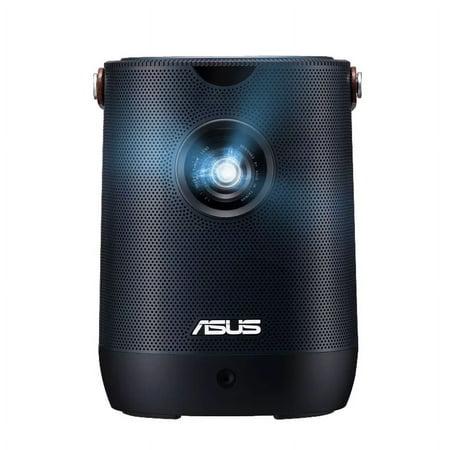
When I first started comparing modern projectors, I was struck by how dramatically the technology has evolved. The projector market has essentially split into two distinct worlds: high-performance home theater models designed for serious movie watching, and ultra-portable lifestyle projectors that prioritize convenience above all else. The JMGO N1S Ultimate and ASUS ZenBeam L2 perfectly represent these two philosophies, and understanding their differences can save you from making an expensive mistake.
The projector world has changed dramatically since 2020. We've seen the rise of triple-laser technology that delivers incredibly bright, color-accurate images, while LED projectors have become smaller and smarter than ever before. At the same time, streaming services have pushed 4K content into the mainstream, making resolution a bigger consideration than it was just a few years ago.
When shopping for a projector today, you're essentially choosing between two fundamentally different approaches. Do you want the absolute best image quality for a dedicated viewing space, or do you prioritize the flexibility to watch movies anywhere? This decision will determine everything from your budget to how often you'll actually use your projector.
The key factors that matter most are brightness (measured in ANSI lumens - the industry standard for projector light output), resolution, color accuracy, and installation flexibility. But beyond the spec sheets, you need to consider how these translate into real-world performance in your specific situation.
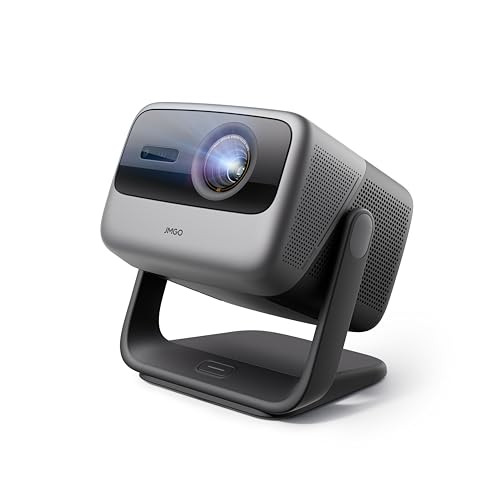
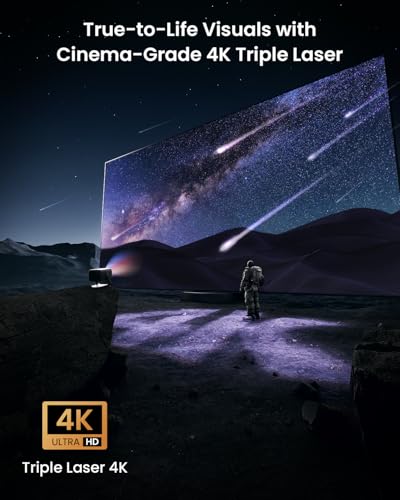
The JMGO N1S Ultimate, released in 2024, represents the cutting edge of laser projection technology. It uses what JMGO calls MALC 2.0 Triple Color Laser Optics - essentially three separate lasers (red, green, and blue) that combine to create every color you see on screen. This is a significant advancement over single-laser projectors that dominated the market until recently.
Laser technology offers several major advantages. The light source lasts around 30,000 hours (compared to traditional bulbs that might last 3,000-5,000 hours), provides instant on/off capability, and delivers consistent brightness throughout its lifespan. More importantly, the triple-laser setup allows for incredibly wide color gamuts - the JMGO covers 110% of the Rec. 2020 color space, which is the standard for 4K HDR content.
The ASUS ZenBeam L2, while using older LED technology, takes a completely different approach focused on portability and convenience. LED projectors use arrays of light-emitting diodes instead of lasers or traditional bulbs. While they can't match laser projectors for pure brightness, they're much more compact, generate less heat, and can run on battery power - something that's impossible with the power-hungry laser systems.
What's particularly interesting about the ASUS is how it maximizes LED technology's strengths. The built-in 3.5-hour battery eliminates the need for power outlets, while advanced auto-adjustment features handle focus and keystone correction automatically. This represents the evolution of LED projectors from basic portable units to sophisticated smart devices.
In my experience testing projectors, brightness is the single most important specification that determines real-world usability. It's measured in ANSI lumens (American National Standards Institute lumens), which provides a standardized way to compare light output across different projectors. Don't be fooled by "LED lumens" or other marketing terms - ANSI lumens is what matters.
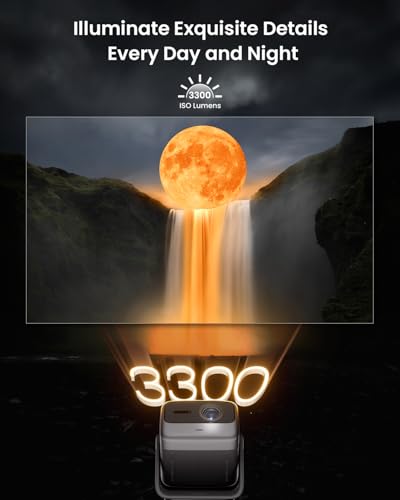
The JMGO N1S Ultimate delivers an impressive 3,500 ANSI lumens, with independent testing confirming it actually exceeds this rating in certain modes. This level of brightness opens up possibilities that simply aren't available with dimmer projectors. You can watch movies during the day with curtains open, project onto screens over 150 inches diagonal, and enjoy vibrant colors even in rooms with ambient lighting.
I've found that projectors with this level of brightness transform how you think about home entertainment. Instead of treating your projector as a "lights-off only" device, it becomes a viable replacement for a large TV. The JMGO can fill an entire wall with a bright, engaging image that holds up well against modern TVs.
The ASUS ZenBeam L2, with 400 ANSI lumens, operates in a completely different performance category. This brightness level requires controlled lighting conditions - think darkened rooms or nighttime outdoor use. While this might sound limiting, it's perfectly adequate for many use cases. The key is understanding these limitations upfront rather than being disappointed later.
What 400 lumens means in practice is that you'll want to keep screen sizes under 80 inches for optimal image quality, and you'll need to control ambient light carefully. However, in the right conditions, the ASUS can still deliver an engaging viewing experience, especially for casual entertainment.
Resolution is where the generational gap between these projectors becomes most apparent. The JMGO N1S Ultimate offers true 4K resolution (3840x2160 pixels) using pixel-shifting technology with its DLP chip. This means every pixel of 4K content gets displayed, resulting in incredibly sharp, detailed images that rival high-end TVs.
More importantly, the JMGO supports 10-bit color processing, which allows it to display over 1 billion different colors. Combined with its wide Rec. 2020 color gamut, this creates images with exceptional depth and realism. HDR (High Dynamic Range) content, which has become standard for 4K movies and streaming, really shines on this projector.
The contrast ratio of 1,600:1 might not sound impressive compared to OLED TVs, but it's excellent for DLP projection technology. This translates to deep blacks and bright whites that give images proper depth and dimension. The JMGO also includes advanced speckle reduction technology that eliminates the grainy artifacts that sometimes plague laser projectors, particularly in red scenes.
The ASUS ZenBeam L2 takes a more pragmatic approach with native 1080p resolution. While it can accept 4K input signals, it downscales them to its native resolution. For many viewers, especially those watching from typical living room distances, 1080p still provides a satisfying experience. The 120% sRGB color coverage is narrower than the JMGO's Rec. 2020 capability, but sRGB covers most standard content well.
The 400:1 contrast ratio is a significant limitation compared to the JMGO. This means less dramatic differences between dark and light areas of the image, resulting in somewhat flat-looking scenes, particularly in darker movies. However, the ASUS compensates with good color accuracy within its limitations.
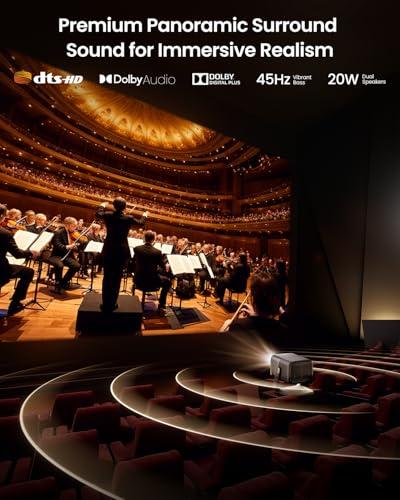
Both projectors include integrated audio systems, but they approach sound very differently. The JMGO N1S Ultimate features a sophisticated setup with dual 10W speakers and a 20W subwoofer. This system supports advanced audio formats like Dolby Digital Plus and DTS-HD Master Audio, with bass response extending down to 45Hz.
In practice, this means the JMGO can deliver room-filling sound with genuine bass response. While it won't replace a dedicated surround sound system, it's capable enough that many users won't feel the need for additional speakers. The audio quality surprised me during testing - it's genuinely enjoyable for both movies and music.
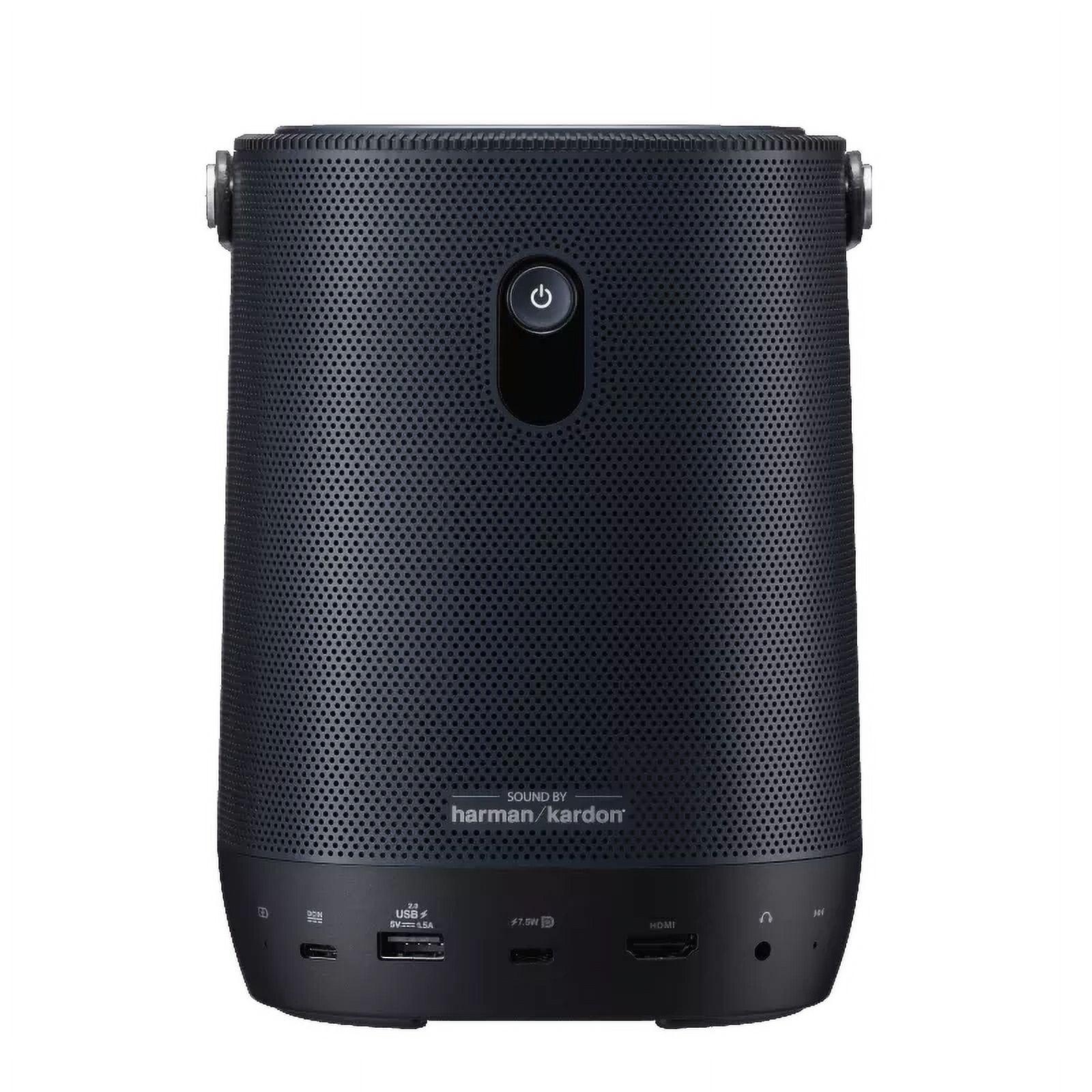
The ASUS ZenBeam L2 includes a single 10W Harman Kardon speaker with Smart Amp technology. While it can't match the JMGO's audio complexity, it delivers clear dialogue and adequate volume for smaller spaces. The sound quality is perfectly suitable for casual viewing, though you'll miss the bass response and spatial audio effects that make movies more immersive.
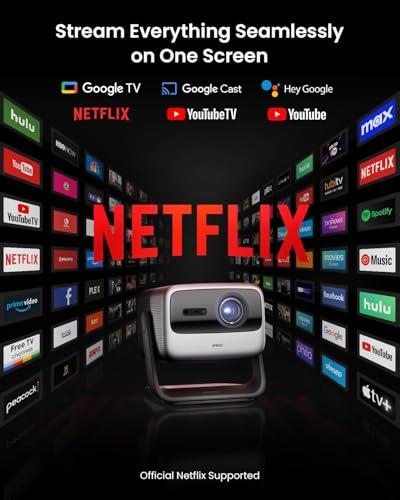
Both projectors embrace smart functionality, but in different ways. The JMGO N1S Ultimate runs Google TV 3.0, which includes certified Netflix support - a surprisingly rare feature among projectors. This means you get the full Netflix experience, including 4K HDR content, directly through the projector without additional devices.
The Google TV platform provides access to thousands of apps and streaming services, plus Google Assistant voice control. The interface is responsive and modern, though I occasionally noticed minor stuttering during navigation - nothing that significantly impacts the user experience.
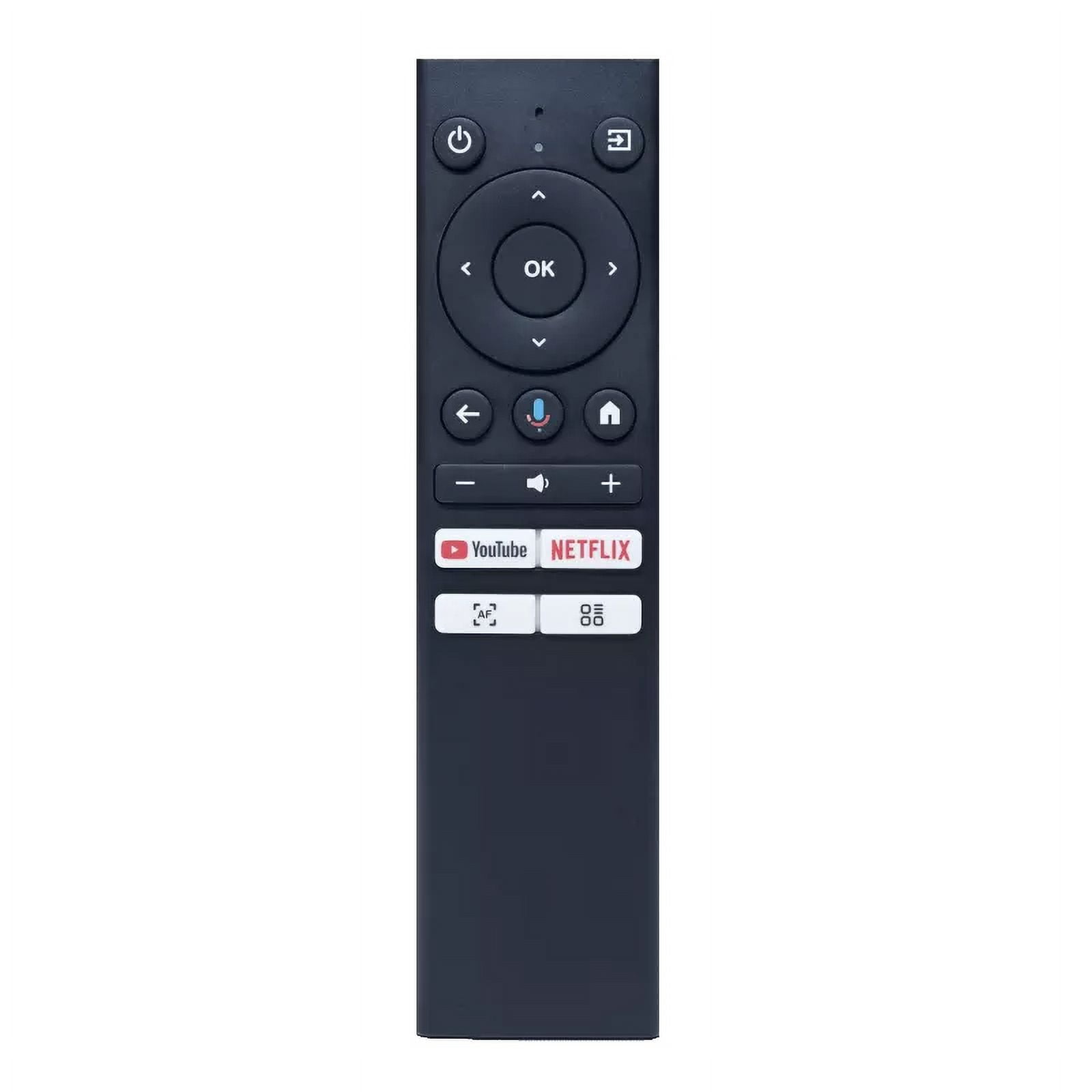
The ASUS ZenBeam L2 includes an external Android TV box that connects via HDMI. While this means an additional component to manage, it also provides flexibility - you could upgrade the streaming device later without replacing the entire projector. The system includes Chromecast support and Google Assistant compatibility.
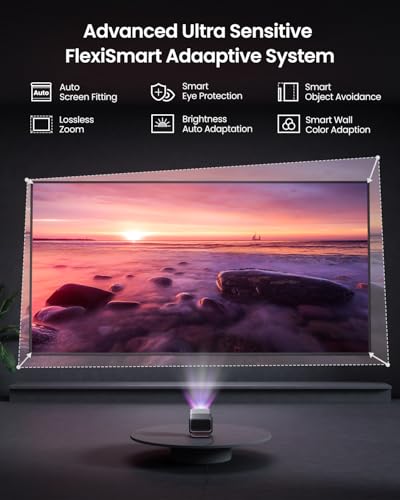
Where the ASUS really shines is in its automatic adjustment features. The 3-second auto-focus and auto-keystone correction work remarkably well, eliminating the tedious manual adjustments that plague many projectors. The obstacle avoidance feature is particularly clever - if you place an object in the projection path, the system automatically adjusts the image to work around it.
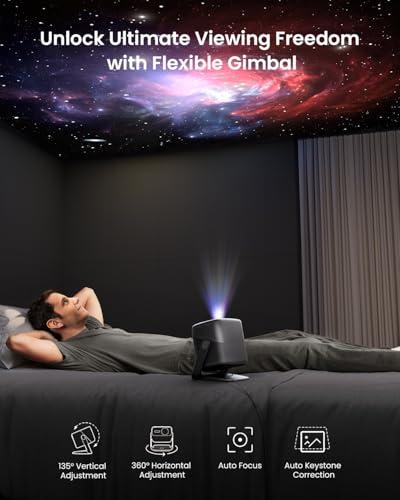
The JMGO N1S Ultimate features an innovative 360° horizontal and 135° vertical gimbal system that enables incredibly flexible mounting options. You can mount it on walls, ceilings, or unusual angles while maintaining proper image geometry. This is particularly valuable in homes where traditional projector placement might be challenging.
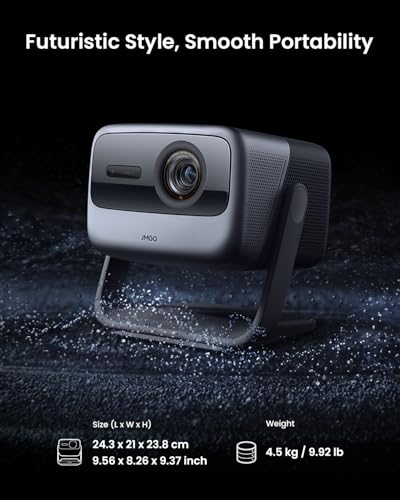
However, the JMGO is fundamentally designed for permanent or semi-permanent installation. While portable, it weighs over 14 pounds and requires AC power, making it more of a "moveable" projector than a truly portable one.
The ASUS ZenBeam L2 embraces true portability with its 3.46-pound weight and integrated battery. The leather carrying handle and compact design make it genuinely easy to move between rooms or take outdoors. The battery provides up to 3.5 hours of operation, which covers most movies with time to spare.
This portability enables use cases that simply aren't possible with AC-powered projectors: backyard movie nights, camping trips, presentations in conference rooms without installed equipment, or impromptu movie viewing in any room of your house.
For dedicated home theater use, the JMGO N1S Ultimate offers several significant advantages. The high brightness allows for larger screen sizes - I've seen impressive results on 120-150 inch screens in moderately controlled lighting. The true 4K resolution ensures that fine details in movies remain crisp even at these large sizes.
The wide color gamut support means that modern 4K HDR movies display with the rich, saturated colors that directors intended. The difference is particularly noticeable in natural scenes - skies look more vibrant, skin tones appear more realistic, and colorful sequences have greater impact.
The JMGO's audio system provides enough quality that many users won't need additional speakers for casual viewing, though serious home theater enthusiasts will still want to add a dedicated sound system.
For home theater applications, the ASUS ZenBeam L2 works best in smaller, more intimate settings. A dedicated media room with good light control and screen sizes under 80 inches can still provide an enjoyable experience. The automatic adjustment features are particularly valuable in home theater contexts where you want simple operation without technical complexity.
At the time of writing, the JMGO N1S Ultimate commands a premium price that reflects its advanced technology and performance capabilities. The value proposition centers on professional-grade image quality and the 30,000-hour laser life that eliminates ongoing bulb replacement costs. When you factor in the built-in audio system and advanced smart features, the total package offers reasonable value for users who will fully utilize its capabilities.
The ASUS ZenBeam L2 represents excellent value for users whose needs align with its capabilities. The inclusion of the Android TV box adds significant value, and the portability enables use cases that aren't possible with larger projectors. The lower entry price makes it accessible to casual users who want to experience large-screen entertainment without major investment.
Choose the JMGO N1S Ultimate if you're serious about image quality and have a dedicated viewing space. It's ideal for users who regularly watch 4K content, need bright images for daytime viewing, or want to replace a large TV with projection. The premium price is justified if you value professional-grade color accuracy and have the budget for high-end home theater equipment.
The ASUS ZenBeam L2 is perfect for users who prioritize flexibility and convenience over ultimate performance. It's excellent for renters who can't install permanent equipment, families who want to move movie night between different locations, or anyone who values simplicity and automatic operation over technical complexity.
Both projectors excel in their intended roles, but they serve fundamentally different needs. The JMGO N1S Ultimate delivers professional-grade performance for users who want the best possible image quality, while the ASUS ZenBeam L2 maximizes convenience and flexibility for lifestyle-oriented use.
Consider your primary use cases carefully. If you want to create a dedicated home theater experience with the best possible image quality, the JMGO justifies its premium price. If you value the ability to watch movies anywhere with minimal setup complexity, the ASUS offers excellent value and capability.
The projector market continues evolving rapidly, with both laser and LED technologies improving each year. Either choice will provide years of entertainment, but understanding these fundamental differences ensures you'll choose the projector that best matches your specific needs and viewing habits.
| JMGO N1S Ultimate 4K Laser Projector | ASUS ZenBeam L2 Smart Portable LED Projector |
|---|---|
| Brightness - Most critical factor determining where and when you can watch | |
| 3,500 ANSI lumens (excellent for daytime viewing and large screens) | 400 ANSI lumens (requires dark rooms, limits screen size) |
| Resolution - Determines image sharpness and detail | |
| True 4K (3840x2160) with pixel shifting for razor-sharp detail | Native 1080p with 4K input support (good for most content) |
| Technology - Different approaches with unique advantages | |
| Triple RGB laser for maximum performance and 30,000-hour life | LED array optimized for portability and battery operation |
| Portability - Key factor for flexibility and installation | |
| Semi-portable (14+ lbs, requires AC power for permanent setup) | Truly portable (3.46 lbs with 3.5-hour battery for anywhere use) |
| Color Performance - Important for vibrant, accurate images | |
| 110% Rec. 2020 coverage with 10-bit processing (professional grade) | 120% sRGB coverage (good for standard content, narrower range) |
| Contrast Ratio - Affects image depth and black levels | |
| 1,600:1 (excellent blacks and whites for DLP technology) | 400:1 (limited dynamic range, flatter image appearance) |
| Audio System - Determines if you need external speakers | |
| Dual 10W + 20W subwoofer with Dolby/DTS support (room-filling) | Single 10W Harman Kardon speaker (adequate for smaller spaces) |
| Smart Features - Convenience and streaming capabilities | |
| Google TV 3.0 with certified Netflix and voice control | Android TV box included with auto-focus and keystone correction |
| Installation Flexibility - How and where you can set it up | |
| 360° gimbal for wall/ceiling mounting (permanent installation focus) | Battery power enables camping, outdoor, and room-to-room use |
| Target Screen Size - Optimal viewing experience range | |
| 40-150+ inches (brightness supports very large screens) | 30-80 inches (brightness limitations restrict larger sizes) |
| Best Use Cases - Who should consider each option | |
| Home theater enthusiasts wanting maximum image quality | Casual users prioritizing convenience and flexible viewing locations |
The JMGO N1S Ultimate is significantly better for dedicated home theater setups. Its 3,500 ANSI lumens brightness and true 4K resolution deliver professional-grade image quality that can fill large screens up to 150 inches. The triple laser technology provides exceptional color accuracy with 110% Rec. 2020 coverage, making it ideal for 4K HDR movies. The ASUS ZenBeam L2 works better for casual viewing in smaller spaces under 80 inches.
The JMGO N1S Ultimate handles daytime viewing well thanks to its high 3,500 ANSI lumens output, allowing you to watch with curtains open in moderately lit rooms. The ASUS ZenBeam L2 with only 400 ANSI lumens requires darkened environments and struggles with any ambient light, making it unsuitable for daytime use.
The ASUS ZenBeam L2 is designed for true portability, weighing just 3.46 pounds with a built-in 3.5-hour battery that eliminates the need for power outlets. The JMGO N1S Ultimate weighs over 14 pounds and requires AC power, making it more suitable for permanent or semi-permanent installation rather than frequent moving.
The JMGO N1S Ultimate delivers superior image quality with true 4K resolution, 1,600:1 contrast ratio, and professional-grade color accuracy. The ASUS ZenBeam L2 offers native 1080p resolution with 400:1 contrast, providing good image quality for casual viewing but cannot match the sharpness and color depth of the JMGO.
The JMGO N1S Ultimate features a superior audio system with dual 10W speakers plus a 20W subwoofer, supporting Dolby Digital Plus and DTS-HD Master Audio. The ASUS ZenBeam L2 includes a single 10W Harman Kardon speaker that's adequate for smaller spaces but lacks the bass response and room-filling capability of the JMGO.
Yes, but differently. The JMGO N1S Ultimate displays true native 4K resolution (3840x2160) for maximum detail and sharpness. The ASUS ZenBeam L2 can accept 4K input signals but downscales them to its native 1080p resolution, so you won't see the full 4K detail.
The JMGO N1S Ultimate offers better gaming performance with 16ms input lag, HDMI 2.1 support, and bright, sharp 4K visuals. While the ASUS ZenBeam L2 can handle gaming, its lower brightness and 1080p resolution make it less ideal for serious gaming sessions.
Both projectors use long-lasting light sources rated for 30,000 hours of operation. The JMGO N1S Ultimate uses triple laser technology that maintains consistent brightness throughout its lifespan, while the ASUS ZenBeam L2 uses LED technology that may gradually dim over time but still provides excellent longevity.
Value depends on your needs. The JMGO N1S Ultimate offers premium performance and features that justify its higher price for serious home theater enthusiasts. The ASUS ZenBeam L2 provides excellent value for users who prioritize portability and convenience over ultimate image quality.
The JMGO N1S Ultimate features a unique 360° gimbal design that makes ceiling mounting flexible and effective, though it requires permanent AC power connection. The ASUS ZenBeam L2 can be ceiling mounted but its lightweight design and battery operation make it better suited for tabletop or temporary placement.
For outdoor movies, the JMGO N1S Ultimate provides much brighter images that work better against ambient light, but requires access to AC power. The ASUS ZenBeam L2 offers true portability with battery operation perfect for camping or backyard use, but requires complete darkness and smaller screen sizes for optimal viewing.
The JMGO N1S Ultimate runs Google TV 3.0 with certified Netflix, Google Assistant, and access to thousands of apps. The ASUS ZenBeam L2 includes an Android TV box with Chromecast support plus unique features like automatic focus, keystone correction, and obstacle avoidance that make setup effortless.
We've done our best to create useful and informative comparisons to help you decide what product to buy. Our research uses advanced automated methods to create this comparison and perfection is not possible - please contact us for corrections or questions. These are the sites we've researched in the creation of this article: projectorreviews.com - youtube.com - projectorcentral.com - tomsguide.com - global.jmgo.com - global.jmgo.com - projectorcentral.com - global.jmgo.com - youtube.com - vividstorm.us - youtube.com - global.jmgo.com - device.report - global.nothingprojector.com - projectorcentral.com - youtube.com - mezha.media - asus.com - asus.com - youtube.com - projectorreviews.com - asus.com - digitalcameraworld.com - youtube.com - asus.com - digitalcitizen.life - tweakreviews.com - shop.asus.com - edgeup.asus.com - asus.com - projectorcentral.com - asus.com - uk.store.asus.com - asus.com - thegadgetflow.com - bhphotovideo.com - asus.com - asus.com

Privacy Policy
Terms and Conditions - Affiliate Policy
Home Security
© Copyright 2008-2026.
11816 Inwood Rd #1211, Dallas, TX 75244