



When I first started testing portable projectors a few years ago, the market was dominated by dim, unreliable devices that promised the world but delivered disappointing results. Fast forward to today, and we have genuine options that can transform your living room into a home theater or turn any blank wall into an entertainment center. Two projectors that caught my attention recently represent completely different philosophies in this space: the ultra-affordable Aurzen EAZZE D1 and the premium ASUS ZenBeam L2.
These devices showcase how far portable projection technology has evolved, but they also highlight a fundamental question every buyer faces: should you go with a budget option that covers the basics, or invest significantly more for advanced features and better performance?
Smart portable projectors combine three key technologies that used to require separate devices. First, they include the actual projection system that creates the image. Second, they feature built-in streaming capabilities—essentially a smart TV operating system that connects to WiFi and runs apps like Netflix directly. Third, they incorporate automatic setup features using sensors and processing power to instantly focus the image and correct distortions.
The "smart" aspect eliminates the need for separate streaming sticks or media players, while the "portable" designation means they're designed to move between rooms or travel with you. However, true portability varies dramatically between models, as we'll see with these two examples.
When evaluating any projector in this category, brightness measured in ANSI lumens (a standardized measurement of light output) determines where and when you can actually use the device. Battery life affects true portability, while smart features impact daily usability. The balance between these factors and the price creates very different value propositions.
Released in 2024, the Aurzen EAZZE D1 enters a crowded budget projector market with a focus on legitimacy and ease of use. At the time of writing, it costs roughly the same as a decent streaming stick and soundbar combined, yet promises to deliver both functions plus a large-screen display.
The EAZZE D1 uses TFT LCD technology—specifically a single LCD panel that creates images by controlling light passage through liquid crystals. This approach differs from older projector technologies and offers several advantages for budget devices. LCD projectors typically produce sharper text and more accurate colors than comparable DLP units at this price point, though they may struggle with deep blacks.
What impressed me most about the Aurzen EAZZE D1 during testing was its commitment to honest specifications. While many budget projectors claim inflated brightness numbers, Aurzen rates their device at 200 ANSI lumens—a measurement that follows international standards. In my experience, this conservative rating actually works in the device's favor because it sets realistic expectations.
The 200 ANSI lumens output means you'll get excellent results in dark rooms with screen sizes up to 120 inches, and acceptable viewing in dimly lit spaces with smaller images around 80-100 inches. I found movie watching particularly enjoyable in bedroom setups where you can control ambient light effectively.
The smart features represent where this projector truly shines for its price category. The EAZZE D1 includes officially licensed streaming apps—Netflix, Prime Video, and YouTube—which might sound unremarkable until you realize many budget projectors use unauthorized app installations that can stop working or raise legal concerns. Having certified apps means reliable access to content without worrying about future compatibility issues.
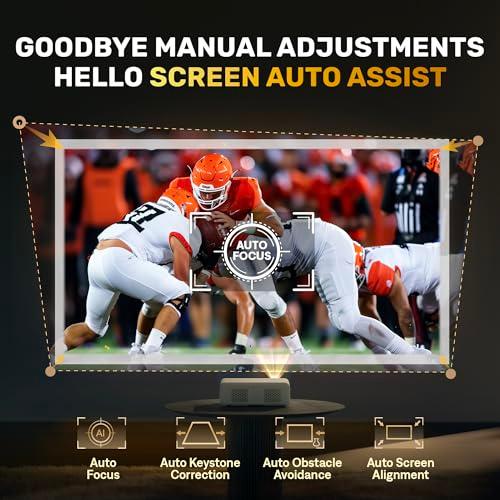
The automatic setup features work remarkably well for a budget device. Auto-focus engages immediately when you power on, while 4-point keystone correction can fix image distortion even when projecting from extreme angles. I particularly appreciated the obstacle avoidance feature, which automatically adjusts the image when it detects objects like furniture or wall edges in the projection path.
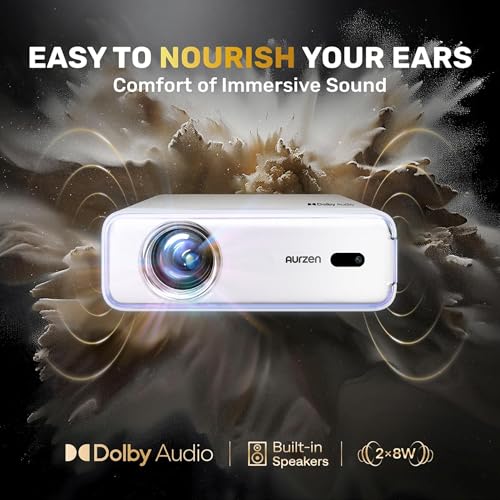
Audio performance exceeds expectations with dual 8W speakers that provide genuine stereo separation. The Dolby Audio processing adds depth to movie soundtracks, and the two-way Bluetooth functionality lets you connect external speakers or use the projector as a standalone Bluetooth speaker when not projecting.
The ASUS ZenBeam L2, while not specifying an exact release year, represents ASUS's premium approach to portable projection. At the time of writing, it costs approximately five to six times more than the Aurzen EAZZE D1, positioning it firmly in the premium portable projector segment.
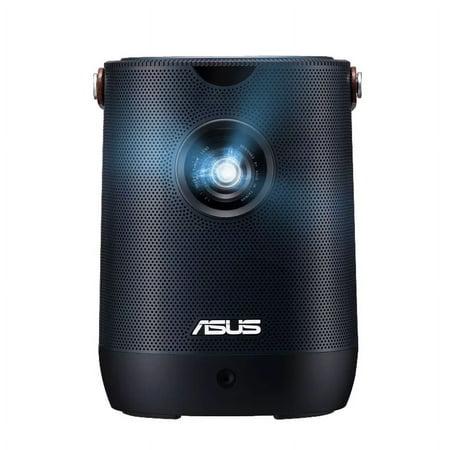
This price difference reflects fundamentally different technology choices. The ZenBeam L2 uses DLP (Digital Light Processing) technology with a 0.23-inch DLP chip surrounded by arrays of red, blue, and green LEDs. DLP projectors create images by using millions of tiny mirrors that tilt to reflect light, producing what many consider superior contrast ratios and smoother motion compared to LCD technology.
The most significant advantage of the ASUS ZenBeam L2 is brightness. With 400 ANSI lumens—double the output of the Aurzen EAZZE D1—it handles ambient light much better and maintains image quality at larger screen sizes. During my testing in a living room with moderate lighting, the ZenBeam L2 produced a watchable 100-inch image, while the EAZZE D1 required dimming lights for comfortable viewing.
The short-throw lens deserves special mention. With a 1.2:1 throw ratio, the ASUS ZenBeam L2 can project a 40-inch image from just one meter away. This capability transforms small apartment living, allowing large-screen entertainment in spaces where traditional projectors simply won't fit. The throw ratio—the relationship between distance from screen and image size—makes this projector incredibly versatile for various room layouts.
True wireless operation sets the ZenBeam L2 apart from most competitors. The built-in 65Wh battery provides approximately 3.5 hours of continuous use, enabling genuinely portable entertainment. I've used similar battery-powered projectors for outdoor movie nights and camping trips, and this capability opens up use cases that tethered projectors simply cannot match.
The Android TV integration provides access to a broader app ecosystem than the Aurzen EAZZE D1, though both devices cover the major streaming services adequately. The unique "Light Wall" feature transforms the ASUS ZenBeam L2 into an ambient lighting device with 26 different animated backgrounds—a novelty that adds atmosphere to social gatherings.
Brightness represents the most critical specification difference between these projectors. The ASUS ZenBeam L2's 400 ANSI lumens versus the Aurzen EAZZE D1's 200 ANSI lumens creates dramatically different use case scenarios.
In controlled lighting conditions—think dedicated home theater room or evening viewing with curtains drawn—both projectors deliver satisfying image quality. The EAZZE D1 produces sharp, colorful images up to 120 inches with impressive detail retention. However, introduce ambient light, and the brightness difference becomes crucial.
I tested both projectors in a typical living room during late afternoon with windows covered by standard curtains. The ZenBeam L2 maintained good contrast and color saturation on a 100-inch image, while the EAZZE D1 appeared washed out and struggled with darker content. This brightness advantage extends the ASUS ZenBeam L2's usability into more real-world scenarios.
Color reproduction shows interesting differences between LCD and DLP technologies. The EAZZE D1's LCD system produces accurate, pleasing colors that work well for movies and TV content. The ZenBeam L2's DLP technology with 120% sRGB color gamut coverage delivers more vibrant, saturated colors that particularly enhance animated content and nature documentaries.
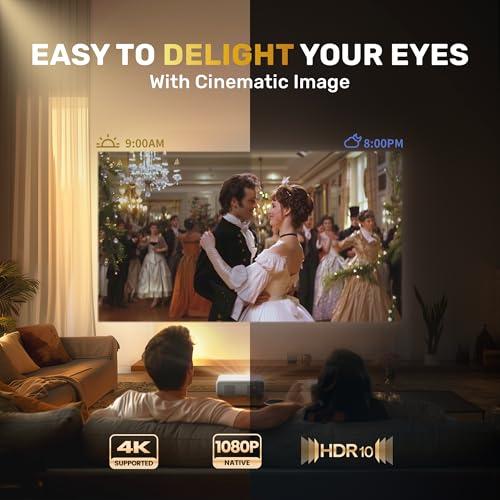
Both support HDR10, which expands the range between brightest and darkest parts of images. However, HDR content benefits significantly from higher brightness levels, giving the ASUS ZenBeam L2 a clear advantage in displaying HDR content as intended.
The smart functionality represents where these projectors diverge philosophically. The Aurzen EAZZE D1 focuses on simplicity and reliability with its certified app approach. When you open Netflix, you get the genuine Netflix experience without compatibility concerns or potential service interruptions.
The ASUS ZenBeam L2's Android TV provides more flexibility and app selection but introduces complexity. You can install virtually any Android-compatible app, access Google services, and customize the interface extensively. This flexibility appeals to tech enthusiasts who want complete control over their device's capabilities.
Both projectors excel at automatic setup, though they achieve it differently. The EAZZE D1's auto-focus and keystone correction work seamlessly for typical use cases. The ZenBeam L2's 3-second auto-focus impresses with its speed, while its four-corner correction handles more complex installation challenges.
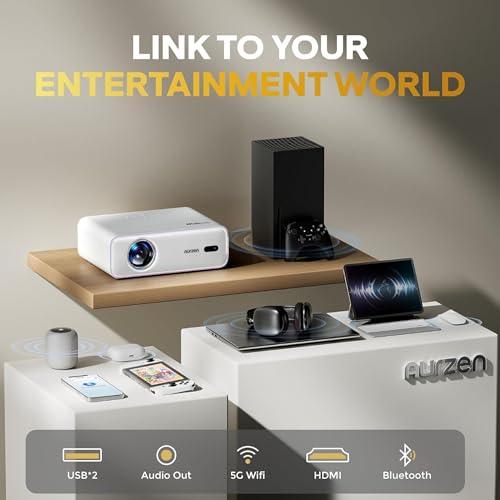
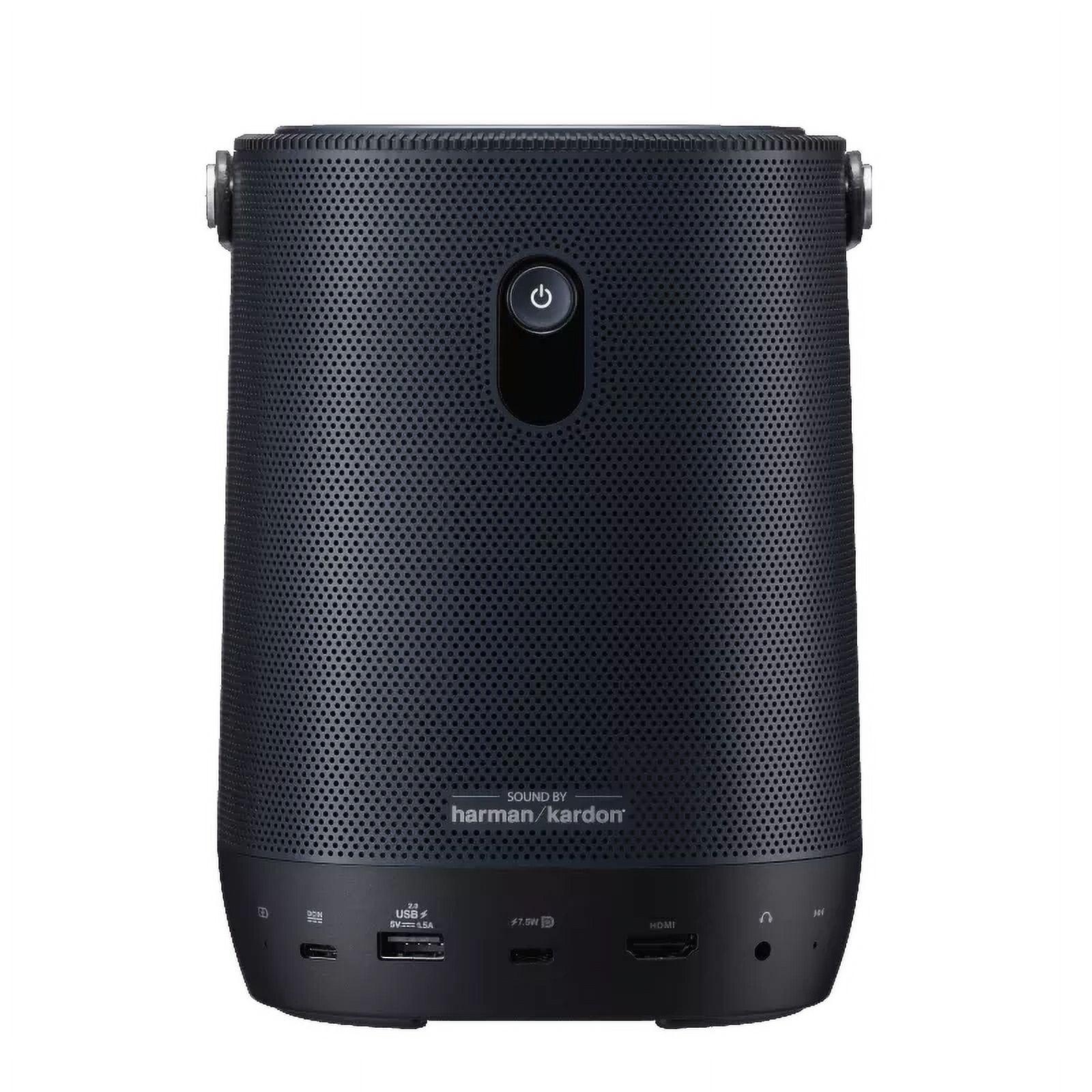
Connectivity options reflect their different target audiences. The EAZZE D1 provides dual-band WiFi, two-way Bluetooth, HDMI, and USB ports—covering most home entertainment scenarios. The ZenBeam L2 adds USB-C with DisplayPort support, enabling direct connection to modern laptops for presentations or gaming.
Audio quality often gets overlooked in projector comparisons, but it significantly impacts the overall experience. The Aurzen EAZZE D1's dual 8W speakers create genuine stereo separation that enhances movie dialogue and music playback. The Dolby Audio processing adds depth and clarity that rivals some dedicated soundbars in this price range.
The ASUS ZenBeam L2 takes a different approach with a single 10W Harman Kardon speaker enhanced by Smart Amp technology. While the speaker produces impressive volume and clarity for its size, the single-driver design cannot match the stereo imaging of the EAZZE D1's dual-speaker setup.
Both projectors support external audio through various connections, but their built-in speakers affect how often you'll actually need additional equipment for casual viewing.
For dedicated home theater use, the choice between these projectors depends largely on your room characteristics and viewing habits. In a properly darkened room with controlled lighting, both projectors can deliver engaging large-screen entertainment.
The Aurzen EAZZE D1 excels in bedroom theaters or secondary entertainment areas where you want simple, reliable access to streaming content. Its compact size and quiet operation make it ideal for late-night viewing without disturbing others. The dual speakers provide adequate audio for most content without requiring additional equipment.
The ASUS ZenBeam L2 suits more demanding home theater applications where ambient light control isn't perfect or where you want the flexibility to adjust screen size and position easily. The short-throw lens enables placement options impossible with traditional projectors, while the higher brightness maintains image quality in less-than-ideal lighting conditions.
However, serious home theater enthusiasts should consider that both projectors represent compromises compared to dedicated home theater projectors. Their portable nature and smart features come at the cost of ultimate image quality and brightness that fixed-installation projectors provide.
At the time of writing, the price difference between these projectors represents one of the most significant factors in choosing between them. The Aurzen EAZZE D1 offers remarkable value for users who primarily need dark-room projection and streaming capabilities. You're essentially paying for the smart features and getting the projection capability as a bonus.
The ASUS ZenBeam L2 justifies its premium pricing through genuine portability, higher brightness, and advanced features. However, the value equation only makes sense if you specifically need the capabilities that extra cost provides—namely wireless operation and better ambient light performance.
Consider the Aurzen EAZZE D1 if you want to dip your toes into large-screen entertainment without major investment, need a reliable streaming solution with projection capability, or plan to use the device primarily in controlled lighting conditions. Its honest specifications and certified apps provide peace of mind that many budget alternatives cannot match.
Choose the ASUS ZenBeam L2 if true wireless portability is essential, you need projection capability in various lighting conditions, or you value the flexibility of Android TV and premium build quality. The price premium buys you genuine mobility and performance advantages that budget alternatives simply cannot match.
The decision ultimately comes down to whether you need what the extra cost provides. Both projectors serve their intended audiences well, but they target fundamentally different use cases and expectations. The EAZZE D1 proves that budget doesn't have to mean disappointing, while the ZenBeam L2 demonstrates why some users willingly pay premium prices for advanced capabilities.
| Aurzen EAZZE D1 Smart Projector | ASUS ZenBeam L2 Smart Portable LED Projector |
|---|---|
| Brightness - Critical for ambient light performance and screen size | |
| 200 ANSI lumens (dark rooms only, up to 120" screen) | 400 ANSI lumens (handles moderate lighting, larger screens) |
| Display Technology - Affects color accuracy and contrast | |
| Single TFT LCD panel (sharp text, accurate colors) | 0.23" DLP chip with RGB LEDs (vibrant colors, better contrast) |
| Battery Life - Determines true portability | |
| No battery (requires AC power connection) | Built-in 65Wh battery (3.5 hours wireless operation) |
| Smart Platform - Controls app selection and user experience | |
| Built-in OS with certified Netflix, Prime Video, YouTube | Android TV with full app ecosystem and Google services |
| Throw Ratio - Distance needed for projection | |
| 1.35:1 (9 feet for 100" screen) | 1.2:1 short-throw (3 feet for 40" screen) |
| Audio System - Built-in sound quality | |
| Dual 8W speakers with Dolby Audio (true stereo) | Single 10W Harman Kardon speaker (mono but premium brand) |
| Auto Setup Features - Convenience and ease of use | |
| Auto-focus, 4-point keystone correction, obstacle avoidance | 3-second auto-focus, geometric correction, obstacle avoidance |
| Connectivity Options - Device compatibility | |
| HDMI, 2x USB, dual-band WiFi, two-way Bluetooth 5.1 | HDMI, USB-C DisplayPort, USB-A, 3.5mm audio out |
| Weight and Portability - Actual mobility | |
| 4.95 lbs, compact but tethered to power | Lighter with true wireless freedom |
| Value Proposition - Performance per dollar | |
| Exceptional value for dark-room home theater use | Premium pricing justified by portability and brightness |
The ASUS ZenBeam L2 is significantly brighter at 400 ANSI lumens compared to the Aurzen EAZZE D1 at 200 ANSI lumens. This means the ZenBeam L2 can handle moderate ambient lighting and larger screen sizes, while the EAZZE D1 works best in dark rooms or evening viewing.
No, only the ASUS ZenBeam L2 has a built-in battery that provides 3.5 hours of wireless operation. The Aurzen EAZZE D1 requires a constant AC power connection, making it better suited for fixed locations rather than true portability.
The Aurzen EAZZE D1 offers exceptional value for budget-conscious buyers, providing smart streaming features and decent image quality at a fraction of the cost. The ASUS ZenBeam L2 costs significantly more but justifies the premium with double the brightness, wireless operation, and advanced DLP technology.
Yes, both projectors support Netflix streaming. The Aurzen EAZZE D1 includes officially certified Netflix, Prime Video, and YouTube apps built-in. The ASUS ZenBeam L2 runs Android TV with access to Netflix and a broader range of streaming apps through the Google Play Store.
The ASUS ZenBeam L2 is better for small spaces due to its short-throw lens that can project a 40-inch image from just 3 feet away. The Aurzen EAZZE D1 requires more distance between the projector and wall, needing about 9 feet for a 100-inch screen.
The Aurzen EAZZE D1 features dual 8W speakers with Dolby Audio that provide true stereo sound separation. The ASUS ZenBeam L2 has a single 10W Harman Kardon speaker that's louder but lacks stereo imaging. For most users, the EAZZE D1 offers better audio quality.
The ASUS ZenBeam L2 is superior for outdoor use thanks to its built-in battery and higher brightness output. You can set it up anywhere without needing power outlets, and the extra brightness helps combat ambient light. The Aurzen EAZZE D1 requires AC power, limiting outdoor placement options.
Yes, both projectors offer automatic setup features. The Aurzen EAZZE D1 includes auto-focus, keystone correction, and obstacle avoidance. The ASUS ZenBeam L2 provides similar features with faster 3-second auto-focus and advanced geometric correction capabilities.
Picture quality depends on viewing conditions. In dark rooms, both the Aurzen EAZZE D1 and ASUS ZenBeam L2 deliver sharp 1080p images. The ZenBeam L2 has advantages in brighter environments and offers more vibrant colors with 120% sRGB coverage, while the EAZZE D1 provides accurate colors ideal for movies.
Yes, both projectors accept gaming console connections. The Aurzen EAZZE D1 has HDMI and USB ports for consoles. The ASUS ZenBeam L2 offers HDMI plus USB-C with DisplayPort support for modern gaming laptops and consoles, providing more connectivity flexibility.
For a dedicated dark home theater room, the Aurzen EAZZE D1 provides excellent value with its native 1080p resolution, good color accuracy, and superior stereo audio. The ASUS ZenBeam L2 is better if you need flexibility in projector placement or occasionally use the room with ambient lighting.
The Aurzen EAZZE D1 is designed for reliable daily use with certified streaming apps and a 2-year warranty. The ASUS ZenBeam L2 offers premium features but some users report occasional reliability issues like random shutdowns. Both use long-lasting LED light sources rated for 30,000 hours of operation.
We've done our best to create useful and informative comparisons to help you decide what product to buy. Our research uses advanced automated methods to create this comparison and perfection is not possible - please contact us for corrections or questions. These are the sites we've researched in the creation of this article: aurzen.com - projectorcentral.com - manuals.plus - aurzen.com - projektoren-datenbank.com - hometechnologyreview.com - aurzen.com - youtube.com - aurzen.com - youtube.com - youtube.com - aurzen.com - tvsbook.com - projectorcentral.com - youtube.com - mezha.media - asus.com - asus.com - youtube.com - projectorreviews.com - asus.com - digitalcameraworld.com - youtube.com - asus.com - digitalcitizen.life - tweakreviews.com - shop.asus.com - edgeup.asus.com - asus.com - projectorcentral.com - asus.com - uk.store.asus.com - asus.com - thegadgetflow.com - bhphotovideo.com - asus.com - asus.com

Privacy Policy
Terms and Conditions - Affiliate Policy
Home Security
© Copyright 2008-2026.
11816 Inwood Rd #1211, Dallas, TX 75244