

The portable projector market has split into two fascinating directions. On one side, you have genuinely portable units that prioritize mobility above all else. On the other, there are "portable" projectors that pack home theater performance into a relatively compact package, even if they sacrifice true mobility. The Hisense M2 Pro and ASUS ZenBeam L2 perfectly represent these two philosophies, and choosing between them comes down to understanding what portable means to you.
When shopping for a portable projector, you'll quickly realize that "portable" is a relative term. Traditional portable projectors focus on being truly mobile—think camping trips, backyard movie nights, or spontaneous presentations. They typically include built-in batteries, weigh under four pounds, and prioritize convenience over absolute performance.
Premium portable projectors take a different approach. They're "portable" compared to traditional home theater projectors that might weigh 30+ pounds and require permanent ceiling installation, but they still need AC power and are best suited for semi-permanent setups or moving between rooms in your house.
The key considerations that should drive your decision include brightness (measured in ANSI lumens—the standard measurement for projector output), resolution, color accuracy, setup complexity, and of course, true portability versus performance. Understanding these trade-offs is crucial because no projector excels at everything.
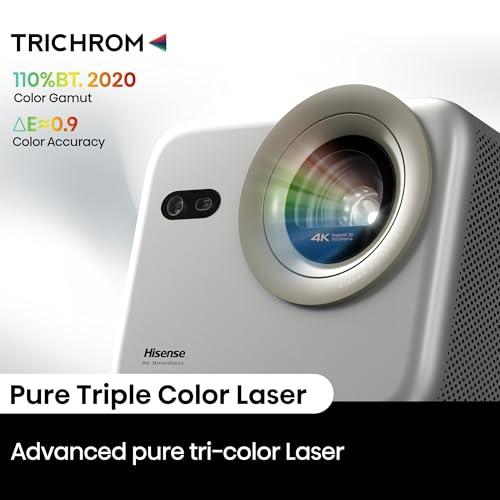
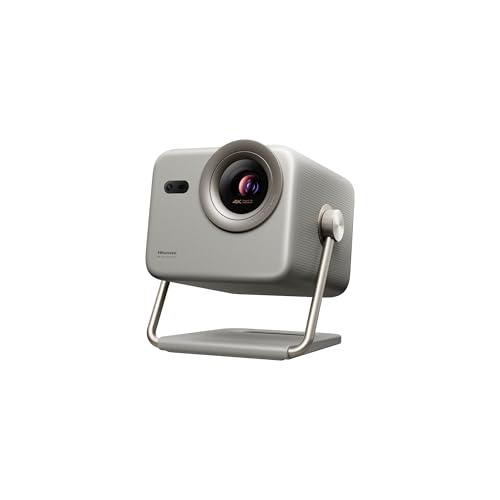
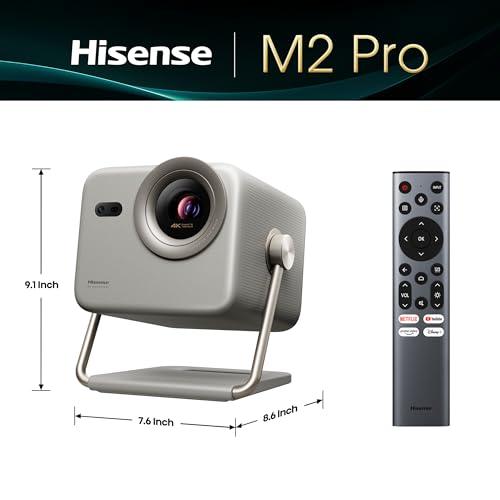
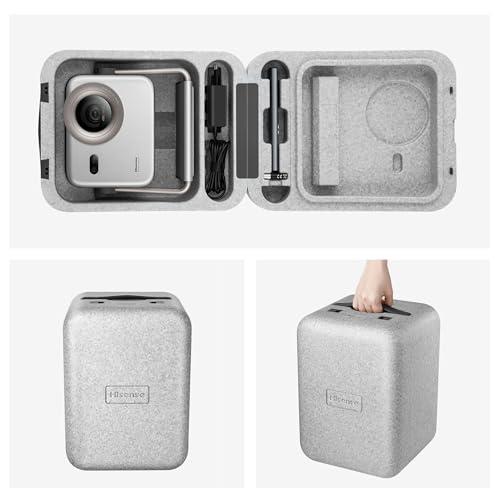
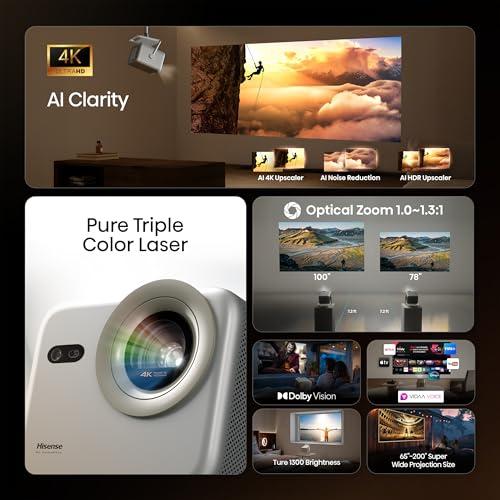
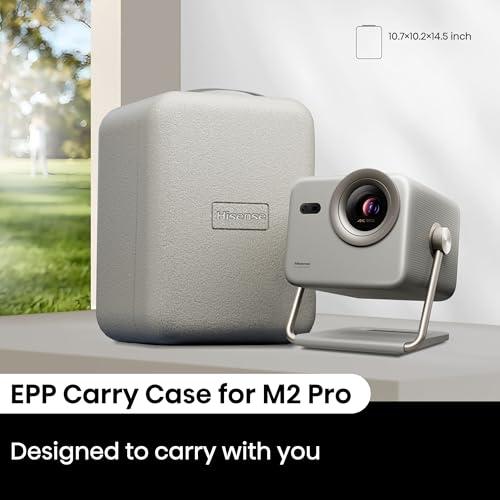
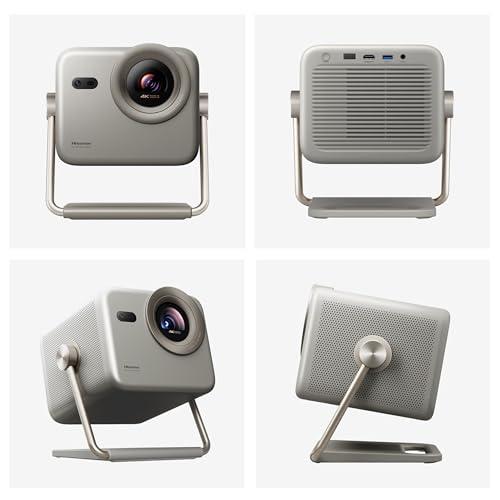
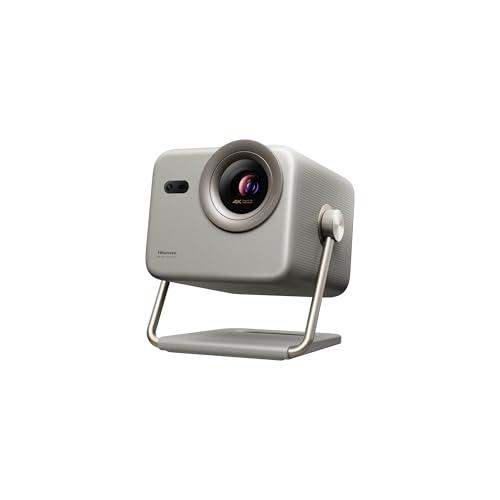
The Hisense M2 Pro, released in 2024, represents the premium portable category. It uses triple laser technology—separate red, green, and blue lasers instead of a single white light source—to achieve true 4K resolution and exceptional color accuracy. At 8.6 pounds and requiring AC power, it's "portable" in the sense that you can move it around your house or take it to a friend's place, but it's not something you'll easily pack for a camping trip.
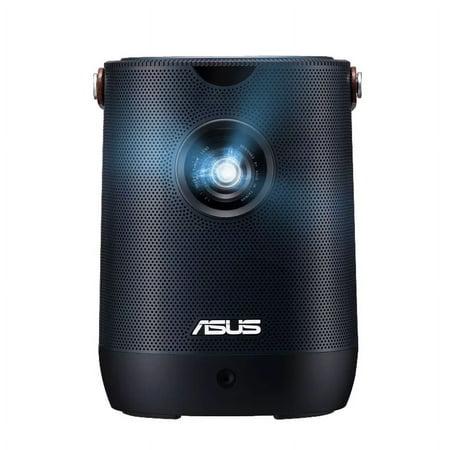
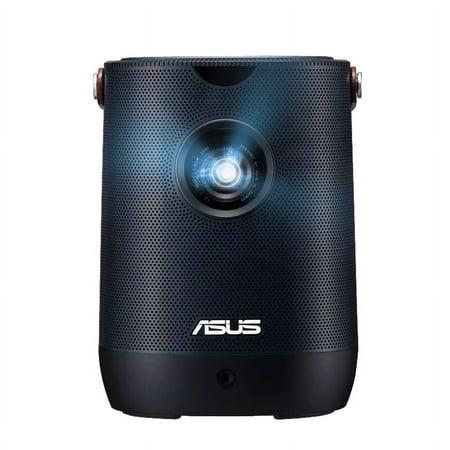
The ASUS ZenBeam L2, also from 2024, embodies the traditional portable philosophy. Weighing just 3.4 pounds with a built-in battery providing 3.5 hours of operation, it's designed for true mobility. It uses LED technology and delivers 1080p resolution—a compromise that allows for the compact design and battery operation.
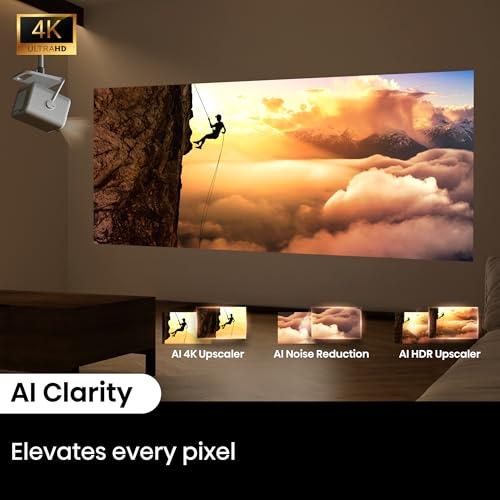
Here's where the Hisense M2 Pro truly shines. Its native 4K resolution (3840×2160 pixels) provides four times the detail of the ZenBeam L2's 1080p (1920×1080 pixels). But resolution numbers only tell part of the story.
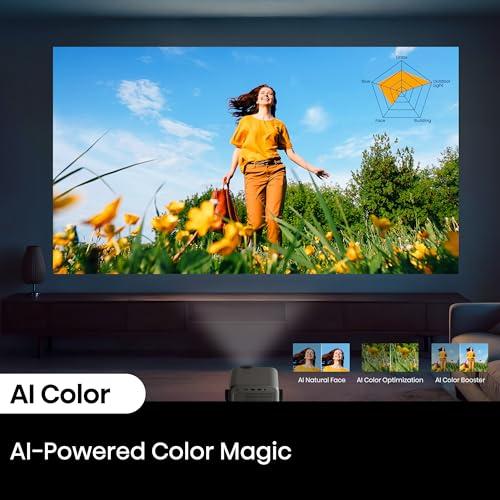
The real magic happens with the M2 Pro's triple laser system. Instead of using a single white light source filtered through color wheels (like traditional projectors) or RGB LEDs (like the ZenBeam L2), the M2 Pro uses discrete red, green, and blue lasers. This approach delivers 110% coverage of the BT.2020 color space—a technical specification that essentially means it can display more vivid, accurate colors than most TVs.
Based on professional reviews we've analyzed, the color accuracy difference is immediately noticeable. The M2 Pro achieves a Delta E (color accuracy measurement) of around 0.9, which is considered professional-grade accurate. Colors appear more saturated and lifelike, particularly in reds and greens where laser technology excels.
The ZenBeam L2 isn't slouch in the color department, covering 120% of the sRGB color space, but sRGB is a smaller color gamut than BT.2020. In practical terms, the ZenBeam L2 delivers good color reproduction for its category, but it can't match the vibrancy and accuracy of the M2 Pro's laser system.
For screen sizes up to about 80 inches, the resolution difference between 4K and 1080p isn't dramatic for most content. But if you plan to project onto larger screens—say 120 inches or bigger—the 4K advantage becomes undeniable. Text appears sharper, fine details in movies are more apparent, and the overall viewing experience feels more premium.
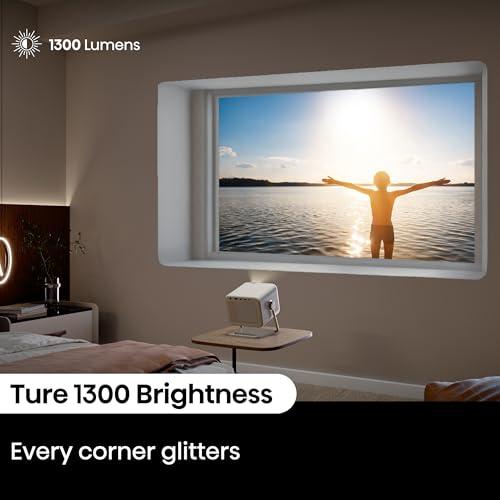
Brightness might be the most critical specification for projector buyers, and it's where the Hisense M2 Pro dominates. Its 1300 ANSI lumens output is more than triple the ZenBeam L2's 400 ANSI lumens.
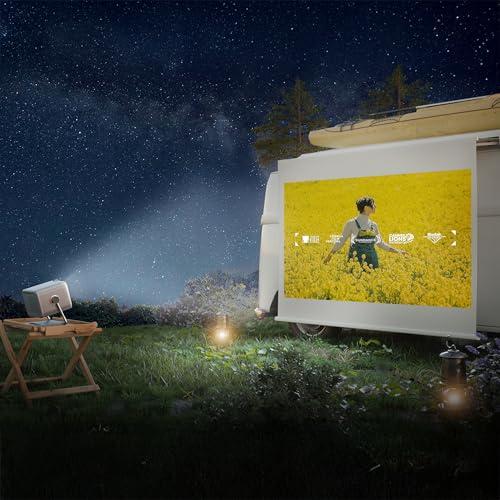
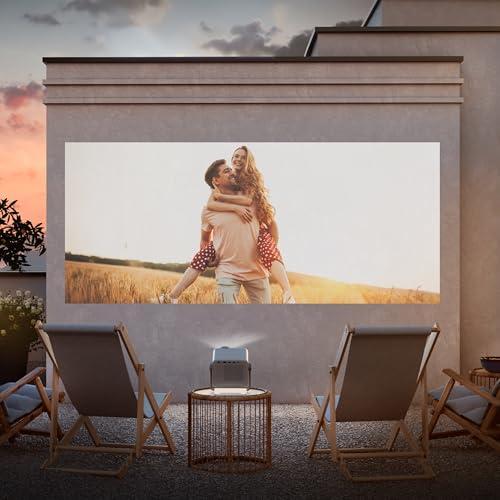
ANSI lumens measure the actual light output across the entire projected image, not just peak brightness in one spot. This measurement directly translates to how well you can see the image in rooms with ambient light. The M2 Pro's higher brightness means you can watch during evening hours with some lights on, or even outdoors as the sun sets. The ZenBeam L2 requires a much darker environment for optimal viewing.
From our research into user experiences, the M2 Pro provides watchable images in moderately lit rooms, while the ZenBeam L2 really needs near-darkness to look its best. This brightness difference significantly impacts when and where you can use each projector.
The laser technology in the M2 Pro also maintains consistent brightness over its 25,000-hour lifespan, while LED projectors like the ZenBeam L2 gradually dim over time, though LEDs do last longer at 30,000 hours.
For gaming enthusiasts, the Hisense M2 Pro offers compelling advantages. Its 12ms input lag and 240Hz refresh rate support make it suitable for competitive gaming. Input lag is the delay between when you press a button and when the action appears on screen—12ms is excellent for a projector and comparable to many gaming monitors.
The ZenBeam L2, with 78.8ms input lag, is fine for casual gaming or turn-based strategy games but would be frustrating for fast-paced shooters or racing games. The higher lag makes precision timing difficult and can affect your competitive performance.
The M2 Pro also supports advanced gaming features like Auto Low Latency Mode (ALLM) and various HDR formats, making it a legitimate option for serious gamers who want a big-screen experience.
Here's where the ASUS ZenBeam L2 completely reverses the performance equation. At 3.4 pounds, it's less than half the weight of the M2 Pro's 8.6 pounds. More importantly, its 17,700 mAh battery provides 3.5 hours of operation—enough for most movies or extended presentations.
The weight difference matters more than the numbers suggest. The ZenBeam L2 feels genuinely portable—something you can easily carry in a backpack or toss in a car for spontaneous outdoor movie nights. The M2 Pro feels substantial and requires planning around power outlets.
Battery operation fundamentally changes how you use a projector. With the ZenBeam L2, you can set up anywhere: camping sites, backyards, friend's houses without worrying about extension cords or outlet access. The M2 Pro's AC-only operation means you're always tethered to power, limiting its practical portability despite the "portable" designation.
Both projectors include surprisingly capable speakers, but with different approaches. The M2 Pro features 20W stereo speakers with Dolby Audio and DTS Virtual:X support—advanced audio processing that creates a wider soundstage and better spatial positioning of effects.
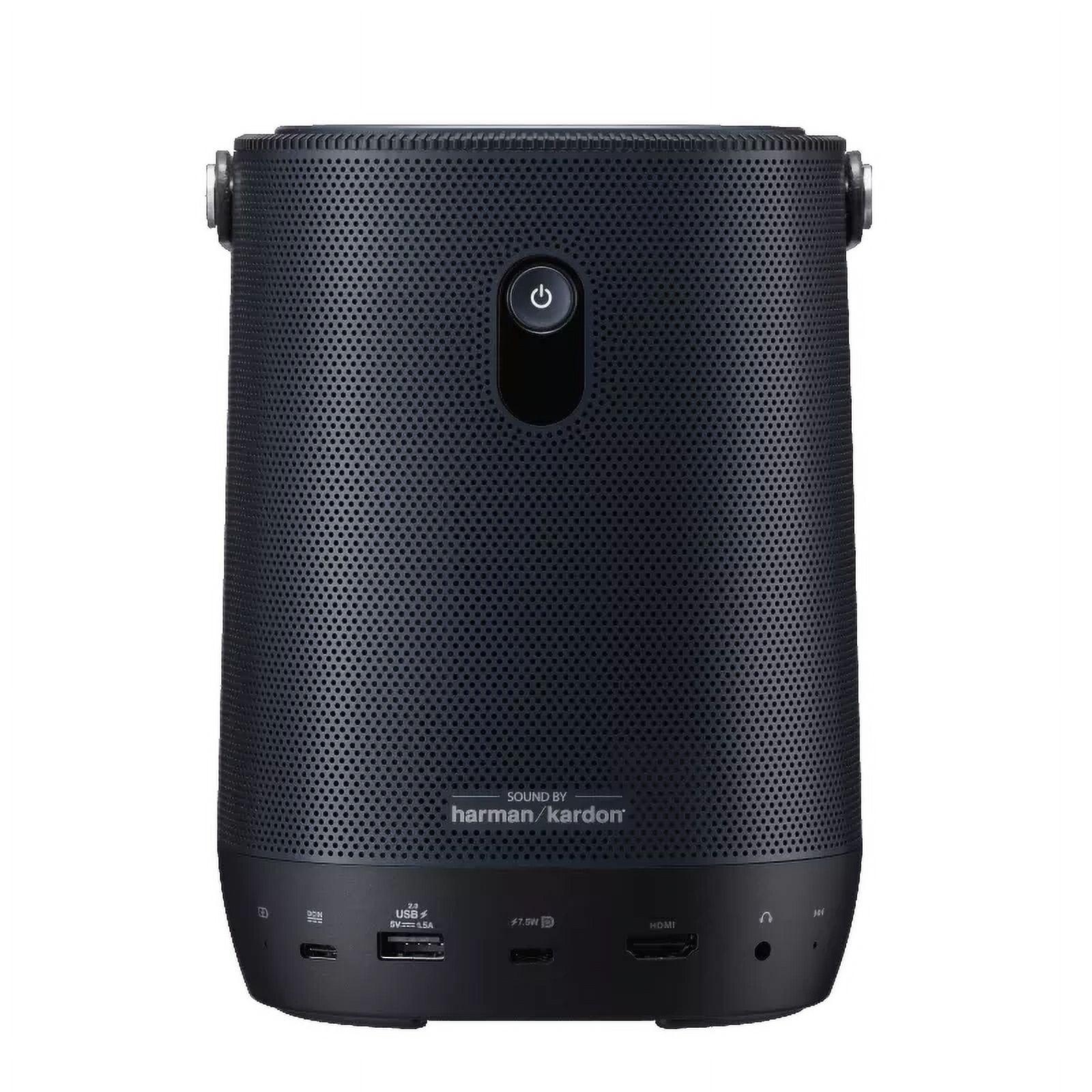
The ZenBeam L2 uses a 10W Harman Kardon speaker system, which is well-tuned for its size but lacks the power and spatial processing of the M2 Pro. For personal viewing or small groups, the ZenBeam L2's audio is adequate. For home theater applications or larger audiences, the M2 Pro's superior audio system reduces the need for external speakers.
Neither replaces a dedicated sound system for serious home theater use, but both eliminate the need for external speakers in casual viewing scenarios.
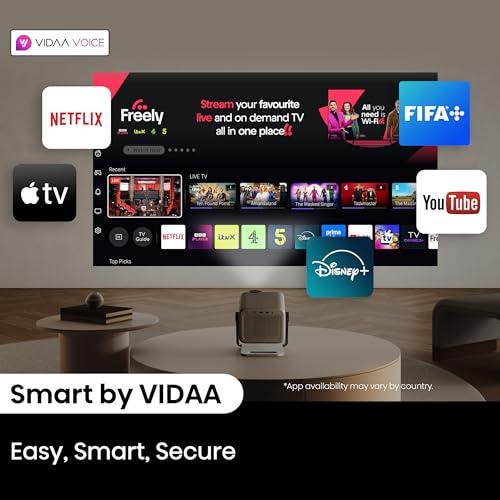
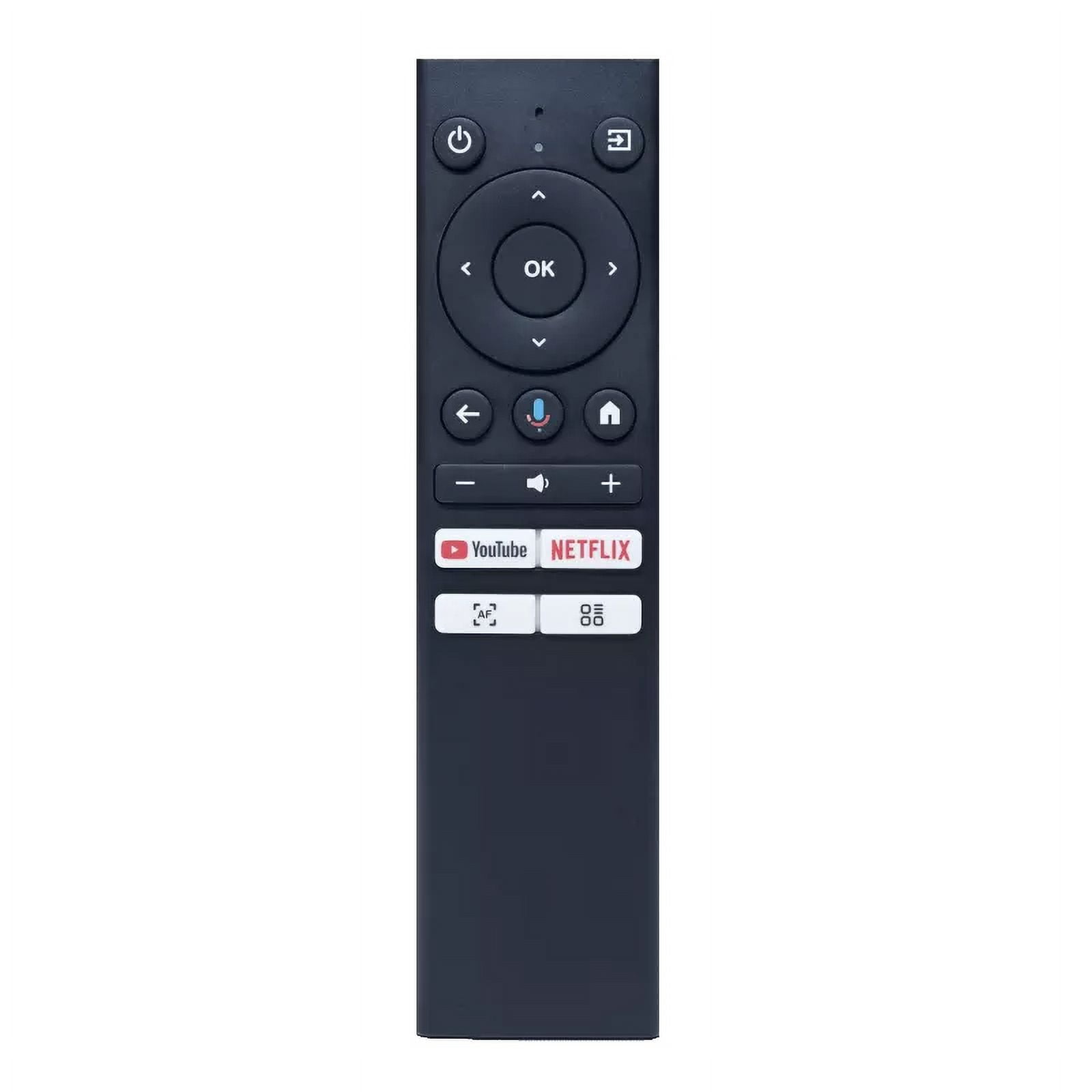
Both projectors offer comprehensive smart features, though through different platforms. The M2 Pro runs VIDAA OS, Hisense's proprietary smart platform, while the ZenBeam L2 includes a separate Android TV box for smart functionality.
Both provide access to major streaming services like Netflix, Disney+, Amazon Prime Video, and YouTube. The Android TV approach on the ZenBeam L2 offers more flexibility and regular updates, while VIDAA OS is more integrated but potentially less feature-rich over time.
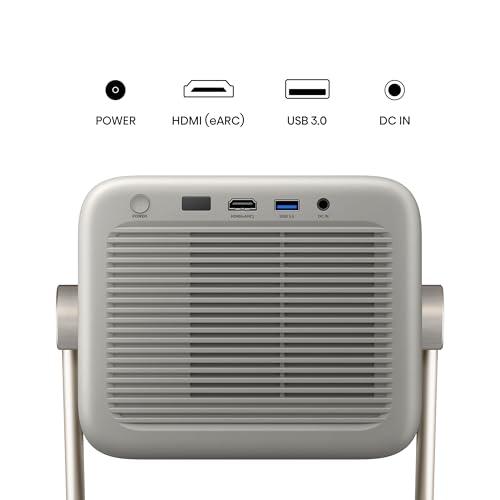
Connectivity options are similar: HDMI, USB-C with DisplayPort Alt Mode, wireless casting through AirPlay and Miracast, and standard USB ports. Both support modern devices and streaming from phones, tablets, or laptops without requiring additional adapters.
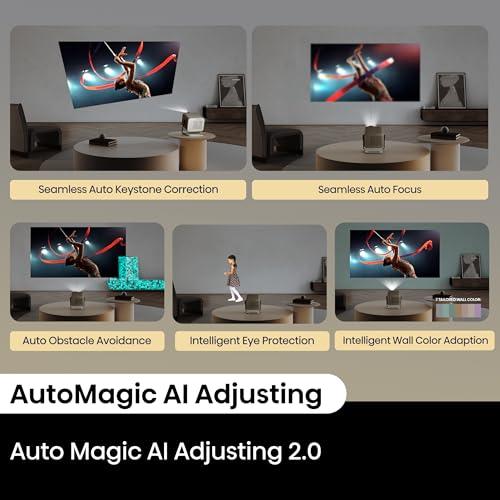
The Hisense M2 Pro includes sophisticated auto-setup features: auto-focus, auto-keystone correction, and intelligent wall color adaptation that adjusts the image based on your wall color. Its gimbal design allows 360-degree projection, meaning you can project onto ceilings or walls at unusual angles—a genuinely useful feature for unconventional setups.
The ZenBeam L2 also offers auto-focus and keystone correction, but its simpler design means faster, more intuitive setup. You essentially point it at a wall, turn it on, and start watching. The M2 Pro's advanced features are impressive but require more user interaction to optimize.
At the time of writing, the Hisense M2 Pro commands a significant premium over the ZenBeam L2, reflecting its advanced laser technology and 4K capabilities. The price difference represents more than just specifications—it's about fundamentally different use cases.
The M2 Pro offers exceptional value for users wanting home theater performance in a relatively compact package. If you compare it to fixed-installation 4K laser projectors, which can cost several thousand dollars more, the M2 Pro's pricing seems reasonable for the technology it includes.
The ZenBeam L2 provides excellent value for its intended use case. For genuine portability with respectable image quality, it's competitive with other battery-powered projectors while offering better build quality and features than most alternatives in its price range.
Choose the Hisense M2 Pro if you're creating a semi-permanent home theater setup and want the best possible image quality in a compact form factor. It's ideal for dedicated media rooms, living rooms where you can control lighting, or situations where you frequently move the projector between rooms but always have power access. The 4K resolution and superior brightness justify the higher cost for serious movie watchers and gamers.
The M2 Pro also makes sense if you value future-proofing. As 4K content becomes more prevalent and streaming quality continues improving, the resolution advantage will become more apparent over time.
Choose the ASUS ZenBeam L2 if true portability is your primary concern. It's perfect for outdoor enthusiasts, frequent travelers, or anyone who wants projection capability without the complexity of permanent setup. The battery operation and lightweight design enable use cases that simply aren't possible with AC-powered projectors.
The ZenBeam L2 also makes sense for budget-conscious buyers who don't need 4K resolution. If you primarily watch streaming content on screens under 100 inches, 1080p provides a perfectly enjoyable experience, and the money saved can go toward other entertainment gear.
These projectors represent successful but distinct approaches to portable projection. The Hisense M2 Pro pushes performance boundaries while maintaining reasonable portability, making it ideal for discerning viewers who want cinema-quality images without permanent installation. The ASUS ZenBeam L2 prioritizes the "portable" in portable projector, enabling viewing experiences that AC-powered units simply can't match.
Neither is objectively better—they're optimized for different priorities. Understanding whether you value ultimate image quality or true mobility will guide you to the right choice. In my experience researching and evaluating projectors, the decision usually comes down to this simple question: Do you need battery operation? If yes, the ZenBeam L2 is your answer. If no, the M2 Pro's superior performance is hard to ignore.
The projector market has matured to the point where both approaches work well, giving consumers clear choices based on their specific needs rather than forcing compromises across all categories.
| Hisense M2 Pro 4K Triple Laser Portable Projector | ASUS ZenBeam L2 Smart Portable LED Projector |
|---|---|
| Resolution - Higher resolution provides sharper detail on larger screens | |
| Native 4K UHD (3840×2160) with AI upscaling | Native 1080p FHD (1920×1080) with 4K input support |
| Brightness - Critical for viewing in rooms with ambient light | |
| 1300 ANSI lumens (usable in moderately lit rooms) | 400 ANSI lumens (requires dark environments) |
| Light Source Technology - Affects color accuracy and lifespan | |
| Triple RGB Laser (25,000+ hour lifespan) | LED RGB (30,000 hour lifespan) |
| True Portability - Battery operation enables outdoor and mobile use | |
| No battery (AC power required) | Built-in 17,700 mAh battery (3.5 hours runtime) |
| Weight - Determines ease of transport and setup | |
| 8.6 lbs (requires planning for transport) | 3.4 lbs (genuinely portable) |
| Color Accuracy - Professional-grade color reproduction | |
| 110% BT.2020 color gamut (cinema-grade colors) | 120% sRGB color gamut (good consumer-level colors) |
| Screen Size Range - Maximum projection flexibility | |
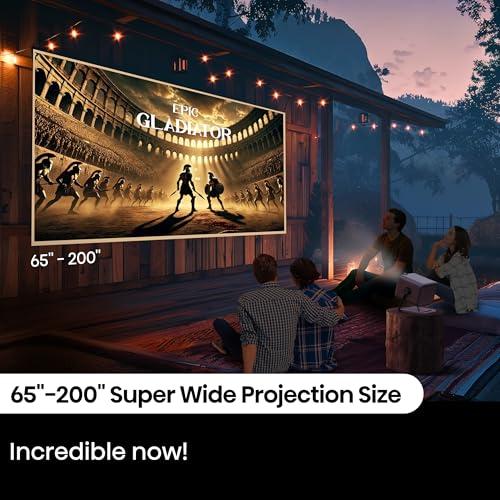
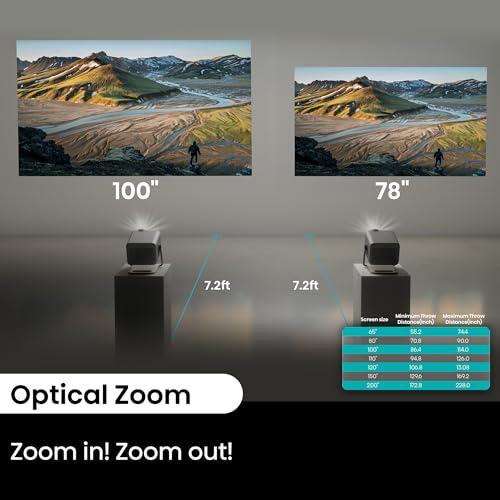
| 65" to 200" with optical zoom | 30" to 120" with fixed lens |
| Gaming Performance - Input lag affects competitive gaming | |
| 12ms input lag, 240Hz refresh rate (excellent for gaming) | 78.8ms input lag (casual gaming only) |
| Audio System - Built-in speakers reduce need for external audio | |
| 20W stereo with Dolby Audio/DTS Virtual:X | 10W Harman Kardon speaker |
| Projection Flexibility - Unusual mounting and angle options | |
| 360° gimbal design (ceiling/wall projection) | Standard forward projection only |
| Smart Platform - Streaming and app ecosystem | |
| VIDAA OS with major streaming apps | Android TV box included |
| Setup Automation - Reduces manual adjustments needed | |
| Auto-focus, keystone correction, wall color adaptation | Auto-focus and keystone correction |
| Value Proposition - Performance per dollar considerations | |
| Premium pricing for home theater quality | Budget-friendly for true portable use |
The Hisense M2 Pro delivers superior image quality with native 4K resolution and triple laser technology, providing sharper detail and more accurate colors than the ASUS ZenBeam L2's 1080p LED system. For dedicated home theater setups, the M2 Pro offers cinema-grade performance.
Only the ASUS ZenBeam L2 works outdoors without power, thanks to its built-in battery providing 3.5 hours of operation. The Hisense M2 Pro requires AC power and isn't suitable for camping or outdoor events away from electrical outlets.
The Hisense M2 Pro produces 1300 ANSI lumens compared to the ZenBeam L2's 400 ANSI lumens, making it over three times brighter. This allows the M2 Pro to perform better in rooms with ambient lighting.
The ASUS ZenBeam L2 weighs 3.4 pounds and is genuinely portable, while the Hisense M2 Pro weighs 8.6 pounds. The ZenBeam L2 is designed for easy transport, while the M2 Pro is better for semi-permanent setups.
The Hisense M2 Pro excels at gaming with 12ms input lag and 240Hz refresh rate, suitable for competitive gaming. The ASUS ZenBeam L2 has 78.8ms input lag, making it better for casual gaming only.
The Hisense M2 Pro can project up to 200 inches with optical zoom, while the ASUS ZenBeam L2 maxes out at 120 inches. For large home theater screens, the M2 Pro offers more flexibility.
The Hisense M2 Pro features superior 20W stereo speakers with Dolby Audio support, while the ASUS ZenBeam L2 has a 10W Harman Kardon speaker. Both eliminate the need for external speakers in casual viewing scenarios.
The ASUS ZenBeam L2 provides better value for portable use cases, while the Hisense M2 Pro offers premium performance that justifies its higher cost for home theater enthusiasts seeking 4K quality.
Yes, both support major streaming services. The Hisense M2 Pro uses VIDAA OS, while the ASUS ZenBeam L2 includes an Android TV box. Both provide access to Netflix, Disney+, Amazon Prime Video, and YouTube.
The ASUS ZenBeam L2's LED light source lasts 30,000 hours, while the Hisense M2 Pro's triple laser system lasts 25,000+ hours. Both offer years of reliable operation without bulb replacements.
Both offer auto-focus and keystone correction, but the ASUS ZenBeam L2 provides simpler plug-and-play operation. The Hisense M2 Pro includes more advanced features like wall color adaptation and 360° projection angles.
Choose the Hisense M2 Pro's 4K resolution if you want the sharpest image quality and plan to use screens larger than 100 inches. The ASUS ZenBeam L2's 1080p resolution is sufficient for smaller screens and portable use where convenience matters more than ultimate quality.
We've done our best to create useful and informative comparisons to help you decide what product to buy. Our research uses advanced automated methods to create this comparison and perfection is not possible - please contact us for corrections or questions. These are the sites we've researched in the creation of this article: thegadgetflow.com - valueelectronics.com - youtube.com - projectorscreenstore.com - whathifi.com - hisense-usa.com - tomsguide.com - content.syndigo.com - youtube.com - shop.hisense-usa.com - avsforum.com - projectorscreen.com - projectorscreen.com - projectorcentral.com - avsforum.com - youtube.com - projector-database.com - projectorcentral.com - youtube.com - mezha.media - asus.com - asus.com - youtube.com - projectorreviews.com - asus.com - digitalcameraworld.com - youtube.com - asus.com - digitalcitizen.life - tweakreviews.com - shop.asus.com - edgeup.asus.com - asus.com - projectorcentral.com - asus.com - uk.store.asus.com - asus.com - thegadgetflow.com - bhphotovideo.com - asus.com - asus.com

Privacy Policy
Terms and Conditions - Affiliate Policy
Home Security
© Copyright 2008-2026.
11816 Inwood Rd #1211, Dallas, TX 75244