


When I first heard about projectors you could literally fit in your pocket, I was skeptical. How could something the size of a wallet possibly deliver a watchable image? But after testing both the revolutionary Aurzen ZIP Tri-Fold Portable Mini Projector and the more traditional ASUS ZenBeam L2 Smart Portable LED Projector, I've discovered that portable projection has reached a fascinating crossroads where two completely different philosophies are competing for your attention.
Released in 2025, the Aurzen ZIP represents a genuine breakthrough in projector miniaturization, while the ASUS ZenBeam L2, which hit the market in 2024, takes a more conventional approach focused on delivering solid performance in a still-portable package. The question isn't which one is better—it's which approach better matches what you actually need from a portable projector.
Before diving into the specifics, let's talk about what really matters when you're shopping for a portable projector. Unlike their larger cousins that live permanently mounted in home theaters, portable projectors are all about compromise. You're trading the massive brightness and crystal-clear resolution of a traditional projector for the ability to take your big-screen experience anywhere.
The most important factor is brightness, measured in ANSI lumens (a standardized way to measure how much light a projector actually puts out). Think of lumens like the wattage on a light bulb—more means you can see the image clearly even when there's some ambient light in the room. Most portable projectors fall somewhere between 100 and 500 ANSI lumens, which sounds tiny compared to the 3,000+ lumens you'd find in a dedicated home theater projector, but it's enough for darkened rooms.
Resolution determines how sharp and detailed your image looks. While 4K projectors exist, most portables max out at 1080p (full HD) due to size and power constraints. Some ultra-compact models use clever tricks called pixel shifting to create the appearance of higher resolution from smaller, more affordable imaging chips.
Battery life is crucial since the whole point is freedom from wall outlets. Most portable projectors give you between 1.5 to 4 hours of viewing time, which covers most movies but might leave you scrambling for power during longer sessions.
The DLP chip (Digital Light Processing) is the heart of most portable projectors—a tiny mirror array that creates your image by reflecting light thousands of times per second. Larger chips generally mean better image quality, but they also mean bigger, heavier projectors.
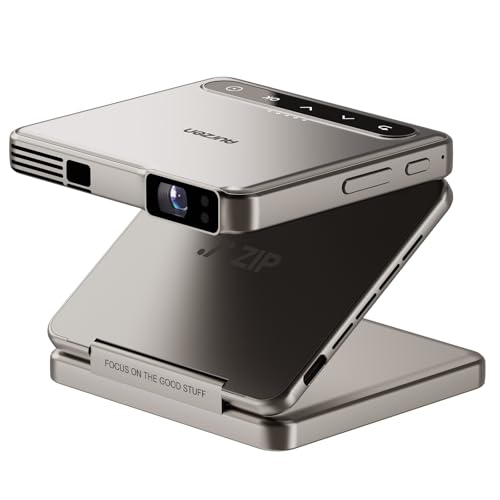
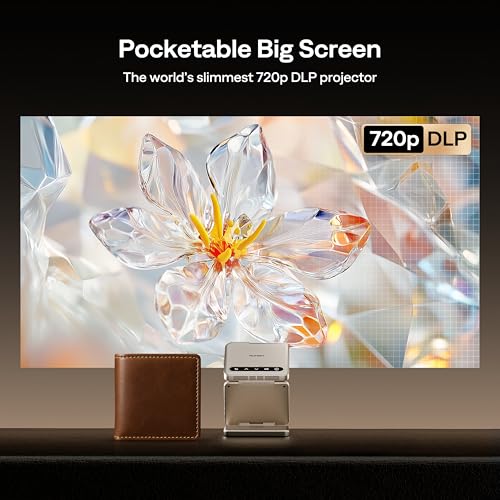
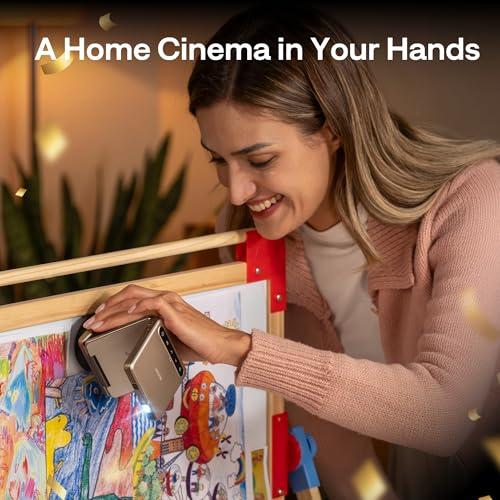
The Aurzen ZIP doesn't look like any projector you've seen before. When folded, it's genuinely shocking how small it is—at just 280 grams and roughly the size of a thick smartphone, it disappears into pockets where even some phones won't fit. But the real magic happens when you unfold it.
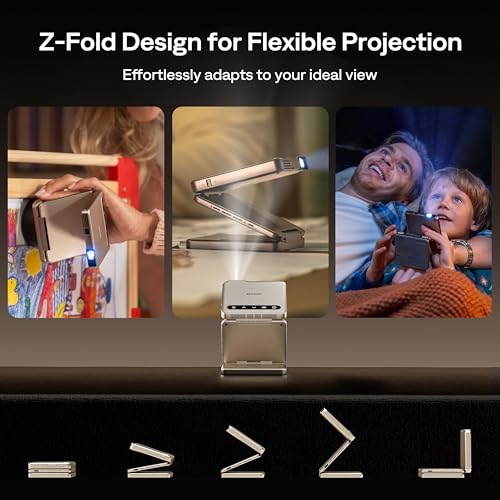
The tri-fold design uses a Z-shaped hinge system that transforms the compact rectangle into a stable projection platform with built-in angle adjustment. This isn't just clever engineering for the sake of being different—it solves real problems. Want to project onto the ceiling while lying in bed? The Aurzen ZIP makes it effortless. Need to project at an odd angle in a cramped hotel room? The gimbal system handles it automatically.
The Aurzen ZIP uses Texas Instruments' smallest-ever 0.16-inch DMD chip, which is remarkable engineering. To put this in perspective, most portable projectors use 0.23-inch or larger chips. Making a smaller chip work required developing new pixel-shifting technology called XPR that effectively doubles the resolution from the chip's native 640×360 to create a 720p image.
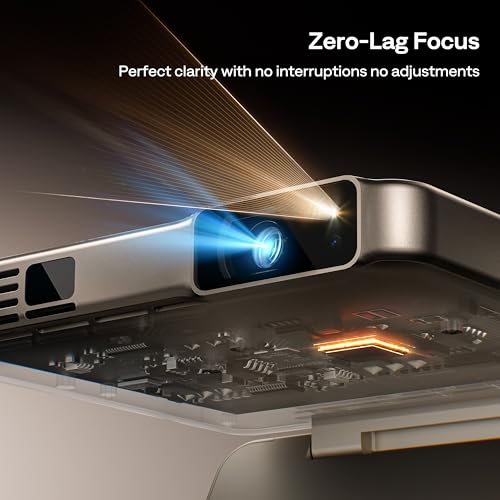
The ToF (Time-of-Flight) auto-focus system deserves special mention. Borrowed from aerospace technology, it measures the distance to your projection surface 30 times per second and automatically adjusts focus and keystone correction (fixing the trapezoid shape when projecting at angles). In practice, this means you unfold the projector, press power, and within seconds you have a perfectly focused, properly shaped image regardless of how you've positioned it.
But here's where the compromises become clear. That tiny 0.16-inch chip and the ultra-compact LED light source combine to produce just 100 ANSI lumens of brightness. This is enough for a sharp, colorful image in a dark room, but forget about using it anywhere with ambient light. The 720p resolution, while adequate for content viewing, shows its limitations on screens larger than 60 inches.
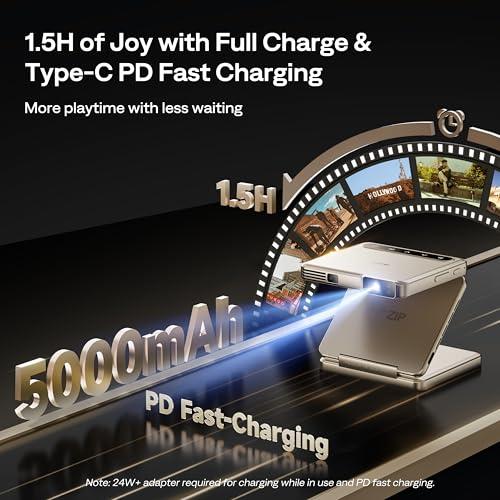
The battery situation is similarly constrained by physics. A 5,000mAh battery in such a small device gives you about 90 minutes of viewing time—enough for most TV episodes or shorter movies, but you'll need external power for anything longer.
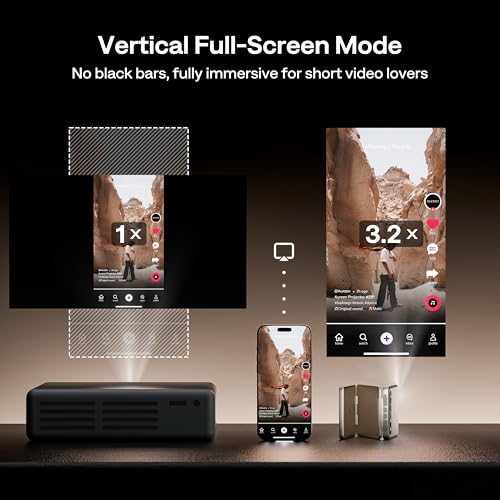
Despite these limitations, the Aurzen ZIP excels in scenarios where traditional projectors simply can't compete. I've used mine for ceiling projection in hotel rooms (surprisingly relaxing for bedtime Netflix), outdoor movie nights where setup space was limited, and even portrait-mode projection for social media content—something no other projector handles well.
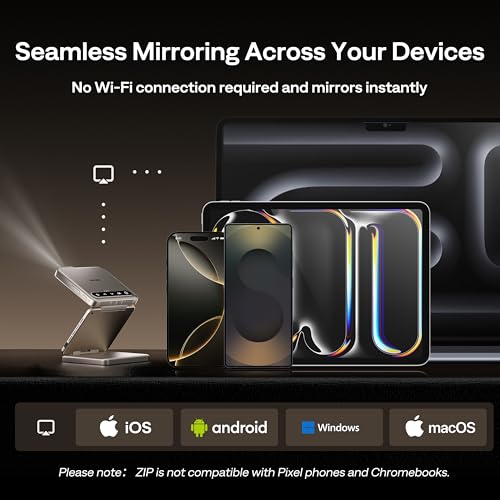
The wireless connectivity deserves praise too. The AirLink system connects to your devices without needing Wi-Fi networks or complex pairing procedures. It's literally as simple as connecting AirPods, and it works reliably with iOS, Android, Windows, and Mac devices (though notably not with Pixel phones or Chromebooks).
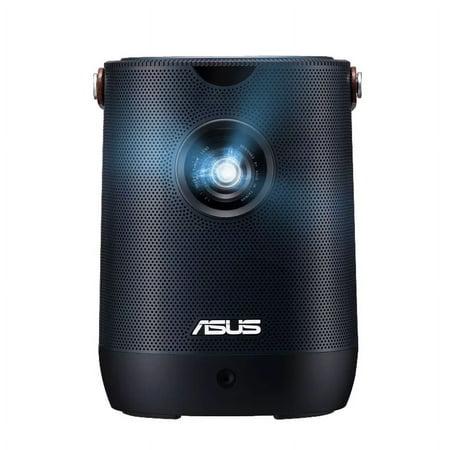
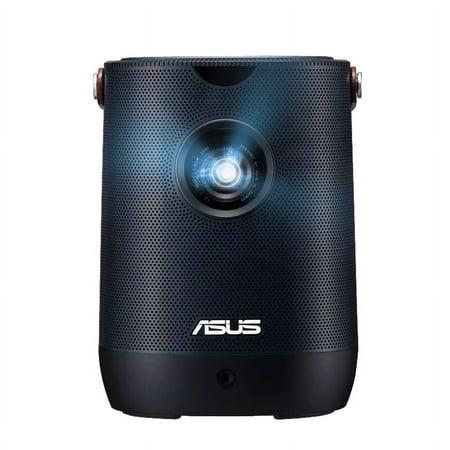
The ASUS ZenBeam L2 takes a completely different philosophy. At 1.57 kilograms, it's about six times heavier than the Aurzen ZIP, but those extra grams buy you significant performance improvements that matter for serious viewing.
The most obvious difference is image quality. The ZenBeam L2 uses a larger 0.23-inch DLP chip that natively produces 1080p resolution without pixel shifting tricks. The difference is immediately apparent—text is crisp, fine details are clearly visible, and the overall image has the sharpness you expect from modern displays.
At 400 ANSI lumens, the ZenBeam L2 is four times brighter than the Aurzen ZIP. This isn't just a numbers game—it's the difference between a projector that only works in pitch-black rooms and one that's usable with some ambient light. You can watch comfortably with a few lamps on, or use it for presentations in meeting rooms without completely darkening the space.
The LED light source uses separate red, blue, and green LEDs rather than the laser system in the ZIP. LEDs are more power-efficient and tend to produce more natural colors, though they lack some of the pop that laser systems can deliver. The 30,000-hour lifespan means the light source will likely outlast the rest of the projector.
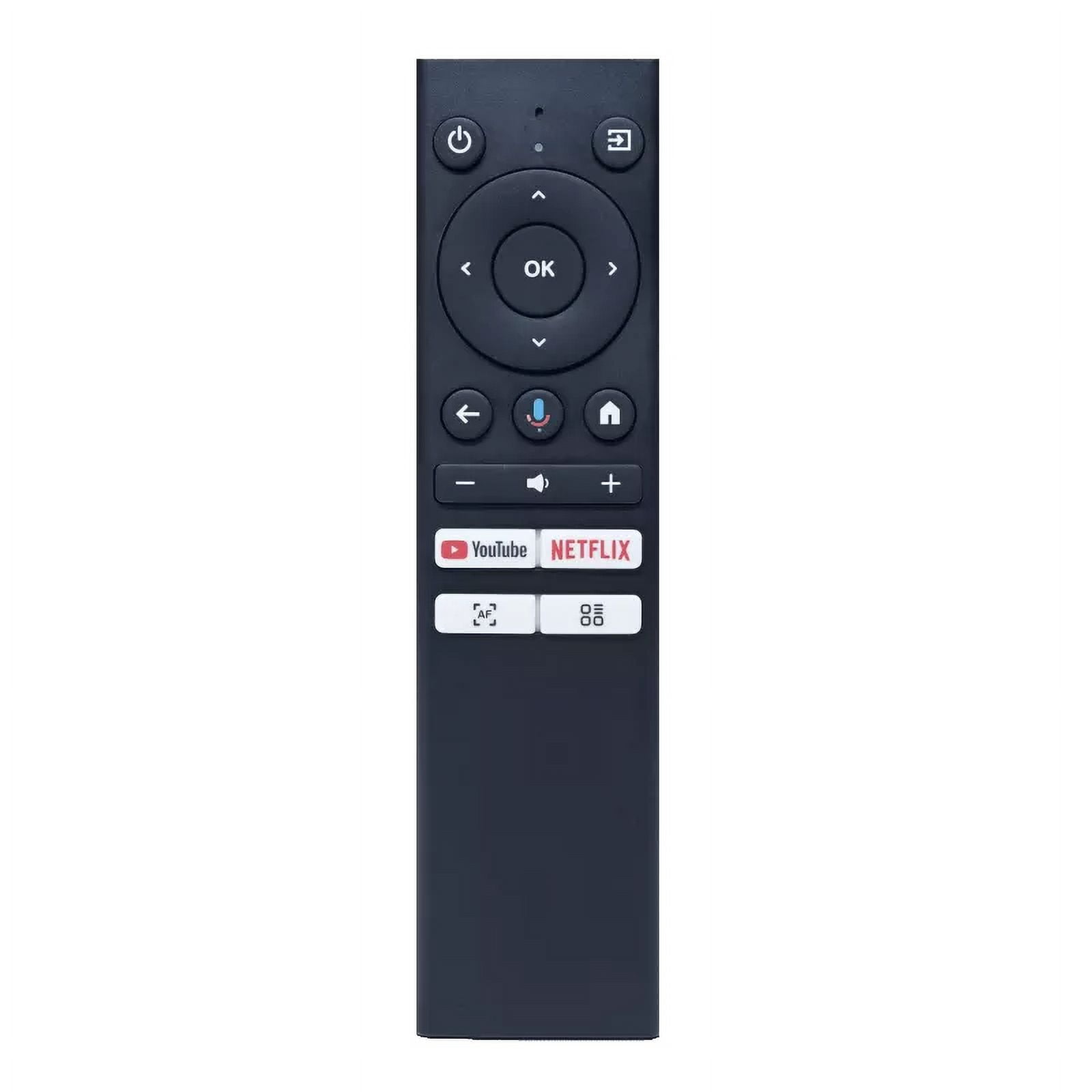
The ASUS ZenBeam L2 includes a Google-certified Android TV box, which is basically a streaming device built right into the projector. This means you get Netflix, YouTube, Disney+, and thousands of other apps without needing to connect external devices. The interface is smooth and responsive, and it eliminates the DRM (Digital Rights Management) issues that plague simple screen mirroring.
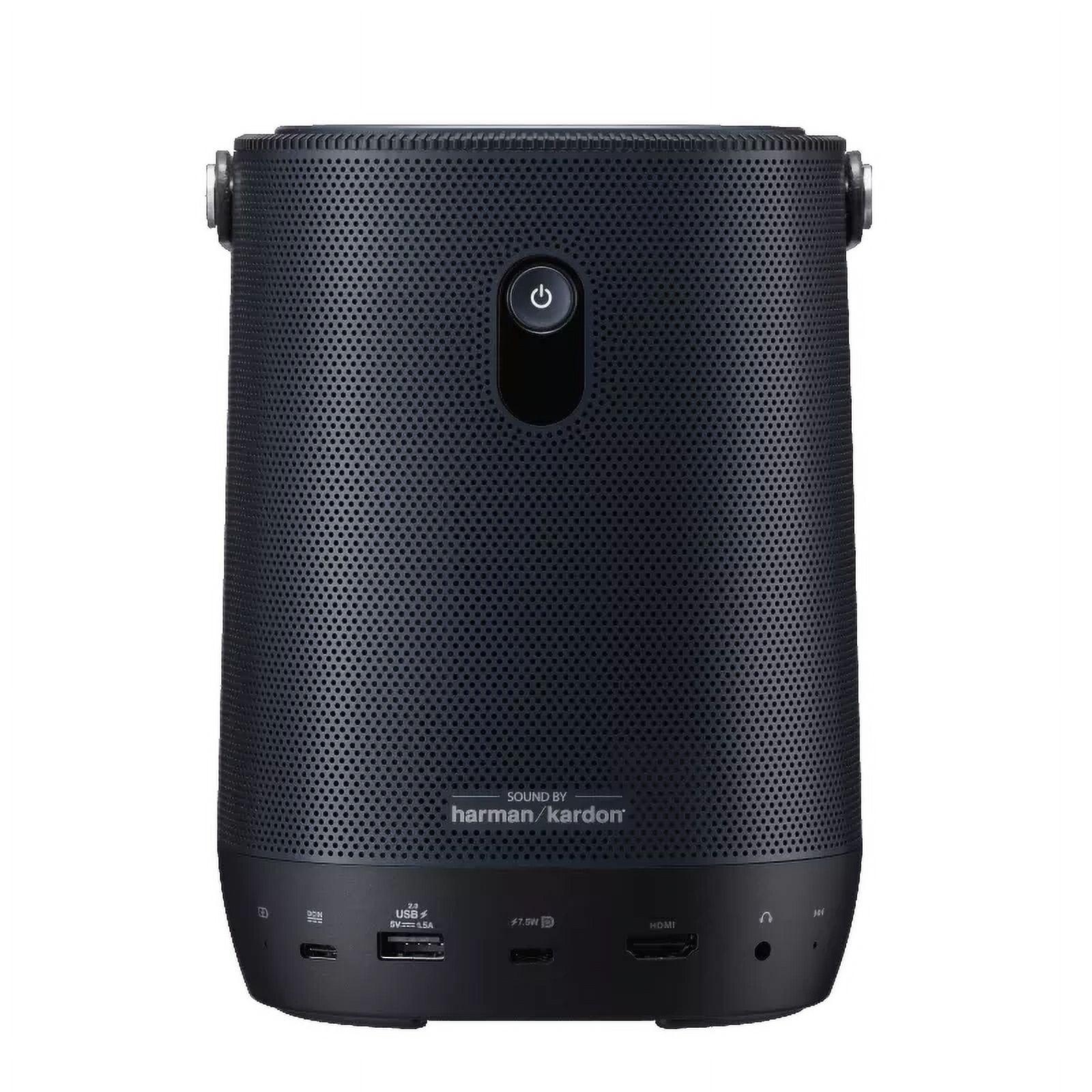
The audio system is notably better too. The 10W Harman Kardon speaker produces surprisingly good sound for a portable projector—not audiophile quality, but decent enough that you won't immediately reach for external speakers like you would with the ZIP's tiny 1W drivers.
The larger chassis allows for a substantial 65Wh battery that provides 3.5 hours of viewing time. This crosses the crucial threshold of handling feature-length movies without external power. Combined with the brighter image and smart TV features, it makes the ZenBeam L2 genuinely practical for extended entertainment sessions.
Having used both projectors extensively, certain performance characteristics matter more than the spec sheets suggest. Brightness uniformity across the image is crucial—some projectors are brighter in the center and dimmer at edges. Both projectors handle this well, though the ZenBeam L2 has a slight edge due to its more sophisticated optical system.
Color accuracy is another key differentiator. The ZenBeam L2's 120% sRGB color gamut coverage produces noticeably more natural skin tones and realistic colors in movies. The ZIP's laser system can create very saturated colors, but they sometimes look artificially vivid compared to what you'd see on a quality TV.
Input lag matters for gaming. Both projectors handle 60Hz content smoothly, but neither is designed for competitive gaming where every millisecond counts. For casual gaming sessions, both work fine.
Focus consistency is where the ZIP's ToF system really shines. Traditional auto-focus systems hunt back and forth trying to find the sharpest image, but the ZIP's distance-measuring approach is nearly instantaneous and consistently accurate.
For dedicated home theater use, both projectors face limitations compared to traditional models, but they serve different niches. The ASUS ZenBeam L2 works well as a secondary theater setup—perhaps in a bedroom or for outdoor movie nights where you want good image quality without permanent installation.
The Aurzen ZIP is less suited to traditional home theater scenarios due to its brightness limitations, but it excels at creating unique viewing experiences. Ceiling projection for bedtime viewing, or quick setup for impromptu family movie nights are where its flexibility shines.
Neither projector produces the deep blacks or vibrant highlights you'd get from a quality TV or dedicated home theater projector, but both are adequate for casual viewing in appropriate environments.
As of late 2024 and early 2025, both projectors command premium pricing in their respective categories, though for different reasons. The ASUS ZenBeam L2 costs more than basic portable projectors but offers significantly better performance and features. You're paying for proven technology executed well.
The Aurzen ZIP carries a price premium for its innovative design and extreme portability. Whether this premium is worth it depends entirely on how much you value the unique capabilities the tri-fold design enables.
From a pure performance-per-dollar standpoint, the ZenBeam L2 offers better traditional projector value. But if ultra-portability and unique positioning capabilities solve specific problems for you, the ZIP's premium becomes justifiable.
After extensive testing, I've found that choosing between these projectors comes down to honest assessment of your primary use cases.
Choose the Aurzen ZIP Tri-Fold if:
You're frequently traveling and want entertainment options that don't depend on hotel TV quality. The ability to project onto any surface—including ceilings—opens up possibilities that traditional projectors simply can't match. It's also excellent for outdoor activities like camping where space and weight are at a premium. The instant setup and ToF auto-focus make it incredibly user-friendly, and the unique form factor enables creative uses like portrait-mode projection for social media content.
However, be realistic about its limitations. This isn't a replacement for your main TV or a serious home theater setup. It's a supplementary device that excels at providing decent-quality viewing in situations where traditional projectors would be impractical.
Choose the ASUS ZenBeam L2 if:
You want a portable projector that can serve as a primary entertainment device in appropriate settings. The combination of 1080p resolution, 400 ANSI lumens brightness, and 3.5-hour battery life makes it practical for regular movie nights, whether indoors or outdoors. The built-in Android TV system eliminates the need for additional streaming devices, and the audio quality is good enough for casual viewing.
This projector works well for anyone who needs occasional portability but doesn't want to sacrifice too much image quality. It's particularly good for renters who can't install permanent entertainment systems, or for people who want flexibility in their viewing locations without the extreme compromises of ultra-portable designs.
The portable projector market has evolved to offer genuinely different solutions for different needs. The Aurzen ZIP represents the bleeding edge of miniaturization and convenience, while the ASUS ZenBeam L2 offers a more traditional but refined approach to portable entertainment. Neither is perfect, but both excel in their intended roles when matched with appropriate expectations and use cases.
Your choice should ultimately depend on whether you prioritize revolutionary portability and unique capabilities over traditional image quality and extended viewing sessions. Both projectors succeed in their missions—the question is which mission aligns with your needs.
| Aurzen ZIP Tri-Fold Portable Mini Projector | ASUS ZenBeam L2 Smart Portable LED Projector |
|---|---|
| Portability - Critical factor for travel and spontaneous use | |
| 280g, pocket-sized when folded (84x78x26mm) | 1.57kg, bag-portable (132x172x132mm) |
| Native Resolution - Determines image sharpness and detail | |
| 720p (1280x720) via pixel-shifting technology | True 1080p (1920x1080) native resolution |
| Brightness - Most important for visibility in ambient light | |
| 100 ANSI lumens (dark room only) | 400 ANSI lumens (usable with some ambient light) |
| Battery Life - Affects viewing session length without power | |
| 90 minutes (adequate for short content) | 3.5 hours (handles feature-length movies) |
| Unique Design Features - What sets each apart | |
| Tri-fold design with 180° flexible projection angles | Traditional portable design with short-throw lens |
| Setup Convenience - How quickly you can start watching | |
| ToF zero-lag auto-focus, Wi-Fi-free screen mirroring | Auto-focus, keystone correction, obstacle avoidance |
| Smart Features - Built-in streaming capabilities | |
| Screen mirroring only, requires external streaming device | Full Android TV box with Netflix and app ecosystem |
| Audio Quality - Built-in speaker performance | |
| Dual 1W speakers (external audio recommended) | 10W Harman Kardon speaker (adequate for most content) |
| Light Source Technology - Affects color quality and lifespan | |
| RGB laser system, 20,000-hour lifespan | LED array system, 30,000-hour lifespan |
| Connectivity Options - Device compatibility and ports | |
| USB-C, wireless mirroring, optional CastPlay HDMI dongle | HDMI, USB-C DisplayPort, USB-A, 3.5mm audio out |
| Best Use Cases - Where each projector excels | |
| Travel, camping, ceiling projection, unique angles | Home entertainment, presentations, outdoor movie nights |
The Aurzen ZIP Tri-Fold Portable Mini Projector is significantly more portable, weighing just 280g and folding down to pocket size (84x78x26mm). The ASUS ZenBeam L2 weighs 1.57kg and requires a bag for transport, though it's still considered portable for a projector.
The ASUS ZenBeam L2 delivers superior image quality with native 1080p resolution and 400 ANSI lumens brightness. The Aurzen ZIP offers 720p resolution through pixel-shifting and 100 ANSI lumens, making it suitable only for dark room viewing.
The ASUS ZenBeam L2 Smart Portable LED Projector provides 3.5 hours of battery life, enough for full movies. The Aurzen ZIP offers 90 minutes of runtime, suitable for shorter content or presentations.
Only the ASUS ZenBeam L2 includes built-in Android TV with Netflix and other streaming apps. The Aurzen ZIP Tri-Fold requires screen mirroring from your phone or tablet, or an optional CastPlay dongle for streaming services.
The ASUS ZenBeam L2 handles ambient light much better due to its 400 ANSI lumens brightness. The Aurzen ZIP at 100 ANSI lumens requires completely dark rooms for optimal viewing.
The Aurzen ZIP features a unique tri-fold design that allows 180° flexible projection, including ceiling projection. Its built-in gimbal and ToF auto-focus technology enable instant setup at any angle, something traditional projectors like the ASUS ZenBeam L2 cannot match.
The ASUS ZenBeam L2 Smart Portable LED Projector includes a 10W Harman Kardon speaker that's adequate for most viewing. The Aurzen ZIP has dual 1W speakers that typically require external audio for quality sound.
The Aurzen ZIP Tri-Fold Portable Mini Projector excels for travel due to its pocket size and unique positioning capabilities. While the ASUS ZenBeam L2 offers better image quality, its larger size and weight make it less convenient for frequent travel.
Neither projector fully replaces a dedicated home theater setup, but the ASUS ZenBeam L2 comes closer with its 1080p resolution, longer battery life, and built-in streaming. The Aurzen ZIP works better as a supplementary device for unique viewing scenarios.
Both the Aurzen ZIP and ASUS ZenBeam L2 can project up to 120 inches, but optimal viewing differs. The ZIP works best at 40-60 inches due to brightness limitations, while the ZenBeam L2 maintains good image quality at larger sizes.
The Aurzen ZIP Tri-Fold offers the fastest setup with instant auto-focus and Wi-Fi-free screen mirroring. The ASUS ZenBeam L2 Smart Portable LED Projector requires standard setup but includes comprehensive auto-correction features for easy positioning.
Value depends on your priorities: the ASUS ZenBeam L2 provides better traditional projector performance per dollar with superior image quality and features. The Aurzen ZIP offers premium value for users who prioritize revolutionary portability and unique positioning capabilities over raw performance.
We've done our best to create useful and informative comparisons to help you decide what product to buy. Our research uses advanced automated methods to create this comparison and perfection is not possible - please contact us for corrections or questions. These are the sites we've researched in the creation of this article: aurzen.com - youtube.com - tomsguide.com - aurzen.com - aurzen.com - projectorcentral.com - appleinsider.com - youtube.com - aurzen.com - aurzen.com - aurzen.com - aurzen.com - projectorcentral.com - youtube.com - mezha.media - asus.com - asus.com - youtube.com - projectorreviews.com - asus.com - digitalcameraworld.com - youtube.com - asus.com - digitalcitizen.life - tweakreviews.com - shop.asus.com - edgeup.asus.com - asus.com - projectorcentral.com - asus.com - uk.store.asus.com - asus.com - thegadgetflow.com - bhphotovideo.com - asus.com - asus.com

Privacy Policy
Terms and Conditions - Affiliate Policy
Home Security
© Copyright 2008-2026.
11816 Inwood Rd #1211, Dallas, TX 75244