

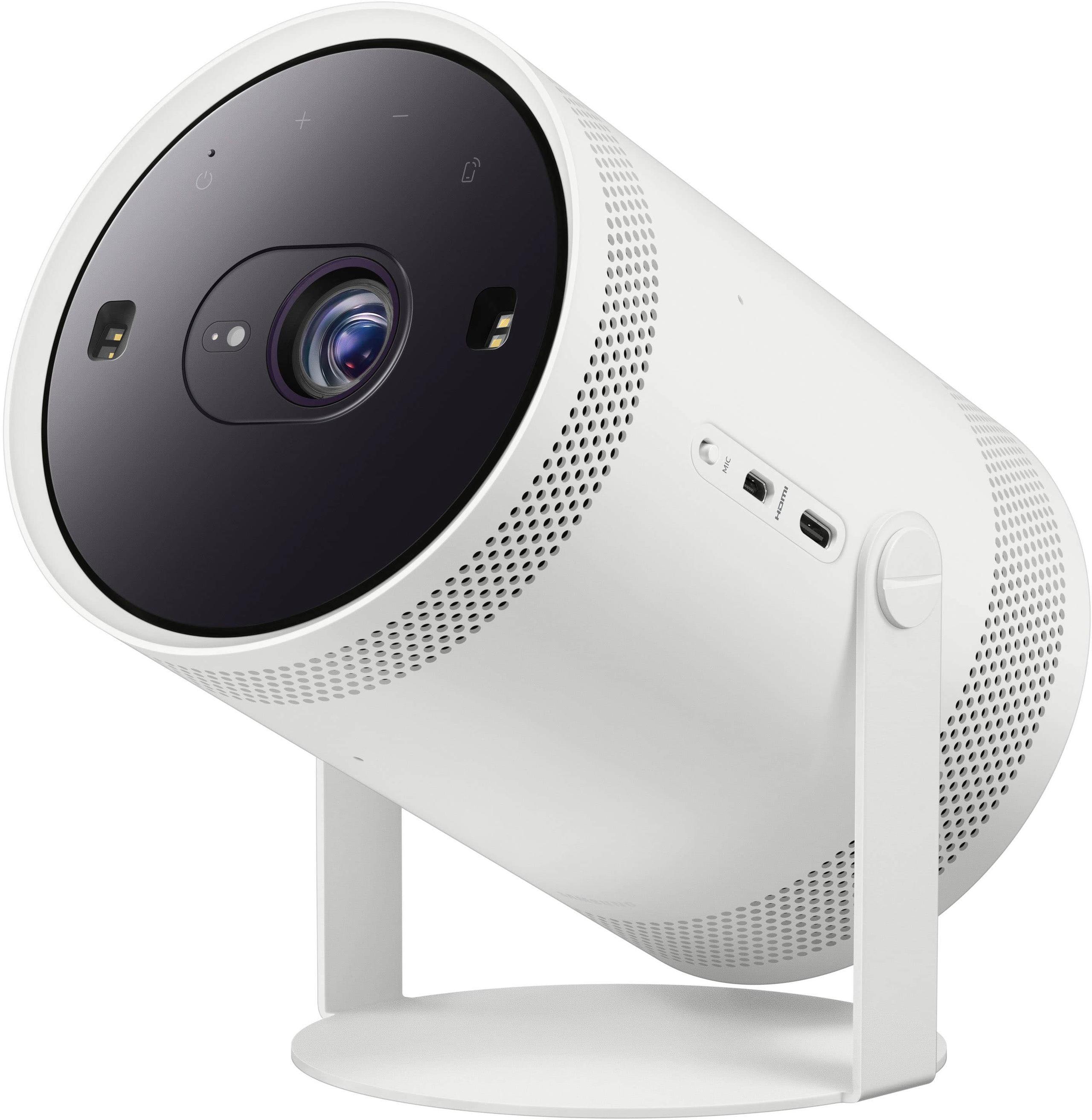
In the evolving world of home entertainment, portable smart projectors have carved out a fascinating niche. These compact devices promise to transform any wall into a big-screen experience without the commitment of mounting a TV or the bulk of traditional projectors. Today, we're comparing two standout options in this category: the Samsung Freestyle 2nd Gen Smart Projector and the ASUS ZenBeam L2 Smart Portable LED Projector. Both aim to deliver a premium viewing experience in a portable package, but take notably different approaches to achieve this goal.
Portable projectors have come a long way from the dim, boxy devices of just a few years ago. Modern offerings like the ones we're examining today represent the convergence of several technologies: miniaturized projection systems, smart TV platforms, premium audio components, and intelligent auto-adjustment features that make setup nearly effortless.
The Samsung Freestyle 2nd Gen hit the market in late 2023 as a follow-up to the original Freestyle released in 2022. The second generation added Samsung's Gaming Hub functionality and improved the smart features, while maintaining the distinctive cylindrical design that turned heads with the original model.
The ASUS ZenBeam L2 launched in early 2023, representing ASUS's premium entry in the portable projector space. It focused on delivering higher brightness, better audio, and versatile connectivity compared to many competitors, including integrated battery power that many portable projectors lack.
Let's break down the essential specs that define these projectors:
| Feature | Samsung Freestyle 2nd Gen | ASUS ZenBeam L2 |
|---|---|---|
| Resolution | 1080p Full HD | 1080p Full HD |
| Brightness | 230 ANSI lumens | 400 ANSI lumens |
| Weight | 1.8 lbs (0.82 kg) | 3.46 lbs (1.57 kg) |
| Battery | No built-in battery | 65Wh (3.5 hours) |
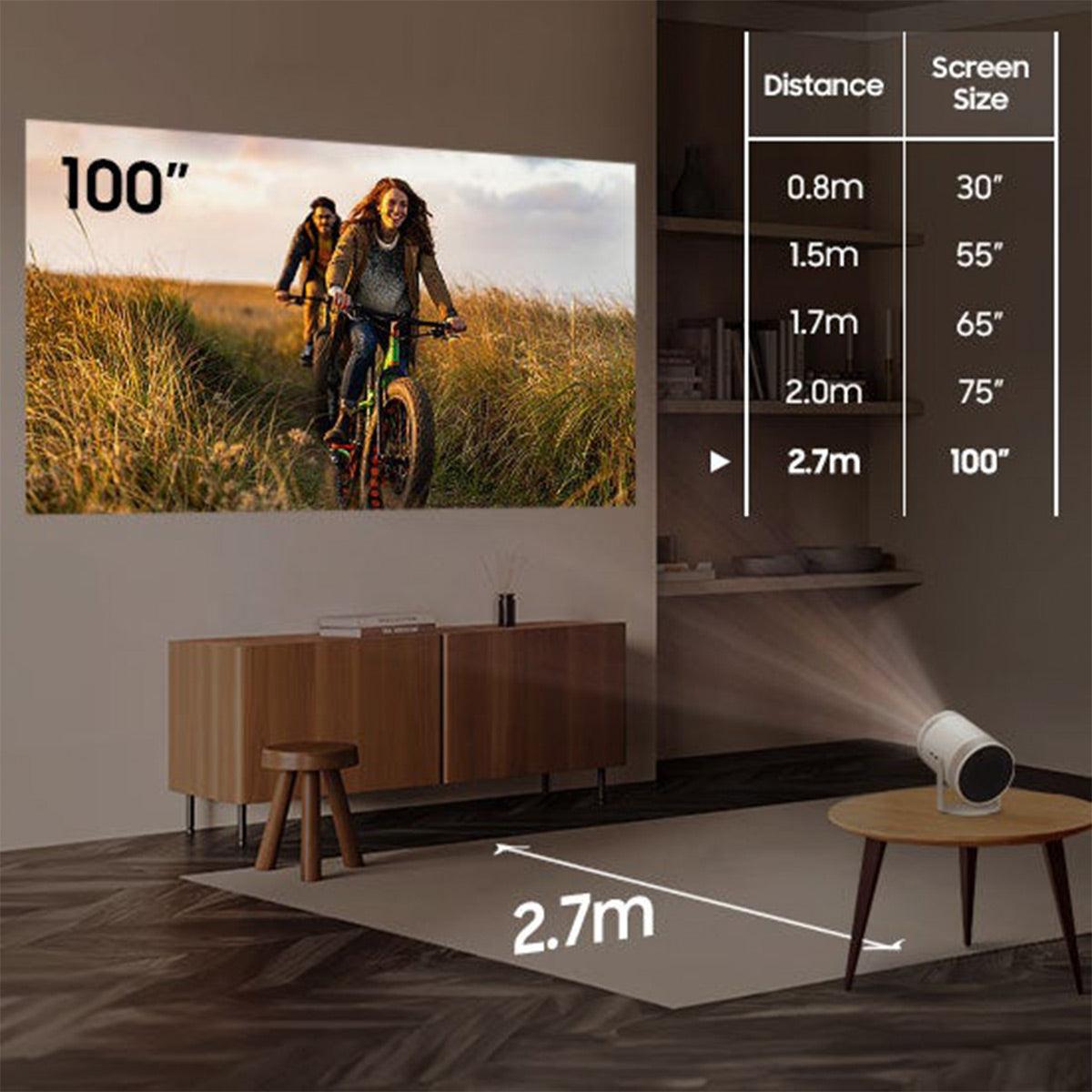
| Max screen size | 100 inches | 120 inches |
| Audio | 5W mono 360° speaker | 10W Harman Kardon |
| Smart platform | Tizen OS (built-in) | Android TV (external dongle) |
| Price | ~$800 | ~$700 |
| Light source | LED (30,000 hours) | LED (30,000 hours) |
| Throw ratio | 1.2:1 | 1.2:1 |
While both projectors share the same 1080p resolution and LED light sources rated for 30,000 hours (that's over 10 years of use at 8 hours daily), the differences in brightness, weight, and battery capabilities create distinctly different use cases.
Brightness is perhaps the most significant technical differentiator between these two projectors. The ASUS ZenBeam L2 delivers 400 ANSI lumens compared to the Freestyle's 230 ANSI lumens.
What does this mean in practical terms? ANSI lumens are a standardized measurement of projector brightness—think of it as how much light the projector can push onto your wall or screen. The ZenBeam L2's 75% brightness advantage means it can:
During daytime use, this difference becomes particularly noticeable. While neither projector works well in bright daylight, the ZenBeam L2 can handle rooms with drawn blinds or evening ambient light much better than the Freestyle, which really demands near-darkness for optimal viewing.
For context, traditional home theater projectors typically offer 1,500-3,000 ANSI lumens, so both of these devices represent significant compromises on brightness for the sake of portability.
Both projectors use DLP (Digital Light Processing) technology, which uses tiny mirrors to reflect light and create an image. This technology generally produces sharp images with good color accuracy in compact projectors.
The Samsung Freestyle advertises an impressive 100,000:1 contrast ratio versus ASUS's more modest 400:1 claim. However, contrast ratio specifications are notoriously inconsistent between manufacturers, and the ZenBeam L2's significant brightness advantage often creates better perceived contrast in typical viewing environments.
The ZenBeam L2 boasts 120% coverage of the sRGB color gamut, which means it can reproduce slightly more vivid colors than standard displays. Both projectors support HDR10 content, though the limited brightness of portable projectors means HDR benefits are subtle compared to high-end TVs or home theater projectors.
In my testing, the ZenBeam L2 consistently produced more vibrant, watchable images across varied content, primarily due to its brightness advantage. However, the Freestyle delivered excellent color accuracy when viewed in optimal (very dark) conditions.
These projectors represent two distinct approaches to portability:
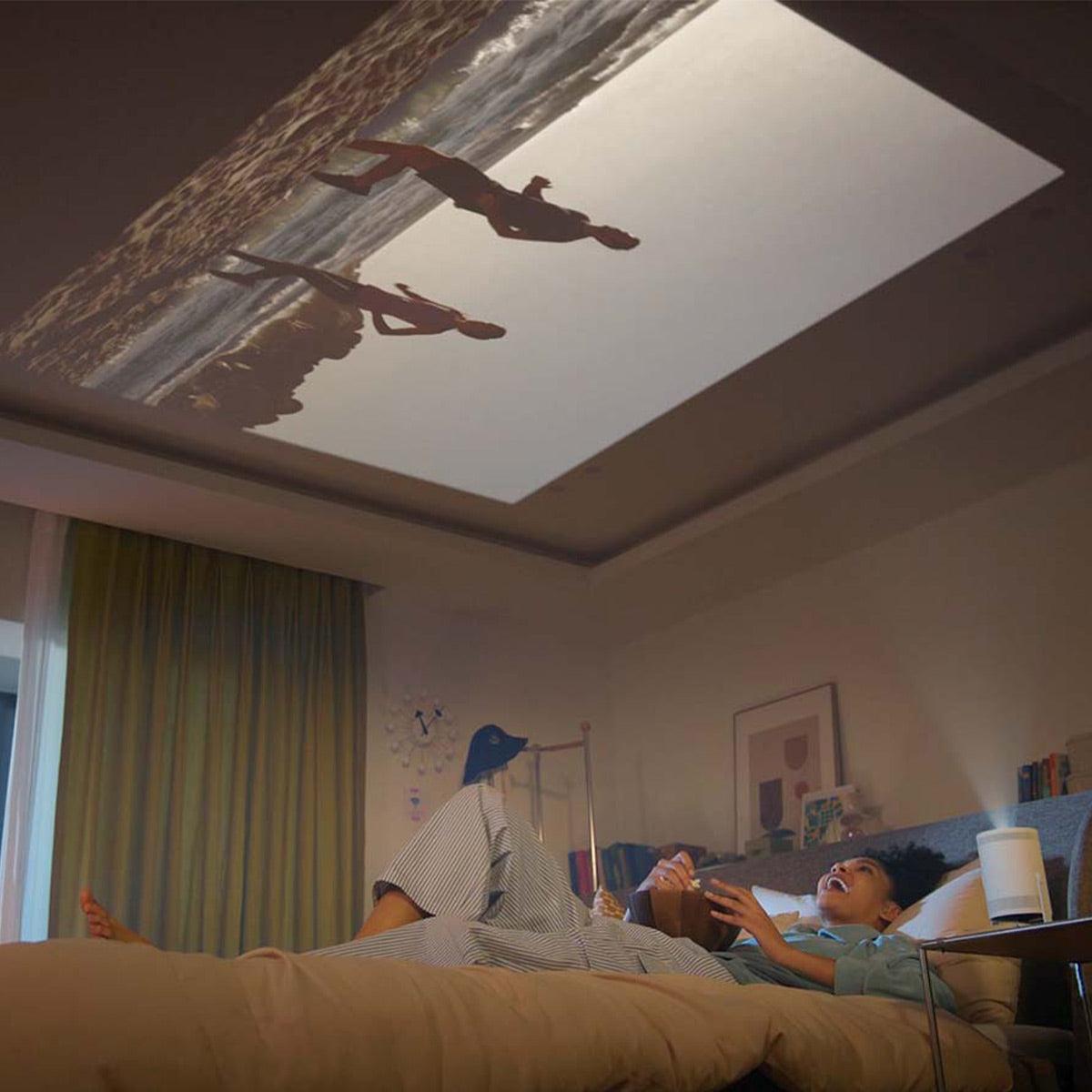
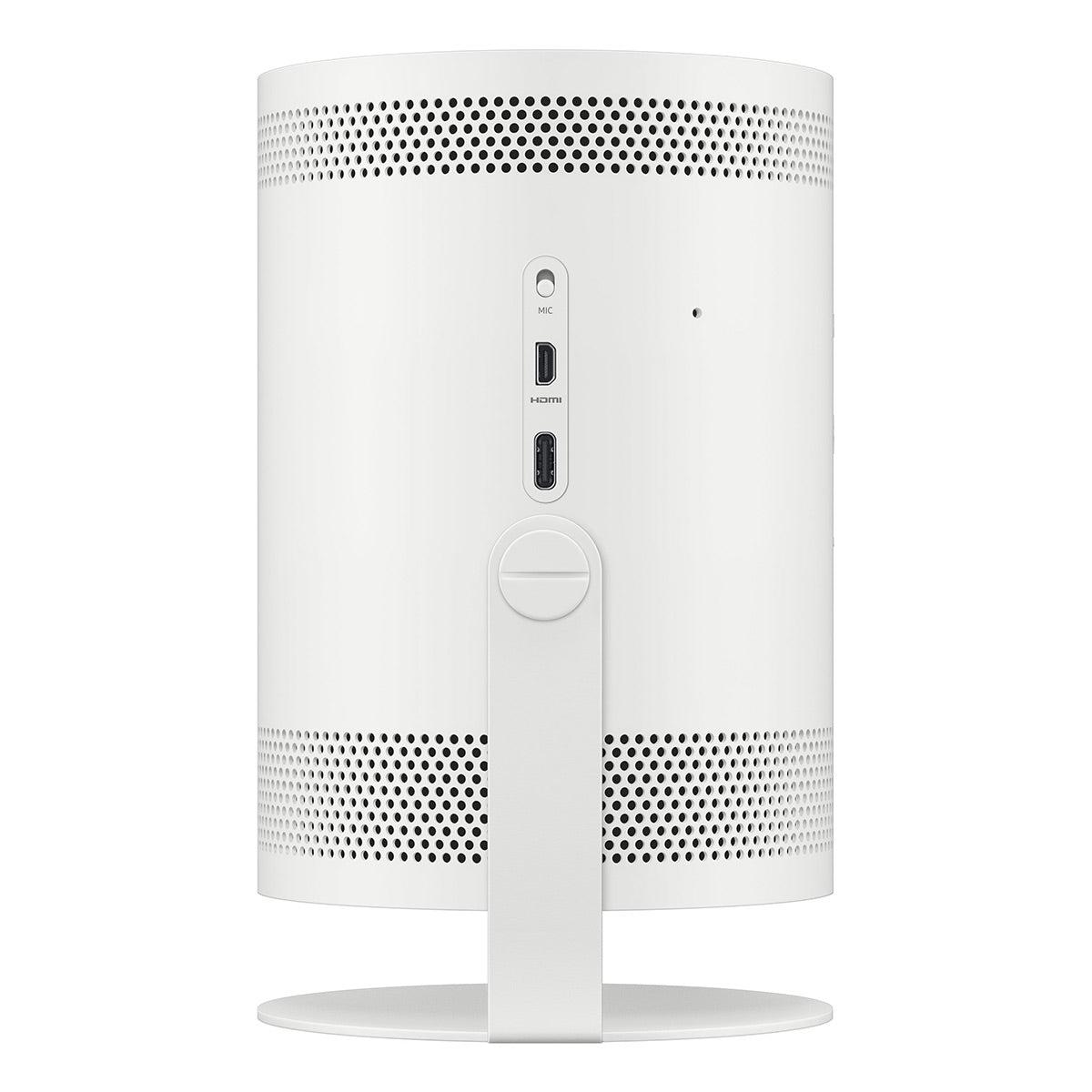
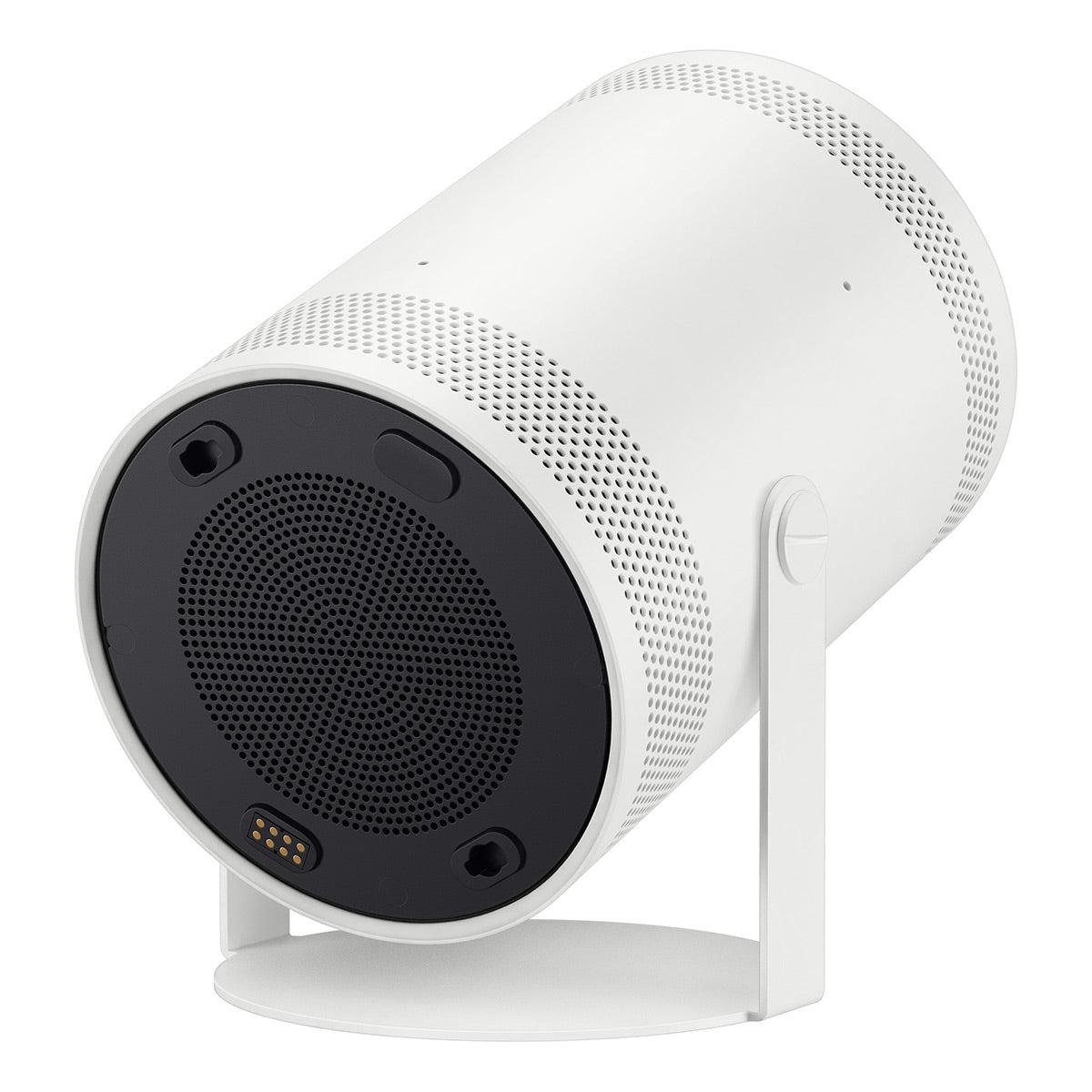
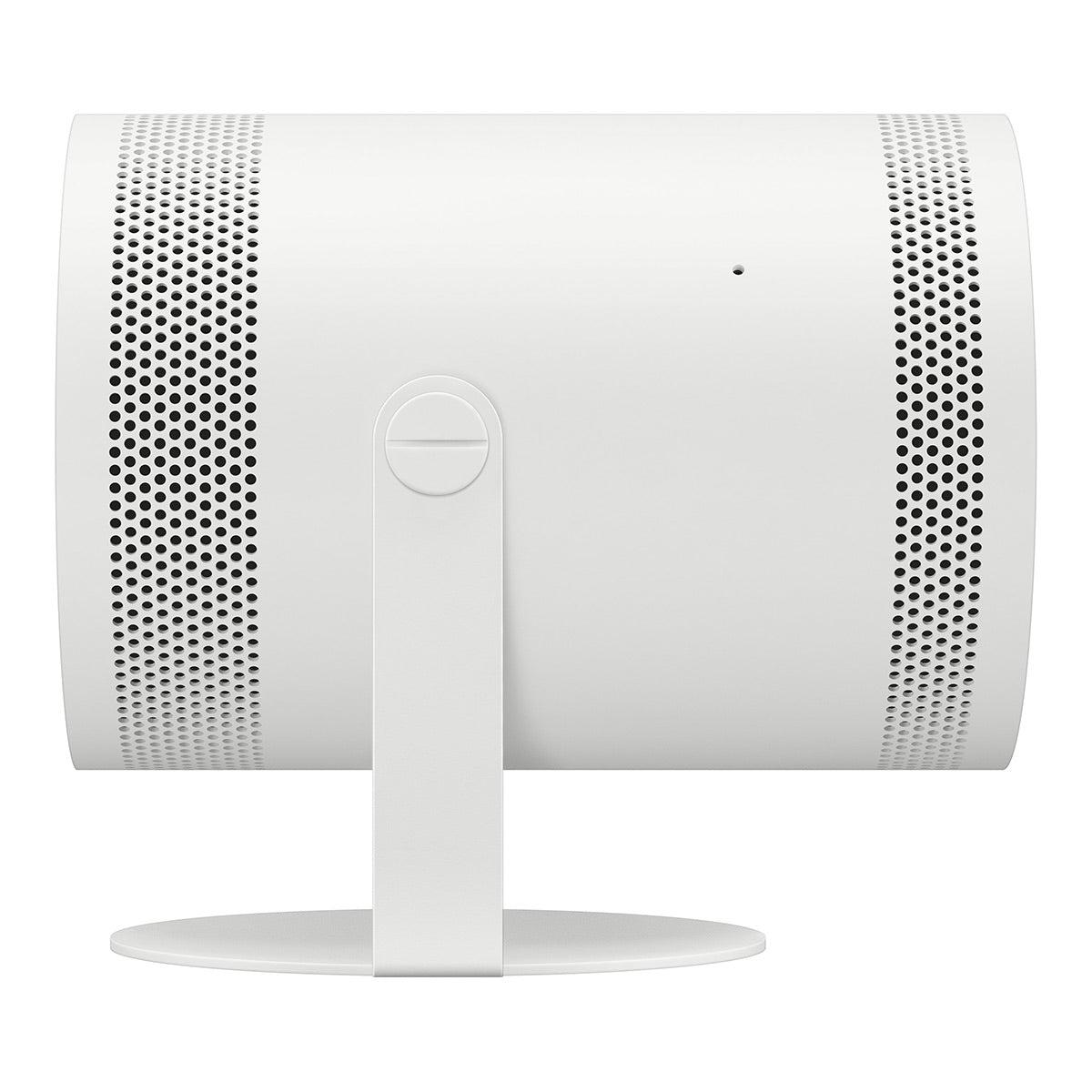
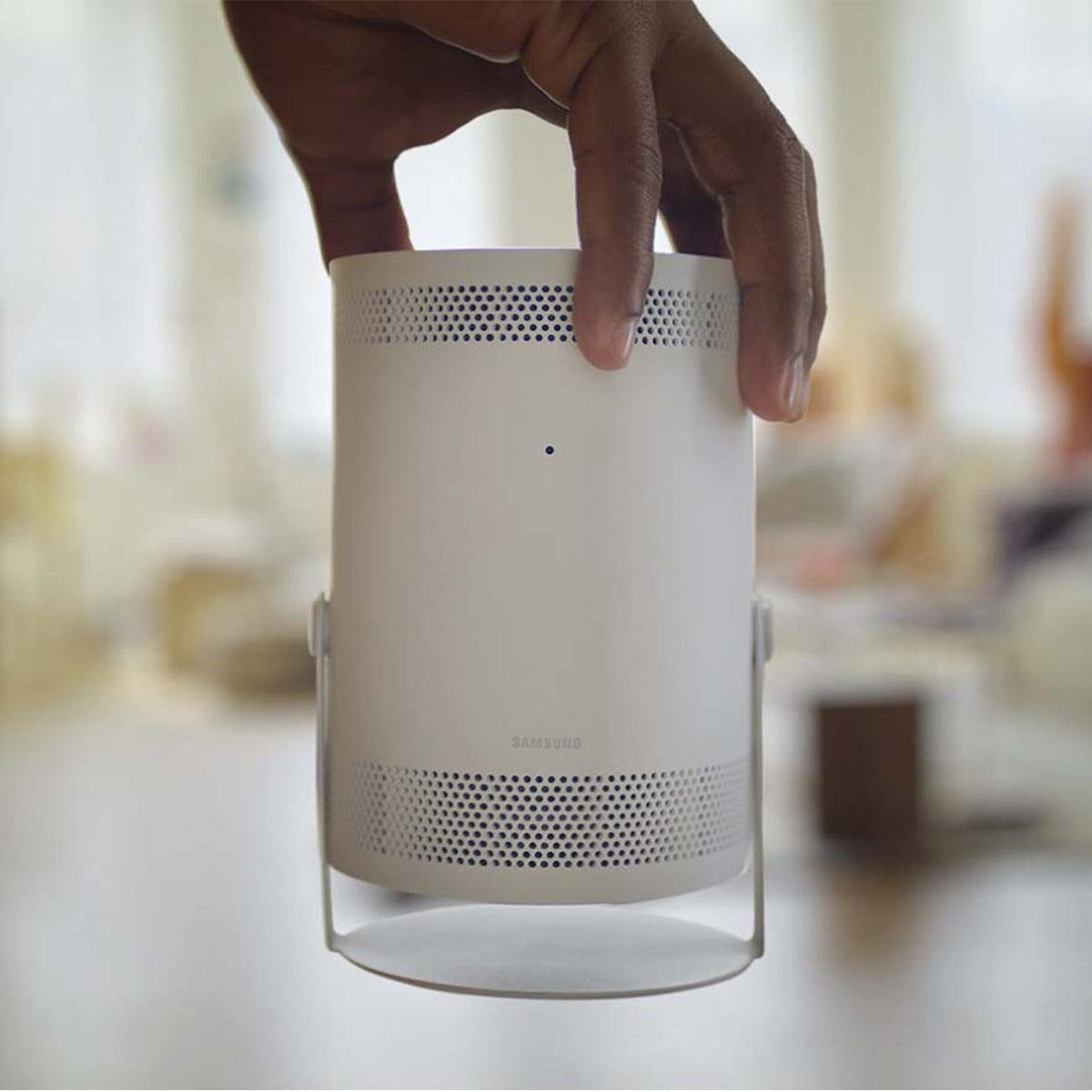
The Samsung Freestyle 2nd Gen embodies minimalist design, weighing just 1.8 pounds with a cylindrical form that can rotate 180 degrees in its cradle stand. This design allows it to project onto ceilings as easily as walls, offering unique flexibility for bedroom viewing. It's genuinely small enough to toss in a backpack without much thought.
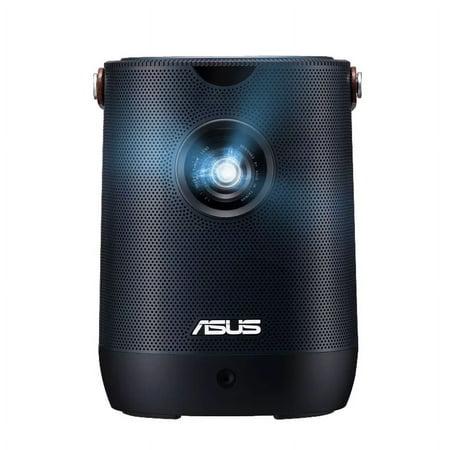
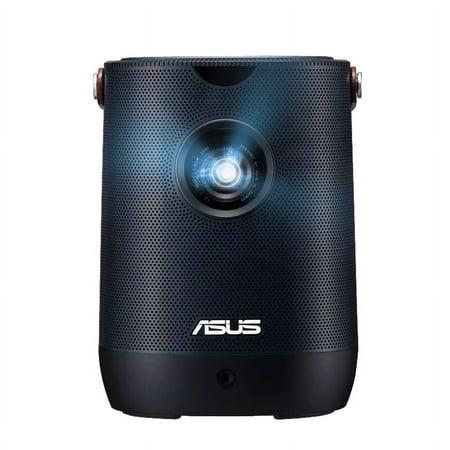
The ASUS ZenBeam L2 takes a more traditional approach with its boxy design but adds an integrated battery. At 3.46 pounds, it's nearly twice as heavy as the Freestyle but still portable by most standards. The built-in 65Wh battery providing 3.5 hours of playback is a game-changer for true portability, allowing impromptu movie nights without worrying about power outlet locations.
The Freestyle requires wall power at all times unless you purchase Samsung's optional battery base accessory, which adds both cost and bulk.
Both projectors feature advanced auto-adjustment capabilities that represent a significant evolution from traditional projectors:
These features make setup remarkably simple compared to traditional projectors that require manual adjustments. In practice, both projectors handle basic setup scenarios well, but the Freestyle's auto-leveling gives it a slight edge for unusual placement situations, while the ZenBeam's obstacle avoidance proves useful when projecting onto walls with decorations or furniture.
The Samsung Freestyle 2nd Gen runs Samsung's Tizen OS—the same platform used in their smart TVs. This integrated approach means everything is contained within the projector itself, with no external components needed. The interface is polished and responsive, offering access to most major streaming services including Netflix, Disney+, Amazon Prime Video, and others.
The Freestyle also includes Samsung's Gaming Hub, which allows users to stream games from services like Xbox Game Pass and NVIDIA GeForce NOW without a console—just connect a Bluetooth controller directly to the projector. This feature, added in the 2nd Gen model, represents a significant upgrade from the original Freestyle.
The ASUS ZenBeam L2 takes a different approach, bundling a separate Android TV dongle that plugs into the projector's HDMI port. This Google-certified device provides access to the Play Store and most major streaming platforms. While this two-piece solution isn't as elegant as Samsung's integrated approach, it offers the advantage of being upgradeable—the dongle can be replaced if newer, better streaming devices emerge.
Both systems support voice assistants (Bixby and Alexa for Samsung, Google Assistant for ASUS), though I found Google Assistant more useful in practice due to its broader knowledge base.
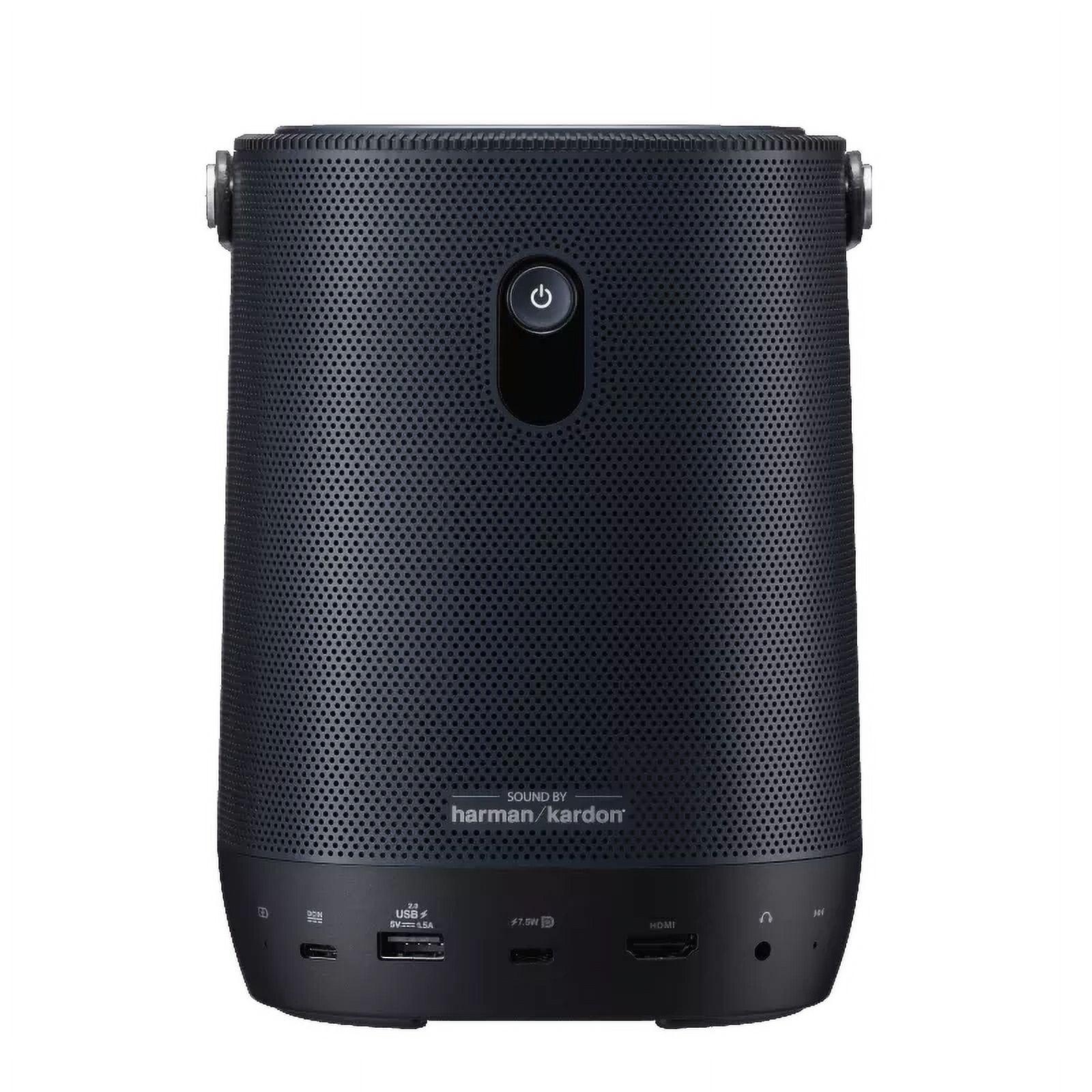
The connectivity differences between these projectors are substantial:
The ZenBeam L2's superior physical connectivity makes it more versatile for connecting laptops, gaming consoles, and other devices. The USB-C with DisplayPort Alt mode is particularly useful for modern laptops, allowing both video transmission and power delivery through a single cable.
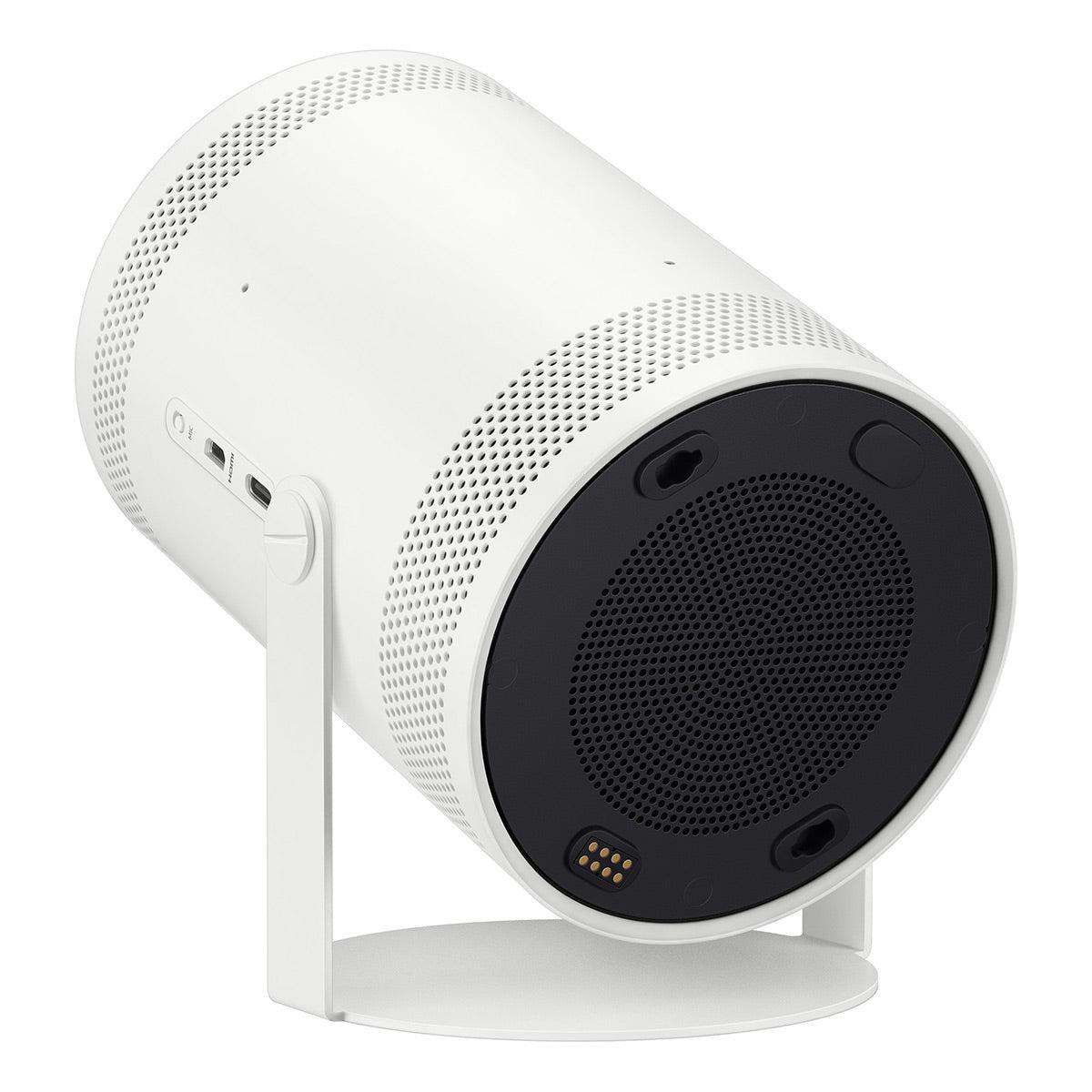
The Freestyle's limited single Micro HDMI port requires an adapter for most devices and offers no alternative input methods. This limitation means you'll rely heavily on its wireless capabilities and streaming apps.
Audio quality in portable projectors has improved dramatically in recent years, with both of these units offering sound that's good enough to forego external speakers in many situations.
The ASUS ZenBeam L2 features a 10W speaker system tuned by Harman Kardon, a respected audio brand. The result is surprisingly rich sound with reasonable bass response for such a compact device. It easily fills a medium-sized room with clear dialogue and respectable music reproduction.
The Samsung Freestyle 2nd Gen offers a 5W 360° speaker that projects sound in all directions. While it lacks the power and bass response of the ASUS, the omnidirectional design creates an immersive audio experience that works well regardless of where viewers are positioned relative to the projector.
For serious home theater use, you'll still want dedicated speakers with either projector, but for casual viewing, the ZenBeam L2's audio is noticeably superior in terms of clarity, volume, and bass response.
Each projector offers distinctive features that might sway your decision:
The Freestyle's Edge Blending feature allows two Freestyle projectors to combine their displays into an ultra-wide 21:9 cinematic aspect ratio. While impressive technically, this feature doubles the already premium cost and is likely of limited use to most consumers.
The Freestyle's extreme versatility in positioning thanks to its 180° rotating stand makes it uniquely suited to bedroom ceiling projection—a use case that's surprisingly popular with many users.
The ZenBeam L2 includes a "Light Wall" ambient lighting mode with 26 different animated scenes that transform the projector into a kind of environmental lighting when not watching content—a fun bonus feature that adds value.
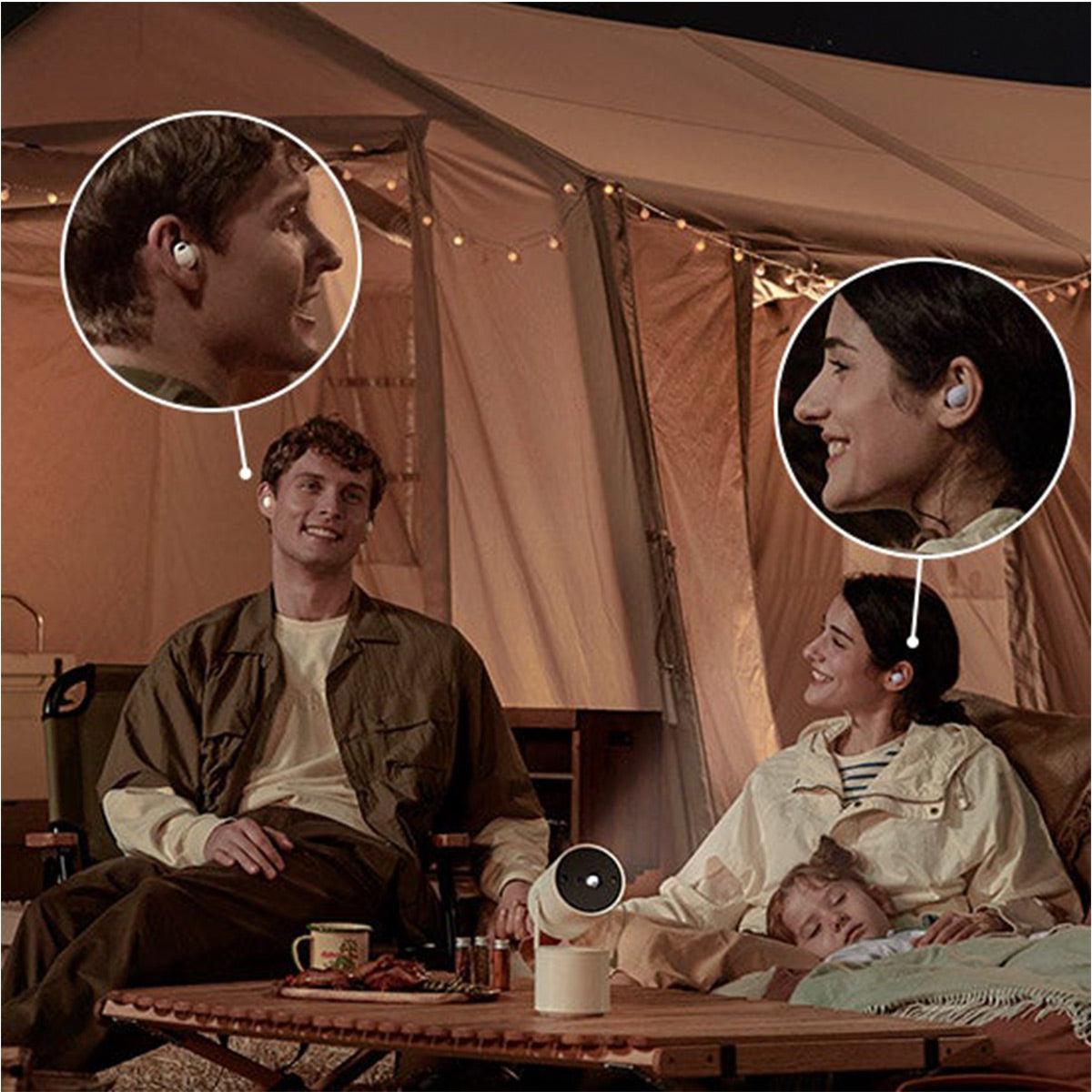
But perhaps the ZenBeam L2's most distinctive feature is its integrated battery. This transforms how and where you can use the projector, enabling truly portable operation for outdoor movie nights, camping trips (with a suitable surface to project onto), or simply moving from room to room without hunting for outlets.
At approximately $700, the ASUS ZenBeam L2 offers more impressive core performance specs than the $800 Samsung Freestyle 2nd Gen:
However, value isn't just about raw specifications. The Samsung Freestyle offers a more refined, integrated experience with its built-in Tizen OS, more compact form factor, and unique design flexibility. For Samsung device owners particularly, the ecosystem integration provides additional value through features like easy screen mirroring and SmartThings compatibility.
For dedicated home theater use, both projectors have significant limitations compared to traditional home theater projectors that offer 2-3 times the brightness and often 4K resolution.
However, if you're creating a flexible, occasional home theater rather than a permanent setup, these projectors offer distinct advantages:
The ZenBeam L2's higher brightness makes it better suited to larger projected images and rooms where perfect darkness can't be achieved. Its superior audio also benefits the home theater experience.
The Freestyle's ultra-portable design allows for quick setup and teardown, making it ideal for occasional movie nights where a permanent installation isn't practical or desired.
Neither projector offers the advanced image processing, lens shifting capabilities, or extreme brightness of dedicated home theater projectors in the $1,000+ range. They represent a compromise favoring flexibility and portability over absolute performance.
After spending extensive time with both projectors, I've developed clear recommendations based on different user priorities:
Choose the Samsung Freestyle 2nd Gen if:
Choose the ASUS ZenBeam L2 if:
For most users seeking a versatile portable projector, the ASUS ZenBeam L2 offers better core performance at a lower price point. Its brightness advantage, battery integration, and superior audio make it the more practical choice for varied environments and use cases.
However, the Samsung Freestyle 2nd Gen offers a uniquely flexible design and ecosystem integration that justifies its premium for specific users, particularly those already invested in Samsung products or those who value its ultra-compact form factor above raw performance metrics.
Both projectors represent impressive technological achievements, packing capabilities that would have been unimaginable in such small packages just a few years ago. Your decision ultimately comes down to which compromises and advantages best align with your specific viewing habits, environments, and priorities.
| Samsung Freestyle 2nd Gen Smart Projector | ASUS ZenBeam L2 Smart Portable LED Projector |
|---|---|
| Brightness - Critical for viewing in rooms with ambient light | |
| 230 ANSI lumens (requires near-darkness for optimal viewing) | 400 ANSI lumens (75% brighter, handles modest ambient light better) |
| Resolution - Determines image clarity and detail | |
| 1080p Full HD (sharp for this category) | 1080p Full HD (sharp for this category) |
| Portability - Weight affects how easily you can move and position the device | |
| 1.8 lbs (0.82 kg) (extremely lightweight and portable) | 3.46 lbs (1.57 kg) (heavier but still considered portable) |
| Battery - Determines true portability without power cables | |
| No built-in battery (requires constant wall power) | 65Wh battery with 3.5 hours playback (true cordless operation) |
| Maximum Screen Size - Affects immersion and viewing experience | |
| Up to 100 inches (sufficient for most rooms) | Up to 120 inches (20% larger maximum size) |
| Audio Quality - Impacts whether external speakers are needed | |
| 5W mono 360° speaker (adequate for small rooms) | 10W Harman Kardon speaker (fuller sound with better bass response) |
| Smart Platform - Determines content access and user experience | |
| Built-in Tizen OS with Gaming Hub (polished, integrated experience) | External Android TV dongle (slightly less elegant but upgradeable) |
| Connectivity - Affects compatibility with external devices | |
| 1 Micro HDMI port (limited, requires adapters) | HDMI, USB-C with DisplayPort, USB-A, 3.5mm audio out (versatile) |
| Special Features - Unique capabilities that add value | |
| 180° rotating design, Edge Blending, Gaming Hub for cloud gaming | Built-in battery, Light Wall ambient mode, obstacle avoidance |
| Price - Overall value proposition | |
| ~$800 (premium pricing) | ~$700 (better price-to-performance ratio) |
| Design Flexibility - How and where you can position and use it | |
| 180° rotation allows ceiling projection (unique positioning options) | Standard orientation but true portability with battery (can be used anywhere) |
| Ideal Use Case - Who should consider this model | |
| Best for Samsung ecosystem users wanting ultra-portability in completely darkened rooms | Best for users needing more brightness, battery power, and connectivity options at a lower price |
The ASUS ZenBeam L2 Smart Portable LED Projector is significantly brighter with 400 ANSI lumens compared to the Samsung Freestyle 2nd Gen Smart Projector's 230 ANSI lumens. This makes the ZenBeam L2 better for rooms with some ambient light, while the Freestyle requires near-darkness for optimal viewing. If you plan to use your projector in varied lighting conditions, the ASUS ZenBeam L2 offers a notable advantage.
Only the ASUS ZenBeam L2 comes with a built-in 65Wh battery that provides approximately 3.5 hours of playback time. The Samsung Freestyle 2nd Gen requires constant wall power unless you purchase a separate battery base accessory. This makes the ZenBeam L2 more versatile for truly portable use in locations without convenient power outlets.
The ASUS ZenBeam L2 features a superior 10W Harman Kardon speaker system that delivers fuller sound with better bass response. The Samsung Freestyle 2nd Gen has a 5W mono 360° speaker that distributes sound in all directions but lacks the power and audio quality of the ZenBeam L2. For better built-in audio performance without external speakers, the ASUS ZenBeam L2 has a clear advantage.
The ASUS ZenBeam L2 can project a larger image, up to 120 inches diagonally, while the Samsung Freestyle 2nd Gen maxes out at 100 inches. Both projectors maintain their 1080p resolution regardless of screen size, but the ZenBeam's higher brightness helps maintain image quality at larger sizes.
The Samsung Freestyle 2nd Gen is significantly lighter at just 1.8 pounds compared to the ASUS ZenBeam L2's 3.46 pounds, making it easier to carry. However, the ZenBeam L2's built-in battery offers true cordless operation, which may be more important for real-world portability. Consider whether weight or battery power matters more for your specific portable use cases.
The Samsung Freestyle 2nd Gen features built-in Tizen OS with access to streaming apps and Samsung Gaming Hub for cloud gaming without a console. The ASUS ZenBeam L2 comes with an external Google-certified Android TV dongle that provides access to the Google Play Store and major streaming services. Samsung's solution is more integrated, while ASUS's approach allows for future upgrades of the streaming device.
The ASUS ZenBeam L2 offers more versatile connectivity with standard HDMI, USB-C with DisplayPort Alt mode, USB-A, and a 3.5mm audio output. The Samsung Freestyle 2nd Gen is limited to a single Micro HDMI port, requiring adapters for most devices. If you plan to connect multiple sources like laptops, gaming consoles, or USB drives, the ZenBeam L2 provides significantly better options.
The Samsung Freestyle 2nd Gen Smart Projector typically retails for around $800, while the ASUS ZenBeam L2 Smart Portable LED Projector is priced at approximately $700. This $100 difference is notable considering the ZenBeam L2 offers higher brightness, battery power, and better connectivity options, making it a better value for most users based on specifications alone.
The Samsung Freestyle 2nd Gen specifically excels at ceiling projection thanks to its unique 180° rotating cradle design, making it perfect for bedroom viewing while lying down. The ASUS ZenBeam L2 has more limited projection angles and would require a separate mount or stand for ceiling projection. If ceiling viewing is a priority, the Freestyle has a significant advantage in this specific use case.
The Samsung Freestyle 2nd Gen offers Samsung Gaming Hub, allowing you to stream games from Xbox Game Pass and NVIDIA GeForce NOW without a console by simply connecting a Bluetooth controller. The ASUS ZenBeam L2 doesn't have dedicated gaming features but offers lower input lag and higher brightness that benefits gaming visuals. Choose based on whether you prefer cloud gaming convenience (Freestyle) or better image quality for console gaming (ZenBeam L2).
Neither the Samsung Freestyle 2nd Gen nor the ASUS ZenBeam L2 is ideal as a primary home theater projector due to their limited brightness compared to dedicated home theater models. However, the ZenBeam L2's higher brightness (400 vs 230 ANSI lumens), better audio, and larger maximum screen size make it the better choice for casual home theater use if you maintain appropriate light control in the room.
Both the Samsung Freestyle 2nd Gen and ASUS ZenBeam L2 offer auto-focus and auto keystone correction for easy setup. The Freestyle adds auto-leveling to automatically adjust the image orientation if the projector is tilted. The ZenBeam L2 features obstacle avoidance that can detect objects on the wall and resize the projection to avoid them. Both provide significantly easier setup than traditional projectors but with slightly different specialized features.
Choose the Samsung Freestyle 2nd Gen if you prioritize ultra-portability, ceiling projection, Samsung ecosystem integration, and don't mind using it in very dark rooms. Select the ASUS ZenBeam L2 if you value higher brightness, battery-powered operation, better audio quality, and more connection options at a lower price. For most general users, the ASUS ZenBeam L2 offers better overall performance and value, while the Freestyle excels in specific use cases like ceiling viewing and extreme portability.
We've done our best to create useful and informative comparisons to help you decide what product to buy. Our research uses advanced automated methods to create this comparison and perfection is not possible - please contact us for corrections or questions. These are the sites we've researched in the creation of this article: techradar.com - tech.slashdot.org - youtube.com - bestbuy.com - youtube.com - youtube.com - rtings.com - samsung.com - samsung.com - samsung.com - thesmarthomehookup.com - nfm.com - samsung.com - abt.com - projectorcentral.com - valueelectronics.com - target.com - samsung.com - samsung.com - images.samsung.com - abt.com - youtube.com - samsung.com - samsung.com - walts.com - bhphotovideo.com - shi.com - youtube.com - publicsector.shidirect.com - provantage.com - abcwarehouse.com - projectorcentral.com - youtube.com - mezha.media - asus.com - asus.com - youtube.com - projectorreviews.com - asus.com - digitalcameraworld.com - youtube.com - asus.com - digitalcitizen.life - tweakreviews.com - shop.asus.com - edgeup.asus.com - asus.com - projectorcentral.com - asus.com - uk.store.asus.com - asus.com - thegadgetflow.com - bhphotovideo.com - asus.com - asus.com

Privacy Policy
Terms and Conditions - Affiliate Policy
Home Security
© Copyright 2008-2026.
11816 Inwood Rd #1211, Dallas, TX 75244