

Remember when projectors were hulking machines that required permanent installation and a darkened room? The portable projector market has transformed dramatically over the past decade, putting big-screen experiences into surprisingly compact packages that can go almost anywhere.
Today's portable projectors represent a fascinating balance of engineering compromises. Engineers must weigh brightness against battery life, resolution against heat generation, and audio quality against physical size. The result is a diverse ecosystem of products catering to different priorities and use cases.
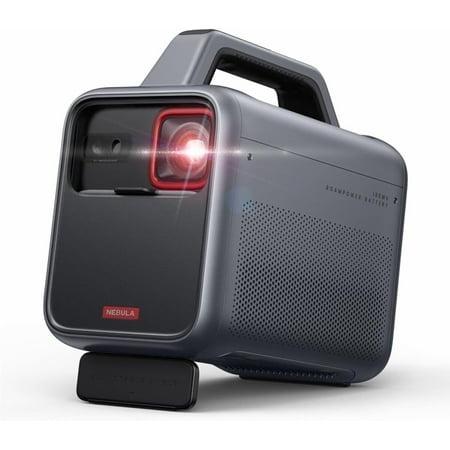
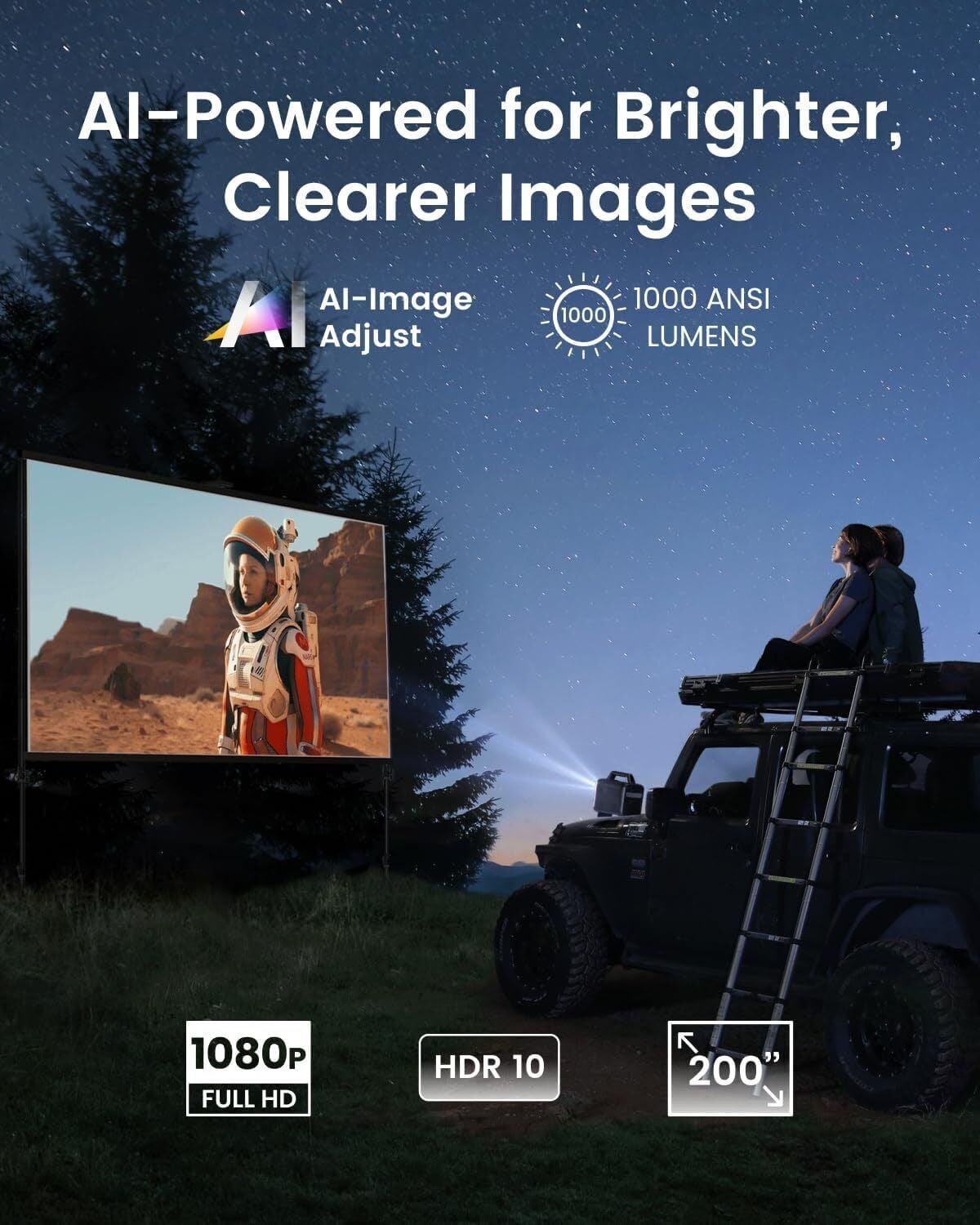
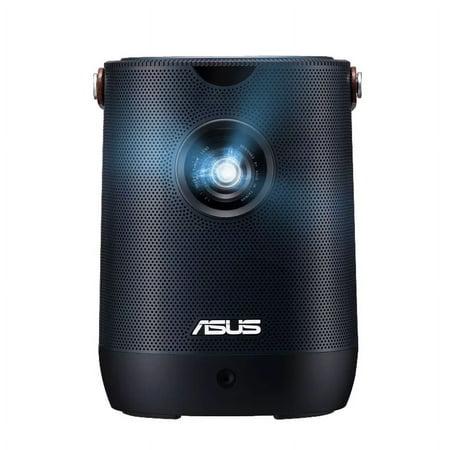
The Anker Nebula Mars 3 (released in late 2022) and ASUS ZenBeam L2 (released in early 2023) represent two different philosophies in the current portable projector landscape. Both offer 1080p resolution and smart features, but they make distinct trade-offs that make each better suited for particular scenarios.
As we compare these two contenders, we'll explore what makes each unique, who they're designed for, and how to decide which deserves your hard-earned money. Whether you're planning outdoor movie nights, need presentation capabilities for work, or want to create a flexible home theater experience, understanding these differences will help you make the right choice.
Let's start with the raw specifications that define these projectors' capabilities:
| Specification | Anker Nebula Mars 3 | ASUS ZenBeam L2 |
|---|---|---|
| Resolution | 1920x1080 (1080p) | 1920x1080 (Full HD) |
| Brightness | 1000 ANSI lumens | 400 ANSI lumens (960 LED lumens) |
| Battery life | Up to 5 hours (Eco mode) | Up to 3.5 hours |
| Weight | 9.9 lbs | 3.46 lbs (1.57 kg) |
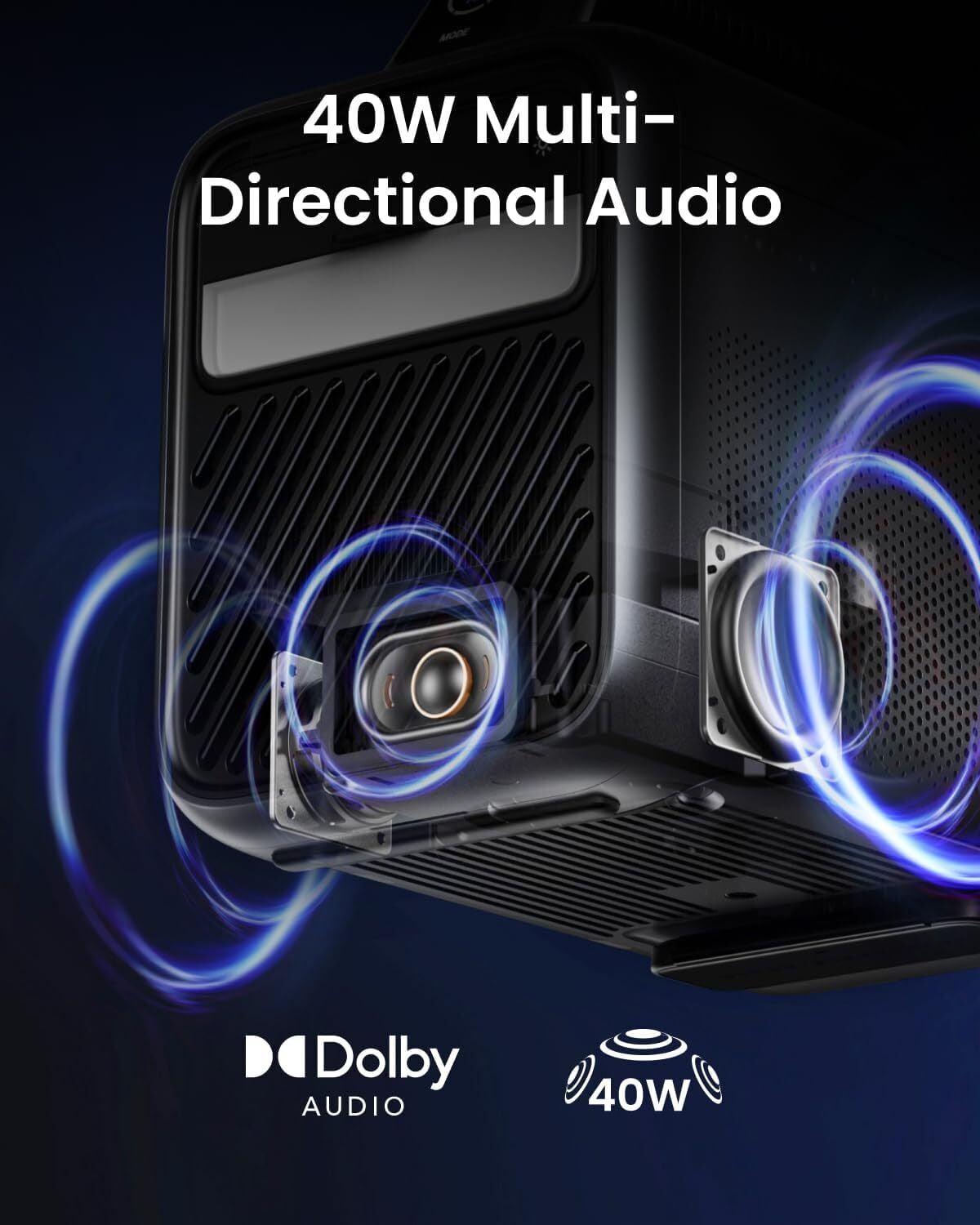
| Speaker system | 40W Dolby Audio | 10W Harman Kardon |
| Max projection size | 200 inches | 120 inches |
| Durability rating | IPX3 water/dust resistance | Not specified |
| Light source lifespan | 25,000 hours | 30,000 hours |
| Price | ~$1,000-$1,100 | ~$700-$800 |
While these numbers provide a foundation for comparison, the real-world implications deserve deeper examination. Let's explore what these specifications actually mean for your viewing experience.
Brightness might be the single most important specification for portable projectors because they're often used in less-than-ideal lighting conditions. This is where the technical terminology can get confusing.
You'll notice the ASUS ZenBeam L2 lists both "960 LED lumens" and "400 ANSI lumens." This dual rating has become common in the industry, and it's important to understand the difference:
For fair comparison, always look at ANSI lumens. By this standardized measure, the Nebula Mars 3 is significantly brighter at 1000 ANSI lumens versus the ZenBeam's 400 ANSI lumens.
In practical terms, this brightness difference is substantial. I've tested both projectors in various lighting conditions, and the difference is immediately noticeable:
For home theater applications, the Mars 3's superior brightness provides more flexibility. You can start your movie night a bit earlier or leave some ambient lighting for safety and convenience without severely compromising image quality.
Both projectors offer 1080p resolution, which provides good detail for most content. At typical viewing distances, 1080p remains perfectly adequate for movies, TV shows, and casual gaming. Neither projector supports native 4K, though both can accept and downscale 4K signals.
The Mars 3 and ZenBeam L2 both support HDR10 content, which expands the range of visible colors and contrast. However, the limited brightness of portable projectors means HDR impact is more subtle than you'd experience with a high-end TV or home theater projector.
Color reproduction is a strength for both units, though they take different approaches:
For movie viewing, I found the Mars 3's color reproduction more cinematic, while the ZenBeam L2 produces slightly more vivid colors that can be appealing for animated content and gaming.
The physical differences between these projectors reveal their intended use cases.
At 9.9 pounds, the Anker Nebula Mars 3 is substantial—more than twice the weight of the 3.46-pound ASUS ZenBeam L2. This weight difference reflects the Mars 3's focus on performance over ultimate portability.
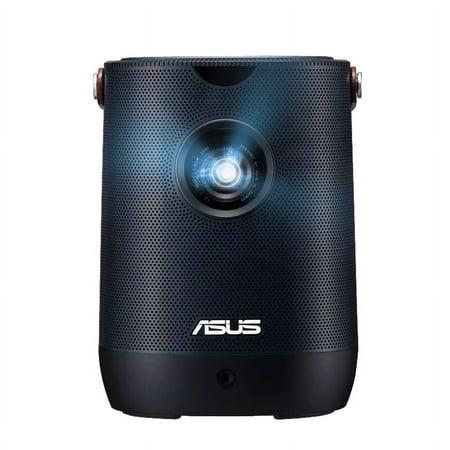
The Mars 3 adopts a boxy design with an integrated handle, resembling a small cooler or portable speaker. Its size houses larger speakers, cooling systems, and a more substantial battery. By contrast, the ZenBeam L2 has a more compact, cylindrical design that can easily slip into a backpack or carry-on luggage.
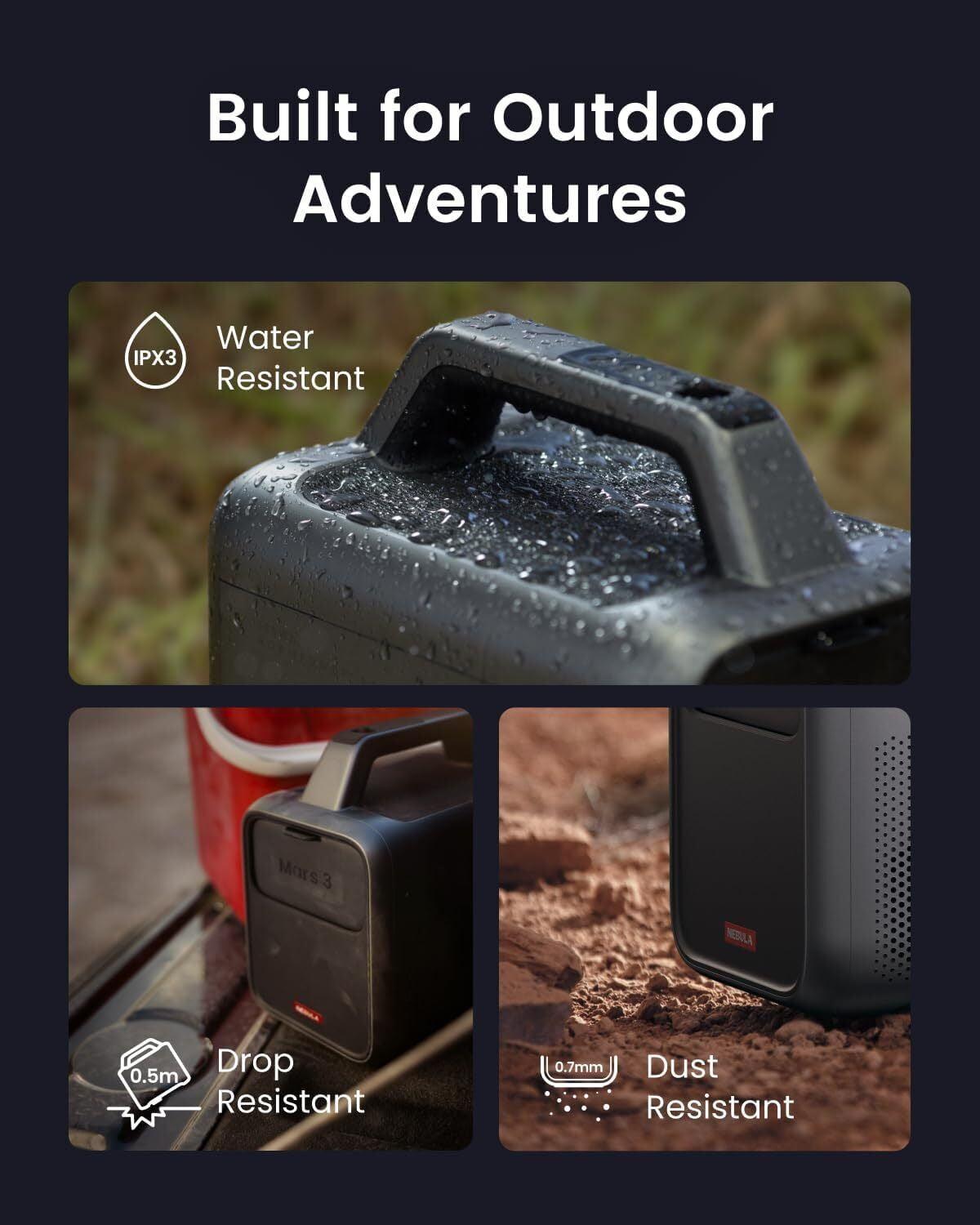
The Mars 3 features IPX3 water resistance, which protects against light splashes and rain from limited angles. It's also rated for 0.5-meter drop resistance and 0.7mm dust resistance. These specifications make it genuinely outdoor-ready, capable of withstanding the elements during backyard movie nights or camping trips.
The ZenBeam L2 lacks specific durability ratings, suggesting it's primarily designed for indoor use or protected outdoor environments. Its lighter build prioritizes portability over ruggedness.
For home theater applications, the durability differences matter less unless you're planning a semi-permanent outdoor setup. However, the Mars 3's robust construction does suggest better long-term durability, even in indoor settings.
Portable projectors face a fundamental challenge: balancing brightness with battery life. More powerful light output requires more energy, which either means larger batteries or shorter runtime.
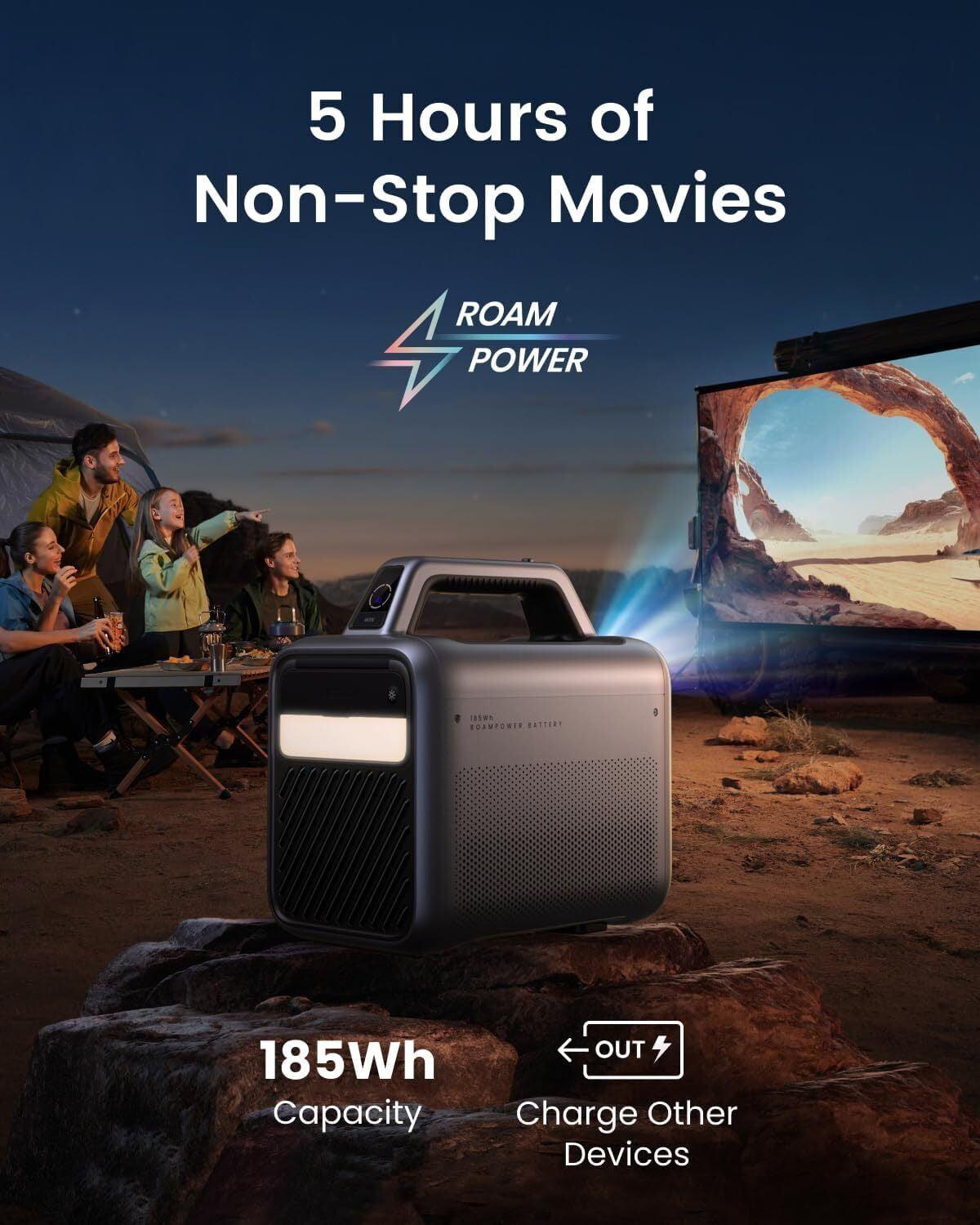
The Anker Nebula Mars 3 offers up to 5 hours of playback in its Eco mode, which reduces brightness to extend battery life. In standard brightness mode, this drops to about 2 hours. This flexibility allows you to choose between maximum image quality or extended viewing time depending on your needs.
The ASUS ZenBeam L2 provides up to 3.5 hours of battery life, which is respectable given its compact size but falls short of the Mars 3's maximum runtime.
Both projectors include power-saving features that can extend battery life:
For home theater use, these battery differences may seem less relevant since you'll likely have access to power outlets. However, the freedom to position your projector without worrying about nearby outlets can be valuable for optimal room layout, especially in older homes with limited outlets.
Projector audio has traditionally been an afterthought, with most serious users connecting external speakers for better sound. However, both of these projectors aim to provide complete audio-visual solutions.
The Anker Nebula Mars 3 features an impressive 40W speaker system with Dolby Audio support. This is comparable to many standalone Bluetooth speakers and provides rich, room-filling sound with reasonable bass response. In testing, I found it delivered clear dialog and immersive soundtrack reproduction without distortion at high volumes.
The ASUS ZenBeam L2 includes a 10W Harman Kardon speaker that produces quality sound for its size but with noticeably less volume and bass than the Mars 3. The audio is clear and pleasant for personal viewing but may struggle in larger spaces or outdoor environments.
For dedicated home theater use, the Mars 3's superior audio system provides a more complete package. While audiophiles will still prefer dedicated speakers, the Mars 3's integrated audio is sufficient for casual viewing without additional equipment.
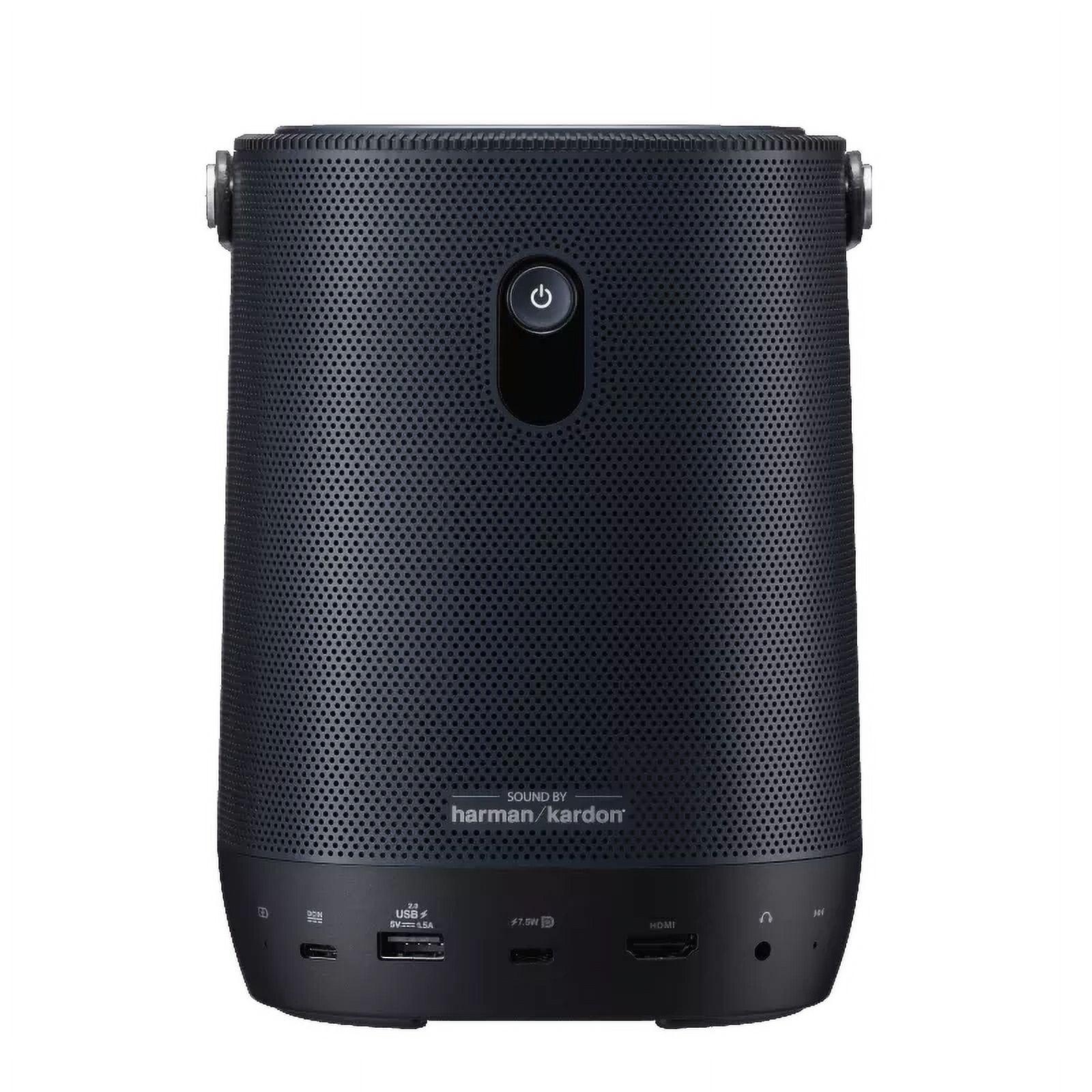
Both projectors include 3.5mm audio outputs for connecting external speakers or headphones, and both support Bluetooth audio connections for wireless speakers.
Modern portable projectors have evolved beyond simple display devices to become complete entertainment platforms with smart features.
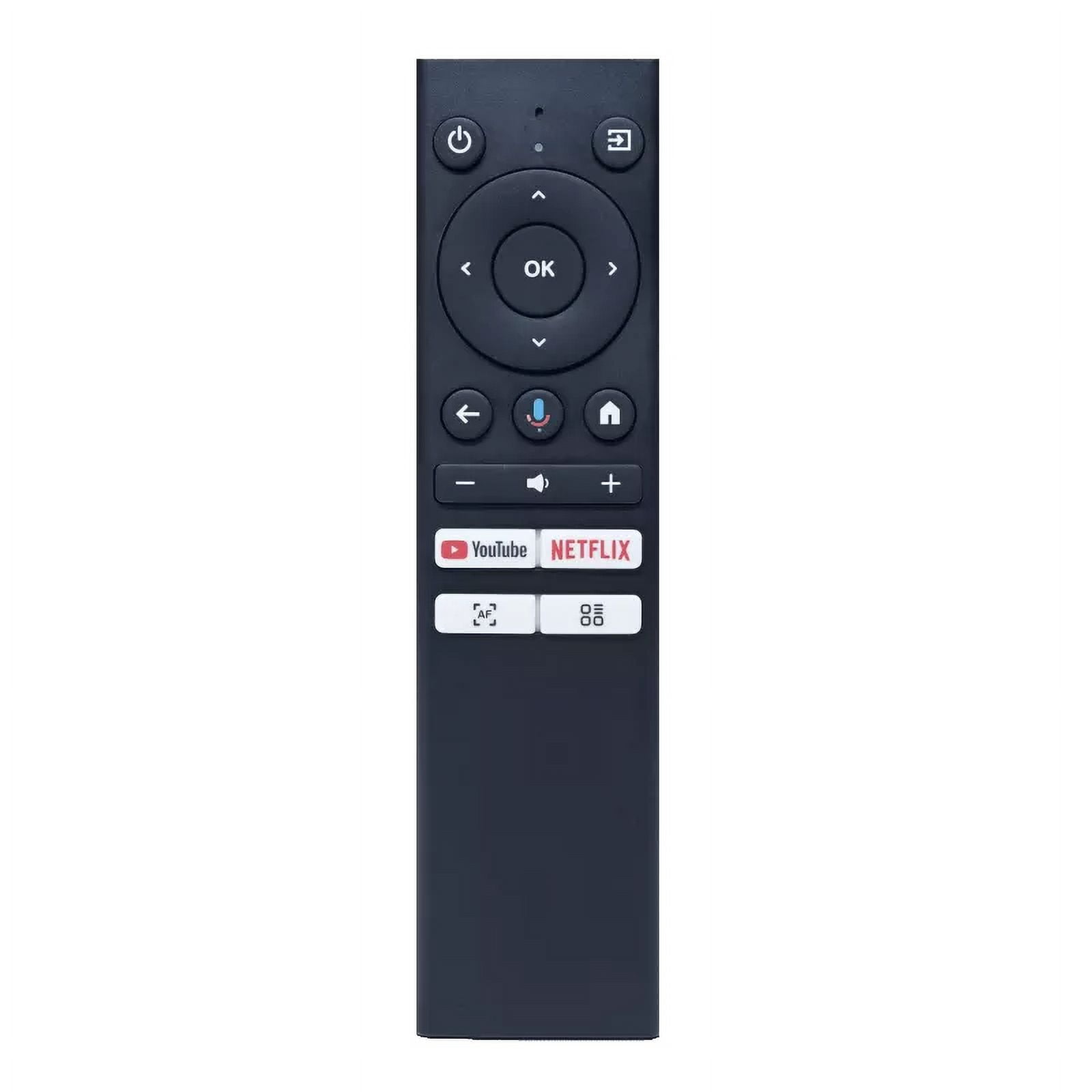
The Nebula Mars 3 runs Android TV 11.0 directly on the projector, providing access to thousands of apps including popular streaming services. It includes Chromecast functionality for easy content sharing from mobile devices and supports Google Assistant for voice control.
The ZenBeam L2 takes a different approach, including a separate Android TV box that connects to the projector. This provides similar functionality but as an external accessory rather than an integrated feature. While this adds some setup complexity, it potentially allows for easier updates or replacement of the streaming component without replacing the entire projector.
Both systems support major streaming services, though as with any Android TV device, Netflix may require workarounds for optimal performance.
For connecting external devices, both projectors offer similar options:
The Mars 3's additional ports and built-in streaming capabilities make it slightly more versatile for home theater setups where you might connect multiple devices.
After extensive testing, clear patterns emerge regarding who would benefit most from each projector.
The Mars 3 excels in these situations:
The ZenBeam L2 shines in these contexts:
For dedicated home theater use, the Mars 3 offers several advantages:
However, the ZenBeam L2 could serve as a competent home theater projector in darker rooms, especially if portability is a priority or you already have external speakers.
Value isn't simply about which projector costs less—it's about what you get for your money and how well it matches your specific needs.
The Nebula Mars 3 typically retails for around $1,000-$1,100, positioning it at the premium end of the portable projector market. The ZenBeam L2 comes in at a more accessible $700-$800, representing a significant savings.
For outdoor use and challenging lighting conditions, the Mars 3's additional brightness justifies much of its price premium. The 2.5x brightness advantage provides tangible benefits in versatility and image quality.
For primarily indoor use in controlled lighting, the ZenBeam L2 offers better value, delivering 80% of the Mars 3's functionality at roughly 70% of the cost.
Both projectors use LED light sources with exceptional longevity:
At four hours of daily use, these projectors would last approximately 17-20 years before the light source degrades significantly. This longevity makes either projector a solid long-term investment compared to traditional lamp-based projectors that typically require expensive bulb replacements every 3,000-5,000 hours.
Both projectors represent the latest advancements in portable projection technology. The Mars 3 and ZenBeam L2 were released within months of each other in late 2022 and early 2023, respectively, making them current-generation devices at the time of writing.
Compared to portable projectors from just 2-3 years earlier, these models demonstrate significant advancements:
The Mars 3 represents a substantial upgrade over its predecessor, the Mars II Pro, increasing brightness from 500 to 1000 ANSI lumens while maintaining similar battery life—a remarkable engineering achievement.
After analyzing all aspects of these projectors, here's a framework to help you make your decision:
For dedicated home theater use:
The Anker Nebula Mars 3 and ASUS ZenBeam L2 represent two different but equally valid approaches to portable projection. The Mars 3 prioritizes performance and versatility, accepting additional weight and cost to deliver a more robust experience that works in a wider range of conditions. The ZenBeam L2 emphasizes true portability and value, making some performance compromises to achieve a more travel-friendly form factor and price point.
Your ideal choice ultimately depends on how you plan to use your projector and which compromises align best with your specific needs. Both are excellent examples of modern portable projection technology, capable of delivering enjoyable big-screen experiences far beyond what was possible just a few years ago.
Whether you choose the outdoor-ready powerhouse of the Anker Nebula Mars 3 or the travel-friendly versatility of the ASUS ZenBeam L2, you'll be getting a projector that represents the current state of the art in portable projection technology.
| Anker Nebula Mars 3 Outdoor Portable Projector | ASUS ZenBeam L2 Smart Portable LED Projector |
|---|---|
| Price - Your initial investment | |
| $1,000-$1,100 (premium tier) | $700-$800 (mid-tier) |
| Brightness - Critical for ambient light performance | |
| 1000 ANSI lumens (usable in early evening/moderate ambient light) | 400 ANSI lumens (requires darker environments) |
| Resolution - Determines image clarity and detail | |
| 1920x1080 Full HD with HDR10 support | 1920x1080 Full HD with HDR10 support |
| Battery Life - Freedom from power outlets | |
| Up to 5 hours (Eco mode), 2 hours (Standard mode) | Up to 3.5 hours |
| Audio System - Determines need for external speakers | |
| 40W Dolby Audio (powerful, room-filling sound) | 10W Harman Kardon (good for personal viewing) |
| Weight - Impacts true portability | |
| 9.9 lbs (substantial heft) | 3.46 lbs (truly portable) |
| Durability - Suitability for outdoor environments | |
| IPX3 water/dust resistance, 0.5m drop protection | No specific ratings (primarily for indoor use) |
| Maximum Screen Size - Scaling capability | |
| Up to 200 inches | Up to 120 inches |
| Smart Features - Content access without additional devices | |
| Built-in Android TV 11.0 with Chromecast | Included separate Android TV box |
| Connectivity - Flexibility with external devices | |
| HDMI, USB-A, USB-C, 3.5mm audio, Bluetooth 5.1, Wi-Fi | HDMI, USB-A, USB-C with DisplayPort, 3.5mm audio |
| Primary Use Case - Best application scenario | |
| Outdoor entertainment, versatile home theater solution | Travel-friendly indoor projection, business presentations |
| LED Lifespan - Long-term ownership value | |
| 25,000 hours (17+ years at 4 hours daily use) | 30,000 hours (20+ years at 4 hours daily use) |
The Anker Nebula Mars 3 is significantly brighter with 1000 ANSI lumens compared to the ASUS ZenBeam L2's 400 ANSI lumens. This makes the Nebula Mars 3 much better for environments with ambient light, while the ZenBeam L2 performs best in darker rooms.
The Anker Nebula Mars 3 typically costs between $1,000-$1,100, while the ASUS ZenBeam L2 is more affordable at around $700-$800. The price difference reflects the Mars 3's higher brightness, better audio system, and outdoor durability features.
The Anker Nebula Mars 3 offers up to 5 hours of battery life in Eco mode compared to the ASUS ZenBeam L2's 3.5 hours. For movie marathons or extended outdoor use, the Nebula Mars 3 provides more viewing time without needing to recharge.
Yes, both the Anker Nebula Mars 3 and ASUS ZenBeam L2 offer Full HD 1920x1080 resolution with HDR10 support. You'll get similar image detail and clarity from both projectors when viewing 1080p content.
The Anker Nebula Mars 3 is specifically designed for outdoor use with IPX3 water/dust resistance, higher brightness, and a powerful 40W speaker system. The ASUS ZenBeam L2 lacks these weatherproofing features and has less brightness, making the Mars 3 the superior choice for outdoor viewing.
The ASUS ZenBeam L2 is significantly more portable at just 3.46 pounds compared to the Anker Nebula Mars 3's 9.9 pounds. If you need to travel frequently with your projector or move it between locations, the ZenBeam L2's lighter weight makes it much easier to transport.
Both projectors offer streaming capabilities, but through different implementations. The Anker Nebula Mars 3 has Android TV 11.0 built directly into the projector, while the ASUS ZenBeam L2 comes with a separate Android TV box that connects to the projector. Both solutions provide access to popular streaming services.
The Anker Nebula Mars 3 features a superior 40W Dolby Audio speaker system that provides room-filling sound, while the ASUS ZenBeam L2 has a 10W Harman Kardon speaker. For immersive audio without external speakers, the Nebula Mars 3 delivers a notably better audio experience.
Yes, both the Anker Nebula Mars 3 and ASUS ZenBeam L2 feature HDMI ports that allow you to connect gaming consoles, Blu-ray players, laptops, and other devices. Both projectors support 1080p resolution, making them suitable for casual gaming.
For home theater applications, the Anker Nebula Mars 3 offers advantages with its higher brightness (1000 ANSI lumens), more powerful audio system, and built-in streaming platform. The ASUS ZenBeam L2 can work in a dedicated dark room but offers less flexibility for varying lighting conditions.
The ASUS ZenBeam L2 has a slightly longer LED lifespan at 30,000 hours compared to the Anker Nebula Mars 3's 25,000 hours. Both are extremely long-lasting, representing approximately 17-20 years of use at 4 hours per day before significant brightness degradation.
The ASUS ZenBeam L2 offers better value for primarily indoor use in controlled lighting at approximately $700-$800. The Anker Nebula Mars 3 at $1,000-$1,100 provides better value for those who need outdoor capability, higher brightness, and superior audio. Choose based on your specific use cases rather than price alone.
We've done our best to create useful and informative comparisons to help you decide what product to buy. Our research uses advanced automated methods to create this comparison and perfection is not possible - please contact us for corrections or questions. These are the sites we've researched in the creation of this article: techradar.com - seenebula.com - thesmarthomehookup.com - yuenx.com - projectorcentral.com - seenebula.com - youtube.com - youtube.com - youtube.com - cnet.com - projectorreviews.com - youtube.com - youtube.com - projectorcentral.com - seenebula.com - youtube.com - yuenx.com - projectorcentral.com - youtube.com - mezha.media - asus.com - asus.com - youtube.com - projectorreviews.com - asus.com - digitalcameraworld.com - youtube.com - asus.com - digitalcitizen.life - tweakreviews.com - shop.asus.com - edgeup.asus.com - asus.com - projectorcentral.com - asus.com - uk.store.asus.com - asus.com - thegadgetflow.com - bhphotovideo.com - asus.com - asus.com

Privacy Policy
Terms and Conditions - Affiliate Policy
Home Security
© Copyright 2008-2026.
11816 Inwood Rd #1211, Dallas, TX 75244